





Magnetic-Core Memory
Audio Guide

|
|

|
|
 Magnetic core memory was the predominant form of random access computer memory for 20 years between about 1955 and 1975. Such memory is often called simply base memory. Main memory uses toroids (rings) of a hard magnetic material (usually a semi-hard ferrite) as the core of the transformer. Each core stores one bit of information. A core can be magnetized clockwise or counterclockwise. The bit value stored in a core is zero or one depending on the magnetization direction of that core. Pulses of electric current in some wires through a core allow you to set the direction of magnetization in that core in either direction, thus storing either a zero or a zero. Another wire through each core, the sense wire, is used to detect if the core has changed state. The core reading process causes the core to be reset to zero, thereby erasing it. This is called destructive reading. When not read or written, the cores retain the last value they had, even if the power is off. Therefore they are, a type of non-volatile memory.
.png)
.png)
.png) Here you can see our rare vintage ferrite core memory module with a capacity of 150 bits (18,75 byte), if we use 100 of these panels we will have 1,875 kbytes. Ferrite core memory was widely used in the 1950s and 1960s and is prized for its durability and reliability. Ferrite core memory works on a fascinating principle: data is stored by tiny magnetic cores. One of the most unique features of ferrite core memory is its non-volatility. Once data is written, the cores retain the information without requiring constant power.
Here you can see our rare vintage ferrite core memory module with a capacity of 150 bits (18,75 byte), if we use 100 of these panels we will have 1,875 kbytes. Ferrite core memory was widely used in the 1950s and 1960s and is prized for its durability and reliability. Ferrite core memory works on a fascinating principle: data is stored by tiny magnetic cores. One of the most unique features of ferrite core memory is its non-volatility. Once data is written, the cores retain the information without requiring constant power.
Wikipedia Magnetic Core Memory

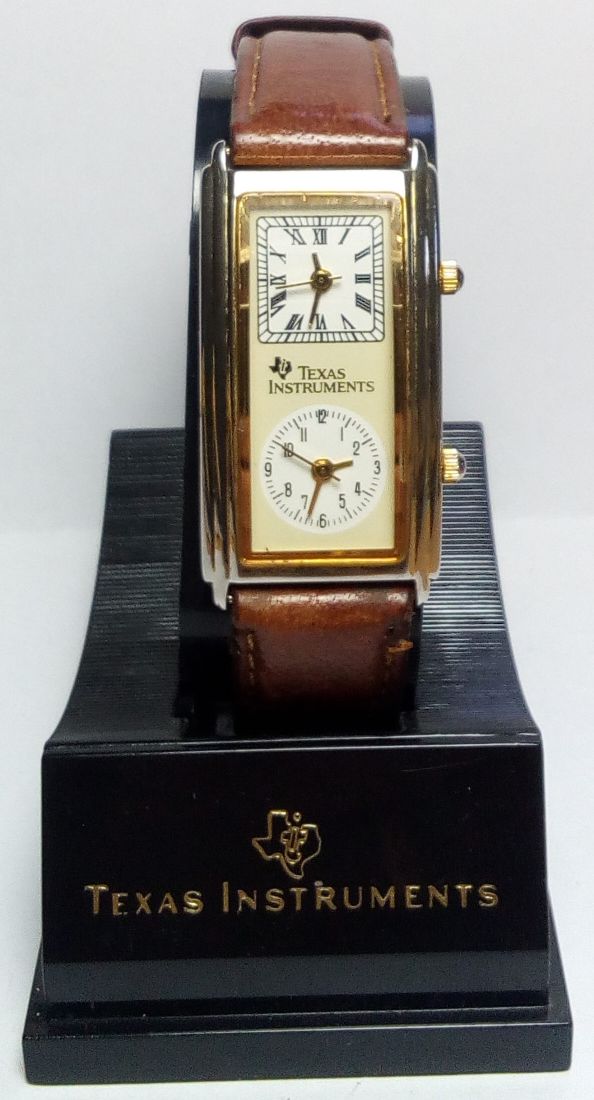
.jpg "Core Module Watch")

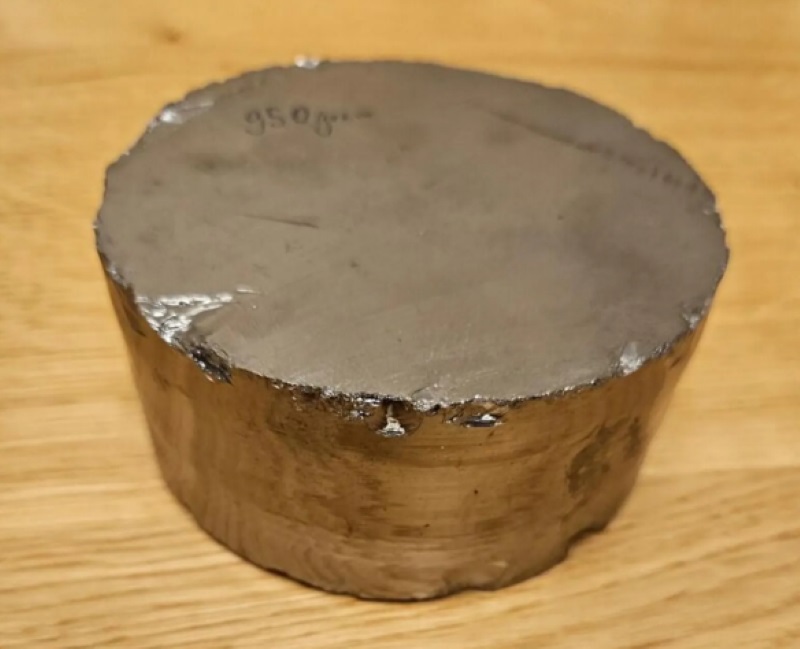

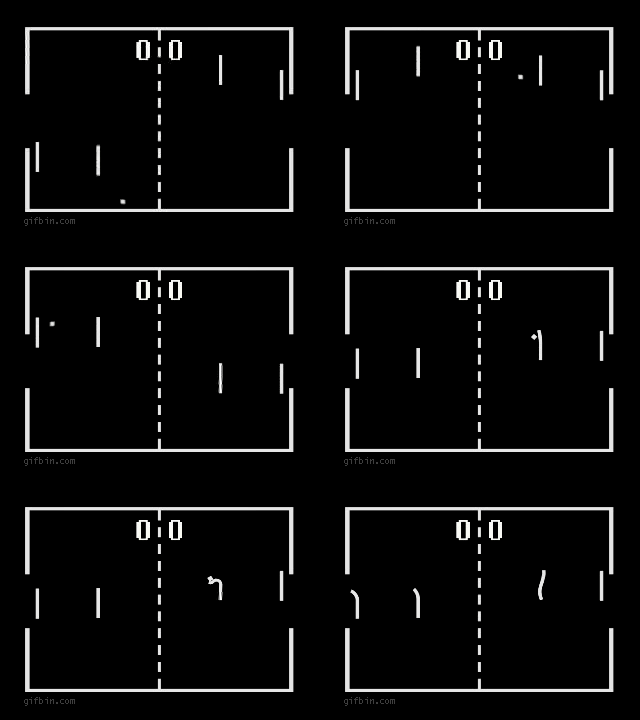
.jpg "APPLE")
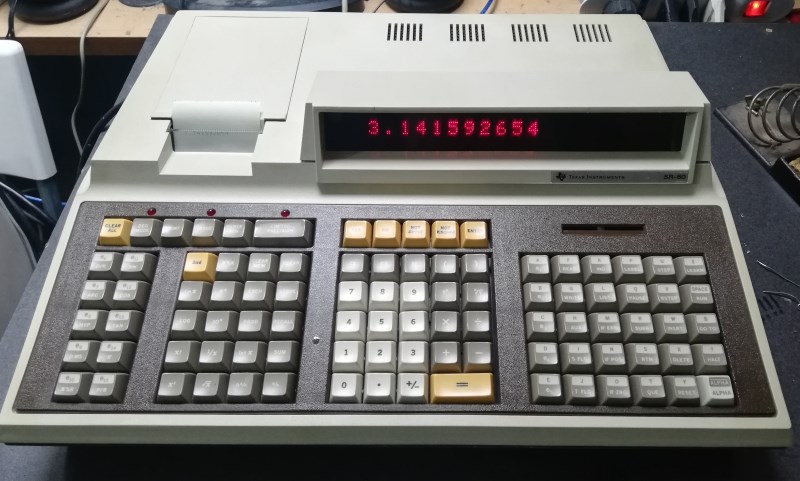
.jpg "Calculator Fuller")

.jpg "Console / Games")
.jpg "Olivetti Valentine")
.jpg "Battle Star Galactica")


.png)