
Games w/ chip TI
.jpg)
.jpg)
Model: Simon
Battery: 1 x 9 volt
AC adapter:
Year: 1978
Chip: TMS1000 / MP3226
Info:The Simon is an electronic game of short-term memory skill invented by Ralph H. Baer and Howard J. Morrison, working for toy design firm Marvin Glass and Associates, with software programming by Lenny Cope. The device creates a series of tones and lights and requires a user to repeat the sequence. If the user succeeds, the series becomes progressively longer and more complex. Once the user fails or the time limit runs out, the game is over. The original version was manufactured and distributed by Milton Bradley and later by Hasbro after it took over Milton Bradley. Much of the assembly language code was written by Charles Kapps, who taught computer science at Temple University and also wrote one of the first books on the theory of computer programming. Simon was launched in 1978 at Studio 54 in New York City and was an immediate success, becoming a pop culture symbol of the 1970s and 1980s.


 Model: Star Trekulator
Battery: 4 x AA
AC adapter:
Year: 1976
Chip: TMS0855
Info:Vintage Mego Corporation 1976 Star Trek The Original Series Star Trekulator Electronic Calculator Of The Future. Released by Mego Corporation in 1976 as part of their series of Star Trek Toys and Action Figures. This fantastic Star Trekulator is a working replica of the calculator used aboard the USS Enterprise. It adds, subtracts, divides, multiples, figures square root and percentages at the flick of a switch. Watch the console flash the computer lights on the bridge of the Enterprise as you work. Great for homework and all your important calculations. Every time you press the total button, your answerappears on the display screen accompanied by Star Trek alarm sounds. A winner any way you add it up.
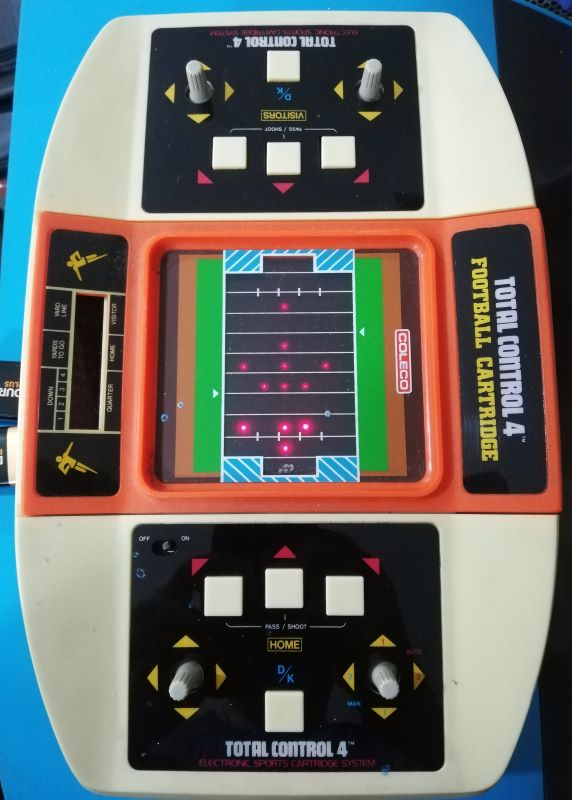
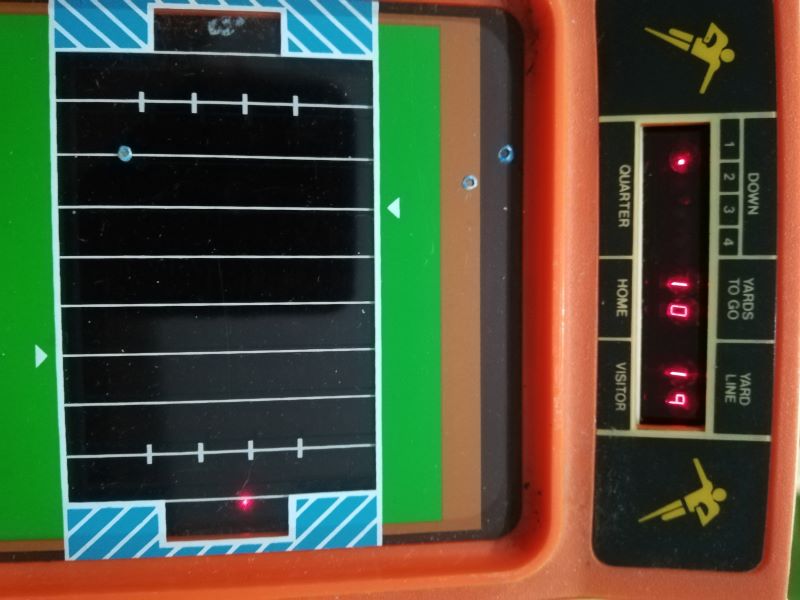
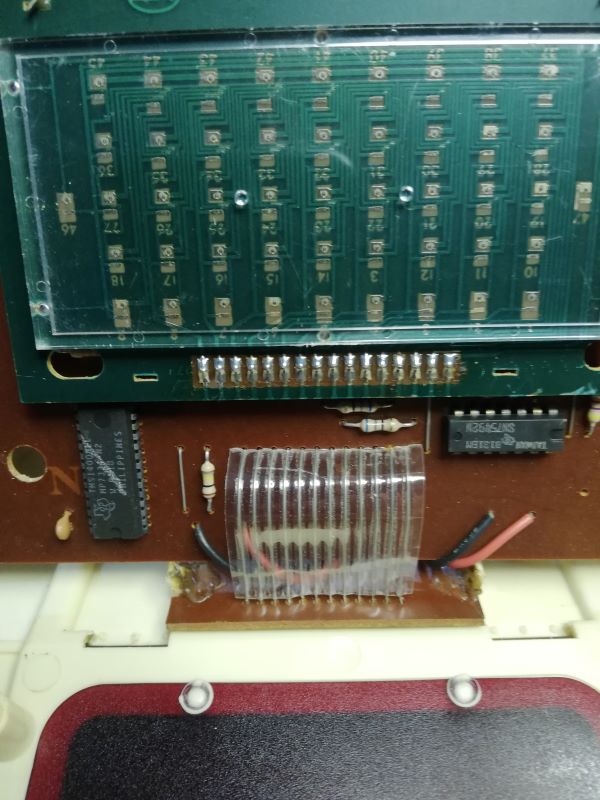
Model: Total Control 4
Battery: 2 x 9 volt battery
AC adapter:
Year: 1981
Chip: TMS1400 / MP7334
Info:Colecos Total Control 4 is a simple Tabletop, offering a range of multiplayer games with a sport-focus through various "cartridges". These cartridges actually do not contain any ROM or the like, but just some soldered path manipulating the LED-output on the tabletop. The "cartridges" serve as overlays as well.
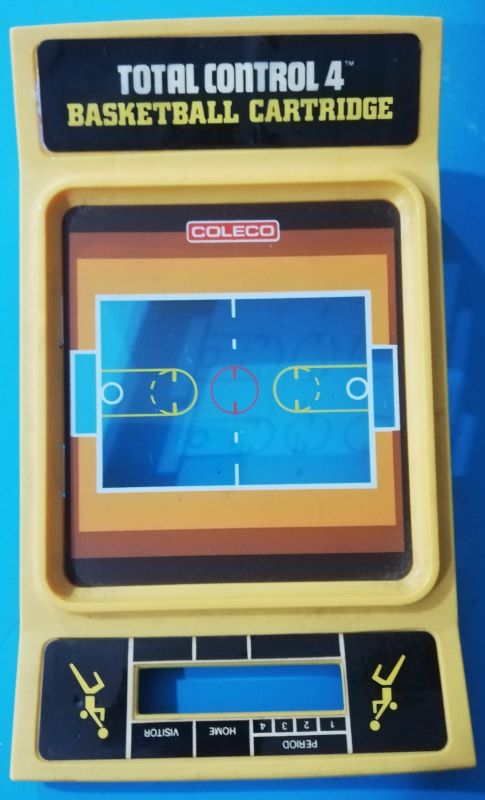
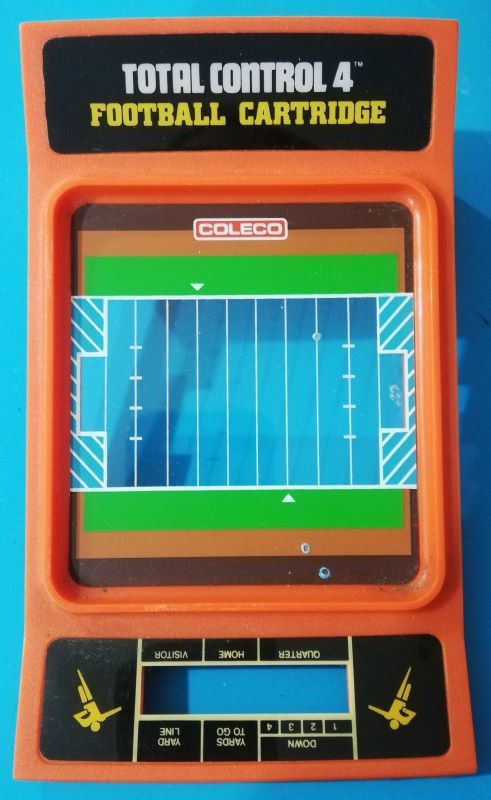
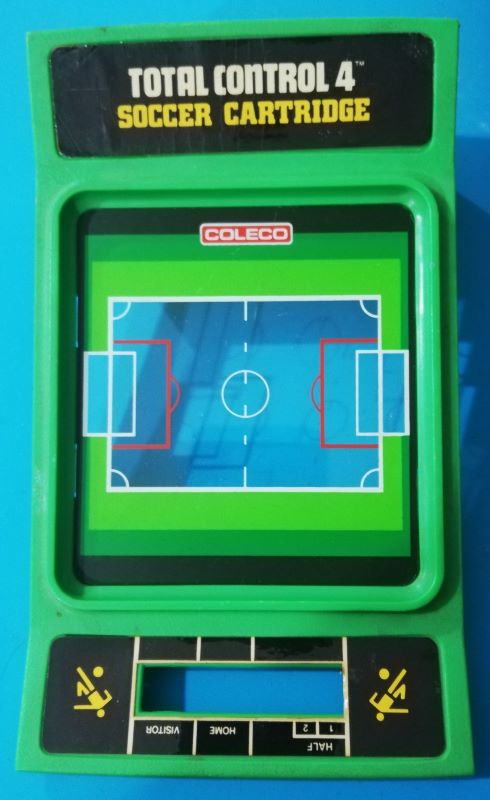
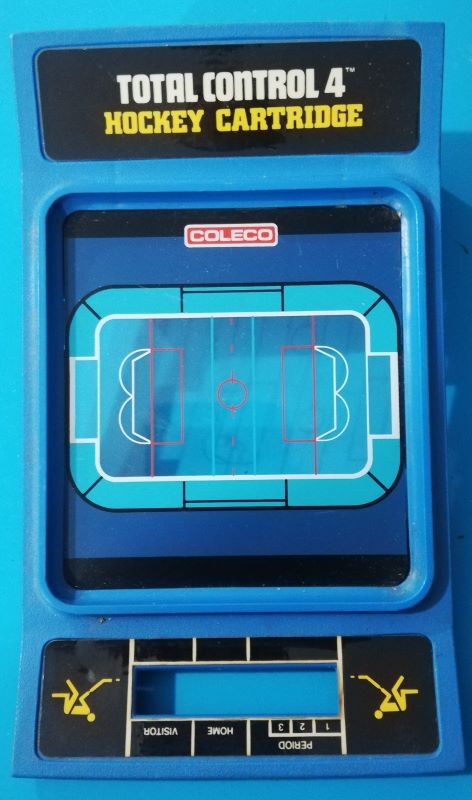


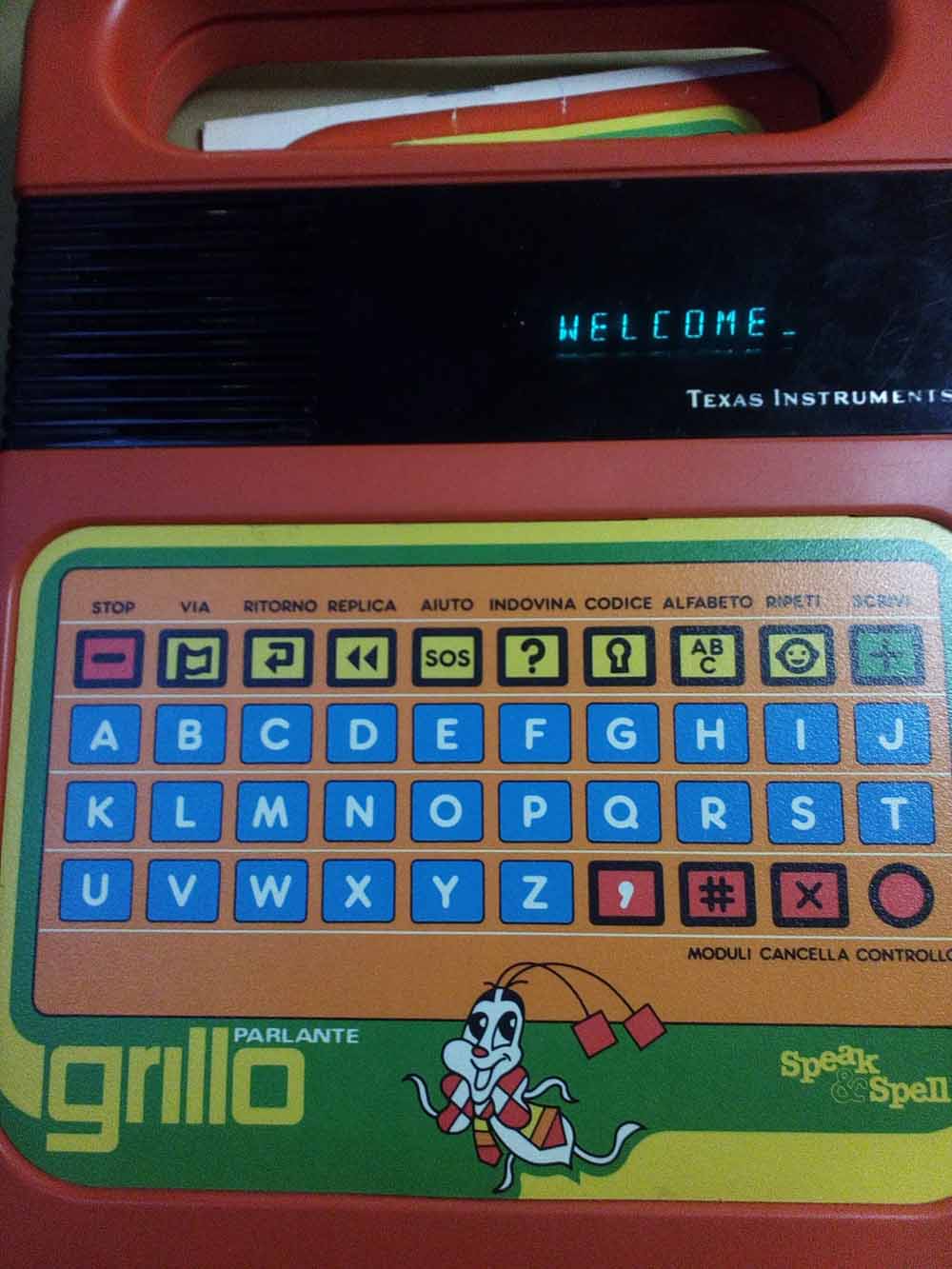
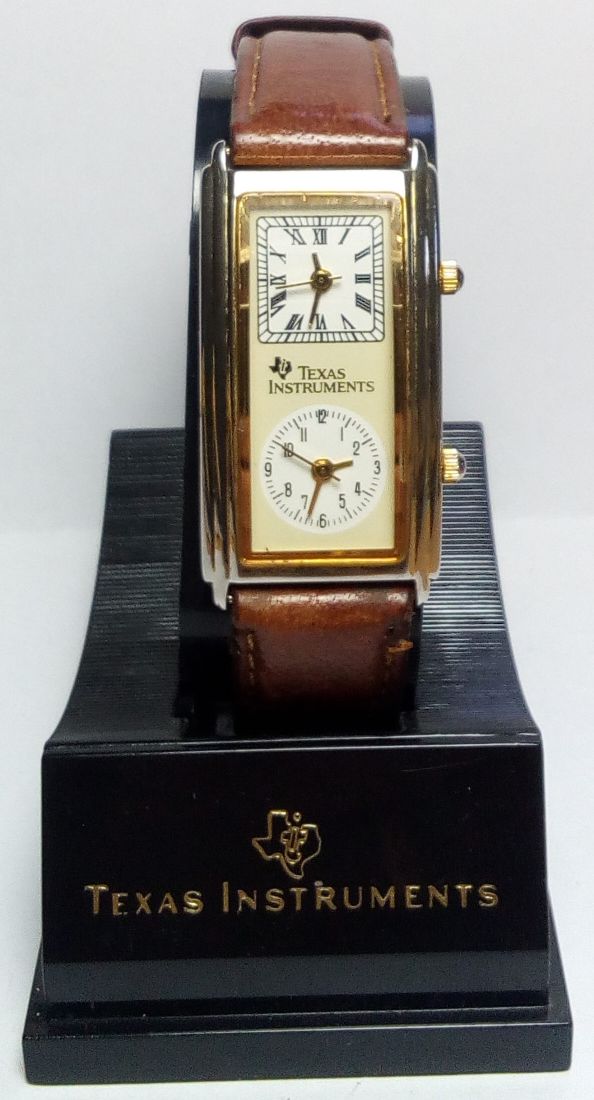
.jpg "Core Module Watch")

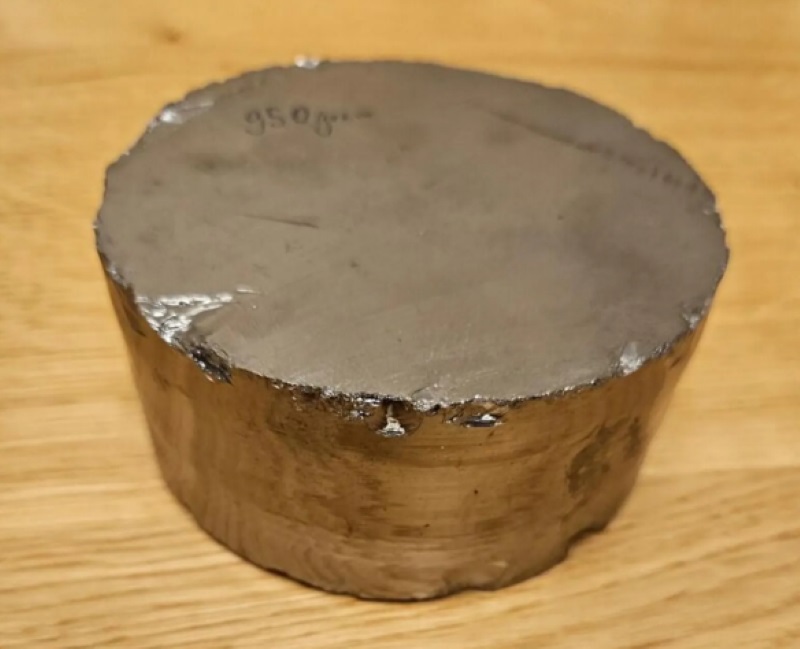

.jpg "APPLE")
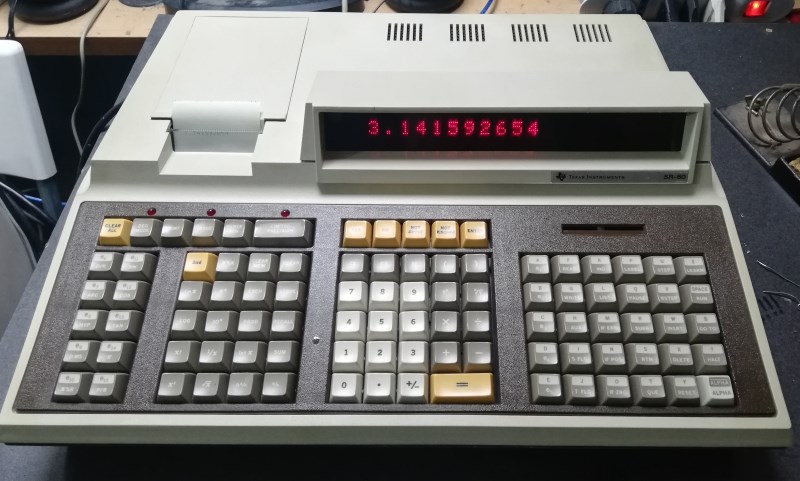
.jpg "Calculator Fuller")

.jpg "Console / Games")
.jpg "Olivetti Valentine")
.jpg "Battle Star Galactica")


.png)