
Calculators w/ chip TI
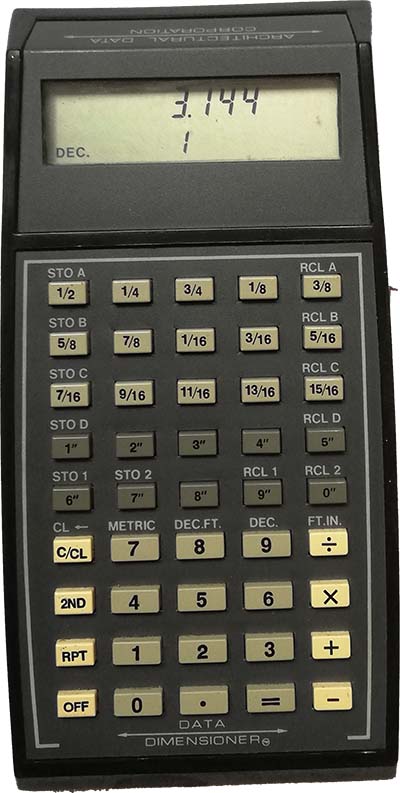 Model: Architectural Data Corp Data Dimensioner
Battery: 3 x ni-cd AA
AC adapter: ?
Year: 1985
Chip: TI ADC1984C / C11202NL / uPD7225G
Info: Architectural Data Corp introduced in 1984 with the Data Dimensioner ® an innovative product to calculate with mixed dimensions such as feet, inches, fractions and convert them to their metric or decimal equivalents.
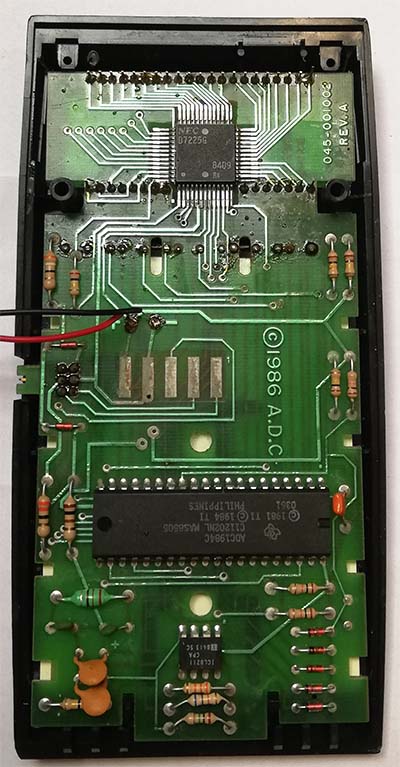
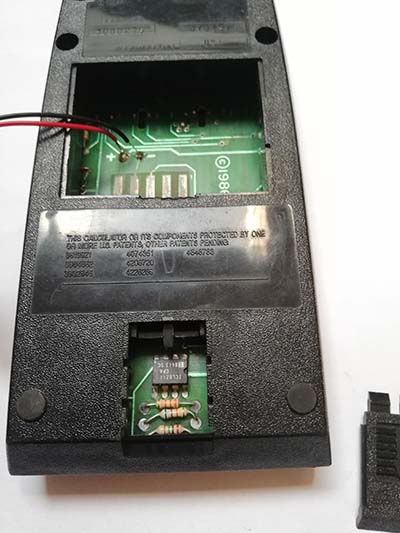 Main components on the PCB are a Texas Instruments single-chip microcontroller with the markings ADC1984C and C11202NLsupported by a standard LCD driver NEC uPD7225G. Architectural Data Corp replaced the complete electronics of the TI-58C calculator and swapped the power hungry LED-Display with a then state-of-the-art LC-Display with two lines and alphanumerical font.
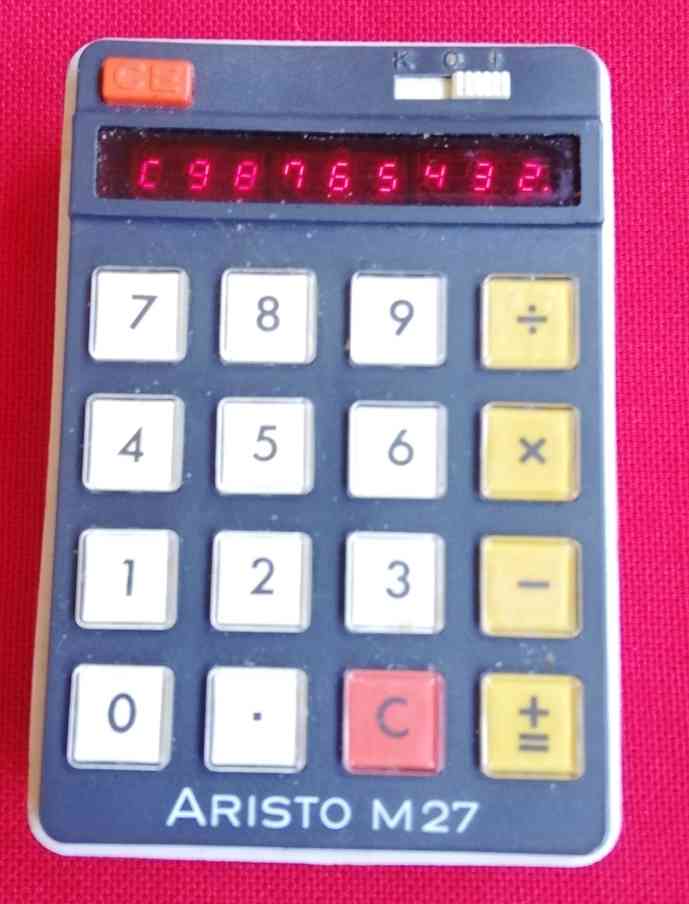 Model: M27 version 2
Battery: 5 x AA cells
AC adapter:
Year: 1973
Chip: TMS0105NL
Info: Version 1: Rectangular design, no CE key / Version 2: Rectangular design, red CE key / Version 3: Rounded design, red CE key. Made in Germany
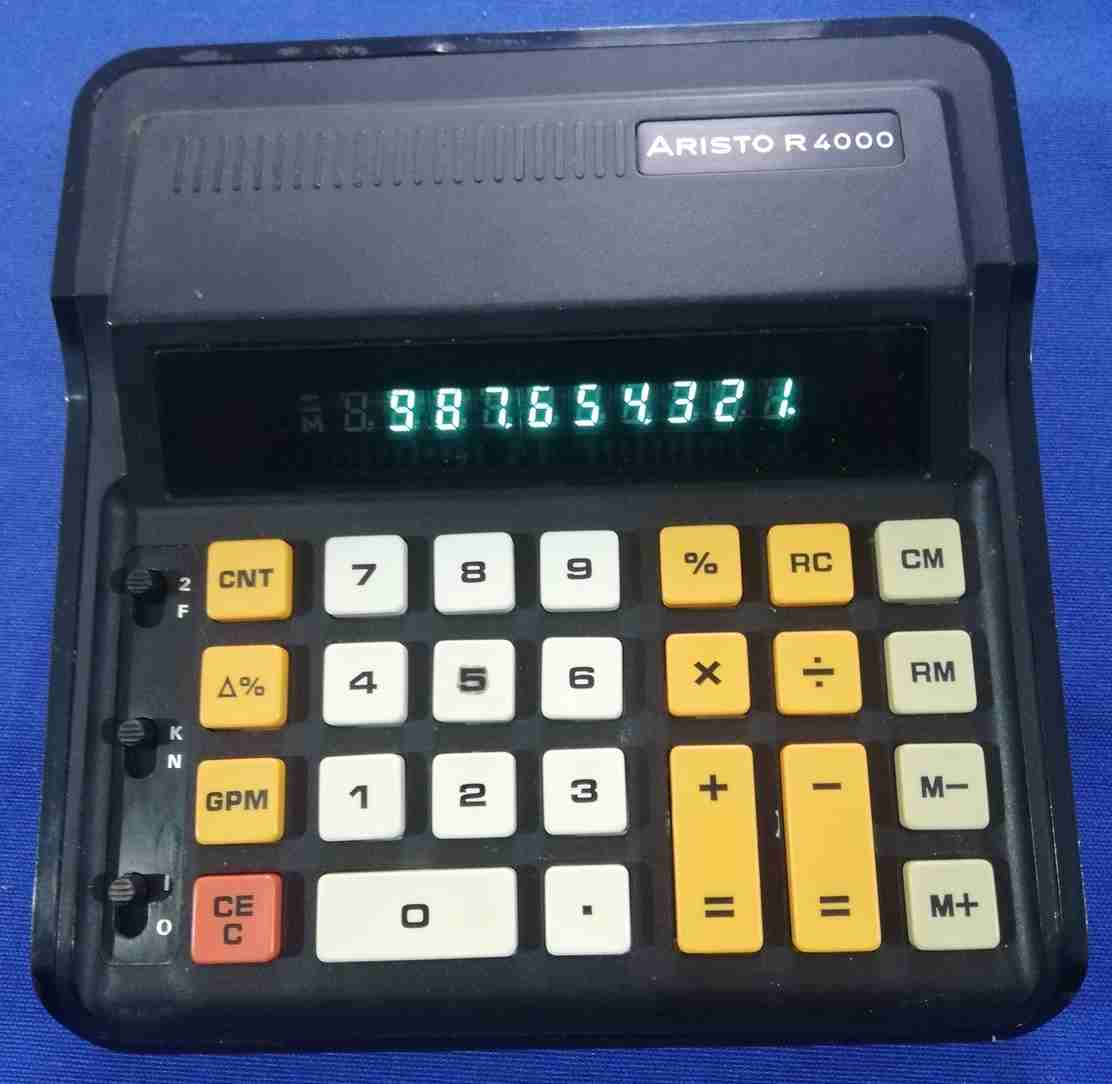
 Model: R-4000
Battery: 2 x D cells
AC adapter:
Year: 1978
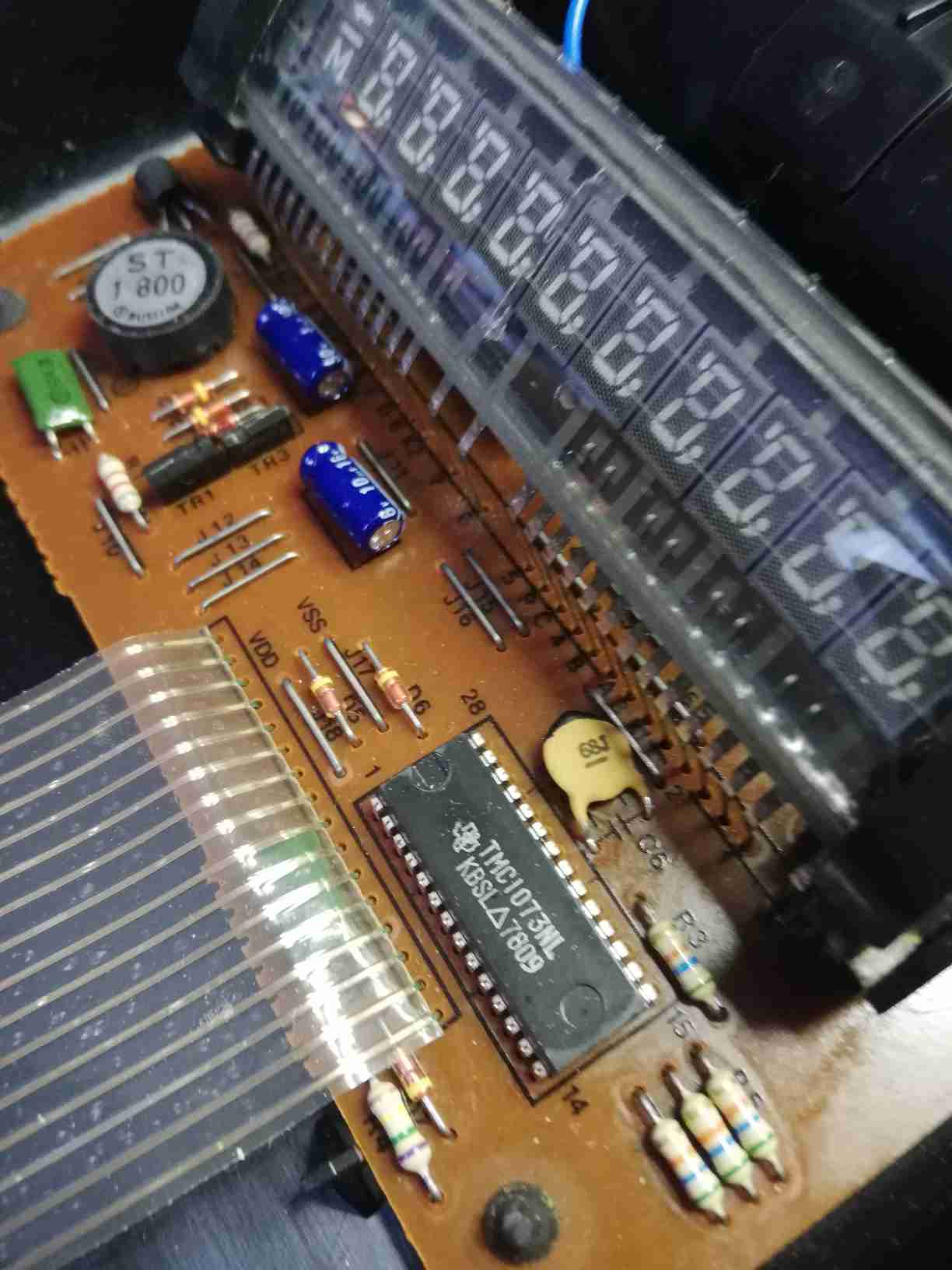
Chip: TMS1073NL
Info: made in Germany
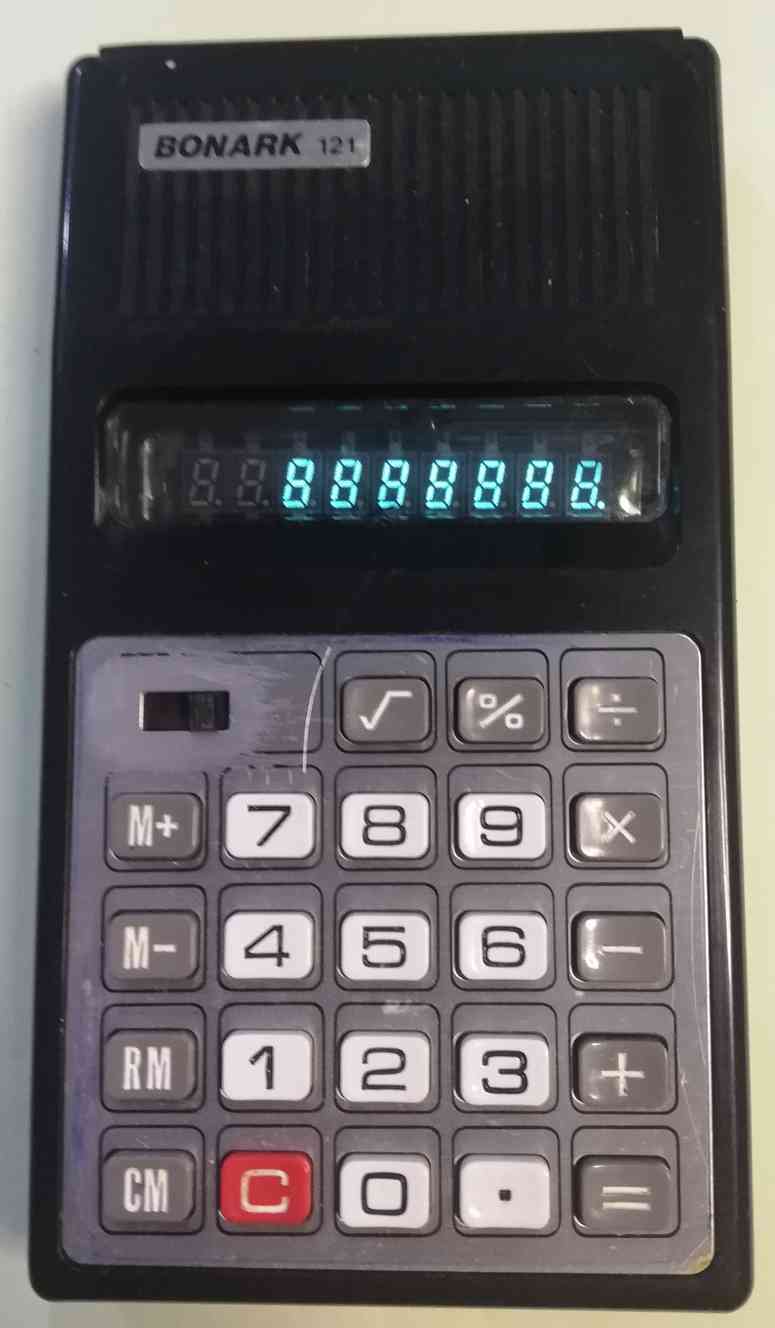 Model: Bonark 121
Battery: 2 x AA
AC adapter:
Year: 1977
Chip: TMC1044NL
Info:
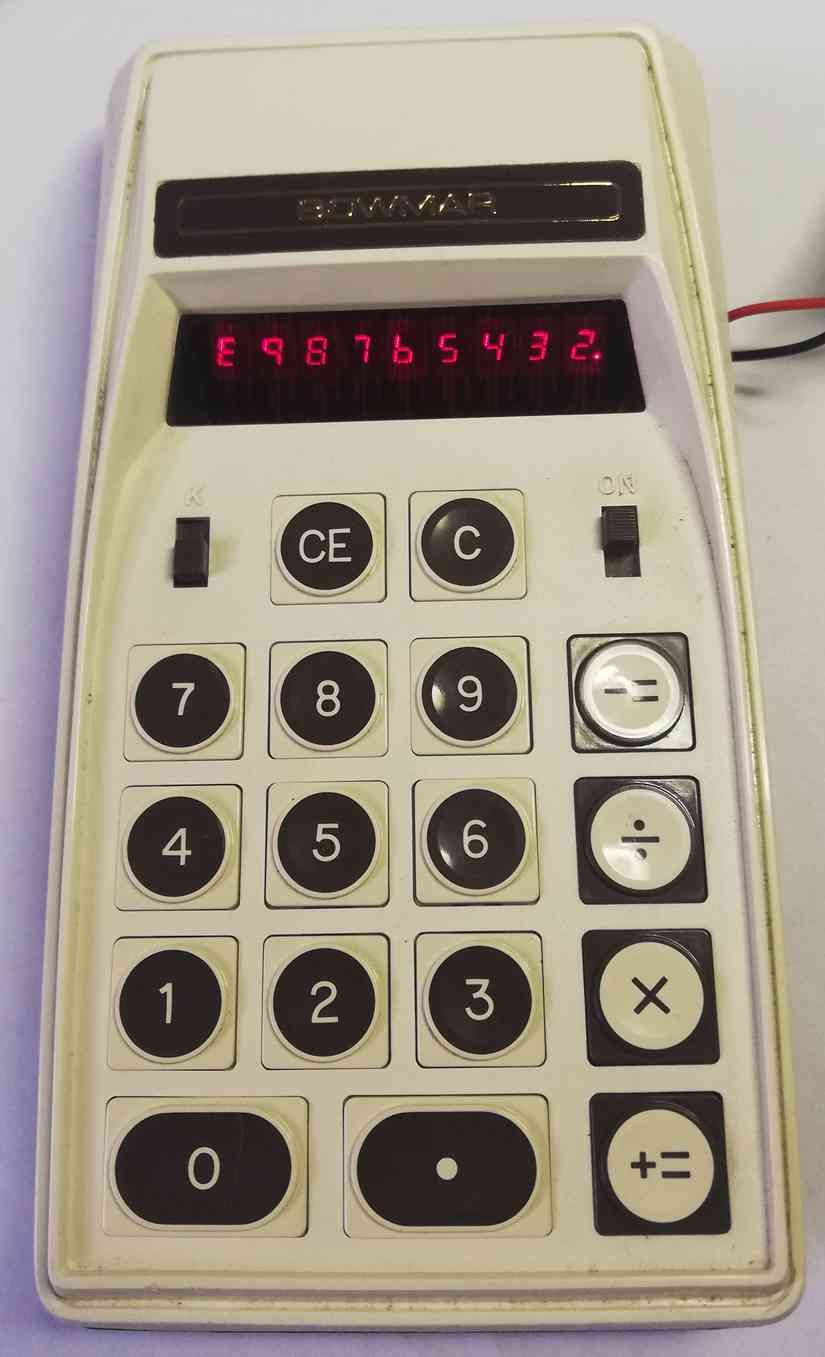 Model: 905
Battery: 3 x 1,2 ni-cd
Adapter: 6 volt AC
Year: 1973
Chip: TMS0103NC
Info:
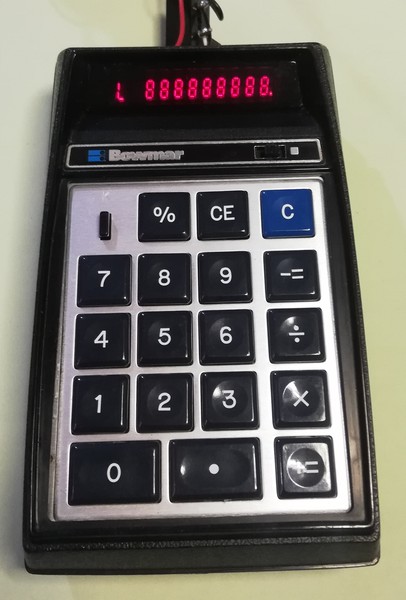
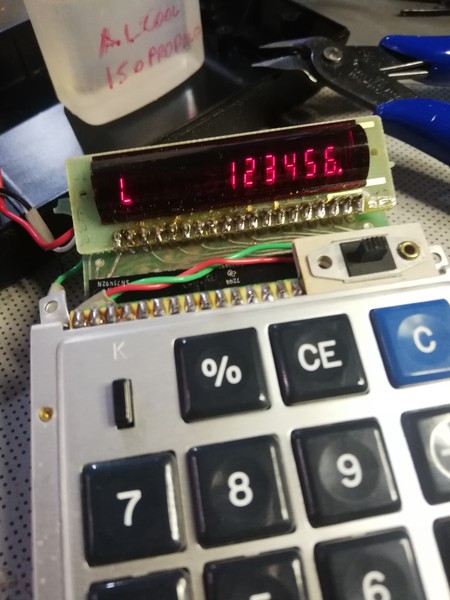
Model: MX-80
Battery: 6 x 1,2 ni-cd
Adapter: 14 vac
Year: 1973
Chip: TMS0127NC
Info:
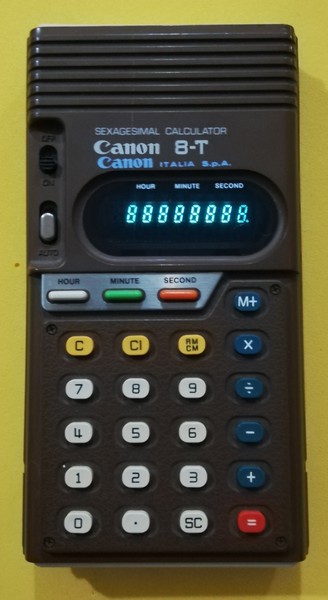
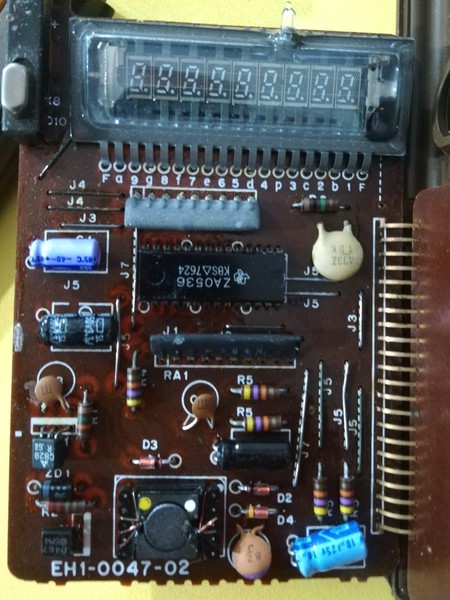 Model: 8-T
Battery: 2 x AA
Adapter:
Year: 1976
Chip: ZA0536
Manual:
Info:The Canon Palmtronic 8-T is an unique sexagesimal calculator dealing not only with decimal numbers but also with Hours, Minutes and Seconds./ Made in Japan
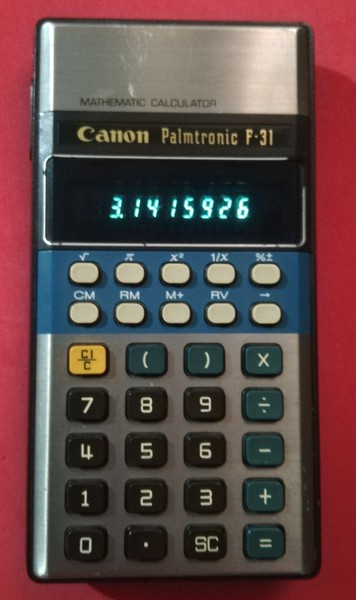
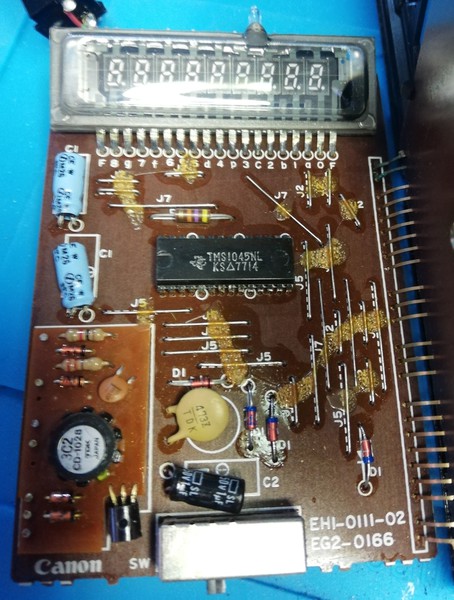 Model: F-31
Battery: 2 x AA
Adapter:
Year: 1977
Chip: TMS1045
Manual:
Info:The Canon Palmtronic F-31 is another calculator based on the TMS1000 Microcomputer family. The TMS1045 found inside the F-31 is similar to the calculator circuit of the TI-2550-III./ Made in Japan
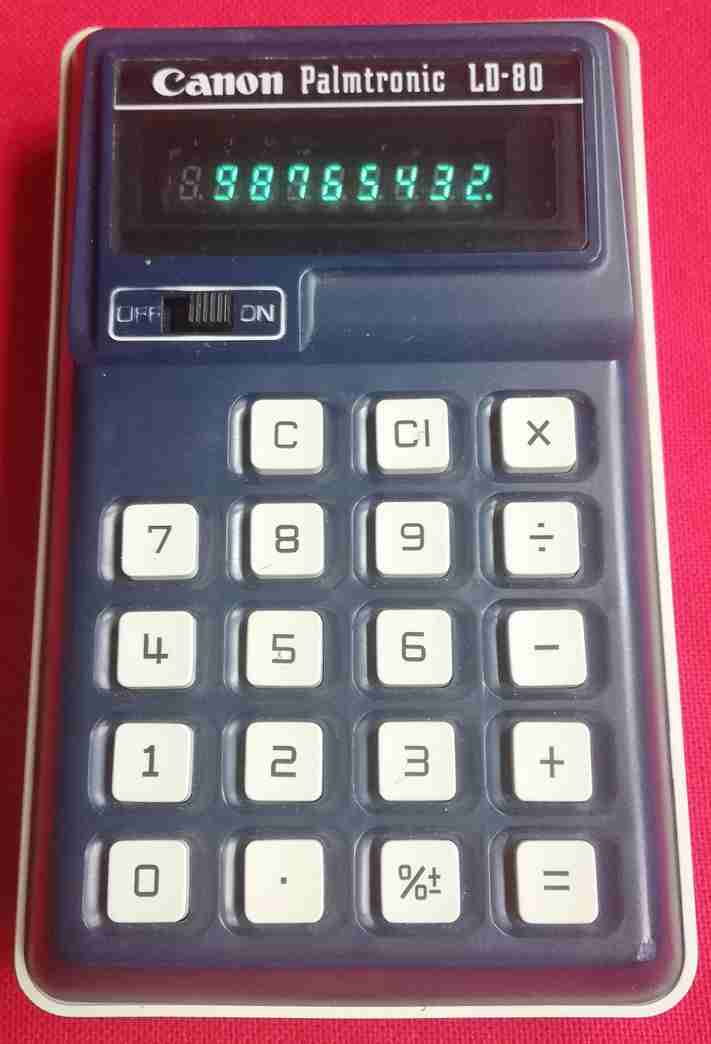 Model: LD-80
Battery: 4 x AA
Adapter: AD-1
Year: 1974
Chip: TMS0855
Manual:
Info: made in Japan
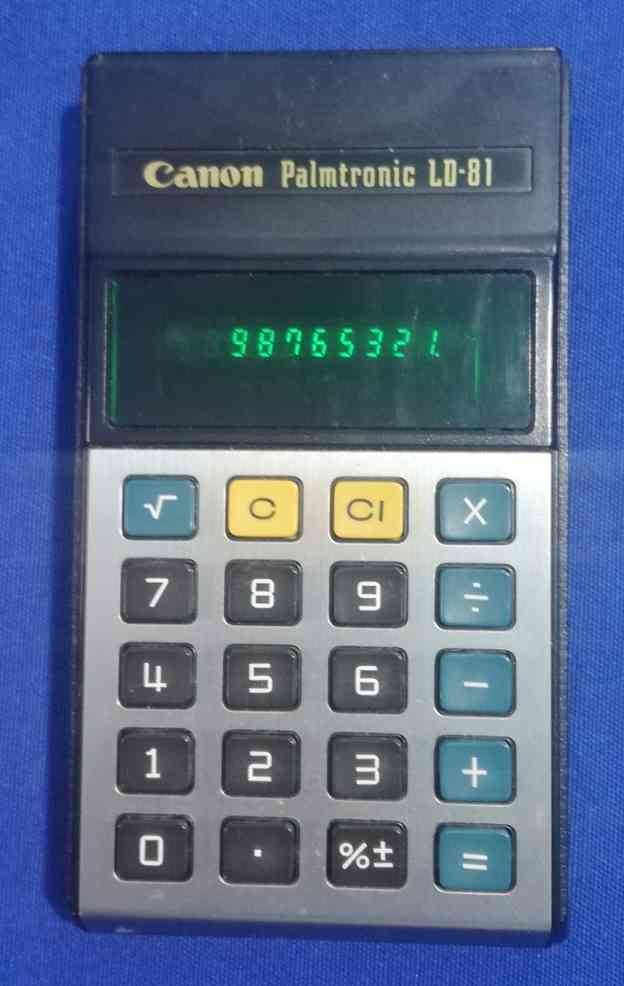 Model: LD-81
Battery: 4 x AA
Adapter: AD-1
Year: 1974
Chip: TMS0855
Manual:
Info: made in Japan
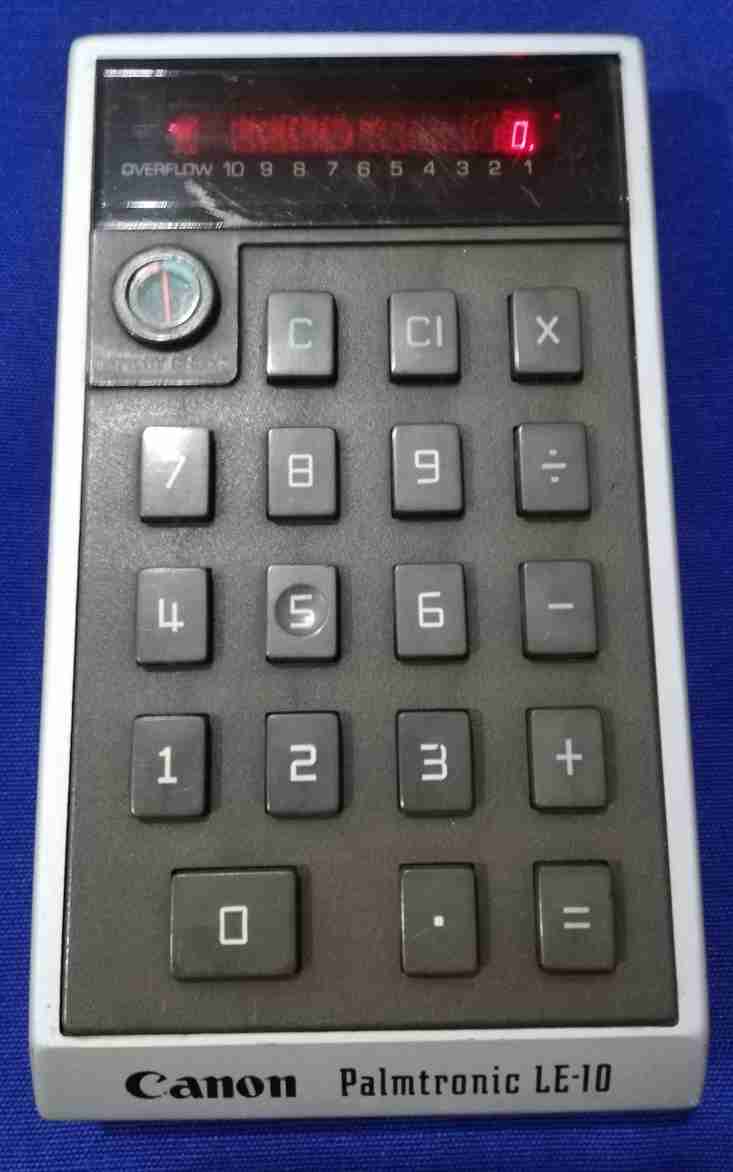 Model: LE-10 Palmtronic
Battery: 4 x AA ni-cd
Adapter:
Year: 1972
Chip: TMC1824, TMC1825A
Manual:
Info: made in Japan
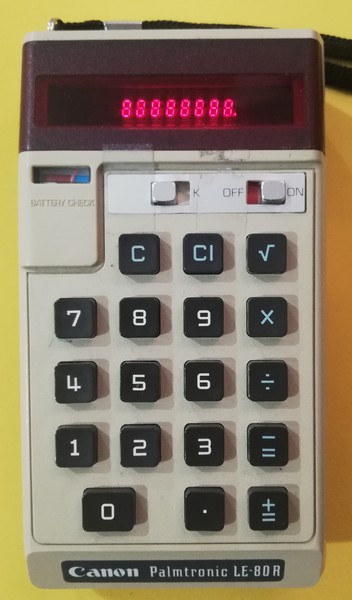 Model: LE-80R
Battery: 4 x AA
Adapter:
Year: 1973
Chip: TMS0126
Manual:
Info: made in Japan
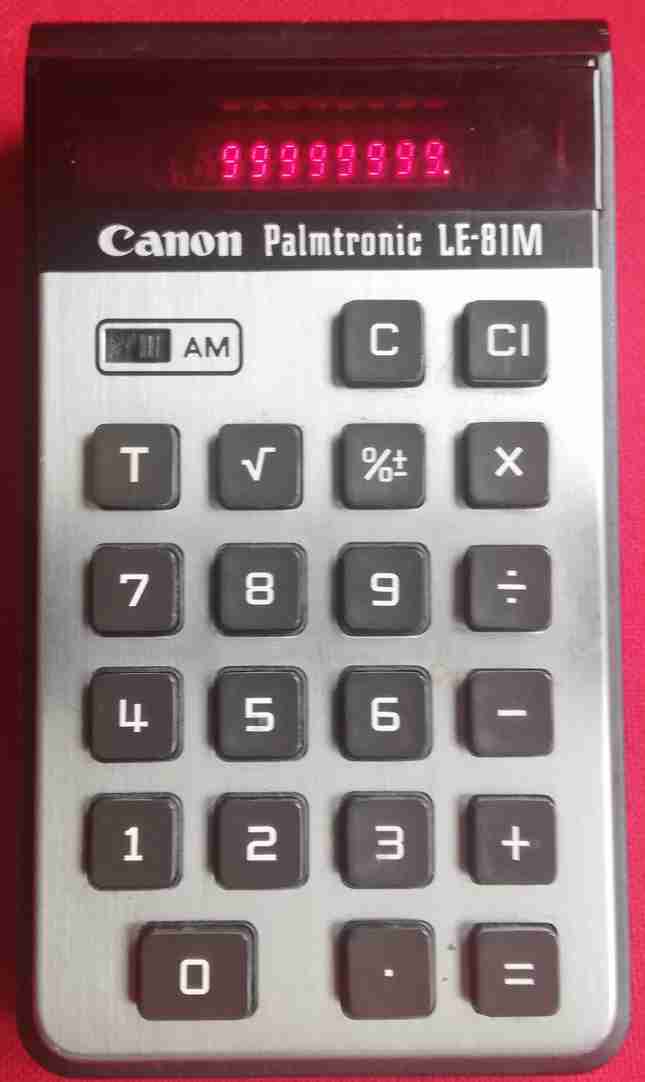 Model: LE-81M
Battery: 4 x AA ni-cd
Adapter:
Year: 1974
Chip: TMC0605
Manual:
Info: made in Japan
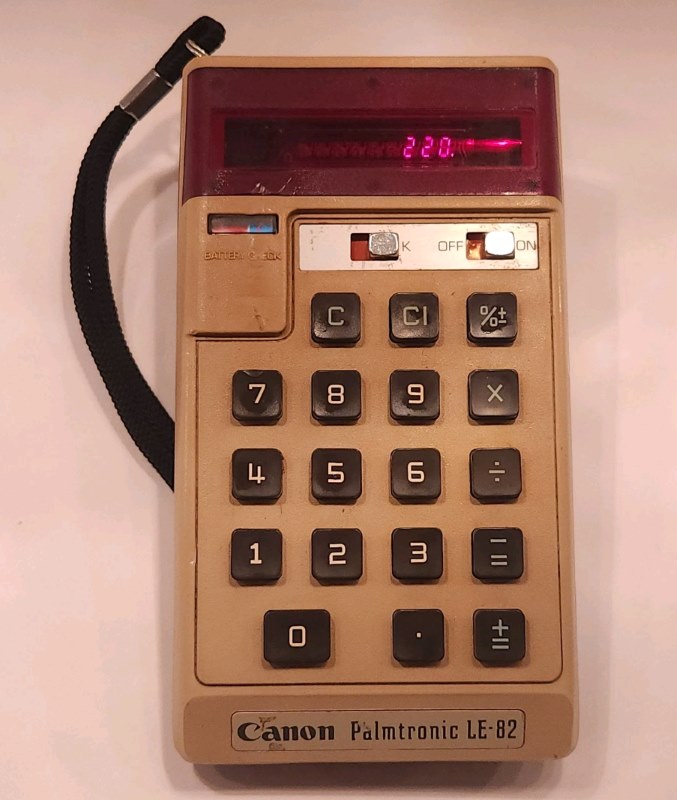 Model: LE-82
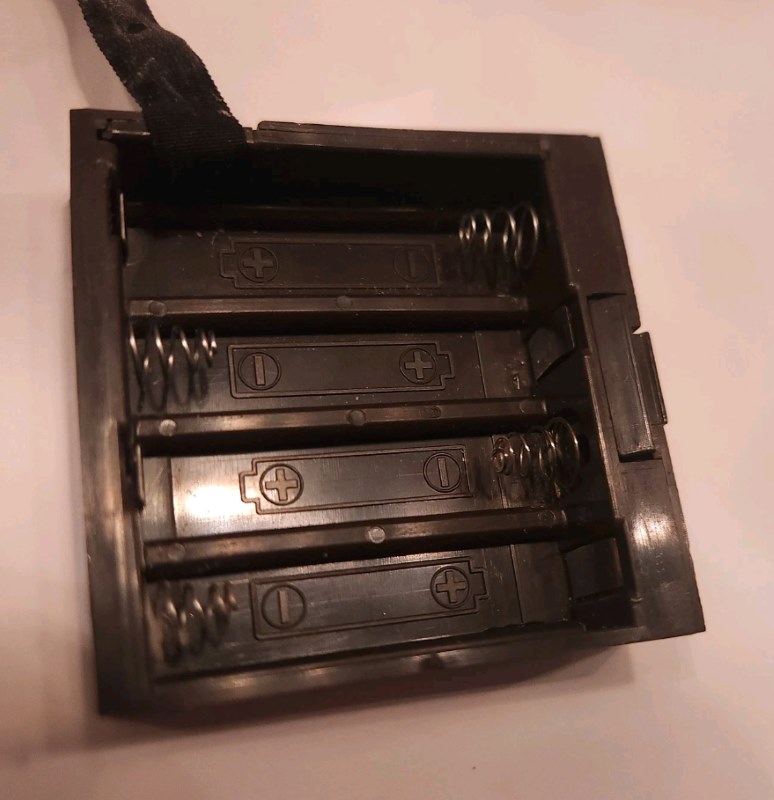
Battery: 4 x AA
Adapter:
Year: 1973
Chip: TMS0128
Manual:
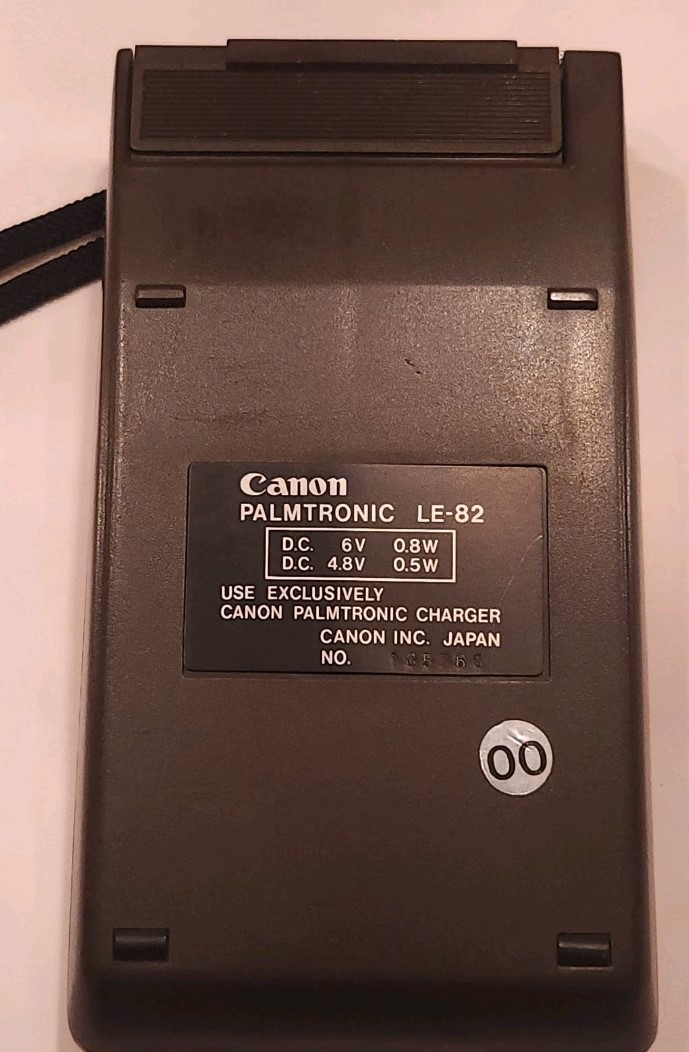
Info:From the technology the LE-82 is similar to the SR-10 introduced by TI few months earlier. Another calculator using the TMS0128 single-chip calculator circuit could be found with the JCE Percent. In 1974 Canon introduced with the LD-80 their first pocket calculator with the green VF-Display (Vacuum Fluorescent) and stopped the LE-series. Made in Japan.
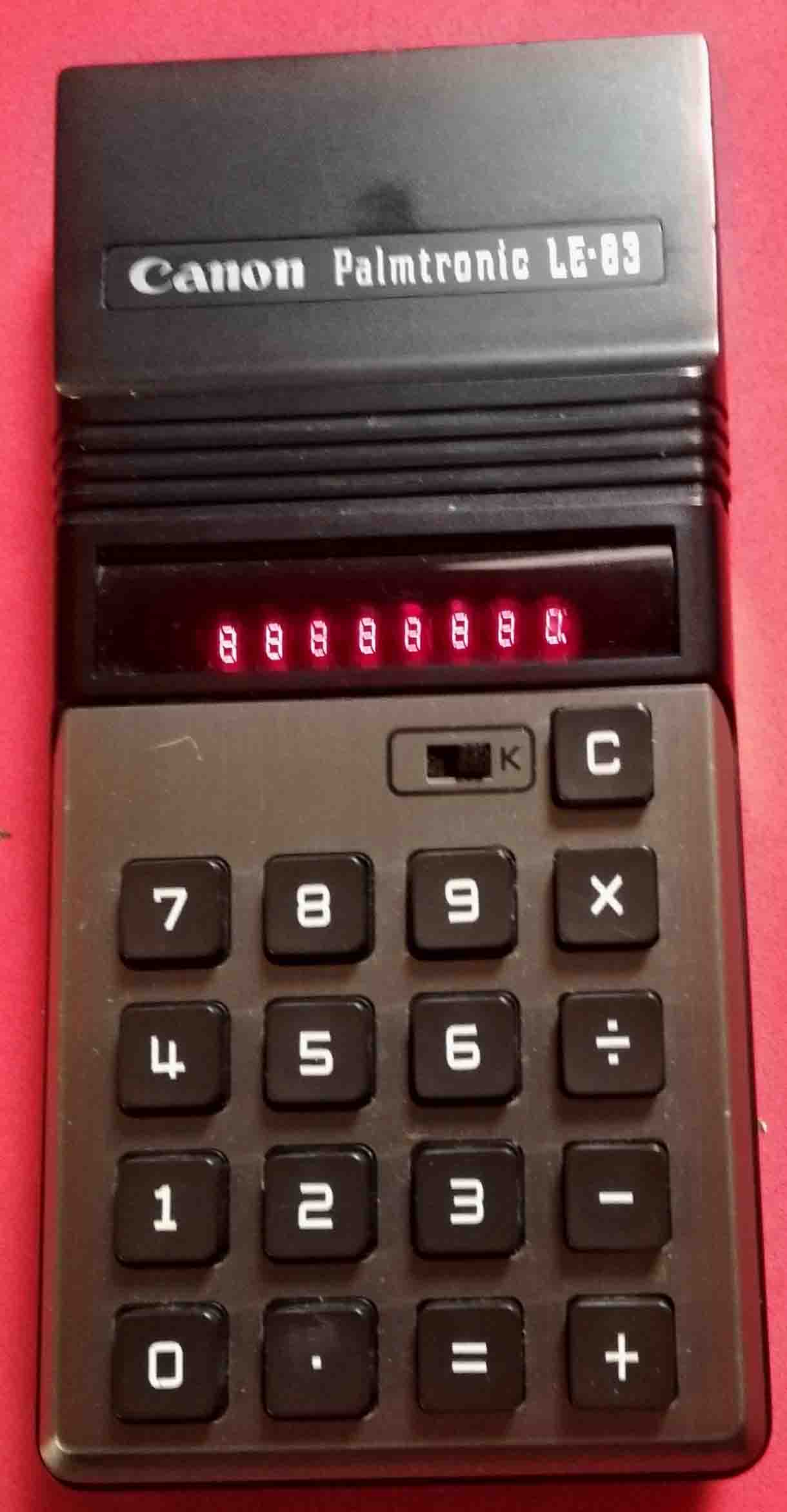 Model: LE-83
Battery: 4 x AA
Adapter:
Year: 1974
Chip: TMS0101
Manual:
Info: made in Japan
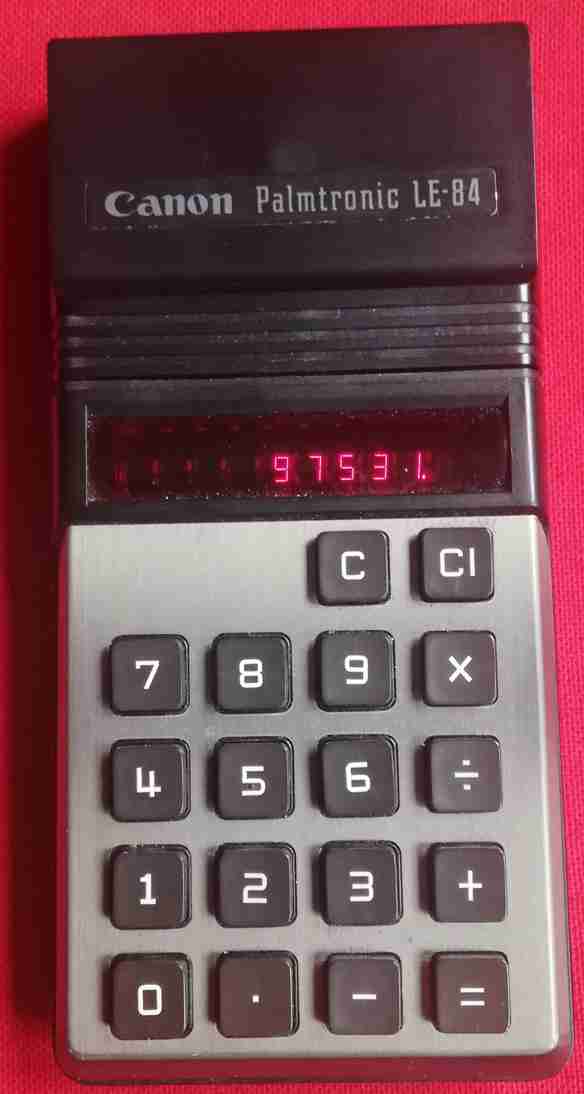 Model: LE-84
Battery: 4 x AA
Adapter:
Year: 1974
Chip: TMS0801
Manual:
Info: made in Japan
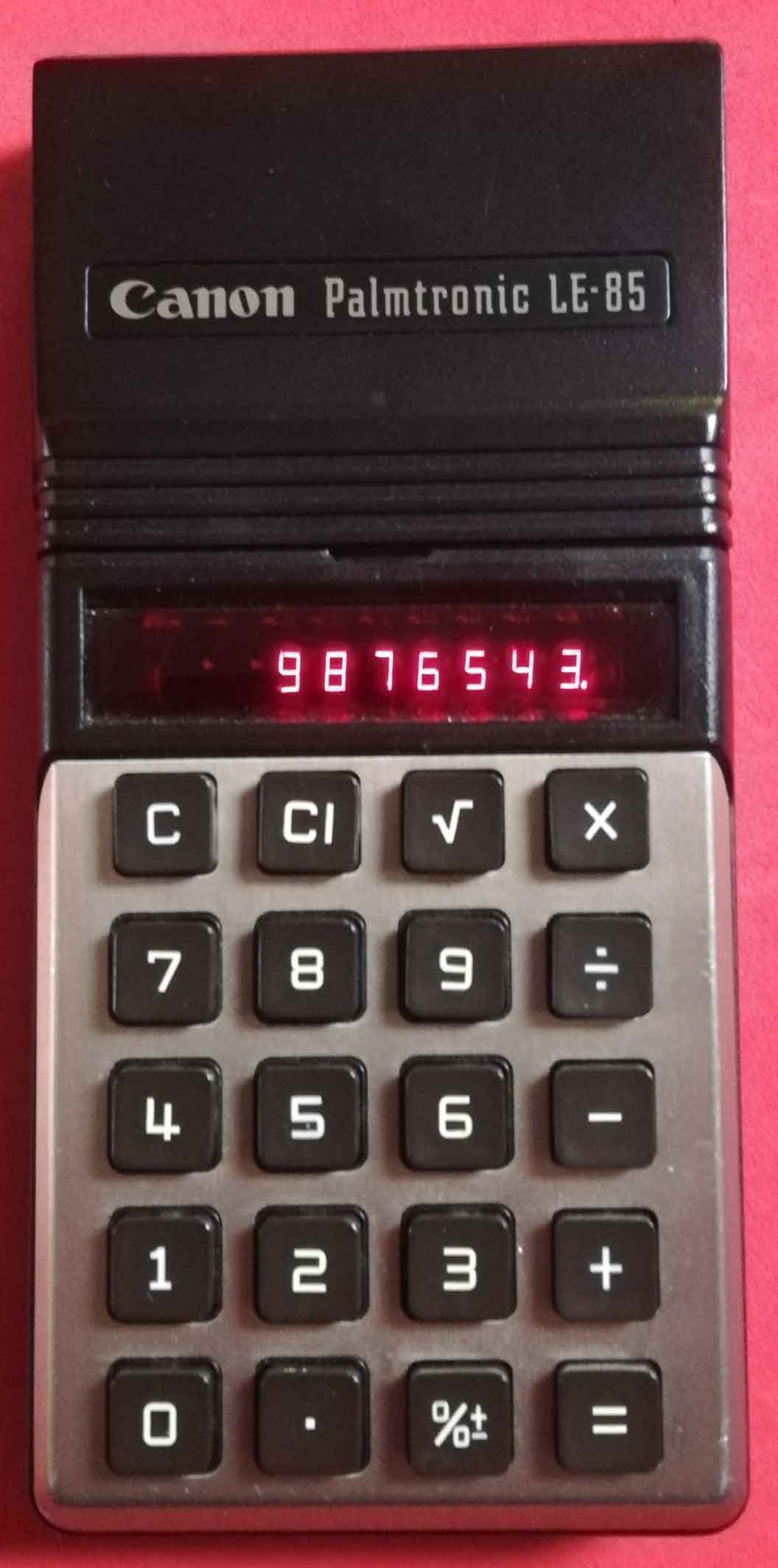 Model: LE-85
Battery: 4 x AA
Adapter:
Year: 1974
Chip: TMS0807
Manual:
Info:made in Japan
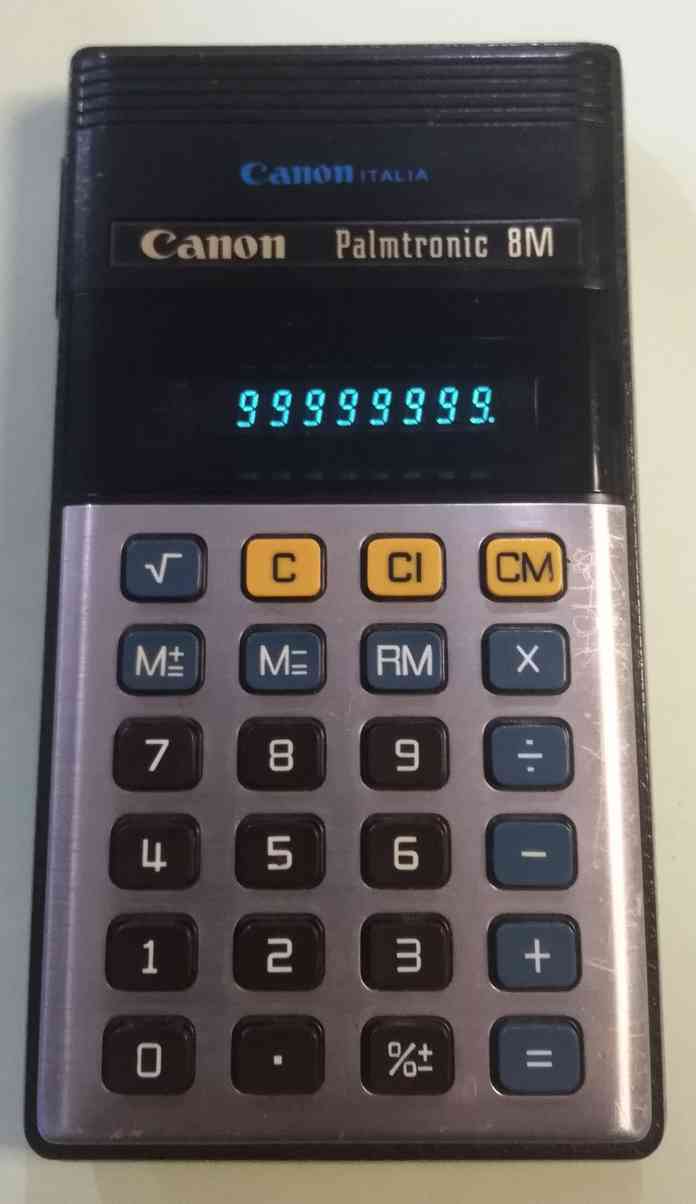
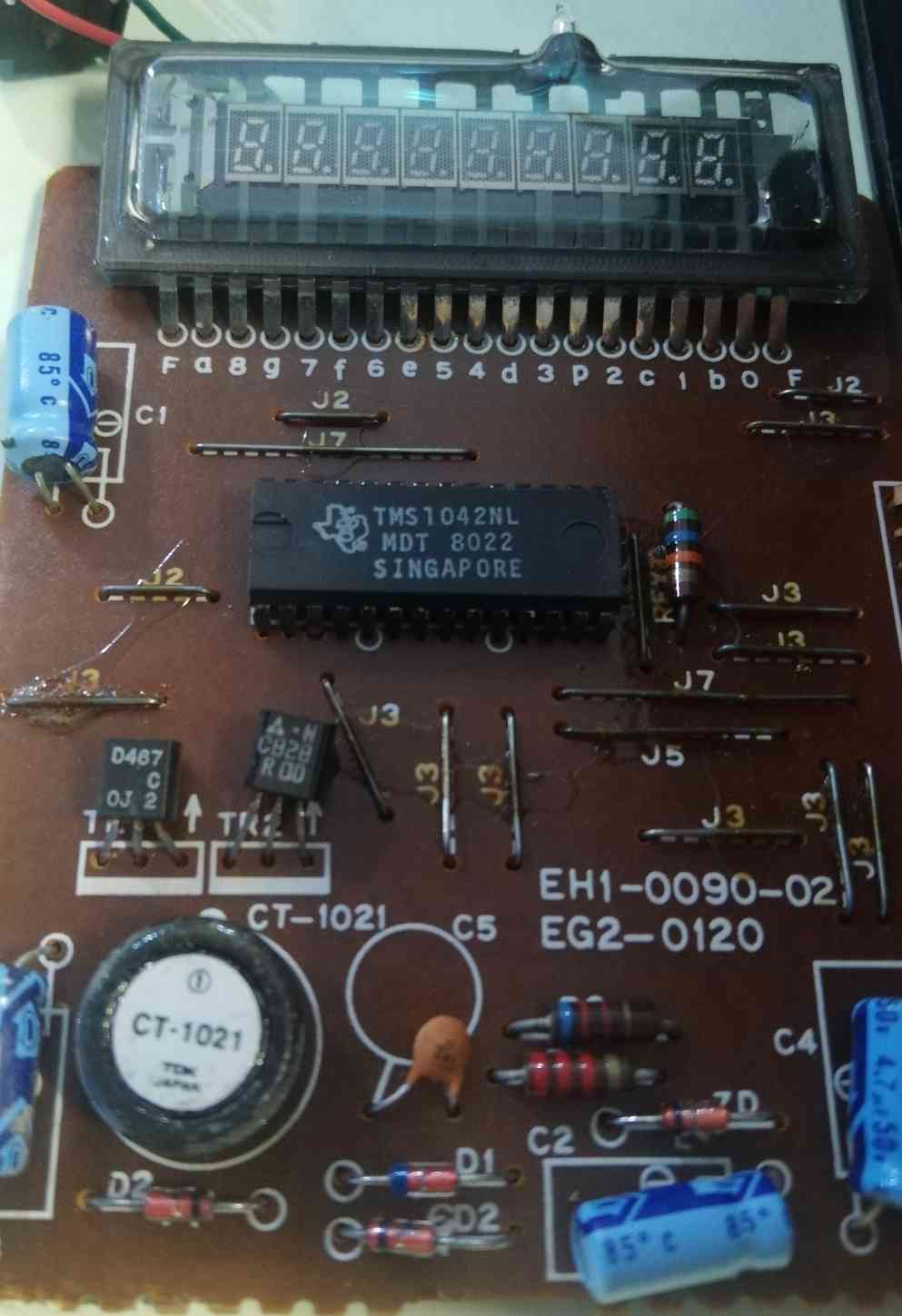 Model: Palmtronic 8M
Battery: 2 x AA
Adapter:
Year: 1980
Chip: TMS1042NL
Manual:
Info: made in Japan
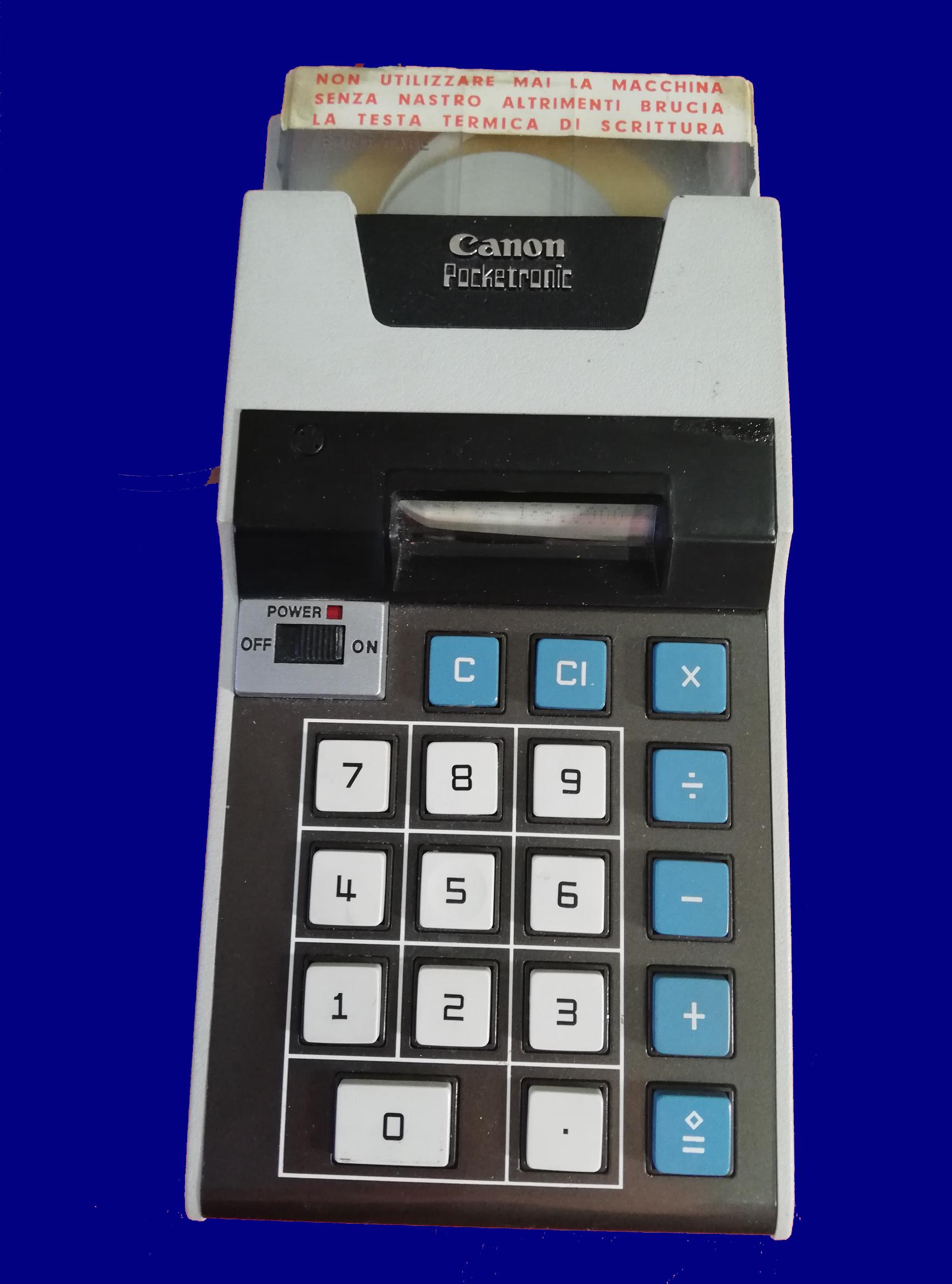 Model: Pocketronic Canon
Battery: 6*NiCd AA + 7*NiCd 2/3AA
Adapter: Charger 21
Year: 1972
Chip: TMC1730, TMC1731, TMC1732, SN21893
Manual: 
Info:made in Japan .Canon immediately understood the Texas Instruments project started in September 1965 and ended in 1967 of Cal-Tech's potential. Together they developed the Canon Pocketronic, the first calculator based on LSI (Large Scale Scale Integrated) circuits. Three LSI circuits were needed to have a calculation capacity of 12 digits, 8 integers and 4 decimals.The calculator was manufactured in Japan but uses many components produced by Texas Instruments. In addition to the LSI circuits, they used the print head for thermal paper and transistors.
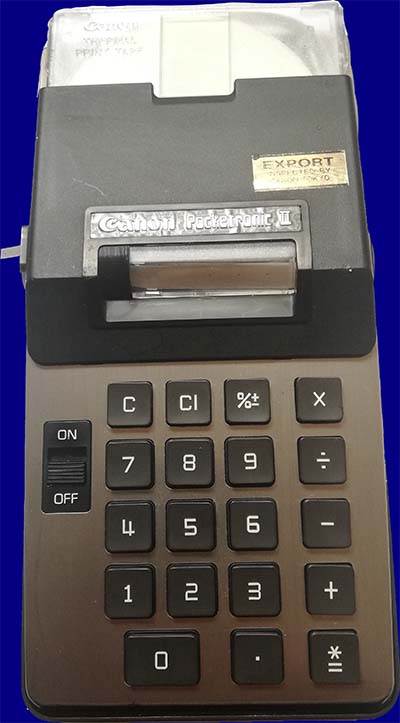 Model: Pocketronic II
Battery: 11 x NiCd AA
Adapter: CANON ch-1
Year: 1974
Chip: TMS0138, TMS0641
Manual:
Info: made in Japan
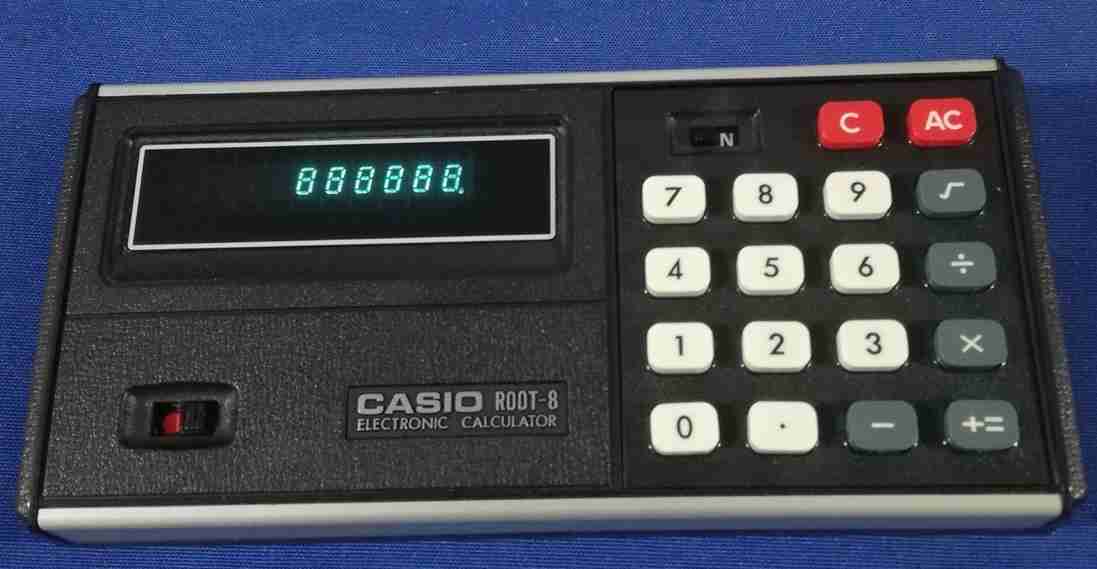
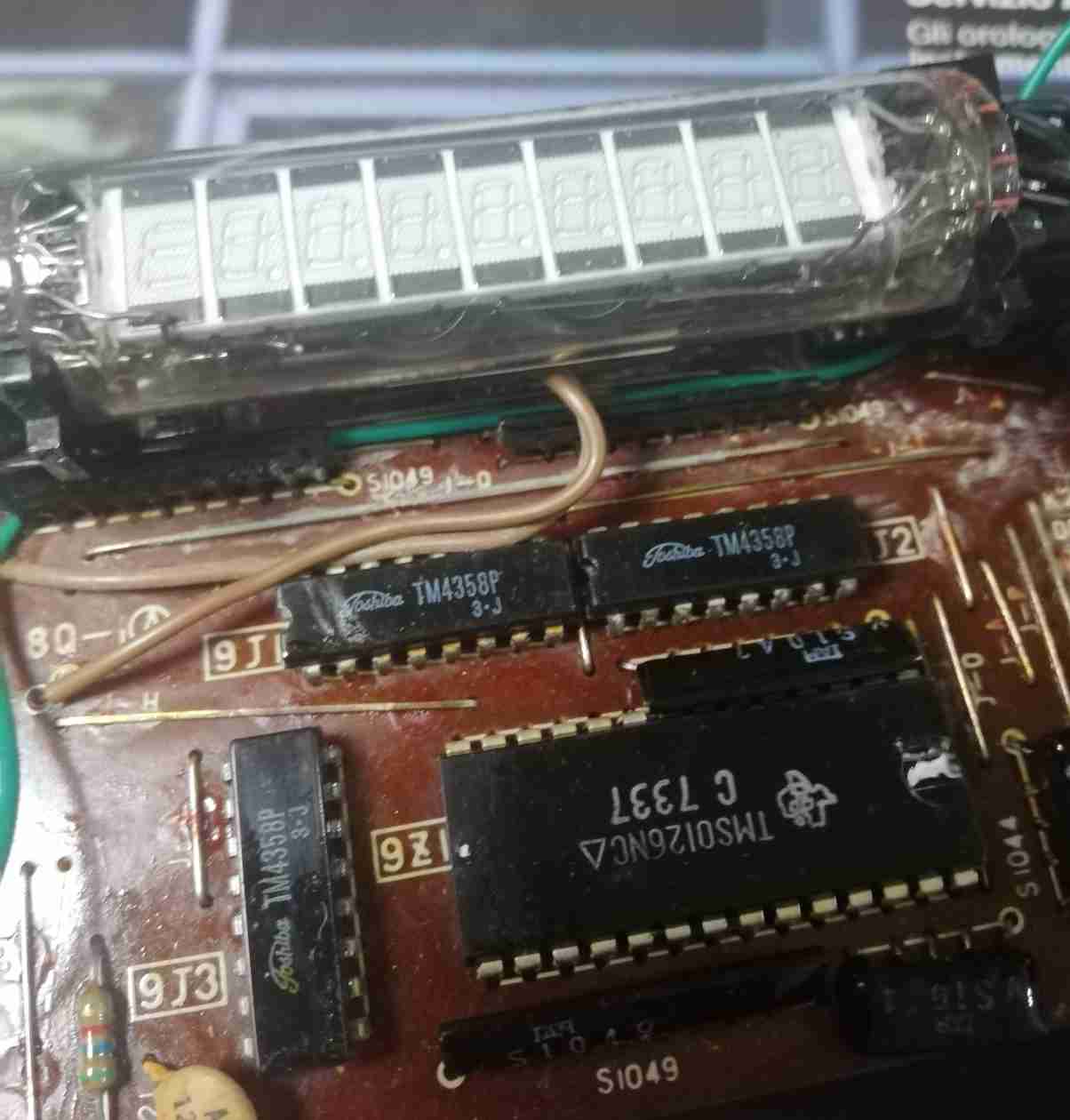 Model: ROOT-8
Battery: 4 x AA
AC adapter:
Year: 1973
Chip: TMS0126NC
Info: made in Japan
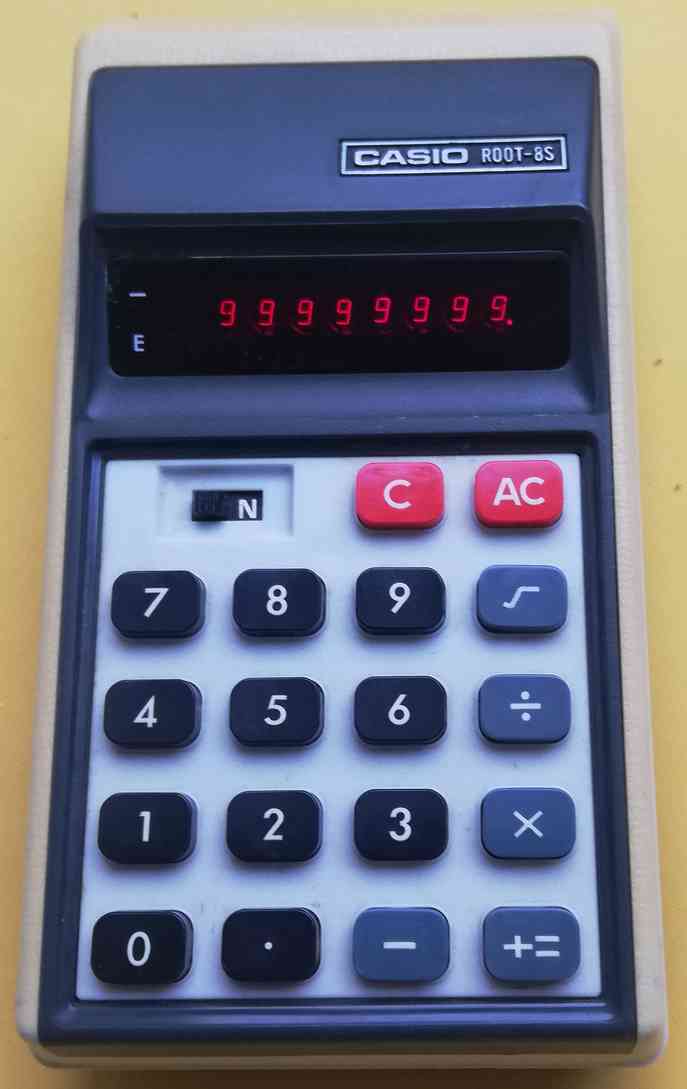 Model: ROOT-8S
Battery: 4 x AA
AC adapter: AD4145
Year: 1974
Chip: TMS0126NC
Info: made in Japan
.jpg) Model: 301
Model: 301
Battery: 4 x 1,2 ni-cd huasa
Adapter: Adapter AC-DC 801
Year: 1973
Chip: TMS0103NC
Manual:
Info: made in Japan
.jpg)
.jpg)
.jpg)
.jpg)
.jpg)
.jpg)
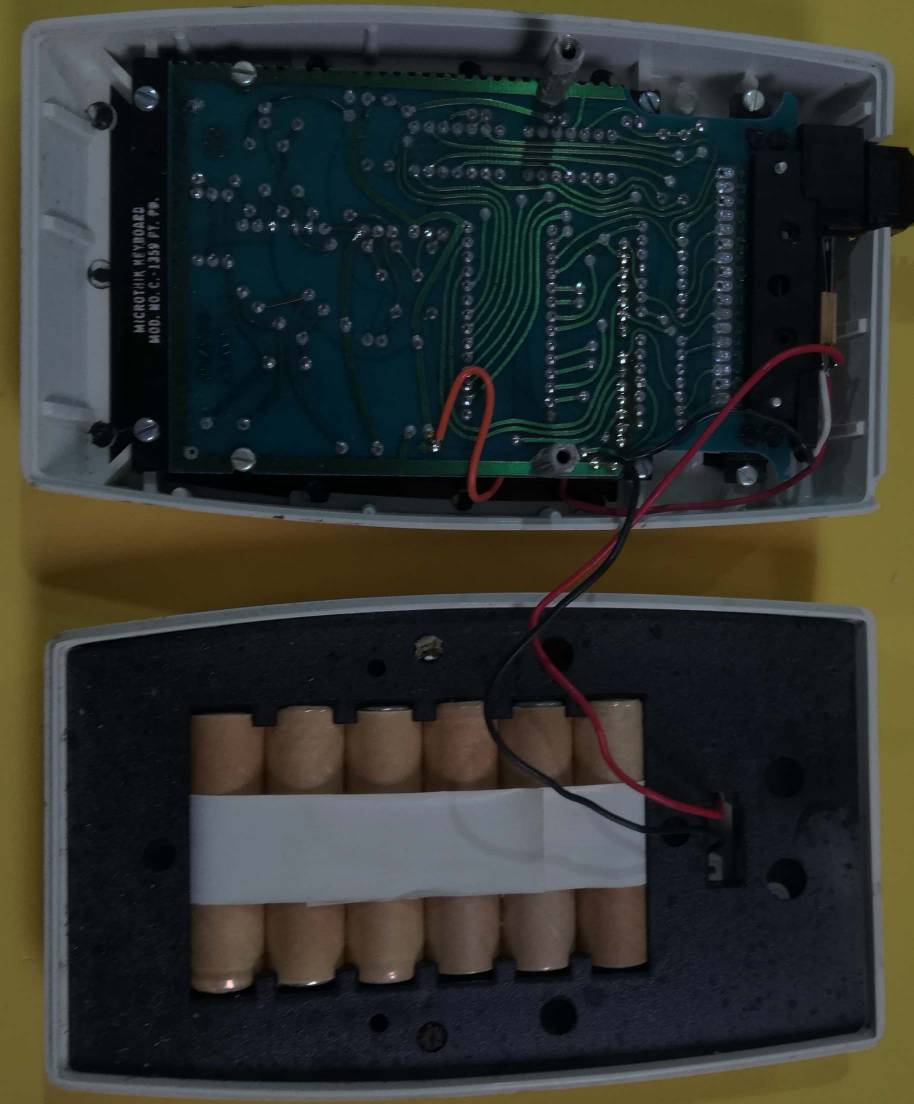
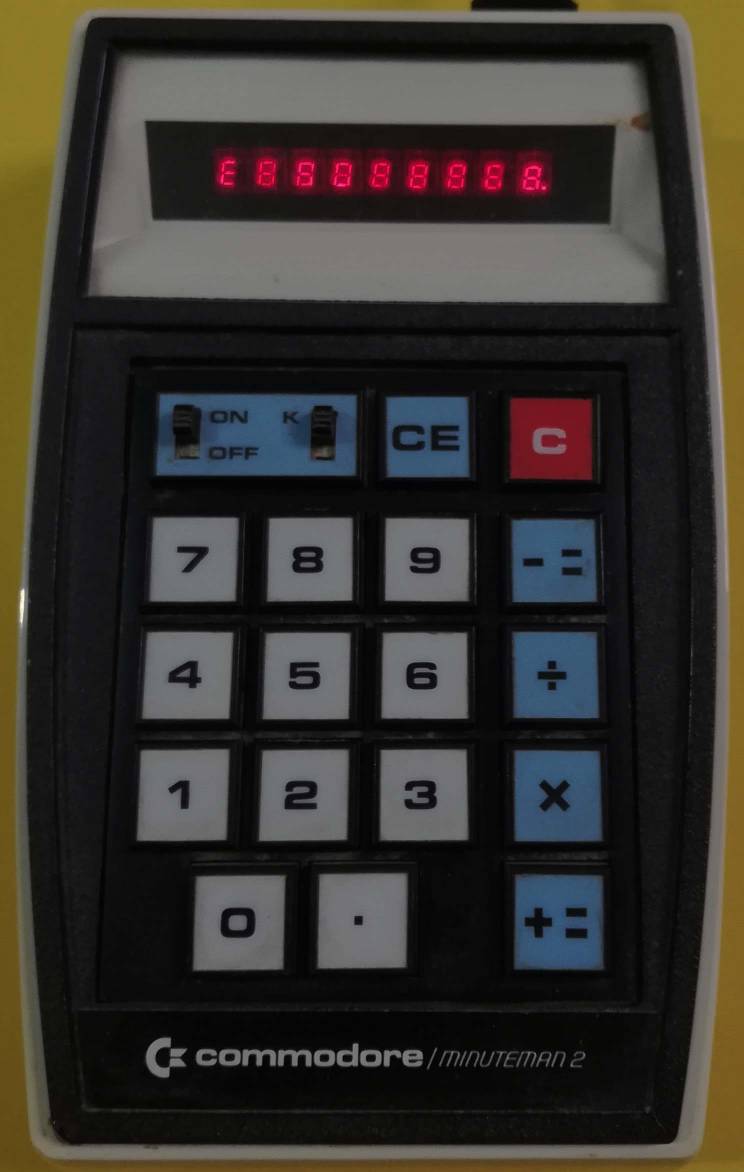 Model: Minuteman 2Battery: 6 x ni-cd AA
Adapter: Adapter ac 110 - dc 7,2 volt
Year: 1973
Chip: TMS0103NC
Manual:
Info: made in Japan
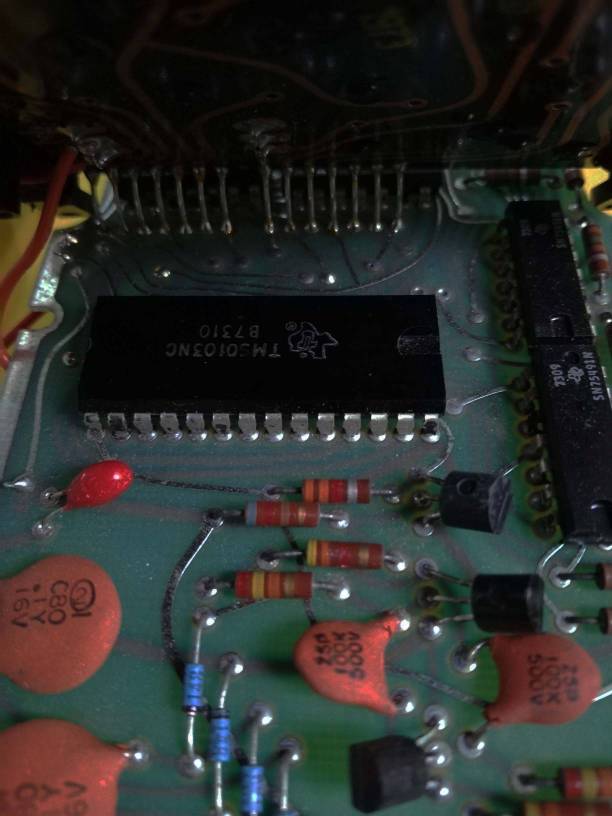
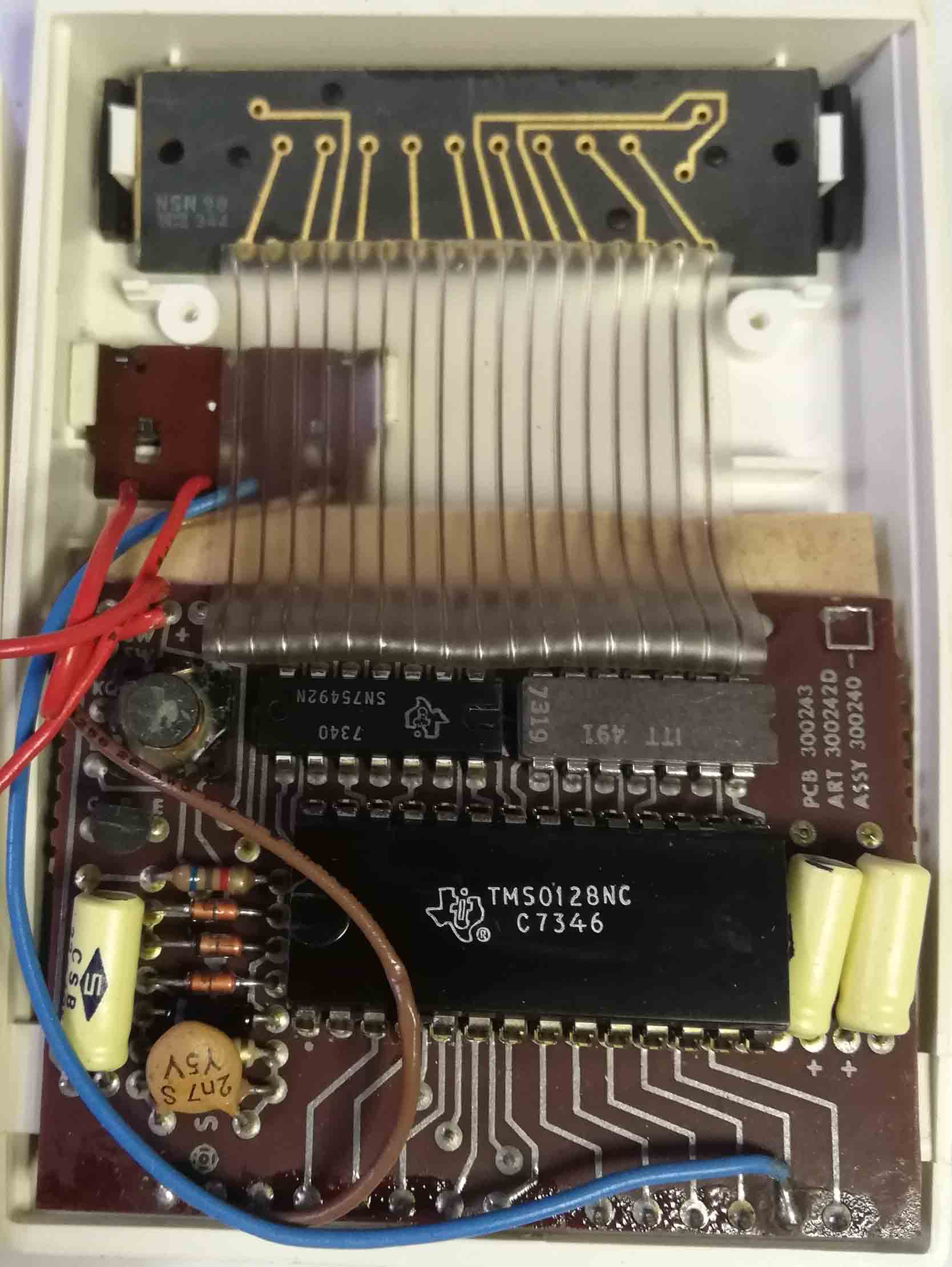
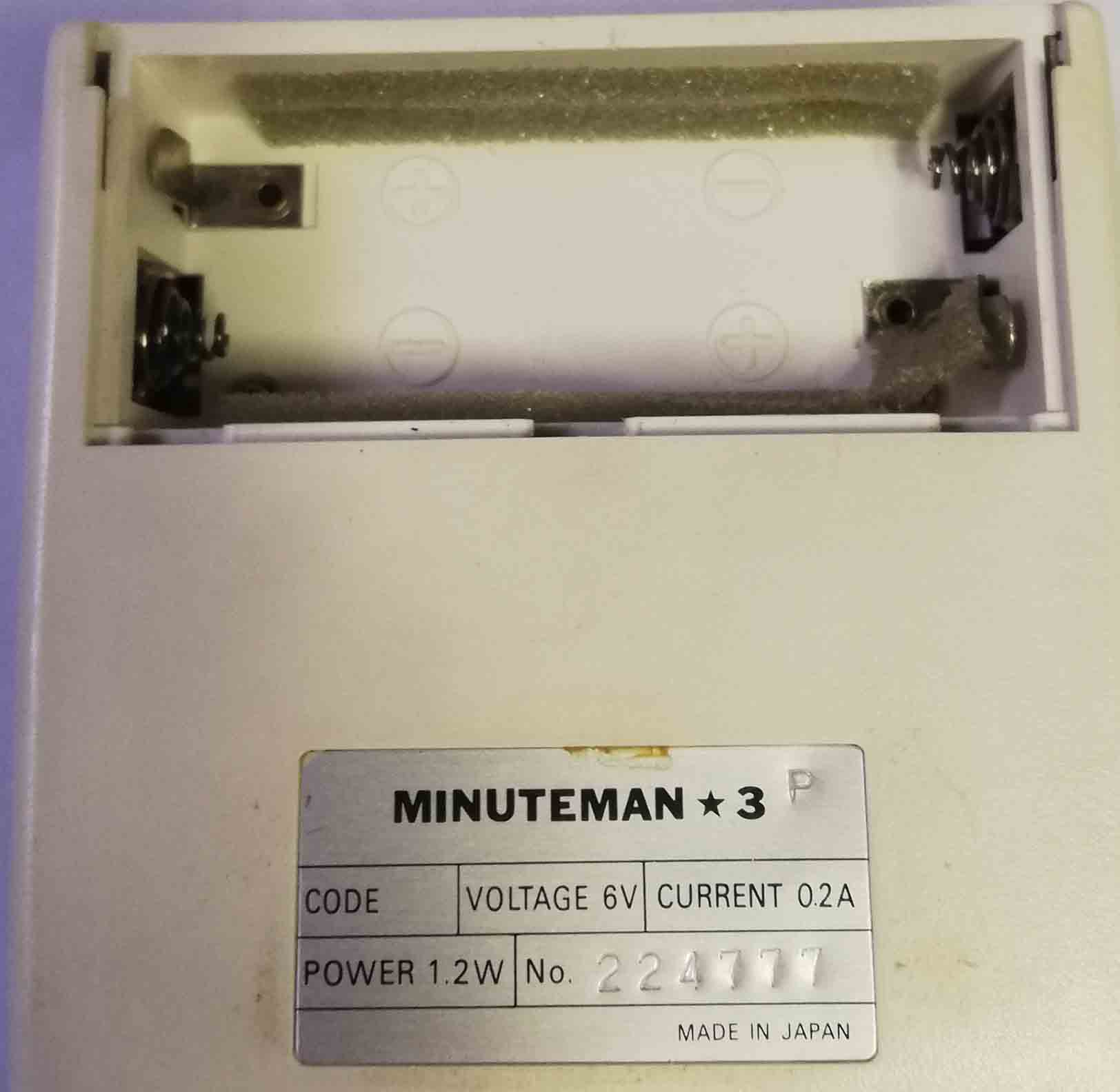
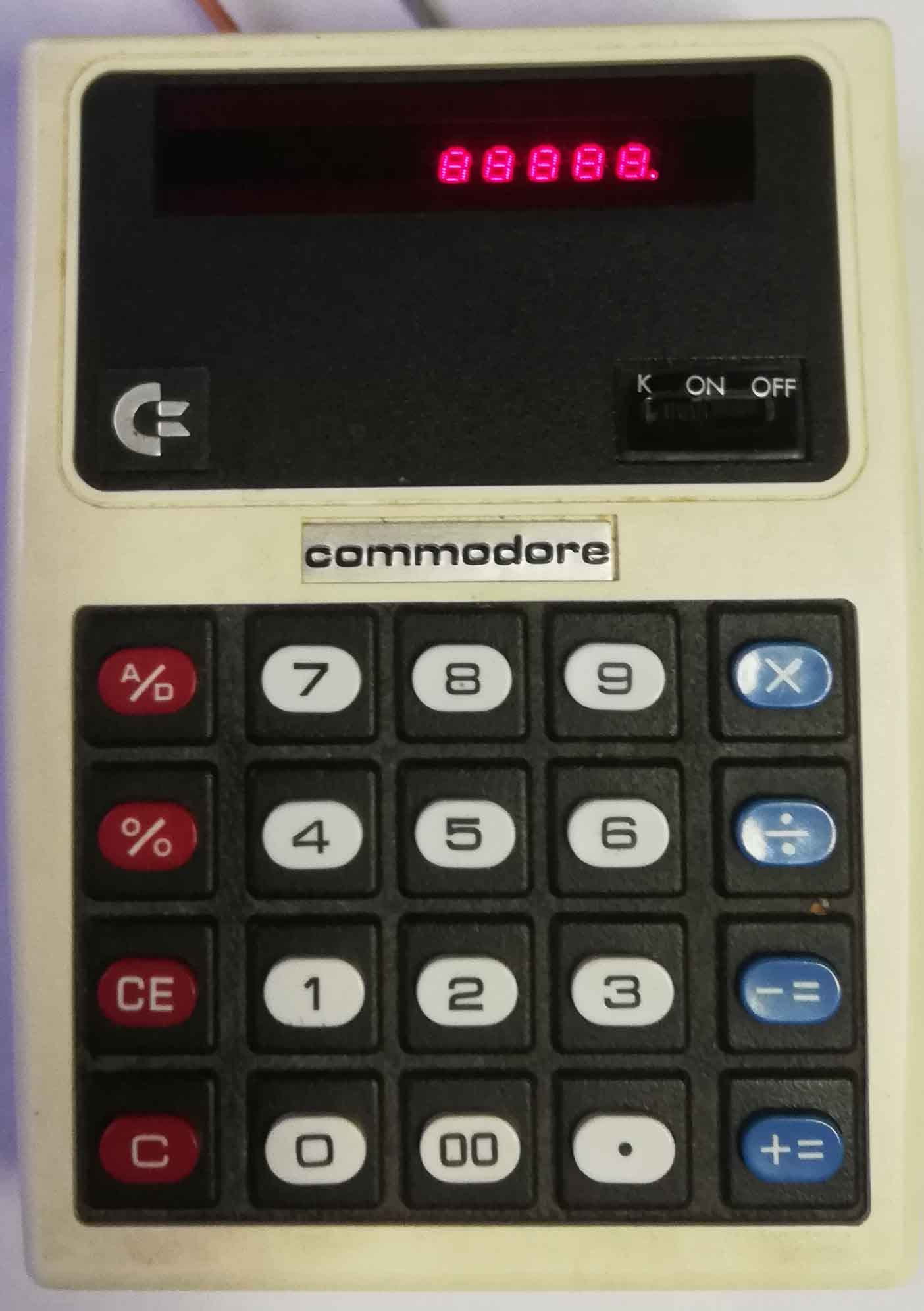 Model: Minuteman 3Battery: 4 x ni-cd 1/3 AA
Adapter: Adapter dc 6 volt
Year: 1973
Chip: TMS0128nc
Manual:
Info: made in Japan
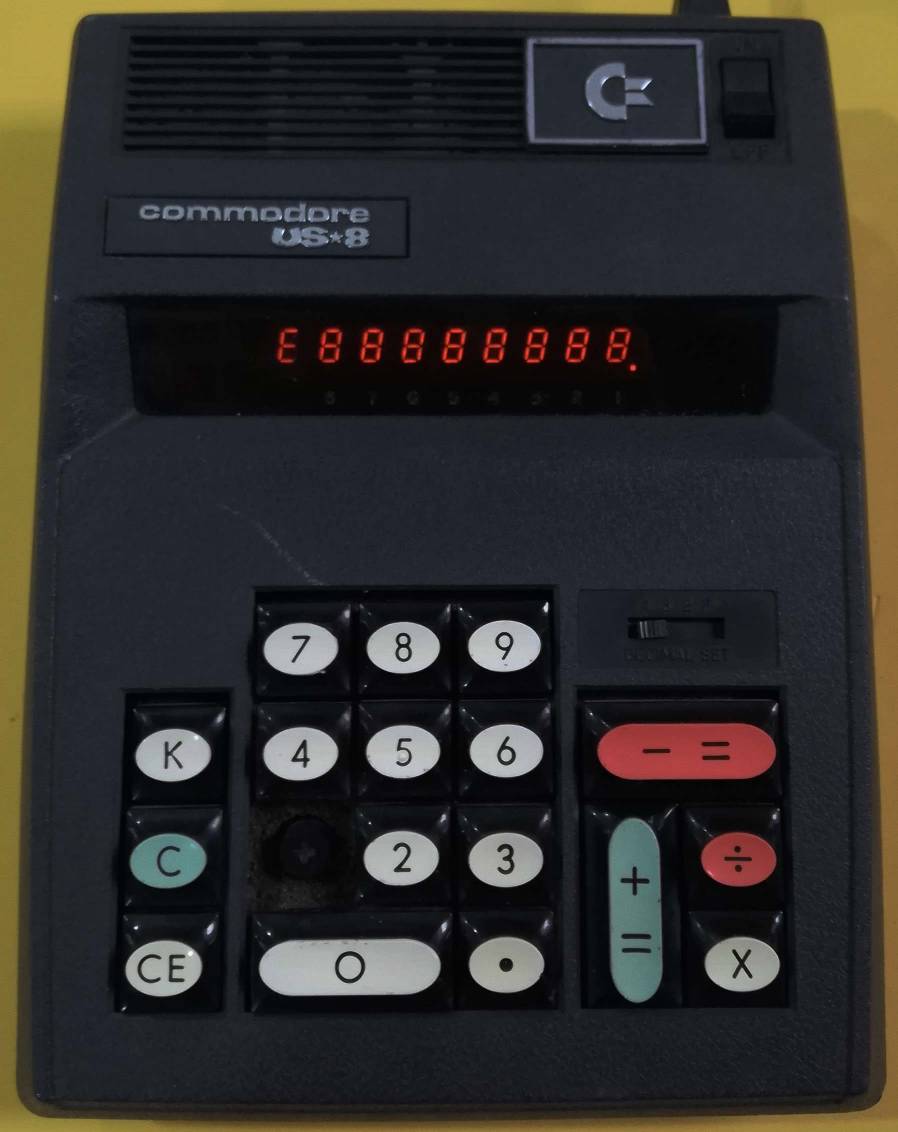 Model: US-8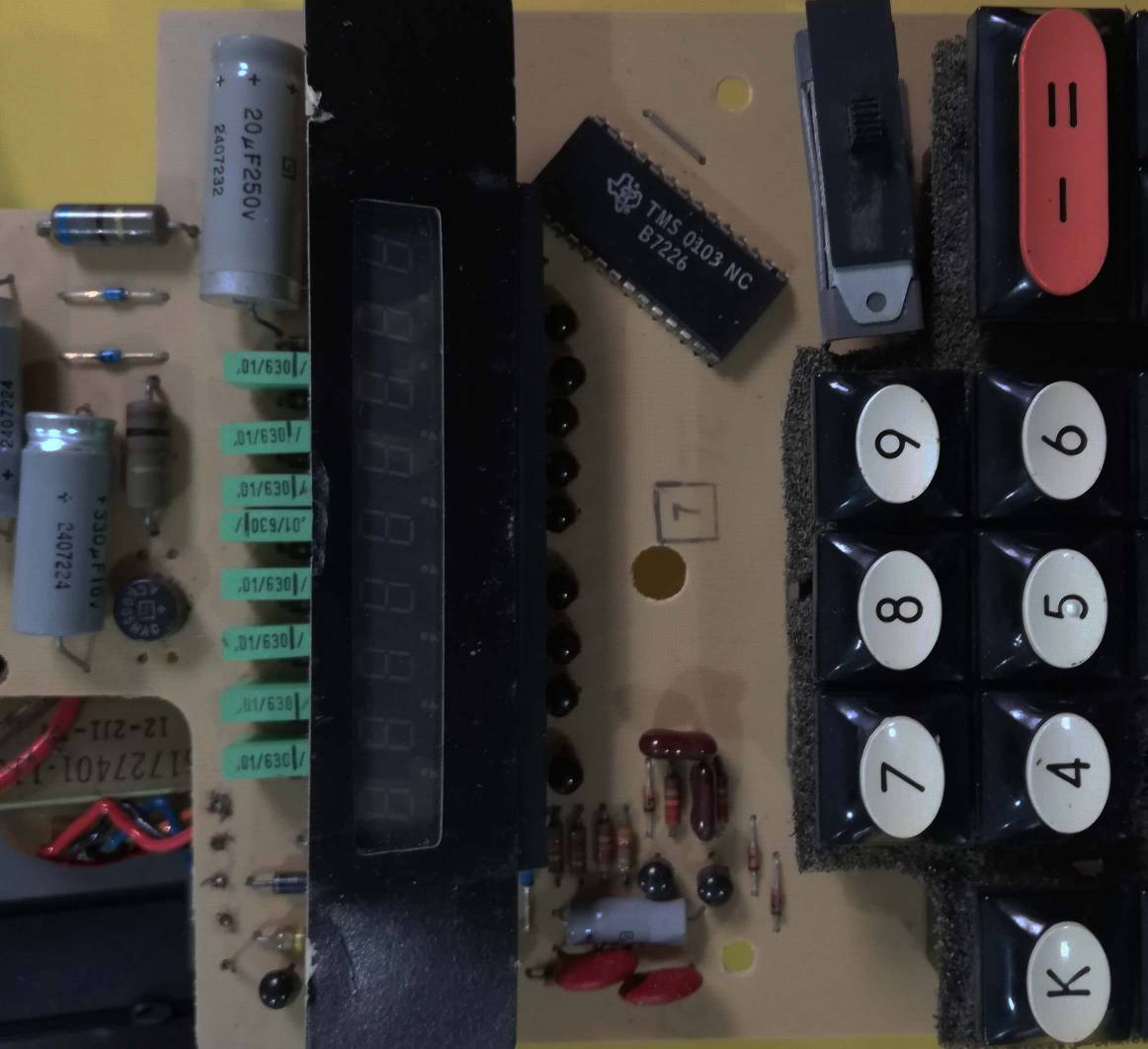
Battery:
Adapter: Adapter AC 110
Year: 1972
Chip: TMS0103NC
Manual:
Info: made in Japan
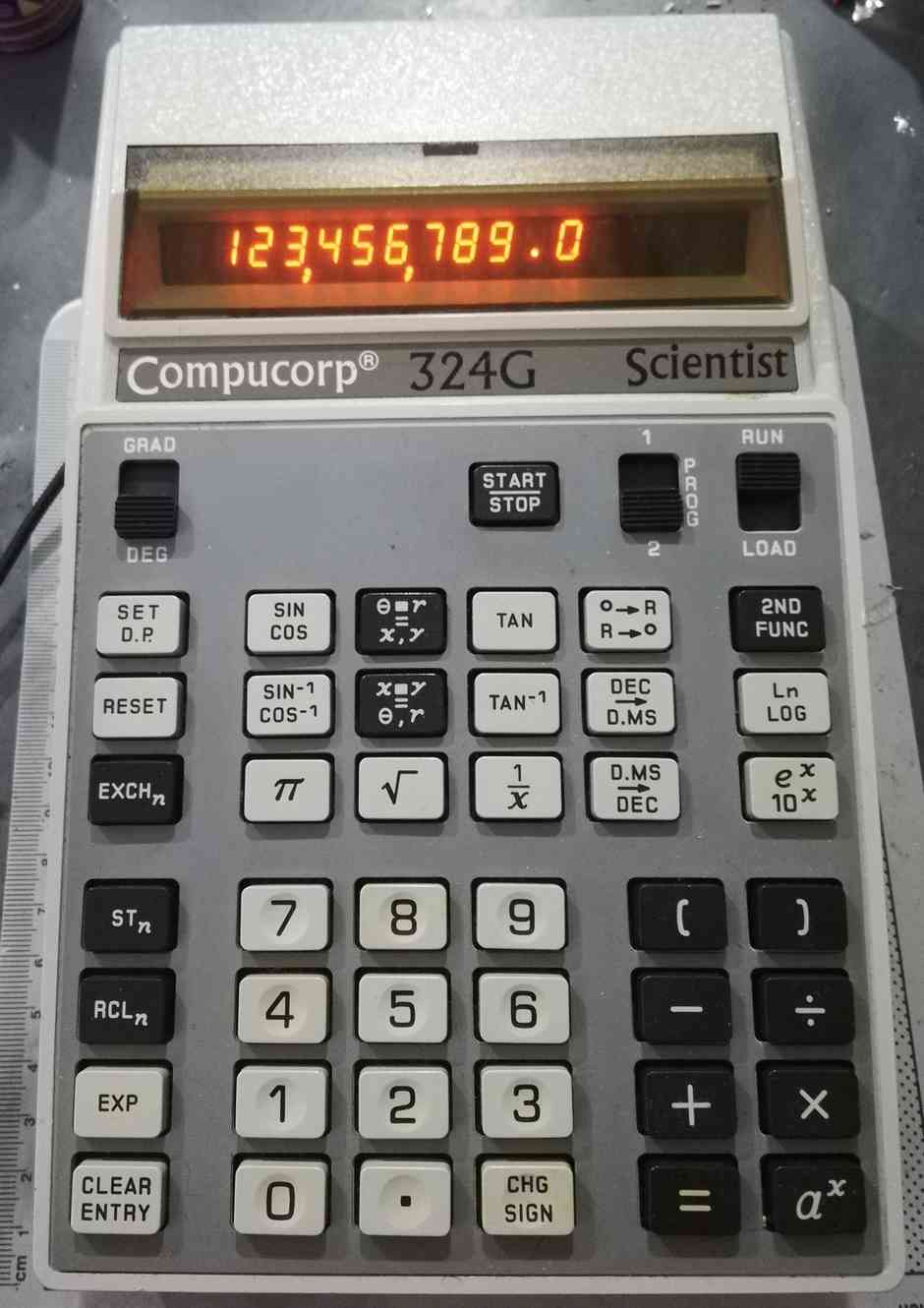 Model: 324G Programable (two 80-step memories).
Battery: 4 x D cell rechargeable
Adapter: 3490059 6.5V DC
Year: 1973
Chip: Board 1) Texas Instruments TMC 1864NC, TMC 1871NC, General Instruments 8KR029, 8KR03A, Intel 4x 2102, AMD 3x 93L0059X. Board 2) Texas Instruments TMC 1866MC, TMC 1867NC, TMC 1870, TMC 1872NC. Board 3) Texas Instruments TMC 1869NC, TMC 1884NC.
Manual:
Info: The Compucorp 324G could be called the best engineered calculator of its time. Introduced in the year 1972 the 300-line from Computer Design Corporation (CDC) were far ahead of their time. CDC, Los Angeles designed an universal data-processor with external ROM's for the operating system and mathematical functions and external RAM for data- and program-storage. Made in USA
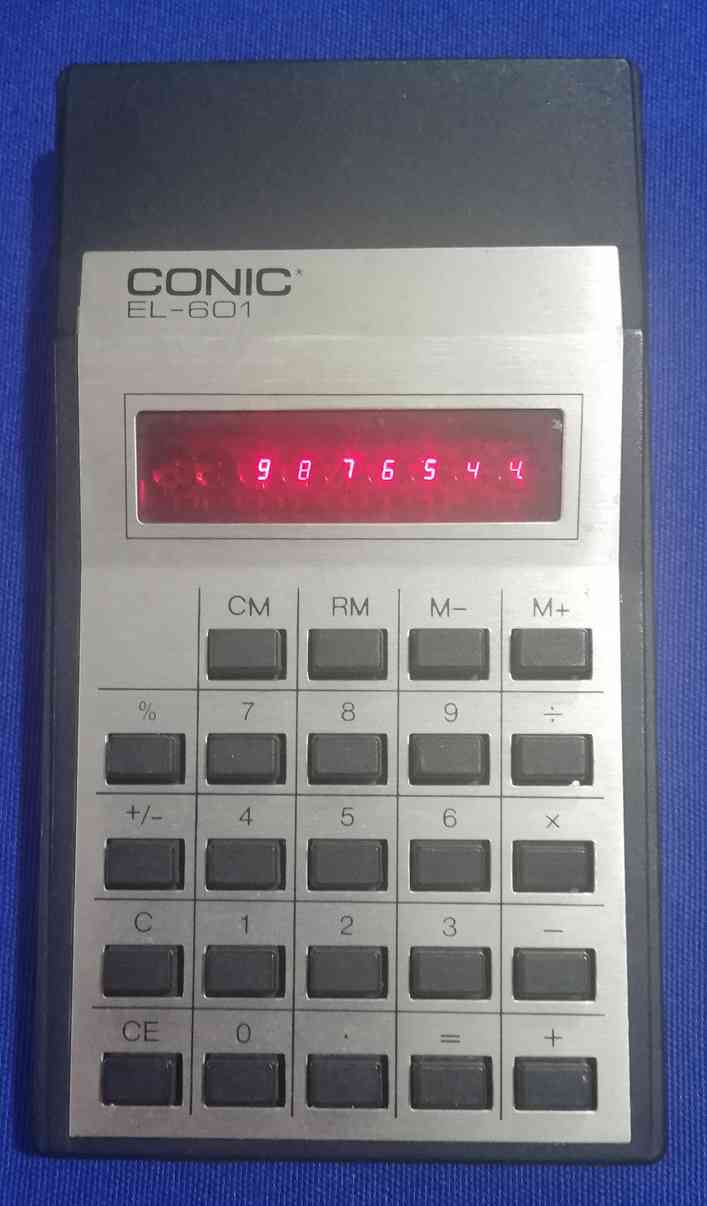 Model: EL-601
Battery: 9 volt
AC adapter:
Year: 1975
Chip: TMS0972
Info: This is a nearly perfect copy of the TI-1250
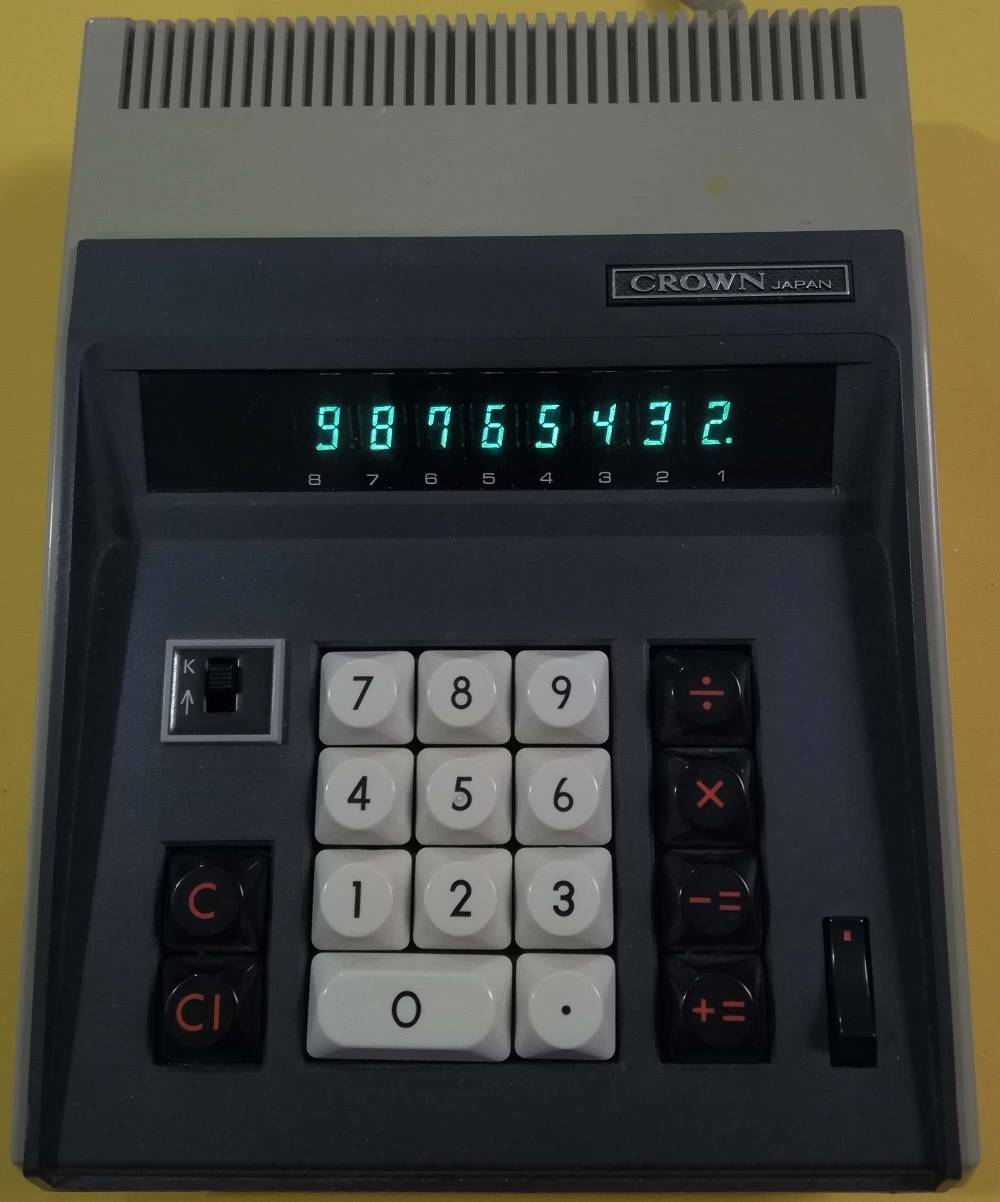 Model: CL-80K
Battery:
Adapter: Adapter AC 110
Year: 1972
Chip: TMS0105BNC
Manual:
Info: made in Japan
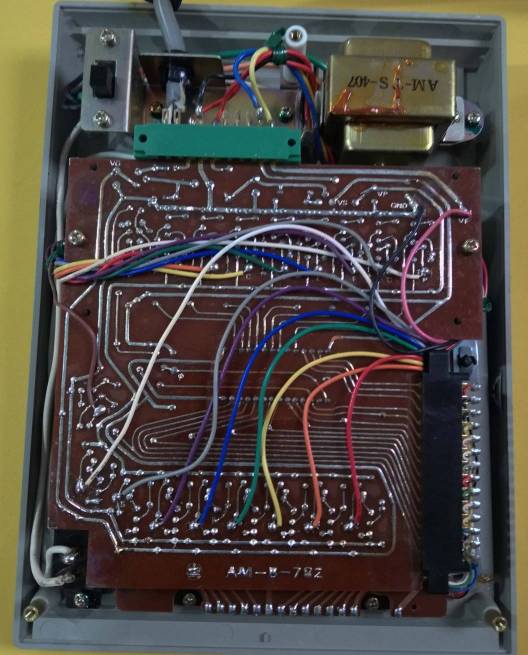
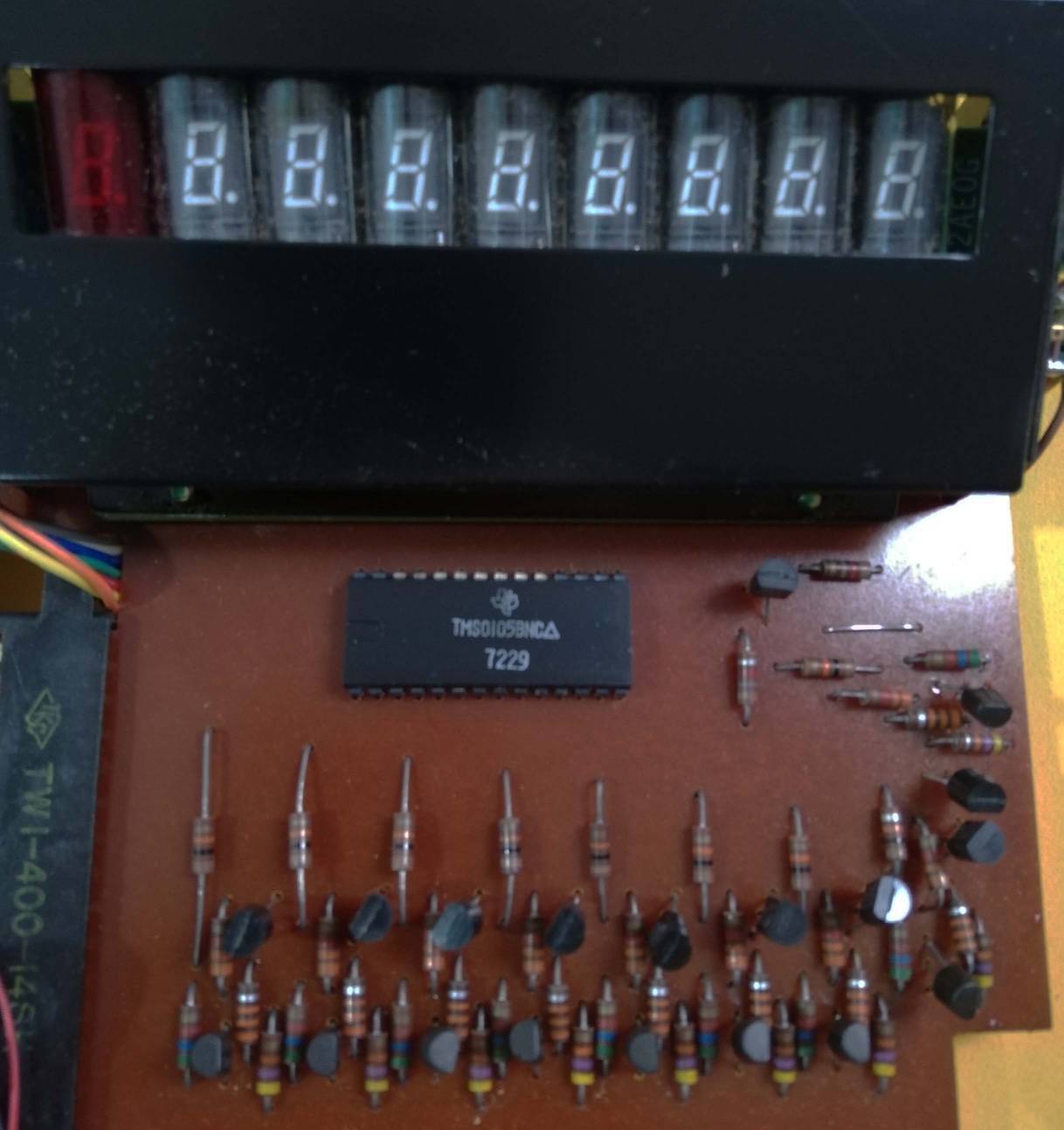
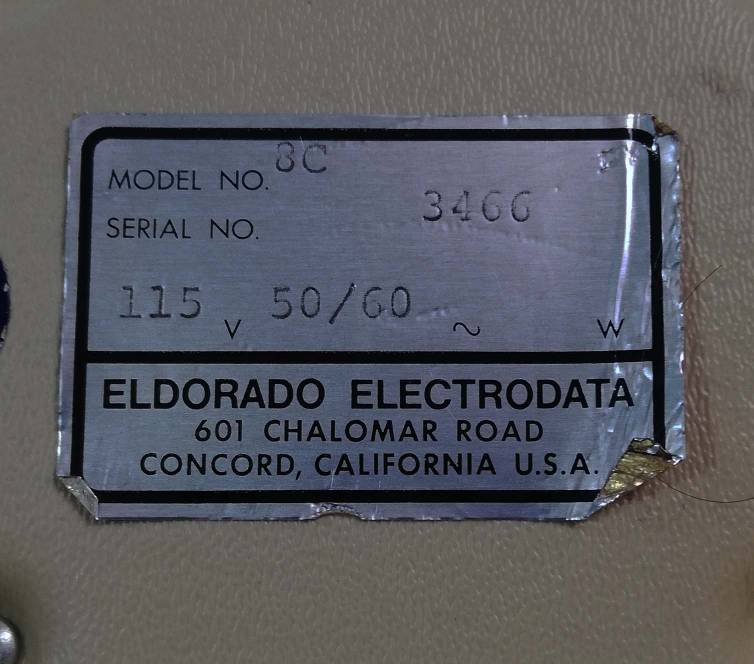
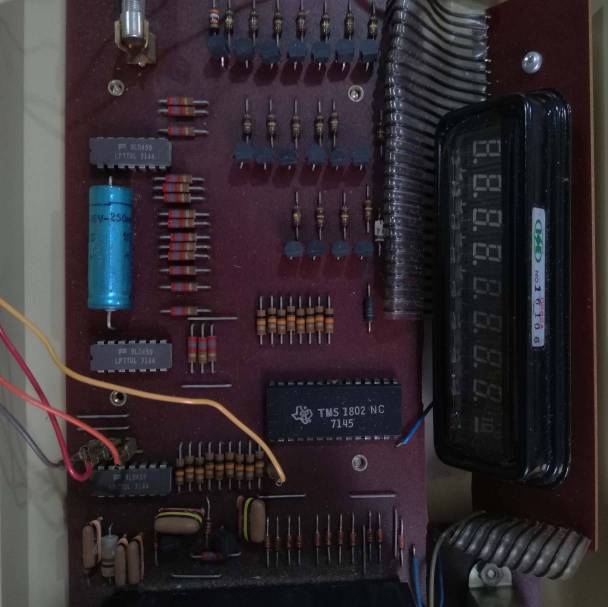
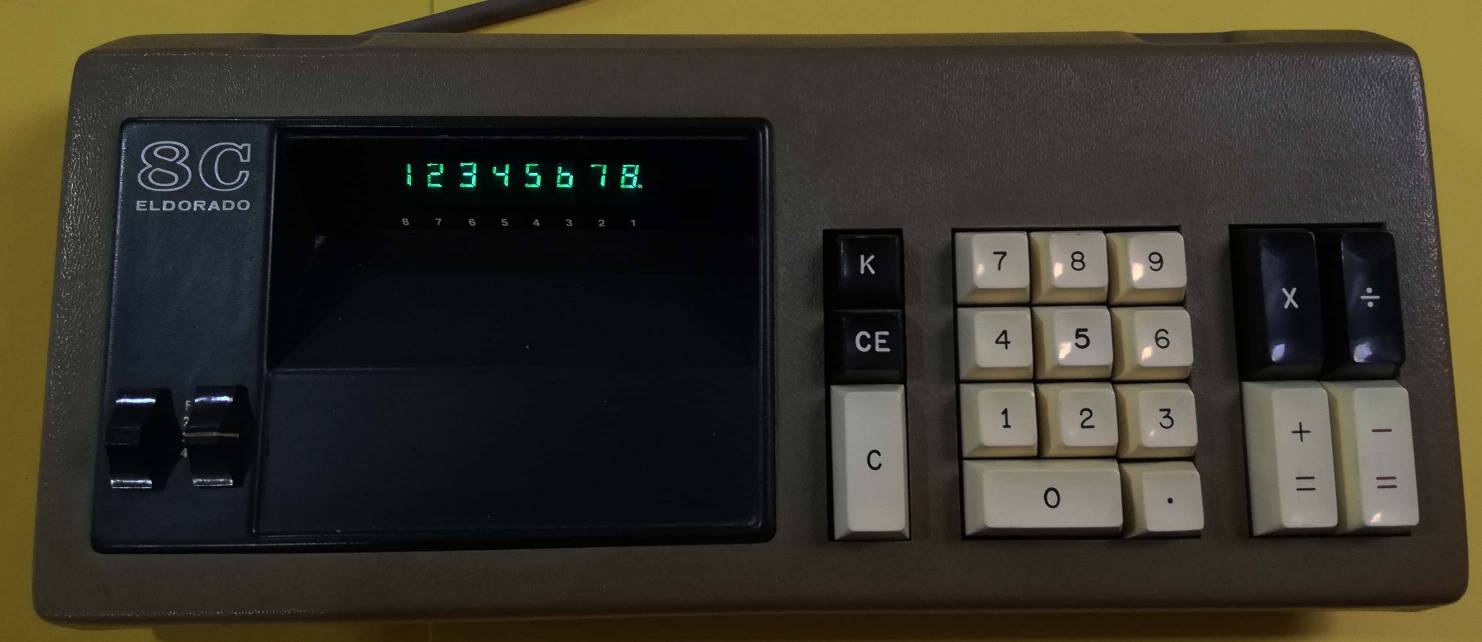 Model: 8C
Battery:
Adapter: Adapter AC 110
Year: 1971
Chip: TMS1802
Manual:
Info: made in Japan
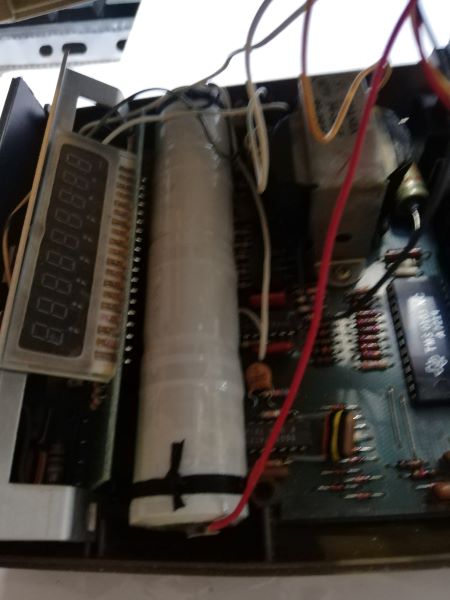
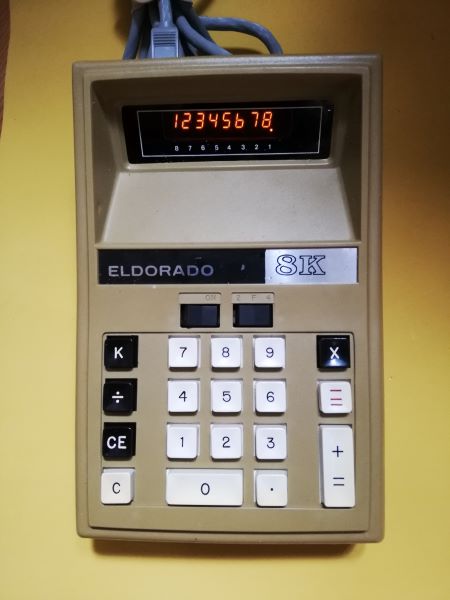 Model: 8K
Battery: 4 x ni-cd 1/2 C
Adapter: cable AC 110
Year: 1972
Chip: TMS0103
Manual:
Info:made in Japan
.jpg) Model: Director Two
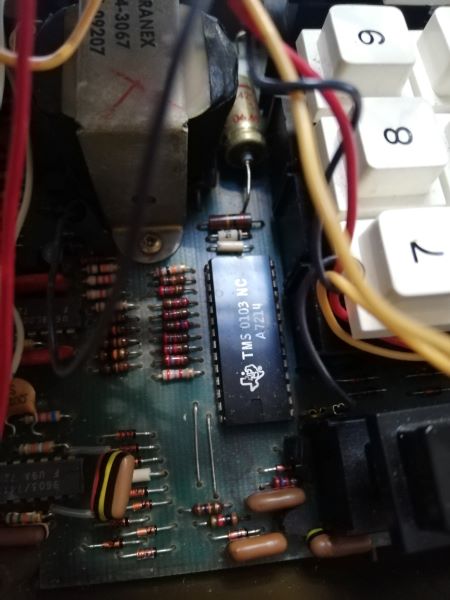
Model: Director Two
Battery: no
Adapter: cable AC 110
Year: 1972
Chip: TMS0103
Manual:
Info:made in Japan
.jpg)
.jpg)
.jpg)
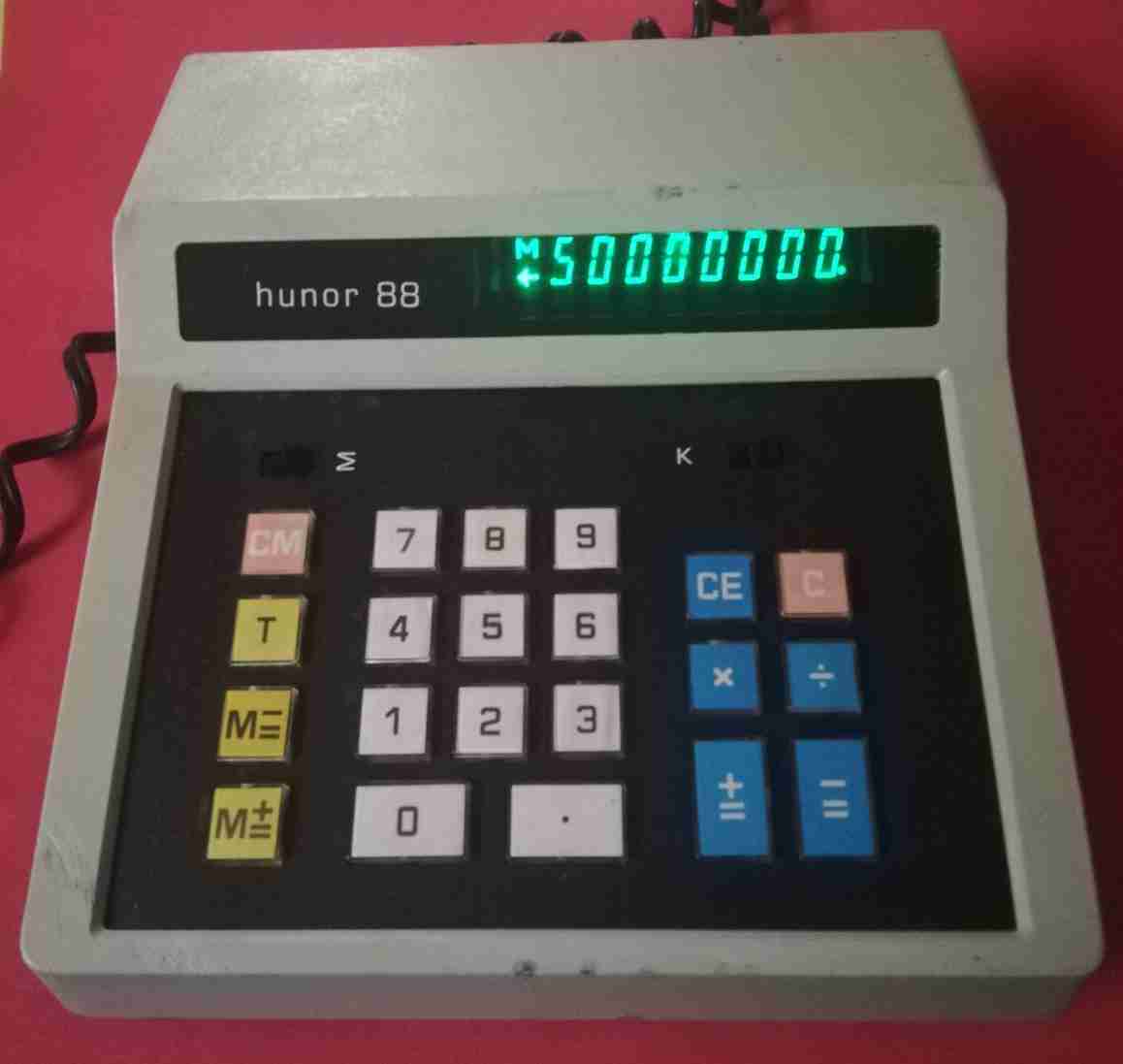
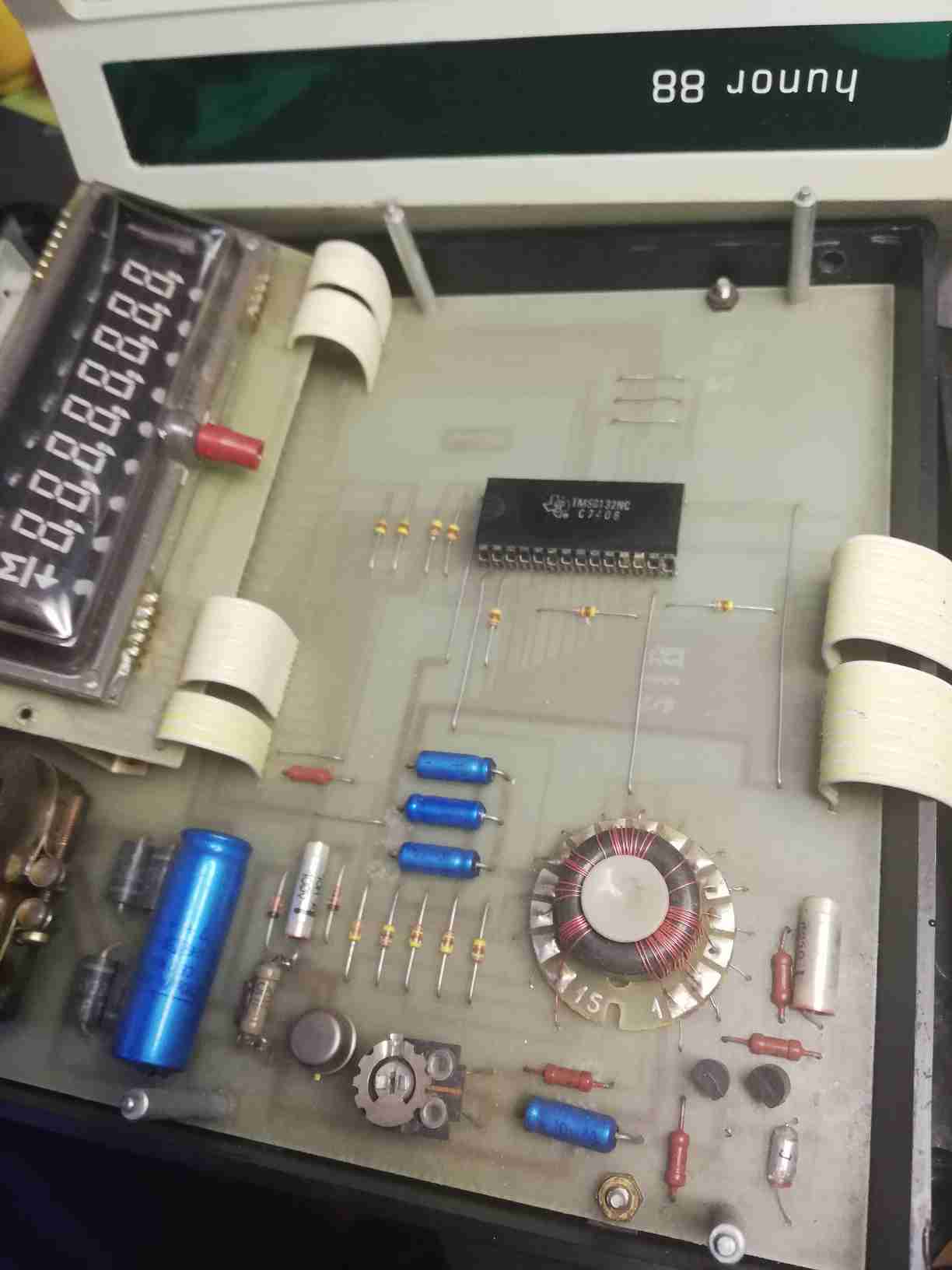
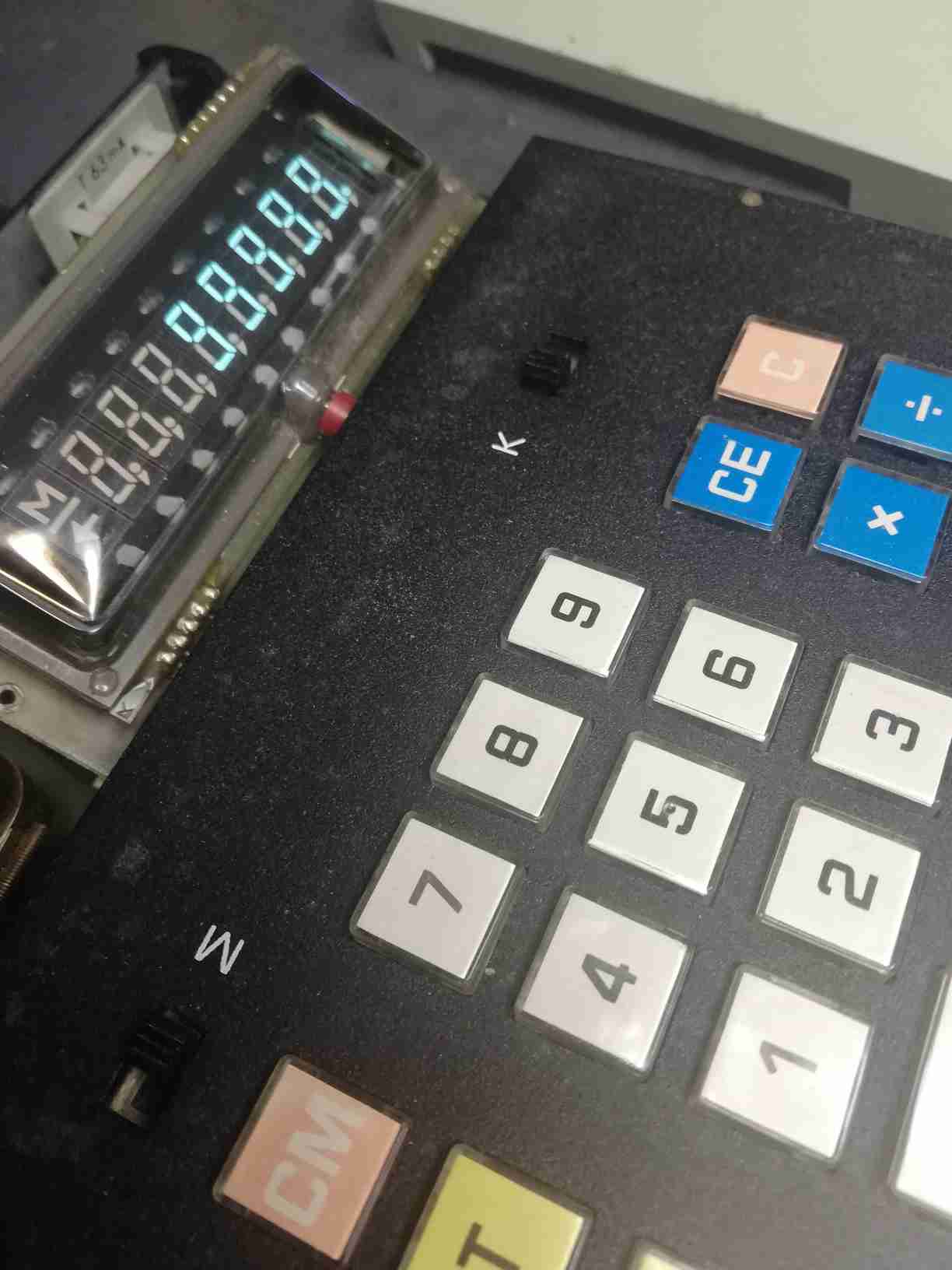
Model: Hunor 88
Battery: no
Adapter: AC 220 volt
Year: 1977
Chip: TMS0132
Info:The Hunor 88 was produced from 1977 to 1979.
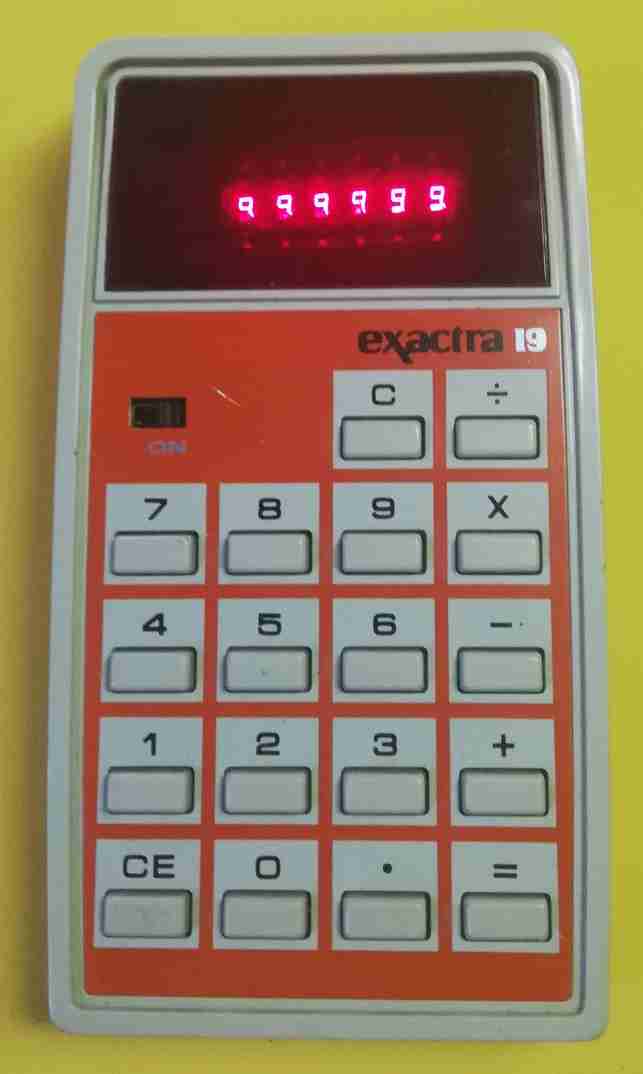 Model: Exactra 19
Battery: 3 x AA
Adapter:
Year: 1974
Chip: TMC0806
Manual: with permission www.datamath.org
Info:When The Ohio State University approached Texas Instruments early in Summer 1974 with the demand of Thousands of high quality calculators in the $15.00 to $20.00 range for a Classroom Experiment, they actually initiated the development of this Exactra 19.
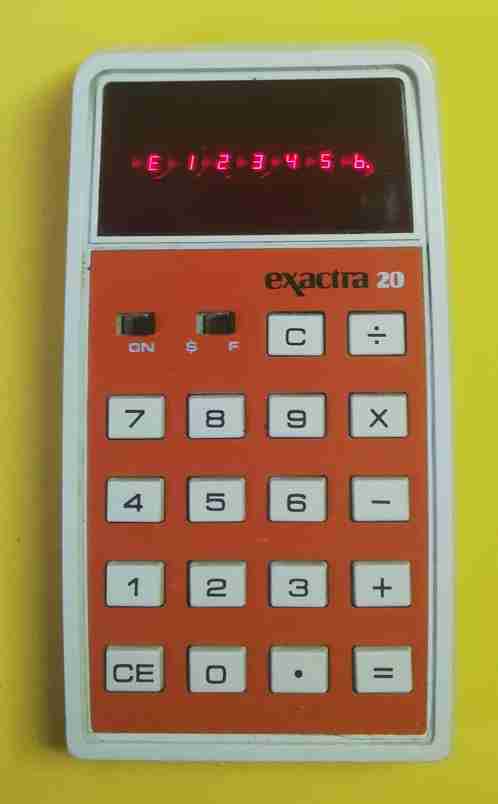 Model: Exactra 20
Battery: 3 x AA
Adapter:
Year: 1974
Chip: TMC0135
Manual: with permission www.datamath.org
Info: Texas Instruments introduced early in 1974 the Exactra line of calculators with the handheld models Exactra 20, Exactra 21, Exactra 22 and Exactra 23. The line was complemented with one desktop calculator named Exactra 31. The Exactra calculators do not use the name of the manufacturer on their nameplates, you have to read the small printed on the reverse to locate the Texas Instruments logo. The reasons are not clear, let us assume that in the middle of the decline of the calculator prices the marketing guys tried to establish a low-budget line.
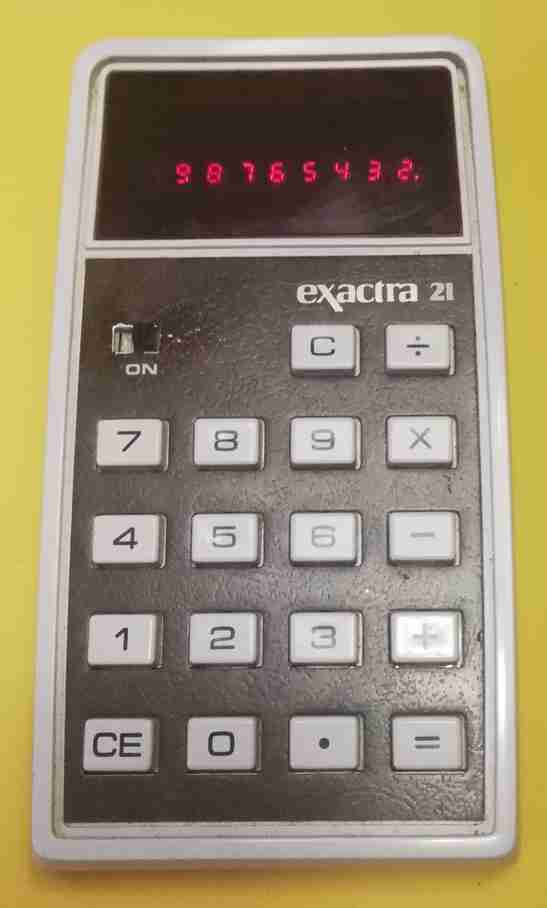 Model: Exactra 21
Battery: 3 x AA
Adapter:
Year: 1975
Chip: TMC0803
Manual:
Info: The Exactra 21 with it's brown keyplate uses a 8-digit display and similar electronics to the TI-1500 and TI-2500-II calculators.
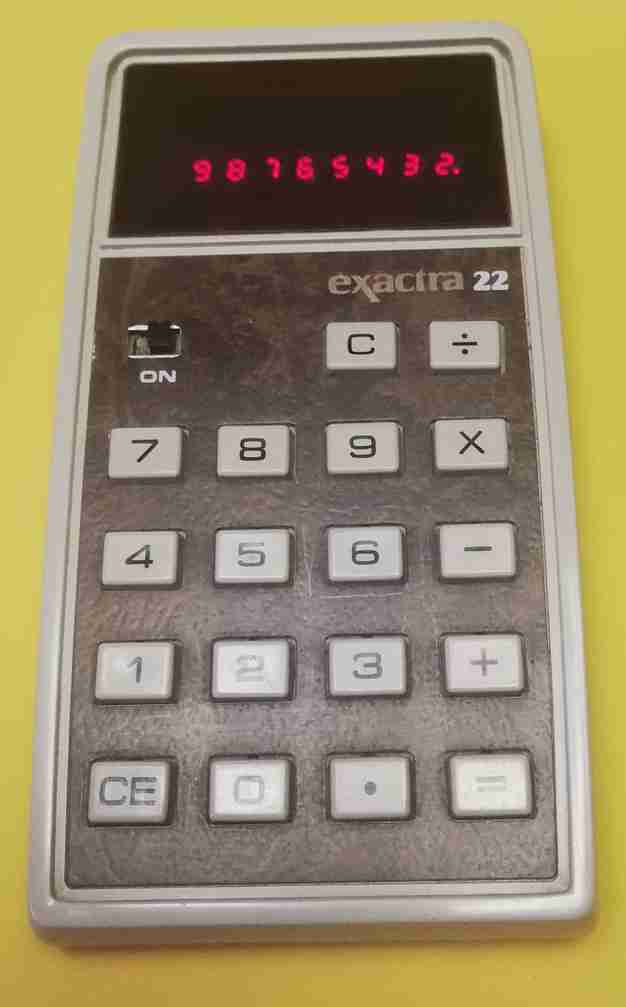 Model: Exactra 22
Battery: 3 x AA
Adapter: AC9160
Year: 1975
Chip: TMC0803
Manual:
Info:
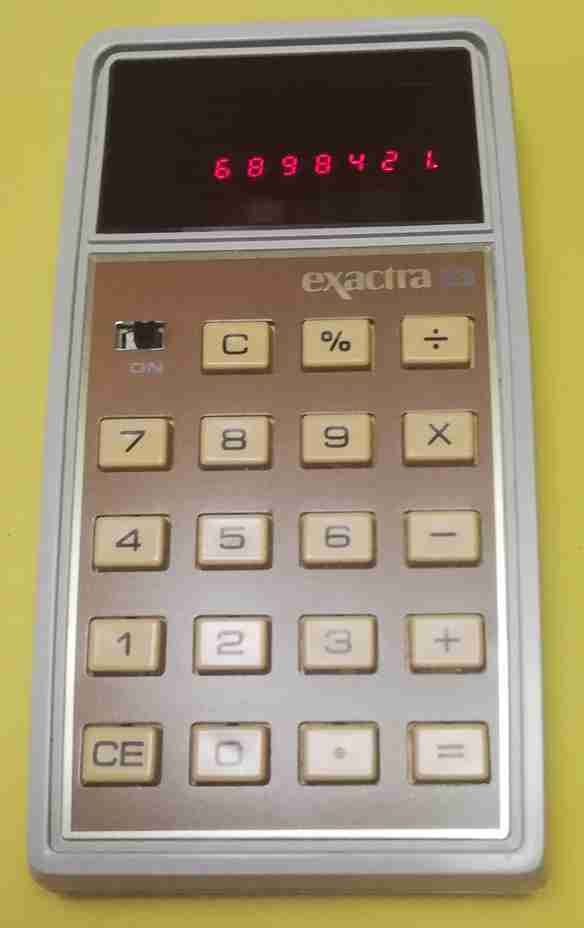 Model: Exactra 23
Battery: 3 x AA
Adapter: AC9160
Year: 1975
Chip: TMC0803
Manual: with permission www.datamath.org
Info: The Exactra 23 could be called the fully loaded model in the cheap Exactra line. It sports an 8-digit display, a %-key and a connector for an external power supply.
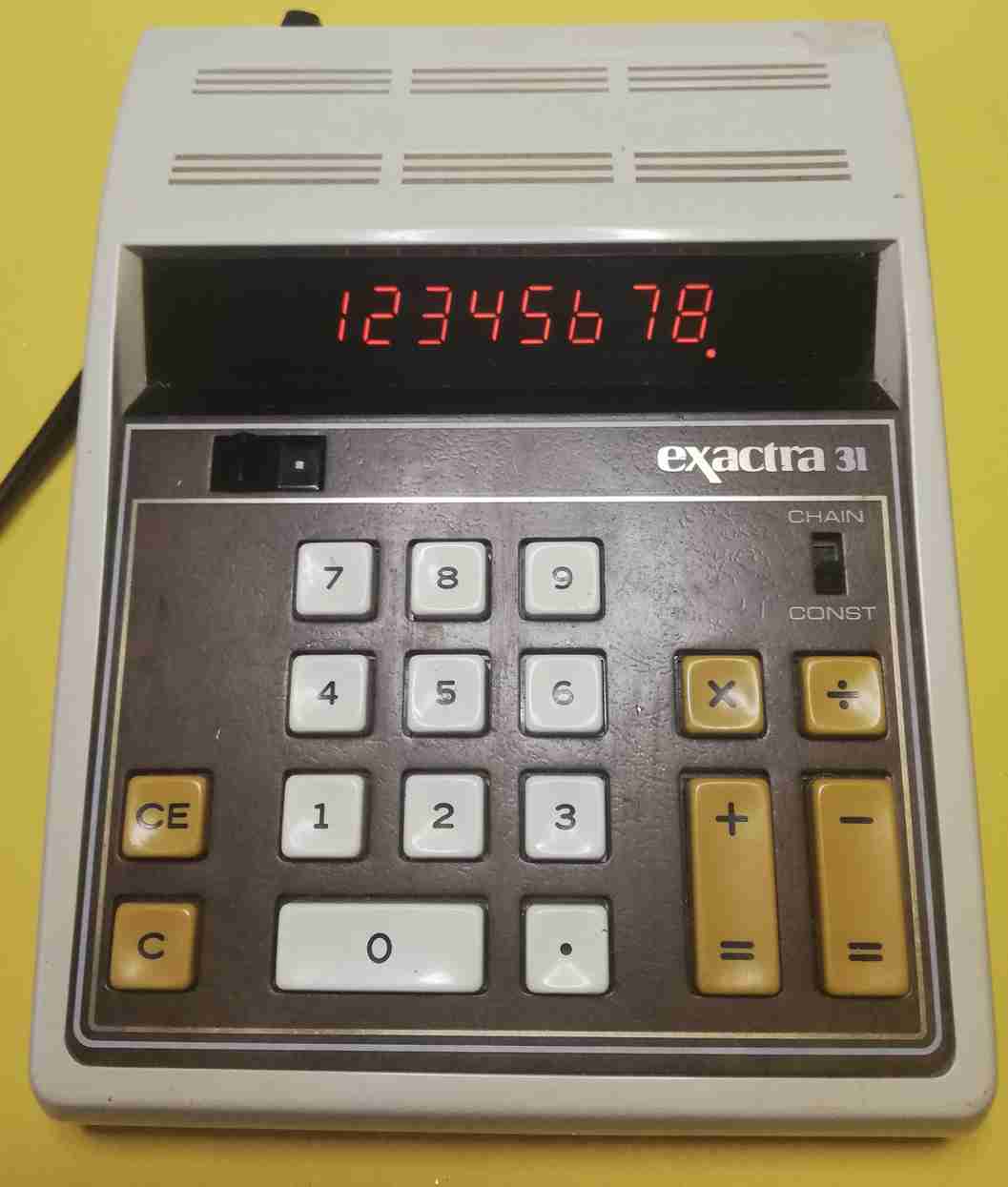 Model: Exactra 31
Battery: no
Adapter: 120 volt
Year: 1974
Chip: TMS0109
Manual:
Info: Nothing else than a restyled TI-3000 with an additional sliding switch to select between Chain and Constant mode.
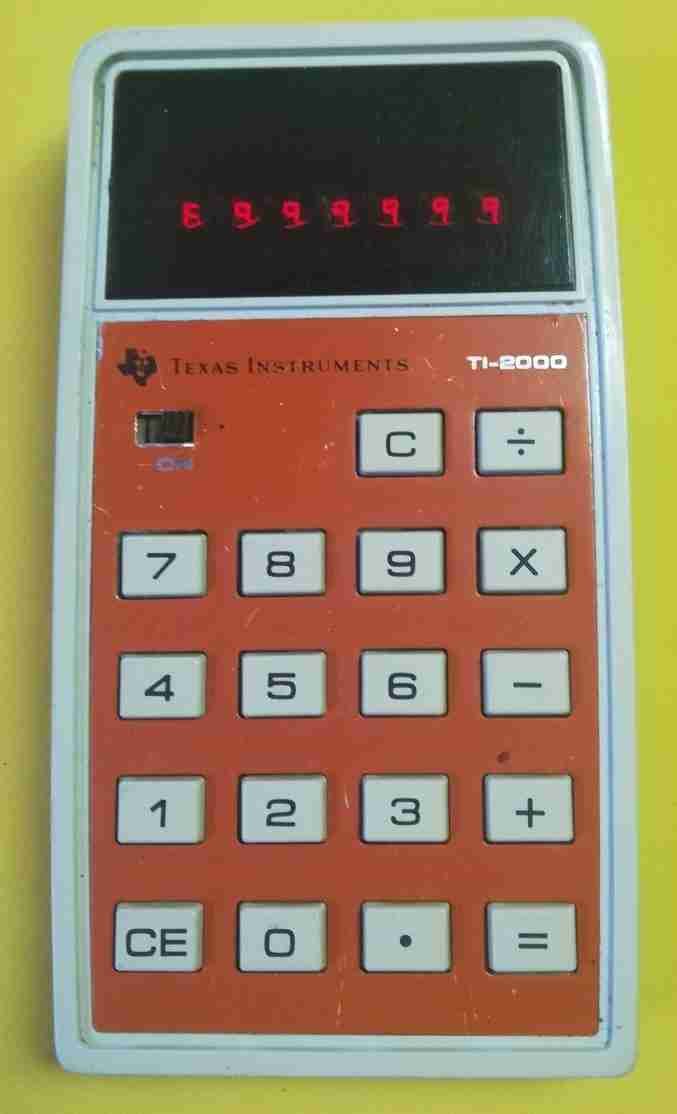 Model: Exactra TI-2000
Battery: 3 x AA
Adapter:
Year: 1975
Chip: TMC0135
Manual: with permission www.datamath.org
Info: Finally found the TI-2000 in the Exactra part of the Museum. The label on the backside of the TI-2000 indicates with the bold "Made in Italy" already that the TI-2000 was manufactured for the European market.
 Model: Barbie
Battery: 9 volt
AC adapter:
Year: 1985
Chip: TMS0972
Info:A lot of LED-calculators used the TMS0972 calculator chip developed for the TI-1200. The cutest ever was this Barbie calculator marketed by Concept 2000.
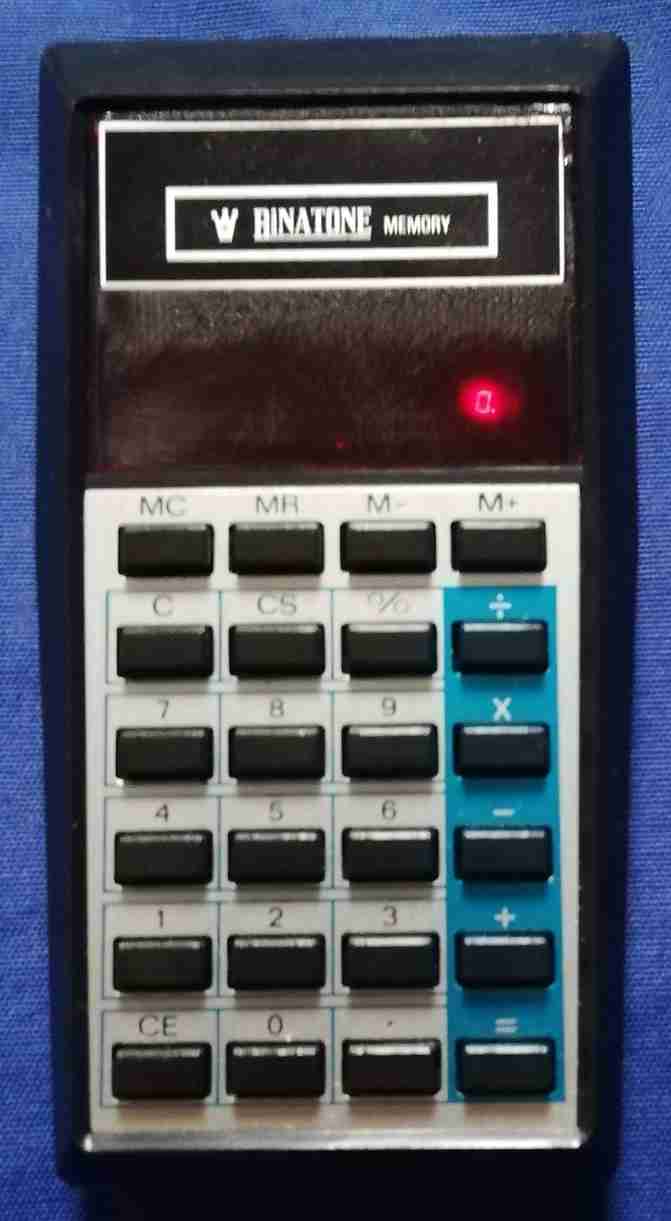 Model: BINATONE MEMORY
Battery: 9 volt
Adapter:
Year: 1976
Chip: TMS0972
Info: This is a nearly perfect copy of the TI-1250. Made in Homg Kong
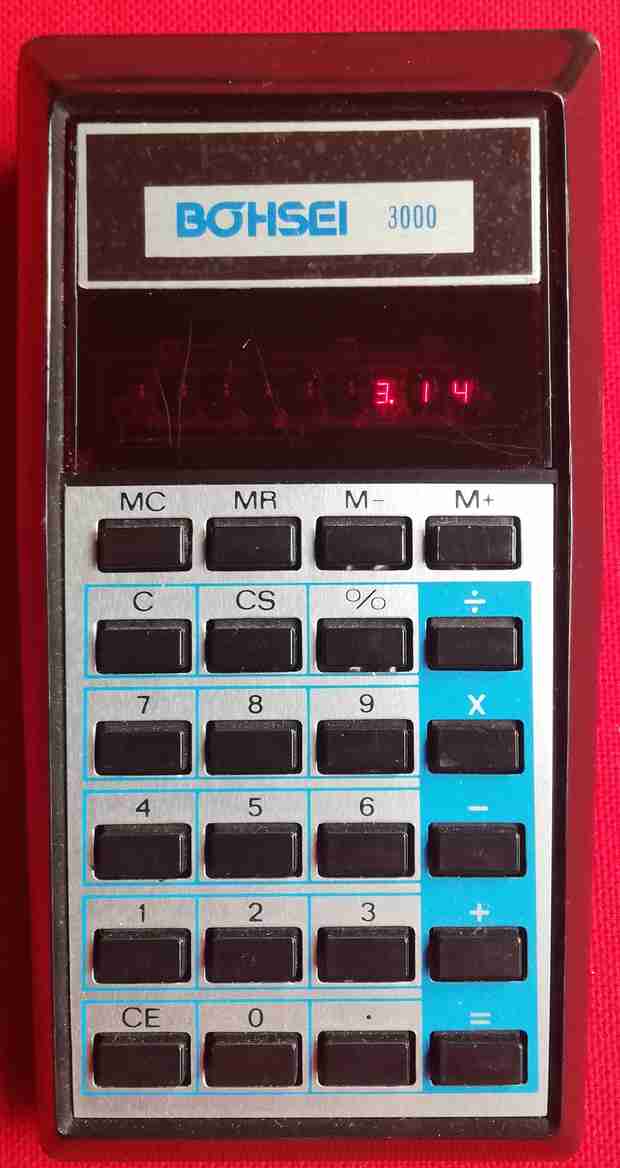 Model: BOHSEI 3000
Battery: 9 volt
Adapter:
Year:
Chip: TMS0972
Info: This is a nearly perfect copy of the TI-1250. Made in Homg Kong
.jpg) Model: Dog Vanity Fair
Model: Dog Vanity Fair
Battery: 9 volt
AC adapter:
Year: 1979
Chip: TMS0972
Info:A lot of LED-calculators used the TMS0972 calculator chip developed for the TI-1200. The cutest ever was this Barbie calculator marketed by Vanity Fair.
.jpg)
.jpg)
.jpg)
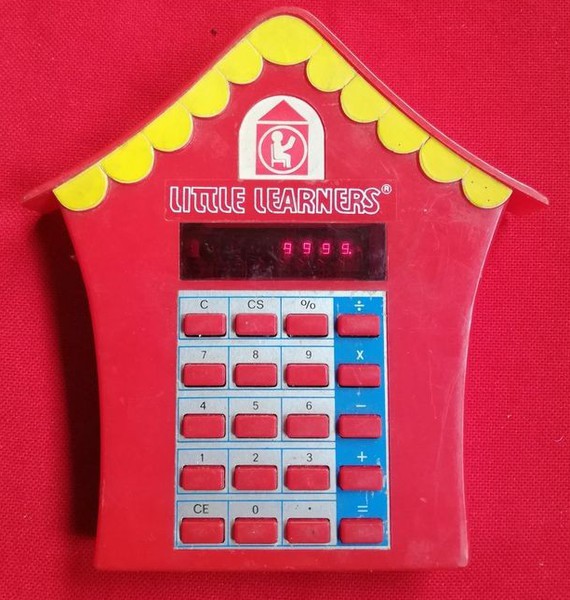 Model: Little Leaners
Battery: 9 volt
AC adapter:
Year: 1985
Chip: TMS0972
Info:A lot of LED-calculators used the TMS0972 calculator chip developed for the TI-1200.
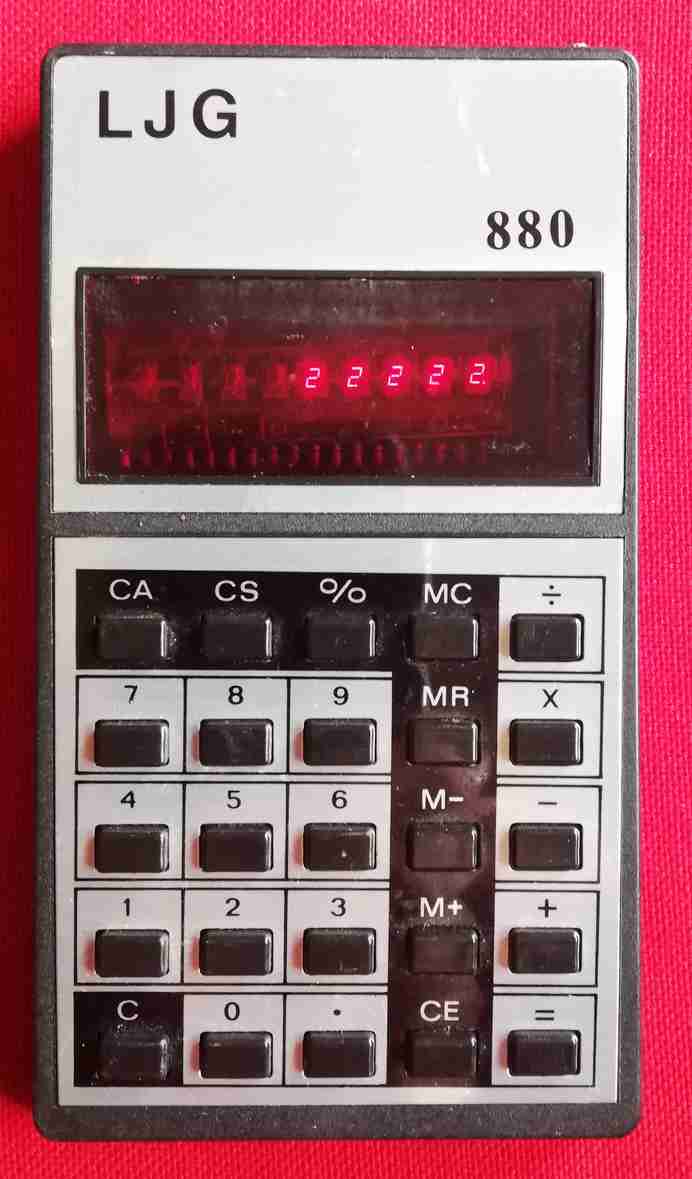 Model: LJG 880
Battery: 9 volt
Adapter:
Year:
Chip: TMS0972
Info: This is a nearly perfect copy of the TI-1250. Made in Homg Kong
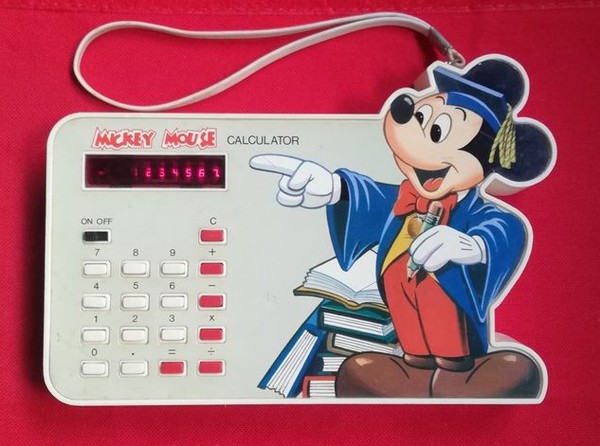 Model: Mickey Mouse
Battery: 9 volt
AC adapter:
Year: 1985
Chip: TMS0972
Info:A lot of LED-calculators used the TMS0972 calculator chip developed for the TI-1200.

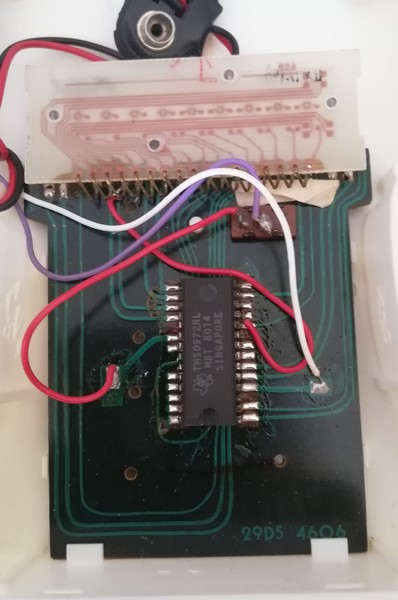 Model: Professor Mathics
Battery: 9 volt
AC adapter:
Year: 1985
Chip: TMS0972
Info:A lot of LED-calculators used the TMS0972 calculator chip developed for the TI-1200.
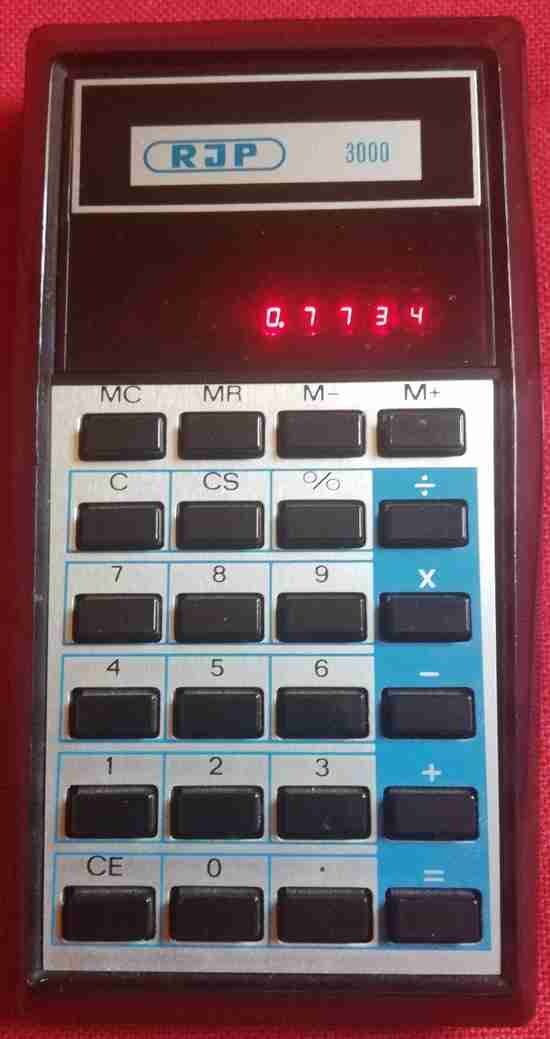
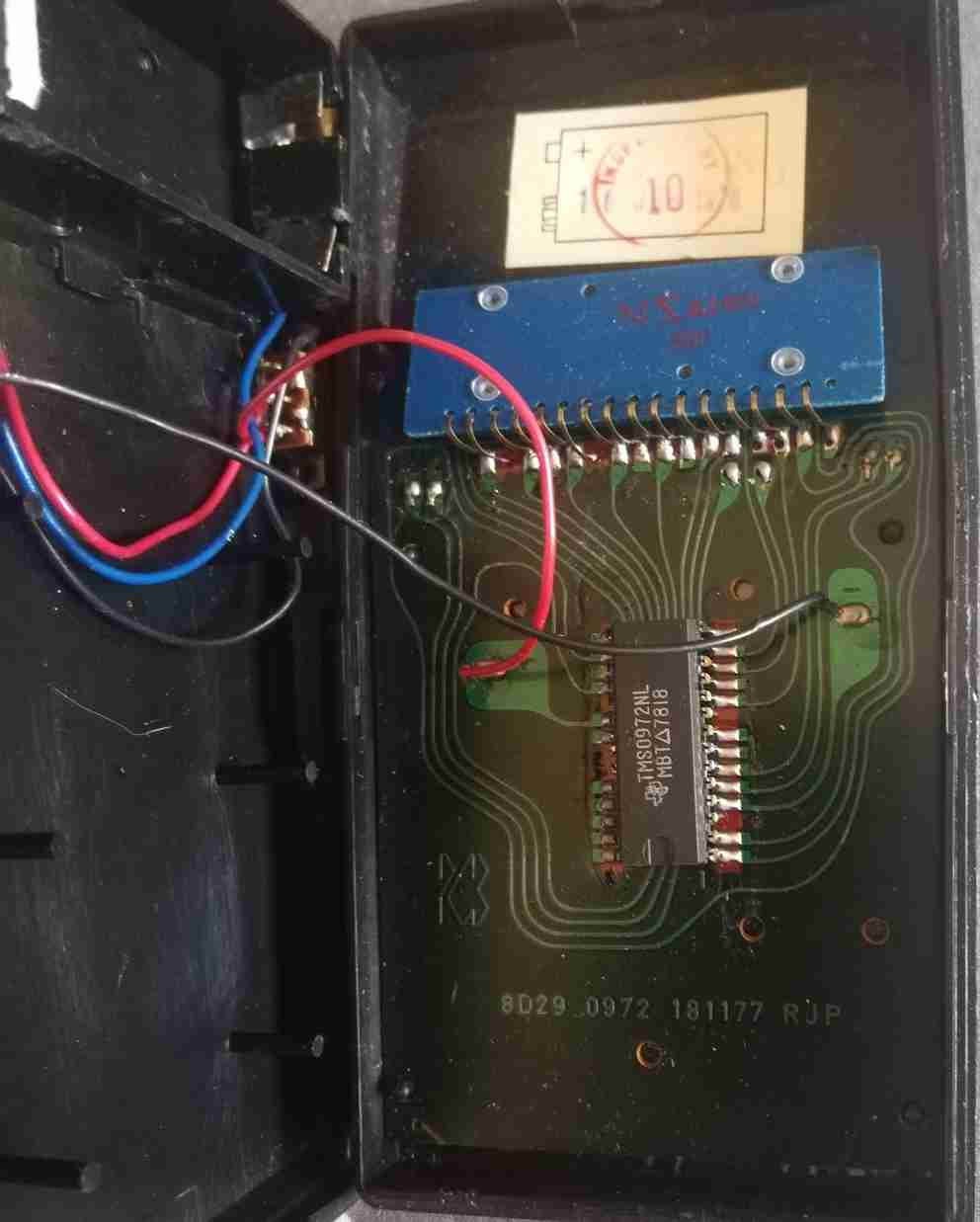 Model: RJP 3000
Battery: 9 volt
Adapter:
Year:
Chip: TMS0972
Info: This is a nearly perfect copy of the TI-1250. Made in Homg Kong
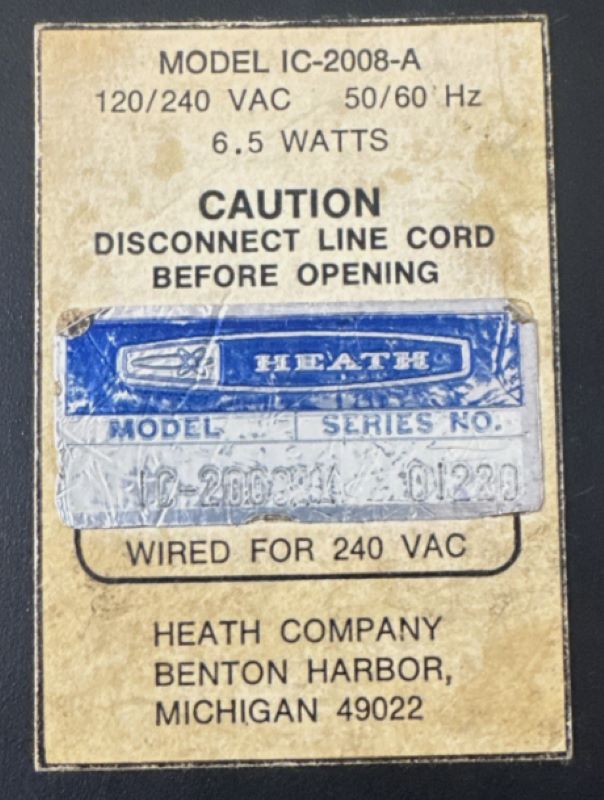
 Model: IC-2008-A
Battery: NO
Adapter: AC 120 or 240 Volts
Year: 1972
Chip: TMS0101
Manual:
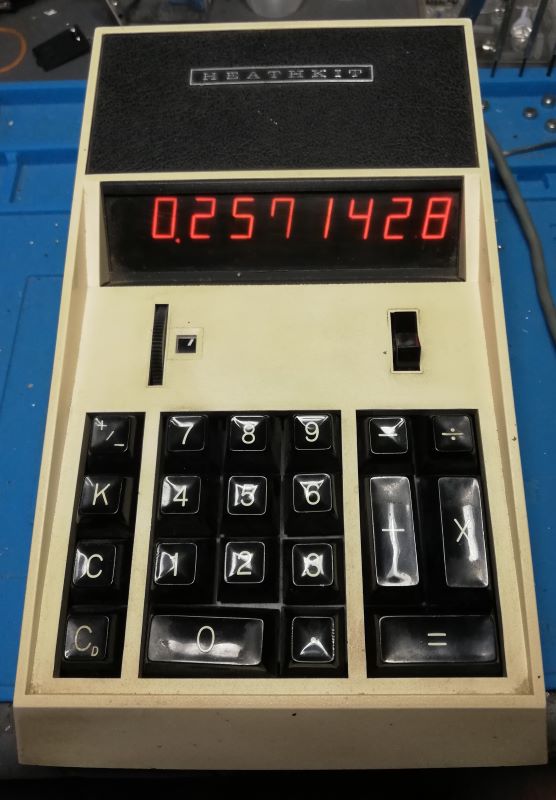
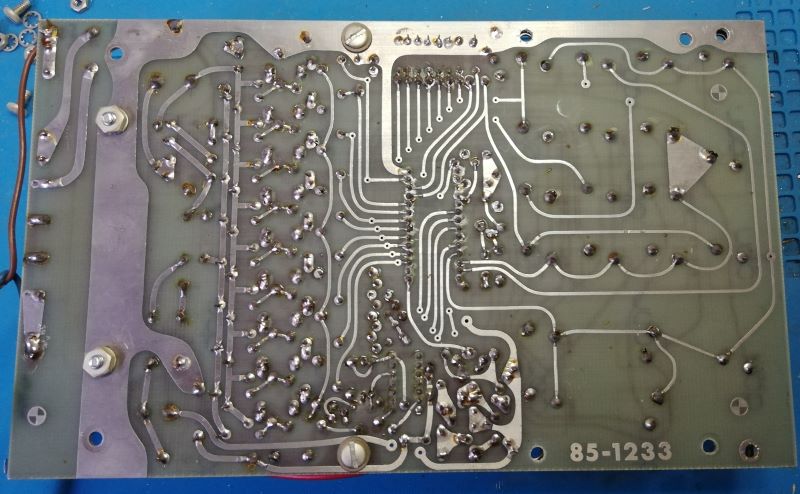
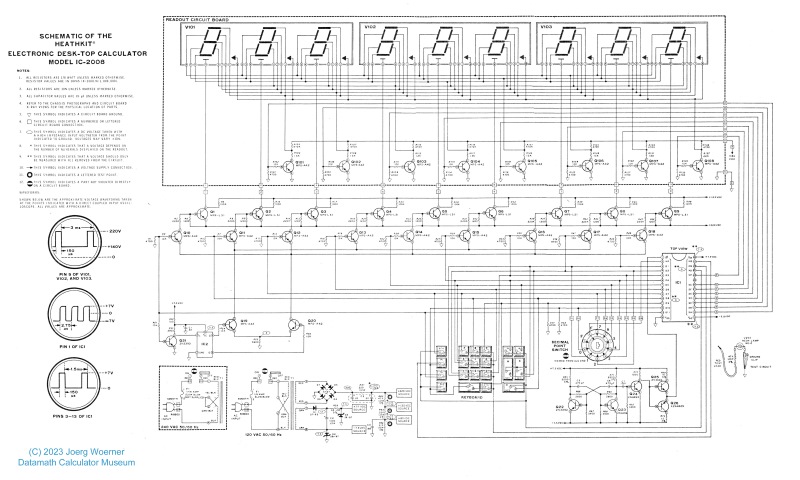
Info: Shortly after the introduction of the Heathkit IC-2008 Desktop calculator, Texas Instruments decided to discontinue the TMS1875 single-chip calculator circuit to focus on the more lucrative TMS0100 Product Family. And the IC-2008 was selling like hotcake, probably around 1,000 units per months at a typical price of $139.95 (around $1,000 in 2023 money) per unit. Heath needed a solution, and they needed the solution quick. Enter IC-2008A.
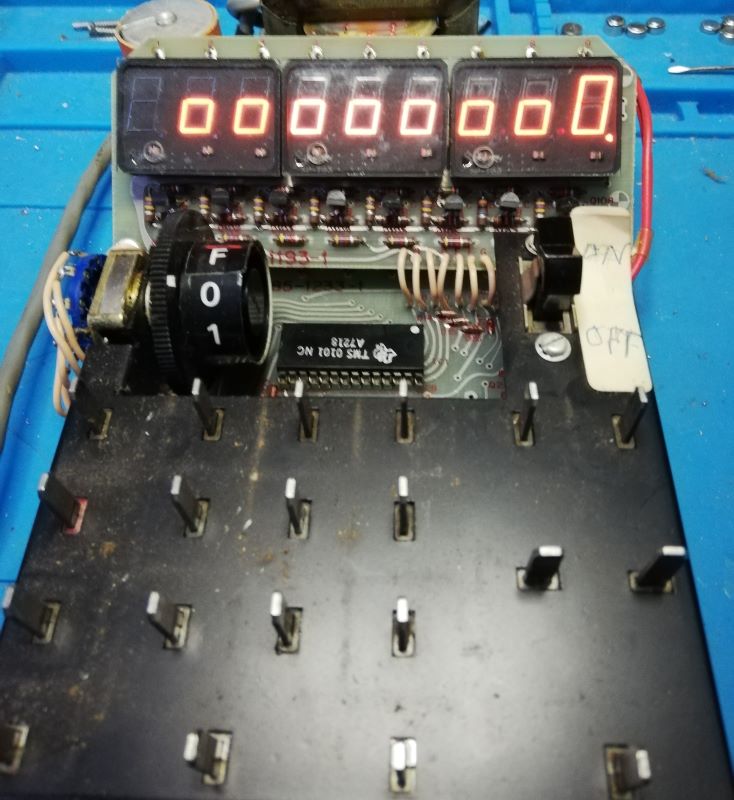
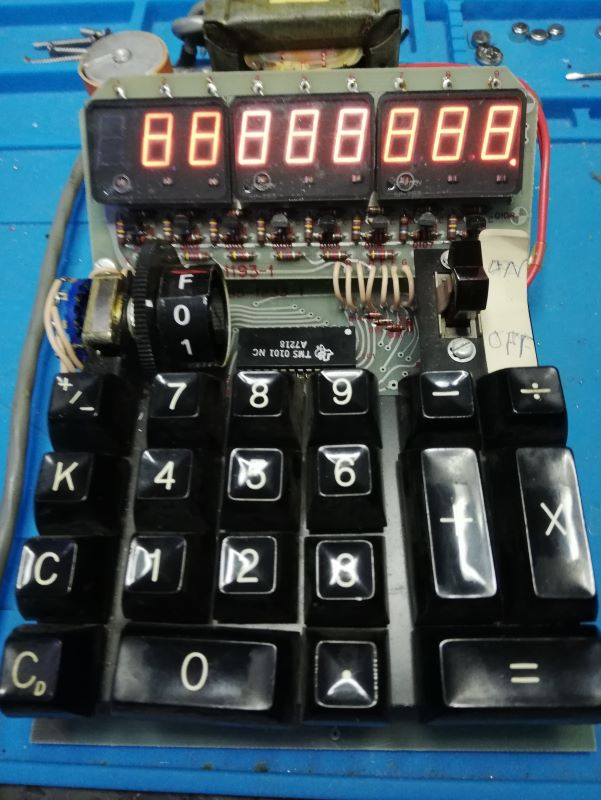
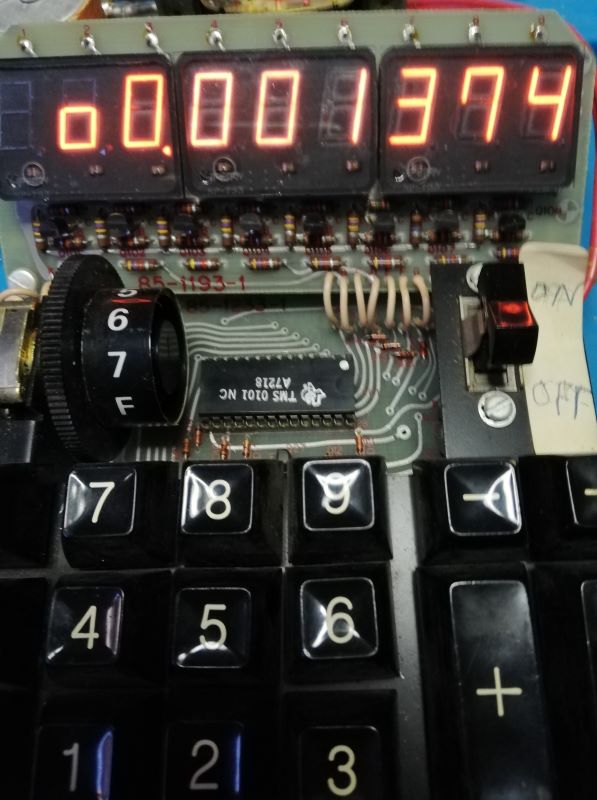
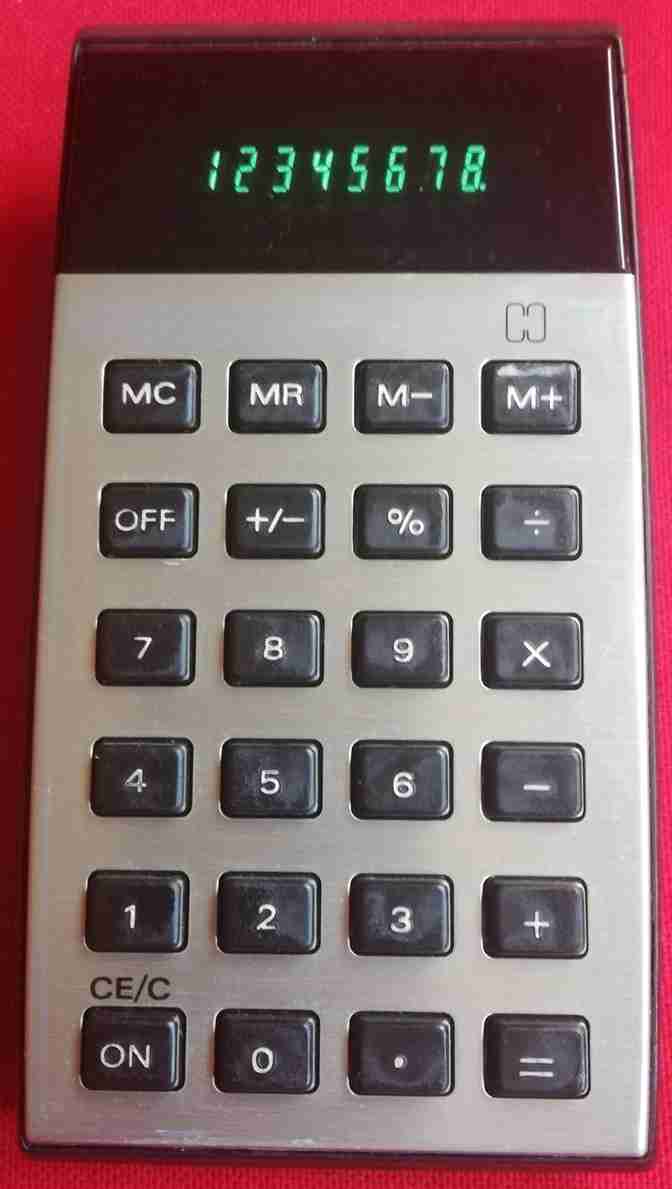
 The first figure shows the state of the display upon power-up. Turning on a Heathkit IC-2008 calculator can take up to a minute for the display to become fully operational, and instead of the usual " 0. " display, the operator is greeted by a bright neon-orange " ooooooo0. " display. The third figure shows the state of the display after a division, with the decimal places set using the rotary switch above the 7.
 Model: Hema 1025
Battery: 9 volt
Adapter: AC9180
Year: 1976
Chip: TMC0923
Info:Nothing else than a TI-1025 with a sticker from the Dutch Department store HEMA.
 Model: PTK-1050
Battery: BP6, BP7
Adapter: AC9131, AC9132
Year: 1979
Chip: TMC1501
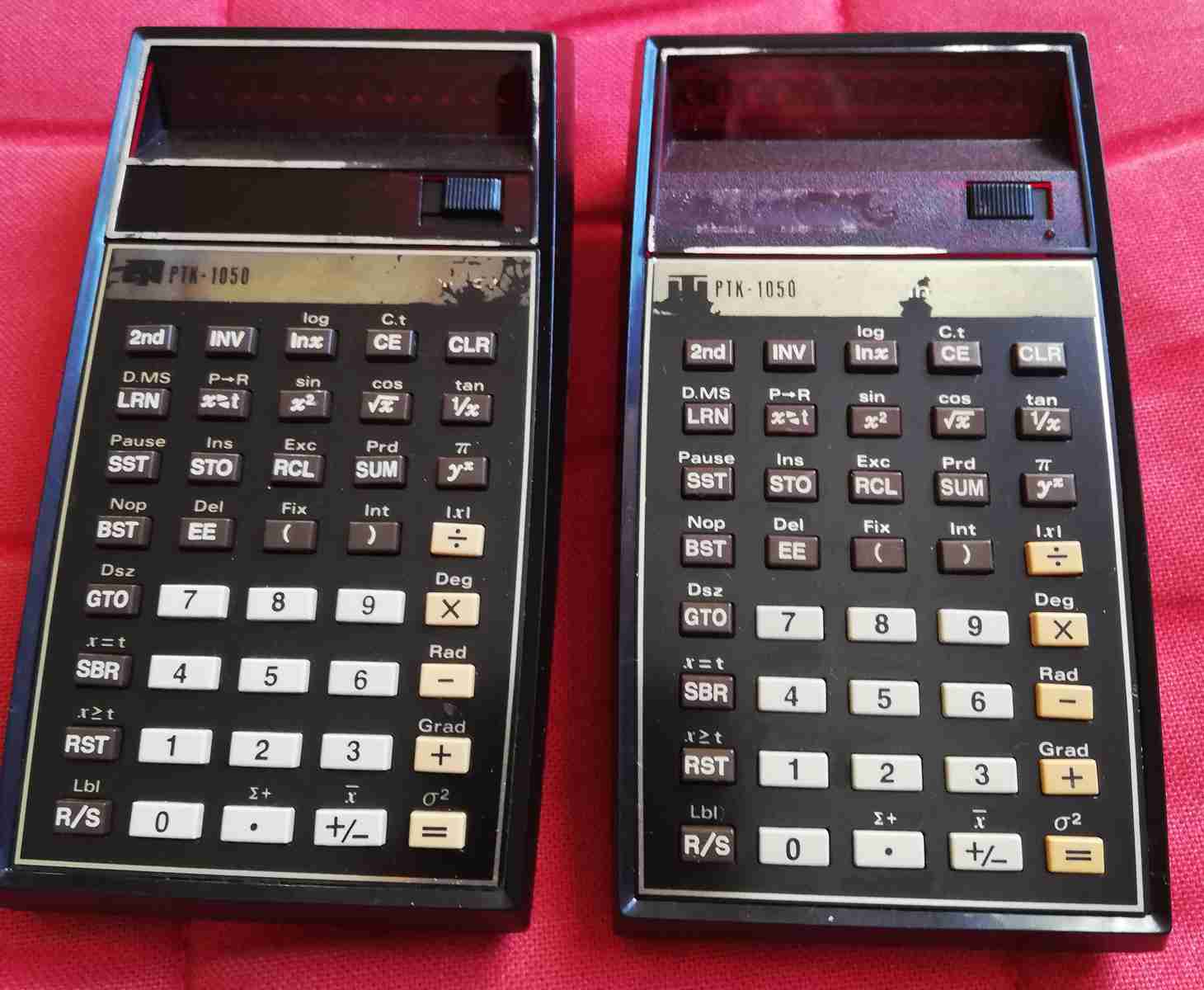
Info: This PTK-1050 (1979) is one of several calculators sold by the Híradástechnika in Budapest, Hungary in the 1970s. It is 100% identical to the TI-57, on the left built in the USA, on the right built in the EU.adio Shack
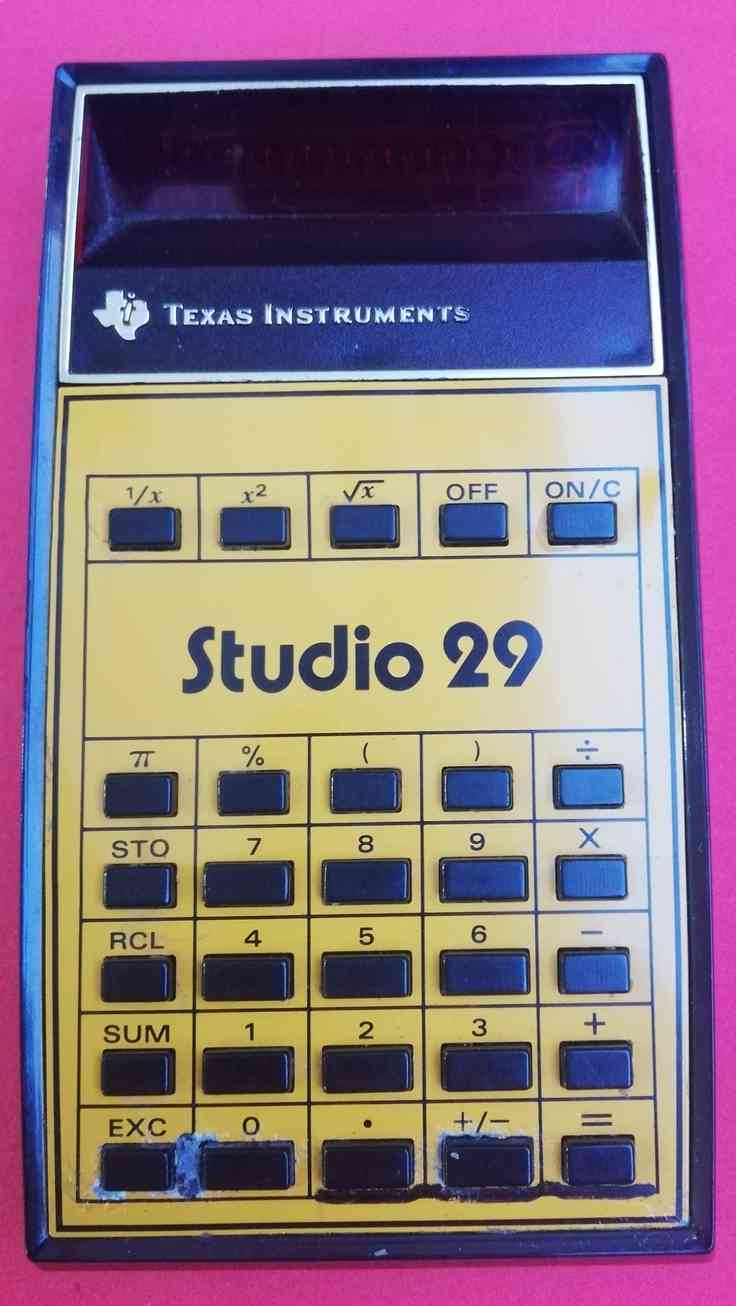 Model: Studio 29 Koh-I-Noor
Battery: 9 vot
Adapter:
Year: 1979
Chip: TMS0981
Info: Made in Italy (RIETI) RCI
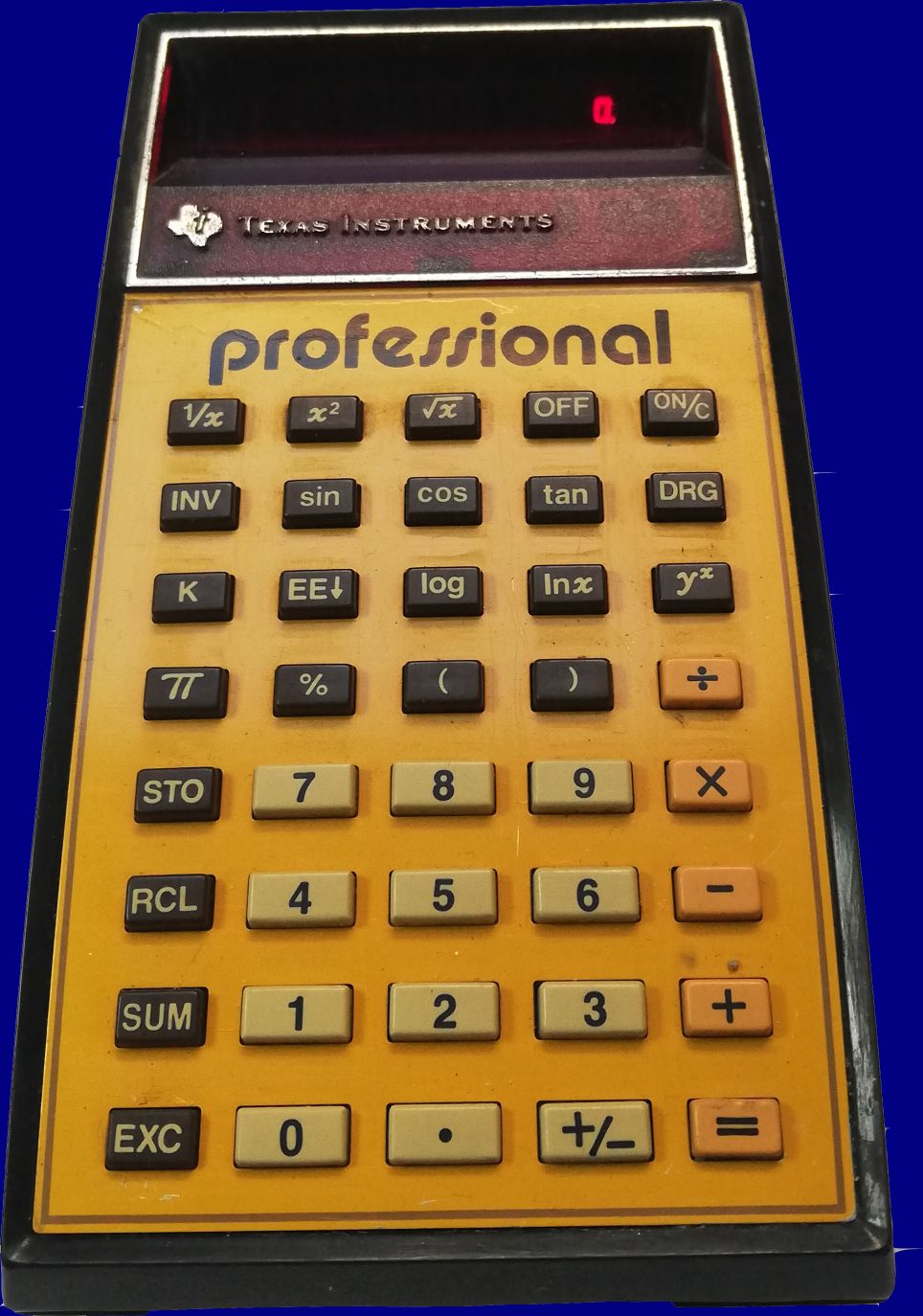 Model: TI Professional Koh-I-Noor
Battery: 9 volt or RK2
Adapter: AC9900/r
Year: 1978
Chip: TMS0981
Info: Made in Italy (RIETI) RCI
It is obvious that the model professional - manufactured for Koh-I-Noor Hardtmuth - is a hybrid of three different products:
| • The basic functionality is borrowed without any doubts from the TI-30 introduced in 1976 • The double-shot injection molded keys are known from the Business Analyst-I • The yellow-brown keyboard plate is... unique |
Dismantling this model professional manufactured in 1978 reveals a standard TI-30 printed circuit board (PCB) with the well-known TMS0981 single-chip calculator circuit.
 Model: TI-1050 Koh-I-Noor
Battery: 9 volt
Adapter: AC9180
Year: 1977
Chip: TMC0921
Info:Made in Italy Rieti ( RCI ). Donated from Marie Collas (FR).
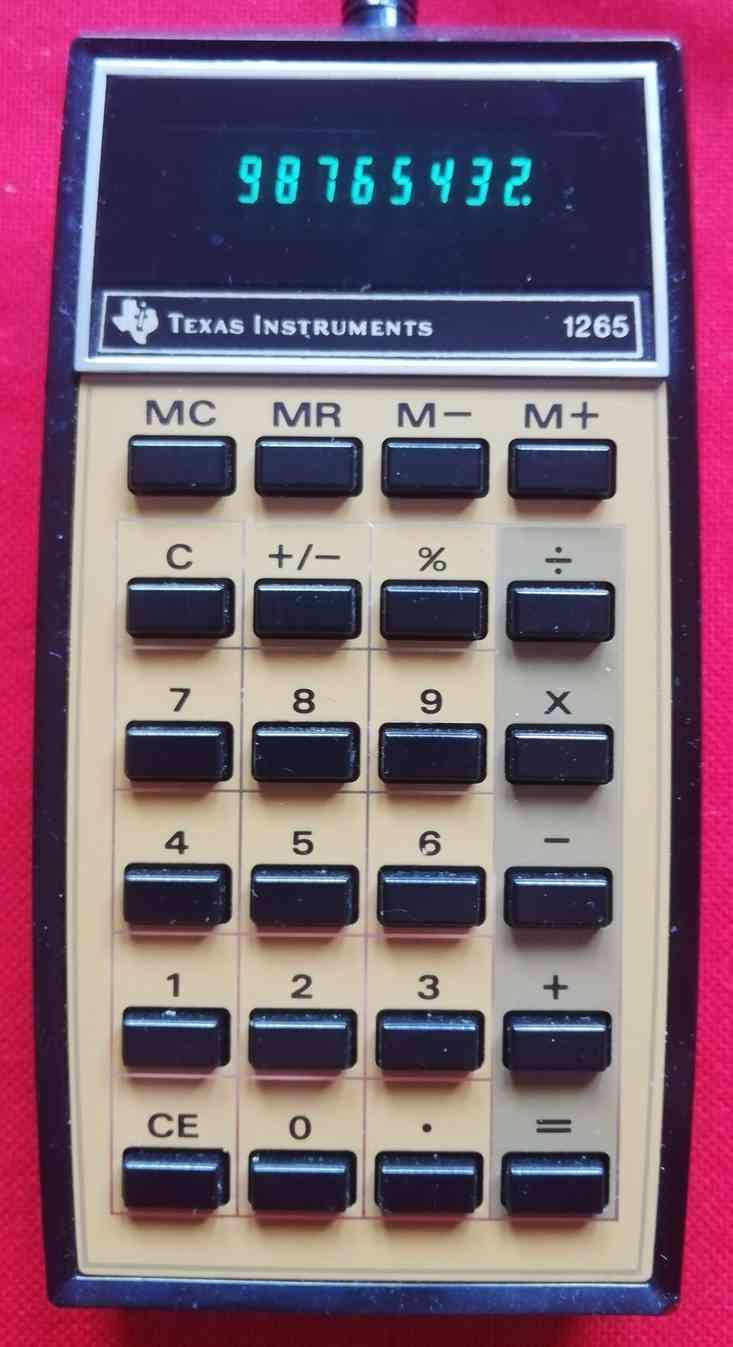 Model: TI-1265 Koh-I-Noor
Battery: 9 volt
Adapter: AC9180
Year: 1977
Chip: TMS1043
Info: Made in Italy Rieti ( RCI ).
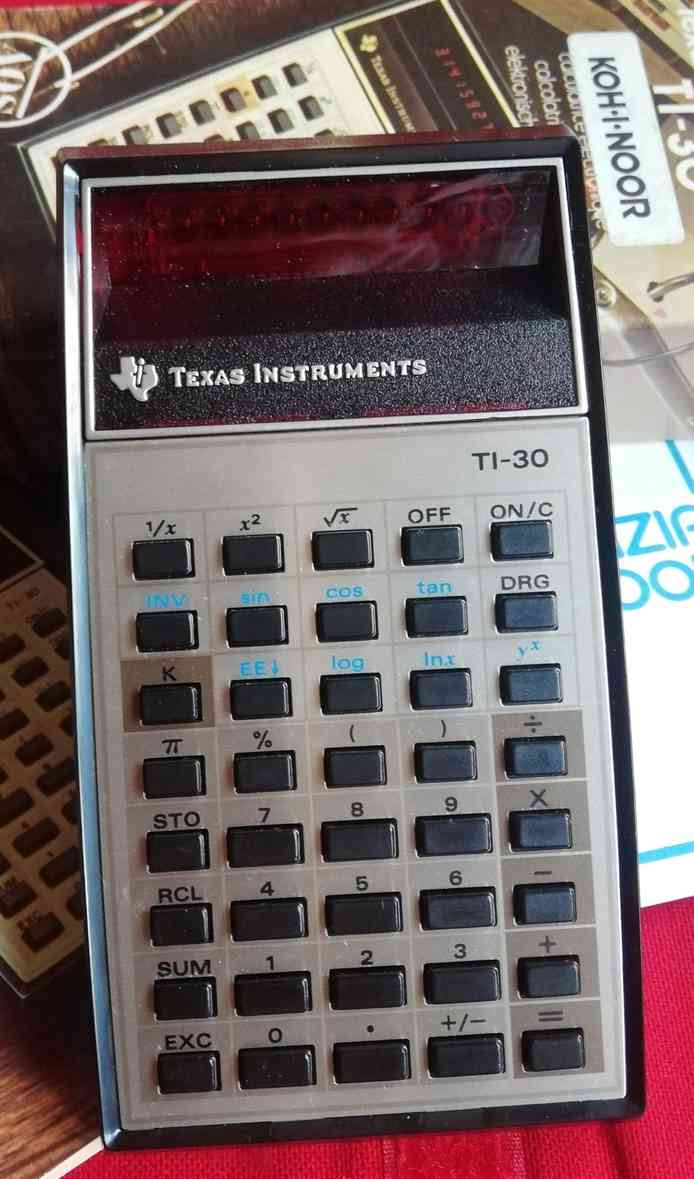 Model: TI-30 Koh-i-Noor
Battery: 9 volt
Adapter: BP7
Year: 1980
Chip: TMC0981
Info:One of the best-selling calculators in the world, Koh-I-Noor sold it here under its own brand. Produced in the 27th week of 1980 (2780RCI) by Texas Instruments in the plant of Rieti, in Italy!
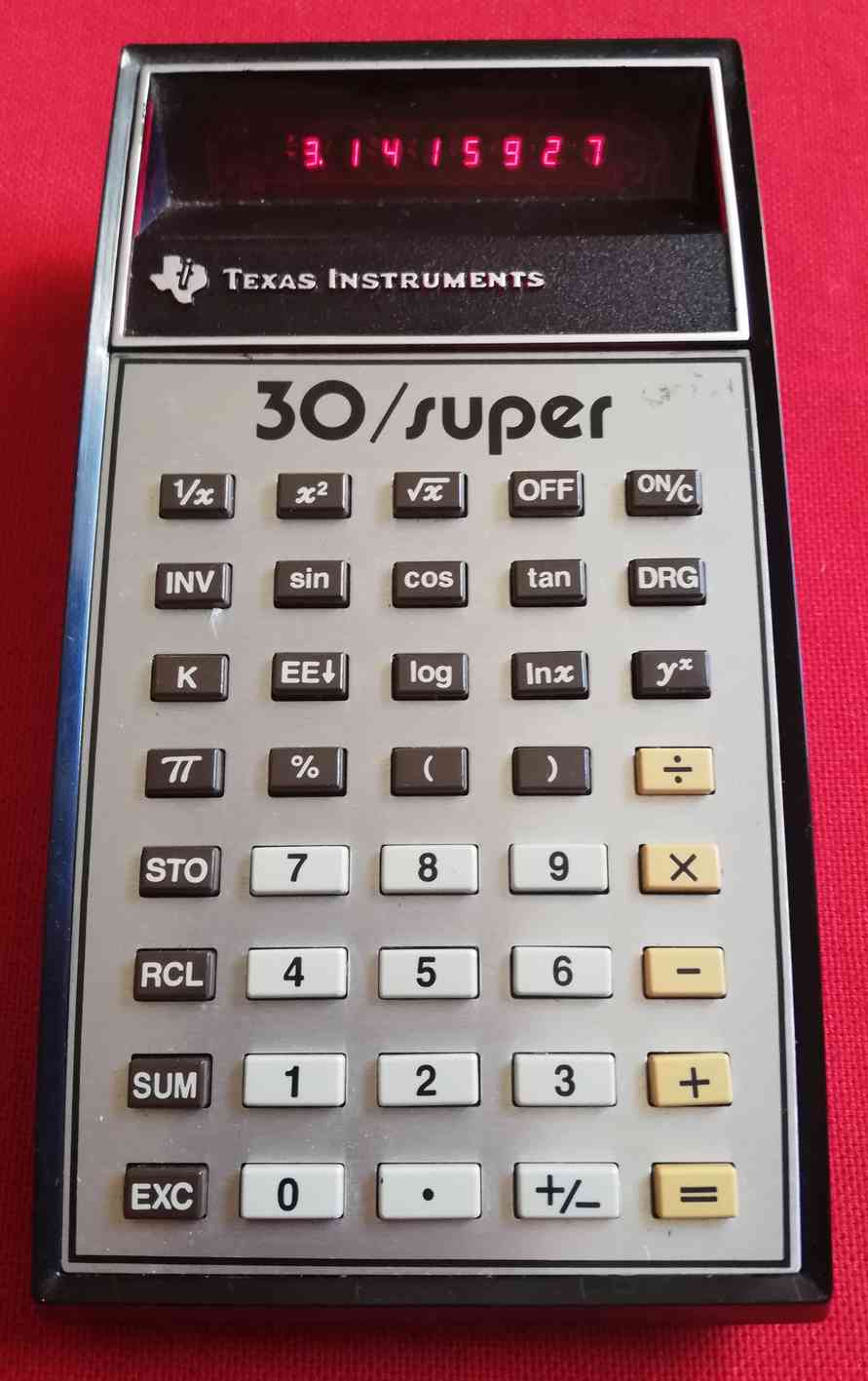 Model: TI-30 super Koh-I-Noor
Battery: 9 vot
Adapter:
Year: 1979
Chip: TMC0981
Info: Made in Italy (RIETI) RCI
It is obvious that the model 30/super - manufactured for Koh-I-Noor Hardtmuth - is a hybrid of three different products:
| • The basic functionality is borrowed without any doubts from the TI-30 introduced in 1976 • The double-shot injection molded keys are known from the Business Analyst-I • The printed Texas Instruments logo between the display and keyboard are carried over from the European TI-45 |
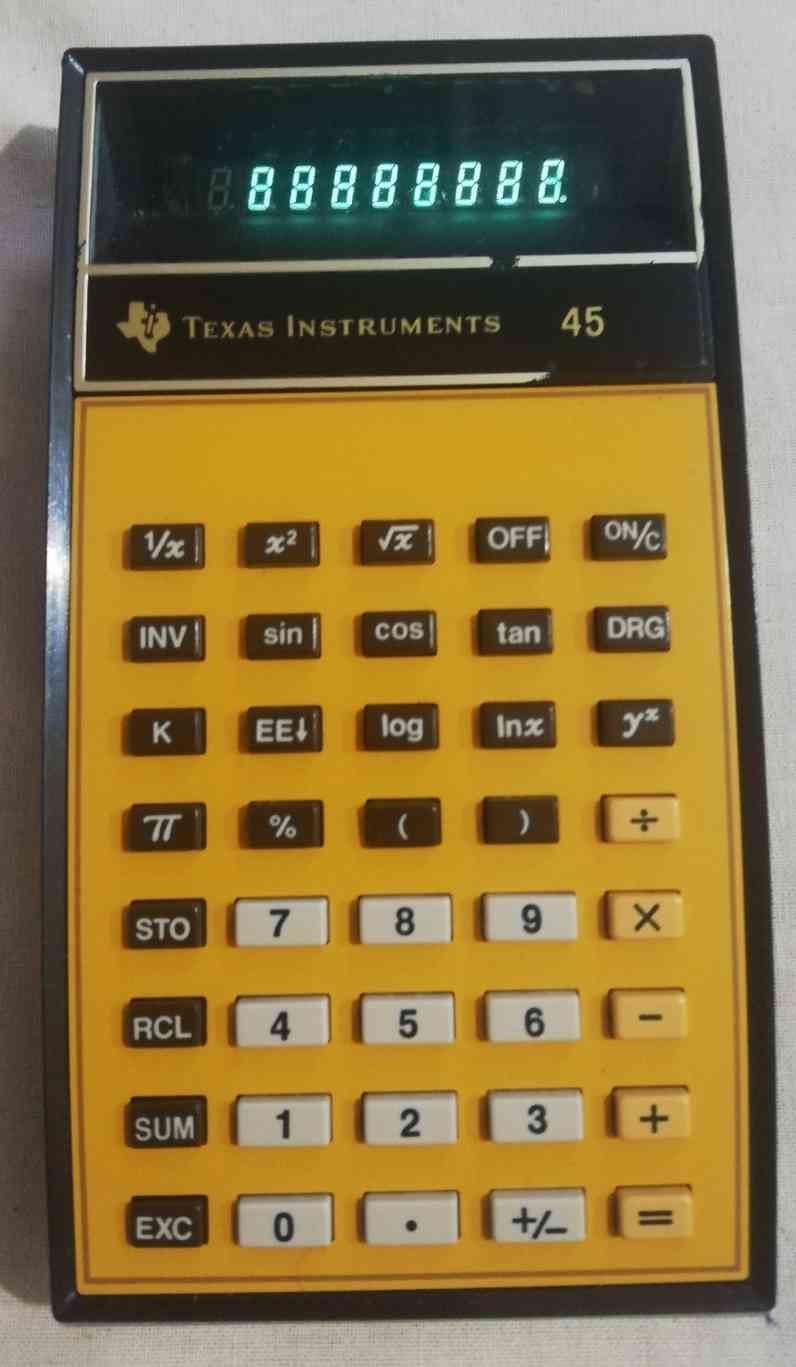
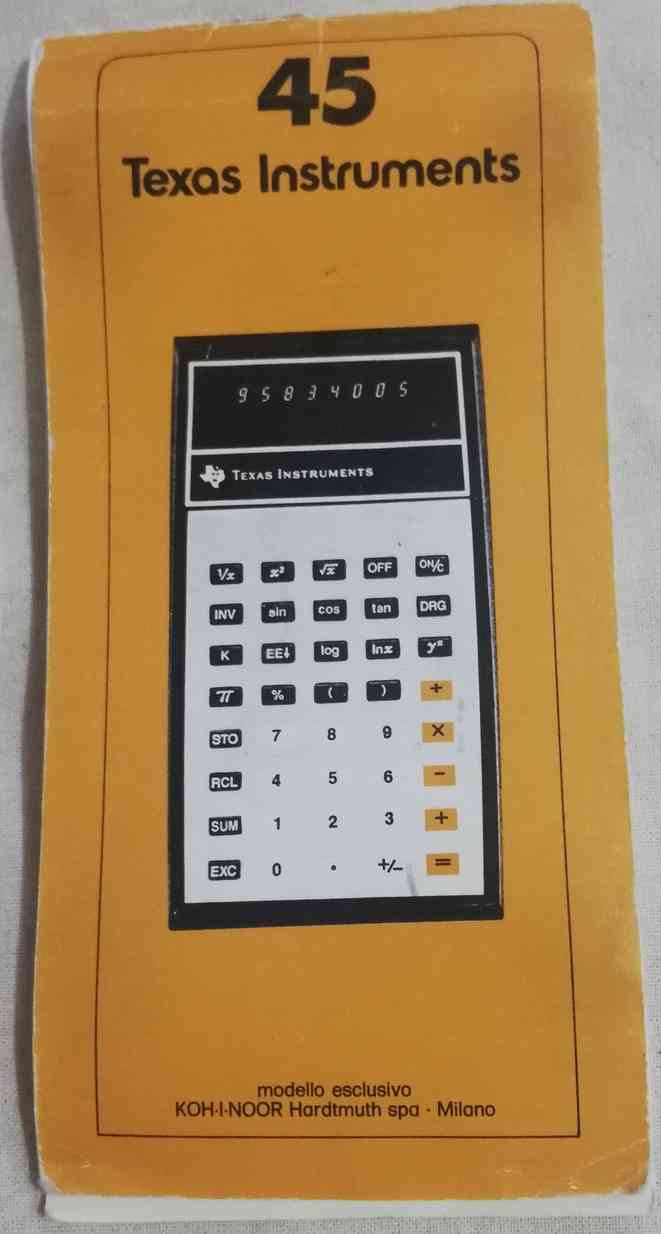 Model: TI-45 Koh-I-Noor
Battery: 9 vot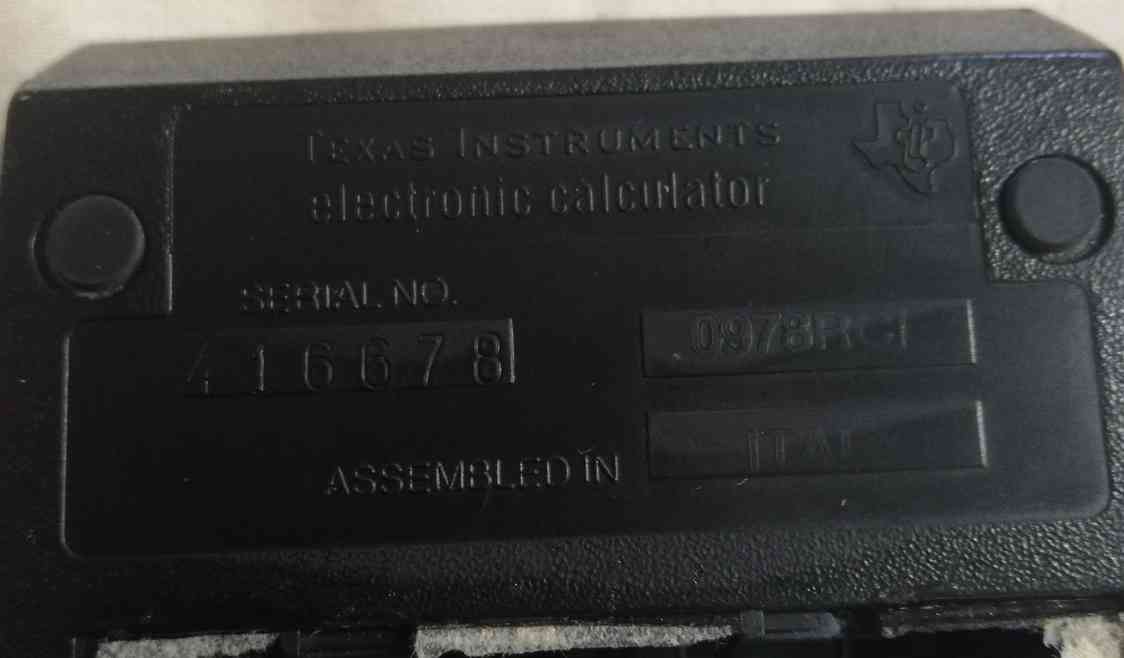
Adapter: BP7
Year: 1978
Chip: TMC1983
Info: TI-45 (Koh-I-Noor Hardtmuth) features a green vacuum fluorescent display (VFD). Produced in the 9th week of 1978 (0978RCI) by Texas Instruments in the plant of Rieti, in Italy!
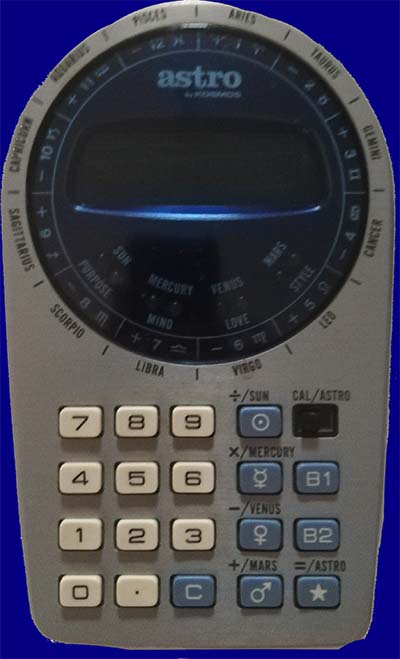 Model: Astro
Battery: 2 x AA alkaline
Adapter:
Year: 1979
Chip: TMS1470NL/MP1133
Info:Astro by Kosmos International, Inc. is the World's first hand-held astrological computer. Astro provides information based not only on the Sun like daily newspaper horoscopes but on the positions of three additional planets which have a major influence on the life: Mercury, Venus and Mars:
| • Sun symbolizes motivation, identity and goals • Mercury is the thinking function. It indicates the manner in which person communicates thoughts and perceptions • Venus rules emotions and indicates a person's social values - who and what he likes and how he likes it • Mars is action, defining drive and initiative |
The key features of the Astro include:
| • Natal Horoscope Astro gives the Zodiac positions of the Sun, Mercury, Venus and Mars on the date of birth for any person. With this information you can have instant insight into any individual's personality. • Astrological Compatibility Astro compares the personality traits of any two people for an indication of compatibility. Green lights appear when traits are similar. Yellow lights appear when traits are different or in conflict. • Daily Horoscopes Astro computes the astrological conditions for any day - between date of birth and December 31, 1999 - and compares them with your astrological makeup. If conditions are agreeable to your personality, a green light will appear. Yellow lights indicate a difference between prevailing influences and your personal needs. |
The Astro was the most advanced product in Kosmos' product line of Kosmos 1, Kosmos 2, Mini-BIO, BIO-Clock and this Astro. Even Radio Shack (a Tandy corporation company), a large US based store chain selling electronic products and parts, distributed the Astro in a slightly different design.
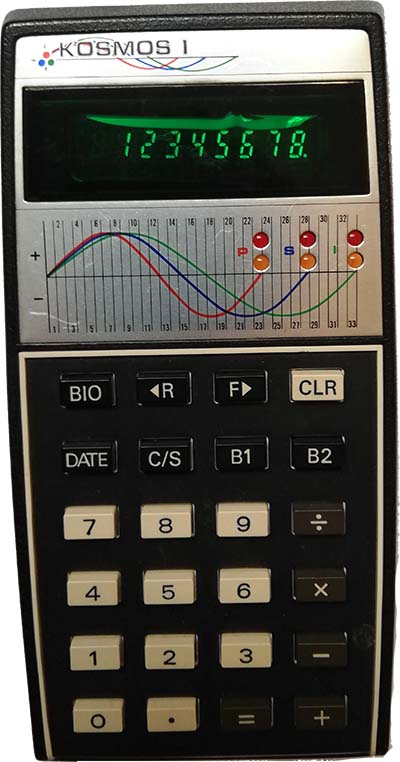 Model: Kosmos 1
Battery: 3 x AA
Adapter:
Year: 1977
Chip: TMC1170NL/ZA0541 or
TMC1172NLMS0952
Info:Kosmos International, Inc. based in Atlanta, Georgia introduced already in the year 1977 this pocket-sized biorhythm calculator. On a first glance you notice the [BIO] key on the calculator keypad and the three „sine-waves“ representing our:
| • Physical Cycle (P) • Emotional Cycle (S) • Intellectual Cycle (I) |
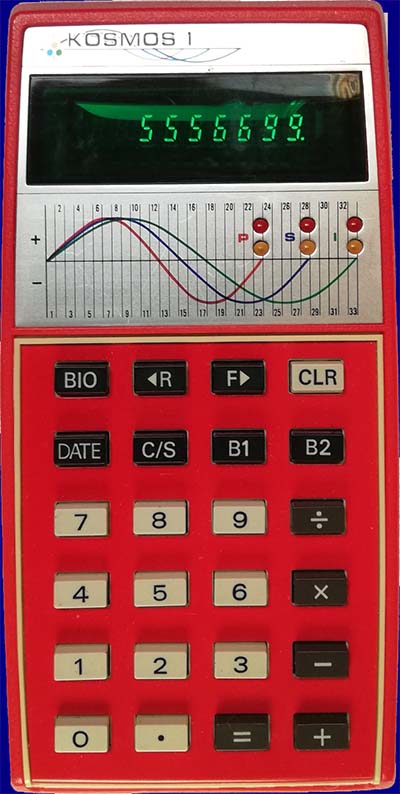 Model: Kosmos 1 red
Battery: 3 x AA
Adapter:
Year: 1977
Chip: TMC1170NL/ZA0541 or
TMC1172NLMS0952
Info:Kosmos International, Inc. based in Atlanta, Georgia introduced already in the year 1977 this pocket-sized biorhythm calculator. On a first glance you notice the [BIO] key on the calculator keypad and the three „sine-waves“ representing our:
| • Physical Cycle (P) • Emotional Cycle (S) • Intellectual Cycle (I) |
| • The 6 red and amber LED's at the end of the three "sine-waves" were omitted • The housing feels much cheaper • Manufacturing was moved from Japan to Taiwan |
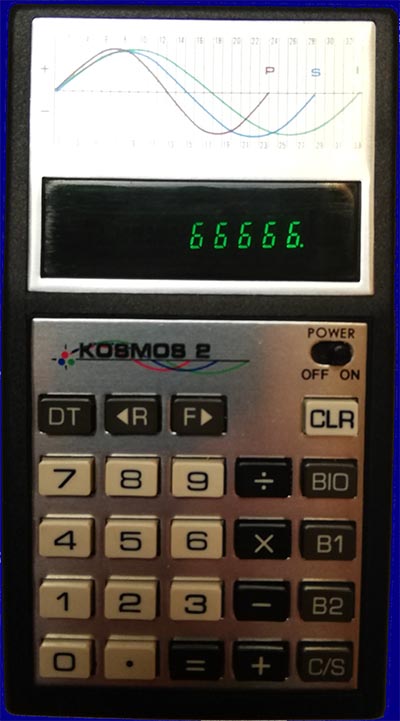 Model: Kosmos 2
Battery: 2 x AA
Adapter:
Year: 1979
Chip: TMC1172NL
Info:Kosmos International, Inc. based in Atlanta, Georgia introduced with the Kosmos 1 already in the year 1977 a pocket-sized biorhythm calculator.On a first glance you notice the original calculator keypad and the three „sine-waves“ representing our:
| • Physical Cycle (P) • Emotional Cycle (S) • Intellectual Cycle (I) |
This Kosmos 2 was introduced in 1979 as the successor of the original design and obviously was the result of some cost reduction programs:
| • The 6 red and amber LED's at the end of the three "sine-waves" were omitted • The housing feels much cheaper • Manufacturing was moved from Japan to Taiwan |
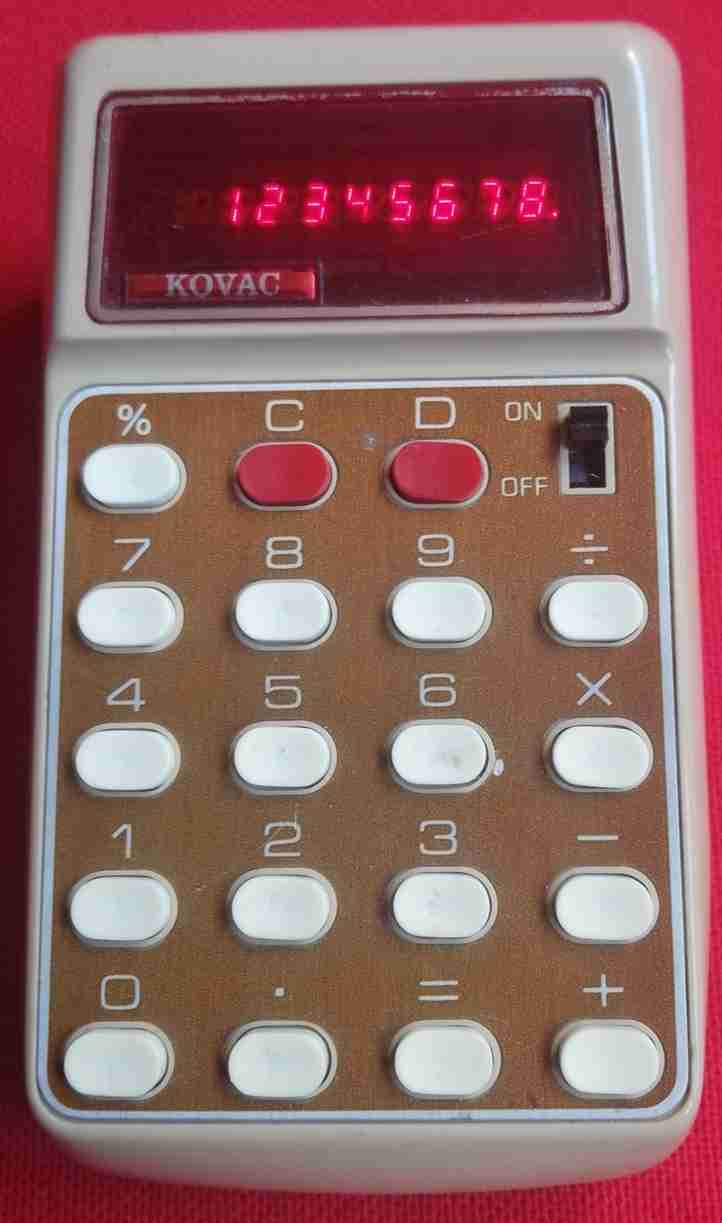 Model: Kovac 808
Battery: 9 volt
Adapter:
Year: 1974
Chip: TMS0803
Info: Made in Japan
 Model: MBO Junior
Battery: 5 x ni-cd
AC adapter: Adapter 8 VDC
Year: 1972
Chip: TMC0105
Info:A special feature of this calculator is the possibility of setting the number of decimal places with the selector. Made in Germany


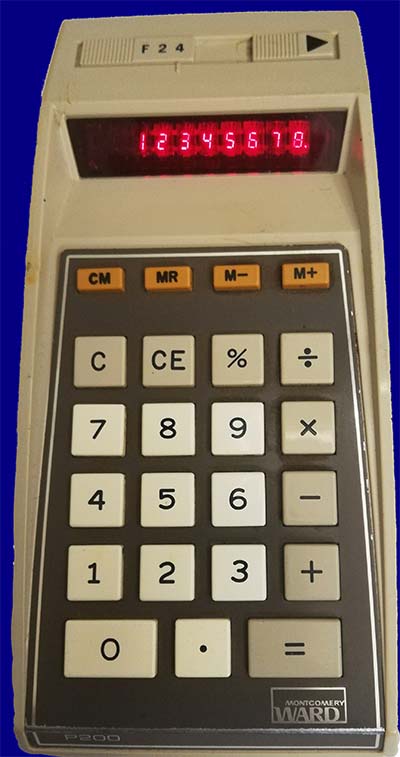 Model: Montgomery Ward P200 (TXI-8662A)
Battery: 3*AA NiCd or 4*AA Alkaline
Adapter: AC9130 or AC9120
Year: 1974
Chip: TMS0601
Manual:
Info: The P200 could be easily identified as a close relative of the TI-2550. Both calculators use the same electronics, the same layout of the keyboard and even an identical mold for the housing bottom. The different look is achieved through a new mold for the upper half of the housing and a different style of the memory keys. The color of the housing is slightly different, too.
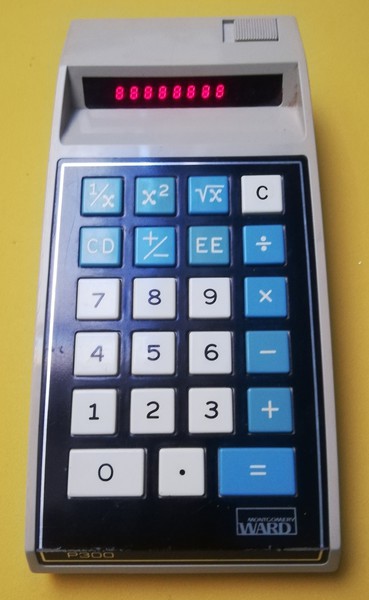 Model: Montgomery Ward P300 (TXI-8663A)
Battery: 3*AA NiCd or 4*AA Alkaline
Adapter: AC9130
Year: 1974
Chip: TMS0120, 2*SN75493, 2*SN27423
Manual:
Info: This Montgomery Ward P300 aka TXI-8663A could easily identified as larger brother of the P200 aka TXI-8662A and a close relative of the SR-10.
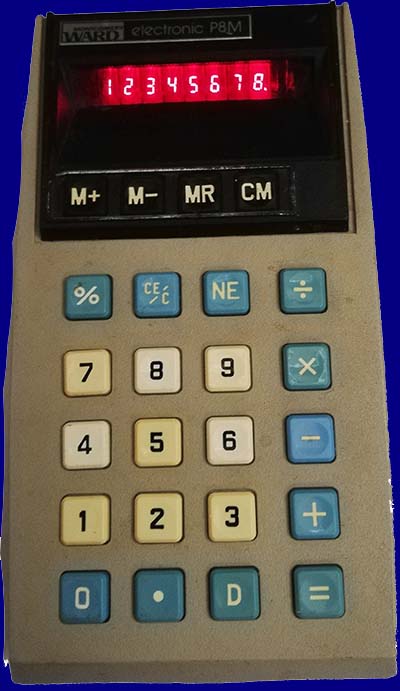 Model: Montgomery Ward P8M (TXI-8646A)
Battery: 4 x AA
Adapter:
Year: 1974
Chip: TMS0601
Manual:
Info:
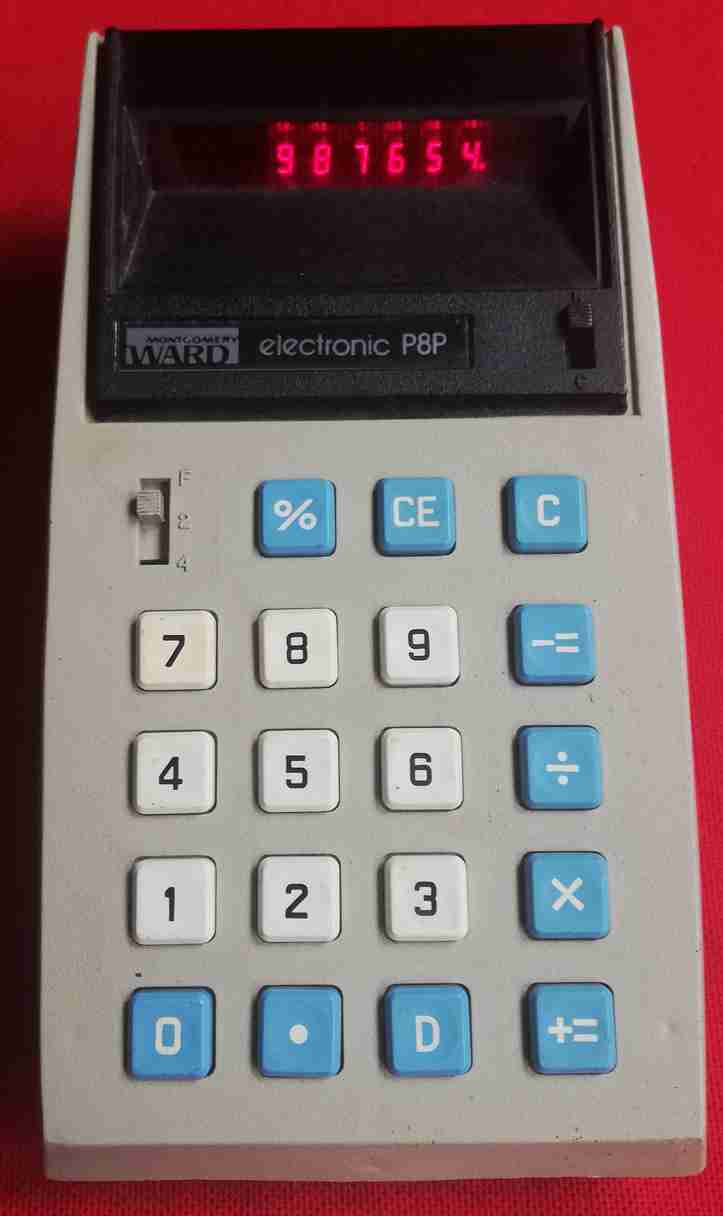 Model: Montgomery Ward P8P (TXI-8645A)
Battery: 4 x AA
Adapter:
Year: 1978
Chip: TMS0128
Manual:
Info:
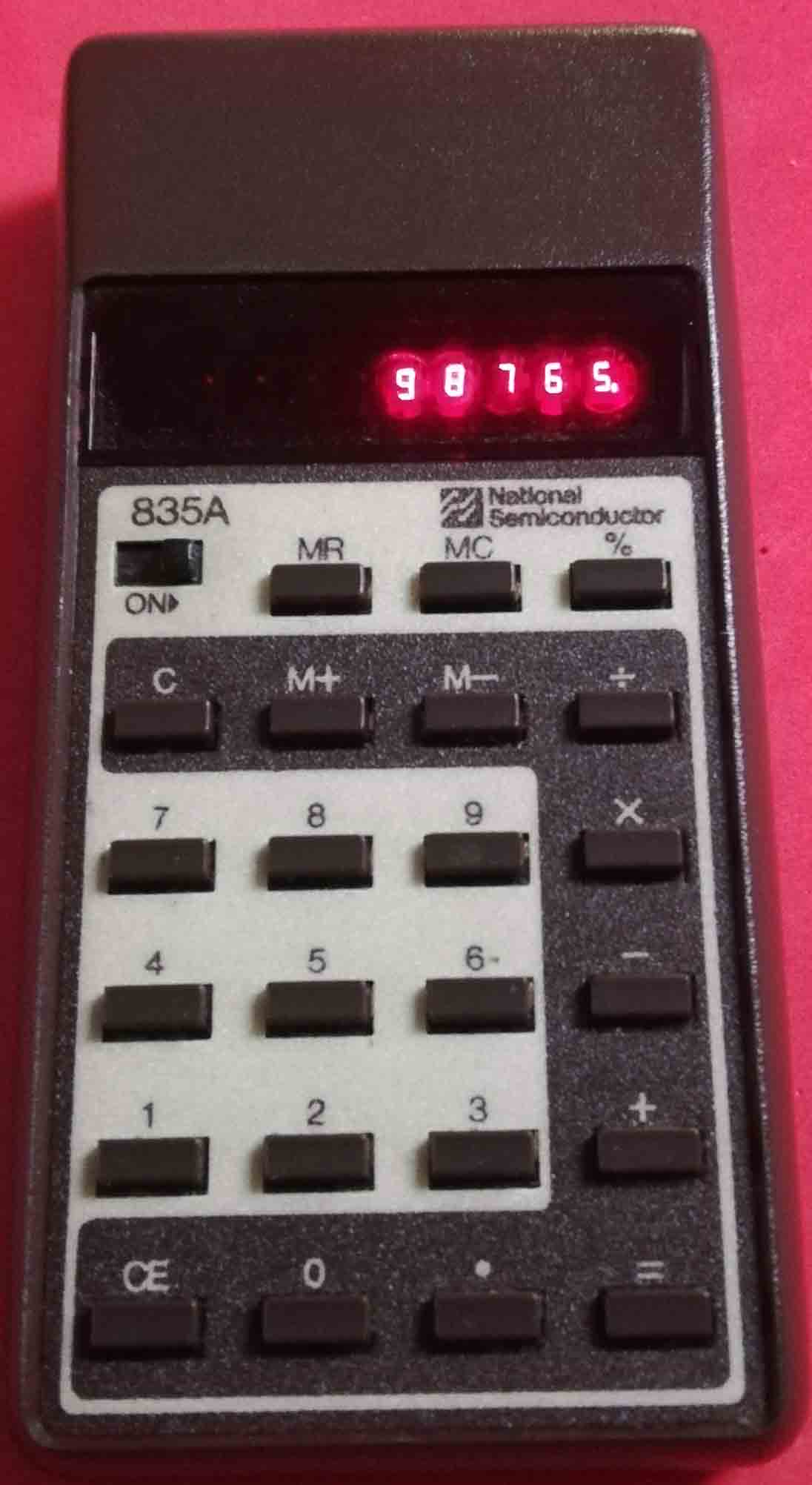
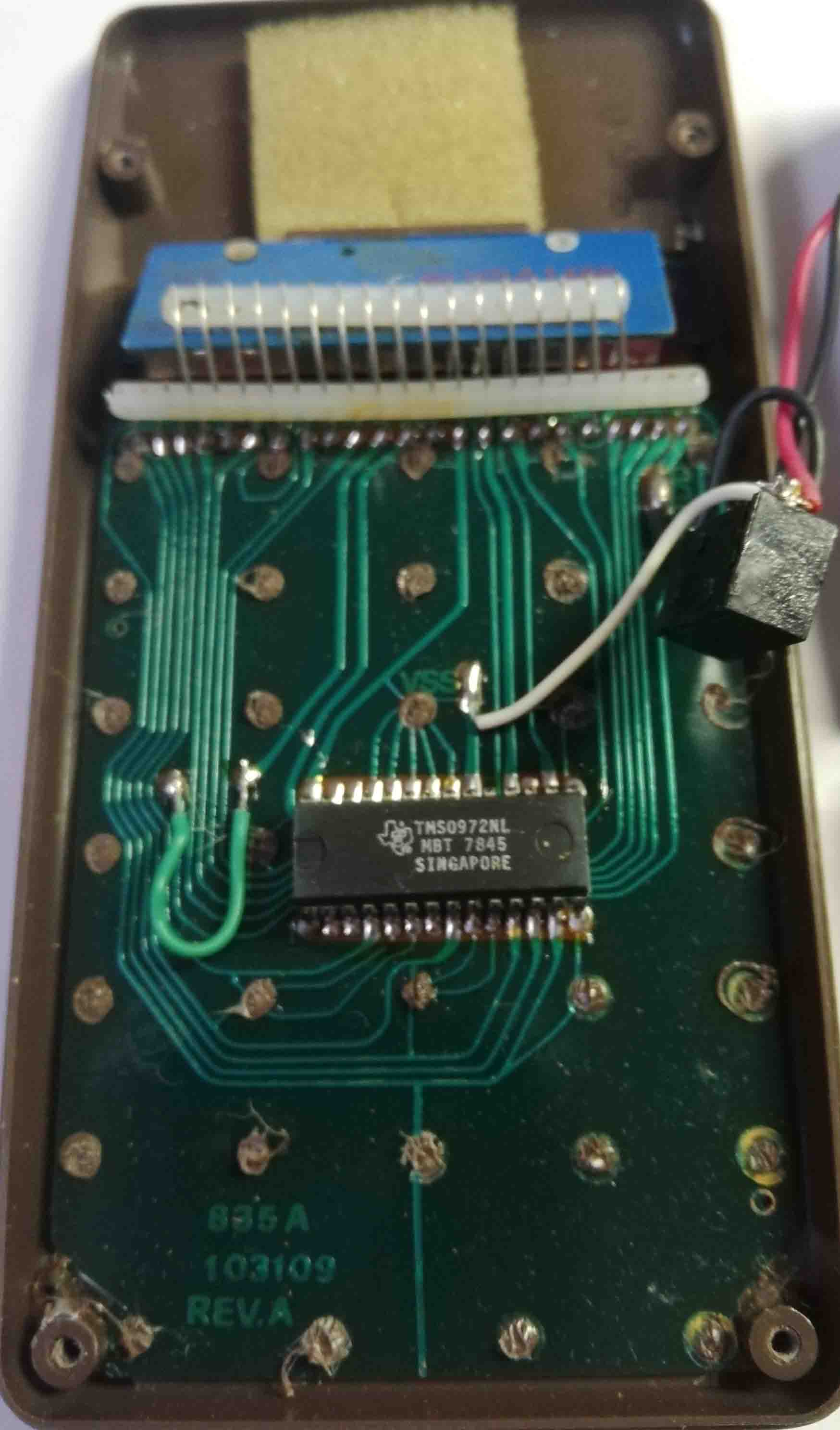 Model: 835A
Battery: 9 v
Adapter: 9v dc
Year: 1976
Chip: TMS0972
Info: National Semiconductor
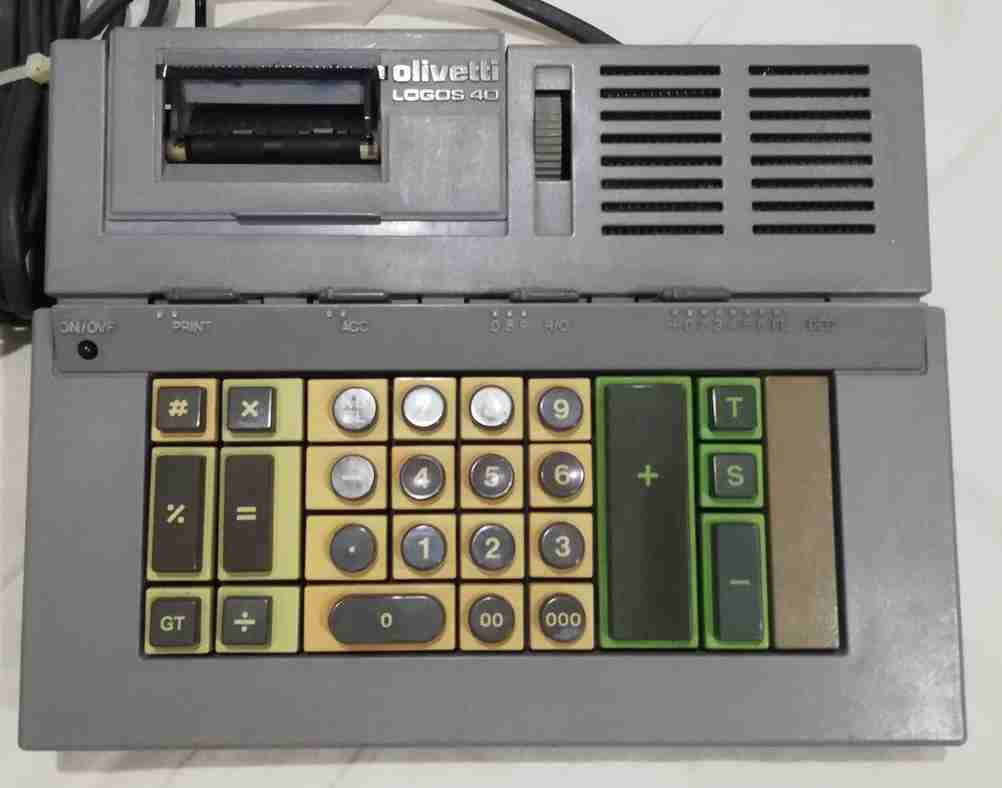 Model: Logos 40
Battery: no
AC adapter: 220 volt AC
Year: 1977
Chip: TMCXC01NC,TMCXC02NC,TMCX03NC
Info: Designed and built in Ivrea, one of the first Olivetti calculators in which electronics are introduced, without display, the built-in printer is faster and quieter than previous models, the keyboard is made up of switches and magnets that control reed contacts.
The design of the machine, which has won numerous awards, is the signature of the designer Mario Bellini. Made in ITALY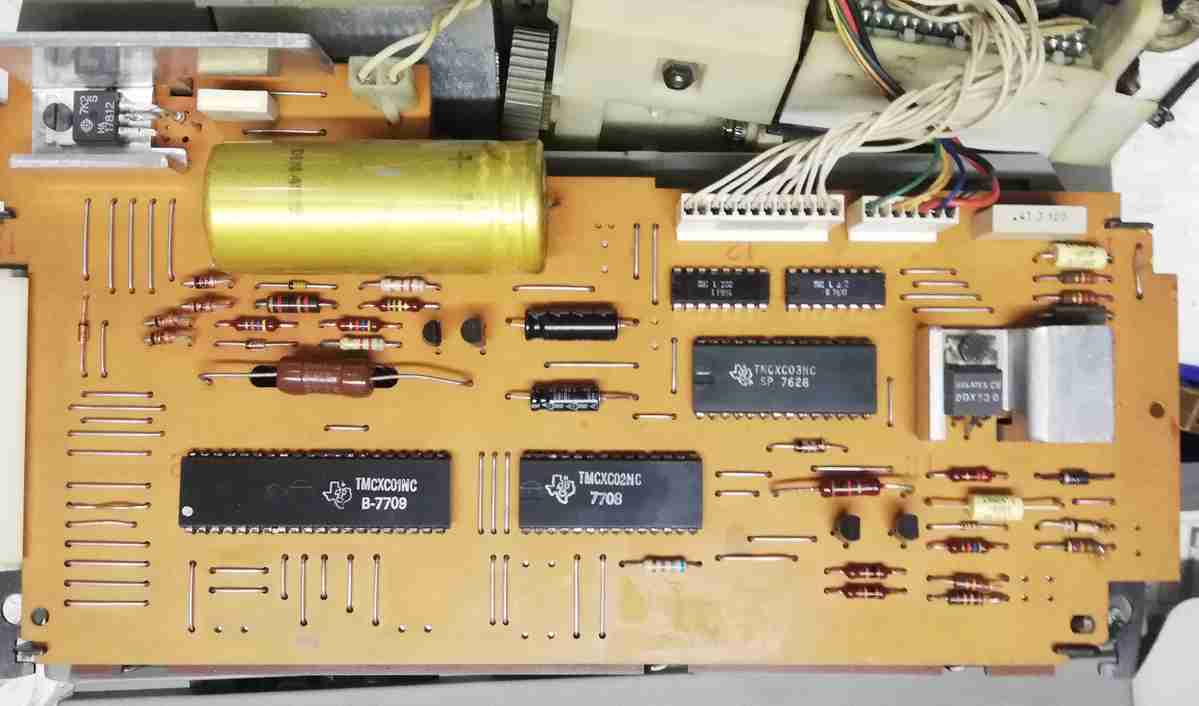
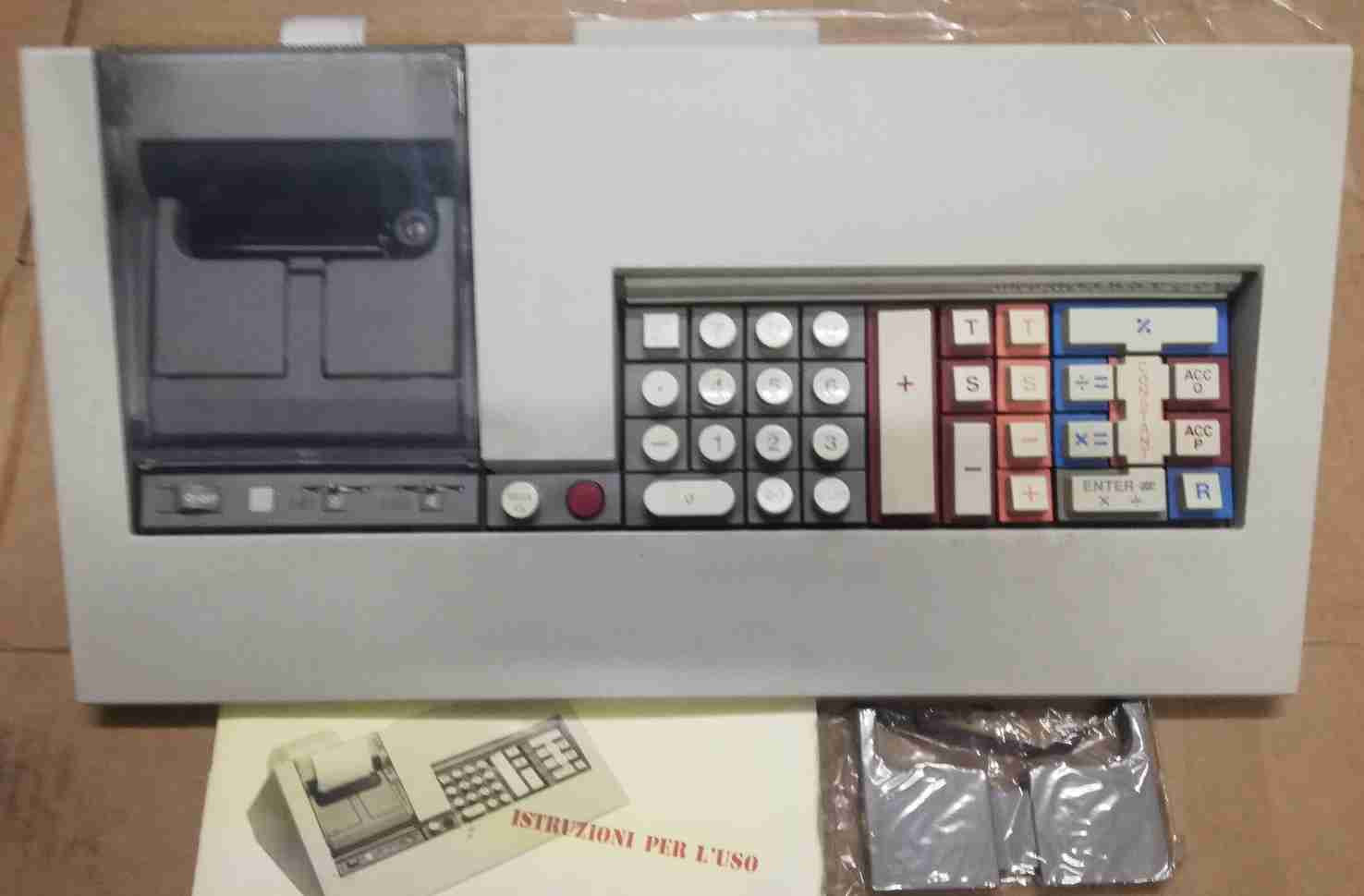 Model: Logos 59
Battery: no
AC adapter: 220 volt AC
Year: 1973
Chip: TMC1876, TMC1878, TMC1828.
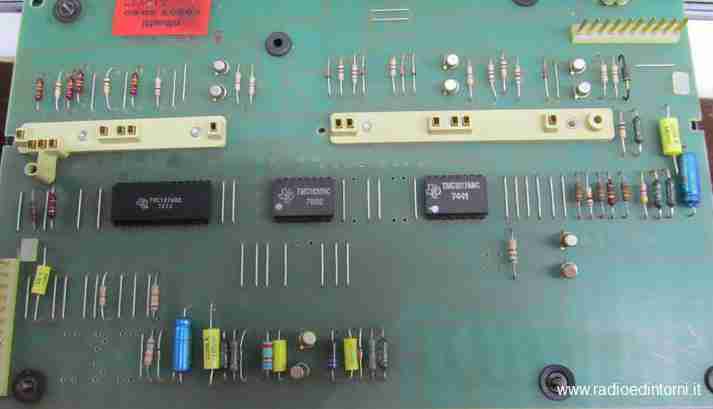
Info: Designed and built in Ivrea, one of the first Olivetti calculators in which electronics are introduced, without display, the built-in printer is faster and quieter than previous models, the keyboard is made up of switches and magnets that control reed contacts.
The design of the machine, which has won numerous awards, is the signature of the designer Mario Bellini. Made in ITALY.
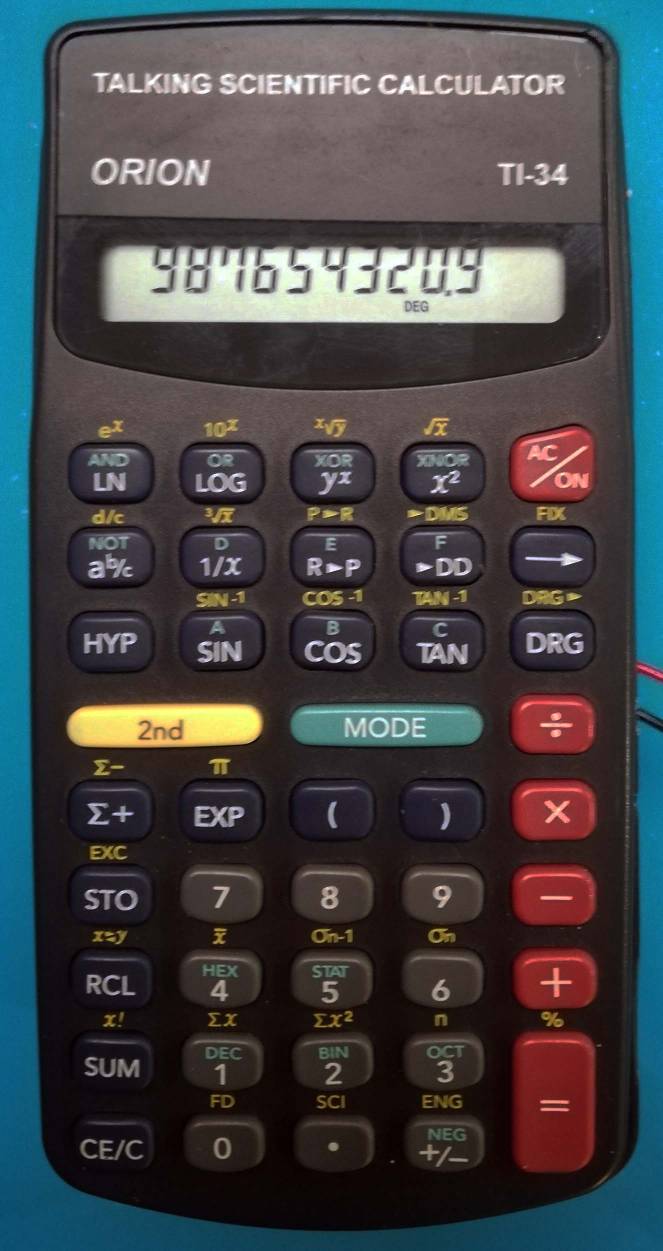 Model: TI-34 Orion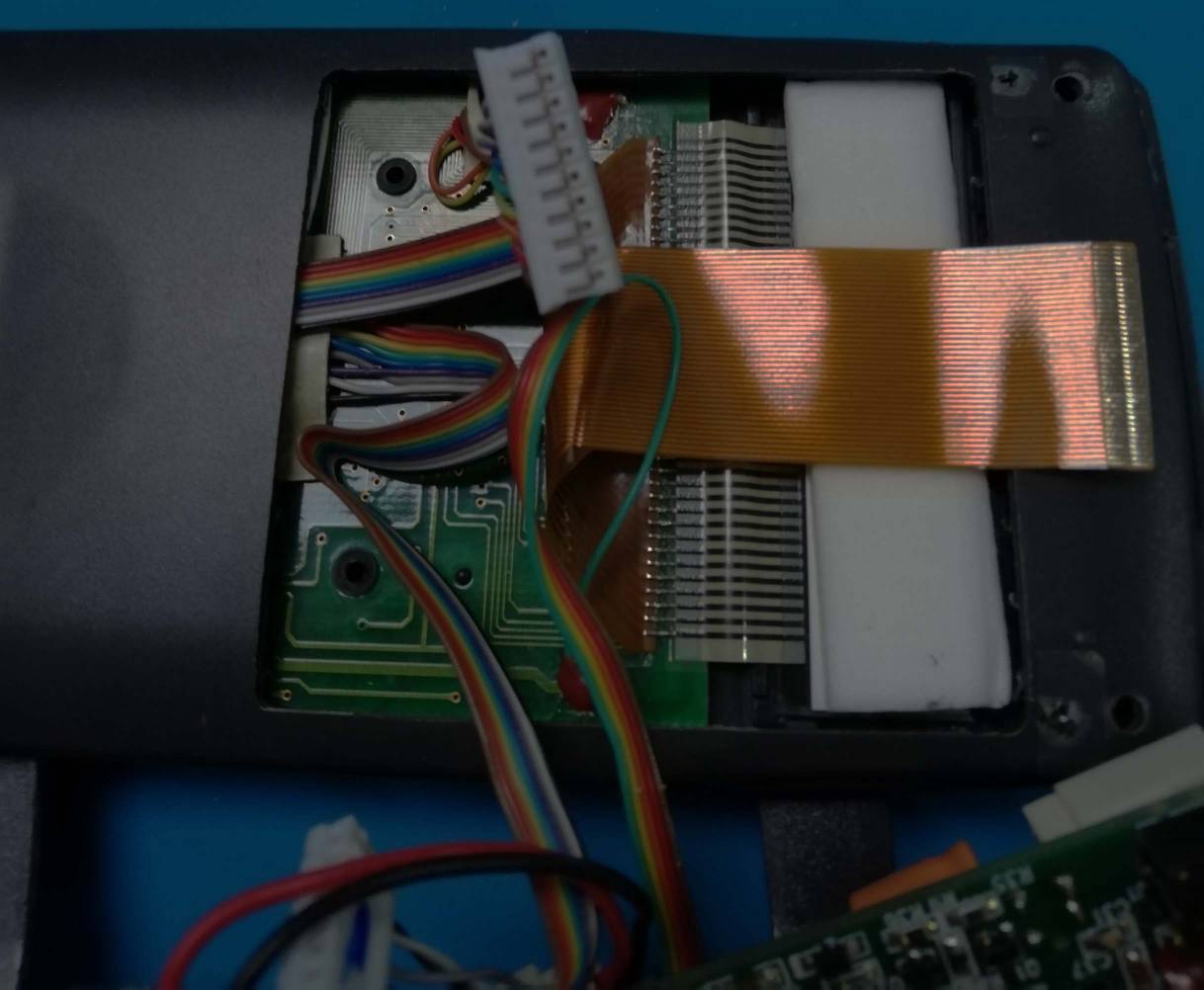
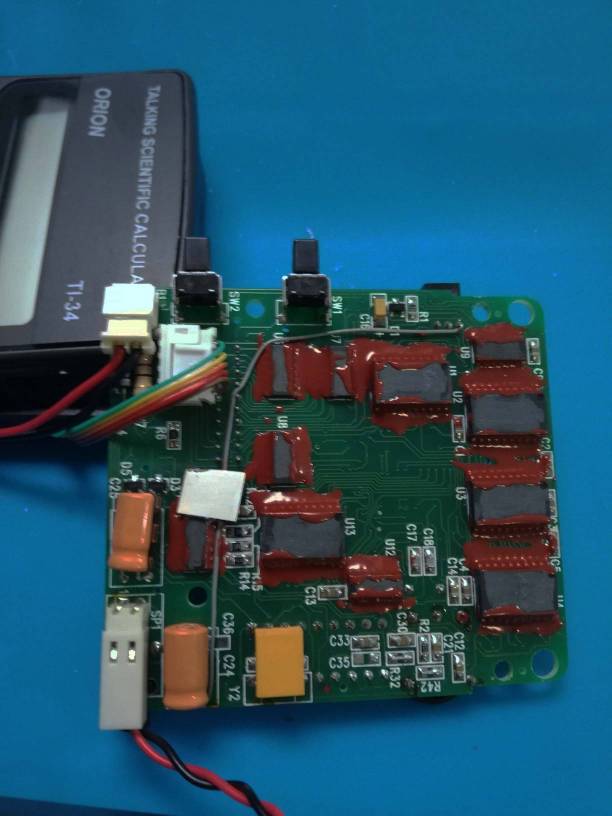
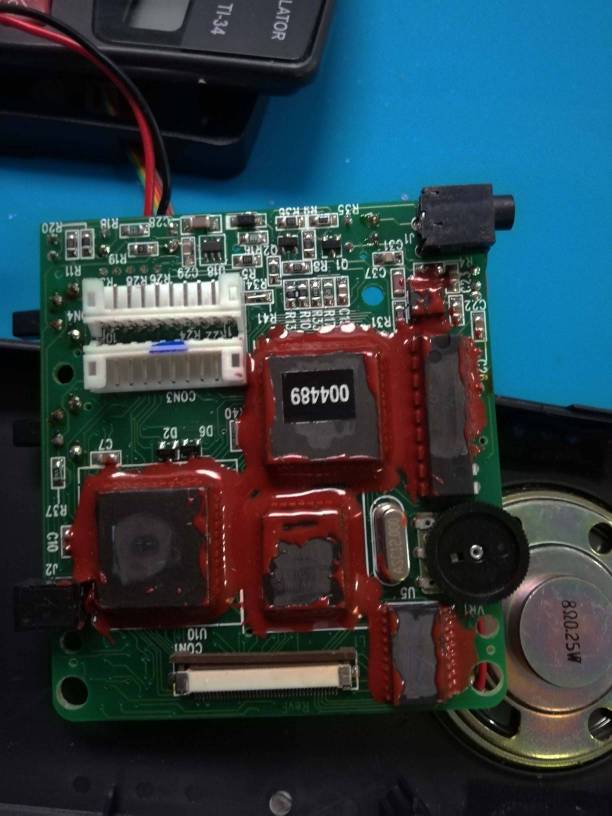
Battery: 5 x AA ni-cd
Adapter: DC 9volt 300 ma
Year: 1996
Chip:
Info: Specializing in the development and manufacture of products for people with disabilities, Orbit Research’s mission is to employ cutting-edge technology to bring to the community at affordable prices, products that are essential for an independent and productive lifestyle. Further information on the ORION TI-34 developed for vision impaired people is available at www.orbitresearch.com.
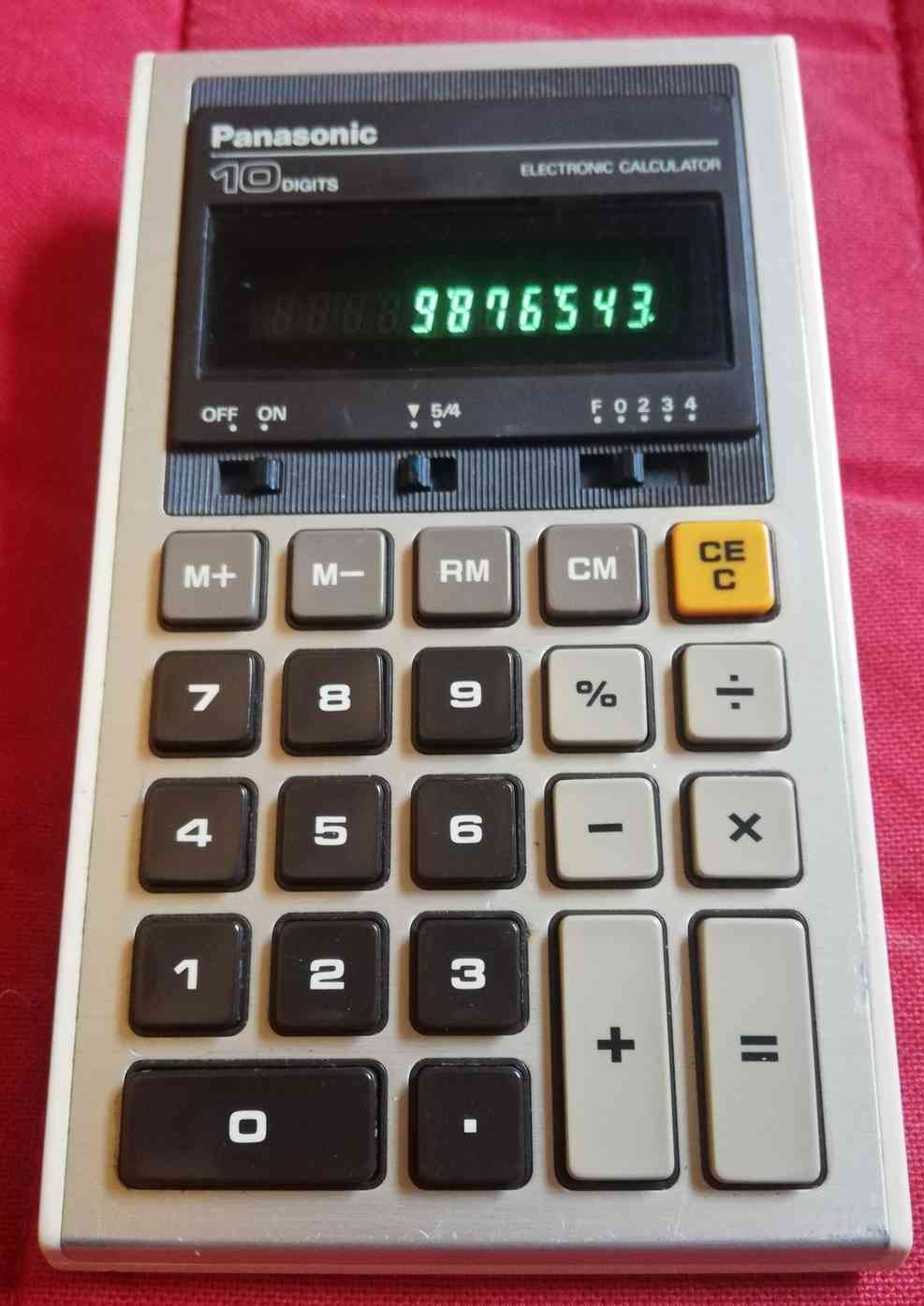 Model: JE-170U
Battery: 2 x AA
AC adapter: 3 volt adapter
Year: 1980
Chip: TMC1081NL
Info: made in Japan
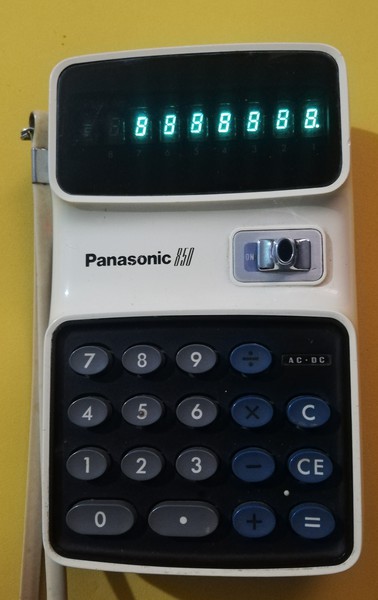
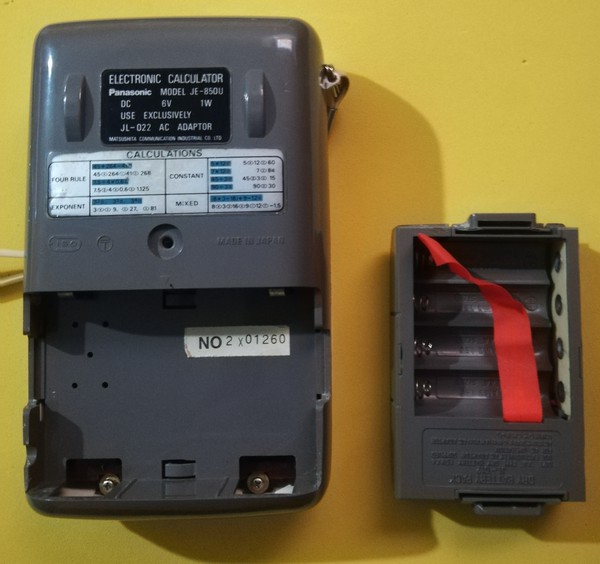 Model: JE-850
Battery: 4 x ni-cd AA
AC adapter: 6 VDC
Year: 1973
Chip: TMC0115NC
Info:The peculiarity of this model was the use of classic AA batteries. Made in Japan
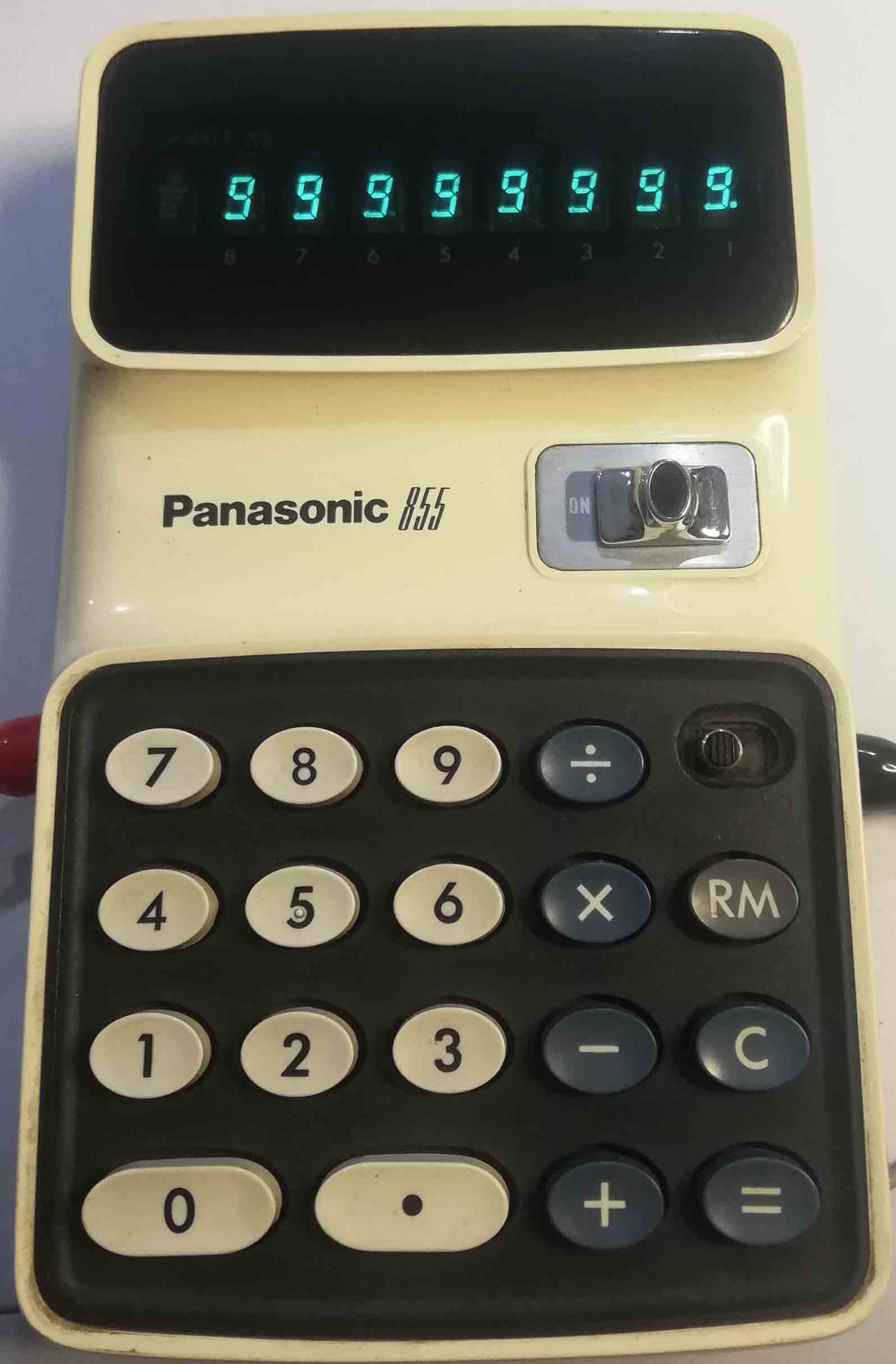 Model: JE-855
Battery: 4 x ni-cd AA
AC adapter: 6 VDC
Year: 1973
Chip: TMC0131NC
Info: made in Japan
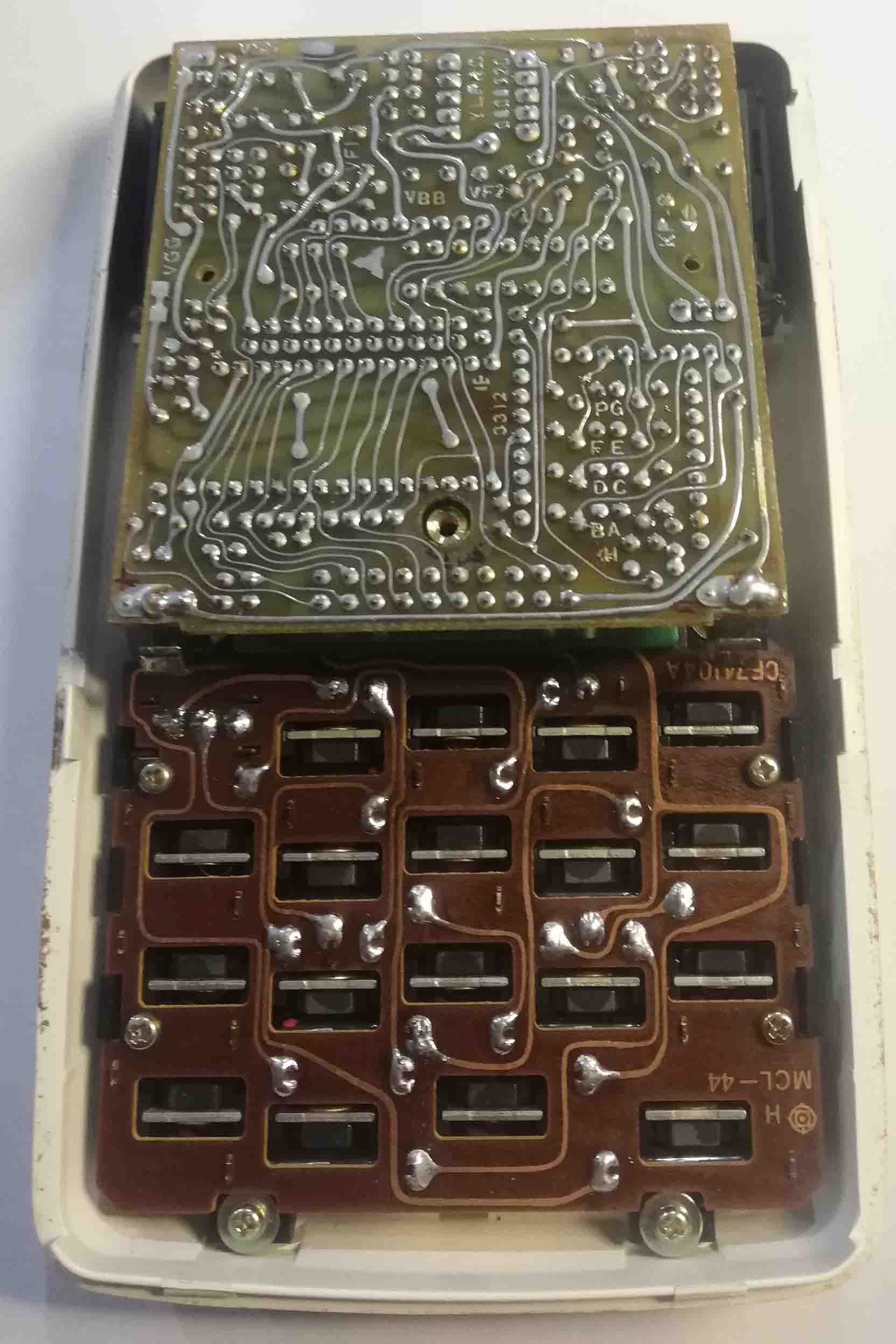
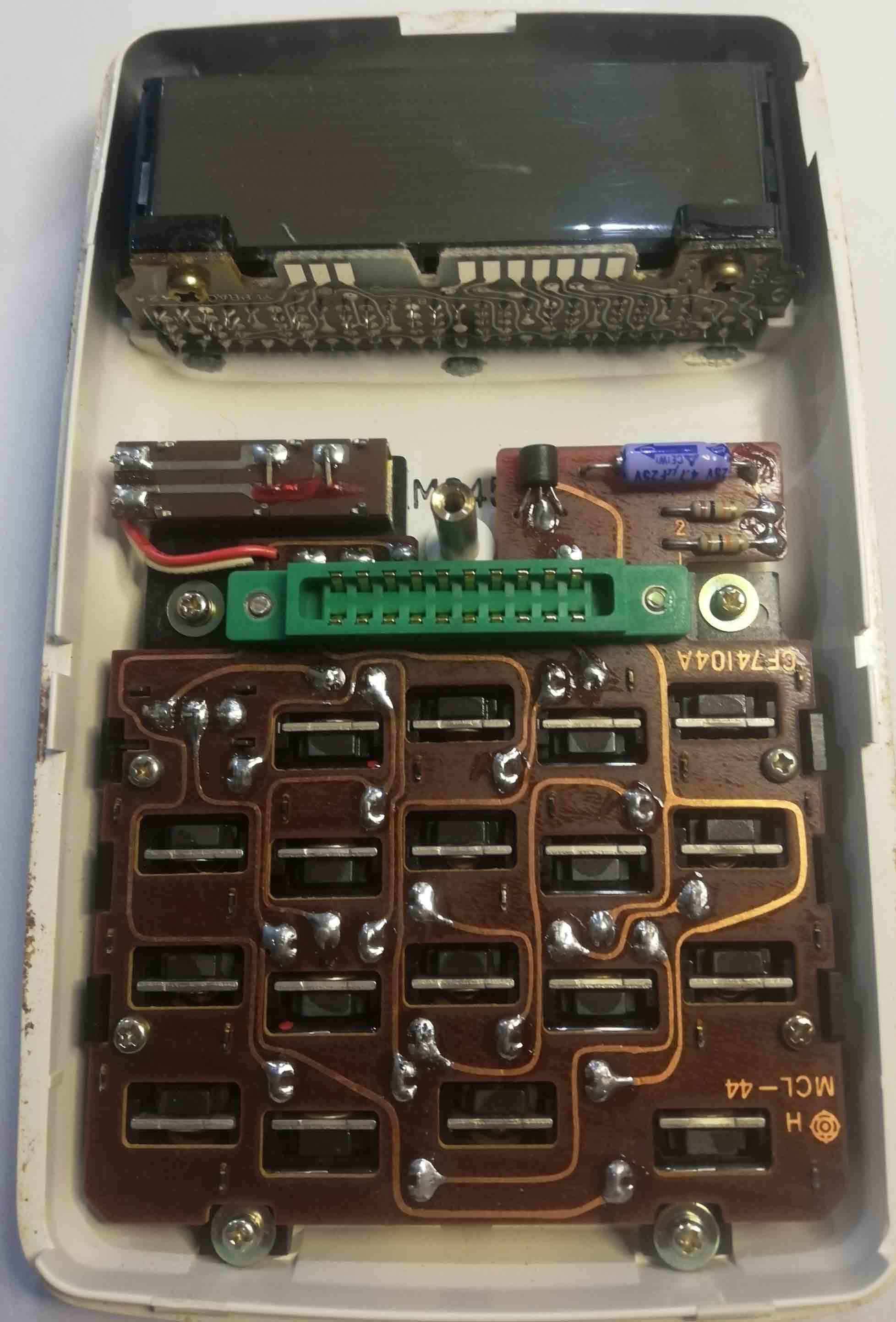
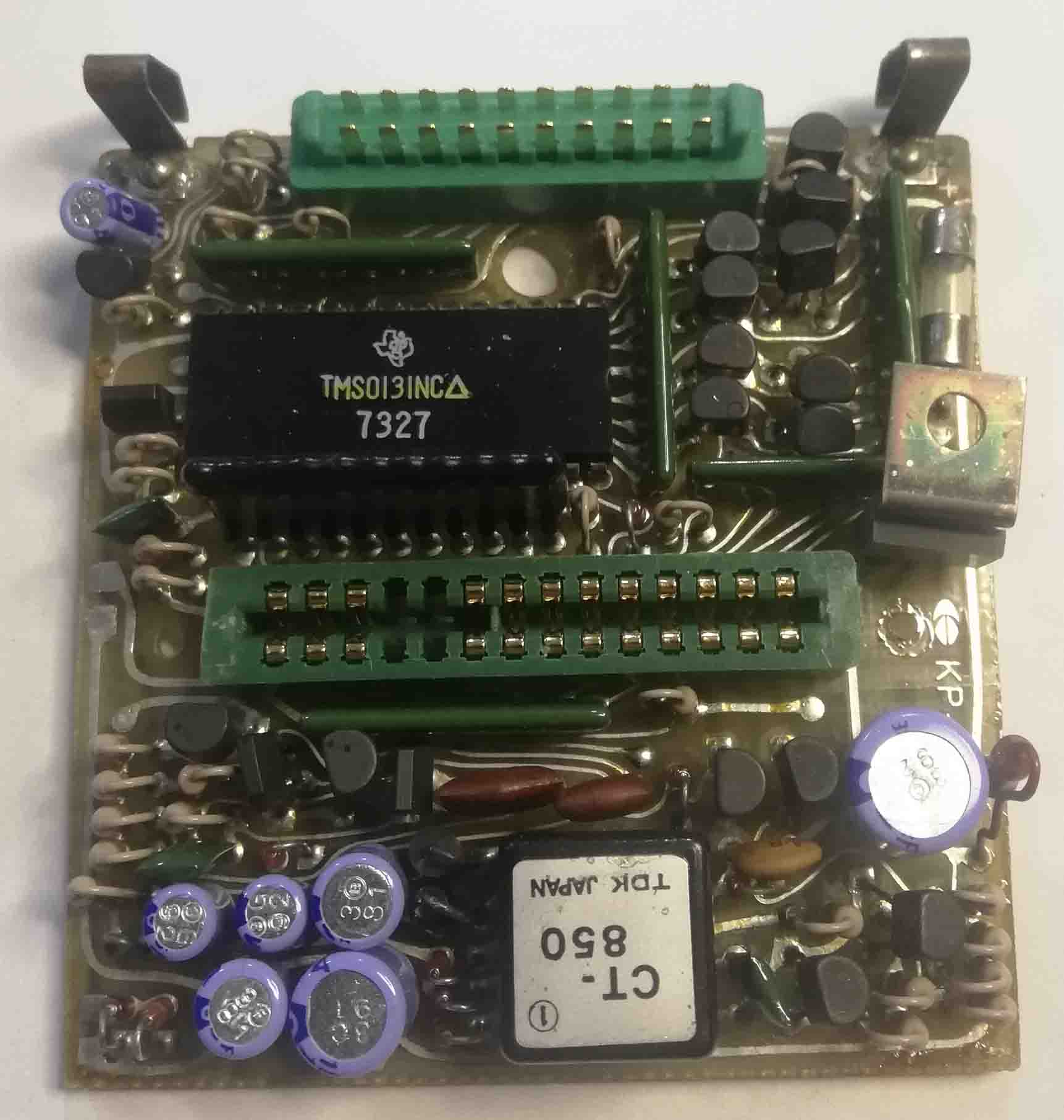
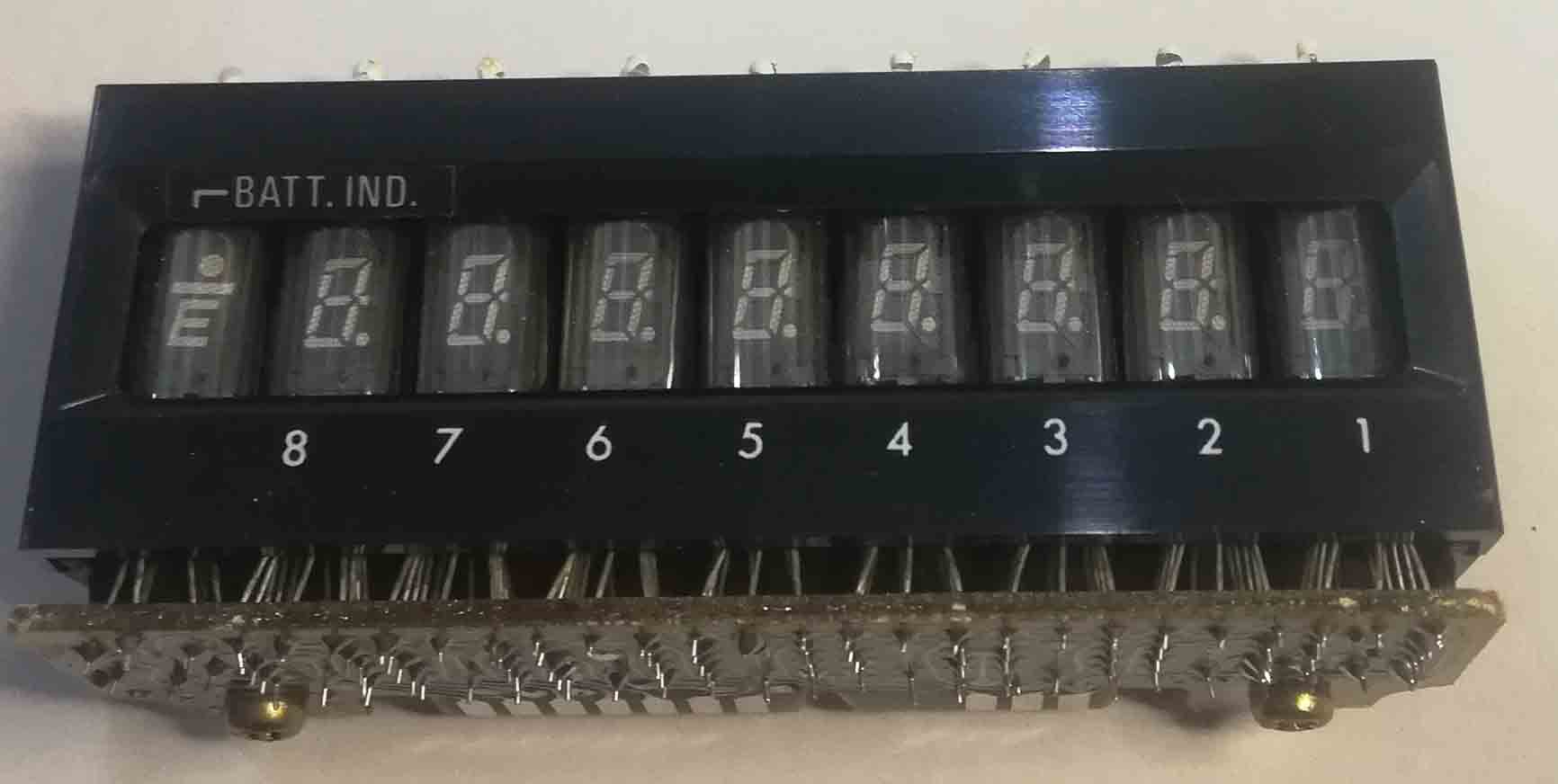
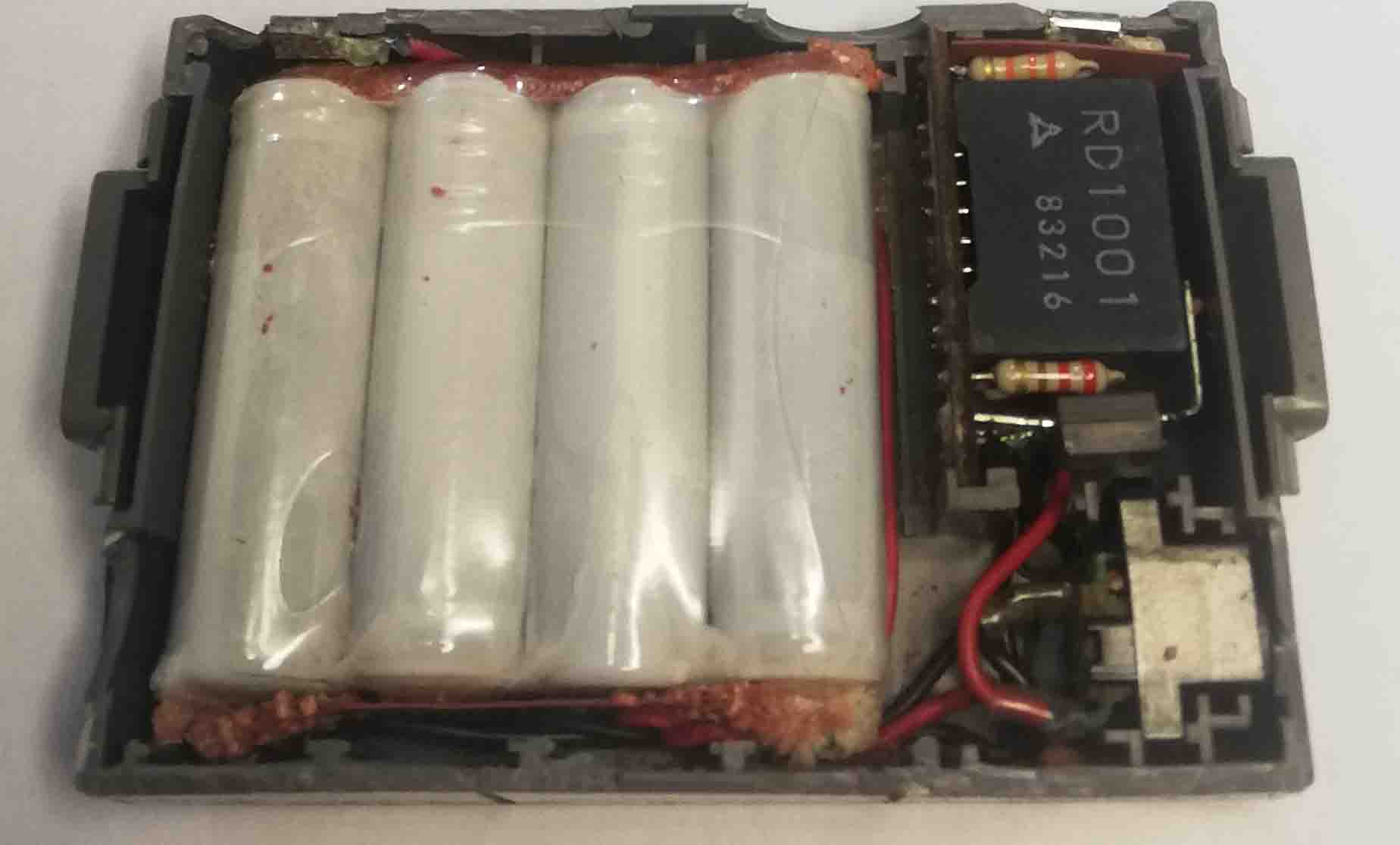
 Model: JE-860
Battery: 4 x ni-cd AA
AC adapter: 6 VDC
Year: 1973
Chip: TMC0130NC Display: VFD
Info:A special feature of this model is that it has the pi available on the keyboard compared to the previous model JE-855. made in Japan


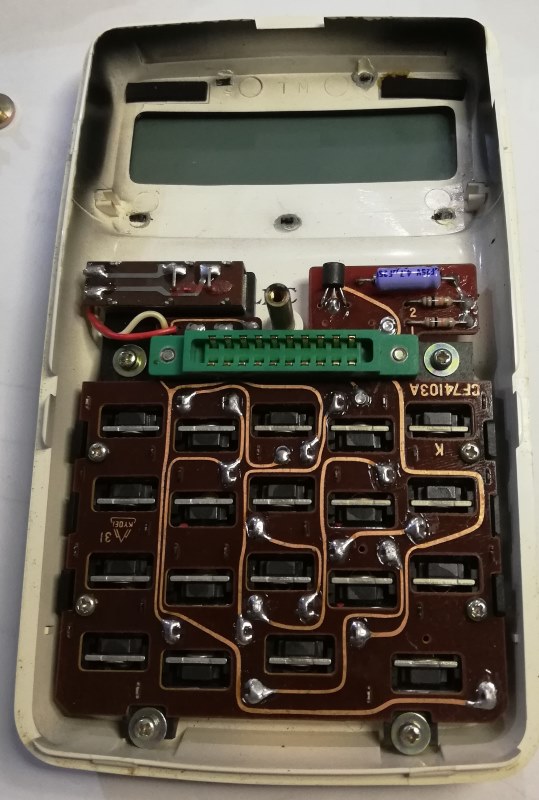

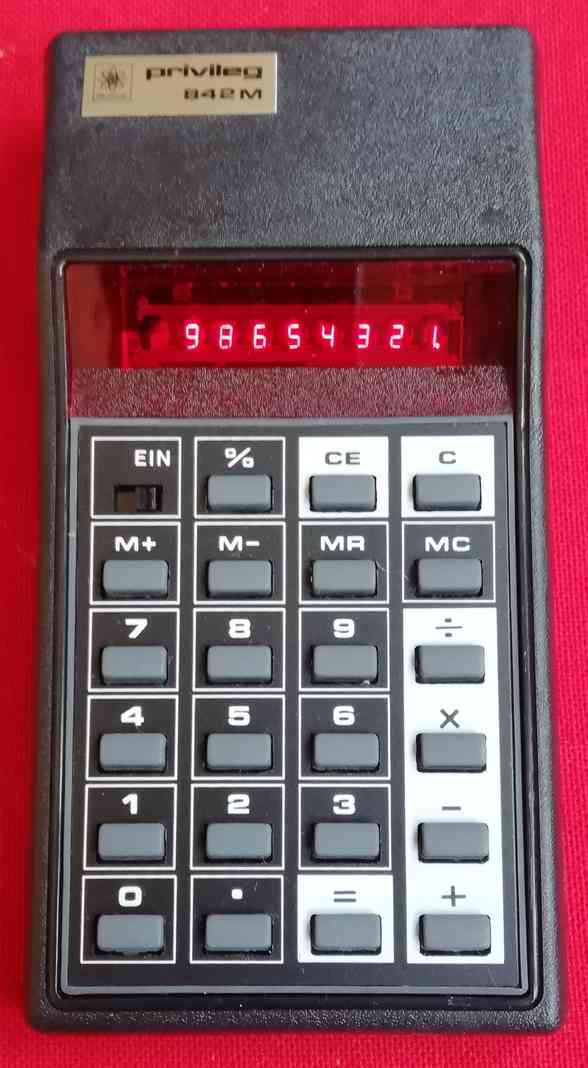
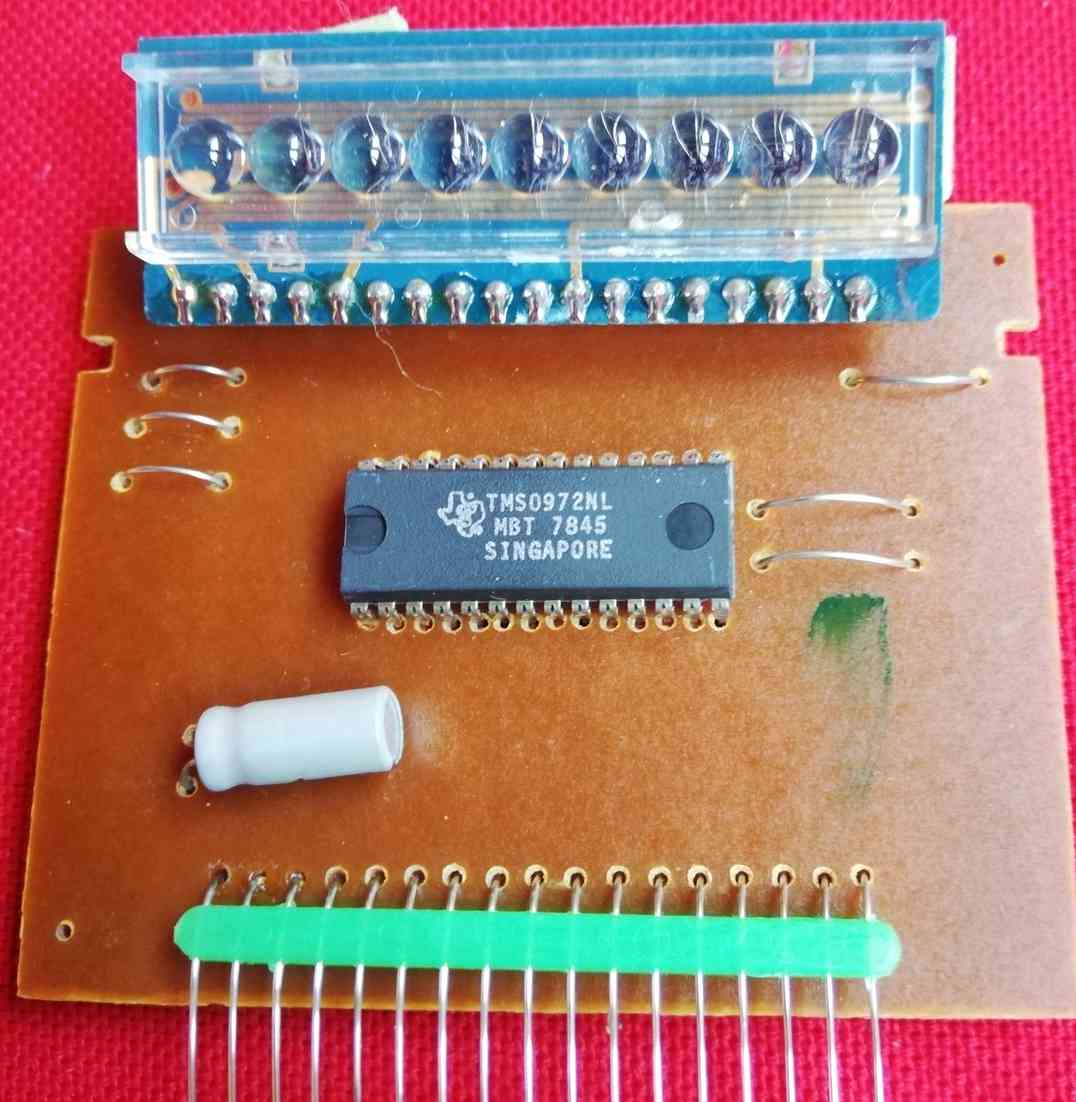
Model: 842M
Battery: 9 volt
Adapter:
Year: 1978
Chip: TMS0972
Info: Is a nearly perfect copy of the TI-1250
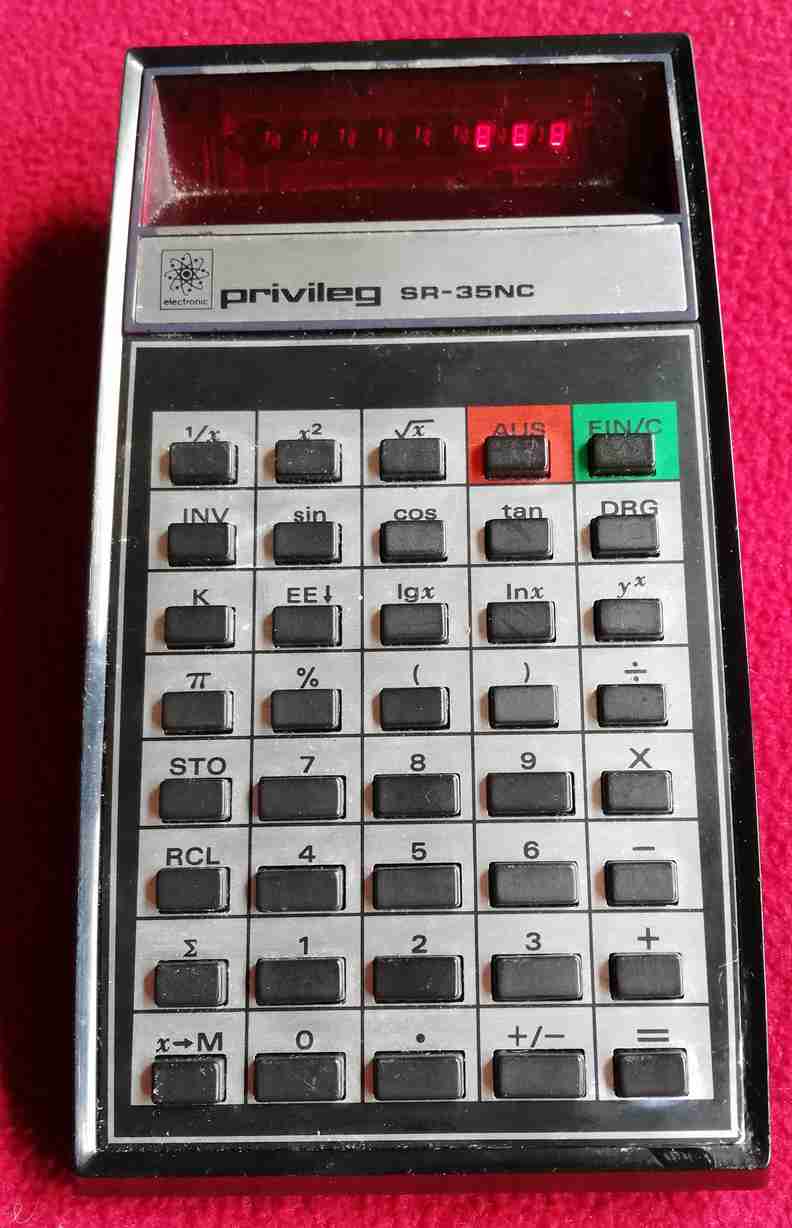 Model: SR-35NC
Battery:
Adapter:
Year: 1978
Chip: TMC0981
Info: Interesting calculator, this German edition of a TI-30. The Privileg SR-35NC is indeed nothing else than a Texas Instruments TI-30 with a restyled and translated key plate, and a sticker instead the molded TI-logo and TEXAS INSTRUMENTS nameplate.
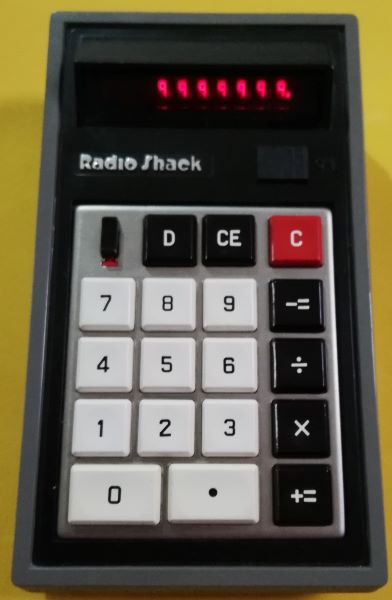 Model: EC-200
Battery: 4 x 1,5 AA / 4 x 1,2 Ni-Cd
Adapter:
Year: 1973
Chip: TMS0109 or TMS0103, 2*SN75491, 2*SN75492
Info:
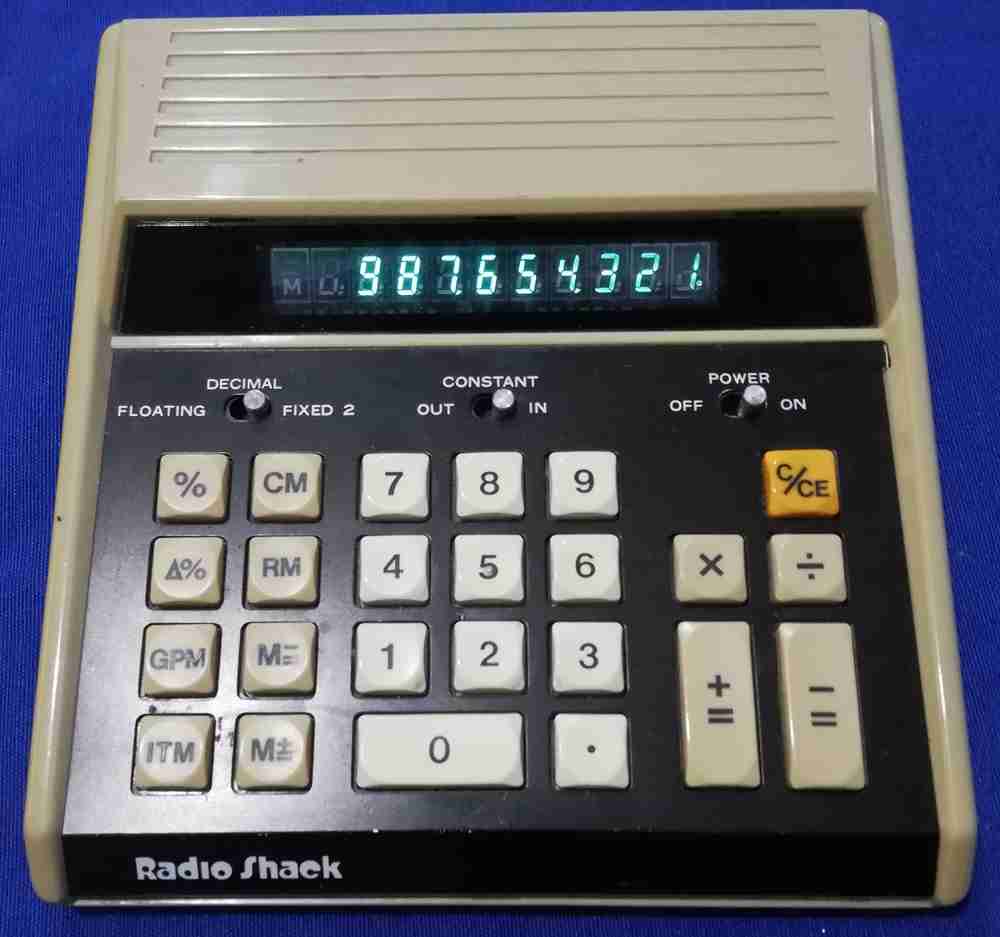 Model: EC-2001 desktop
Battery: 2 x D cells
Adapter: 6 volt adapter
Year: 1978
Chip: TMC1073NL
Info: Radio Shack
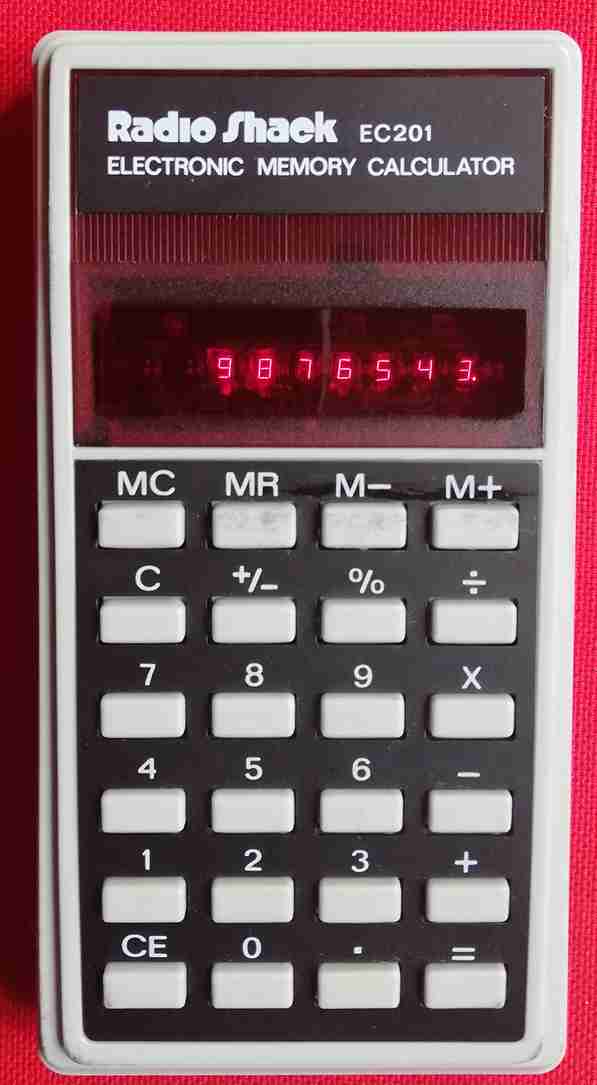 Model: EC-201
Battery: 9 volt
Adapter:
Year: 1979
Chip: TMS0972
Info:
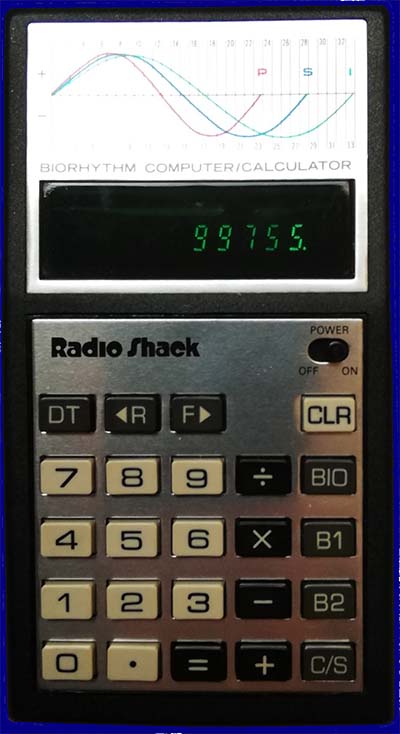 Model: EC-314 Kosmos 2
Battery: 2 x AA
Adapter:
Year: 1979
Chip: TMC1172NL
Info: Same version of the kosmos 2, but with the radio brand shack, Kosmos International, Inc. based in Atlanta, Georgia introduced with the Kosmos 1 already in the year 1977 a pocket-sized biorhythm calculator.On a first glance you notice the original calculator keypad and the three „sine-waves“ representing our:
| • Physical Cycle (P) • Emotional Cycle (S) • Intellectual Cycle (I) |
This Kosmos 2 was introduced in 1979 as the successor of the original design and obviously was the result of some cost reduction programs:
| • The 6 red and amber LED's at the end of the three "sine-waves" were omitted • The housing feels much cheaper • Manufacturing was moved from Japan to Taiwan |
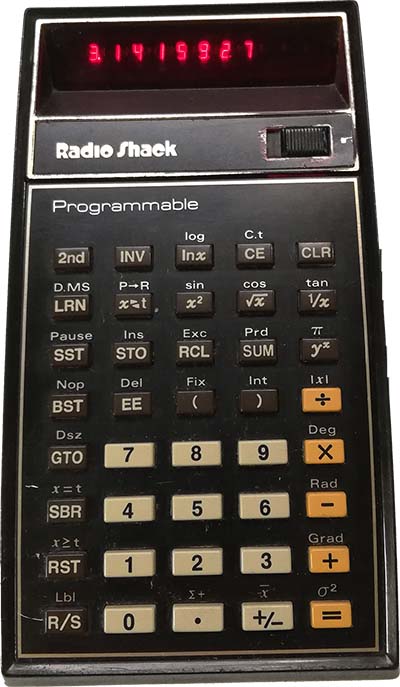 Model: EC-4000
Battery: BP6 , BP7
Adapter: AC9131, AC9132
Year: 1979
Chip: TMC1501
Info:The Radio Shack EC-4000 does not only look like an early TI-57 Programmable, it's 100% identical. Please notice that Texas Instruments used in Italy a simple sticker instead the molded TI-logo and TEXAS INSTRUMENTS nameplate found with the US-built TI-57 Programmable.
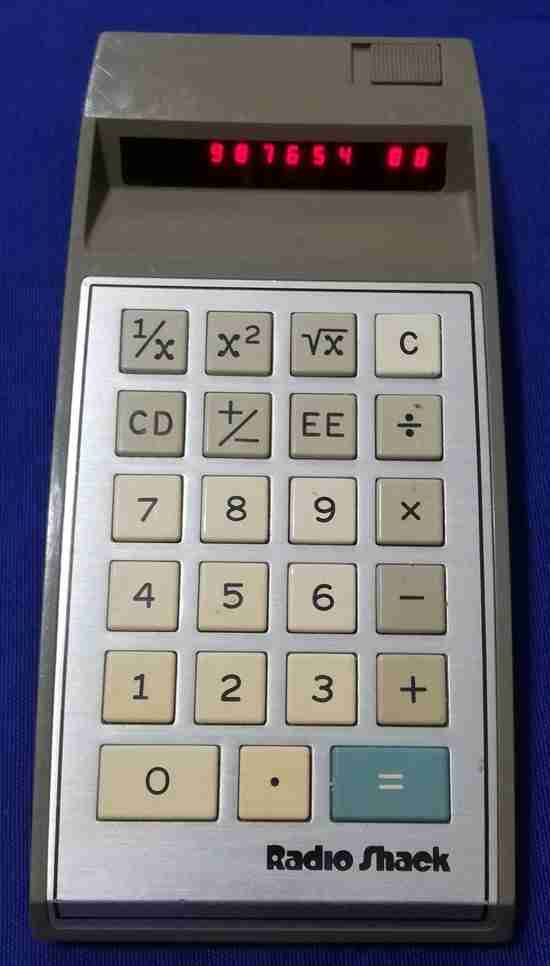 Model: EC-425
Battery: 3 x AA nicd
Adapter: AC9130
Year: 1974
Chip: TMS0120
Info: The EC-425 is easily identified as a close relative of the TI SR-10, as is the Montgomery Ward P300. Both calculators use the same electronics, the same layout of the keyboard and even an identical mold for the housing bottom. The different look is achieved through a new mold for the upper half of the housing, shared with the Ward P300, and a different color of the function keys.
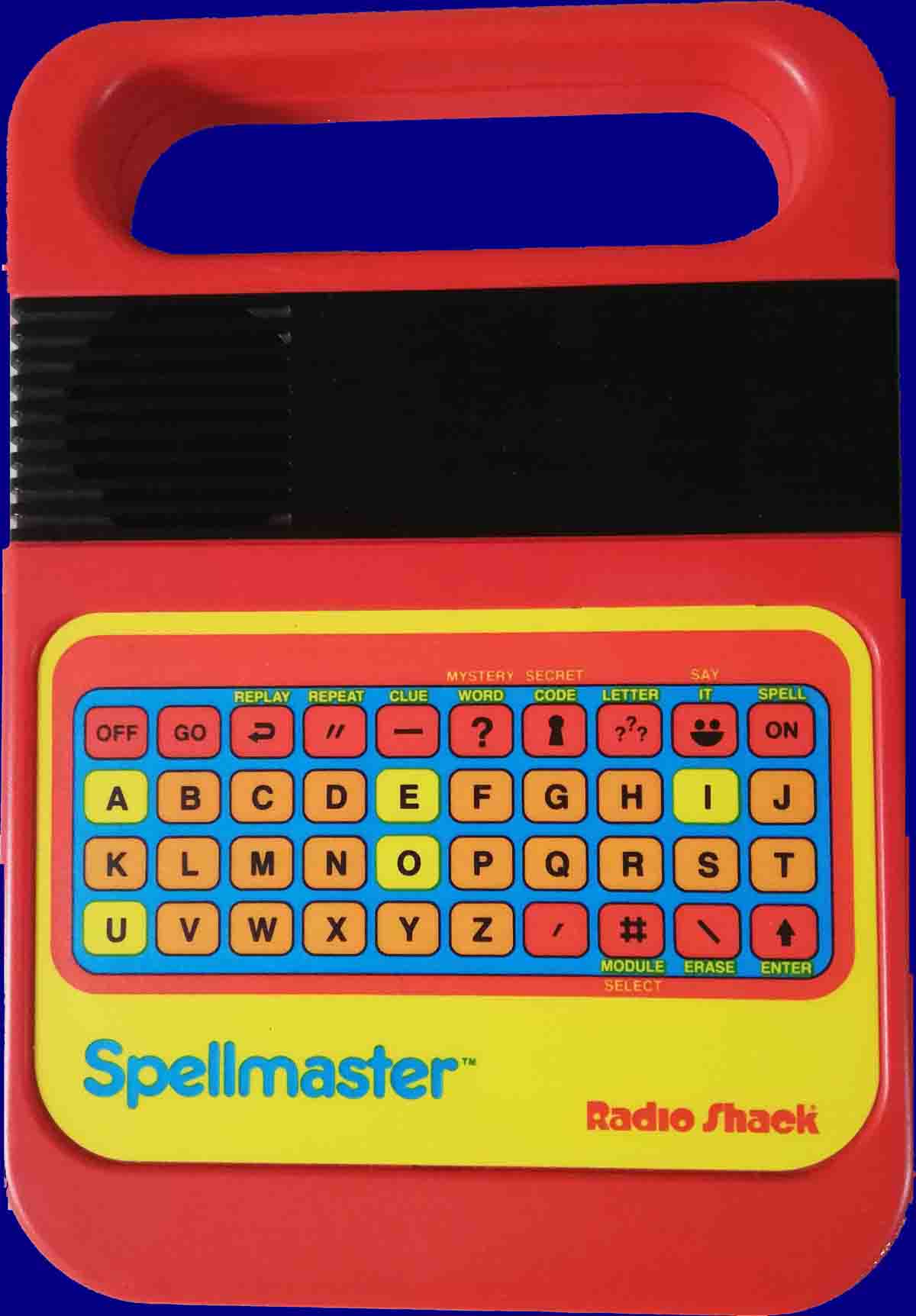 Model: Spell master Radio shack
Battery: 4 x 1,5 V type C
AC adapter:
Year: 1988
Chip:
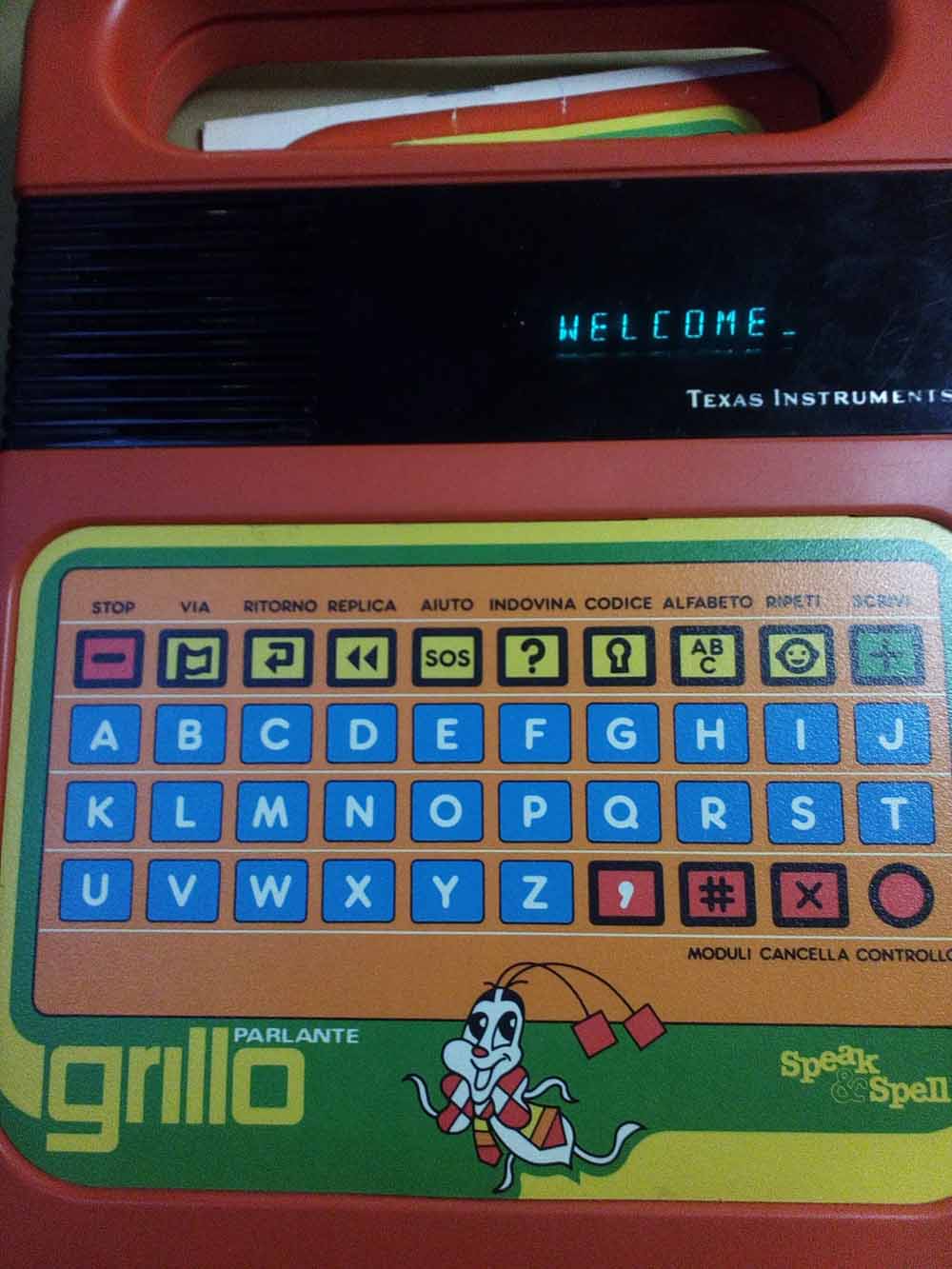
Info: The Radio Shack Spellmaster) was manufactured in 1988 and represents the last design iteration of the Speak & Spell family. The printed circuit board (PCB) itself is much smaller than the original Speak & Spell design.
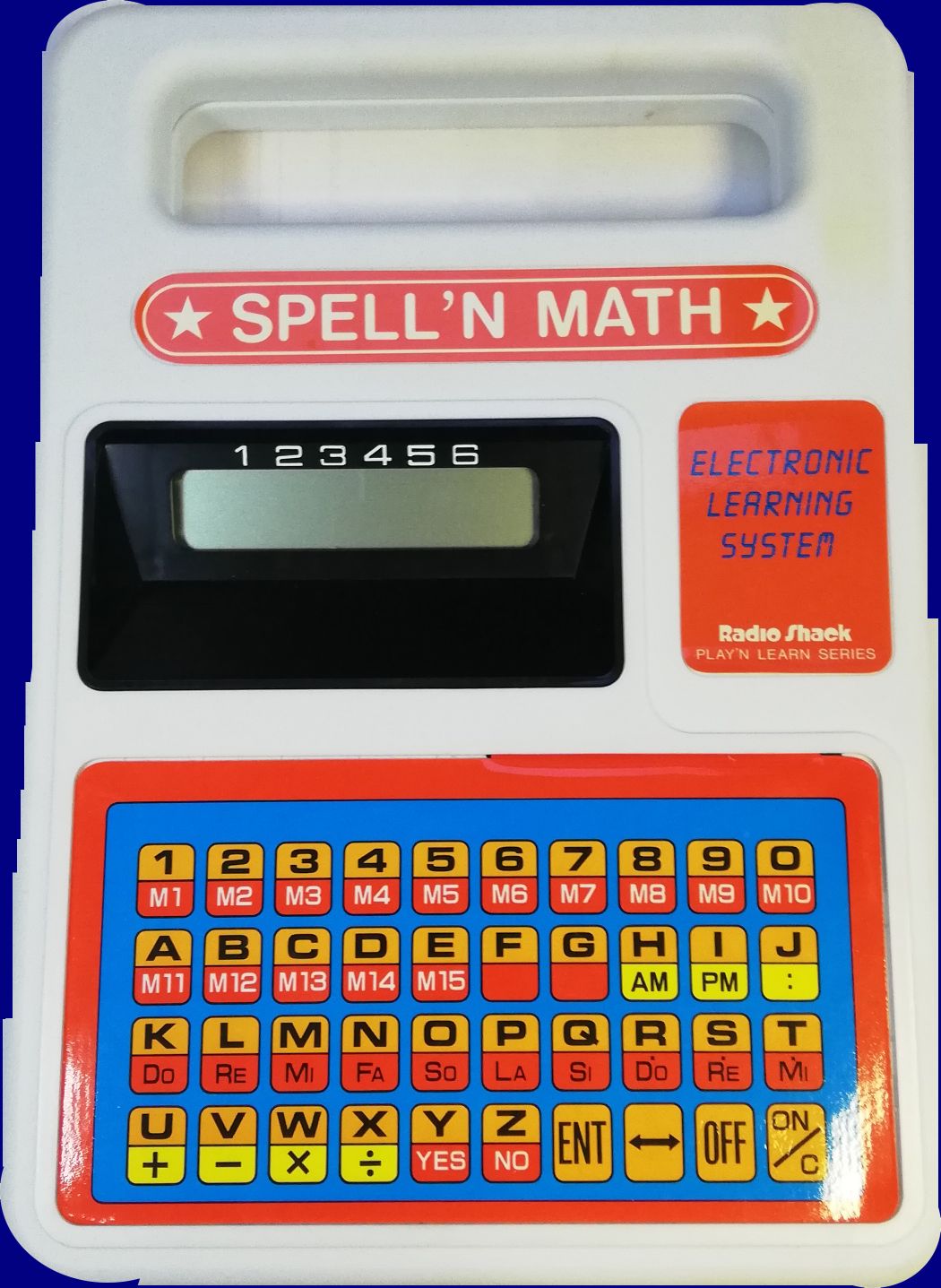 Model: Spell' N
Battery: 4 x 1,5 V type C
AC adapter:
Year: 1992
Chip:
Info:
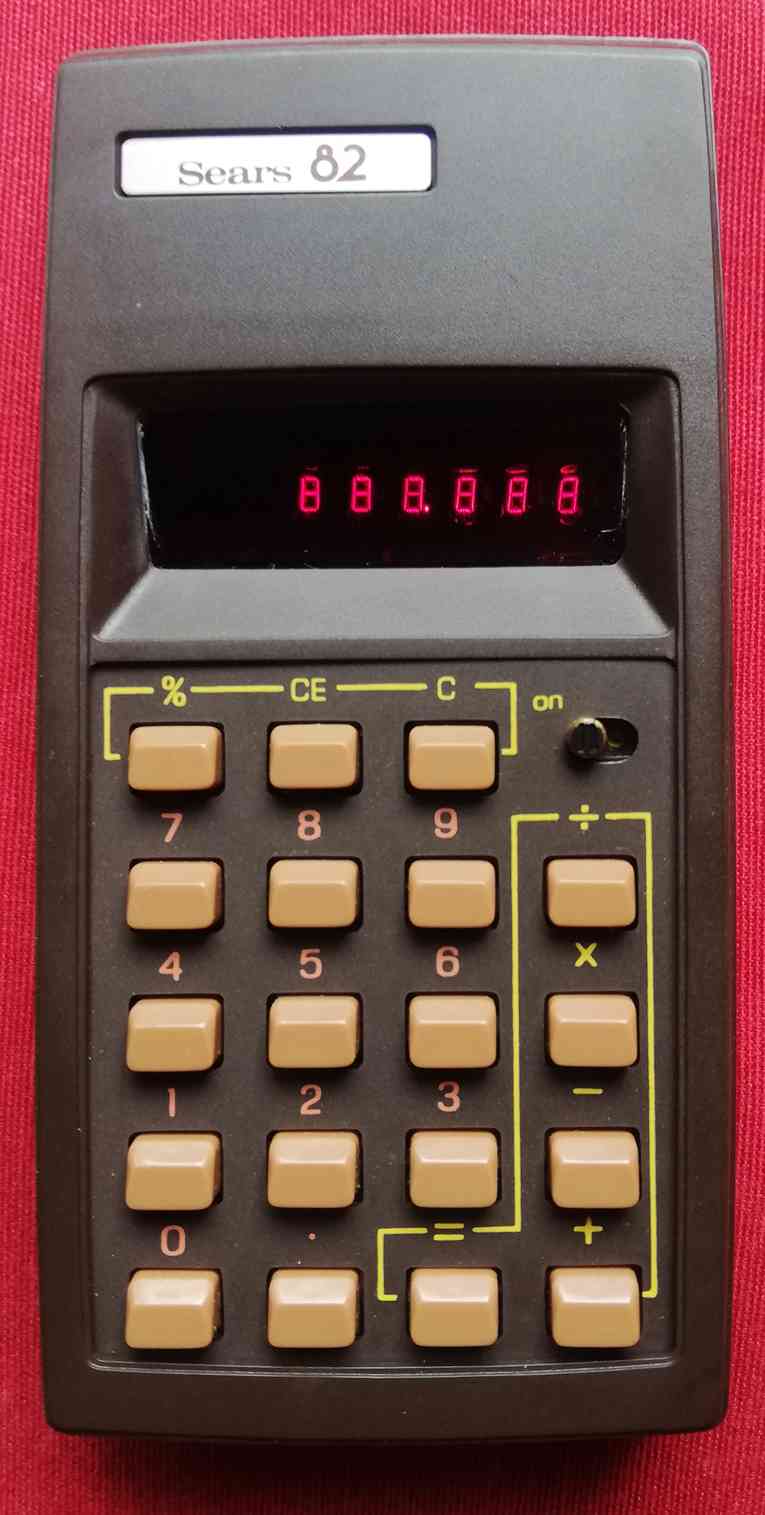 Model: sears 82
Battery: 9 volt
AC adapter: 3 volt adapter
Year: 1978
Chip: TMC0972NL
Info: made in Japan
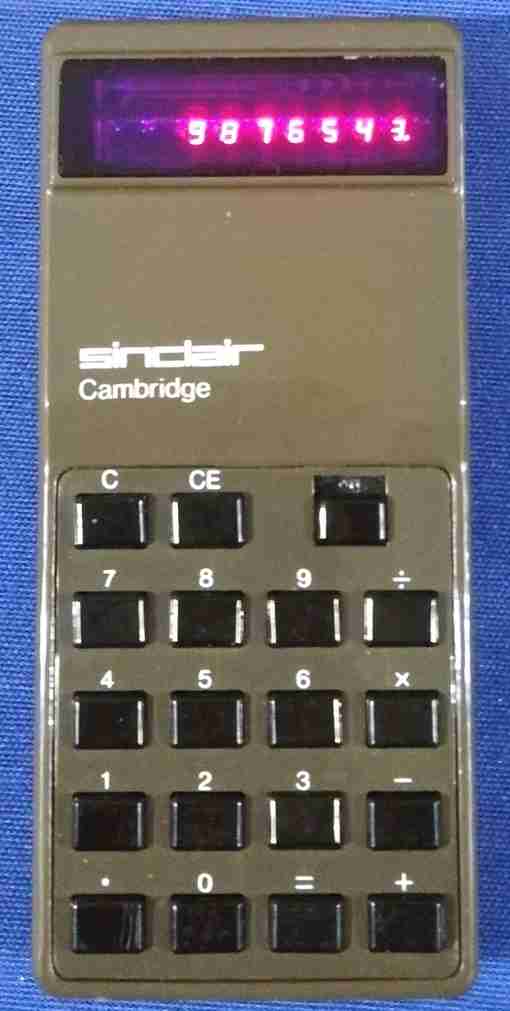
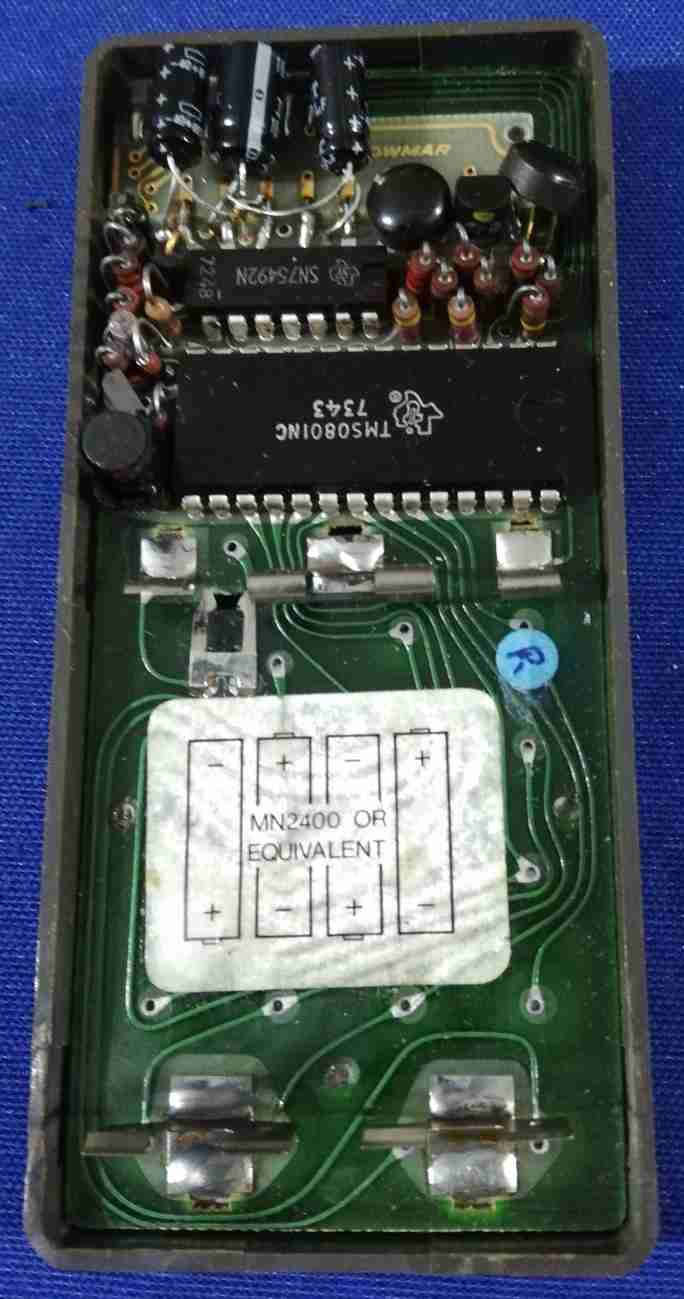 Model: Cambridge Type 2
Battery: 4 x AAA cells
AC adapter:
Year: 1973
Chip: TMS0801NC
Info: made in England
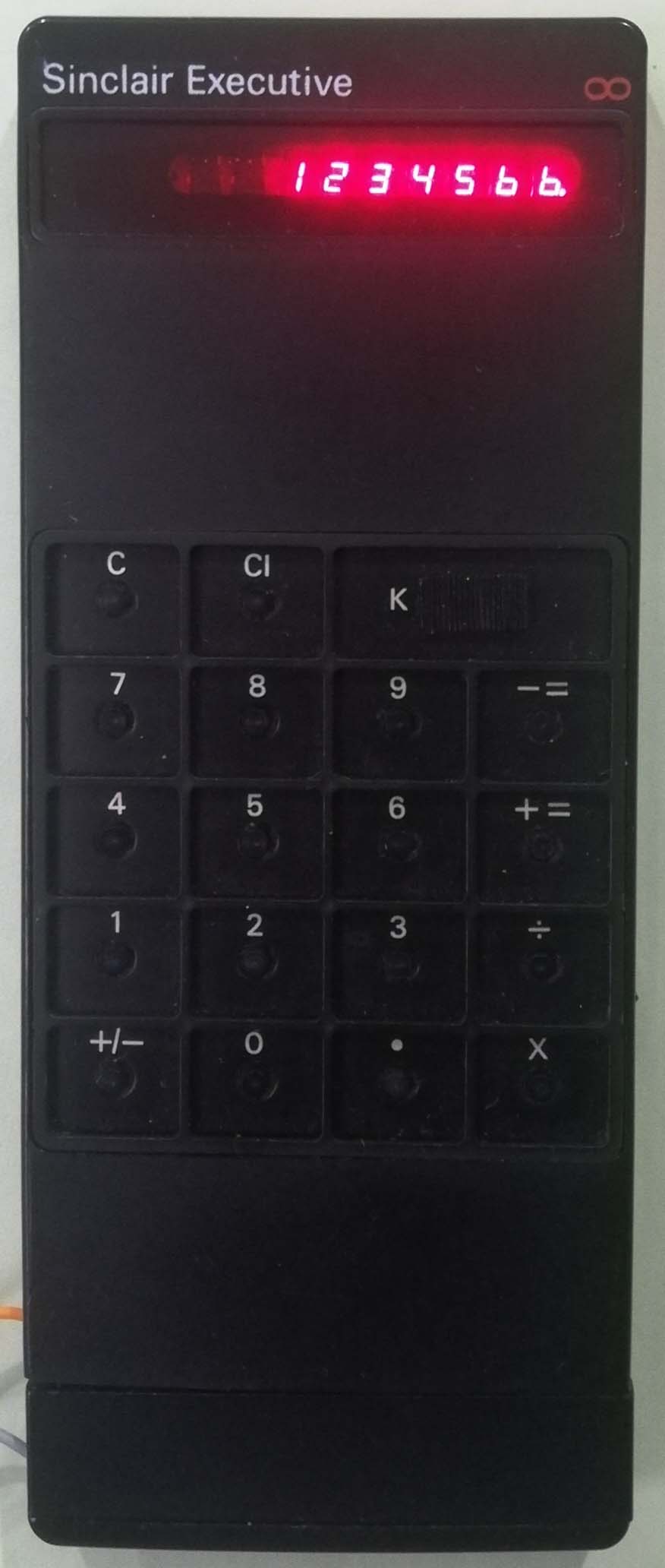
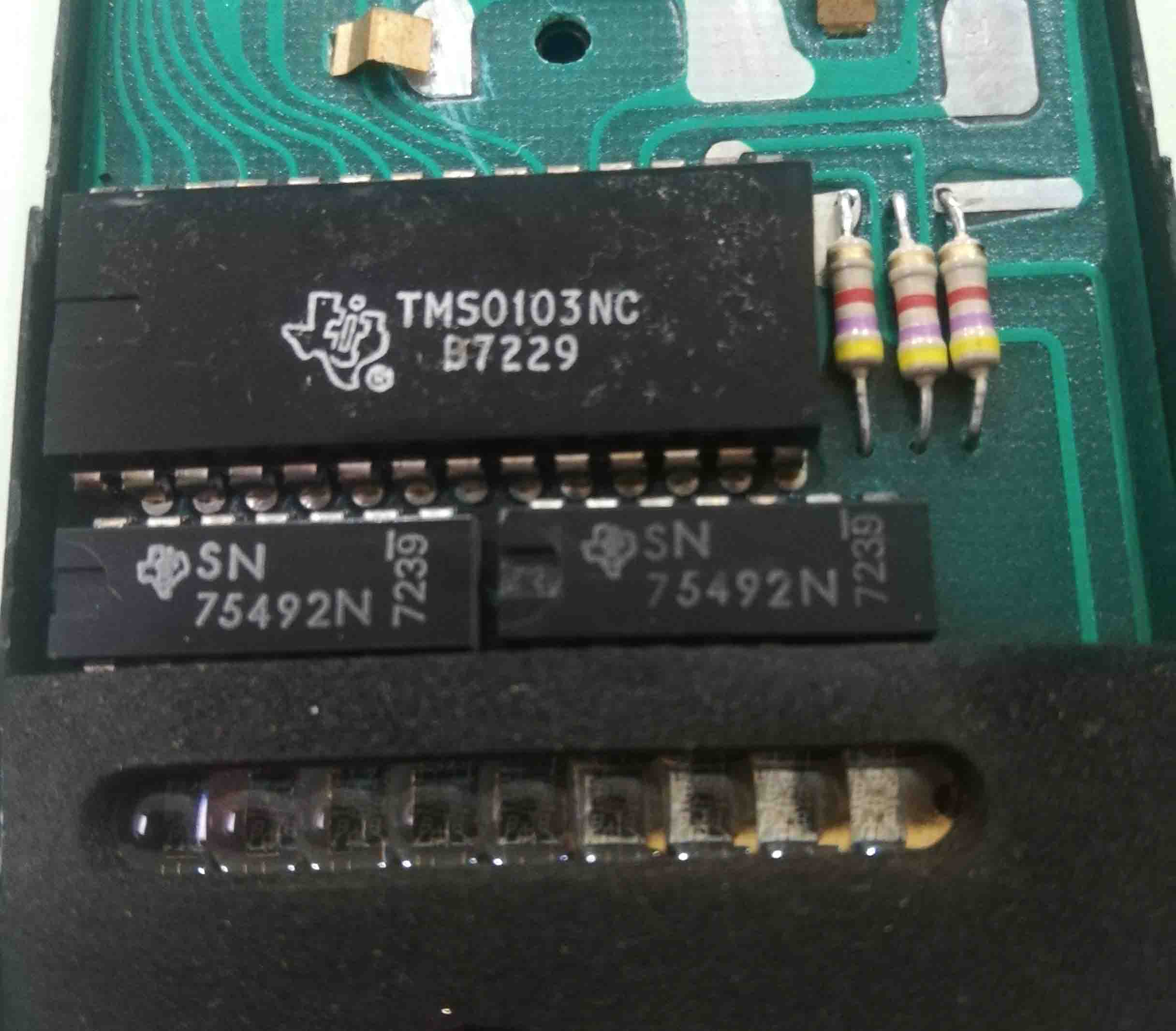 Model: Sinclaire Executive Type 1
Battery: 4 x AAA cells
AC adapter:
Year: 1972
Chip: TMS0103NC
Info:made in England
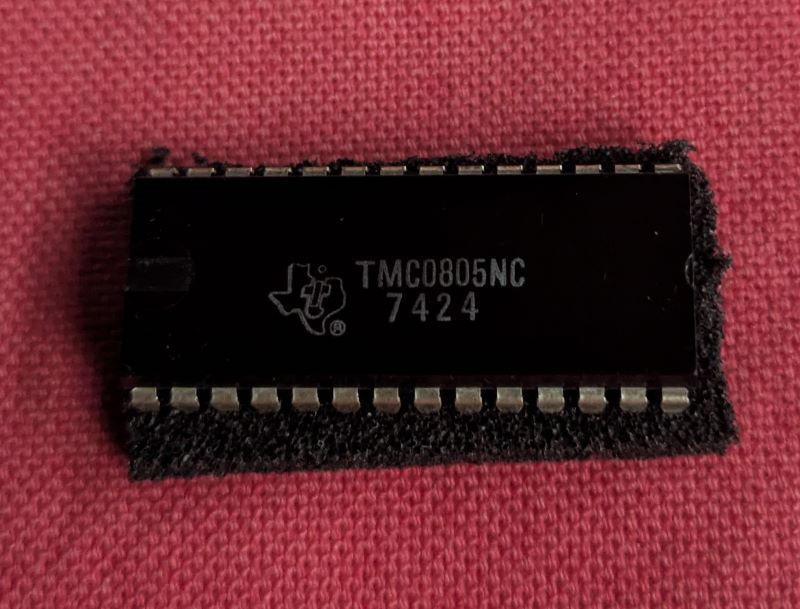
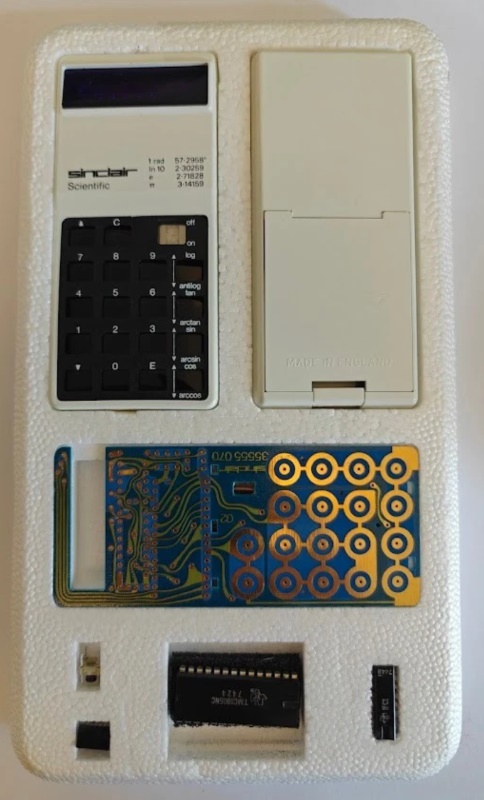 Model: Kit Sinclair Scientific
Battery: 4 x AAA cells
AC adapter:
Year: 1974
Chip: TMS0805NC
Info:A Sinclair Scientific calculator kit in its polystyrene packaging. Assembly instructions for the Sinclair scientific calculator kit and the soft carrying case.
The components of the Sinclair scientific calculator kit also include a small bag containing small parts that are not visible. Made in England
Here you can find the assembled and working version Sinclair Scientific.
I must extend a huge thank you to my friend Walter M., who enabled me to purchase the rare Scientific calculator kit featuring the Texas Instruments TMS0805 chip.
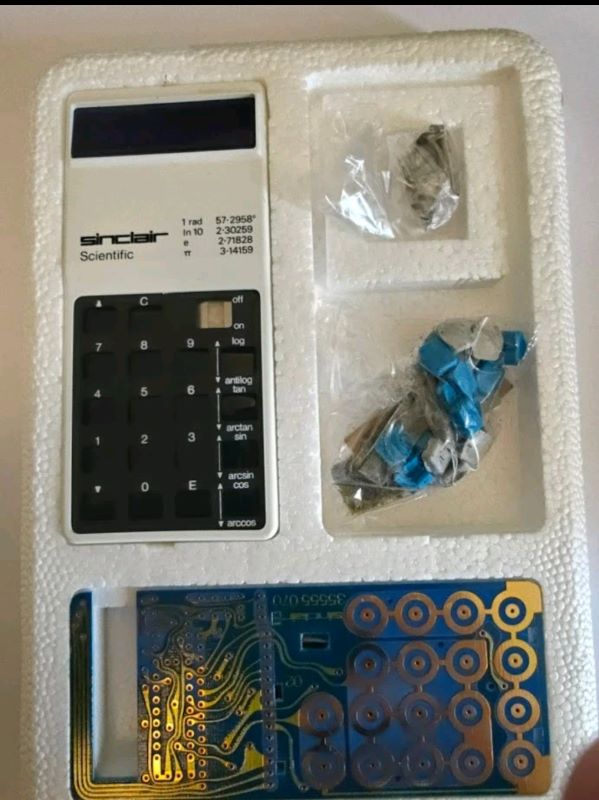
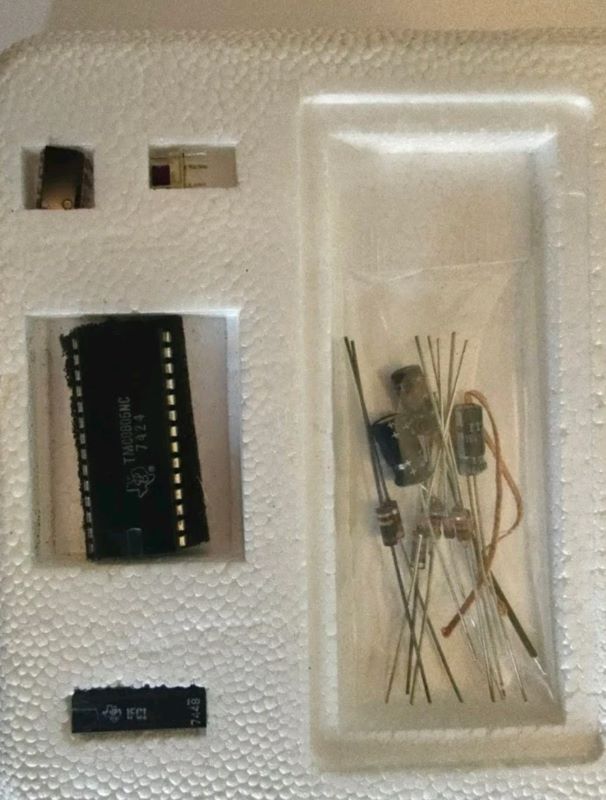
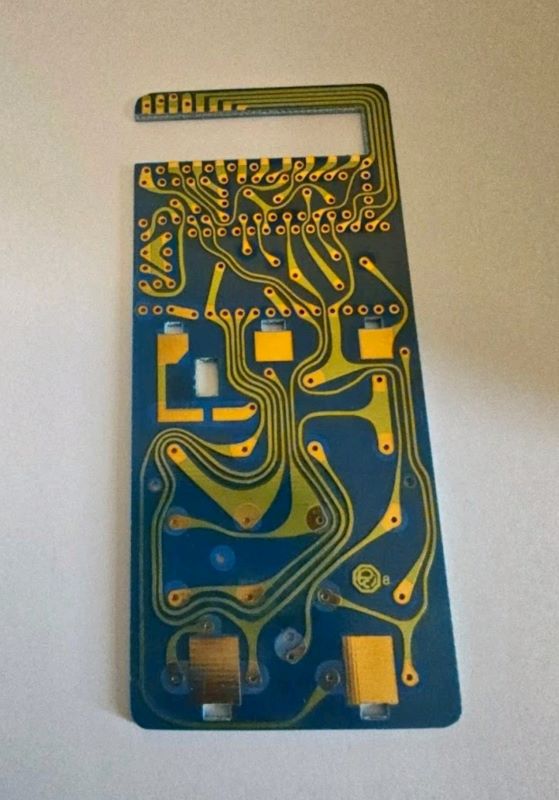
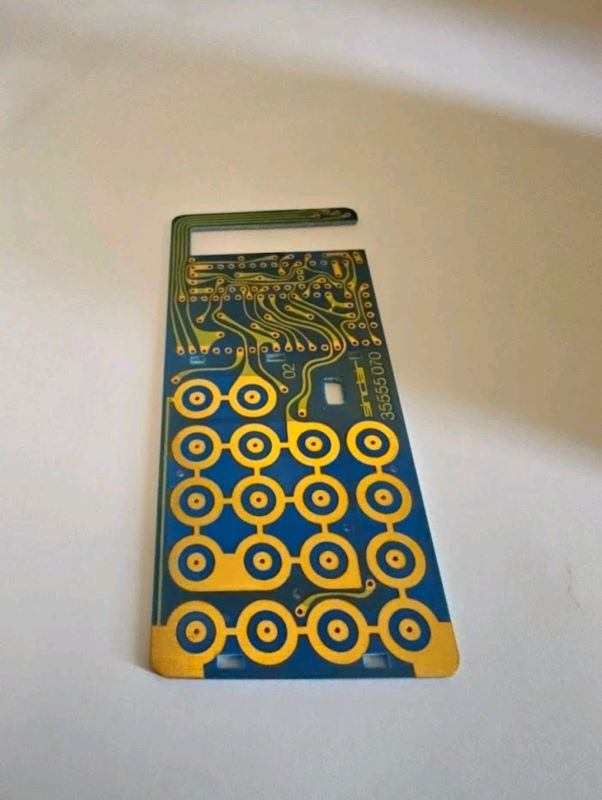
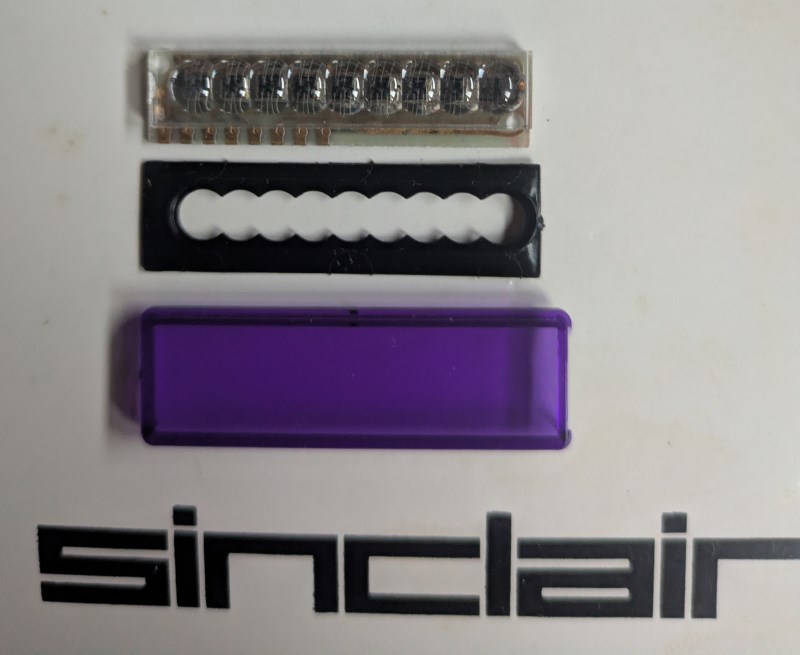

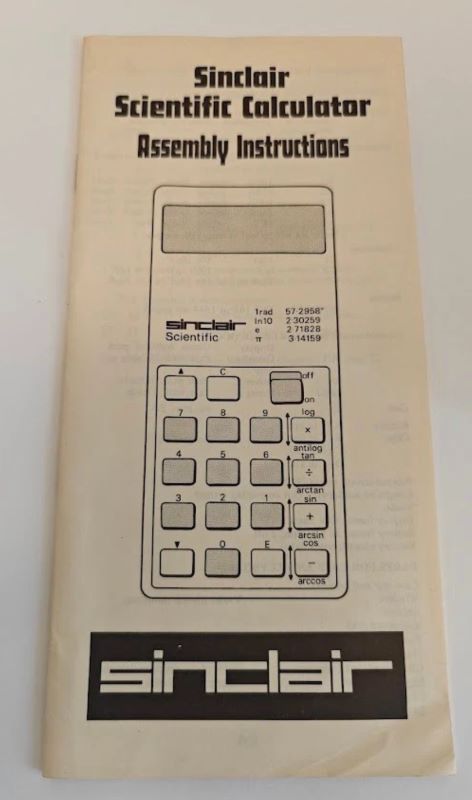 The assembly instructions for the Sinclair Scientific calculator kit and the soft carrying pouch.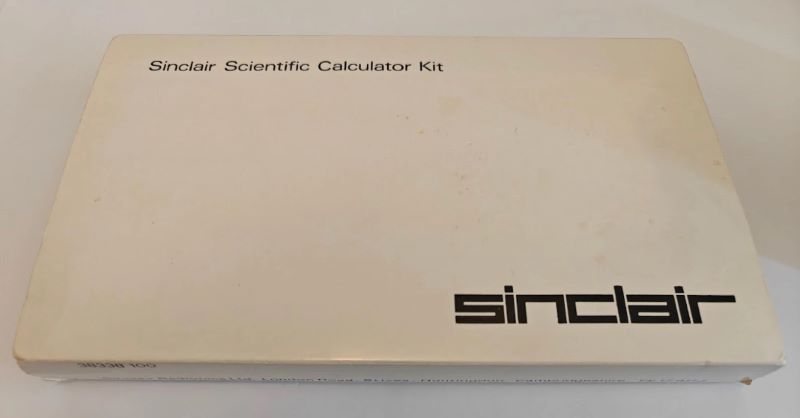
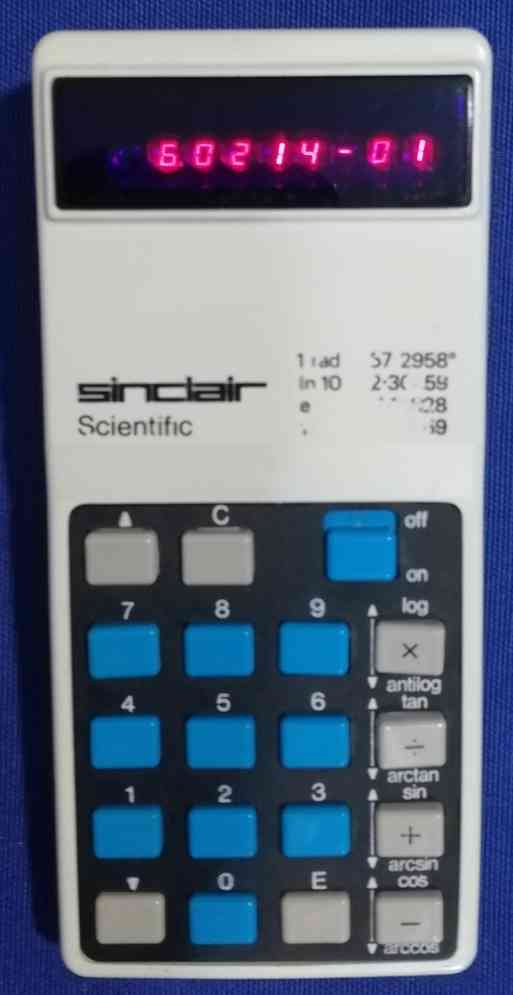
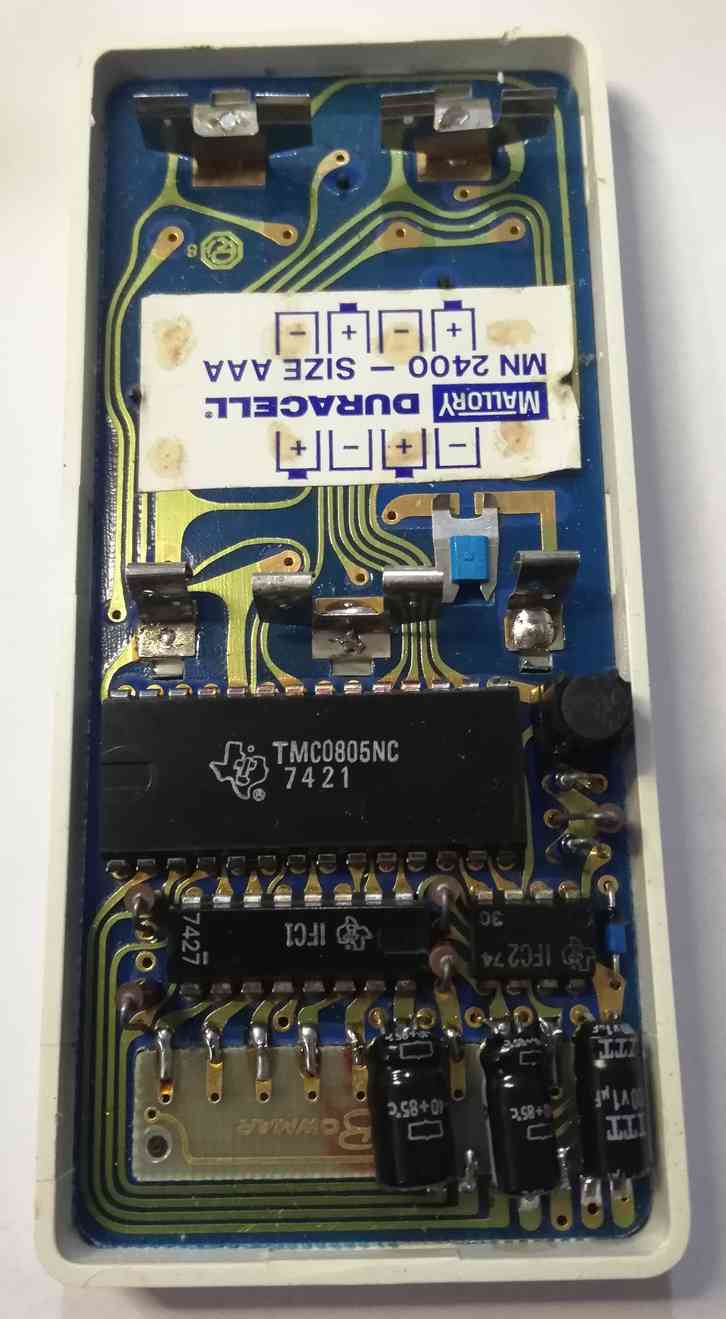 Model: Scientific
Battery: 4 x AAA cells
AC adapter:
Year: 1974
Chip: TMS0805NC
Info: made in England
Here you can find the diassembled version Kit Sinclair Scientific.
How to use this unusual calculator
The Sinclair Scientific calculator uses reverse Polish notation (RPN) and scientific notation, so the key sequences are totally different from regular calculators. Numbers automatically have a decimal point inserted; use E to set the exponent. Operations are entered after the number and there is no equals key. Use the up and down arrows to select scientific functions. A display such as 1.2300 01 indicates 1.23*10^1, i.e. 12.3. A few examples:
To divide 17 by 3, enter 1 7 E 1 + 3 ÷
To take the sin of 0.01 radians, enter 0 0 1 ▲ +
To take antilog of .5 (to compute 10^.5), enter 5 E - 1 ▼ ×
Reverse Engineering from Ken Shirriff's blog
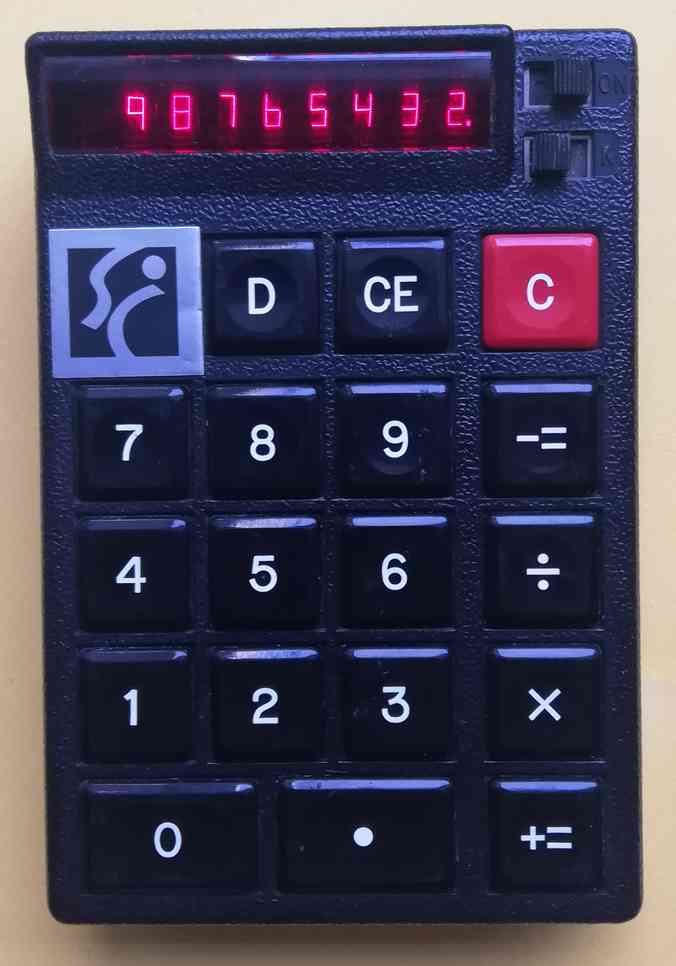 Model: Summit K16
Battery: 9 volt
Adapter: 9 volt
Year: 1972
Chip: TMS0103NC
Info: Made in U.S.A
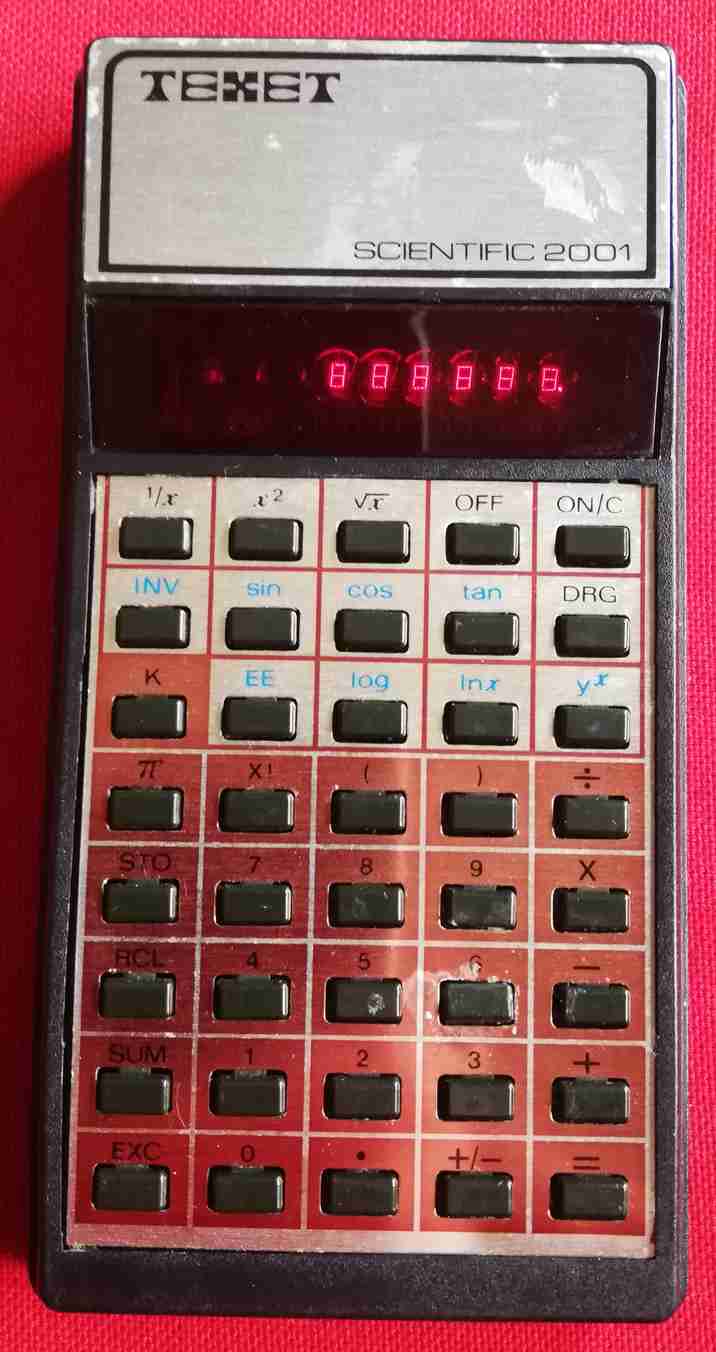 Model: TEXET 2001 scientific
Battery: 9 volt
Adapter:
Year: 1976
Chip: TMS0985
Info:
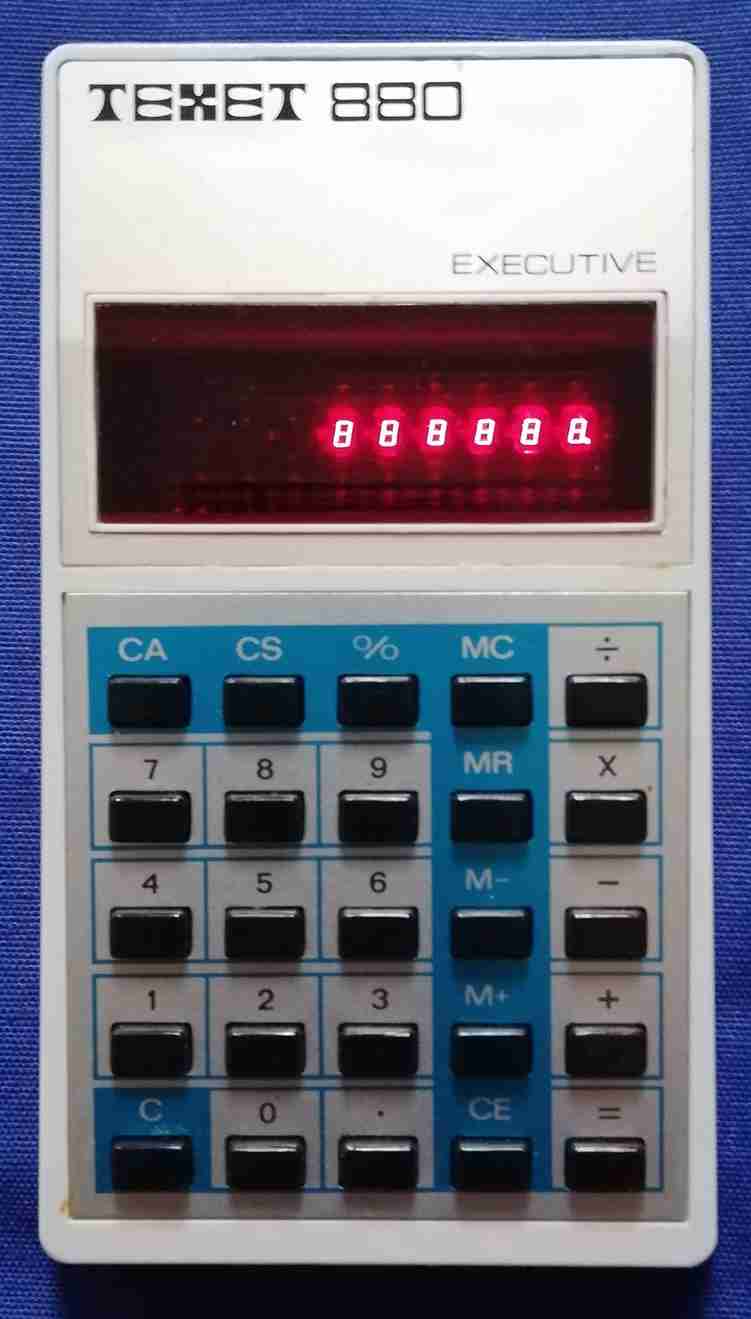 Model: TEXET 880
Battery: 9 volt
Adapter:
Year:
Chip: TMS0972
Info: This is a nearly perfect copy of the TI-1250. Made in Homg Kong
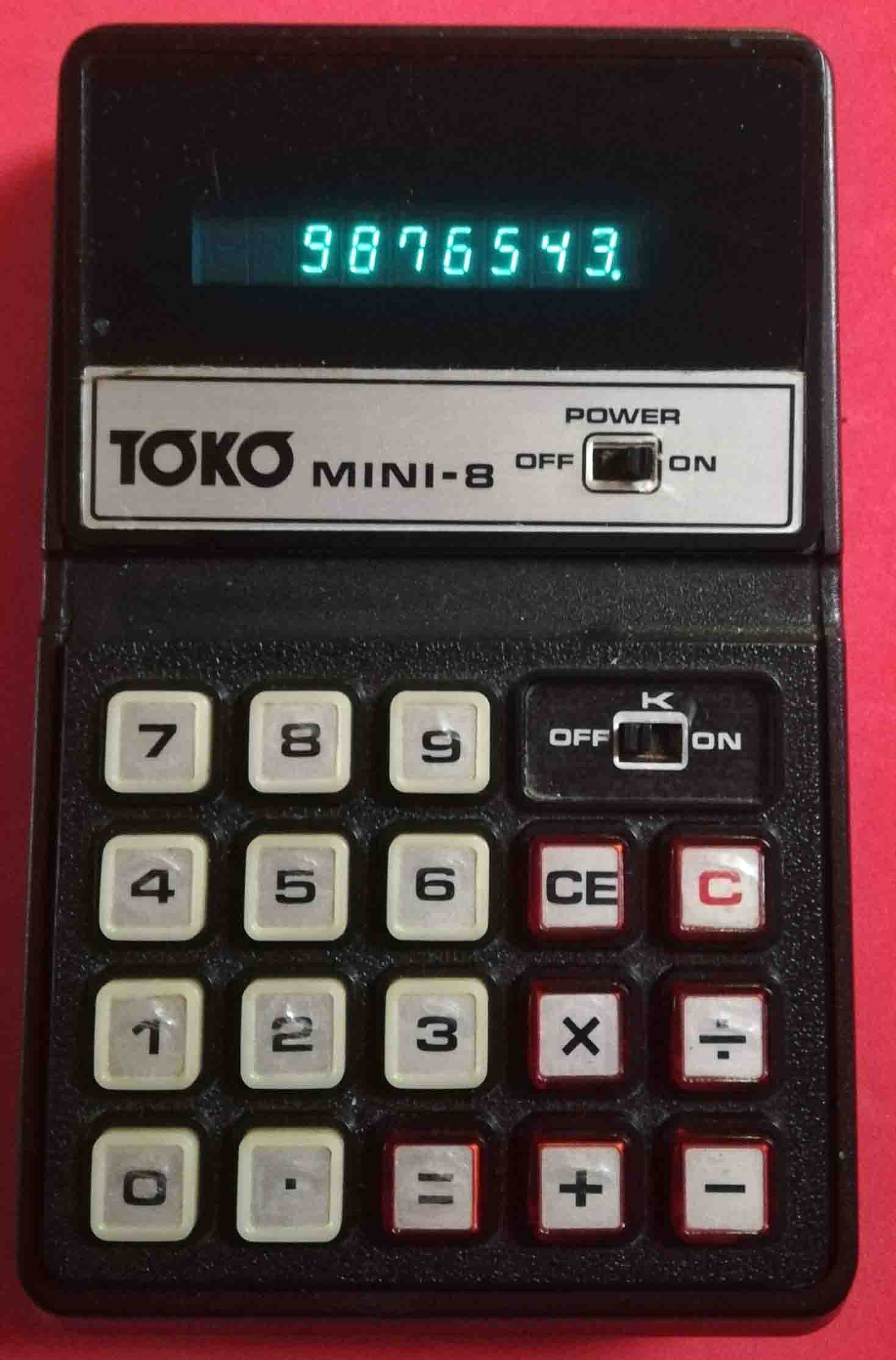 Model: TOKO mini 8
Battery: 4 x AA
Adapter: 6 vdc
Year:
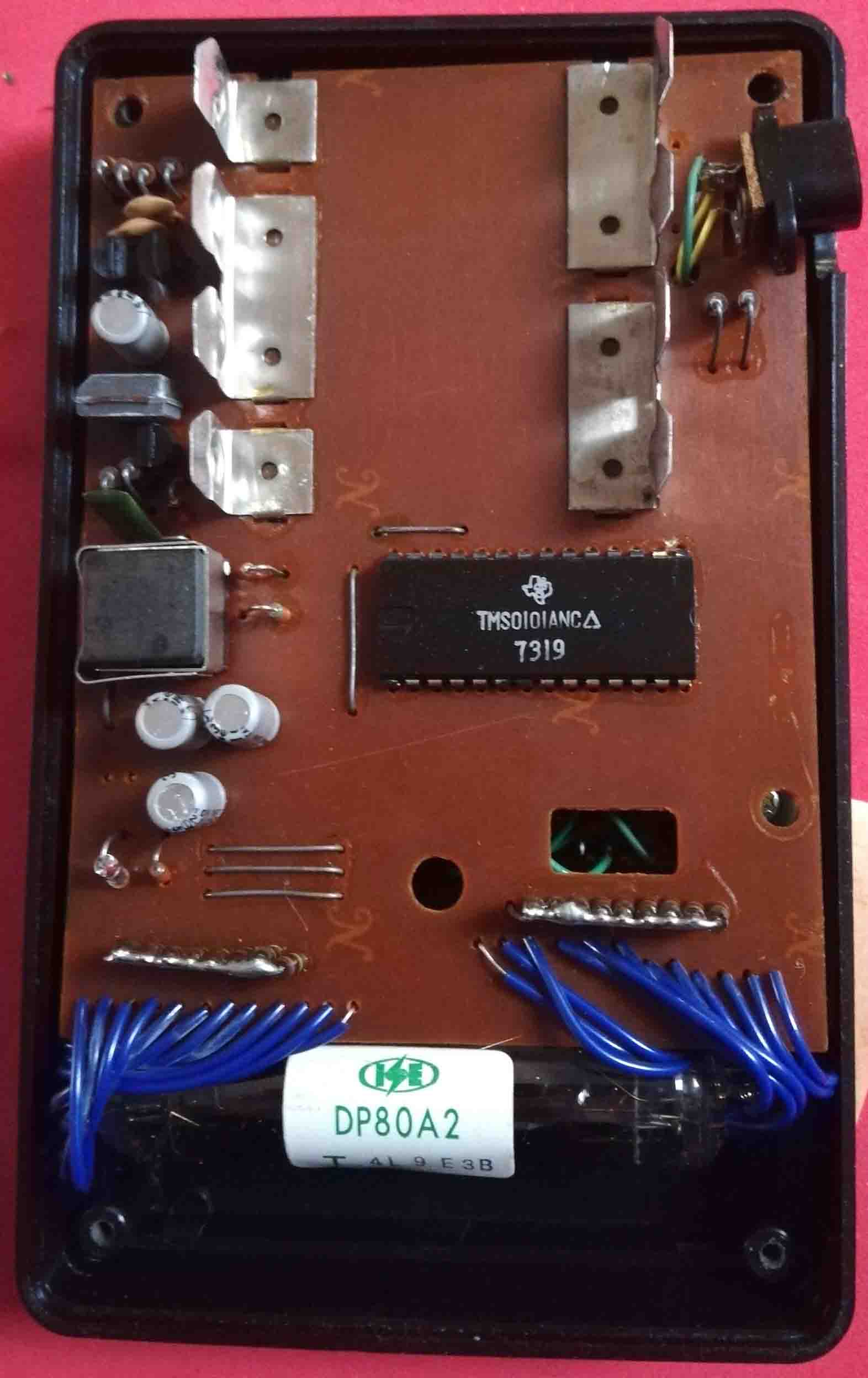
Chip: TMS0101NC
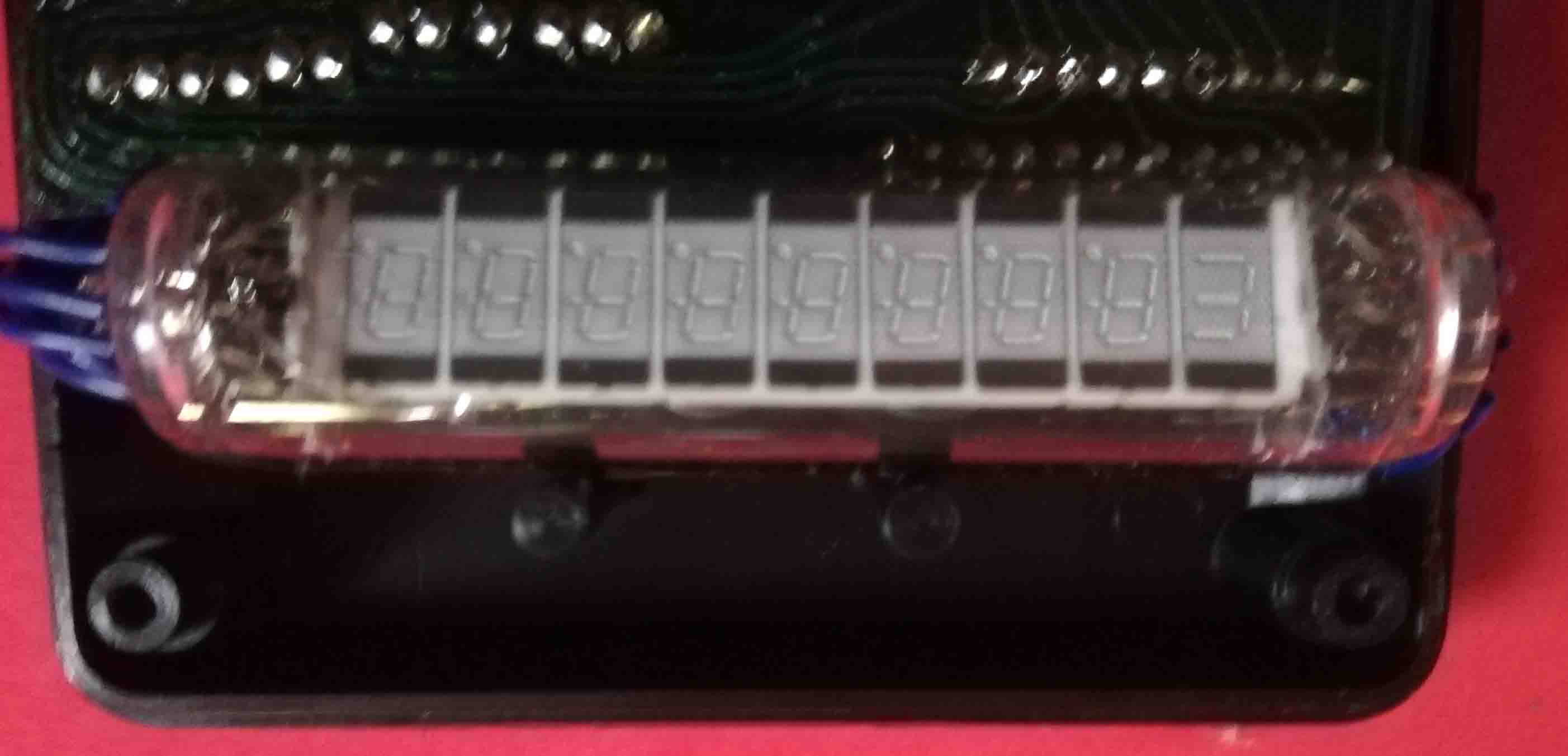
Info:Made in Japan. According to the Toko, Inc., website, Toko was established in Tokyo in 1955 as a manufacturer of components for portable radios with the name TOKO Radio Coil Laboratories. The firm continues to manufacture electronic components.This relatively large handheld electronic calculator has a plastic case and eighteen square keys with rounded corners. These include ten digit keys, a decimal point key, a total key, four arithmetic function keys, a clear entry key, and a clear key. A switch on the right of the top row of keys can be set to having the constant (K) on or off. Behind this is an on/off switch. Test left of it reads: TOKO MINI-8. Behind this is an eight-digit green vacuum fluorescent display. A jack for a power adapter is on the right side.
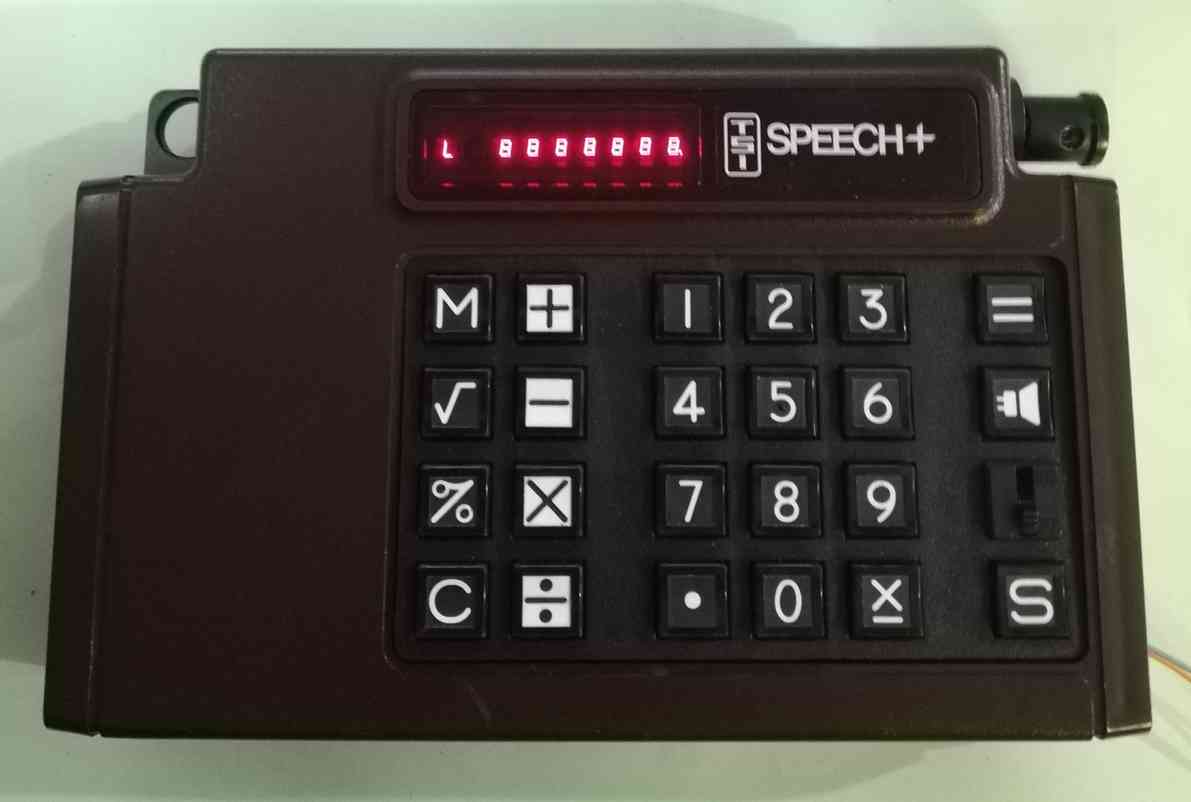 Model: TSI speech+
Battery: 4 x ni-cd
Adapter: 9 vac
Year: 1976
Chip: TMC1007NL
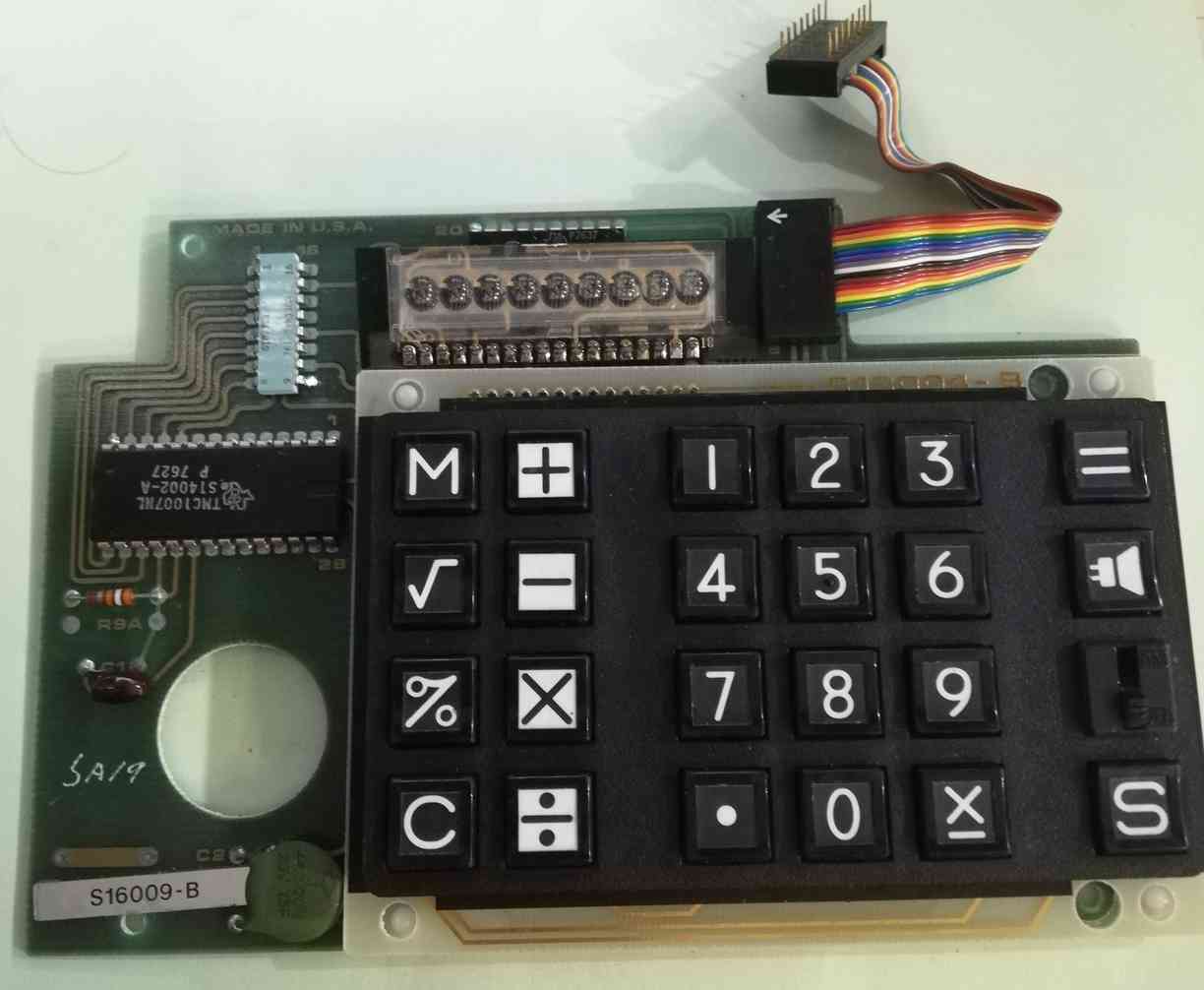
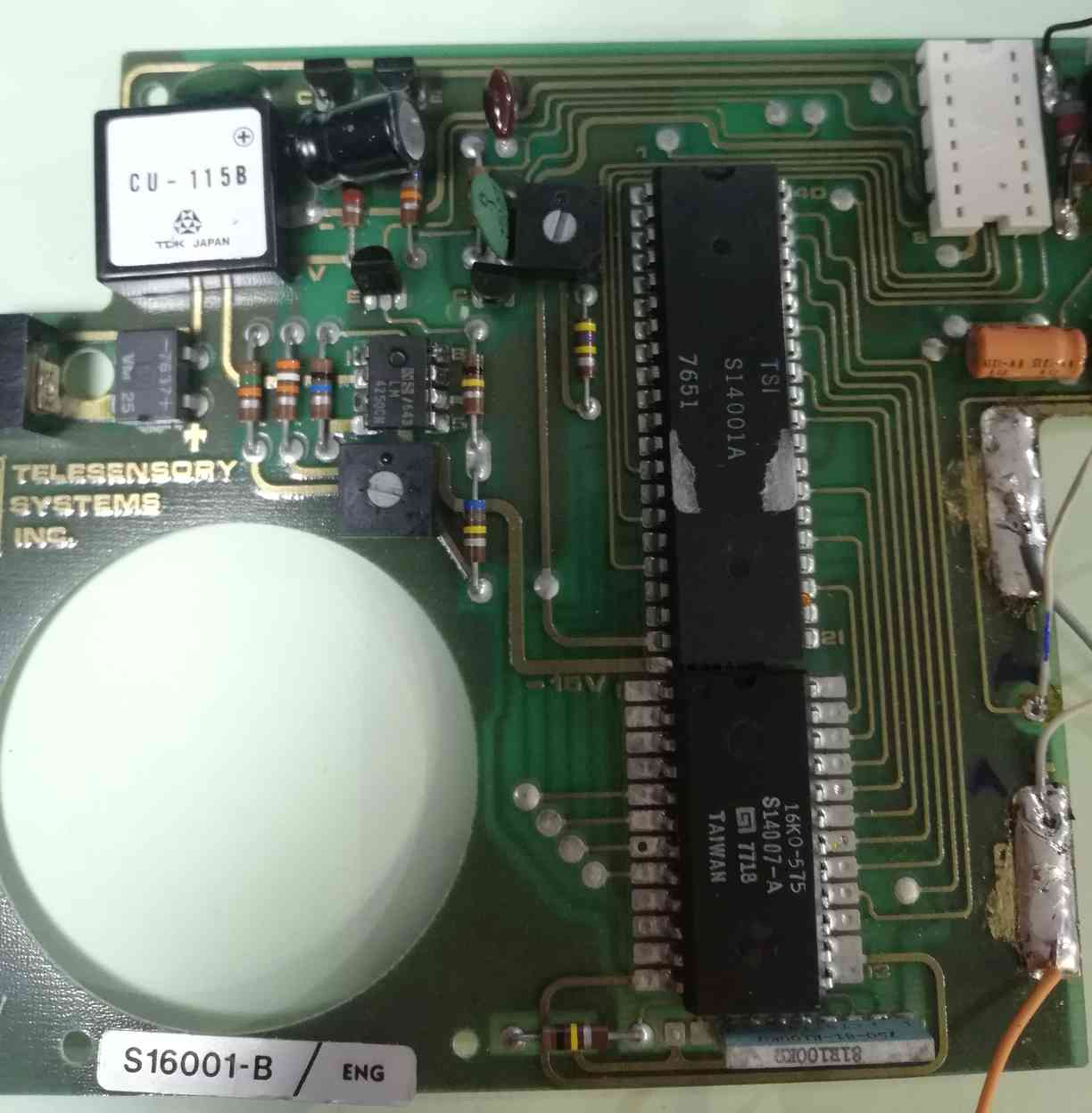
Info: TSI Speech + with Texas Instruments chip the TMC1007. In the early 1970s, Telesensory Systems Inc. Speech + was the first portable talking calculator for the blind, an interesting point is that, to aid the blind in use, the numbers on the keyboard are in the same order as a phone (with 1 at the top) instead of in the normal order of a calculator (with 9 at the top).
with permission of the author www.vintagecalculators.com
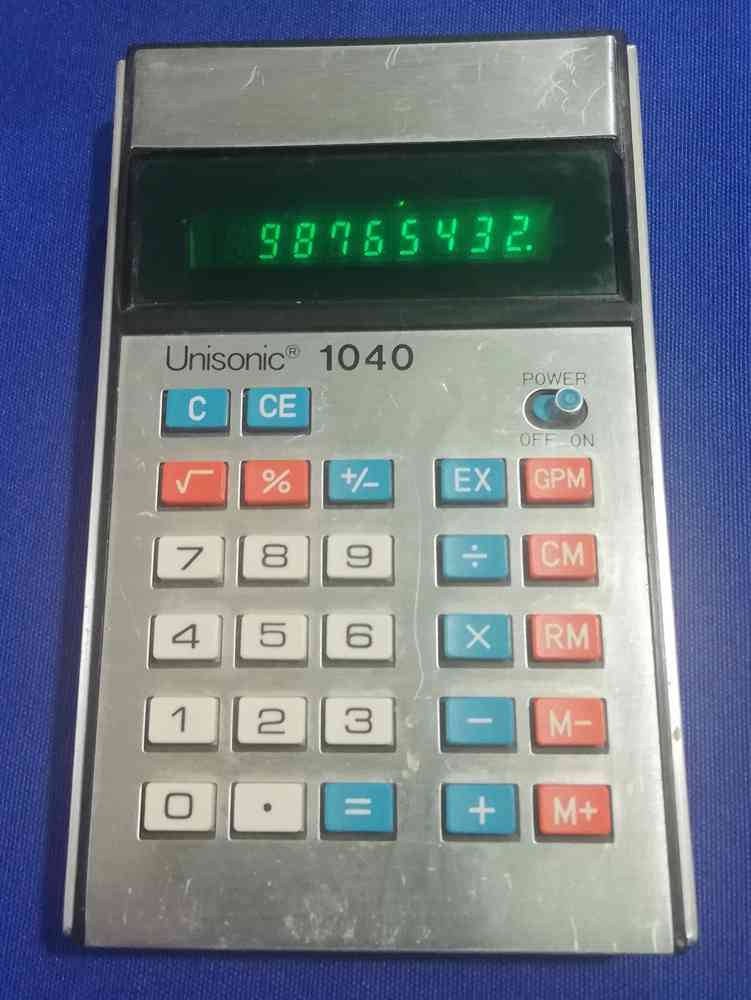 Model: unisonic 1040
Battery: 4 x AAA
Adapter: 6 volt adapter
Year: 1974
Chip: TMS1044
Info:
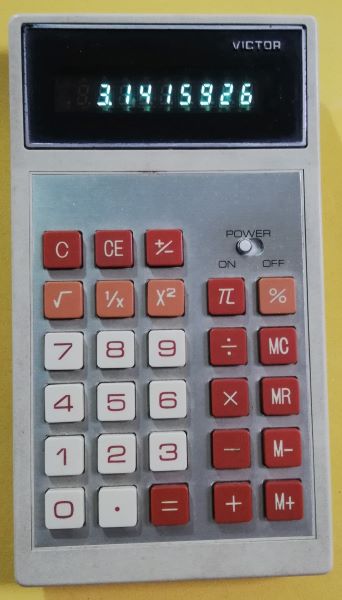 Model: 104R
Battery: 3 x AA
AC adapter:
Year: 1975
Chip: TMS1044NL
Info:
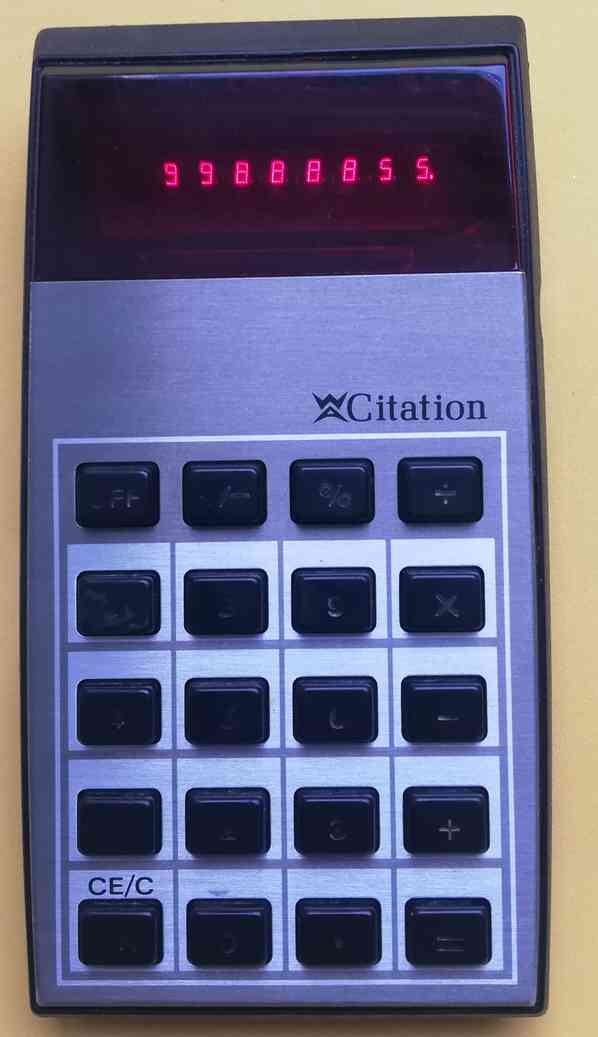 Model: Citation (66-4986-7)
Battery: 9 volt
Adapter:
Year: 1978
Chip: TMC0921
Info: If you remove the key-plate known from e.g. the "electronic Wizard" from this Citation you'll get a TI-1000. Everything else is identical, even the back of the calculators tells you the manufacturer Texas Instruments.
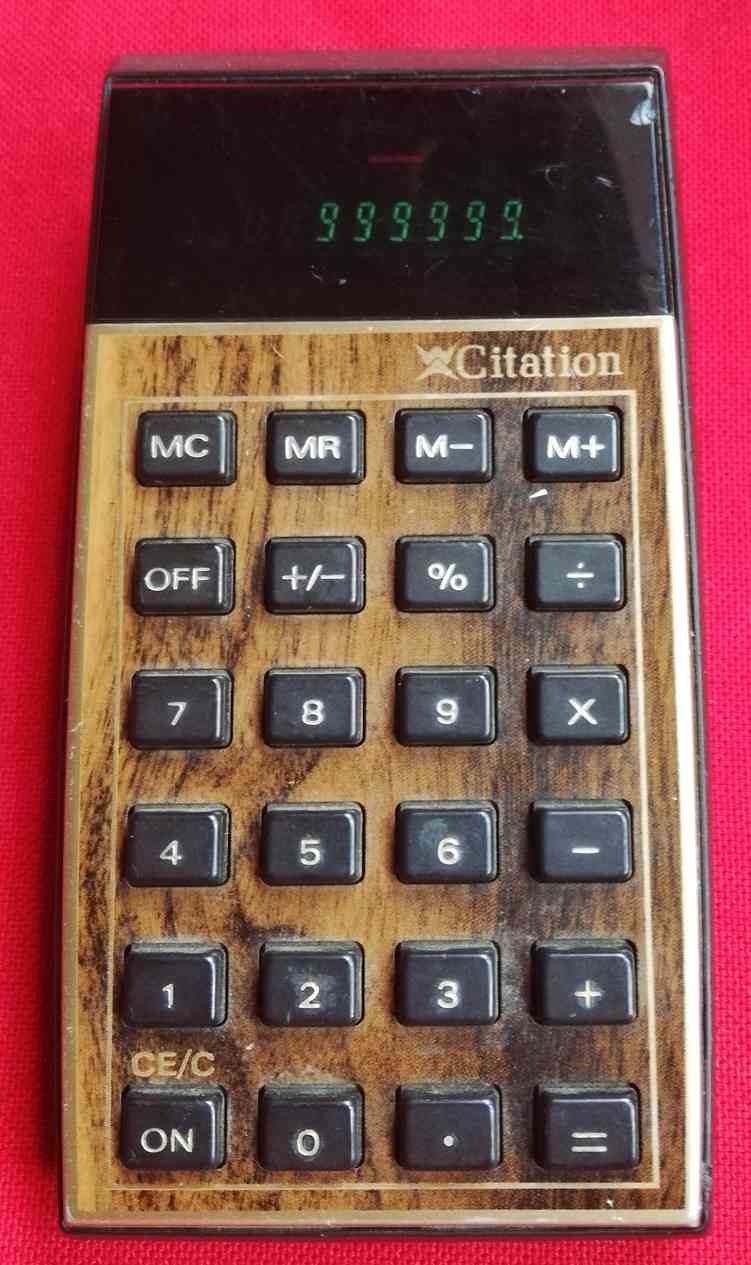 Model: Citation (66-4987-5) TI-1025
Battery: 9 volt
Adapter: AC9180
Year: 1977
Chip: TMC0923
Info: With the discontinuation of the TI-1200 family in 1977, Western Auto consequently replaced the M4987 "Citation" calculators and its siblings M4986 and M4988 with products based on the TI-1000 family. While the backside of the revised "Citation" calculator is missing any reference to the previous M4987 designation, sports the sales box a part number 66-4987-5, obviously a reference to the original naming scheme.
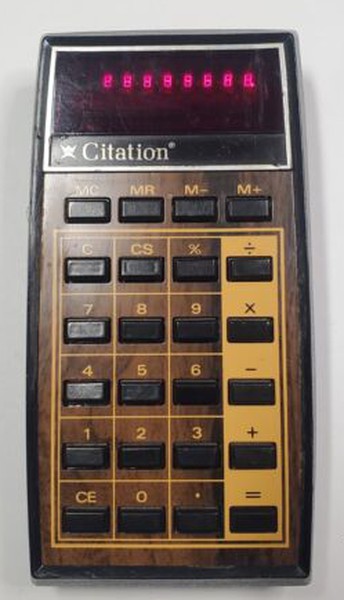 Model: Citation (66-4987-5)
Battery: 9 volt
Adapter: AC9180
Year: 1977
Chip: TMS0972
Info:The TMS0952 introduced with the original design of the M4986 was soon replaced with the TMS0972, a pin-compatible design dropping the additional resistors and capacitor and further reducing the manufacturing costs of the M4986 series. This contribution of cost cutting had a side effect for the customer, Texas Instruments decided to use with the TMS0972 an 8-digit LED display instead of the previous 9-digit display. While the 9th (leftmost) digit was originally used only for the negative sign and didn't impact most calculations, should you try this example:
| • 11111111 [-] 23456789 [=] - TMS0952: -12345678 • 11111111 [-] 23456789 [=] - TMS0972: -.1234567 (flashing) |
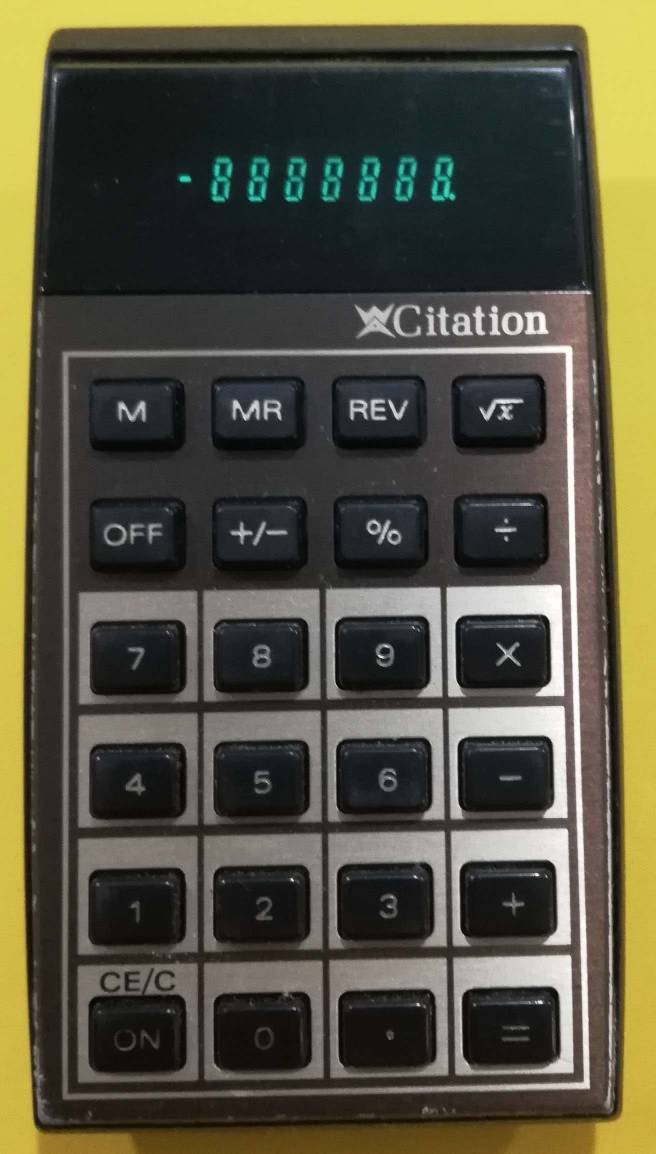 Model: Citation (66-4988-3)
Battery: 9 volt
Adapter:
Year: 1978
Chip: TMC0921
Info:If you remove the key-plate known from e.g. the "electronic Wizard" from this Citation you'll get a TI-1050. Everything else is identical, even the back of the calculators tells you the manufacturer Texas Instruments.
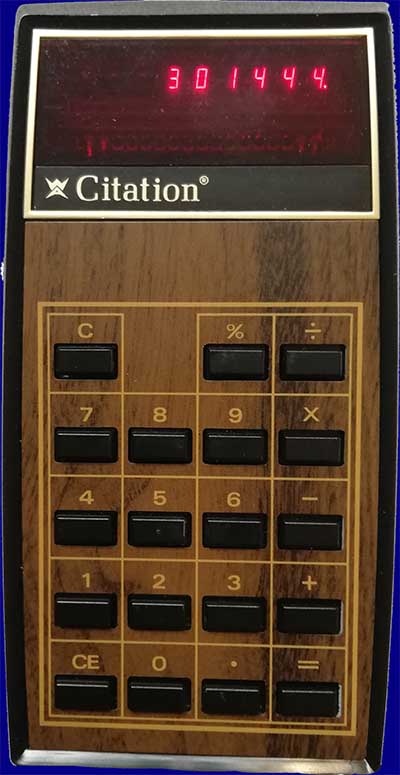 Model: Citation ( M4986-7 )
Battery: 9 volt
Adapter: AC9180
Year: 1976
Chip: TMS0952
Info: This calculator is identical to the TI-1200 sold under different names from the Western Auto company. The most common names are "Citation" or "M4986". The only difference from the TI-1200 is the wooden template and the missing TI logo.
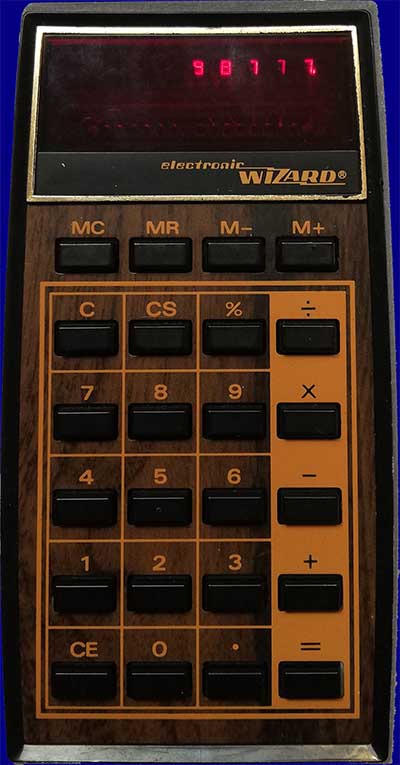 Model: Electronic Wizard ( M4987 )
Battery: 9 volt
Adapter: AC9180
Year: 1975
Chip: TMS0952
Info: This calculator is identical to the TI-1250 sold under different names from the Western Auto company. The most common names are "Electronic Wizard" or "M4987", but later also obtained the confusing "Citation" plate. The only difference from the TI-1250 is the wooden template and the missing TI logo.
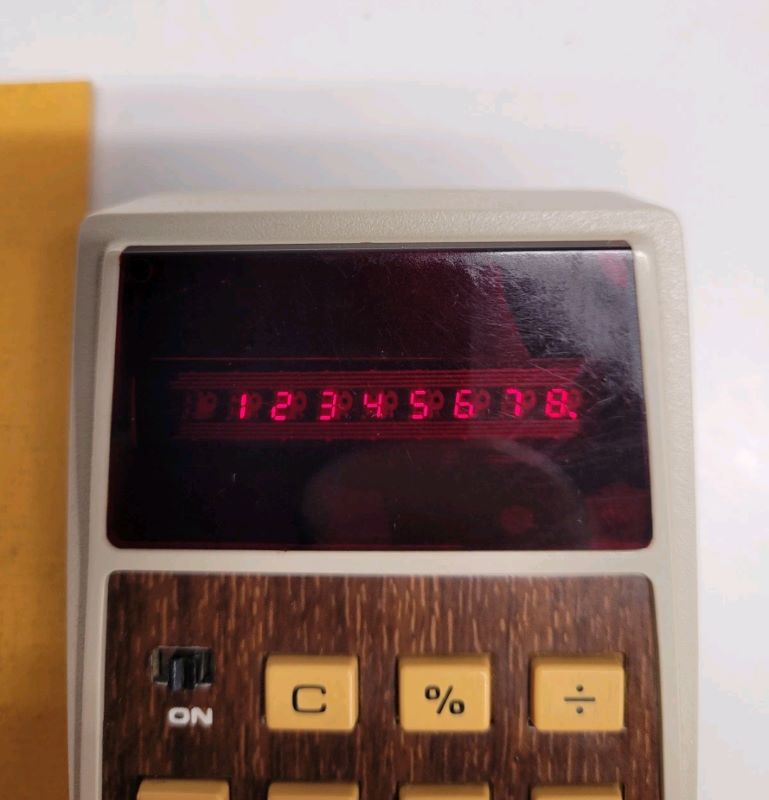
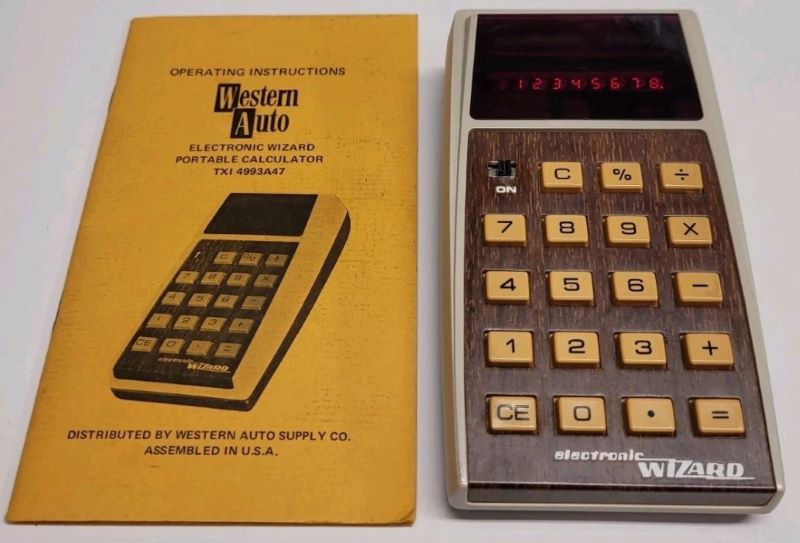
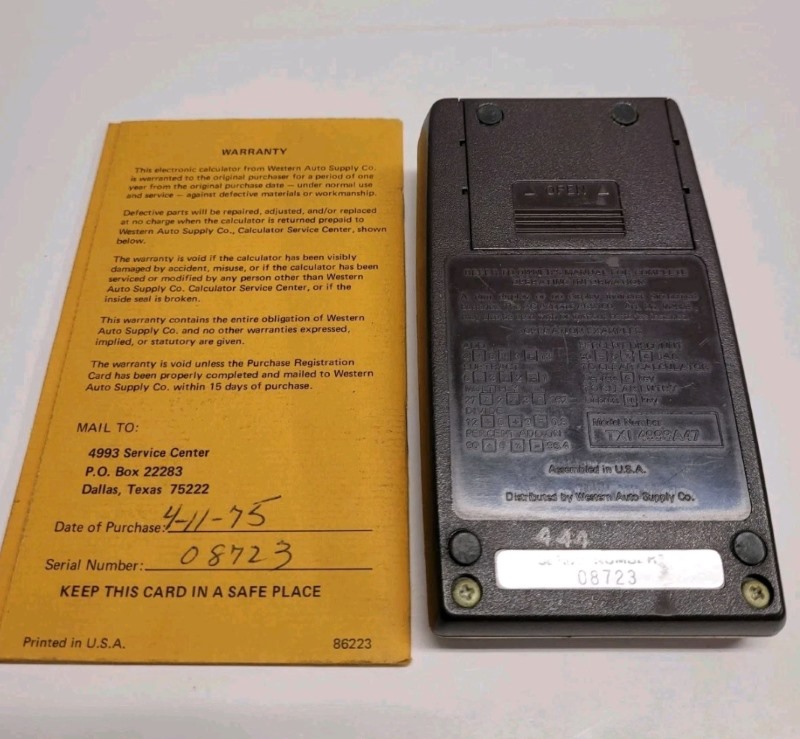
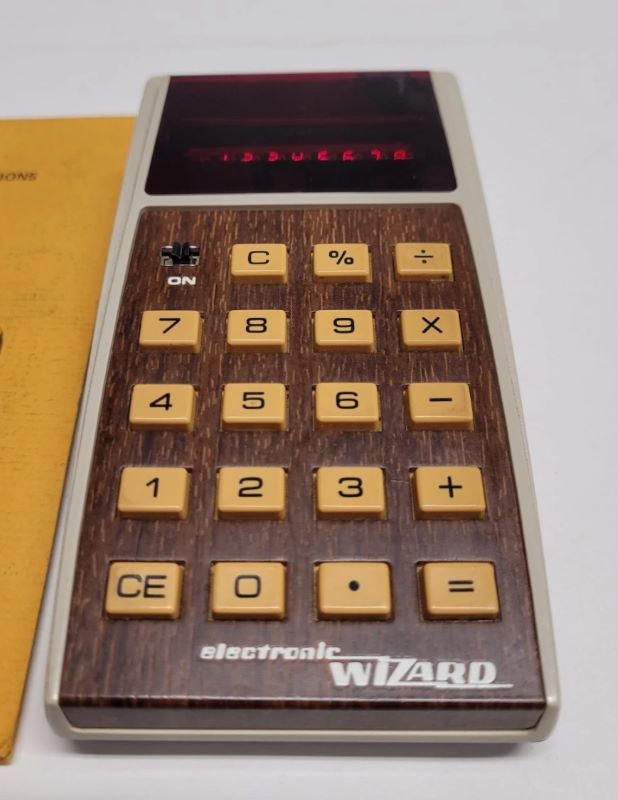 Model: Electronic Wizard ( TX4993 )
Battery: 9 volt
Adapter: AC9180
Year: 1975
Chip: TMS0803, SN27882
Info: Western Auto Supply Company began in 1973 distributing portable electronic calculators manufactured by Texas Instruments under their own branding with a prominent "electronic Wizard" logo. The M4995 "electronic Wizard" is a close relative of the Montgomery Ward P8PMontgomery Ward P8P a.k.a. TXI-8645A with the unusual [-=] and [+=] keys but misses the sliding switch to select between floating [F] or [2] or [4] decimal places for the answer. Texas Instruments ceased manufacturing of the Montgomery Ward P8F, P8M, P8P and the related Western Auto M4995 in Summer 1974 and both companies introduced calculators based on the Exactra 23 named P100 and M4993, respectively.
 Model: TE-8000
Battery: no
Adapter: AC 110 volt
Year: 1973
Chip: TMS0105
Info:TE8000 is a four-function desk calculator from 1973, built with a Texas Instruments single-chip processor.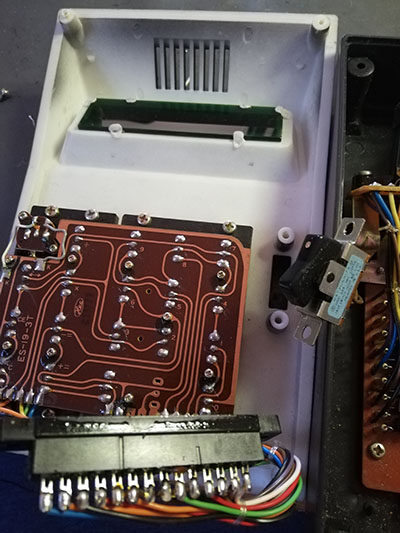
The calculator is housed in a rectangular plastic box finished in imitation woodgrain.
The main circuit board and the display tube board are fastened to the base with a pair of light metal brackets. A 2-pin mains connector and the power transformer are mounted at the rear of the box, with the power switch attached to the moulded top cover. The transformer secondaries are hard-wired to the circuit board.
The display uses a set of miniature eight-segment vacuum fluorescent tubes, Futaba type DG10R1. (The small eighth segment at the centre right gives a "proper" numeral 4, but the processor only drives the usual seven segments). Eight tubes are used for the numerical display, and one (at the right) for polarity and error indication.
The keyboard is built as a single module and is attached to the main board via a cable and edge connector.
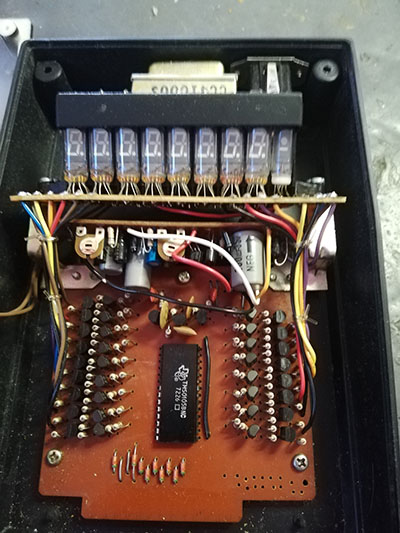
The TMS-0105 series single-chip processors contain all of the calculator circuitry with the exception of the power supplies and display drivers.
The rather untidy circuit board has a simple power supply at the rear and the TMS-0105 chip in the centre. The anode drivers for the nine tubes are at the left, with the eight segment drivers (seven plus decimal point) at the right. The keyboard attaches to the edge connector at the bottom.
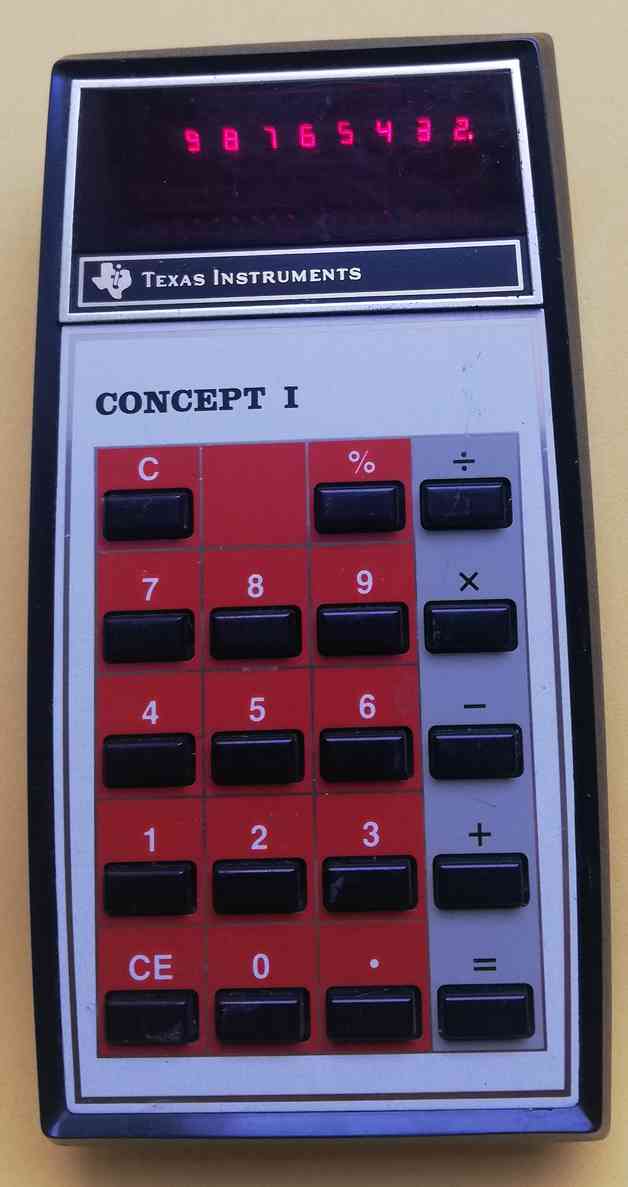 Model: Concept I
Battery: 9 volt
Adapter: AC9180
Year: 1976
Chip: TMS0972
Manual: with permission www.datamath.org
Info: The Zayre CONCEPT Calculator Series culminated in June 1976 with the introduction of the Texas Instruments CONCEPT I, CONCEPT II, and CONCEPT III calculators based on the TI-1200, TI-1250, resp. SR-16 II but disappeared already in August 1979 with the clearance sales of the CONCEPT COMPACT calculators.
 Model: Concept II
Battery: 9 volt
Adapter: AC9180
Year: 1976
Chip: TMS0972
Manual: with permission www.datamath.org
Info: The Zayre CONCEPT Calculator Series culminated in June 1976 with the introduction of the Texas Instruments CONCEPT I, CONCEPT II, and CONCEPT III calculators based on the TI-1200, TI-1250, resp. SR-16 II but disappeared already in August 1979 with the clearance sales of the CONCEPT COMPACT calculators.
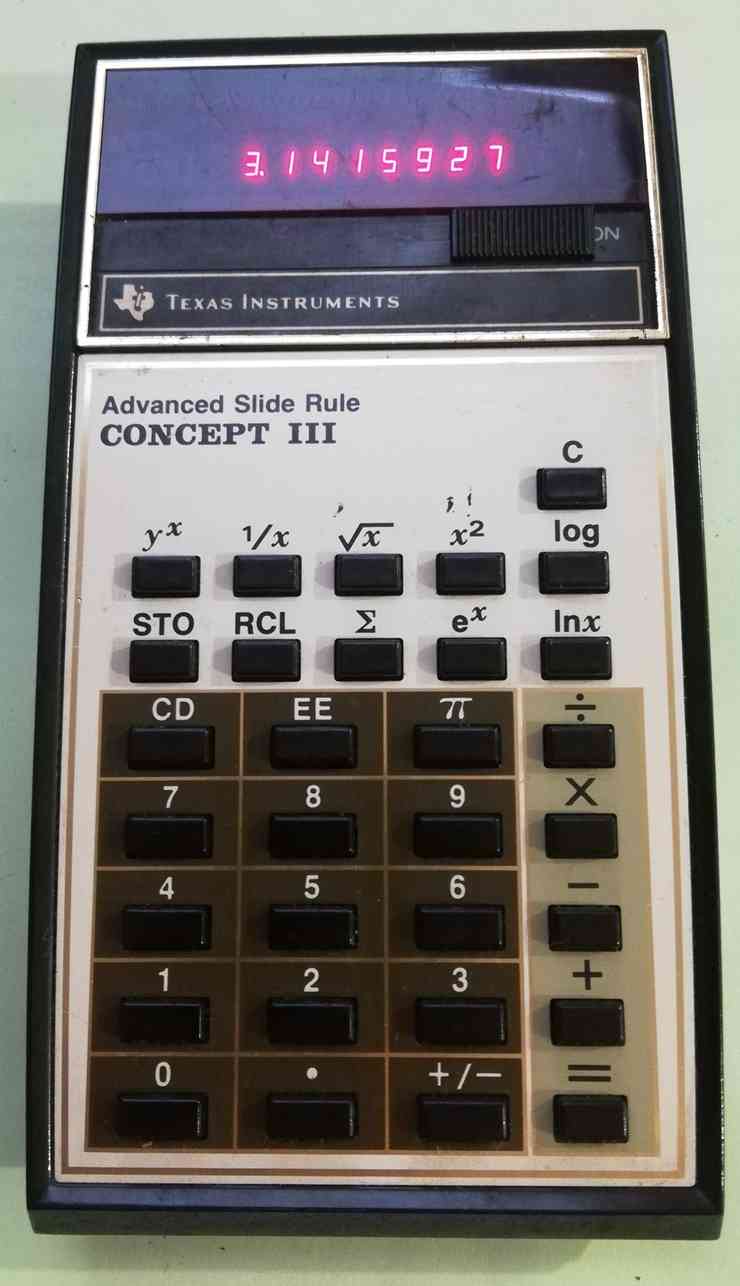
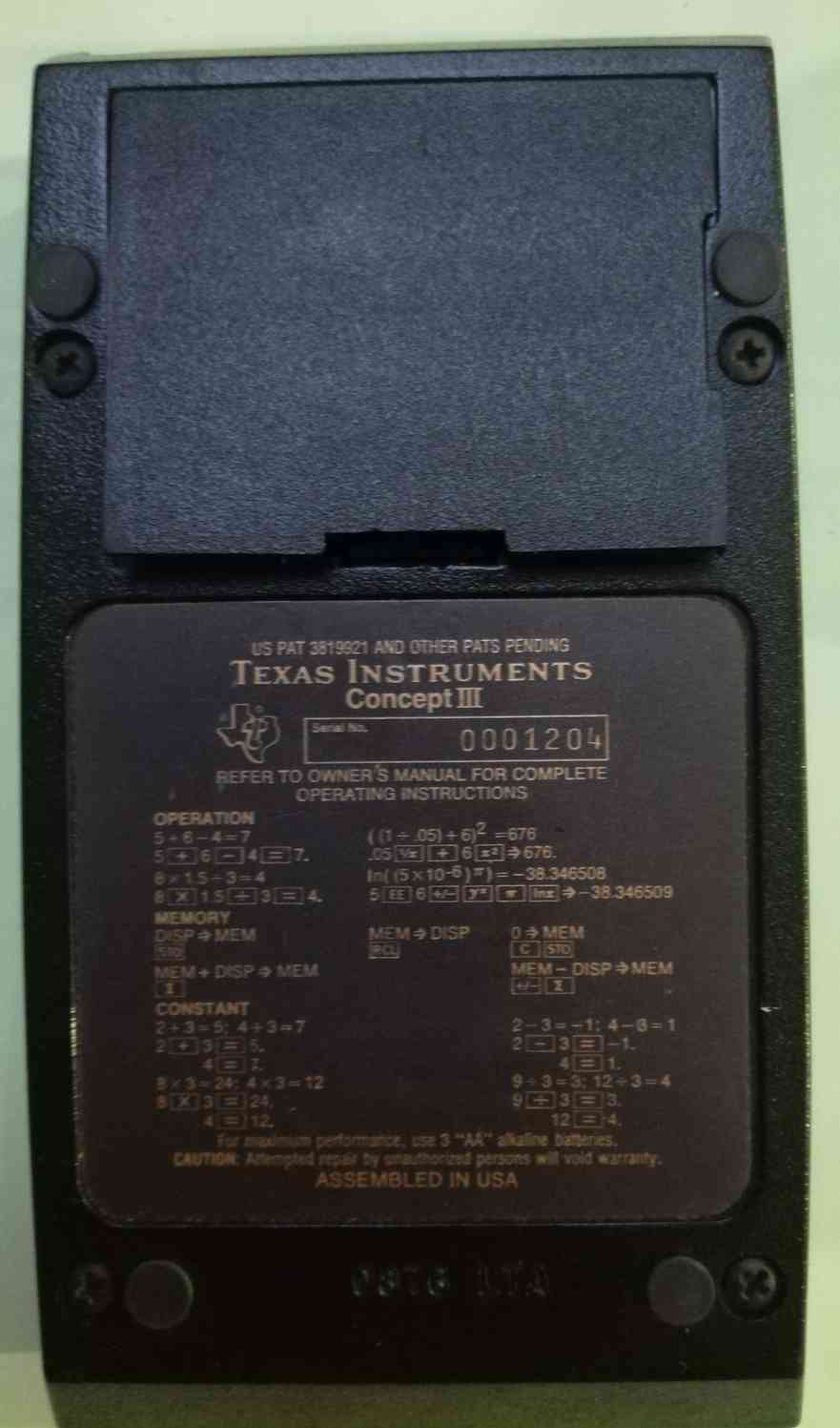 Model: Concept III
Battery: 3 x AA
Adapter: AC9180
Year: 1976
Chip: TMS1016, SN27882 x 2
Manual: with permission www.datamath.org
Info: The Zayre CONCEPT Calculator Series culminated in March 1976 with the introduction of the Texas Instruments CONCEPT I, CONCEPT II, and CONCEPT III calculators based on the TI-1200, TI-1250, resp. SR-16 II but disappeared already in August 1979 with the clearance sales of the CONCEPT COMPACT calculators. Following the path of the Slide Rule (SR) calculators like the wonderful SR-16, the CONCEPT III was called Advanced Slide Rule. If you explore the calculator deeper, you'll immediately catch the similarities to the SR-16 II. The only differences are the coloring schema of the faceplate and the size of the letters. The slightly oversized keyboard printing was continued later with the TI-1255.Dismantling this Zayre CONCEPT III manufactured in February 1976 by Texas Instruments in Lubbock, Texas reveals no differences to the SR-16-II, the printed circuit board (PCBs) of the two calculators are 100% identical. Both the SR-16-II and this rare CONCEPT III calculator are based on a TMS1016 single-chip calculator circuit, a member of the famous TMS1000 Microcomputer family developed already in 1974.
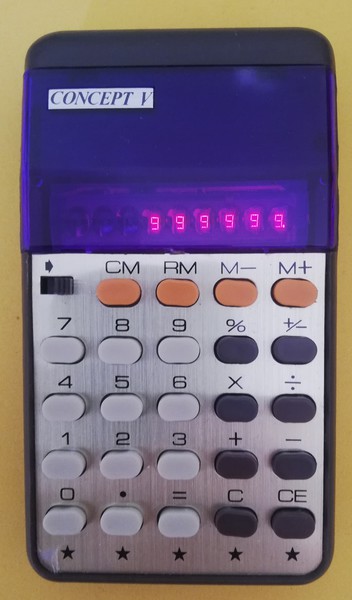 Model: Concept V
Battery: 9 volt
Adapter:
Year: 1976
Chip: TMS0972nl
Manual:
Info: The Zayre CONCEPT Calculator Series culminated in March 1976 with the introduction of the Texas Instruments CONCEPT I, CONCEPT II, and CONCEPT III calculators based on the TI-1200, TI-1250, resp. SR-16 II but disappeared already in August 1979 with the clearance sales of the CONCEPT COMPACT calculators. Following the path of the Slide Rule (SR) calculators like the wonderful SR-16, the CONCEPT III was called Advanced Slide Rule. If you explore the calculator deeper, you'll immediately catch the similarities to the SR-16 II. The only differences are the coloring schema of the faceplate and the size of the letters. The slightly oversized keyboard printing was continued later with the TI-1255.Dismantling this Zayre CONCEPT III manufactured in February 1976 by Texas Instruments in Lubbock, Texas reveals no differences to the SR-16-II, the printed circuit board (PCBs) of the two calculators are 100% identical. Both the SR-16-II and this rare CONCEPT III calculator are based on a TMS1016 single-chip calculator circuit, a member of the famous TMS1000 Microcomputer family developed already in 1974.

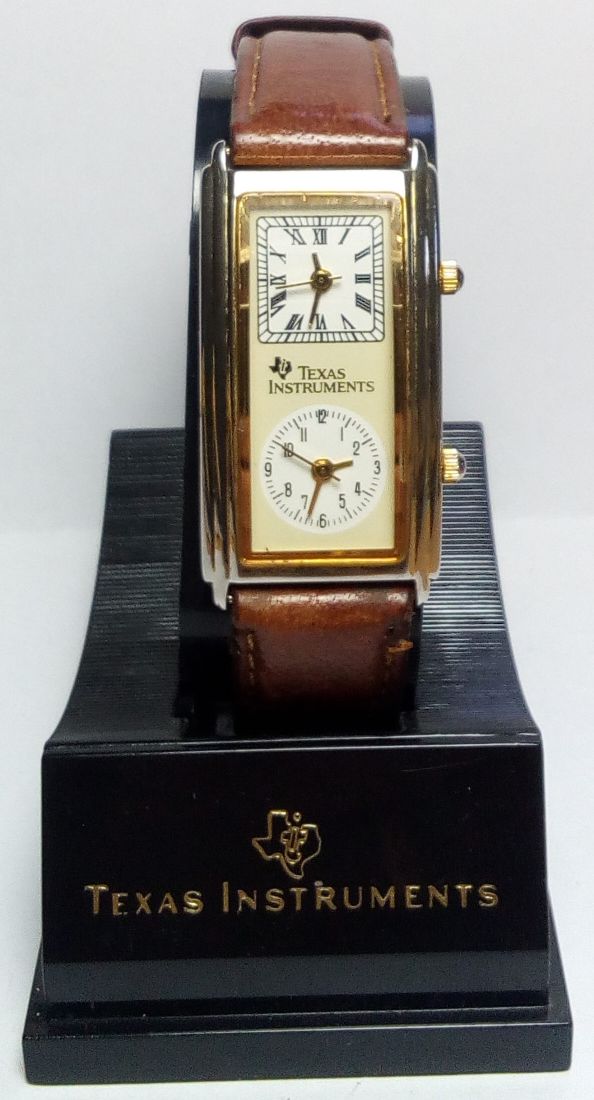
.jpg "Core Module Watch")

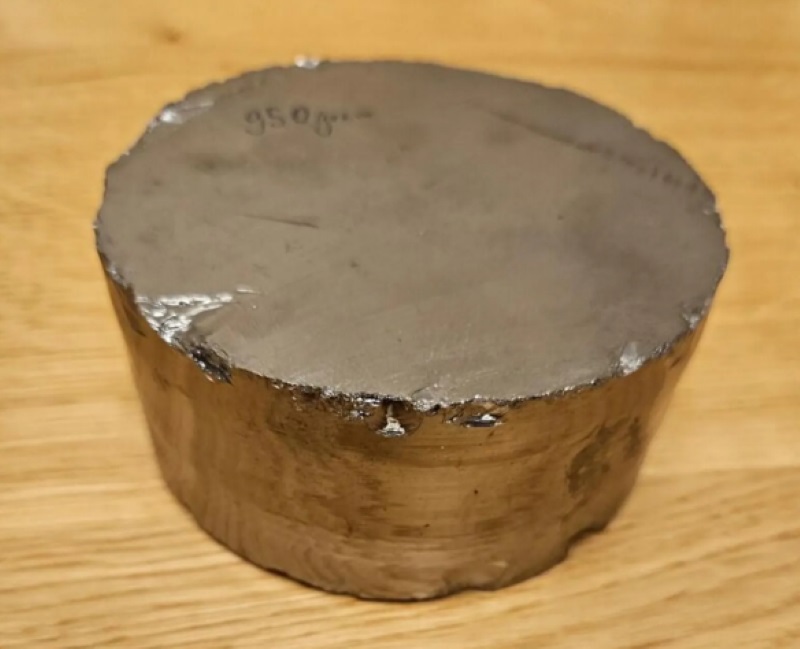

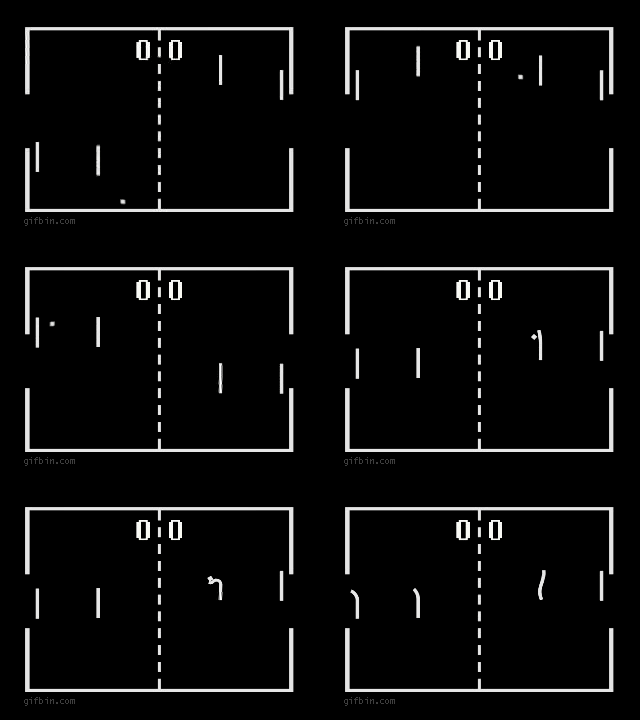
.jpg "APPLE")
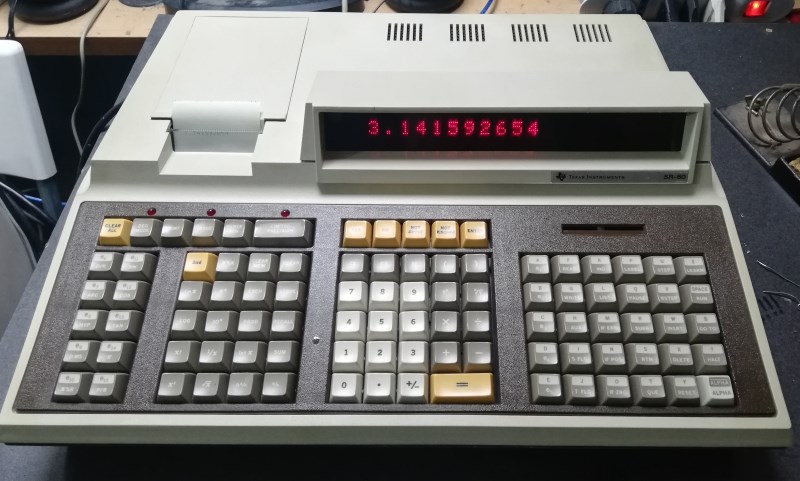
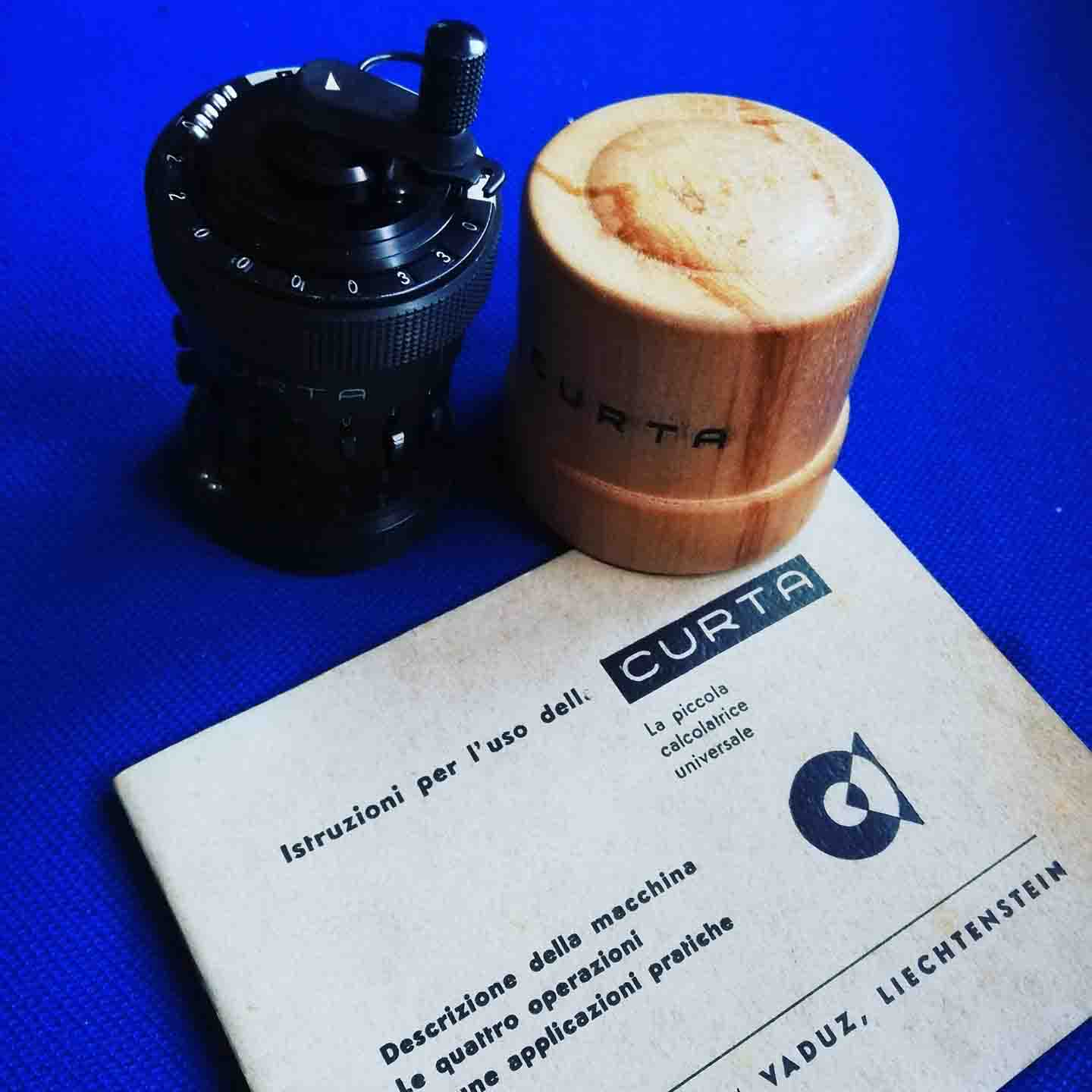
.jpg "Calculator Fuller")
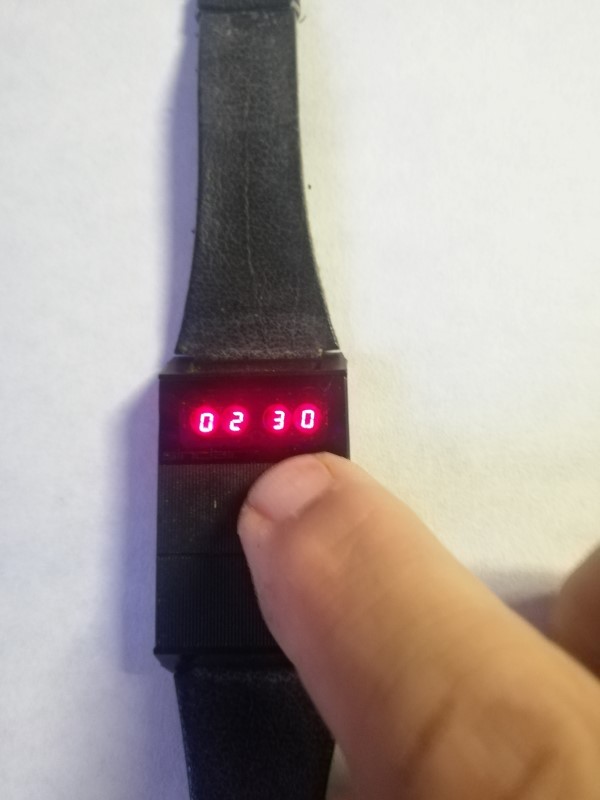

.jpg "Console / Games")
.jpg "Olivetti Valentine")
.jpg "Battle Star Galactica")


.png)