
Volunteer Organization
In the 1970s, Texas Instruments was an absolute pioneer in the development of solid-state displays, first using light-emitting diodes (LED) and later liquid crystal displays (LCD). TI revolutionized the global market by launching some of the first affordable digital wristwatches for the general public and integrating proprietary modules that were extremely advanced for their time.
Our collection includes a wide variety of models, including:
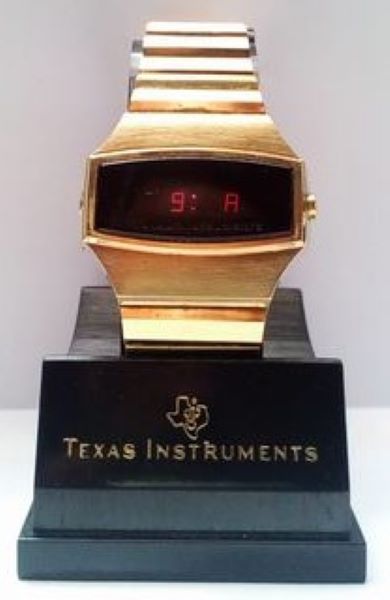
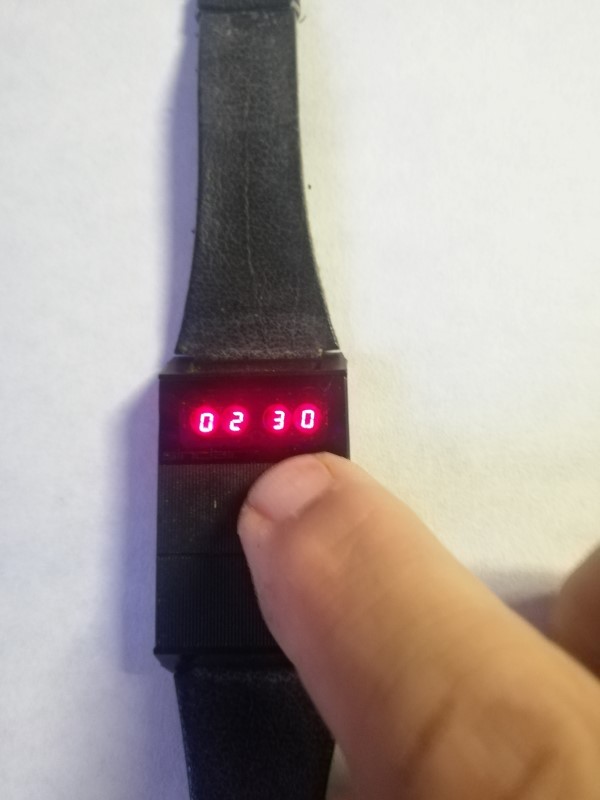
LED Watches: Early men's and women's models, special editions (including the famous Star Wars and StarBurst models), and the affordable "Star Wars / Black Watch" series.
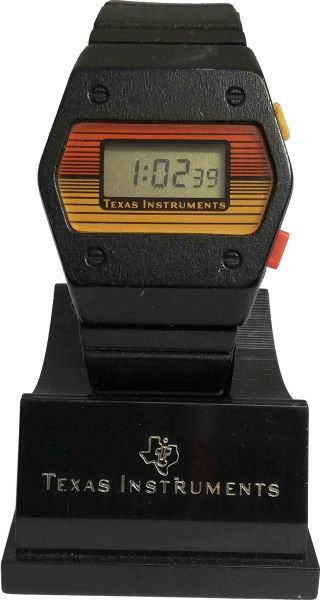
LCD Watches: Classic men's and women's models, Phasar watches, Desktop versions, and models with advanced functions.
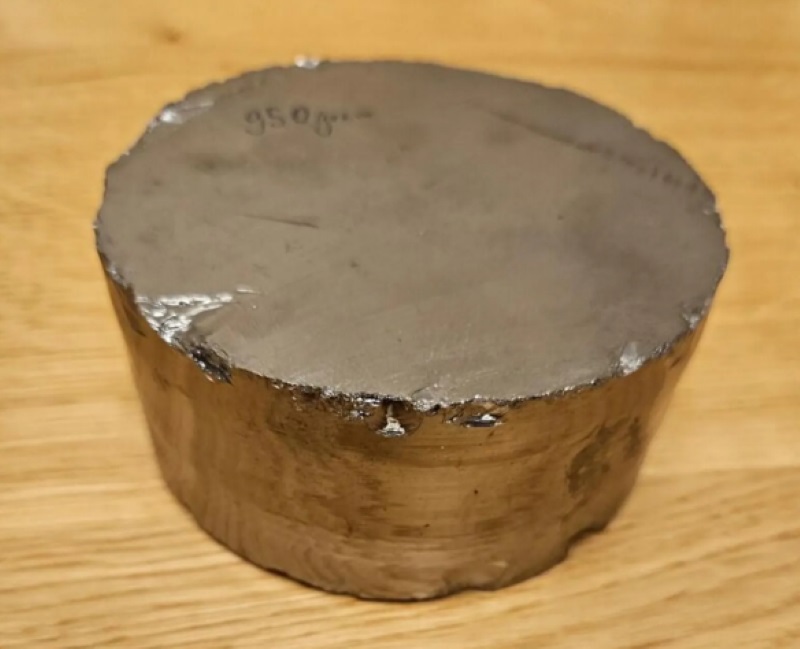
Rare Components: Integrated modules, special batteries, original booklets, and vintage testing equipment, such as the original Witschi Q Test 3000 tester.
Yes. In the sections dedicated to watches, we provide in-depth information on "How It's Made" (how the modules are constructed), guidance on compatible batteries, information about displays, and recommendations to prevent oxidation or damage caused by old or deteriorated batteries.
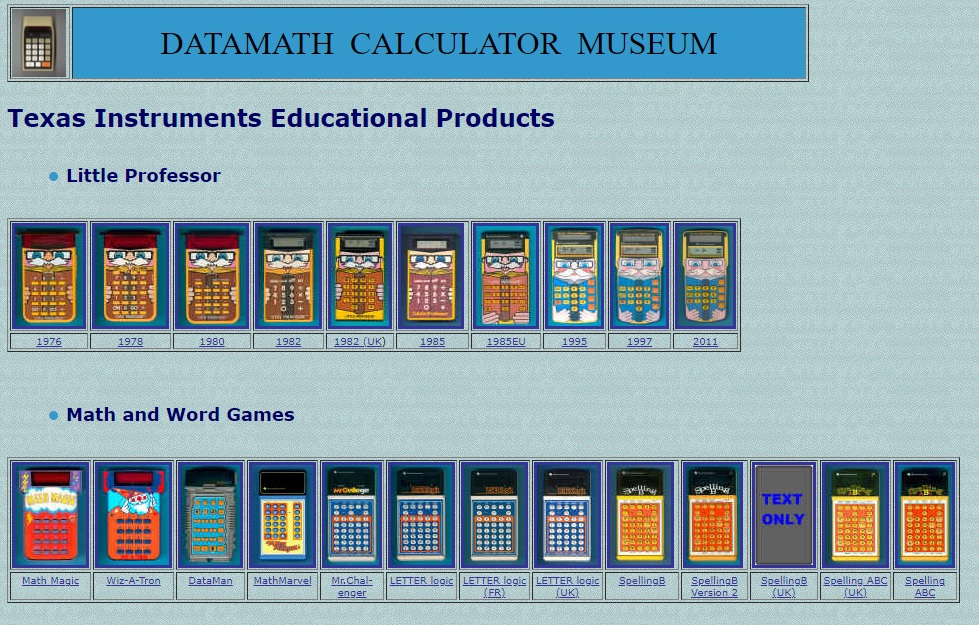
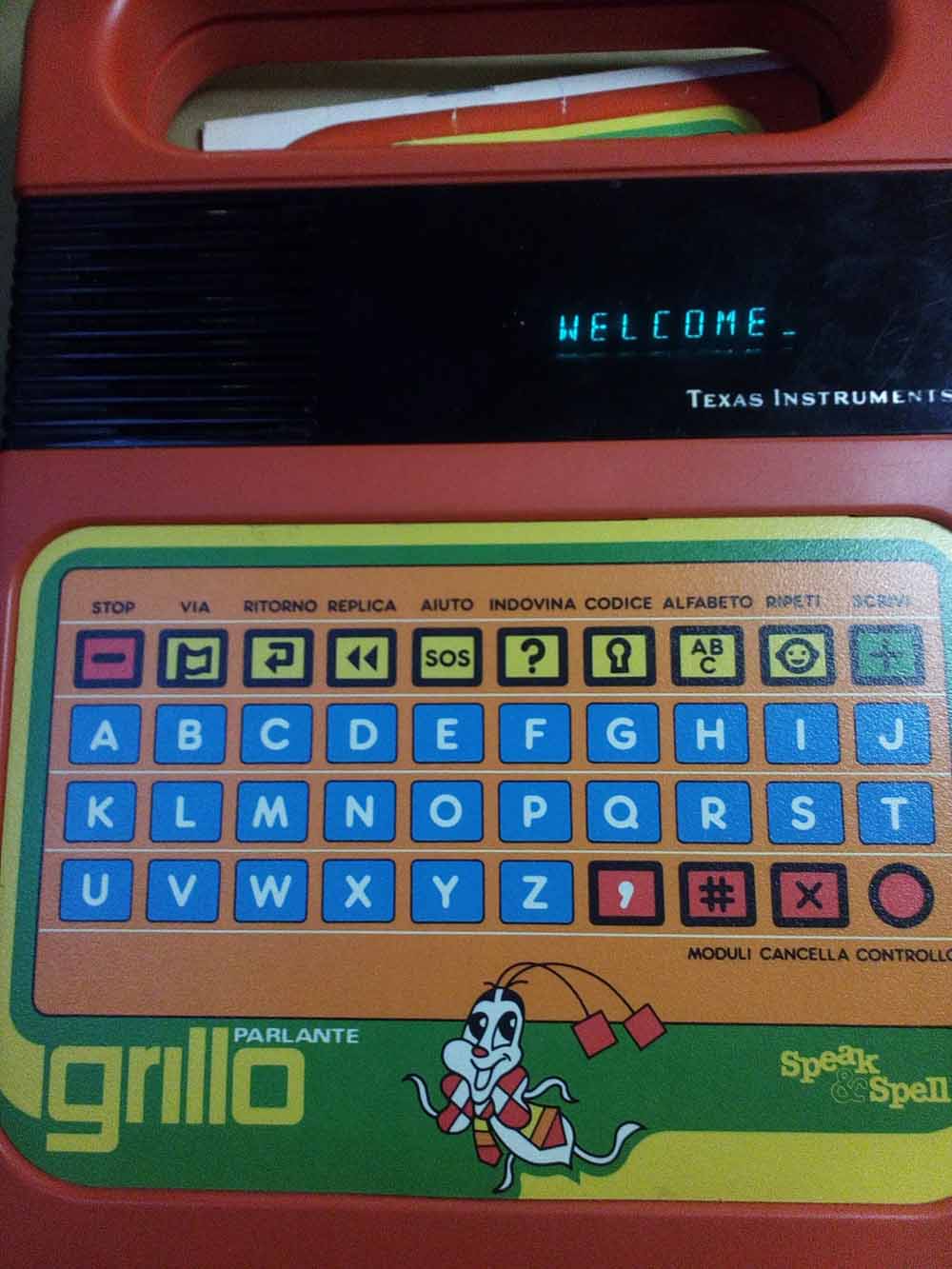
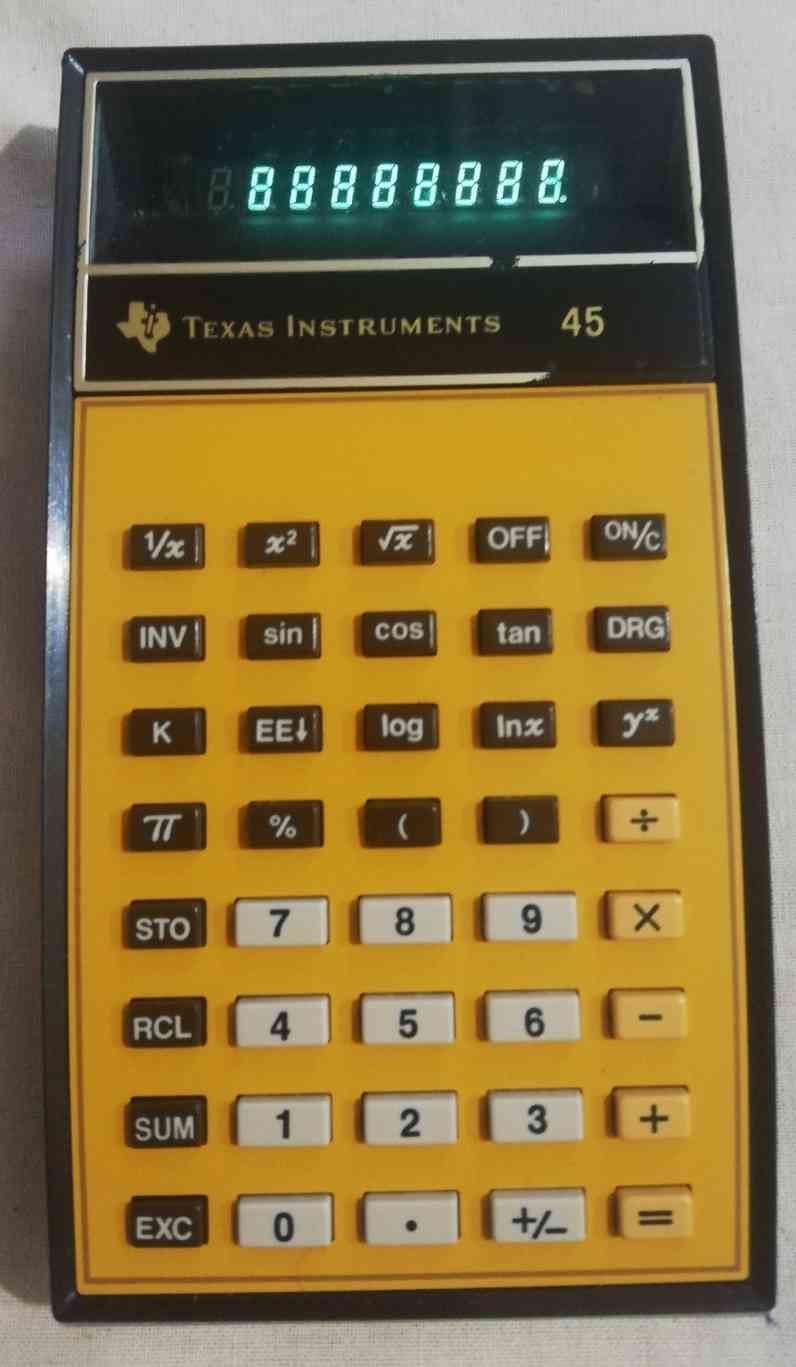
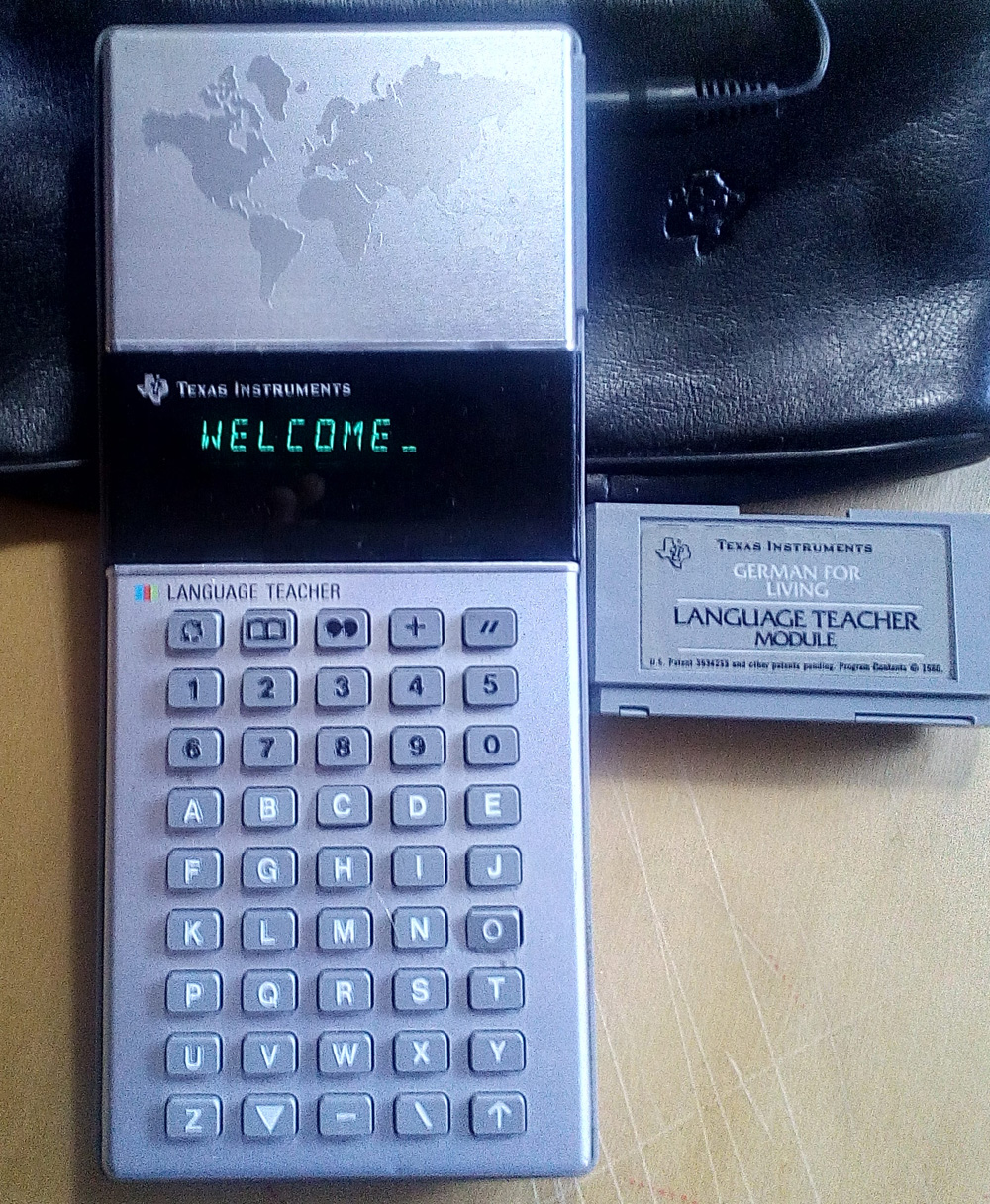
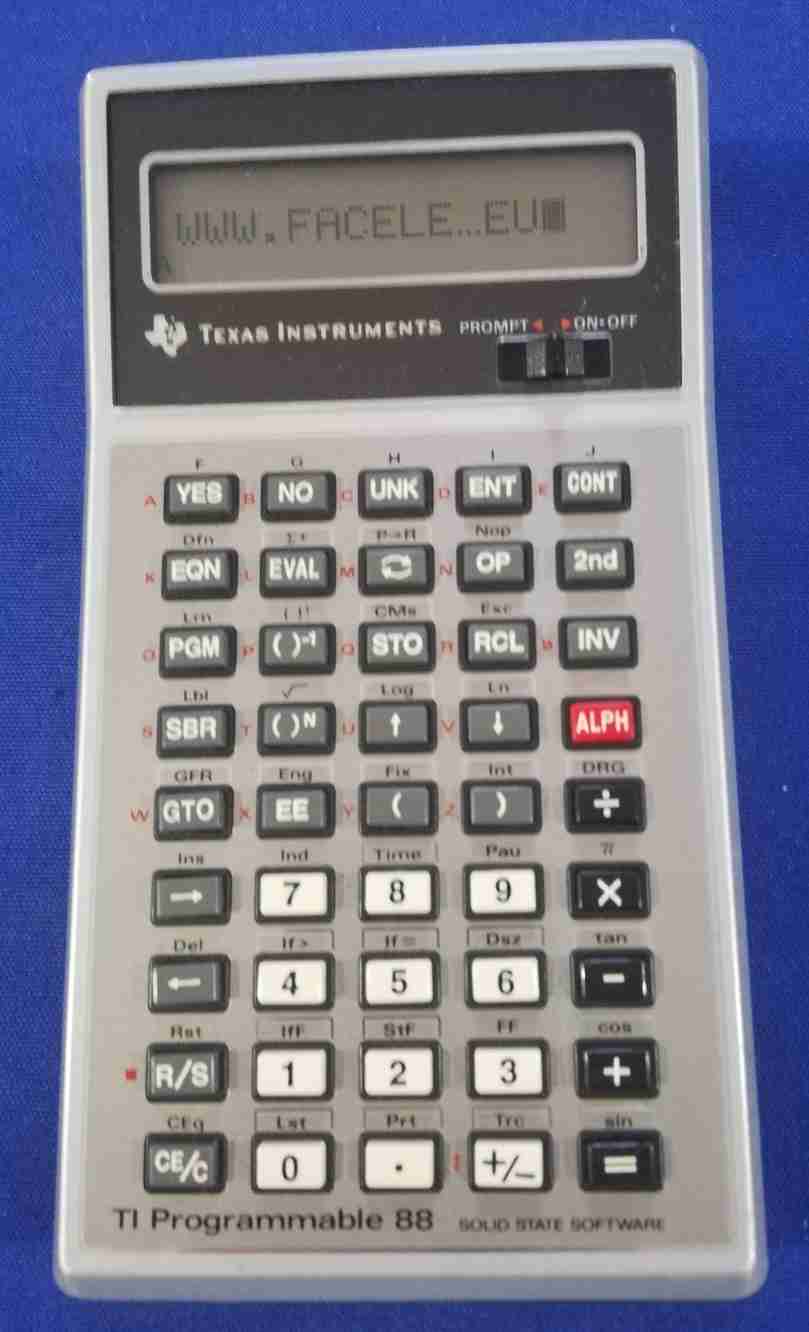
The website covers the entire evolution of Texas Instruments calculators: from the early Exactra models and the historic TI-30 series, to advanced scientific and programmable calculators such as the TI-58 and TI-59, thermal printers, memory modules, and educational devices such as the Speak & Spell / Talking Learning Aid and the Little Professor series.
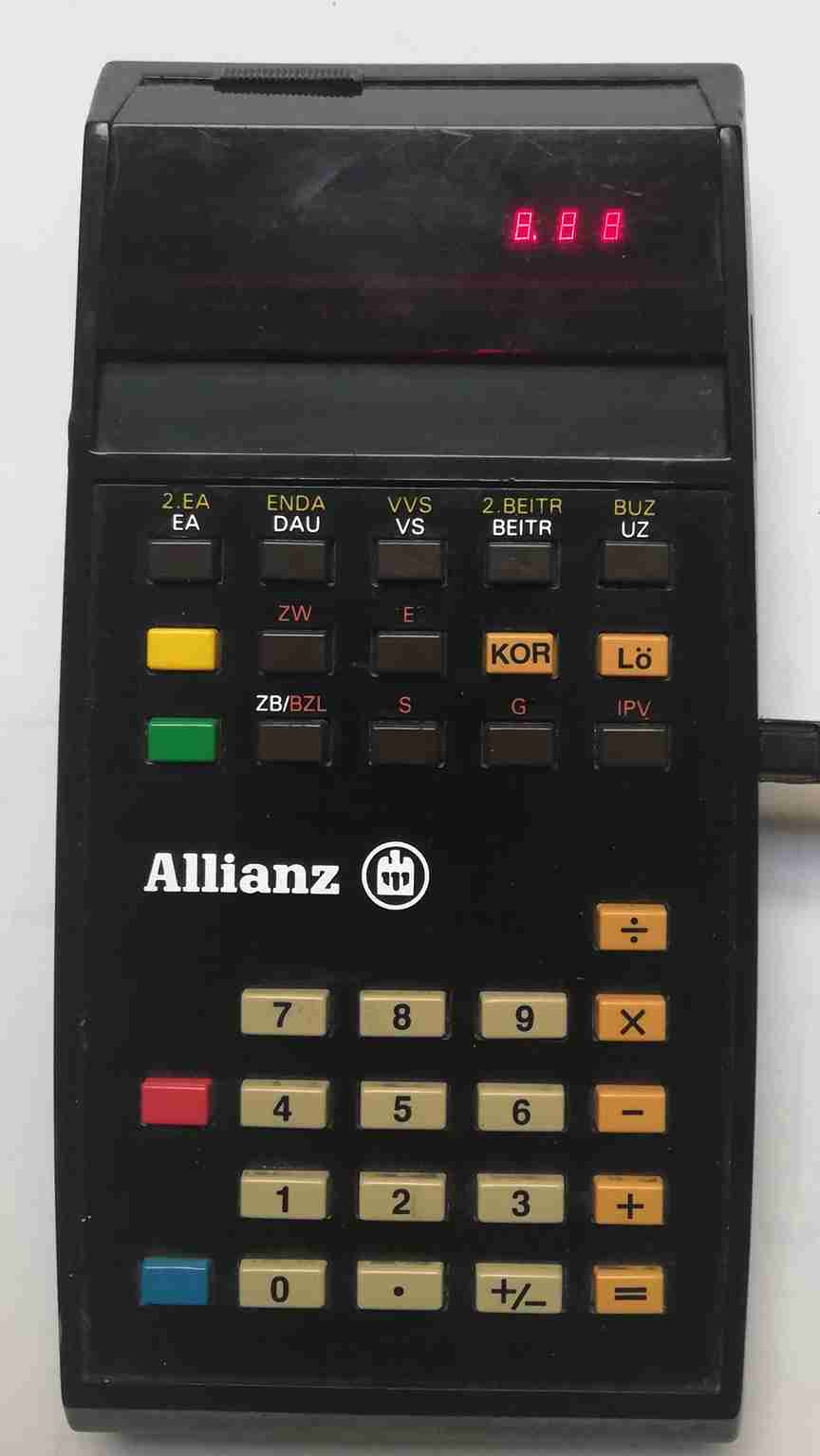
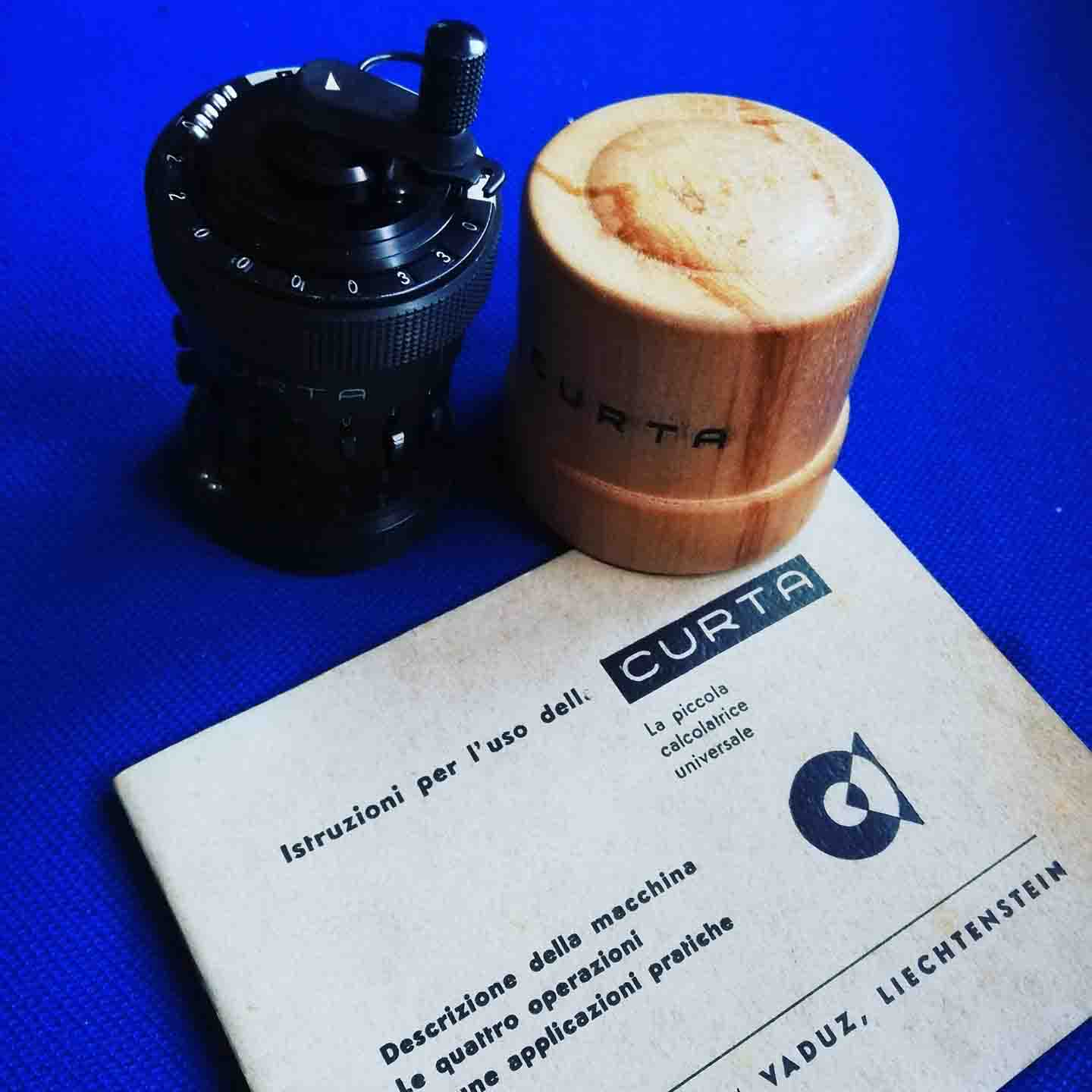
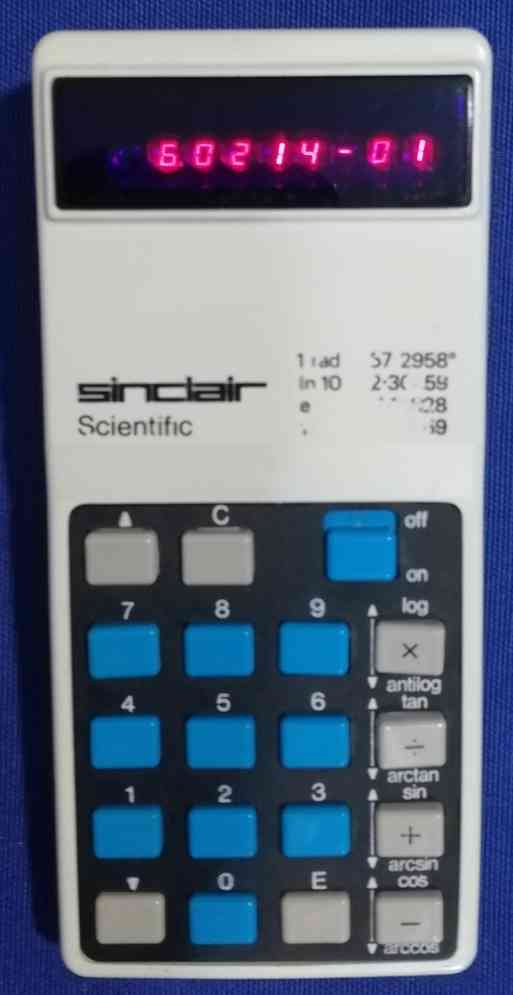
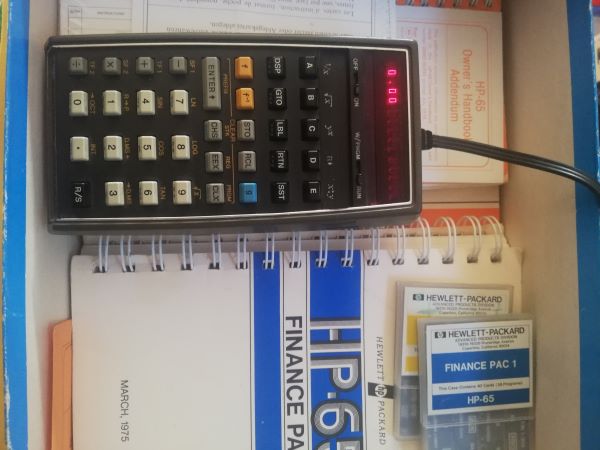
No. The archive documents both calculators from other brands that used Texas Instruments chips and integrated circuits (such as Bowmar, Casio, Commodore, Olivetti, Sinclair, and HP), as well as mechanical and historical calculating instruments such as Curta, Addiator, Napier's Bones, and historic abacuses.

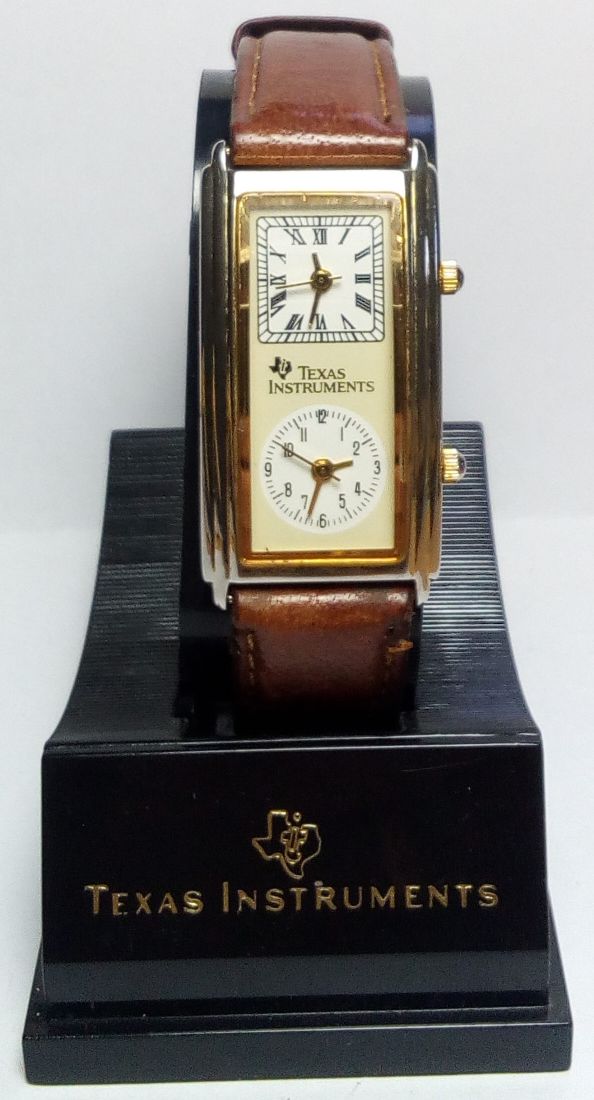
.jpg "Core Module Watch")

.jpg "APPLE")
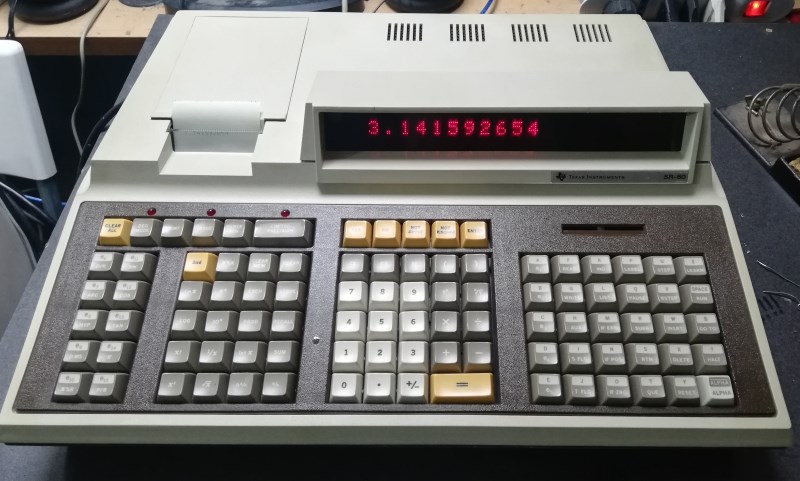
.jpg "Calculator Fuller")

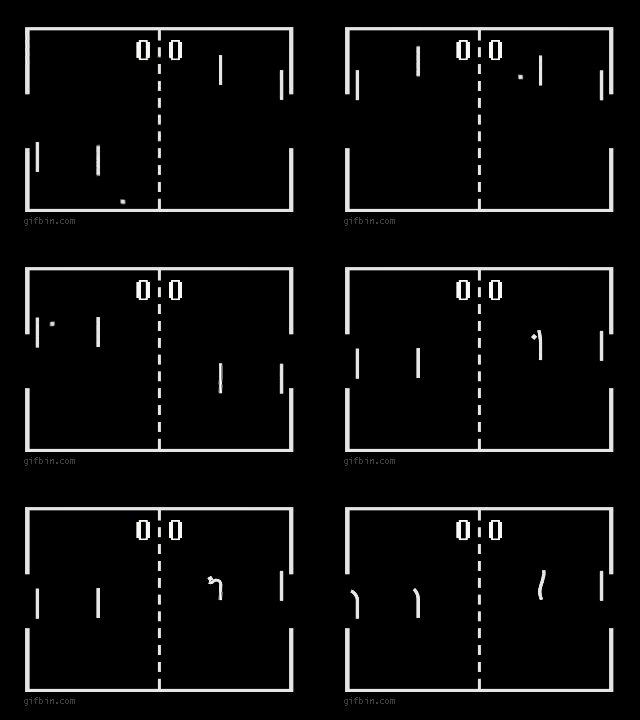
.jpg "Console / Games")
.jpg "Olivetti Valentine")
.jpg "Battle Star Galactica")


.png)