If you have the opportunity to support those who work for free, in this non-profit museum, and with the aim of opening a museum in the city of Rieti dedicated to Texas Instruments. DONATE !

Cookie Policy

III – COOKIES

1. Type of cookies

1. The site https://www.facele.eu/ uses cookies to make the user's browsing experience easier and more intuitive: cookies are small strings of text used to memorize some information that may concern the user, your preferences or internet access device (computer, tablet or mobile phone) and are mainly used to adjust the functioning of the site to the user's expectations, offering a more personalized browsing experience and memorizing the choices made previously.

2. A cookie consists of a small set of data transferred to the user's browser from a web server and can only be read by the server that made the transfer. It is not executable code and does not transmit viruses.

3. Cookies do not record any personal information and any identifiable data will not be stored. If you wish, you can prevent the saving of some or all cookies. However, in this case the use of the site and the services offered could be compromised. To proceed without changing the options relating to cookies, simply continue browsing.

Below are the types of cookies that the site uses:

2. Technical cookies

1. There are numerous technologies used to store information on the user's computer, which is then collected by other sites. Among these the best known and used is HTML. They are used for navigation and to facilitate access and use of the site by the user. They are necessary for the transmission of communications on the electronic network or for the supplier to provide the service requested by the customer.

2. The settings for managing or disabling COOKIES may vary depending on the internet browser used. In any case, the user can manage or request the general deactivation or cancellation of cookies by changing the settings of his internet browser. This deactivation can slow down or prevent access to some parts of the site.

3. The use of technical cookies allows safe use and efficient site.

4. The COOKIES that are inserted in the browser and retransmitted through Google Analytics or through the statistics service of bloggers or similar are technical only if used for the purpose of optimizing the site directly by the owner of the site itself, who will be able to collect information in aggregate form soul number of users and how they visit the site. Under these conditions, for COOKIES Analytics the same rules apply, in terms of information and consent, provided for technical cookies.

5. From the point of view of duration, temporary session cookies can be distinguished which are automatically deleted at the end of the browsing session and are used to identify the user and therefore avoid logging into each page visited and the permanent ones which remain active in the PC until upon expiration or cancellation by the user.

6. Session cookies may be installed in order to allow access and permanence in the reserved area of the portal as an authenticated user.

7. They are not memorized permanently but exclusively for the duration of navigation until the browser is closed and disappear when the same is closed. Their use is strictly limited to the transmission of session identifiers consisting of random numbers generated by the server necessary to allow safe and efficient exploration of the site.

3. Third party cookies

1. In relation to the origin, the cookies sent to the browser directly from the site you are visiting and those of third parties sent to the computer from other sites and not from the one you are visiting can be distinguished.

2. Permanent cookies are often third-party cookies.

3. Most third-party cookies consist of tracking cookies used to identify online behavior, understand interests and therefore customize advertising offers for users.

4. Analytical third-party cookies may be installed. They are sent from domains of the aforementioned third parties external to the site.

5. Third-party analytical cookies are used to detect information on user behavior on https://www.facele.eu/. The detection takes place anonymously, in order to monitor performance and improve the usability of the site. Third-party profiling cookies are used to create user profiles on https://www.facele.eu/, in order to propose advertising messages in line with the choices expressed by the users themselves.

6. The use of these cookies is governed by the rules established by the third parties themselves. Therefore, users are invited to read the privacy information and the indications for managing or disabling cookies published on the relative web pages.

4. Profiling cookies

1. Profiling cookies create user profiles and are used to send advertising messages in line with the preferences expressed by the user while surfing the net.

2. When these types of COOKIES are used, the user must give explicit consent.

3. Article 22 of EU Regulation 2016/679 and article 122 of the Data Protection Code will apply.

0 Frequently Asked Questions


01) What is the Texas Instruments Watch Museum?

It is a digital and exhibition museum dedicated to preserving, documenting, and sharing the history of electronics and automatic computing. While the primary focus is on preserving the historical heritage of Texas Instruments (LED/LCD watches, calculators, and TI-99/4A home computers), the collection also includes milestones from other historic brands that played an important role in the history of 20th-century technology.

02) Who is behind the project and who manages the website?

The website and the museum collection are managed by the non-profit volunteer organization "Texas Instruments Watch Museum – ODV" (founded in 2023). The project is overseen by the founder, Fabrizio, together with a network of volunteers, enthusiasts, technicians, and collectors.

04) Is the museum affiliated with or sponsored by Texas Instruments Inc.?(2)

No. The Texas Instruments Watch Museum ODV is a completely independent non-profit cultural organization. The use of trademarks and trade names on the website is solely for descriptive, historical, and cultural preservation purposes, relating to the heritage of vintage technology.

05) Why are Texas Instruments LED and LCD watches historically important?

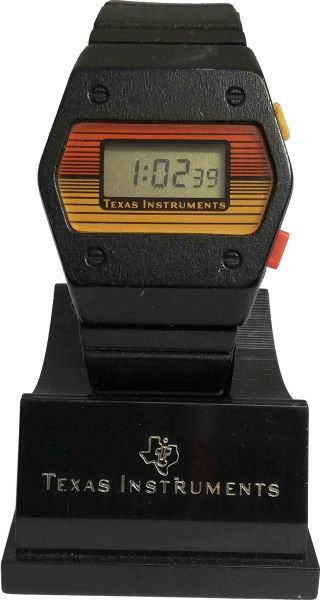
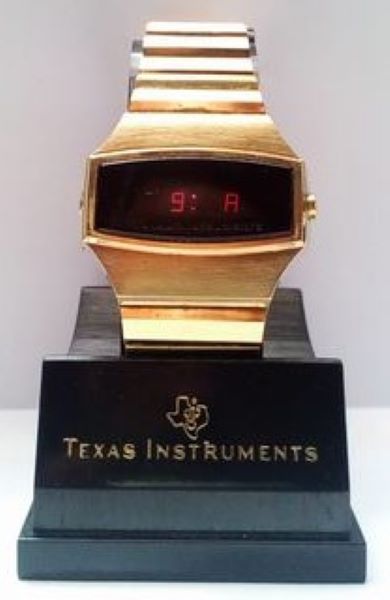
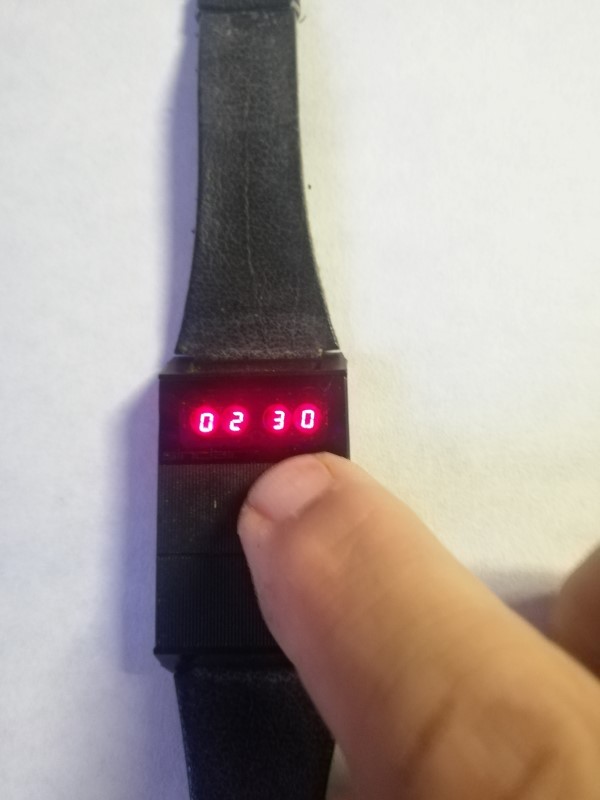
In the 1970s, Texas Instruments was an absolute pioneer in the development of solid-state displays, first using light-emitting diodes (LED) and later liquid crystal displays (LCD). TI revolutionized the global market by launching some of the first affordable digital wristwatches for the general public and integrating proprietary modules that were extremely advanced for their time.

06) Which watch lines and models are included in the collection?

Our collection includes a wide variety of models, including:

LED Watches: Early men's and women's models, special editions (including the famous Star Wars and StarBurst models), and the affordable "Star Wars / Black Watch" series.

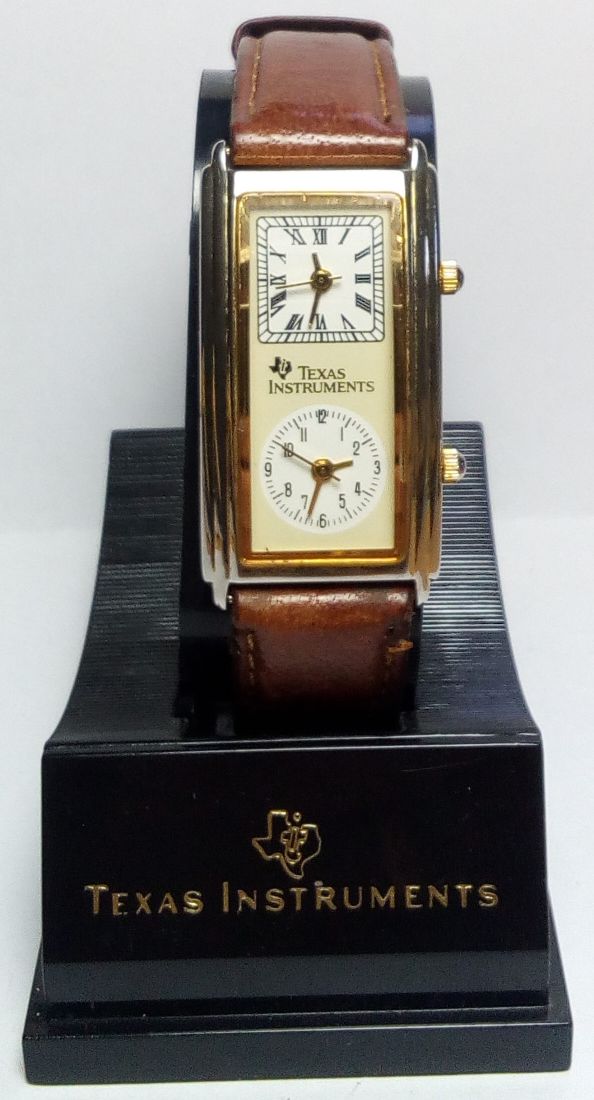
LCD Watches: Classic men's and women's models, Phasar watches, Desktop versions, and models with advanced functions.

Rare Components: Integrated modules, special batteries, original booklets, and vintage testing equipment, such as the original Witschi Q Test 3000 tester.

07) Can I find maintenance advice for LED/LCD watches on the website?

Yes. In the sections dedicated to watches, we provide in-depth information on "How It's Made" (how the modules are constructed), guidance on compatible batteries, information about displays, and recommendations to prevent oxidation or damage caused by old or deteriorated batteries.

08) Which historic Texas Instruments calculators are covered by the website?

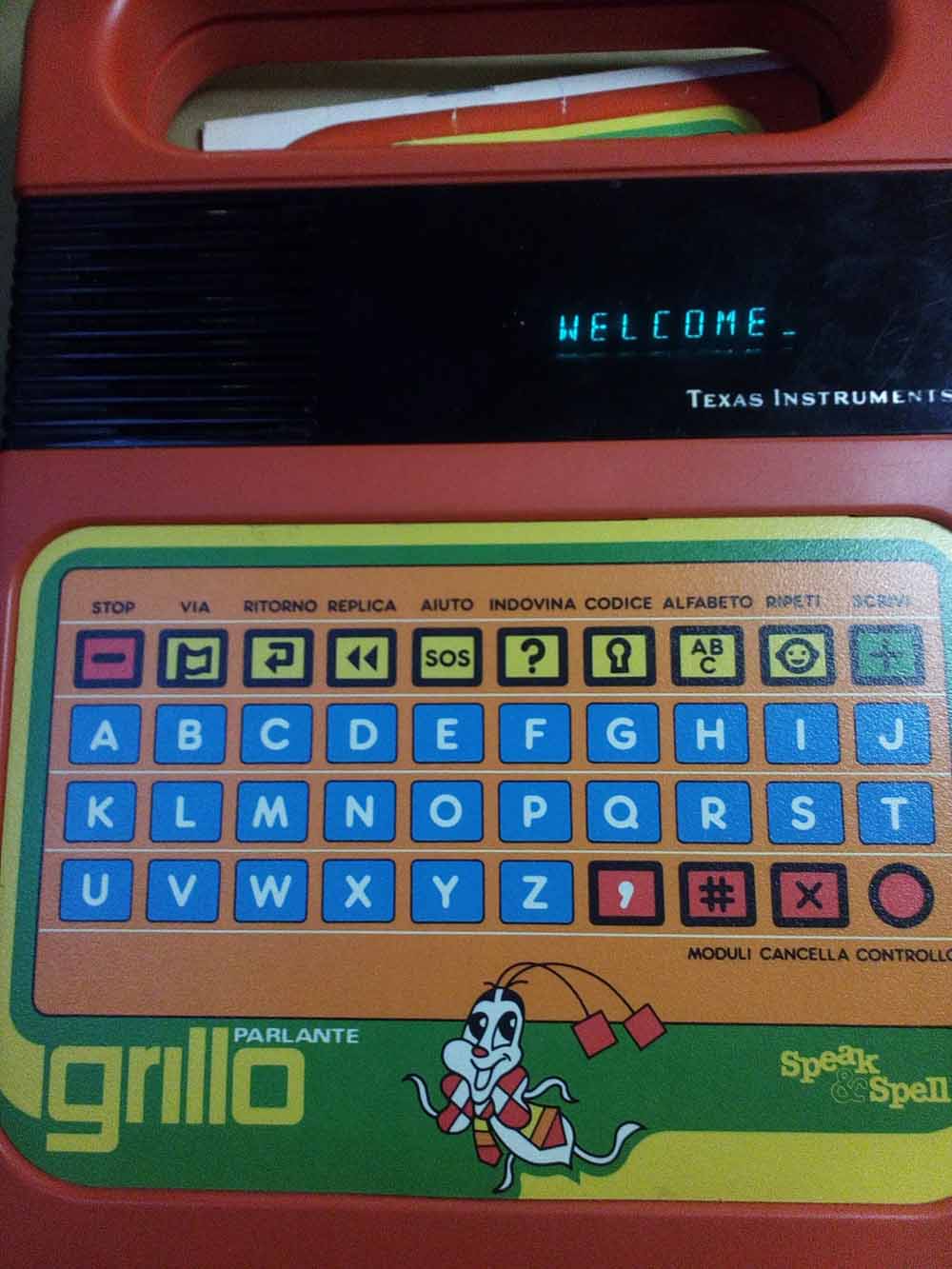
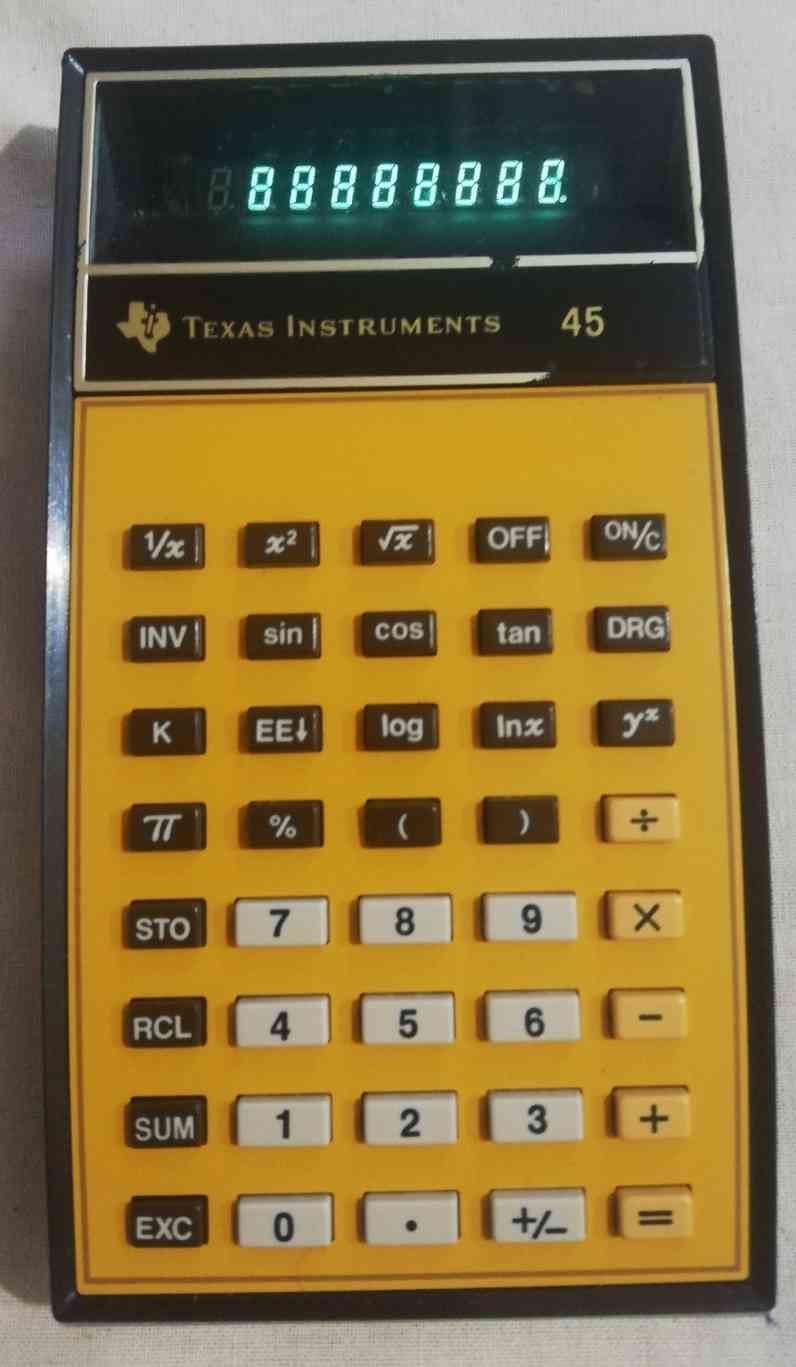
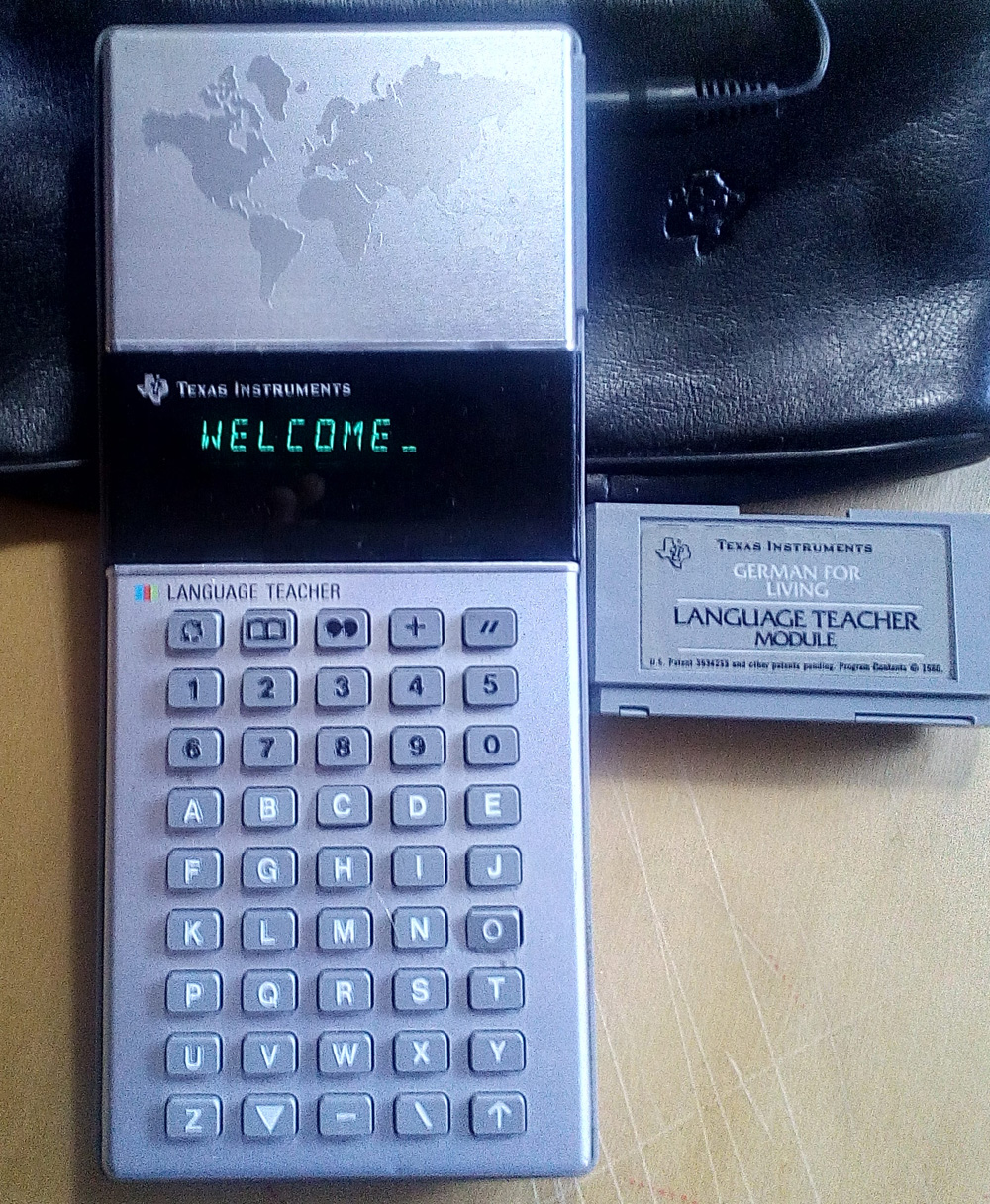
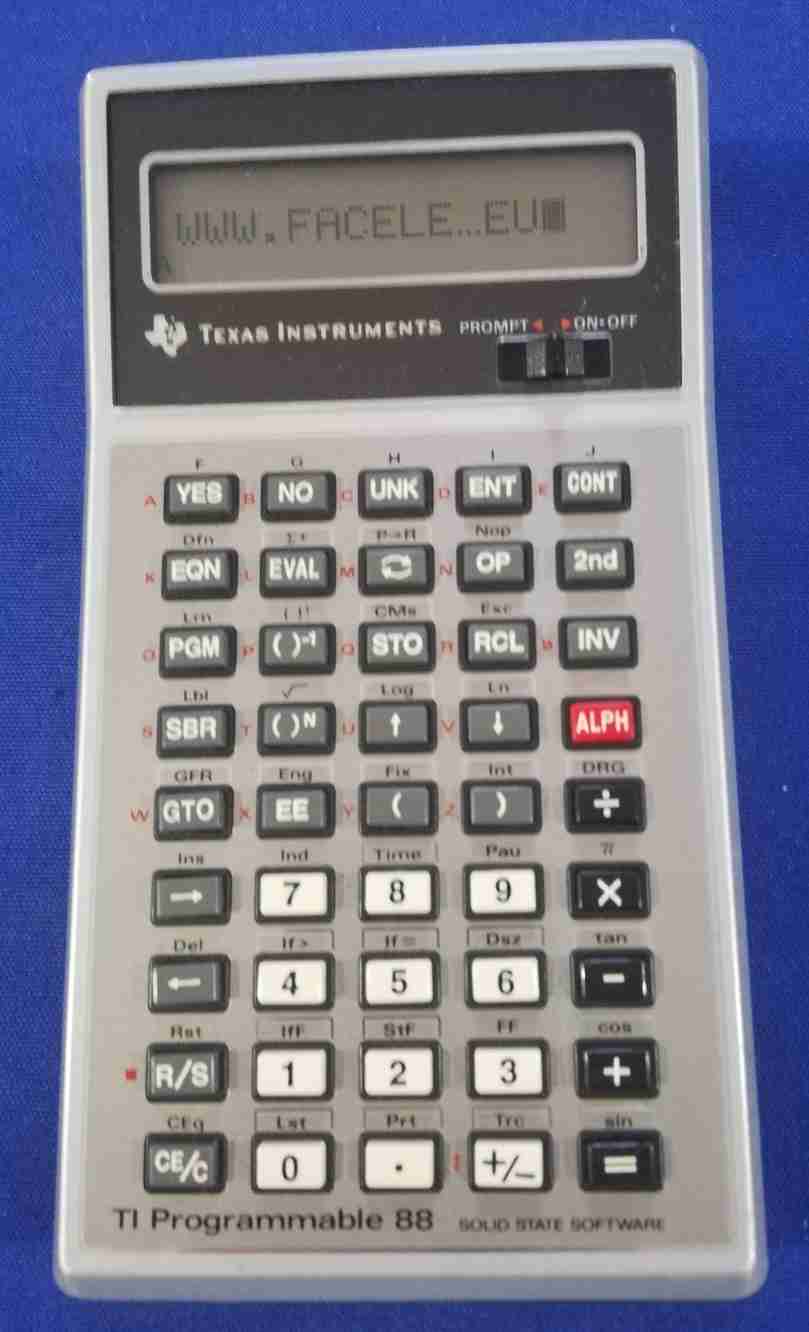
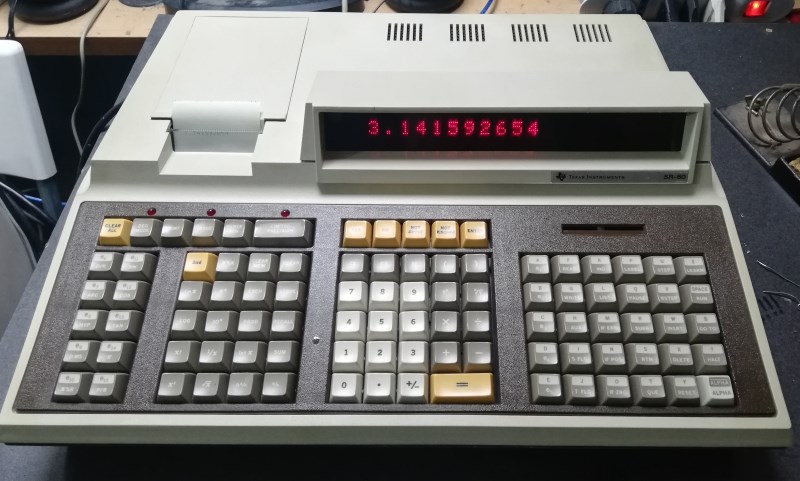
The website covers the entire evolution of Texas Instruments calculators: from the early Exactra models and the historic TI-30 series, to advanced scientific and programmable calculators such as the TI-58 and TI-59, thermal printers, memory modules, and educational devices such as the Speak & Spell / Talking Learning Aid and the Little Professor series.

09) Does the museum preserve only Texas Instruments calculators?

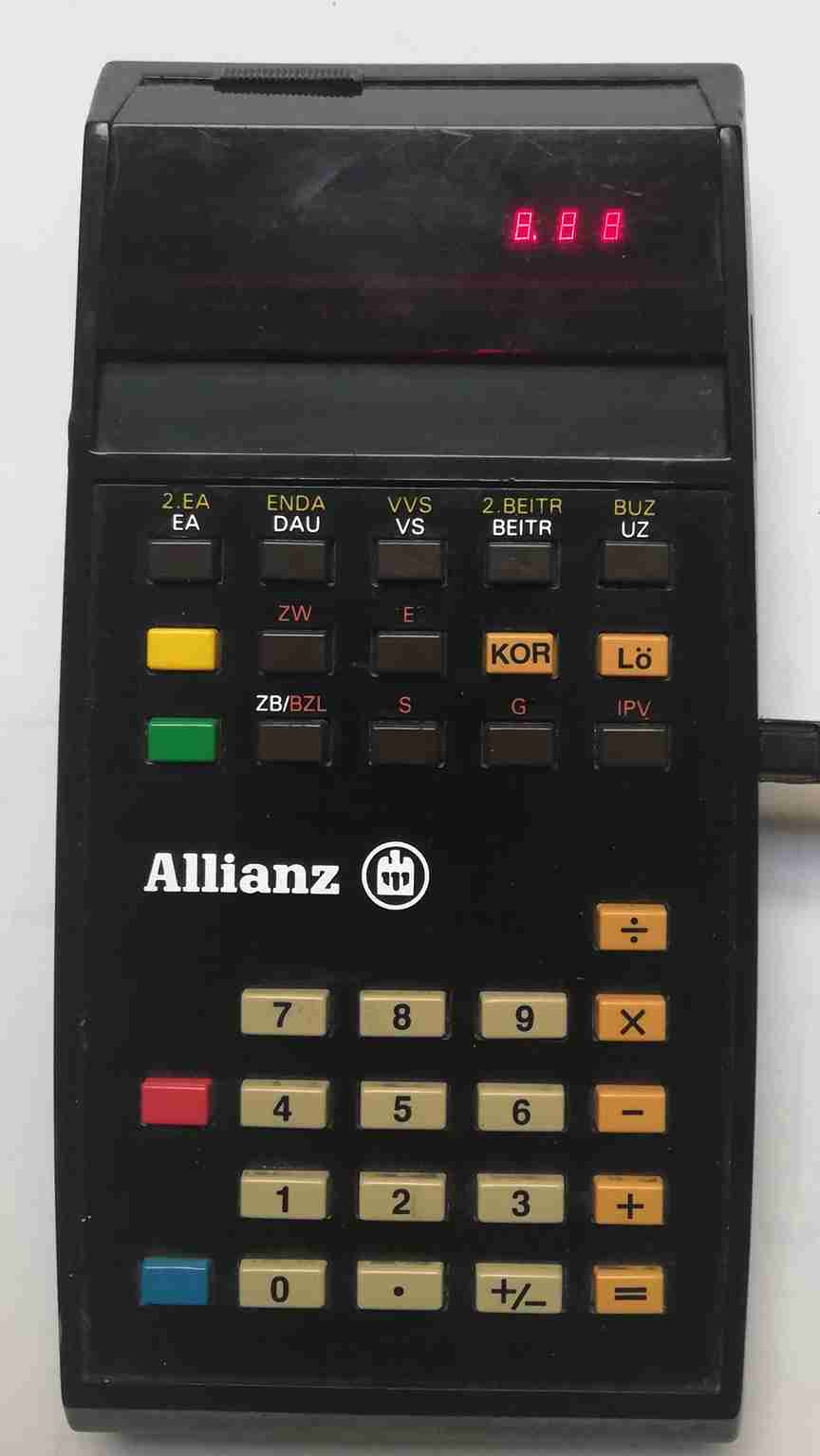
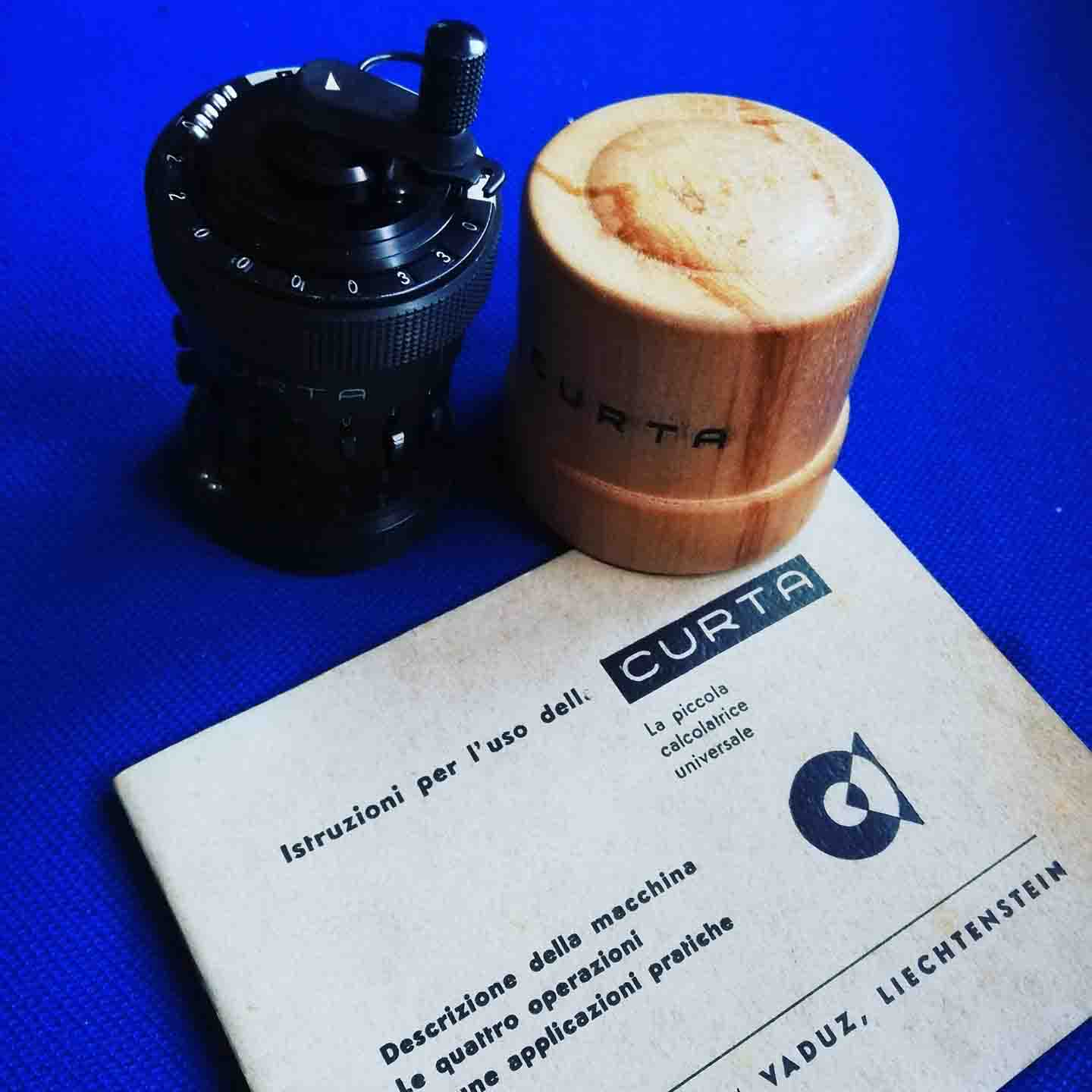
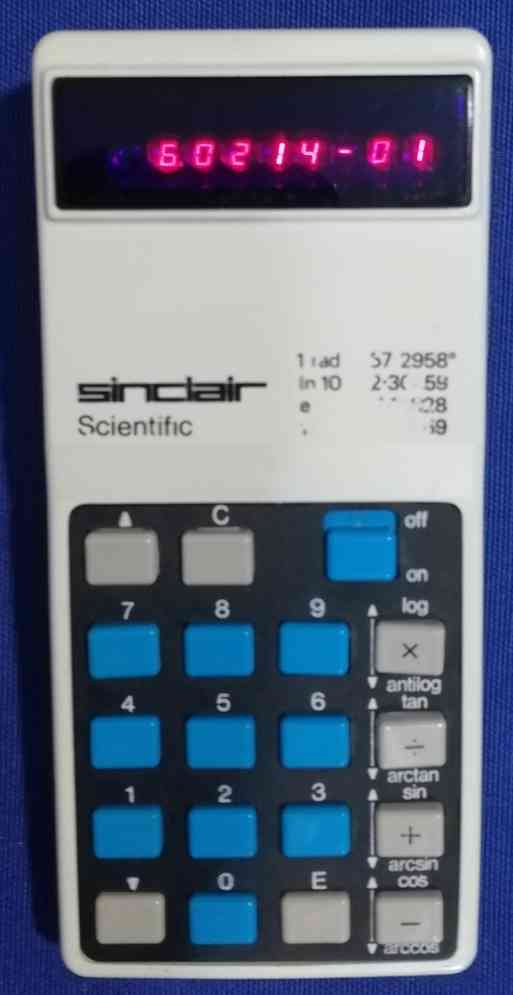
No. The archive documents both calculators from other brands that used Texas Instruments chips and integrated circuits (such as Bowmar, Casio, Commodore, Olivetti, Sinclair, and HP), as well as mechanical and historical calculating instruments such as Curta, Addiator, Napier's Bones, and historic abacuses.

10) How can I replace the old rechargeable battery packs (BP1, BP7, BP8, BP9)?

On the website, we provide dedicated sections covering the replacement and refurbishment of old Ni-Cd rechargeable battery packs (such as BP1, BP1A, BP6, BP7, BP8, and BP9). These sections show modern and visually transparent solutions for safely operating vintage calculators without damaging them.

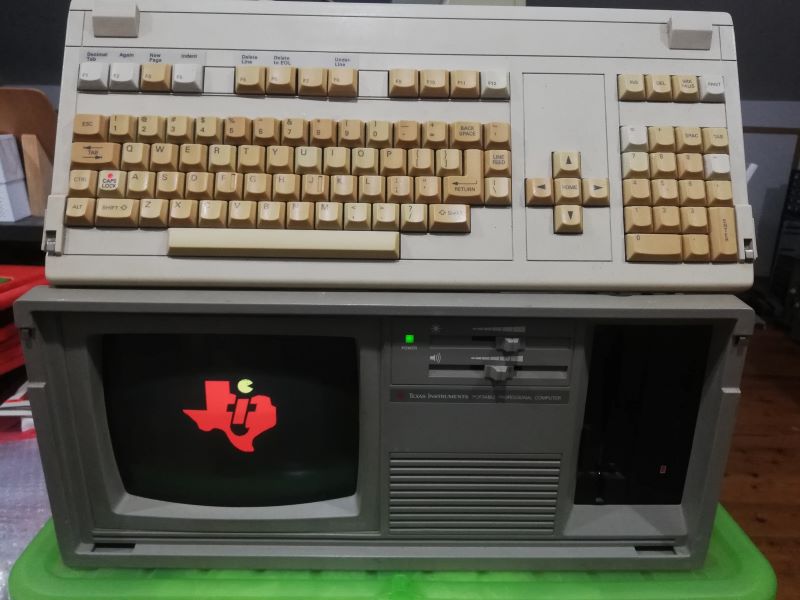
11) What is the Texas Instruments TI-99/4A computer?

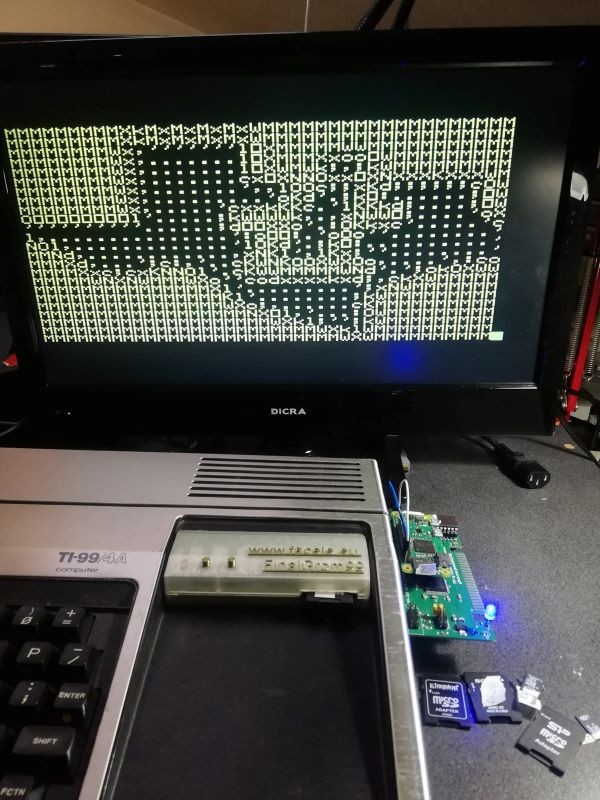
Launched in the early 1980s, the TI-99/4A was the first true 16-bit home computer aimed at the mass market, based on the powerful TMS9900 microprocessor. It is renowned for its extensive library of game cartridges and software, as well as for its sturdy aluminum and plastic construction.

12) What modern projects and modules for the TI-99/4A can be found on our website?

Our website features various modern projects and modules designed for the TI-99/4A, created to expand its capabilities and make it easier to use with modern technology. These include hardware expansions, interface modules, and projects developed by enthusiasts to keep this historic home computer active and useful today.

13) Does the website also cover other vintage consoles and microcomputers?

Yes. Although Texas Instruments products are at the heart of the museum project, the website also documents other historic consoles, home computers, and microcomputers that contributed to the history of consumer electronics and computing. These include systems from other manufacturers and platforms that are of particular historical and technological interest.

14) Where and when can the collection be seen in person?

The collection is currently available primarily through the online museum and website. A permanent physical exhibition space is planned in the city of Rieti. Any opportunities to see selected pieces of the collection in person, including exhibitions, events, or special displays, will be announced on the website.

15) How do the workshops and events for schools work?

The museum project aims to develop educational workshops and events dedicated to schools, using vintage technology, calculators, watches, and computers as tools for learning and discovery. The activities are designed to introduce students to the history of electronics and computing through practical demonstrations, historical materials, and interactive experiences.

16) I have vintage items in my attic or garage: how can I donate them?

If you have vintage watches, calculators, computers, electronic components, documentation, or other historical objects that you would like to donate to the museum project, please contact us through the website. We can evaluate the material and determine whether it is relevant to the collection and its historical documentation. Donations help us preserve and share the heritage of vintage technology for future generations.

17) How can I support the TI Watch Museum ODV through the 5×1000 tax donation or direct donations?

You can support the TI Watch Museum ODV by choosing to allocate your 5×1000 tax donation to the organization or by making a direct donation. Your contribution helps us preserve and document historical technology, expand the collection, develop educational activities, and work toward the creation of a permanent museum in Rieti. Details on how to make a donation or allocate your 5×1000 contribution are available in the dedicated sections of our website.

18) Do you provide circuit diagrams, PDF manuals, or vintage software?

Yes. Where available, the website provides historical documentation such as circuit diagrams, service manuals, user manuals in PDF format, technical documentation, and vintage software related to the devices in the collection. These resources are intended for historical, educational, research, and restoration purposes and help preserve the technical heritage associated with vintage electronics and computing.

19) Do you carry out repairs or restorations of PCs, calculators, or watches for private individuals?

The TI Watch Museum ODV is primarily dedicated to the preservation, documentation, and study of historical technology. We do not currently offer a general repair or restoration service for private individuals. However, the experience and technical knowledge developed through the preservation of the collection may be useful for sharing information, restoration techniques, and historical documentation with enthusiasts and collectors.

20) Can I use images or text from the website for a thesis or article?

Yes, the material published on the website may be used for educational, academic, and research purposes, such as theses and articles, provided that the source is clearly acknowledged. For images and other materials that may be subject to copyright or third-party rights, please contact us before publication to verify the conditions of use and obtain any necessary permission.

21) How can I join the association or become a volunteer?

If you would like to support the TI Watch Museum ODV project, you can join the association or become a volunteer. Volunteers can contribute according to their skills, interests, and availability, helping with activities such as historical research, documentation, collection management, technical restoration, exhibitions, educational activities, and the development of the website. For information about membership or volunteering, please contact us through the dedicated sections of the website.