
FAQ EN
It is a digital and exhibition museum dedicated to preserving, documenting, and sharing the history of electronics and automatic computing. While the primary focus is on preserving the historical heritage of Texas Instruments (LED/LCD watches, calculators, and TI-99/4A home computers), the collection also includes milestones from other historic brands that played an important role in the history of 20th-century technology.
The website and the museum collection are managed by the non-profit volunteer organization "Texas Instruments Watch Museum – ODV" (founded in 2023). The project is overseen by the founder, Fabrizio, together with a network of volunteers, enthusiasts, technicians, and collectors.
No. The Texas Instruments Watch Museum ODV is a completely independent non-profit cultural organization. The use of trademarks and trade names on the website is solely for descriptive, historical, and cultural preservation purposes, relating to the heritage of vintage technology.
In the 1970s, Texas Instruments was an absolute pioneer in the development of solid-state displays, first using light-emitting diodes (LED) and later liquid crystal displays (LCD). TI revolutionized the global market by launching some of the first affordable digital wristwatches for the general public and integrating proprietary modules that were extremely advanced for their time.
It is a digital and exhibition museum dedicated to preserving, documenting, and sharing the history of electronics and automatic computing. While the primary focus is on preserving the historical heritage of Texas Instruments (LED/LCD watches, calculators, and TI-99/4A home computers), the collection also includes milestones from other historic brands that played an important role in the history of 20th-century technology.
The website and the museum collection are managed by the non-profit volunteer organization "Texas Instruments Watch Museum – ODV" (founded in 2023). The project is overseen by the founder, Fabrizio, together with a network of volunteers, enthusiasts, technicians, and collectors.
No. The Texas Instruments Watch Museum ODV is a completely independent non-profit cultural organization. The use of trademarks and trade names on the website is solely for descriptive, historical, and cultural preservation purposes, relating to the heritage of vintage technology.
In the 1970s, Texas Instruments was an absolute pioneer in the development of solid-state displays, first using light-emitting diodes (LED) and later liquid crystal displays (LCD). TI revolutionized the global market by launching some of the first affordable digital wristwatches for the general public and integrating proprietary modules that were extremely advanced for their time.
Our collection includes a wide variety of models, including:
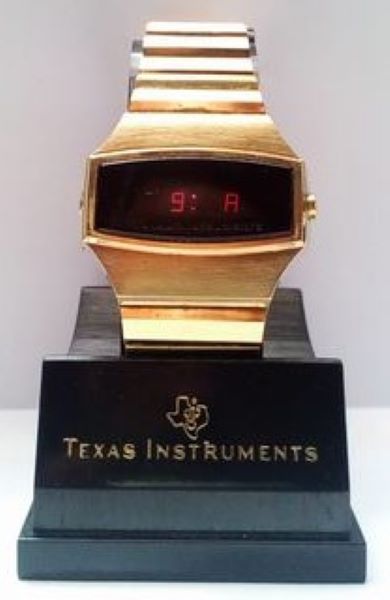
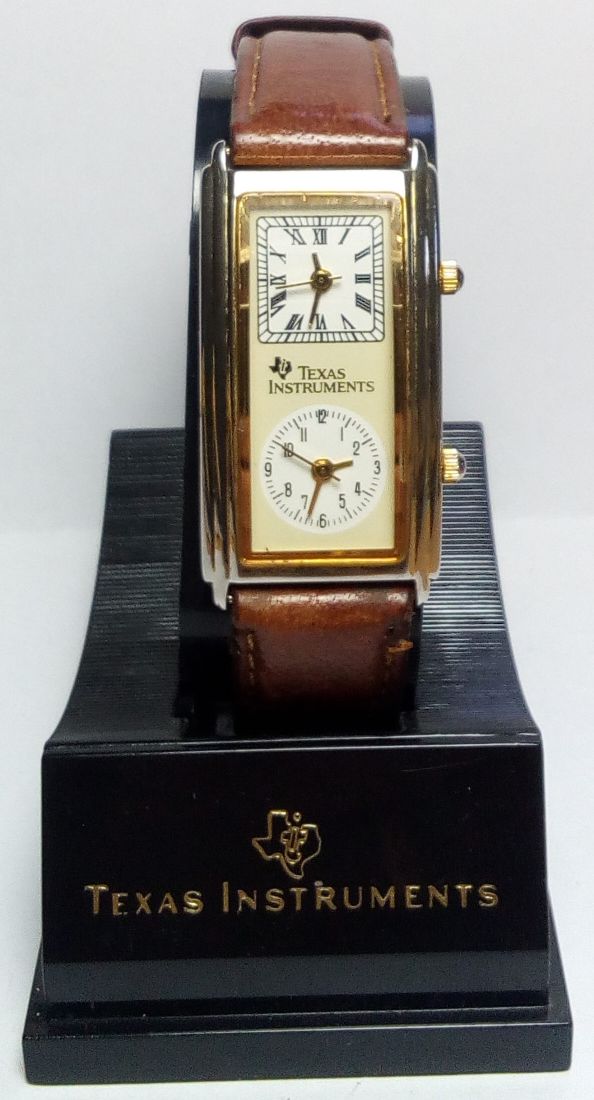
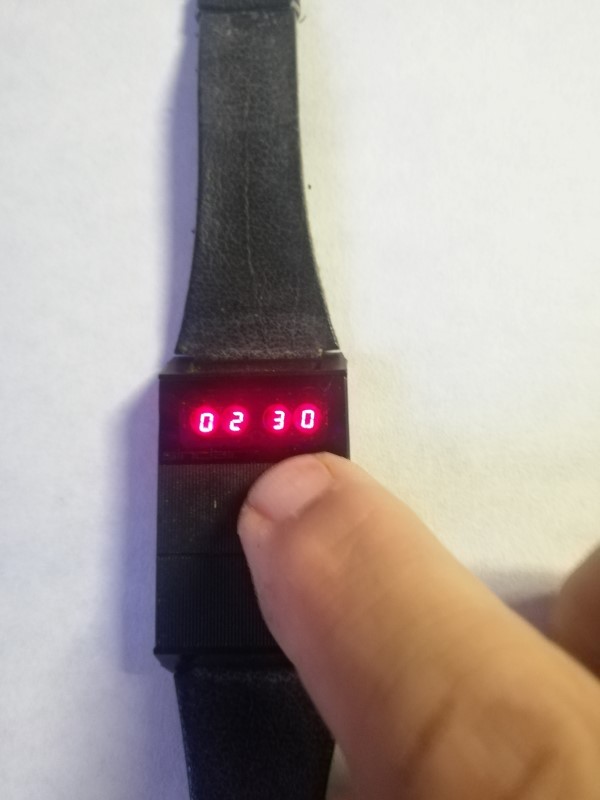
LED Watches: Early men's and women's models, special editions (including the famous Star Wars and StarBurst models), and the affordable "Star Wars / Black Watch" series.
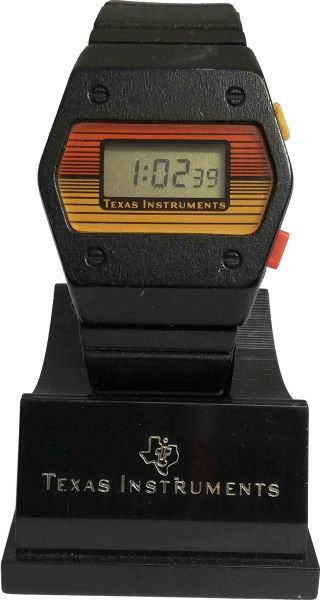
LCD Watches: Classic men's and women's models, Phasar watches, Desktop versions, and models with advanced functions.
Rare Components: Integrated modules, special batteries, original booklets, and vintage testing equipment, such as the original Witschi Q Test 3000 tester.
Yes. In the sections dedicated to watches, we provide in-depth information on "How It's Made" (how the modules are constructed), guidance on compatible batteries, information about displays, and recommendations to prevent oxidation or damage caused by old or deteriorated batteries.
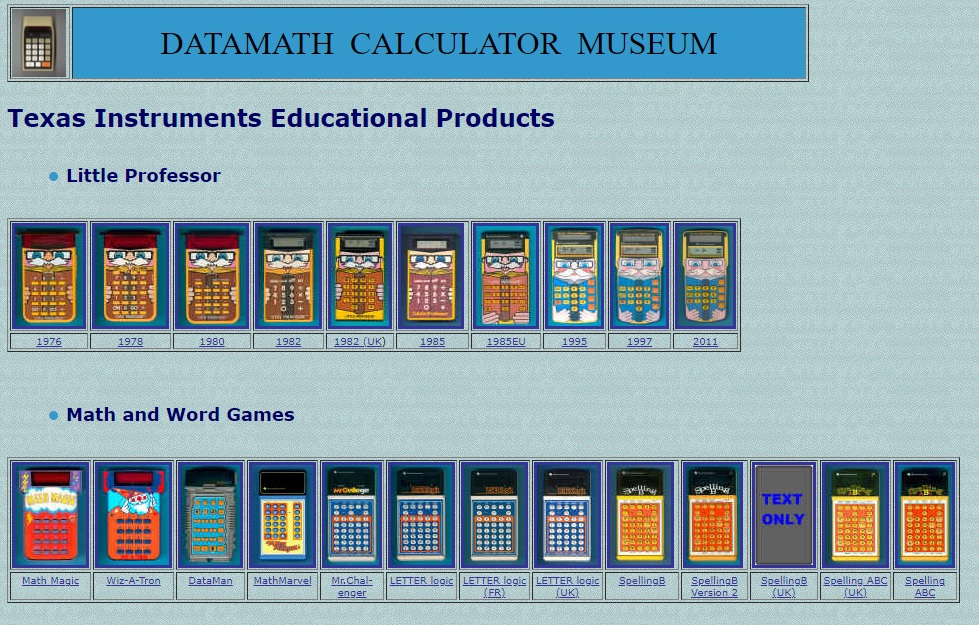
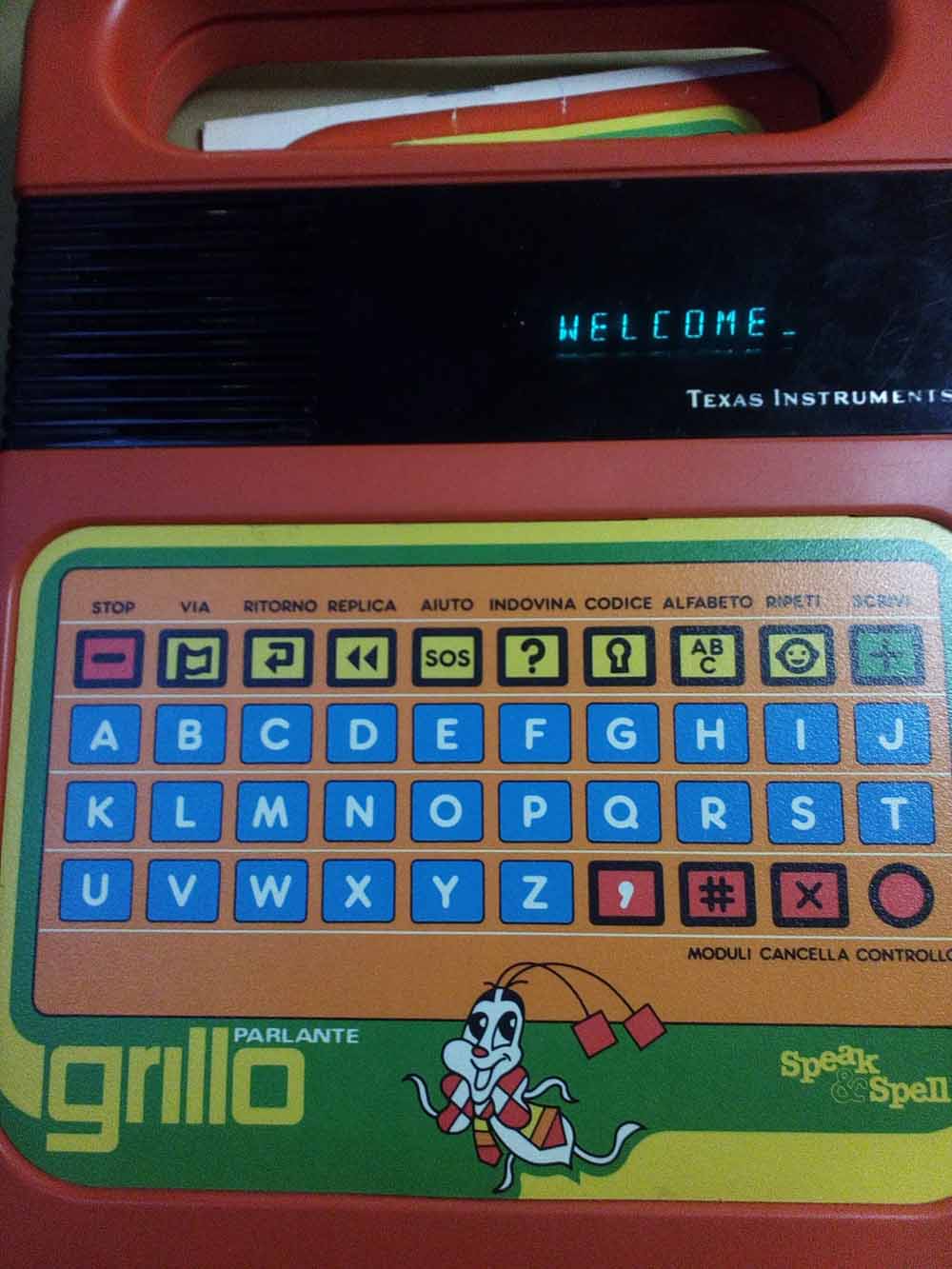
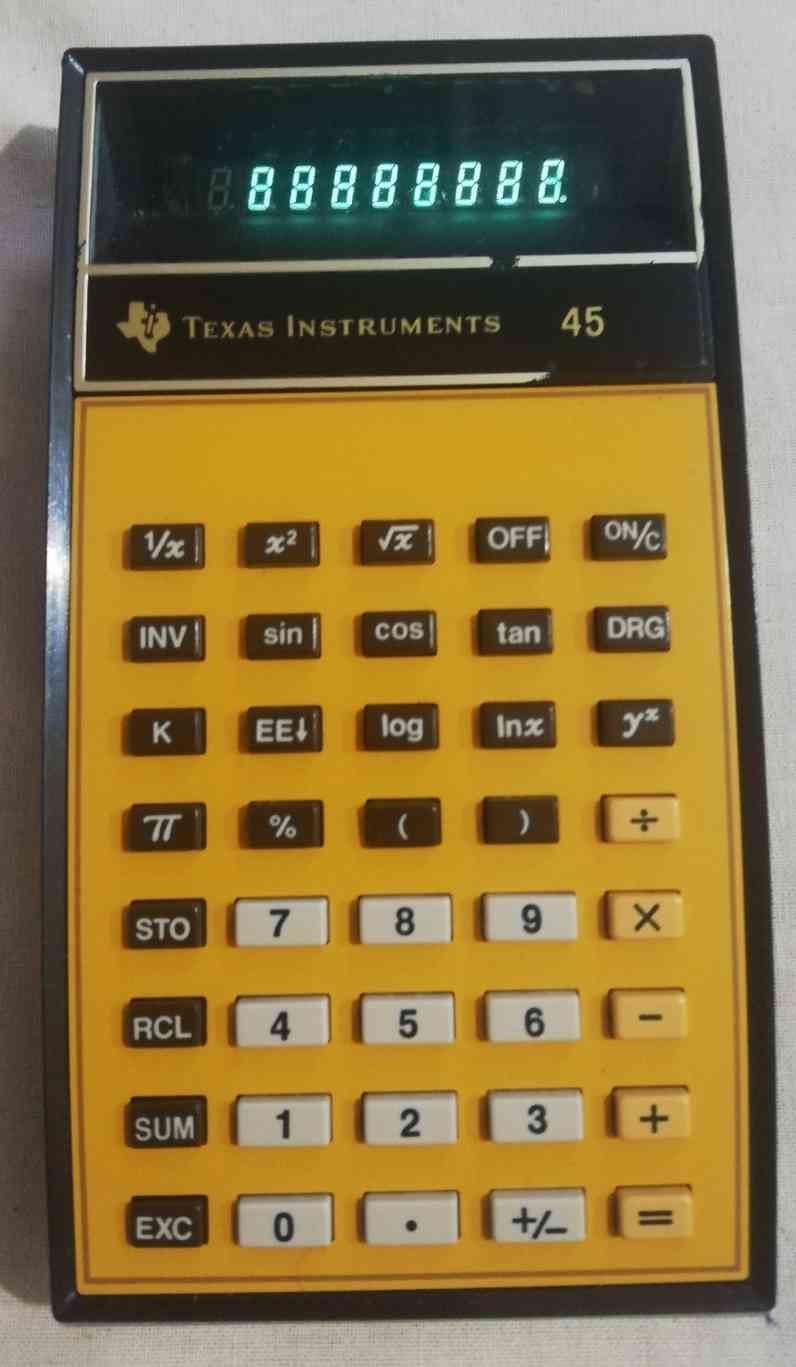
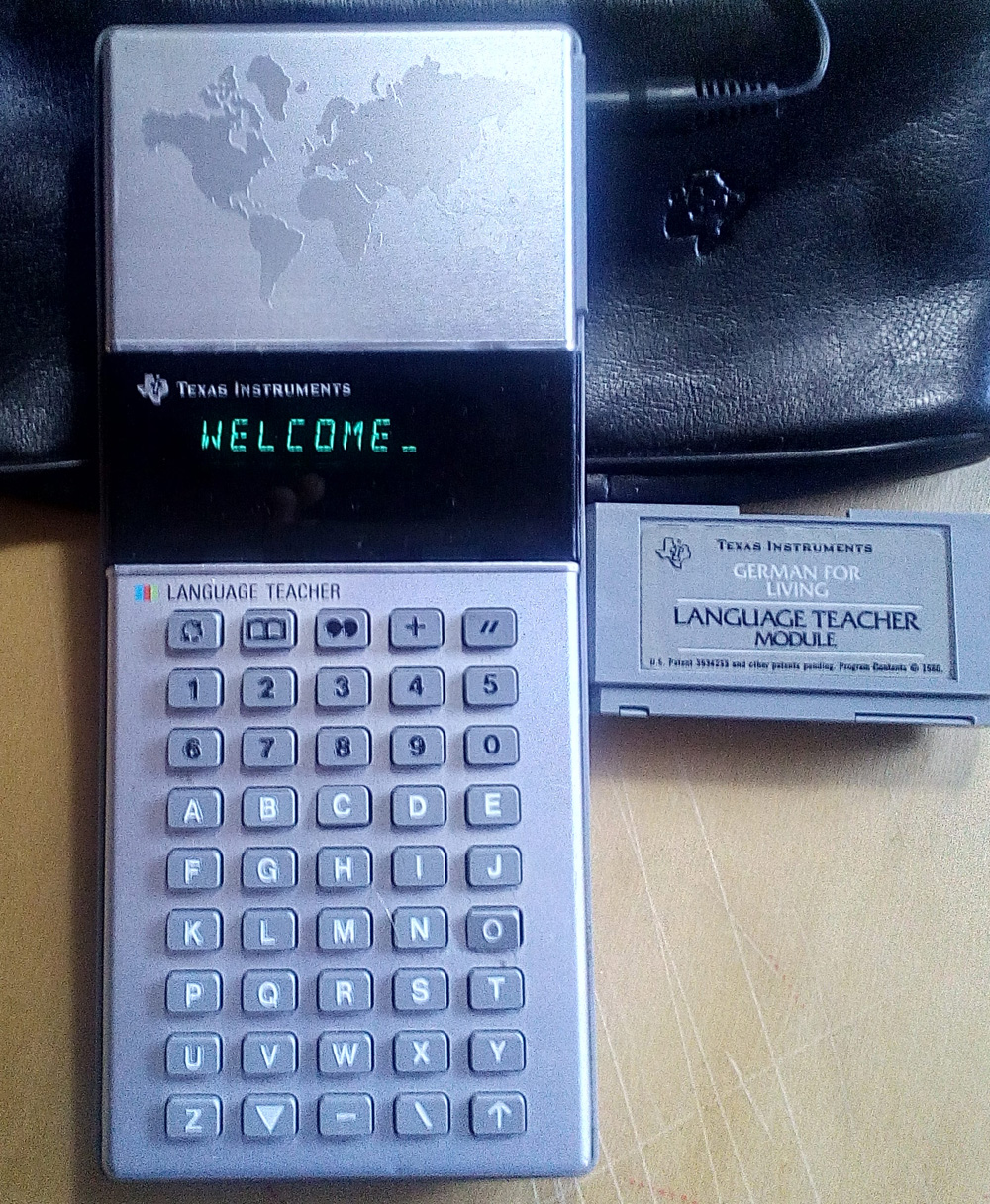
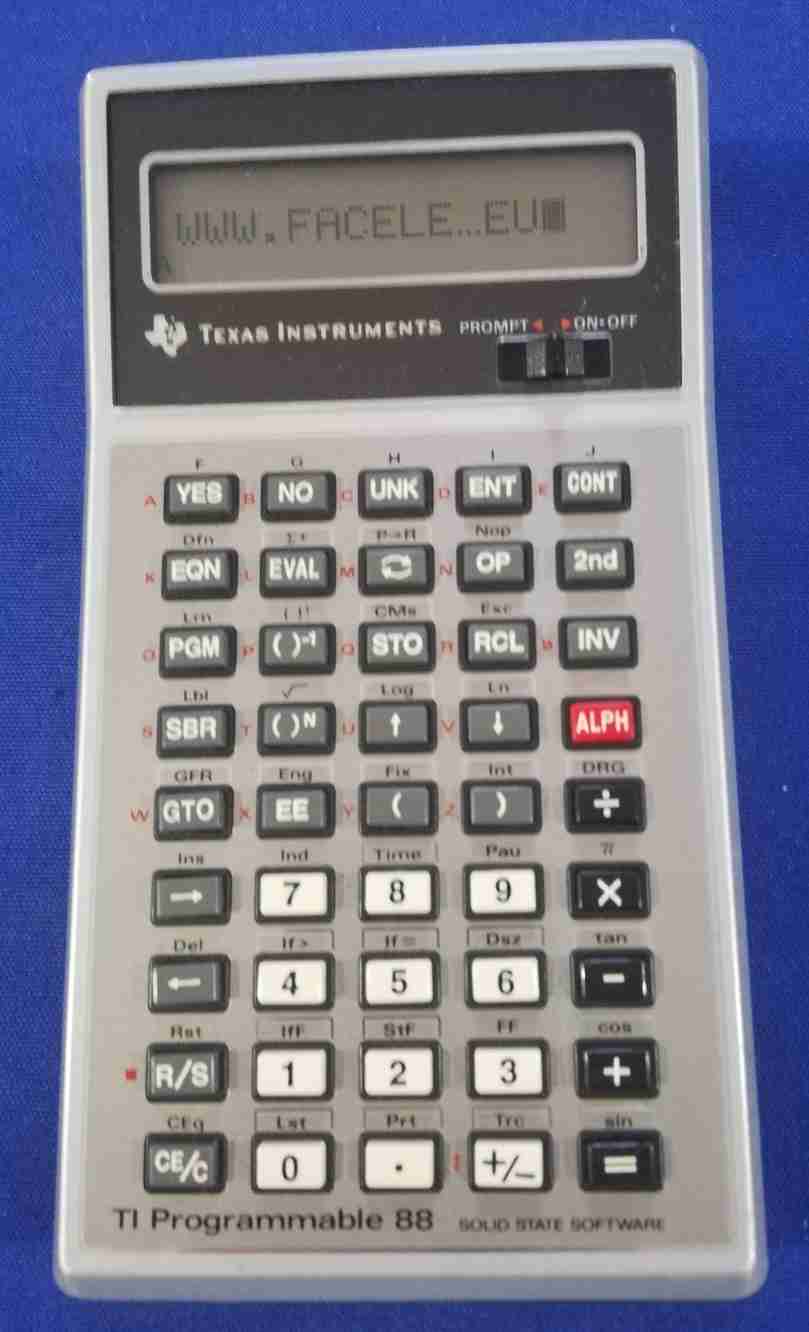
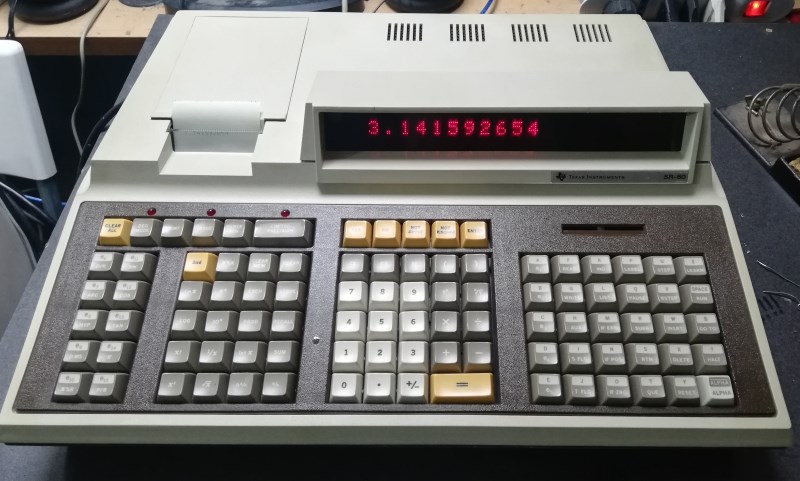
The website covers the entire evolution of Texas Instruments calculators: from the early Exactra models and the historic TI-30 series, to advanced scientific and programmable calculators such as the TI-58 and TI-59, thermal printers, memory modules, and educational devices such as the Speak & Spell / Talking Learning Aid and the Little Professor series.
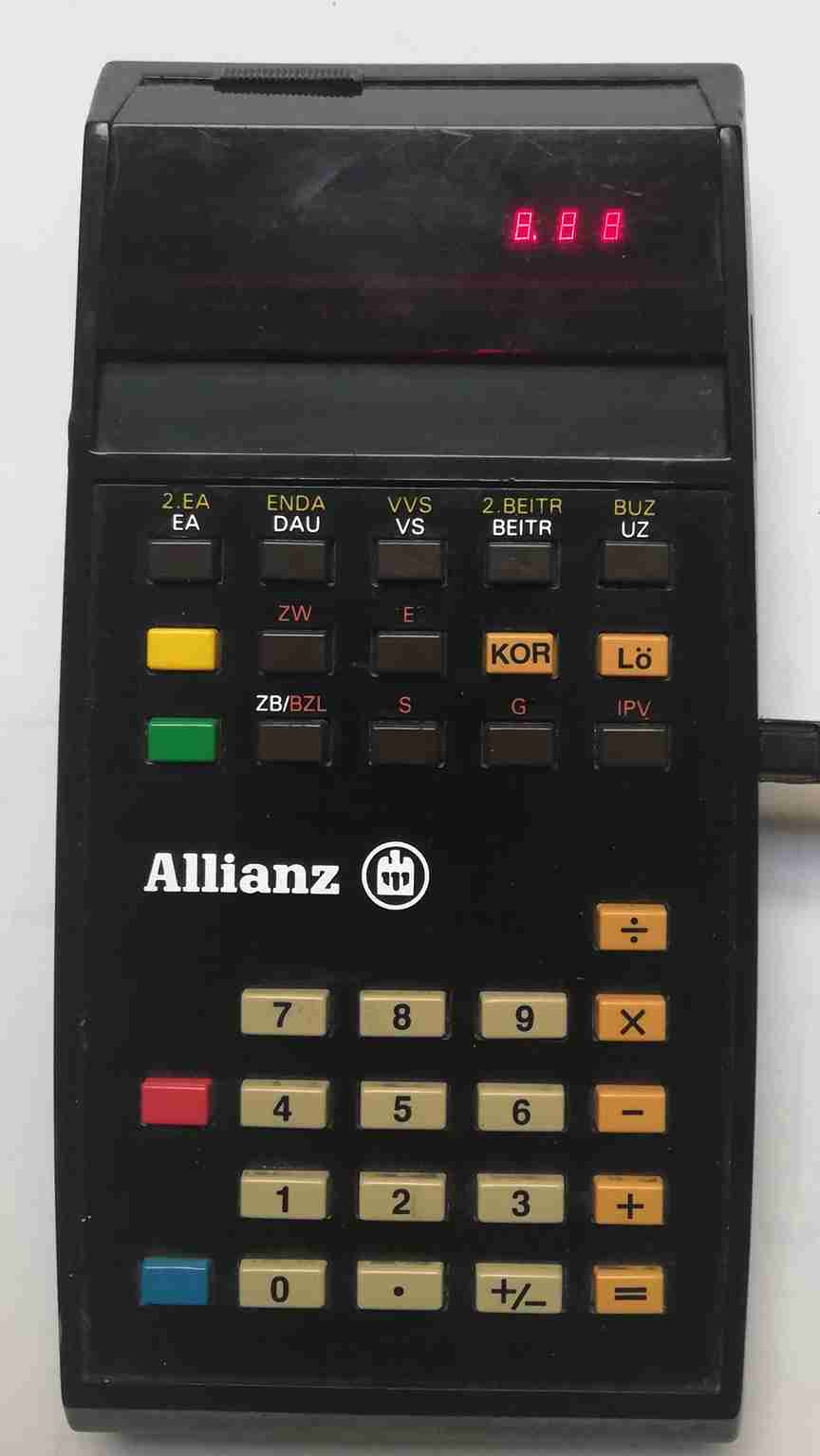
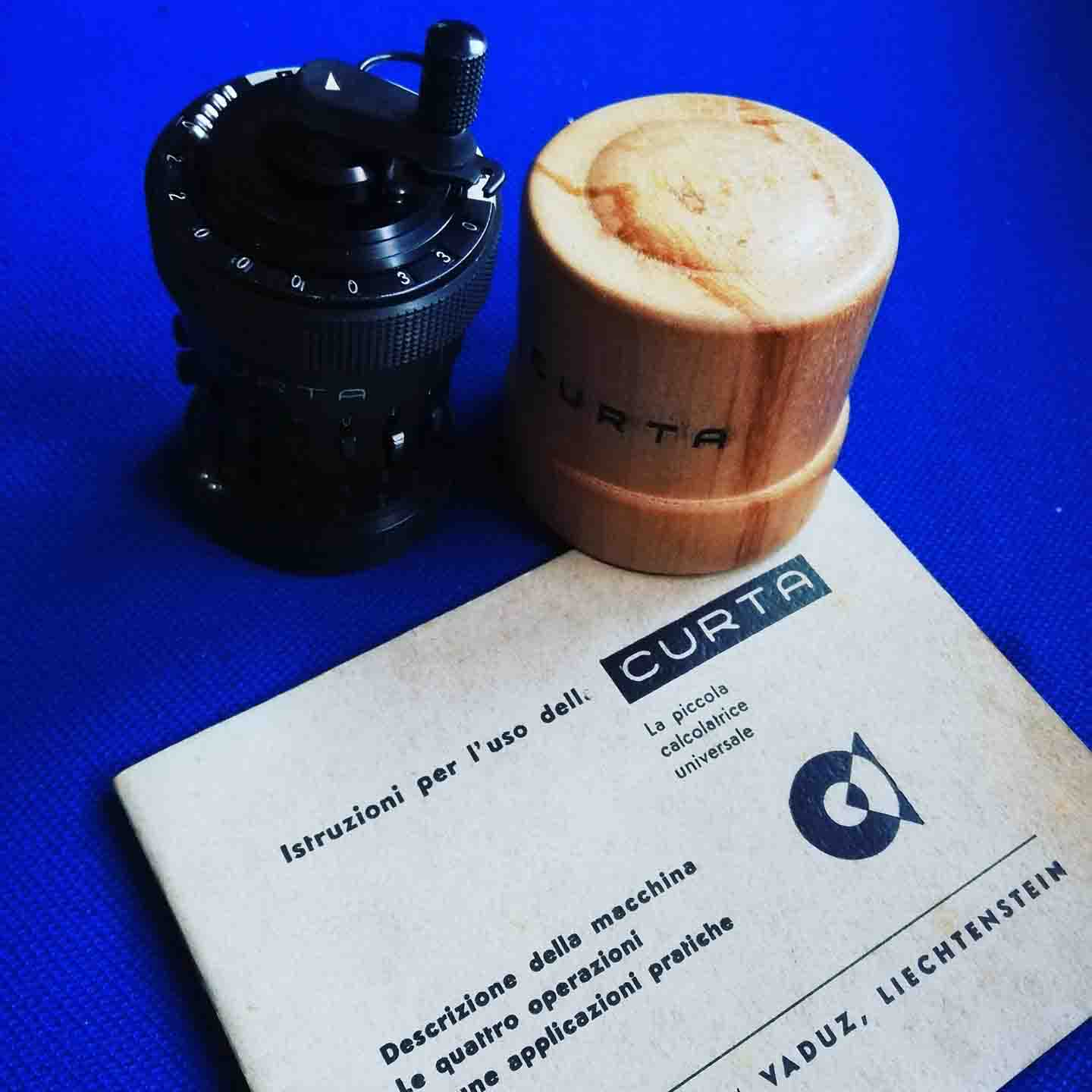
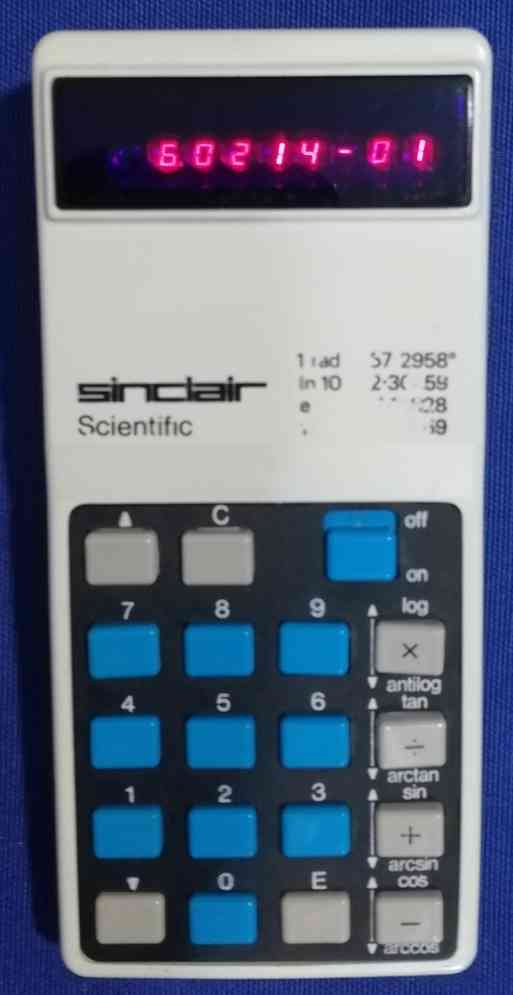
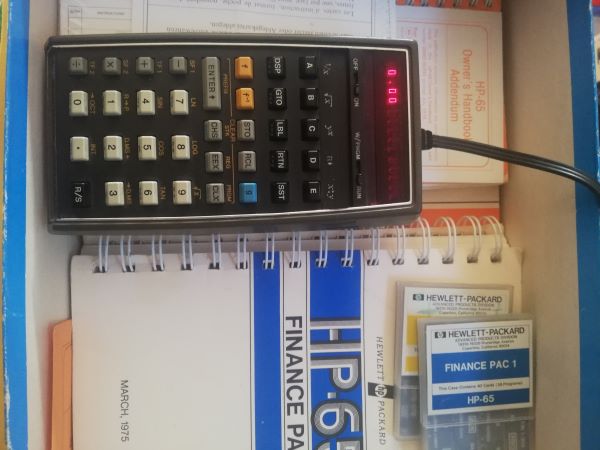
No. The archive documents both calculators from other brands that used Texas Instruments chips and integrated circuits (such as Bowmar, Casio, Commodore, Olivetti, Sinclair, and HP), as well as mechanical and historical calculating instruments such as Curta, Addiator, Napier's Bones, and historic abacuses.
On the website, we provide dedicated sections covering the replacement and refurbishment of old Ni-Cd rechargeable battery packs (such as BP1, BP1A, BP6, BP7, BP8, and BP9). These sections show modern and visually transparent solutions for safely operating vintage calculators without damaging them.
Launched in the early 1980s, the TI-99/4A was the first true 16-bit home computer aimed at the mass market, based on the powerful TMS9900 microprocessor. It is renowned for its extensive library of game cartridges and software, as well as for its sturdy aluminum and plastic construction.
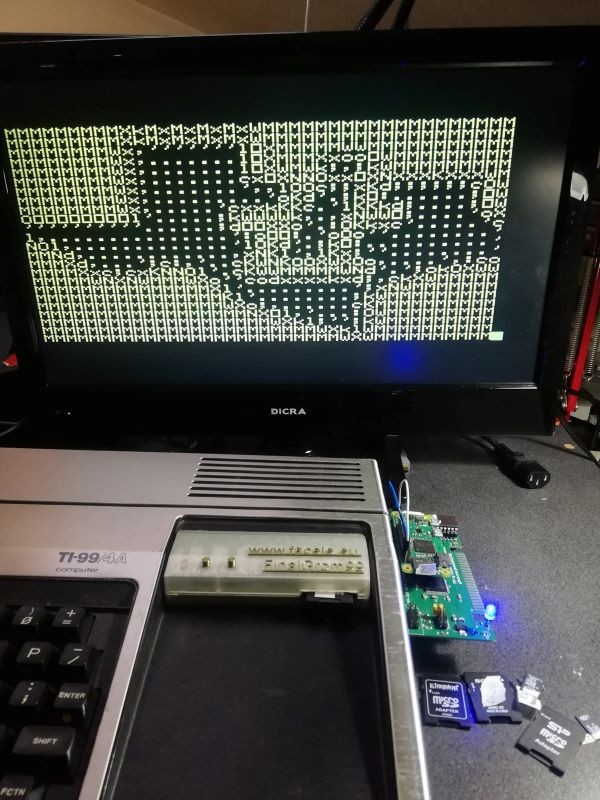
Our website features various modern projects and modules designed for the TI-99/4A, created to expand its capabilities and make it easier to use with modern technology. These include hardware expansions, interface modules, and projects developed by enthusiasts to keep this historic home computer active and useful today.
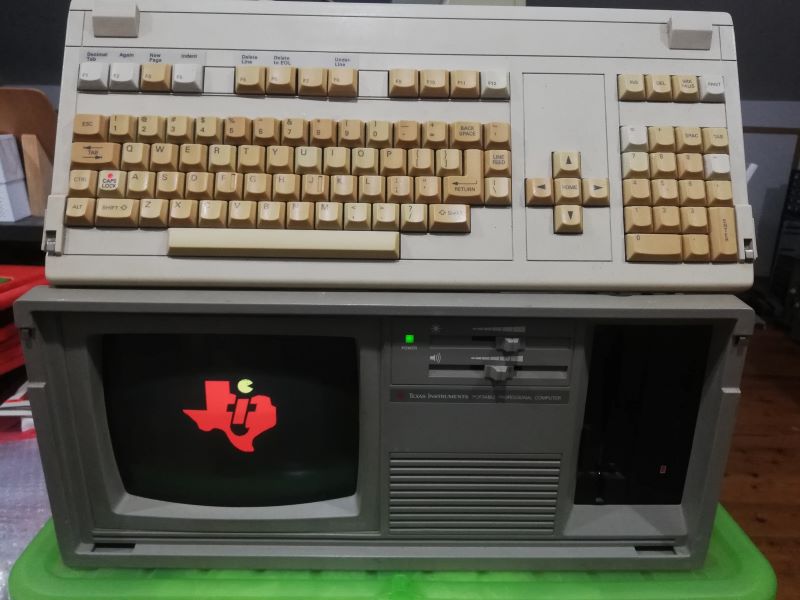
Yes. Although Texas Instruments products are at the heart of the museum project, the website also documents other historic consoles, home computers, and microcomputers that contributed to the history of consumer electronics and computing. These include systems from other manufacturers and platforms that are of particular historical and technological interest.
The collection is currently available primarily through the online museum and website. A permanent physical exhibition space is planned in the city of Rieti. Any opportunities to see selected pieces of the collection in person, including exhibitions, events, or special displays, will be announced on the website.
The museum project aims to develop educational workshops and events dedicated to schools, using vintage technology, calculators, watches, and computers as tools for learning and discovery. The activities are designed to introduce students to the history of electronics and computing through practical demonstrations, historical materials, and interactive experiences.
If you have vintage watches, calculators, computers, electronic components, documentation, or other historical objects that you would like to donate to the museum project, please contact us through the website. We can evaluate the material and determine whether it is relevant to the collection and its historical documentation. Donations help us preserve and share the heritage of vintage technology for future generations.
You can support the TI Watch Museum ODV by choosing to allocate your 5×1000 tax donation to the organization or by making a direct donation. Your contribution helps us preserve and document historical technology, expand the collection, develop educational activities, and work toward the creation of a permanent museum in Rieti. Details on how to make a donation or allocate your 5×1000 contribution are available in the dedicated sections of our website.
Yes. Where available, the website provides historical documentation such as circuit diagrams, service manuals, user manuals in PDF format, technical documentation, and vintage software related to the devices in the collection. These resources are intended for historical, educational, research, and restoration purposes and help preserve the technical heritage associated with vintage electronics and computing.
The TI Watch Museum ODV is primarily dedicated to the preservation, documentation, and study of historical technology. We do not currently offer a general repair or restoration service for private individuals. However, the experience and technical knowledge developed through the preservation of the collection may be useful for sharing information, restoration techniques, and historical documentation with enthusiasts and collectors.
Yes, the material published on the website may be used for educational, academic, and research purposes, such as theses and articles, provided that the source is clearly acknowledged. For images and other materials that may be subject to copyright or third-party rights, please contact us before publication to verify the conditions of use and obtain any necessary permission.
If you would like to support the TI Watch Museum ODV project, you can join the association or become a volunteer. Volunteers can contribute according to their skills, interests, and availability, helping with activities such as historical research, documentation, collection management, technical restoration, exhibitions, educational activities, and the development of the website. For information about membership or volunteering, please contact us through the dedicated sections of the website.

.jpg "Core Module Watch")

.jpg "APPLE")
.jpg "Calculator Fuller")

.jpg "Console / Games")
.jpg "Olivetti Valentine")
.jpg "Battle Star Galactica")


.png)