
TI Museum
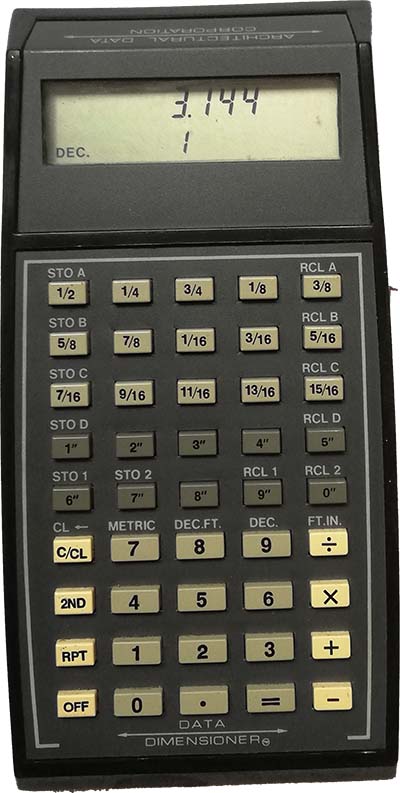
This gallery is something special — a true hidden gem! 💎
Here you’ll find calculators from every corner of the globe, built by a variety of manufacturers… but all powered by the beating heart of Texas Instruments chips! ⚙️❤️
It’s a fascinating mix of global design and TI tech magic — proof that innovation knows no borders.
Enjoy the journey and have tons of fun! 🌍🔢✨

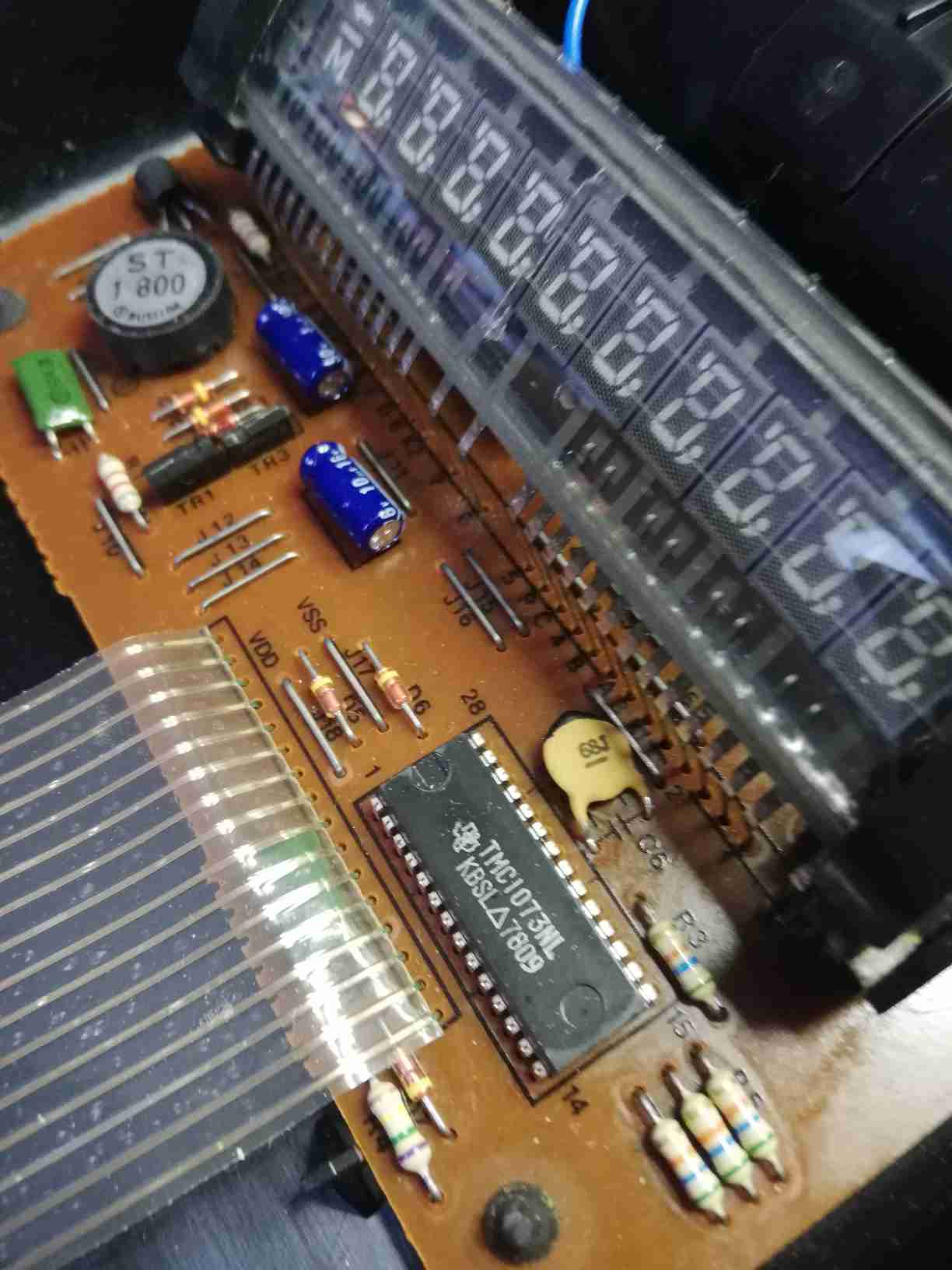
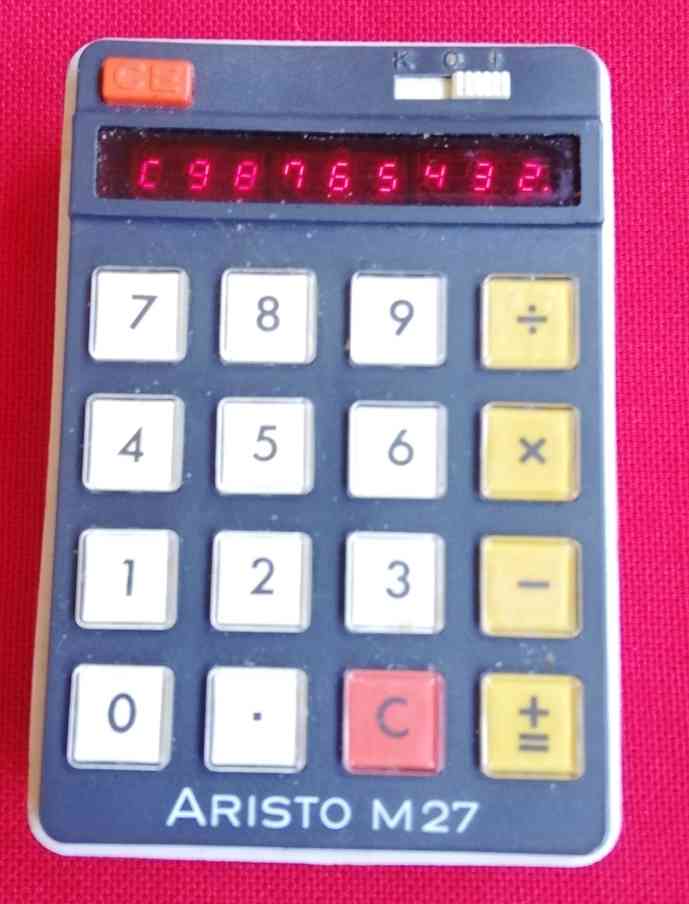
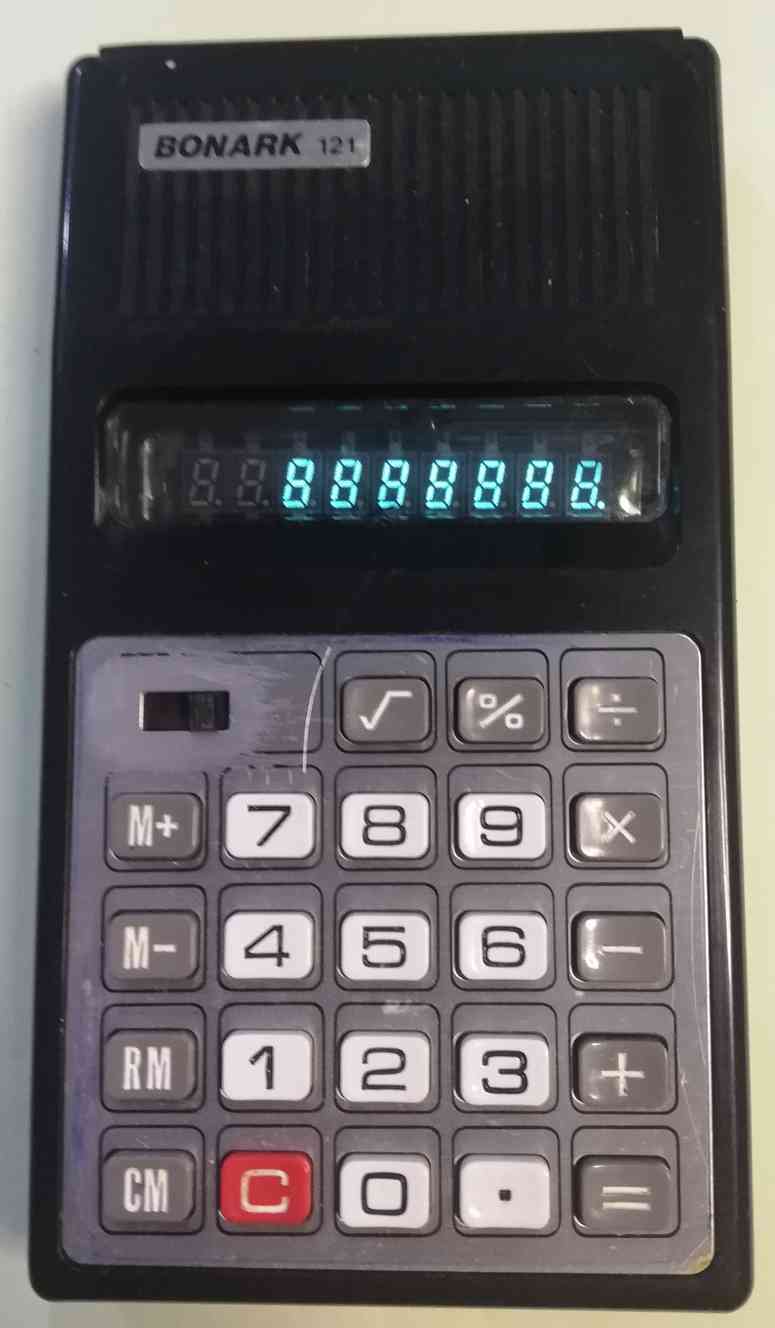
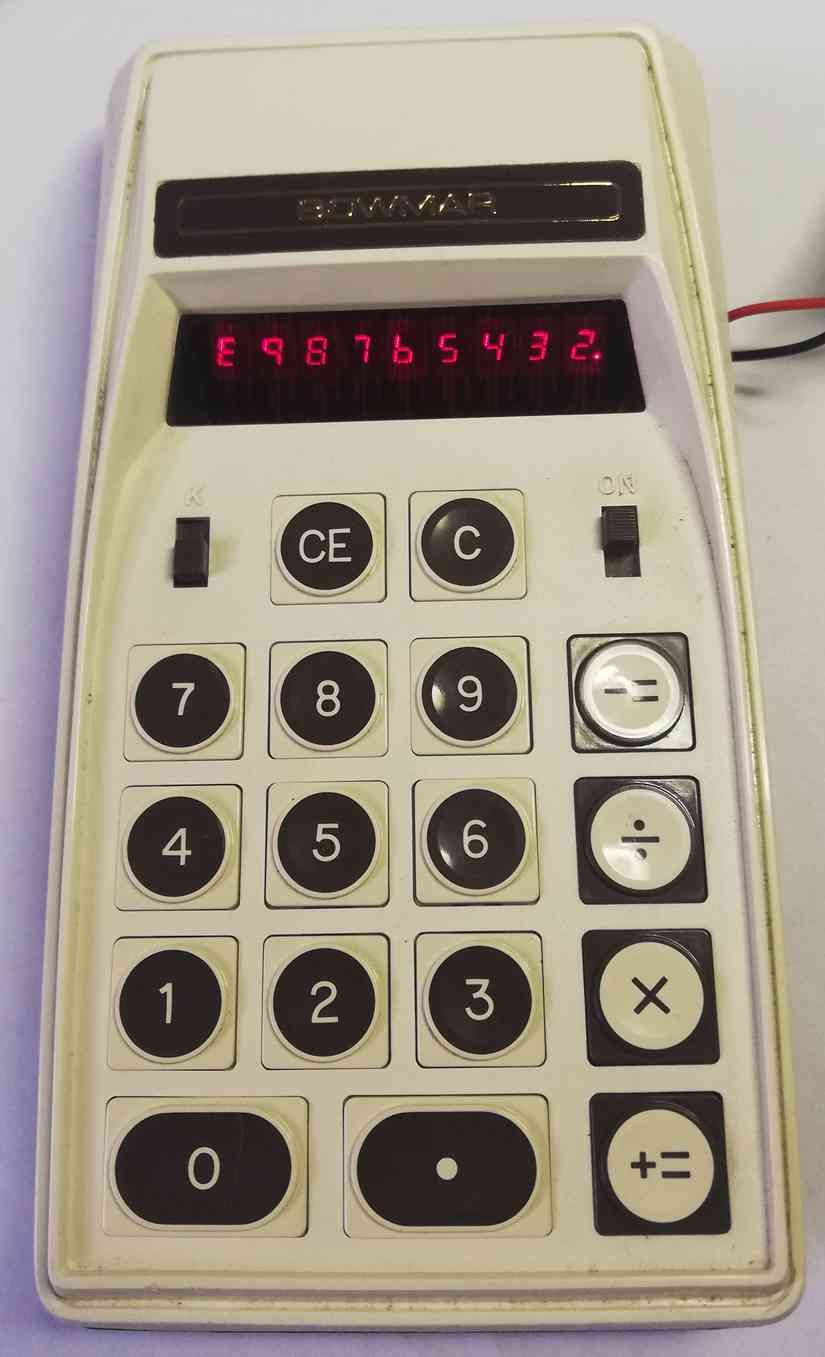
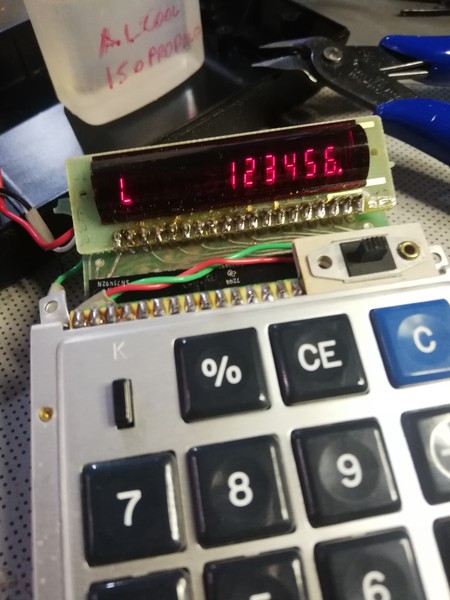
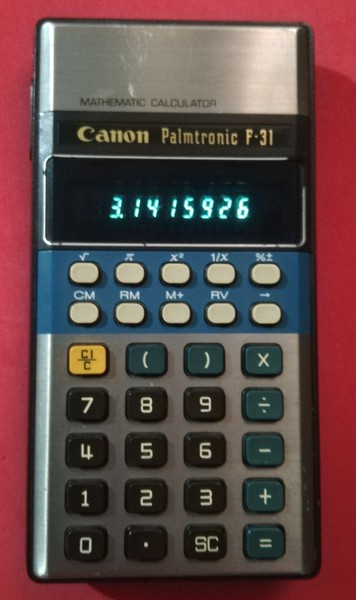
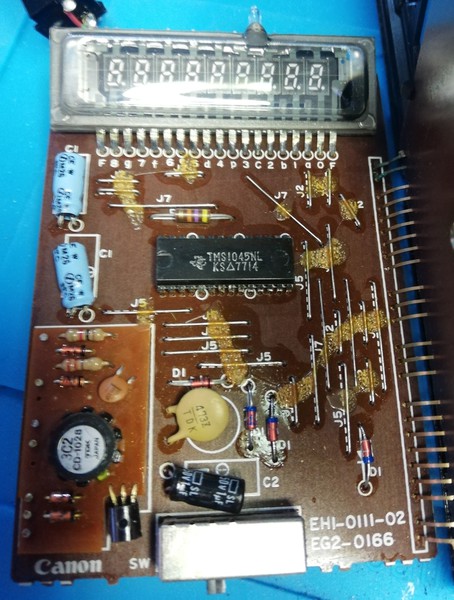
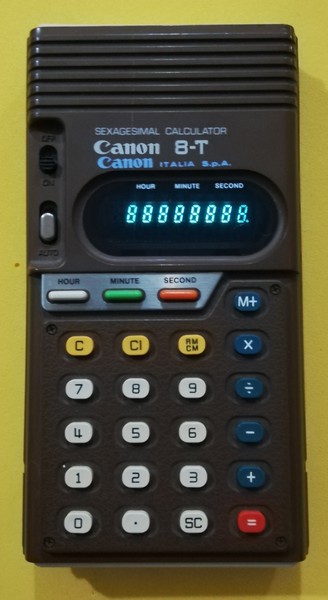
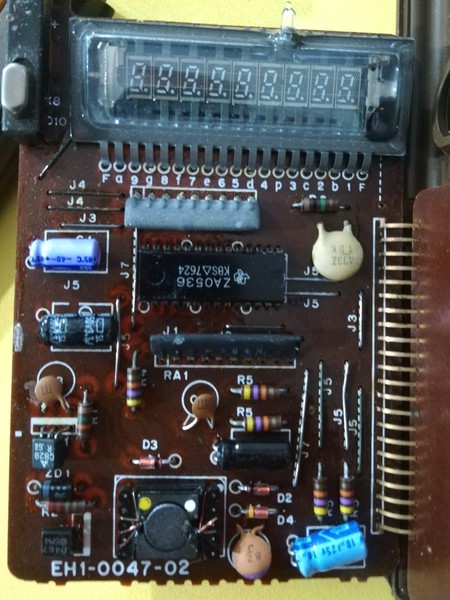
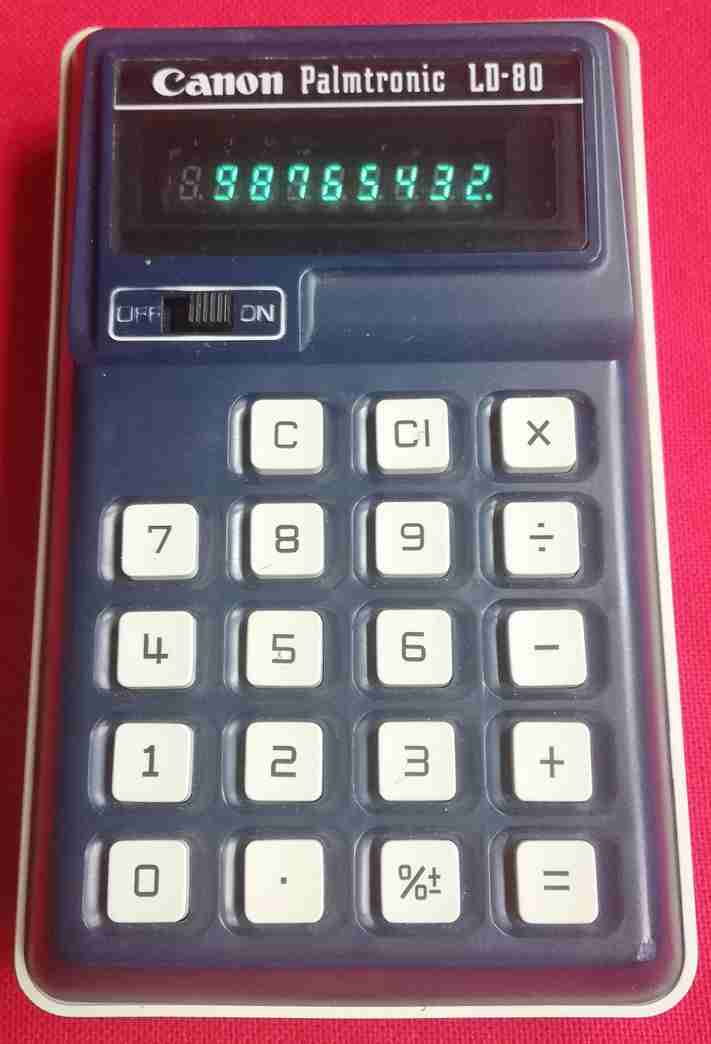
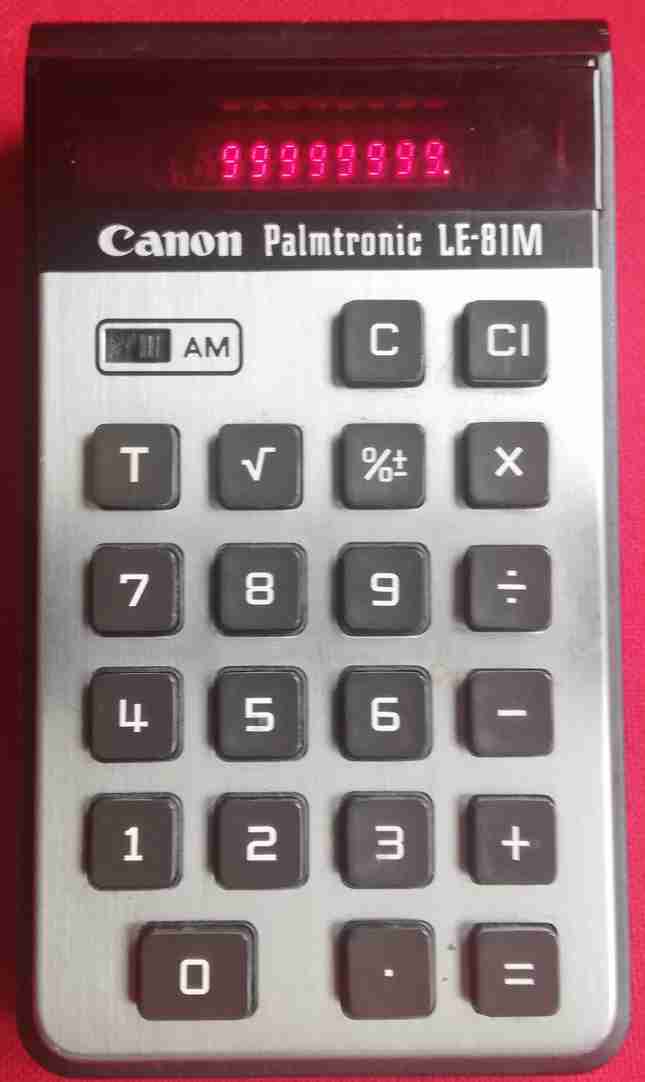
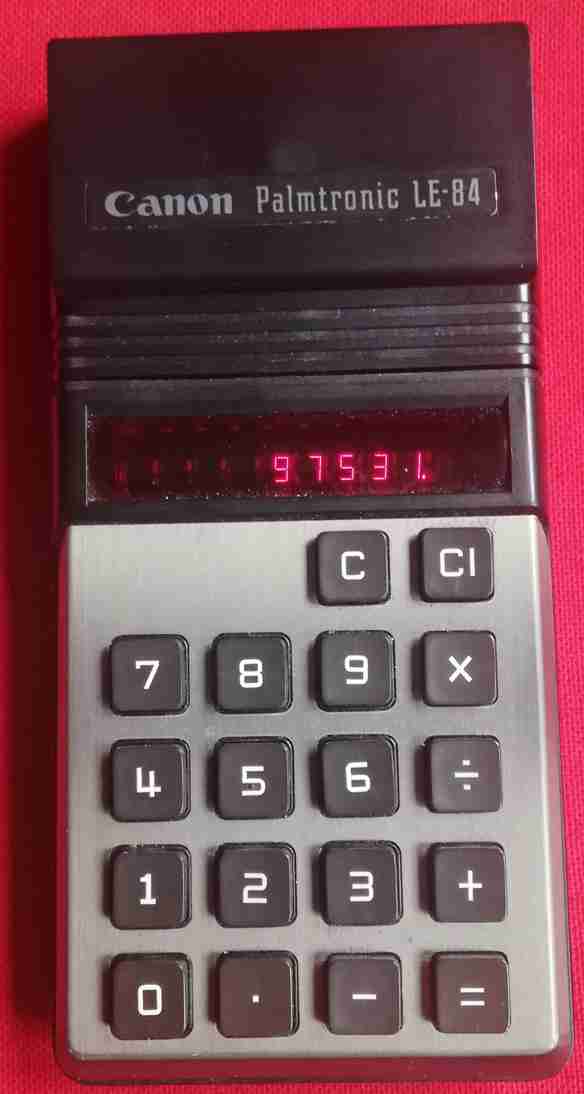
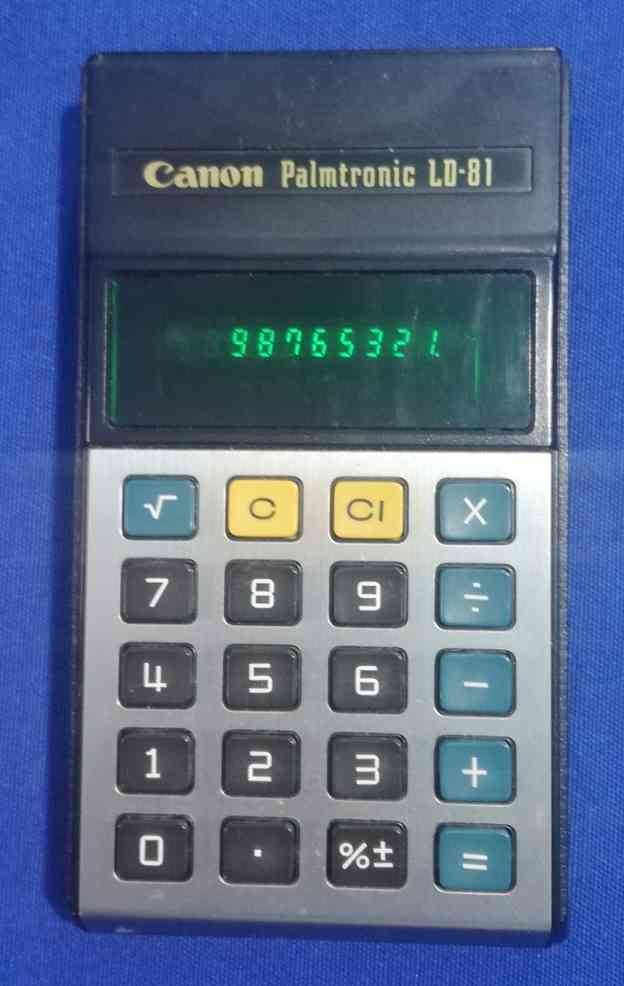
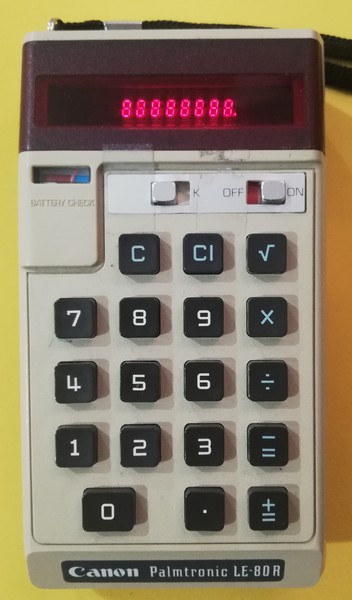
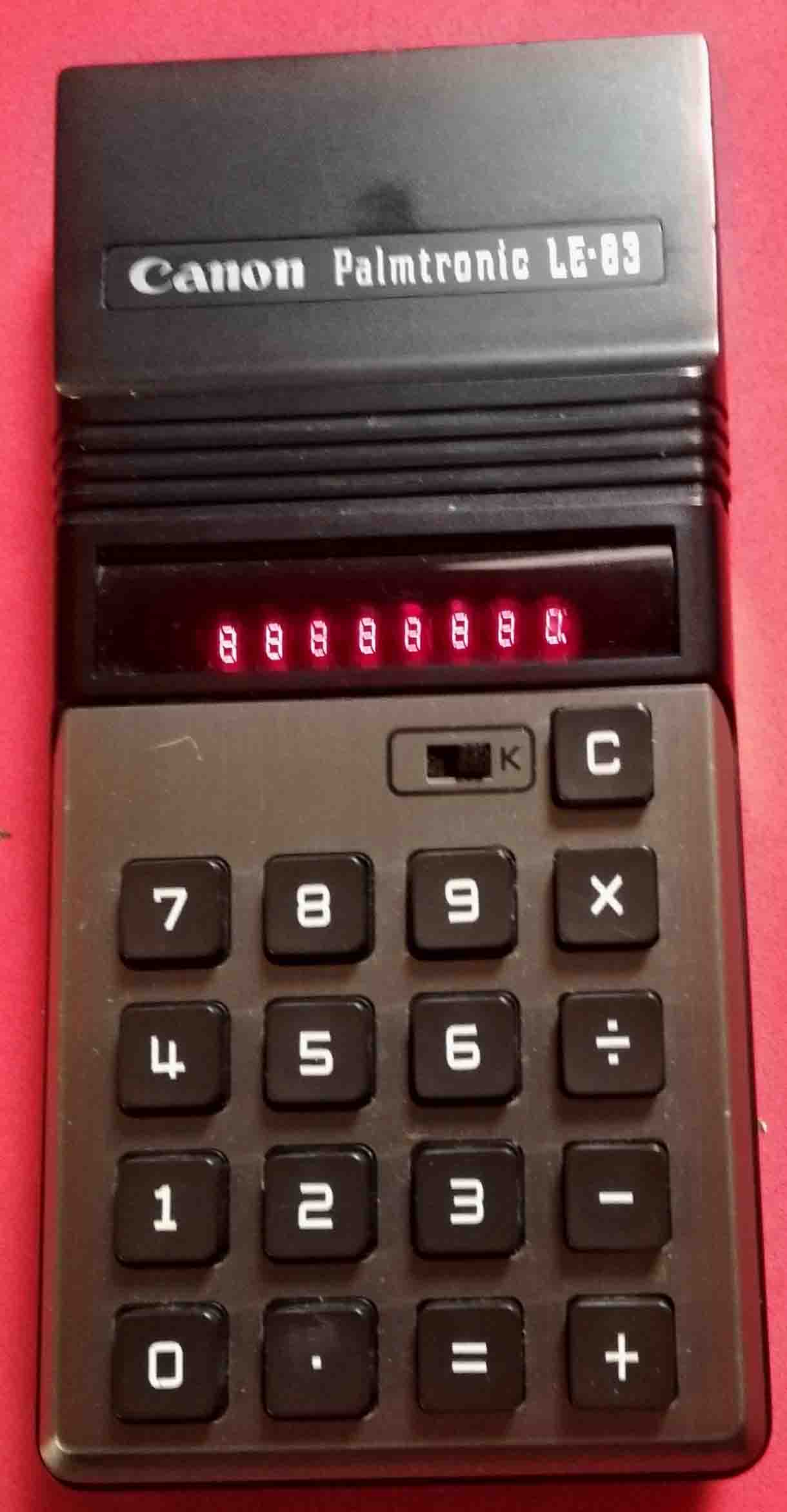
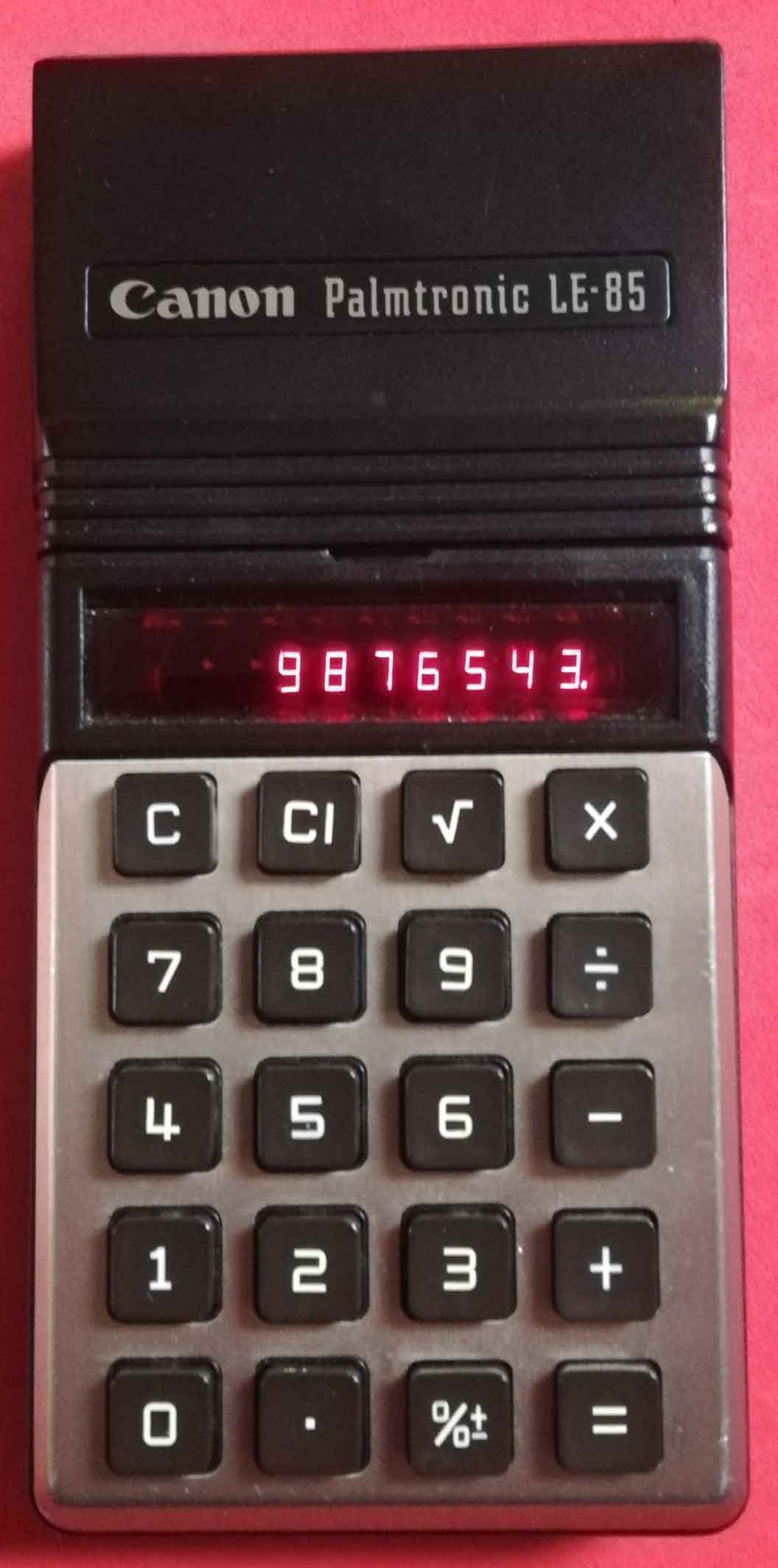
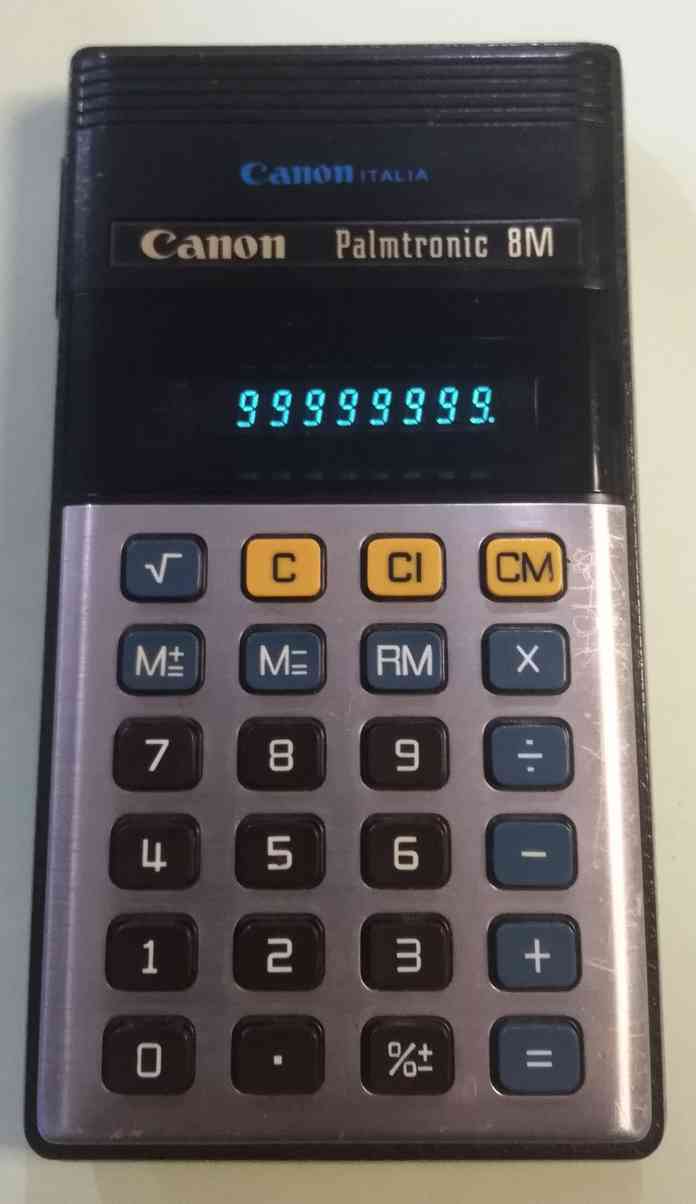
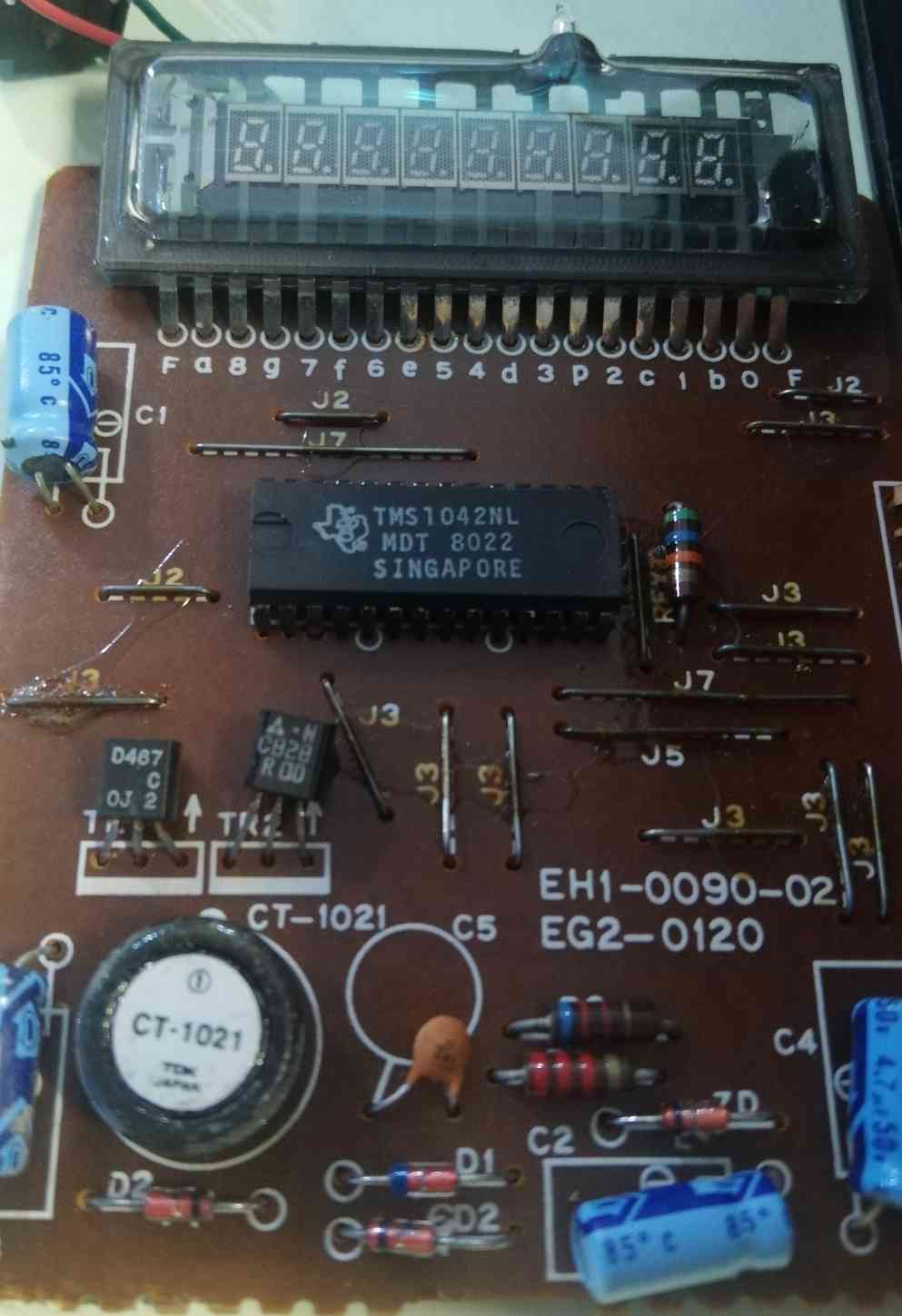
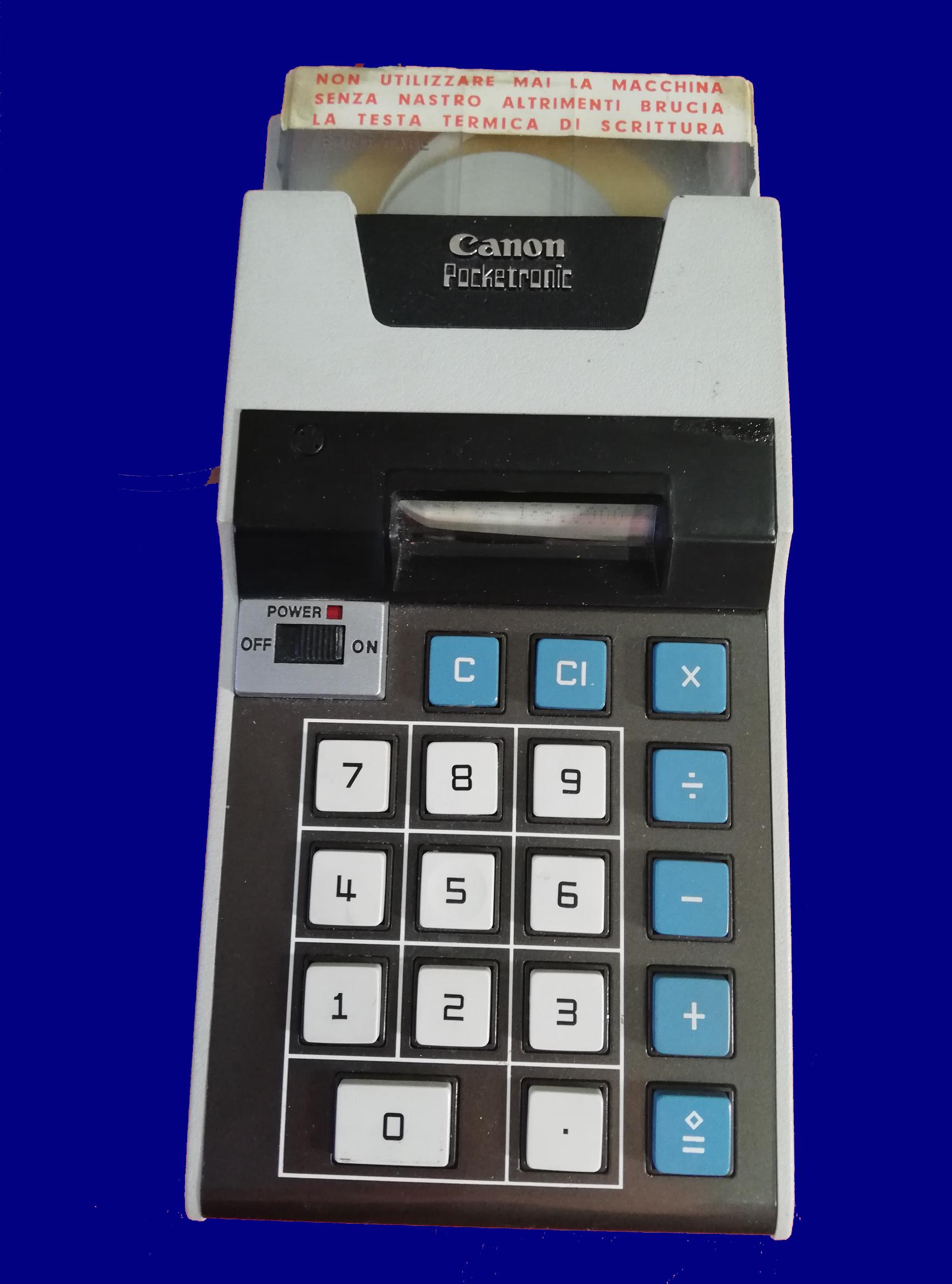
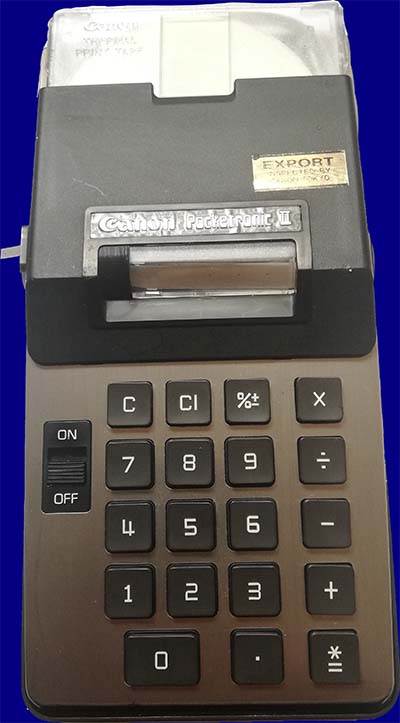
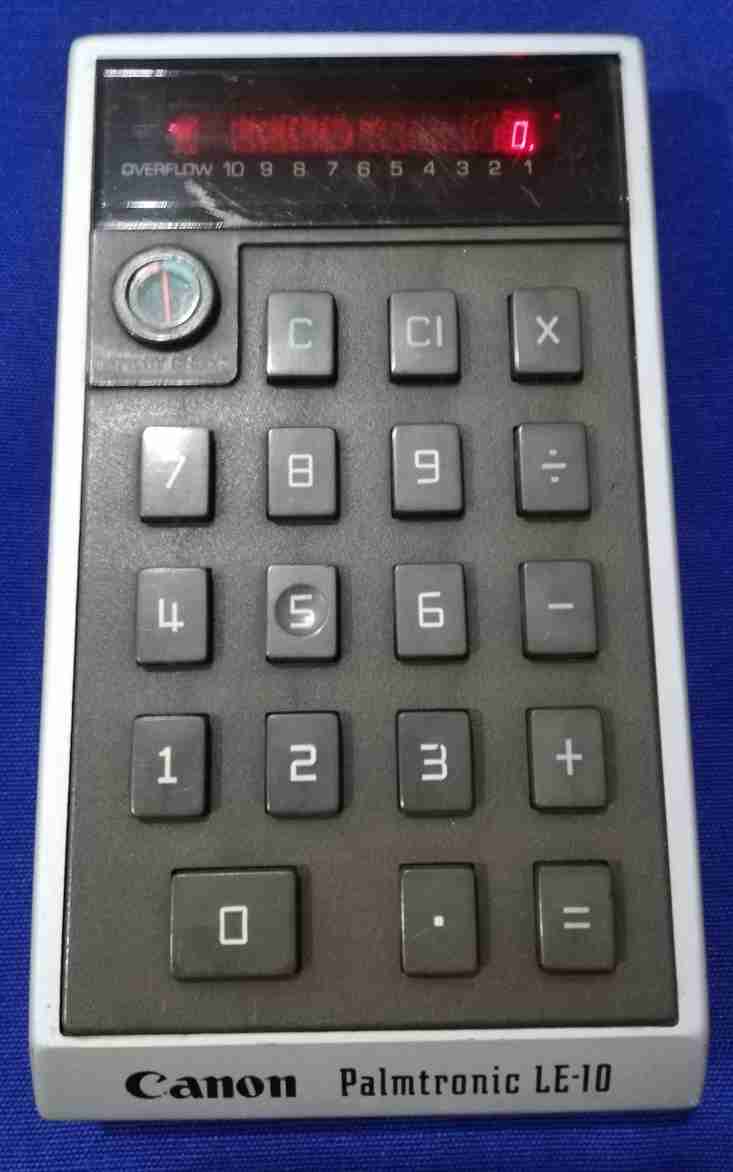
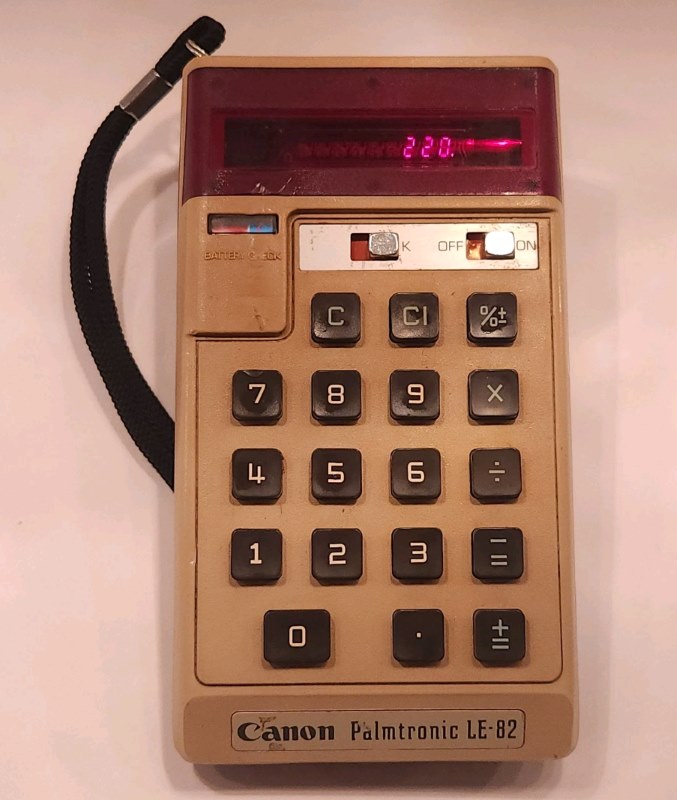
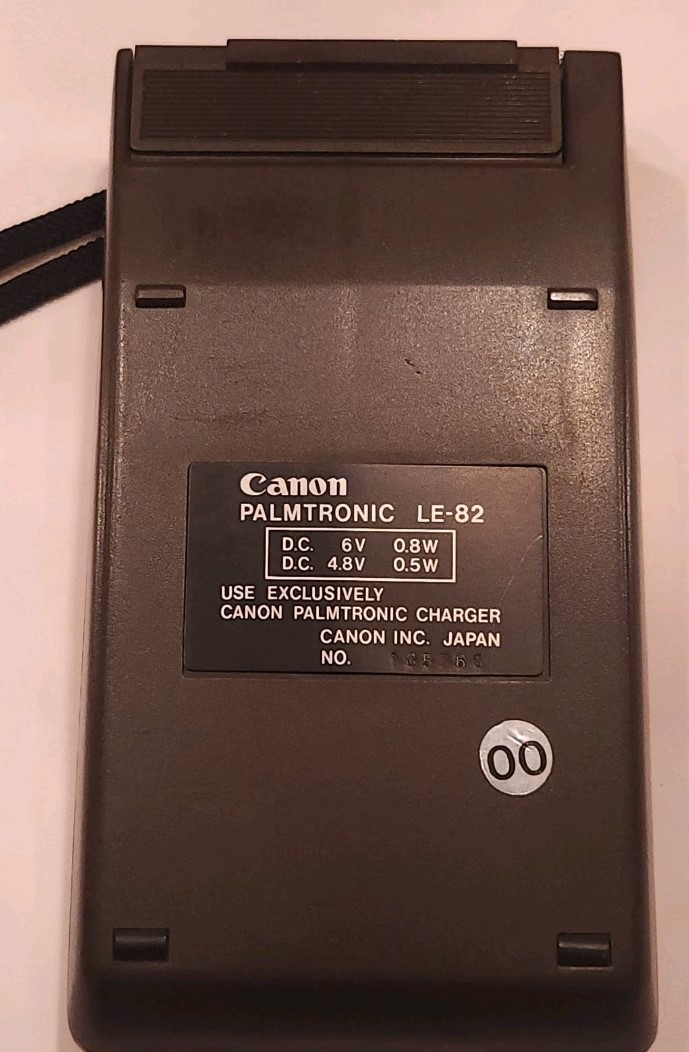
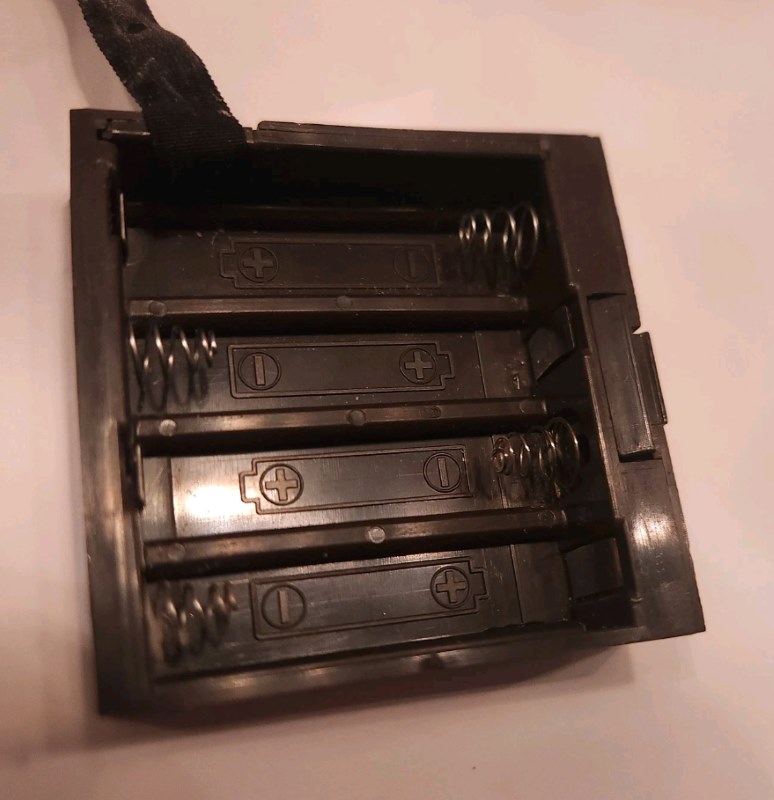
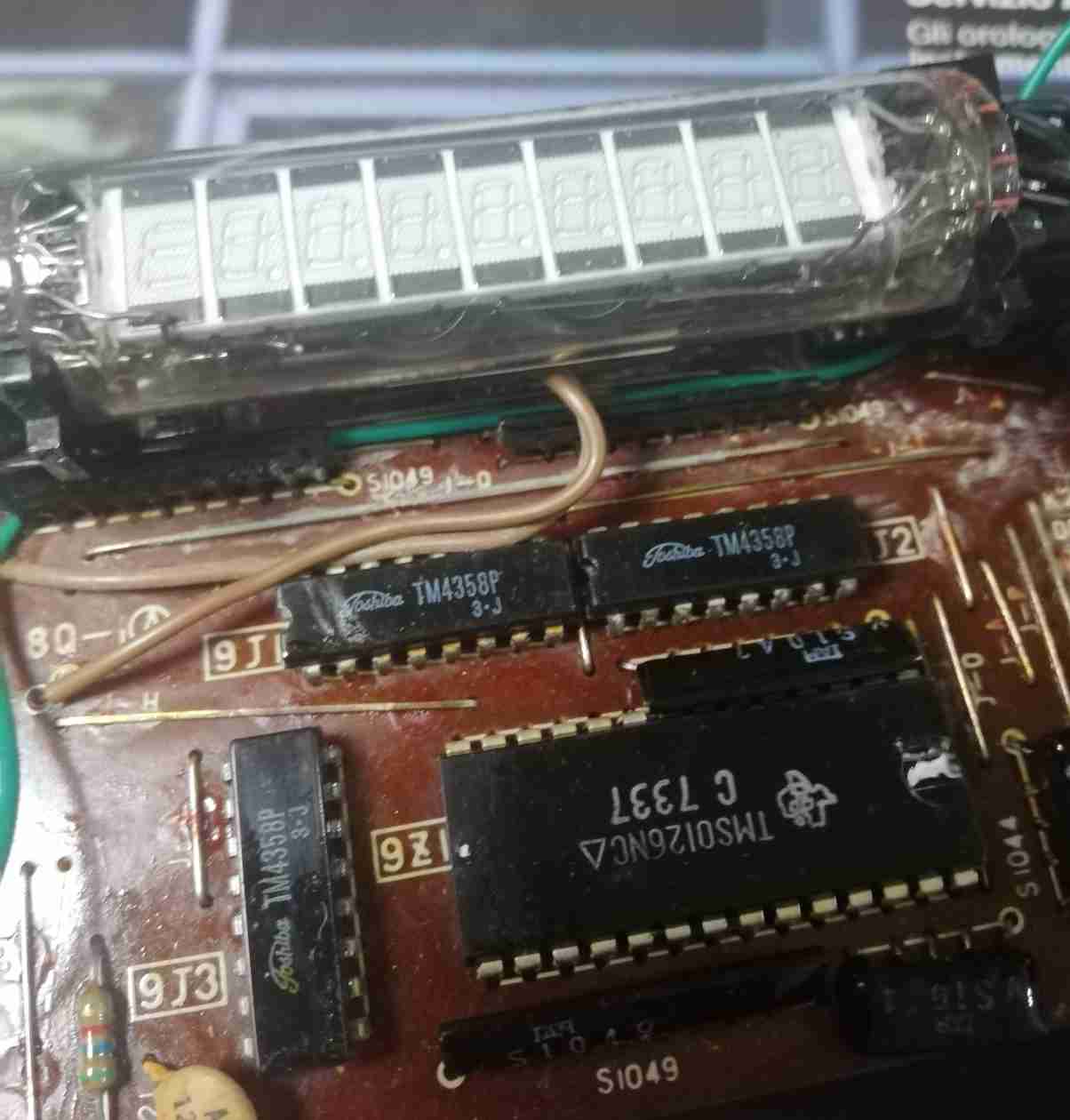
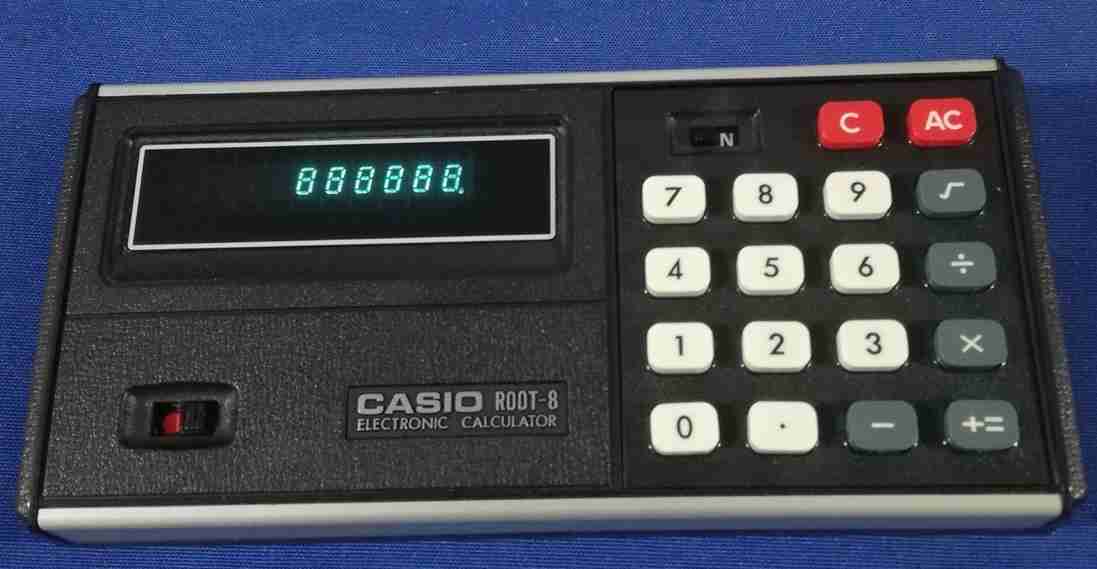
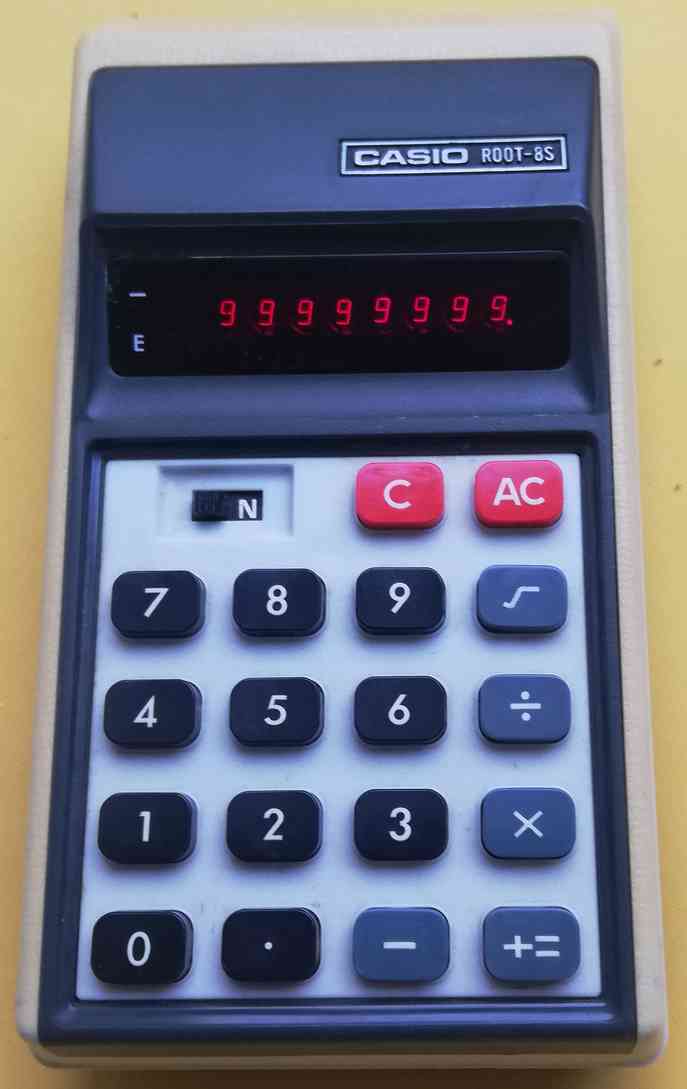
.jpg "301(1)")
.jpg "301(2)")
.jpg "301(3)")
.jpg "301(4)")
.jpg "301(5)")
.jpg "301(6)")
.jpg "301(7)")
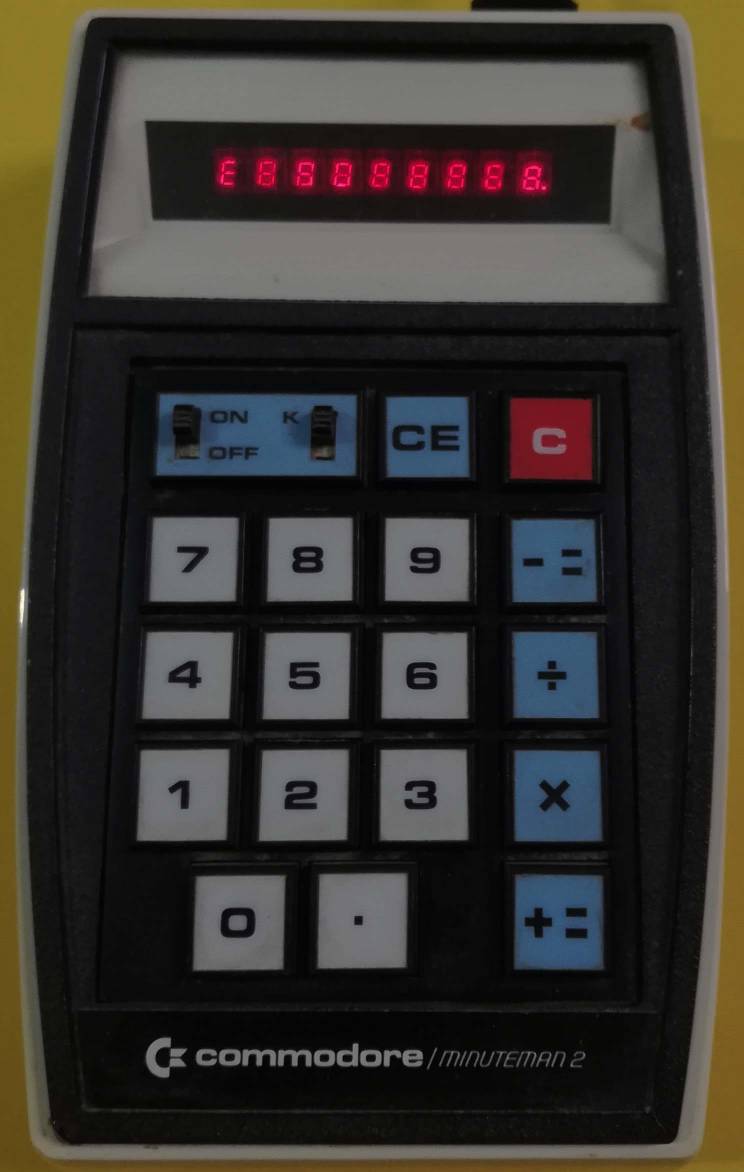
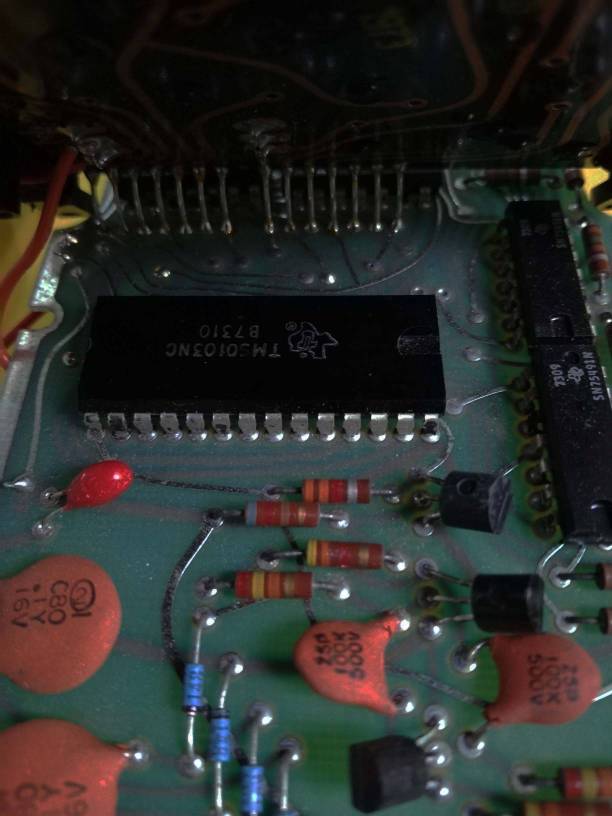
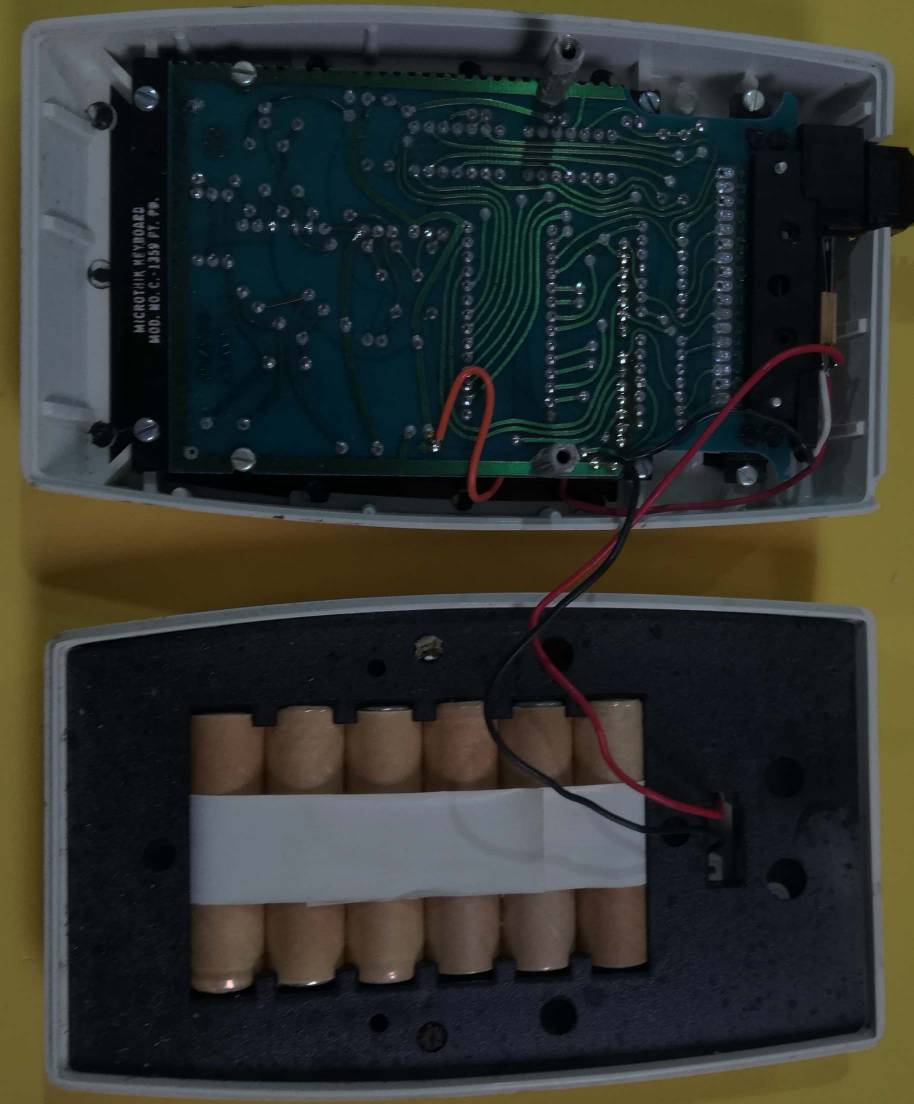
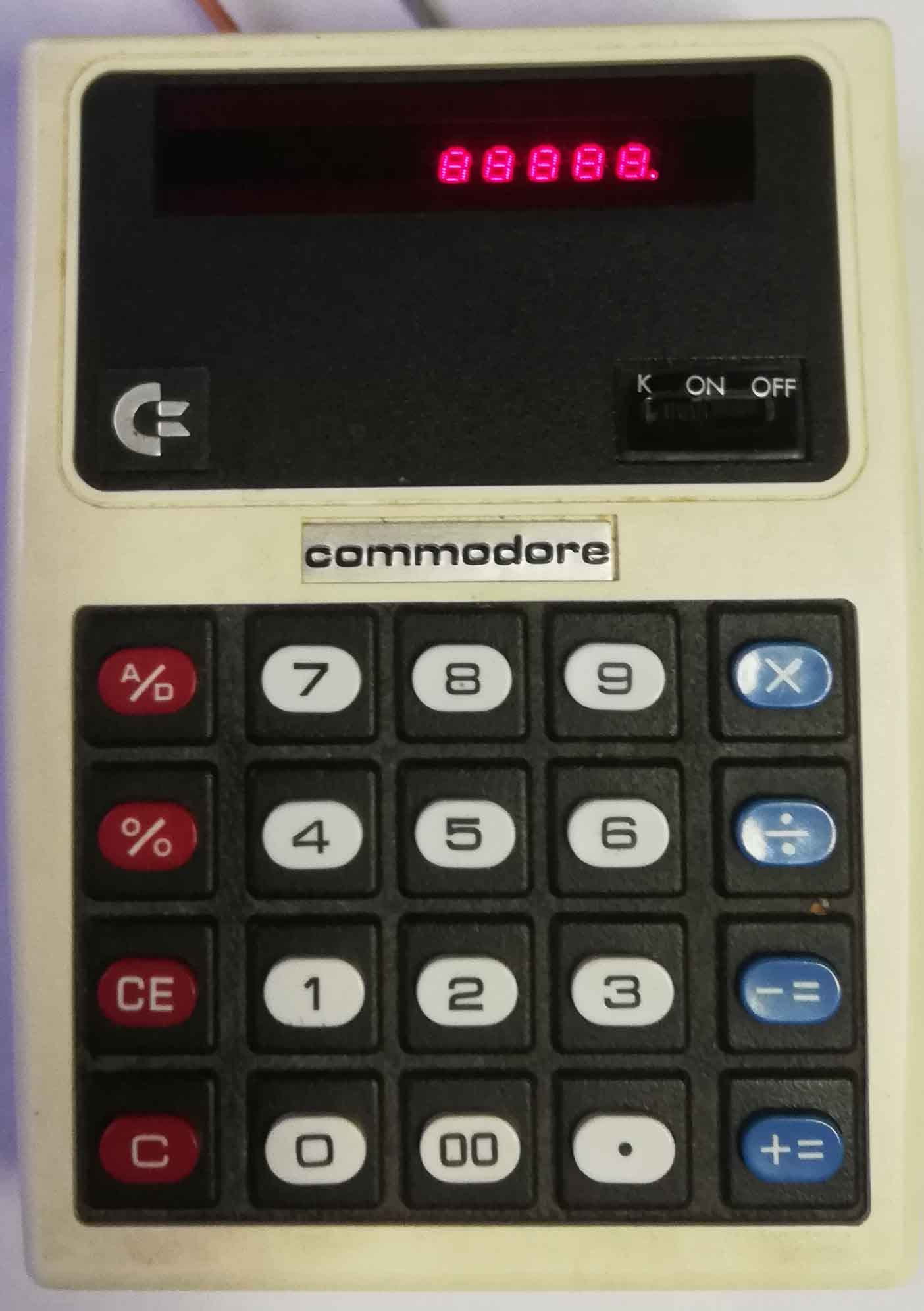
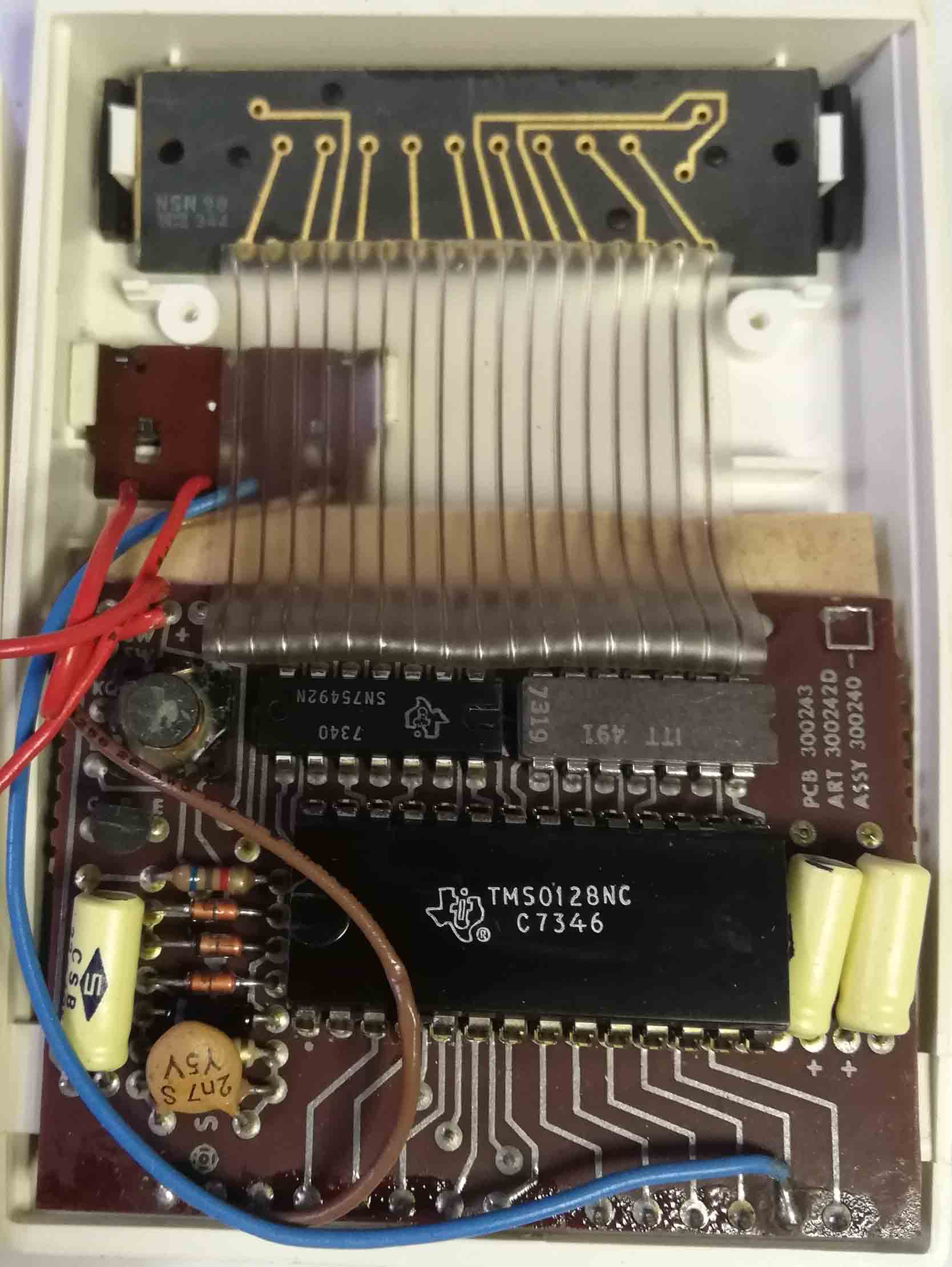
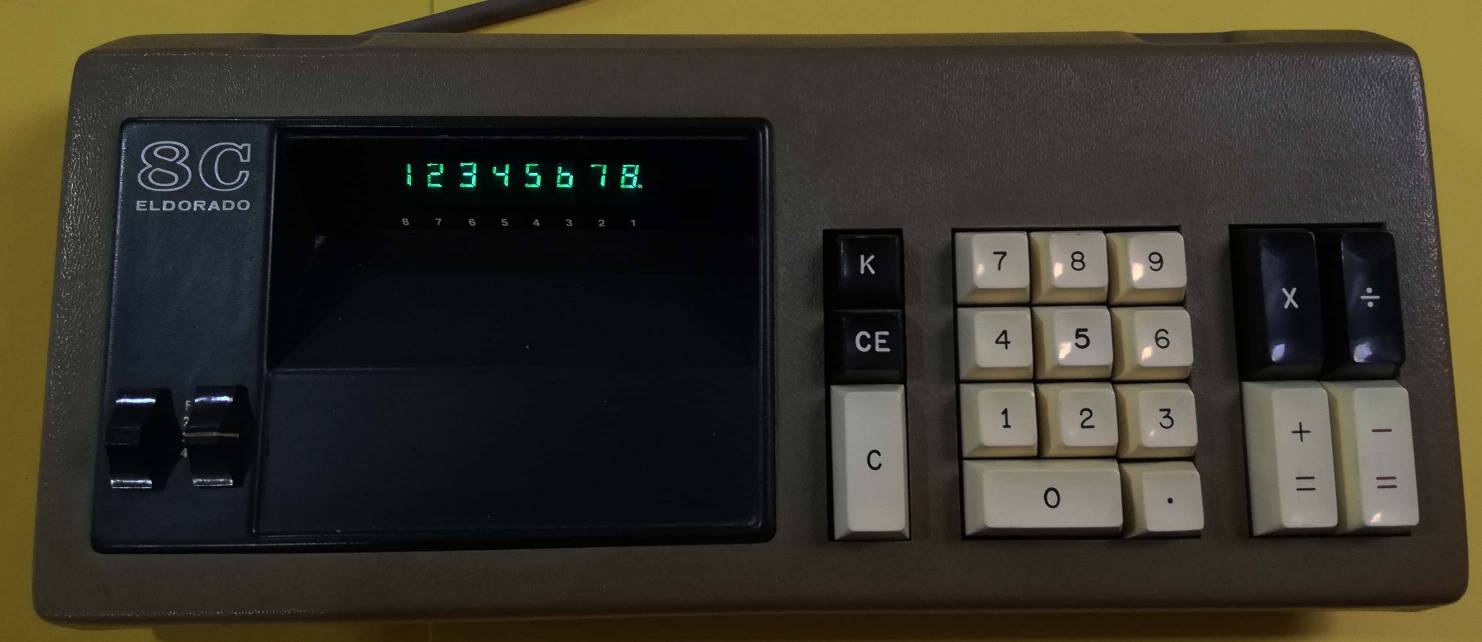
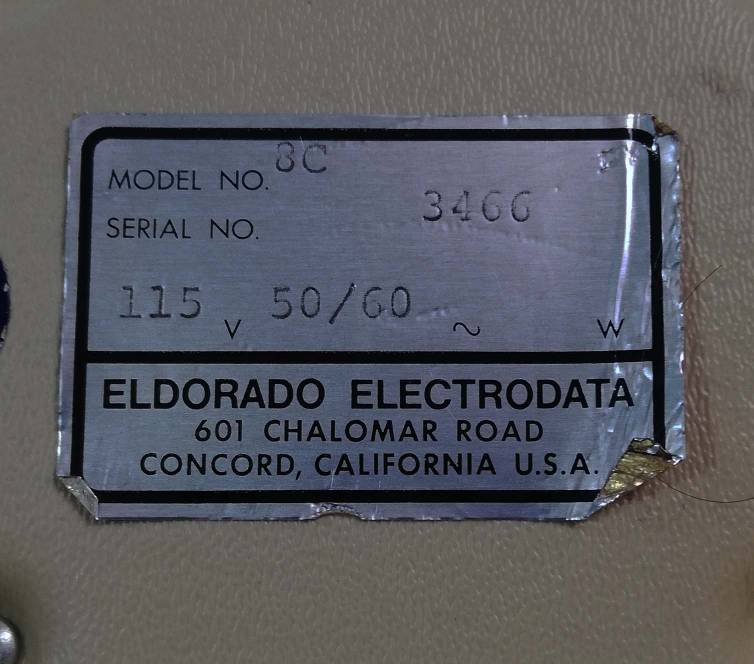
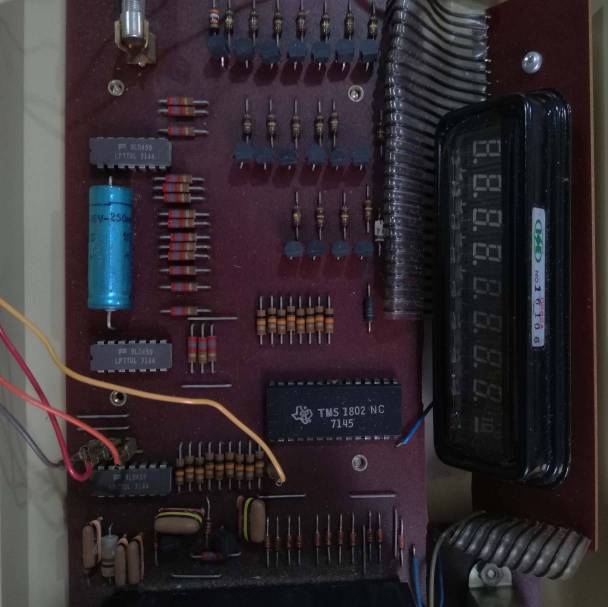
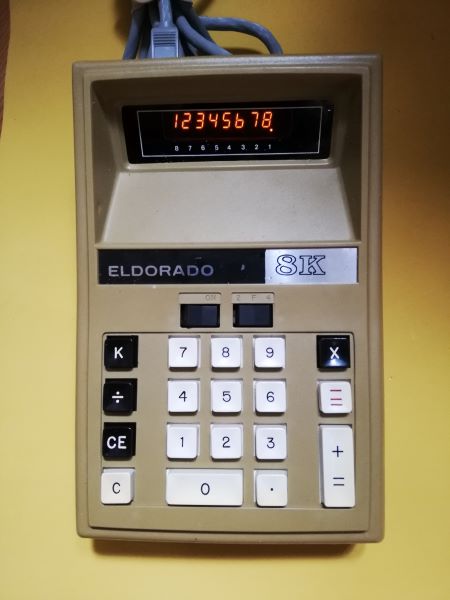
.jpg "eldorado_direct_two (1)")
.jpg "eldorado_direct_two (2)")
.jpg "eldorado_direct_two (3)")
.jpg "eldorado_direct_two (4)")
Warning: No images in specified directory. Please check the directory!
Debug: specified directory - https://facele.eu/images/calculators_noti/Exactra
.jpg "dog_vanity_fair (1)")
.jpg "dog_vanity_fair (2)")
.jpg "dog_vanity_fair (3)")
.jpg "dog_vanity_fair (4)")
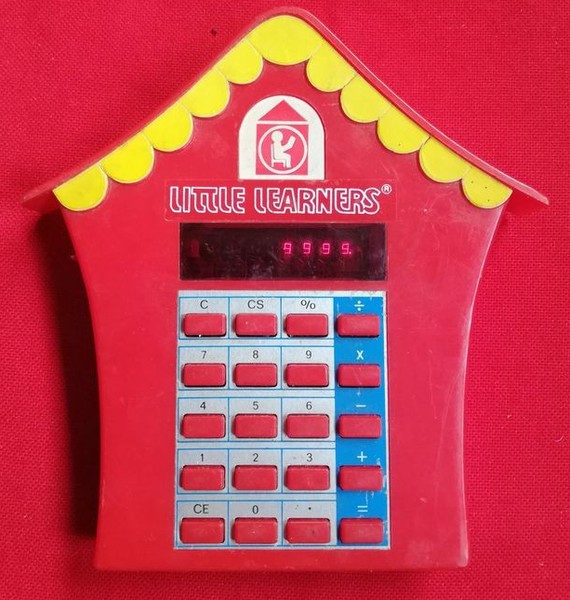
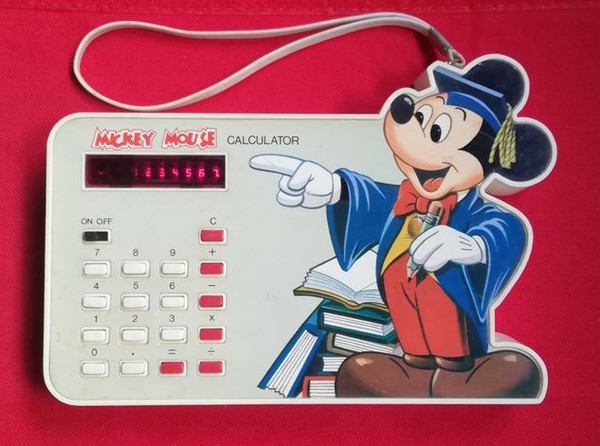
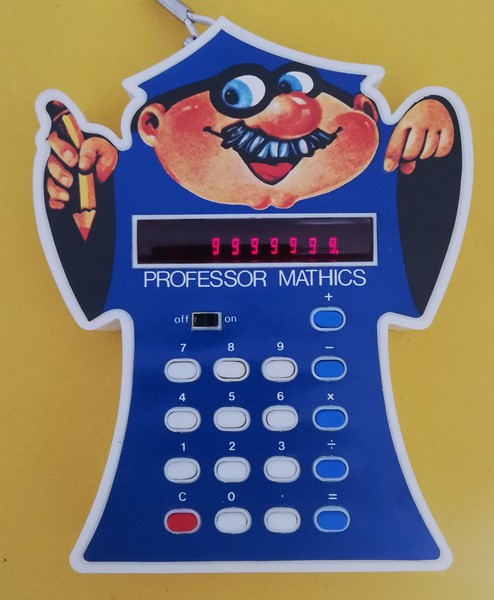
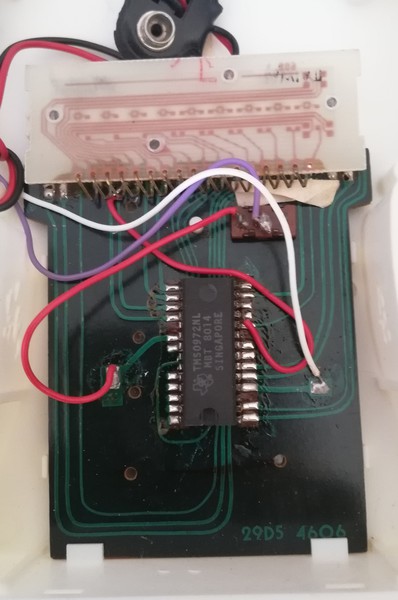
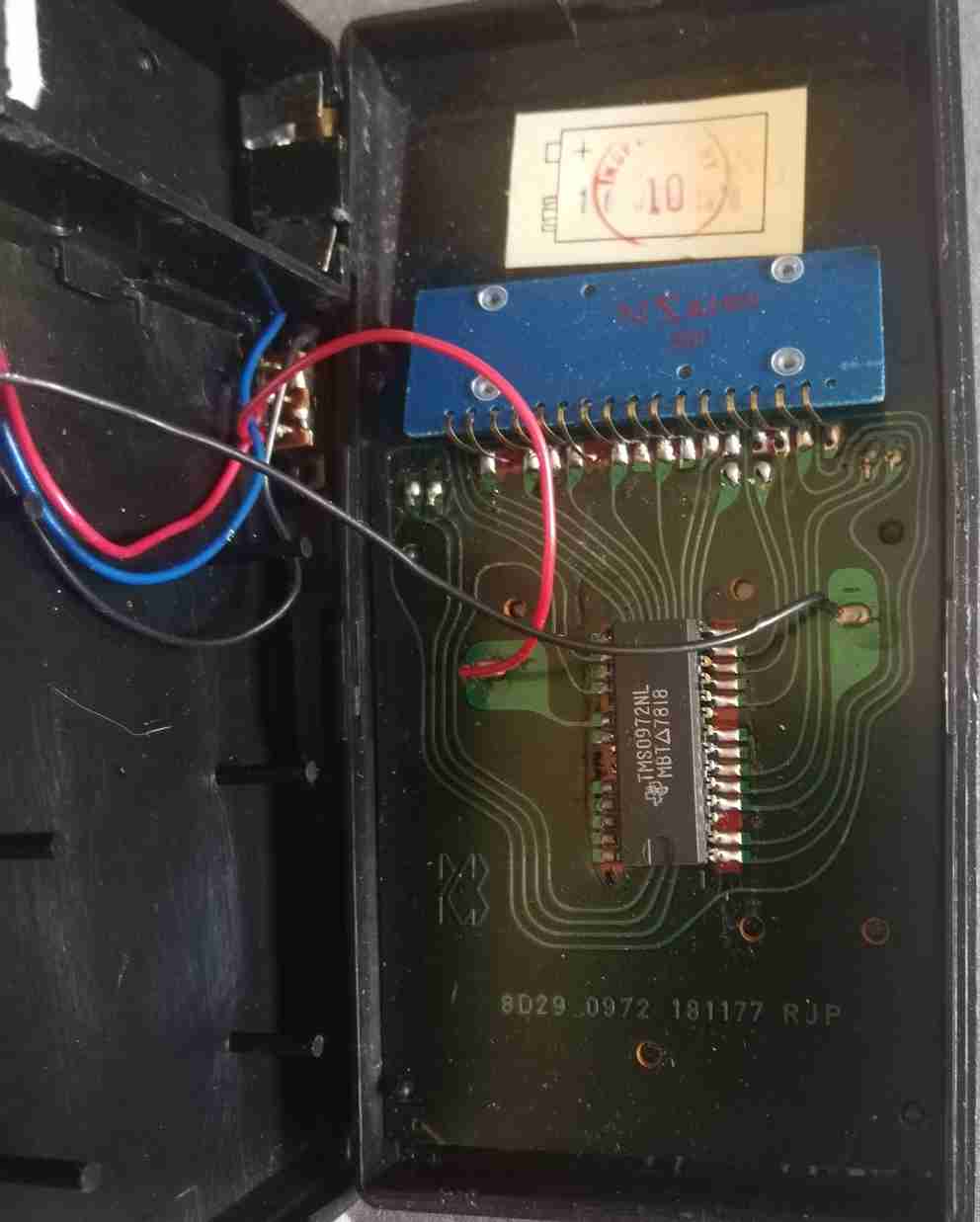

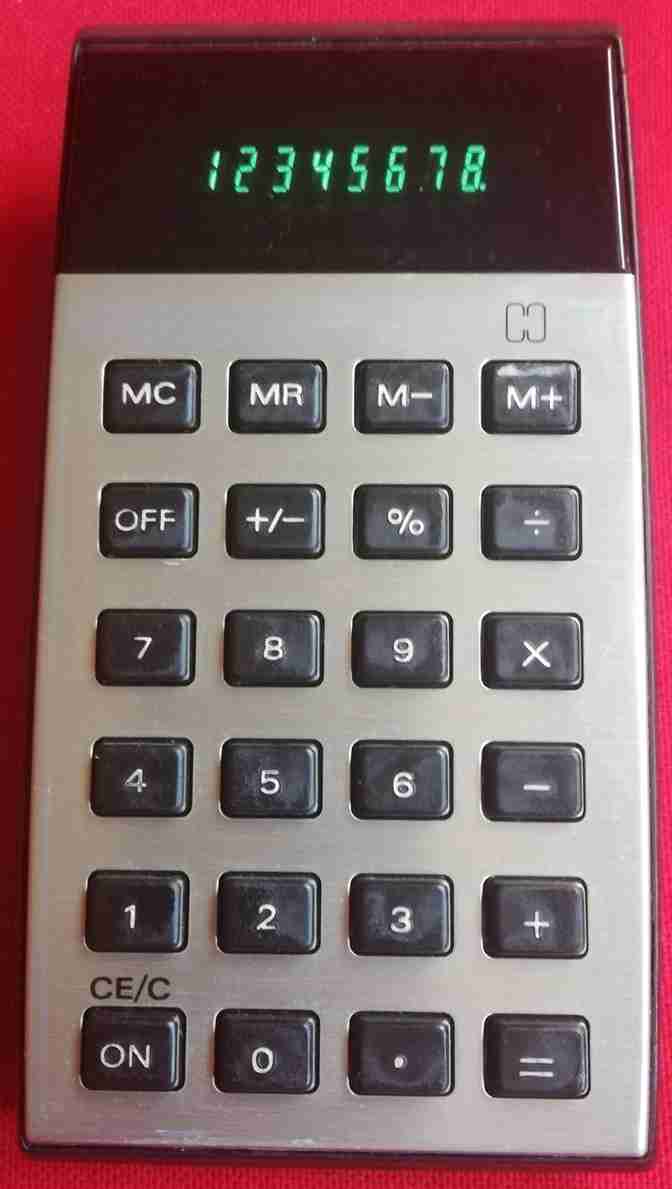
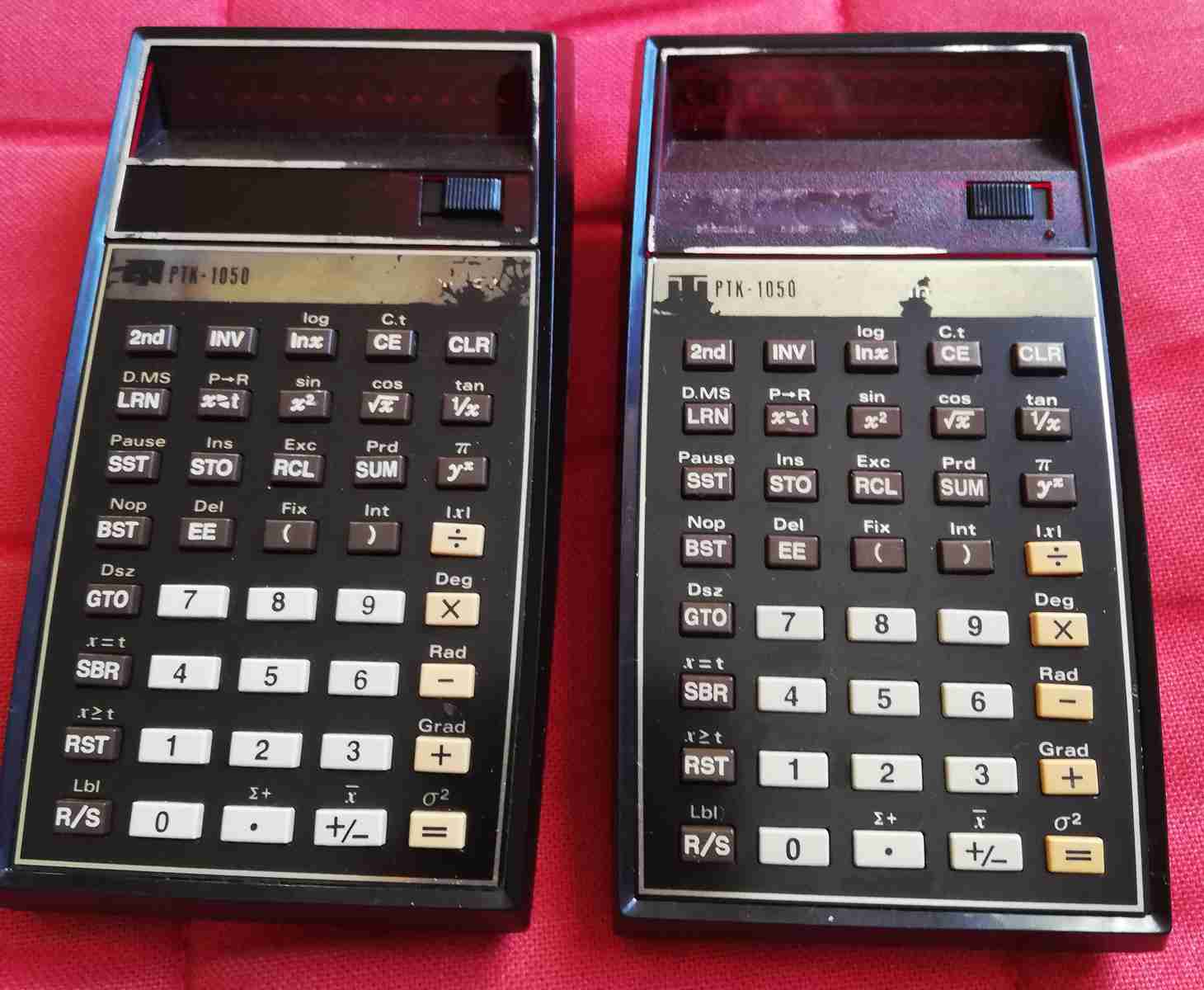
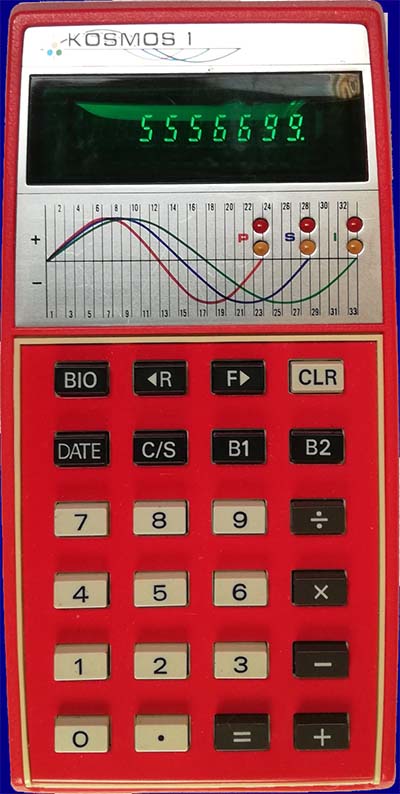
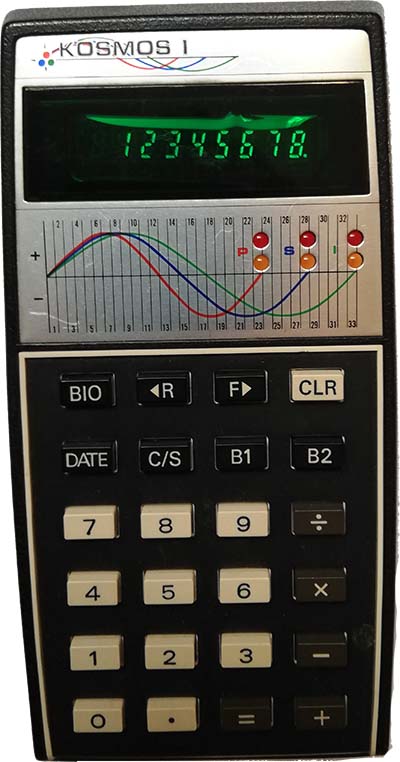
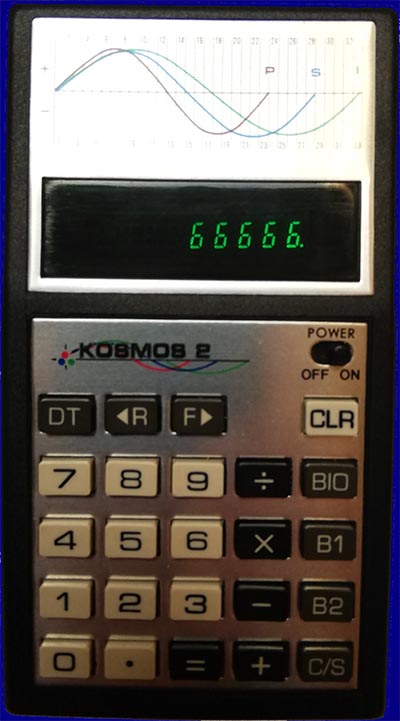
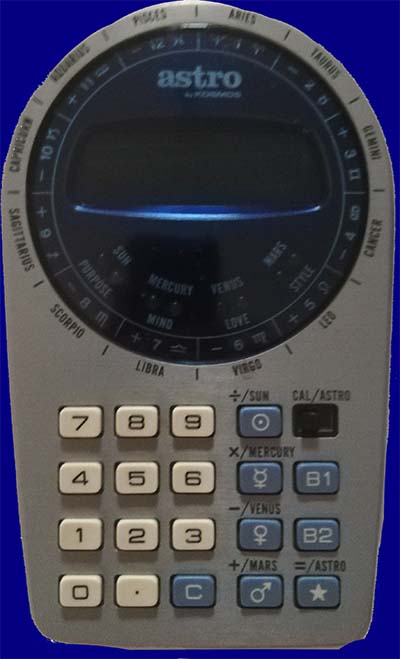
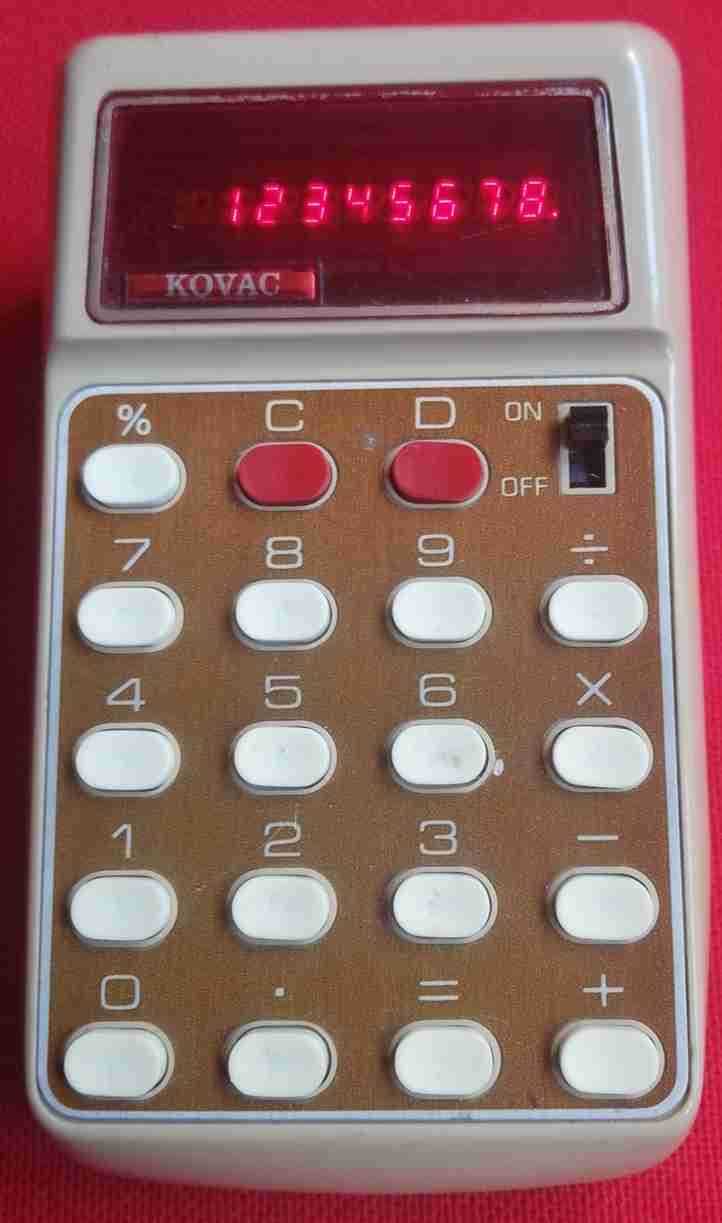
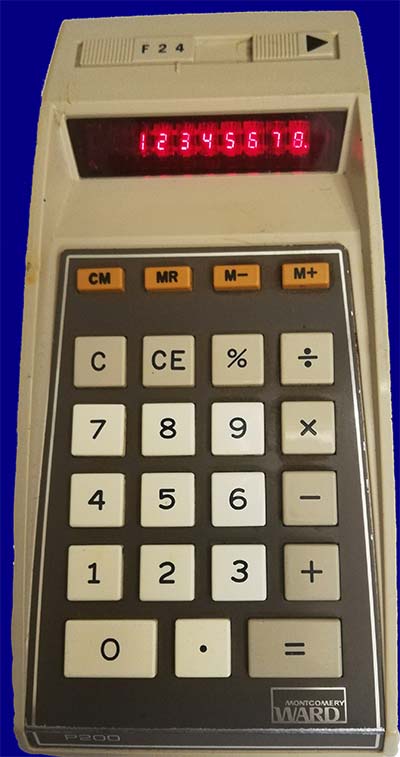
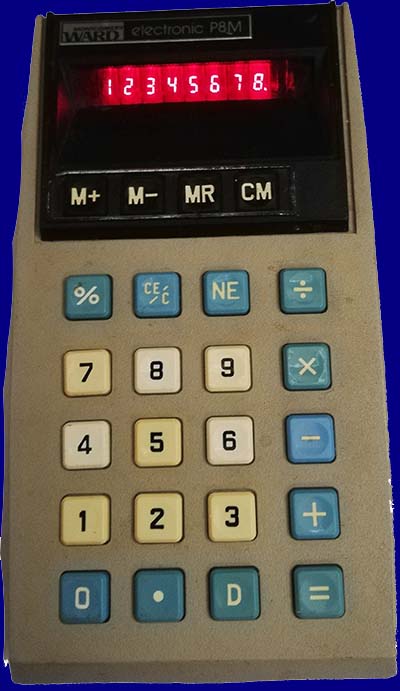
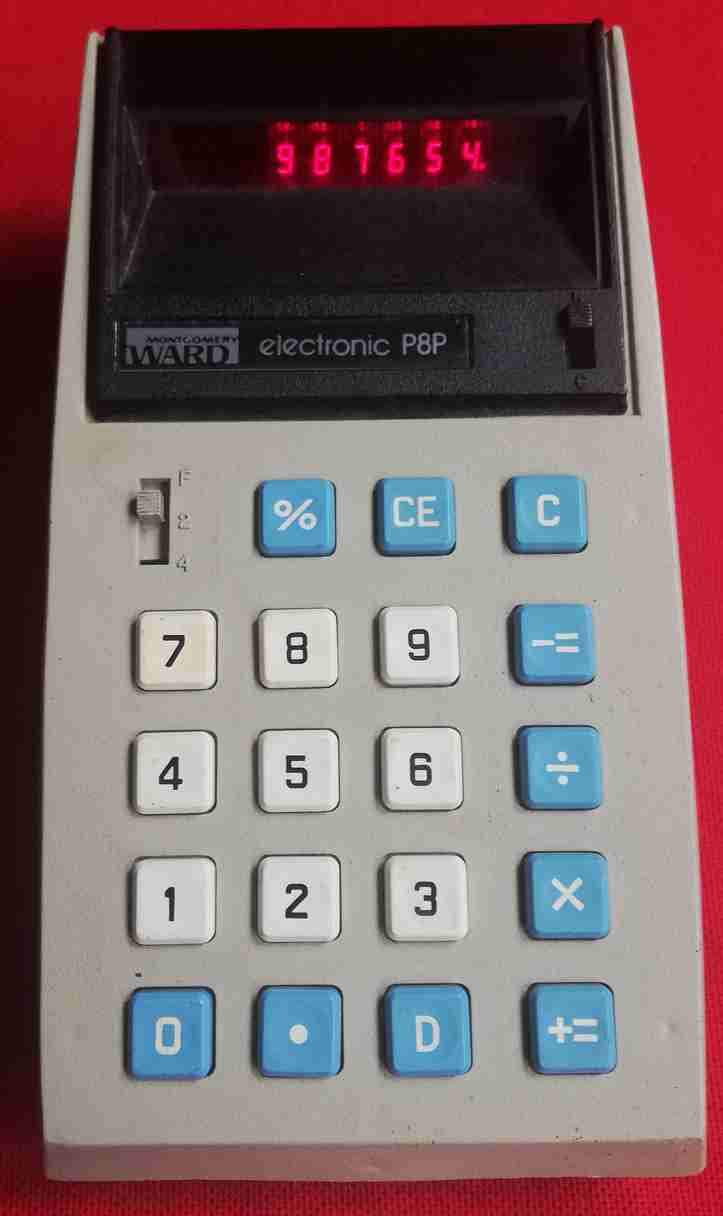
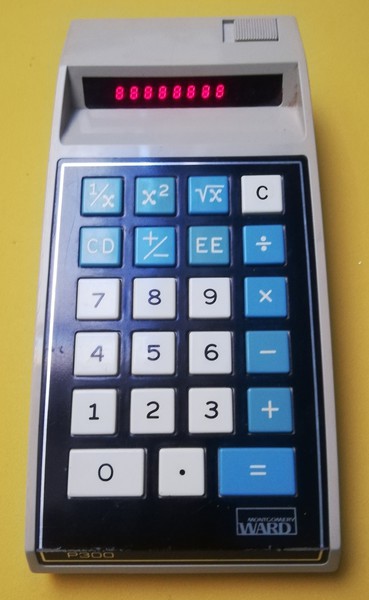
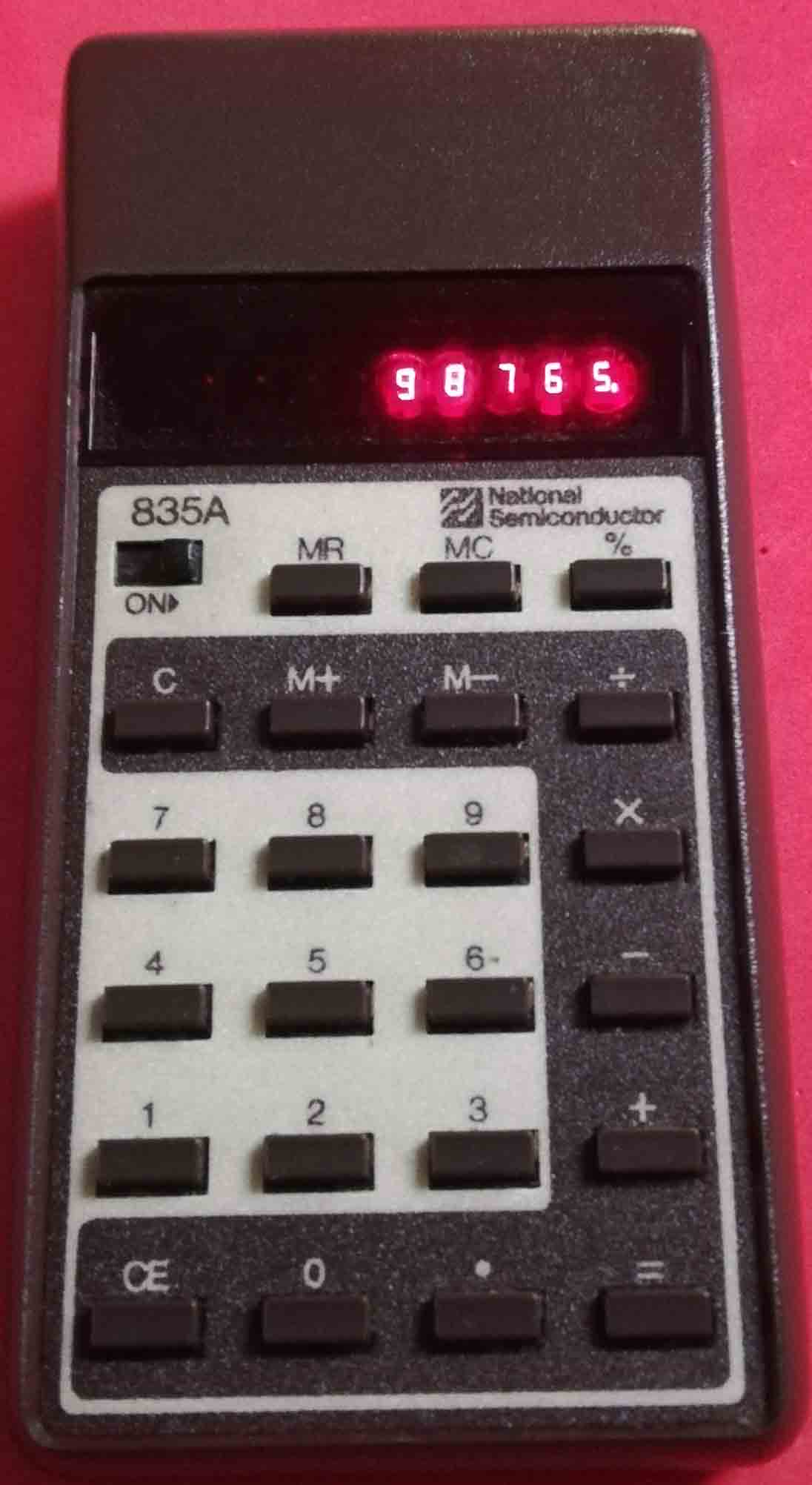
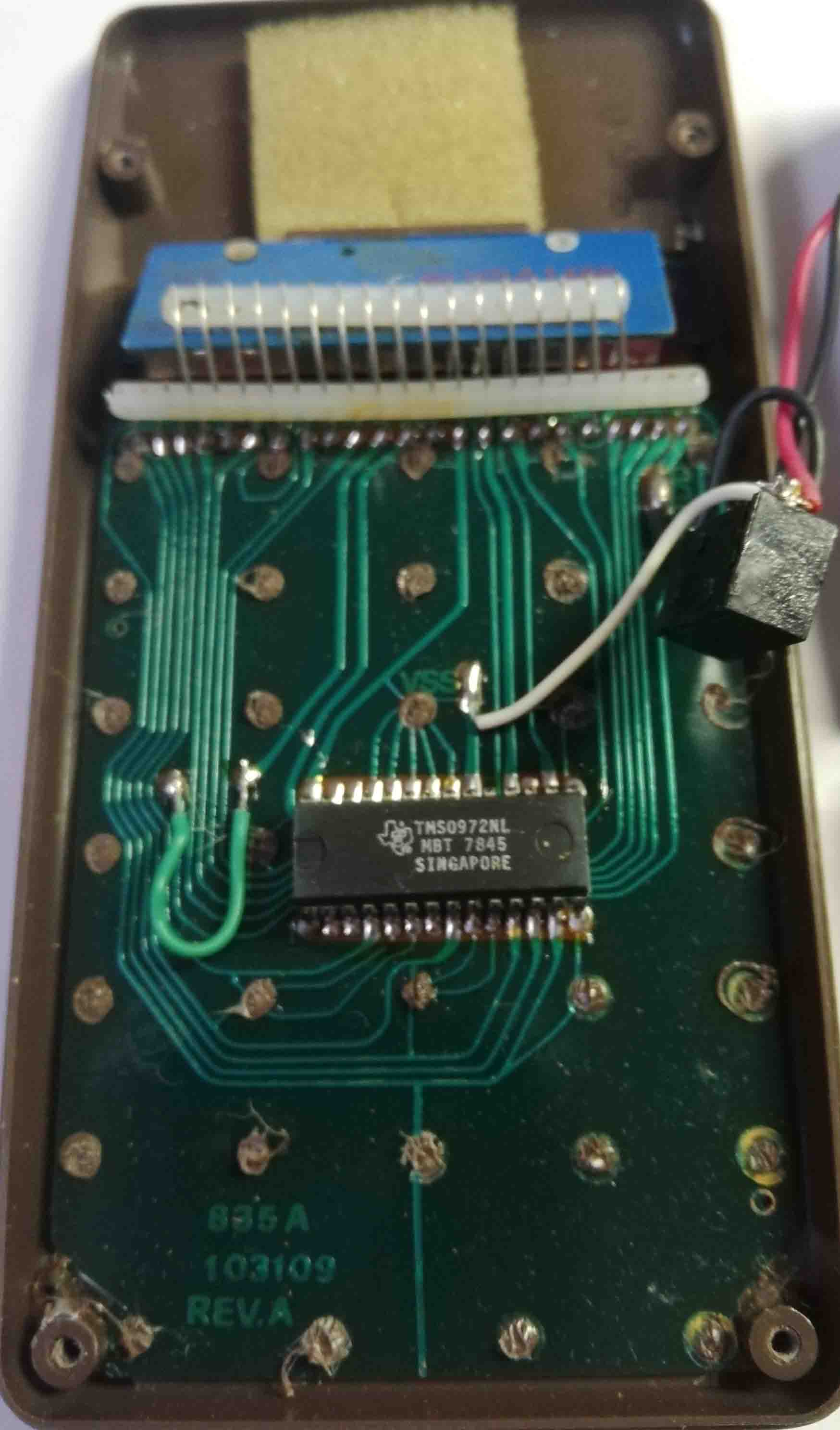
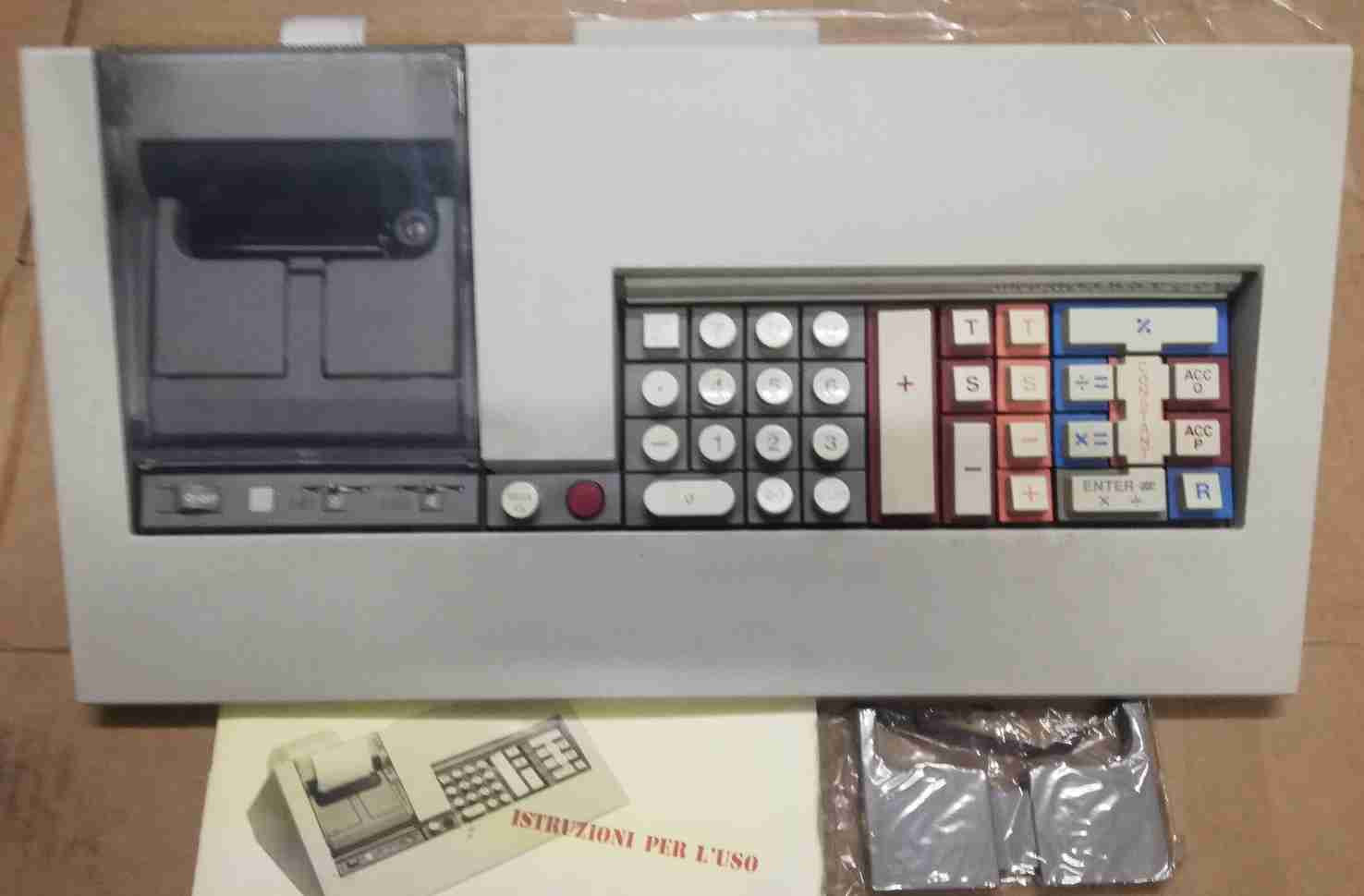
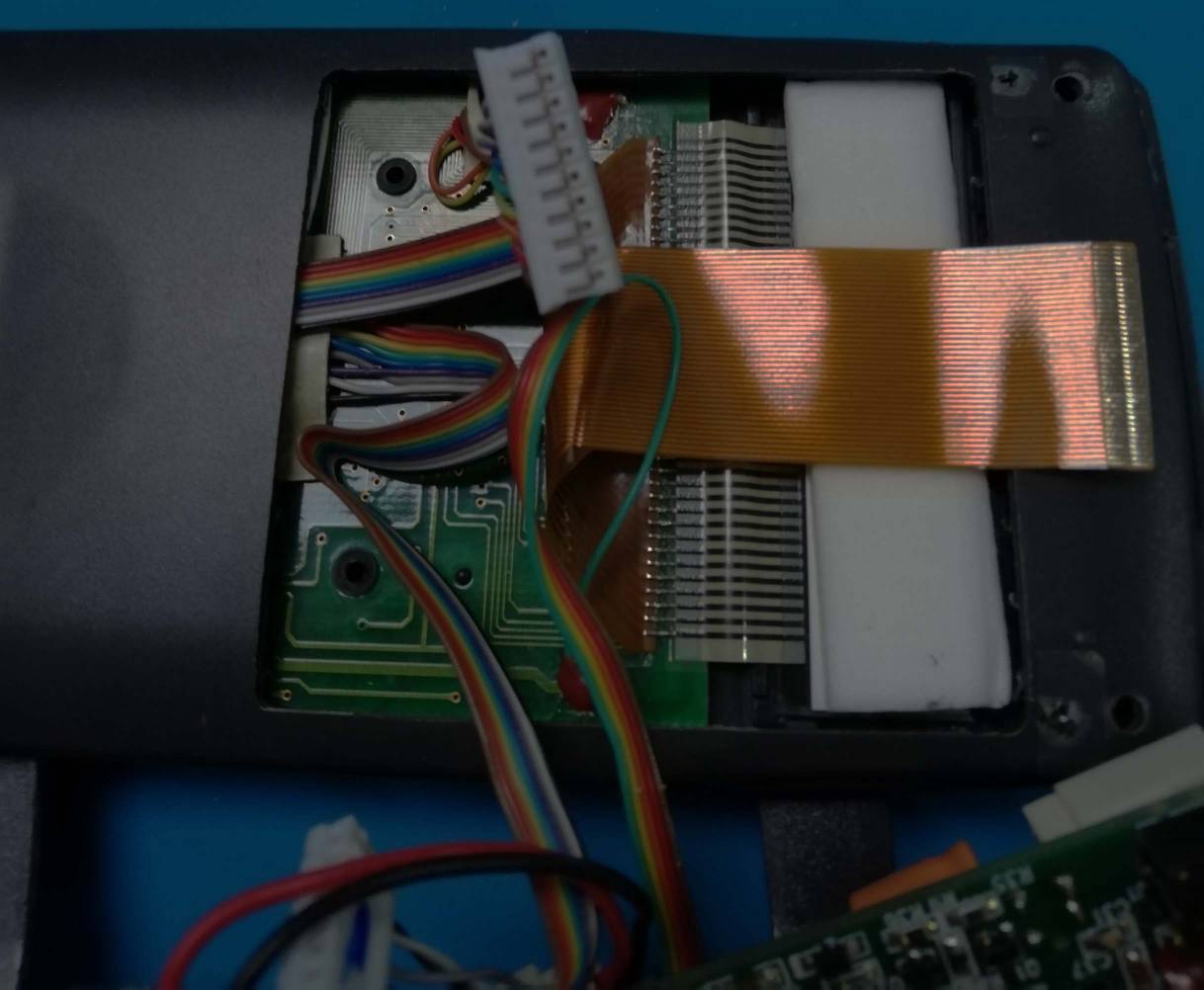
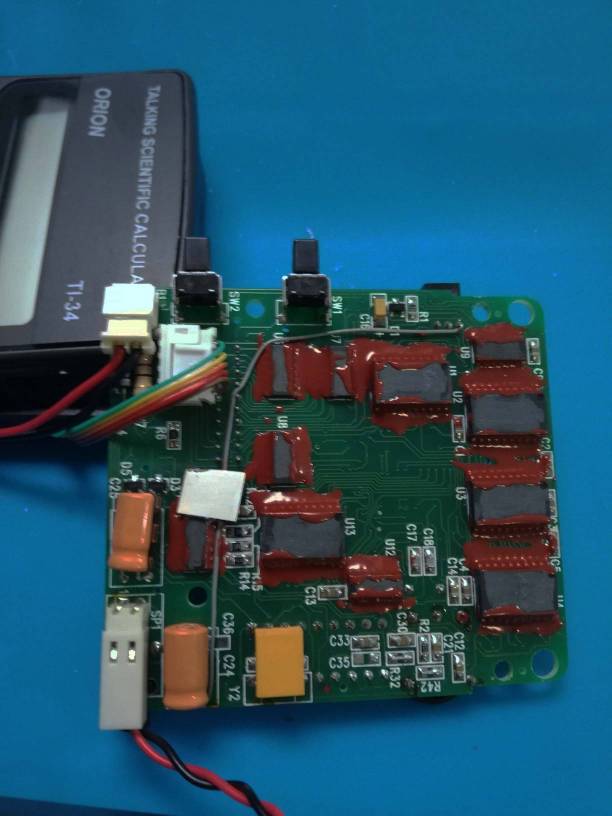
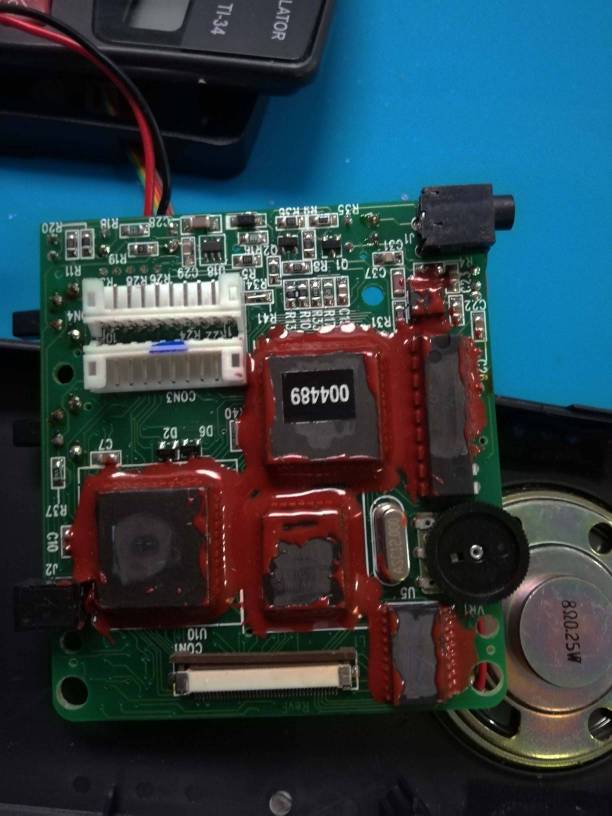
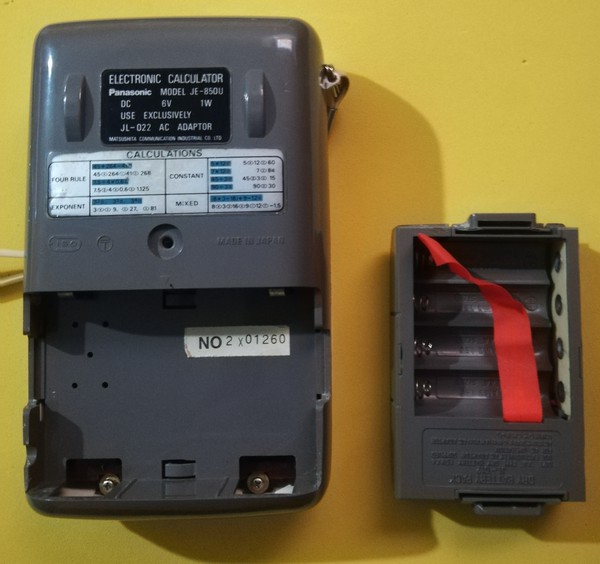
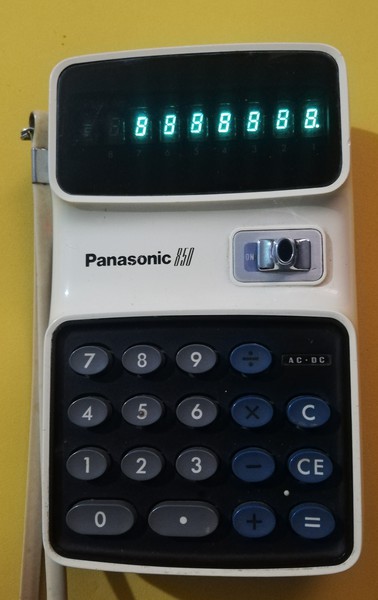
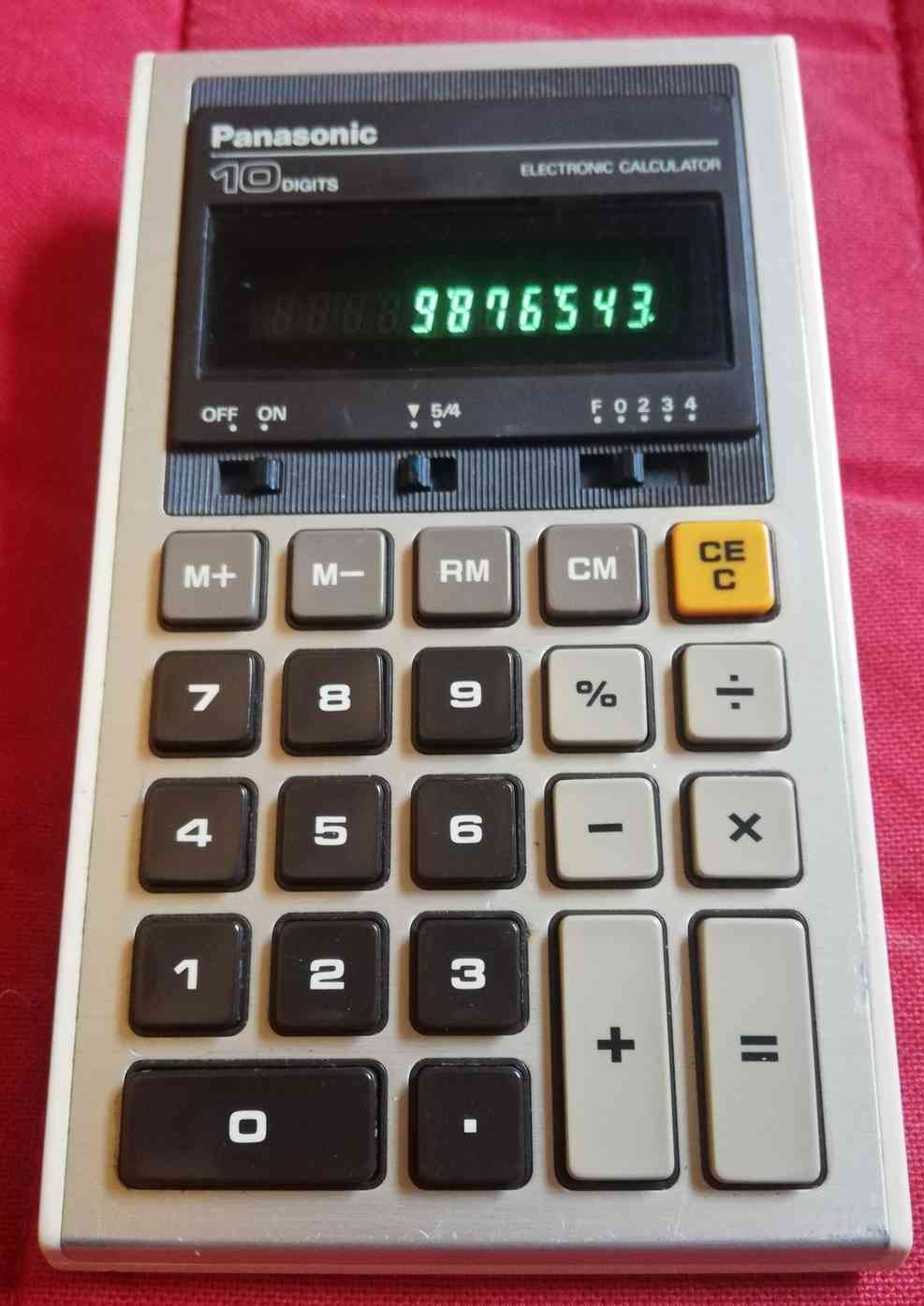
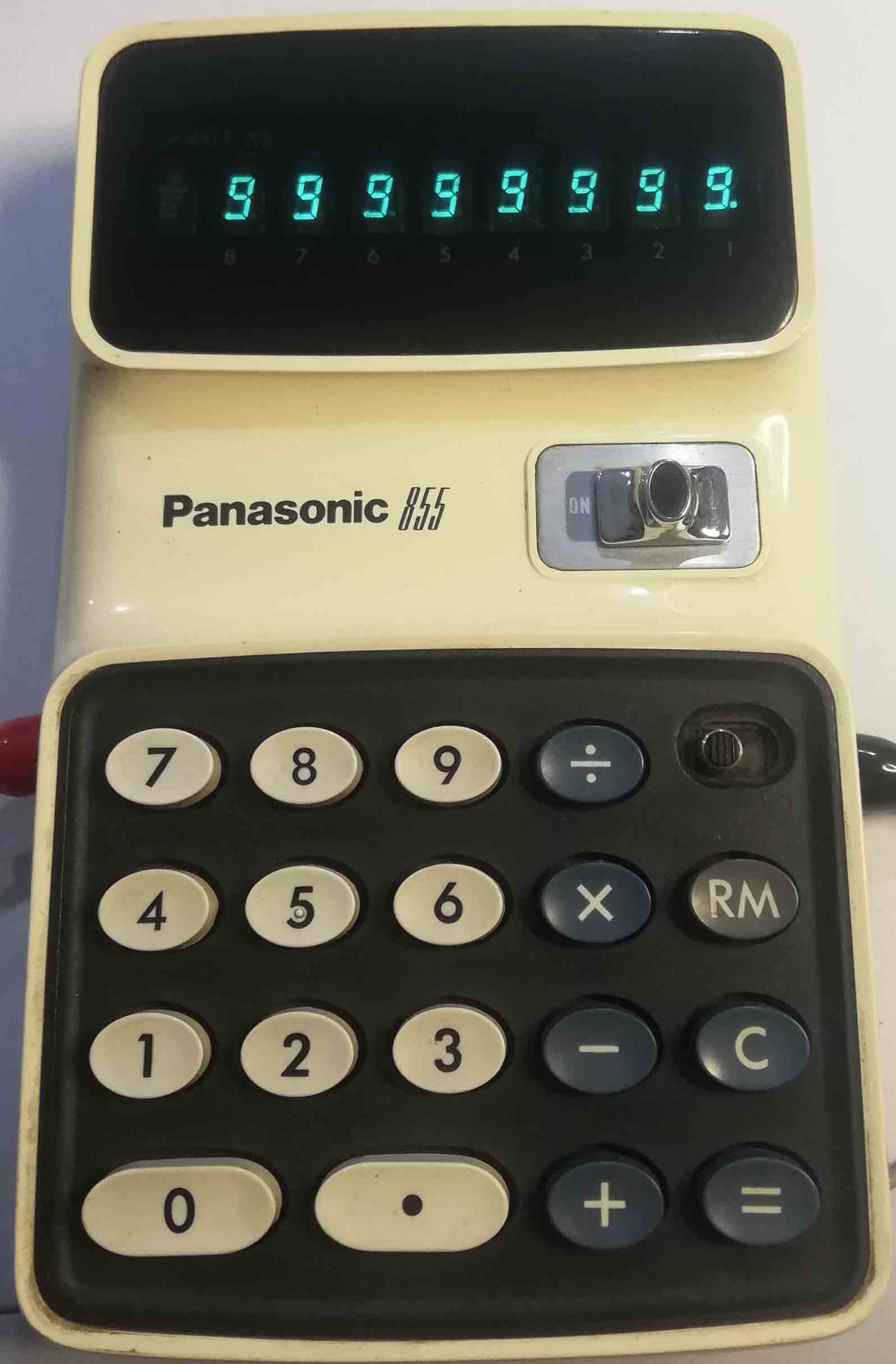
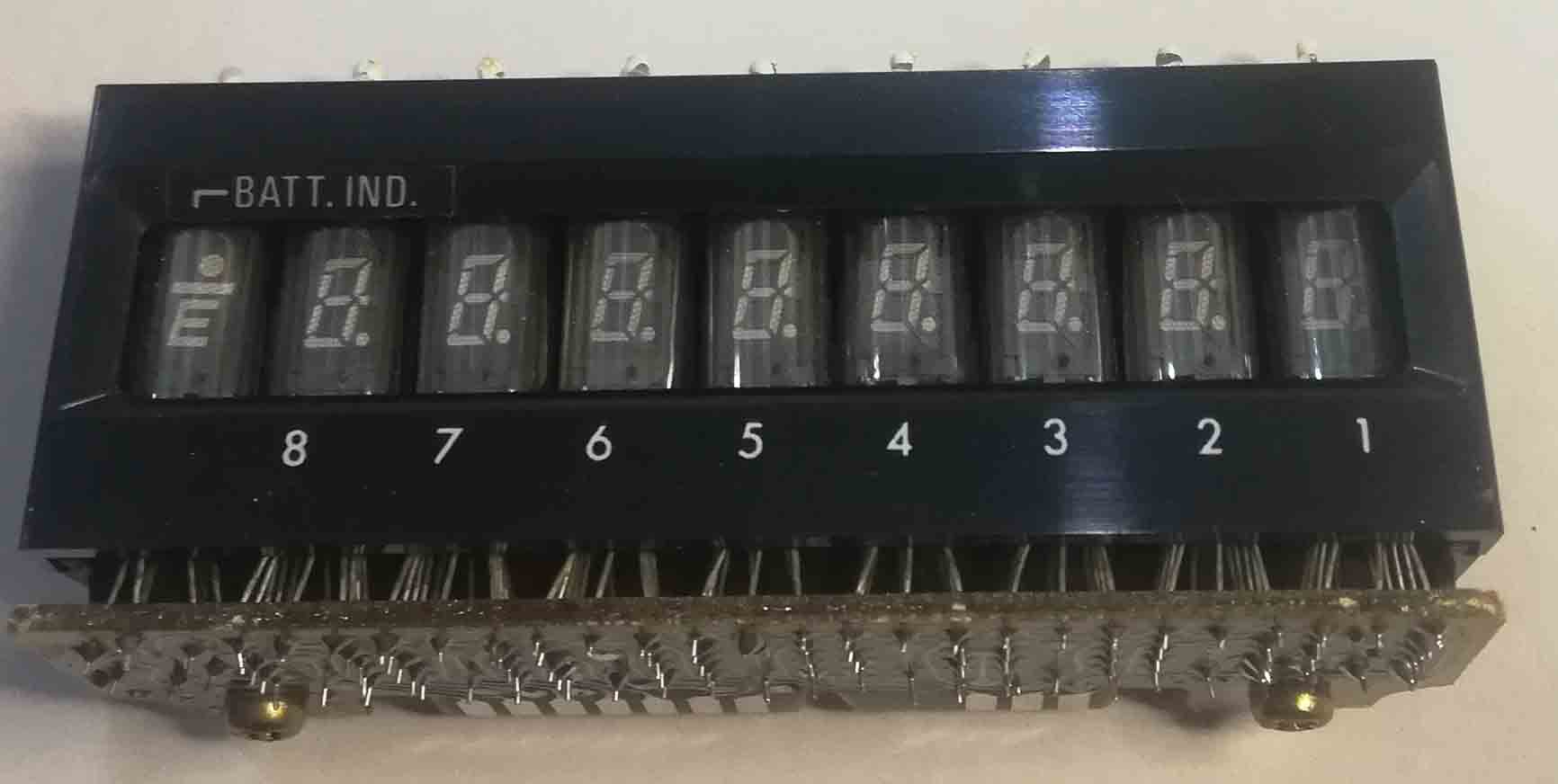
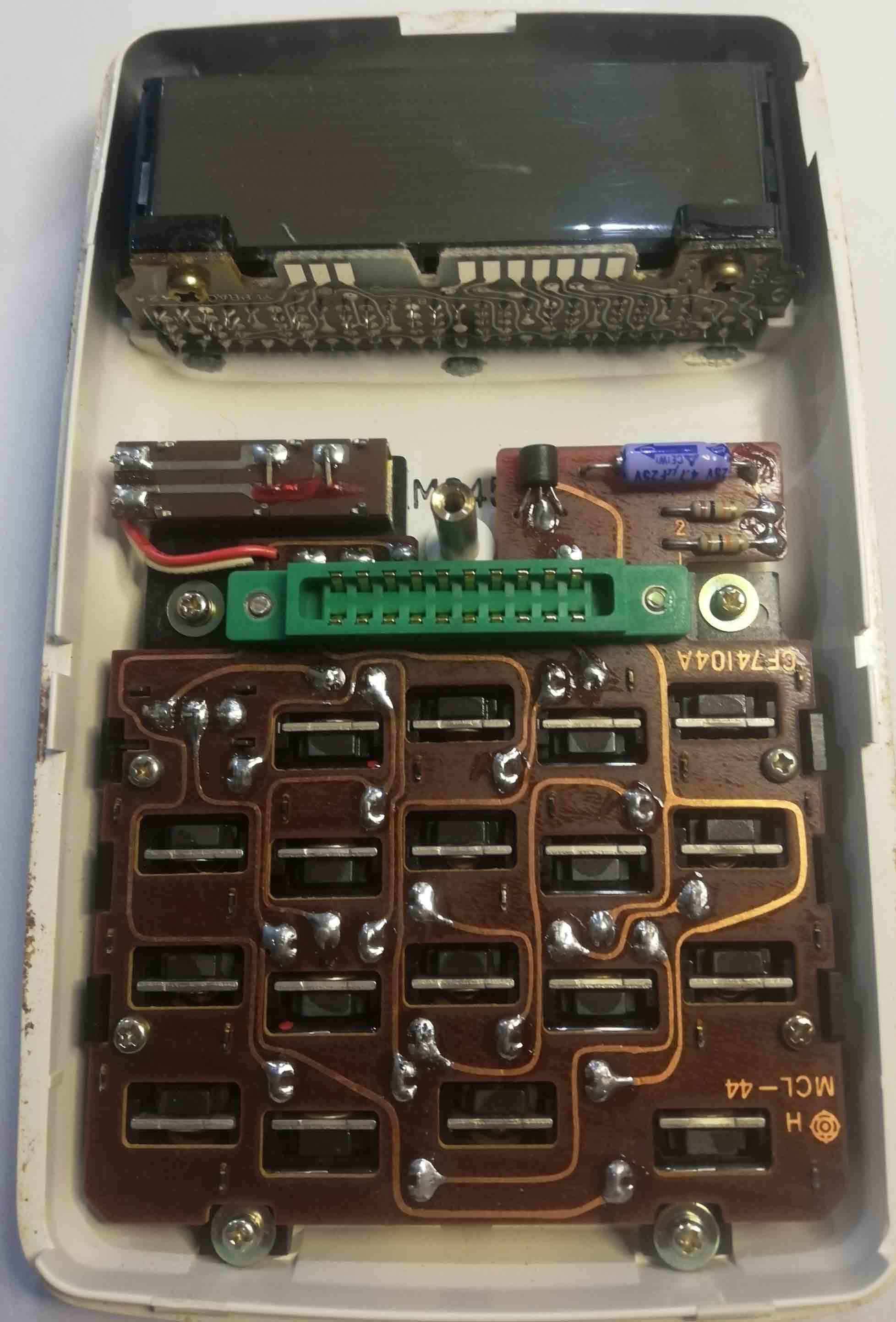
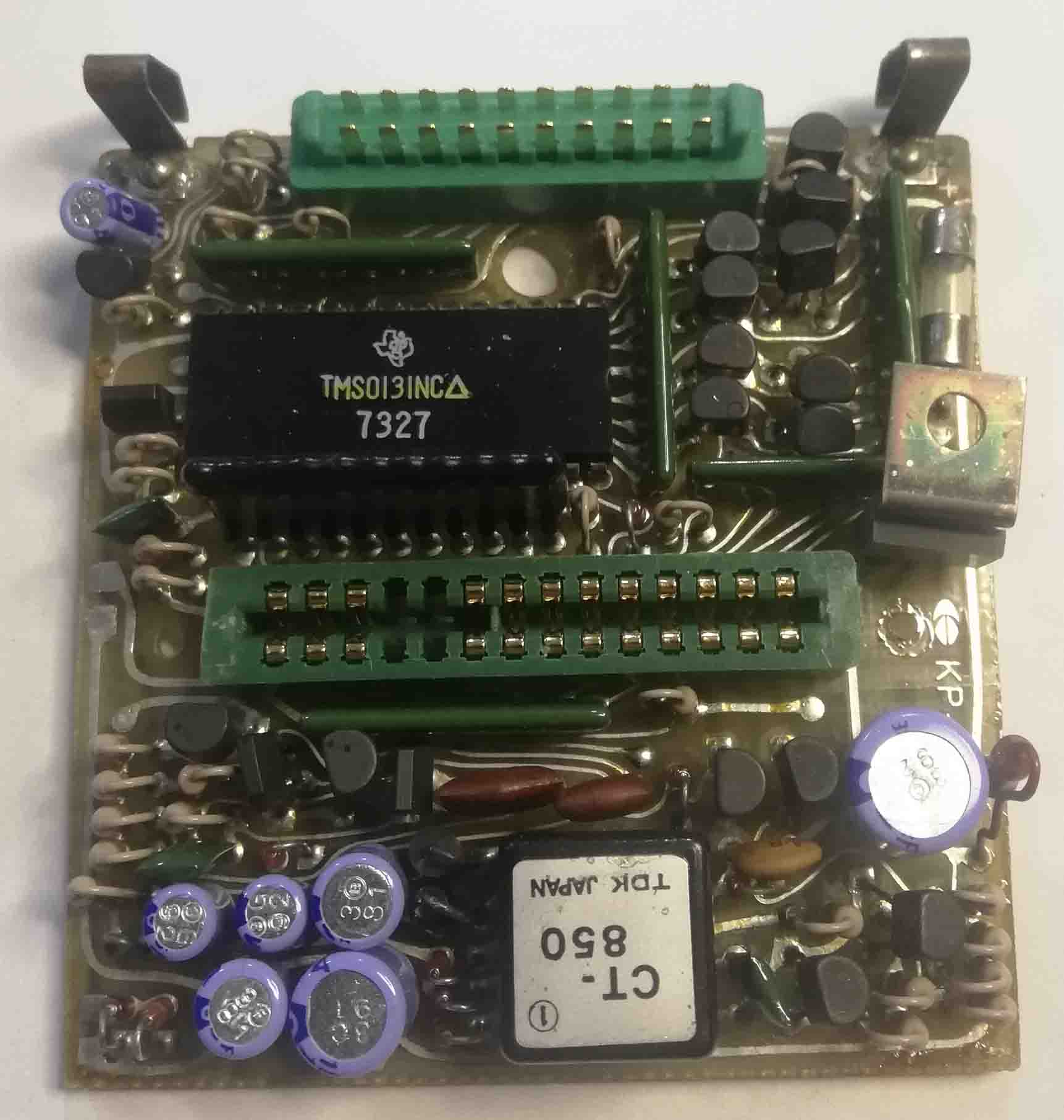
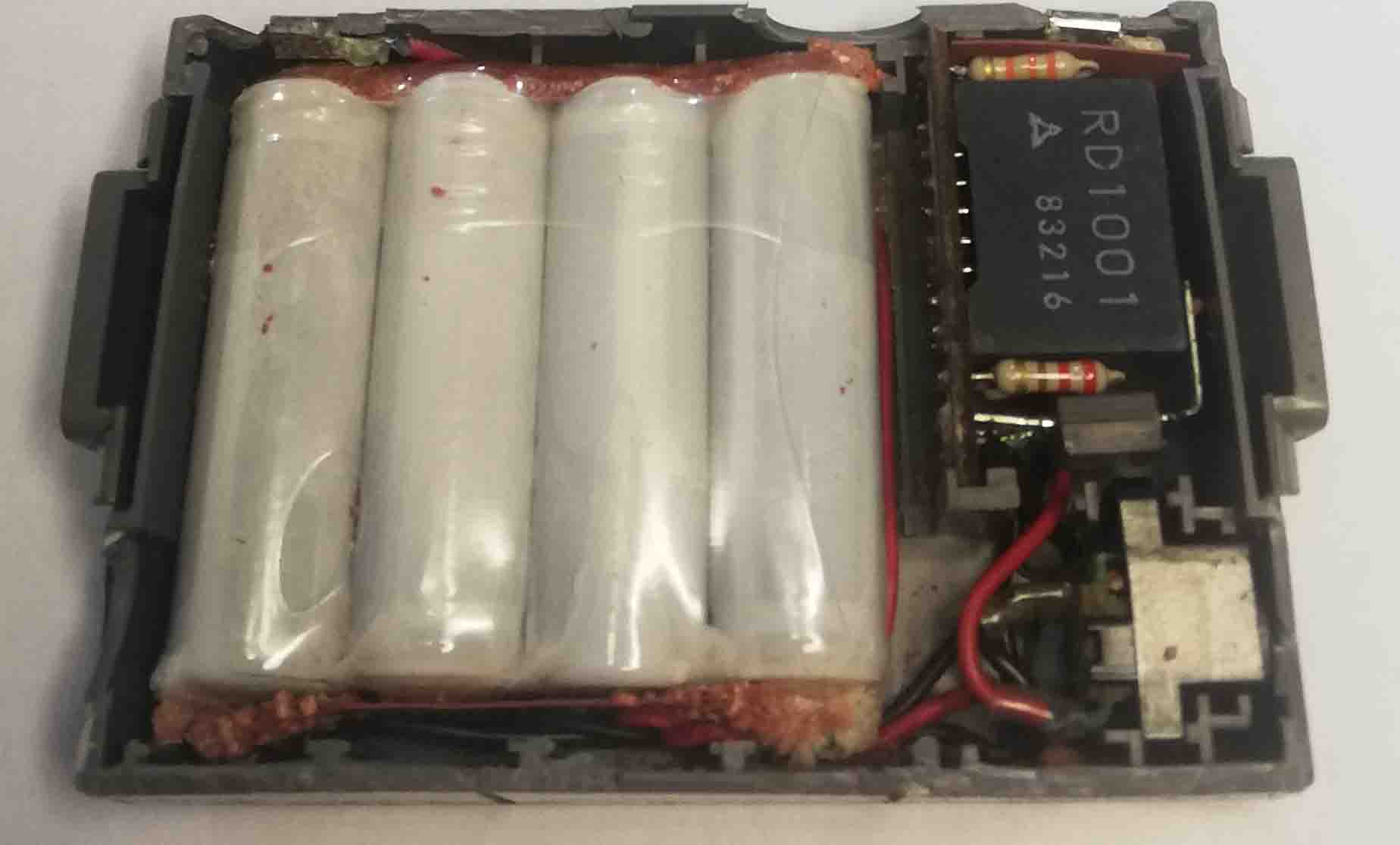
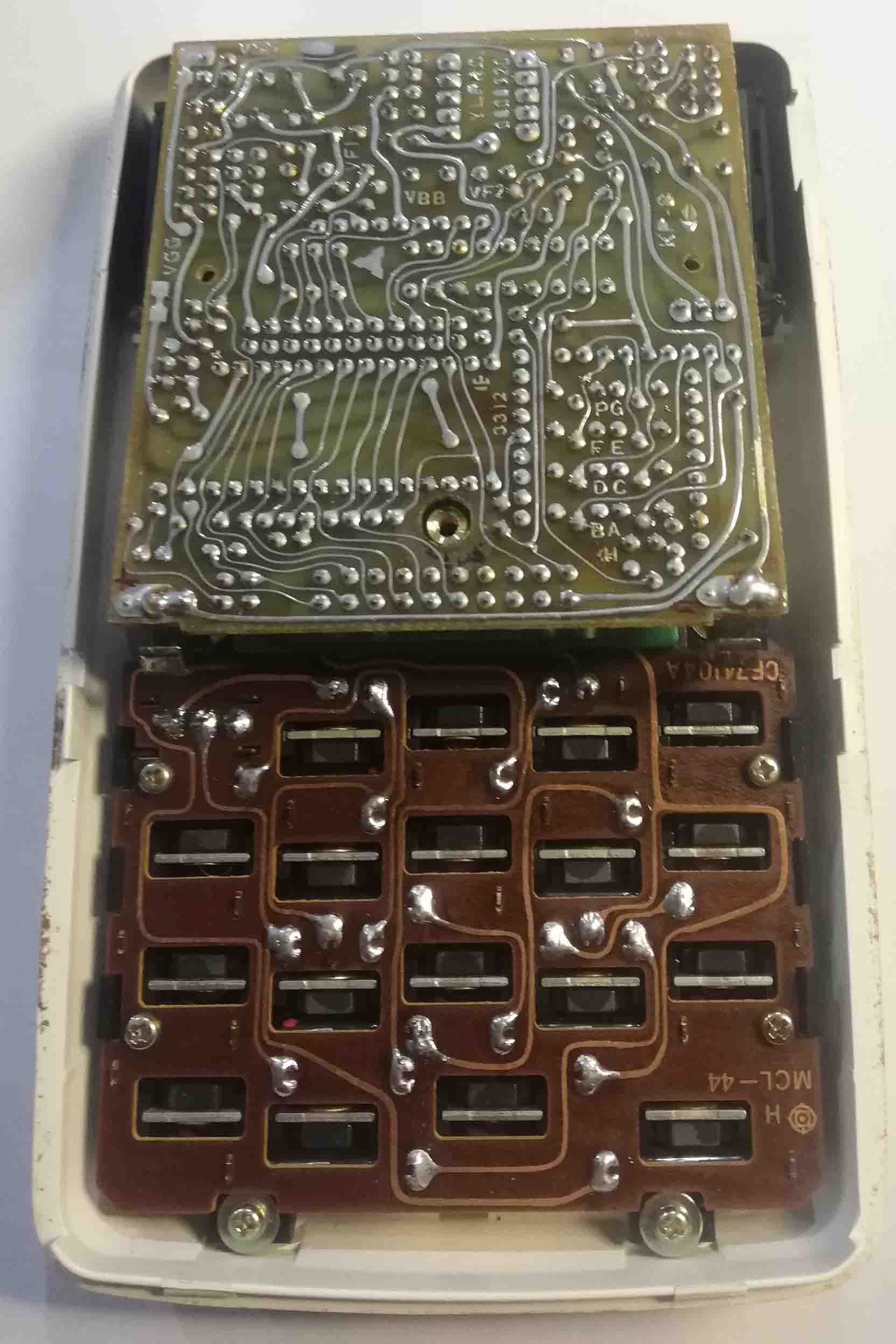




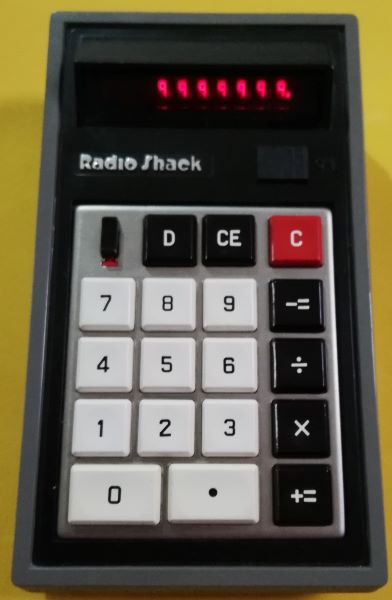
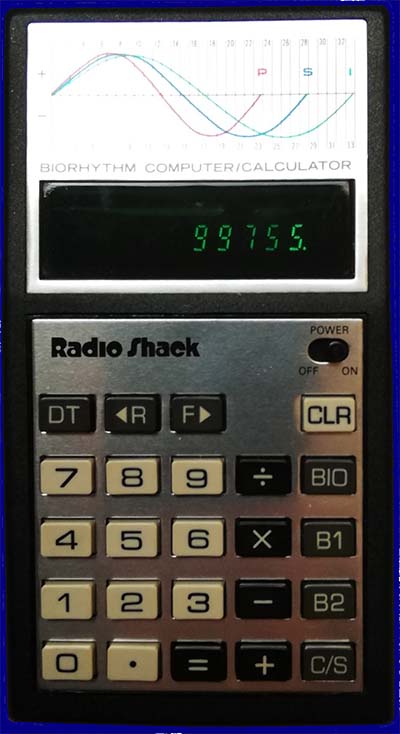
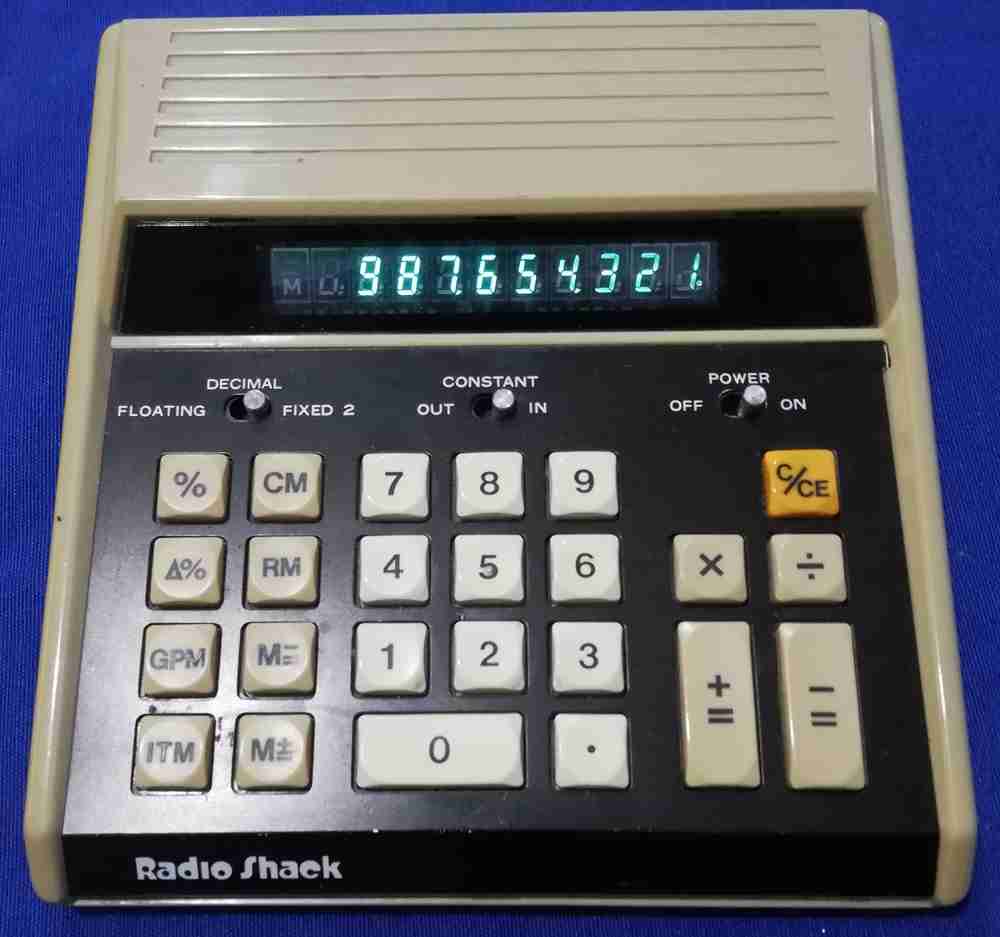
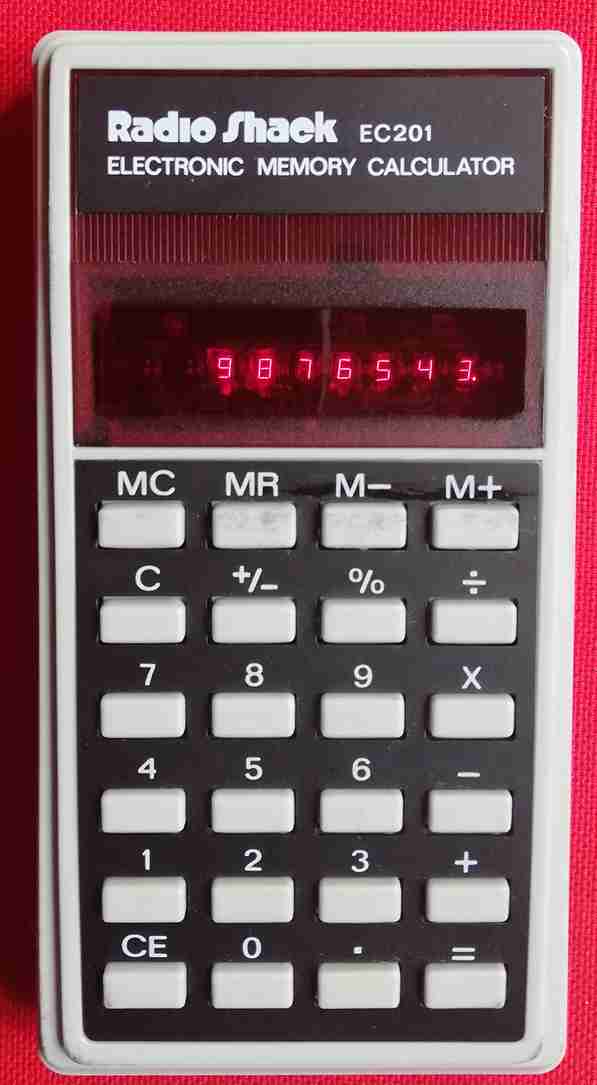
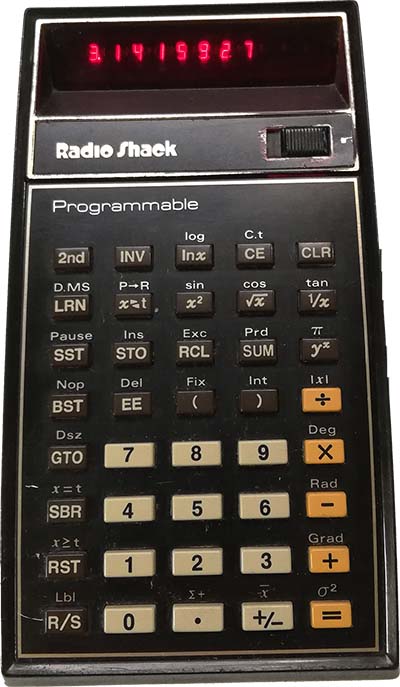
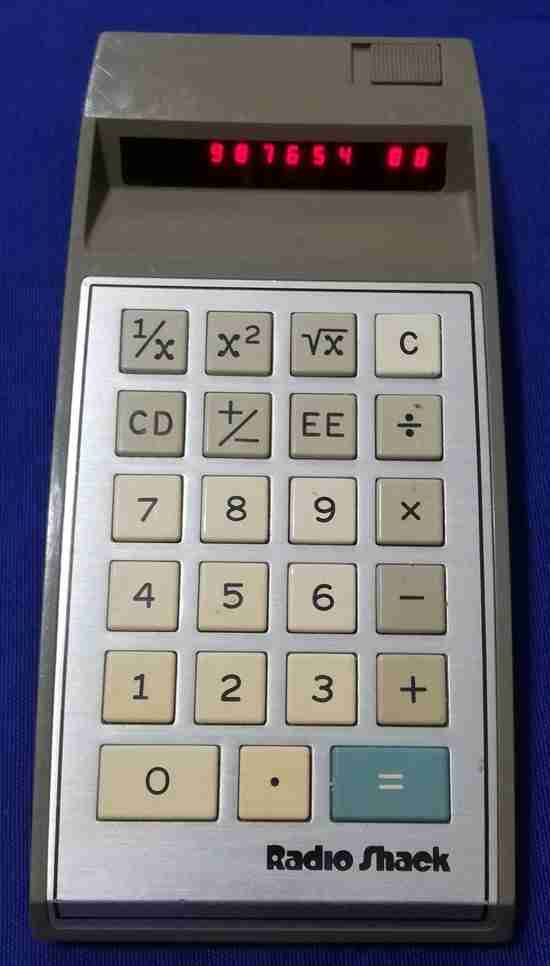
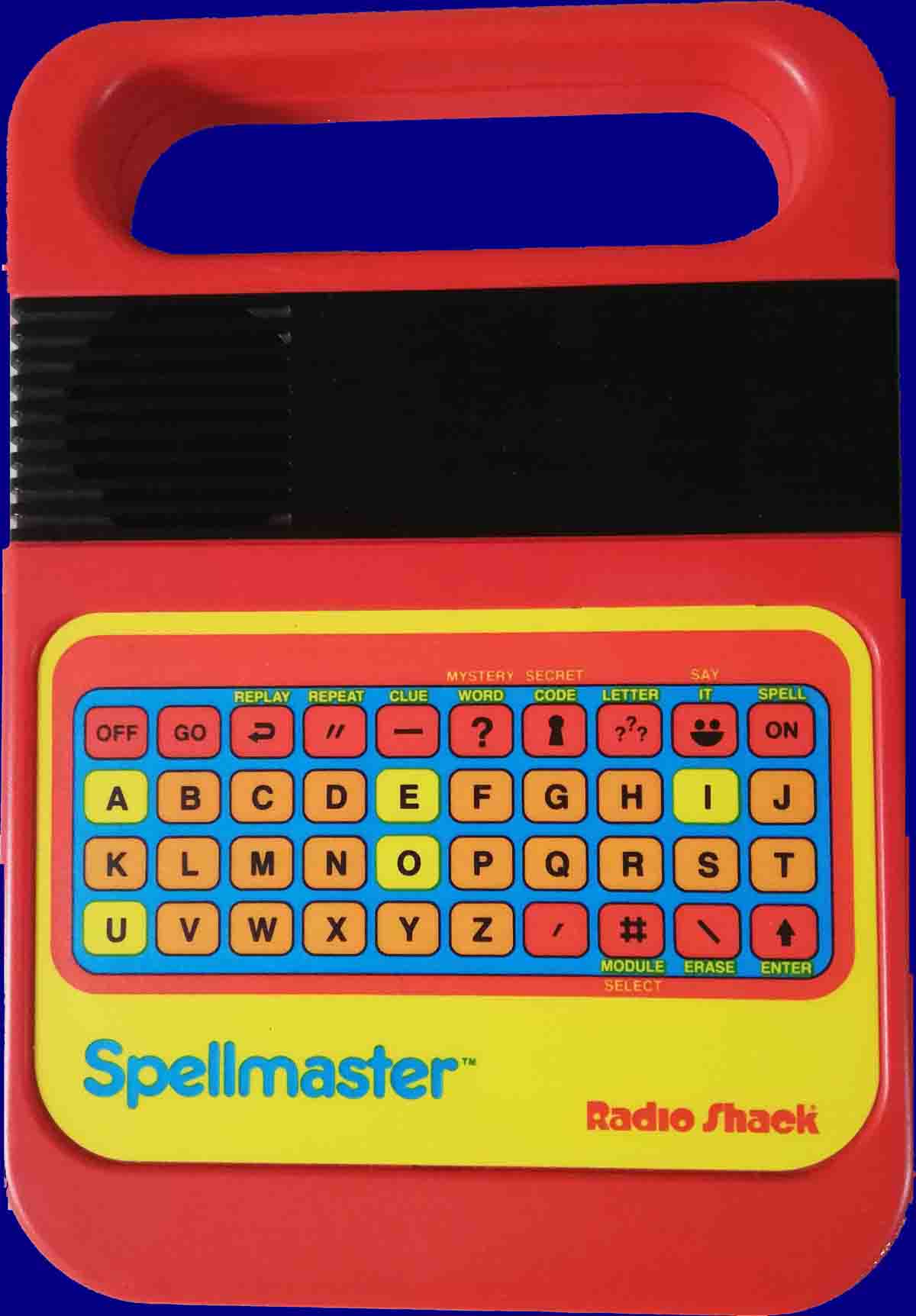
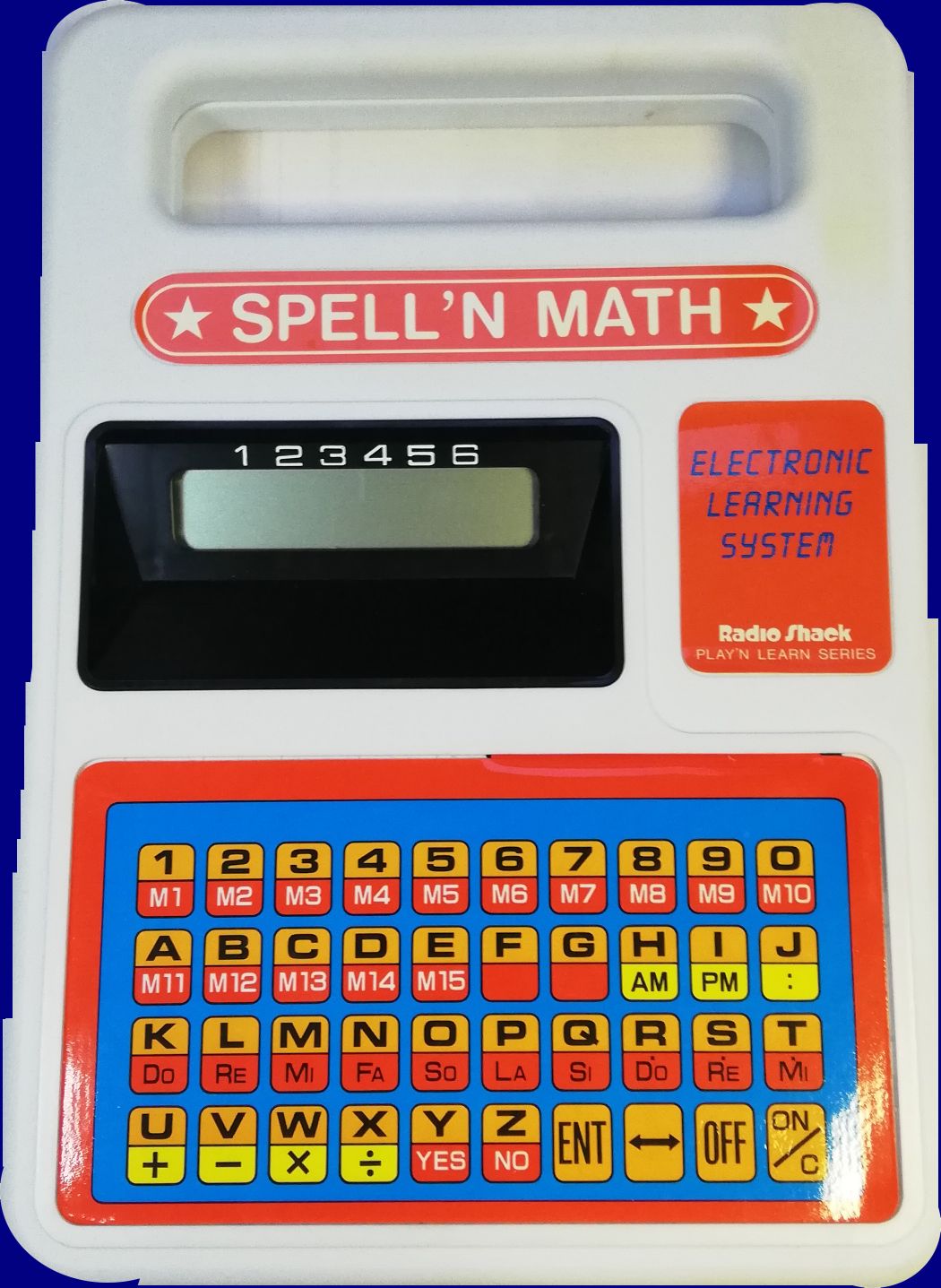
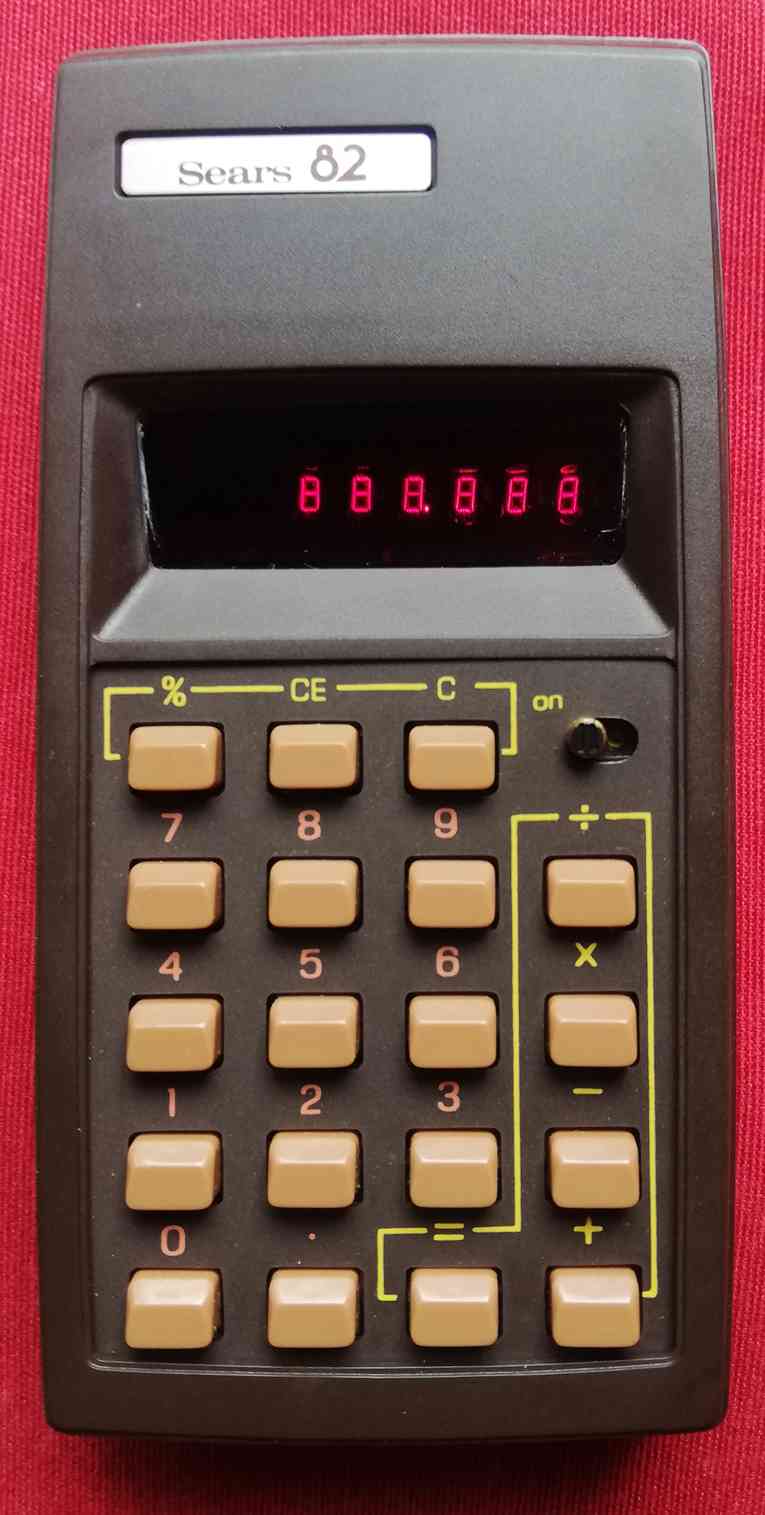
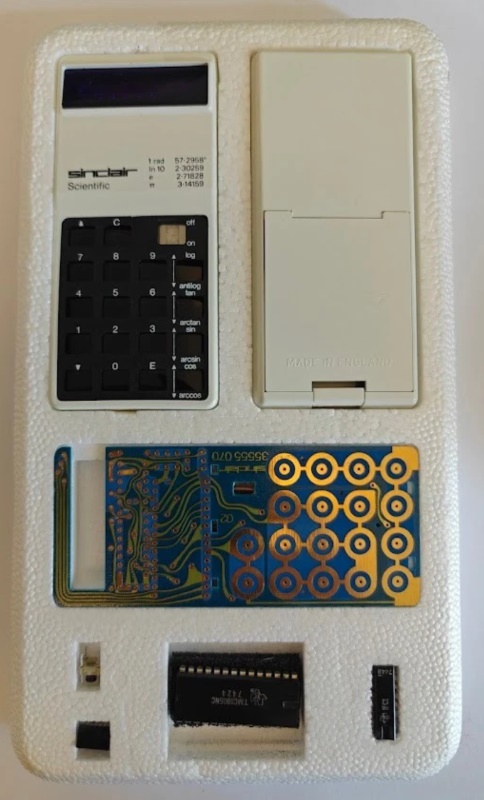
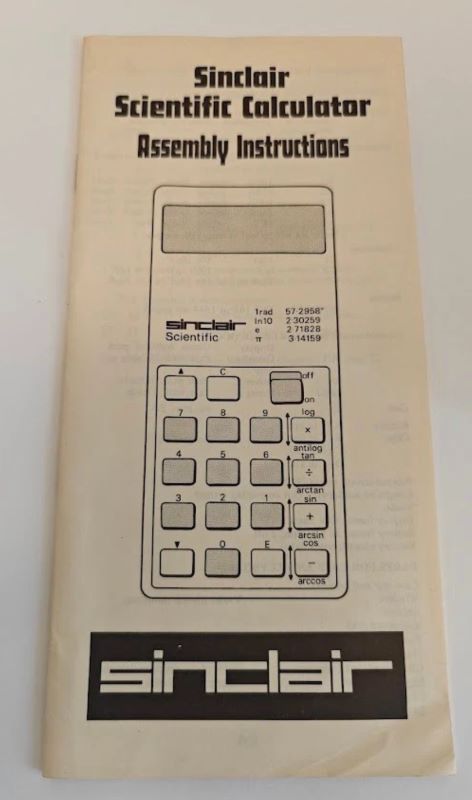
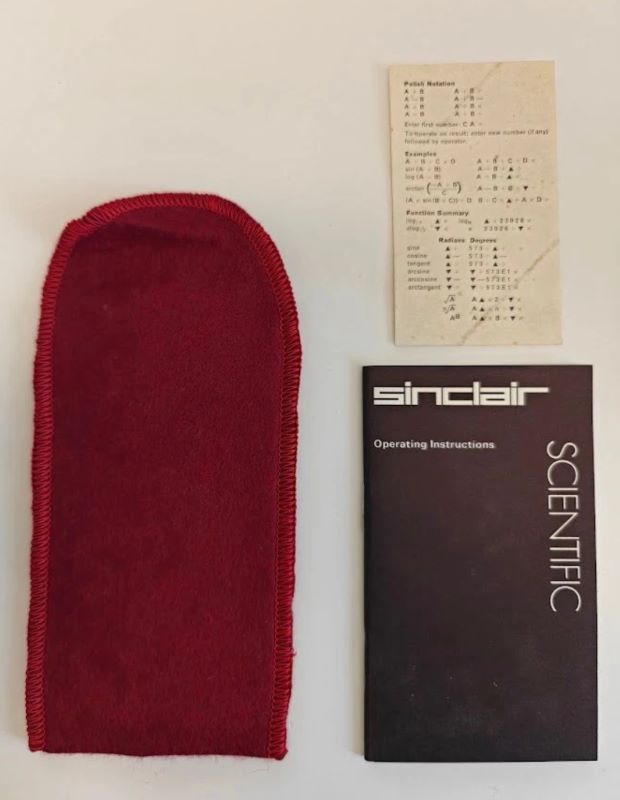
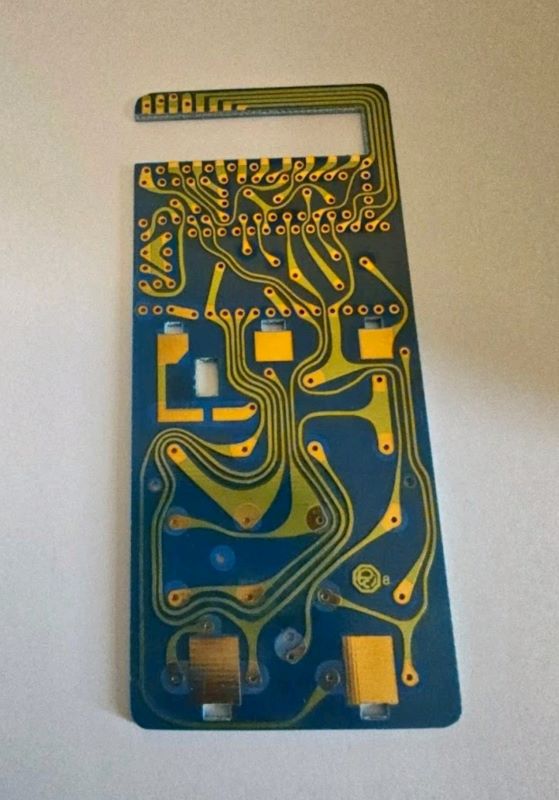
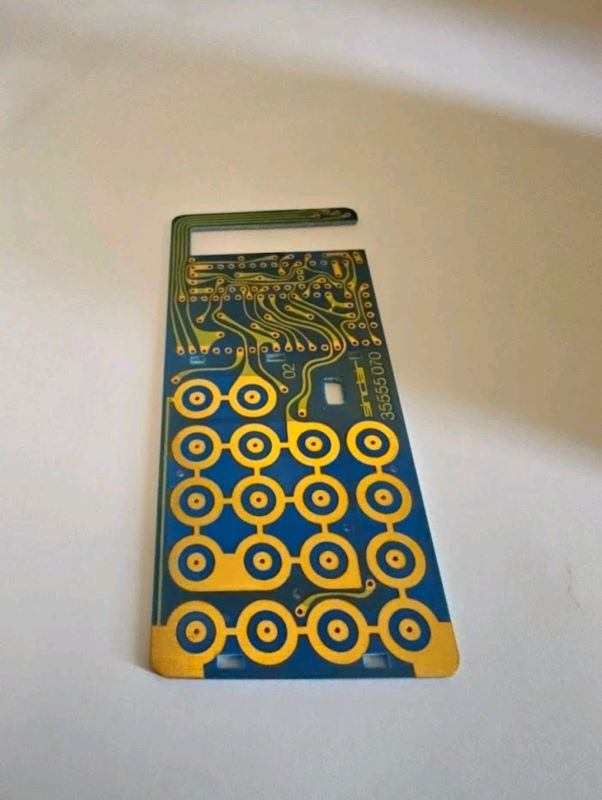
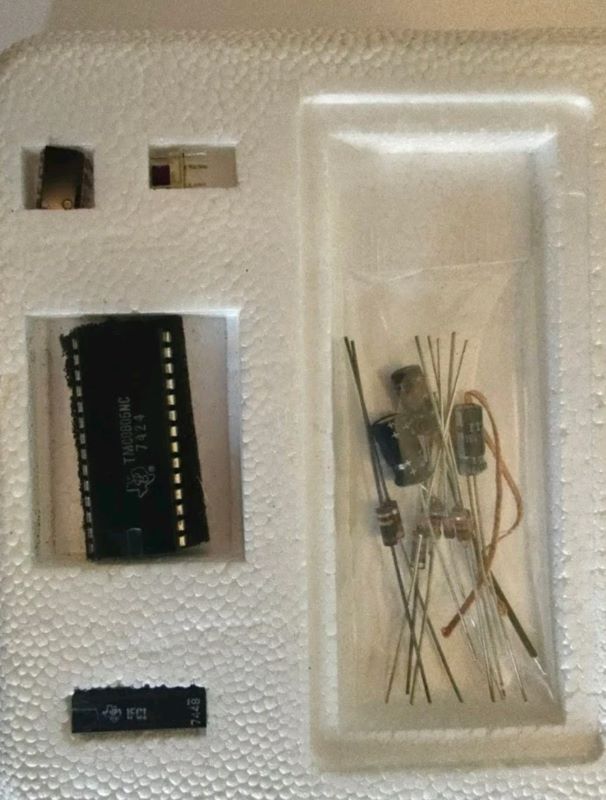
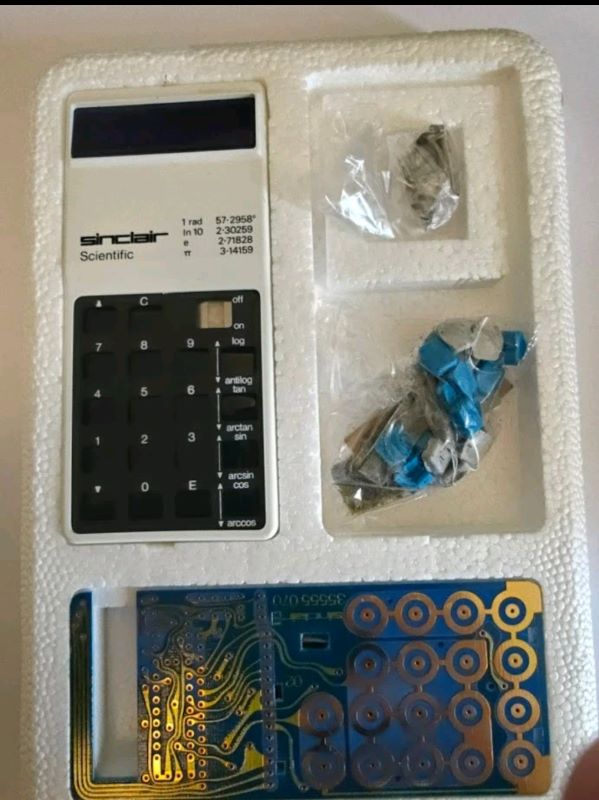
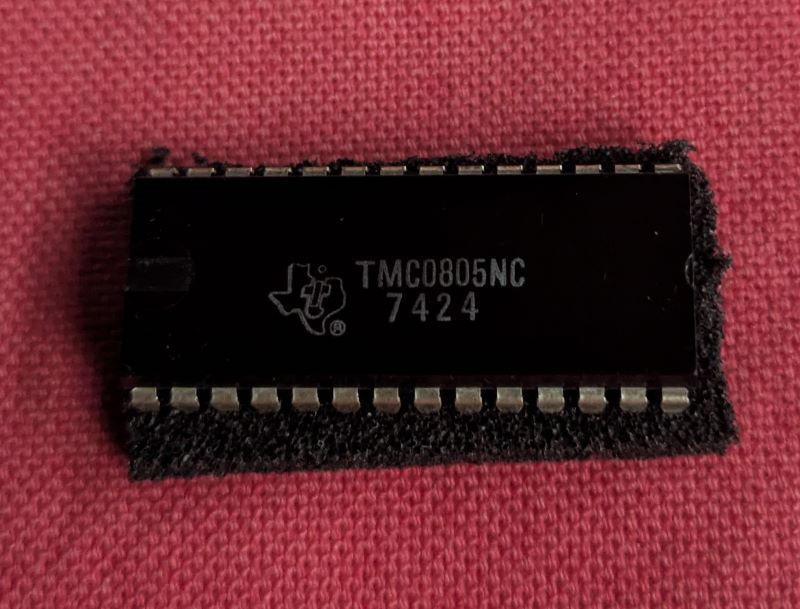
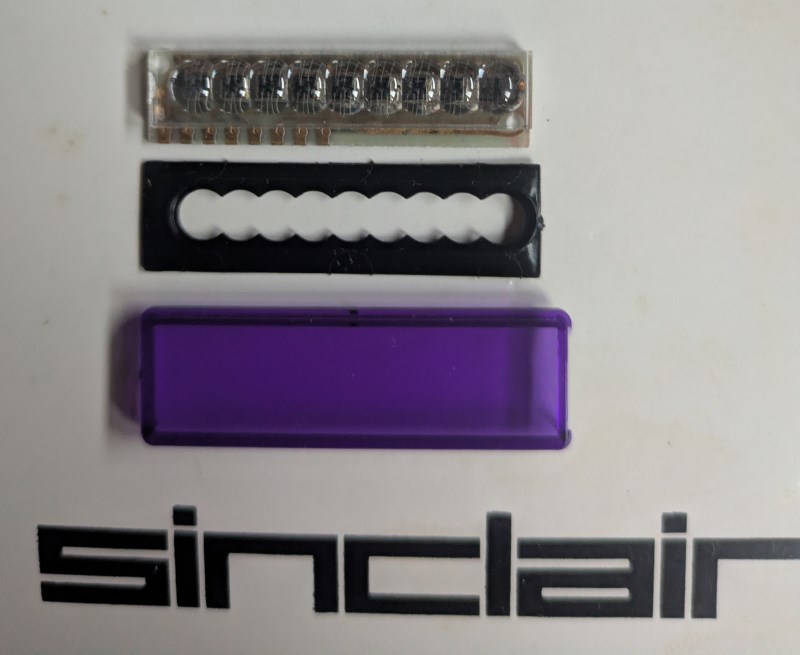
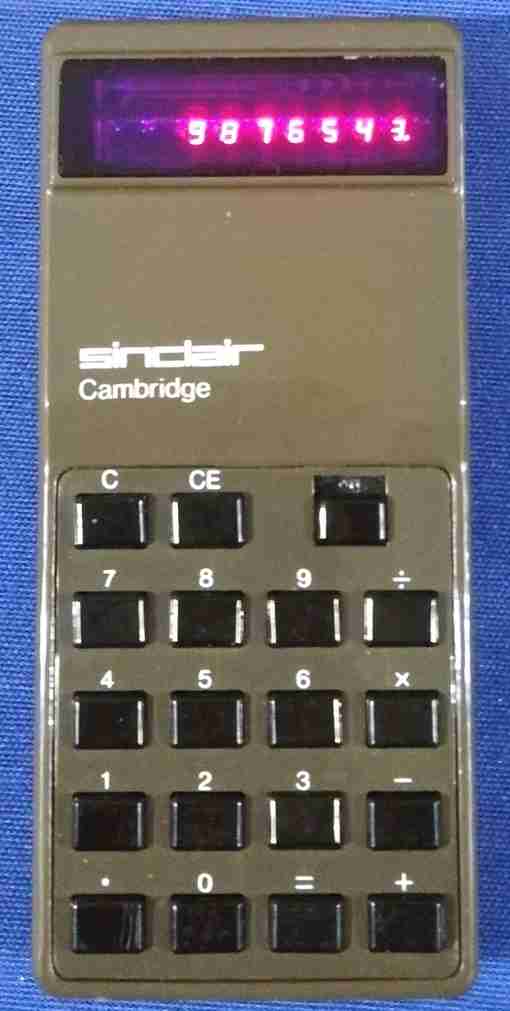
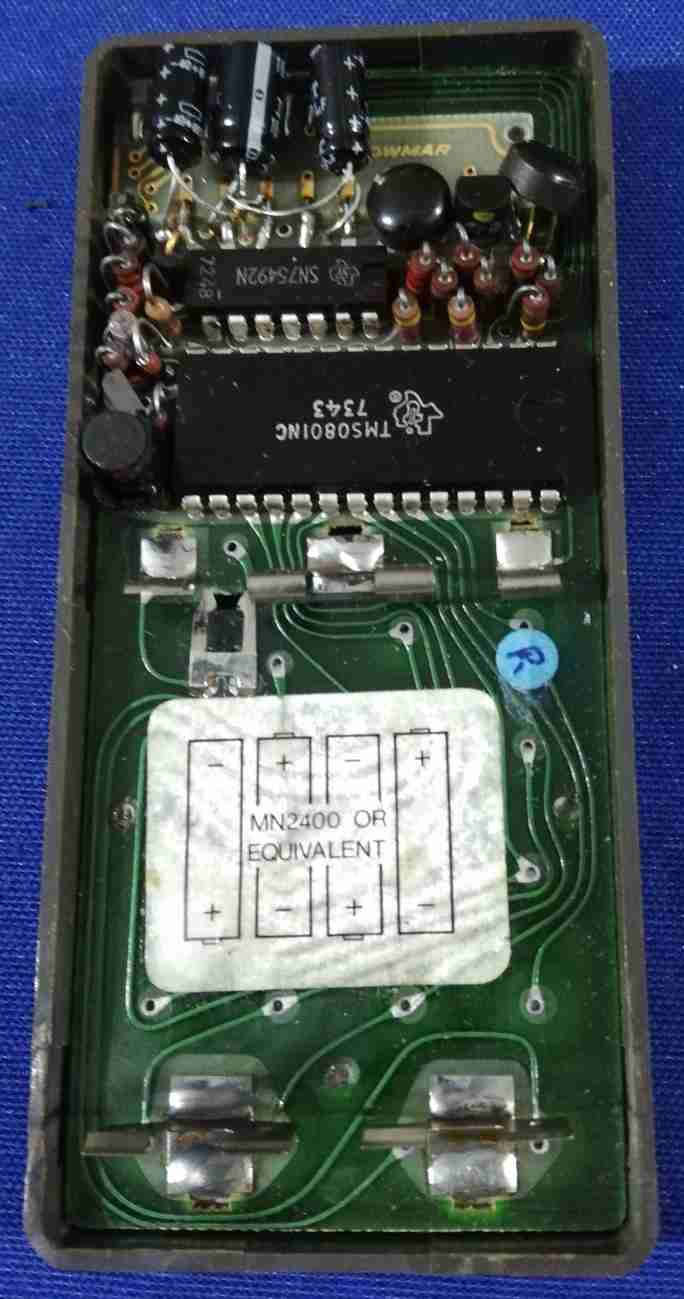
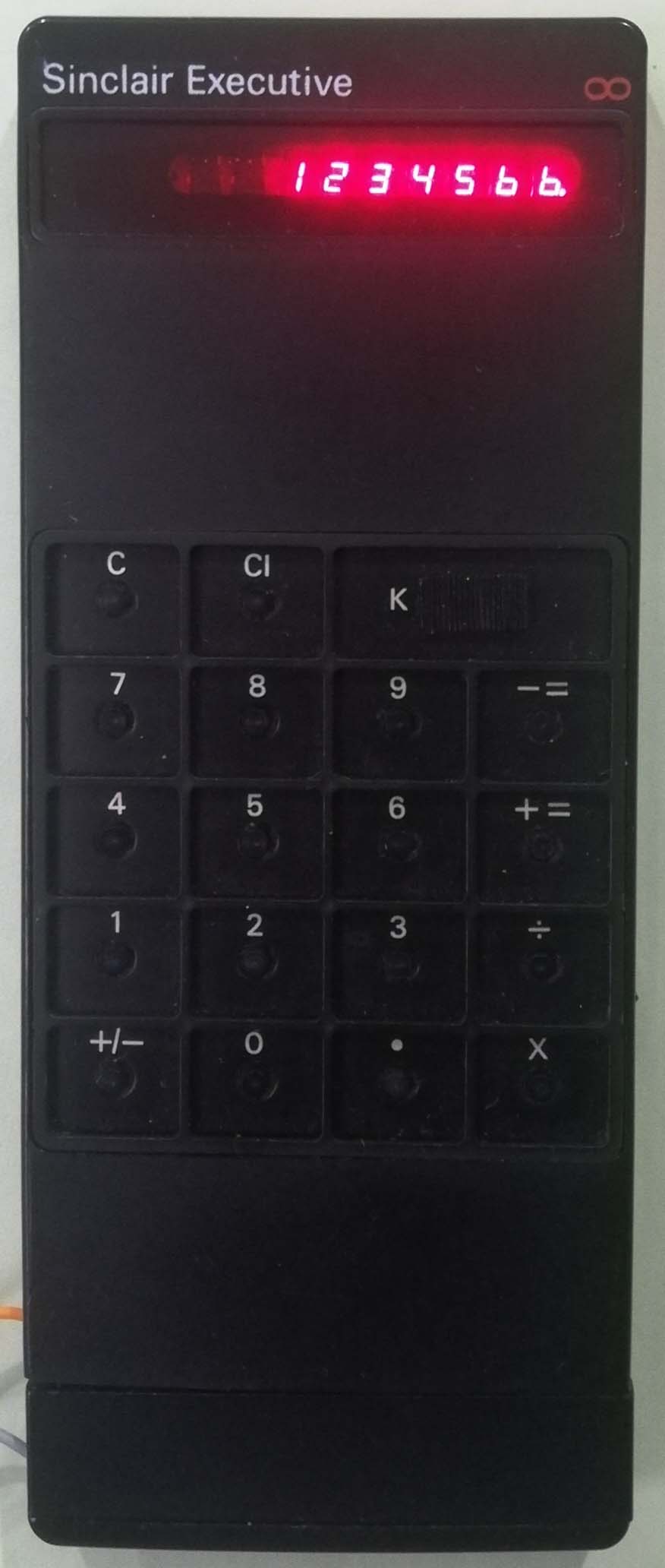
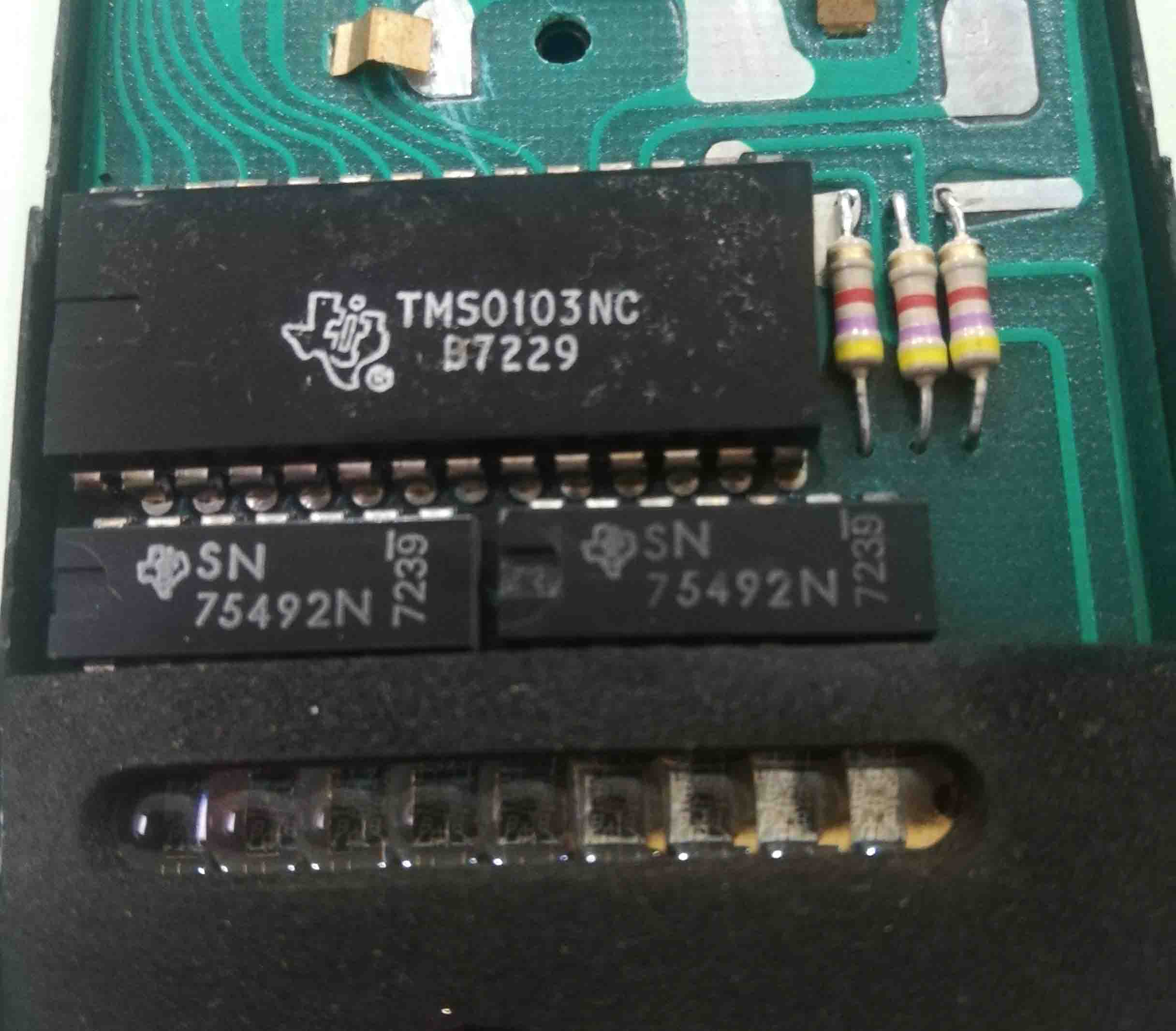
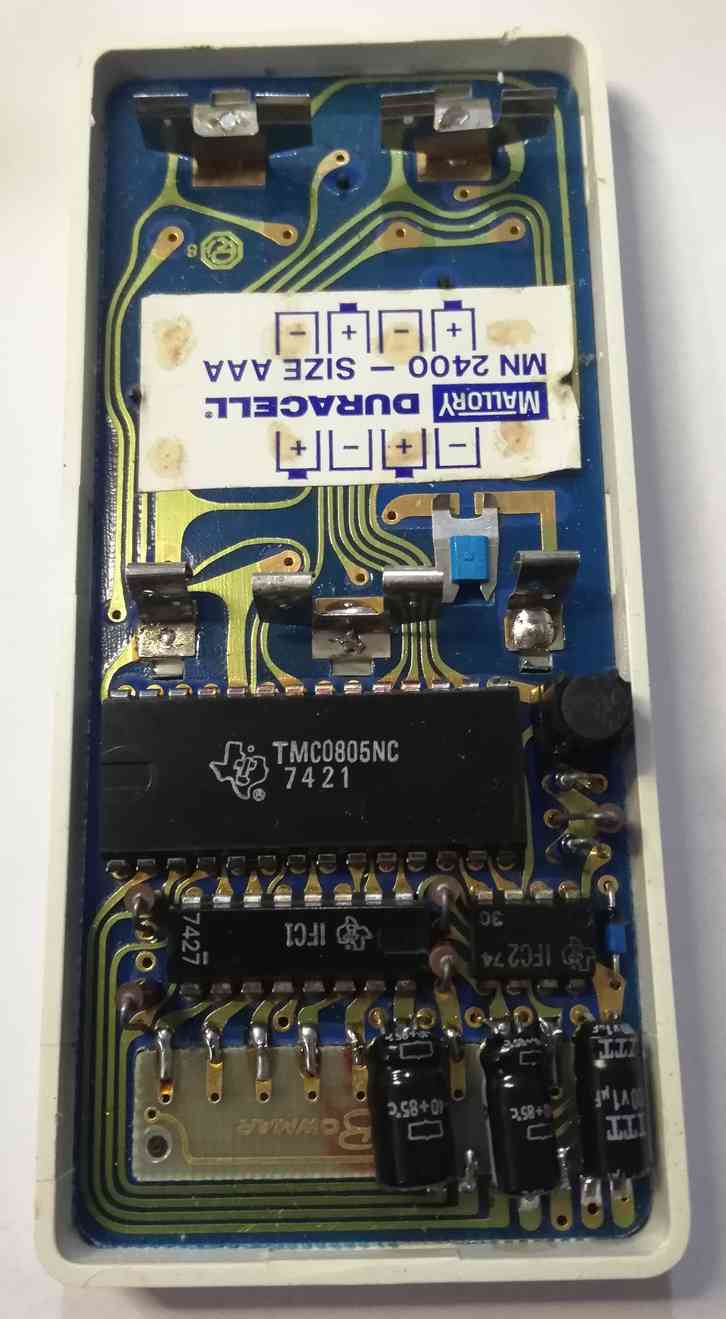
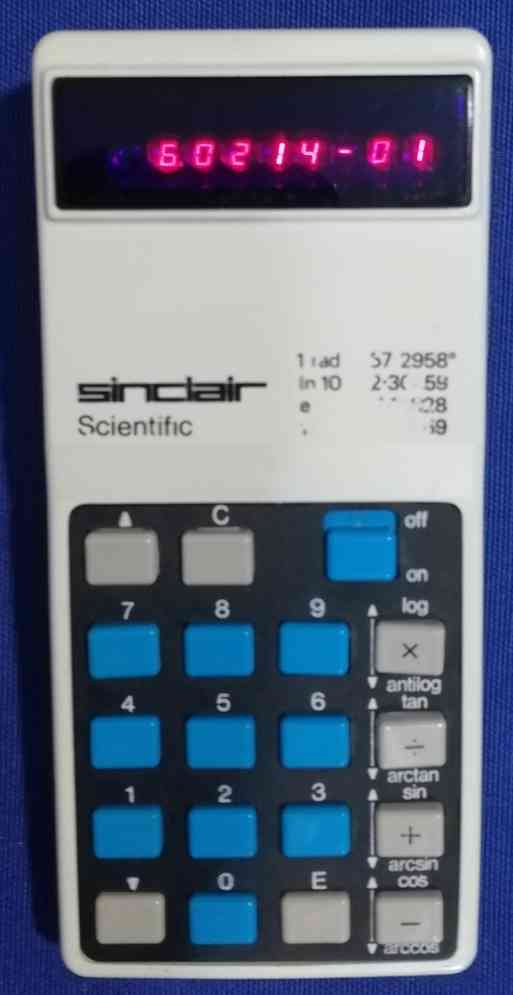
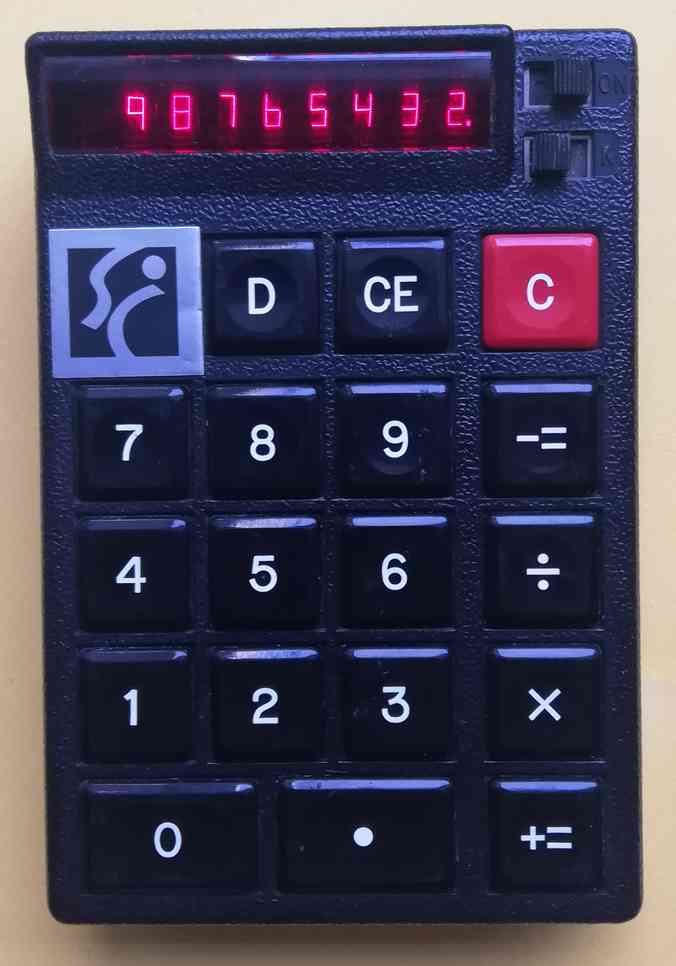
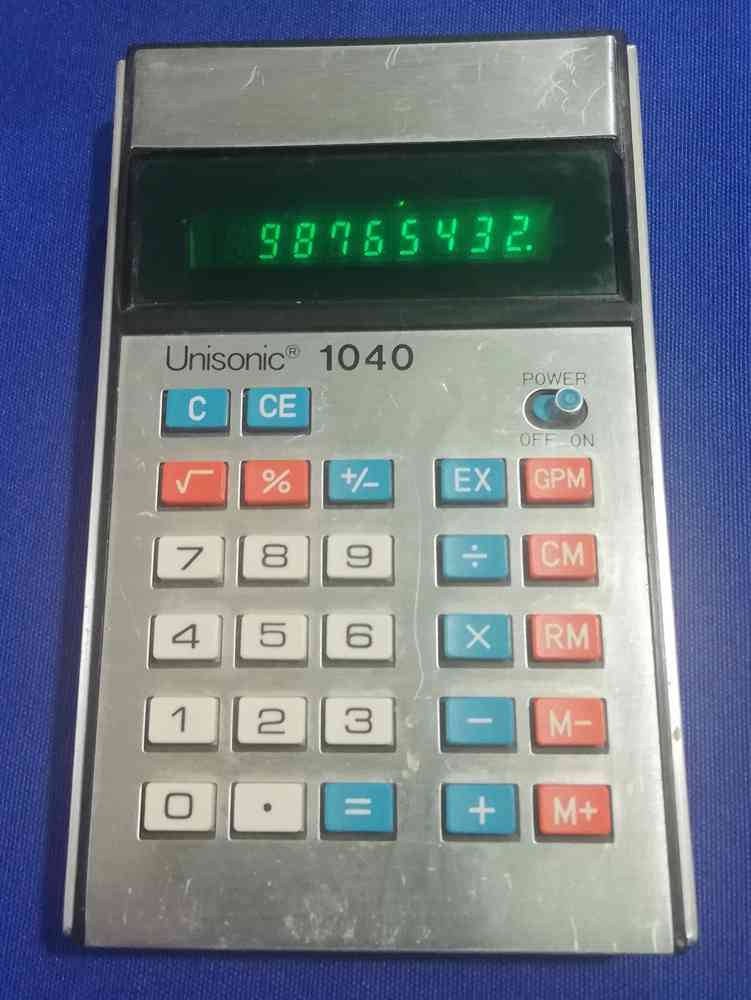
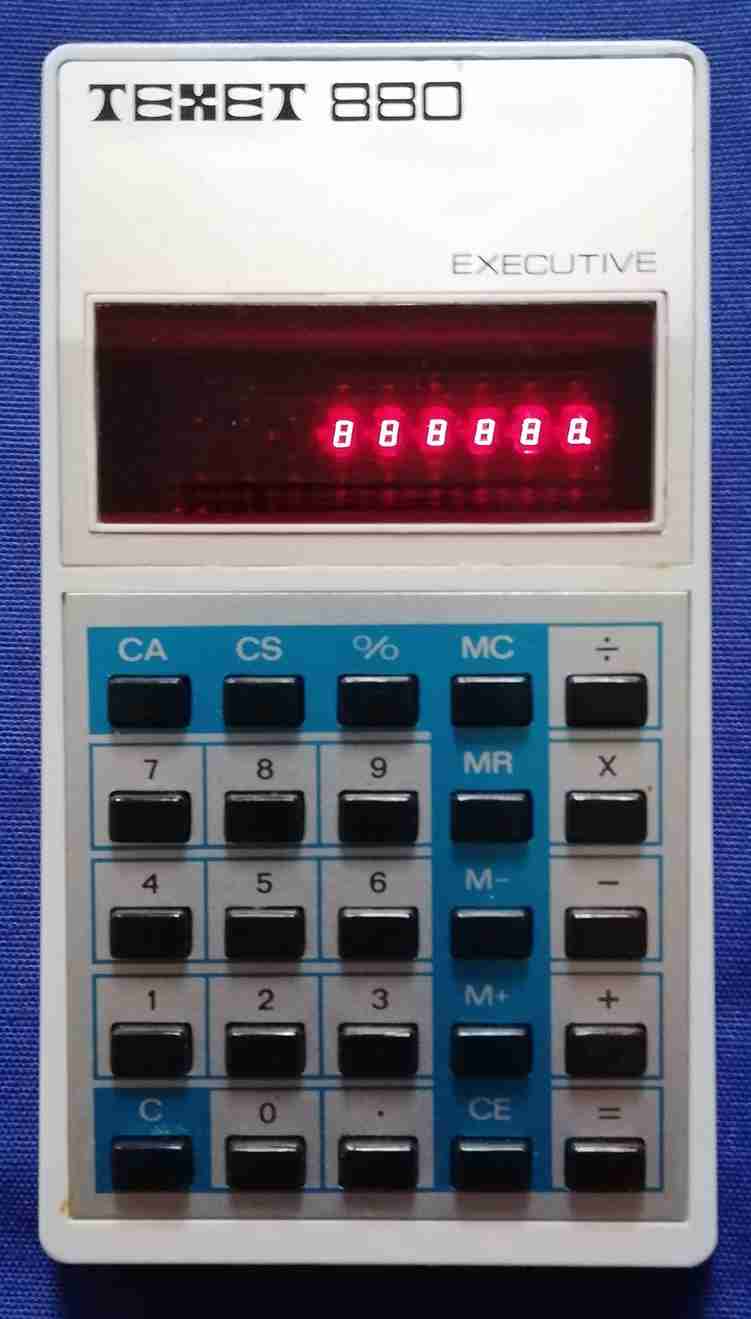
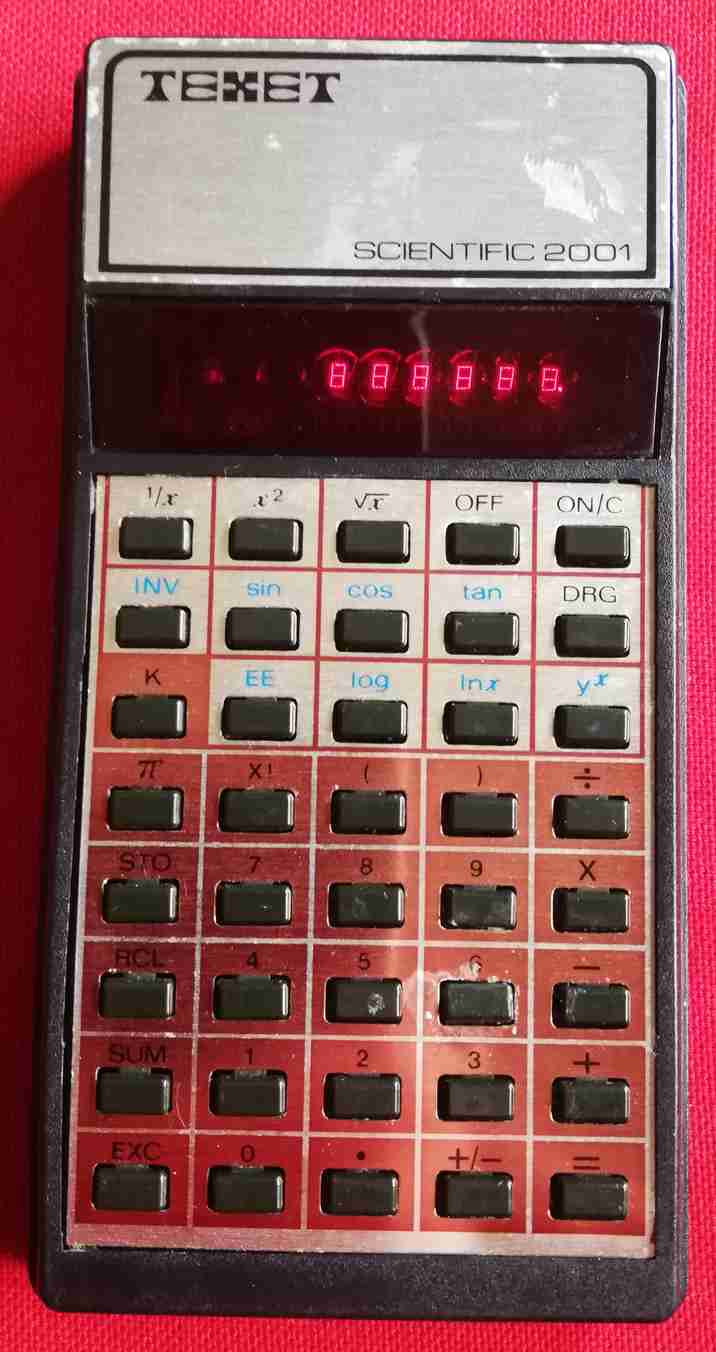
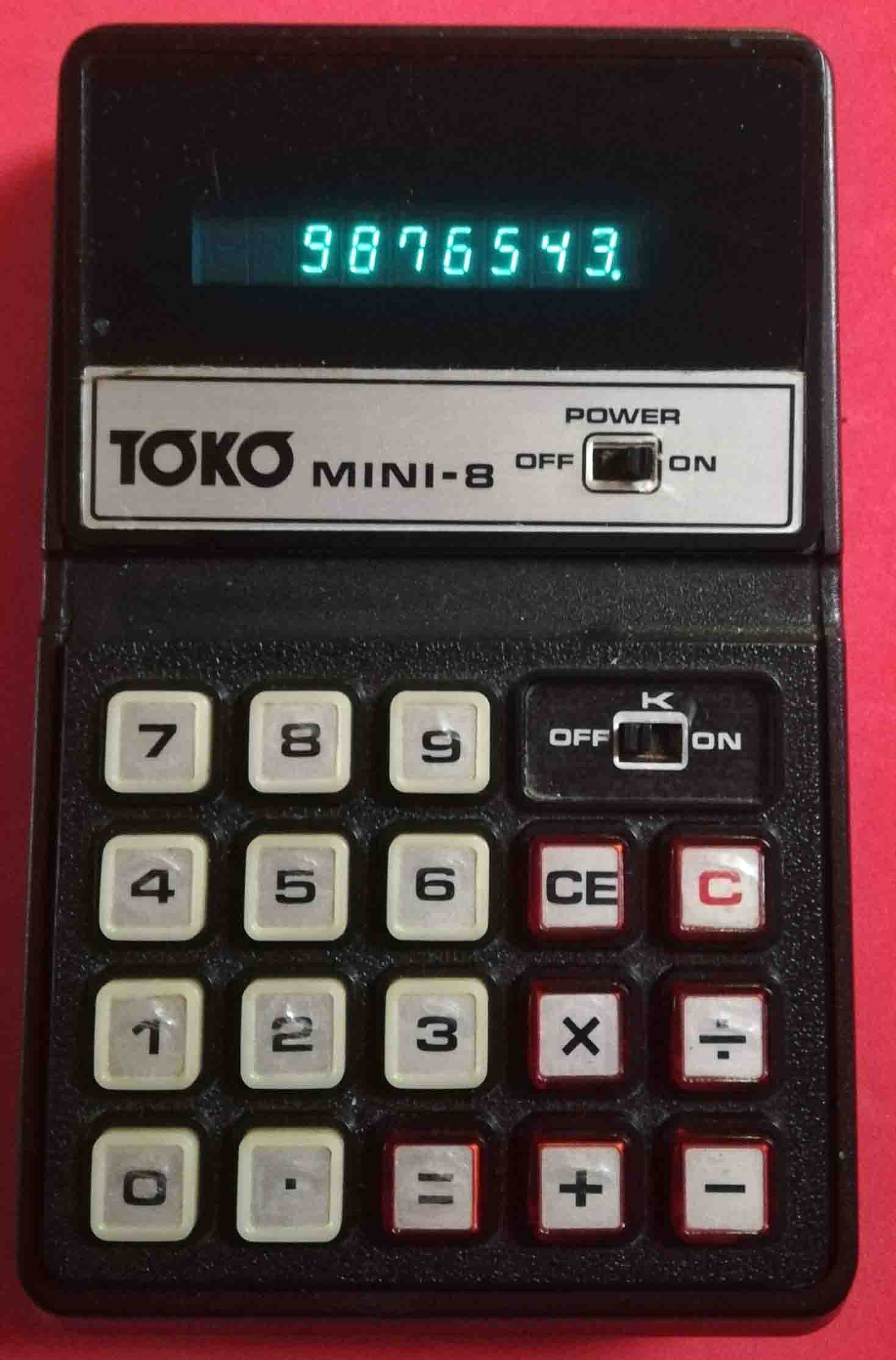
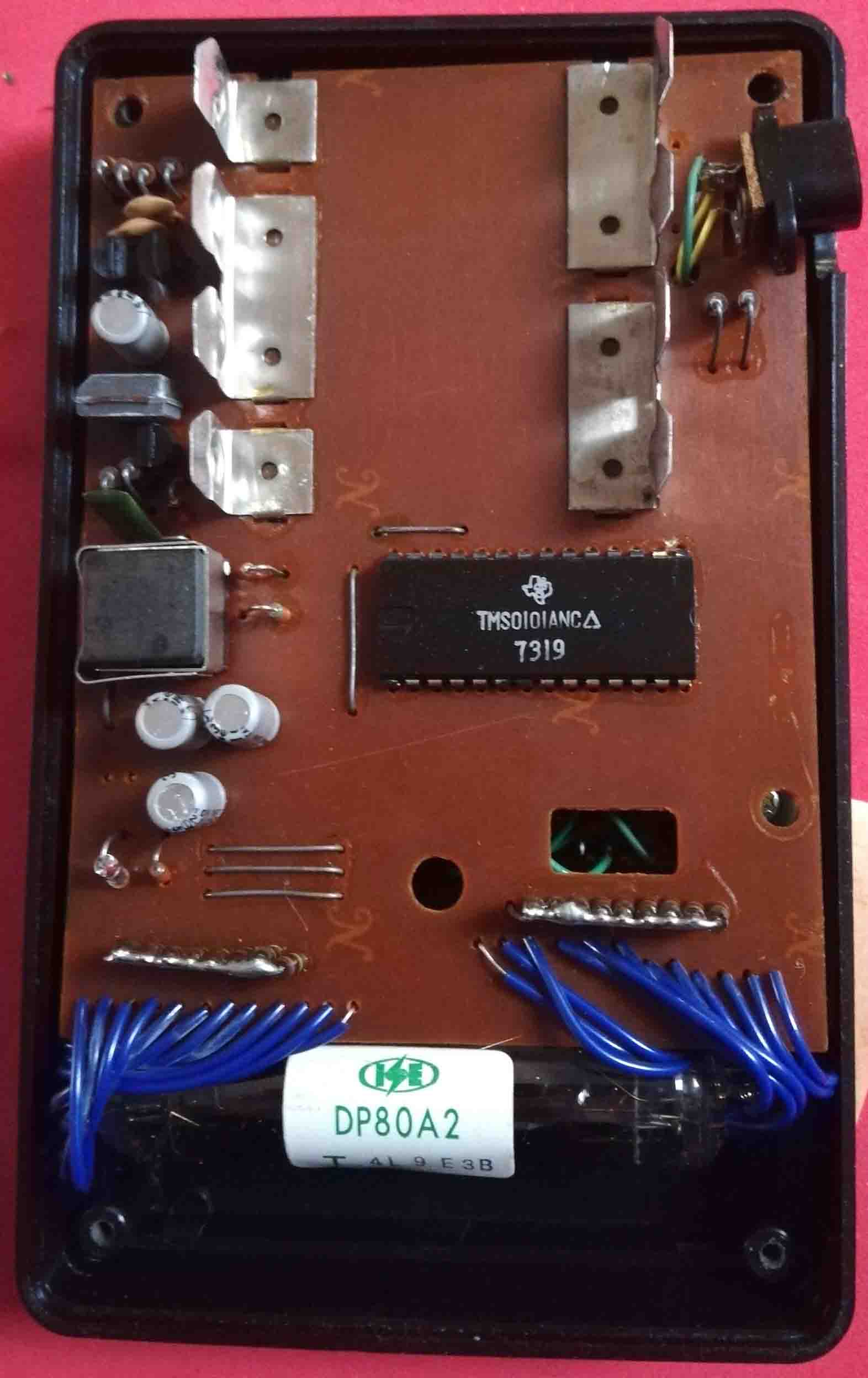
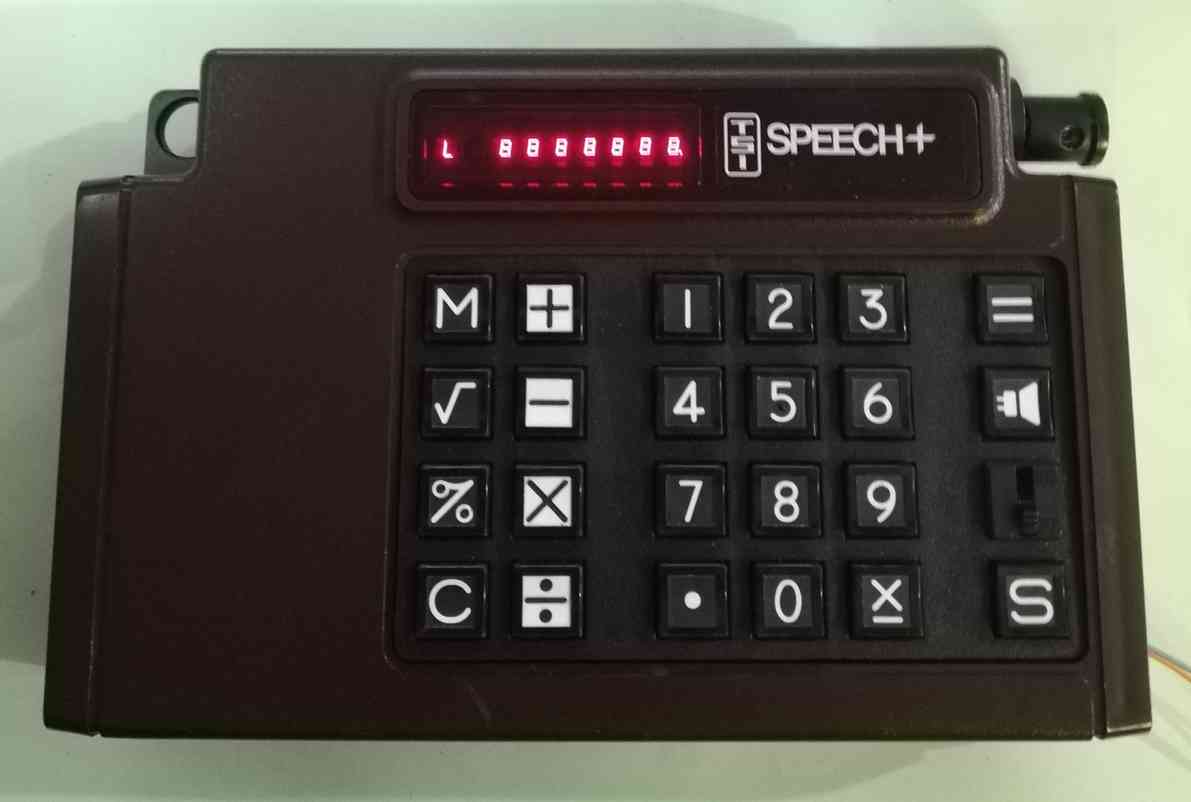
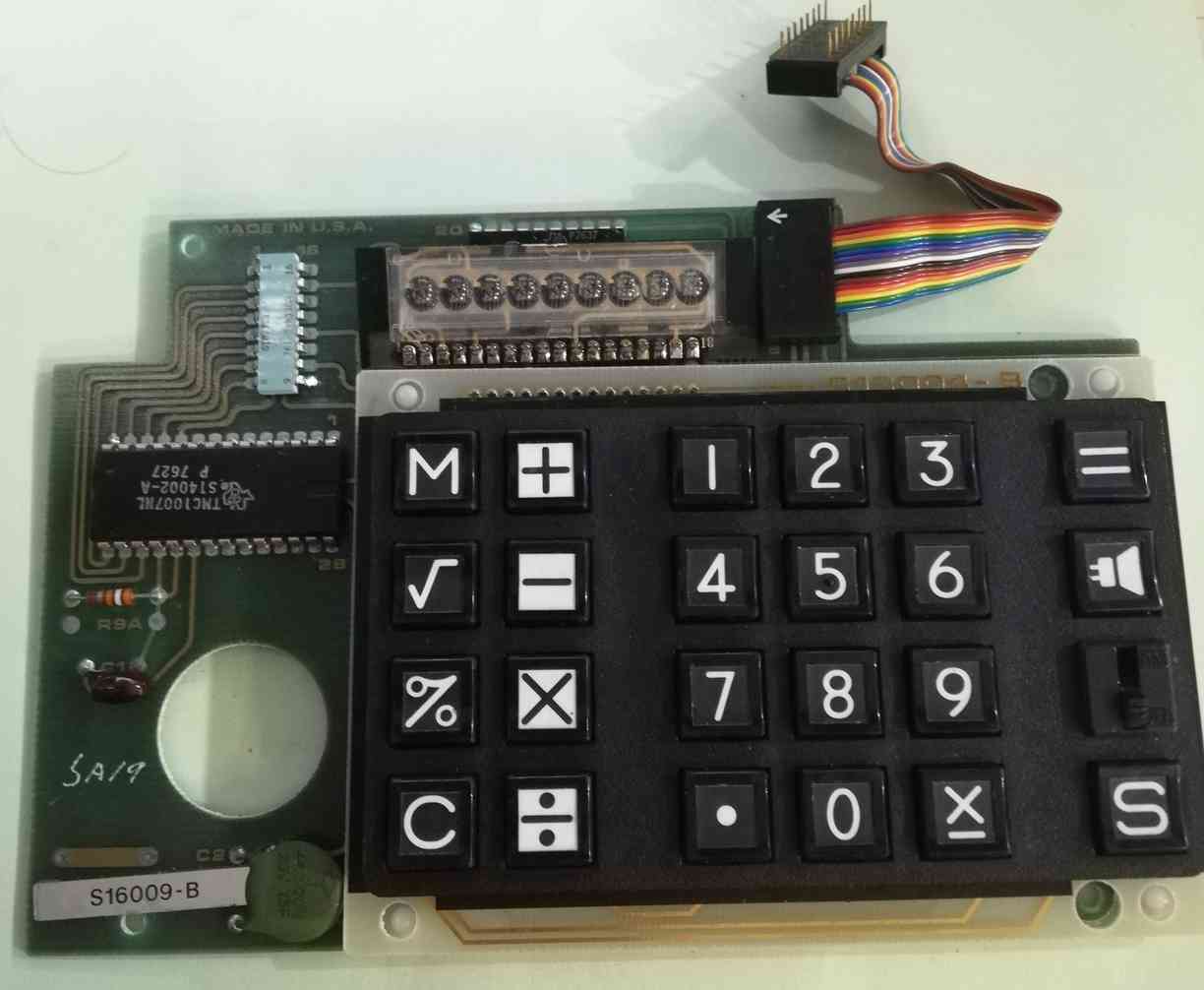
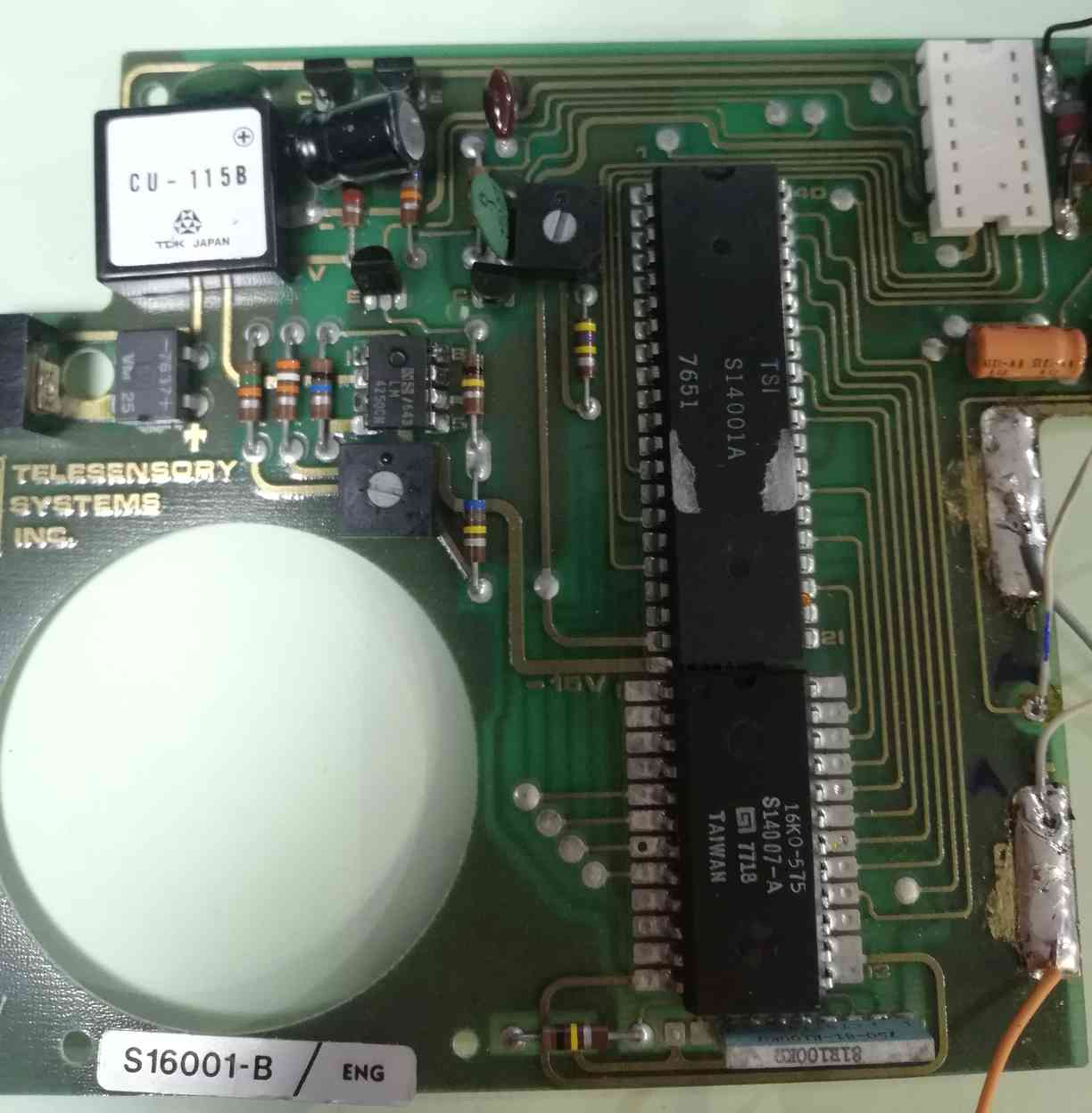
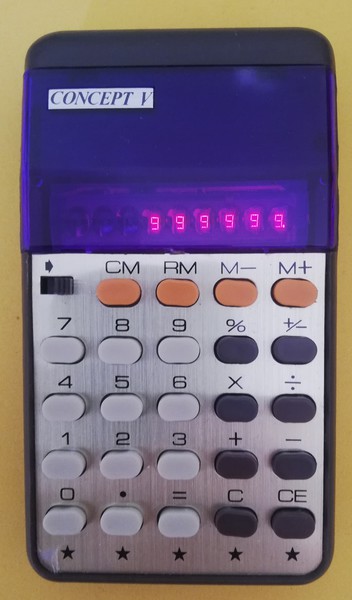
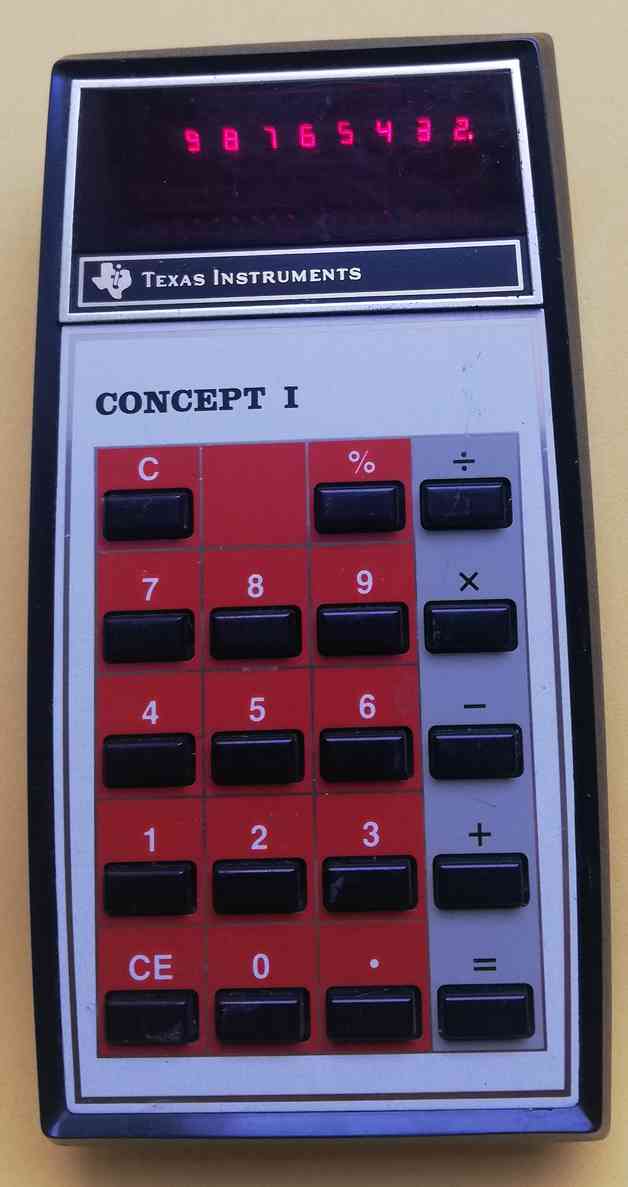

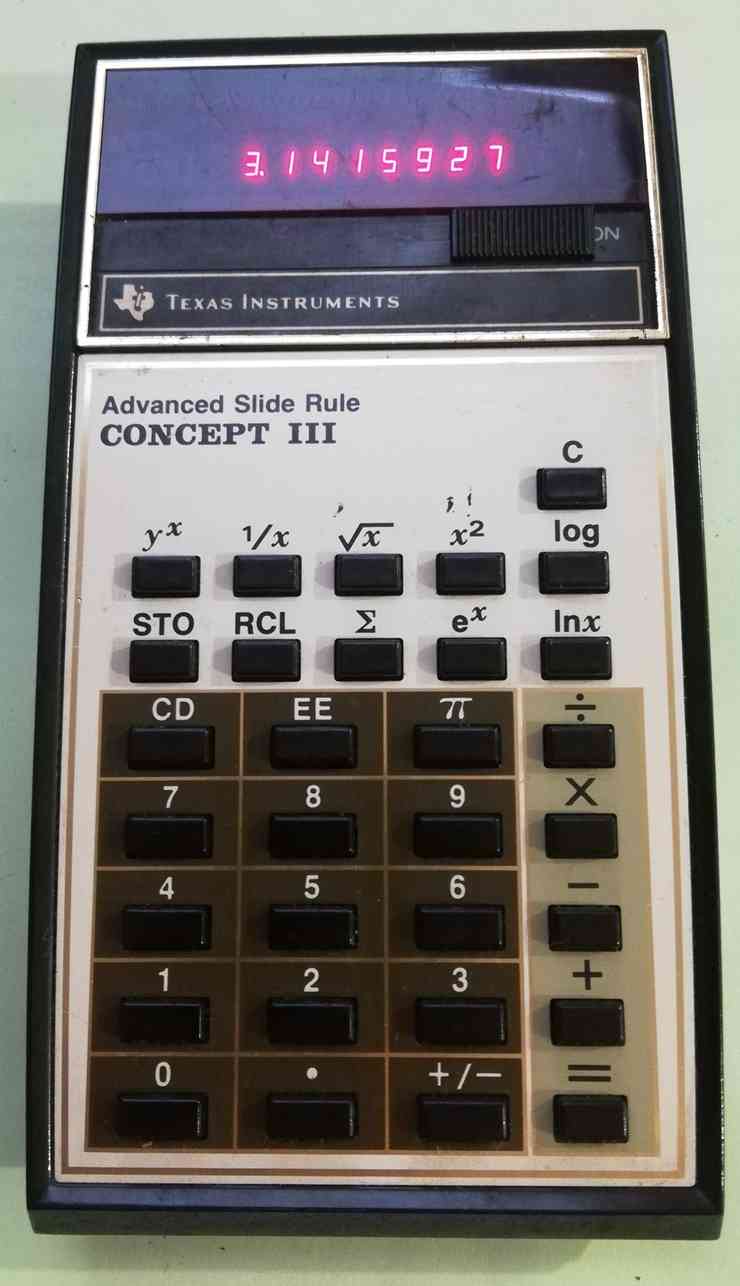
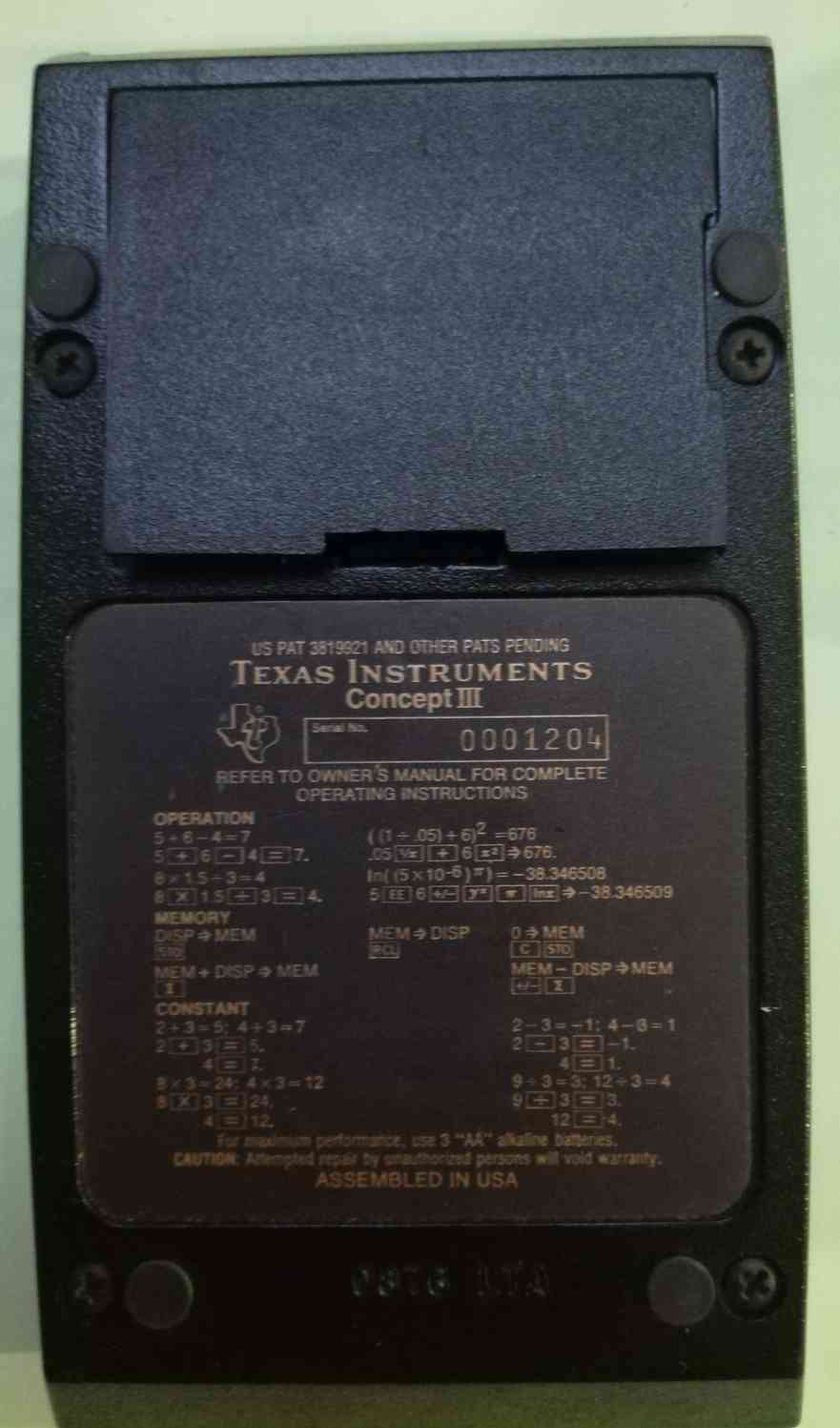

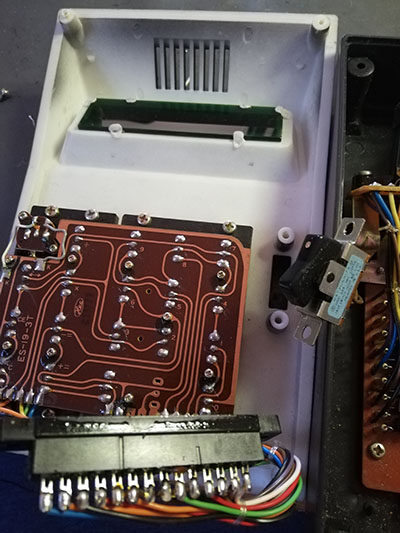
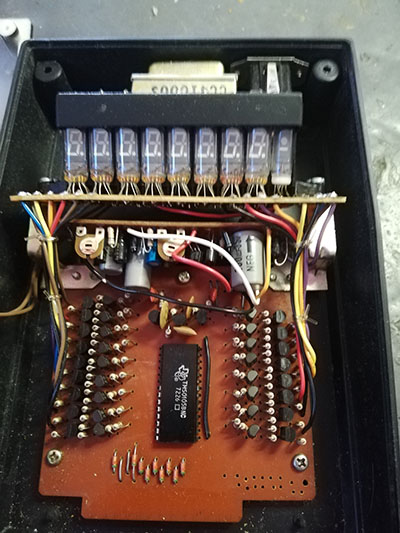
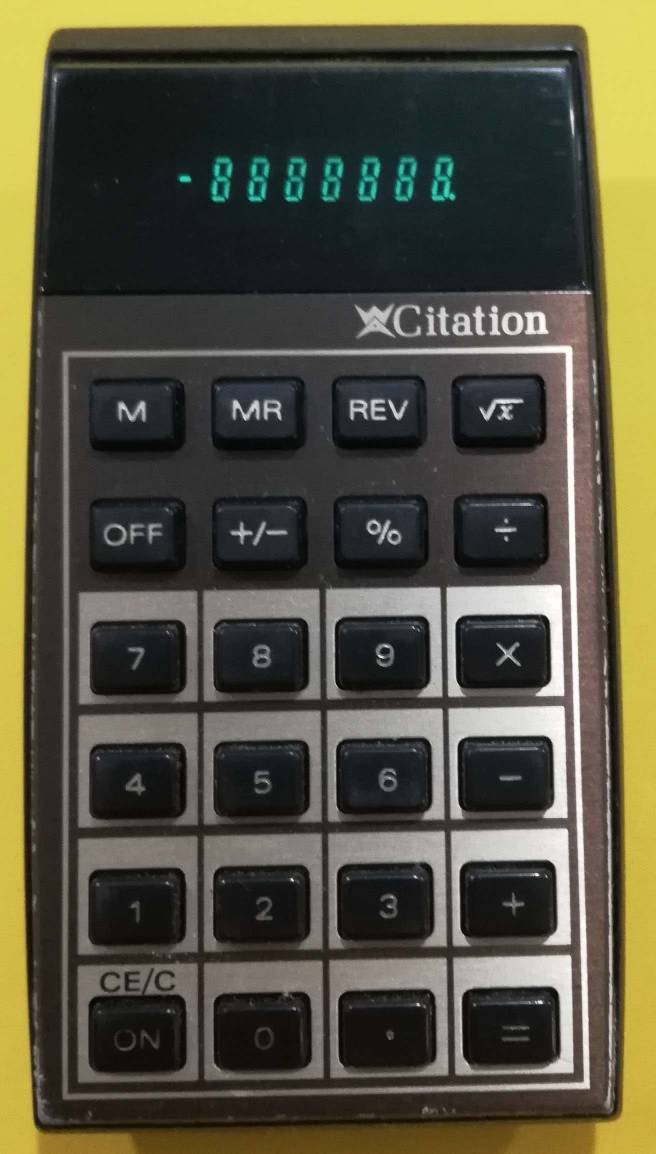
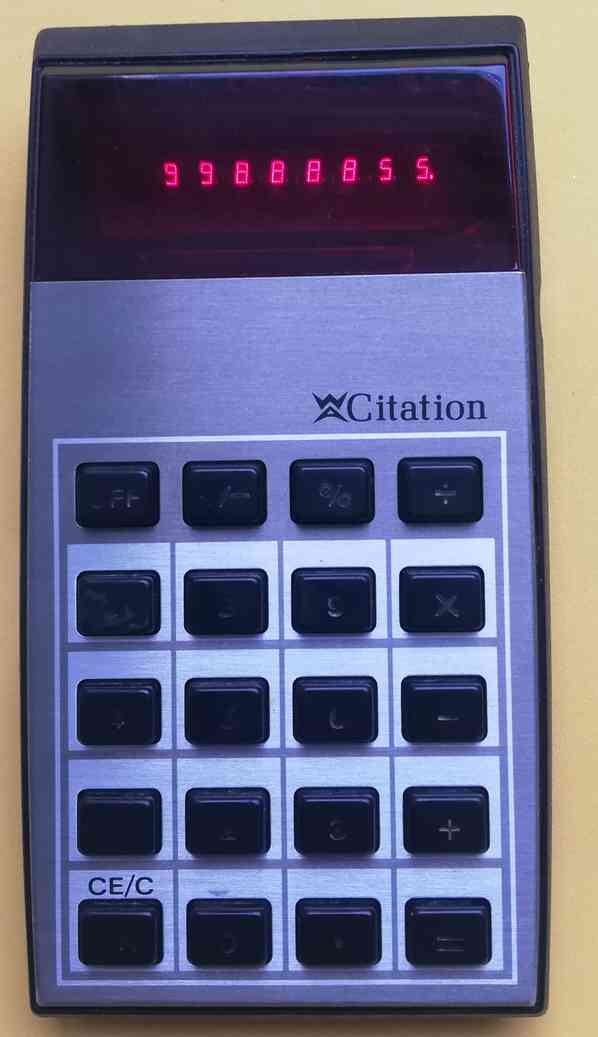
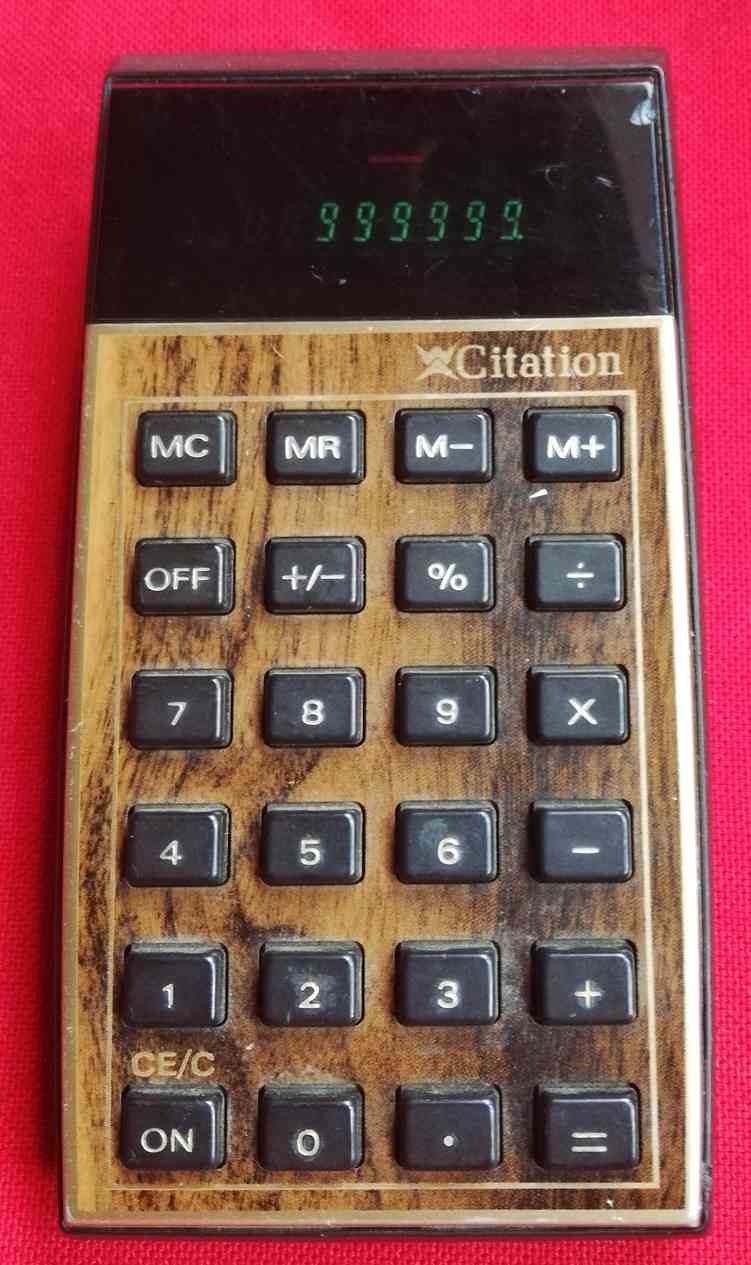
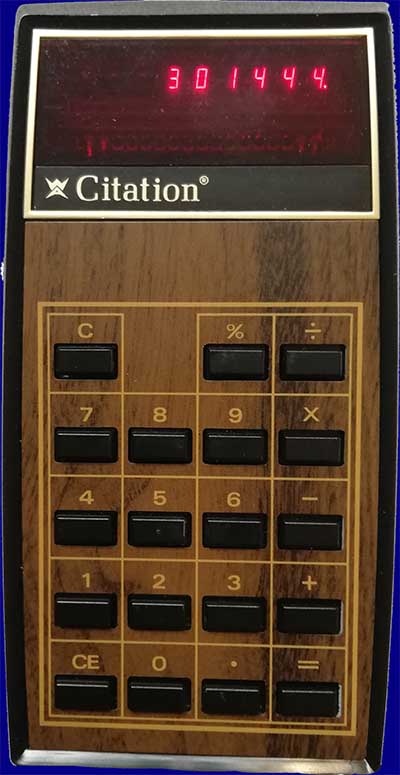
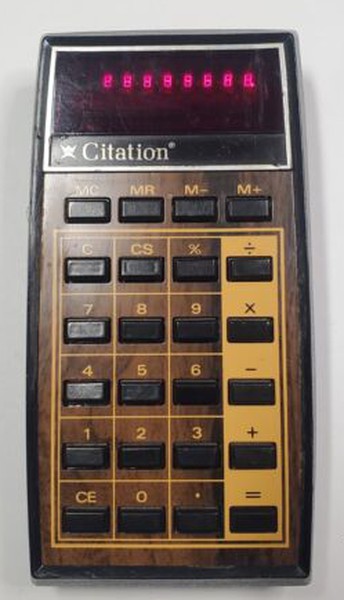
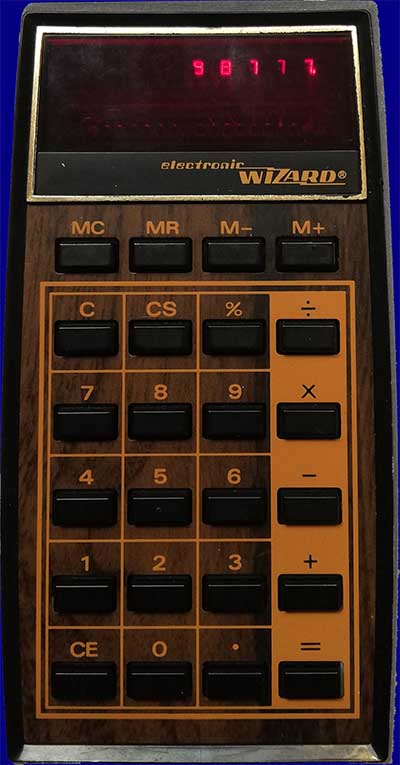
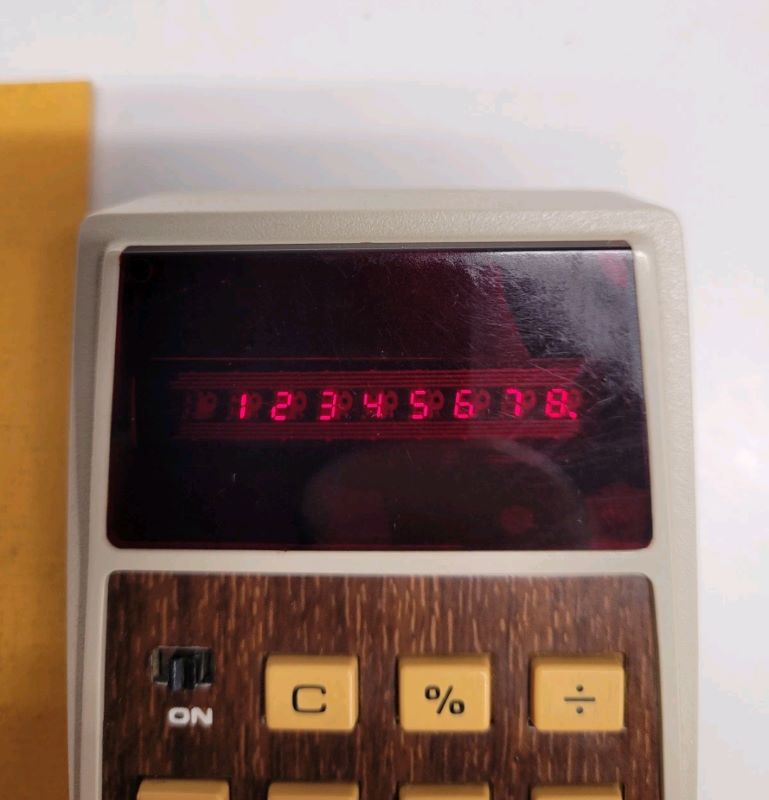
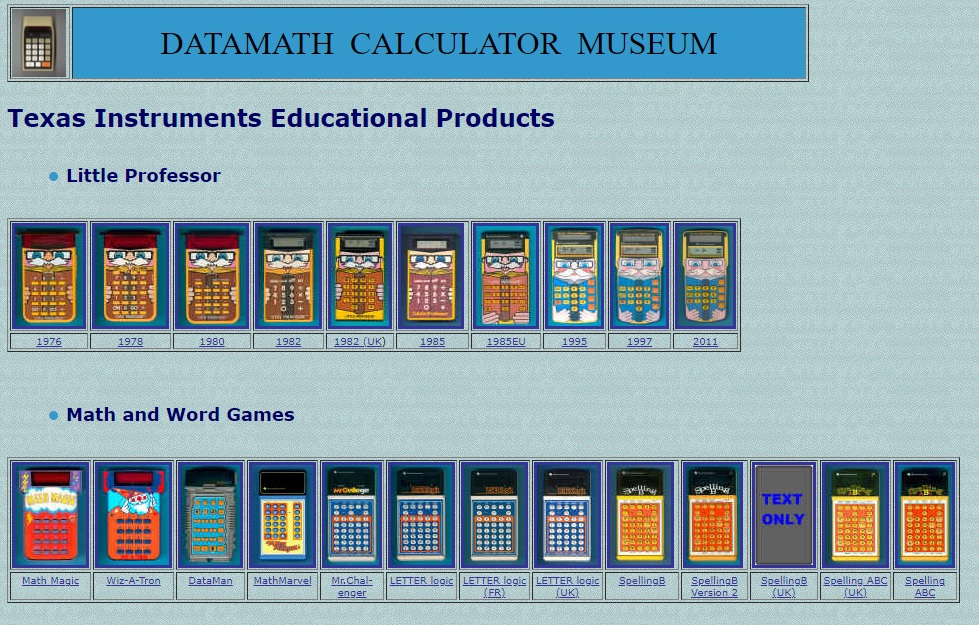
 In these galleries, we’ll dive into the wonderful world of educational gadgets, playful toys, and quirky translators that helped write the history of Texas Instruments!
From talking learning aids to brainy games and futuristic language tools, TI wasn’t just about calculators — it was about sparking curiosity, fun, and imagination across generations.
So buckle up, get curious, and enjoy the ride through this retro-tech wonderland!
Have a blast! 🚀📚🧸
Educational / Toys


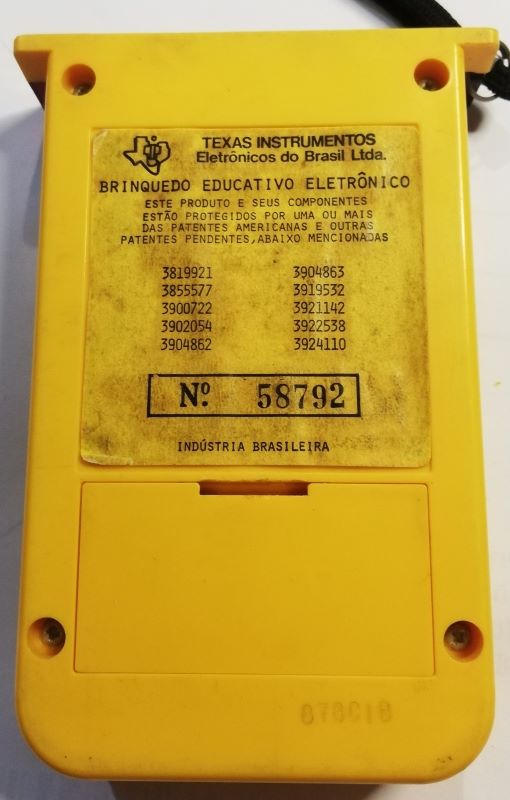
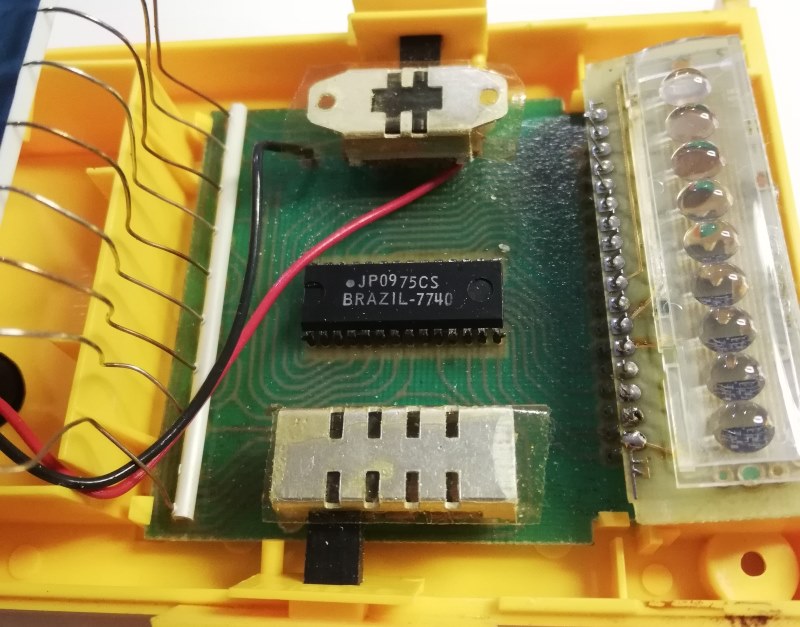


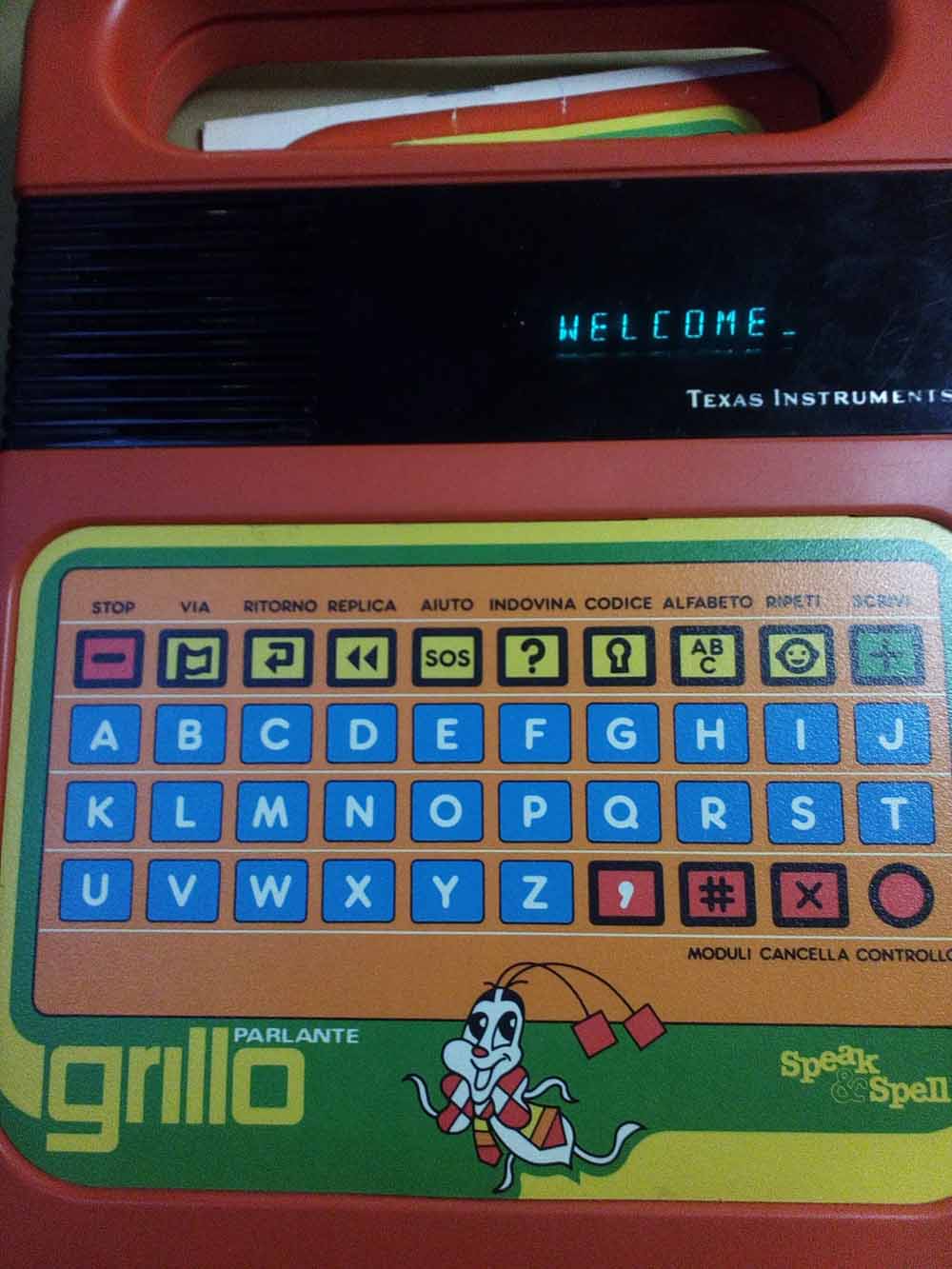
The Speak & Spell project was started in 1976 and created the first single-chip LPC speech synthesizer with the TMC0280. The improvements made have led to the production of speech synthesis processors such as the TMS5100, 5200 and 5220 for use in commercial products, such as the TI-99/4A.
The same technology has been used in other toys such as Speak & Read and Speak & Math, Learn, Count and Speak, the Talking Book, and the most famous Jiminy Cricket. In this exhibition you can see some of the rarest ones, from the Buddy (Germany), the Speak & Spell for the Japanese and Spanish markets, up to the 21st century Chinese clone.
Audio Guide

|
|

|
|
SPEAK & SPELL


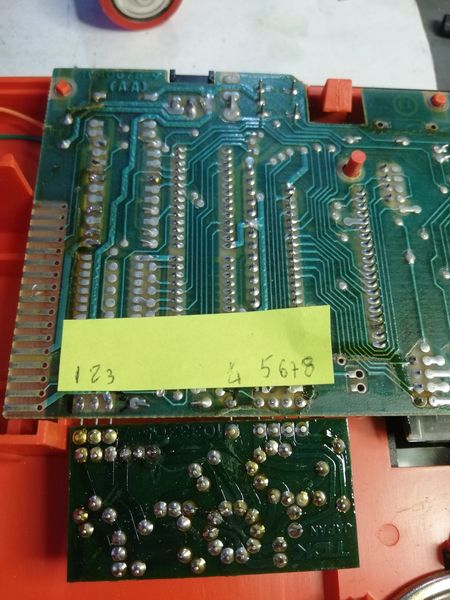
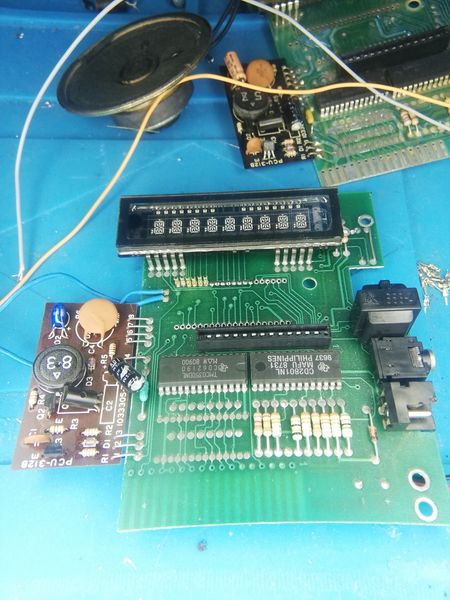
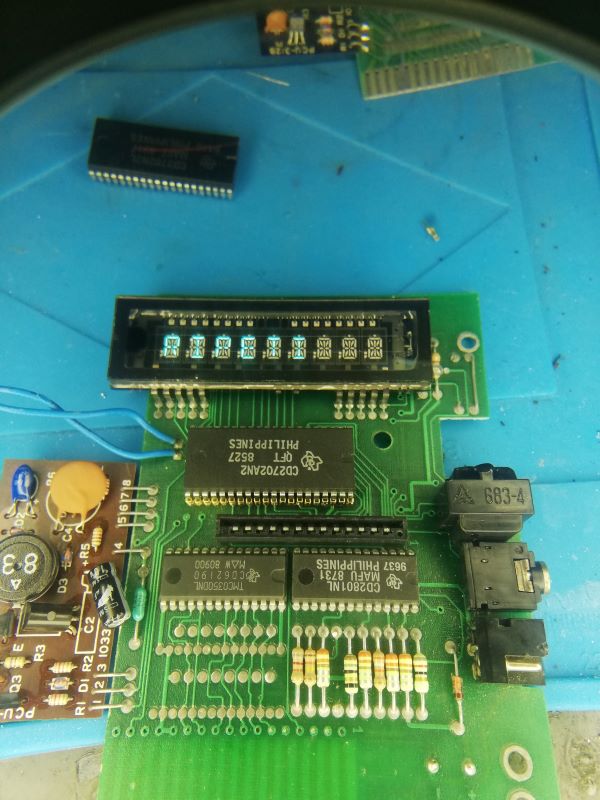


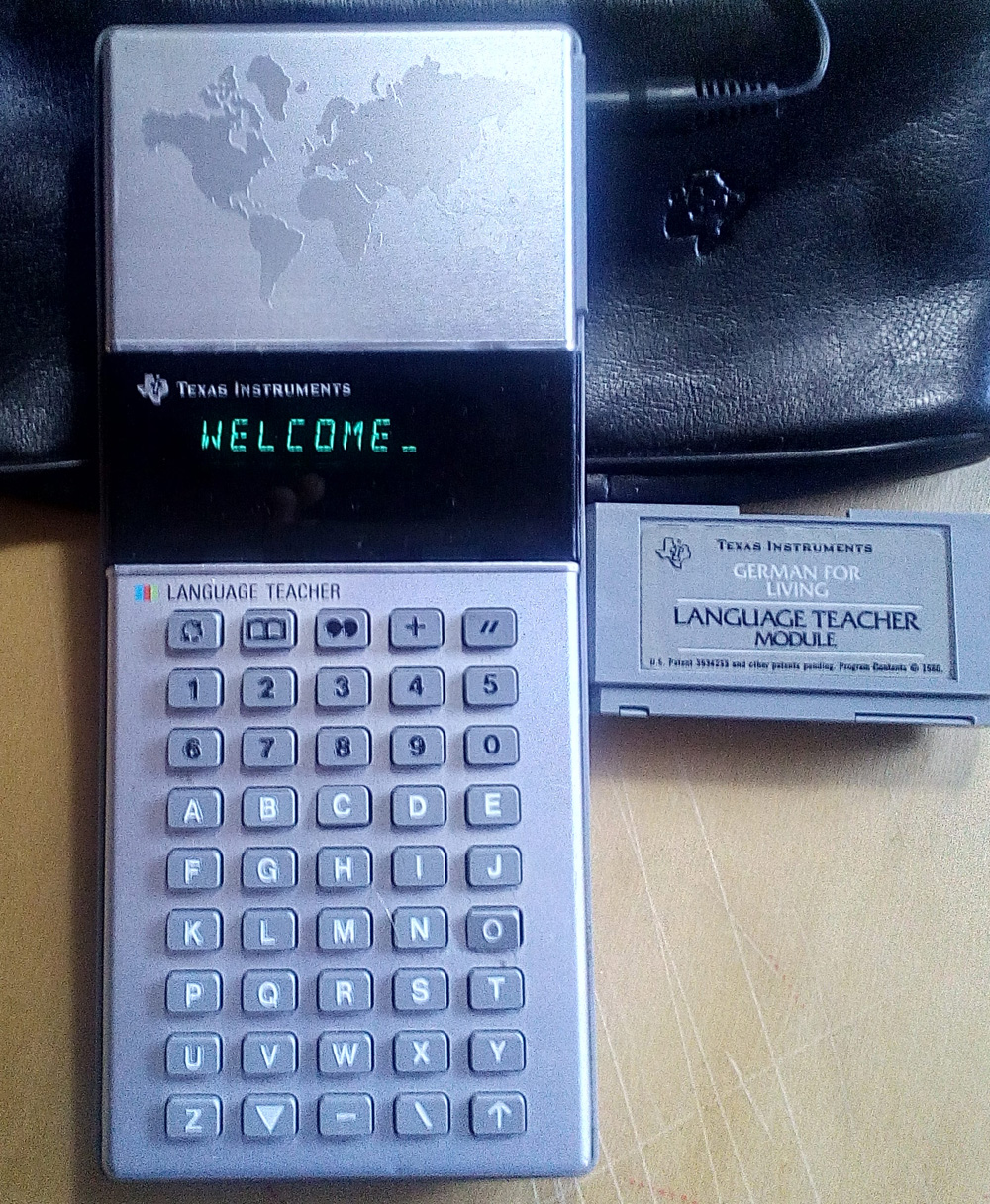
Language Translator. Shortly after the invention of synthesizer technology capable of reproducing human speech with voices stored in ROM (Read-Only Memory - integrated circuits), the Language Translator was launched. This product was renamed Language Tutor in the early 1980s, and both devices were marketed simultaneously. Around the same time, a more affordable version of the Language Tutor, called Language Teacher, was introduced, which lacked a speaker.
Audio Guide
|
|
|
|


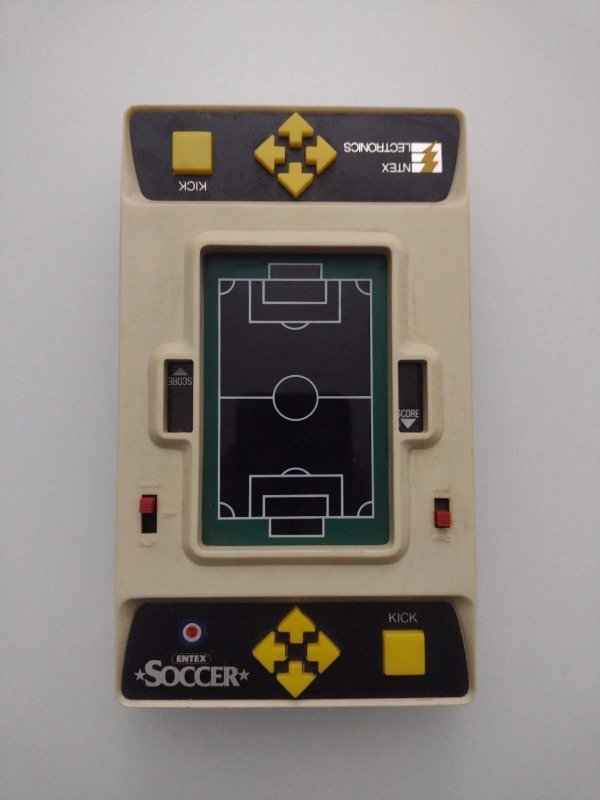
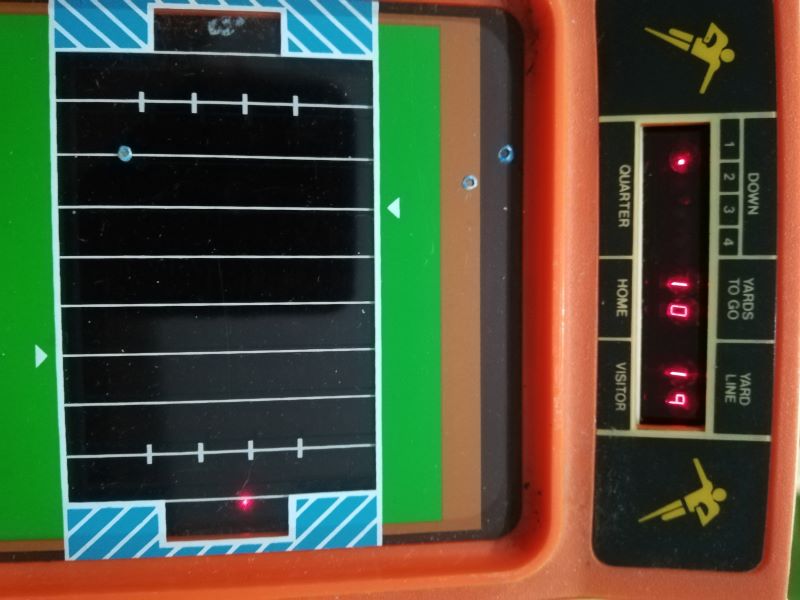
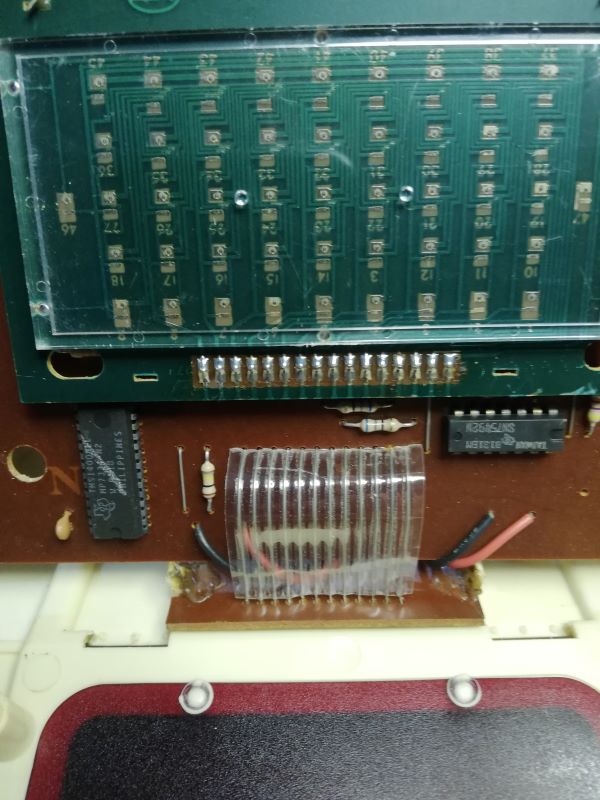
Games or Toys with chip Texas Instruments
.jpg&width=90&height=150&quality=100&ratio=0&crop=0&crop_factor=50&thumbdetail=0 "Entex Poker - Entex")
.jpg&width=90&height=150&quality=100&ratio=0&crop=0&crop_factor=50&thumbdetail=0 "Entex Poker - Entex")
.jpg&width=90&height=150&quality=100&ratio=0&crop=0&crop_factor=50&thumbdetail=0 "Entex Poker - Entex")


.jpg "bigtrak (1)")
.jpg "bigtrak (10)")
.jpg "bigtrak (2)")
.jpg "bigtrak (3)")
.jpg "bigtrak (4)")
.jpg "bigtrak (5)")
.jpg "bigtrak (6)")
.jpg "bigtrak (7)")
.jpg "bigtrak (8)")
.jpg "bigtrak (9)")
.jpg "cyclon_battlestar (1)")
.jpg "cyclon_battlestar (2)")
.jpg "cyclon_battlestar (3)")
.jpg "cyclon_battlestar (4)")
.jpg "cyclon_battlestar (5)")
.jpg&width=90&height=150&quality=100&ratio=0&crop=0&crop_factor=50&thumbdetail=0 "Defender Strikes - Toys")
.jpg&width=90&height=150&quality=100&ratio=0&crop=0&crop_factor=50&thumbdetail=0 "Defender Strikes - Toys")
.jpg&width=90&height=150&quality=100&ratio=0&crop=0&crop_factor=50&thumbdetail=0 "Defender Strikes - Toys")
.jpg&width=90&height=150&quality=100&ratio=0&crop=0&crop_factor=50&thumbdetail=0 "Defender Strikes - Toys")






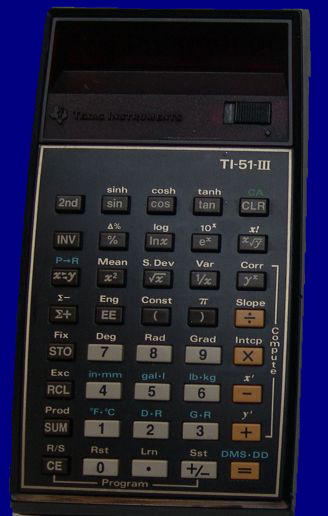
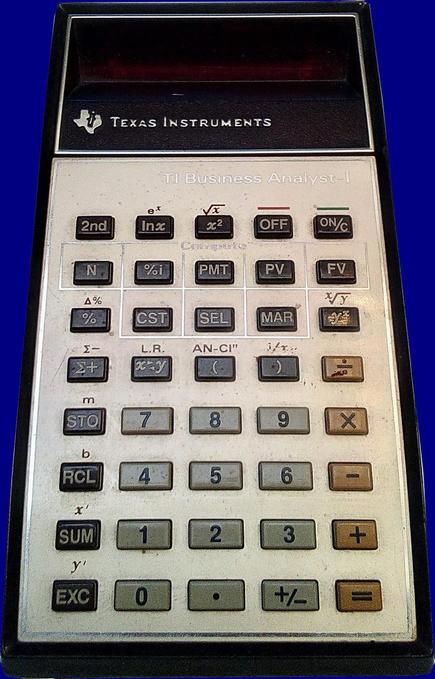
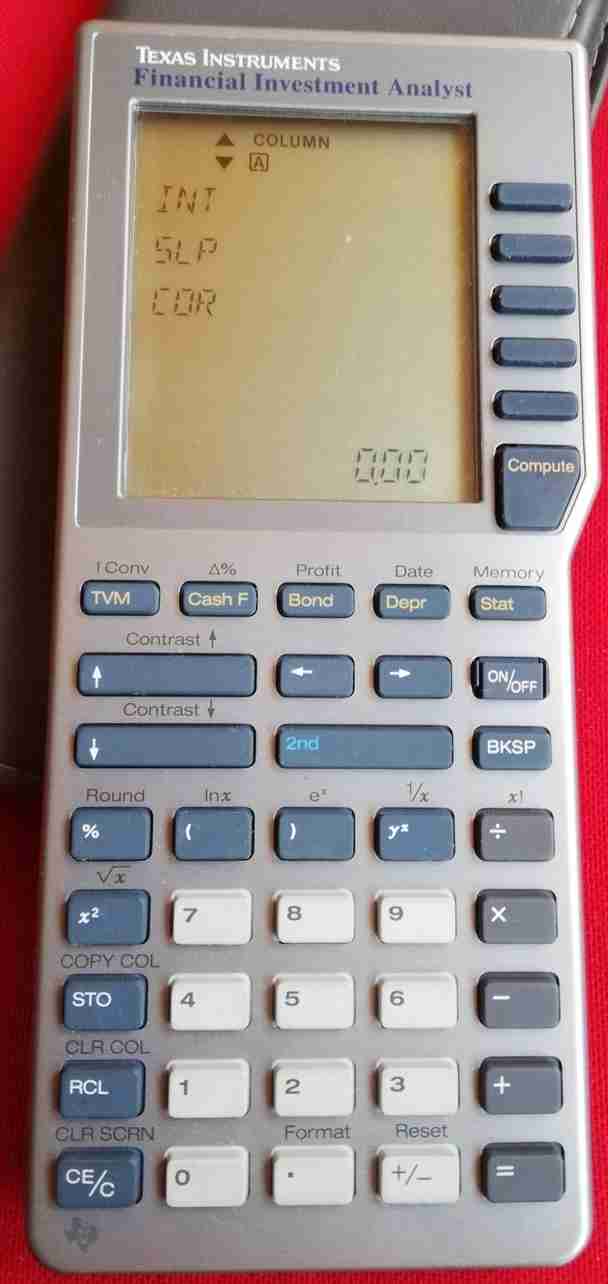
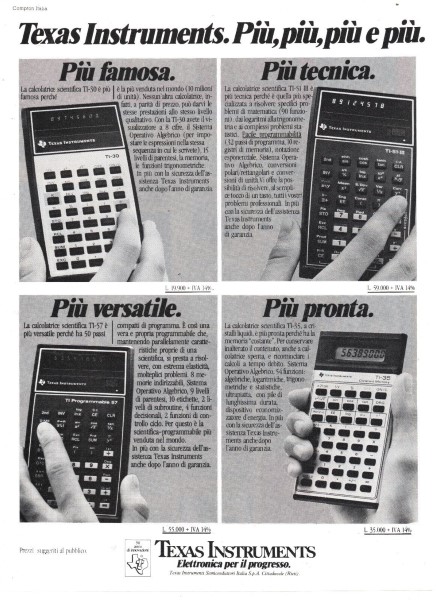 In these galleries, we’ll take a trip through time to explore the iconic calculators built by Texas Instruments!
From the legendary LED models that made TI history, to the sleek LCD versions, all the way to the mighty Desktop and the quirky Overhead calculators — there's something for every enthusiast!
Get ready for a dive into glowing red digits, green displays, clicky keys, and designs straight out of the ‘70s, ‘80s, and beyond.
Have fun and… enjoy the nerdy ride! 🔍🧮✨




.jpg "TI_2500_V0_white (0)")
.jpg&width=90&height=150&quality=100&ratio=0&crop=0&crop_factor=50&thumbdetail=0 "TI-2500 0V - rare LED calculator")
.jpg&width=90&height=150&quality=100&ratio=0&crop=0&crop_factor=50&thumbdetail=0 "TI-2500 0V - rare LED calculator")
.jpg&width=90&height=150&quality=100&ratio=0&crop=0&crop_factor=50&thumbdetail=0 "TI-2500 0V - rare LED calculator")






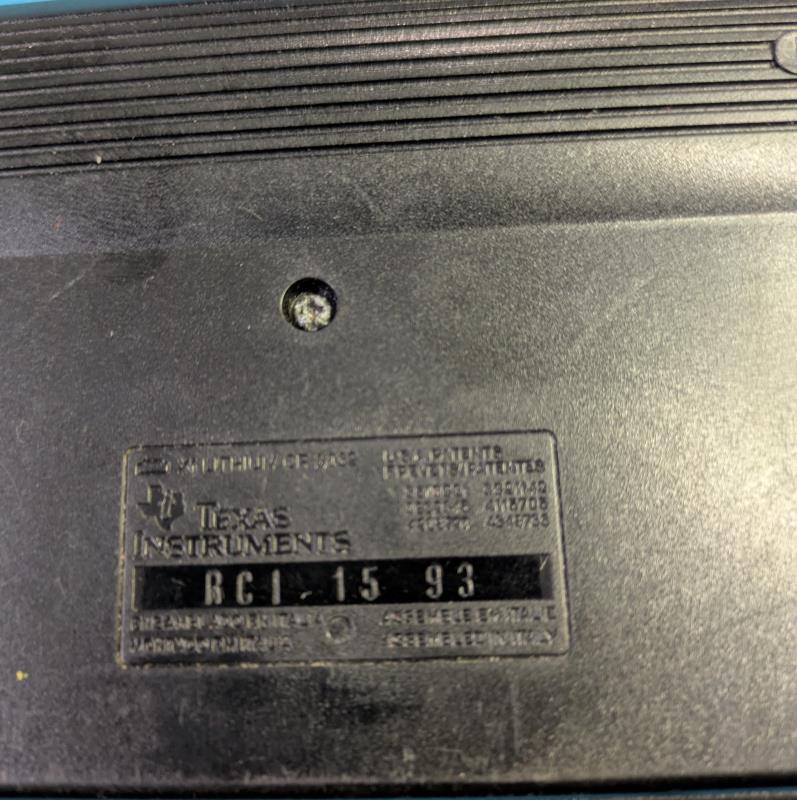


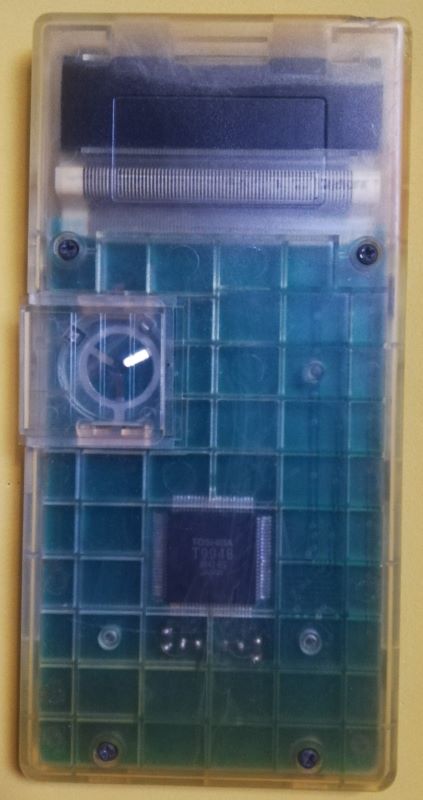


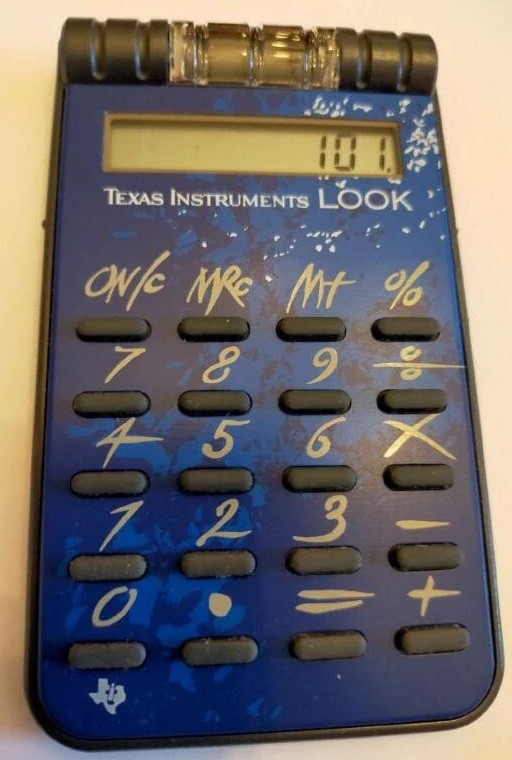


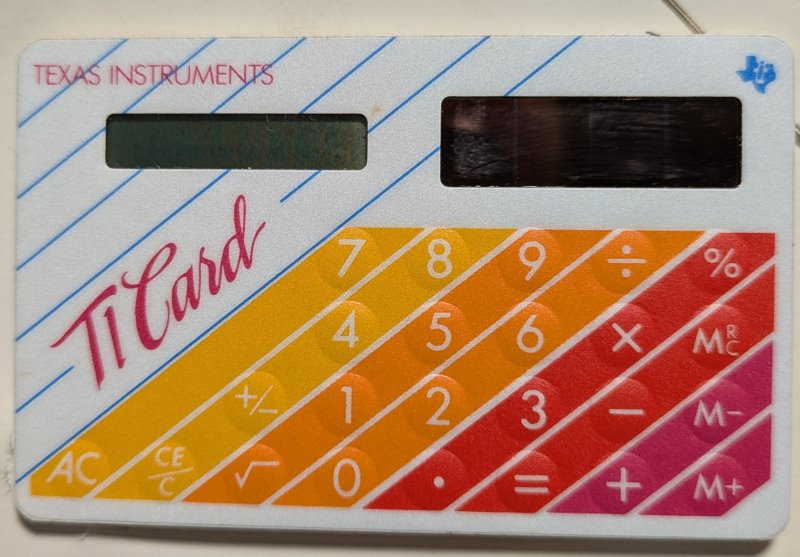


.jpg&width=90&height=150&quality=100&ratio=0&crop=0&crop_factor=50&thumbdetail=0 "TI-5008 microprinter - LCD calculator")
.jpg&width=90&height=150&quality=100&ratio=0&crop=0&crop_factor=50&thumbdetail=0 "TI-5008 microprinter - LCD calculator")


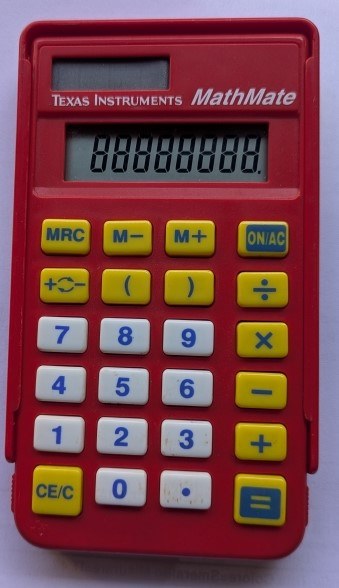

.jpg&width=90&height=150&quality=100&ratio=0&crop=0&crop_factor=50&thumbdetail=0 "PLT-SHH1 - Rare LCD Prototype")
.jpg&width=90&height=150&quality=100&ratio=0&crop=0&crop_factor=50&thumbdetail=0 "PLT-SHH1 - Rare LCD Prototype")
.jpg&width=90&height=150&quality=100&ratio=0&crop=0&crop_factor=50&thumbdetail=0 "PLT-SHH1 - Rare LCD Prototype")
.jpg&width=90&height=150&quality=100&ratio=0&crop=0&crop_factor=50&thumbdetail=0 "PLT-SHH1 - Rare LCD Prototype")


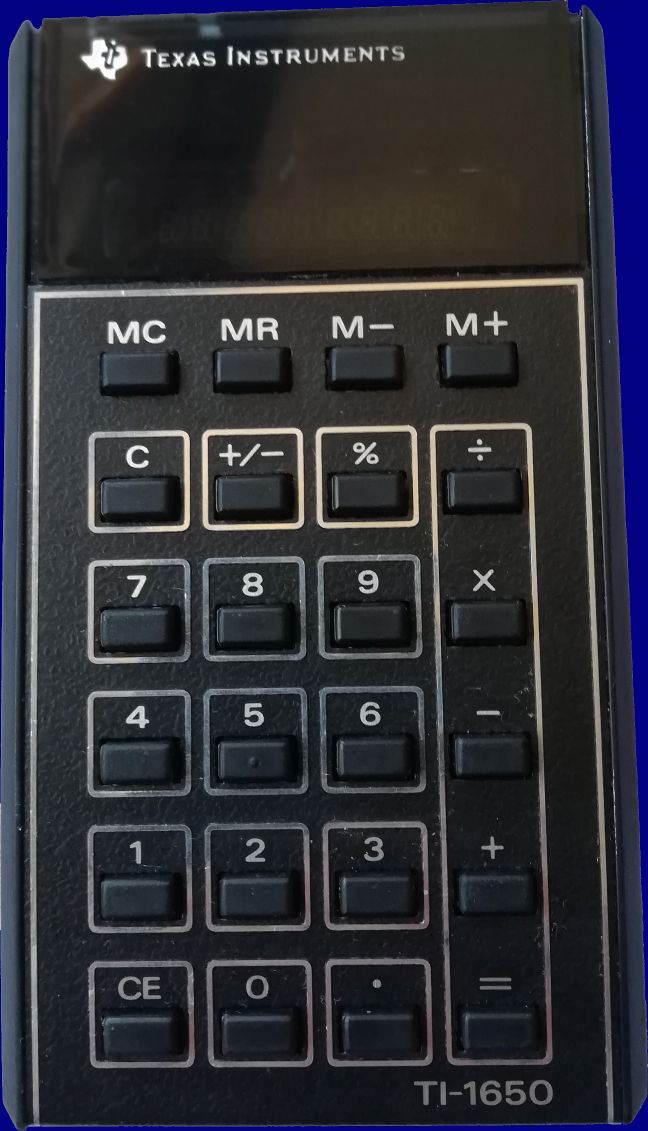


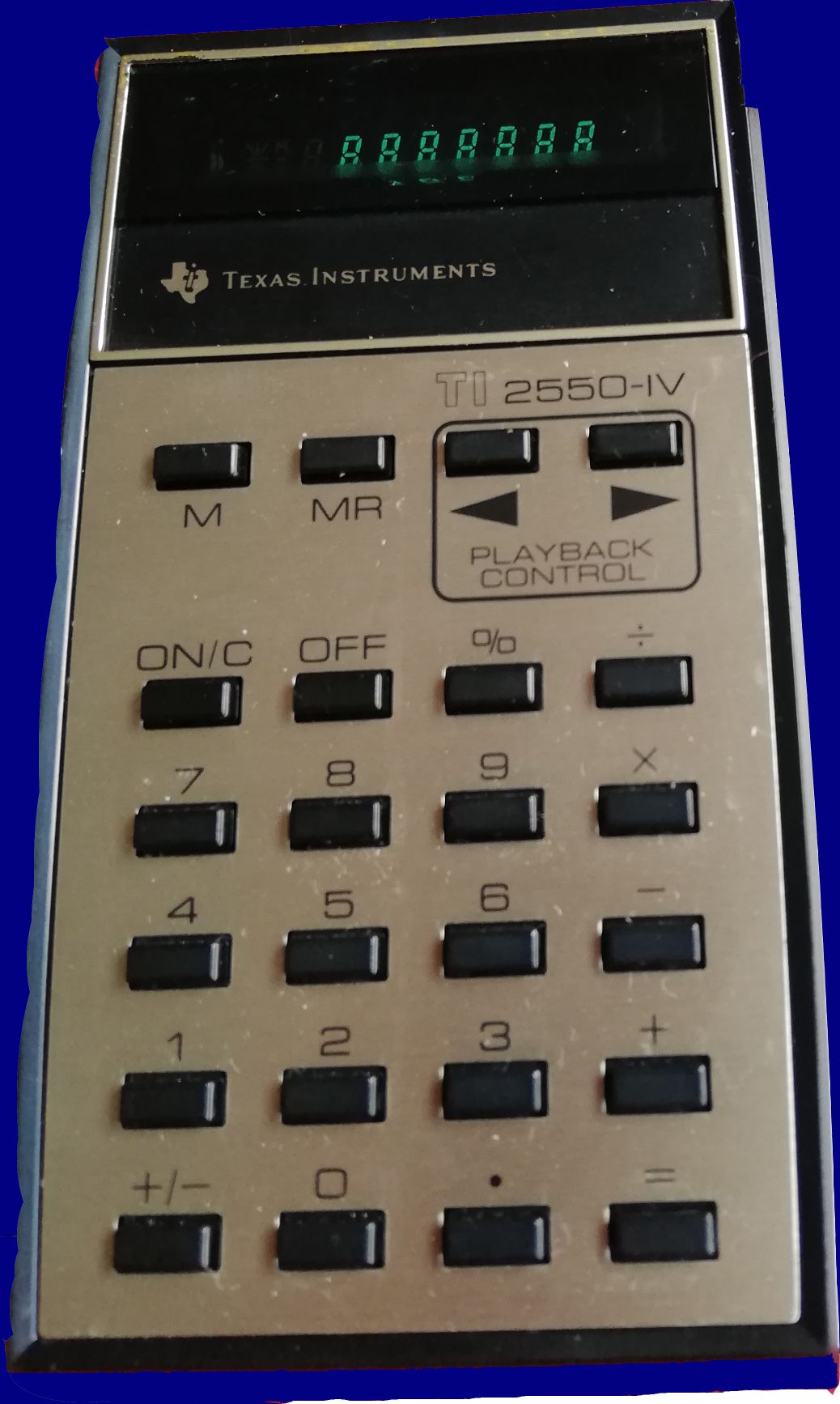


.jpg&width=90&height=150&quality=100&ratio=0&crop=0&crop_factor=50&thumbdetail=0 "SR-40 LCD - Slide Rule")
.jpg&width=90&height=150&quality=100&ratio=0&crop=0&crop_factor=50&thumbdetail=0 "SR-40 LCD - Slide Rule")
.jpg&width=90&height=150&quality=100&ratio=0&crop=0&crop_factor=50&thumbdetail=0 "SR-40 LCD - Slide Rule")
.jpg&width=90&height=150&quality=100&ratio=0&crop=0&crop_factor=50&thumbdetail=0 "SR-40 LCD - Slide Rule")


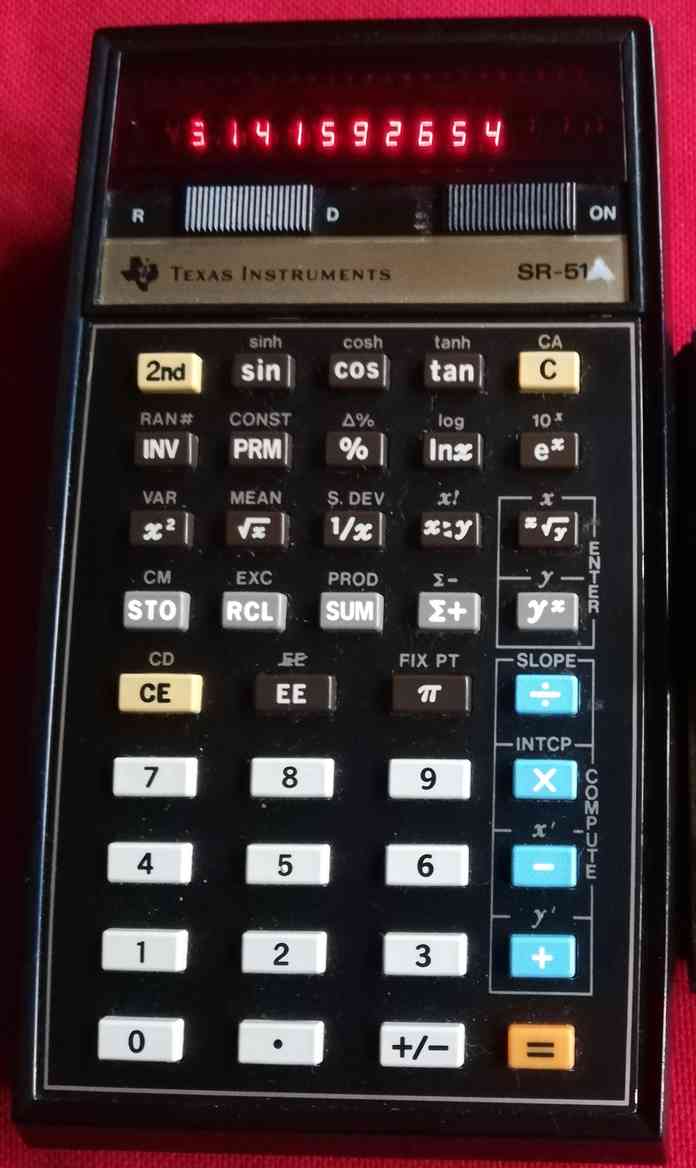


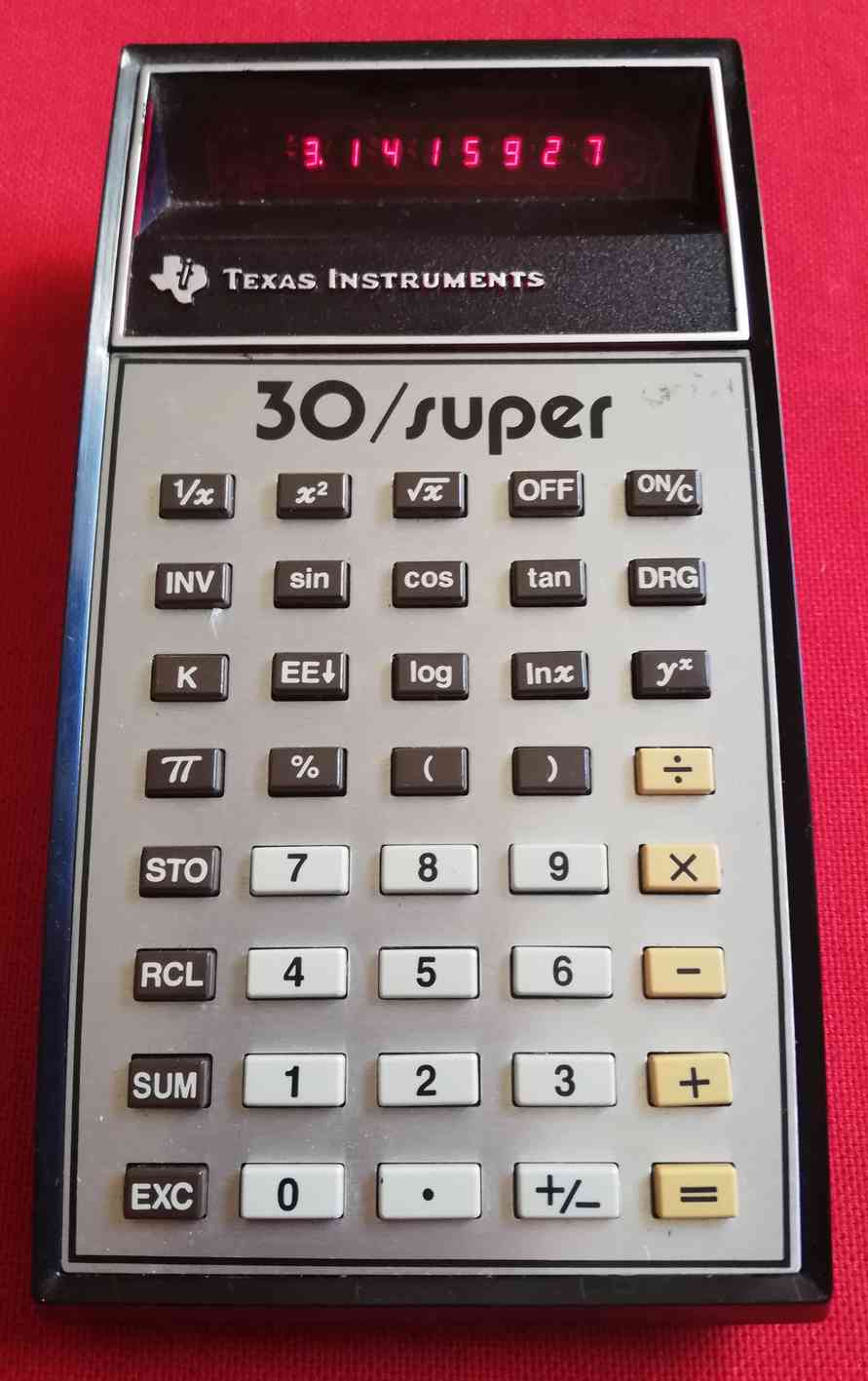


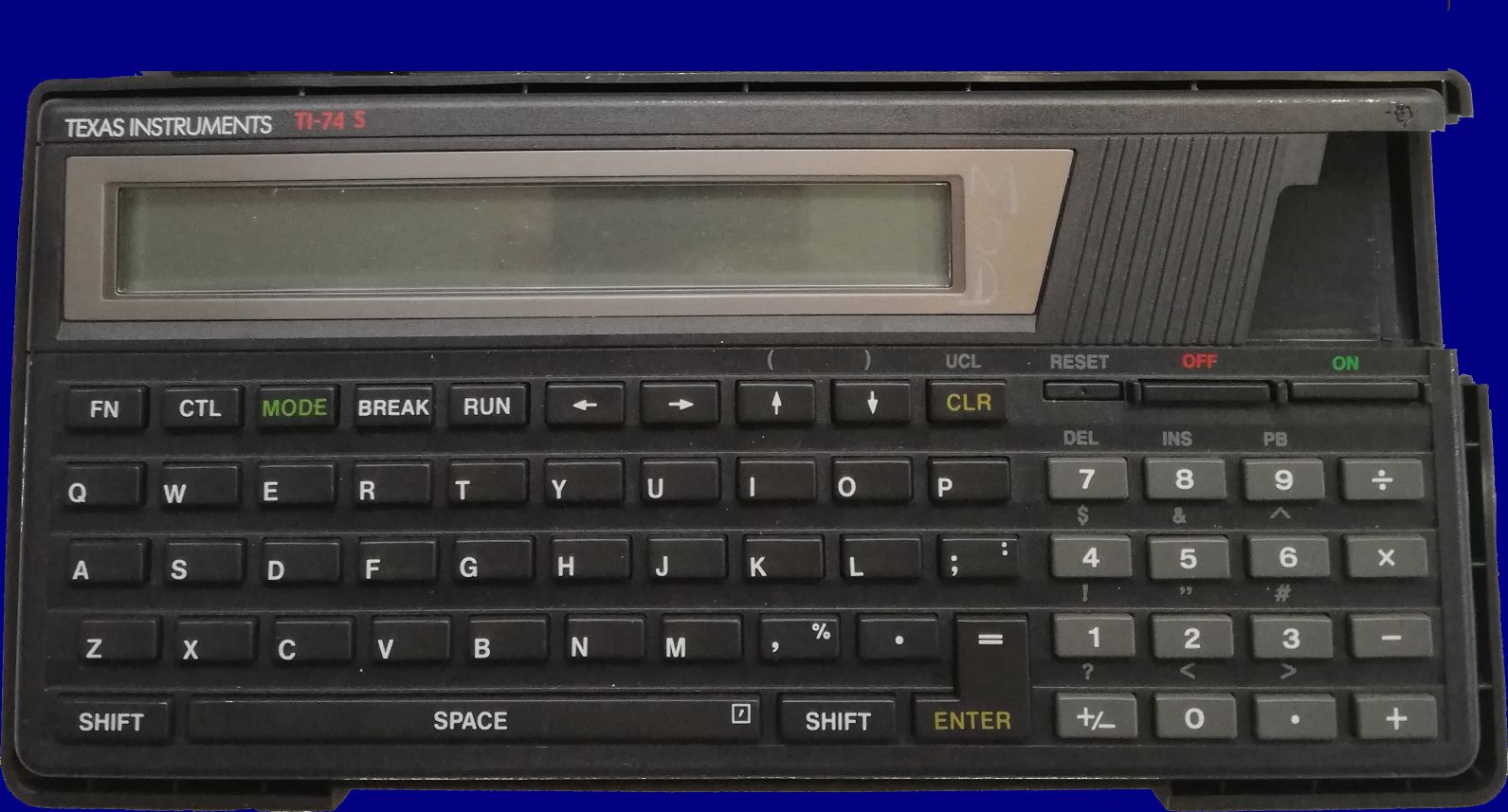


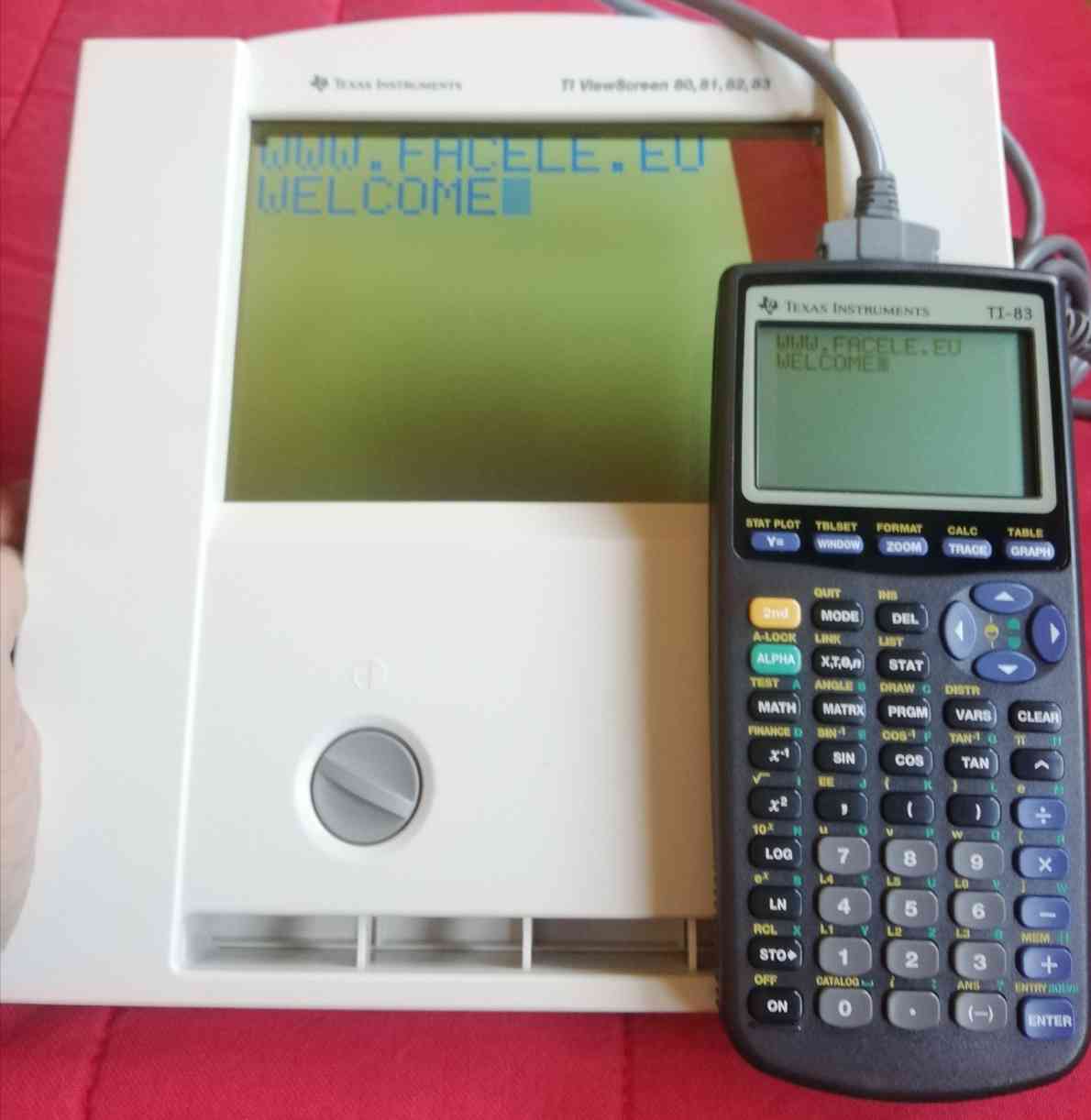


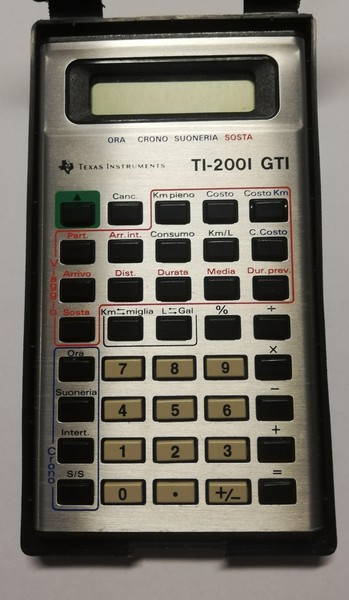


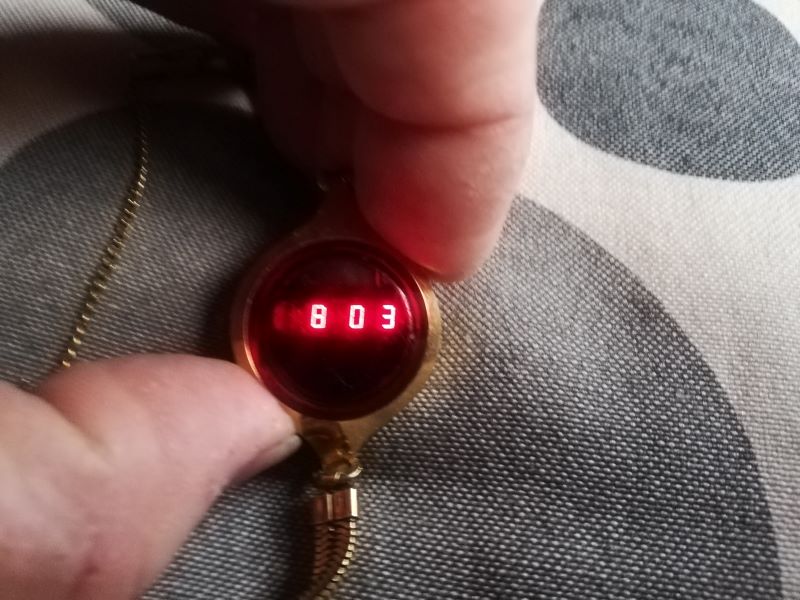
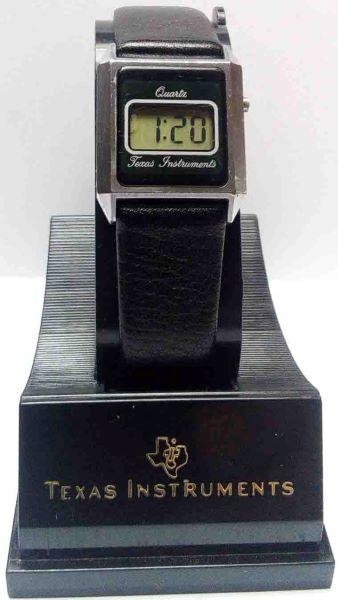
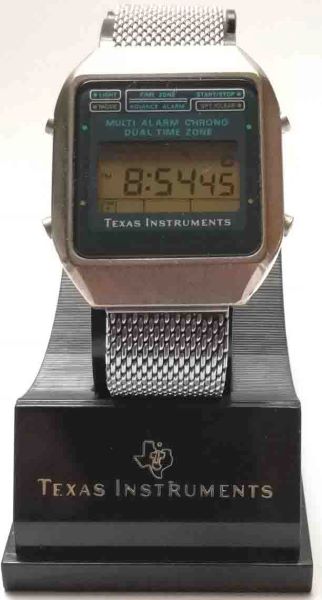
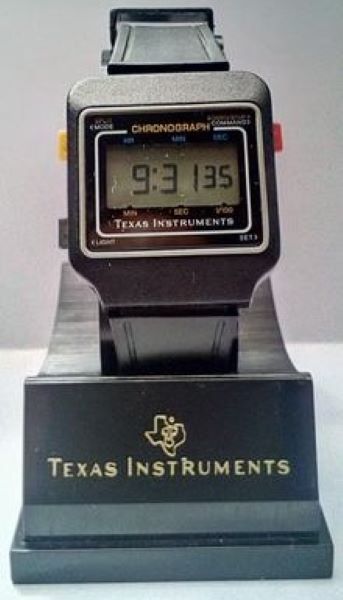
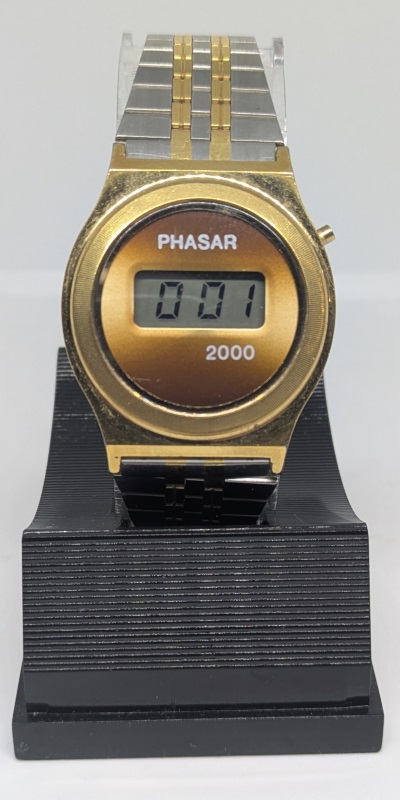
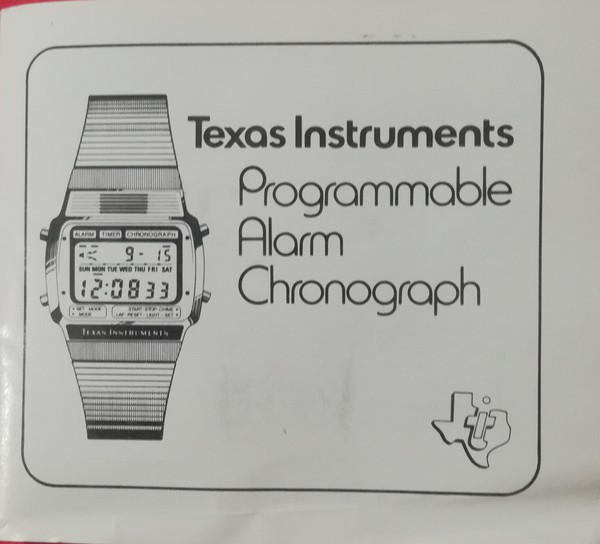
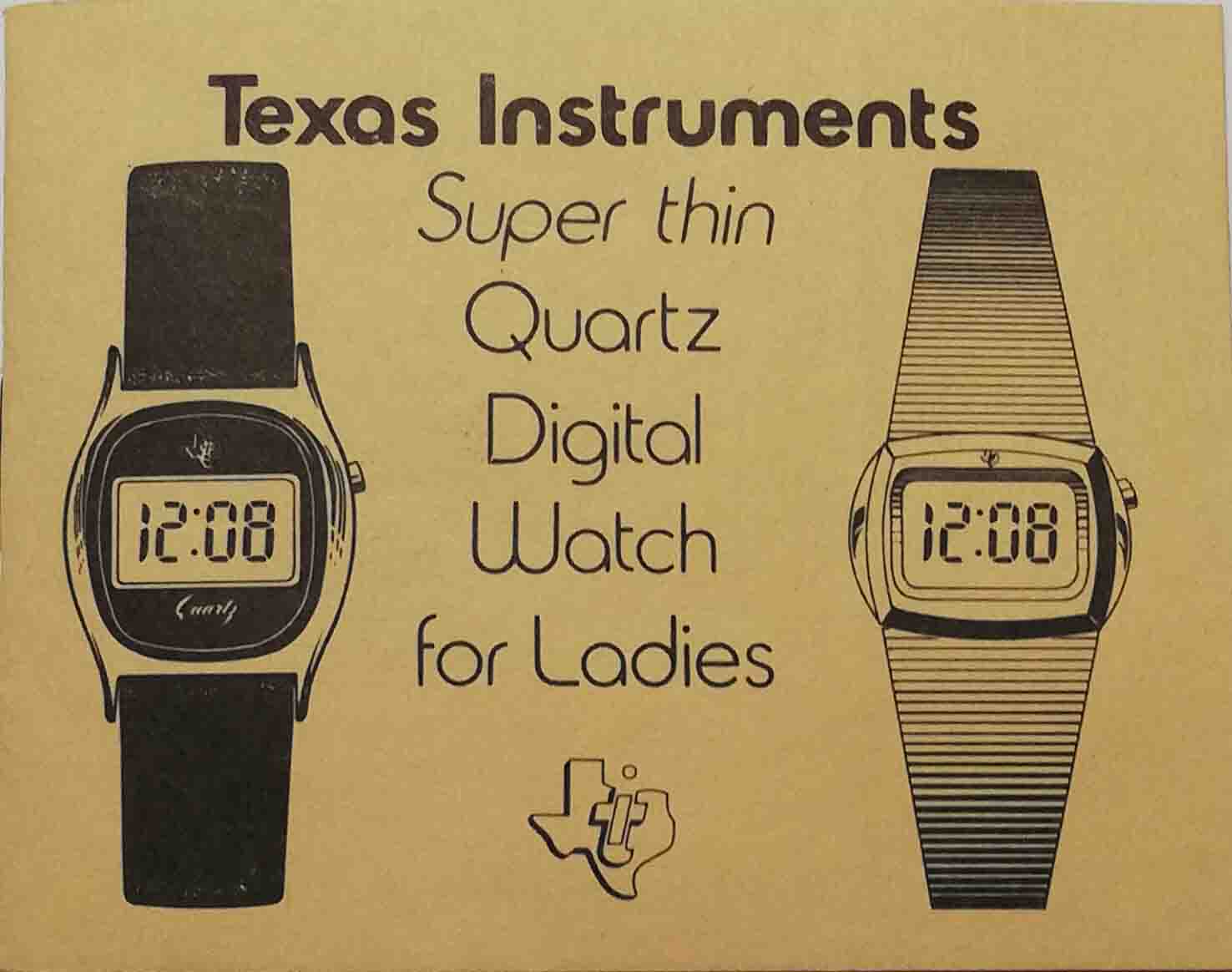
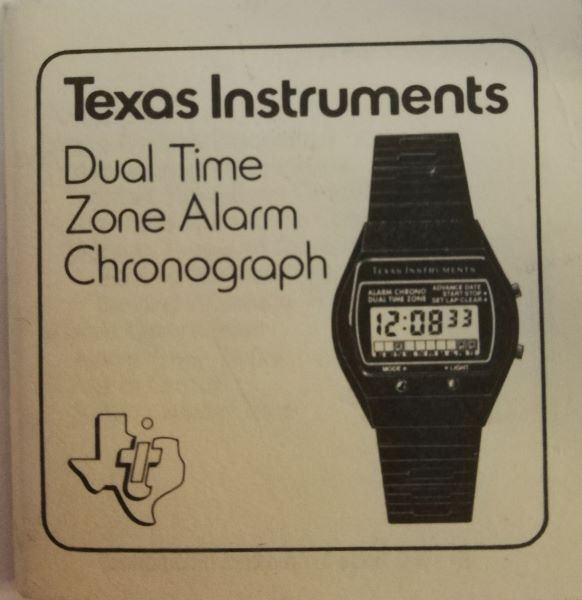
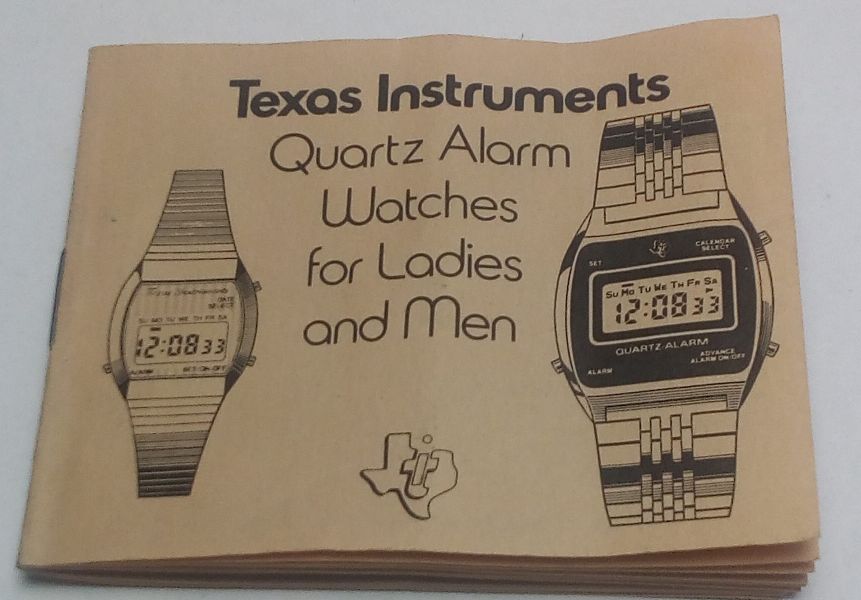
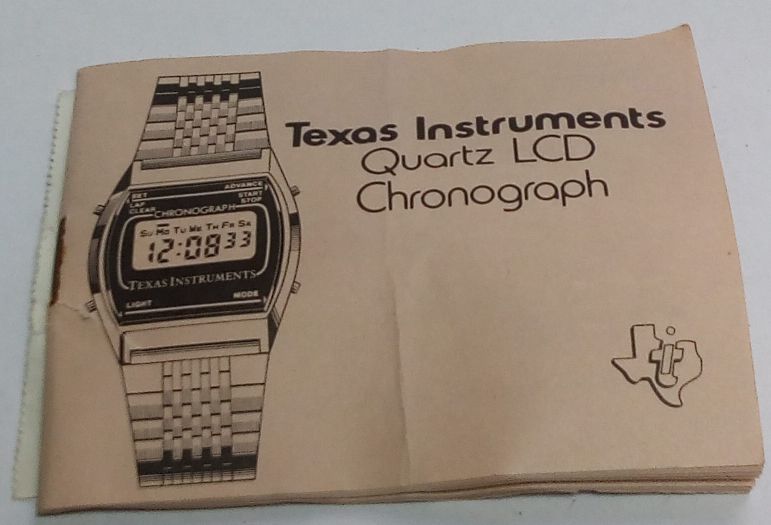
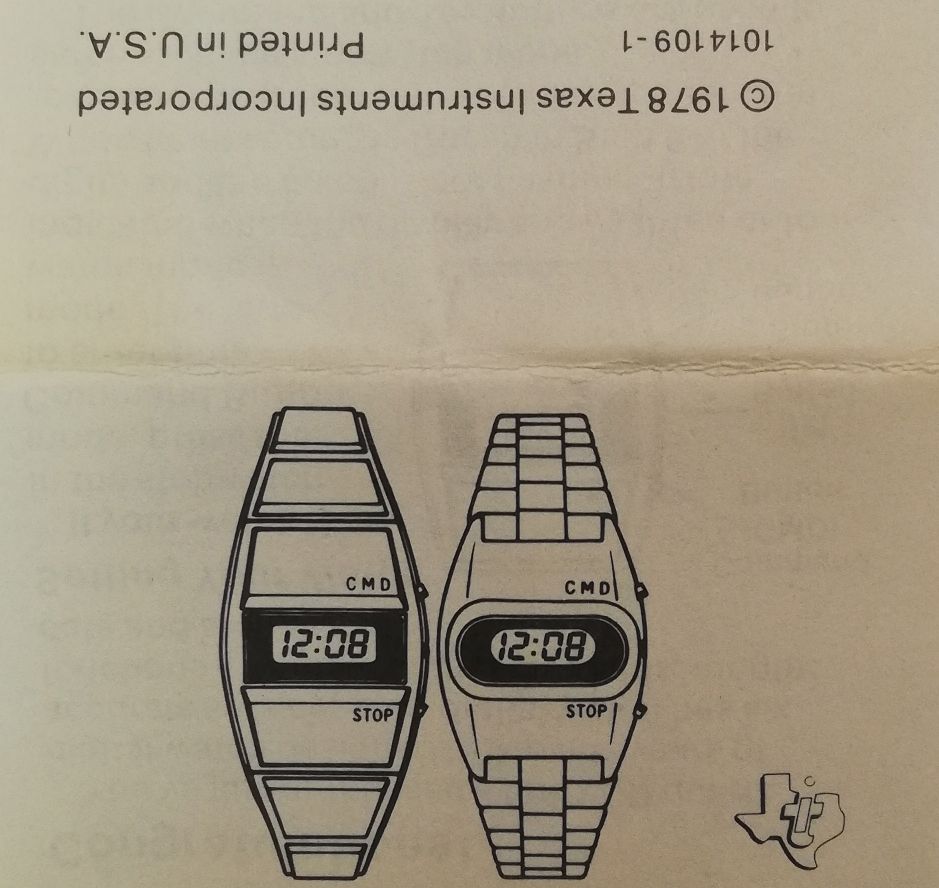
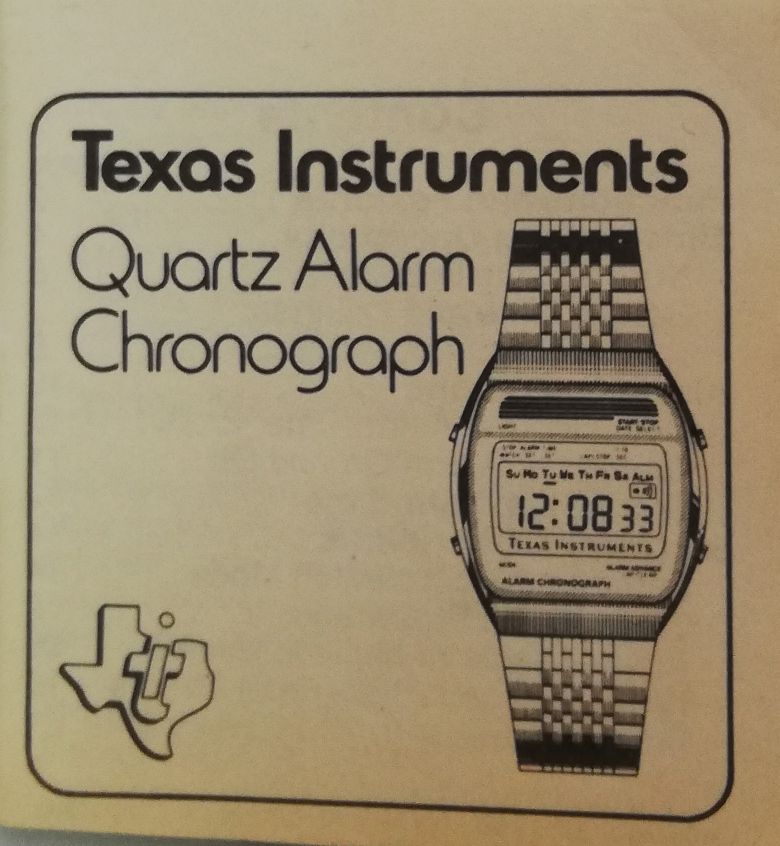
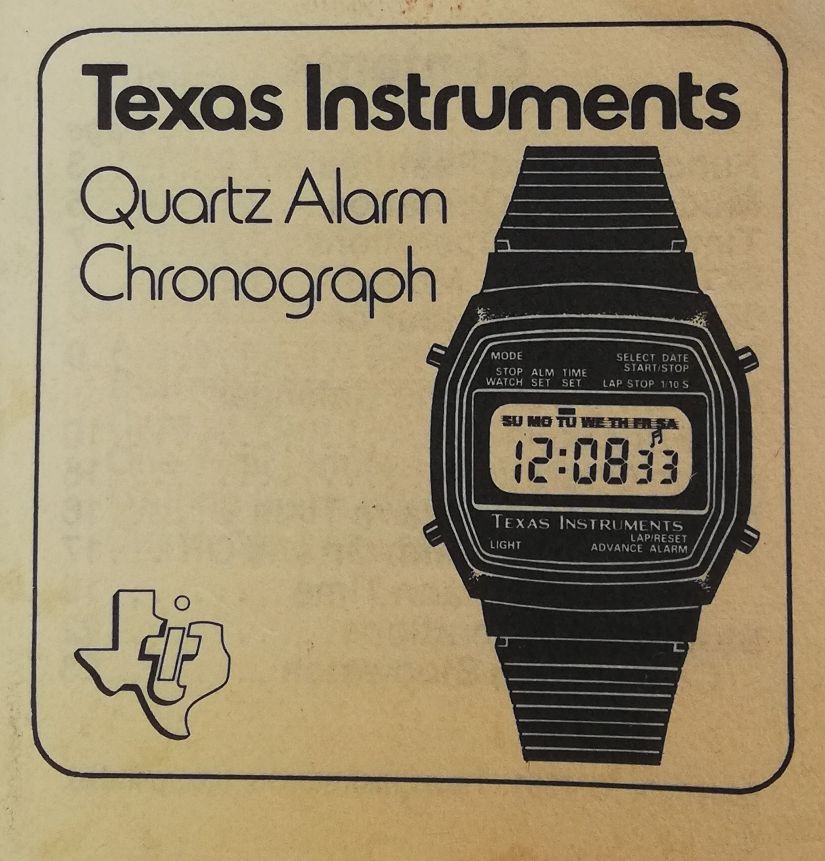
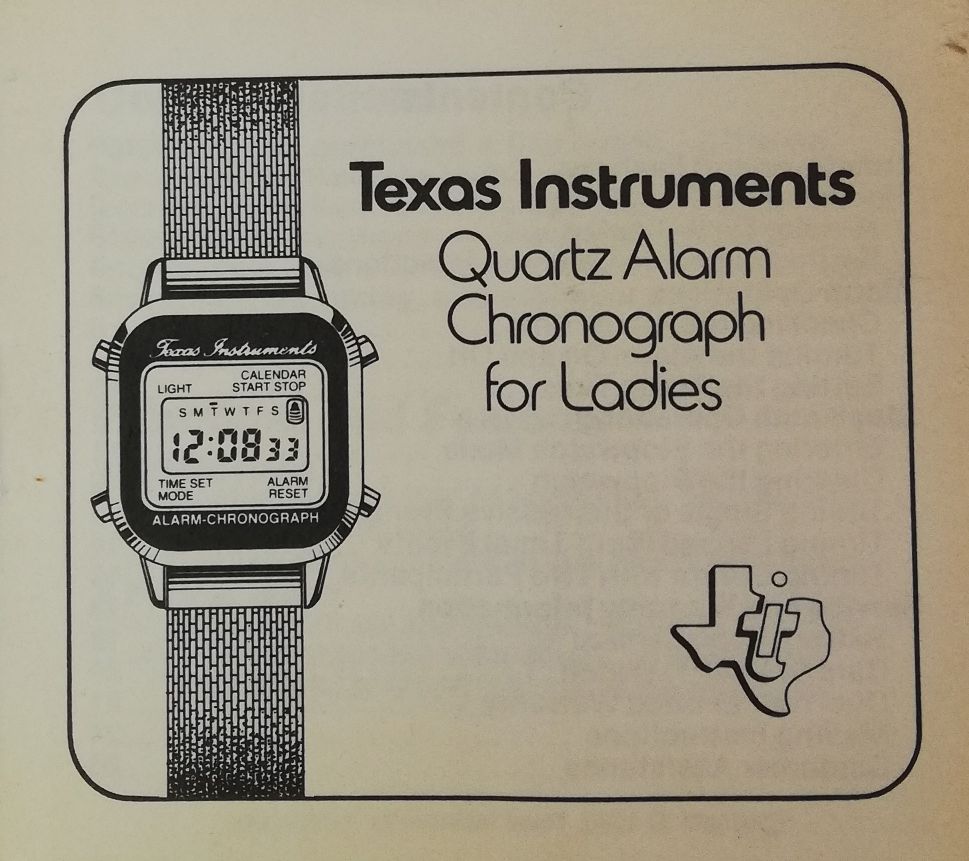
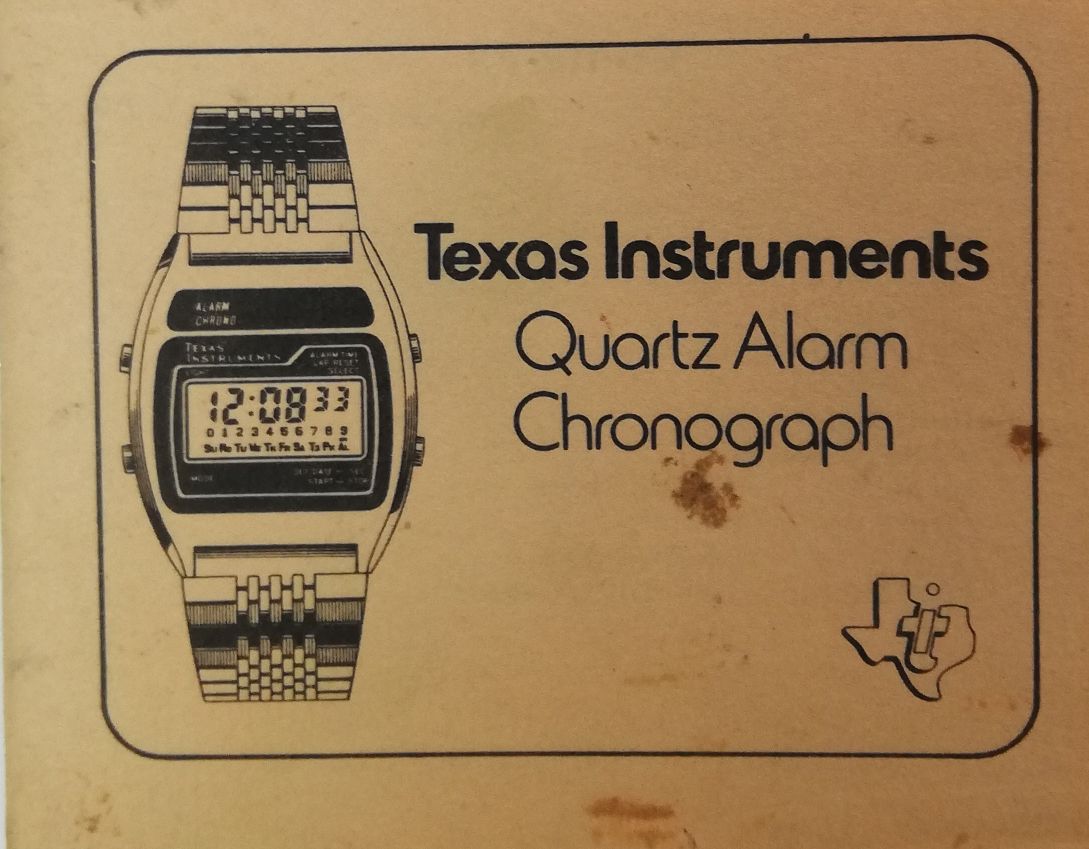
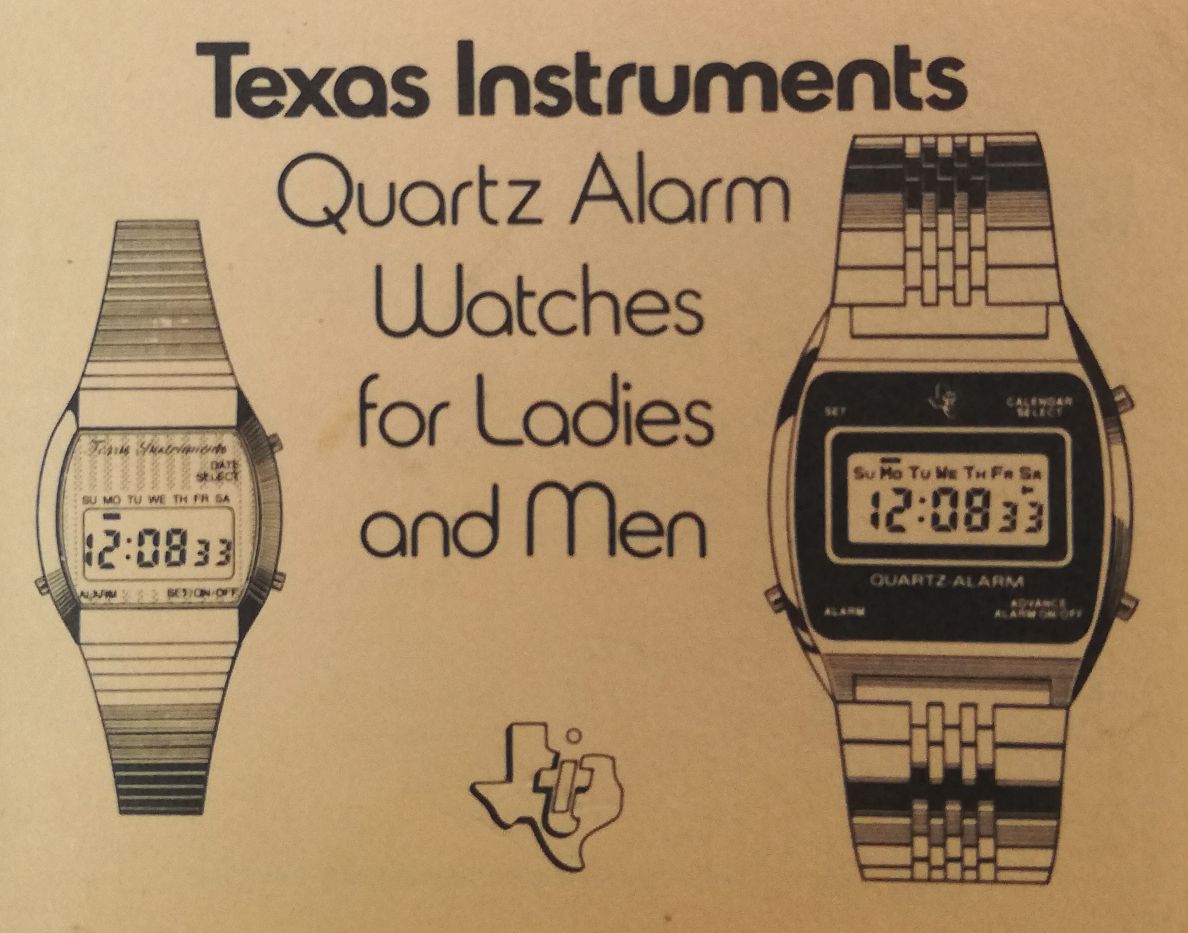
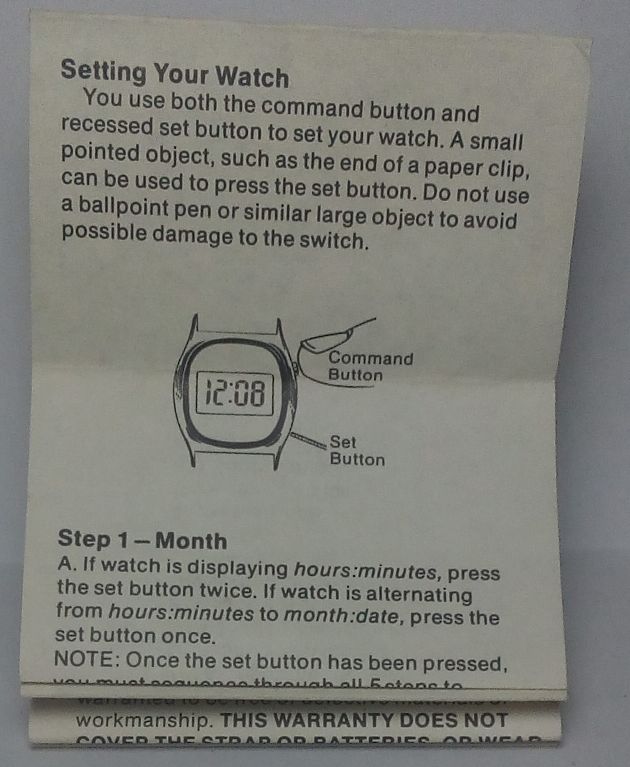
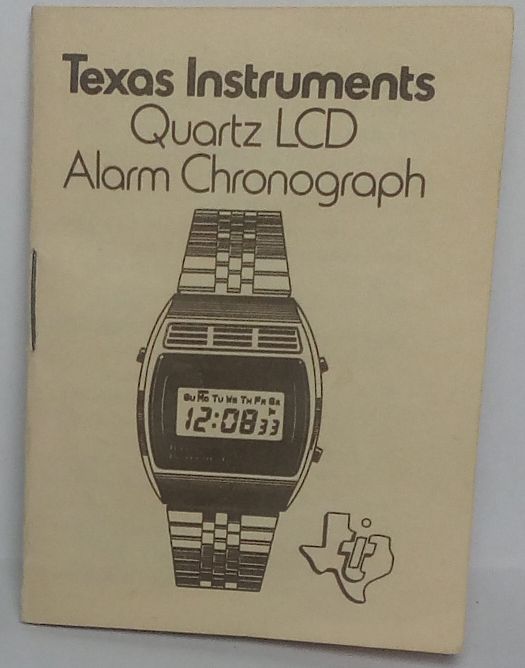
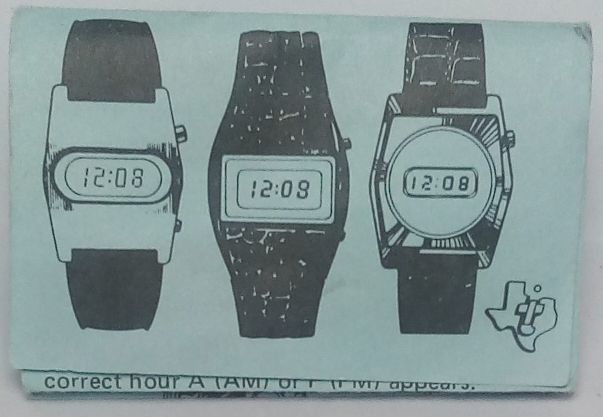
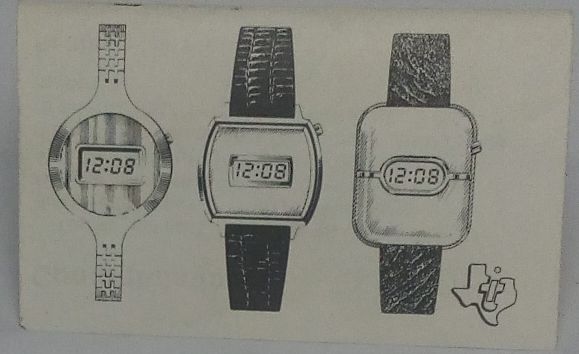
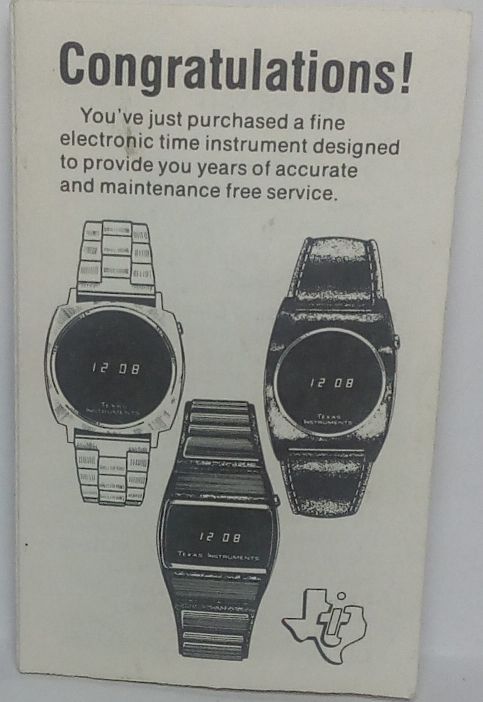
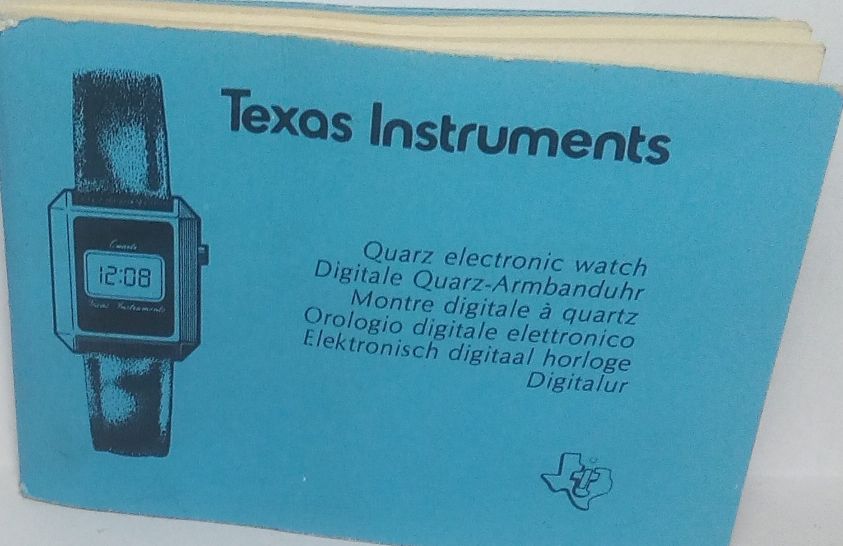
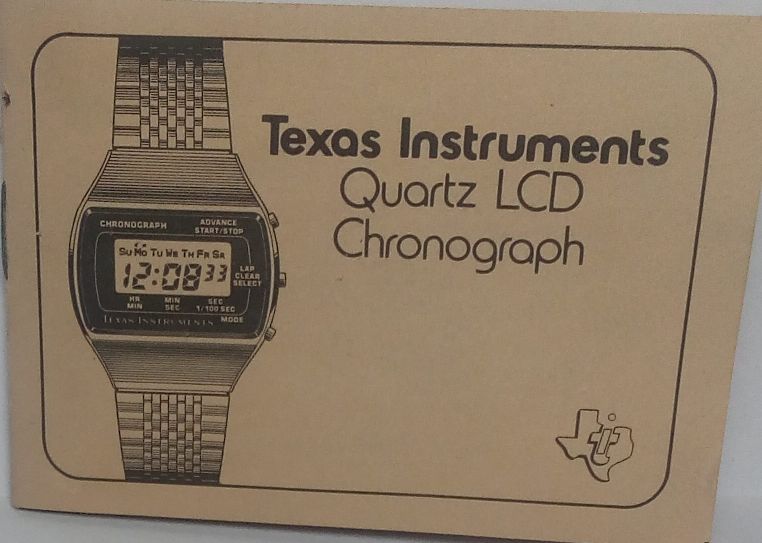
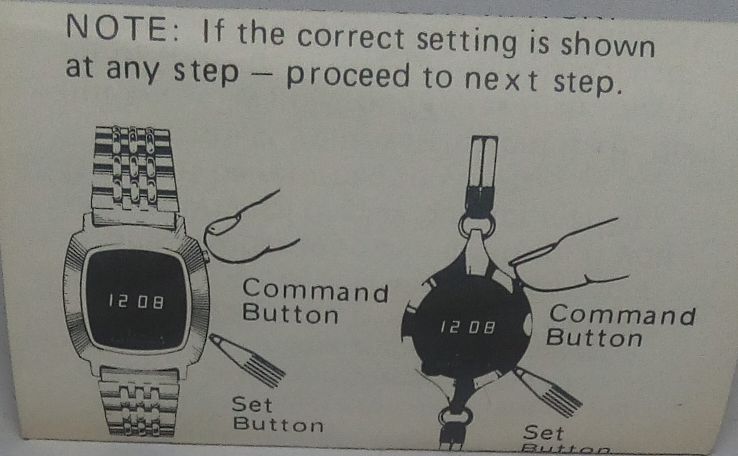
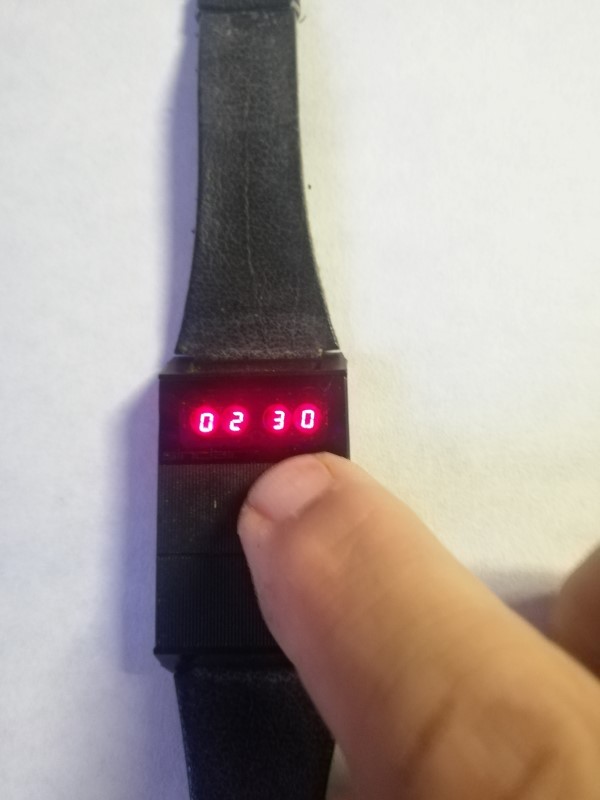
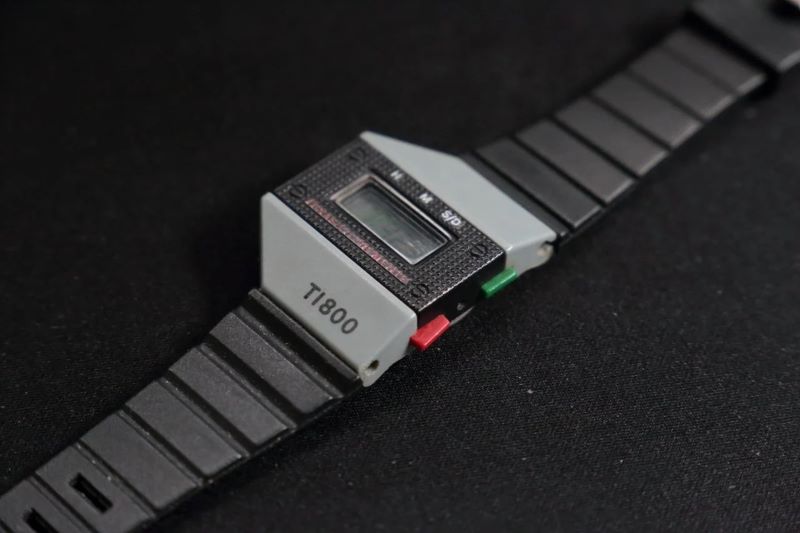 In this gallery we will talk about Texas Instruments watches. We start with the LED and LCD watches,to those with analog hands, given as gifts to employees or sold as gadgets.There are some booklets, where the functions of the watches are described.
Have fun !
Texas-Instruments (TI) revolutionized the digital wristwatch industry with the introduction of the first under $20 LED watch in 1976. Soon, TI produced licensed LED watches that tied in with the release of Star Wars in 1977 for only $16.95, and the price kept dropping. By the end of the decade, industry price cutting had driven several high-end digital watch manufacturers out of business. TI itself suffered from its own success—dropping profit margins forced the company to exit the watch business by 1980. By then, digital watches had become inexpensive commodity items.












|
Name Cartridge |
Year |
Released |
Number |
Manual |
Speech |
Screenshot |
Screenshot |
Screenshot |
|
4A Flyer |
1986 |
John Phillips |
BDAF |
YES |
|
|
|
|
|
Accounting Assistant |
1981 |
Scott Foresman |
SF30429 |
|
|
 |
|
|
|
Addition |
1982 |
Texas Instruments |
PHM 3090 |
|
|
|
|
|
|
Addition & Subtraction 1 |
1981 |
Scott Foresman |
PHM 3027 |
YES |
YES |
|
|
|
|
Addition & Subtraction 1 |
1981 |
Scott Foresman |
SF30201 |
YES |
YES |
|
|
|
|
Addition & Subtraction 2 |
1981 |
Scott Foresman |
PHM 3028 |
YES |
YES |
 |
|
|
|
Addition & Subtraction 3 |
1984 |
Scott Foresman |
SF30226 |
|
|
|
|
|
|
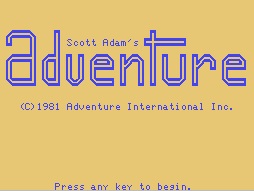
Adventure |
1981 |
Adventure International |
PHM 3041 |
YES |
|
 |
|
|
|
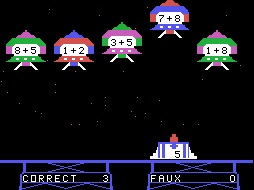
Alien addition |
1982 |
Texas Instruments |
PHM 3115 |
|
|
|
|
|
|
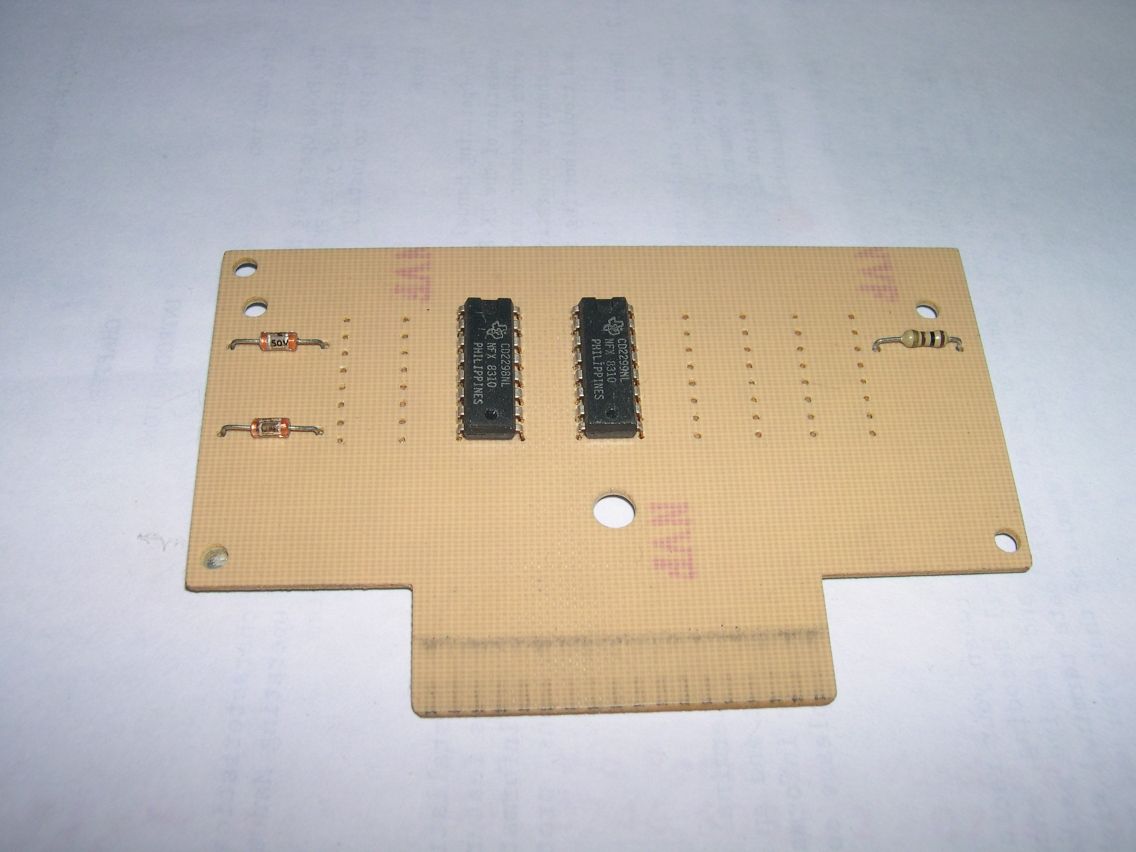
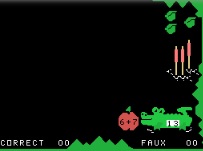
Alligator mix |
1982 |
Texas Instruments |
PHM 3114 |
|
|
 |
|
|
|
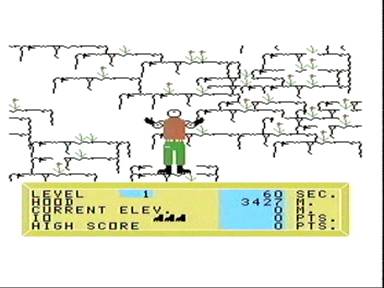
Alpiner |
1982 |
Texas Instruments |
PHM 3056 |
YES |
YES |
|
|
|
|
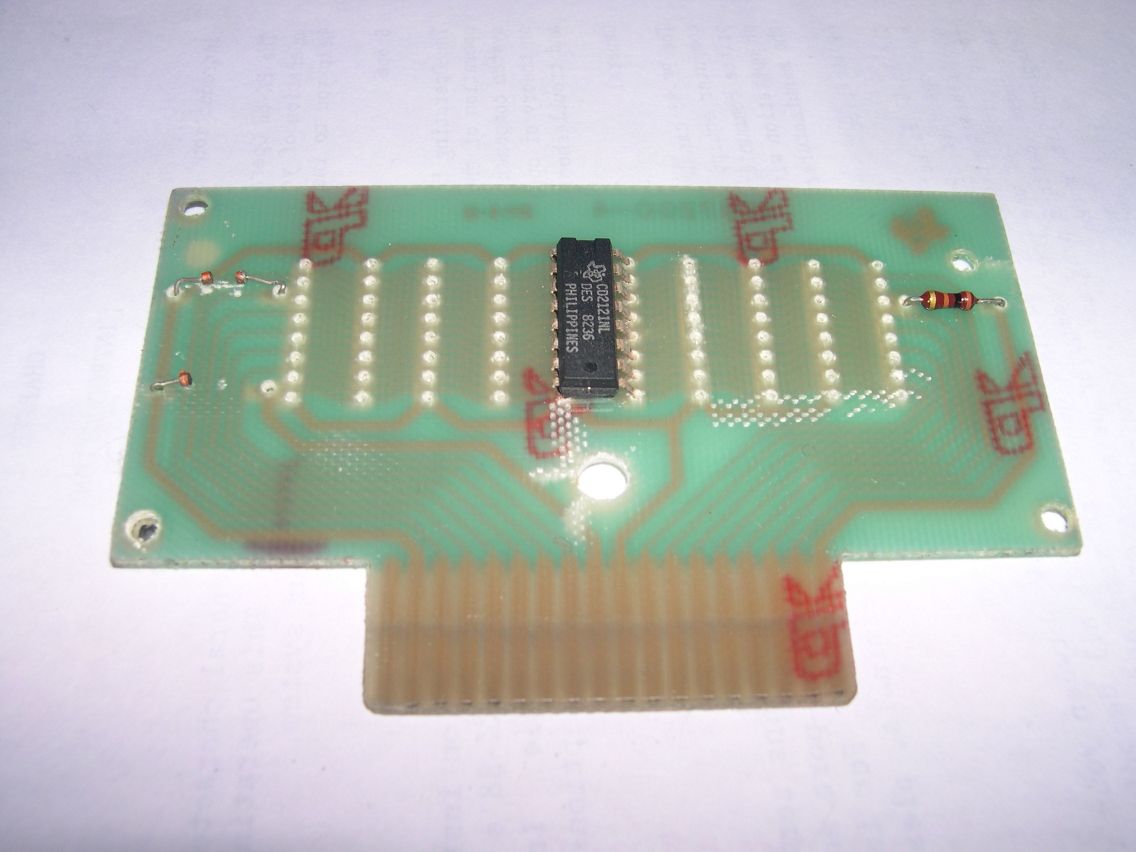
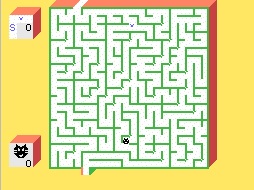
A-maze-ing |
1980 |
Texas Instruments |
PHM 3030 |
YES |
|
 |
|
|
|
Ambulance |
1983 |
Funware |
FW1005 |
|
|
|
|
|
|
Ant-eater 8k |
1983 |
Romox |
ROM02025 |
|
|
|
|
|
|
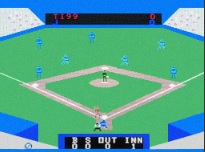
Championship Baseball |
1983 |
Milton Bradley MBX |
PHM 3148 |
|
YES |
|
|
|
|
Beginning grammar |
1978 |
Texas Instruments |
PHM 3003 |
YES |
|
|
|
|
|
Beyond word |
1988 |
DataBiotics |
TR 2017 |
|
|
|
|
|
|
Bigfoot |
1983 |
Milton Bradley MBX |
PHM3151 |
|
YES |
|
|
|
|
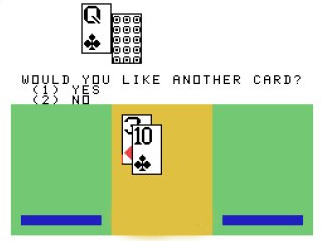
Black jack e poker |
1980 |
Texas Instruments |
PHM 3033 |
|
|
|
|
|
|
Blasto |
1980 |
Milton Bradley |
PHM 3032 |
YES |
|
|
|
|
|
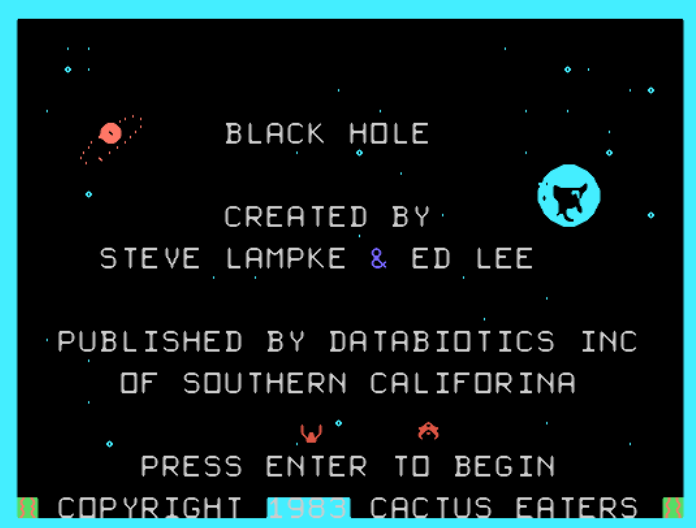
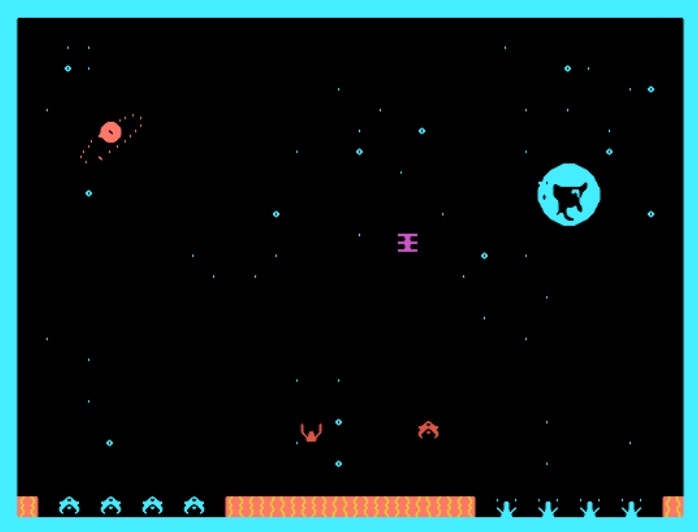
Black Hole |
1983 |
DaTaBioTics |
BABD |
|
|
|
|
|
|
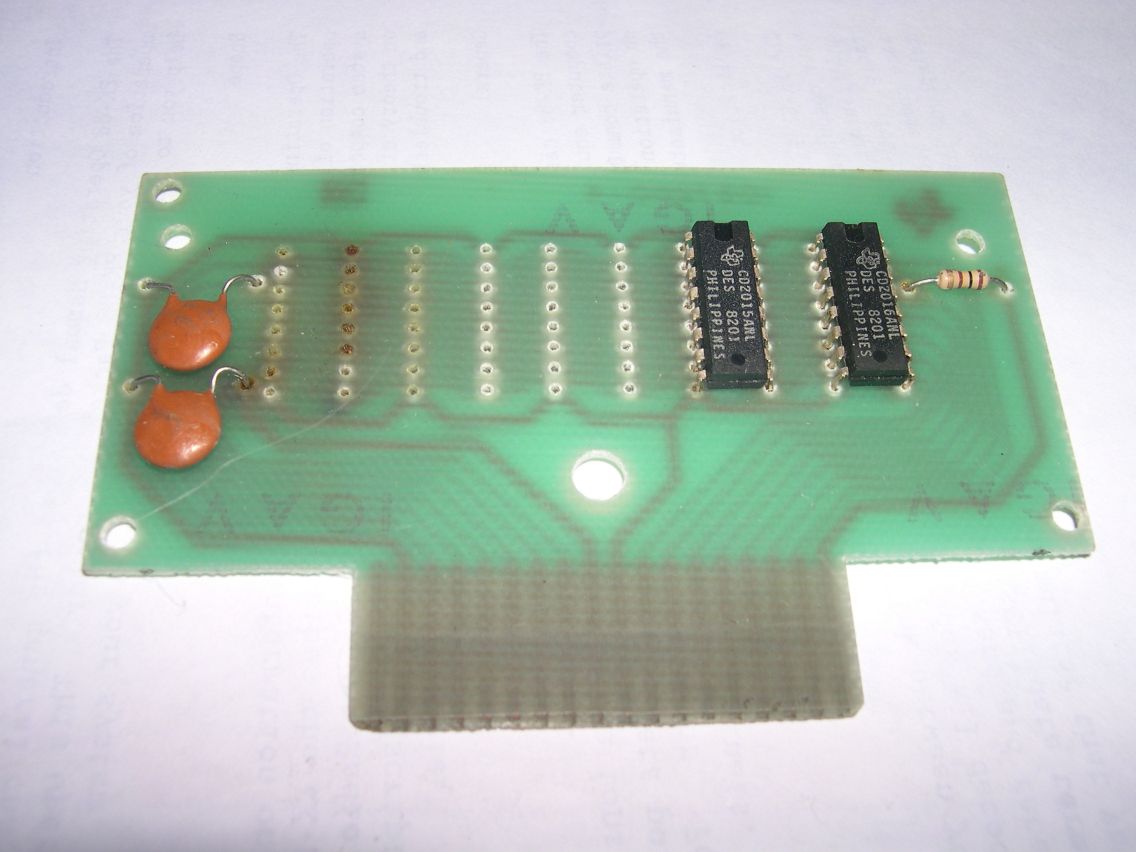
Budget managent |
|
|
|
|
|
 |
|
|
|
Burgertime |
1983 |
Data East USA |
PHM 3233 |
|
|
|
|
|
|
Buck Rogers - Planet of Zoom |
1983 |
Sega Enterprises |
PHM 3226 |
|
YES |
|
|
|
|
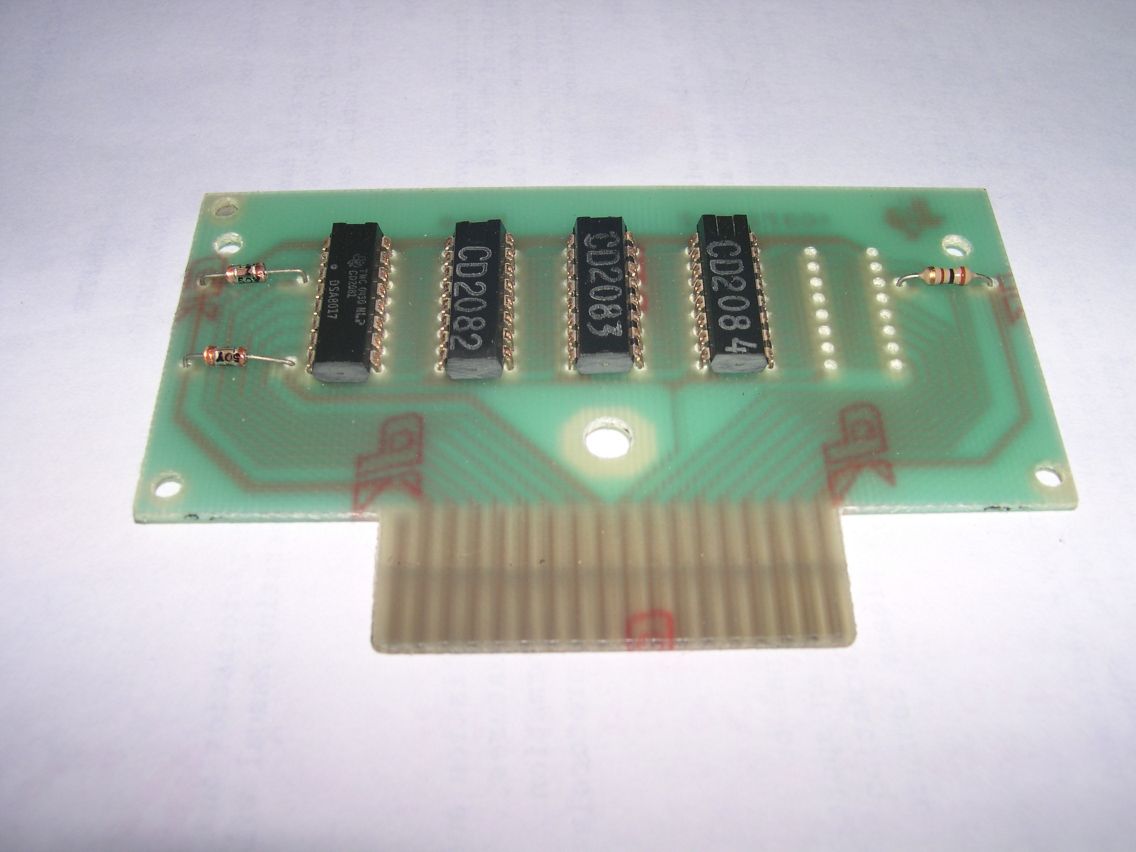
calcolo di una equazione dimostrativa |
|
|
|
|
|
 |
|
|
|
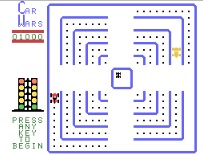
Car wars |
1981 |
Texas Instruments |
PHM 3054 |
YES |
|
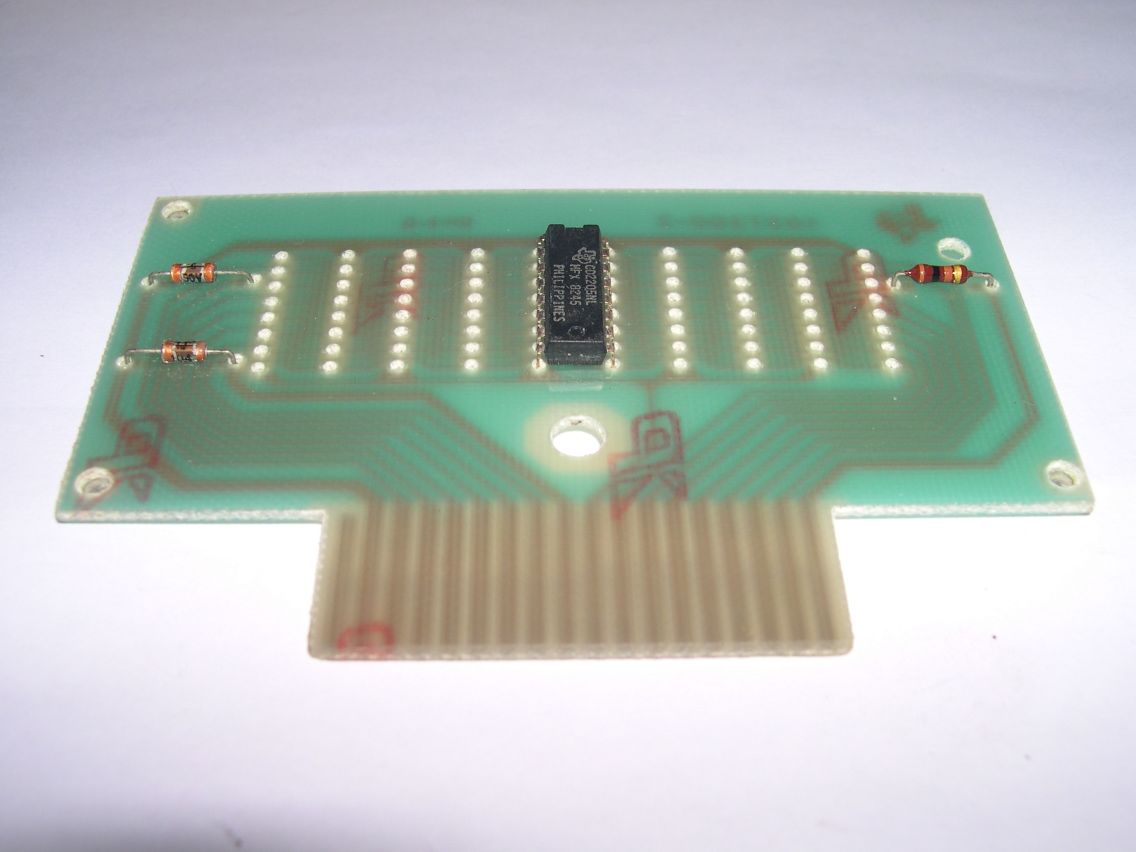 |
|
|
|
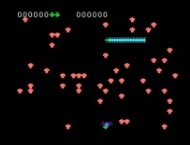
Centipede |
1983 |
Atarisoft |
RX8503 |
|
|
|
|
|
| Chicken coop | 1986 | Navarone | TRI-BAAH |  |
||||
|
Chisolm trail |
1982 |
Texas Instruments |
PHM 3110 |
YES |
|
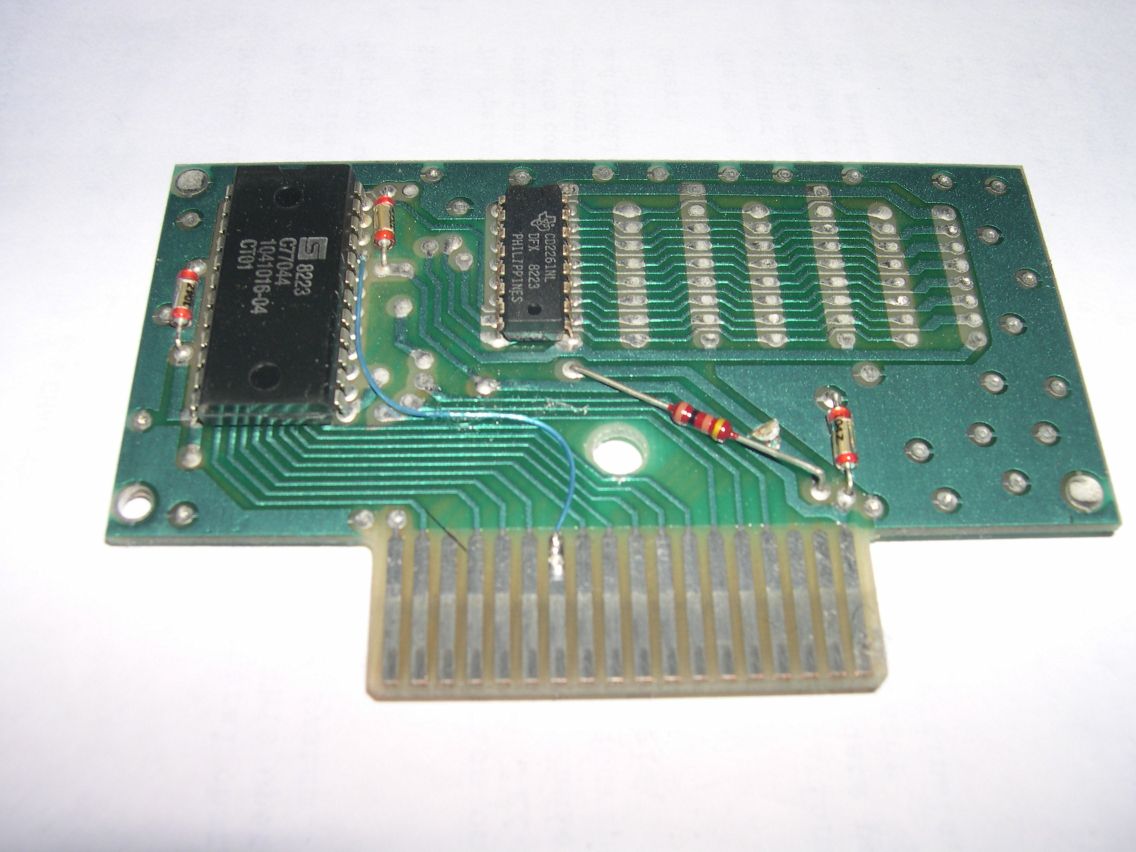 |
|
|
|
Computer math games II |
1982 |
Texas Instruments |
PHM 3083 |
YES |
|
|
|
|
|
Computer math games III |
1983 |
Texas Instruments |
PHM 3085 |
|
|
|
|
|
|
Computer math games VI |
1982 |
Texas Instruments |
PHM 3088 |
YES |
|
|
|
|
|
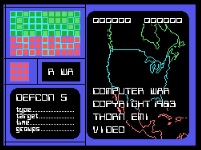
Computer War |
1983 |
Thorn EMI Video |
|
|
|
|
|
|
|
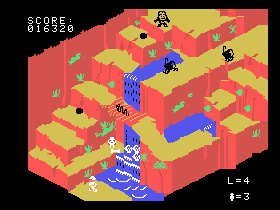
Congo bongo |
1983 |
Sega Enterprises |
PHM 3227 |
|
|
|
|
|
|
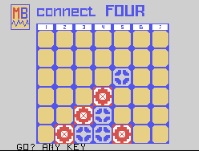
Connect four |
1980 |
Milton Bradley |
PHM 3038 |
YES |
|
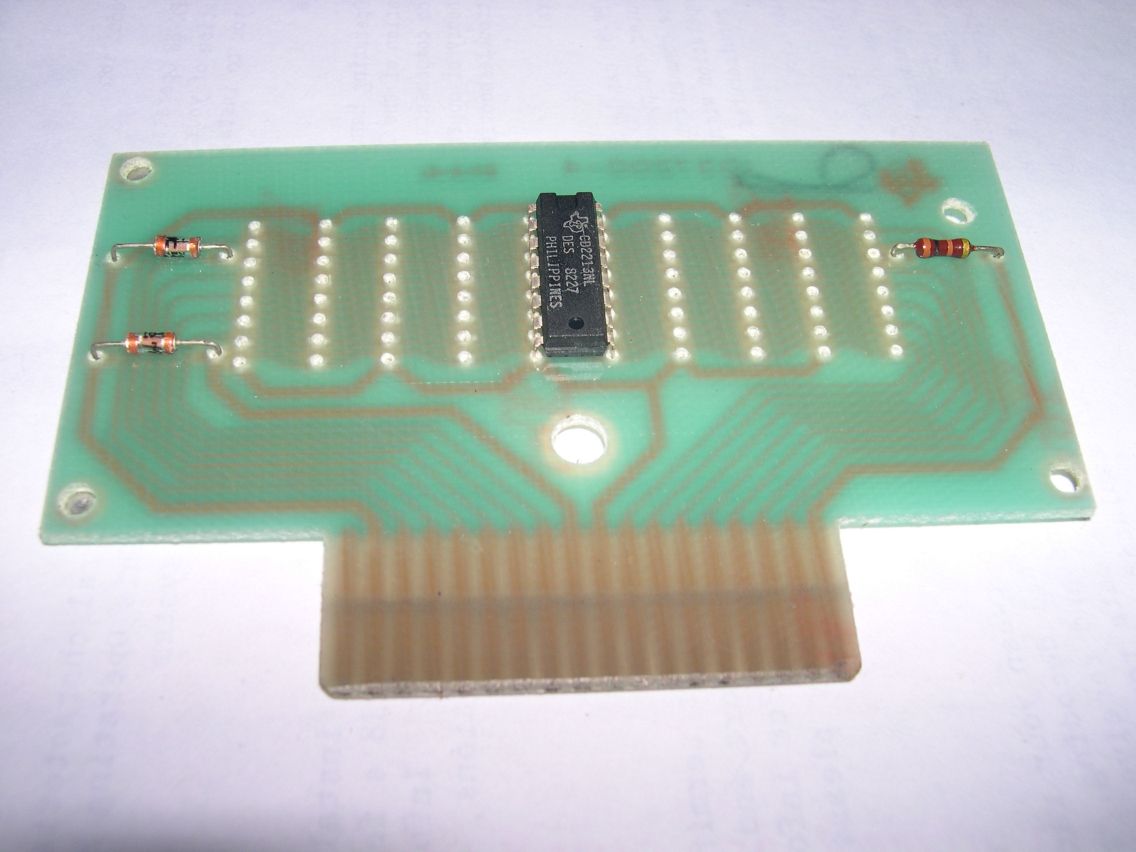 |
|
|
|
Console Test |
|
|
|
|
|
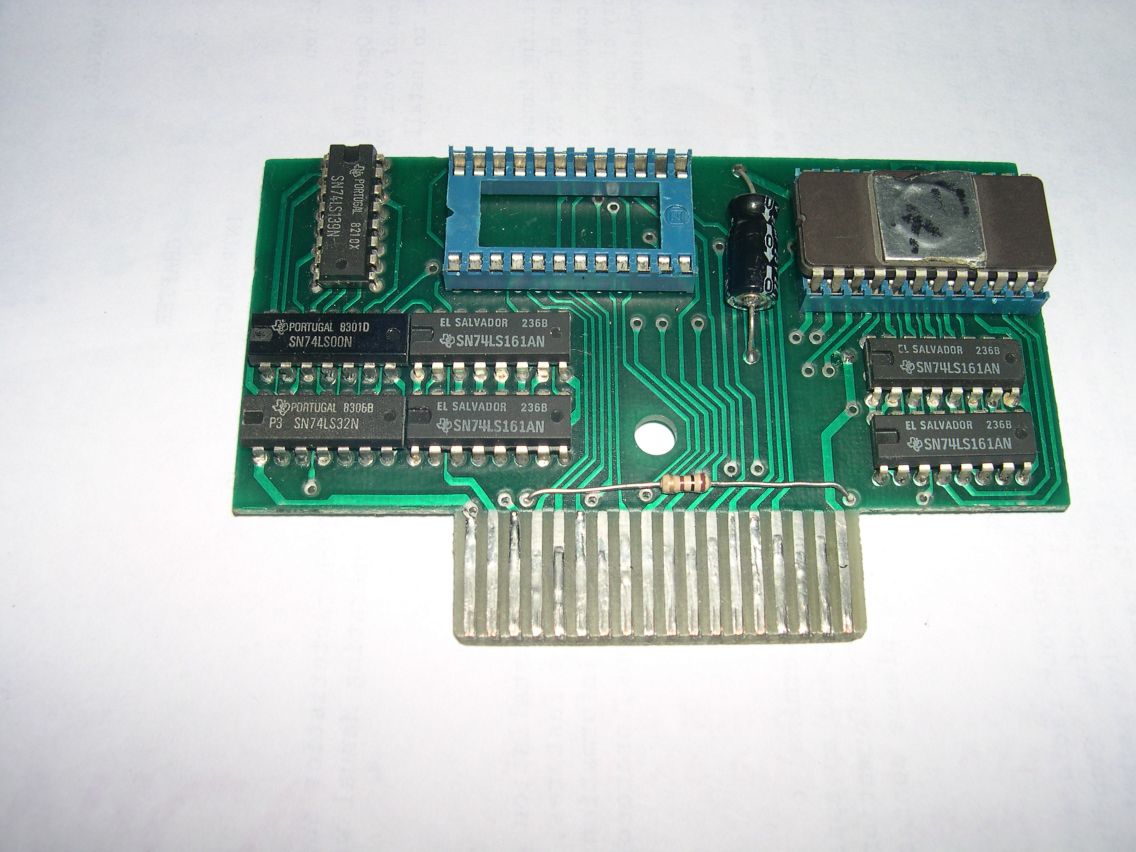 |
|
|
|
CorCom PDM99 |
|
|
|
|
|
|
|
|
|
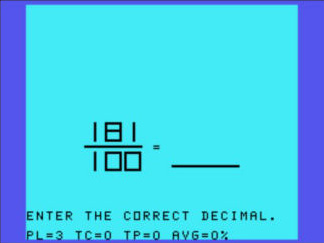
Decimals |
1982 |
Texas Instruments |
PHM 3096 |
|
|
|
|
|
|
Decimals 1 |
1983 |
Scott Foresman |
SF30229 |
|
|
|
|
|
|
Decimals 2 |
1983 |
Scott Foresman |
SF30244 |
YES |
|
|
|
|
|
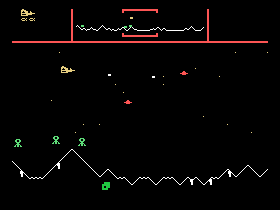
Defender |
1983 |
Atarisoft |
RX8506 |
|
|
|
|
|
|
Demolition Division |
1982 |
Texas Instruments |
PHM 3116 |
YES |
|
|
|
|
|
Demostration |
1979 |
Texas Instruments |
PHM 3001 |
|
|
|
|
|
| Desk Top Publisher | 1987 |
DataBiotics |
||||||
|
Diagnostic |
1979 |
Texas Instruments |
PHM 3000 |
|
|
|
|
|
|
Dig Dug |
1982-83 |
Namco & Atarisoft |
RX8509 |
|
|
|
|
|
|
Disk Fixer 2.0 |
1984 |
Navarone |
|
|
|
|
|
|
|
Disk manager 1 |
1980 |
Texas Instruments |
PHM 3019 |
|
|
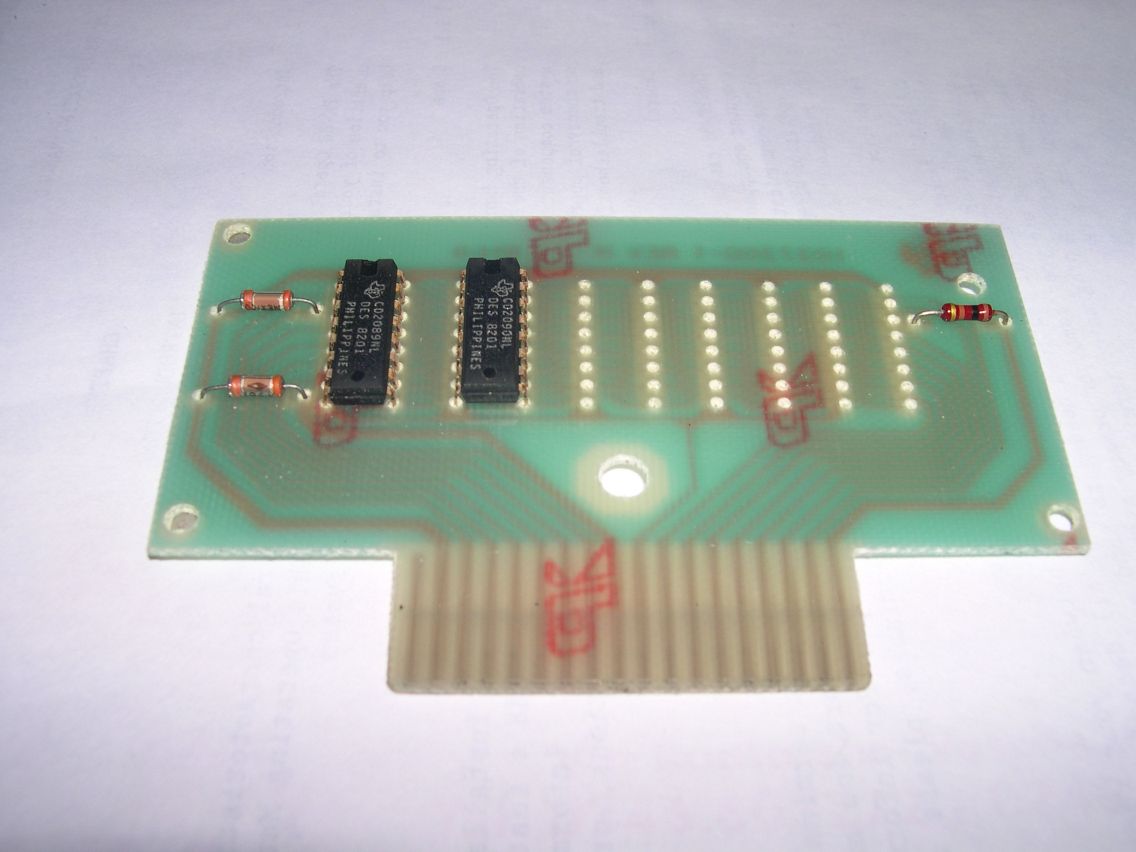 |
|
|
|
Disk manager 2 |
1982 |
Texas Instruments |
PHM 3089 |
|
|
|
|
|
|
Division |
1982 |
Texas Instruments |
PHM 3093 |
YES |
|
|
|
|
|
Division 1 |
1982 |
Scott Foresman |
SF 30210 |
|
YES |
|
|
|
|
Division 1 |
|
Texas Instruments |
PHM 3049 |
|
|
|
|
|
|
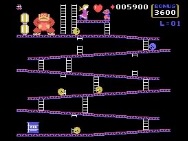
Donkey Kong |
1983 |
Atarisoft |
RX8512 |
|
|
|
|
|
|
Dragon mix |
1982 |
Texas Instruments |
PHM 3117 |
|
|
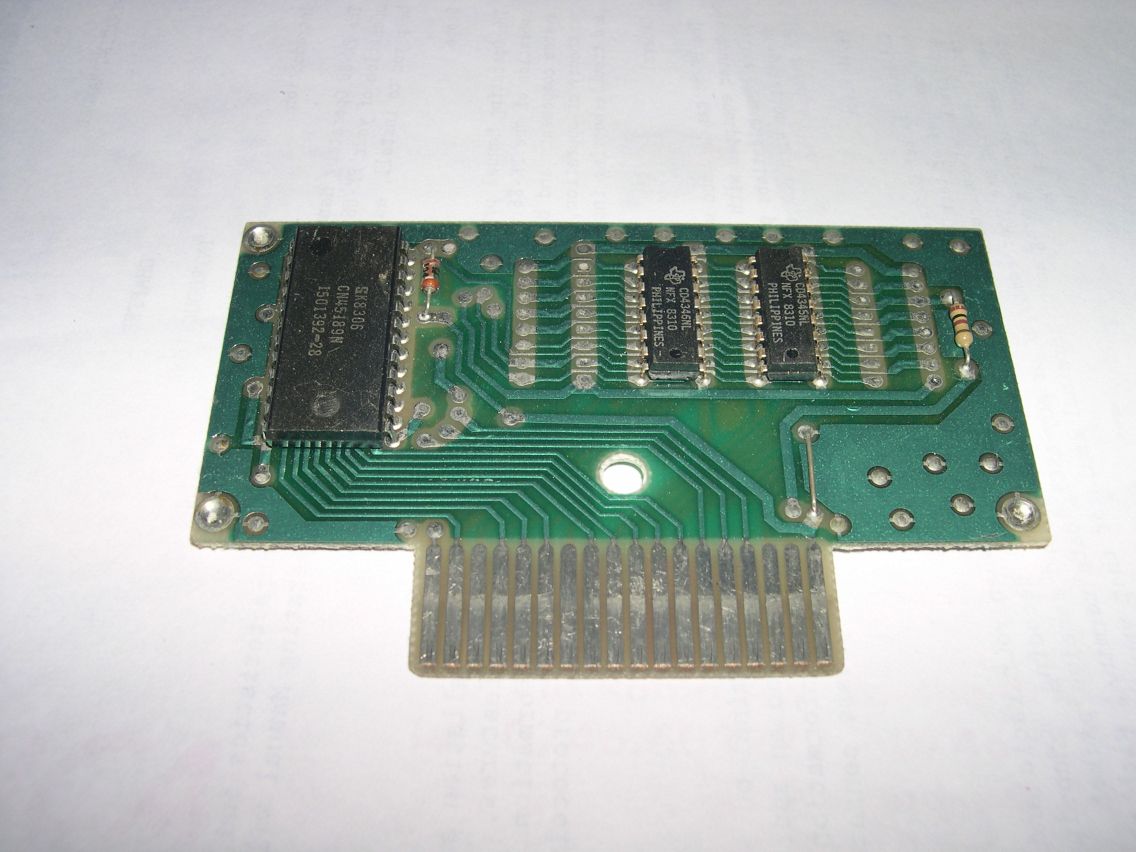 |
|
|
| Driving Demon | 1983 | FunWare | FW1008 | 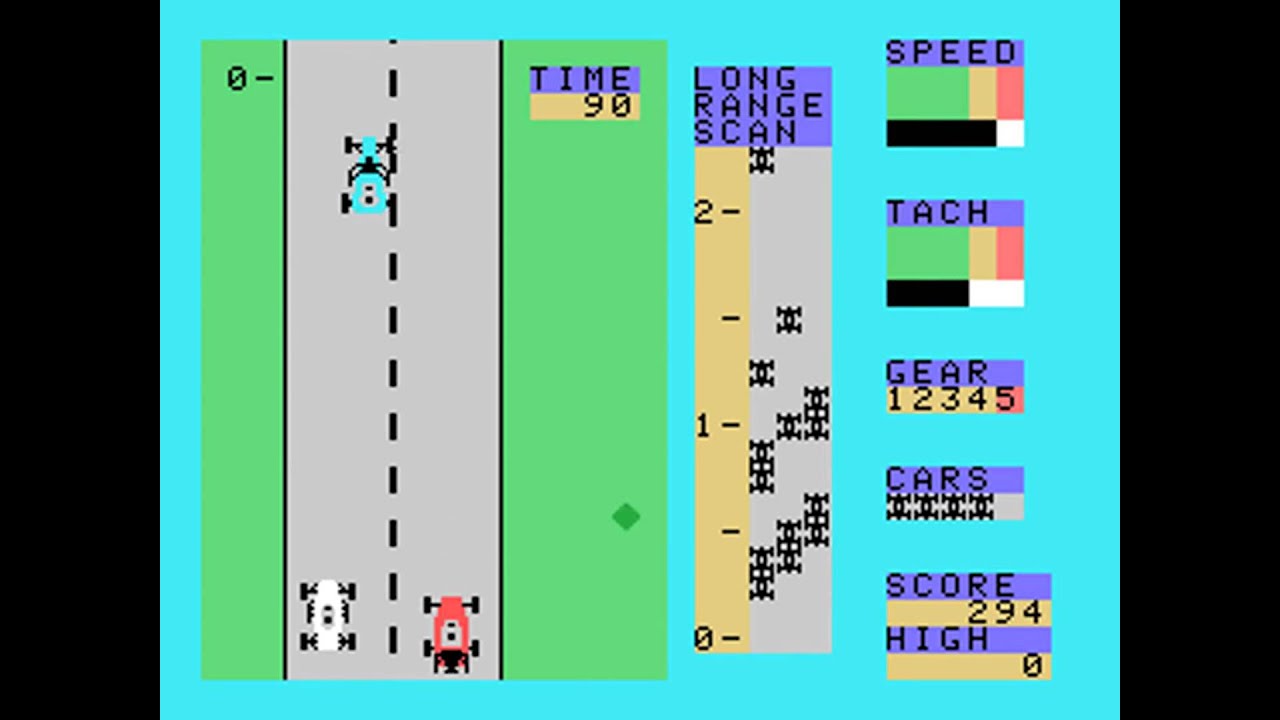 |
||||
|
Early learning fun |
1982 |
Texas Instruments |
PHM 3002 |
YES |
|
|
|
|
|
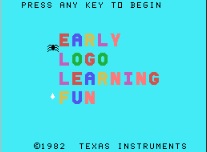
Early Logo Learning Fun |
1982 |
Texas Instruments |
PHM 3144 |
|
|
|
|
|
|
Early reading |
1980 |
Texas Instruments |
PHM 3015 |
|
YES |
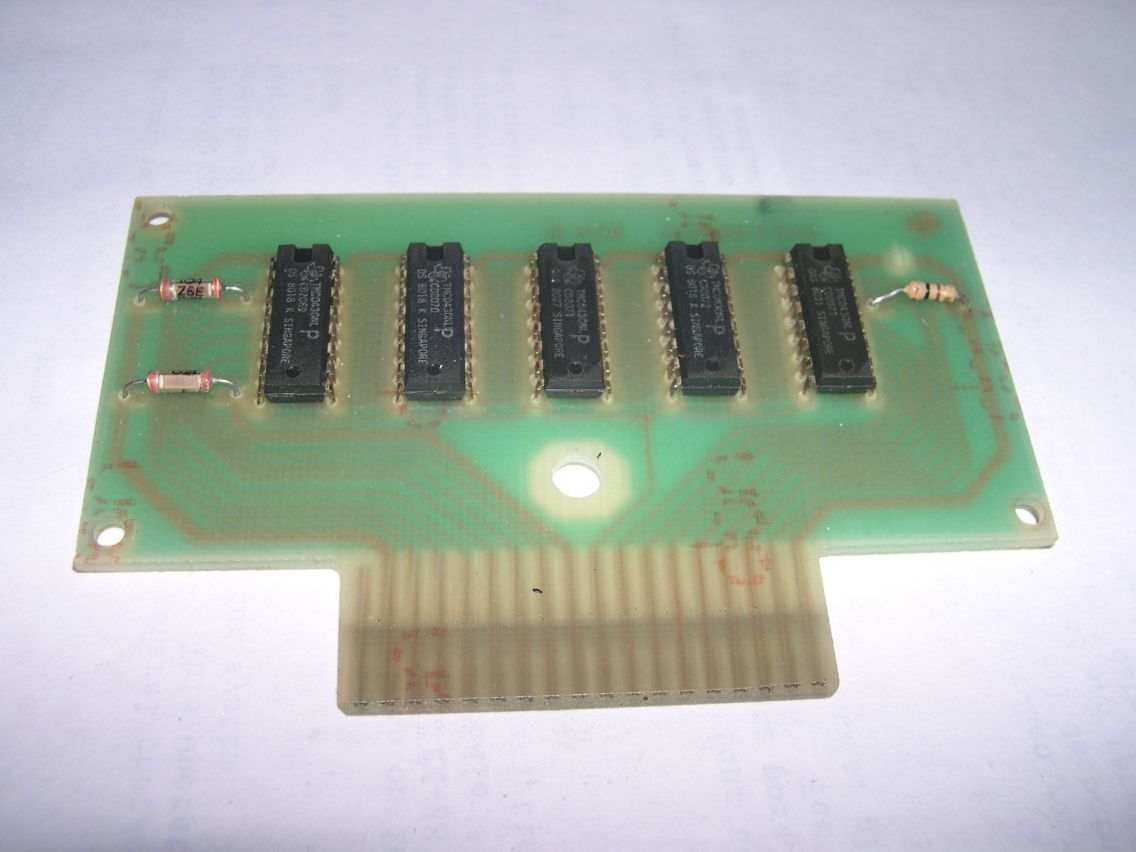 |
|
|
| Eches (DE) | 1982 |
Texas Instruments |
103055-0031 |  |
||||
|
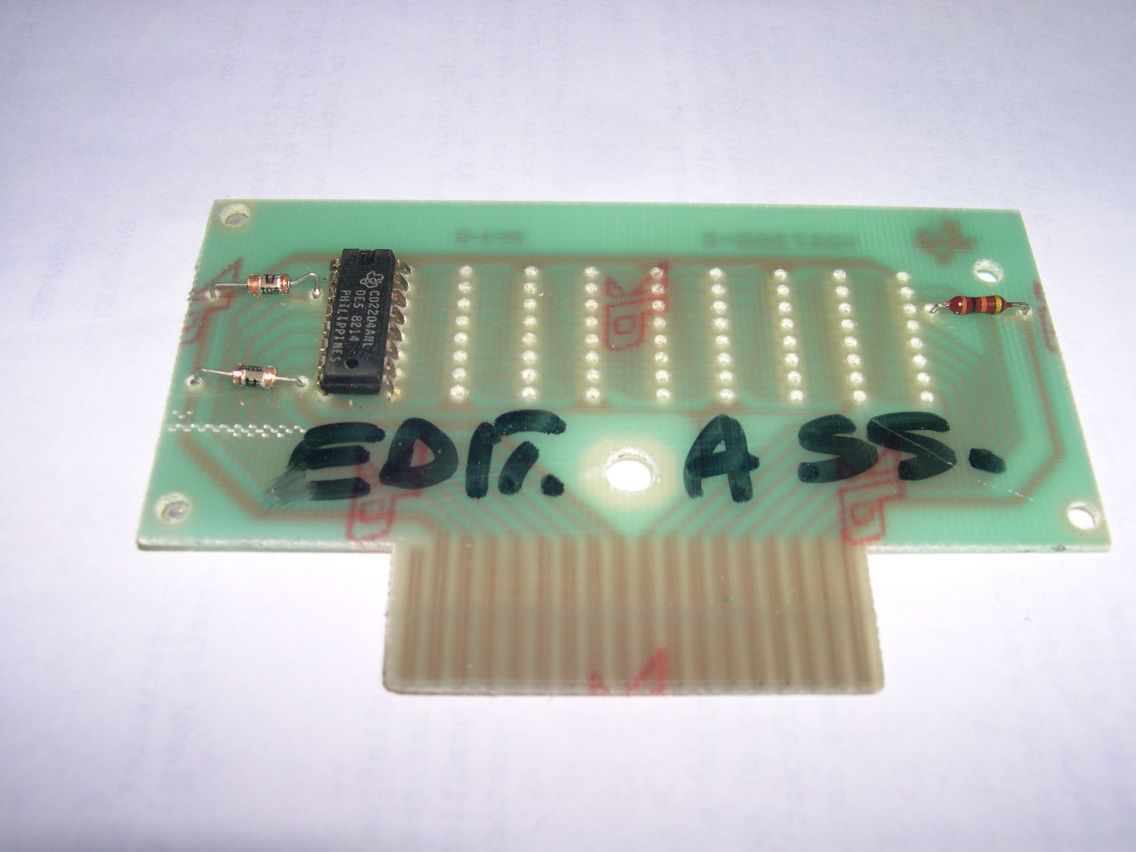
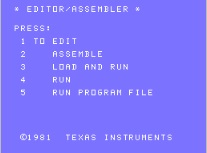
Editor assembler |
1981 |
Texas Instruments |
PHM 3055 |
|
|
 |
|
|
|
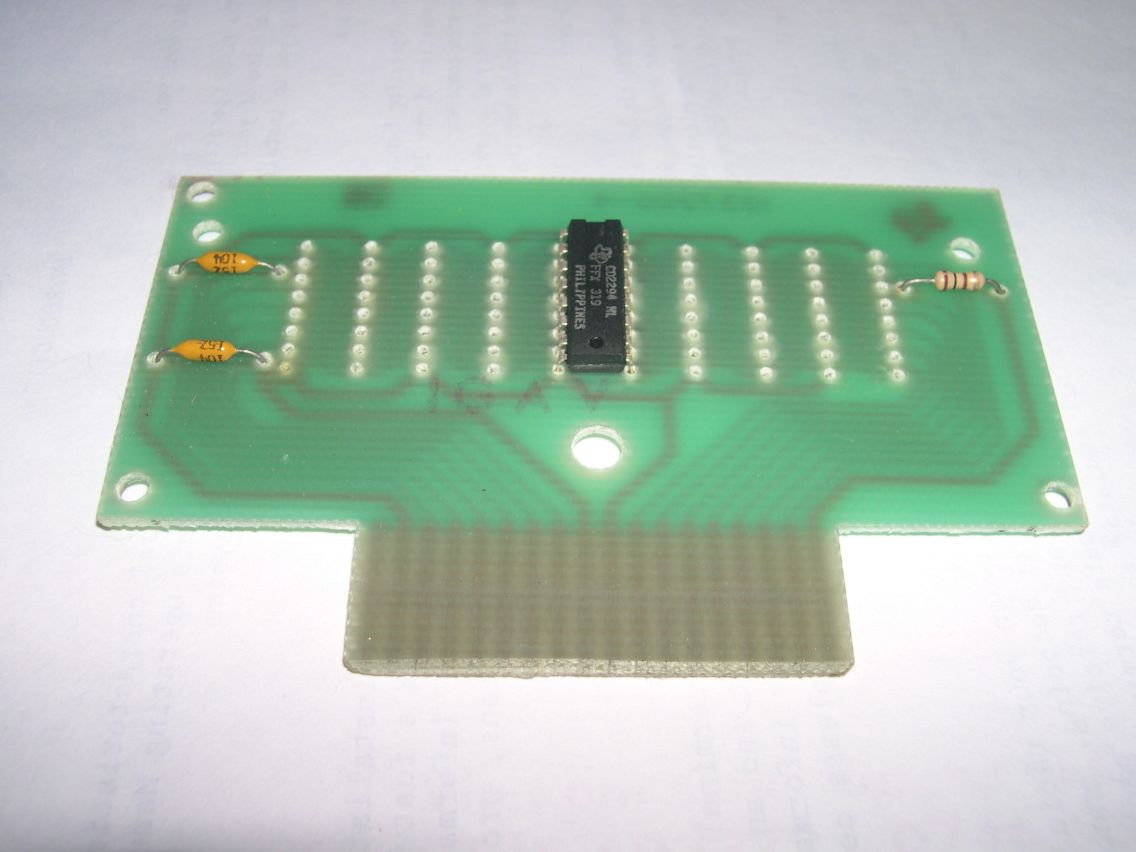
elaborazioni testo |
|
|
|
|
|
 |
|
|
|
Equations |
1982 |
Texas Instruments |
PHM 3100 |
|
|
|
|
|
|
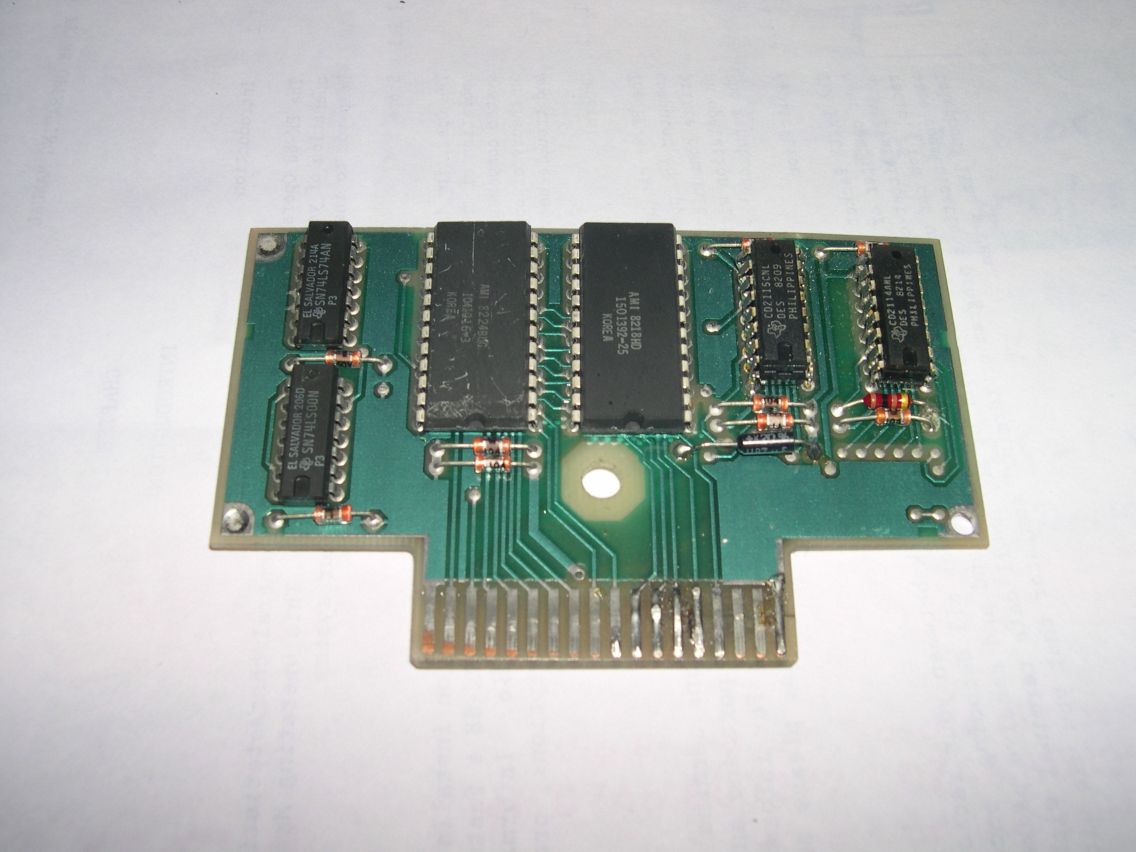
Extended Basic v110 |
1981 |
Texas Instruments |
PHM 3026 |
|
YES |
 |
|
|
|
Extended Basic II plus |
1985 |
Mechatronic |
TEN-41488 |
|
|
|
|
|
| Extended Basic | 1984 | Micropal | ||||||
|
Face Maker |
1983 |
Spinnaker |
PHM 3177 |
YES |
|
|
|
|
|
Fathom |
1983 |
Imagic |
PHM 3222 |
YES |
YES |
|
|
|
|
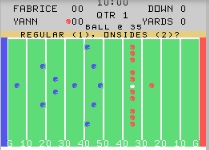
Football |
1979 |
Texas Instruments |
PHM 3009 |
|
|
|
|
|
|
For dimostration |
|
|
|
|
|
 |
|
|
|
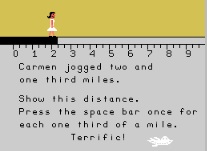
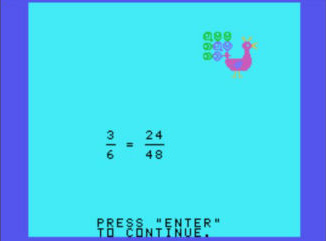
Fractions 1 |
1982 |
Scott Foresman |
SF30220 |
|
|
|
|
|
| Fractions 2 | 1983 | Texas Instruments | PHM30238 | |||||
|
Fractional Numbers |
1982 |
Texas Instruments |
PHM 3095 |
YES |
|
|
|
|
|
Frog Jump |
1982 |
Scott Foresman |
SF31177 |
|
|
|
|
|
|
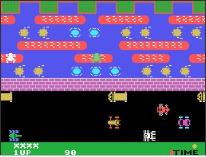
Frogger |
1984 |
Parker Brothers |
PB1610 |
YES |
|
|
|
|
|
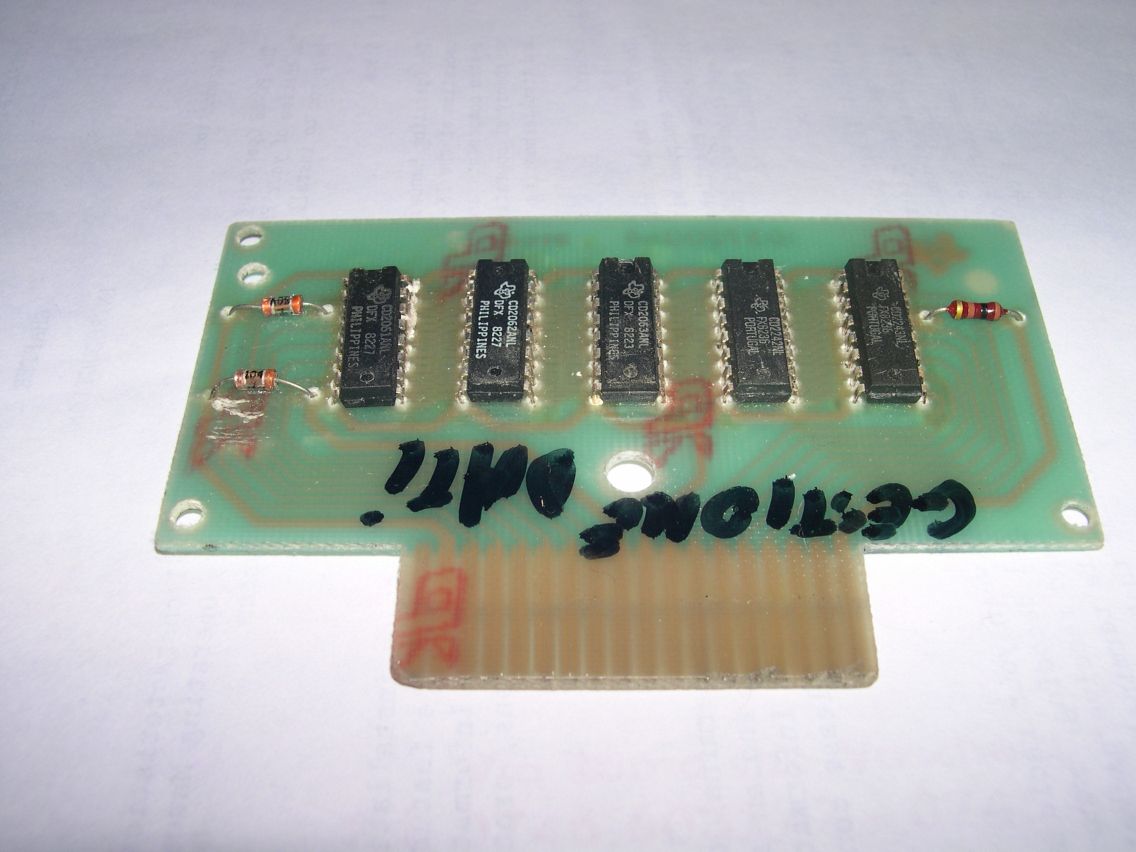
Gestione dati personali |
|
|
|
|
|
 |
|
|
|
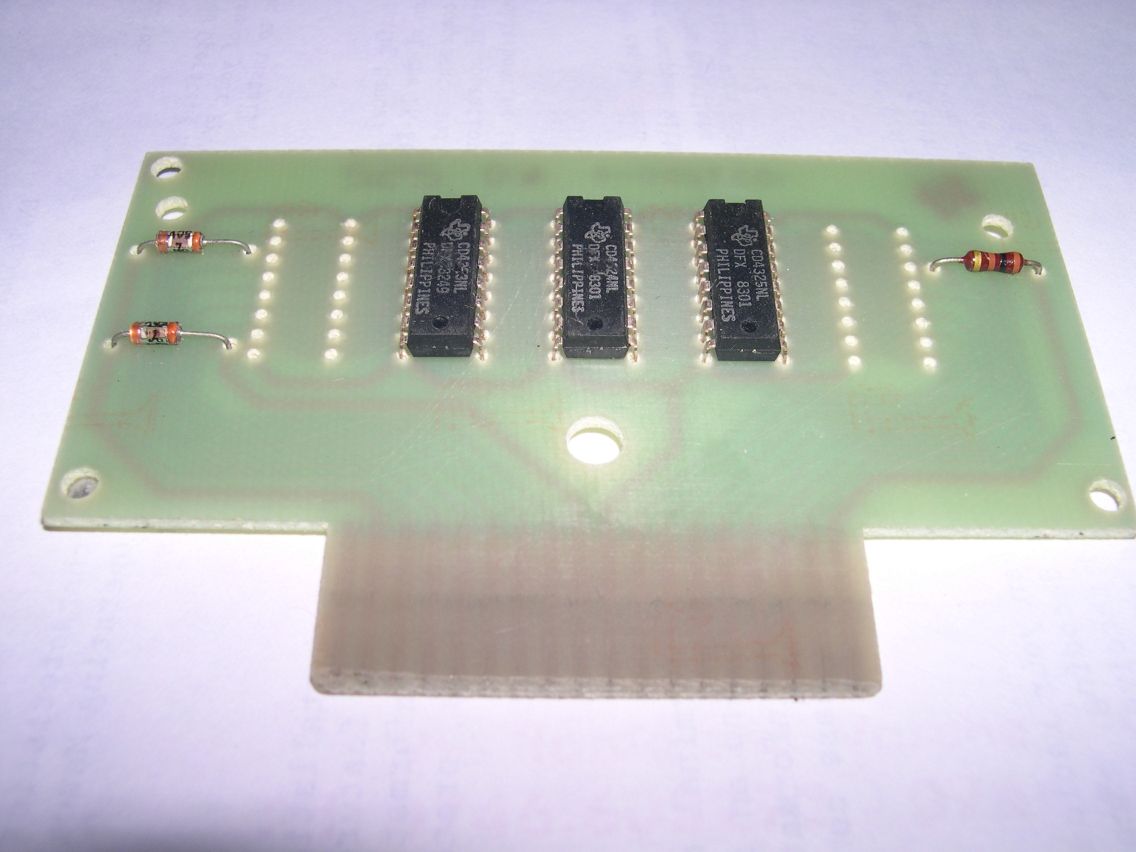
Gioco matematico |
|
|
|
|
|
 |
|
|
|
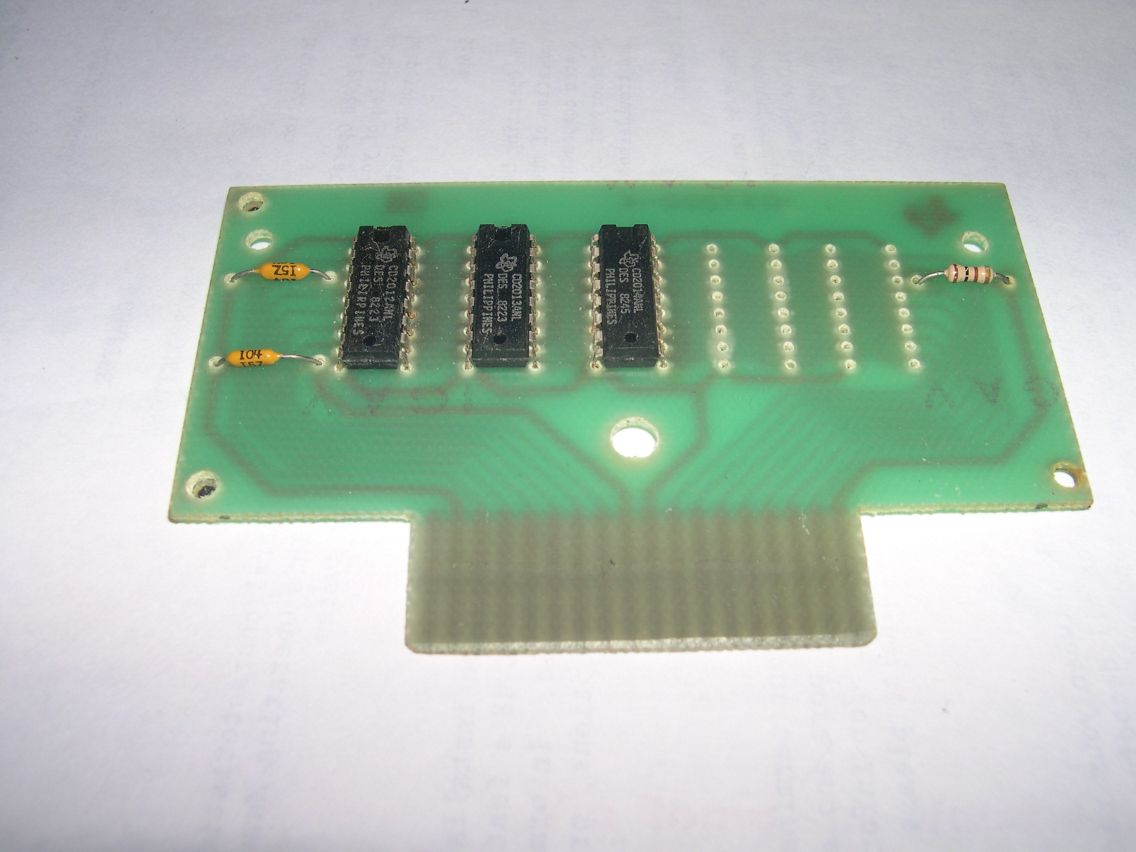
Grammatica inglese |
|
|
|
|
|
 |
|
|
|
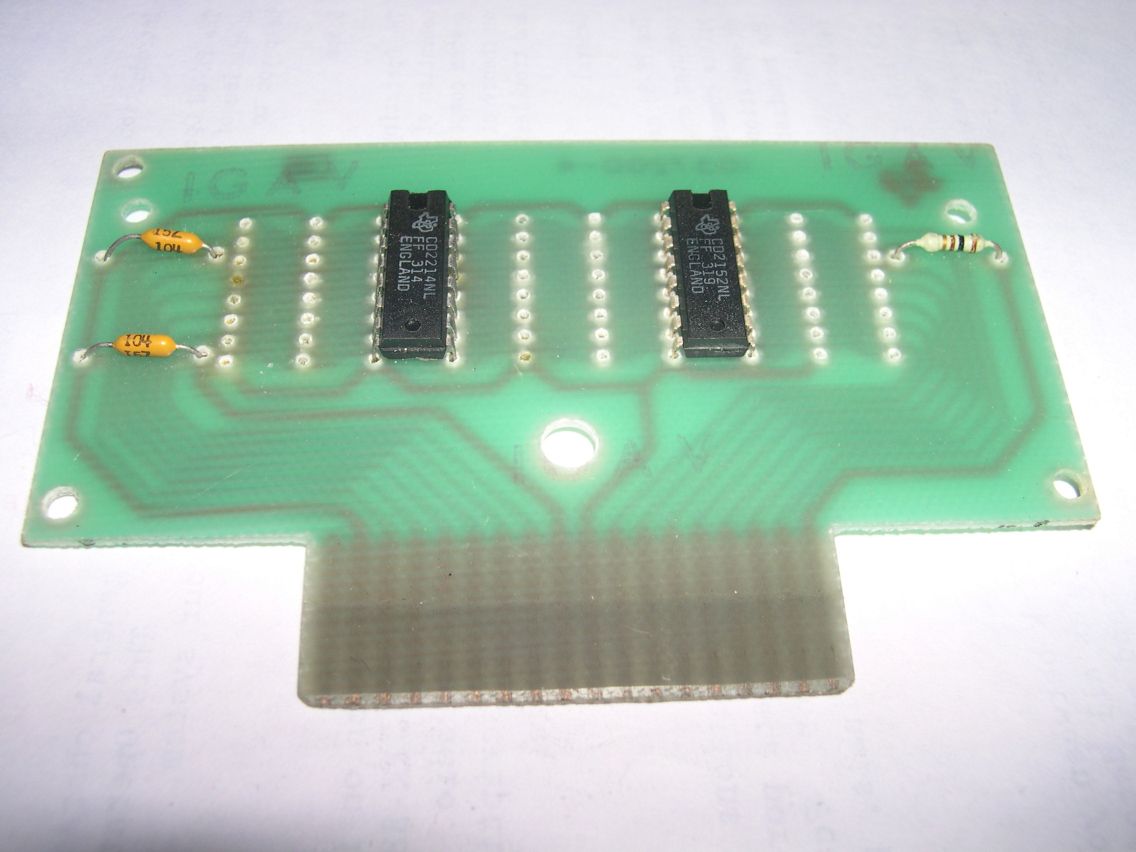
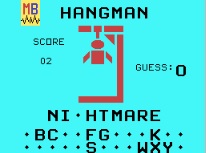
Hangman |
1981 |
Milton Bradley |
PHM 3037 |
|
|
 |
|
|
|
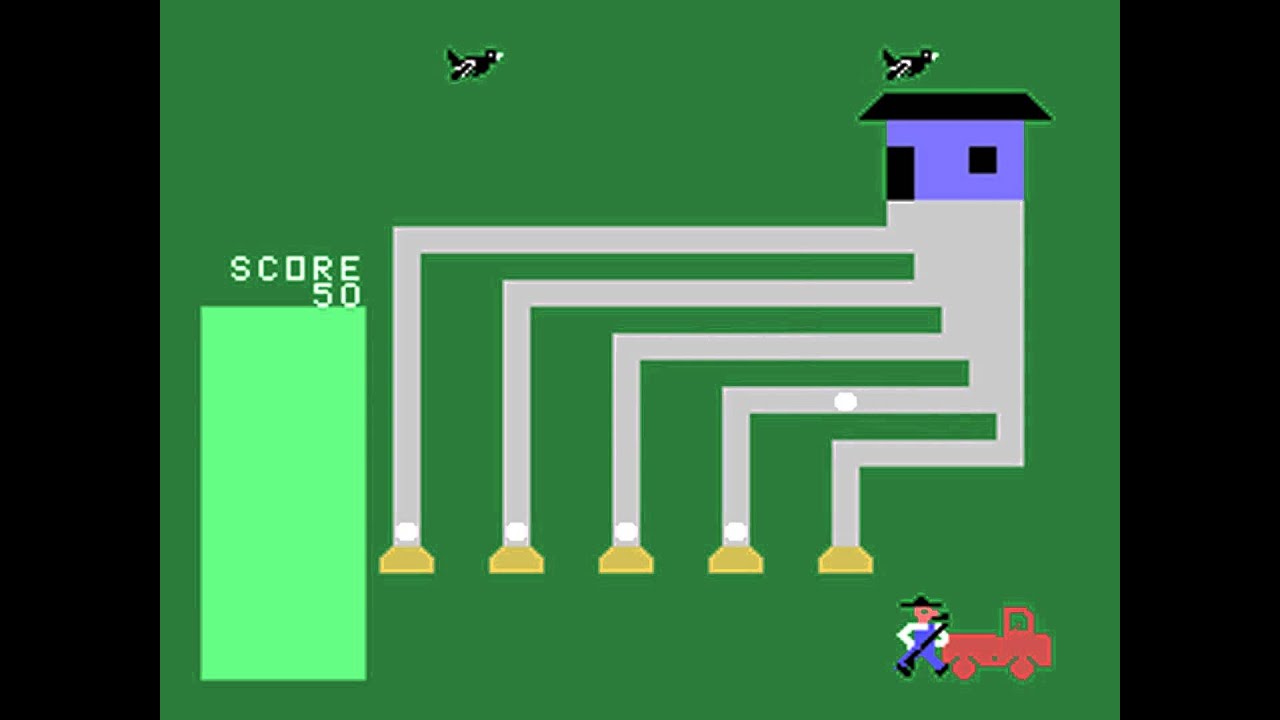
Henhouse |
1983 |
Funware |
FW 1001 |
YES |
|
|
|
|
|
Hen pecked |
1983 |
Romox |
|
|
|
|
|
|
|
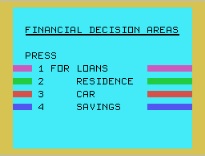
Home financial decisions |
1978 |
Texas Instruments |
PHM 3006 |
YES |
|
|
|
|
|
HomeWork helper plus |
1984 |
Navarone |
AS-04 |
|
|
|
|
|
|
Honey Hunt |
1983 |
Texas Instruments MBX |
PHM3156 |
YES |
YES |
|
|
|
|
Hopper |
1983 |
Texas Instruments |
PHM 3229 |
YES |
|
|
|
|
|
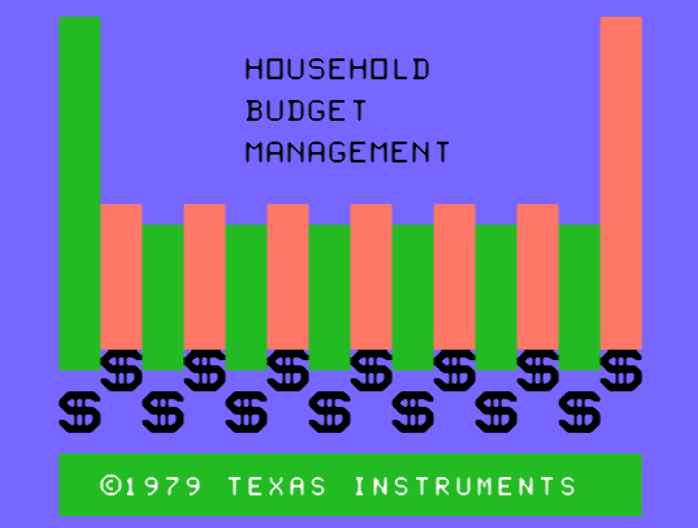
House hold budget management |
1979 |
Texas Instruments |
PHM 3007 |
YES |
|
|
|
|
|
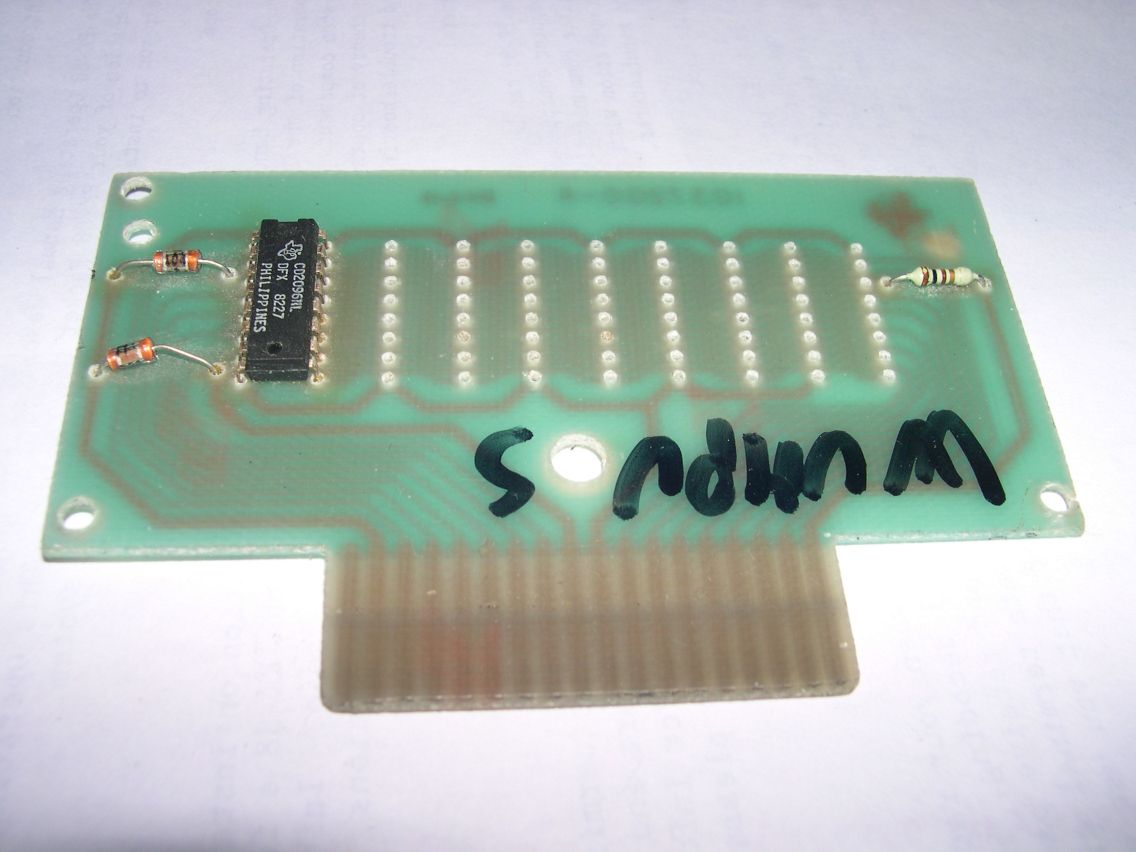
Hunt the wumpus |
1980 |
Texas Instruments |
PHM 3023 |
YES |
|
 |
|
|
|
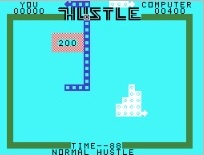
Hustle |
1980 |
Texas Instruments |
PHM 3034 |
YES |
|
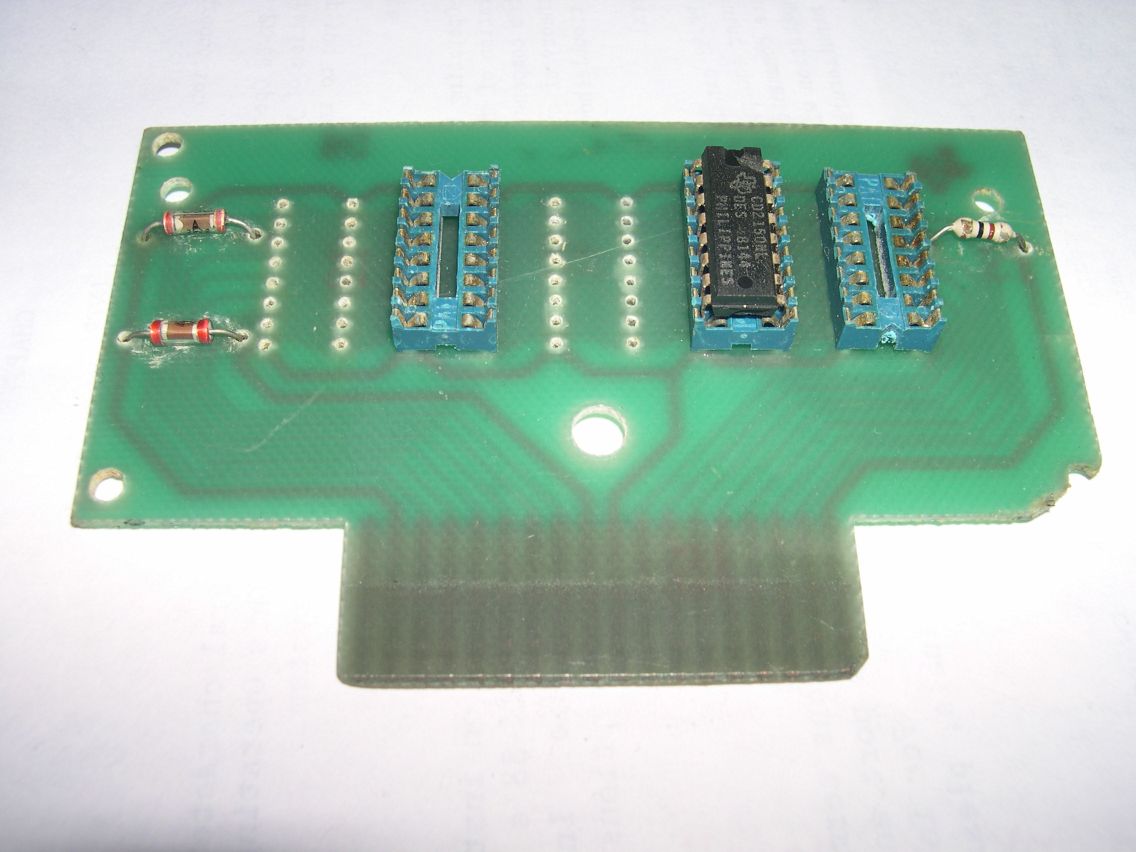 |
|
|
|
I'm Hiding |
1983 |
Milton Bradley |
MBX |
|
YES |
|
|
|
|
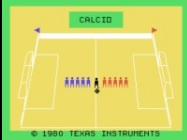
Indoor soccer |
1980 |
Texas Instruments |
PHM 3024 |
YES |
|
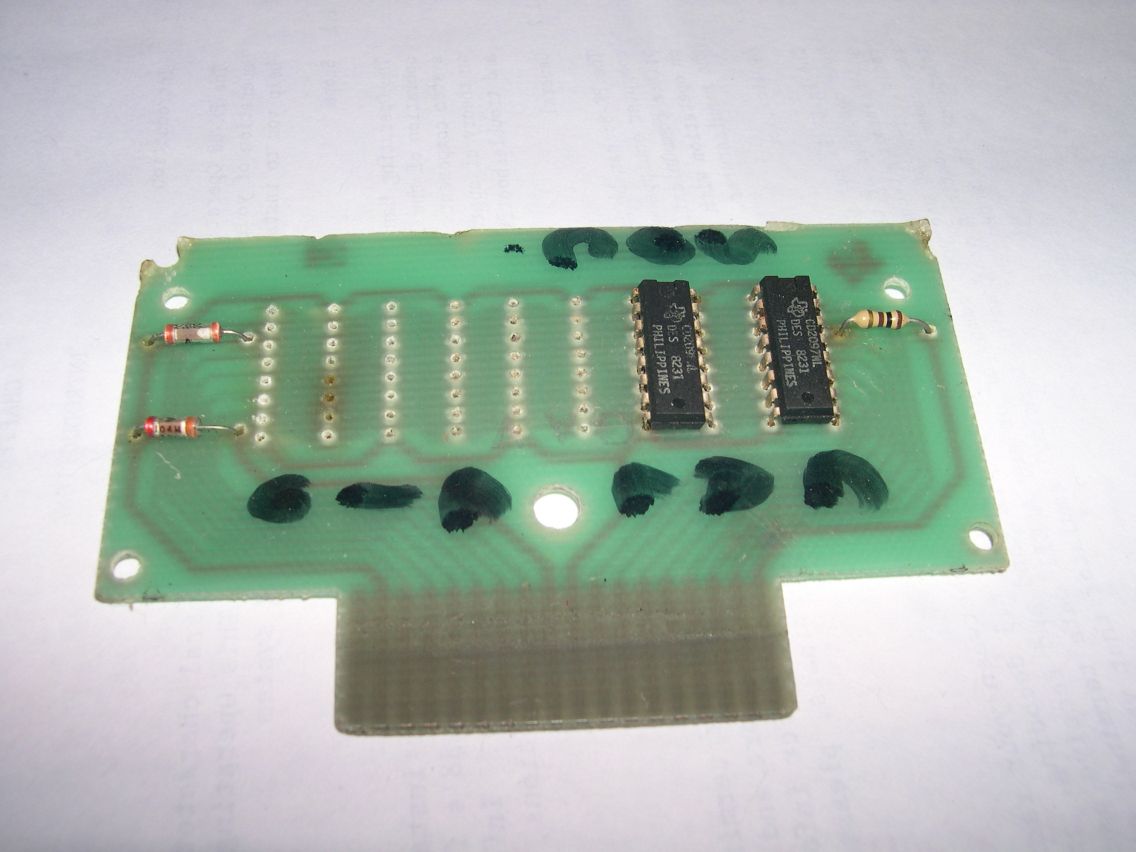 |
|
|
|
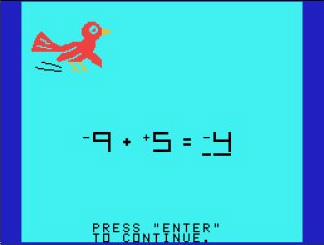
Integers |
1982 |
Texas Instruments |
PHM 3094 |
|
|
|
|
|
|
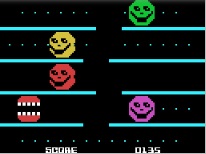
Jawbreaker II |
1983 |
Sierra On-Line |
PHM 3194 |
YES |
|
|
|
|
|
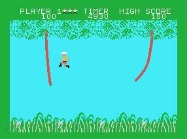
Jungle Hunt |
1982-83 |
Taito & Atarisoft |
RX8528 |
|
|
|
|
|
|
Laws of arithmetic |
1982 |
Texas Instruments |
PHM 3099 |
|
|
|
|
|
|
M*a*s*h |
1983 |
20th Century Fox |
PHM 3158 |
|
YES |
|
|
|
|
Measurement Formulas |
1982 |
Texas Instruments |
PHM 3101 |
YES |
|
|
|
|
|
Meteor belt |
1983 |
Texas Instruments MBX |
PHM 3152 |
|
YES |
|
|
|
|
Meteor multiplication |
1982 |
Texas Instruments |
PHM 3119 |
YES |
|
|
|
|
|
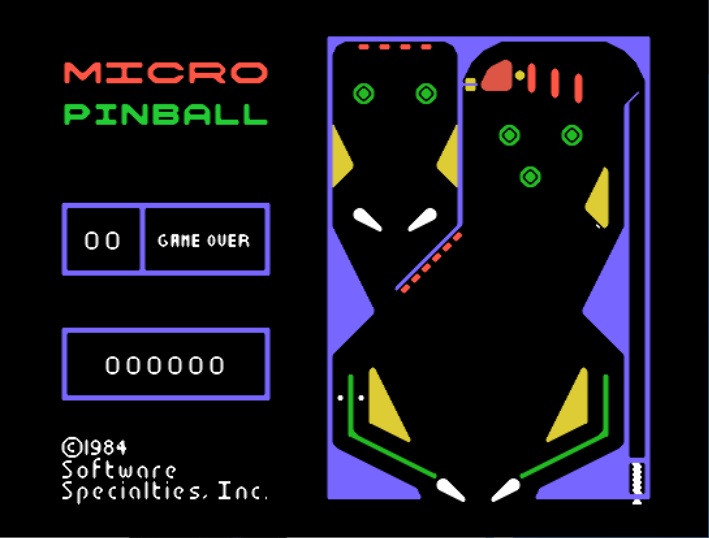
Micro pinball |
1984 |
DaTaBioTics |
BADE |
YES |
|
|
|
|
|
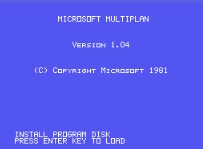
Microsoft multiplan |
1981 |
Microsoft |
PHM 3113 |
|
|
|
|
|
|
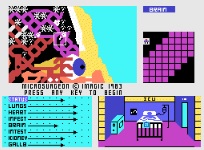
Microsurgeon |
1983 |
Imagic |
PHM 3220 |
YES |
YES |
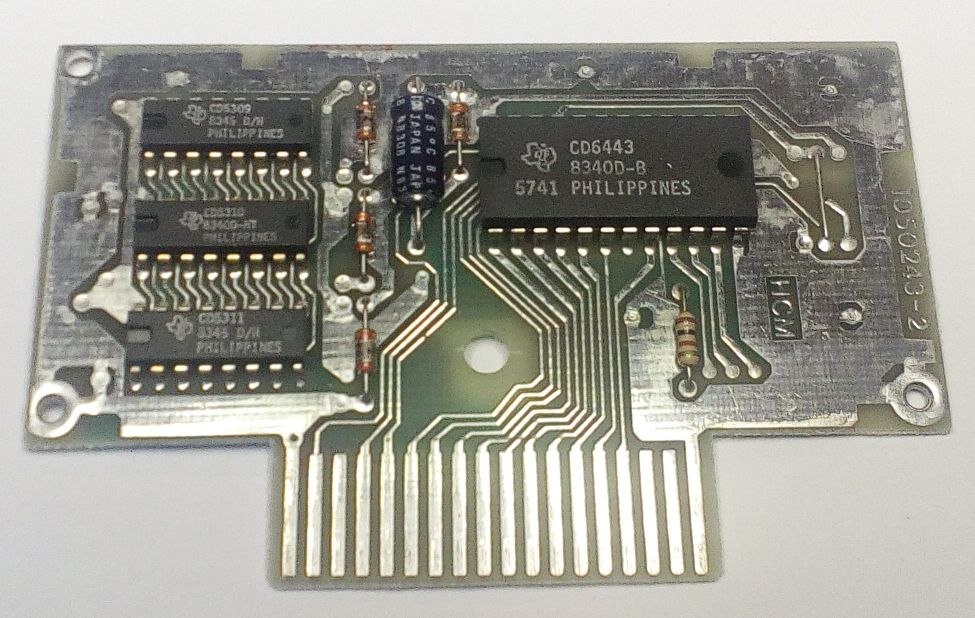 |
|
|
|
Mind challenger |
1980 |
Texas Instruments |
PHM 3025 |
|
|
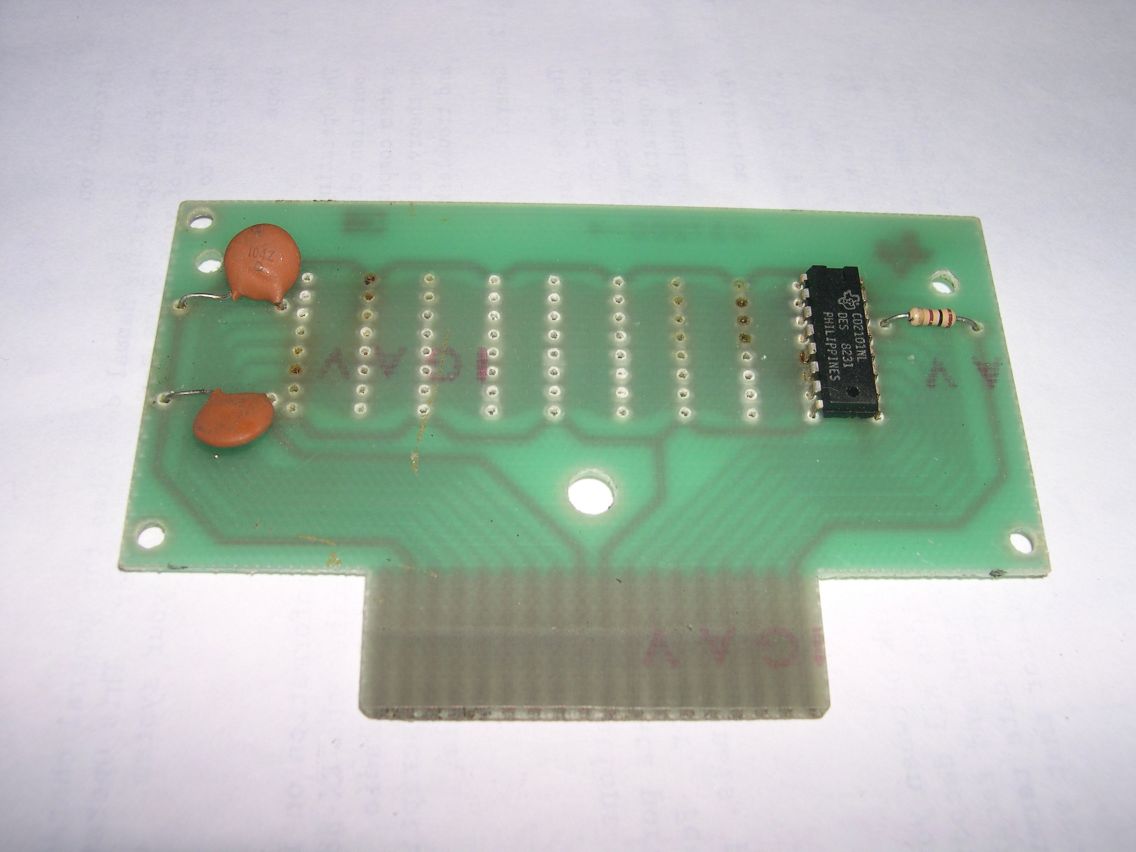 |
|
|
|
Miner 2049 er |
1983 |
Tigervision |
7-009-99 |
|
|
|
|
|
|
Mini memory |
1981 |
Texas Instruments |
PHM 3058 |
|
|
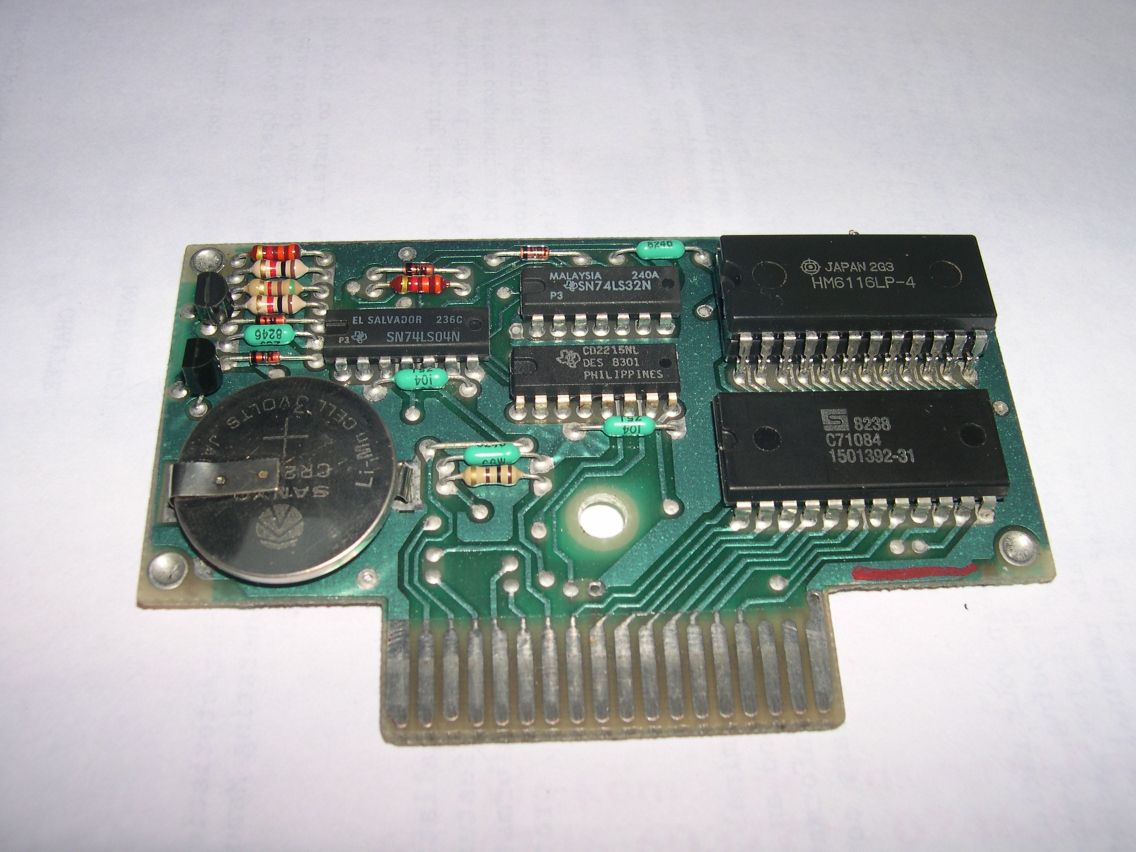 |
|
|
| Miniwriter II | ||||||||
|
Miniwriter III |
1986 |
DaTaBioTics |
|
|
|
|
|
|
|
Minus mission |
1982 |
Texas Instruments |
PHM 3118 |
YES |
|
|
|
|
|
Moon mine |
1983 |
Texas Instruments |
PHM 3131 |
YES |
YES |
|
|
|
|
Moonpatrol |
1982 |
Atarisoft |
RX8531 |
YES |
|
|
|
|
|
Moonsweeper |
1983 |
Imagic |
PHM 3224 |
|
|
|
|
|
|
Ms. Pac-Man |
1983 |
Atarisoft |
RX8543 |
|
|
|
|
|
|
Multiplication |
1982 |
Texas Instruments |
PHM 3029 |
YES |
|
|
|
|
|
Multiplication 1 |
1981 |
Scott Foresman |
SF30207 |
YES |
YES |
|
|
|
|
Multiplication 2 |
1982 |
Scott Foresman |
SF302223 |
|
|
|
|
|
|
Munch man |
1982 |
Texas Instruments |
PHM 3057 |
YES |
|
|
|
|
|
Munch man 2 |
1987 |
John Phillips |
BDAG |
|
|
|
|
|
|
Munch mobile |
1983 |
SNK Electronics |
PHM 3146 |
|
|
|
|
|
|
Music maker |
1980 |
Texas Instruments |
PHM 3020 |
YES |
|
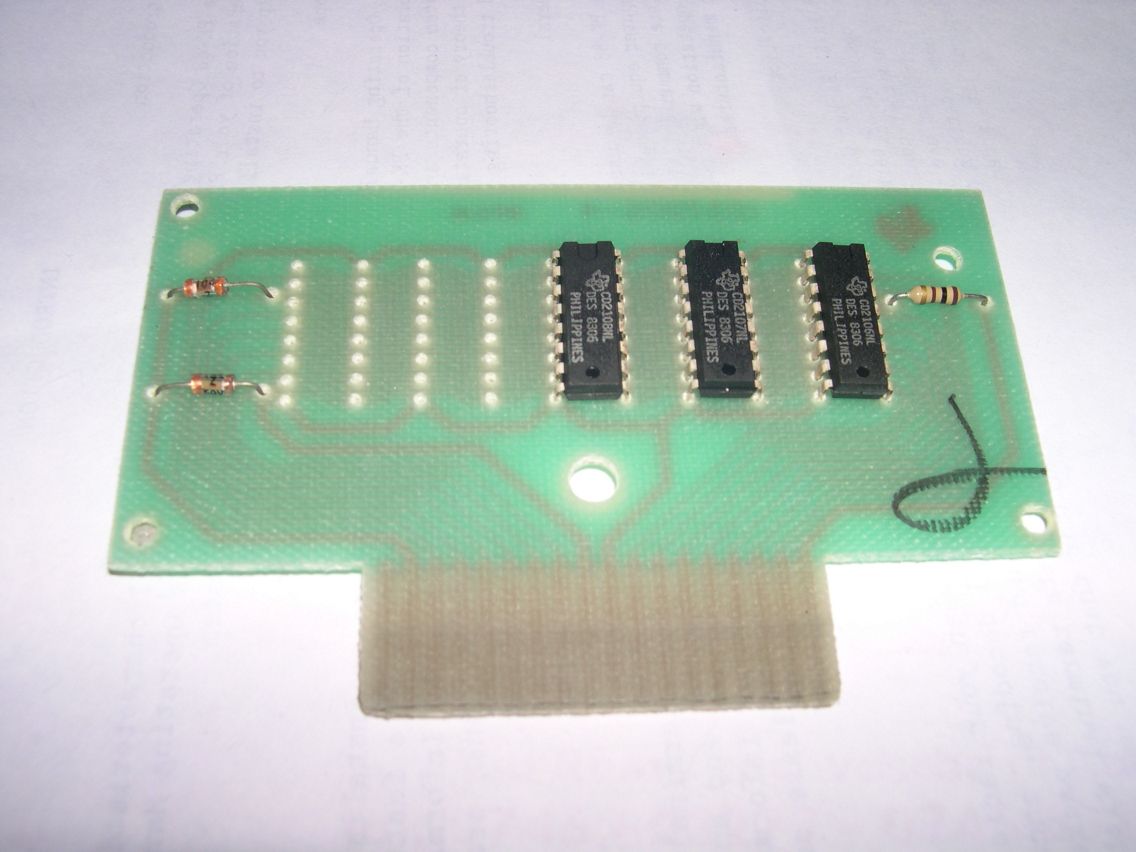 |
|
|
|
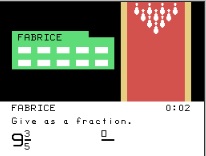
Number Bowling |
1983 |
Scott Foresman |
SF31189 |
YES |
|
|
|
|
|
Number Readiness |
1982 |
Texas Instruments |
PHM 3098 |
YES |
|
|
|
|
|
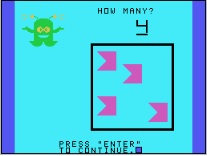
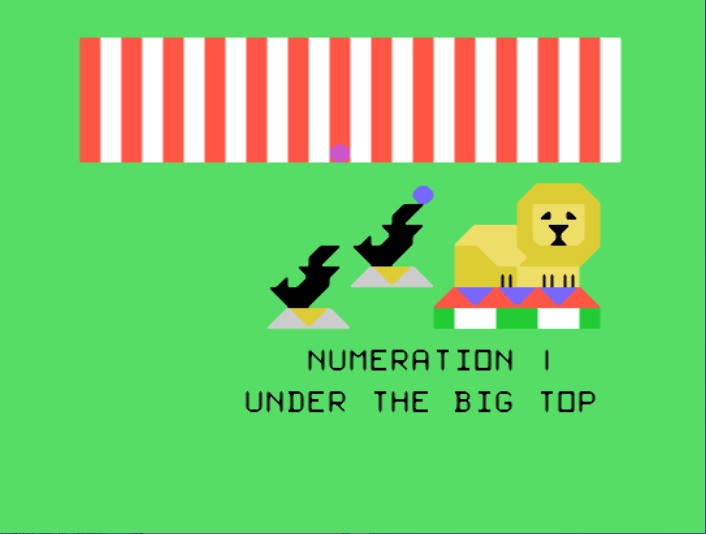
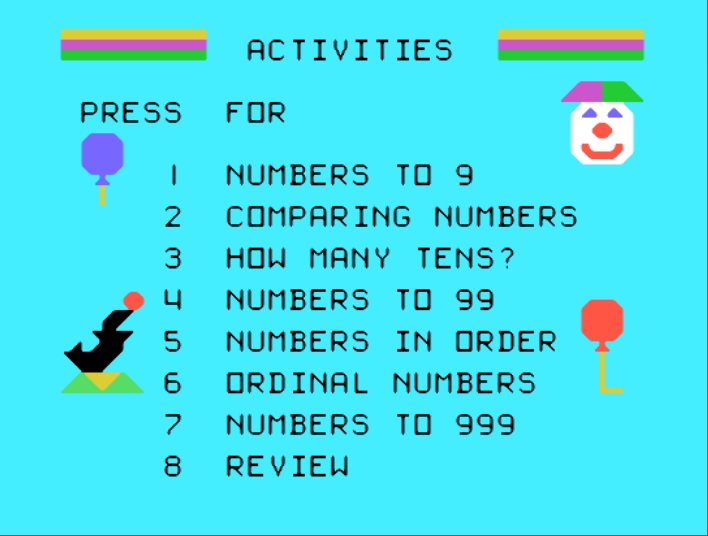
Numeration 1 |
1983 |
Scott Foresman |
PHM3050 |
YES |
YES |
|
|
|
|
Numeration 2 |
1983 |
Scott Foresman |
PHM 3051 |
|
YES |
|
|
|
|
Numero magico |
1979 |
Texas Instruments |
PHM 3004 |
YES |
|
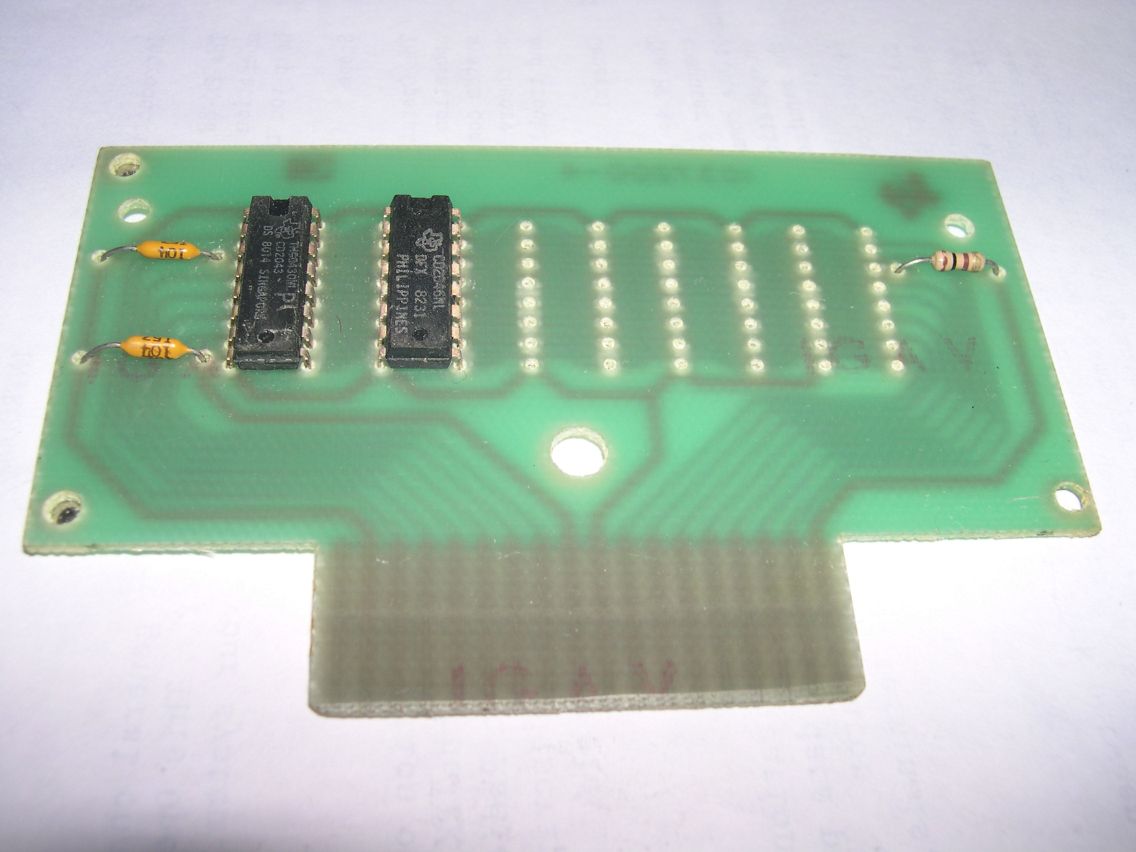 |
|
|
|
Othello |
1982 |
CBS Video |
PHM 3067 |
YES |
|
|
|
|
|
Paint n Print |
1985 |
Navarone |
GP-100-700 |
|
|
|
|
|
|
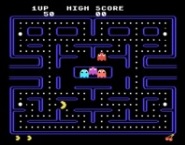
Pac-Man |
1983 |
Atarisoft |
RX8500 |
|
|
|
|
|
|
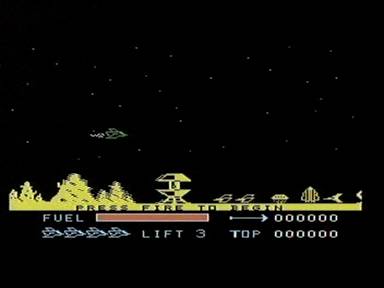
Parsec |
1982 |
Texas Instruments |
PHM 3112 |
YES |
YES |
|
|
|
|
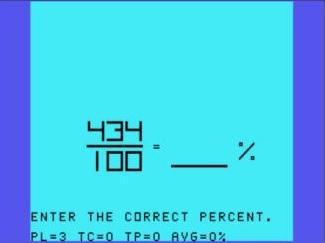
Percents |
1982 |
Texas Instruments |
PHM 3097 |
|
|
|
|
|
|
Personal real estate |
1980 |
Texas Instruments |
PHM 3022 |
|
|
|
|
|
|
Personal record keeping ( usa ) |
1980 |
Texas Instruments |
1103056 |
YES |
|
|
|
|
|
Personal record keeping ( D / I ) |
1982 |
Texas Instruments |
PHM 3013 |
|
|
|
|
|
|
Personal Report Generator |
1980 |
Texas Instruments |
PHM 3044 |
|
|
 |
|
|
|
Phisycal fitness |
1978 |
Texas Instruments |
PHM 3010 |
YES |
|
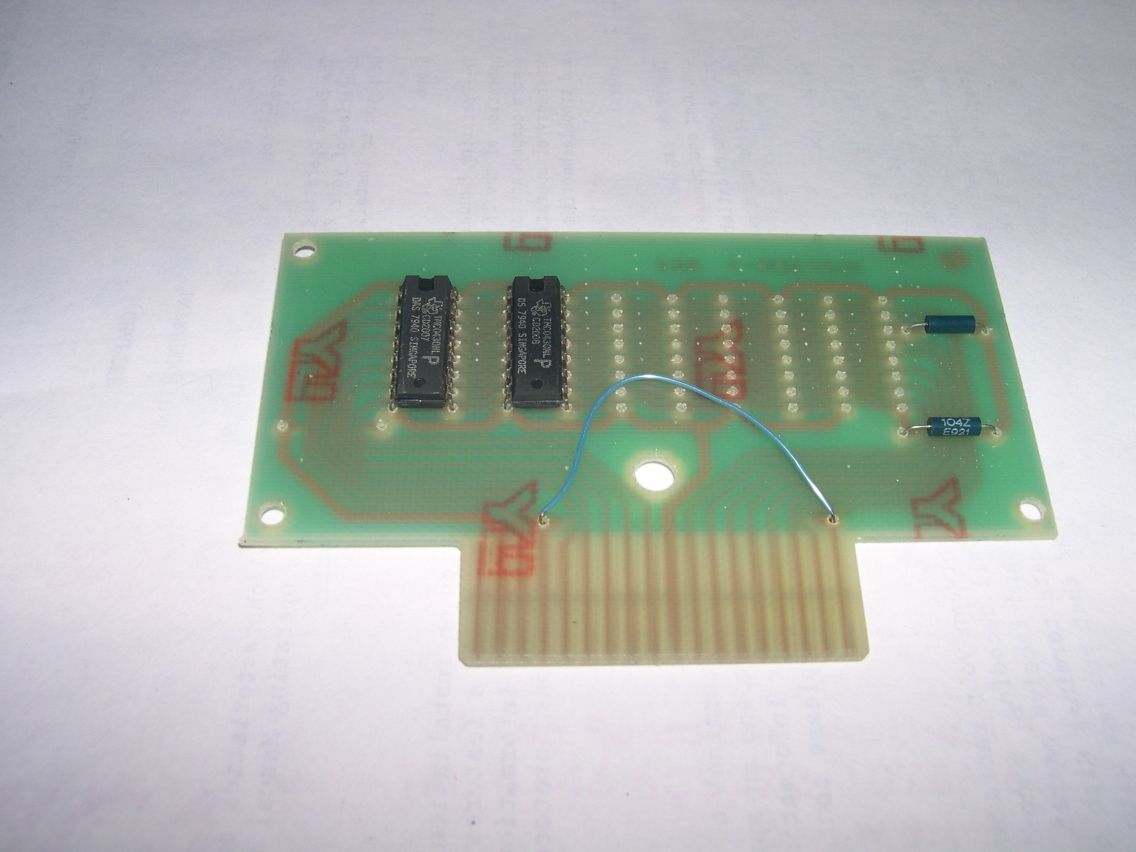 |
|
|
|
Picnic Paranoia |
1983 |
Atarisoft |
RX8517 |
|
|
|
|
|
|
Picture Parts |
1983 |
Scott Foresman |
SF 31180 |
|
|
|
|
|
|
Plato interpreter |
1982 |
Control Data |
PHM 3122 |
YES |
|
|
|
|
|
Pole Position |
1982-83 |
Namco & Atarisoft |
RX8534 |
|
|
|
|
|
|
Popeye |
1984 |
Parker Brothers |
PB1650 |
|
|
|
|
|
|
Princess and the frog |
1982 |
Romox |
99ERD12 |
|
YES |
|
|
|
|
Protector II |
1983 |
Atarisoft |
RX8516 |
|
|
|
|
|
|
Pro Ttyper |
1987 |
DaTaBioTics |
BABG |
|
|
|
|
|
|
Pyramid Puzzler |
1983 |
Scott Foresman |
SF31186 |
|
|
|
|
|
|
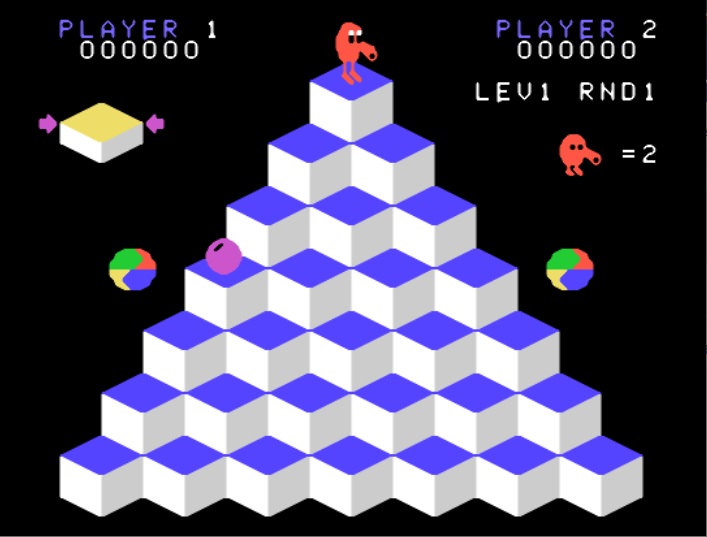
Q-bert |
1984 |
Park Brothers |
PB1620 |
|
|
|
|
|
|
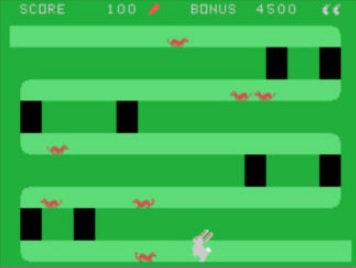
Rabbit trail |
1983 |
Funware |
FW1004 |
YES |
|
|
|
|
|
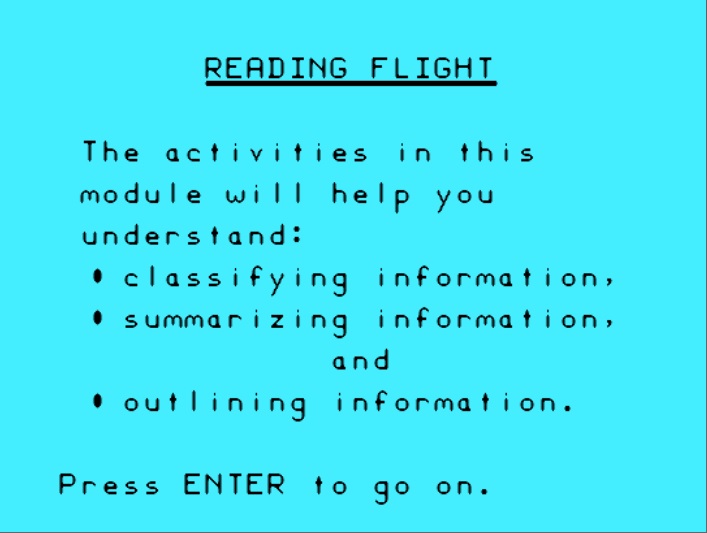
Reading Flight |
1982 |
Scott Foresman |
PHM 3082 |
YES |
YES |
|
|
|
|
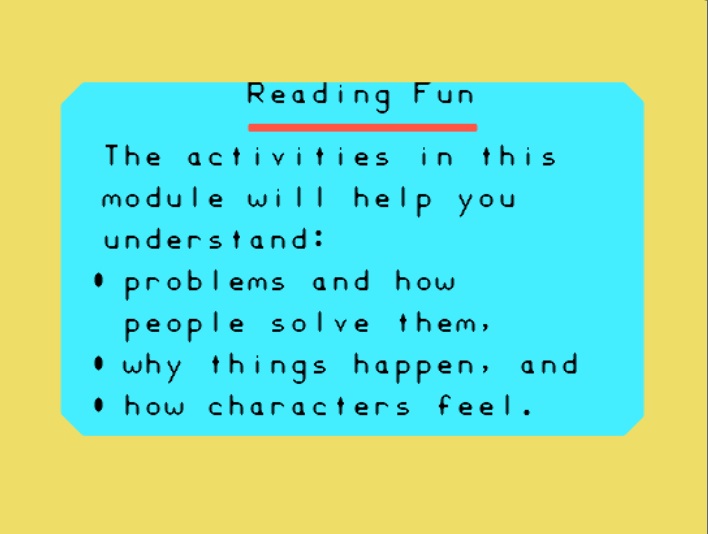
Reading Fun |
1982 |
Scott Foresman |
PHM 3043 |
|
YES |
|
|
|
|
Reading skill course |
|
|
|
|
|
 |
|
|
|
Reading Adventures |
1983 |
Scott Foresman |
SF 30117 |
|
|
|
|
|
| Reading cheers | 1983 | Scott Foresman | SF30115 | |||||
|
Reading ON |
1982 |
Scott Foresman |
PHM 3046 |
|
|
|
|
|
|
Reading Power |
1983 |
Scott Foresman |
SF 30121 |
YES |
|
|
|
|
| Reading Rainbows | 1983 | Scott Foresman | SF 30113 | |||||
|
Reading Rally |
1982 |
Scott Foresman |
PHM 3048 |
YES |
|
|
|
|
|
Reading Trail |
1983 |
Scott Foresman |
SF 30119 |
|
|
|
|
|
|
Reading Roundup 1 |
1982 |
Scott Foresman |
PHM 3047 |
YES |
YES |
|
|
|
|
Reading Roundup |
1983 |
Scott Foresman |
SF 30118 |
|
|
|
|
|
| Reading Wonders | 1983 | Scott Foresman | SF30123 | |||||
| Red Baron | 1988 | DaTaBioTics | ||||||
|
Return to Pirate's Isle |
1983 |
Texas Instruments |
PHM 3189 |
|
|
|
|
|
|
Robotron 2048 |
2019 |
AtariSoft |
|
|
|
|
|
|
|
Rotor Raiders |
1983 |
ROMOX |
ROM06025 |
|
|
|
|
|
|
Scolastic spelling level 3 |
1982 |
Texas Instruments |
PHM 3059 |
|
YES |
|
|
|
|
Scolastic spelling level 4 |
1982 |
Texas Instruments |
PHM 3060 |
|
YES |
|
|
|
|
Scolastic spelling level 5 |
1982 |
Texas Instruments |
PHM 3061 |
|
YES |
|
|
|
|
Scolastic spelling level 6 |
1982 |
Texas Instruments |
PHM 3062 |
|
YES |
|
|
|
|
Securities Analysis |
1979 |
Texas Instruments |
PHM 3012 |
|
|
|
|
|
|
Sewermania |
1983 |
Milton Bradley MBX |
PHM 3150 |
|
YES |
|
|
|
|
Shamus |
1983 |
Atarisoft |
RX8518 |
|
|
|
|
|
|
Slymoids |
1983 |
Texas Instruments |
PHM 3197 |
YES |
|
|
|
|
|
Sneggit |
1982 |
Texas Instruments |
PHM 3145 |
|
|
|
|
|
|
Space Bandits |
1984 |
Milton Brdley MBX |
PHM3149 |
|
YES |
|
|
|
|
Space Journey |
1983 |
Scott Foresman |
SF 31192 |
YES |
|
|
|
|
|
Sound track trolley |
1983 |
Texas Instruments MBX |
PHM 3157 |
YES |
YES |
|
|
|
|
Speech Editor |
1980 |
Texas Instruments |
PHM 3011 |
|
YES |
|
|
|
|
Spot Shoot |
1987 |
DaTaBioTics |
|
YES |
|
|
|
|
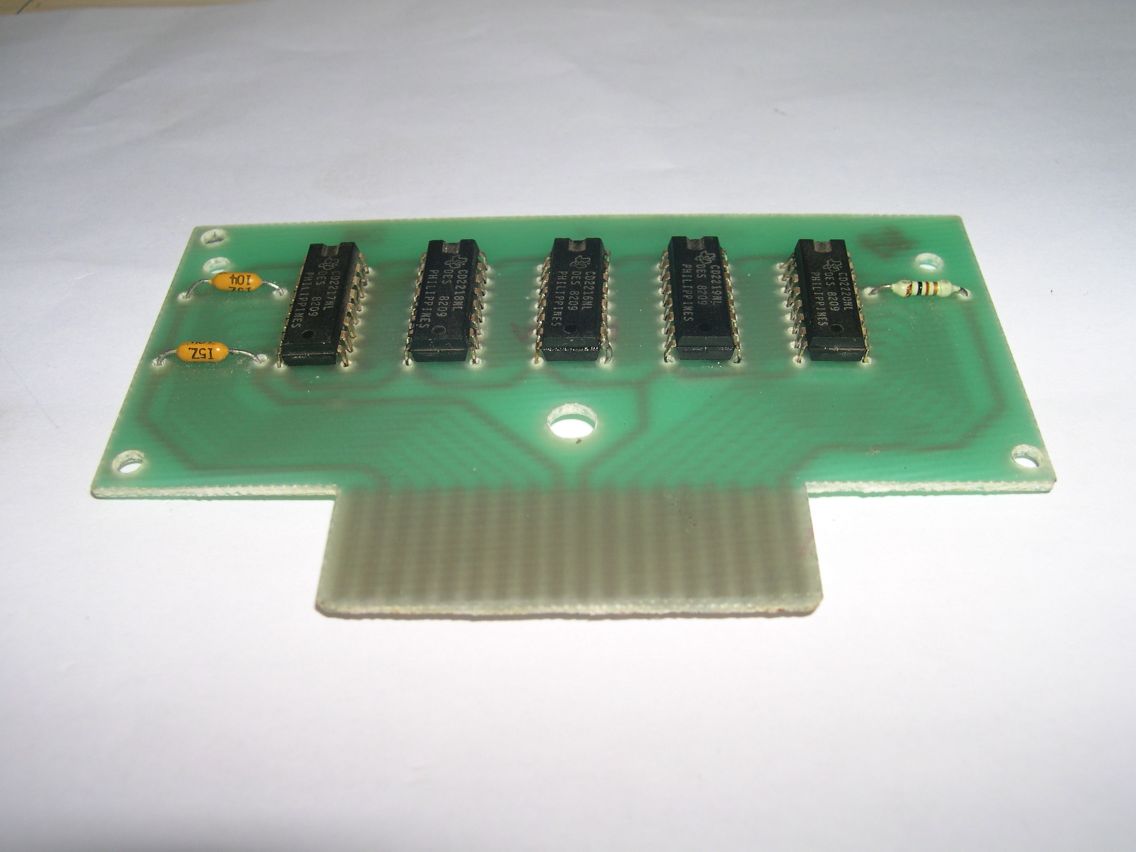
| Star Gazer I | 1988 | John Philips | BBBA | 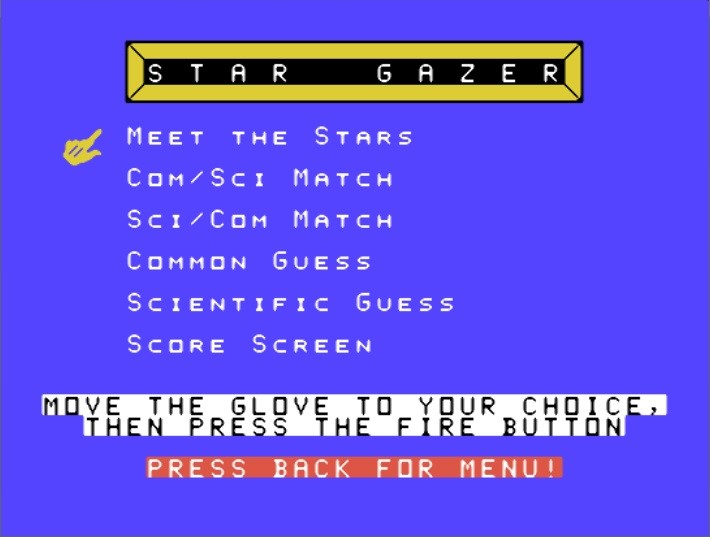 |
||||
|
Star Maze |
1983 |
Scott Foresman |
SF3182 |
|
|
|
|
|
|
Star Trap |
|
DaTaBioTics |
|
YES |
|
|
|
|
|
Star Runner |
1987 |
DaTaBioTics |
BAAP |
|
|
|
|
|
|
Star trek |
1983 |
Sega Enterprises |
PHM 3225 |
|
YES |
|
|
|
|
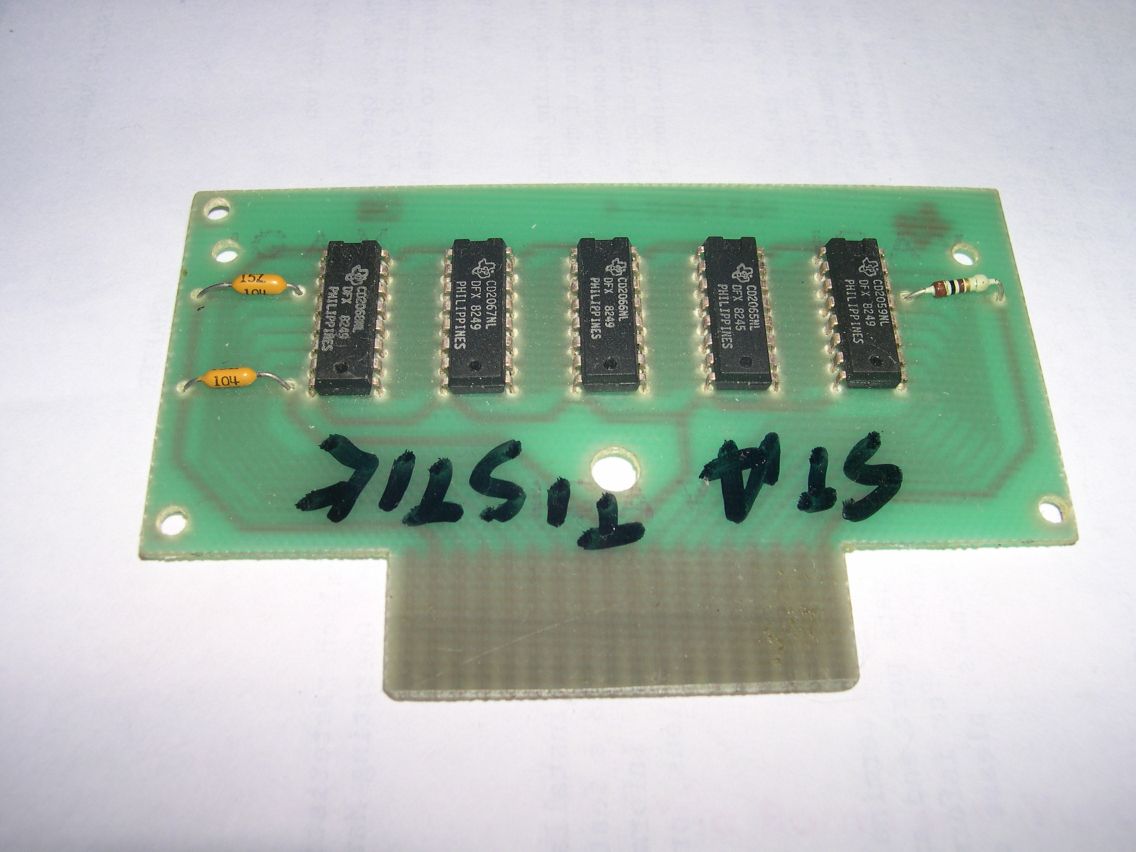
Statistics |
1979 |
Texas Instruments |
PHM 3014 |
|
|
 |
|
|
|
Story machine |
1982-83 |
Spinnaker |
PHM 3178 |
YES |
|
|
|
|
|
Strike Three |
1988 |
John Philips |
|
|
|
|
|
|
|
Spy's Demise |
1987 |
DaTaBioTics |
BABC |
|
|
|
|
|
| ST Nick | 1983 | FunWare | BDAC | 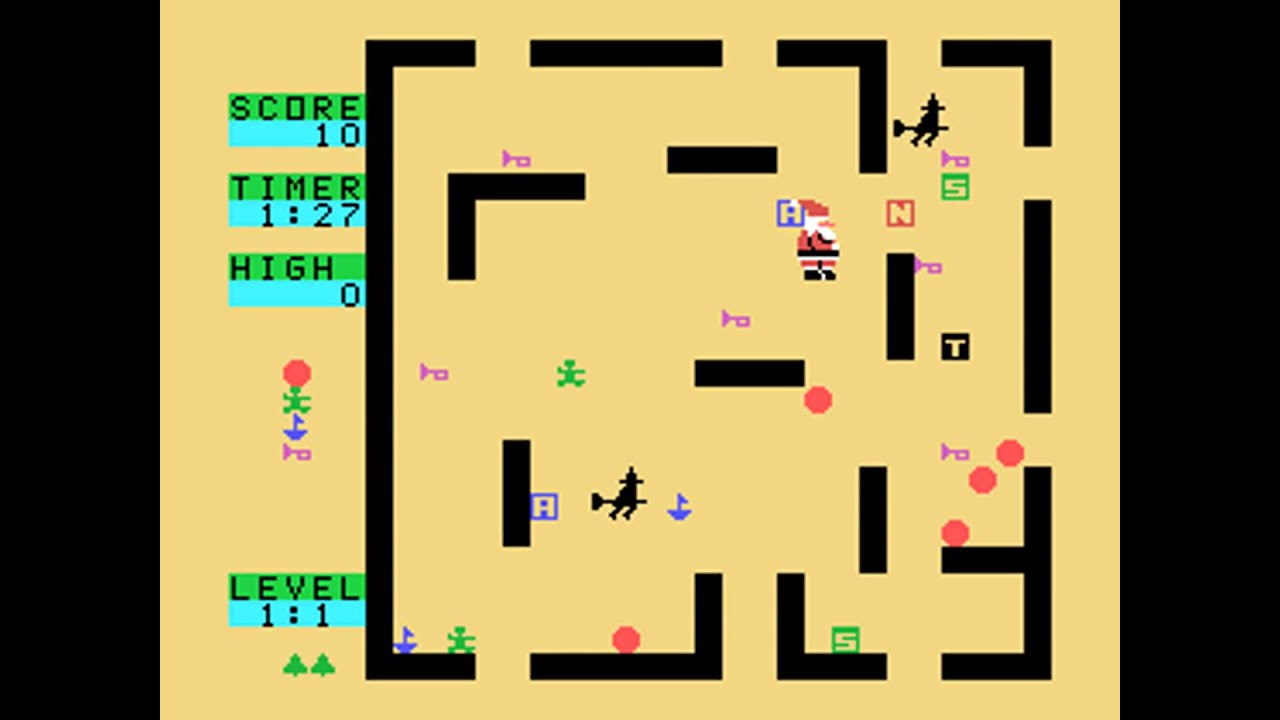 |
||||
|
Subtraction |
1982 |
Texas Instruments |
PHM 3091 |
|
|
|
|
|
|
Super demon attack |
1983 |
Texas Instruments |
PHM 3219 |
|
YES |
|
|
|
|
Super extended Basic |
1987 |
Triton |
BDHK |
|
|
|
|
|
|
Superfly |
1983 |
Milton Bradley MBX |
PHM3153 |
YES |
YES |
|
|
|
|
Superstorm |
2019 |
Atari |
ti99iuc |
|
|
|
|
|
|
Tax investment record keeping |
1980 |
Texas Instruments |
PHM 3016 |
|
|
|
|
|
|
Terminal Emulator 1 |
1980 |
Texas Instruments |
PHM 3017 |
|
|
|
|
|
|
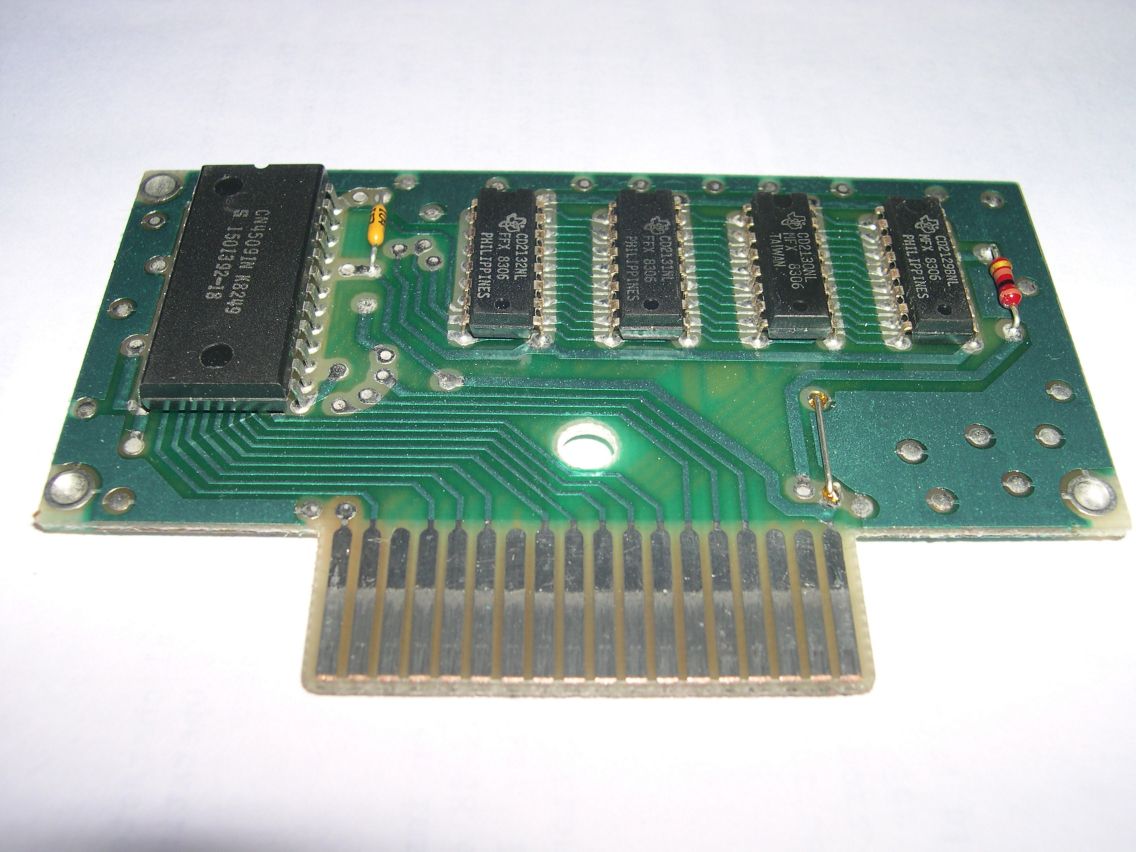
Terminal emulator 2 |
1980 |
Texas Instruments |
PHM 3035 |
YES |
YES |
 |
|
|
|
Terry Turtles Adventure |
1983 |
Texas instruments MBX |
PHM3154 |
YES |
|
|
|
|
|
TEX turbo and the big bug battles |
2016 |
DSAPSC |
|
|
|
|
|
|
|
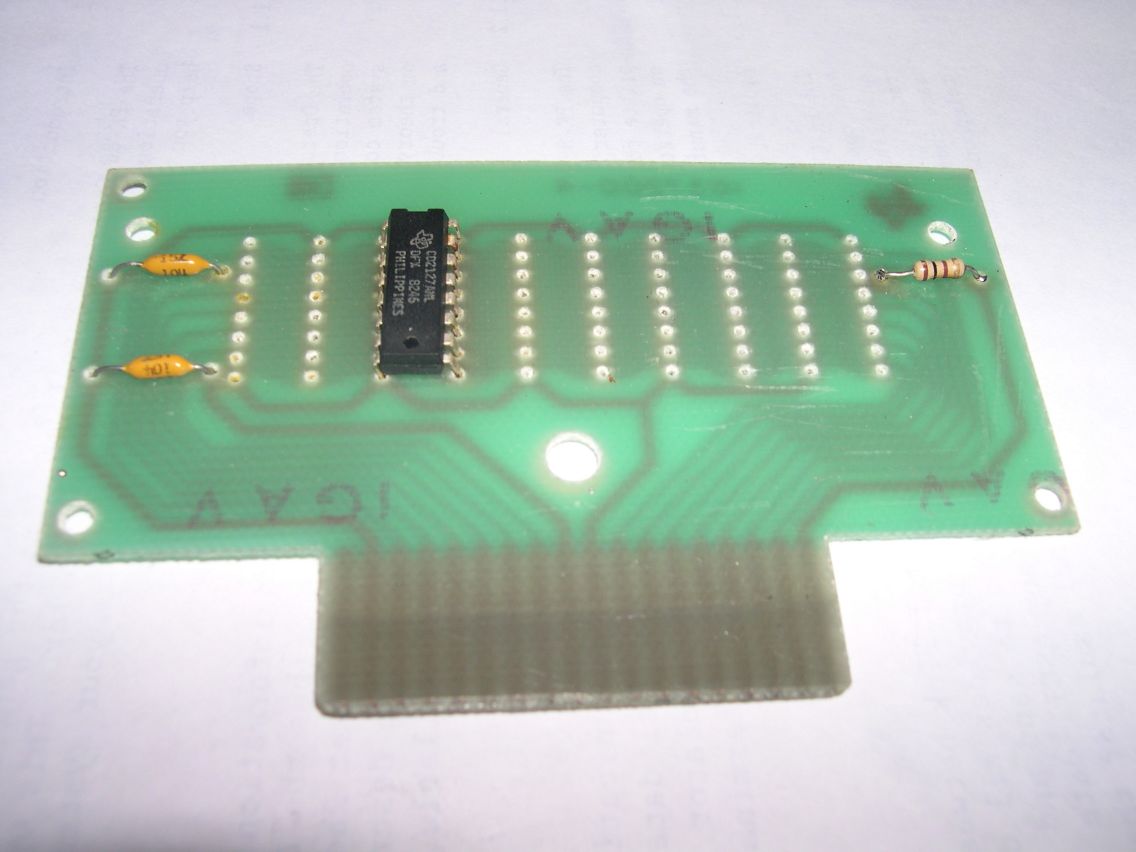
The Attak |
1980 |
Texas Instruments |
PHM 3031 |
YES |
|
 |
|
|
|
The great word race |
1987 |
tritor products |
|
|
|
|
|
|
| TI / IBM connection | CorComp | |||||||
|
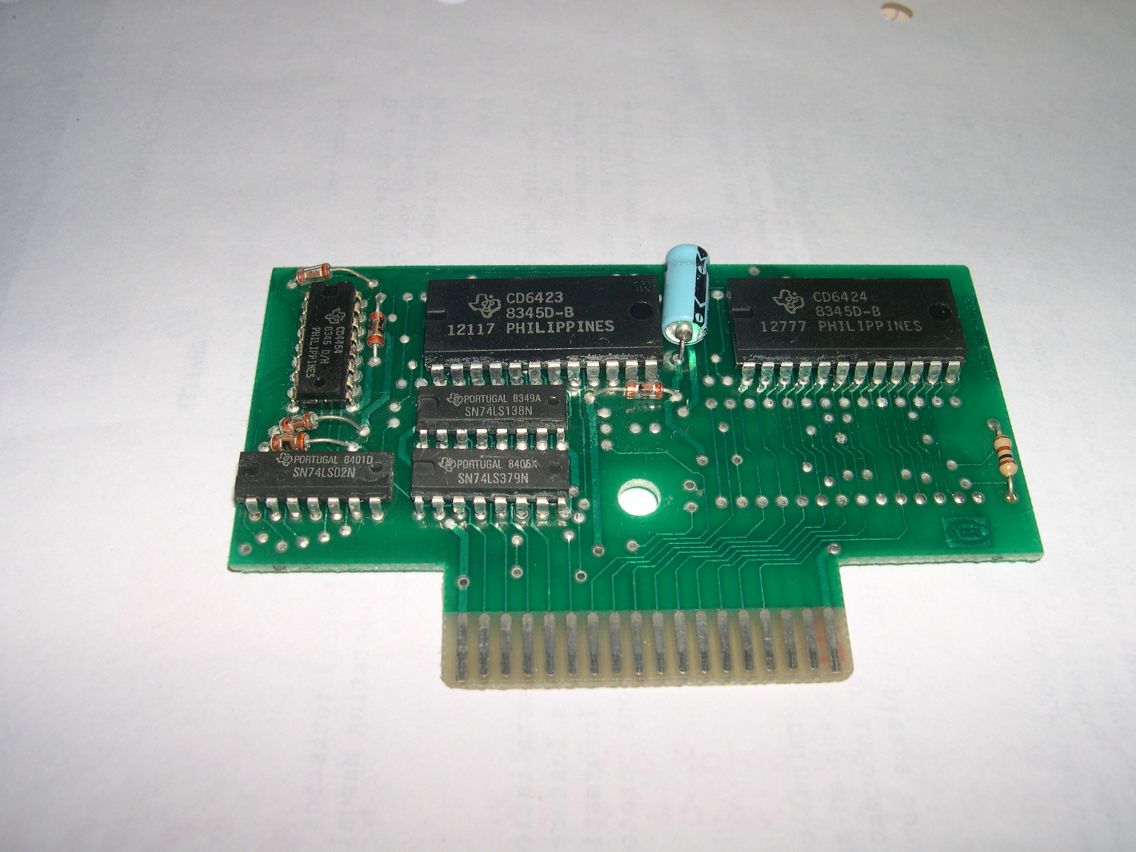
TI calc |
1983 |
Texas Instruments |
PHM 3213 |
YES |
|
 |
|
|
|
TI extended basic 1.00 |
1982 |
Texas Instruments |
PHM 3026 |
|
|
|
|
|
|
TI invaders |
1981 |
Texas Instruments |
PHM 3053 |
|
|
|
|
|
|
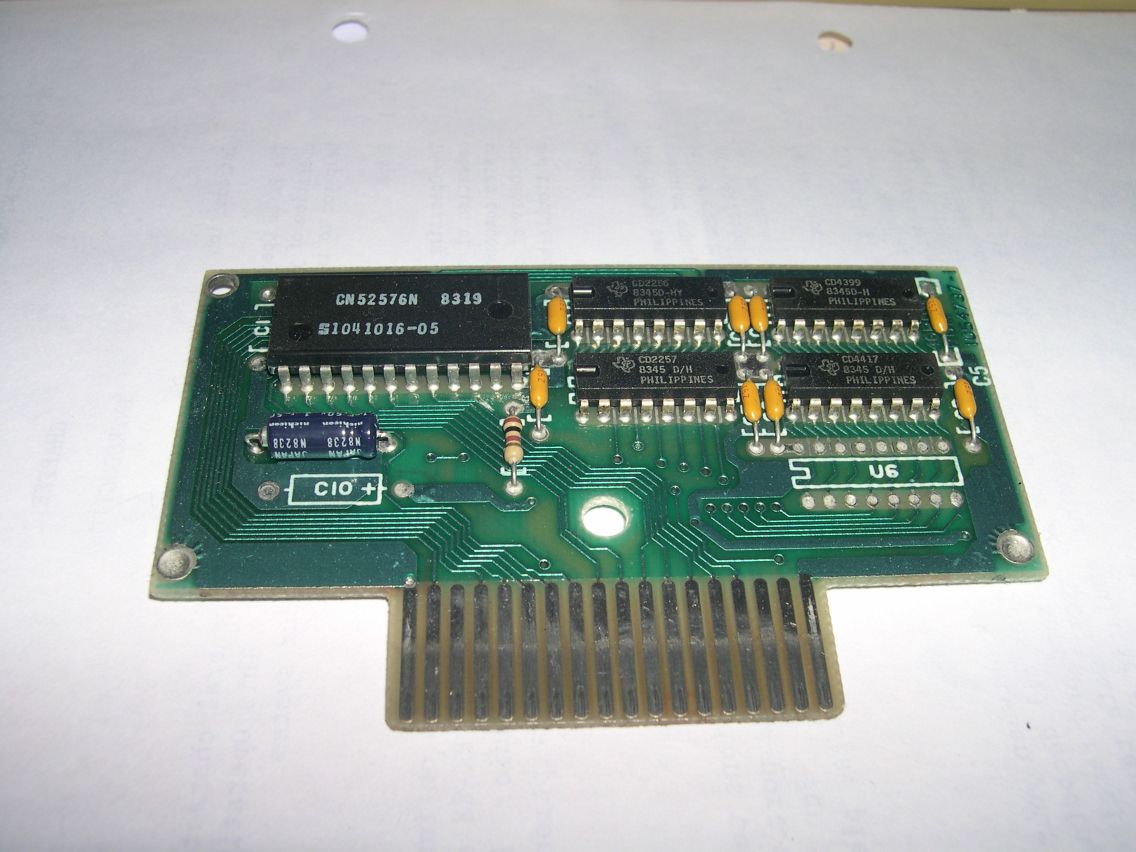
TI logo |
1981 |
Texas Instruments |
PHM 3040 |
|
|
 |
|
|
|
TI logo II |
1984 |
Texas Instruments |
PHM 3109 |
|
|
|
|
|
|
TI logo mondadori |
|
|
|
|
|
|
|
|
|
TI planner |
1987 |
DaTaBioTics |
BJBS |
|
|
|
|
|
|
TI writer word processor |
1982 |
Texas Instruments |
PHM 3111 |
|
|
|
|
|
|
Tombstone city |
1981 |
Texas Instruments |
PHM 3052 |
|
|
|
|
|
|
Touch typing tutor |
1982 |
Texas Instruments |
PHM 3064 |
|
|
|
|
|
|
Treasure Island |
1983 |
Data East USA |
PHM 3168 |
|
|
|
|
|
|
TRIS clone |
1989 |
Asgard |
|
YES |
|
|
|
|
|
Tunnels of doom |
1982 |
Texas Instruments |
PHM 3042 |
|
|
|
|
|
|
Video chess |
1979 |
Texas Instruments |
PHM 3008 |
|
|
|
|
|
|
Video graphs |
1979 |
Texas Instruments |
PHM 3005 |
YES |
|
|
|
|
|
Videogames 1 |
1980 |
Texas Instruments |
PHM 3018 |
YES |
|
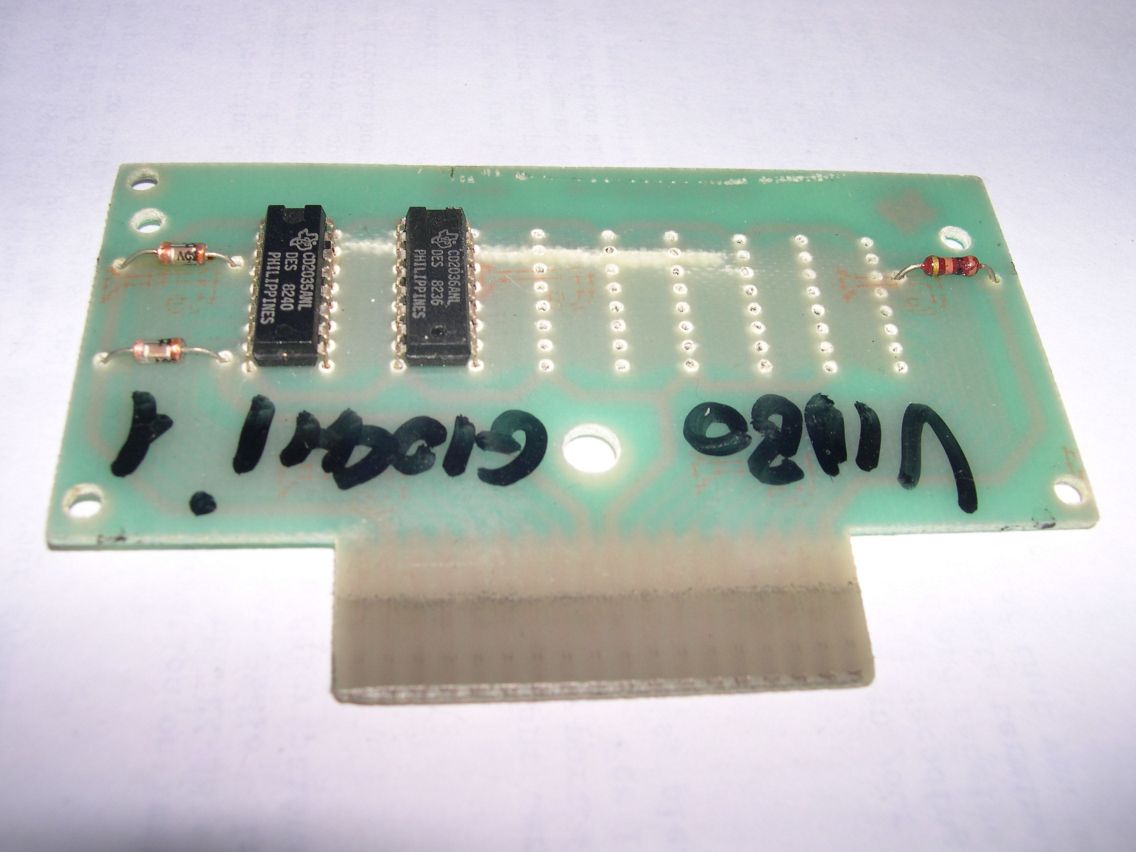 |
|
|
| Video Vegas | 1982 | FunWare | FW1002 | 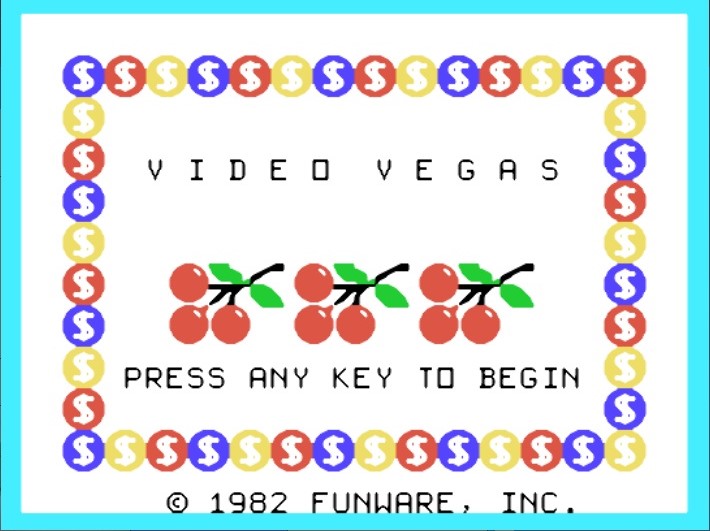 |
||||
|
Yathzee |
1980 |
Milton Bradley |
PHM 3039 |
YES |
|
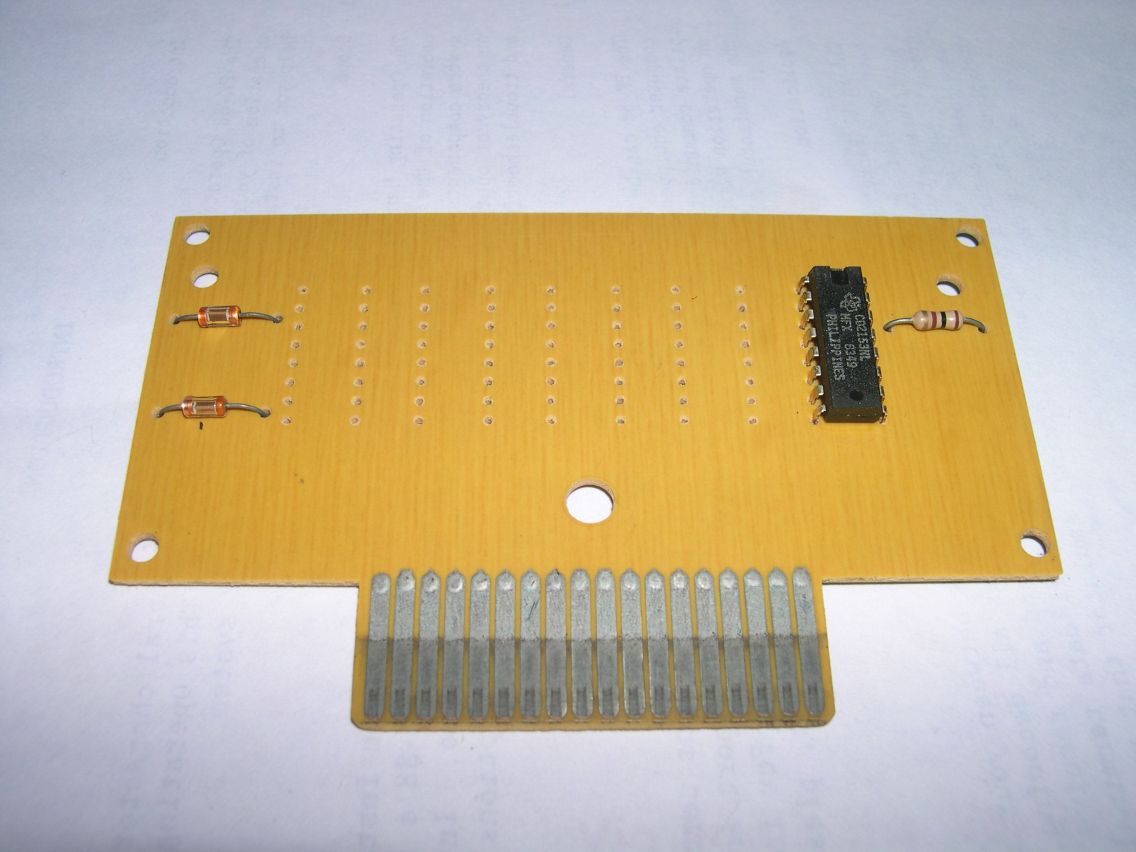 |
|
|
|
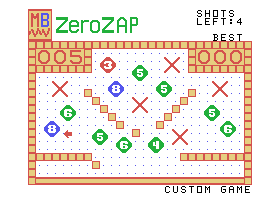
Zero Zap |
1981 |
Milton Bradley |
PHM 3036 |
|
|
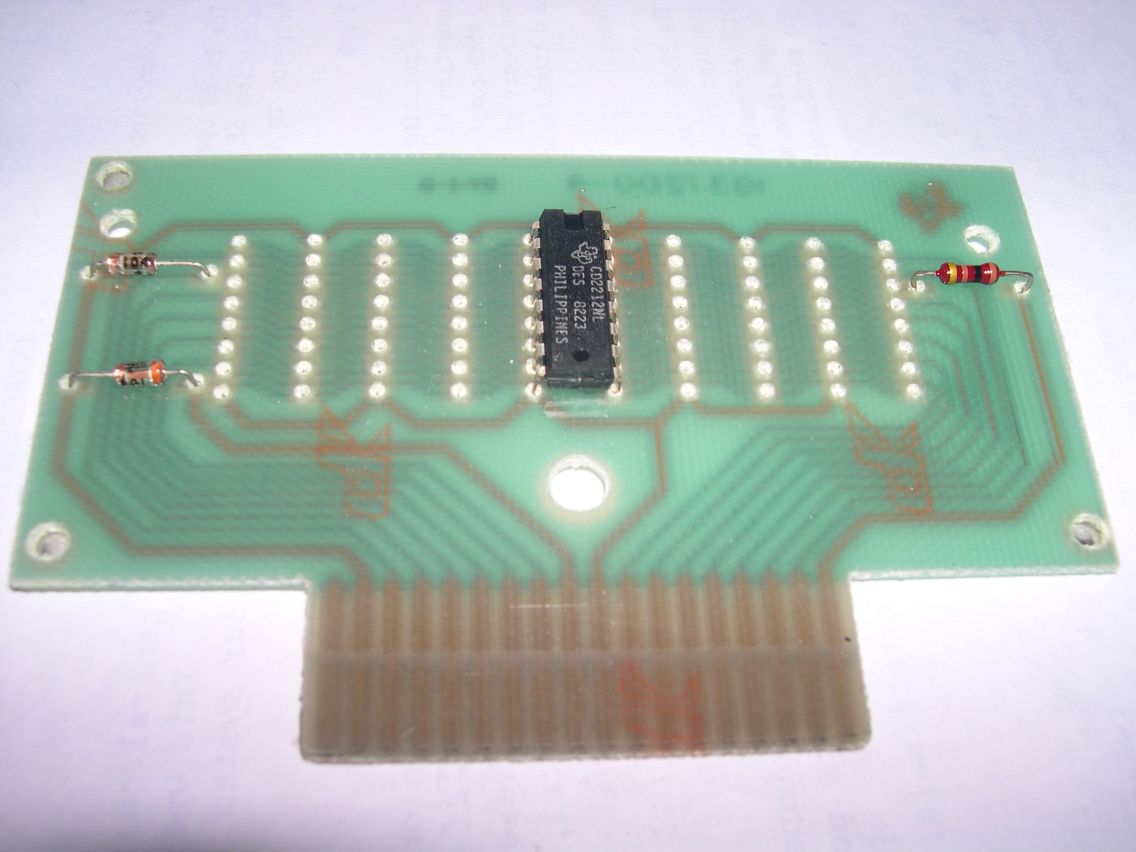 |
|
|
|
Weight control nutrition |
1980 |
Texas Instruments |
PHM 3021 |
YES |
|
|
|
|
|
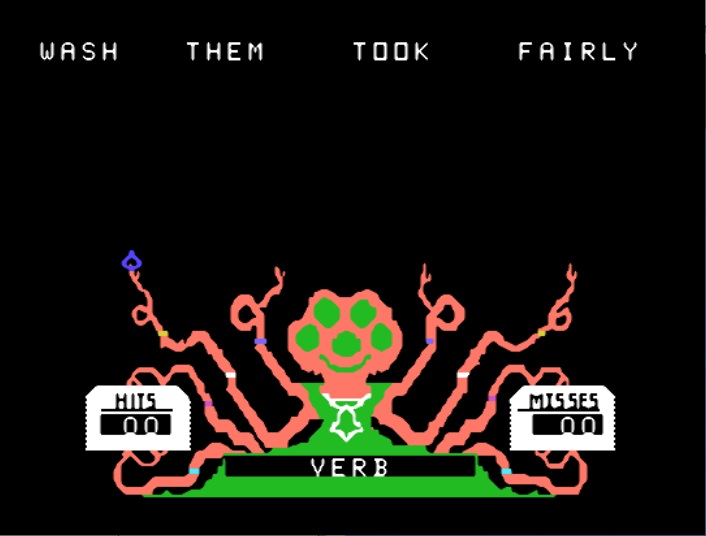
Word Radar |
1982 |
Texas Instruments |
PHM 3185 |
YES |
|
|
|
|
|
Word Invasion |
1982 |
Texas Instruments |
PHM 3169 |
|
|
|
|
|
|
Word Write XTRA |
1988 |
DaTaBioTics |
|
|
|
|
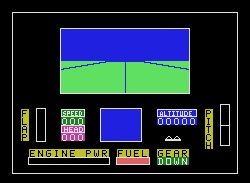
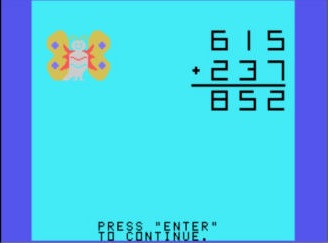
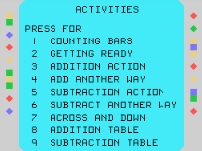
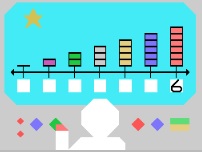
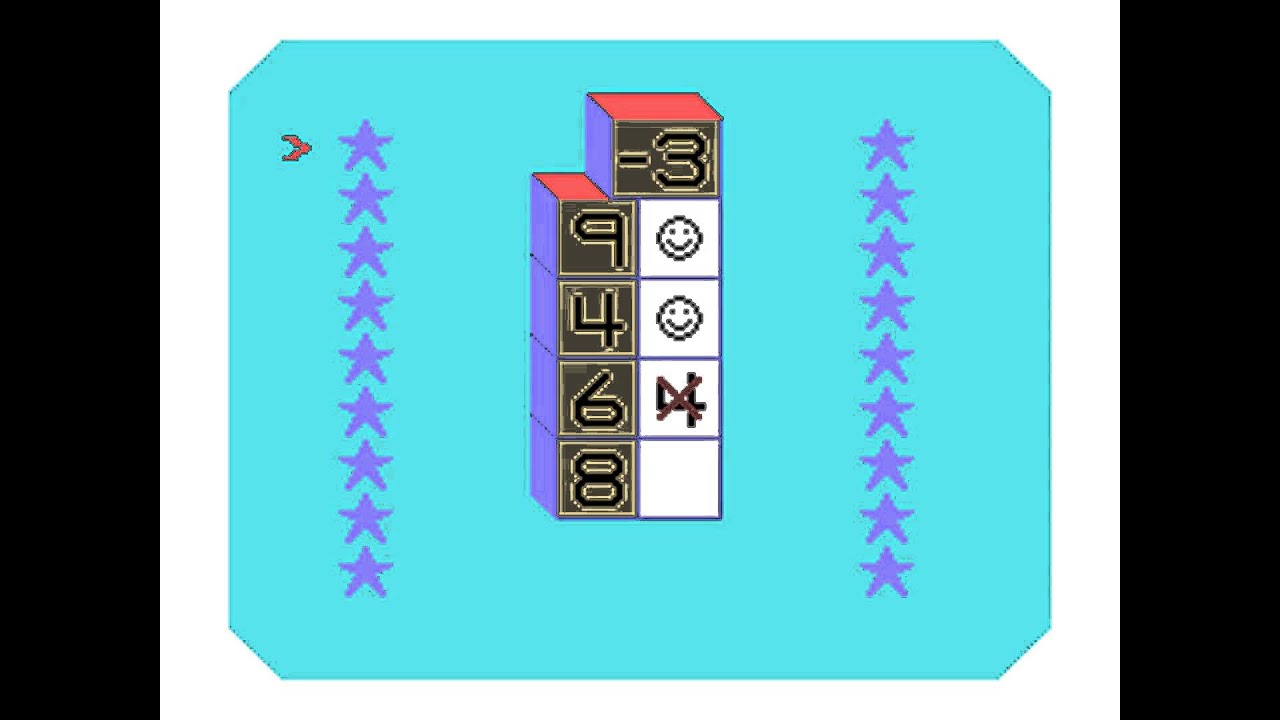
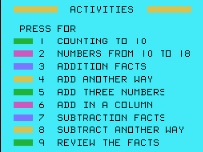
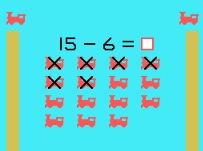
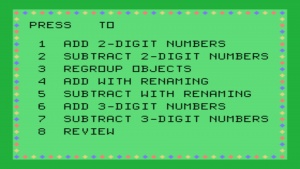

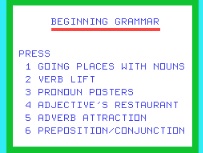
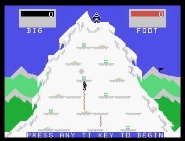
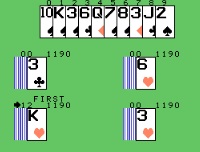
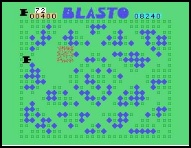
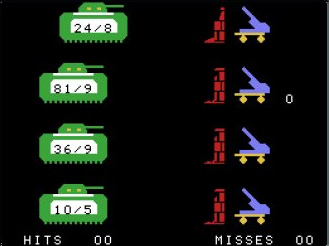


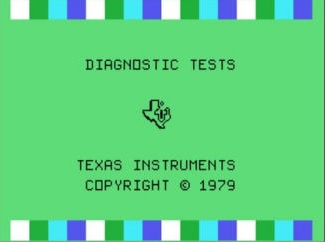
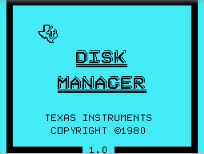
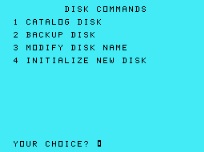
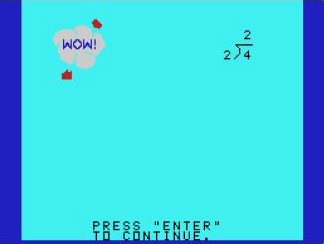
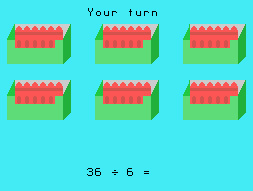
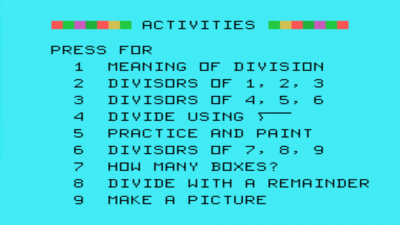


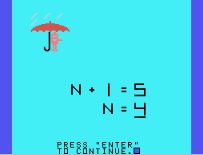
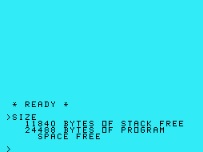
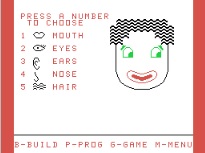
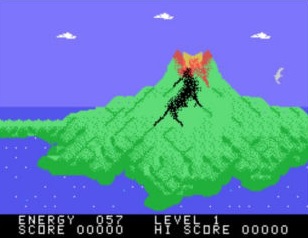





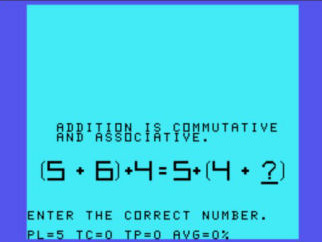
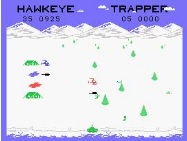
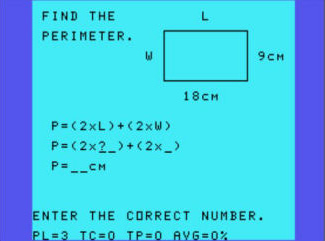
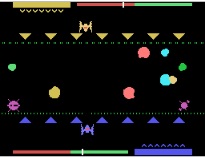
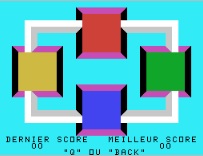
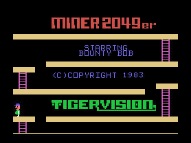
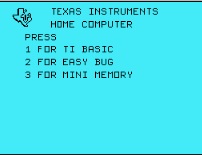
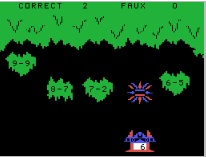
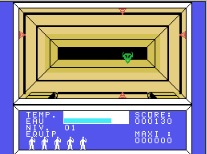
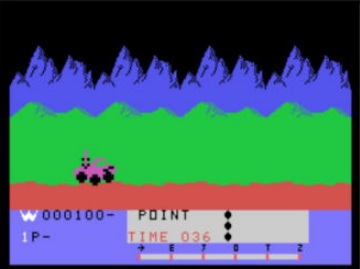

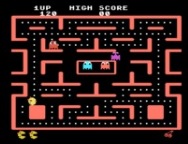
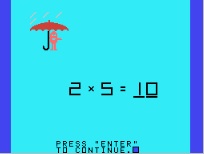

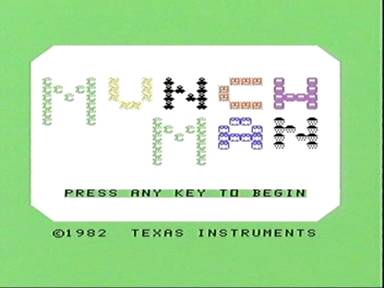
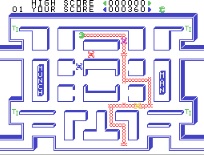
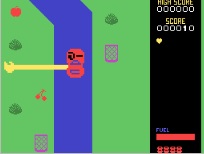
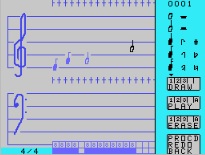
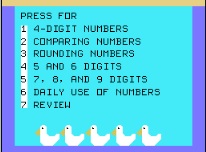
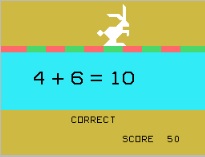

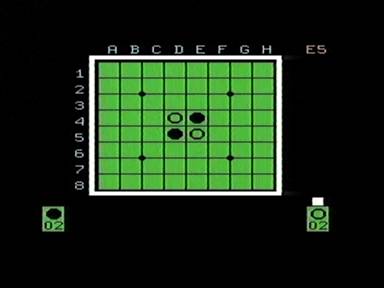
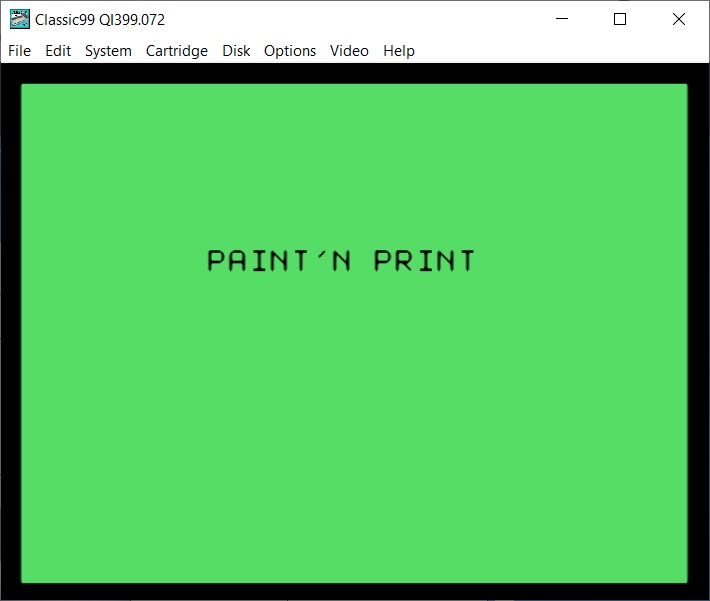
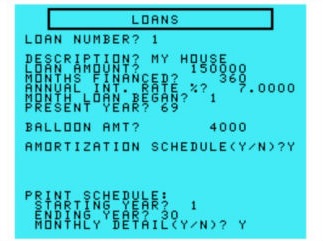
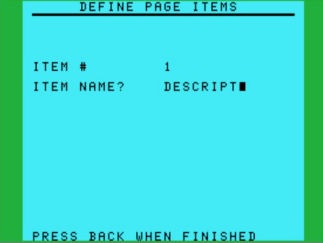
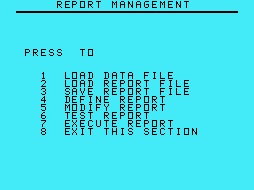
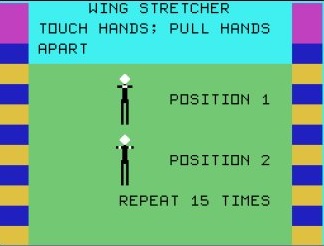
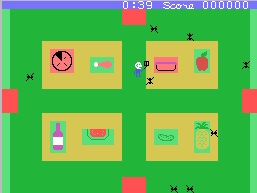
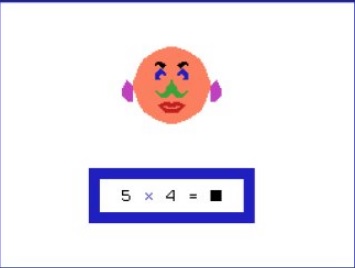

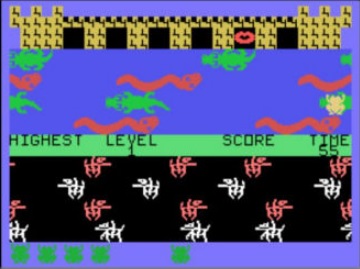
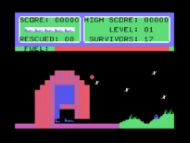

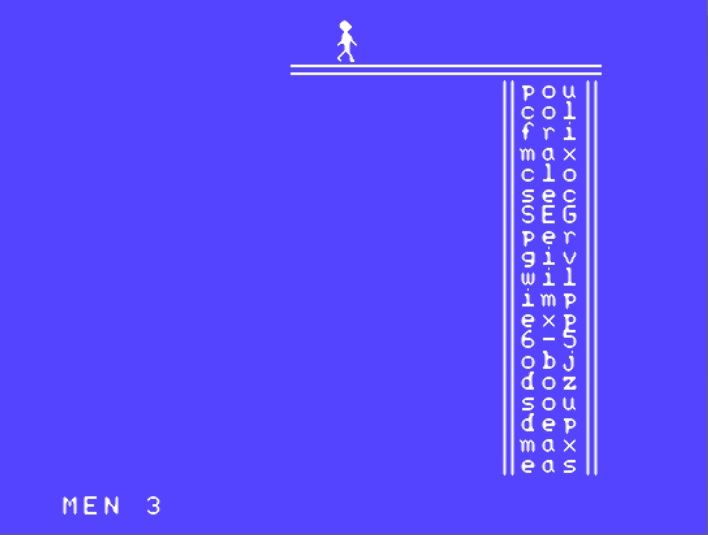
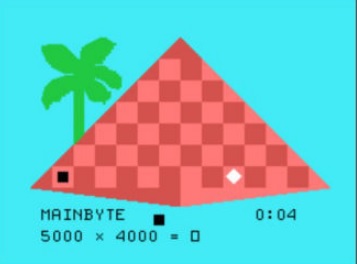















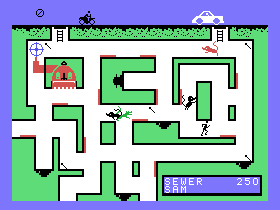
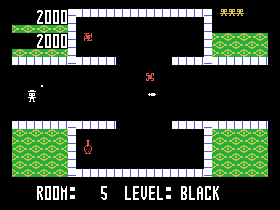
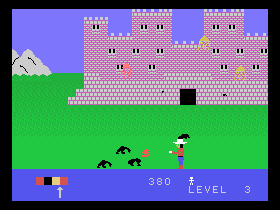
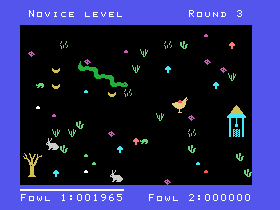

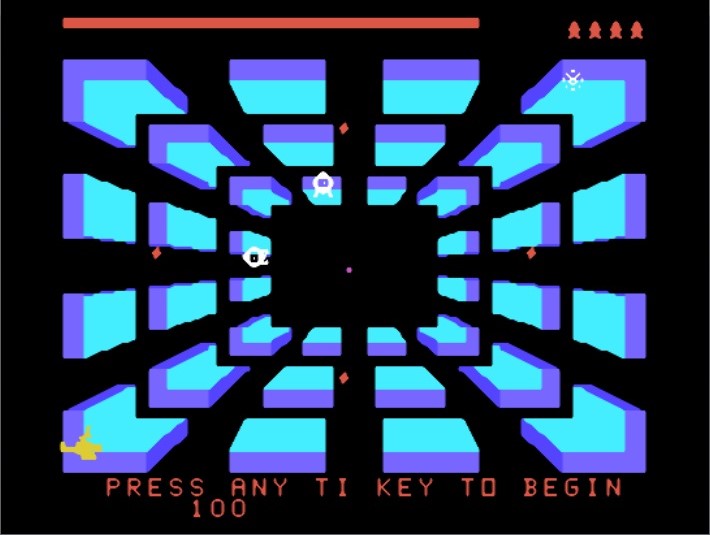


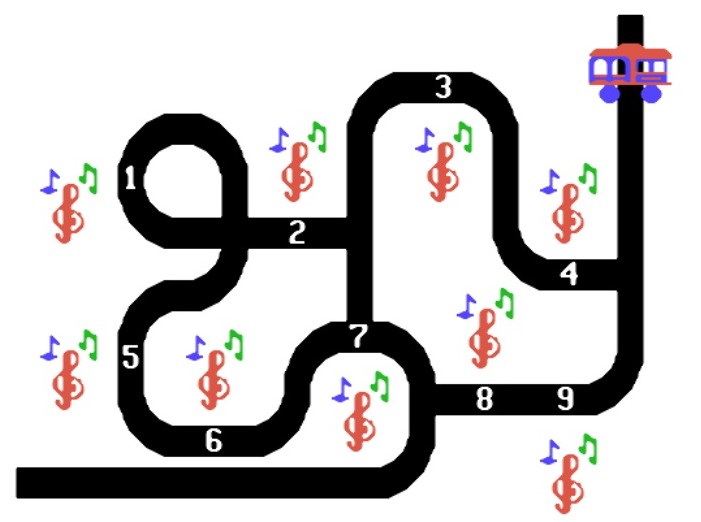

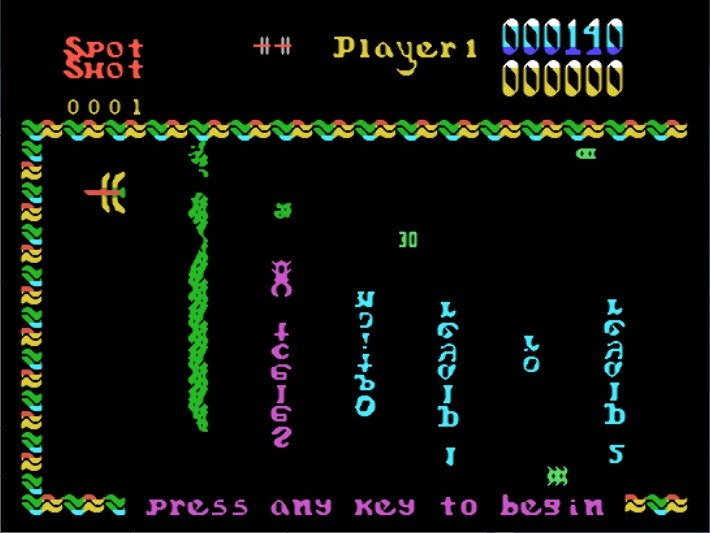
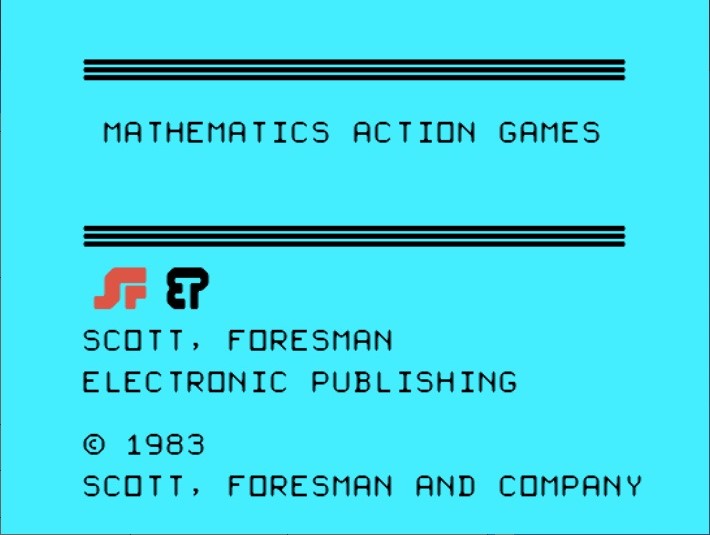

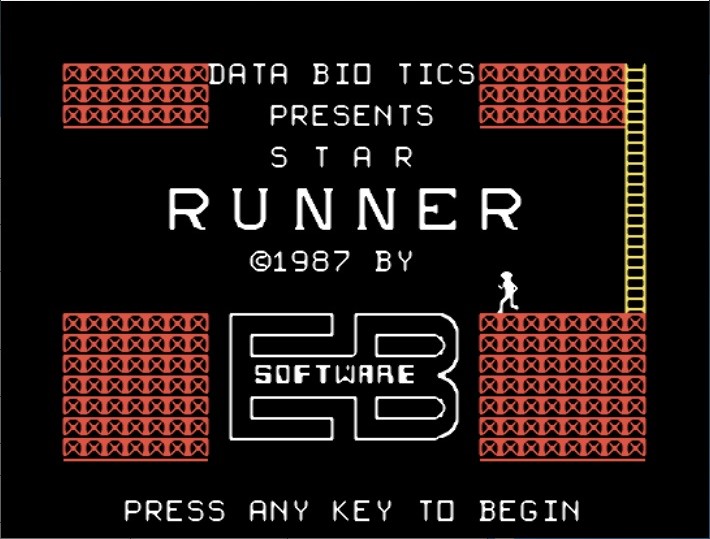
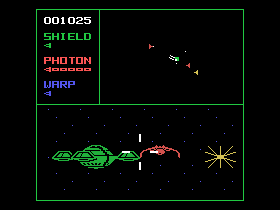

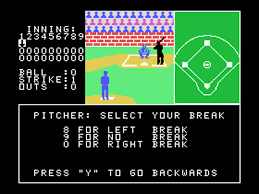
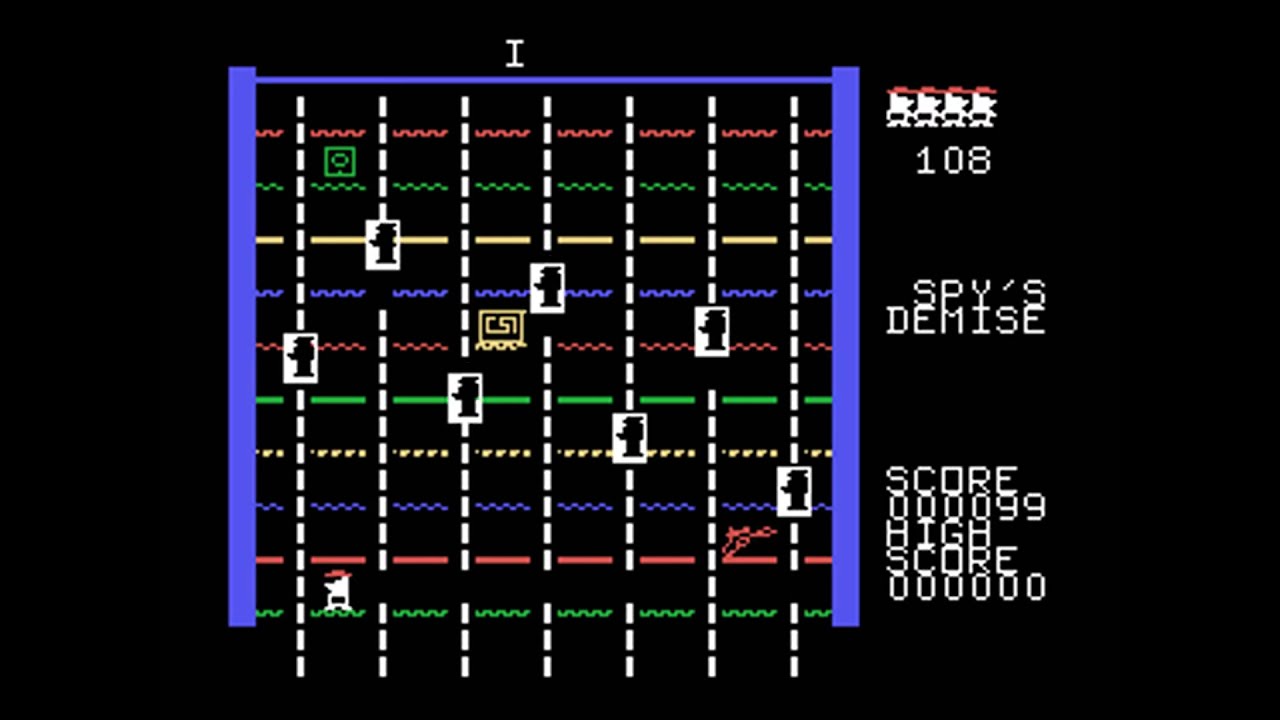

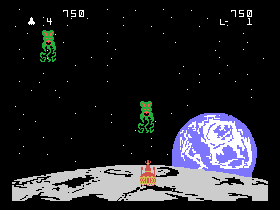
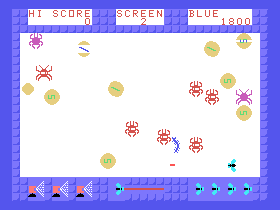


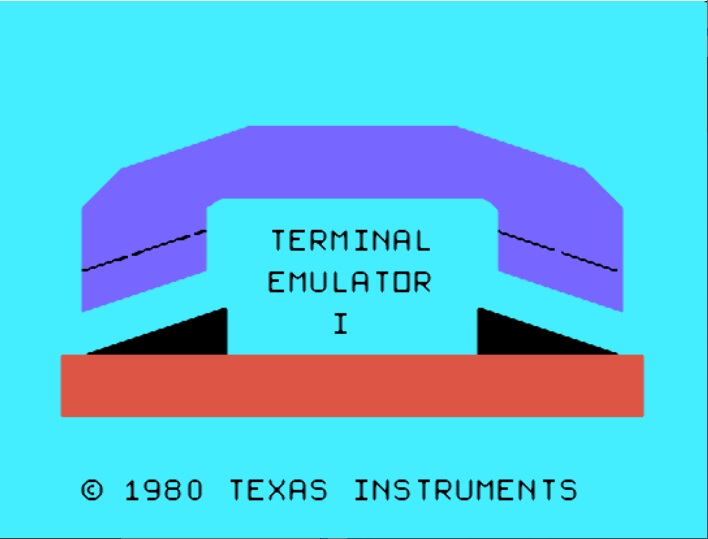
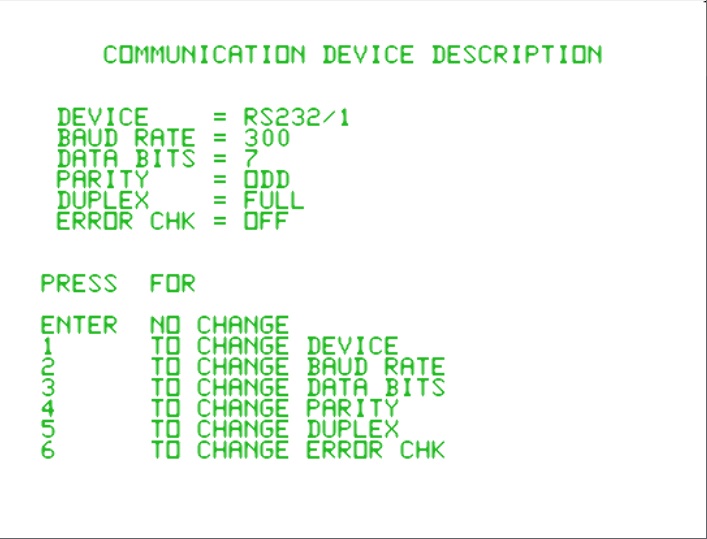

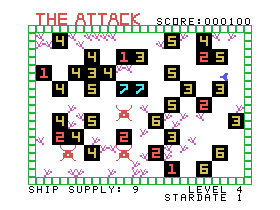
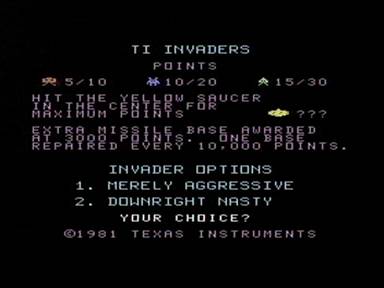
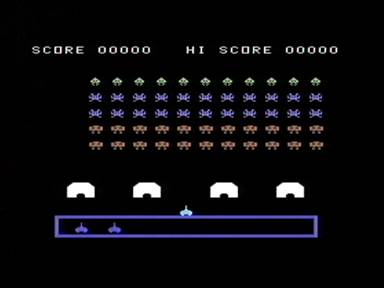
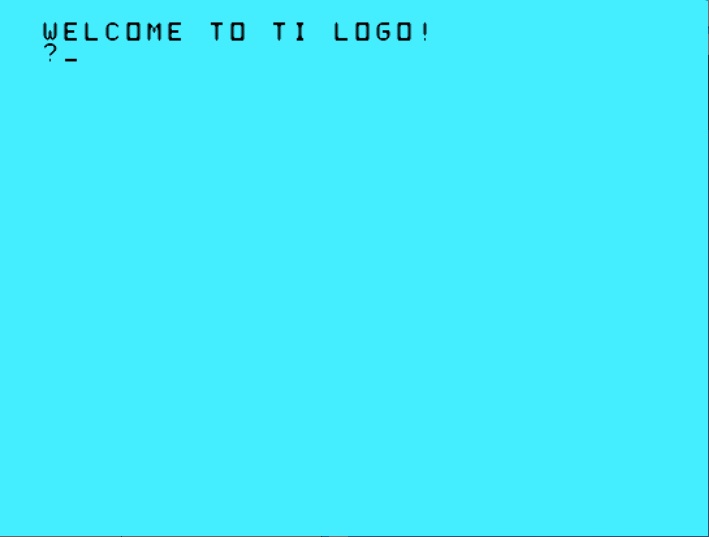
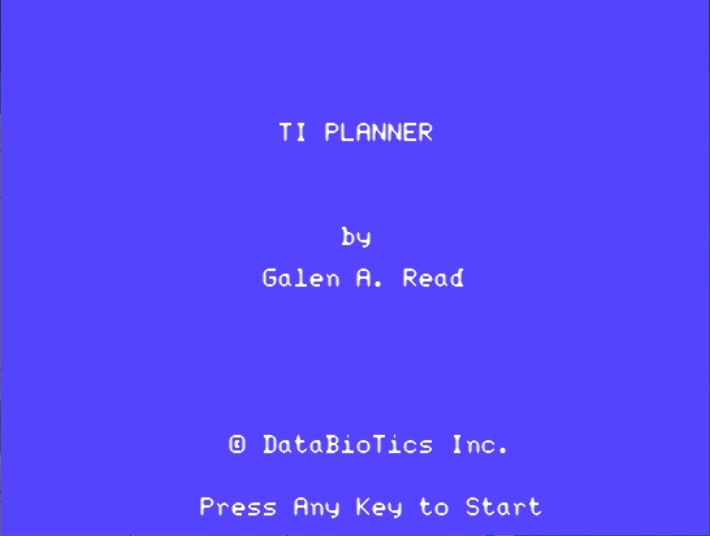
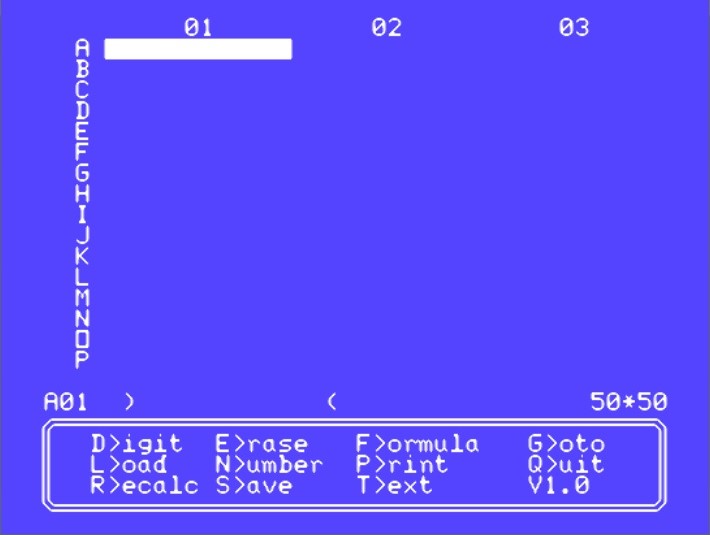
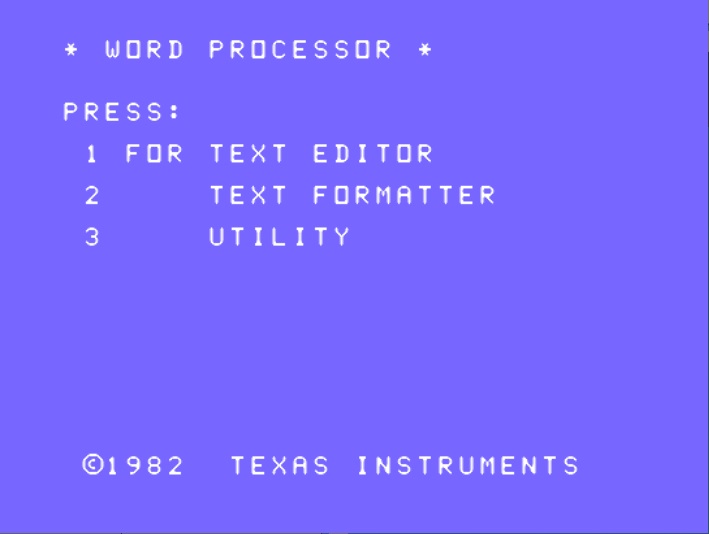
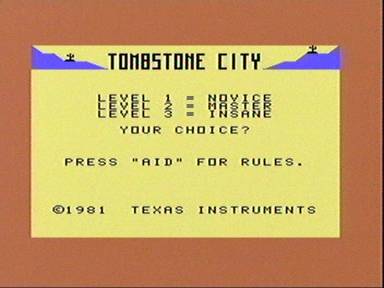
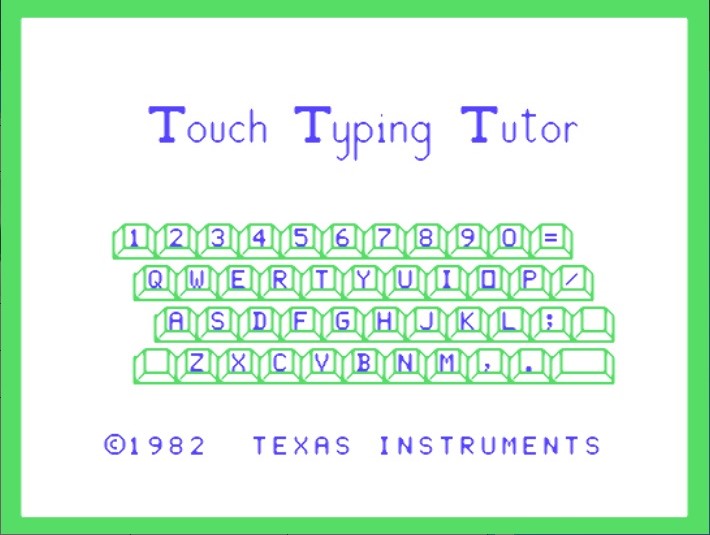
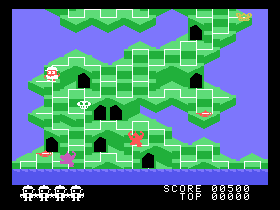

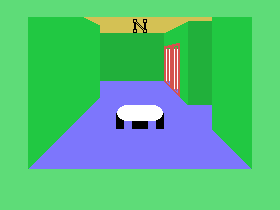
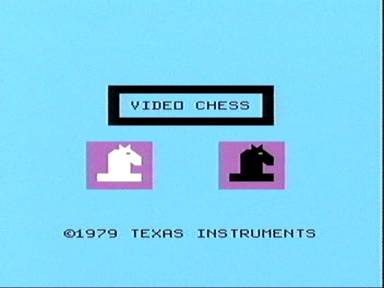


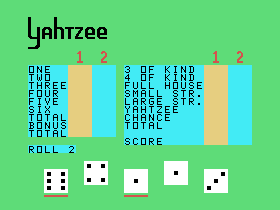


Educational Article Count: 83
TM990 / 189 Article Count: 2
Laptop Article Count: 13
Regency TR-1 Article Count: 2
Advertising Article Count: 1
Calculators Article Count: 330
TI-calculator Article Count: 320
Watches Article Count: 353
LED watches Article Count: 73
Special Article Count: 5
Woman Article Count: 20
Man Article Count: 42
Star Wars Article Count: 5
First Watch Article Count: 1
LCD watches Article Count: 229
How Its Made Article Count: 2
Witschi Q Test 3000 Article Count: 1
Battery Article Count: 1
Tritium Article Count: 1
Booklet Article Count: 17
HANDS watches Article Count: 9
module Article Count: 20
TI-history and curiosity Article Count: 88
Printer Article Count: 3
CC-40 computer Article Count: 2
Plc Programmer Article Count: 7
Computer Article Count: 40
Acorn Article Count: 2
Commodore Computer Article Count: 10
Dragon Article Count: 1
Enterprise Article Count: 1
Exelvision Article Count: 1
IBM Article Count: 1
Mattel Article Count: 1
Olivetti Computer Article Count: 2
Osborne Article Count: 1
Philips Computer Article Count: 3
Sega Article Count: 1
Sinclair Radionics Computer Article Count: 12
RadioShack Computer Article Count: 1
Timex Article Count: 2
Tomy Tutor Article Count: 1
Silent 700 Terminals Article Count: 2
HP Article Count: 11
Console Article Count: 35
Atari Article Count: 4
Games w/ chip TI Article Count: 18
Magnavox Article Count: 2
Milton Bradley Article Count: 1
Nintendo Article Count: 2
Pong Article Count: 4
Philips Console Article Count: 1
Raspberry PI4 Article Count: 1
SEGA Article Count: 1
Vectrex Article Count: 1
Calculators w/ chip TI Article Count: 111
Architectural Data Corp Article Count: 1
Aristo Article Count: 2
Bonark Article Count: 1
Bowmar Article Count: 2
Canon Article Count: 14
Casio Article Count: 2
Commodore Calculator Article Count: 4
Compucorp Article Count: 1
Conic Article Count: 1
Crown Article Count: 1
EMG Hunor Article Count: 1
Eldorado Article Count: 3
Exactra Article Count: 7
Generic Design TMS0972NL Article Count: 9
Hema Article Count: 1
Heath Article Count: 1
Híradástechnika Article Count: 1
Koh-I-Noor Article Count: 7
Kosmos Article Count: 4
Kovac Article Count: 1
National Semiconductor Article Count: 1
Montgomery ward Article Count: 4
Olivetti Calculator Article Count: 2
Orion Article Count: 1
Panasonic Article Count: 4
Privileg Article Count: 2
Radio Shack Article Count: 8
Sears Article Count: 1
Sinclair Radionics Calculator Article Count: 4
Summit Article Count: 1
Texet Article Count: 2
Toko Article Count: 1
TSI Article Count: 1
Unisonic Article Count: 1
Victor Article Count: 1
Zayre Article Count: 4
Western Auto Article Count: 7
Xam Article Count: 1
MBO Article Count: 1
Mechanical Calculators Article Count: 17
Projects TI99 Article Count: 8
Apple Article Count: 8
home page Article Count: 53
ti_watch_museum_odv Article Count: 1
Web History Article Count: 1
5x1000 Article Count: 1
Bilanci Article Count: 1
Statuto Article Count: 1
FAQ Article Count: 23
FAQ EN Article Count: 21
uP Trainer Article Count: 8
It is a digital and exhibition museum dedicated to preserving, documenting, and sharing the history of electronics and automatic computing. While the primary focus is on preserving the historical heritage of Texas Instruments (LED/LCD watches, calculators, and TI-99/4A home computers), the collection also includes milestones from other historic brands that played an important role in the history of 20th-century technology.
The website and the museum collection are managed by the non-profit volunteer organization "Texas Instruments Watch Museum – ODV" (founded in 2023). The project is overseen by the founder, Fabrizio, together with a network of volunteers, enthusiasts, technicians, and collectors.
No. The Texas Instruments Watch Museum ODV is a completely independent non-profit cultural organization. The use of trademarks and trade names on the website is solely for descriptive, historical, and cultural preservation purposes, relating to the heritage of vintage technology.
In the 1970s, Texas Instruments was an absolute pioneer in the development of solid-state displays, first using light-emitting diodes (LED) and later liquid crystal displays (LCD). TI revolutionized the global market by launching some of the first affordable digital wristwatches for the general public and integrating proprietary modules that were extremely advanced for their time.
Our collection includes a wide variety of models, including:
LED Watches: Early men's and women's models, special editions (including the famous Star Wars and StarBurst models), and the affordable "Star Wars / Black Watch" series.
LCD Watches: Classic men's and women's models, Phasar watches, Desktop versions, and models with advanced functions.
Rare Components: Integrated modules, special batteries, original booklets, and vintage testing equipment, such as the original Witschi Q Test 3000 tester.
Yes. In the sections dedicated to watches, we provide in-depth information on "How It's Made" (how the modules are constructed), guidance on compatible batteries, information about displays, and recommendations to prevent oxidation or damage caused by old or deteriorated batteries.
The website covers the entire evolution of Texas Instruments calculators: from the early Exactra models and the historic TI-30 series, to advanced scientific and programmable calculators such as the TI-58 and TI-59, thermal printers, memory modules, and educational devices such as the Speak & Spell / Talking Learning Aid and the Little Professor series.
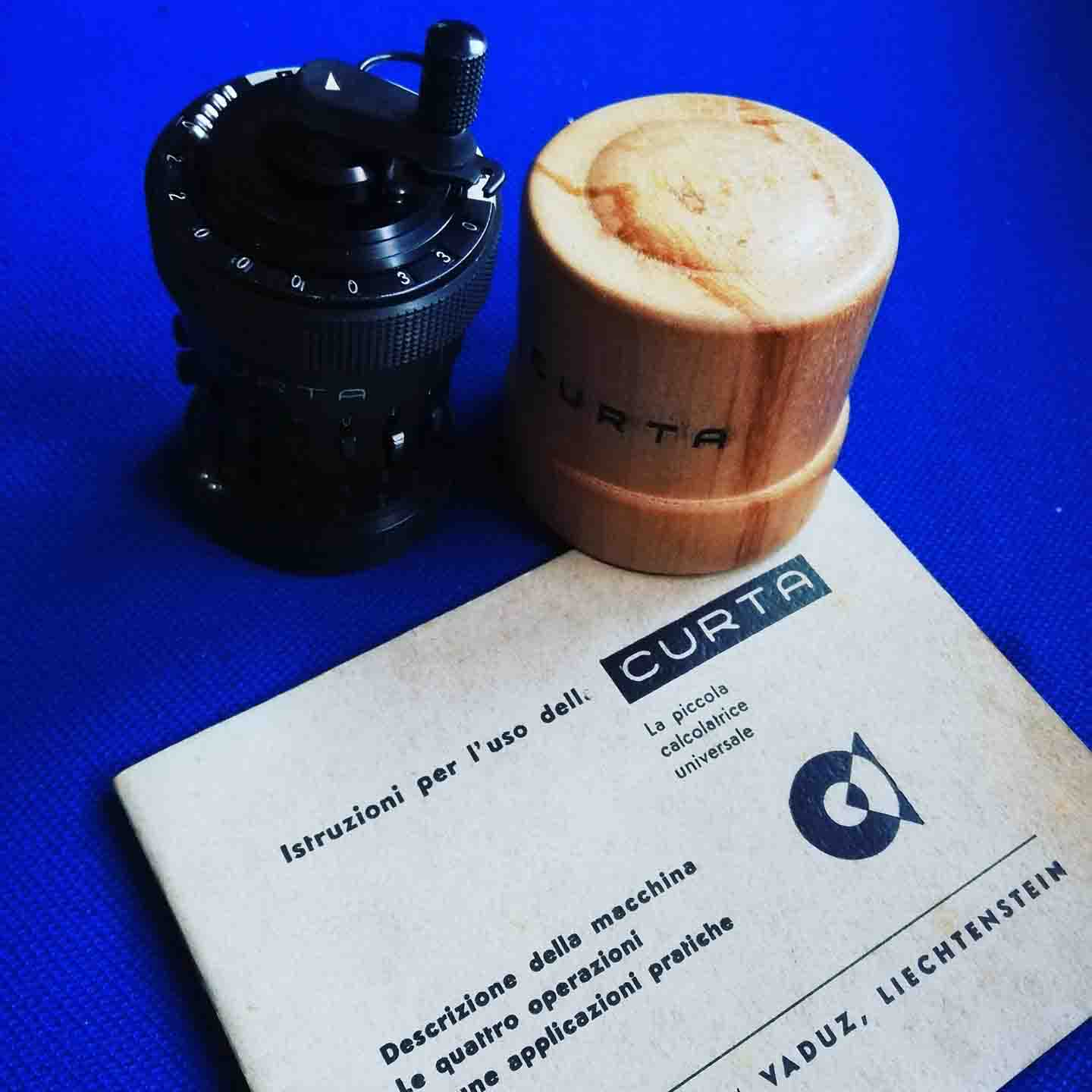
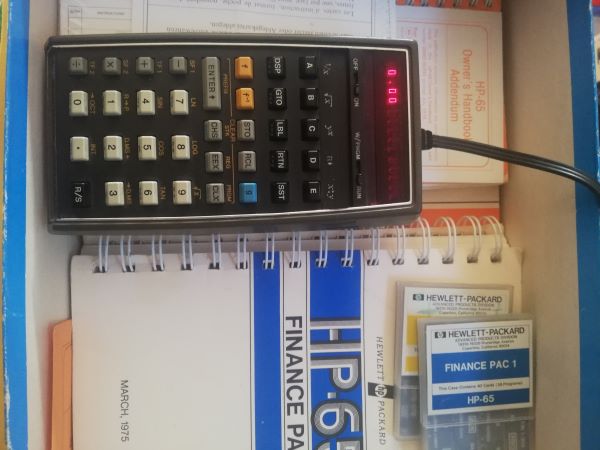
No. The archive documents both calculators from other brands that used Texas Instruments chips and integrated circuits (such as Bowmar, Casio, Commodore, Olivetti, Sinclair, and HP), as well as mechanical and historical calculating instruments such as Curta, Addiator, Napier's Bones, and historic abacuses.
On the website, we provide dedicated sections covering the replacement and refurbishment of old Ni-Cd rechargeable battery packs (such as BP1, BP1A, BP6, BP7, BP8, and BP9). These sections show modern and visually transparent solutions for safely operating vintage calculators without damaging them.
Launched in the early 1980s, the TI-99/4A was the first true 16-bit home computer aimed at the mass market, based on the powerful TMS9900 microprocessor. It is renowned for its extensive library of game cartridges and software, as well as for its sturdy aluminum and plastic construction.
Our website features various modern projects and modules designed for the TI-99/4A, created to expand its capabilities and make it easier to use with modern technology. These include hardware expansions, interface modules, and projects developed by enthusiasts to keep this historic home computer active and useful today.
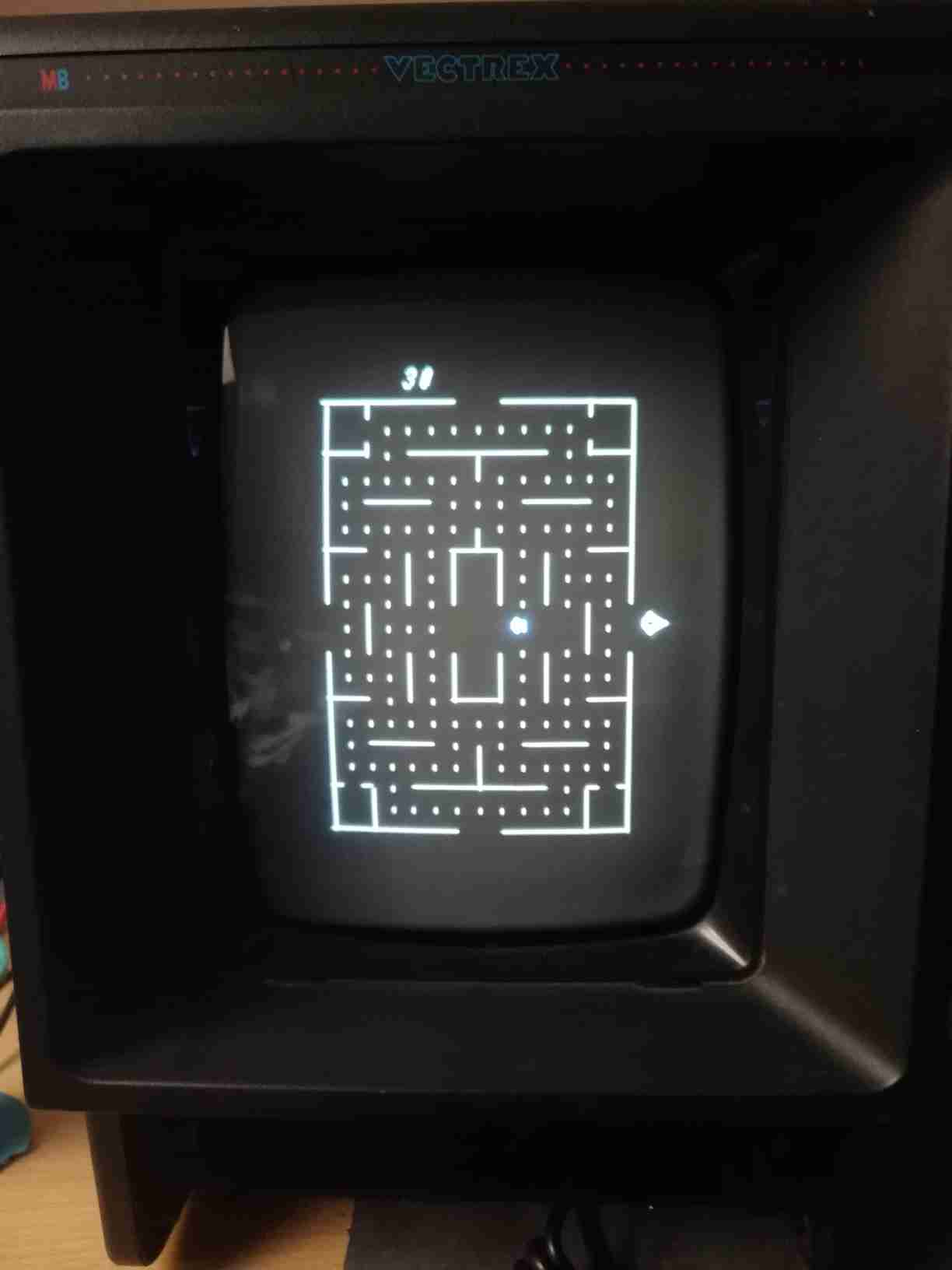
Yes. Although Texas Instruments products are at the heart of the museum project, the website also documents other historic consoles, home computers, and microcomputers that contributed to the history of consumer electronics and computing. These include systems from other manufacturers and platforms that are of particular historical and technological interest.
The collection is currently available primarily through the online museum and website. A permanent physical exhibition space is planned in the city of Rieti. Any opportunities to see selected pieces of the collection in person, including exhibitions, events, or special displays, will be announced on the website.
The museum project aims to develop educational workshops and events dedicated to schools, using vintage technology, calculators, watches, and computers as tools for learning and discovery. The activities are designed to introduce students to the history of electronics and computing through practical demonstrations, historical materials, and interactive experiences.
If you have vintage watches, calculators, computers, electronic components, documentation, or other historical objects that you would like to donate to the museum project, please contact us through the website. We can evaluate the material and determine whether it is relevant to the collection and its historical documentation. Donations help us preserve and share the heritage of vintage technology for future generations.
You can support the TI Watch Museum ODV by choosing to allocate your 5×1000 tax donation to the organization or by making a direct donation. Your contribution helps us preserve and document historical technology, expand the collection, develop educational activities, and work toward the creation of a permanent museum in Rieti. Details on how to make a donation or allocate your 5×1000 contribution are available in the dedicated sections of our website.
Yes. Where available, the website provides historical documentation such as circuit diagrams, service manuals, user manuals in PDF format, technical documentation, and vintage software related to the devices in the collection. These resources are intended for historical, educational, research, and restoration purposes and help preserve the technical heritage associated with vintage electronics and computing.
The TI Watch Museum ODV is primarily dedicated to the preservation, documentation, and study of historical technology. We do not currently offer a general repair or restoration service for private individuals. However, the experience and technical knowledge developed through the preservation of the collection may be useful for sharing information, restoration techniques, and historical documentation with enthusiasts and collectors.
Yes, the material published on the website may be used for educational, academic, and research purposes, such as theses and articles, provided that the source is clearly acknowledged. For images and other materials that may be subject to copyright or third-party rights, please contact us before publication to verify the conditions of use and obtain any necessary permission.
If you would like to support the TI Watch Museum ODV project, you can join the association or become a volunteer. Volunteers can contribute according to their skills, interests, and availability, helping with activities such as historical research, documentation, collection management, technical restoration, exhibitions, educational activities, and the development of the website. For information about membership or volunteering, please contact us through the dedicated sections of the website.

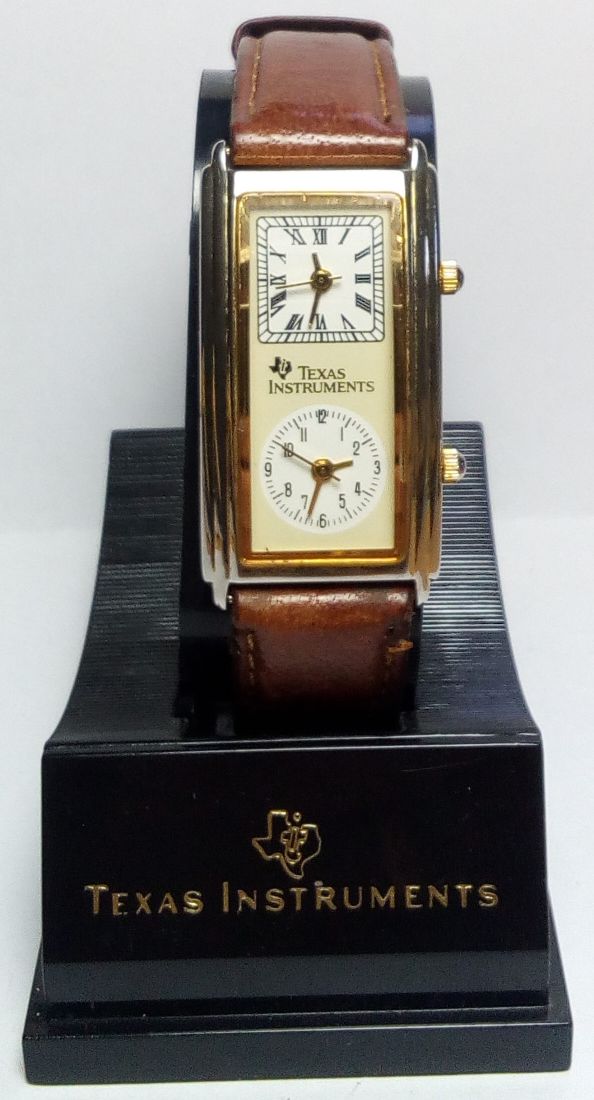
.jpg "Core Module Watch")

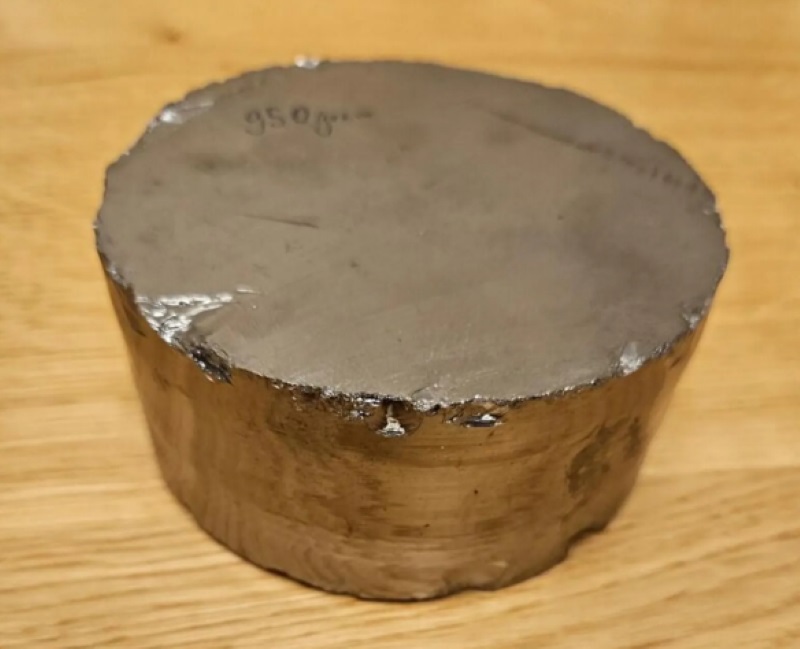
.jpg "APPLE")
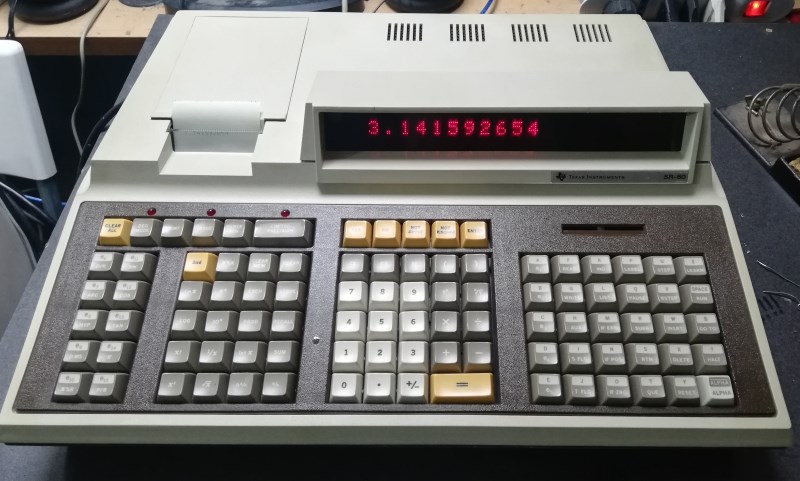
.jpg "Calculator Fuller")


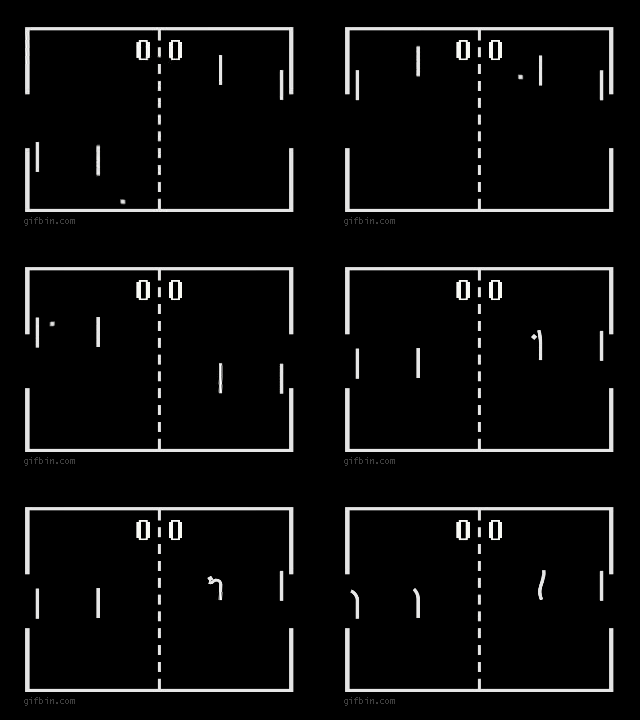
.jpg "Console / Games")
.jpg "Olivetti Valentine")
.jpg "Battle Star Galactica")


.png)