







A floppy disk, diskette, or floppy diskette (casually known as a floppy or a disk) is a type of disk storage made from a thin, flexible disk coated with a magnetic storage medium. It is enclosed in a square or nearly square plastic shell lined with fabric to help remove dust from the spinning disk. Floppy disks store digital data, which can be read or written when inserted into a floppy disk drive (FDD) connected to or built into a computer or other device. The three most popular formats of floppy disks (and their drives) are the 8-inch, 5¼-inch, and 3½-inch versions.
 Floppy Disk 8-inch. Introduced by IBM in the early 1970s, had small initial capacities, starting at about 80 KB to 100 KB, evolving to about 1 MB for double-sided (DS) and double-density models by the mid-1970s. Here are the details on 8-inch floppy disk capacities: Early releases (1971-1973): Initial capacities of 80 KB, increased to 256 KB. Evolution (1974-1975): Sizes from 800 KB to 1 MB or more (e.g., 1.2 MB) with the introduction of double-density and double-sided. Use: Initially created as read-only media for loading microcode into mainframes. They featured a flexible, square design with a protective sheath.
 Floppy Disk 5¼ -inch. The oldest floppy disks are 5.25-inch disks (more flexible, 360 KB or 1.2 MB). Capacity varies based on density: DD (Double Density) and HD (High Density).
 Floppy Disk 3½-inch. The most popular floppy disks are the more rigid 3.5-inch disks. The main capacities by format are: HD (High Density): 1.44 MB (most common standard). DD (Double Density): 720 KB. ED (Extended Density): 2.88 MB (less common).

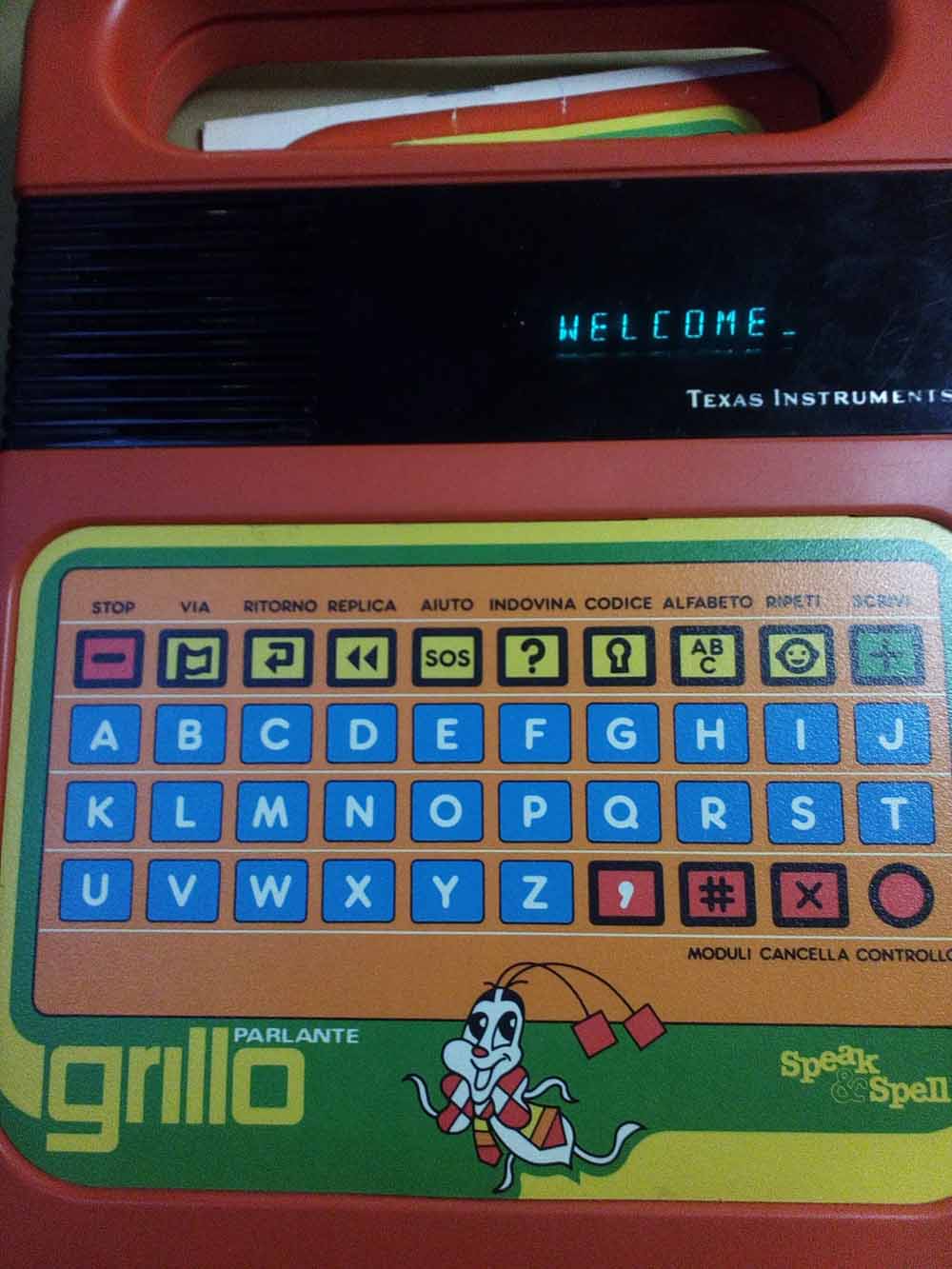
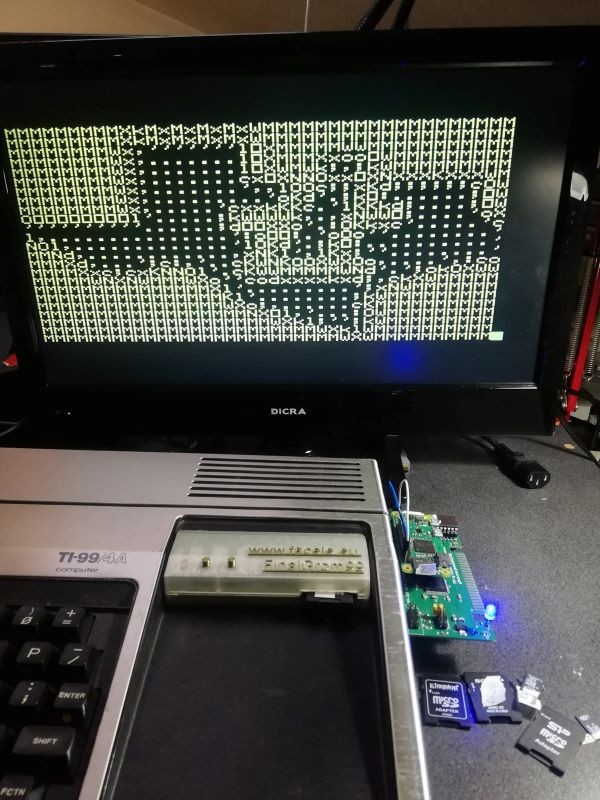
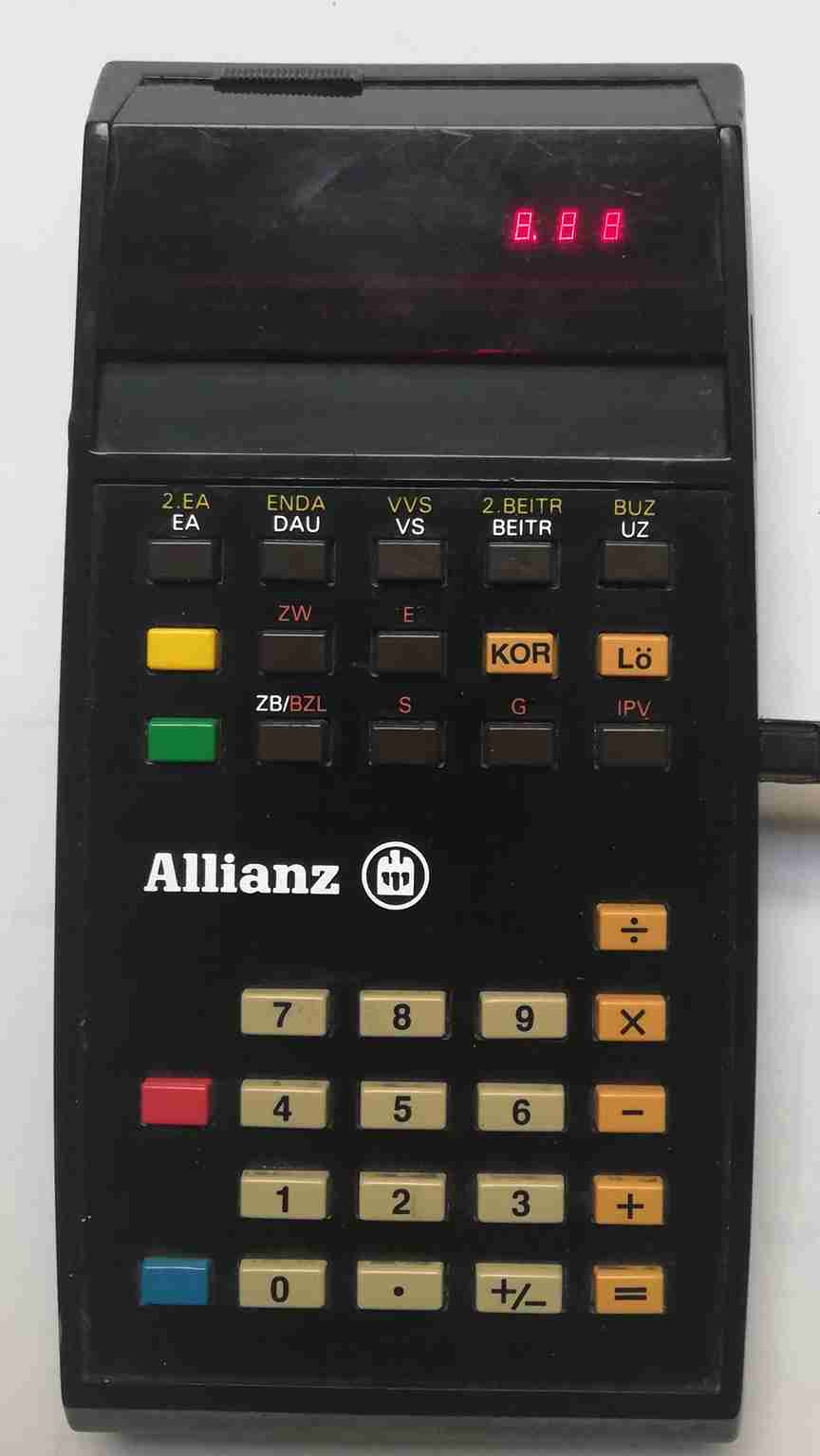



.jpg "Core Module Watch")


.jpg "APPLE")

.jpg "Calculator Fuller")



.jpg "Console / Games")
.jpg "Olivetti Valentine")
.jpg "Battle Star Galactica")


.png)