
Apple
Apple Computer LISA 2/10
.jpg)
Audio Guide

|
|

|
|
This Lisa XL was recovered with 5x1000 donations !
Apple Computer Lisa 2/10
Lisa Macintosh XL is a modified version of the Apple Lisa personal computer made by Apple Computer. In the Macintosh XL configuration, the computer shipped with MacWorks XL, a Lisa program that allowed 64 K Macintosh ROM emulation. An identical machine was previously sold as Lisa 2/10 with the Lisa OS only. Macintosh XL has a 400K 3.5" floppy drive and an internal 10 MB proprietary "Widget" hard drive with provision for an optional 5 or 10 MB external ProFile hard drive with the addition of a parallel interface card. The machine uses a Motorola 68000 CPU, clocked at 5 MHz together with 512 KB RAM. Macintosh XL was discontinued in April 1985.
New Life with new HD
.jpg) Unfortunately, another thing you have to do with these older systems is replace the hard drive with a newer one. This is where VintageMicros comes in handy.
Unfortunately, another thing you have to do with these older systems is replace the hard drive with a newer one. This is where VintageMicros comes in handy.
Special thanks to John for his help.
Description
The X/ProFile provides an interface between the Apple parallel interface protocol and economical, readily available, and better performing IDE storage devices.
With the X/ProFile you can:
- Utilize economical and readily available IDE hard drives
- Use the Compact Flash socket as the storage media or for backup
- Use the Copy function for backup and experimentation
- Attain a performance boost
In addition, when using the X/ProFile, a much larger drive can be used with some operating systems -- you can use up to:
- 5 MB in Apple /// SOS and Lisa OS 1.0
- 10 MB in Lisa OS 2.0, 3.0, 3.1
- 16 MB in MacWorks XL
- 32 MB in MacWorks Plus 1.0.18 and Apple ][ ProDOS
- 2 GB in MacWorks Plus II
To maintain collector value, when mounting the X/ProFile in an original Apple product, no irreversible modifications are required. The universal form-factor allows mounting:
- internally in a Lisa 2 above the floppy drive
- in an original Apple ProFile case
- in another external case
Standard 40 pin IDE header and mounting holes allow easy installation of:
- a 3.5" hard drive, or
- a 2.5" drive (requires a common IDE cable adapter)
Compact Flash socket can be used for:
- copying data from/to an IDE hard drive for backup/restore and experimentation
- main storage media
.jpg)
.jpg)
.jpg)
Floppy Emulator
.jpg)
.jpg)
.jpg) Let's connect a floppy emulator just remove the cable from the original floppy and connect it to the new one, I have to thank Paolo Cognetti for giving me this floppy emulator, I built a small adapter for the flat cable and, let's load MAcWorks 3.0, it will allow us to use the MAC software with the LISA.
Let's connect a floppy emulator just remove the cable from the original floppy and connect it to the new one, I have to thank Paolo Cognetti for giving me this floppy emulator, I built a small adapter for the flat cable and, let's load MAcWorks 3.0, it will allow us to use the MAC software with the LISA.
.jpg)
.jpg)
We load one of the most played games in the world " Space Invaders ".
TroubleShooting
We finally have a nice Apple Lisa too, this is the 2-10 model
.jpg) The first thing to do is check the power supply, in fact we have replaced all the filter capacitors in both low and high voltage.
The first thing to do is check the power supply, in fact we have replaced all the filter capacitors in both low and high voltage.
.jpg) after a general check of the capacitors of the various CPU, I/O and RAM cards and that there were no obvious faulty or corroded parts, we began testing all the power supplies available.
after a general check of the capacitors of the various CPU, I/O and RAM cards and that there were no obvious faulty or corroded parts, we began testing all the power supplies available.
.jpg)
the main problem these machines suffer from is the breakdown of the boot EPROMs found on the CPU, in fact we have replaced them.
.jpg)
.jpg)
.jpg) a general check was also carried out for the video and CRT part, to make it work we had to close the safety switches located under the front panel and the rear panel.
a general check was also carried out for the video and CRT part, to make it work we had to close the safety switches located under the front panel and the rear panel.
Let's fix the keyboard
.jpg)
.jpg) One problem that plagues this popular computer is the keyboard.
One problem that plagues this popular computer is the keyboard.
.jpg)
.jpg)
After more than 40 years the pads that I know are inside each button have lost their conductivity, here you can see what they look like now!
All the pads need to be replaced, for the replacement we contacted TEXELEC.COM for the purchase.
A very important thing when removing the old pads and inserting the new ones is to pay attention when inserting the new pads inside the button. The button has four plastic tabs that lock the pad, make sure you hear the click.
.jpg) Work finished.
Work finished.
Let's fix Video Card and CRT
.jpg)
Surely after many years it is necessary to replace some capacitors and clean the trimmers with isopropyl alcohol that regulate the CRT video card.
.jpg)
.jpg)
.jpg) Since the keyboard has been repaired, we can enter the service menu by pressing the keys (apple + s) at the same time. Press the 5 key to get the reticle.
Since the keyboard has been repaired, we can enter the service menu by pressing the keys (apple + s) at the same time. Press the 5 key to get the reticle.
.jpg)
 The trimmers once cleaned with alcohol, must be calibrated, for ease mark the initial position. For this operation you need an alignment grid, apple code 077-8043.
( R5 - contrast ), ( R34 - horizantal phase ), ( R-22 height ), ( R19 - vertical hold ), ( R2 - width ), ( R31- vertical linearity )
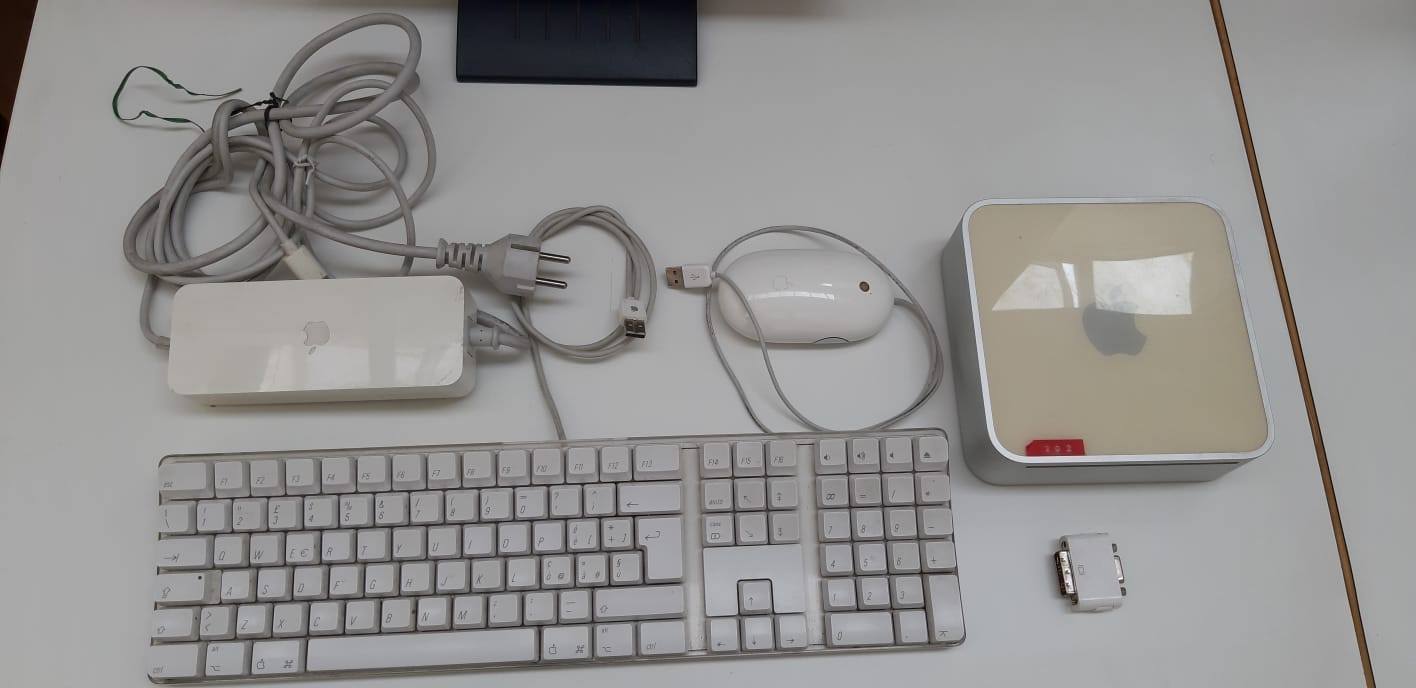
The Mac Mini (stylized as Mac mini) is a small form-factor desktop computer developed and marketed by Apple Inc, positioned betwees only consumer desktop computer since 2005 to ship without a display, a keyboard, and a mouse. The machine was initially branded it as BYODKM (Bring Your Own Display, Keyboard, and Mouse), as a deliberate strategic process to pitch users to switch from PC running other operating systems such as Microsoft Windows and Linux.
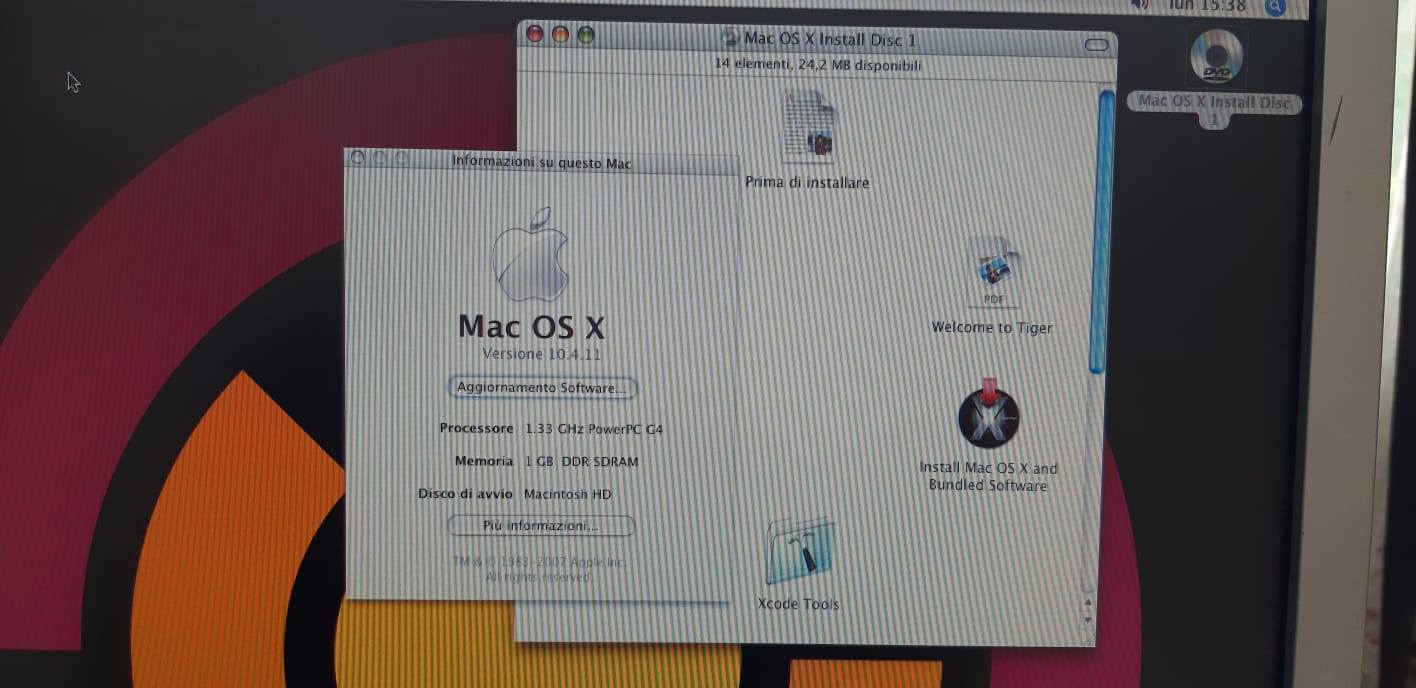
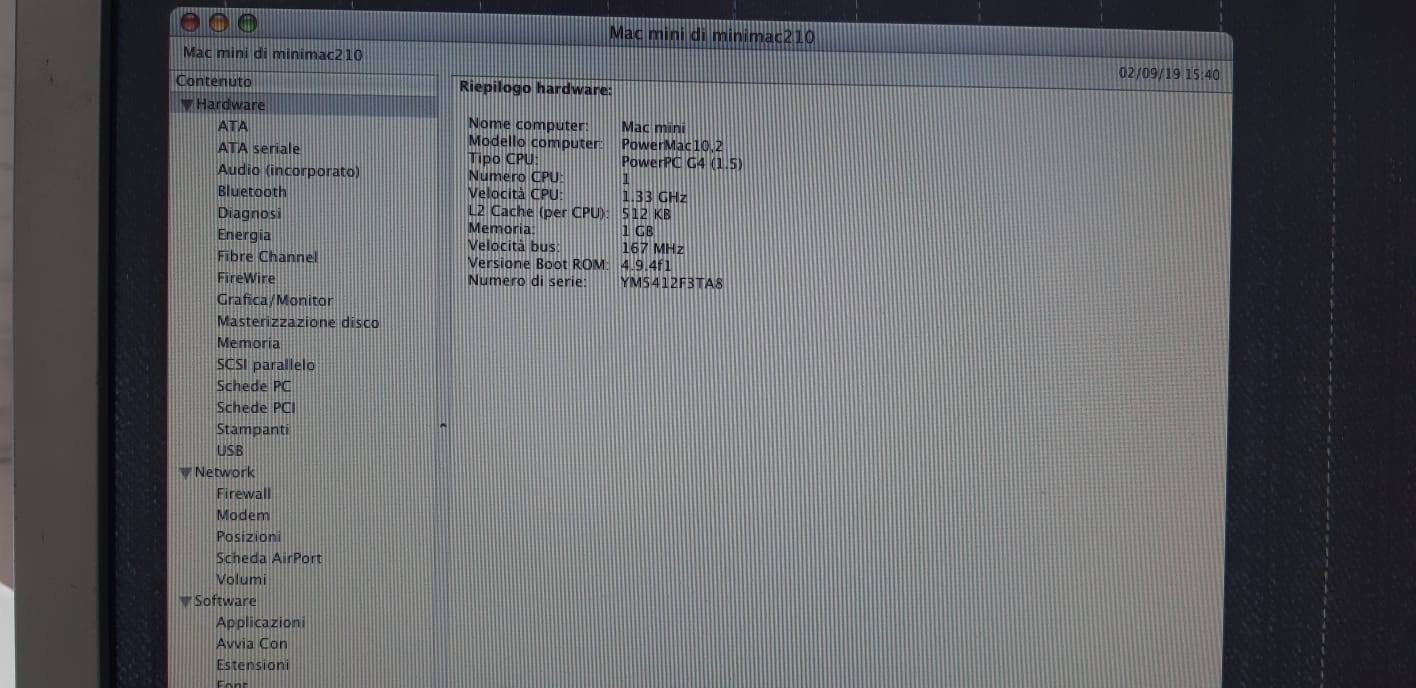
The original Mac Mini was introduced in January 2005 as a base model to PowerPC G4 architecture. Announced in February 2006, the second-generation lineup featured advanced components and numerous internal software updates. The third-generation, unveiled in June 2010, brought forth a thinner unibody aluminum case and an HDMI port, more readily positioning it as a home theater device alternative to the Apple TV.
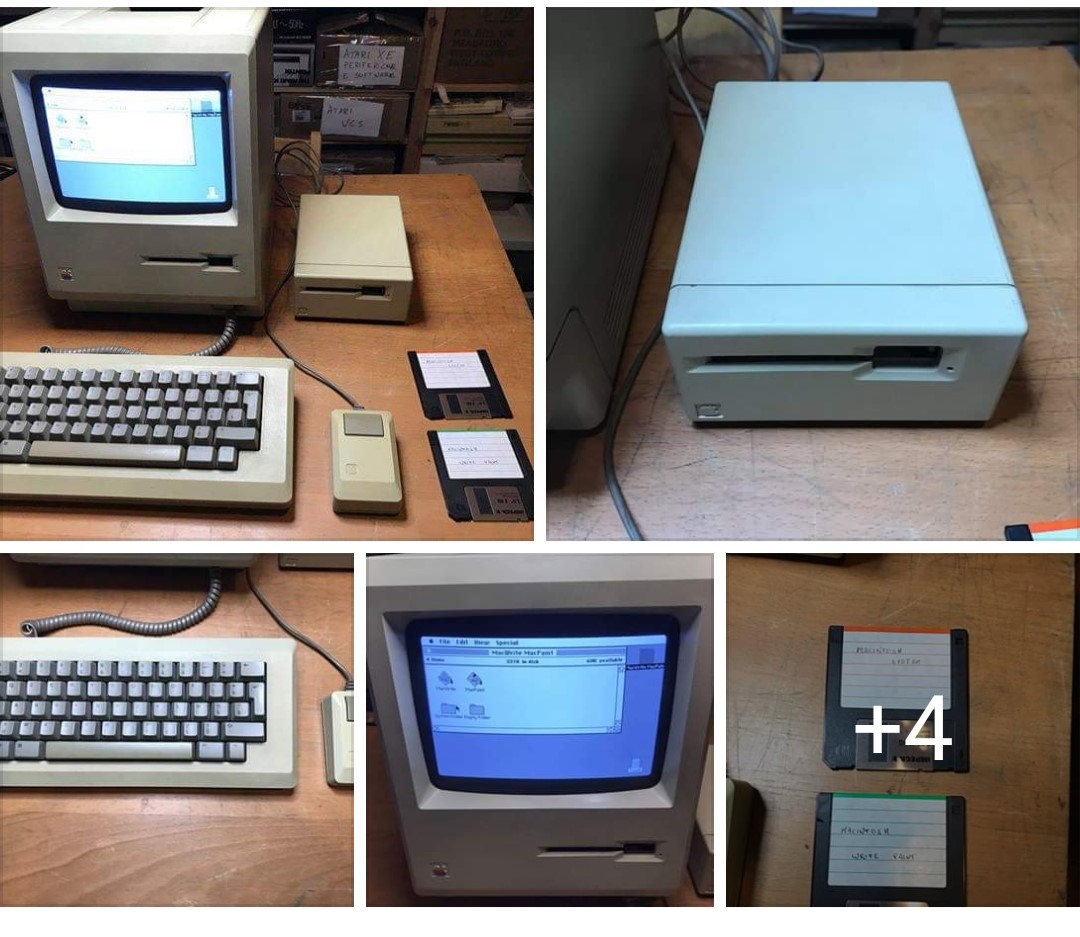 The Macintosh 512K is a personal computer manufactured by Apple and marketed from September 10, 1984 to April 14, 1986. The Macintosh 512K is the second computer (in order of time) of the Macintosh family and belongs to the first series of the classic Macintosh: it was presented as an update of the first Macintosh and has been replaced by the Macintosh 512K.

.jpg "Core Module Watch")


.jpg "Calculator Fuller")

.jpg "Console / Games")
.jpg "Olivetti Valentine")
.jpg "Battle Star Galactica")


.png)