




TI Museum
|
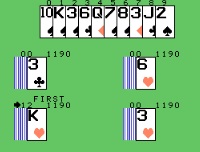
Name Cartridge |
Year |
Released |
Number |
Manual |
Speech |
Screenshot |
Screenshot |
Screenshot |
|
4A Flyer |
1986 |
John Phillips |
BDAF |
YES |
|
|
|
|
|
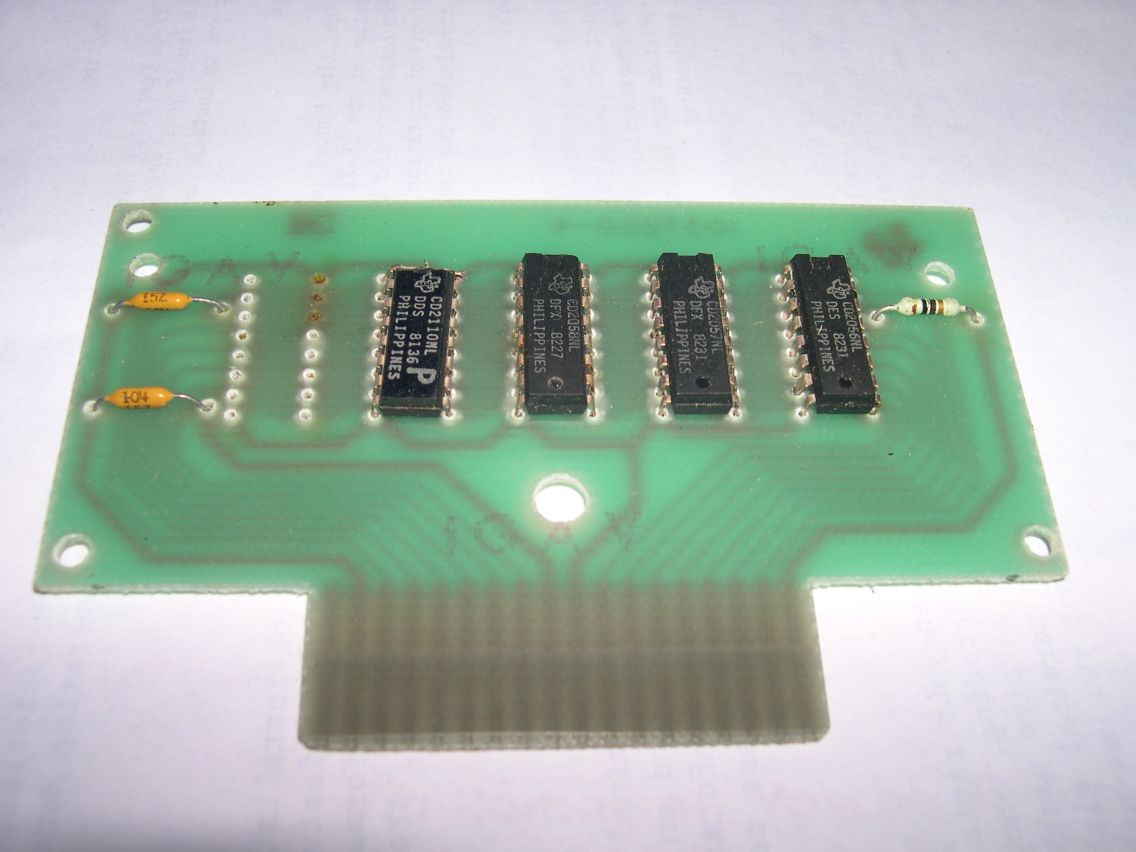
Accounting Assistant |
1981 |
Scott Foresman |
SF30429 |
|
|
 |
|
|
|
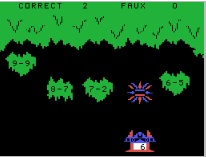
Addition |
1982 |
Texas Instruments |
PHM 3090 |
|
|
|
|
|
|
Addition & Subtraction 1 |
1981 |
Scott Foresman |
PHM 3027 |
YES |
YES |
|
|
|
|
Addition & Subtraction 1 |
1981 |
Scott Foresman |
SF30201 |
YES |
YES |
|
|
|
|
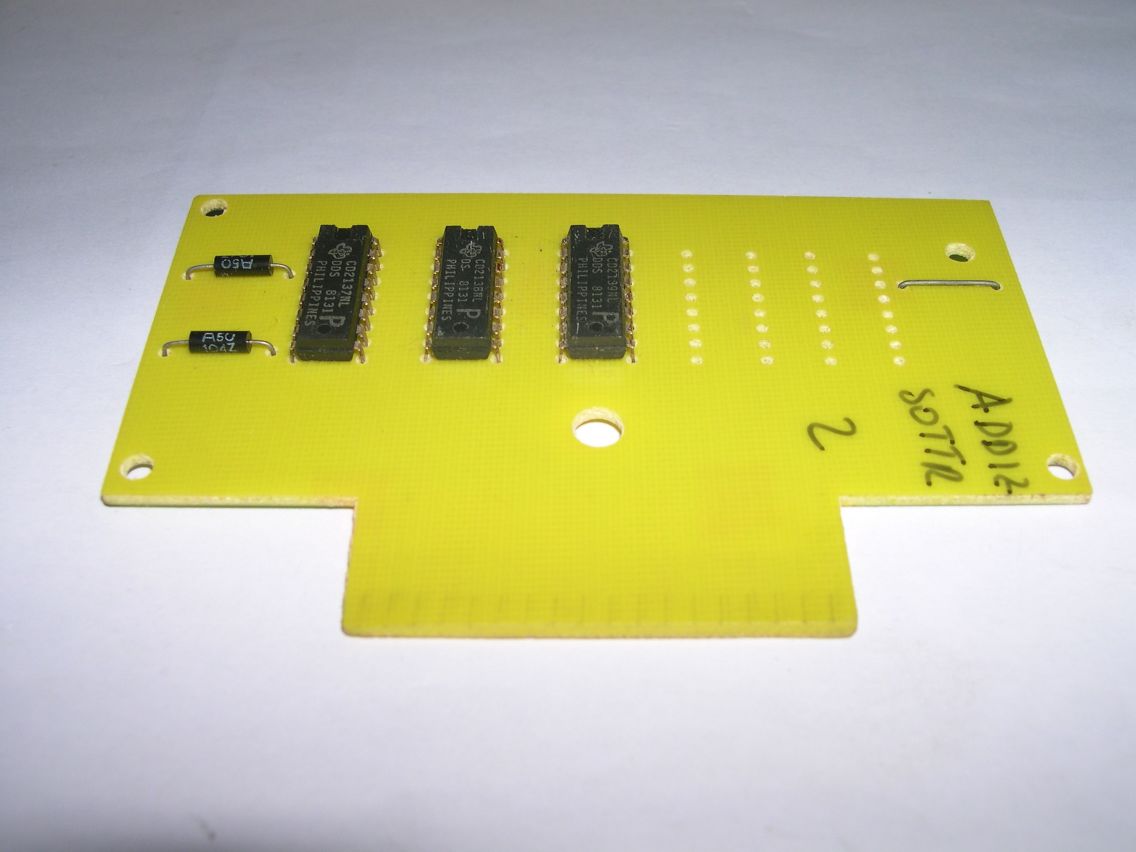
Addition & Subtraction 2 |
1981 |
Scott Foresman |
PHM 3028 |
YES |
YES |
 |
|
|
|
Addition & Subtraction 3 |
1984 |
Scott Foresman |
SF30226 |
|
|
|
|
|
|
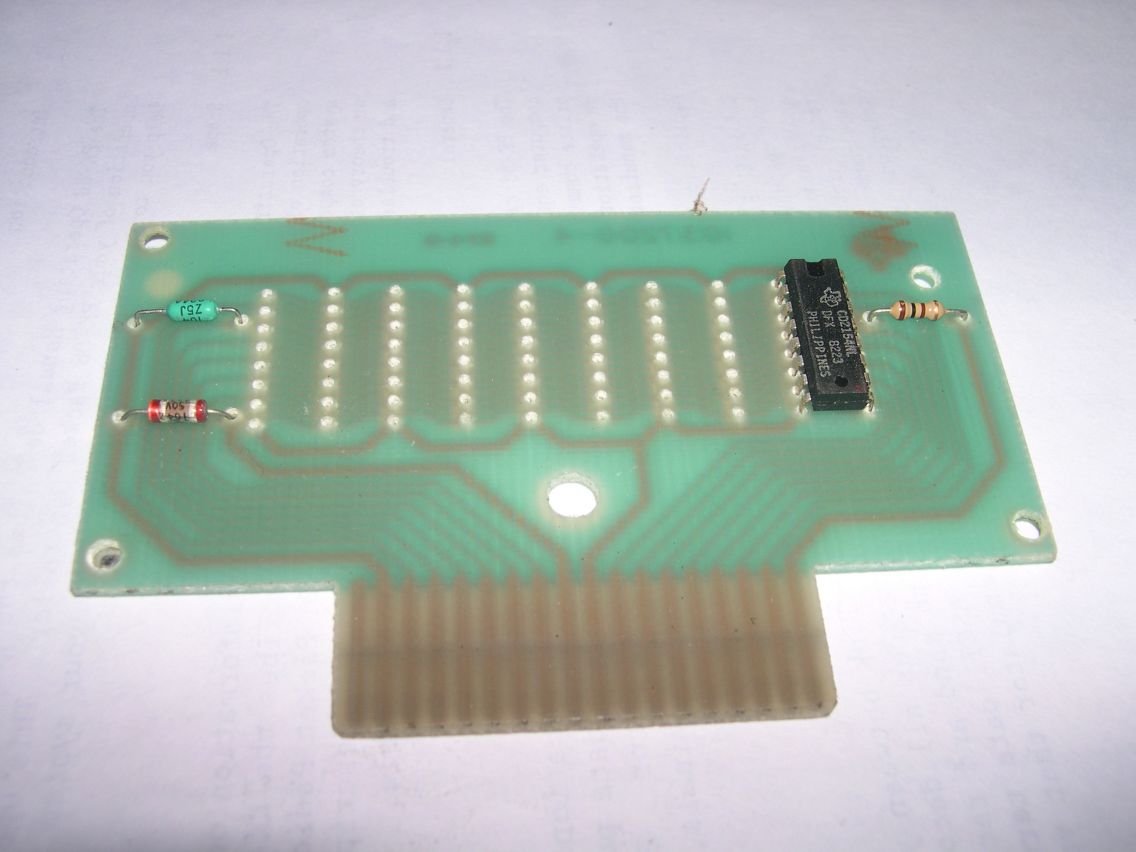
Adventure |
1981 |
Adventure International |
PHM 3041 |
YES |
|
 |
|
|
|
Alien addition |
1982 |
Texas Instruments |
PHM 3115 |
|
|
|
|
|
|
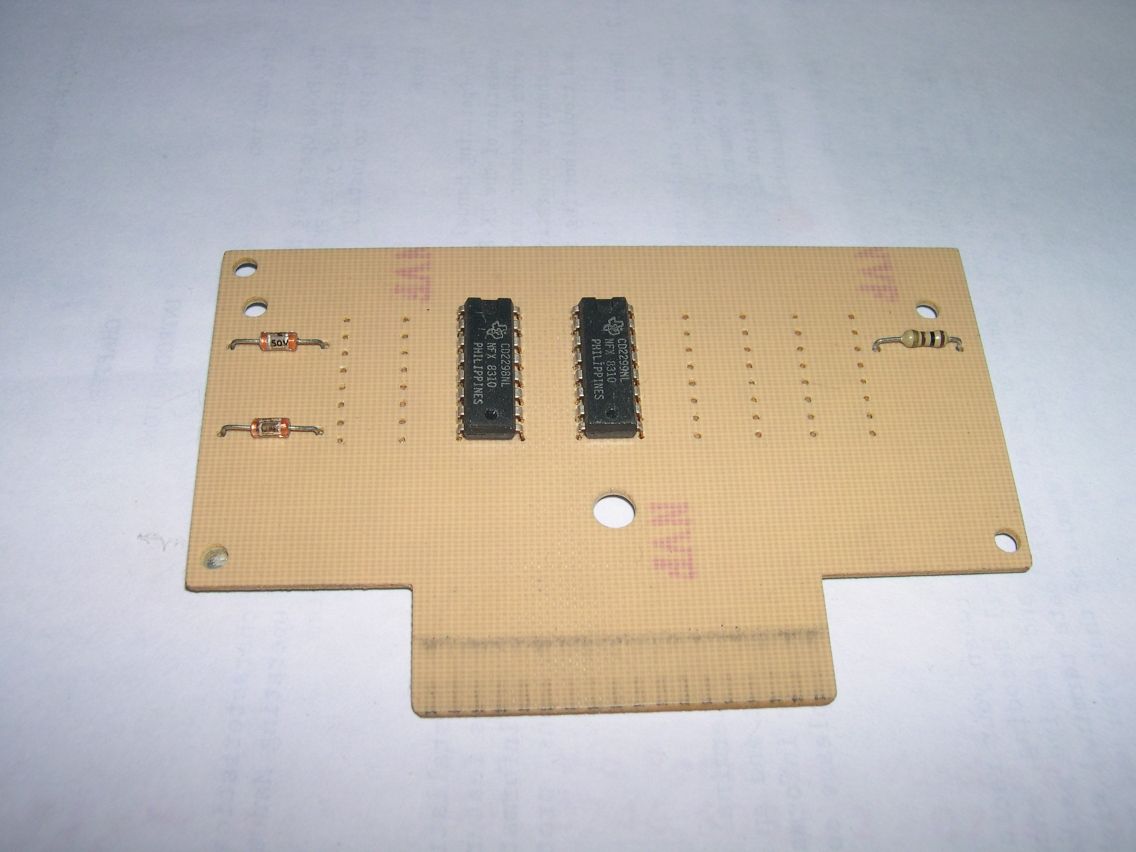
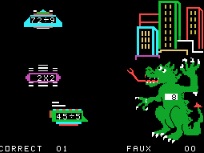
Alligator mix |
1982 |
Texas Instruments |
PHM 3114 |
|
|
 |
|
|
|
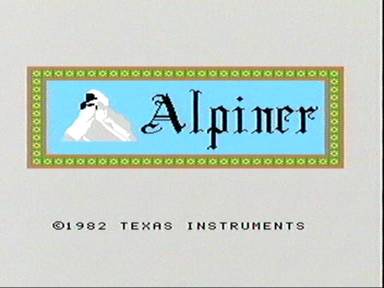
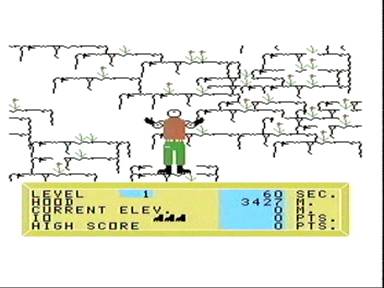
Alpiner |
1982 |
Texas Instruments |
PHM 3056 |
YES |
YES |
|
|
|
|
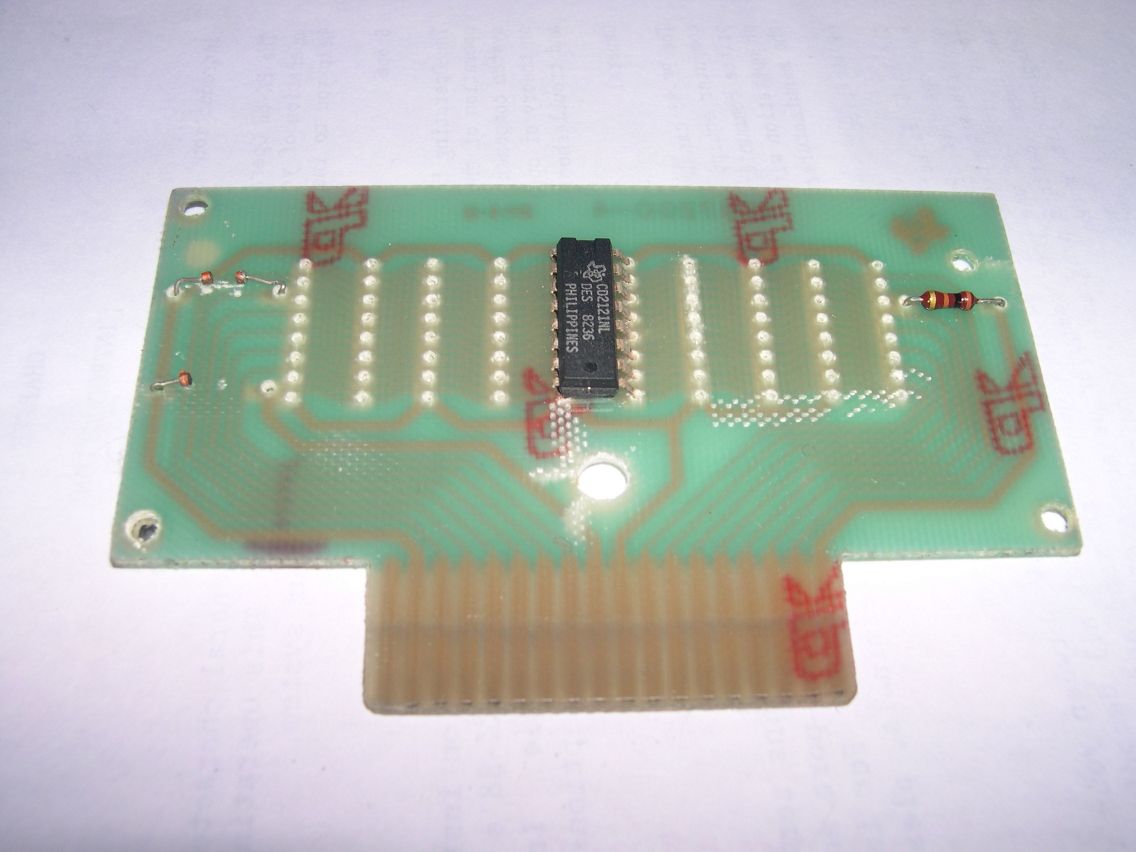
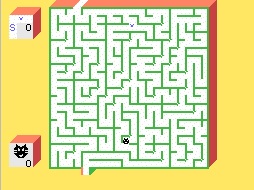
A-maze-ing |
1980 |
Texas Instruments |
PHM 3030 |
YES |
|
 |
|
|
|
Ambulance |
1983 |
Funware |
FW1005 |
|
|
|
|
|
|
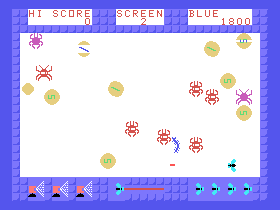
Ant-eater 8k |
1983 |
Romox |
ROM02025 |
|
|
|
|
|
|
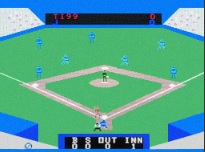
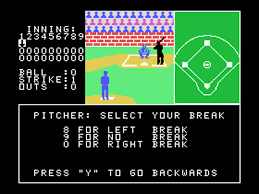
Championship Baseball |
1983 |
Milton Bradley MBX |
PHM 3148 |
|
YES |
|
|
|
|
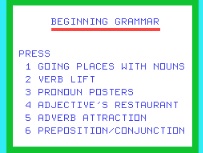
Beginning grammar |
1978 |
Texas Instruments |
PHM 3003 |
YES |
|
|
|
|
|
Beyond word |
1988 |
DataBiotics |
TR 2017 |
|
|
|
|
|
|
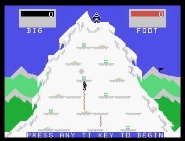
Bigfoot |
1983 |
Milton Bradley MBX |
PHM3151 |
|
YES |
|
|
|
|
Black jack e poker |
1980 |
Texas Instruments |
PHM 3033 |
|
|
|
|
|
|
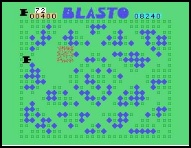
Blasto |
1980 |
Milton Bradley |
PHM 3032 |
YES |
|
|
|
|
|
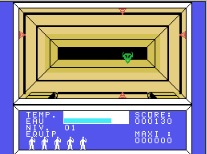
Black Hole |
1983 |
DaTaBioTics |
BABD |
|
|
|
|
|
|
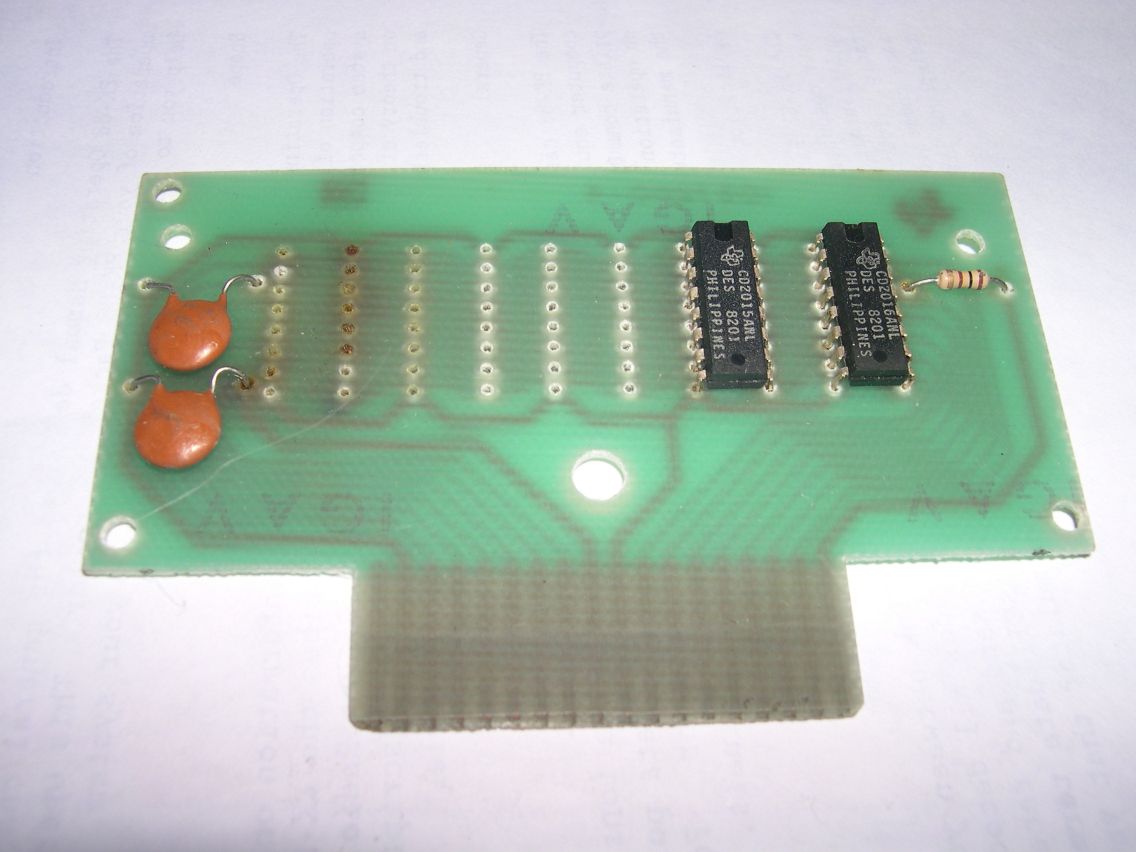
Budget managent |
|
|
|
|
|
 |
|
|
|
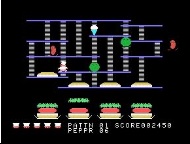
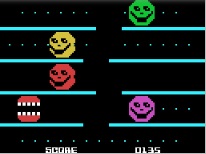
Burgertime |
1983 |
Data East USA |
PHM 3233 |
|
|
|
|
|
|
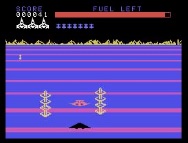
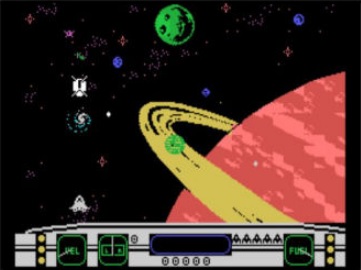
Buck Rogers - Planet of Zoom |
1983 |
Sega Enterprises |
PHM 3226 |
|
YES |
|
|
|
|
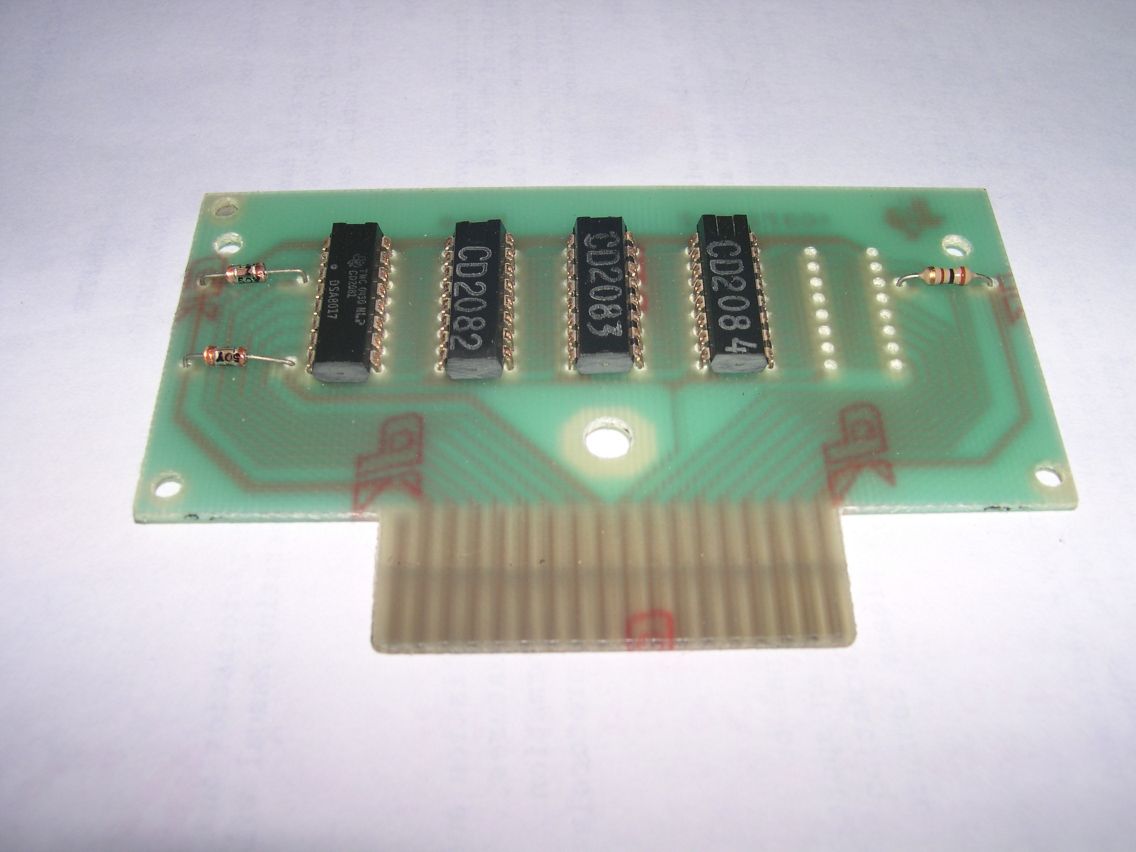
calcolo di una equazione dimostrativa |
|
|
|
|
|
 |
|
|
|
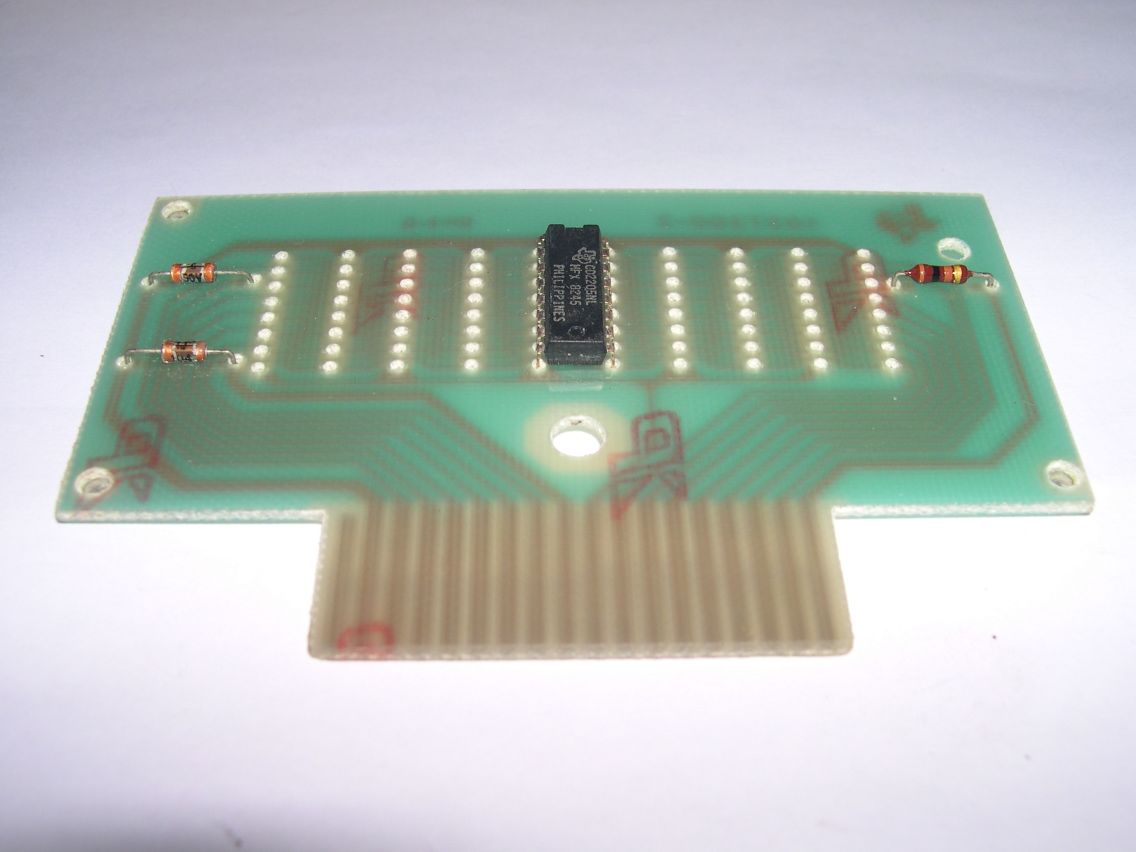
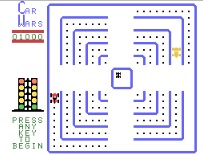
Car wars |
1981 |
Texas Instruments |
PHM 3054 |
YES |
|
 |
|
|
|
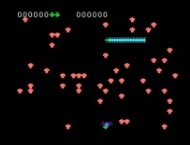
Centipede |
1983 |
Atarisoft |
RX8503 |
|
|
|
|
|
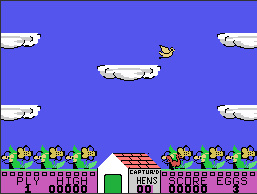
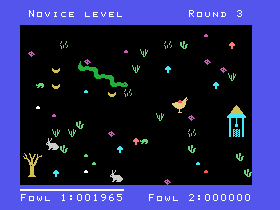
| Chicken coop | 1986 | Navarone | TRI-BAAH |  |
||||
|
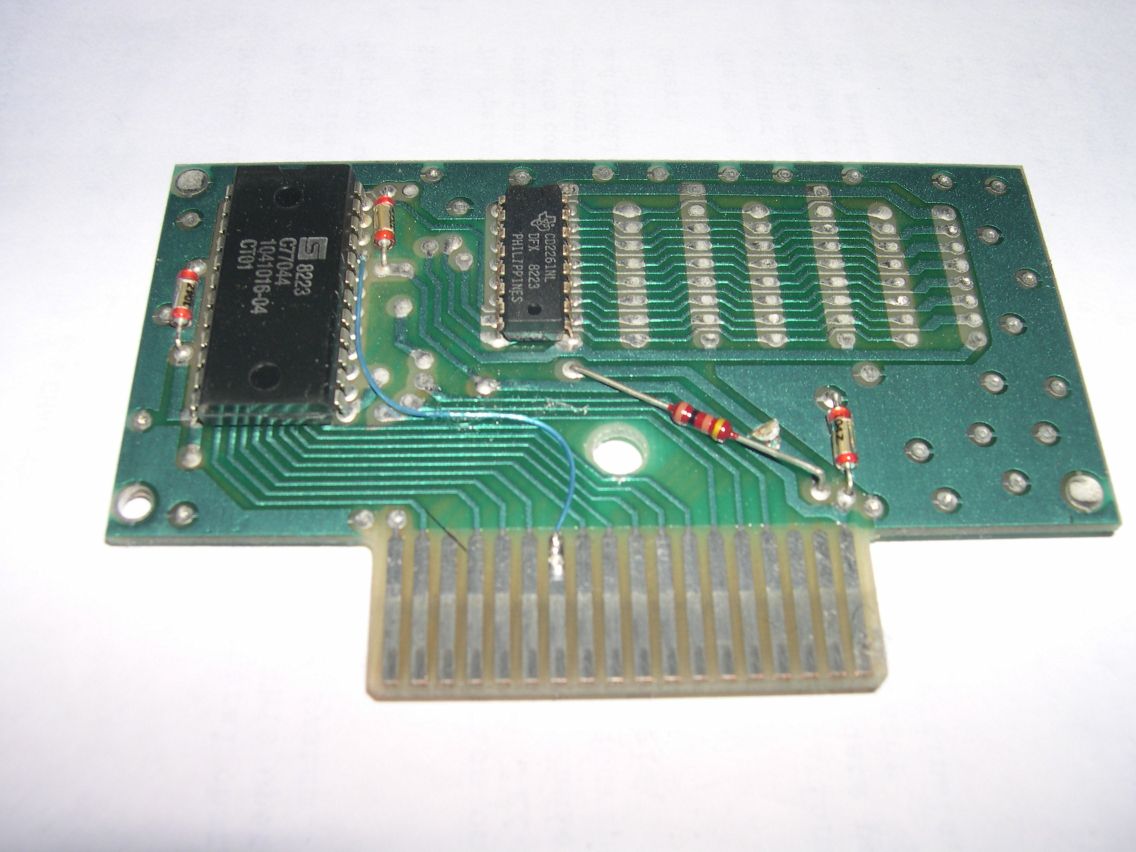
Chisolm trail |
1982 |
Texas Instruments |
PHM 3110 |
YES |
|
 |
|
|
|
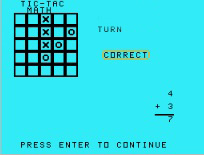
Computer math games II |
1982 |
Texas Instruments |
PHM 3083 |
YES |
|
|
|
|
|
Computer math games III |
1983 |
Texas Instruments |
PHM 3085 |
|
|
|
|
|
|
Computer math games VI |
1982 |
Texas Instruments |
PHM 3088 |
YES |
|
|
|
|
|
Computer War |
1983 |
Thorn EMI Video |
|
|
|
|
|
|
|
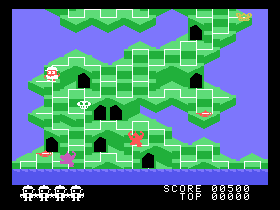
Congo bongo |
1983 |
Sega Enterprises |
PHM 3227 |
|
|
|
|
|
|
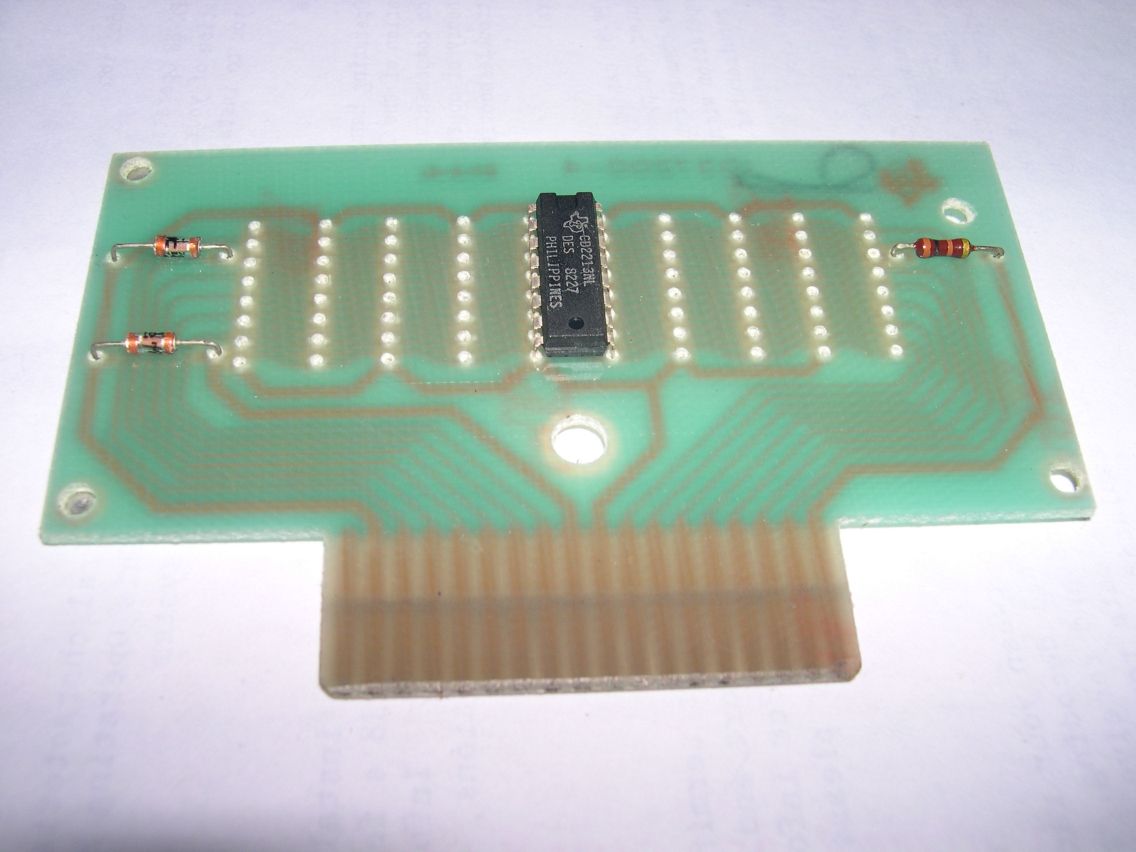
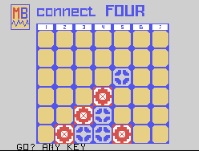
Connect four |
1980 |
Milton Bradley |
PHM 3038 |
YES |
|
 |
|
|
|
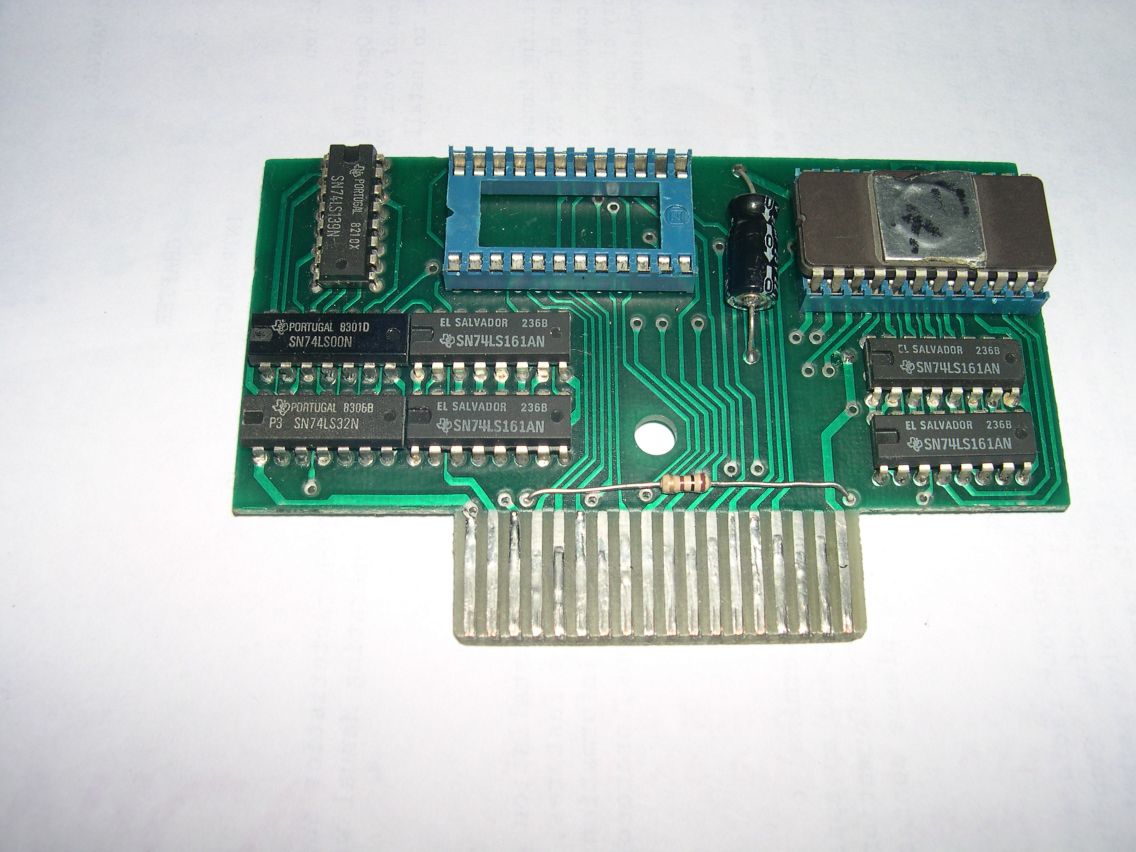
Console Test |
|
|
|
|
|
 |
|
|
|
CorCom PDM99 |
|
|
|
|
|
|
|
|
|
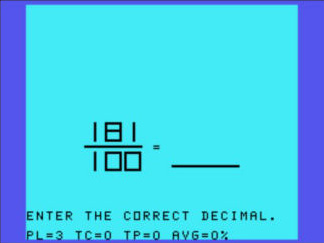
Decimals |
1982 |
Texas Instruments |
PHM 3096 |
|
|
|
|
|
|
Decimals 1 |
1983 |
Scott Foresman |
SF30229 |
|
|
|
|
|
|
Decimals 2 |
1983 |
Scott Foresman |
SF30244 |
YES |
|
|
|
|
|
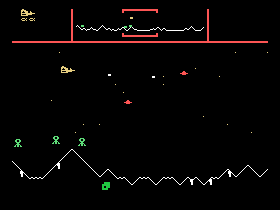
Defender |
1983 |
Atarisoft |
RX8506 |
|
|
|
|
|
|
Demolition Division |
1982 |
Texas Instruments |
PHM 3116 |
YES |
|
|
|
|
|
Demostration |
1979 |
Texas Instruments |
PHM 3001 |
|
|
|
|
|
|
Diagnostic |
1979 |
Texas Instruments |
PHM 3000 |
|
|
|
|
|
|
Dig Dug |
1982-83 |
Namco & Atarisoft |
RX8509 |
|
|
|
|
|
|
Disk Fixer 2.0 |
1984 |
Navarone |
|
|
|
|
|
|
|
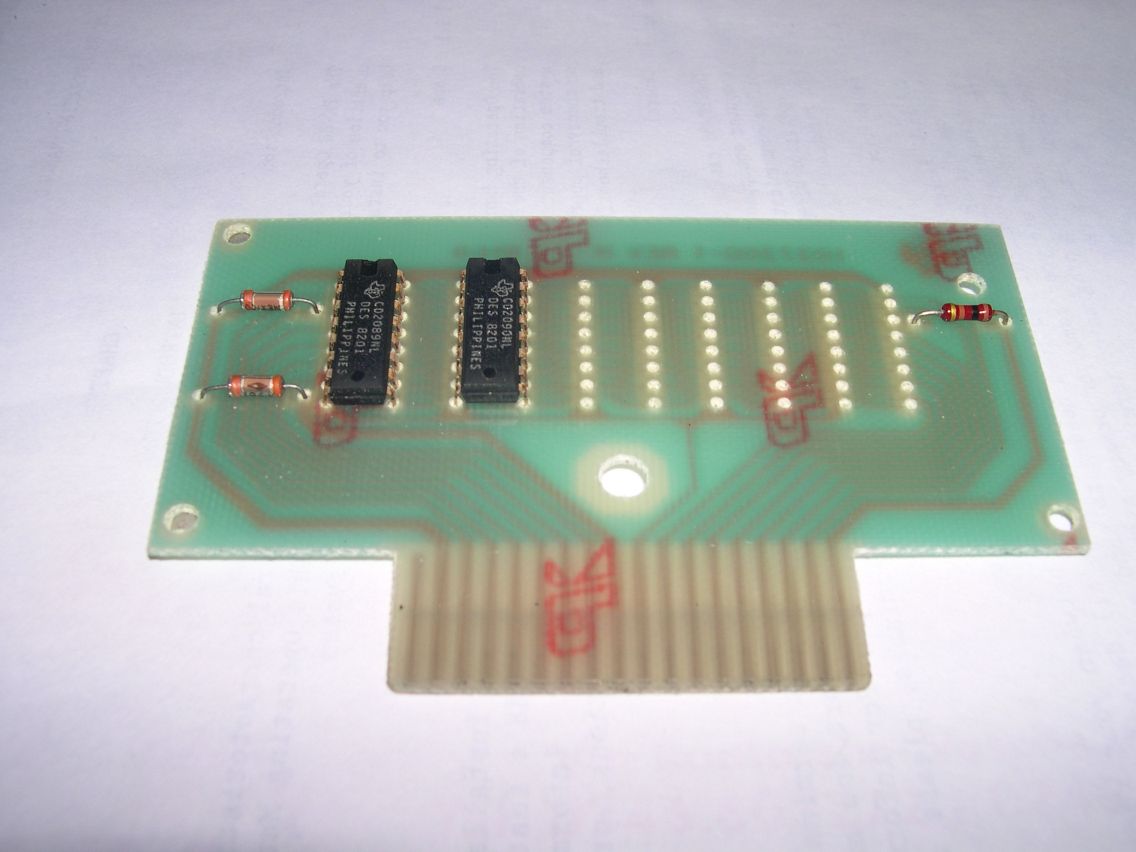
Disk manager 1 |
1980 |
Texas Instruments |
PHM 3019 |
|
|
 |
|
|
|
Disk manager 2 |
1982 |
Texas Instruments |
PHM 3089 |
|
|
|
|
|
|
Division |
1982 |
Texas Instruments |
PHM 3093 |
YES |
|
|
|
|
|
Division 1 |
1982 |
Scott Foresman |
SF 30210 |
|
YES |
|
|
|
|
Division 1 |
|
Texas Instruments |
PHM 3049 |
|
|
|
|
|
|
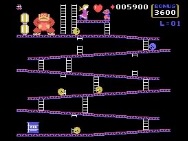
Donkey Kong |
1983 |
Atarisoft |
RX8512 |
|
|
|
|
|
|
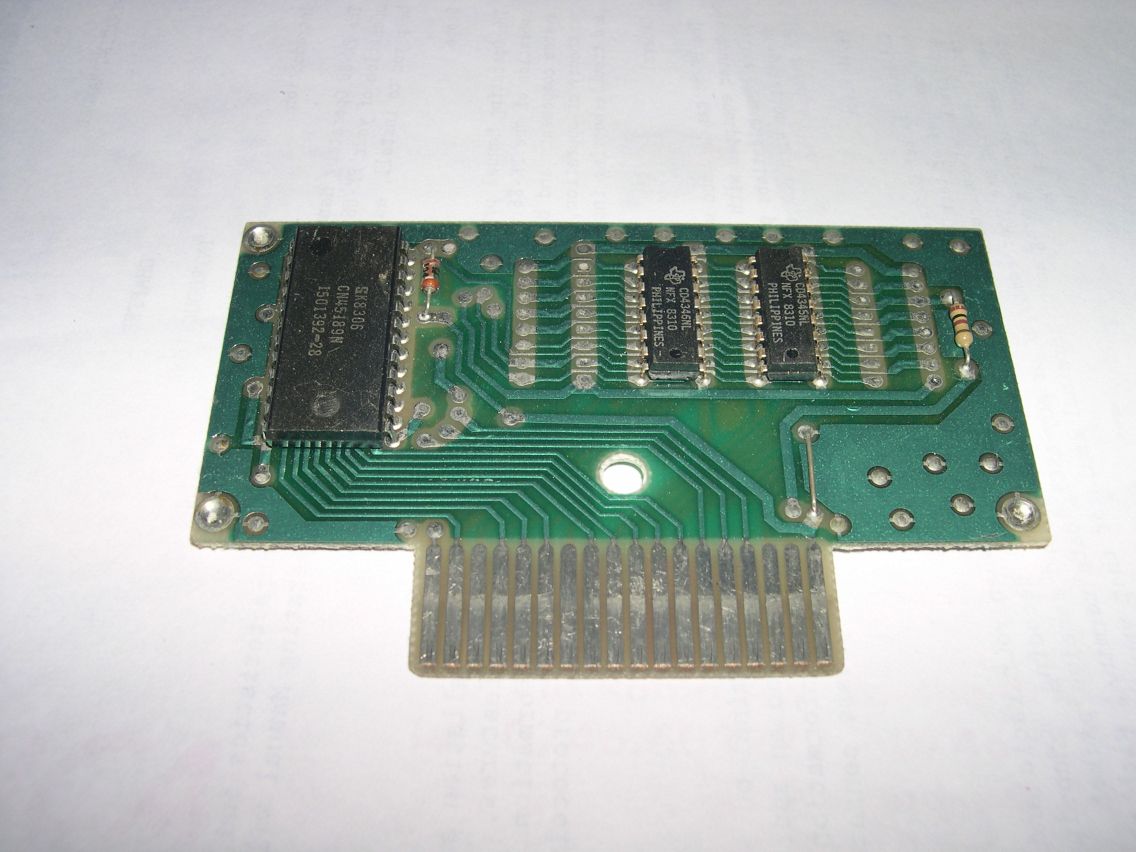
Dragon mix |
1982 |
Texas Instruments |
PHM 3117 |
|
|
 |
|
|
| Driving Demon | 1983 | FunWare | FW1008 | 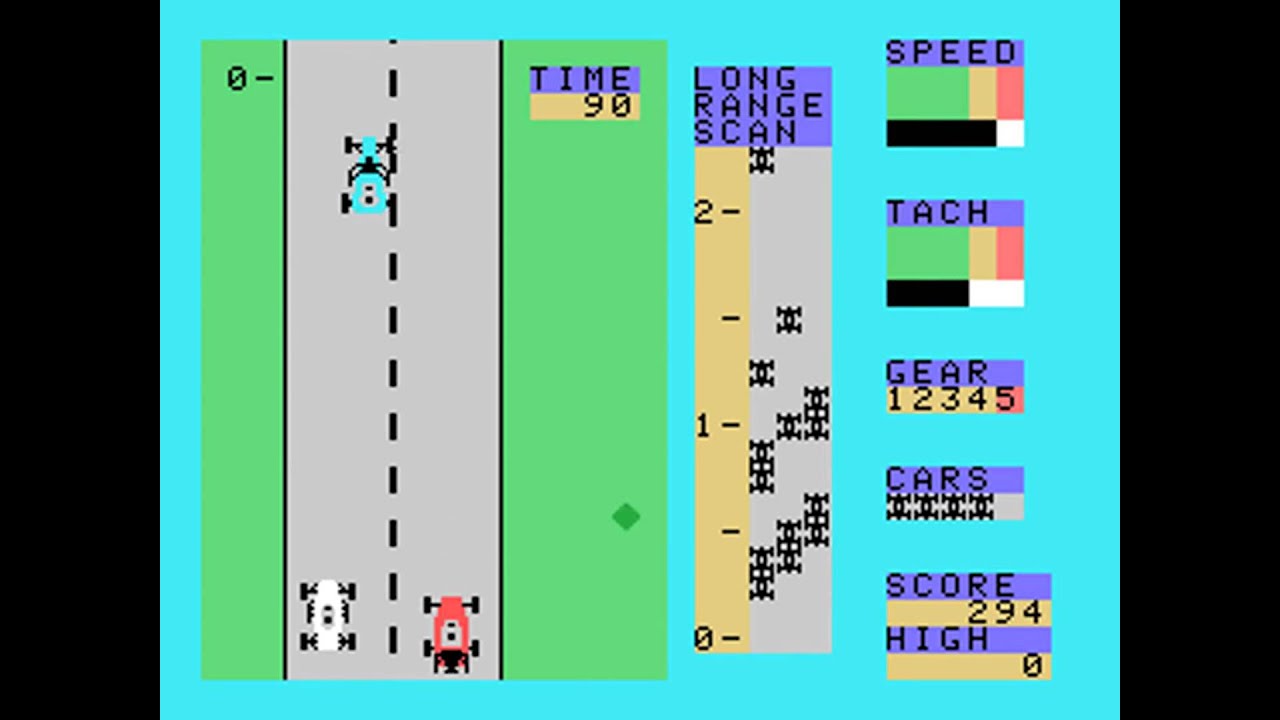 |
||||
|
Early learning fun |
1982 |
Texas Instruments |
PHM 3002 |
YES |
|
|
|
|
|
Early Logo Learning Fun |
1982 |
Texas Instruments |
PHM 3144 |
|
|
|
|
|
|
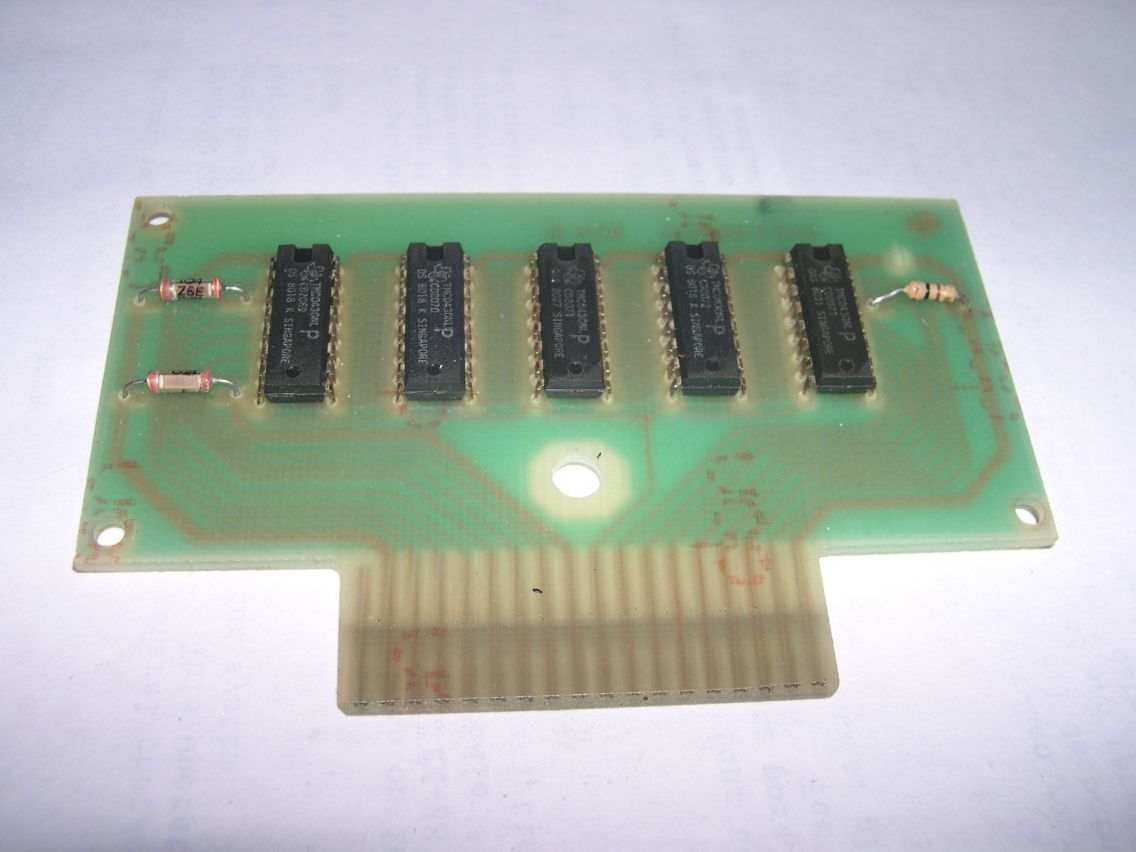
Early reading |
1980 |
Texas Instruments |
PHM 3015 |
|
YES |
 |
|
|
| Eches | 1982 | Texas Instrument | 103055-0031 | |||||
|
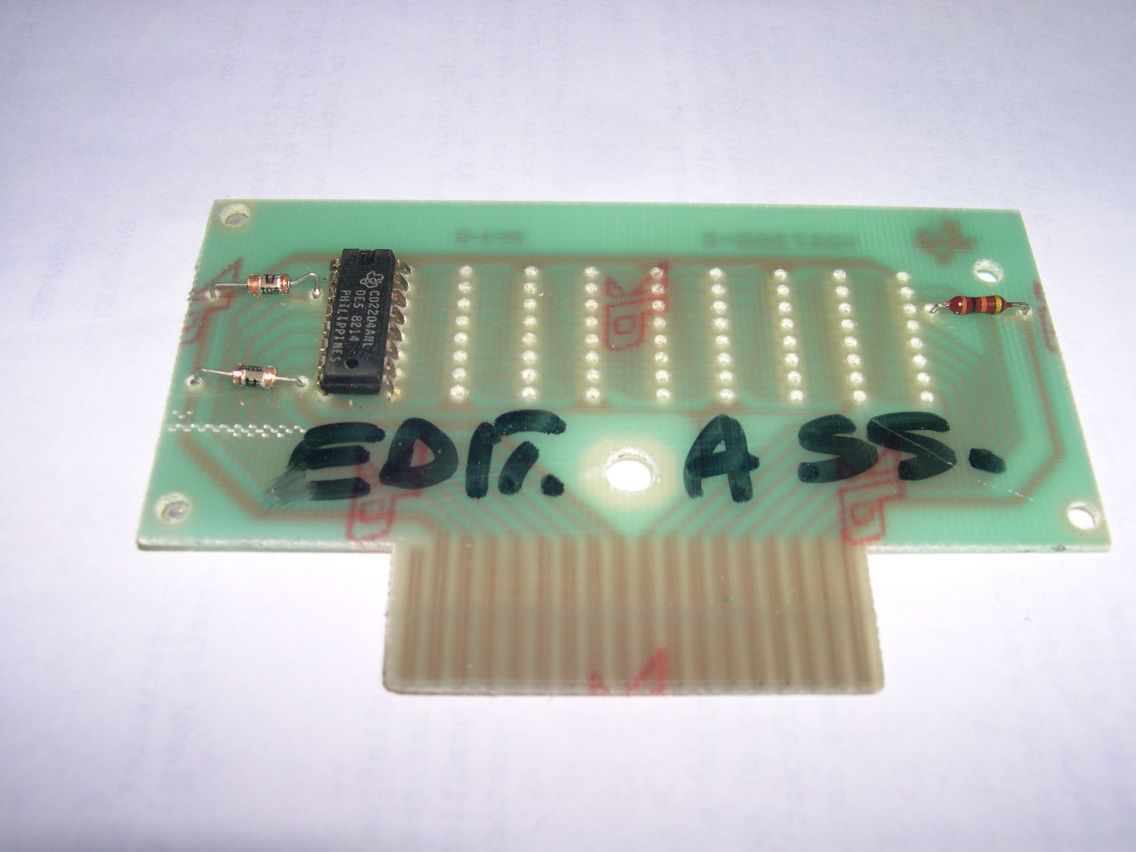
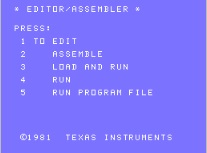
Editor assembler |
1981 |
Texas Instruments |
PHM 3055 |
|
|
 |
|
|
|
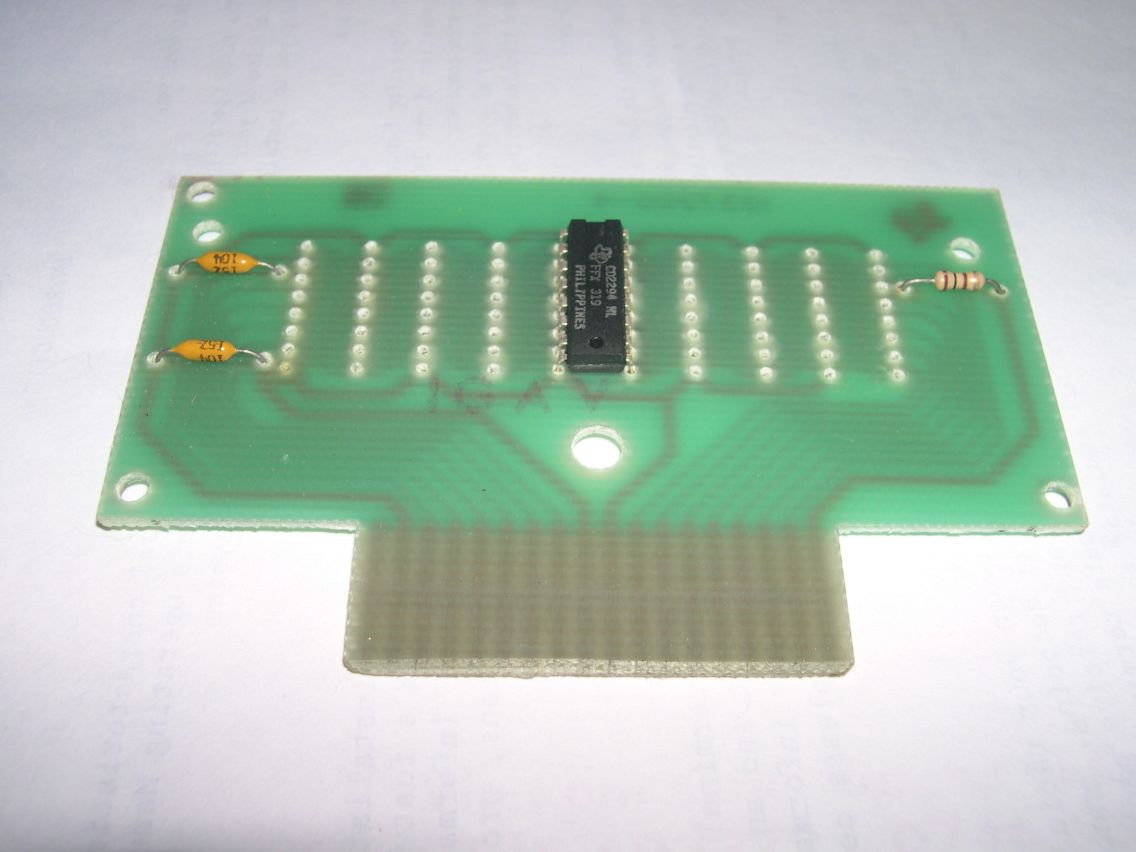
elaborazioni testo |
|
|
|
|
|
 |
|
|
|
Equations |
1982 |
Texas Instruments |
PHM 3100 |
|
|
|
|
|
|
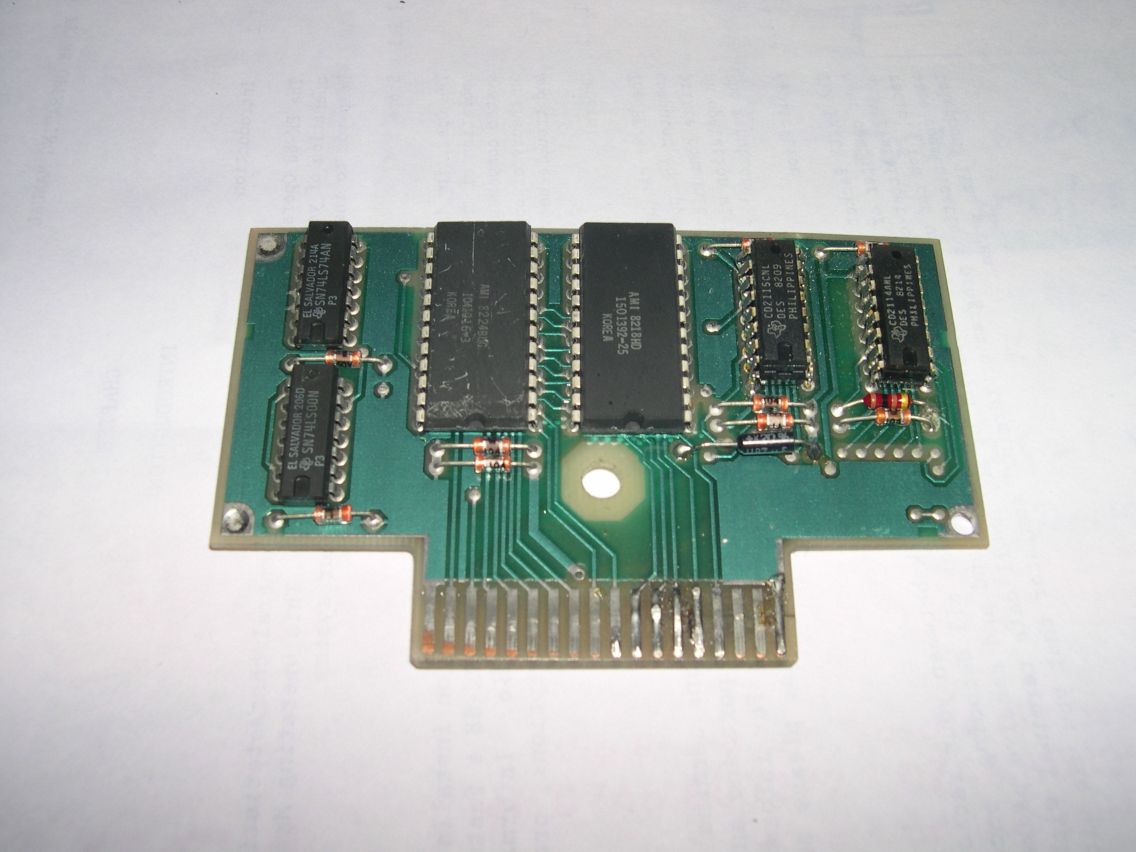
Extended Basic v110 |
1981 |
Texas Instruments |
PHM 3026 |
|
YES |
 |
|
|
|
Extended Basic II plus |
1985 |
Mechatronic |
TEN-41488 |
|
|
|
|
|
|
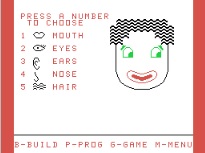
Face Maker |
1983 |
Spinnaker |
PHM 3177 |
YES |
|
|
|
|
|
Fathom |
1983 |
Imagic |
PHM 3222 |
YES |
YES |
|
|
|
|
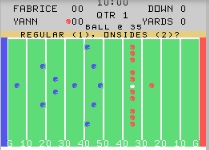
Football |
1979 |
Texas Instruments |
PHM 3009 |
|
|
|
|
|
|
For dimostration |
|
|
|
|
|
 |
|
|
|
Fractions 1 |
1982 |
Scott Foresman |
SF30220 |
|
|
|
|
|
| Fractions 2 | 1983 | Texas Instruments | PHM30238 | |||||
|
Fractional Numbers |
1982 |
Texas Instruments |
PHM 3095 |
YES |
|
|
|
|
|
Frog Jump |
1982 |
Scott Foresman |
SF31177 |
|
|
|
|
|
|
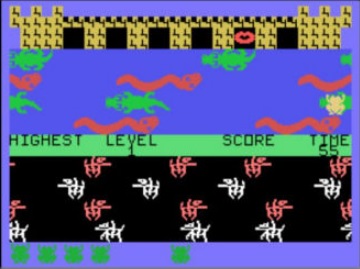
Frogger |
1984 |
Parker Brothers |
PB1610 |
YES |
|
|
|
|
|
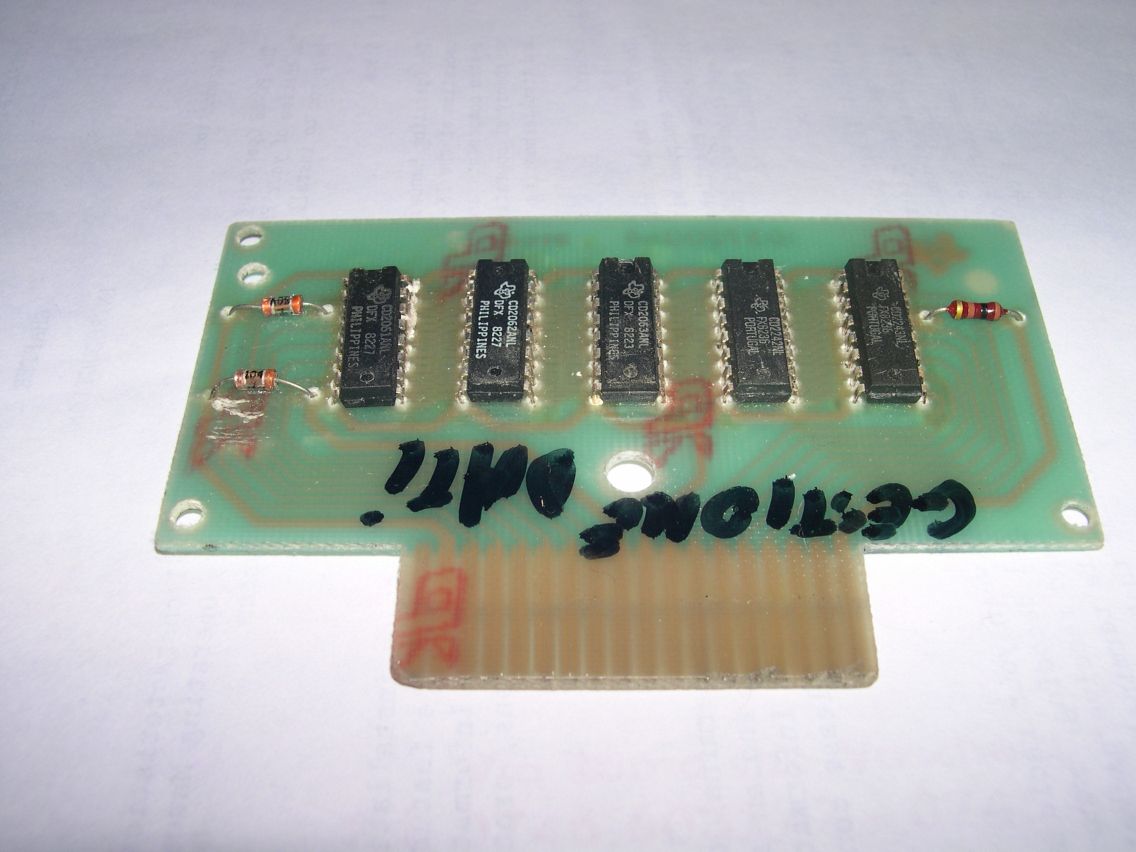
Gestione dati personali |
|
|
|
|
|
 |
|
|
|
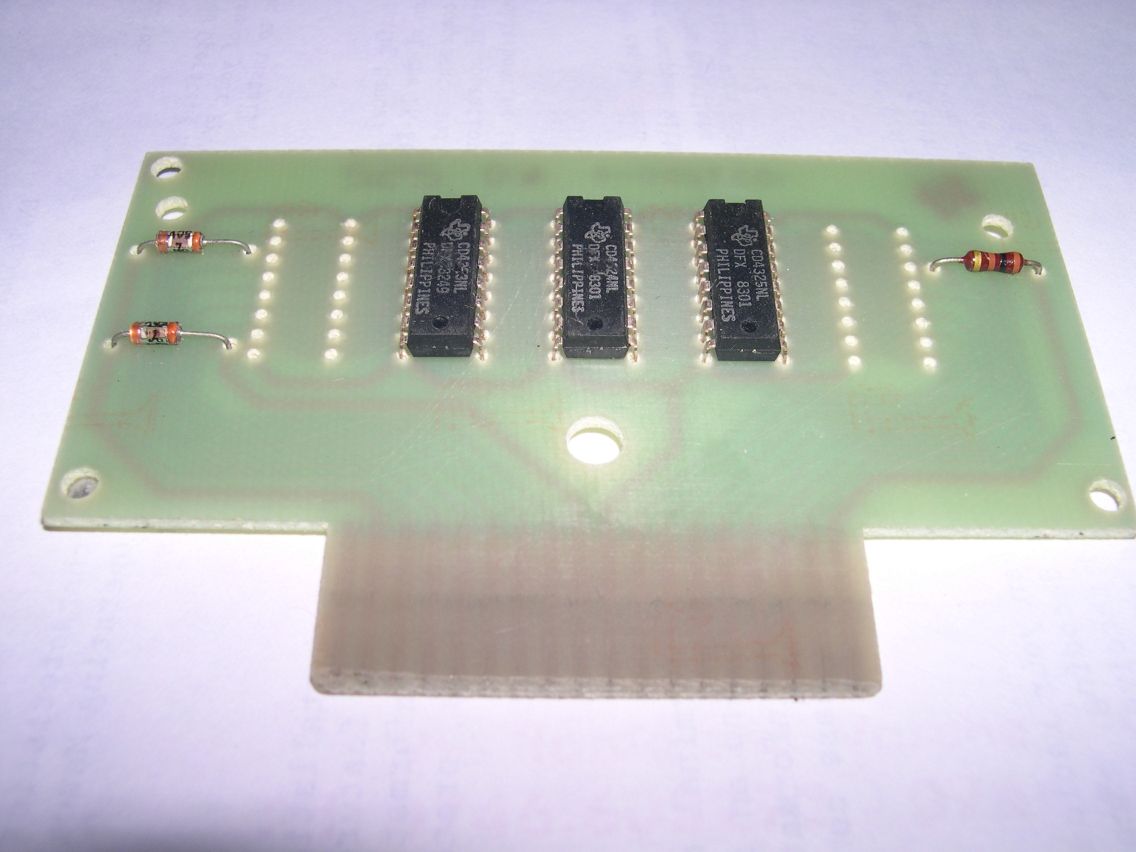
Gioco matematico |
|
|
|
|
|
 |
|
|
|
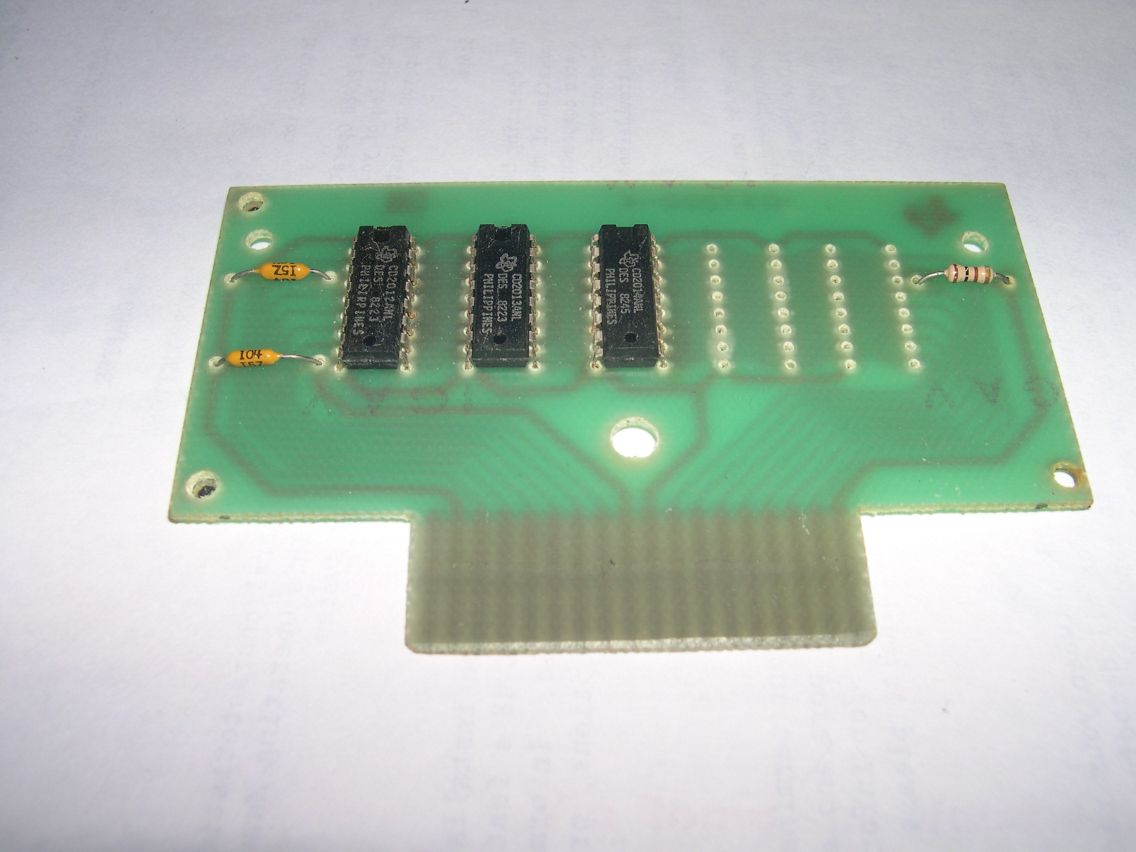
Grammatica inglese |
|
|
|
|
|
 |
|
|
|
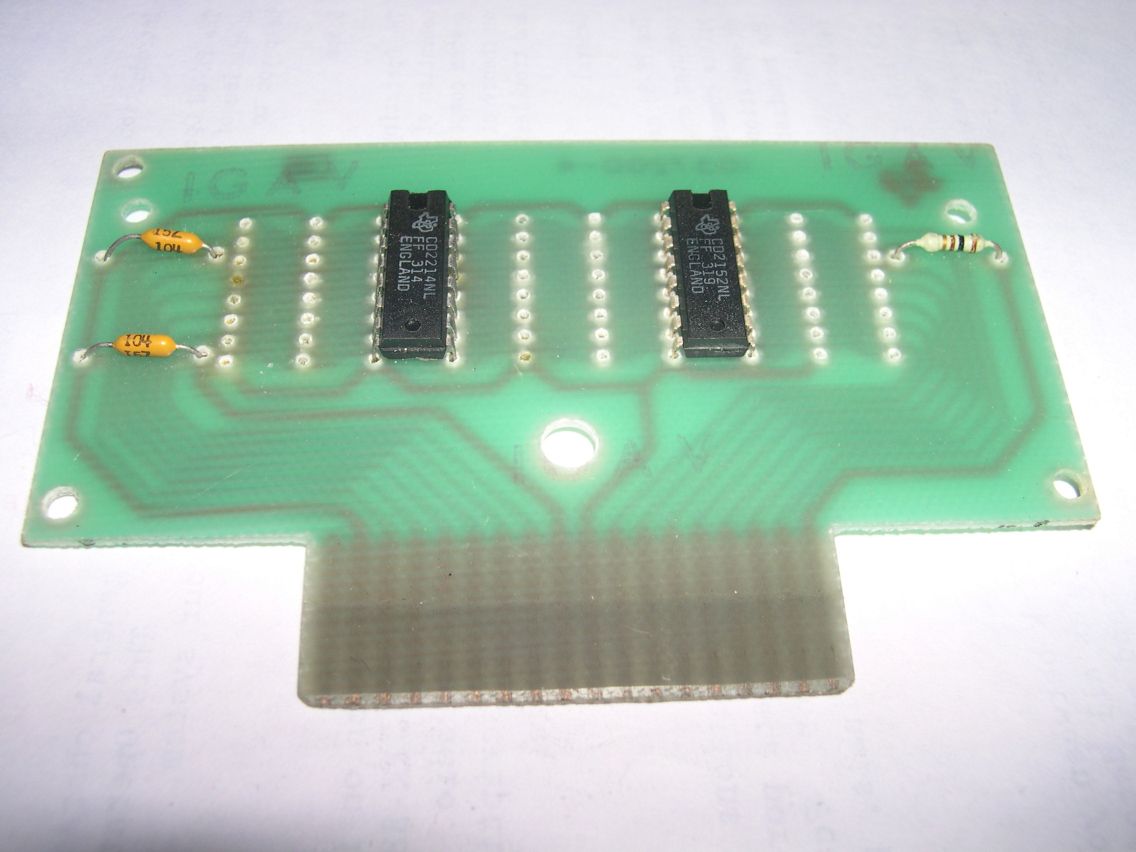
Hangman |
1981 |
Milton Bradley |
PHM 3037 |
|
|
 |
|
|
|
Henhouse |
1983 |
Funware |
FW 1001 |
YES |
|
|
|
|
|
Hen pecked |
1983 |
Romox |
|
|
|
|
|
|
|
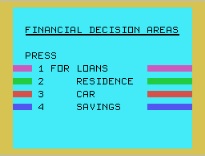
Home financial decisions |
1978 |
Texas Instruments |
PHM 3006 |
YES |
|
|
|
|
|
HomeWork helper plus |
1984 |
Navarone |
AS-04 |
|
|
|
|
|
|
Honey Hunt |
1983 |
Texas Instruments MBX |
PHM3156 |
YES |
YES |
|
|
|
|
Hopper |
1983 |
Texas Instruments |
PHM 3229 |
YES |
|
|
|
|
|
House hold budget management |
1979 |
Texas Instruments |
PHM 3007 |
YES |
|
|
|
|
|
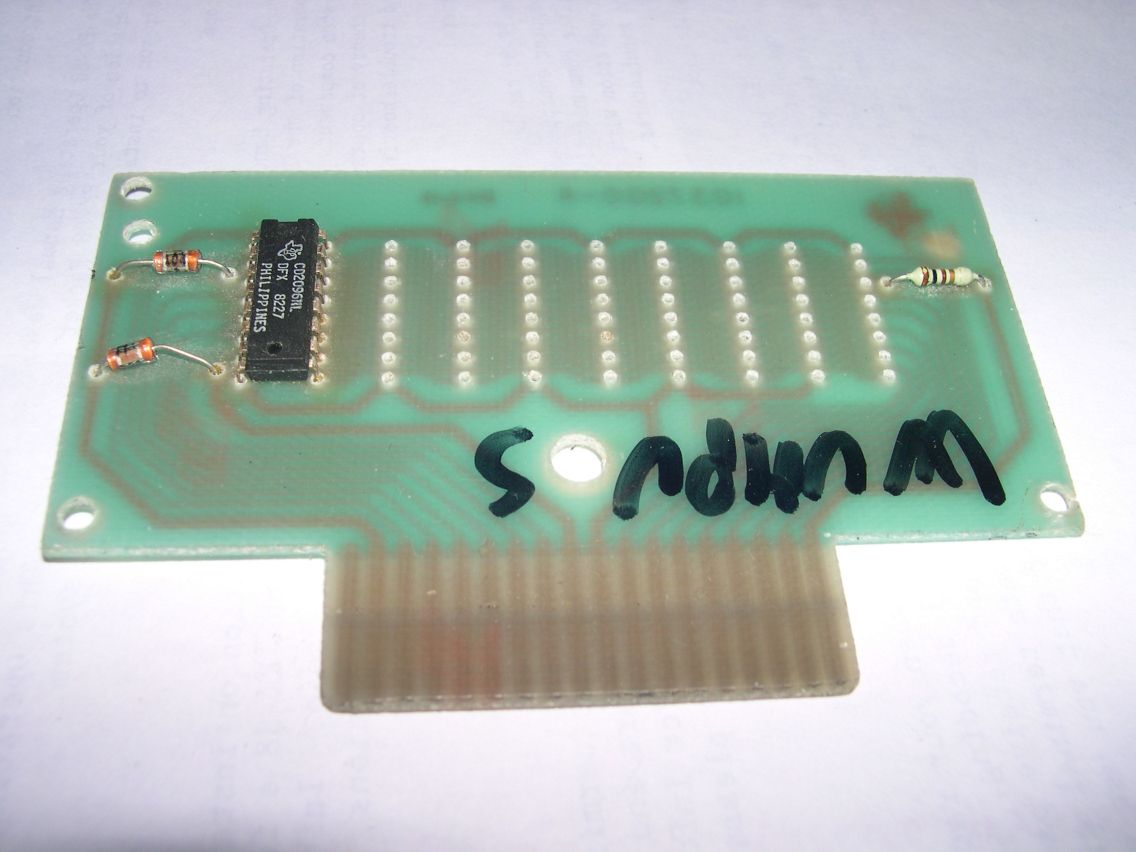
Hunt the wumpus |
1980 |
Texas Instruments |
PHM 3023 |
YES |
|
 |
|
|
|
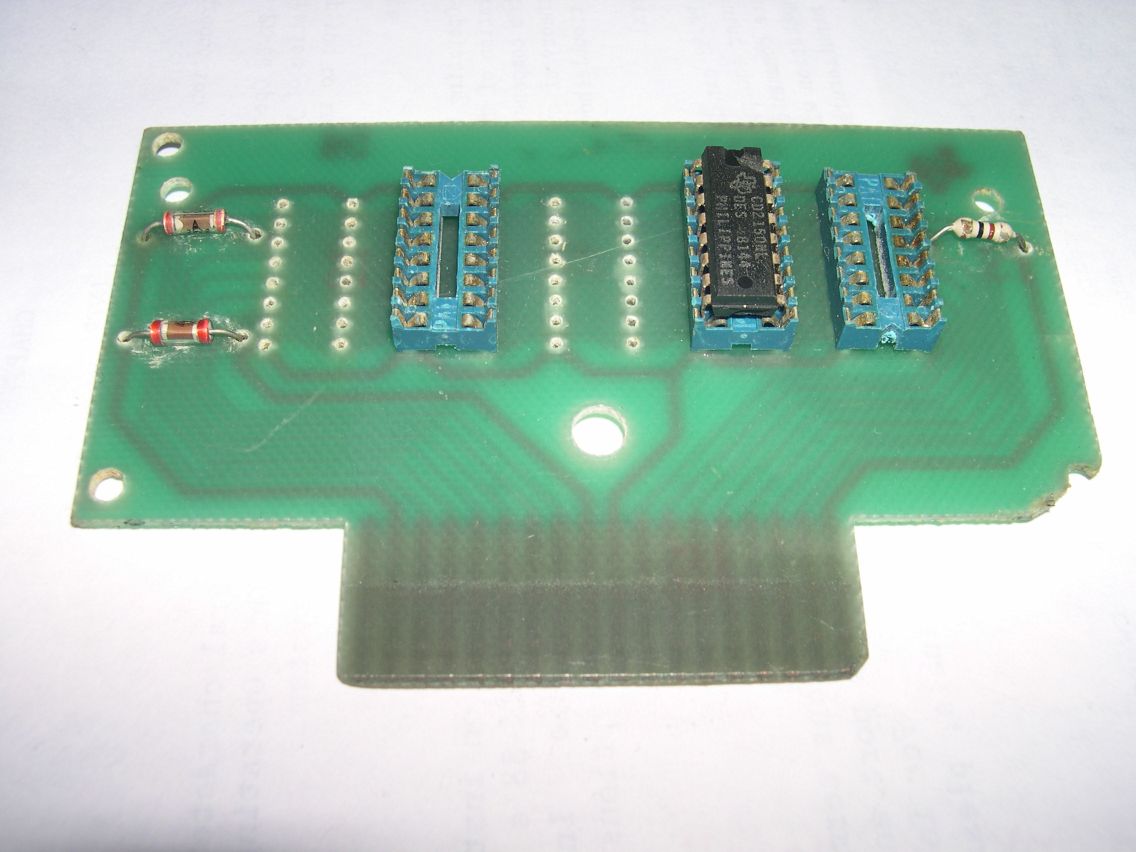
Hustle |
1980 |
Texas Instruments |
PHM 3034 |
YES |
|
 |
|
|
|
I'm Hiding |
1983 |
Milton Bradley |
MBX |
|
YES |
|
|
|
|
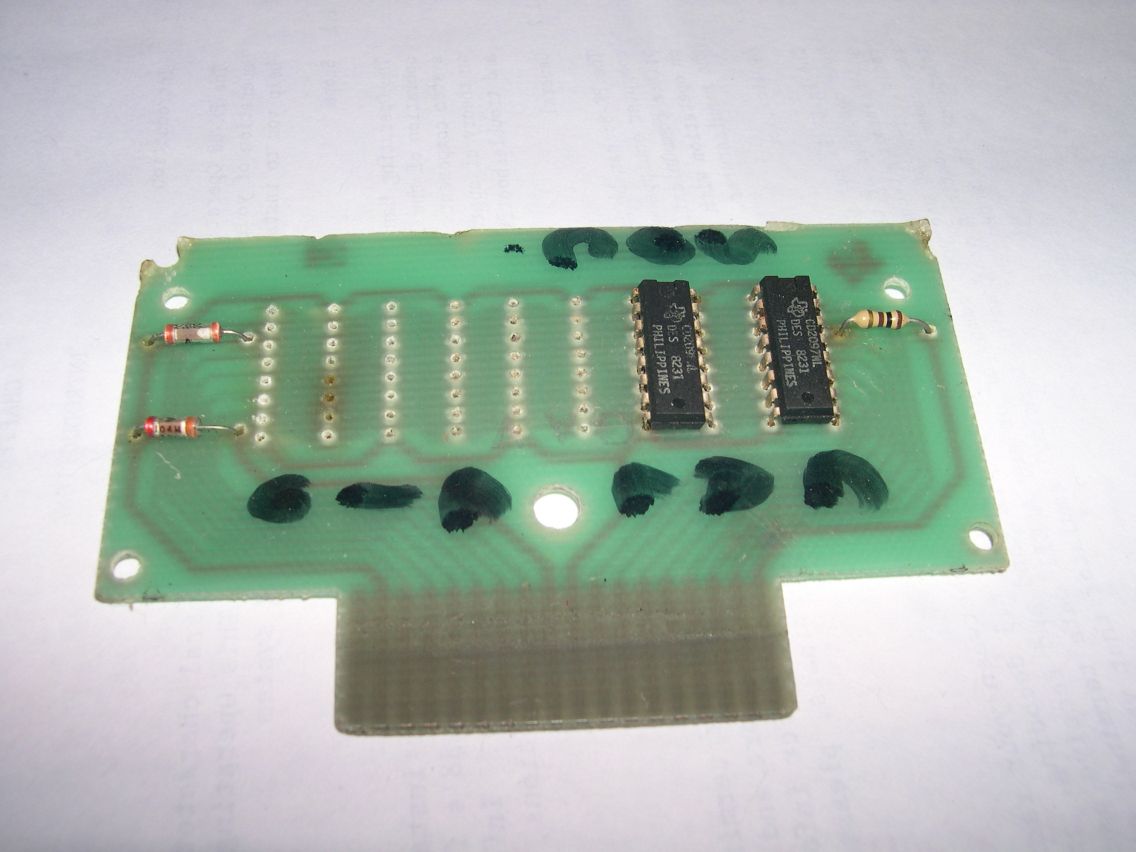
Indoor soccer |
1980 |
Texas Instruments |
PHM 3024 |
YES |
|
 |
|
|
|
Integers |
1982 |
Texas Instruments |
PHM 3094 |
|
|
|
|
|
|
Jawbreaker II |
1983 |
Sierra On-Line |
PHM 3194 |
YES |
|
|
|
|
|
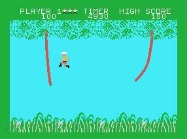
Jungle Hunt |
1982-83 |
Taito & Atarisoft |
RX8528 |
|
|
|
|
|
|
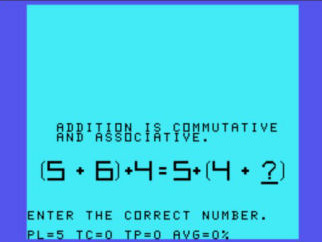
Laws of arithmetic |
1982 |
Texas Instruments |
PHM 3099 |
|
|
|
|
|
|
M*a*s*h |
1983 |
20th Century Fox |
PHM 3158 |
|
YES |
|
|
|
|
Measurement Formulas |
1982 |
Texas Instruments |
PHM 3101 |
YES |
|
|
|
|
|
Meteor belt |
1983 |
Texas Instruments MBX |
PHM 3152 |
|
YES |
|
|
|
|
Meteor multiplication |
1982 |
Texas Instruments |
PHM 3119 |
YES |
|
|
|
|
|
Micro pinball |
1984 |
DaTaBioTics |
BADE |
YES |
|
|
|
|
|
Microsoft multiplan |
1981 |
Microsoft |
PHM 3113 |
|
|
|
|
|
|
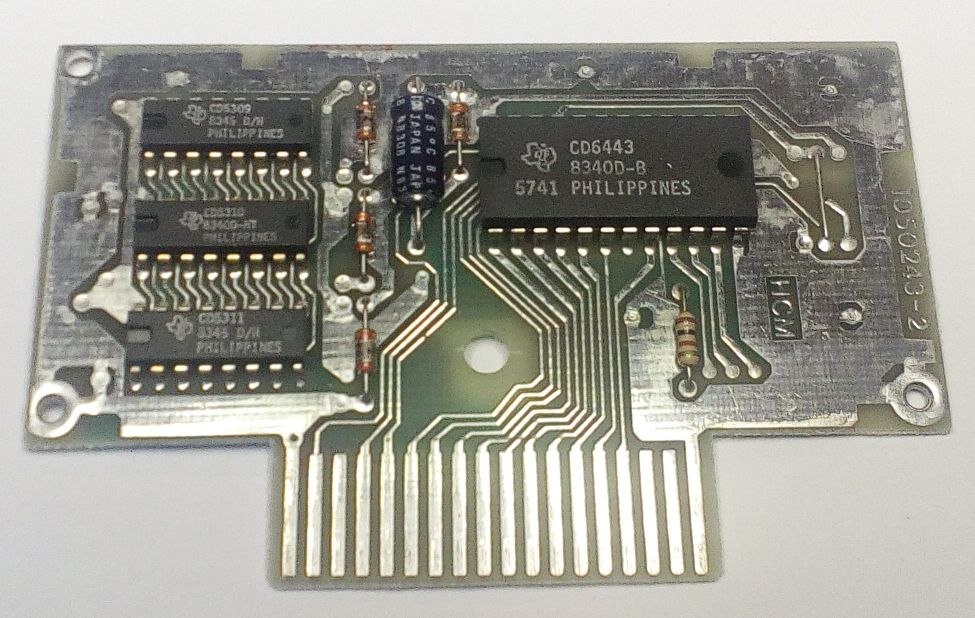
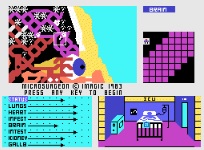
Microsurgeon |
1983 |
Imagic |
PHM 3220 |
YES |
YES |
 |
|
|
|
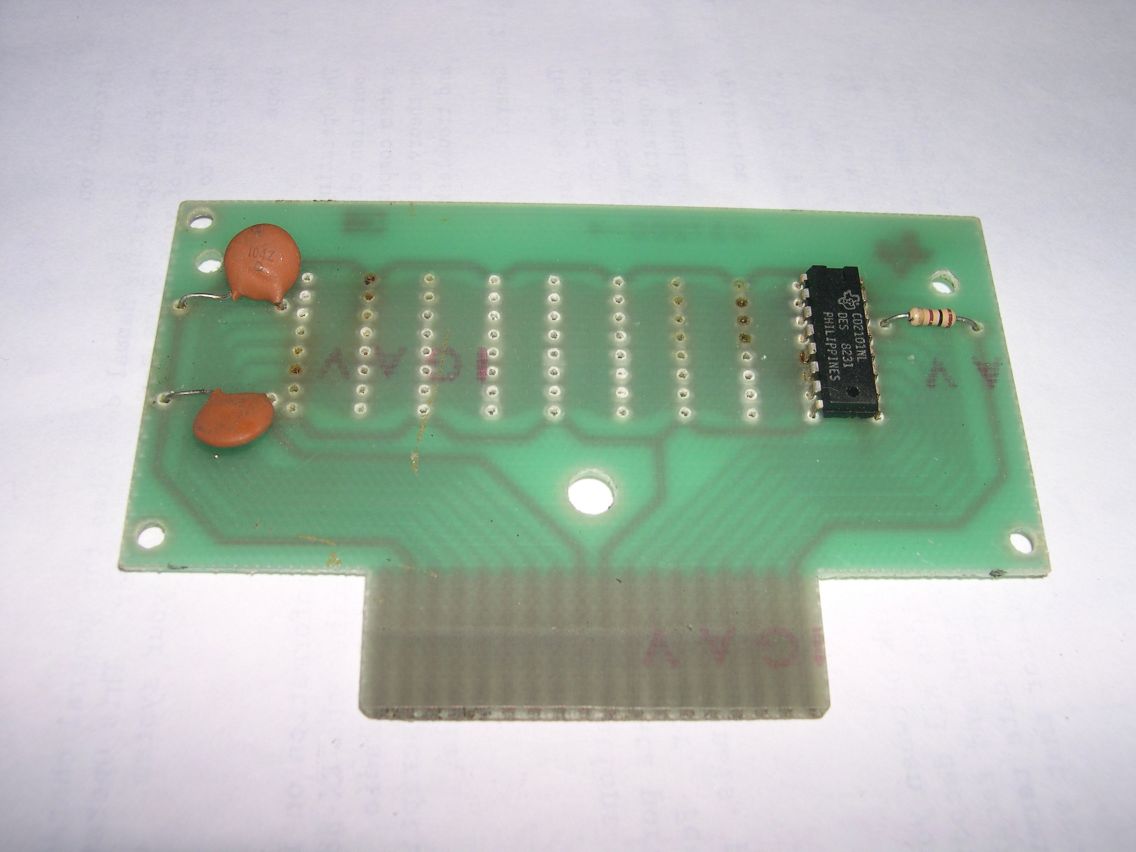
Mind challenger |
1980 |
Texas Instruments |
PHM 3025 |
|
|
 |
|
|
|
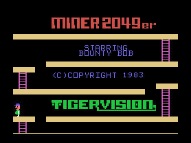
Miner 2049 er |
1983 |
Tigervision |
7-009-99 |
|
|
|
|
|
|
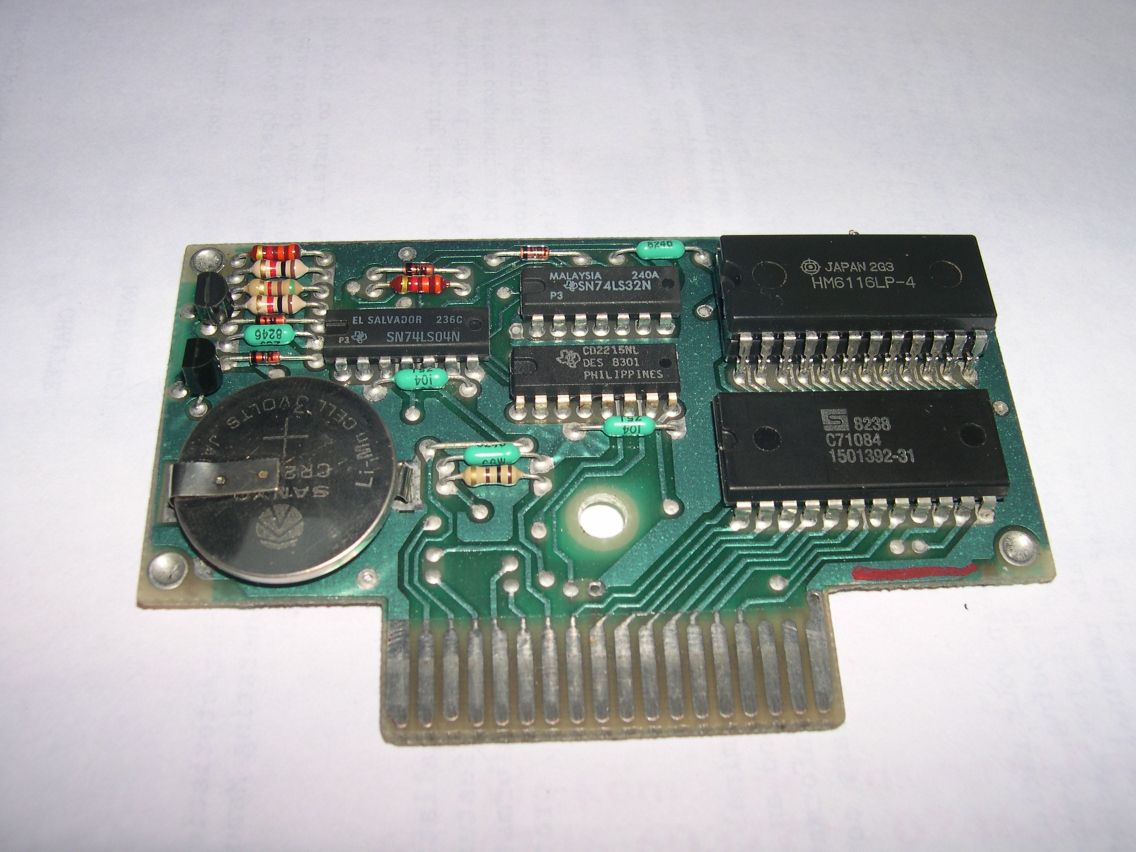
Mini memory |
1981 |
Texas Instruments |
PHM 3058 |
|
|
 |
|
|
| Miniwriter II | ||||||||
|
Miniwriter III |
1986 |
DaTaBioTics |
|
|
|
|
|
|
|
Minus mission |
1982 |
Texas Instruments |
PHM 3118 |
YES |
|
|
|
|
|
Moon mine |
1983 |
Texas Instruments |
PHM 3131 |
YES |
YES |
|
|
|
|
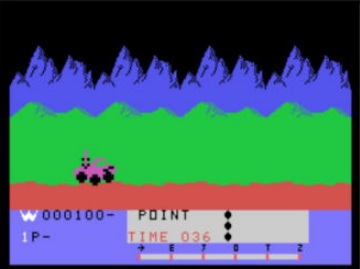
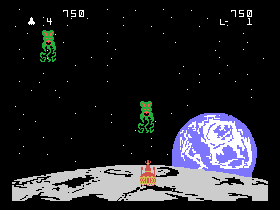
Moonpatrol |
1982 |
Atarisoft |
RX8531 |
YES |
|
|
|
|
|
Moonsweeper |
1983 |
Imagic |
PHM 3224 |
|
|
|
|
|
|
Ms. Pac-Man |
1983 |
Atarisoft |
RX8543 |
|
|
|
|
|
|
Multiplication |
1982 |
Texas Instruments |
PHM 3029 |
YES |
|
|
|
|
|
Multiplication 1 |
1981 |
Scott Foresman |
SF30207 |
YES |
YES |
|
|
|
|
Multiplication 2 |
1982 |
Scott Foresman |
SF302223 |
|
|
|
|
|
|
Munch man |
1982 |
Texas Instruments |
PHM 3057 |
YES |
|
|
|
|
|
Munch man 2 |
1987 |
John Phillips |
BDAG |
|
|
|
|
|
|
Munch mobile |
1983 |
SNK Electronics |
PHM 3146 |
|
|
|
|
|
|
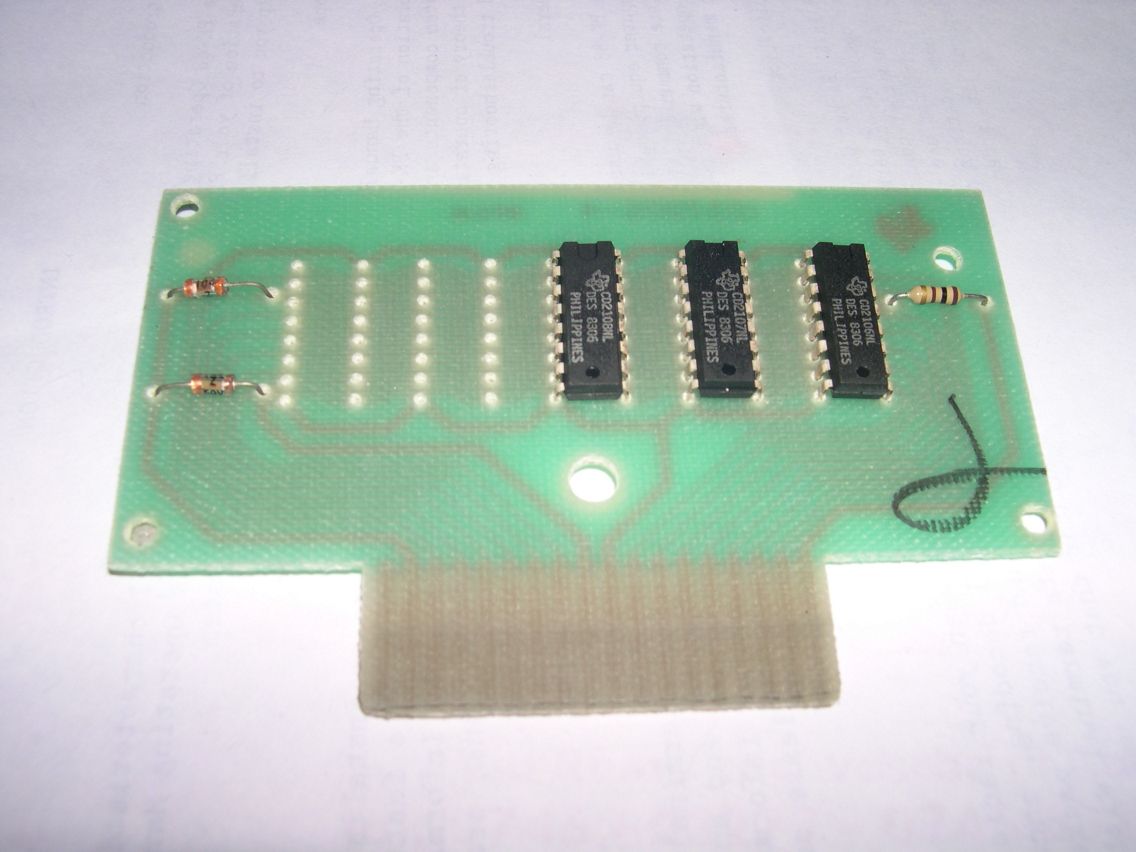
Music maker |
1980 |
Texas Instruments |
PHM 3020 |
YES |
|
 |
|
|
|
Number Bowling |
1983 |
Scott Foresman |
SF31189 |
YES |
|
|
|
|
|
Number Readiness |
1982 |
Texas Instruments |
PHM 3098 |
YES |
|
|
|
|
|
Numeration 1 |
1983 |
Scott Foresman |
PHM3050 |
YES |
YES |
|
|
|
|
Numeration 2 |
1983 |
Scott Foresman |
PHM 3051 |
|
YES |
|
|
|
|
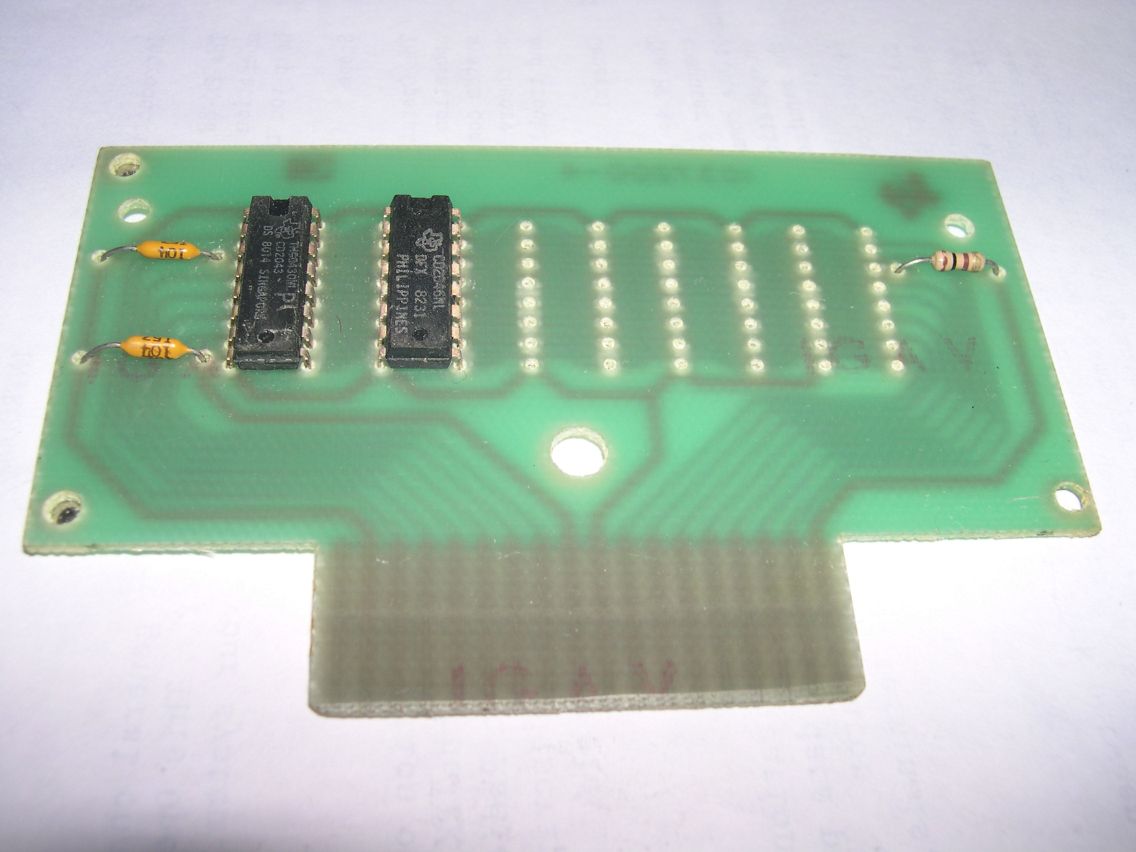
Numero magico |
1979 |
Texas Instruments |
PHM 3004 |
YES |
|
 |
|
|
|
Othello |
1982 |
CBS Video |
PHM 3067 |
YES |
|
|
|
|
|
Paint n Print |
1985 |
Navarone |
GP-100-700 |
|
|
|
|
|
|
Pac-Man |
1983 |
Atarisoft |
RX8500 |
|
|
|
|
|
|
Parsec |
1982 |
Texas Instruments |
PHM 3112 |
YES |
YES |
|
|
|
|
Percents |
1982 |
Texas Instruments |
PHM 3097 |
|
|
|
|
|
|
Personal real estate |
1980 |
Texas Instruments |
PHM 3022 |
|
|
|
|
|
|
Personal record keeping ( usa ) |
1980 |
Texas Instruments |
1103056 |
YES |
|
|
|
|
|
Personal record keeping ( D / I ) |
1982 |
Texas Instruments |
PHM 3013 |
|
|
|
|
|
|
Personal Report Generator |
1980 |
Texas Instruments |
PHM 3044 |
|
|
 |
|
|
|
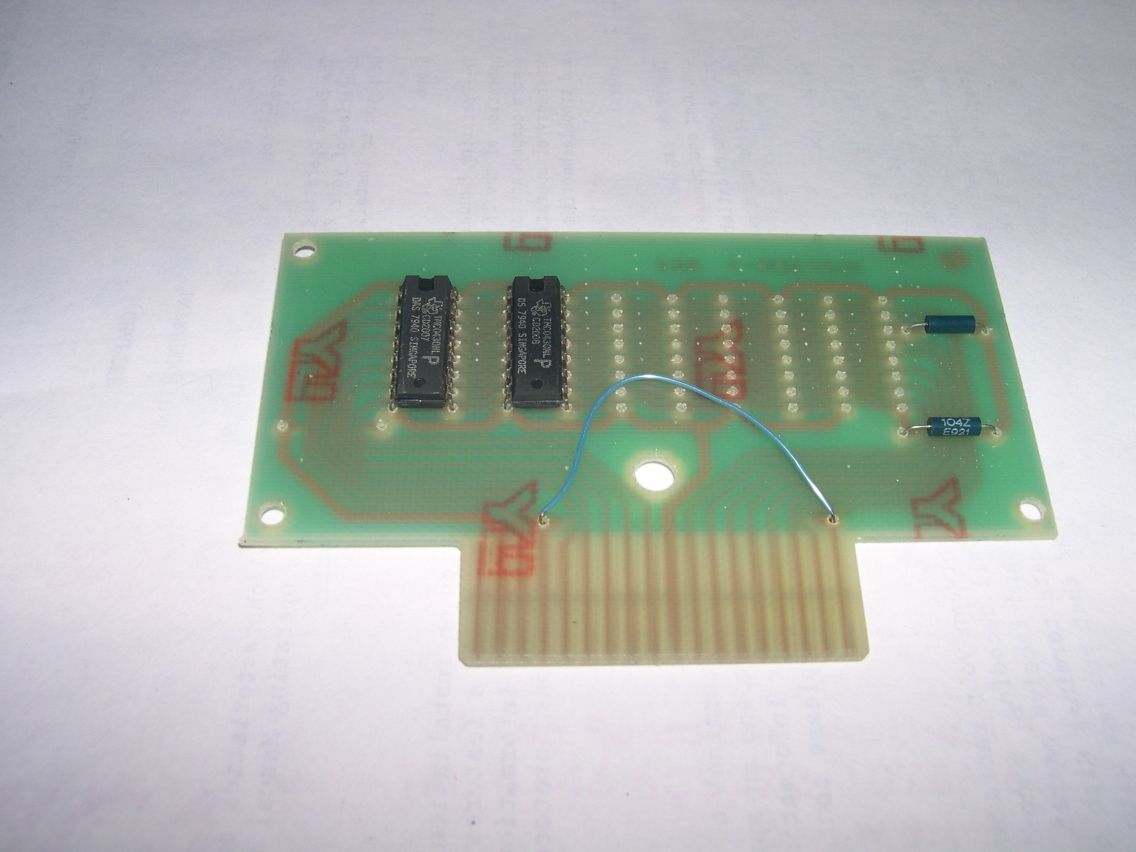
Phisycal fitness |
1978 |
Texas Instruments |
PHM 3010 |
YES |
|
 |
|
|
|
Picnic Paranoia |
1983 |
Atarisoft |
RX8517 |
|
|
|
|
|
|
Picture Parts |
1983 |
Scott Foresman |
SF 31180 |
|
|
|
|
|
|
Plato interpreter |
1982 |
Control Data |
PHM 3122 |
YES |
|
|
|
|
|
Pole Position |
1982-83 |
Namco & Atarisoft |
RX8534 |
|
|
|
|
|
|
Popeye |
1984 |
Parker Brothers |
PB1650 |
|
|
|
|
|
|
Princess and the frog |
1982 |
Romox |
99ERD12 |
|
YES |
|
|
|
|
Protector II |
1983 |
Atarisoft |
RX8516 |
|
|
|
|
|
|
Pro Ttyper |
1987 |
DaTaBioTics |
BABG |
|
|
|
|
|
|
Pyramid Puzzler |
1983 |
Scott Foresman |
SF31186 |
|
|
|
|
|
|
Q-bert |
1984 |
Park Brothers |
PB1620 |
|
|
|
|
|
|
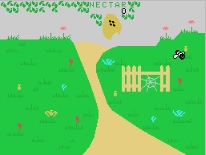
Rabbit trail |
1983 |
Funware |
FW1004 |
YES |
|
|
|
|
|
Reading Flight |
1982 |
Scott Foresman |
PHM 3082 |
YES |
YES |
|
|
|
|
Reading Fun |
1982 |
Scott Foresman |
PHM 3043 |
|
YES |
|
|
|
|
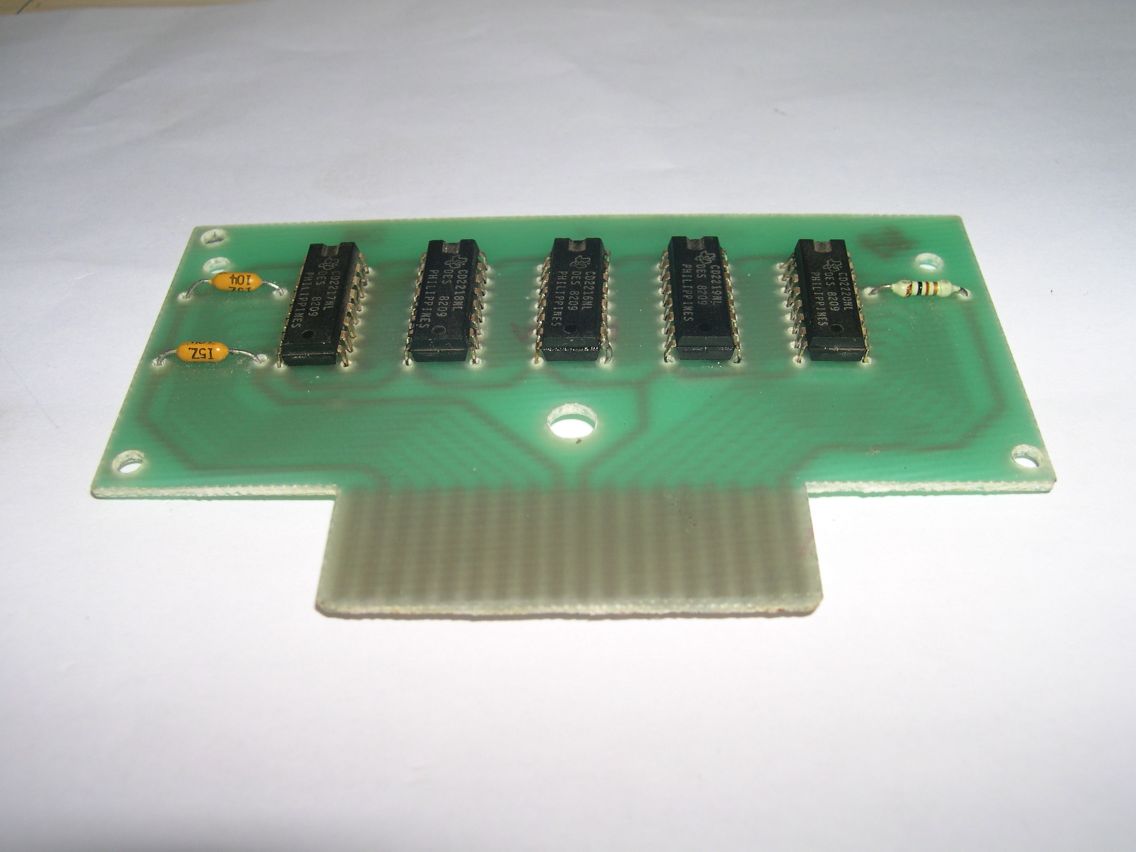
Reading skill course |
|
|
|
|
|
 |
|
|
|
Reading Adventures |
1983 |
Scott Foresman |
SF 30117 |
|
|
|
|
|
| Reading cheers | 1983 | Scott Foresman | SF30115 | |||||
|
Reading ON |
1982 |
Scott Foresman |
PHM 3046 |
|
|
|
|
|
|
Reading Power |
1983 |
Scott Foresman |
SF 30121 |
YES |
|
|
|
|
| Reading Rainbows | 1983 | Scott Foresman | SF 30113 | |||||
|
Reading Rally |
1982 |
Scott Foresman |
PHM 3048 |
YES |
|
|
|
|
|
Reading Trail |
1983 |
Scott Foresman |
SF 30119 |
|
|
|
|
|
|
Reading Roundup |
1982 |
Scott Foresman |
PHM 3047 |
YES |
YES |
|
|
|
|
Reading Roundup |
1983 |
Scott Foresman |
SF 30118 |
|
|
|
|
|
| Reading Wonders | 1983 | Scott Foresman | SF30123 | |||||
| Red Baron | 1988 | DaTaBioTics | ||||||
|
Return to Pirate's Isle |
1983 |
Texas Instruments |
PHM 3189 |
|
|
|
|
|
|
Robotron 2048 |
2019 |
Atari |
ti99iuc |
|
|
|
|
|
|
Rotor Raiders |
1983 |
ROMOX |
ROM06025 |
|
|
|
|
|
|
Scolastic spelling level 3 |
1982 |
Texas Instruments |
PHM 3059 |
|
YES |
|
|
|
|
Scolastic spelling level 4 |
1982 |
Texas Instruments |
PHM 3060 |
|
YES |
|
|
|
|
Scolastic spelling level 5 |
1982 |
Texas Instruments |
PHM 3061 |
|
YES |
|
|
|
|
Scolastic spelling level 6 |
1982 |
Texas Instruments |
PHM 3062 |
|
YES |
|
|
|
|
Securities Analysis |
1979 |
Texas Instruments |
PHM 3012 |
|
|
|
|
|
|
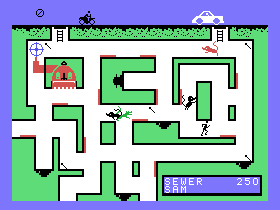
Sewermania |
1983 |
Milton Bradley MBX |
PHM 3150 |
|
YES |
|
|
|
|
Shamus |
1983 |
Atarisoft |
RX8518 |
|
|
|
|
|
|
Slymoids |
1983 |
Texas Instruments |
PHM 3197 |
YES |
|
|
|
|
|
Sneggit |
1982 |
Texas Instruments |
PHM 3145 |
|
|
|
|
|
|
Space Bandits |
1984 |
Milton Brdley MBX |
PHM3149 |
|
YES |
|
|
|
|
Space Journey |
1983 |
Scott Foresman |
SF 31192 |
YES |
|
|
|
|
|
Sound track trolley |
1983 |
Texas Instruments MBX |
PHM 3157 |
YES |
YES |
|
|
|
|
Speech Editor |
1980 |
Texas Instruments |
PHM 3011 |
|
YES |
|
|
|
|
Spot Shoot |
1987 |
DaTaBioTics |
|
YES |
|
|
|
|
| Star Gazer I | 1988 | John Philips | BBBA | |||||
|
Star Maze |
1983 |
Scott Foresman |
SF3182 |
|
|
|
|
|
|
Star Trap |
|
DaTaBioTics |
|
YES |
|
|
|
|
|
Star Runner |
1987 |
DaTaBioTics |
BAAP |
|
|
|
|
|
|
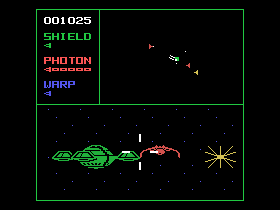
Star trek |
1983 |
Sega Enterprises |
PHM 3225 |
|
YES |
|
|
|
|
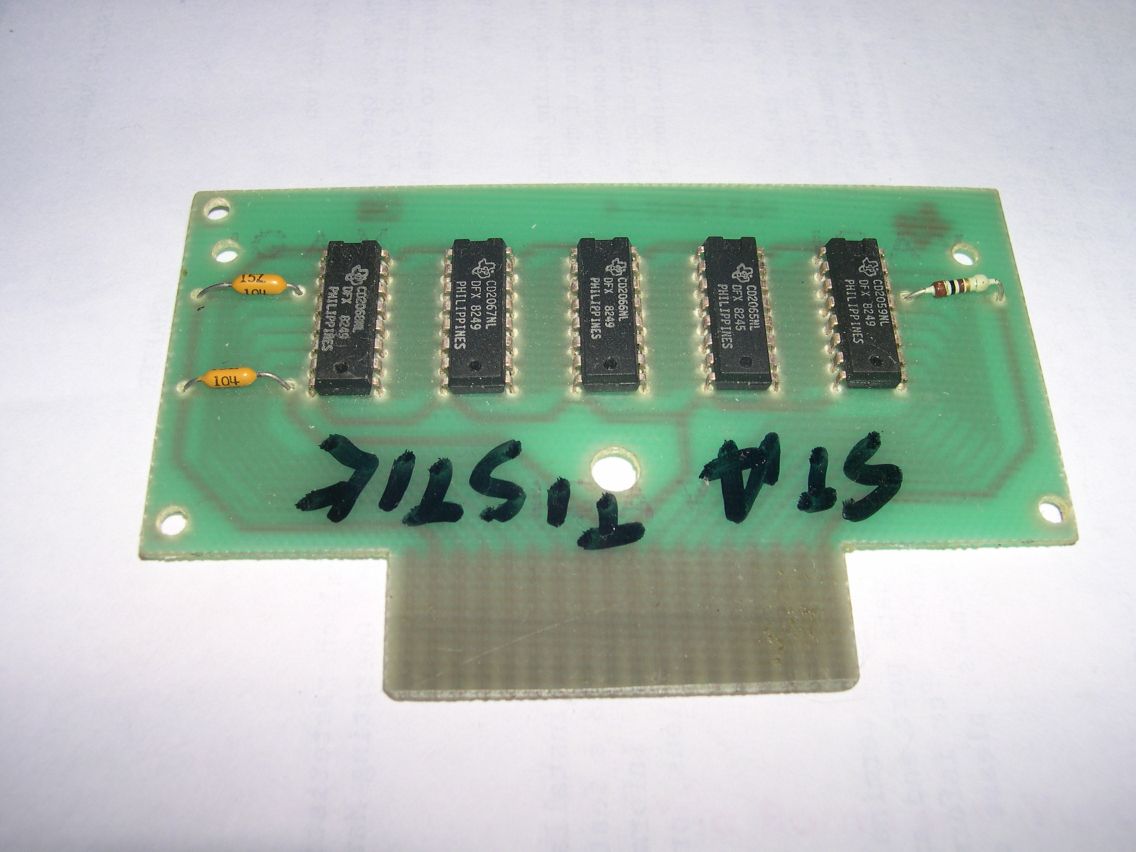
Statistik |
1979 |
Texas Instruments |
PHM 3014 |
|
|
 |
|
|
|
Story machine |
1982-83 |
Spinnaker |
PHM 3178 |
YES |
|
|
|
|
|
Strike Three |
1988 |
John Philips |
|
|
|
|
|
|
|
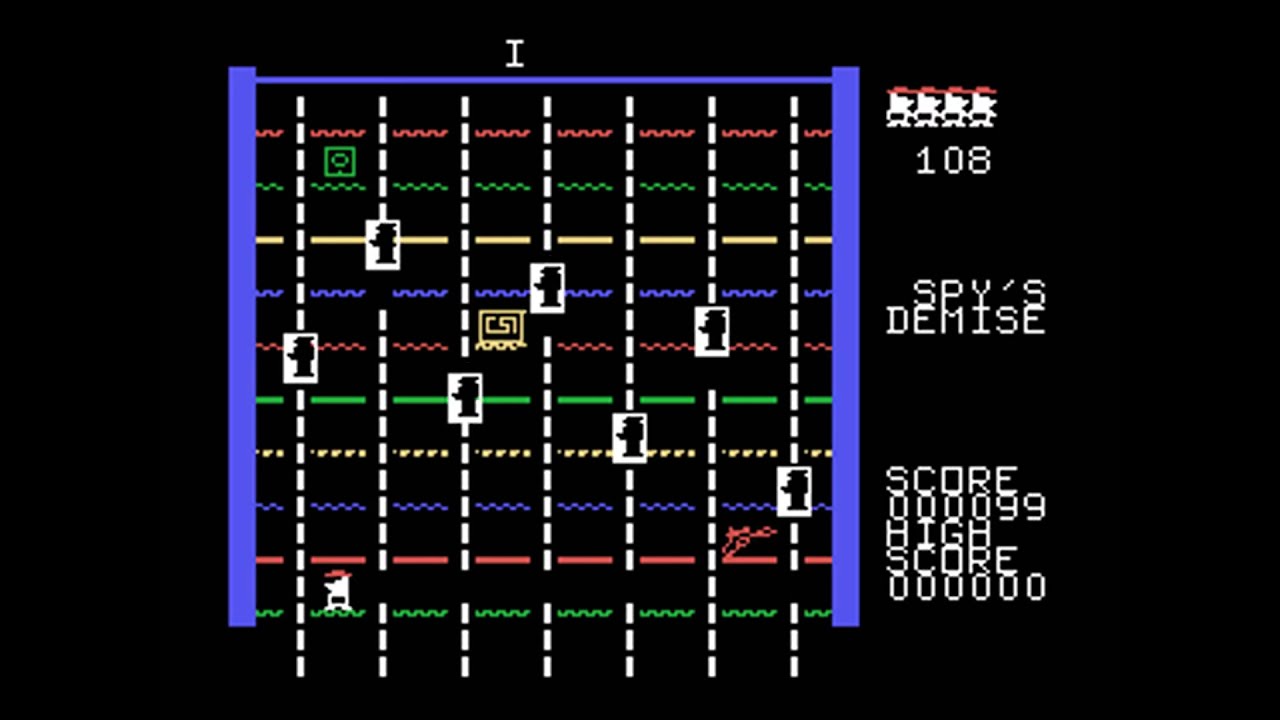
Spy's Demise |
1987 |
DaTaBioTics |
BABC |
|
|
|
|
|
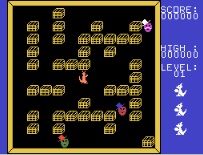
| ST Nick | 1983 | FunWare | BDAC | 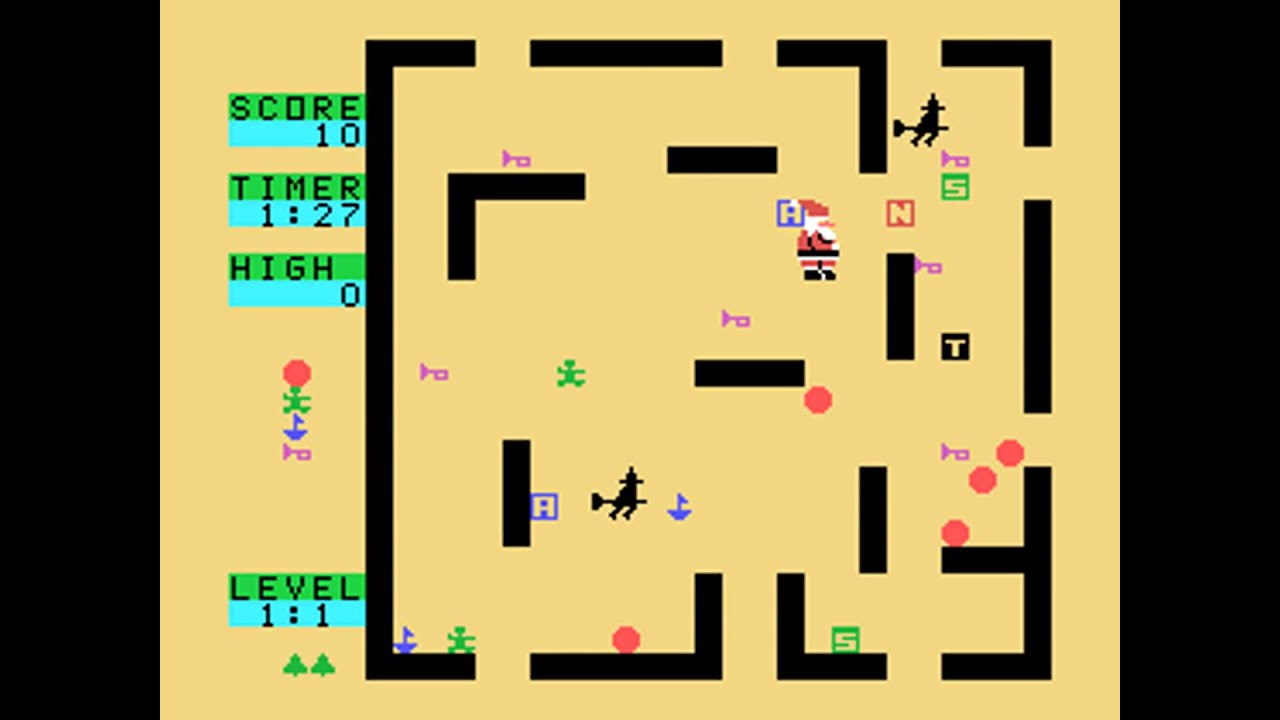 |
||||
|
Subtraction |
1982 |
Texas Instruments |
PHM 3091 |
|
|
|
|
|
|
Super demon attack |
1983 |
Texas Instruments |
PHM 3219 |
|
YES |
|
|
|
|
Super extended Basic |
1987 |
Triton |
BDHK |
|
|
|
|
|
|
Superfly |
1983 |
Milton Bradley MBX |
PHM3153 |
YES |
YES |
|
|
|
|
Superstorm |
2019 |
Atari |
ti99iuc |
|
|
|
|
|
|
Tax investment record keeping |
1980 |
Texas Instruments |
PHM 3016 |
|
|
|
|
|
|
Terminal Emulator 1 |
1980 |
Texas Instruments |
PHM 3017 |
|
|
|
|
|
|
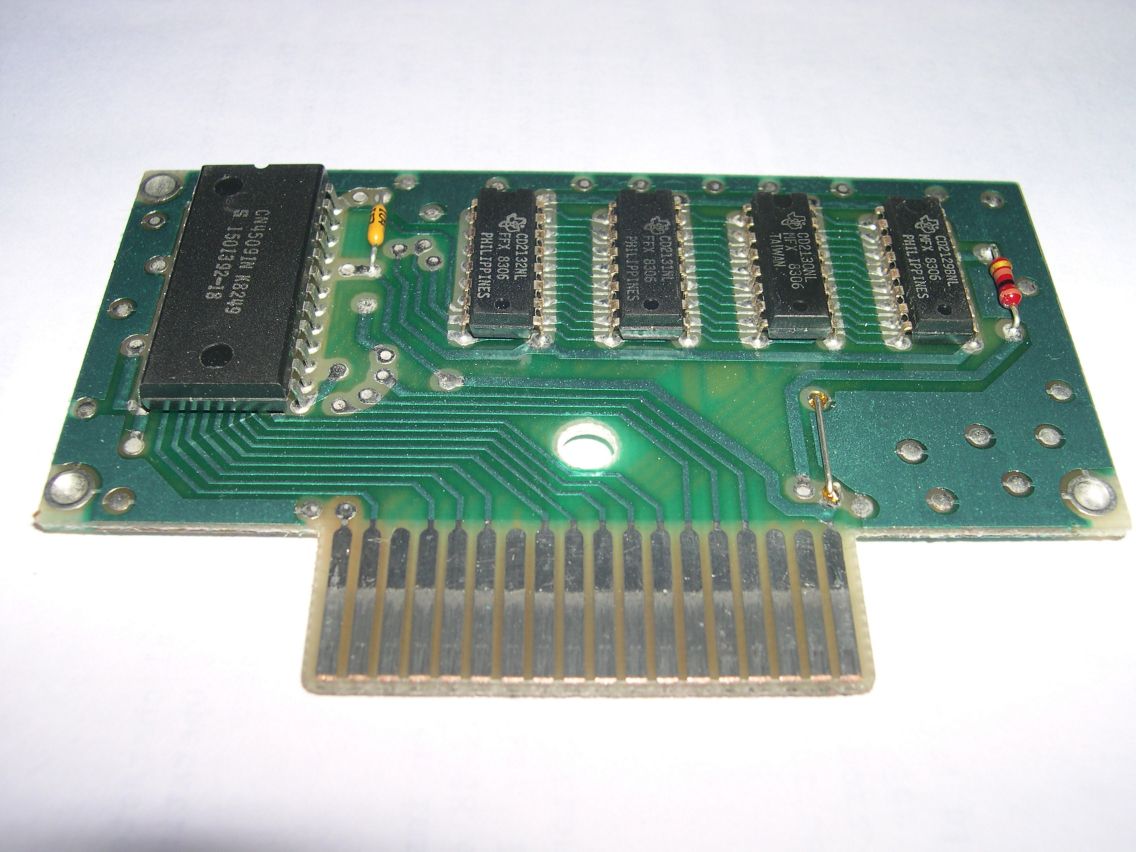
Terminal emulator 2 |
1980 |
Texas Instruments |
PHM 3035 |
YES |
YES |
 |
|
|
|
Terry Turtles Adventure |
1983 |
Texas instruments MBX |
PHM3154 |
YES |
|
|
|
|
|
TEX turbo and the big bug battles |
2016 |
DSAPSC |
|
|
|
|
|
|
|
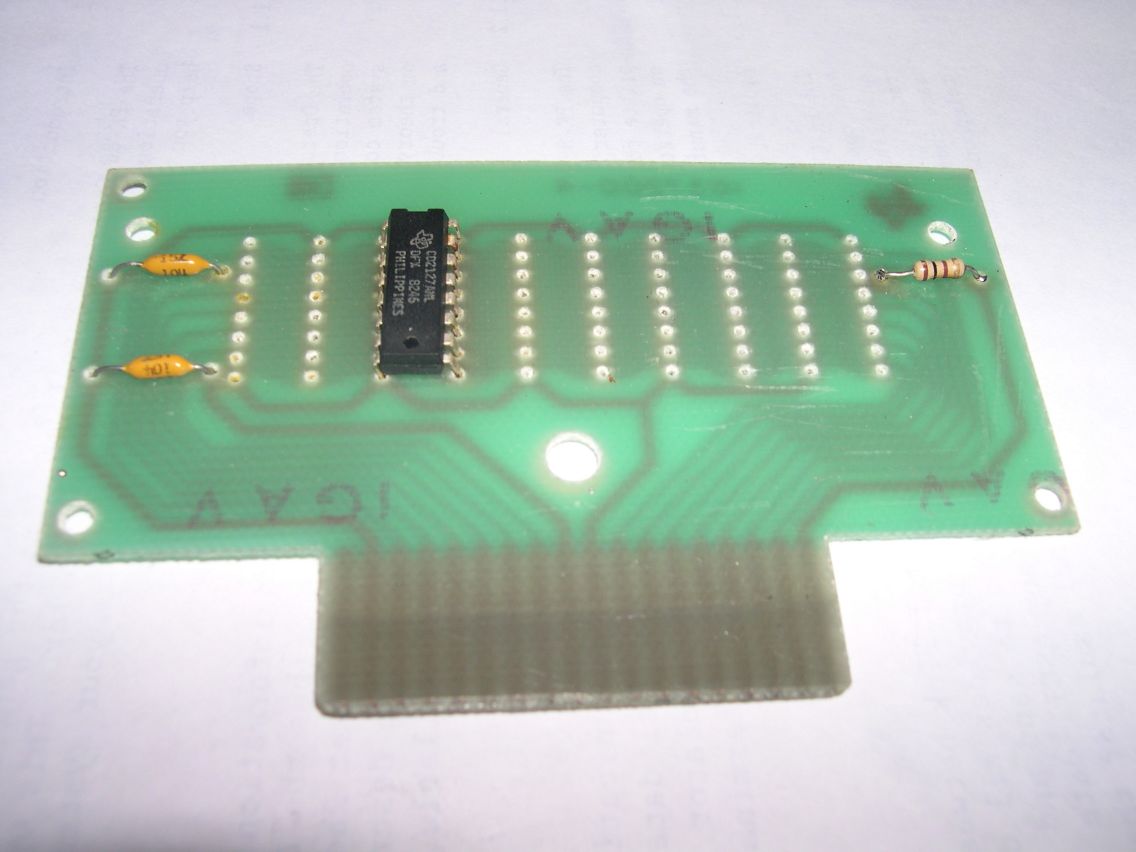
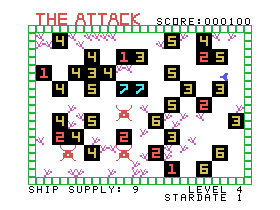
The Attak |
1980 |
Texas Instruments |
PHM 3031 |
YES |
|
 |
|
|
|
The great word race |
1987 |
tritor products |
|
|
|
|
|
|
|
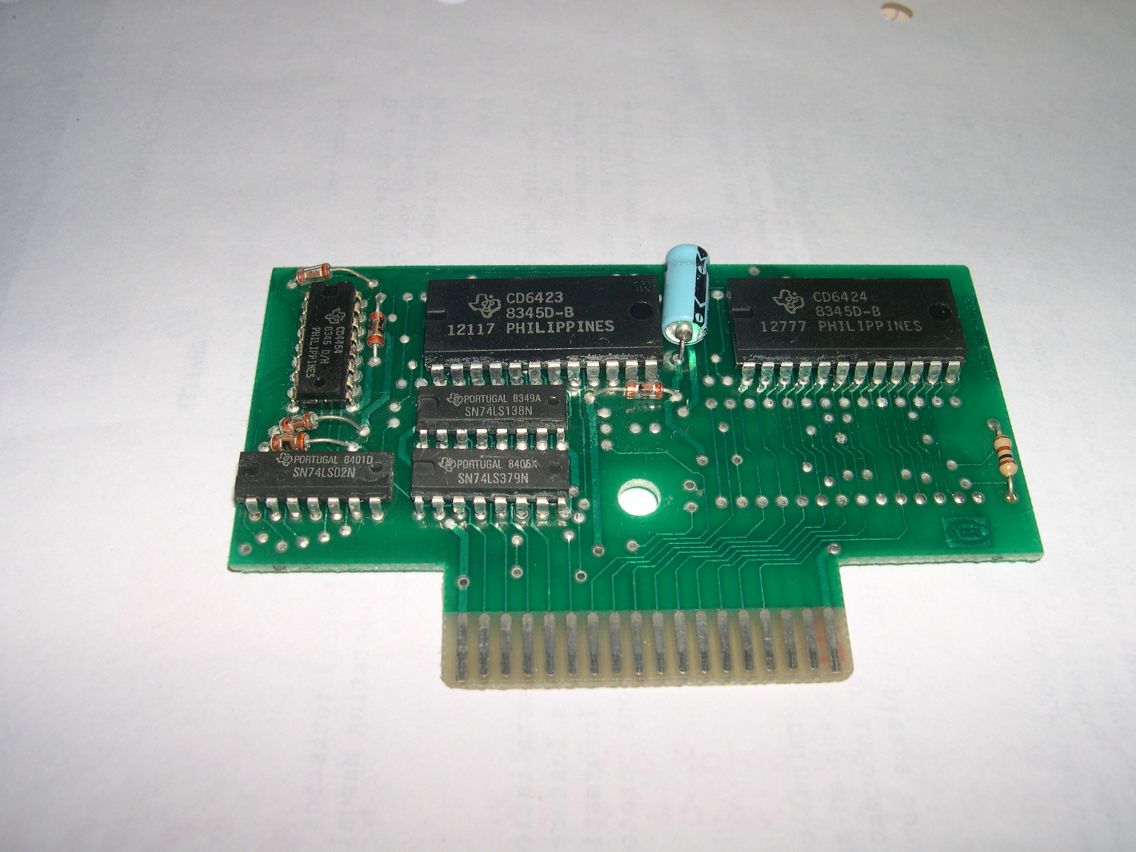
TI calc |
1983 |
Texas Instruments |
PHM 3213 |
YES |
|
 |
|
|
|
TI extended basic 1.00 |
1982 |
Texas Instruments |
PHM 3026 |
|
|
|
|
|
|
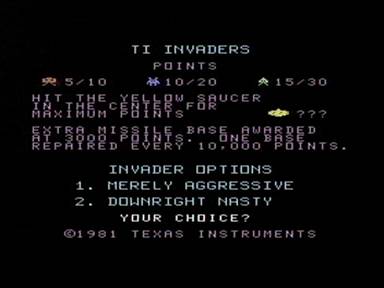
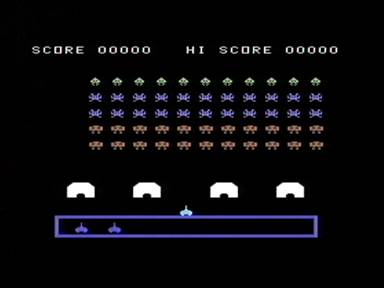
TI invaders |
1981 |
Texas Instruments |
PHM 3053 |
|
|
|
|
|
|
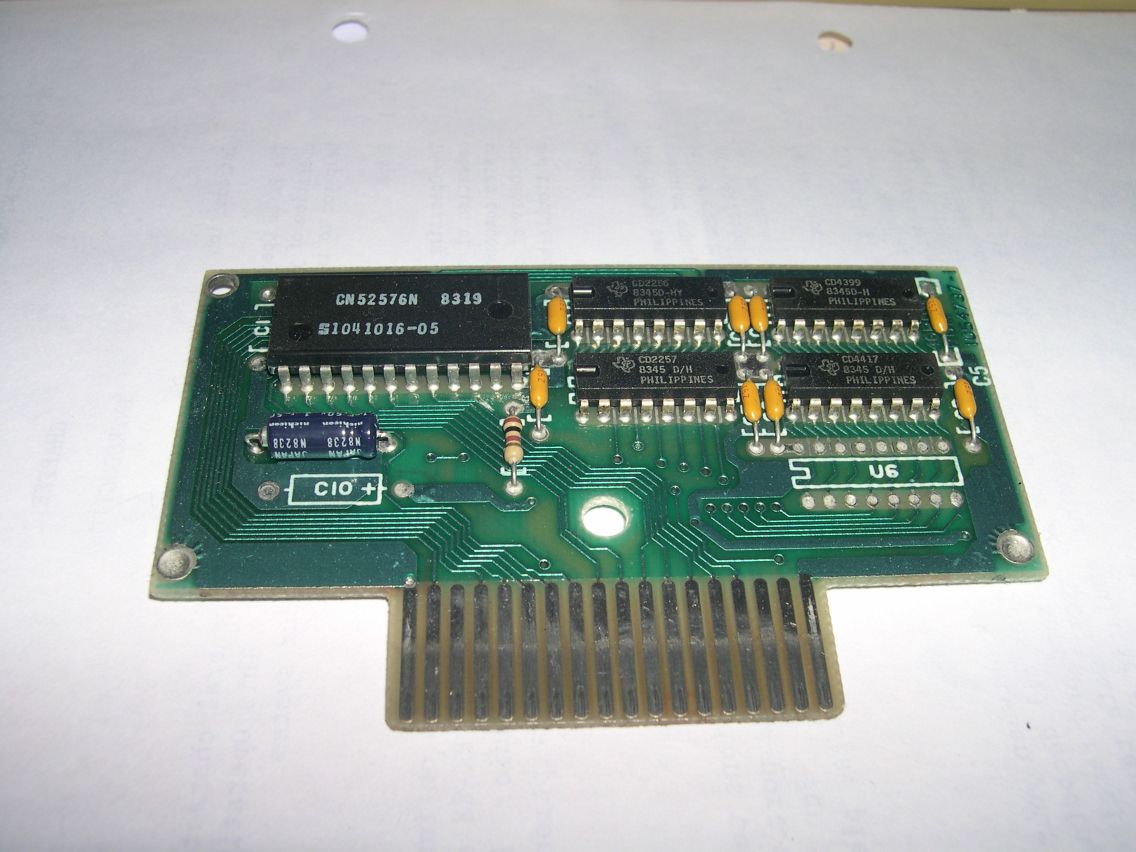
TI logo |
1981 |
Texas Instruments |
PHM 3040 |
|
|
 |
|
|
|
TI logo II |
1984 |
Texas Instruments |
PHM 3109 |
|
|
|
|
|
|
TI logo mondadori |
|
|
|
|
|
|
|
|
|
TI planner |
1987 |
DaTaBioTics |
BJBS |
|
|
|
|
|
|
TI writer word processor |
1982 |
Texas Instruments |
PHM 3111 |
|
|
|
|
|
|
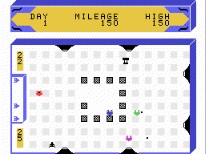
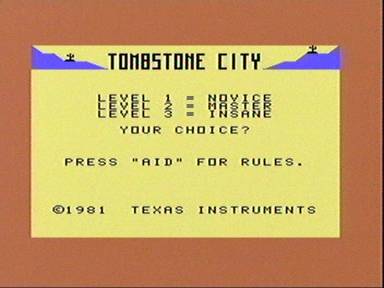
Tombstone city |
1981 |
Texas Instruments |
PHM 3052 |
|
|
|
|
|
|
Touch typing tutor |
1982 |
Texas Instruments |
PHM 3064 |
|
|
|
|
|
|
Treasure Island |
1983 |
Data East USA |
PHM 3168 |
|
|
|
|
|
|
TRIS clone |
1989 |
Asgard |
|
YES |
|
|
|
|
|
Tunnels of doom |
1982 |
Texas Instruments |
PHM 3042 |
|
|
|
|
|
|
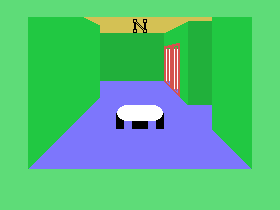
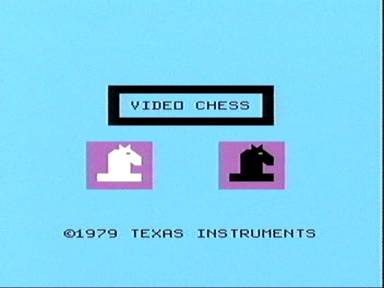
Video chess |
1979 |
Texas Instruments |
PHM 3008 |
|
|
|
|
|
|
Video graphs |
1979 |
Texas Instruments |
PHM 3005 |
YES |
|
|
|
|
|
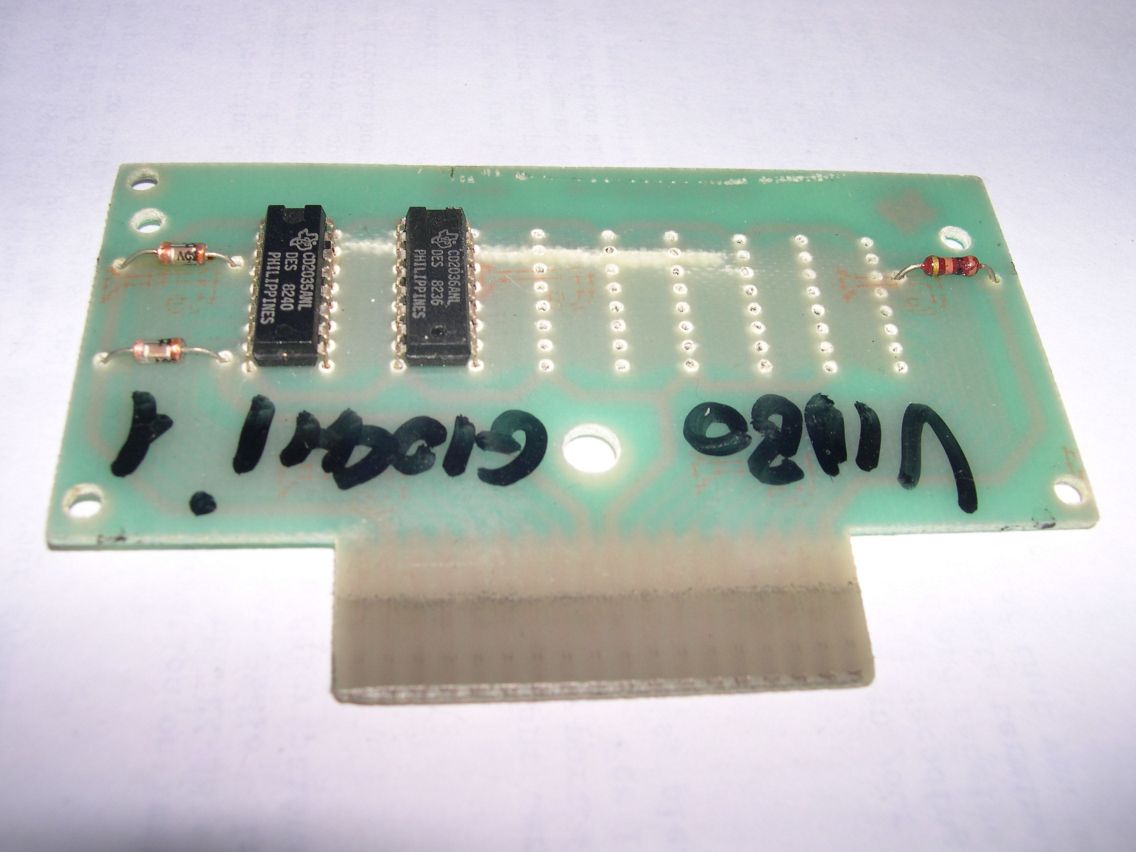
Videogames 1 |
1980 |
Texas Instruments |
PHM 3018 |
YES |
|
 |
|
|
| Video Vegas | 1982 | FunWare | FW1002 | |||||
|
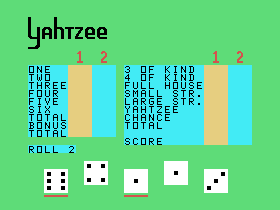
Yathzee |
1980 |
Milton Bradley |
PHM 3039 |
YES |
|
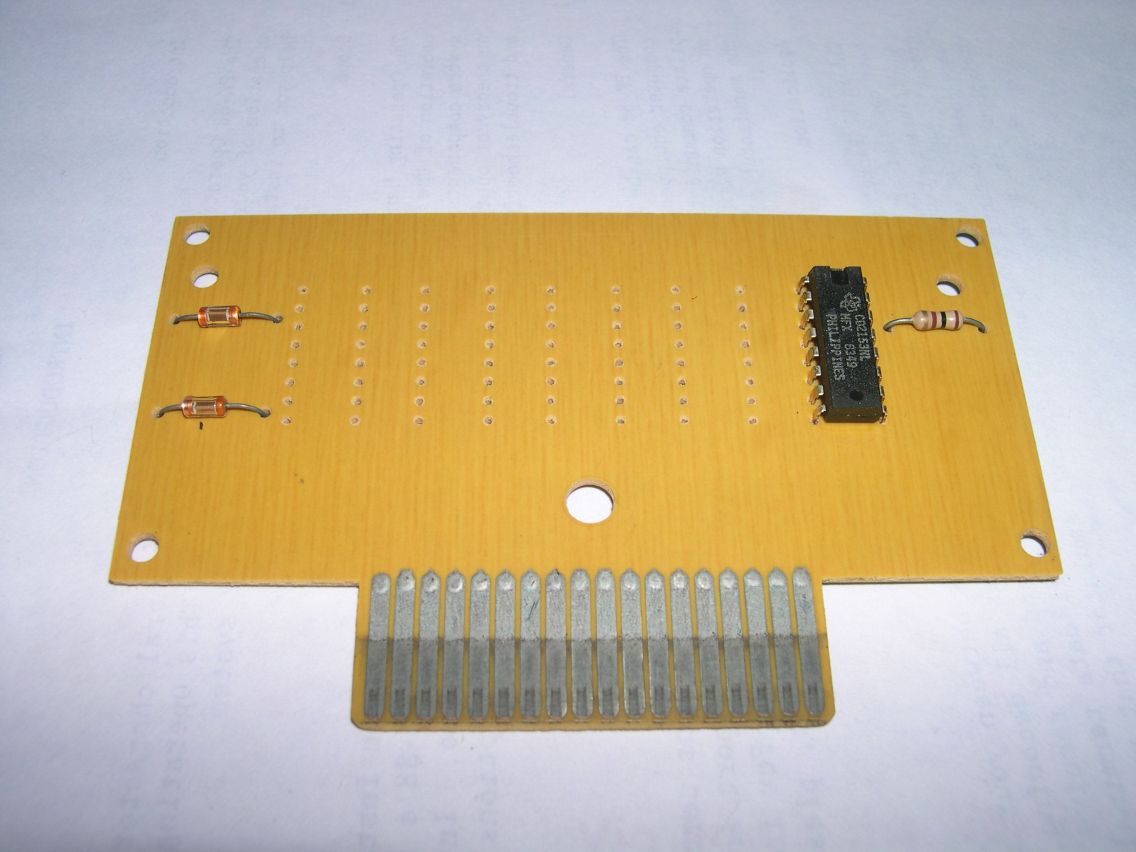 |
|
|
|
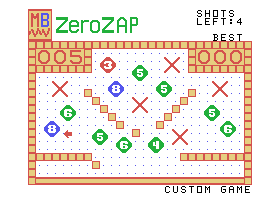
Zero Zap |
1981 |
Milton Bradley |
PHM 3036 |
|
|
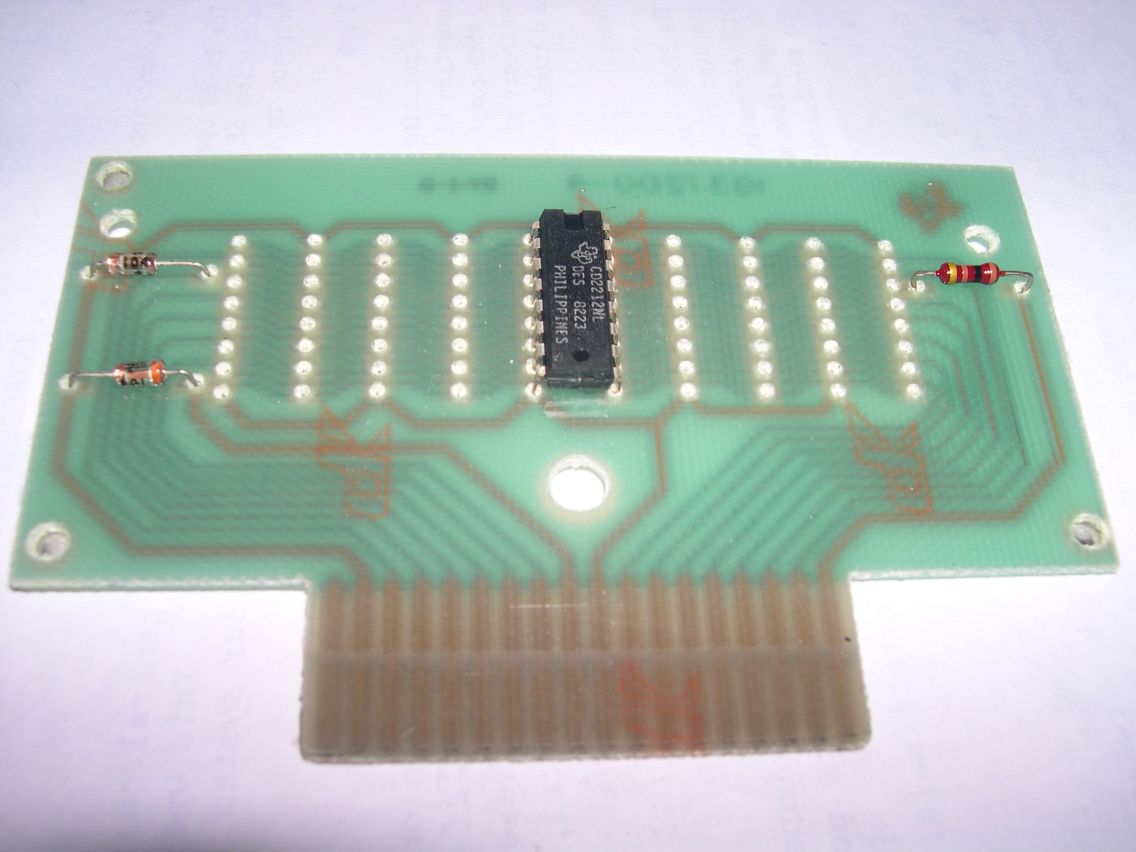 |
|
|
|
Weight control nutrition |
1980 |
Texas Instruments |
PHM 3021 |
YES |
|
|
|
|
|
Word Radar |
1982 |
Texas Instruments |
PHM 3185 |
YES |
|
|
|
|
|
Word Invasion |
1982 |
Texas Instruments |
PHM 3169 |
|
|
|
|
|
|
Word Write XTRA |
1988 |
DaTaBioTics |
|
|
|
|

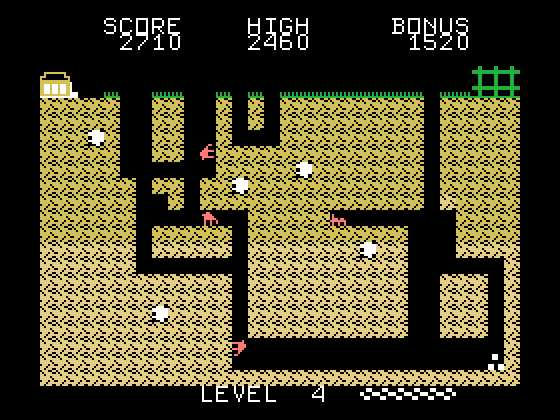
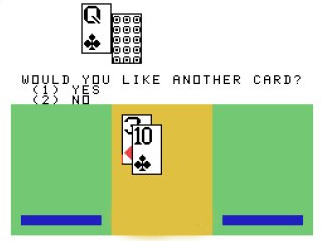
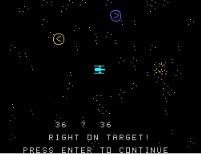
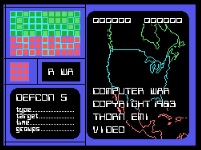
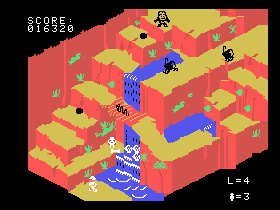
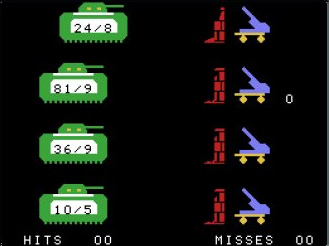

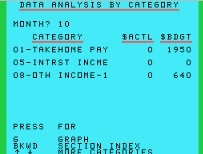

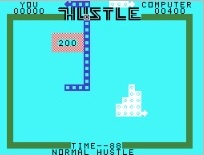


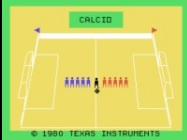
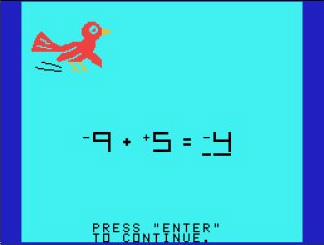
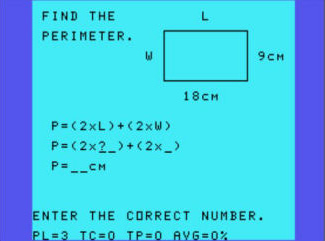

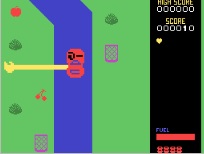
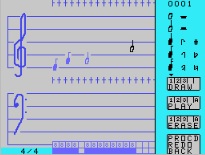
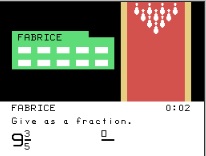
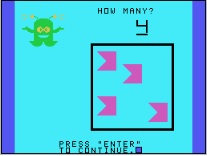

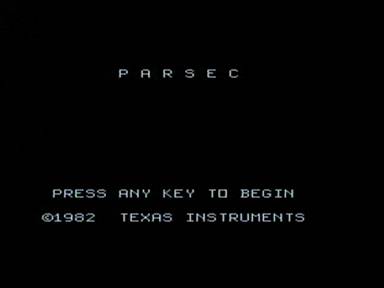
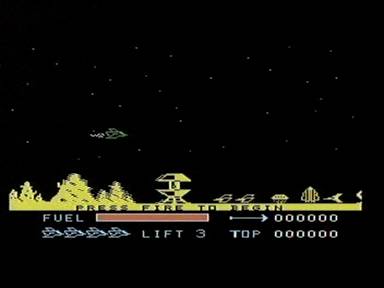
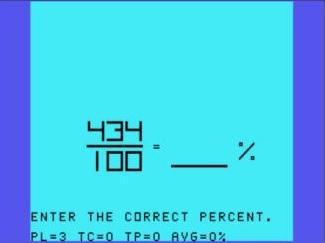
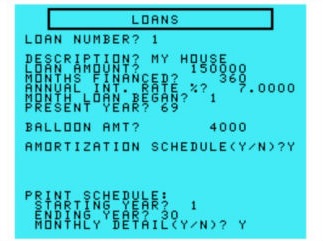
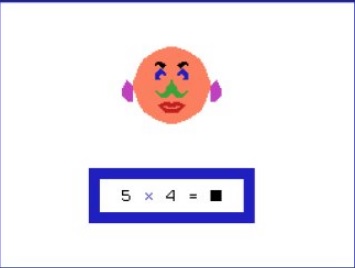
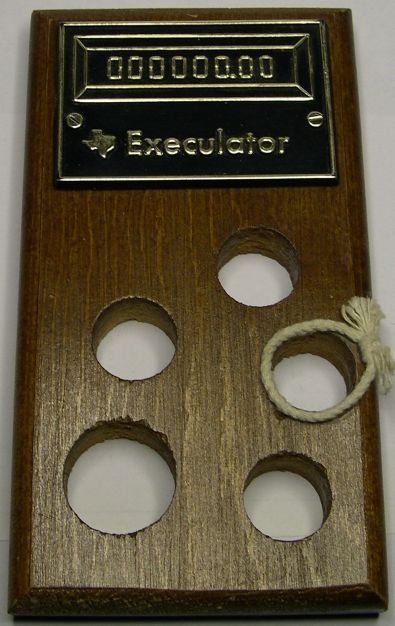
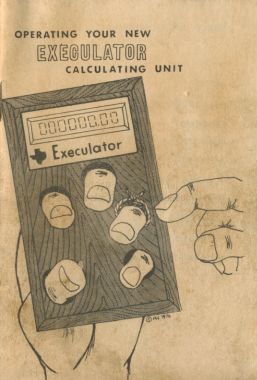
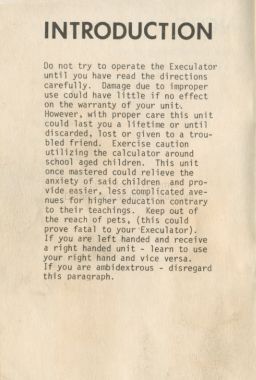
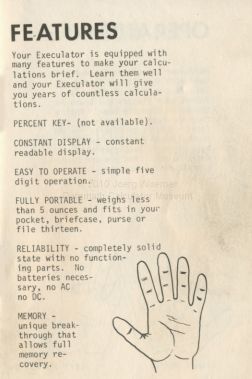
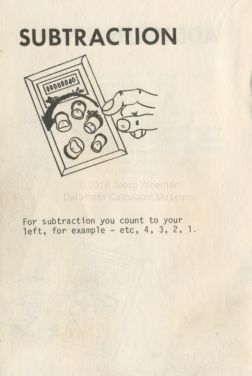
 TEXAS Instruments, a leader in mathematics education and inventor of the integrated circuit has transformed the world over the past 60 years, he has produced the new Execulator built with renewable materials, uses no batteries, solar cells, silicon, display, completely bio-degradable.
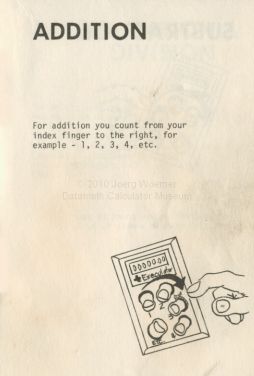
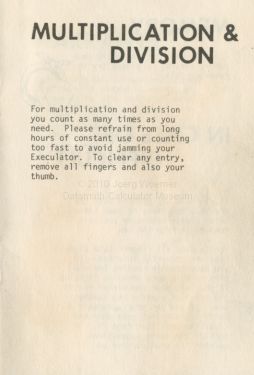
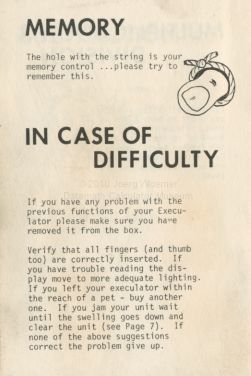
Execulator performs addition, subtraction, multiplication, and even divisions. Unfortunately, the calculations with the% are not supported, but has a constant memory, remember.
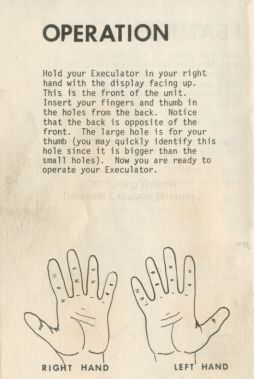
The operation is simple Execulator developed for right-handed and left-handed, for the latter it takes a bit of experience.
 Texas Instruments, leader nell' educazione della matematica e inventore del circuito integrato ha trasformato il mondo negli ultimi 60 anni, ha prodotto il nuovo Execulator, costruito con materiali rinnovabili, non utilizza batterie, ne celle solari, ne silicio, ne display, completamente bio-degradabile .
Execulator esegue addizione, sottrazione, moltiplicazione, e anche le divisioni. Purtroppo, i calcoli con la percentuale % non sono supportati, ma può utilizzare la memoria costante.
Il funzionamento è semplice, Execulator può essere utilizzato sia da destri che da mancini, per quest' ultimi ci vuole un pò di pratica

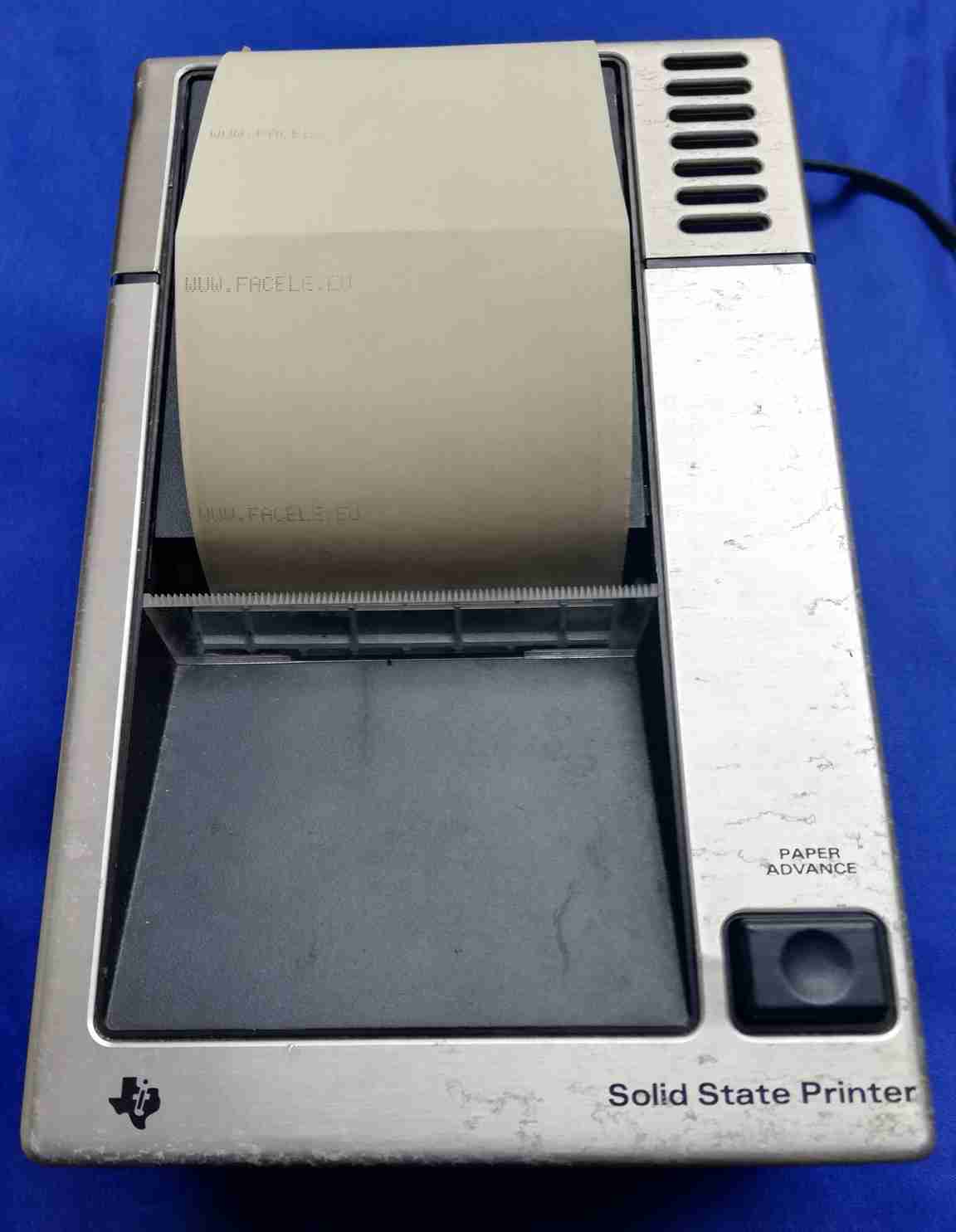
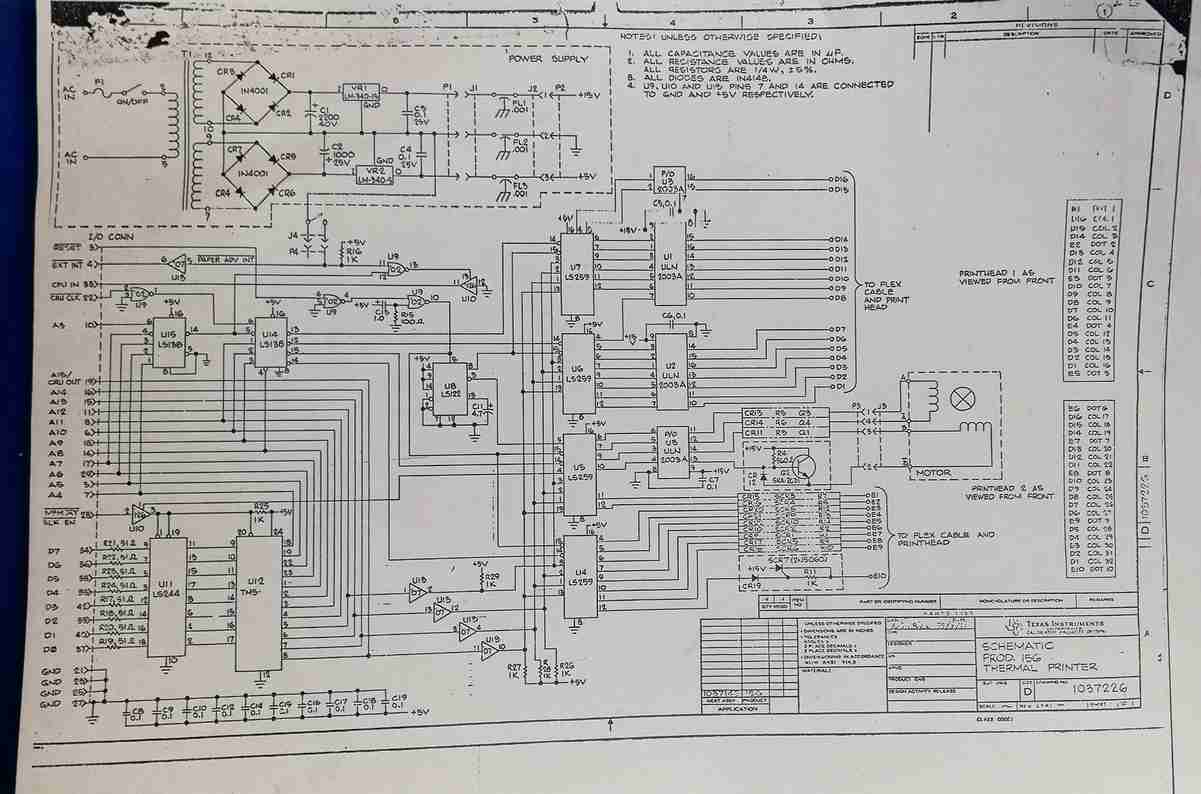 Description: PHP 1900 Sidecar Thermal Printer Solid State
If you want print, use this line in basic:
100 OPEN #1:"TP",OUTPUT
110 PRINT #1: "ciao"
120 CLOSE #1
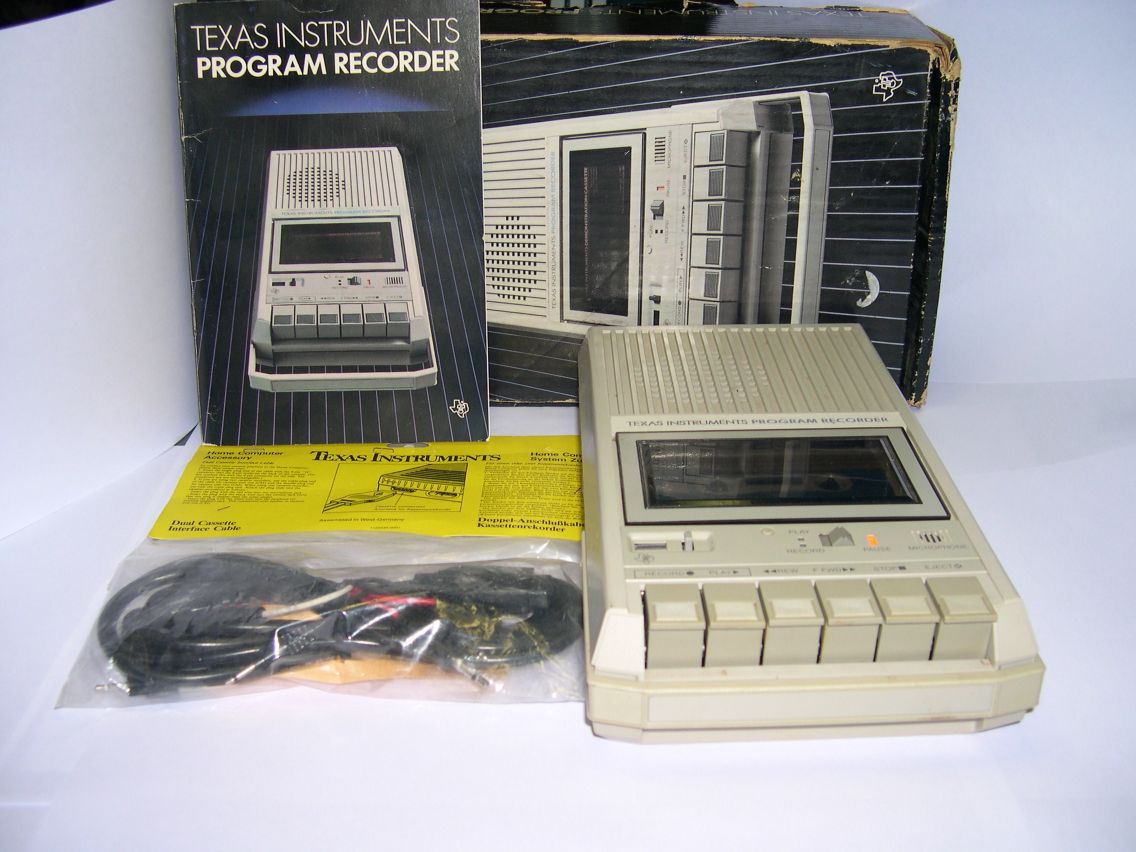 Description: PHP2700 Program Recorder
For many of us the program recorder was the first device we had to save the programs we had typed into the console. Compared to a disk drive system, the program recorder was much less expensive and, while slow, did a good job and was quite reliable.
🏪 SHOP
🛍️ On this page, the volunteer organization objects for sale are displayed.
💰 The proceeds will be used to support the activities of the volunteer organization.
❤️🔥 Public fundraising is increasingly recognized today as a fundamental tool to support the initiatives of associations.
📢 Here are the ads! 📦 For shipping, contact me ✉️ sending your address 🏠 for a quote 💬💶!!!
🎨 Paintings

In this section you will find reproductions in ink and acrylic on 40x60 cardboard ,
donated by the artist Lia Jonescu
|
Electric Heart of Texas Instruments 80 Eur each + ask for shipping |
The Birth of Digital Dreams 80 Eur each + ask for shipping |
|
Orbit of Digital Time 80 Eur each + ask for shipping |
The Talking Chip 80 Eur each + ask for shipping |

Explosion of Digital Logic 80 Eur each + ask for shipping |
Math in Color 80 Eur each + ask for shipping |

Calculator Dreams 80 Eur each + ask for shipping |


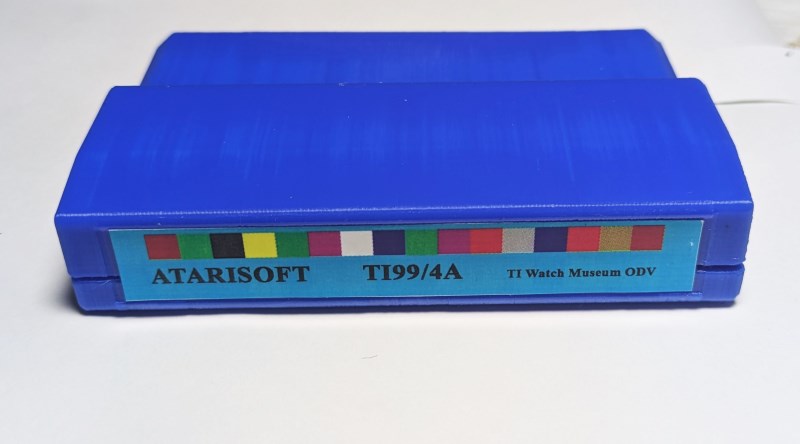
🎮 Cartridges TI-99/4A
🖥️ Home Computer TI-99/4A
|
25 Eur + ask for shipping |
25 Eur + ask for shipping |
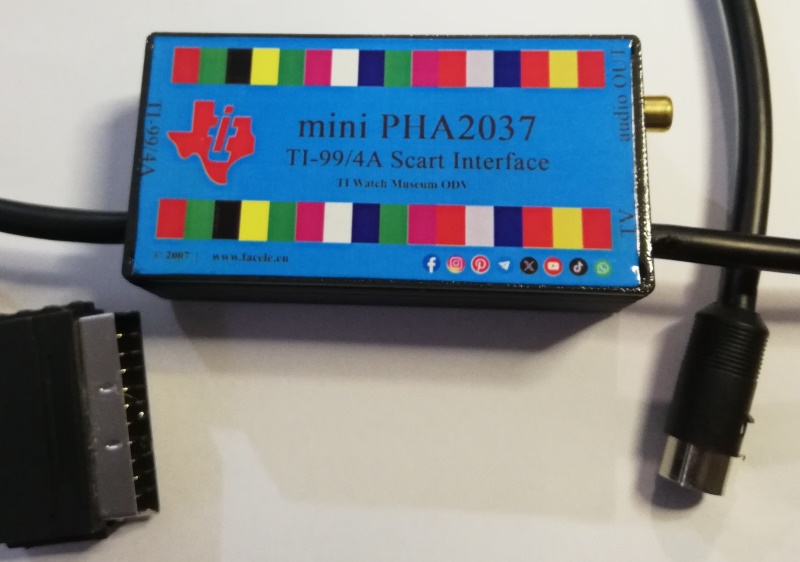
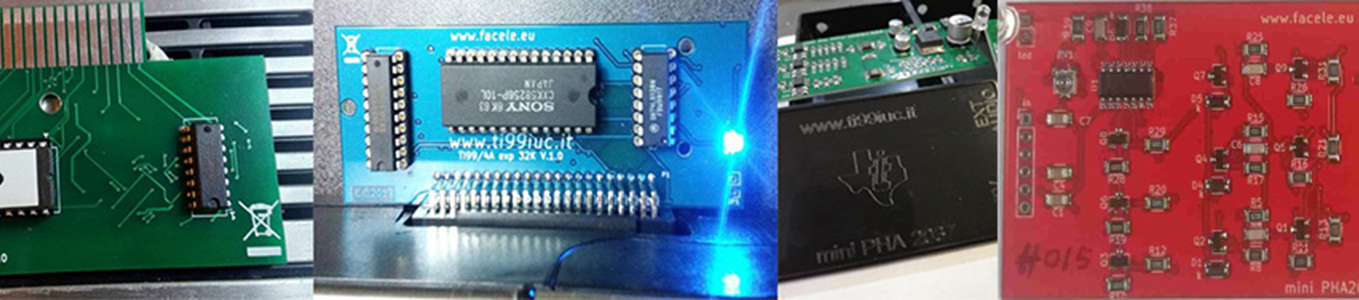
Mini PHA 2037 V.2.0 ( Pal Scart Interface ) 90 Eur + ask for shipping |
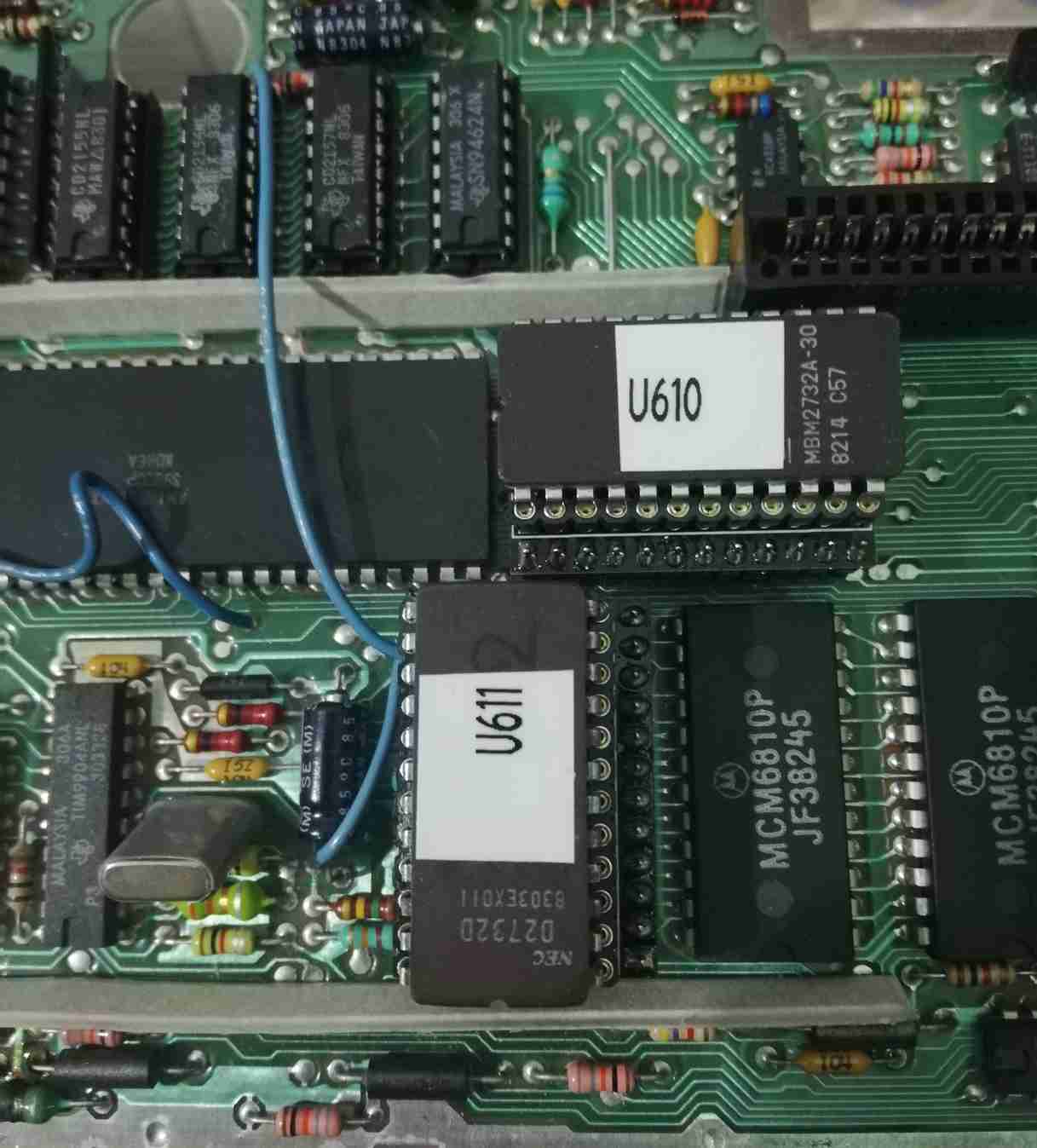
EPROM adpater 2532 to 2732 for TI-99/4A 25 Eur + ask for shipping
|
|
25 Eur + ask for shipping |
35 Eur + ask for shipping + 3d printed shell 40 Eur + ask for shipping
|
|
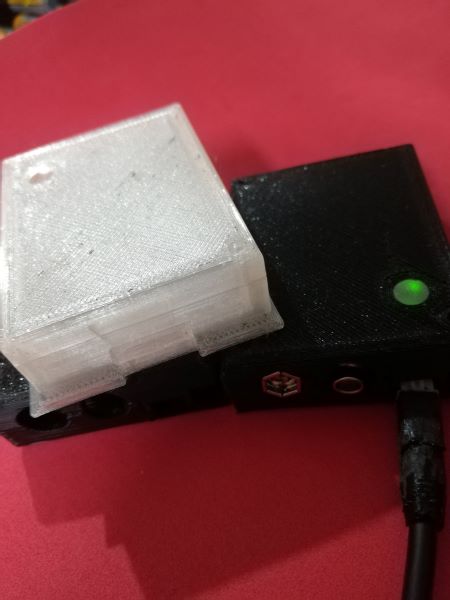
Ram Expansion 32 Kbyte with 3D printed shell 50 Eur + ask for shipping |
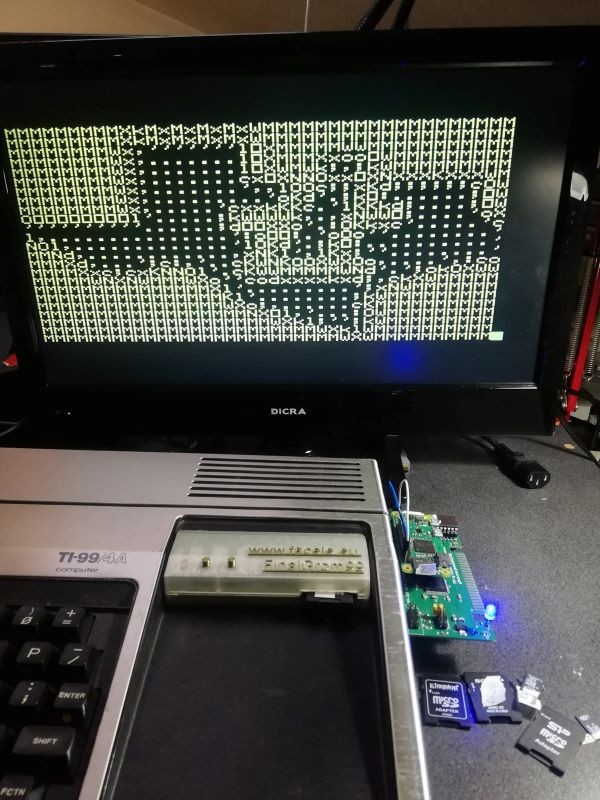
Final Grom 99 with 3d printed shell 90 Eur + ask for shipping
|
|
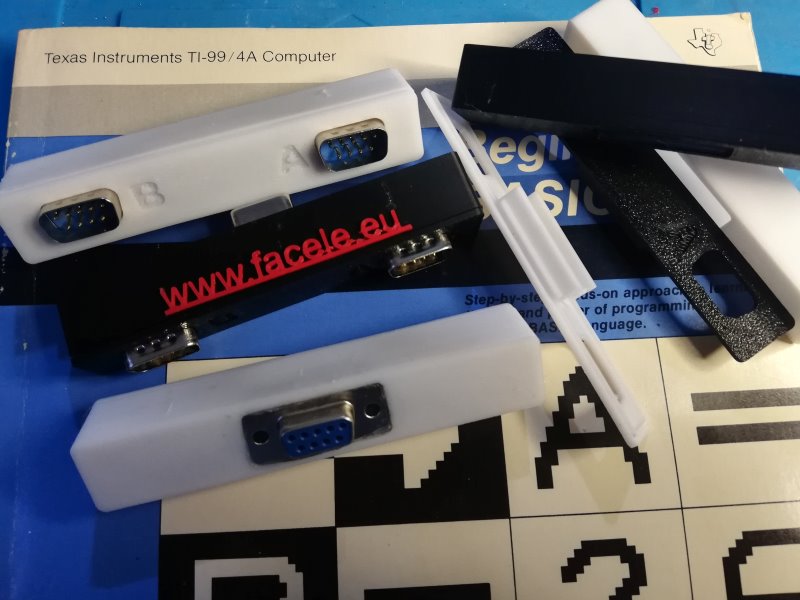
3D printed slider to turn on the TI-99/4A 2 pcs 10 Eur + ask for shipping
|


.jpg)


🧮 Texas Instruments Calculators
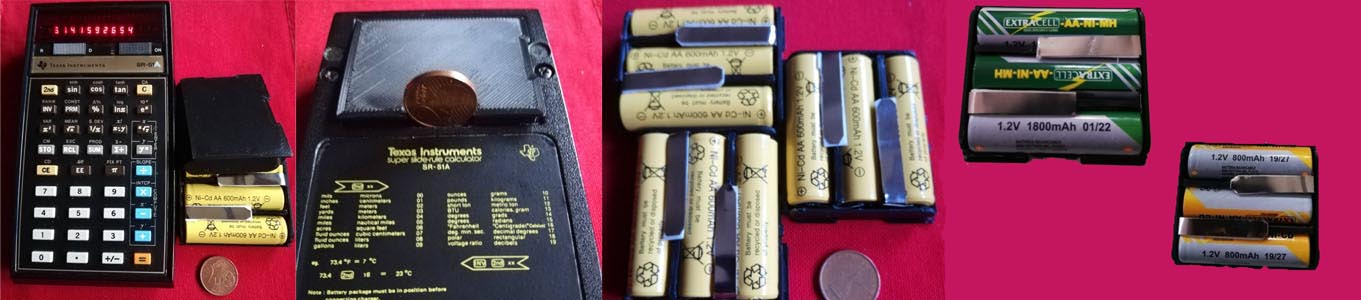
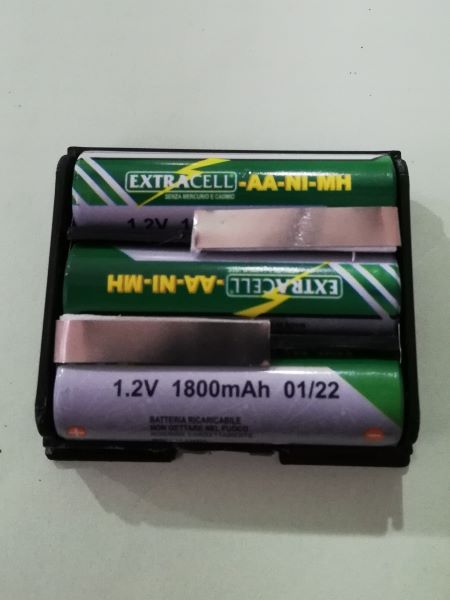 NEW BATTERY PACK BP1 ( SR-50, SR-51, SR-50A, SR51A, SR52, SR56, TI-58, TI-58C, TI-59 ) NEW BATTERY PACK BP1 ( SR-50, SR-51, SR-50A, SR51A, SR52, SR56, TI-58, TI-58C, TI-59 )
NI-MH 1800 mA 30 Eur + ask for shipping |
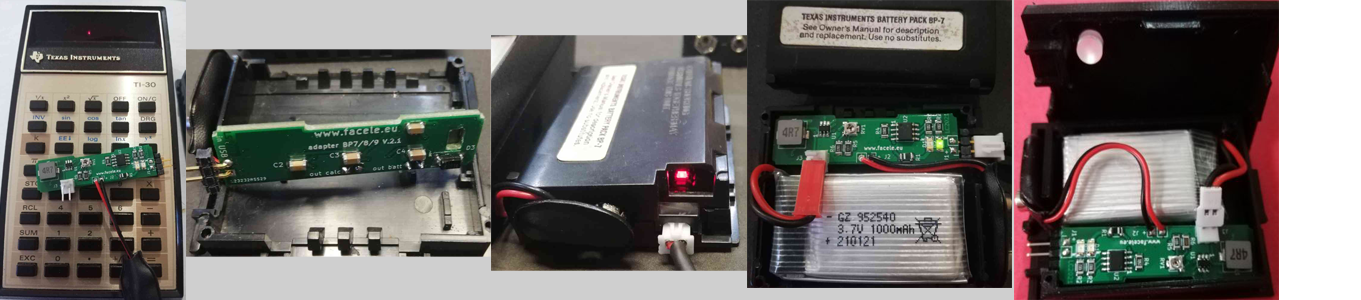
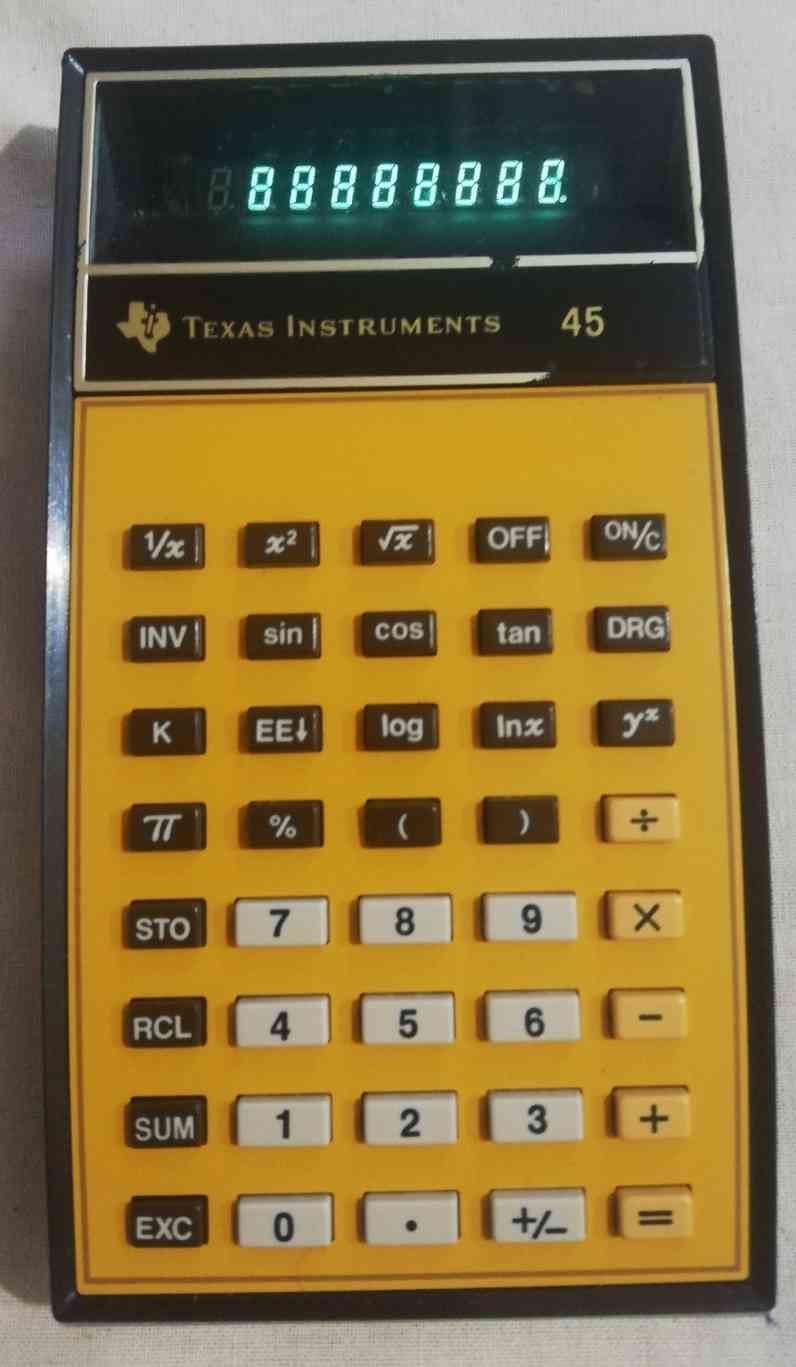
NEW BATTERY PACK BP7 ( TI-51-III, TI-55, TI-57, TI-42 MBA, MBA) BP8 ( SR-40, TI-15, TI-30, TI-31, TI-33, TI-41, TI-45, BA, BA1, Money Manager, Programmer BP9 ( TI-45 ) 40 Eur + ask for shipping |
.jpg)
NEW COVER ( TI-51-III, TI-55, TI-57, TI-42 MBA, MBA ) ( SR-40, TI-15, TI-30, TI-31, TI-33, TI-41, TI-45, BA, BA1, Money Manager, Programmer ) ( TI-45 ) 5 Eur + ask for shipping |
.jpg)
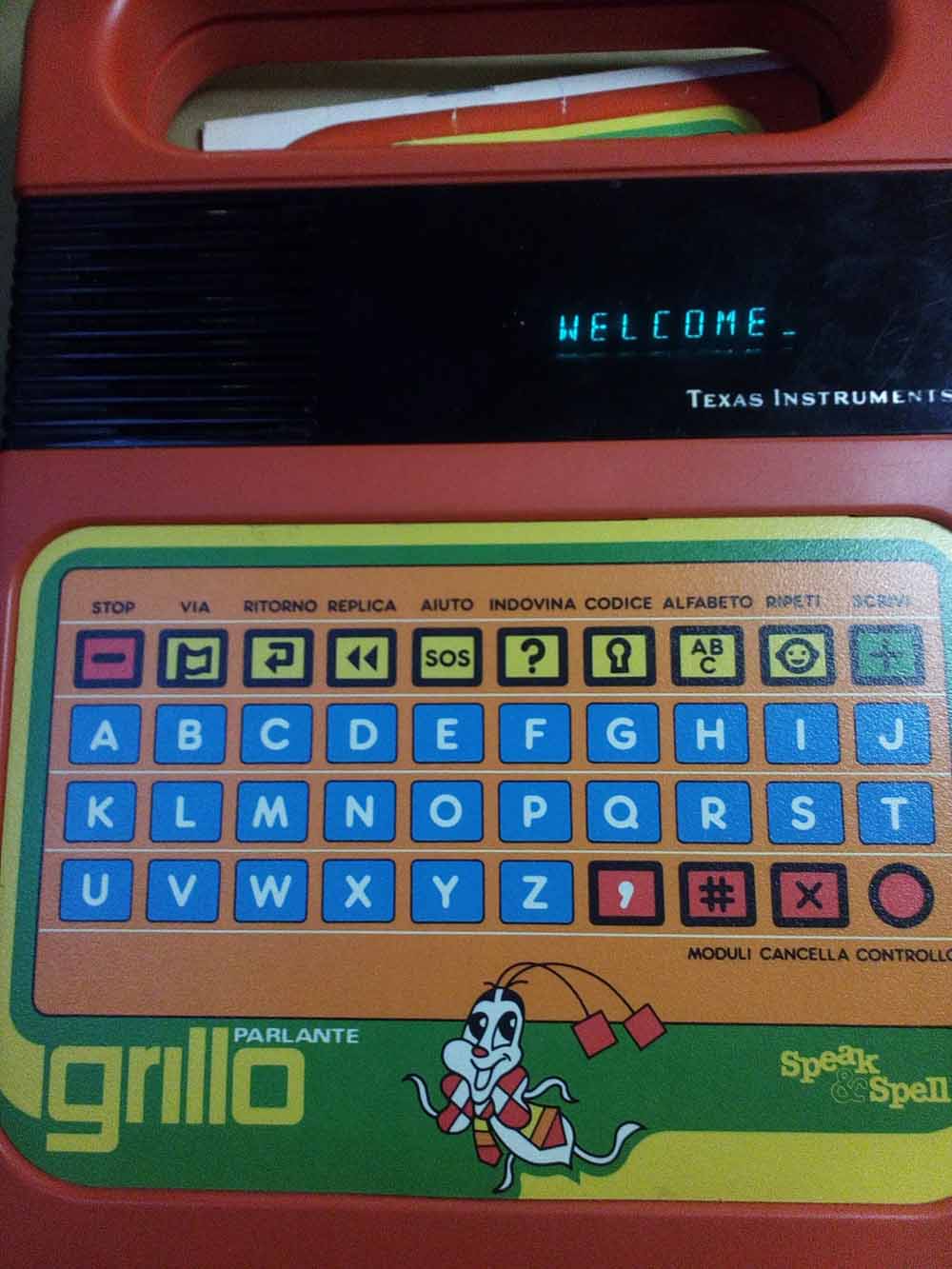
Stickers Grillo Parlante N. 2 stickers 10 Eur + ask for shipping |
🧮 # Texas Instruments
|
20 Eur + ask for shipping |
   
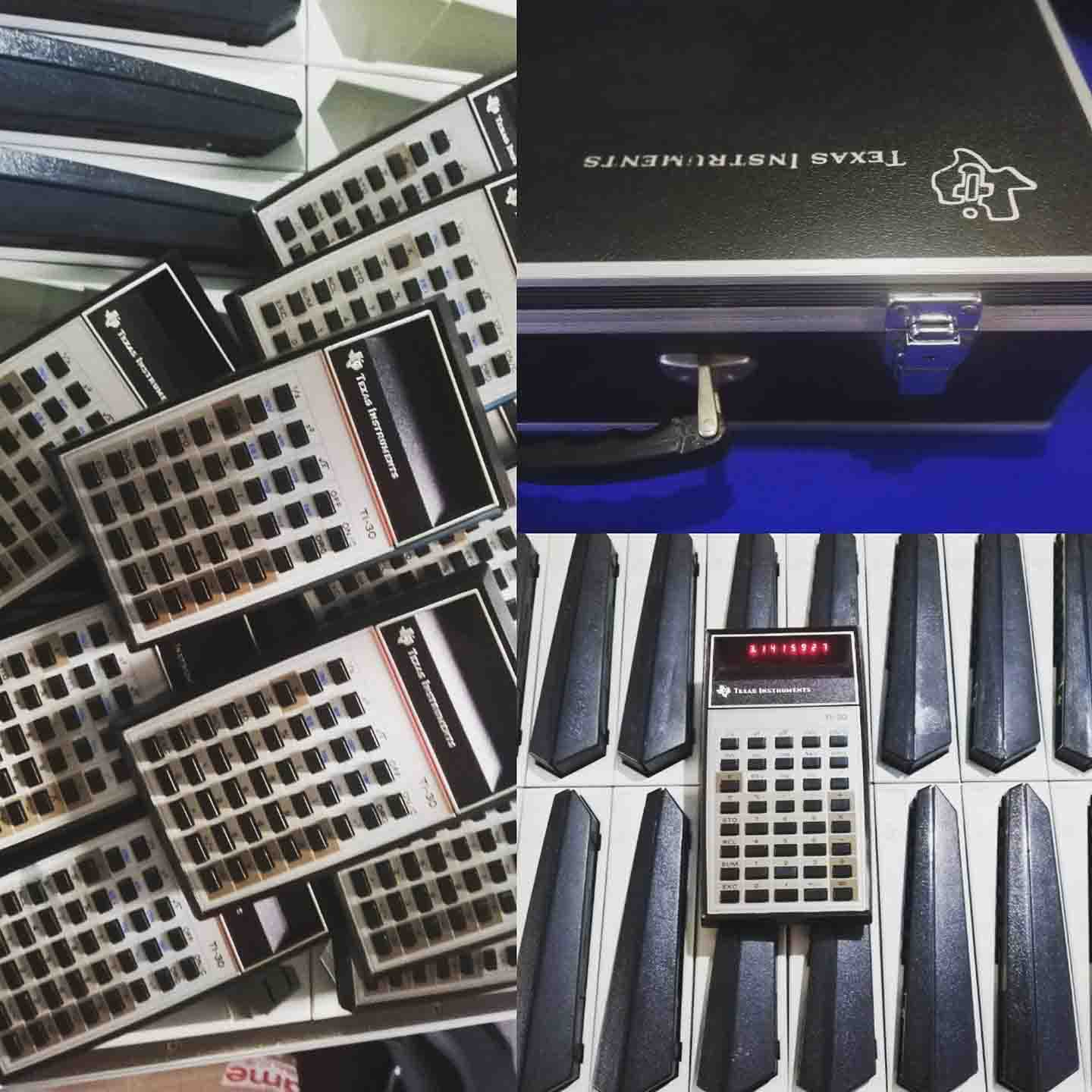
Game Handheld A very simple, handheld game with a super-vintage LED display, but with modern components.
|


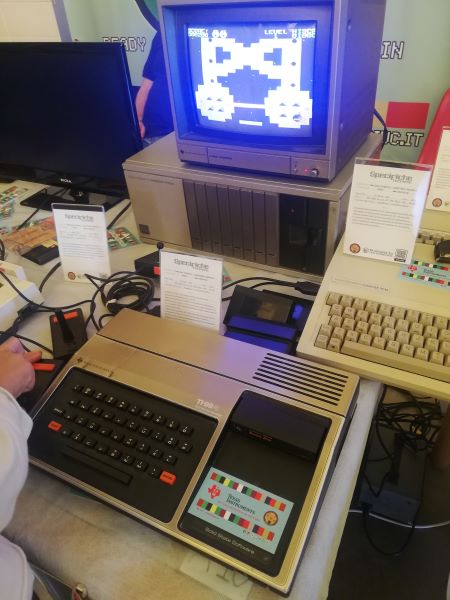 The commercial life of the TI-99/4 was however short with the announcement of its replacement with the 99 / 4A which would then be presented at the "Consumer Electronics Show", on June 30, 1981.
In order not to disappoint its customers, Texas Instruments offered to replace the old computer / 4 with the new Texas Instruments TI-99 / 4A totally free of charge but on the condition that the purchase of the / 4 had been at least 6 months before. of the release of the new model, only the shipping costs were charged to the customer.
The company T.I. tried to market the Texas Instruments TI-99/4 also in Italy and France, but due to delays, its distribution was immediately interrupted to make way for the / 4A already present in the US market. In any case, in Europe the 99/4 found no interest in the market also precisely because of the monitor alley which had a US NTSC standard and therefore problematic for European standards. Texas Instruments, strangely, never officially announced the discontinuation of the TI-99/4. In total, around 25,000 units were produced.
 TI-99/4 with inernal Speaker. In the end we also managed to get a nice TI-99/4 with internal speaker and volume control. In this photo a 32Kbyte memory expansion and an RS232 interface complete the set.
Here are the original manuals and the masks to use for playing or teaching.


 A detail from the inside, the PCB with an operational amplifier, used to drive the internal speaker via the volume slider potentiometer, which is located on the bottom of the TI-99/4.


Compared to all the others, this version has a very important peculiarity to keep in mind: the power supply that provides the three voltages (+12vdc, +5vdc and -5vdc) is not located inside the computer but outside in a plastic box as shown in the photo.

It is important to note that the 4-pin connector has a different sized pin than the other 3 pins.
Home Computer TI-99/4A
Audio Guide
|
|
|
|
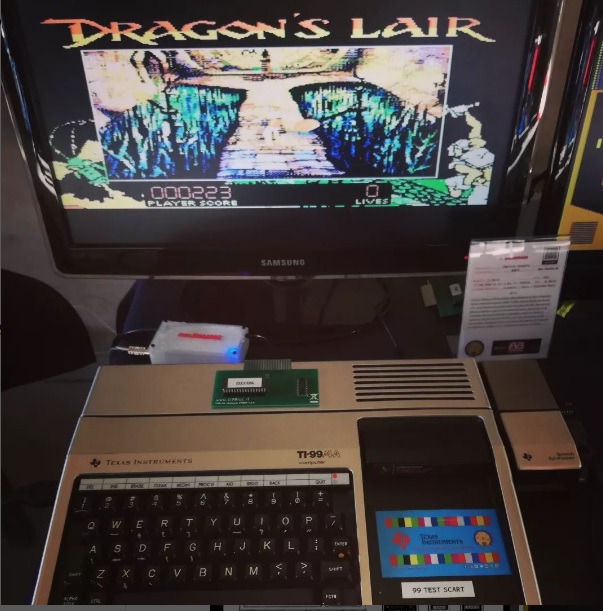 Home Computer TI-99/4A Enhanced version of the TI-99/4 model marketed at the end of 1979, it was placed on the market starting from June 1981, had a certain diffusion especially in the USA but due to the commercial war with Commodore International it was unable to achieve a significant number of sales, especially due to the success of the Commodore 64, and production ceased just two years after launch. It supports lowercase writing, unlike some machines of the time which required specific expansion, and a full-travel keyboard, and is based on the TMS-9900, a 16-bit CPU clocked at 3 MHz. The graphics are 16 colors with a video resolution of 256 x 192 pixels, organized in 32 columns x 24 rows, with characters (ASCII or user definable) based on 8 x 8 pixels.
Built around a single block, which contains the CPU, the motherboard and the cartridge slot (SSC Solid State Cartridge), it also had a 5.25" floppy disk drive, a serial card, among other options. RS-232 equipped with two serial ports and one parallel, a P-Code card for supporting the Pascal programming language, a thermal printer, an acoustic coupler, tape drives for saving and loading data (on normal cassettes), a pair of joysticks and a 32 kB memory expansion. The peculiarity of the machine was that it was sold already equipped with a monitor (a modified version of a 13" Zenith Color TV), as the RF adapter for connection to a normal TV it never obtained certification from the Federal Communications Commission. In Italy it was sold without a monitor and the video output was fully compatible with normal televisions. Another peculiarity for the time was the presence of an optional speech synthesizer, exactly like the one present in the Atari 2600, which allowed the software or games to be equipped with speech synthesis. The synthesizer was provided free of charge to customers after the purchase of a certain number of cartridges, and was widely used in several video games written by TI itself.
TI99-4A Main BOARD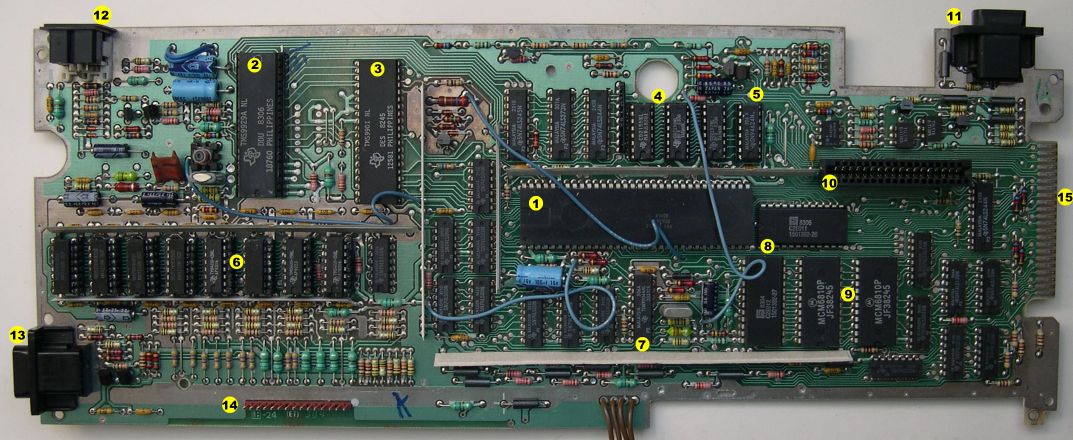 Released:June 1981 Price: US$525 (without monitor) How many:2.8 Million
CPU:TI TMS9900, 3MHz Memory:16K RAM, 26K ROM Sound: 3: channels + effect Joystick: 2
Display:Video via an RF modulator 32 characters by 24 lines text 192 X 256, 16 color graphics
Ports:ROM cartridge (on front) Data storage cassette Audio/Video output Joystick input CPU bus expansion
Peripherals:Speech Synthesizer Peripheral Expansion Box Data storage cassette 300 baud modem
OS:ROM BASIC
| 1 | TMS9900 CPU central process unit |
| 2 | TMS9918A VDP video display processor |
| 3 | TMS9901 HW Interface |
| 4 | Grom Chips CD2155/CD2156/CD2157 |
| 5 | TMS9919/SN94624 Sound Chips |
| 6 | 8 x TMS4116 RAM Chips |
| 7 | TMS9904 Clock Generator |
| 8 | 2 x 4k ROM chips (1501392-26) |
| 9 | 2 x 128 byte MCM6810P Scratch-pad RAM |
| 10 | Command Module Connector ( cartridges ) |
| 11 | Cassette Port |
| 12 | Video Port |
| 13 | Joystick Port |
| 14 | Keyboard Connector |
| 15 | Expansion Port |
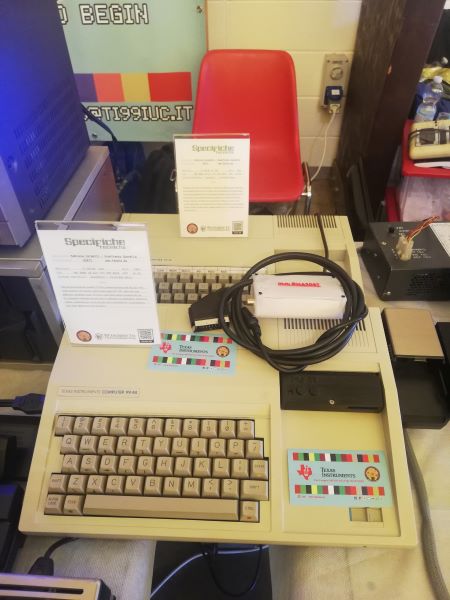 In August of 1983 TI released the TI-99/4A QI. Though this name was not official for the console, it was what the motherboard was designated. QI stood for Quality Improved. No visual changes were made to the exterior of the console, and in fact they are very hard to distinguish from the beige models. On the other hand, major changes were made to the internal components of the QI. We will take a look at these changes a little later.
One change that was made that created major grumbling was TI's decision to change the internal workings to lockout unlicensed ROM cartridges. This was done to keep other 3rd party companies from producing cartridges for the TI-99/4A. Not all QI consoles had this "feature", and even non QI, later beige consoles may have. It is easy to determine if you have the lockout or not. Look at the first screen (the one with the color bars) when you turn on the console, if you show a copyright date of 1981 you do not have the lockout, but if it shows a copyright date of 1983 then you do.
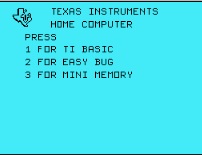
The TI-99/4 and TI-99/4A are home computers released by Texas Instruments in 1979 and 1981, respectively. Based on the Texas Instruments TMS9900 microprocessor originally used in minicomputers, the TI-99/4 was the first 16-bit home computer, and the associated video display controller provided color graphics and sprite support that was among the best of its era.
The calculator-style keyboard of the TI-99/4 was cited as a weak point, and TI's reliance on ROM cartridges and their practice of limiting developer information to select third parties resulted in a lack of software for the system. The TI-99/4A was released in June 1981 to address some of these issues, featuring a simplified internal design, full-travel keyboard, improved graphics, and a unique expansion system. At half the price of the original model, sales picked up significantly and TI supported the 4A with peripherals, including a speech synthesizer and a "Peripheral Expansion System" box to contain hardware add-ons. TI released developer information and tools, but the insistence on remaining sole publisher continued to starve the platform of software.
The 1981 US launch of the TI-99/4A followed the Commodore VIC-20 by several months. Commodore's CEO Jack Tramiel had once been offended by TI's predatory pricing during the mid-1970s, and retaliated with a price war by repeatedly lowering the price of the VIC-20 and forcing TI to do the same. By 1983, the 99/4A was selling for under US$100, at a loss. Even with the increased user base created by the heavy discounts, Texas Instruments suffered a US$330 million loss in the third quarter of 1983 and announced the discontinuation of the TI-99/4A in October 1983, with production ended in March 1984.
The TI-99/4 was intended to fit in the middle of a planned range of TI-99 computers, none of which were ultimately released but prototypes and documentation have been rediscovered after the TI-99/4A was discontinued.
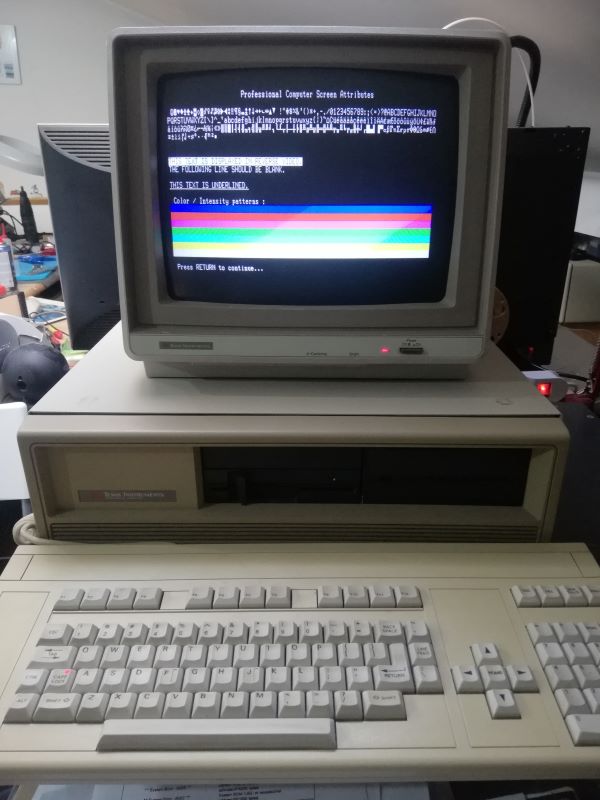
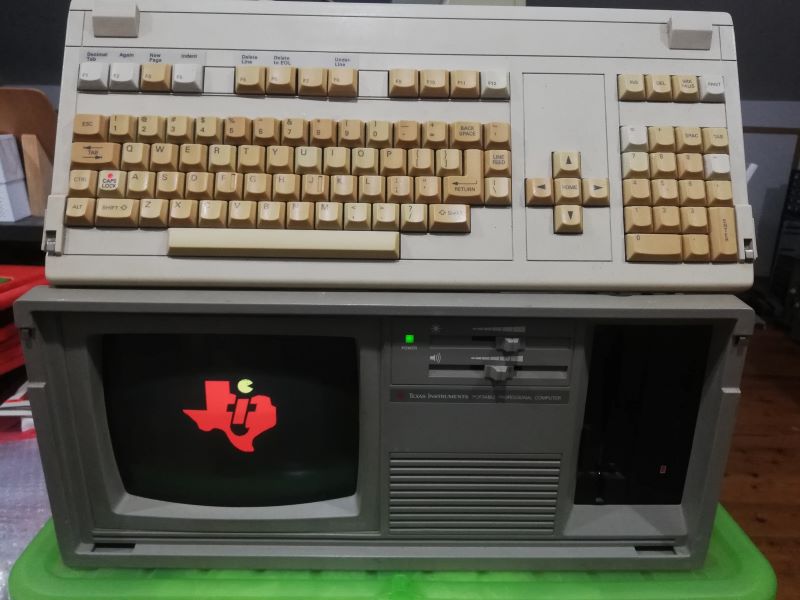
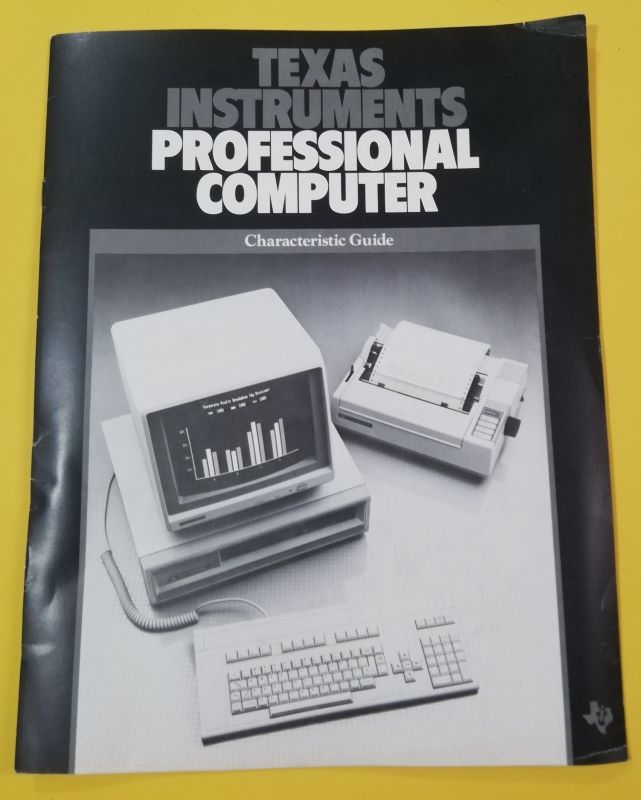 Model: Professional Computer (PC) Color Version
Adapter: 110 volt or 220 volt (Italy)
Year: 1983
Keyboard: QWERTY full-stroke keyboard with arrow keys and separated numeric keypad
Cpu: Intel 8086 Speed: 5 mhz CO-processor: 8087 Ram: 64k (up to 768k) Sound: Beeper
Text mode: 80 x 25 Graphics mode: 720 x 300
Size - Weight: 47 x 42 x 19 cm / 12 kg with monochrome monitor / 14 kg with the color monitor
I/O ports: Parallel/Centronics port, 5 expansion slots (non IBM compatible), 4 x serial ports
Media: two 5''1/4 disk-drive (320k) OS: MS-DOS 2.1 CP/M 86, UCSD P-system, Prologue and Concurrent CP/M 86.
Peripherals: 10Mb or 20Mb hard-drive ( need interface), RAM expansion cards, Voice recognition card, Ethernet card.
Price: 64k model about 3000$ (USA, november 1983) / 64k model : £ 4.000.000 (Italy, 1985)
Info: The TIPC is very similar to the IBM PC both architecturally and from a user-experience perspective, with some technically superior aspects.It is based on the Intel 8088 CPU and an optional Intel 8087 floating point coprocessor. It supports MS-DOS compatible operating systems,but is not a fully IBM PCcompatible computer. Alternative operating systems are CP/M-86, Concurrent CP/M-86, and the UCSD p-System. The TIPC was reviewed in Byte magazine in its December 1983 issue. The CPU clocked at 5 MHz (a bit faster than the 4.77 MHz of the IBM PC) and has 64 KB of RAM pre-installed. A RAM board can be installed in an expansion slot providing an additional 192 KB or RAM, for a maximum of 256 KB. A later version supports up to 768 KB of total memory. The computer featured 5 expansion slots and has either a 12-inch green-phosphor monochrome (CRT) monitor or a 12-inch color monitor with a color graphics resolution of 720x300 pixels. For text, the display shows 25 lines of 80 columns each. The device has a 5¼-inch floppy disk drive and can support a second floppy drive or a "Winchester" hard drive without requiring the use of an expansion slot or separate chassis, and typically features one of each.
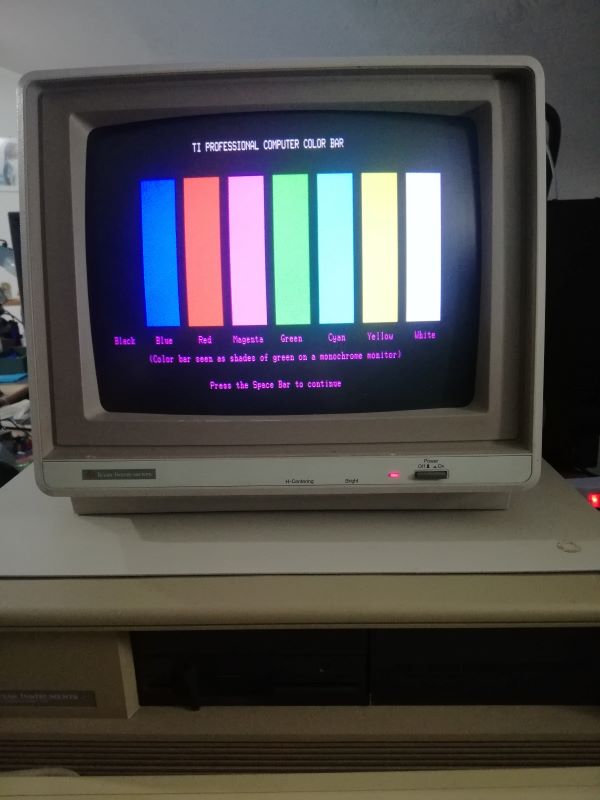
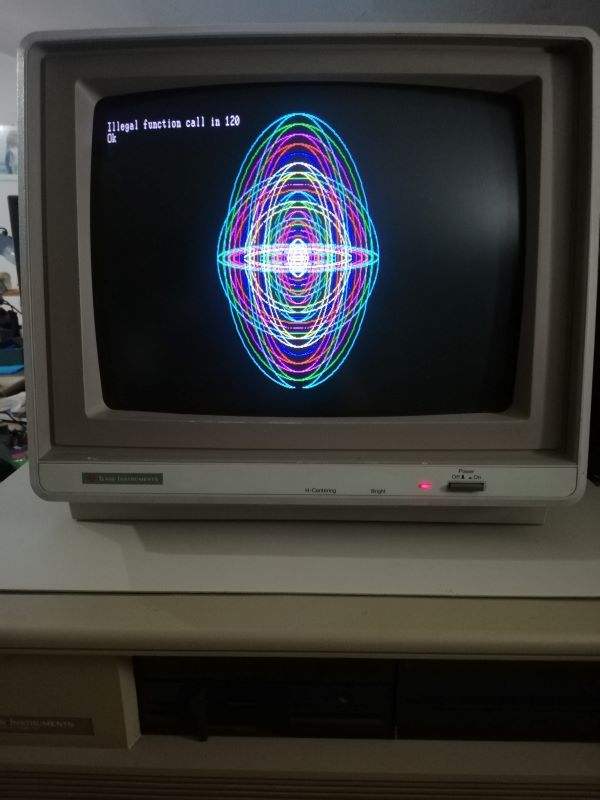
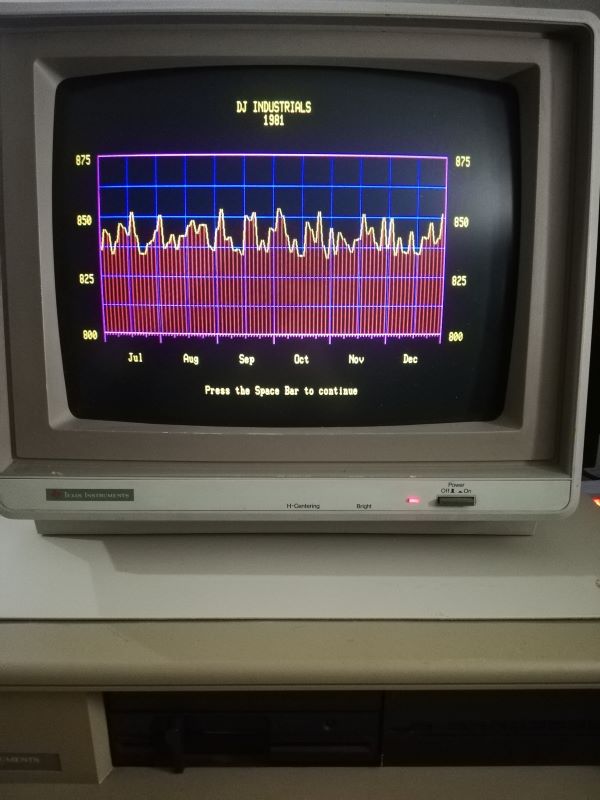
Troubleshooting
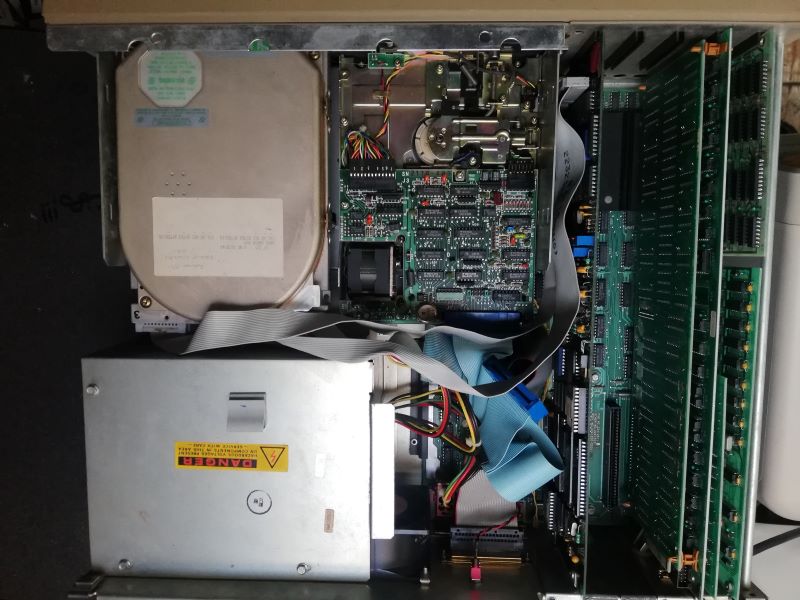
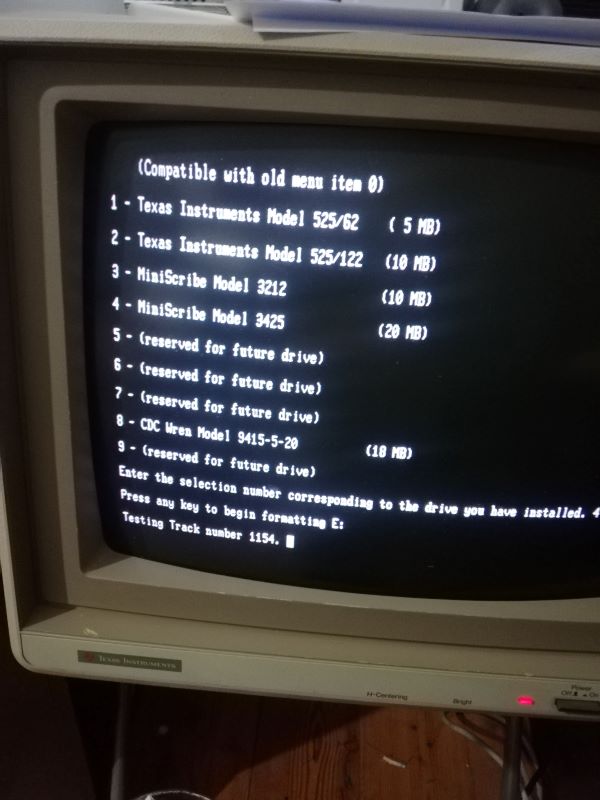 For this TIPC we used a Seagate ST225 (20 mByte) to be formatted with option 4 (miniscribe 3425). One thing that takes you back in time is the wship.com command from DOS 2.13 that allows you to park the HD heads.
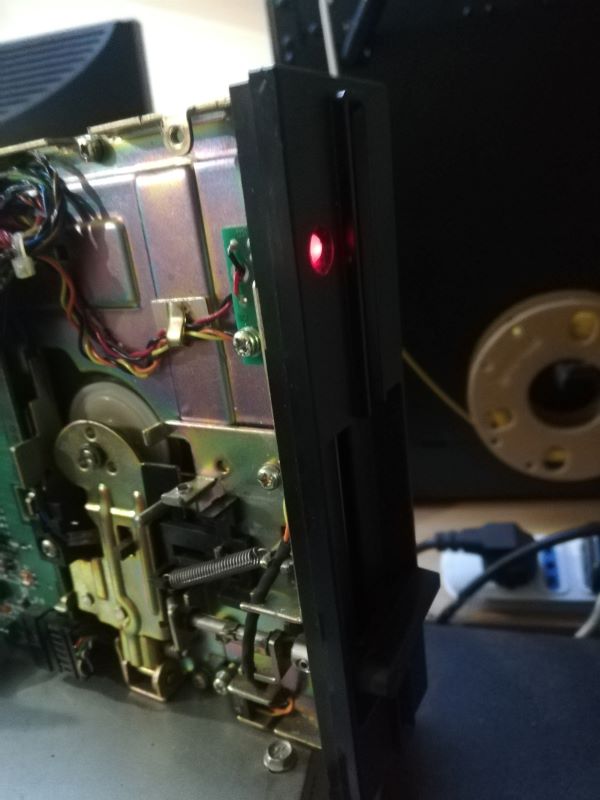 As for the floppy we used this 360 kByte y53, as we have to repair the original one.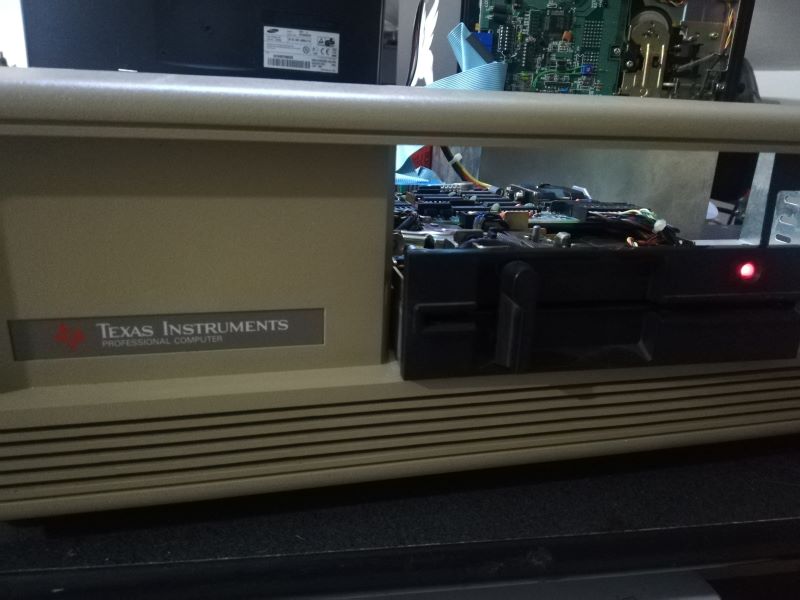
Library
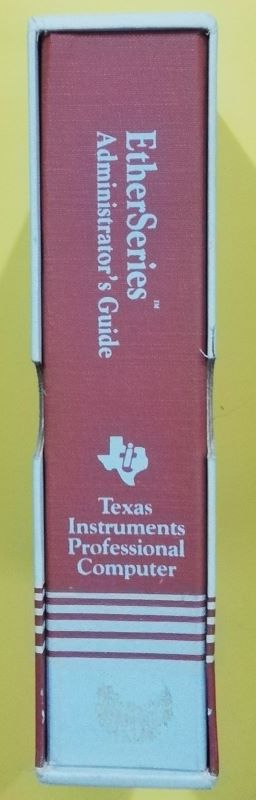
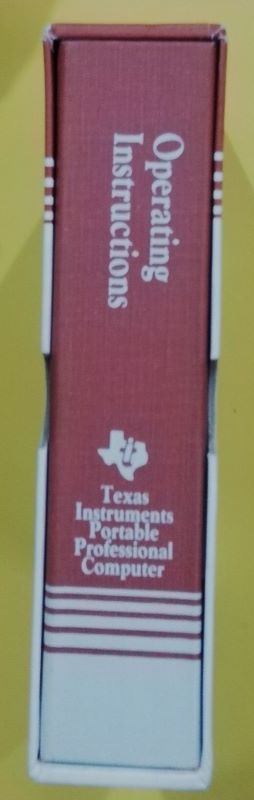
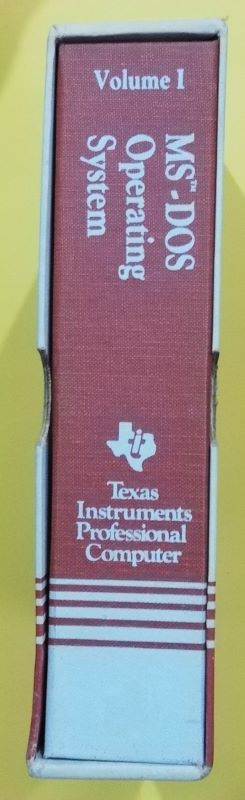
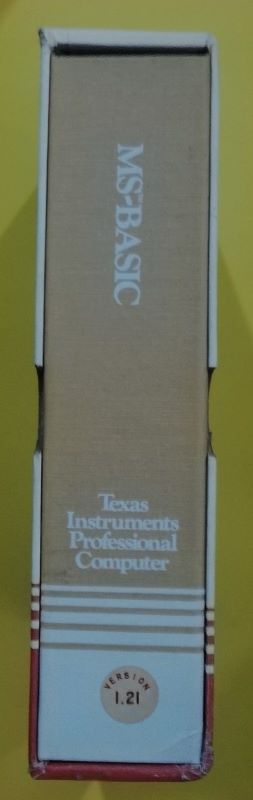
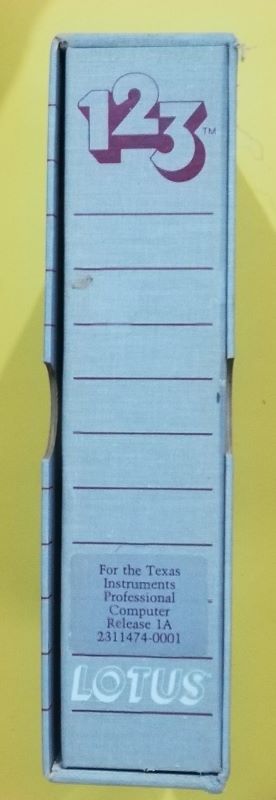
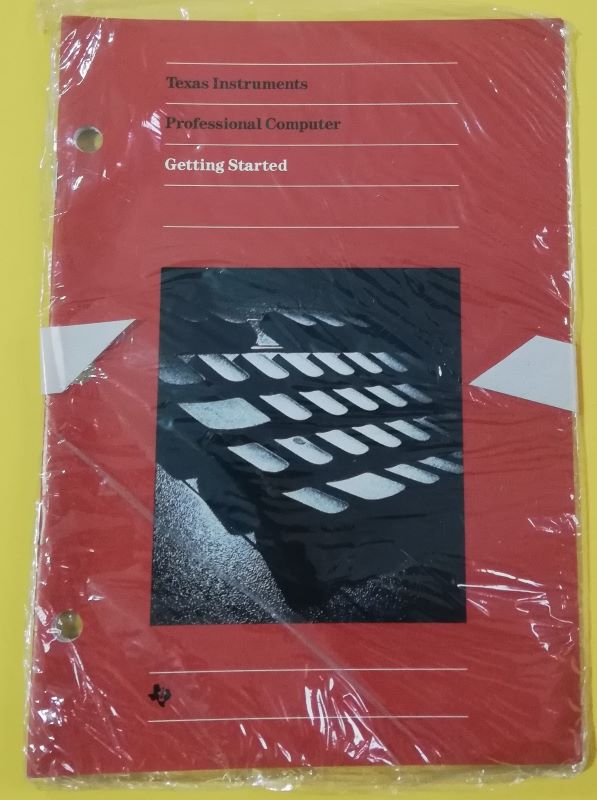
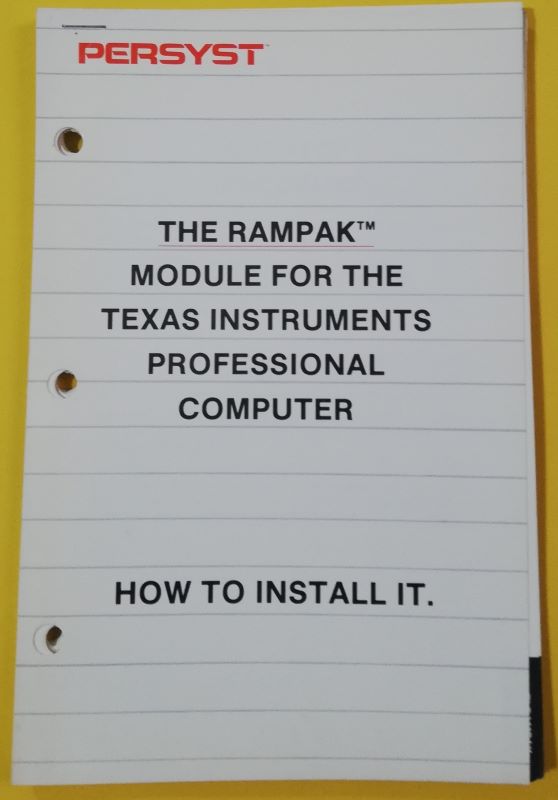
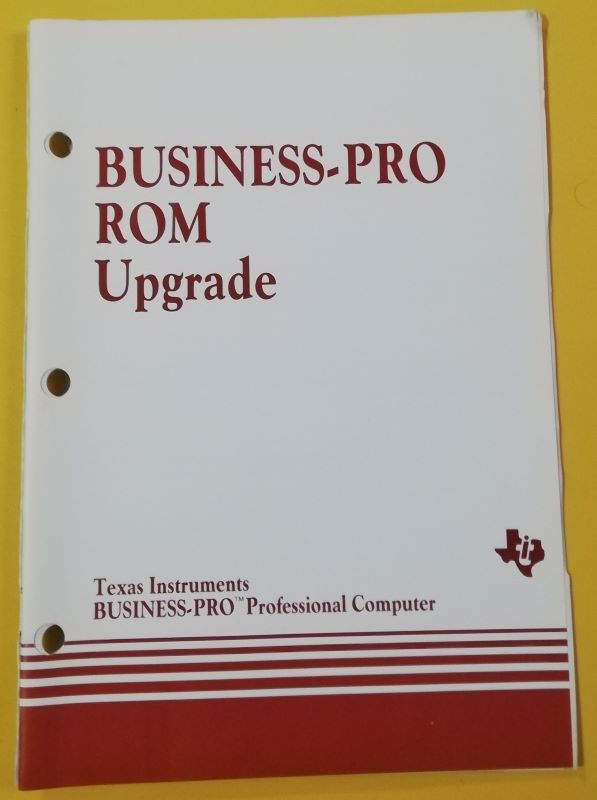
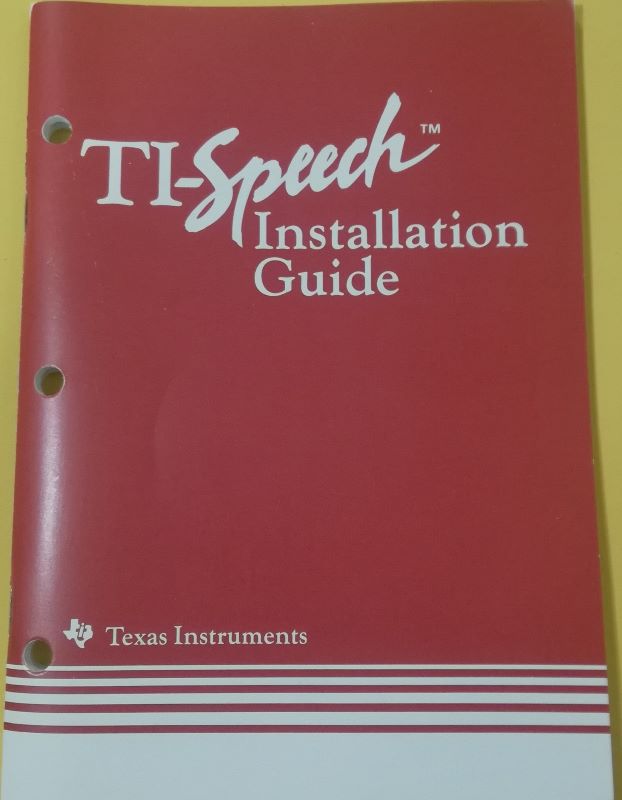
Hardware Interface
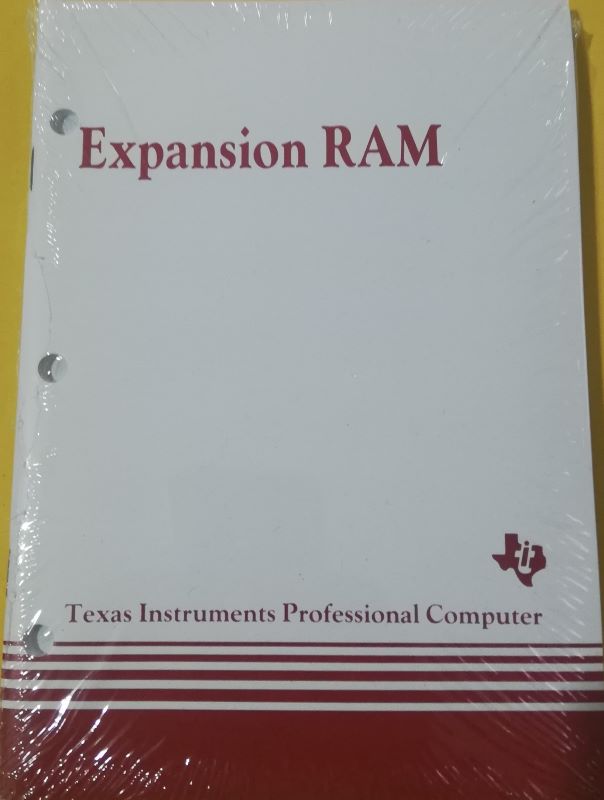
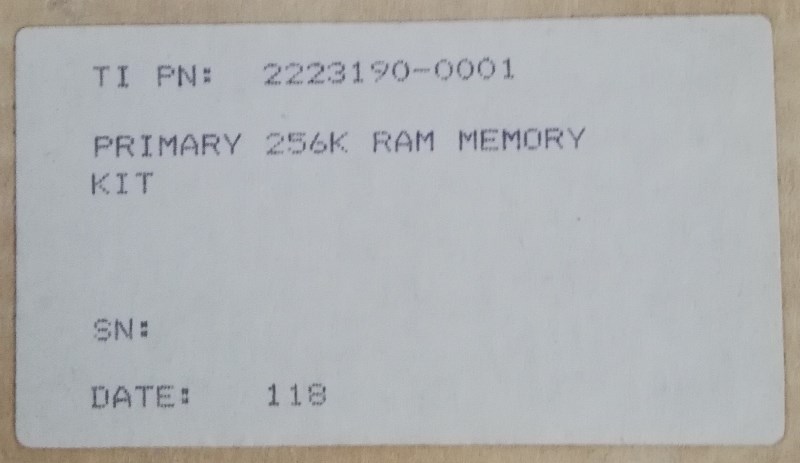
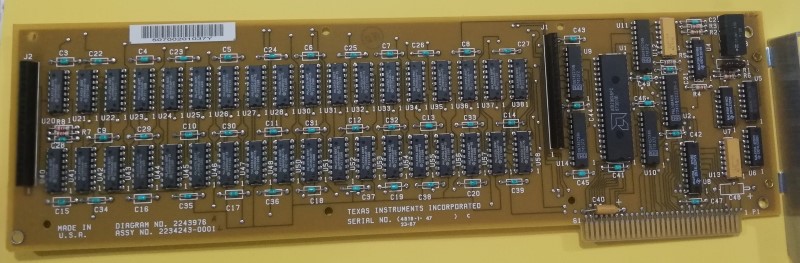 Model: Expansion RAM Card assy: 2234243-0001
Info:
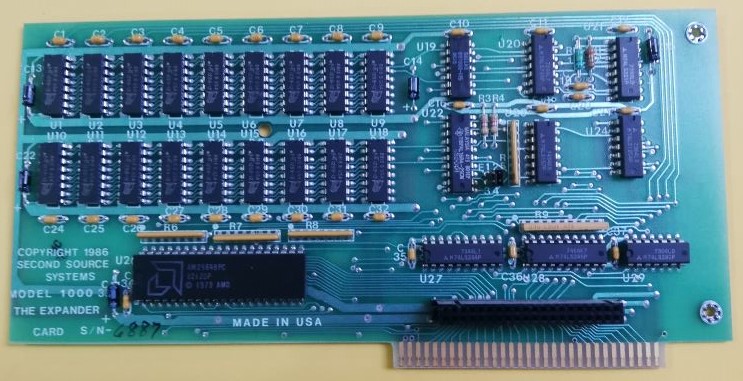
Model: Expander Card Second Source Mod.1000
Model: Second Source Mod. SP1100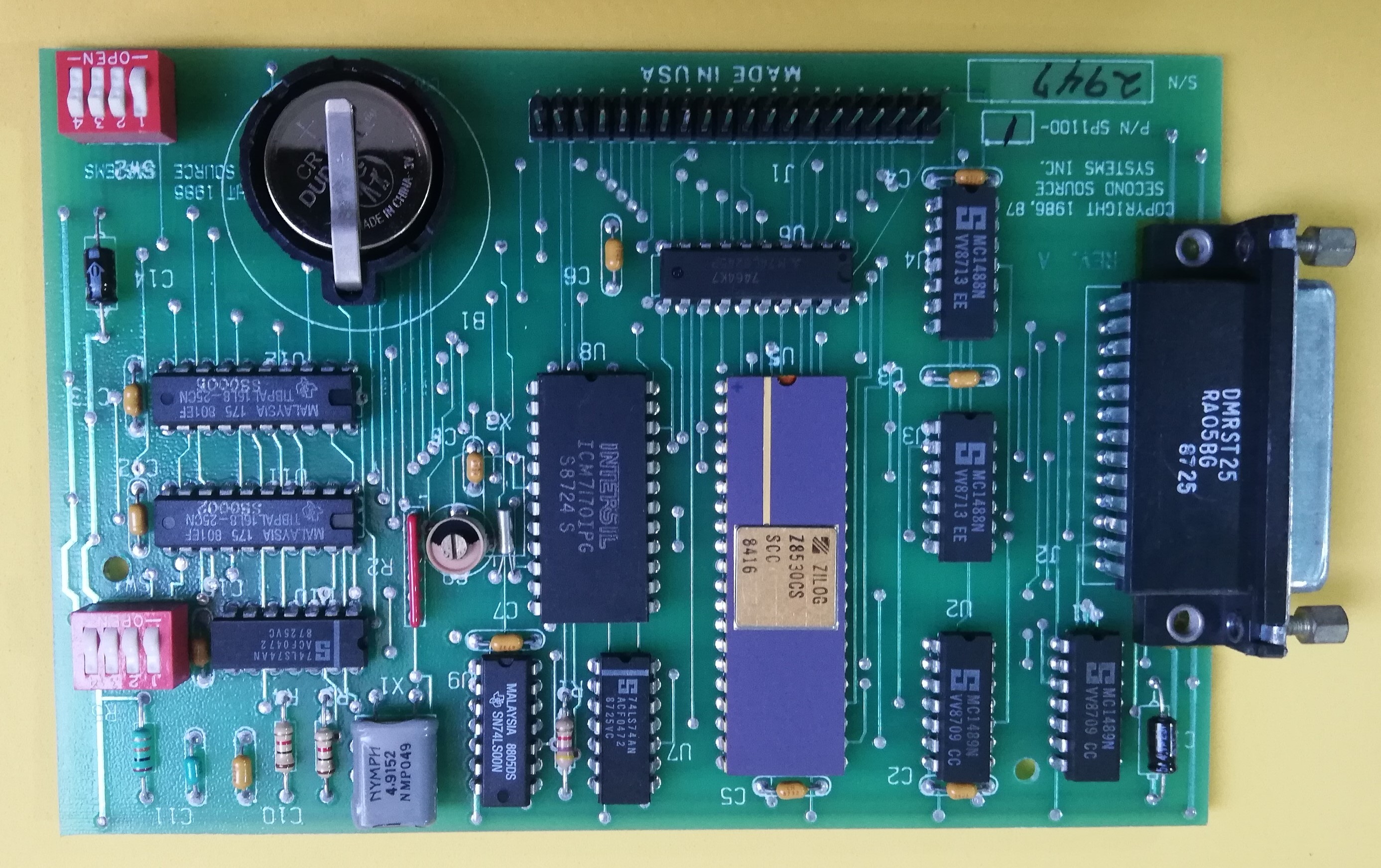
Info: This board is mounted in sandwich on the expander board, battery is BR2325
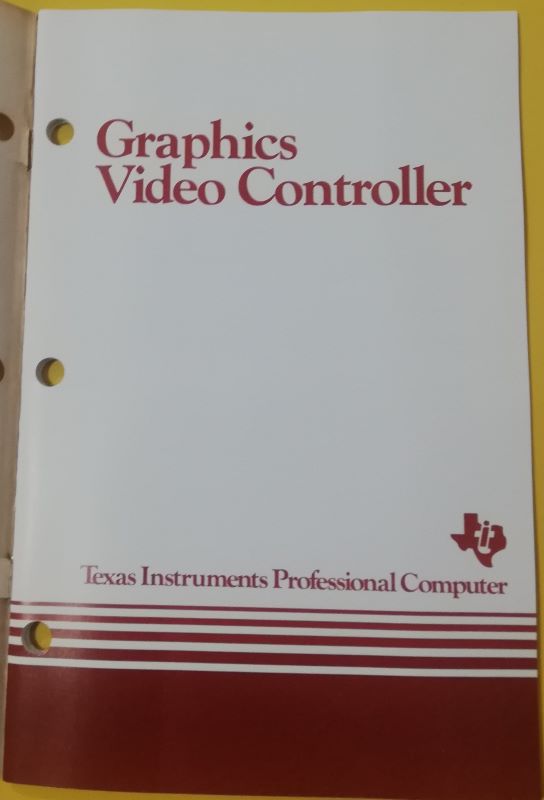
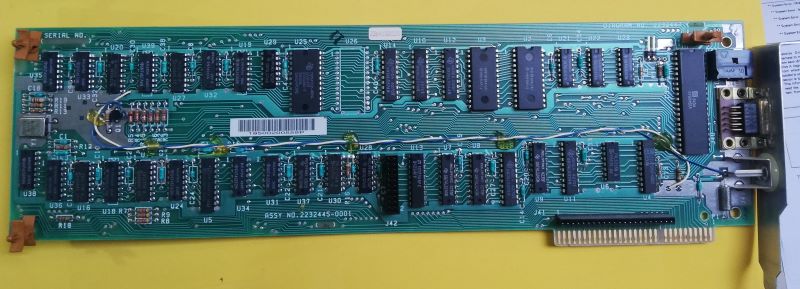 Model: Monochrome Graphics Video Controller assy:2232445-001
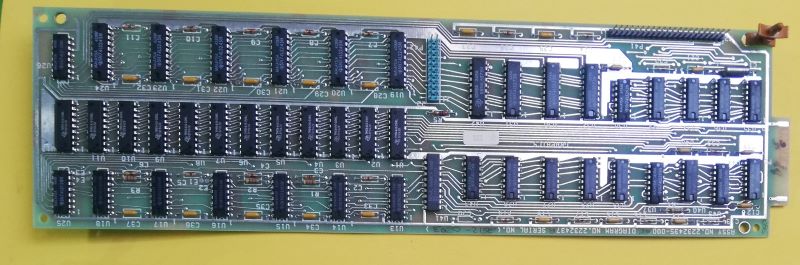
Model: Color Graphics Video Controller assy:2232435-000
Info: For monochromatic operation, only the monochromatic card is used; to have the color function it is necessary to insert the color card sandwiched on the monochromatic card.
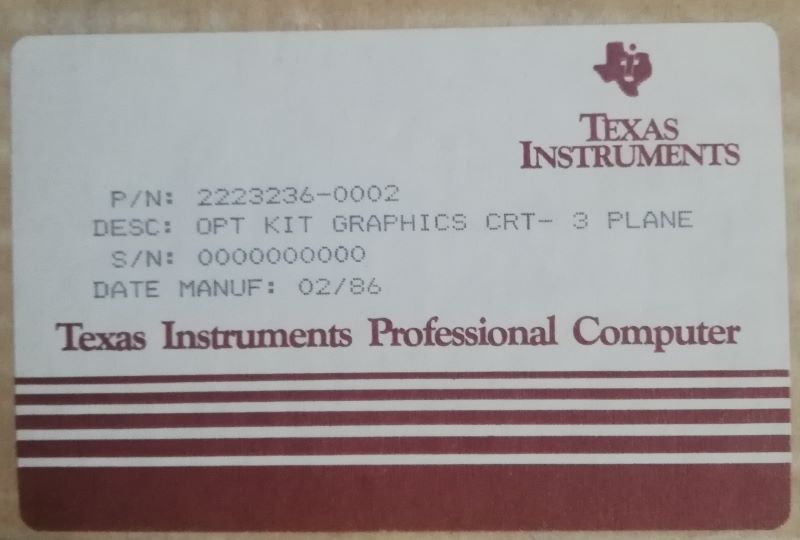
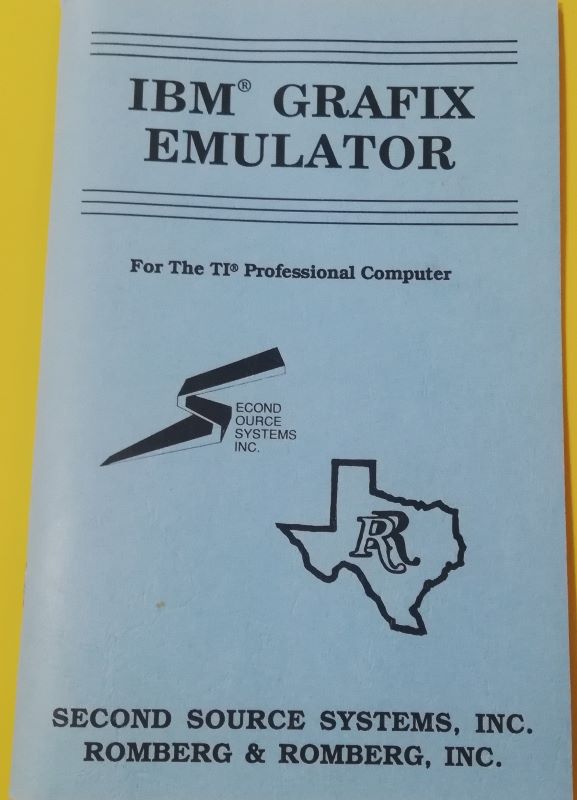
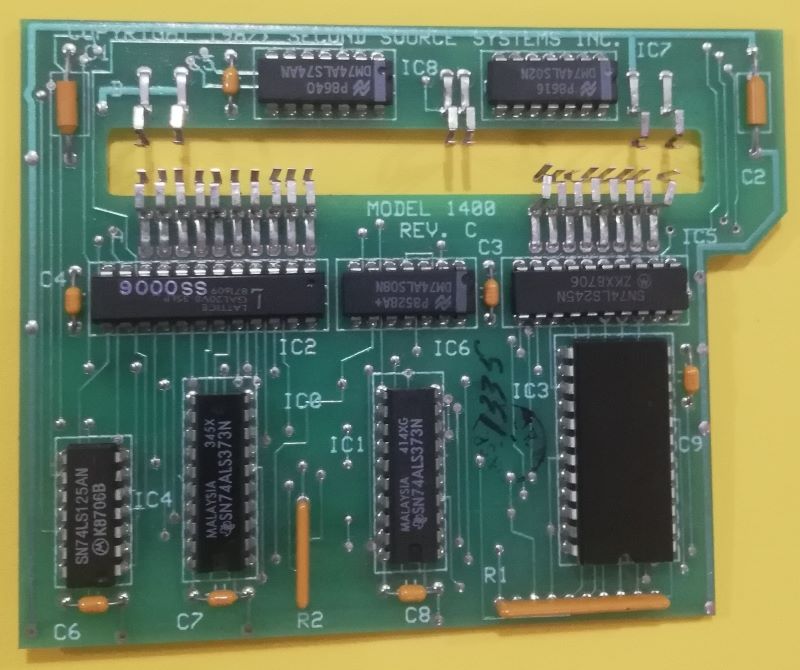 Model: IBM Graphics Emulator
Info:
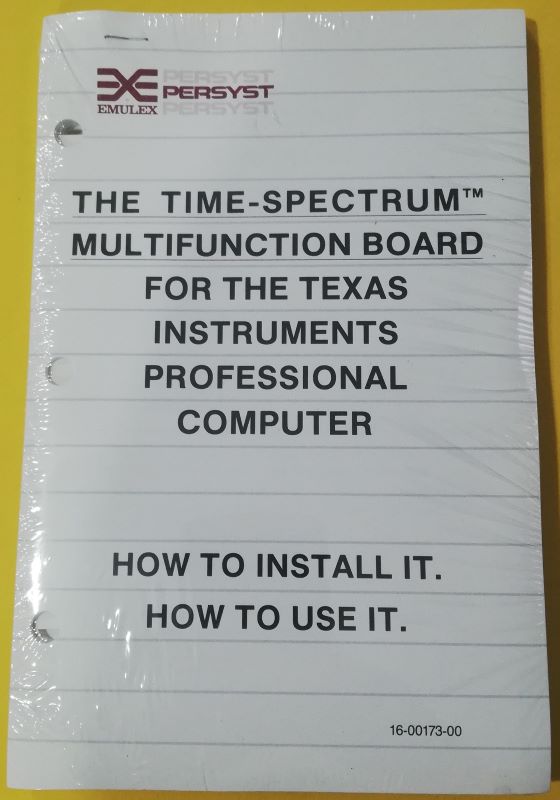
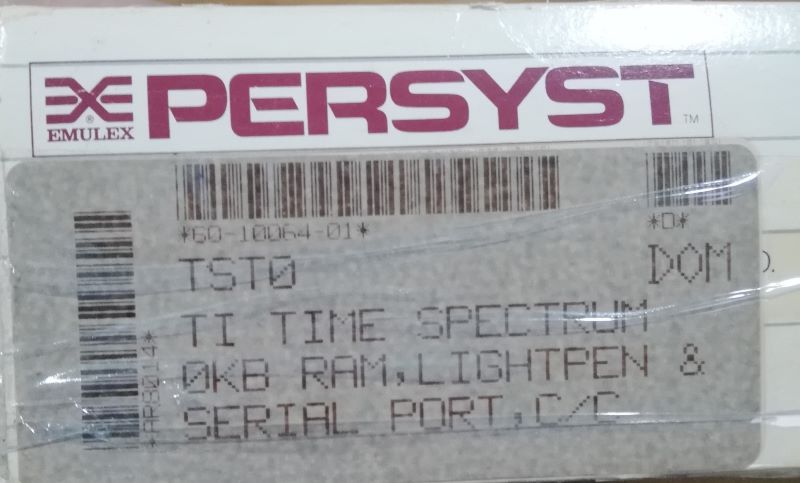
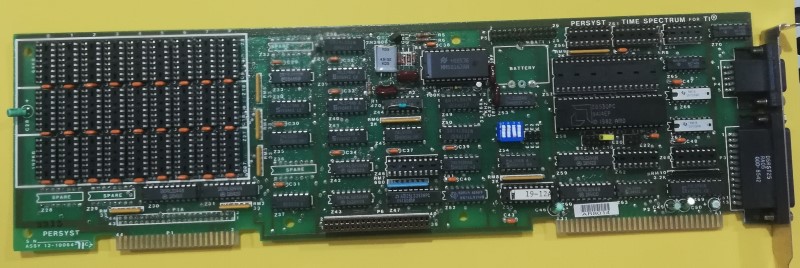 Model: The time Spectrume multifunction Board
Info:
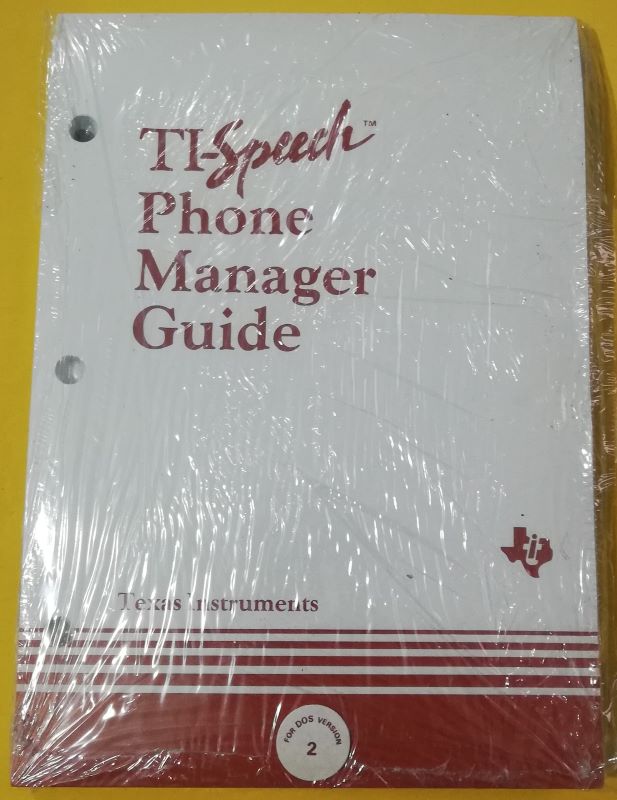
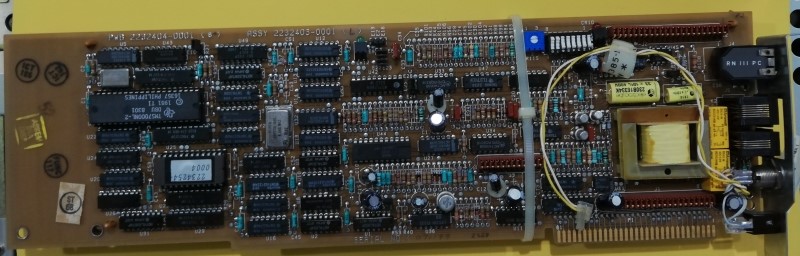 Model: TI speech Phone Manager
Info:
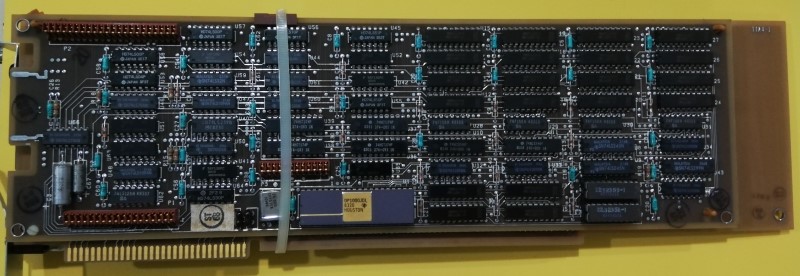
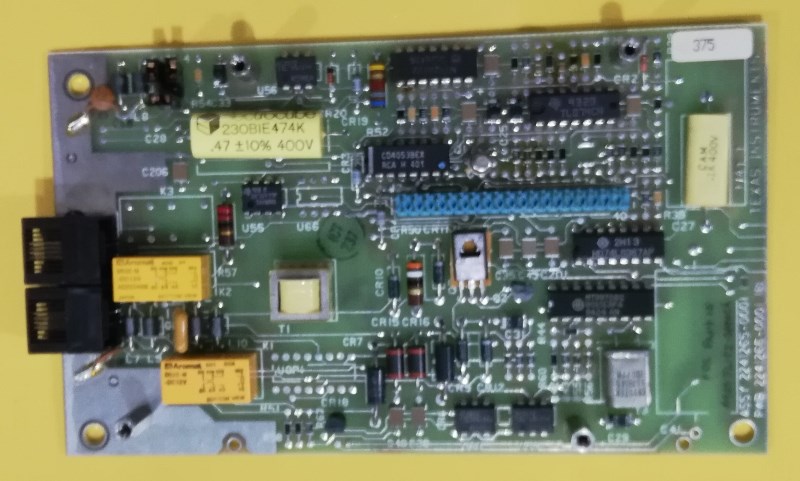
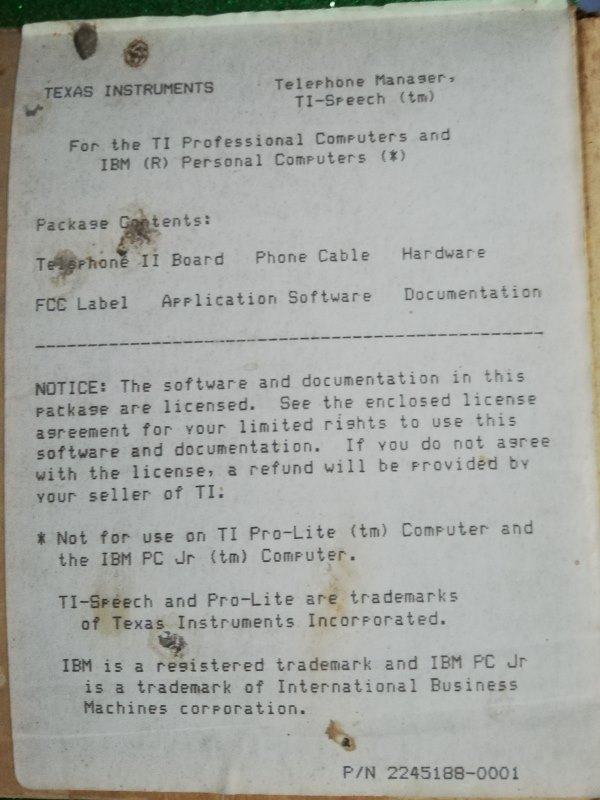
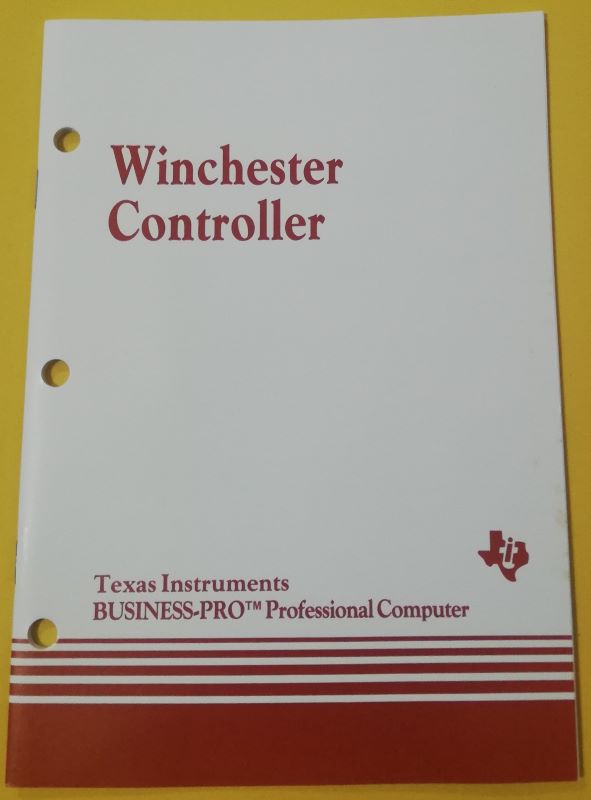
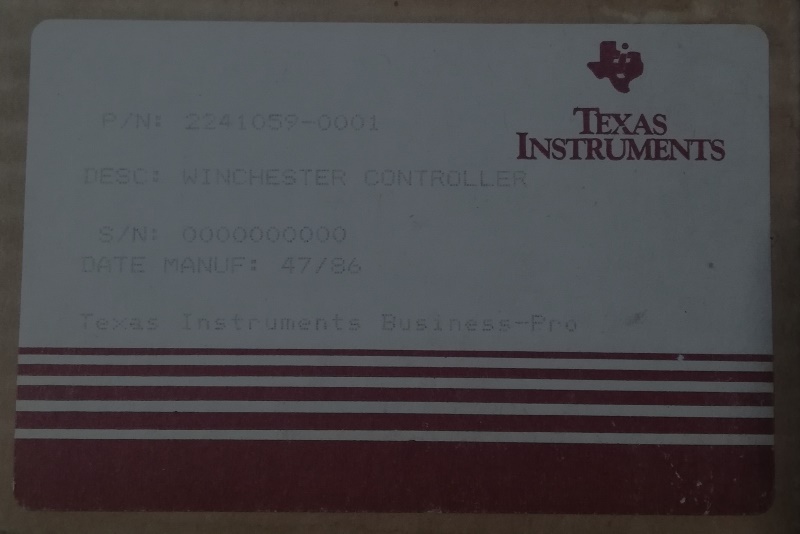
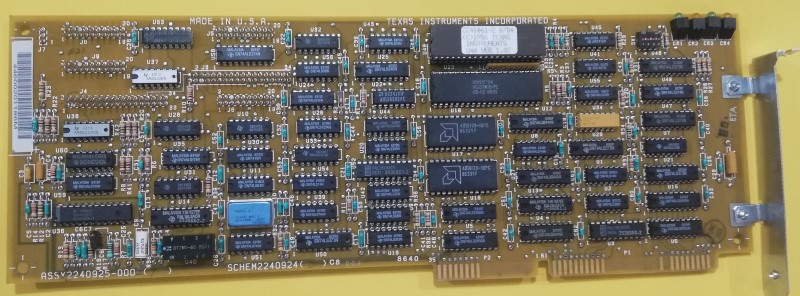 Model: Winchester Controller
Info:
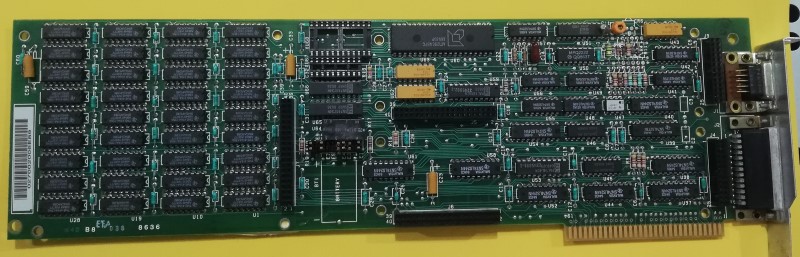
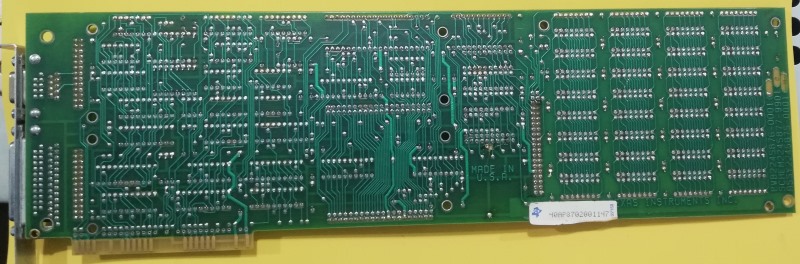
Model: Memory and clock assy: 2245876
Info: There is also a memory upgrade daughter board (256K Secondary Multi-Function Kit assy:2245895)
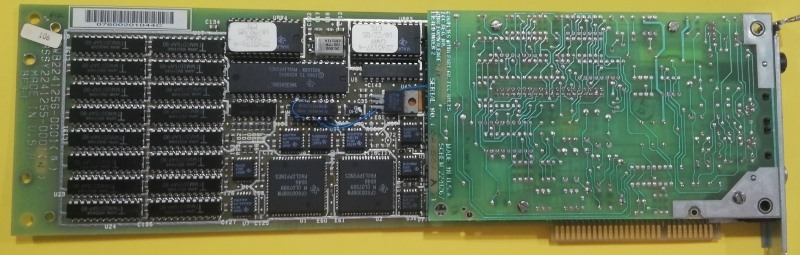
Model: Unidentified card
Info:
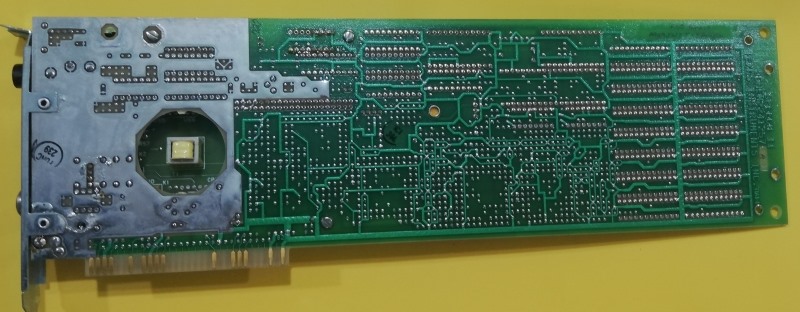
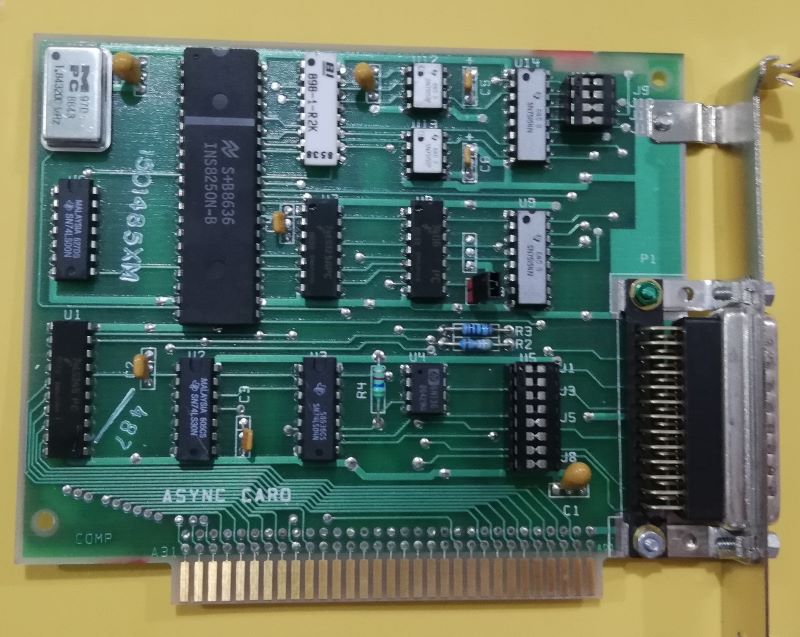
Model: Async Card
Info: I'm not sure if it can be used with the TIPC
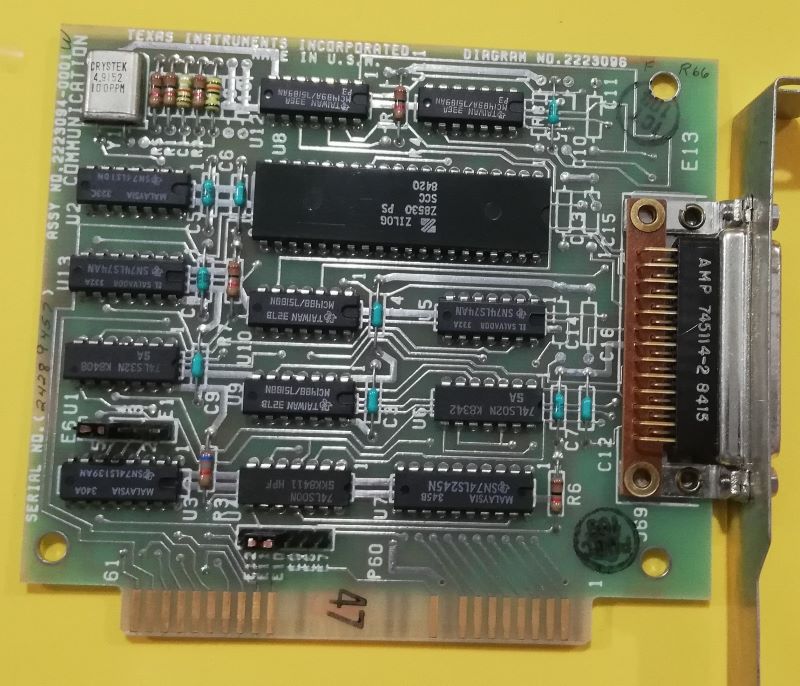
Model: Communication Card
Info: I'm not sure if it can be used with the TIPC

.jpg "Core Module Watch")

.jpg "Calculator Fuller")

.jpg "Olivetti Valentine")
.jpg "Console / Games")
.jpg "Battle Star Galactica")
.jpg "APPLE")


.png)