Model: HP-38 E
Battery:
Adapter:
Year: 1978
Chip:
Info: The HP-38C and HP-38E were the high-end business members of the 30 series. The HP-38E was introduced first, followed a year later by the HP-38C which added continuous memory.
HP museum HP-38 E
Model: HP-41C
Battery:
Adapter:
Year: 1979
Chip:
Info: The HP-41C series are programmable, expandable, continuous memory handheld RPN calculators made by Hewlett-Packard from 1979 to 1990. The original model, HP-41C, was the first of its kind to offer alphanumeric display capabilities. Later came the HP-41CV and HP-41CX, offering more memory and functionality
WIkepedia HP-41C
Model: HP-45
Battery:
Adapter:
Year: 1973
Chip:
Info: The HP-45 is the second scientific pocket calculator introduced by Hewlett-Packard, adding to the features of the HP-35. It was introduced in 1973 with an MSRP of US$395 (equivalent to $2,411 in 2021). Especially noteworthy was its pioneering addition of a shift key that gave other keys alternate functions.
WIkepedia HP-45
Model: HP-48 GX
Battery:
Adapter:
Year: 1993
Chip:
Info: The HP 48 is a series of graphing calculators designed and produced by Hewlett-Packard from 1990 until 2003. The series includes the HP 48S, HP 48SX, HP 48G, HP 48GX, and HP 48G+, the G models being expanded and improved versions of the S models. The models with an X suffix are expandable via special RAM (memory expansion) and ROM (software application) cards. In particular, the GX models have more onboard memory than the G models. The G+ models have more onboard memory only. The SX and S models have the same amount of onboard memory.
Donated from Annalisa Celeste
Wikipedia HP-48 GX
Model: HP-55
Battery:
Adapter:
Year: 1975
Chip:
Info: The HP-55 was a programmable handheld calculator, a lower-cost alternative to the HP-65. Introduced by Hewlett-Packard in 1975, it featured twenty storage registers and room for 49 keystroke instructions. Its outward appearance was similar to the HP-65, but its silver band went through between the display and the keyboard like HP-45, and the functions of some keys were different from HP-65, and it did not have a magnetic card reader/writer. Like all Hewlett-Packard calculators of the era and most since, the HP-55 used Reverse Polish Notation (RPN) and a four-level automatic operand stack.
Donated from Marco Santini (IT)
Wikipedia HP-55
Model: HP-65
Battery:
Adapter:
Year: 1974
Chip:
Info:The HP-65 is the first magnetic card-programmable handheld calculator. Introduced by Hewlett-Packard in 1974 at an MSRP of $795 (equivalent to $4,368 in 2021), it featured nine storage registers and room for 100 keystroke instructions. It also included a magnetic card reader/writer to save and load programs. Like all Hewlett-Packard calculators of the era and most since, the HP-65 used Reverse Polish Notation (RPN) and a four-level automatic operand stack. It was the first programmable calculator to be used during a space mission. The calculator was supplied to the astronauts of the Apollo-Soyuz test program, to be used in the event of a malfunction of the Apollo Guidance Computer
WIkepedia HP-65
Model: HP-80
Battery:
Adapter:
Year: 1972
Chip:
Info:The HP-80 was HP's second handheld calculator. This calculator was designed for business rather than scientific/engineering. In addition to having different functions, it was designed with a different philosophy. Whereas the HP-35 was designed for technical/mathematical users, the HP-80 was designed to be a problem solver that didn't require its users to know the formulas needed. Thus, the user could simply enter the parameters of a business problem and get an answer with a single keystroke. (In other words, the HP-35 user supplied the formulas, but on the HP-80, the calculator supplied them.
Special thanks go to Alessandro Acibase for the donation.
HP museum.org HP-80
Model: Extensa 355
Adapter:
Year:
Keyboard:
Cpu: Speed: CO-processor:
Ram: Sound:
Text mode: Graphics mode:
Size - Weight:
I/O ports:
Media:
OS:
Peripherals:
Price: ? 000 $ (USA) / £ ?.000.000 (Italy)
Model: Extensa 460
Adapter:
Year:
Keyboard:
Cpu: Speed: CO-processor:
Ram: Sound:
Text mode: Graphics mode:
Size - Weight:
I/O ports:
Media:
OS:
Peripherals:
Price: ? 000 $ (USA) / £ ?.000.000 (Italy)
Model: Extensa 510
Adapter:
Year:
Keyboard:
Cpu: Speed: CO-processor:
Ram: Sound:
Text mode: Graphics mode:
Size - Weight:
I/O ports:
Media:
OS:
Peripherals:
Price: ? 000 $ (USA) / £ ?.000.000 (Italy)
Model: Extensa 560 CD
Adapter: AC 220volt DC 18 volt
Year: 1996
Keyboard: CD-rom: 4X
Cpu: Pentium Speed: 75 Mhz CO-processor:
Ram: 8 Mb HD: 810 Mb Sound: 16 bit stereo
Display: 10.4 color Text mode: Graphics mode:
Size - Weight:
I/O ports:
Media:
OS: Windows 3.11
Peripherals: PCI bus architetural
Price: 3.229 $ (USA) / £ ?.000.000 (Italy)
Model: Extensa 650 CD
Adapter: AC 220volt DC 18 volt
Year: 1996
Keyboard: CD-rom: 10 x
Cpu: Pentium Speed: 133 Mhz CO-processor:
Ram: 16 Mb HD: 1 Gbyte Sound: 16 bit stereo
Display: 10.4 color Text mode: Graphics mode:
Size - Weight:
I/O ports:
Media:
OS: Windows 95
Peripherals: PCI bus architetural
Price: 1.695 $ (USA) / £ ?.000.000 (Italy)
Model: Travelmate 2000
Adapter:
Year:
Keyboard:
Cpu: Speed: CO-processor:
Ram: Sound:
Text mode: Graphics mode:
Size - Weight:
I/O ports:
Media:
OS:
Peripherals:
Price: ? 000 $ (USA) / £ ?.000.000 (Italy)
Model: Travelmate 3000
Adapter:
Year:
Keyboard:
Cpu: Speed: CO-processor:
Ram: Sound:
Text mode: Graphics mode:
Size - Weight:
I/O ports:
Media:
OS:
Peripherals:
Price: ? 000 $ (USA) / £ ?.000.000 (Italy)
Model: Travelmate 4000 E
Adapter:
Year:
Keyboard:
Cpu: Speed: CO-processor:
Ram: Sound:
Text mode: Graphics mode:
Size - Weight:
I/O ports:
Media:
OS:
Peripherals:
Price: ? 000 $ (USA) / £ ?.000.000 (Italy)
Model: Travelmate 4000 M
Adapter:
Year:
Keyboard:
Cpu: Speed: CO-processor:
Ram: Sound:
Text mode: Graphics mode:
Size - Weight:
I/O ports:
Media:
OS:
Peripherals:
Price: ? 000 $ (USA) / £ ?.000.000 (Italy)
Model: Travelmate 4000 WIN SX
Adapter:
Year:
Keyboard:
Cpu: Speed: CO-processor:
Ram: Sound:
Text mode: Graphics mode:
Size - Weight:
I/O ports:
Media:
OS:
Peripherals:
Price: ? 000 $ (USA) / £ ?.000.000 (Italy)
Model: Travelmate 5300
Adapter:
Year:
Keyboard:
Cpu: Pentium Speed: 133 mhz CO-processor:
Ram: Sound:
Text mode: Graphics mode:
Size - Weight:
I/O ports:
Media:
OS:
Peripherals:
Price: ? 000 $ (USA) / £ ?.000.000 (Italy)
Model: Travelmate LT 286
Adapter:
Year:
Keyboard:
Cpu: Speed: CO-processor:
Ram: Sound:
Text mode: Graphics mode:
Size - Weight:
I/O ports:
Media:
OS:
Peripherals:
Price: ? 000 $ (USA) / £ ?.000.000 (Italy)
The abacus (pl: abaci or abacuses), also called a counting frame, is a hand-operated calculating tool of unknown origin used since ancient times in the ancient Near East, Europe, China, and Russia, millennia before the adoption of the Hindu-Arabic numeral system.
The abacus consists of a two-dimensional array of slidable beads (or similar objects). In their earliest designs, the beads could be loose on a flat surface or sliding in grooves. Later the beads were made to slide on rods and built into a frame, allowing faster manipulation.
Each rod typically represents one digit of a multi-digit number laid out using a positional numeral system such as base ten (though some cultures used different numerical bases). Roman and East Asian abacuses use a system resembling bi-quinary coded decimal, with a top deck (containing one or two beads) representing fives and a bottom deck (containing four or five beads) representing ones. Natural numbers are normally used, but some allow simple fractional components (e.g. 1⁄2, 1⁄4, and 1⁄12 in Roman abacus), and a decimal point can be imagined for fixed-point arithmetic.
Any particular abacus design supports multiple methods to perform calculations, including addition, subtraction, multiplication, division, and square and cube roots. The beads are first arranged to represent a number, then are manipulated to perform a mathematical operation with another number, and their final position can be read as the result (or can be used as the starting number for subsequent operations).
In the ancient world, abacuses were a practical calculating tool. Although calculators and computers are commonly used today instead of abacuses, abacuses remain in everyday use in some countries. The abacus has an advantage of not requiring a writing implement and paper (needed for algorism) or an electric power source. Merchants, traders, and clerks in some parts of Eastern Europe, Russia, China, and Africa use abacuses. The abacus remains in common use as a scoring system in non-electronic table games. Others may use an abacus due to visual impairment that prevents the use of a calculator. The abacus is still used to teach the fundamentals of mathematics to children in most countries.
WIKIPEDIA Abacus
The Addiator is a mechanical adder produced by the Addiator Gesellschaft of Berlin from 1870 to 1982. It consists of a series of racks enclosed in a metal container and operated by a stylus. The Addiator, produced in dozens of models and millions of copies, was a great success, so much so that its name was often used as an antonomasia to indicate all rack adders.
The Addometer is a mechanical adder which in terms of use and external appearance resembles Blaise Pascal 's pascaline .
The adder looks like a heavy ruler, about 30 cm long. Circular slots allow you to operate numbered wheels placed inside, through special holes made on the wheel. Each hole corresponded to a number written in large characters on the inside of the slot and its complement to 9, written on the outside in smaller characters. To add, the tip of the stylus was placed in correspondence with the large numberand the disc was rotated clockwise. To subtract, on the other hand, the stylus was placed in correspondence with the external number and performed a counter-clockwise rotation. A much simplified mechanism compared to that of Pascalina allowed the carry over of the tens. The result appeared automatically and it was possible to reset it by pulling the tab on the right of the instrument.
It was produced from 1928 until the 1960s by Reliable Typewriter and Adding Machine Co .. The numbers were imprinted on perforated and toothed discs. These were very cheap and reliable instruments, so much so that they were covered by a one-year warranty, which was quite unusual for the time.
Technical Features
Manufacturer: Aristo
Model N ° 0868 ( Variation 3 ) Year 1973
Lenght (scales) 12.5 cm + 1. 2 cm ext
Material Wood / Celluloid Cursor Metal / Glass
Info: Aristo 868 Studio Pocket Slide Rules
A high end log log format pocket rule, shown with the factory box, leather case, and original manual. Has a slightly magnifying 6 line cursor, CF/C and B/C accent color stripes (faint). Self-documenting, two-color scales, including folded, log log, P (pythagorean) and decimal trig scales.
Technical Features
Manufacturer: Hans Sabielny Comptator Year:1922
Info: Hans Sabielnys Comptator Schubert & Salzer, Dresda from 1909 SN 2079 pice 1925 105 RM. Addition, 9 digits Ten's complement subtraction Pen operation Moving racks Counter Lever for clearing entries, lockable Knob for clearing results
Audio Guide


The Curta is a project of the Austrian engineer Curt Herzstark while he was imprisoned in the Buchenwald concentration camp.
He had developed considerable experience with mechanical calculators from an early age, as his father had an office machine company, Austria. This produced calculators based, like the Curta later, on the Leibniz transposer.
Young Curt began designing his own calculator for his father's company. When he was interned, following the Nazi persecutions against the Jews, he was assigned to a "special" unit to be able to finish his invention, which the Nazis wanted to give to Hitler. His skill was such that, albeit in desperate conditions, he managed to resume and complete the project. After surviving the camp and the Second World War he was able to perfect and complete the project. Construction was entrusted to Contina Ltd Mauren in Liechtenstein.
It was considered the best portable calculator available until the advent of electronic calculators in the 1970s. A total of about 140,000 were produced, of which 80,000 type I and 60,000 type II. The last model left the factory in 1970. The selling price was $ 125 at the time.
The two models, called type I (photo 1) and type II (photo 2), differ in the number of digits that can be processed. The first model accepts 8-digit numbers as input, has a 6-digit tachometer and an 11-digit totalizer, the second, slightly larger, has 11 cursors, an 8-digit revolution counter and 15 output digits .
The use of the Curta had a period of popularity in car rallies between the 1960s and 1980s.
Even after the advent of electronic calculators, the Curta continued to be used for calculations of speed, times and distances in races, thanks also to the greater robustness and reliability compared to the first electronic machines, and to the ability acquired by operators to enter digits. by touch alone.
The Fuller calculator, sometimes called Fuller's cylindrical slide rule, is a cylindrical slide rule with a helical main scale taking 50 turns around the cylinder. This creates an instrument of considerable precision – it is equivalent to a traditional slide rule 25.40 metres (1,000 inches) long. It was invented in 1878 by George Fuller, professor of engineering at Queen's University Belfast, and despite its size and price it remained on the market for nearly a century because it outperformed nearly all other slide rules. As with other slide rules, the Fuller is limited to calculations based on multiplication and division with additional scales allowing for trigonometical and exponential functions. The mechanical calculators produced in the same era were generally restricted to addition and subtraction with only advanced versions, like the Arithmometer, able to multiply and divide. Even these advanced machines could not perform trigonometry or exponentiation and they were bigger, heavier and much more expensive than the Fuller. In the mid-twentieth century the handheld Curta mechanical calculator became available which also competed in convenience and price. However, for scientific calculations the Fuller remained viable until 1973 when it was made obsolete by the HP-35 handheld scientific electronic calculator.

User Manual Wikipedia Stanley Fuller Calculator
Technical Features
Manufacturer: Russian Year: c1968
Info: 50 millimeters in diameter, The KL-1 is intended for performing trigonometric and mathematical operations: Multiplication / Division / Squaring / Extraction of a square root / Finding of trigonometric functions of a sine / Finding of trigonometric functions of a tangent / Finding inverse trigonometric functions / Calculation of the area of a circle. Donated by Bohdan ( Богдан Ukraine )
Technical Features
Manufacturer: Lagomarsino Year: 1958
Info: In the hands of an expert operator (comptometrist) these machines were extremely rapid in performing additions. In fact, all significant figures could be entered simultaneously, using both hands and without wasting time writing zeros.
Donated from Museo del calcolatore di Prato (Firenze) (R. Aliani / M. Belardi )
Museo del Calcolatore (PRATO) Lagomarsino
Technical Features
Manufacturer: Makeba Germany DDR Year: c1950
Info: This is the Makeba Kombinator, manufactured in Bautzen, Eastern Germany, in the 50’s or 60’s.This device has two 2-cycle scales and two 1-cycle scales, with one of each pair fixed to the hexagonal body of the pencil itself, and the others to an outer hexagonal metal tube that can slide out around the pencil, moving the scales relative to their twins. A metal-framed cursor slides along the entire device. The Kombinator is a precision product. It has engraved 5-inch scales that look good and stay accurate. The photo below shows how the C and D scales are set to perform multiplication by 2. Donated by Bohdan ( Богдан Ukraine )
Napier's Bones Napero's sticks were described in a work published in 1617. They consist of ten rods numbered at the top from 0 to 9 and another rod called a ruler. This is my 3D printed version.
To carry out, for example, the multiplication between 10 and 5, sticks 1, and 0 are placed alongside the ruler.
You then choose the line corresponding to the number 5 on the ruler. To find the result, add diagonally, possibly with a carry; in our case we have the 0 alone (right), then the 5 and the zero (center) and finally another 0 (left). The result, therefore, will be 50.
Now let's do an operation with the carry. Multiplication between 9 and 815
Let's take the row of 9, write 7 - 2+0 - 9+4 - 5
7 - 2 - 13 - 5
<- carryover
7 - 3 - 3 - 5 the carryover (1) is added to 2
Wikipedia Napier's Bones
Technical Features
Manufacturer: Otis King Year:1960-1962
Info: With a log-scale decade length of 66 inches, the Otis King calculator should be about a full digit more accurate than a 6-inch pocket slide rule. But due to inaccuracies in tic-mark placement, some portions of its scales will read off by more than they should. For example, a reading of 4.630 might represent an answer of 4.632, or almost one part in 2000 error, when it should be accurate to one part in 6000 (66"/6000 = 0.011" estimated interpolation accuracy).
The Geniac brand cylindrical slide rule sold by Oliver Garfield Company in New York was initially a relabelled Otis King; Garfield later made his own, probably unauthorized version of the Otis King (around 1959). The UK patents covering the mechanical device(s) would have expired in about 1941–1942 (i.e. 20 years after filing of the patent) but copyright in the drawings would typically only expire 70 years after the author's.
Technical Features
Manufacturer: Picket Model: N600-ES Date: 1958-1962
Scales: FRONT SIDE: LL1, LL01, A [B, ST, T, S, C] D, DI, K
REAR SIDE: LL2, LL02, DF [CF, Ln, L, CI, C] D, LL3, LL03
Material: Wood / Celluloid Cursor Metal / Glass
Info: A version of this slide rule is said to have gone to the moon with Buzz Aldrin on Apollo 11. Because of this, it's known sometimes as the "Apollo Rule."
This, of course, has made it very collectible, whereas it becomes hard to find a copy for less than $50...MUCH more if it comes with the original box, case, and documentation.
Technical Features
Manufacturer: Nestler
Model N ° 0232 Type Rietz Lenght (scales) cm. 25
Material Wood / Celluloid Cursor Metal / Glass
Info: Nestler's Model 23 was a Mannheim-style ruler very popular with professionals in Europe, and its rulers were used by notables such as Wernher von Braun, the Russian rocket pioneer and 'chief designer', Sergei P. Korolev and Albert Einstein.
Solari Cifra 3
Solari Cifra 3 is the smallest direct reading electromechanical watch, designed by Gino Valle and produced by the Solari company of Udine in the late 1960s. The clock was added to the permanent collection of the Museum of Modern Art in New York (MoMA) in 1967.
«I don't make objects, I establish relationships. I build relationships and define environmental flows in terms of time, such as before, during and after. It is not so much the plots that count as the succession of spaces, the relationships, the transformations, the transition rituals.» (Gino Valle)
WIKIPEDIA Solari Cifra 3
Manual portable typewriter
Even the Valentine, presented in 1969, uses the mechanics of the Letter 32. The strong point of the Valentine is certainly its portability. The machine, whose bottom is equipped with a handle, is inserted into a container whose closure is ensured by the rear part of the machine itself; the external case in which the laptops were closed until then was replaced by a simple plastic shell. The Valentine, with a very modern and youthful design, is one of the icons of Pop Design. The machine is exhibited at the MOMA (The Museum of Modern Art) in New York in the Architecture and Design section. Why did I buy it? Because it's as beautiful as my daughter Valentina!
WIKIPEDIA Valentine Olivetti
Model: 510 programmer
Battery:
Adapter:
Year:
Chip:
Info: PLC programmer
Model: 5TI programmer
Battery:
Adapter:
Year:
Chip:
Info: PLC programmer
Model: CBL system
Battery: 4 x AA 
Adapter:
Year: 1999
Chip: CPU: Hitachi HD6433813 RAM: W2465S ADC: AD7776
Info: Texas Instruments introduced in 1994 with the Calculator-Based Laboratory™ System (CBL™) a portable and versatile data collection device for math and science. A wide variety of sensors, such as a Motion Detector, Dual-Range Force Sensor, pH system, Colorimeter, and Barometer, can be connected to the CBL interface. In this configuration the battery powered CBL could be uses a stand-alone data logger even outside the classroom for experiments.
Vernier Magnetic Field Probe
Vernier Dual Channel Amplifier
Vernier Acceleration Probe
Vernier Microphone Probe
Vernier Dual Force Probe
Vernier Motion Detector
Vernier Current Probe
Model: CBL system 2
Battery: 4 x AA
Adapter:
Year: 2000
Chip: CPU: Toshiba TMP91CW12F Flash: Fujitsu 29F800 RAM: Sanyo LC35256
Info: Already October 21, 1999 Texas Instruments announced the Second Generation Calculator-Based Laboratory™ or CBL 2™ and introduced it about March 2000 in the United States, Canada, Europe, Australia and Latin America. Main differences between the CBL 2 and its predecessor CBL are the introduction of the Flash technology as program and data memory and the missing LC-display for convenient standalone operation.
Sensor for measuring DC voltages up to 30 VDC
Sensor for light measurement in lumens
DATAMATH.org
Model: Electronic Digital Thermostat
Battery:
Adapter:
Year:
Chip:
Info:
Model: PM550-301
Battery:
Adapter: 110 volt
Year: 1974
Chip: TMS8080
Info: PLC programmer
Model: PC-100
Battery: 110 volt AC or 220 vold AC
Adapter:
Year: 1978
Chip:
Info: Dot matrix thermal printer designed for SR-51, SR-51A, SR-56. With the introduction of the TI-58 and TI-59 the PC-100 was replaced with the PC-100A.
The Module Selector fits neatly into the charging bay of the PC-100A and holds up to four Solid State Software Modules in place. Selection of the module is simple and straightforward with a 4-position rotary switch.
Model: PC-200
Battery: 4 x AA
Adapter:
Year: 1987
Chip:
Info: Dot matrix thermal printer designed for TI-66 and BA-55
Model: PC-324
Battery:
Adapter:
Year: 1987
Chip:
Info: Dot matrix thermal printer designed for TI-74, TI-74s and TI-95
Description: Cartrdige 512k v.1.0
Original Concept Mainbyte.com. This version was designed by us with SMD components, the original project is by James Fetzner, special thanks to him...
U1= 74LS378
R1= 68ohm R2= 2,2 Kohm
C1=10 uF C2=10 nF C3= 100 nF
The photo of the pcb shell is from FG99. For the cartridge it is the same without some peculiarities!
Description: Eprom Adapter 2532 to 2732 V.1.0
This adapter allows you to replace the two PROM U610 and U611 of your TI-99 / 4A with two Eprom 2732s, being easier to find. The adapter can be used in all repairs where you need to replace the Eprom 2532.
Description: The TI 99/4A FinalGROM Cartridge, or FinalGROM 99 for short, is a cartridge for the TI 99/4A home computer that allows you to run ROM and GROM cartridge images from an SD card. It succeeds the FlashROM 99 released in 2016.
link Project Original Concept and Special Tanks To : Ralph Benzinger
link ITA Interview with Ralph Benzinger
Description: Finalgrom cartridge container
Description: Joystick Adapter.
Atari-style joystick adapter for use with our TI-99. The project is not mine. We just assembled the PCB and made the case in 3D.
Description: SCART Interface V.1.0
This interface allows you to connect your European TI-99 / 4A to the TV via the scart. Once the TI-99 / 4A is connected to the TV and turned on, video switching is automatic, the audio output is stereo, as well as the ability to connect to an external amplifier.
Description: SCART Interface V.2.0 miniPHA2037 ( last version )
This interface allows you to connect your European TI-99 / 4A to the TV via the scart. Once the TI-99 / 4A is connected to the TV and turned on, video switching is automatic, the audio output is stereo, as well as the ability to connect to an external amplifier. The difference compared to version V.1.0 is the complete compatibility with LCD TVs, in addition to the drastic reduction in price.
Description: RAM Expansion 32k v.1.0
My interface is different from all those in circulation, because it only uses 3 chips and not 4 like all ! Two versions were made, the first (V.1.0) with the horizontal connector and in 2021 the version (V.2.0) with the 90 degree connector, completed by the 3D printed shell.
Description: TIPI sidecar TIPI is a storage, network, and device solution expansion for the TI-99/4A home computer. There is some community driven support for the Myarc Geneve 9640 Family Computer. I do not own one, and so my ability and interest in contributing is limited.
Original Concept and Special Tanks To :
Jedimatt https://jedimatt42.com GitHub https://github.com/jedimatt42/tipi
In these images we can see the connection made with the TI-99/4A and the retrocampus BBS. Press 2 after 6 " TI Watch Museum ODV "
Press 1 TI-basic
CALL TIPI (Here you can enter network and password information, configure disks)
CALL TIPI ("TIPI.NET.TELNET")
The first transistor radio hit the consumer market on October 18, 1954. The Regency TR-1 featured four germanium transistors operating on a 22.5-volt battery that provided over twenty hours of life. The unit weighed eleven ounces and cost $49.95. How did Texas Instruments feel in early 1954 with a germanium transistor in hand? No major radio manufacturer was willing to include it in their catalogs. Although Raytheon had managed to mass-produce the first transistor in the previous year, RCA, Sylvania and Philco were not ready to adopt the new transistor. But something changed in June when TI signed a joint venture with Regency to bring a radio for the Christmas market into production. Initially four colors were offered in the 3 "x 5" x 11/4 "imitation leather case: black, ivory, mandarin red and cloud gray; soon they were followed by mahogany and forest green.
BACK THEN, LOOKING FORWARD
"Regency was a thorn in the side of the industry which in-turn stimulated the practical application of the transistor" quote from Regency/TI patent attorney Frank Mascarich
IBM CEO, Thomas J. Watson, Jr, saw transistors as the future of computers, and ordered that IBM build no more machines with tubes after June 1, 1958. But his designers had been reluctant to embrace the new technology. Watson bought and handed out numerous Regency TR-1's to set an example for IBM employees. Whenever engineers complained to Watson about the decision, he just gave them a TR-1.
"Texas Instruments vice president, Pat Haggerty, had the revolutionary notion that he could put the transistor into every home - by building the transistor radio...Ten years later, Haggerty decided he could put the microchip into every household as well" quote from THE CHIP
TODAY, LOOKING BACK
Steve Wozniak quote: "My first transistor radio...I loved what it could do, it brought me music, it opened my world up"
Bill Gates quote: "Without the invention of the transistor, I'm quite sure that the PC would not exist as we know it today"
PHYSICS TODAY book review of CRYSTAL FIRE, the history of the transistor: "....the story not only of one of the greatest inventions of the 20th century but of the birth of the information age."
FORTUNE magazine quote: "For perspective, remember that the transistor, arguably the most important invention of the 20th century, came out of Bell Labs in the late 1940s as a clunky device of wire, gold foil, glue, and other components. The first transistorized consumer product, the Regency TR-1 radio, went on sale Oct. 18, 1954, and sold out almost immediately. If you owned one, you were the coolest thing on two legs."
www.regencytr1.com
Model: 703
Adapter: 20 vac
Year: 1975
Info:The Silent 700, introduced in 1971, was a line of portable computer terminals manufactured by Texas Instruments in the 1970s and 1980s. Silent 700s printed with a 5 x 7 dot-matrix heating element onto a roll of heat-sensitive paper. Some models were equipped with an integrated acoustic coupler and modem that could receive data at 30 characters per second. Other models could be directly connected to computers at 300 bits/second (bps), and were sometimes used as the System console where a hard copy record of the activities would be retained for a period of time.
WIKIPEDIA Silent 700
Manuals
Model: 745
Adapter: 220 vac
Year: 1971
Info: The Silent 700, introduced in 1971, was a line of portable computer terminals manufactured by Texas Instruments in the 1970s and 1980s. Silent 700s printed with a 5 x 7 dot-matrix heating element onto a roll of heat-sensitive paper. Some models were equipped with an integrated acoustic coupler and modem that could receive data at 30 characters per second. Other models could be directly connected to computers at 300 bits/second (bps), and were sometimes used as the System console where a hard copy record of the activities would be retained for a period of time. The Silent 700s were marketed as being extremely portable and reliable, “designed to use a minimum of moving parts, eliminating wear elements” (Texas Instruments). They included features like a built-in acoustic coupler that allowed the user to call into a remote computer system from any telephone and a built-in thermal printer which would quietly (user reports from the 70’s indicate that “silent” was a stretch) (Hannigan 4) print with a dot-matrix heating element onto thermal paper. Thermal paper was thin paper that was specially coated in heat sensitive material that would change color when exposed to heat, thus giving physical form to the data being transmitted. The Silent 700 models printed data at a speed of 30 characters per second. The 735 model weighed 25 pounds and cost $2,595 (approximately $12,400 in 2019), while the streamlined 745 model weighed only 13 pounds and cost $1995 (approximately $9,500 in 2019) (Texas Instruments).
WIKIPEDIA Silent 700
Manuals

This article is for the (now defunct) manufacturer of 8-bit microcomputers and 32-bit RISC-based personal computers. For the defunct company that bought the brand in the early 2000s, see Acorn Computers (2006) .
Acorn Computers Ltd. was a British computer company founded in Cambridge , England in 1978. The company produced a number of computers that were particularly popular in the UK , including the Acorn Electron and the Acorn Archimedes . The computer BBC Micro Acorn has dominated the educational computer market in the UK in the 80s.
Although the company was split into several independent operations in 1998, its legacy includes the development of RISC (Reduced Instruction Set Computing ) personal computers . One of its operating systems , RISC OS , continues to be developed by RISC OS Open . Some of the former Acorn branches have survived: the technology ARM Holdings is dominant in the market of mobile phones and thepersonal digital assistant (PDA) microprocessors .
Acorn is sometimes referred to as the " British apple " and has been likened to Fairchild Semiconductor for being a catalyst for start-ups. In 2010, the company was listed by David Meyer on ZDNet as number nine in a top ten "Dead IT Giants" feature. Many British IT professionals gained their early experiences on Acorns, which were often technically more advanced than commercially successful US hardware.
Wikipedia Acorn Computers
Albert Nestler
Albert Nestler AG, a German company based in Lahr, Germany, founded by Albert Nestler. The slide rule factory stopped production in 1978, exactly 100 years after its conception. Before World War II, Nestler sent its slide rules to 60 countries ! Albert Nestler KG was one of Germany's leading slide rule manufacturers, together with Aristo and Faber-Castell. They originally had wooden body slide rules with celluloid scales, and then converted to plastic body slide rules after World War II along with other manufacturers.
The first wooden body slide rules closely resemble the Faber-Castell models and can easily be mistaken for them. The manufacturer's name and model number were usually found inside the body cavity under the slide, for many of the earliest wooden slide rules, so it wasn't always obvious who made a particular slide rule.
Allan Alcorn was the designer of the video arcade game Pong, creating it under the direction of Nolan Bushnell[1] and Dabney. Pong was a hit in the 1970s.
In addition to direct involvement with all the breakout Atari products, such as the Atari 2600, Alcorn was involved at some of the historic meetings of Steve Wozniak and Steve Jobs (at that time an Atari employee) presenting their Apple I prototype.
WIKIPEDIA Allan Acorn
AOS (Algenraic, Operating, System)
The Algebraic Operating System (AOS) is a calculator input method developed by Texas Instruments (TI) that allows users to enter complex mathematical expressions in the same order they are written (infix notation), while automatically respecting algebraic hierarchy (PEMDAS/BODMAS).
Introduced in September 1975 with the SR-52 programmable calculator, AOS was designed to compete with Hewlett-Packard's Reverse Polish Notation (RPN) by allowing users to enter formulas naturally without rearranging operands.
Aristo
Hamburg (Germany) located company Dennert & Pape started already in the year 1872 the business with slide rules. About 100 years later they introduced under the trademark ARISTO with the model M 27 their first electronic pocket calculator.
with permission of the author www.datamath.org
Biorhythms
Biorhythms are inherent cycles which regulate metabolism, coordination, emotions, sexuality, memory, and more. We have 3 fundamental biorhythm cycles. Each biorhythm cycle has a particular life span.
Our physical cycle completes one life span (or cycle) in 23 days. The emotional cycle lasts 28 days, and the intellectual cycle lasts 33 days.
At mid point, and end point in each cycle, the cycle sharply moves back to zero point and changes polarity, thus creating a transition day (also called a critical day, or caution day). That's all there is to it! As each cycles changes polarity, we experience life's ups and downs!
Biorhythm cycles are as follows:
• Physical Cycle (RED) 23 days The physical cycle is the dominant cycle in men. It regulates hand-eye coordination, strength, endurance, sex drive, initiative, metabolic rate, resistance to, and recovery from illness. Surgery should be avoided on physical transition days and during negative physical cycles.
• Emotional Cycle (BLUE) 28 days The emotional cycle is the dominant cycle in women. It regulates emotions, feelings, mood, sensitivity, sensation, sexuality, fantasy, temperament, nerves, reactions, affections and creativity.
• Intellectual Cycle (GREEN) 33 days The intellectual cycle regulates intelligence, logic, mental reaction, alertness, of direction, decision-making, judgment, power of deduction, memory, and ambition. |
Bowmar
The Bowmar Instrument Corp. was formed in Fort Wayne in 1951 by Edward and Joan White. He earlier had been head of the electron-mechanical section of the Farnsworth Television Co. At first a one-employee operation in a barn loft at Smith Field, the company grew to 30 employees by 1953, and by 1957 had expanded to occupy the site of today's operation on Bluffton Road.
In 1971, the company introduced the first hand-held calculator called the "Bowmar Brain." The technology developed at Bowmar, which included the familiar red "LED" (Light Emitting Diode) readouts, enabled American business to regain from the Japanese the lead in calculator electronics.
As it turned out, Bowmar lost the calculator in the marketplace because it was unprepared for the huge popularity of the new item. Borrowing heavily to increase production and determined not to use cheaper foreign labor, Bowmar found itself unable to compete in the calculator price wars of the mid-1970s. In addition, the Bowmar product was hurt by having to deal with its chief rival, Texas Instruments, for basic components - many of which, it later was learned, were defective or held up in delivery. Bowmar, like ITT and Magnavox of Fort Wayne, withdrew from the consumer market and has concentrated instead on government and industrial contracts.
The company White Electronic Designs Corp. was formed in 1998 through the merger of Bowmar Instrument Corporation (White Microelectronics) and Electronic Designs, Inc., inheriting a legacy of sixty years in electronics manufacturing.
with permission of the author www.datamath.org
Cal-Tech
TEXAS INSTRUMENTS CAL-TECH PORTABLE CALCULATOR PROTOTYPE 1965-1967
Sold for US $ 68,825 (€ 57,918) 05/11/2020 Provenance: from Jerry Merryman's estate.
Original hinged case in milled aluminum finished in black, 155 x 105 x 43mm, 18 button keypad including zero bar, number reading window, power switch, power charger plug, opens to reveal a series of 4 panels large scale transparent cover Integration of silicon "slices" and 3 shift register chips on a printed circuit board, thermal printer with thin paper roll, black plexiglass panel covering the potted battery pack and discretionary circuitry for the supply engraved on the bottom: "SC / 4USE".
Texas Instruments President Patrick Haggerty had found great success a decade earlier when he came up with the idea of miniaturizing the radio using TI's new transistors. Pocket radio quickly became a pervasive technology that introduced consumers to transistors and the wonders of miniaturization, but which also caught the attention of IBM chief Thomas Watson, Jr. who insisted his engineers use transistors. on company computers. TI has become one of IBM's leading chip suppliers.
Haggerty had this in mind when, in 1965, he was brainstorming with his deputy director of semiconductor research Jack Kilby, one of the inventors of the integrated circuit (IC) who would later receive the Nobel Prize for Invention. Haggerty wanted a new product, a "killer app" indeed, that would help sell the IC to consumers, which until then had been primarily used for military purposes where the benefits of miniaturization outweighed the costs. Haggerty had pitched a few different product ideas, but it seemed to Kilby that the battery-powered portable calculator was the viable product. He started to put together a team and chose Jerry Merryman of the semiconductor research and development department as the project manager. To keep the project secret, they used a code name. An earlier research project had been codenamed "Project MIT", so in keeping with that line, this became known as "Cal-Tech" although it had nothing to do with the research university. Kilby later admitted that it was a bad choice for a name and that it would be easy to determine what the team was developing.
Merryman, who had attended Texas A&M but hadn't stayed long enough to get a degree, had a reputation as a problem solver and was frequently consulted by his peers. Even Patrick Haggerty stopped to pass ideas to the brilliant electrical engineer. It was the perfect choice for a project where nothing could be taken off the shelf, everything had to be developed from scratch. There were no ready-made keyboards, low-power printers, and ICs as complex as what would be required for a portable calculator.
In a 72-hour marathon design session with limited sleep, Merryman was able to completely trace the logic of the calculator on paper (a copy of which is included in this lot). To test the design, he and his colleagues filled a room with an enlarged version using commercially built integrated circuits. The setup was also used in the end to test each of the new ICs.
Merryman and his team would spend nearly 2 years developing every aspect of the car. Dr James Van Tassel, the other major player on the project, solved the keyboard problem and many other manufacturing problems. Integrated circuits have proved to be one of the main obstacles. At the time, the most complex integrated circuit you could buy had around 20 transistors on it. Merryman's 4-chip draw would require around 8,000. In an article in Invention & Technology, Merryman recounts the story of going to TI's chip-making facilities with his circuit layout and telling them he wanted an 83-percent yield - this is, he wanted 83 percent of the eight-transistor NAND gates in a chip to work. "They all fell on the floor laughing, saying 'We've never seen anything better than 25 percent.'" Merrymen explained his approach to them: "I'm going to be using low-power circuits and very wide tolerances in the voltages and currents that'll work and simple layouts and wide conductors and so on." Merryman also increased the odds of getting a usable chip by including more than twice the NAND gates than what were actually needed.
The chips, actually thin circular silicon wafer slices, proved unreliable despite the precautions. The team went back and used a microscope to trace the connections, find the problems and repair them - all on a less than 1-inch diameter chip. Whereas most chips of the time contained 14 or 16 leads connecting them to one another, these had 122, which required Van Tassel to develop a package that would protect the structure and facilitate connection.
Kilby, Merryman and Van Tassel were ready to apply for a patent in September 1967 and after two revisions, in 1971 and 1972, received U.S. Patent No. 3,819,921 on June 25, 1974 (a copy of which is included in the lot).
Although completed in 1967, the electronics were so advanced for the time that it took years for a production model to be issued. Canon had bought the rights to issue the calculator which they did with their Pocketronic issued on April 14, 1971. The 4-function calculator that weighed 2 1/2 pounds and cost $150 was a huge success. 5 million pocket calculators were sold in the US in 1972 and sales continued to grow as the costs came down. "As Haggerty had predicted, the new microelectronic gadget created a market that had simply not existed before. Tens of millions of people who never considered purchasing an adding machine or a slide rule decided they wanted to own a pocket calculator" (Reid p 137).
This consumer interest in microelectronics would continue as the IC was developed to create the microprocessor. "Patrick Haggerty had been proven right. Microelectronics did pervade nearly every aspect of society, replacing traditional means of control in familiar devices and creating new aspects of human activity that were previously unknown. By shrinking from the room-sized ENIAC to the pinhead-sized microprocessor, the computer had imploded into the basic fabric of life" (Reid p 145).
May, Mike. "How the Computer Got Into Your Pocket," in Invention & Technology Spring 2000; Reid, T.R. The Chip. 1984; Zygmmont, Jeffrey. Microchip. 2003.
Canon
Canon was founded in 1933 in Tokyo by Goro Yoshida, a passionate camera-lover, and his brother-in-law, Saburo Uchida. Their aim was to make cameras that could compete with the German models that were considered the most advanced of the day. More than 25 years later Canon developed the Synchroreader, a completely new magnetic recording-playback system and a recording medium based on a magnetic surface and head. Even before its release, it won strong recognition as a new media system permitting printed matter to be read while listening to played-back sound.
In 1962, Canon seriously considered entering the business machines market. The electrical engineers who had been working on the development of the Synchroreader were casting around for a new field, and a plan emerged to apply computer technology to the electro-mechanical calculators around at the time. The development took two years and in 1964 the prototype received a very positive reception at a business show and was eventually launched as the Canola 130. Compared with full-key products launched around the same time, the Canola 130 was easy to use and proved very popular. Unfortunately, Sharp, which exhibited at the same business show, launched a 10-key product immediately after the show. Canon took time to launch its product, and thus forfeited the honor of marketing the world's first desktop calculator. Few years later Canon Inc. developed the famous Pocketronic based on TI's Cal-Tech project and their patents.
with permission of the author www.datamath.org
Casio
Casio Computer Co., Ltd., Tokyo, Japan, is one of the leading consumer electronics companies in the world. Since its establishment in 1957, Casio has been active not only in the development of electronic calculators but also in electronic timepieces and musical instruments.
Casio Computer Co., Ltd. was got it start by developing all-electric compact calculator. Company founder Tadao Kashio, originally an engineer specializing in fabrication technology, founded Kashio Seisansho in April, 1946 after work experience that included plants manufacturing products for the military. Kashio Seisakujo manufactured aircraft parts and other products. Toshio, the founder's brother suggested that the company work on developing a calculator. Tadao worked together with his three younger brothers and launched the efforts aimed at producing a calculator.
Most calculators at that time were electrical devices, in which electrical power was used to drive internal gears. The four Kashio brothers, however, adapted the relay elements used for telephone switching equipment to develop the compact, all-electric calculator. The new calculator did not rely on mechanical movements such as gears. The launch of the initial Model 14-A was in June 1957, which also marked the establishment of Casio Computer Co., Ltd..
Since those beginnings, CASIO has continued to be a leader in pioneering new calculator products for the office, as well as for scientific and technical applications. The September 1965 release of the transistor-based Model 001 marked the beginning of a new era when calculators became small enough to fit on the desk top. It was also the time when the term "electronic calculator" became part of the standard vocabulary. As products became even smaller, they became a familiar sight in offices throughout the world.
However, calculators were still priced outside the reach of the individual consumer at this time, so Kazuo Kashio, who was in charge of marketing, made it a goal of the company to produce a calculator that could be afforded by the individual consumer. The result came in August 1972 with the release of the palm-size CASIO Mini, which was promoted by a television commercial that helped to catch the attention of the public. The CASIO Mini soon took the market by storm, and made the calculator part of our everyday lives. Only two years later in May 1974 with the fx-10 the first scientific calculator entered the market and with the CQ-1 end of 1976 the first calculator with integrated electronic watch appeared.
The digital technology that was made available through the development of CASIO calculators was applied to miniaturization, fueling the company's move into a new sector. In November 1975, CASIO released the Casiotron, a digital watch capable of displaying the year, month, date, hour, minute, and second. The Casiotron was even able to automatically make adjustments for months of different length. The development of the Casiotron was based on the unique CASIO concept of, "time is a continuous process of addition".
January 1980 saw the release of the Casiotone 201, an electronic musical instrument that produced sound generated by digital calculation.
with permission of the author www.datamath.org
The Cassette Tapes used with the TI99/4a (and similar models) could store approximately 200 KB of data (100 KB per side on a standard 30-minute cassette), using the brand's proprietary pulse format. Due to the slow transfer rate, storage was slow, but cost-effective.
Here are the key technical details:
Capacity: Typically 100 KB per side, increasing to approximately 200 KB for a full 30+30-minute cassette.
Speed: Very slow, operating at 300 baud (effectively 150 baud due to double recording for error control).
Media: Commonly available standard audio cassettes.
Method: Used pulse-width modulation and square waves.
Wikipedia Cassette Tapes
CMOS Complementary metal–oxide–semiconductor is a type of metal–oxide–semiconductor field-effect transistor (MOSFET) fabrication process that uses complementary and symmetrical pairs of p-type and n-type MOSFETs for logic functions. CMOS technology is used for constructing integrated circuit (IC) chips, including microprocessors, microcontrollers, memory chips, and other digital logic circuits. CMOS overtook NMOS logic as the dominant MOSFET fabrication process for very large-scale integration (VLSI) chips in the 1980s, replacing earlier transistor–transistor logic (TTL) technology at the same time. CMOS has since remained the standard fabrication process for MOSFET semiconductor devices. As of 2011, 99% of IC chips, including most digital, analog and mixed-signal ICs, were fabricated using CMOS technology.
Wikipedia CMOS
The Coleco Telstar brand is a series of dedicated first-generation home video game consoles produced, released and marketed by Coleco from 1976 to 1978. Starting with Coleco Telstar Pong clone based video game console on General Instrument's AY-3-8500 chip in 1976,[ there were 14 consoles released in the Coleco Telstar series. About one million units of the first model called Coleco Telstar were sold.
The large product lineup and the impending fading out of the Pong machines led Coleco to face near-bankruptcy in 1980.
Wikipedia Coleco
Commodore International (other names include Commodore International Limited, or Commodore Business Machines was an American home computer and electronics manufacturer founded by Jack Tramiel. Commodore International (CI), along with its subsidiary Commodore Business Machines (CBM), was a significant participant in the development of the home personal computer industry in the 1970s, 1980s and early 1990s. The company developed and marketed the world's best-selling desktop computer, the Commodore 64 (1982), and released its Amiga computer line in July 1985. With quarterly sales ending 1983 of $49 million (equivalent to $108 million in 2019), Commodore was one of the world's largest personal computer manufacturers.
Wikipedia Commodore
Compucorp
Compucorp, a marketing division of Computer Design Corporation roots back to Wyle Laboratories, of El Segundo, California. A group of engineers started already mid of the 60s with the development of a programmable electronic calculator. Nevertheless it was a very capable machine the management of Wyle Laboratories decided to stop further development of the machine. A group of engineers started their own business, the Computer Design Corporation. Without any marketing knowledge or sales organization the company decided to sell calculator designs instead of manufacturing calculators. In a first step the engineers started the design of a flexible calculator architecture based on micro-programmed logic to solve different calculating applications with one base design. The first customer of the design was the US company Monroe and a complete series of high-end calculators appears under the Monroe label using the first-generation chip set. The main difference between the calculators was the microcode.
Early in the year 1971 the Compucorp division was founded to sell its own line of calculators. The first series of Compucorp calculators, the 100-series used the same chip set as the Monroe products. Some 20 different calculators were reported within the 100-series. At the same time the design of the second-generation „ACL“ chip set started and led to the 200-series desktop calculators and 300-series portable calculators. The „ACL“ chip set was fabricated by AMD, but later, Texas Instruments was added as a second source. Both lines of calculators generated again some 30 different calculating machines with just two base designs. The success of the chip set ended with the introduction of the high-end 400-series, more a computer system than a calculator.
Later in the year 1971 the first single chip calculator designs appeared from both MOSTEK and Texas Instruments. Starting as basic four function calculators they changed the calculator market dramatically. Within month a lot of companies like Bowmar, Corvus and even Texas Instruments introduced cheap pocket calculators with rechargeable batteries. Within two years calculators like the HP-35 and SR-50 raised the pressure on Computer Design Corporation and the shut down began. Already in the year 1975 Compucorp was history.
with permission of the author www.datamath.org
Dismac Industrial
Dismac Industrial S.A. was founded on January 25, 1973 by the Austrian Joseph Martin Feder on January 25, 1973, in Manaus, the capital of the state of Amazonas. The goal of the company was to win a slice of the growing Brazilian market for electronic calculators, then dominated by imported products. Within just 10 years, 60% of electronic desk calculators sold in Brazil were the Dismac brand. In 1979, Dismac became the largest Brazilian exporter of electronic calculators. Within the Datamath Calculator Museum we feature the unique SR-50 sold in 1974.
Joerg Woerner, Datamath Calculator Museum
Eldorado Electrodata Corporation
Eldorado Electrodata Corp was a company making measuring instruments and small computers. They went into the Calculator business, like many other companies, in the 70's. The model 8C was a big calculator, with VFD display, and almost the size of a rugular computer keyboard.
EMG Hunor
From 1976, EMG (Factory for Electronic Measuring Instruments) started to replace all models of calculators with simplified and therefore cheaper versions. Some models were discontinued and a new was developed with monolithic VFD display (all others have single VFD tubes for every digit) and an automatic-accumulating memory.
Entex Industries, Inc. was an American toy and electronic game manufacturer based in Compton, California. The company was active during the 1970s and 1980s.
The company was formed in 1970 by G.A. (Tony) Clowes, Nicholas Carlozzi and Nick Underhill. It was based at 303 West Artesia Blvd, Compton. Its name was derived from taking Nicholas' and Tony's initials and adding an 'X' on the end to form NTX, which when spoken sounds like Entex. Nick Underhill's initial was not included as he had joined the company after the name had already been chosen, but before it opened for business. The company logo consisted of an RAF bullseye with a smiling face in the middle. In 1980, the company achieved sales in excess of $100 million. The company folded in the early eighties, due in part to increasing competition from video game consoles and computer games which quickly became a preferred form of entertainment, much to the cost of the electronic games industry.
Wikipedia Entex Industries
Exactra
Texas Instruments introduced early in 1974 the Exactra line of calculators with the handheld models Exactra 20, Exactra 21, Exactra 22 and Exactra 23. The line was complemented with one desktop calculator named Exactra 31. The Exactra calculators do not use the name of the manufacturer on their nameplates, you have to read the small printed on the reverse to locate the Texas Instruments logo. The reasons are not clear, let us assume that in the middle of the decline of the calculator prices the marketing guys tried to establish a low-budget line. Don't forget the TI-2000. The label on the back of the TI-2000 already indicates with the bold "Made in Italy" that the TI-2000 was produced for the European market.
A floppy disk, diskette, or floppy diskette (casually known as a floppy or a disk) is a type of disk storage made from a thin, flexible disk coated with a magnetic storage medium. It is enclosed in a square or nearly square plastic shell lined with fabric to help remove dust from the spinning disk. Floppy disks store digital data, which can be read or written when inserted into a floppy disk drive (FDD) connected to or built into a computer or other device. The three most popular formats of floppy disks (and their drives) are the 8-inch, 5¼-inch, and 3½-inch versions.
Floppy Disk 8-inch. Introduced by IBM in the early 1970s, had small initial capacities, starting at about 80 KB to 100 KB, evolving to about 1 MB for double-sided (DS) and double-density models by the mid-1970s. Here are the details on 8-inch floppy disk capacities: Early releases (1971-1973): Initial capacities of 80 KB, increased to 256 KB. Evolution (1974-1975): Sizes from 800 KB to 1 MB or more (e.g., 1.2 MB) with the introduction of double-density and double-sided. Use: Initially created as read-only media for loading microcode into mainframes. They featured a flexible, square design with a protective sheath.
Floppy Disk 5¼ -inch. The oldest floppy disks are 5.25-inch disks (more flexible, 360 KB or 1.2 MB). Capacity varies based on density: DD (Double Density) and HD (High Density).
 Floppy Disk 3½-inch. The most popular floppy disks are the more rigid 3.5-inch disks. The main capacities by format are: HD (High Density): 1.44 MB (most common standard). DD (Double Density): 720 KB. ED (Extended Density): 2.88 MB (less common).
Wikipedia Floppy
Handy Tech
Handy Tech Elektronik GmbH, Horb (Germany) was founded in 1994 by Mr. Siegfried Kipke and traces back to Schoenherr GmbH founded already in 1974. The product range includes classic Braille displays, modular Braille displays, talking blood pressure gauges, talking calculators, and the distribution of reading systems and CCTVs. In 2001 the company employs 42 people, about a third of them are blind or visually impaired.
with permission of the author www.datamath.org
Heatkit
Around the year 1900 Ed Heath founded the Heath Aeroplane Company and developed light planes. Starting 1926 the first kit – an airplane – was available. Ed Heath was killed 1931 during a test flight and the bankrupt Heath company was purchased by Howard Anthony. After WWII Heath company started selling surplus electronics and Anthony began to explore the idea of offering test equipment in kit form - an idea he had thought about years earlier. He subcontracted the scope's design, scribbles a few simple instructions on how to assemble it, and buys an ad in the August 1947 issue of Electronics magazine. Over the years Heath developed and sold hundreds of kit products.
In the year 1972 Heathkit introduced with the IC-2008 their first electronic calculator in kit form. Some more products followed but early far-east calculators dropped the selling prices below manufacturing costs.
For almost 30 years Heathkit could do no wrong. But by the mid 70's the weight of change was beginning to press on Heath with increasing discomfort. Technology was beginning to cycle so quickly Heath could hardly keep up. Halfway through a project, for example, Heath could find itself working on a outmoded idea. And as if that weren't enough, off-shore manufacturers were becoming seriously competitive. Then, in 1979, Zenith bought Heath. What at first glance appeared to be a great relationship quickly turned catastrophic. Zenith was interested only in Heath's computer products and began to siphon off huge quantities of cash and other resources to pursue its own agenda. Then came the layoffs and a deadly plunge in morale. In addition to the internal problems, there were major shifts going on outside. Heath's original customer base was aging, and younger folks seemed to have neither the time or inclination to assemble kits. The age of instant gratification had arrived. All of these forces--and others--conspired to submerged Heath below crush-depth.
with permission of the author www.datamath.org
Híradástechnika
Híradástechnika of Budapest, Hungary sold in the Seventies various OEM calculators under their own brand. The PTK-1050 was actually a rebadged TI-57 Programmable while the PTK-1096 resembled the TI-59 Programmable.
with permission of the author www.datamath.org
International Business Machines Corporation (IBM) is an American multinational technology company headquartered in Armonk, New York, with operations in over 171 countries. The company began in 1911, founded in Endicott, New York, as the Computing-Tabulating-Recording Company (CTR) and was renamed "International Business Machines" in 1924. IBM is incorporated in New York.
IBM produces and sells computer hardware, middleware and software, and provides hosting and consulting services in areas ranging from mainframe computers to nanotechnology. IBM is also a major research organization, holding the record for most annual U.S. patents generated by a business (as of 2020) for 28 consecutive years. Inventions by IBM include the automated teller machine (ATM), the floppy disk, the hard disk drive, the magnetic stripe card, the relational database, the SQL programming language, the UPC barcode, and dynamic random-access memory (DRAM). The IBM mainframe, exemplified by the System/360, was the dominant computing platform during the 1960s and 1970s.
IBM has continually shifted business operations aimed at focusing on higher-value, more profitable markets. This includes spinning off printer manufacturer Lexmark in 1991 and the sale of personal computer (ThinkPad/ThinkCentre) and x86-based server businesses to Lenovo (in 2005 and 2014, respectively), and acquiring companies such as PwC Consulting (2002), SPSS (2009), The Weather Company (2016), and Red Hat (2019). In 2015, IBM announced that it would go "fabless", continuing to design semiconductors, but offloading manufacturing to GlobalFoundries, and in 2020, the company announced the spin-off of the Managed Infrastructure Services unit of its Global Technology Services division, with expected completion by the end of 2021.
Nicknamed Big Blue, IBM is one of 30 companies included in the Dow Jones Industrial Average and one of the world's largest employers, with over 345,000 employees as of 2020. At least 70% of IBM employees are based outside the United States, and the country with the largest number of IBM employees is India. IBM employees have been awarded five Nobel Prizes, six Turing Awards, ten National Medals of Technology (USA) and five National Medals of Science (USA).
Wikipedia IBM
IBM 604 vacuum Tube
Audio Guide
The IBM 604 programmable electronic calculator used about 1400 of these electron tubes and 125 relays, its weight exceeding 600 kilograms.
Instead of using a keyboard and a screen, the input and output took place via punch cards. It only performed the 4 operations!
These plug-in modules had various functions including, Flip-Flop (memory), inverter (converted 0 to 1 and 1 to 0), set of 4 diodes to be used if necessary (they simulated a logic gate).
Wikipedia IBM 604 vacuum Tube
Jack St. Clair Kilby Inventor of the microchip
Born: November 8, 1923, Jefferson City, Missouri. Died: June 20, 2005, Dallas, Texas.
Jack St. Clair Kilby was born November 8, 1923, in Jefferson City, Missouri, to Hubert S. and Vina (Freitag) Kilby. The family moved to Great Bend, where Kilby’s father ran the utility company.
Kilby became interested in amateur radio when an ice storm in 1938 caused a power outage. His father turned to ham radio operators to assist with communications and Kilby accompanied him on the visits. Kilby obtained a ham radio license and built a transmitter. He recalled that "the older hams...were very helpful - and tolerant of a young high school student. It convinced me that I wanted to study electrical engineering." He earned a bachelor's degree from the University of Illinois and a master's degree from the University of Wisconsin. Kilby began his career in 1947 with the Centralab Division of Globe Union, Inc., in Milwaukee, Wisconsin. He married Barbara Annegers on June 27, 1947.
He joined Texas Instruments in May 1958 and was assigned to work in the area of microminiaturization at his request. As a new employee Kilby had accrued no vacation so he worked alone in the lab while the plant was shut down for vacations in July. It was during this time that Kilby conceived and built the first electronic circuit. On September 12, 1958, he demonstrated his new invention, the integrated circuit or microchip, which he patented February 6, 1959. In his patent application Kilby described his new device as “a body of semiconductor material ... wherein all the components of the electronic circuit are completely integrated.”
The microchip changed the world. The modern computer industry, upon which Kilby’s invention was based, transformed over-sized computers into small, personal devices. The invention brought profound changes in business, health care, education, transportation, manufacturing, and entertainment.
Kilby went on to pioneer military, industrial, and commercial applications of microchip technology. He headed teams that built both the first military system and the first computer incorporating integrated circuits. He later co-invented both the hand-held calculator and the thermal printer. Kilby held more than 60 U.S. patents and received numerous awards; and a semiconductor research and development facility was named for him.
From 1978 to 1984 Kilby was a Distinguished Professor of Electrical Engineering at Texas A&M University, where he researched and worked with students and faculty on assorted projects. He retired from Texas Instruments in 1983. On October 11, 2000, Kilby was named, along with three Russian scientists, as winners of the 2000 Nobel Prize in Physics for their work in laying the foundations of information technology. Zhores Alferov and Herbert Kroemer of Russia, with Kilby from the U.S. shared one half of the $1 million prize for work on developing semi-conductors. Kilby, of Texas Instruments, won the award for his part in the invention of the integrated circuit and as a co-inventor of the pocket calculator.He died June 20, 2005, in Dallas, Texas.
Koh-I-Noor
Koh-i-Noor Hardtmuth, a manufacturer of pencils, pens and art material founded in Vienna in 1790 by Joseph Hardtmuth, the company then changed its name to Koh-I-Noor , a choice that was inspired by a famous Indian diamond. From 1848 he established his main factory in České Budějovice (Czech).
Lagomarsino
The company, founded in 1896, was for a long time only a distributor of machines from Germany and other European countries. For example, Facit, AB Addo or Brunsviga machines were resold; in some cases the machine had double branding, as for example in the image below of the 'Facit ESA-0' showing the Facit and Lagomarsino brands at the same time. Only starting from 1937 did Lagomarsino begin to produce its own mechanical calculators. Two of the most famous series of Lagomarsino machines are the Totalia and the Numeria, introduced between the two wars. The Totalia was originally the machine from the Swedish company Addo called Addo The Numeria was initially produced around 1940 and marketed first by SICMU (Italian Society of Office Machinery Commerce) and then by Lagomarsino. Although the Numeria has a similar design to that of the American Monroe, it is equipped with original mechanics. Subsequently the two machines were extensively modified, improved and enriched also stylistically, directly by Lagomarsino.
The company continued its activity until the 70s/80s. In the 1980s, the Municipality of Milan required the confirmation of production activities in areas that were already productive but abandoned. A trade union of artisans (CNA) collected expressions of interest from its members and appointed Giorgio Fiorese, a professor at the Polytechnic University of Milan, in charge of the project. The long construction phase (with numerous meetings) was managed by Alberto Bonardi, a CNA official, until the completion of the rehabilitation works in 1982 and the establishment of twenty-seven companies, the vast majority of which were artisans.
Wikipedia Lagomarsino
LED Watches a brief history
LED watches marked a milestone as the first devices to electronically display the time in digital format, distinguishing themselves from their predecessors, mechanical digital watches. The first LED watch not only represented this innovation but was also the world's first watch to do so without moving parts.
Their introduction revolutionized how we perceive time; before their appearance, people didn't say "4:25" but used expressions like "four and twenty-five."
This new way of displaying time marked the first significant innovation in timekeeping technology in 500 years, akin to the introduction of the sundial.
LED Technology
The acronym LED stands for "Light Emitting Diode," a technology that originated from semiconductor research in the '60s. However, the main challenge for adopting this technology in watches was their miniaturization.
The light-emitting diode is created by passing an electric charge through inorganic materials; in the case of the red LED, aluminum gallium was used. Each LED display number employs seven electronic switches for visualization. Pulsar also introduced a green LED using gallium nitride.
Energy Requirements
Initially, LED displays were energy-intensive, and the batteries available at the time were less powerful than today's, meaning the first LED watches, to conserve energy, could only briefly display the time when a button was pressed. Initially considered a novelty, consumers soon found it awkward and impractical.
LED watches remained popular until the late 1970s when LCD watches, consuming less power and showing the time constantly, came onto the scene. In recent years, LED watches have experienced renewed popularity due to intriguing modern designs, as seen above.
LED Watches: Space Age Technology!
Hamilton's Pulsar
In the fall of 1971, Hamilton introduced the first LED watch to the market. This was not only the first electronically powered watch to display the time in digital format but also the first fully electronic watch. Named "Pulsar," it featured an 18-karat gold case and retailed for $2,100, roughly the price of a Chevrolet Vega at the time!
Science Fiction Influence
Hamilton had already expressed interest in LED technology when Stanley Kubrick asked the company to create the first digital watch for his 1968 film "2001: A Space Odyssey." According to John Bergey, head of Hamilton's Pulsar division, this inspired the development of the Pulsar watch.
The Pulsar seemed to encapsulate the times: in 1972, space travel had recently become a reality, technology was advancing rapidly, and the Pulsar was one of the first consumer products to emerge from the microelectronic revolution.
Hamilton chose the name "Pulsar" to signify space-age technology, derived from the star "Pulsar" emitting precisely timed radio waves, newly discovered. It was termed a space-age "wrist computer" by the New York Times, heralding "a new era in the science of measuring time."
Great Success
Indeed, the Pulsar caused a sensation upon its introduction, and despite its high price, all 400 watches produced were sold from its March 1972 launch until Christmas.
Unfortunately, circuits provided by Electro-Datas proved highly unreliable, leading to the retirement of most early timepieces. This terminated the partnership between the companies, and Hamilton developed its own circuits, significantly more reliable.
Celeb Appeal
Pulsar became America's biggest watchmaking success story, outselling any other company in history, reaching a peak of 10,000 watches sold per month. The watch was also acquired by US Presidents Nixon and Ford, the Shah of Iran, and numerous celebrities, including Roger Moore and Jerry Lewis.
It also made an appearance in the new James Bond film "Live and Let Die," with Roger Moore prominently seen pressing the button on the watch to check the time. The Pulsar was acknowledged as one of the "20 Best Watches of the Century."
Competition from Abroad
Various other LED technologies entered the market, initially all quite expensive and beyond the reach of the average consumer. However, by 1975, there were more than 80 different types available, and competition played a role in driving down prices.
Swiss watch manufacturers viewed the rise of digital watches as a passing trend. While some ventured into the LED watch market, Omega was among them. Japanese watchmakers were also slow to step into the arena.
Mass Appeal
A vintage advertisement for the Texas Instruments model TI-101 digital electronic watch in the Baltimore Evening Sun newspaper on November 25, 1975. At the 1976 Consumer Electronics Show in Chicago, following the principles of Henry Ford, Texas Instruments brought LED watches to the masses by introducing a line of plastic-cased watches selling for just $20. Before this, the lowest price for a digital watch was $50.
Due to heightened competition in the market, Pulsar incurred a loss of $6 million and was eventually sold to Seiko, returning to the production of analog watches. Texas Instruments further slashed the retail price, and in May 1977, they introduced the first LED watch priced under $10 at $9.95. By this time, however, LED watches had started to wane in popularity due to the advent of the first LCD watches.
 Lia Jonescu
I was born in Rome, right in the heart of medieval and Renaissance Rome, near Campo de Fiori, opposite Piazza Giulia and a stone's throw from the Capitoline Hill. Moreover, in a 16th-century house with all the requisite features. In the large courtyard stood a large fountain from the Bernini school, hiding a high wall that served as a passageway to the small passage that led to Palazzo Santa Croce. The place, the atmosphere, and my parents' love for art, culture, and Rome, have influenced my studies and beyond. I became a teacher of Art History and Drawing after going through variousexperiences, including Architecture. But in life, besides teaching, which I still do, I have done other jobs that have shaped me towards life. I've had many exhibitions and even won awards, but despite the dissent of those close to me, I abandoned this world where one had to accept compromises and intellectual prostitution. But I've never stopped being myself. My paintings, my art forgeries, my Indian ink drawings, are all over the world. I've made so many of them. Some of my works have been eaten, others I've given away. Never, I repeat, never, sold off. I feel a bit like a blood donor who, once he starts, is physiologically obligated to donate. Well, I am physiologically obligated to paint, draw, and write.
Litronix
Litronix, Inc., (Cupertino, CA) was an early light-emitting diode (LED) company that became a leading supplier of displays for handheld calculators and digital watches (e.g. the Hamilton Pulsar line).
Litronix Malaysia Sdn Bhd located in Penang was established in March 1972 with 7-segment light-emitting diode (LED) displays as initial products. Within a few years, the company expanded its product base into LED related consumer products such as LED watches, calculators and LED games. By 1981, Litronix Malaysia was purchased by Siemens in 1976. Today, the plant produces optoelectronic couplers, displays and intelligent displays and custom designed optoelectronic devices. Siemens Penang now has a workforce of 1,200 employees on premises with a total area of 15,330 square meters.
with permission of the author www.datamath.org
Magnetic-Core Memory
Audio Guide
Magnetic core memory was the predominant form of random access computer memory for 20 years between about 1955 and 1975. Such memory is often called simply base memory. Main memory uses toroids (rings) of a hard magnetic material (usually a semi-hard ferrite) as the core of the transformer. Each core stores one bit of information. A core can be magnetized clockwise or counterclockwise. The bit value stored in a core is zero or one depending on the magnetization direction of that core. Pulses of electric current in some wires through a core allow you to set the direction of magnetization in that core in either direction, thus storing either a zero or a zero. Another wire through each core, the sense wire, is used to detect if the core has changed state. The core reading process causes the core to be reset to zero, thereby erasing it. This is called destructive reading. When not read or written, the cores retain the last value they had, even if the power is off. Therefore they are, a type of non-volatile memory.
Here you can see our rare vintage ferrite core memory module with a capacity of 150 bits (18,75 byte), if we use 100 of these panels we will have 1,875 kbytes. Ferrite core memory was widely used in the 1950s and 1960s and is prized for its durability and reliability. Ferrite core memory works on a fascinating principle: data is stored by tiny magnetic cores. One of the most unique features of ferrite core memory is its non-volatility. Once data is written, the cores retain the information without requiring constant power.
Wikipedia Magnetic Core Memory
This MBO Junior manufactured in Germany is similar to the KIT-calculator Mini 73 sold by Ellenberger Electronic AG.
MBO International Electronic GmbH, Jena was founded 1973 and could be called the first company producing calculators in Germany. Already in 1976 MBO started to place their brand-label on Far-East OEM calculators, within the Datamath Calculator Museum you'll find some Toshiba based designs:
| Year |
MBO designation |
Toshiba designation |
| 1976 |
Conti 10 |
Homeland t.b.d. |
| 1976 |
Conti 20 |
Homeland t.b.d. |
| 1978 |
LC 2014 WA |
LC-834WA |
| 1978 |
ALPHA 502 |
SLC-8261 |
DATAMATH.org
Milton Bradley Company or simply Milton Bradley (MB) was an American manufacturer established by Milton Bradley in Springfield, Massachusetts, in 1860. In 1920, it absorbed the game production of McLoughlin Brothers, formerly the largest game manufacturer in the United States. It was acquired by Hasbro in 1984.
Milton Bradley produced board games and card games, and also commercialized some stationery products such as papers, and crayons.
Wikipedia Milton Bradley
Montgomery Ward
American department store which also sold calculators through a general merchandise catalog. Montgomery Ward labels were usually placed on calculators already made by other companies.
Guy Ball and Bruce Flamm, Collector's Guide to Pocket Calculators
Yes, they placed their labels on a lot of different calculators produced by either APF, Lloyd's, Novus or Texas Instruments. Within the Datamath Calculator Museum we'll focus only on the TXI-prefixed models.
Montgomery Ward to close all stores
CHICAGO — Montgomery Ward Inc., the department store chain that helped pioneer American retailing, said Thursday that it is shutting down after more than 125 years in business and will file for bankruptcy.
The chain — with 250 stores and 37,000 employees in 31 states — fell victim to competition from other big retailers.
"Sadly, today's action is unavoidable," chief executive Roger Goddu said, citing weak holiday sales as the final straw for a struggling company that emerged from Chapter 11 bankruptcy protection just last year.
The statement came hours after scores of Montgomery Ward employees began filing out of the company headquarters with boxes in hand.
Several said they had been told during a meeting that General Electric Co.'s GE Capital Unit, owner of Montgomery Ward, was pulling financial support after sluggish holiday sales. GE Capital referred all calls to Ward headquarters in Chicago.
"I'm just devastated," said Anece Rich, a 28-year employee who worked in the mail room. "They took care of us as best they could."
Begun in 1872, Ward pioneered mail-order catalogs when it came out with a single sheet of dry-good items for sale. It was the first U.S. mail-order house to sell general merchandise. Sears, Roebuck & Co. was not founded until 1886 and did not put out its first general merchandise catalog until a decade after that.
Ward — known affectionately to its customers as Monkey Ward — opened its first store in Plymouth, Ind., in 1926.
Ward has been financially unstable for years. In 1999, it emerged from bankruptcy and announced a plan to revamp many of its stores. But some analysts said it was too little too late.
"Wards has not established themselves as anything distinctive in the marketplace," said George Whalin, president of California-based Retail Management Consultants. "There's just no reason to go there — unless maybe they're the closest store to your house." Whalin said it had become increasingly difficult for Ward to survive in a market swamped with competitors like Home Depot, Best Buy and Target.
News of Ward's apparent demise comes two days after Massachusetts-based discount chain Bradlees Inc. announced it is going out of business.
"It's brutal. It's as competitive as anything out there," Whalin said.
Wards had been shooting for sales growth this year of about 9 percent. Instead, it hovered at a sluggish 2 percent.
Martha Irvine, Associated Press (December 29, 2000)-
with permission of the author www.datamath.org
The MOS Technology 6502 (typically pronounced "sixty-five-oh-two" or "six-five-oh-two") is an 8-bit microprocessor that was designed by a small team led by Chuck Peddle for MOS Technology. The design team had formerly worked at Motorola on the Motorola 6800 project; the 6502 is essentially a simplified, less expensive and faster version of that design.
When it was introduced in 1975, the 6502 was the least expensive microprocessor on the market by a considerable margin. It initially sold for less than one-sixth the cost of competing designs from larger companies, such as the 6800 or Intel 8080. Its introduction caused rapid decreases in pricing across the entire processor market. Along with the Zilog Z80, it sparked a series of projects that resulted in the home computer revolution of the early 1980s.
Popular video game consoles and home computers of the 1980s and early 1990s, such as the Atari 2600, Atari 8-bit family, Apple II, Nintendo Entertainment System, Commodore 64, Atari Lynx, BBC Micro and others, use the 6502 or variations of the basic design. Soon after the 6502's introduction, MOS Technology was purchased outright by Commodore International, who continued to sell the microprocessor and licenses to other manufacturers. In the early days of the 6502, it was second-sourced by Rockwell and Synertek, and later licensed to other companies.
In 1981, the Western Design Center started development of a CMOS version, the 65C02. This continues to be widely used in embedded systems, with estimated production volumes in the hundreds of millions.
Wikipedia MOS 6502
Motorola, Inc. () was an American multinational telecommunications company based in Schaumburg, Illinois, United States. After having lost $4.3 billion from 2007 to 2009, the company split into two independent public companies, Motorola Mobility and Motorola Solutions on January 4, 2011. Motorola Solutions is generally considered to be the direct successor to Motorola, Inc., as the reorganization was structured with Motorola Mobility being spun off. Motorola Mobility was acquired by Lenovo in 2014.
Motorola designed and sold wireless network equipment such as cellular transmission base stations and signal amplifiers. Motorola's home and broadcast network products included set-top boxes, digital video recorders, and network equipment used to enable video broadcasting, computer telephony, and high-definition television. Its business and government customers consisted mainly of wireless voice and broadband systems (used to build private networks), and, public safety communications systems like Astro and Dimetra. These businesses (except for set-top boxes and cable modems) are now part of Motorola Solutions. Google sold Motorola Home (the former General Instrument cable businesses) to the Arris Group in December 2012 for US$2.35 billion.
Motorola's wireless telephone handset division was a pioneer in cellular telephones. Also known as the Personal Communication Sector (PCS) prior to 2004, it pioneered the "mobile phone" with DynaTAC, "flip phone" with the MicroTAC as well as the "clam phone" with the StarTAC in the mid-1990s. It had staged a resurgence by the mid-2000s with the RAZR, but lost market share in the second half of that decade. Later it focused on smartphones using Google's open-source Android mobile operating system. The first phone to use the newest version of Google's open source OS, Android 2.0, was released on November 2, 2009 as the Motorola Droid (the GSM version launched a month later, in Europe, as the Motorola Milestone).
The handset division (along with cable set-top boxes and cable modems) was later spun off into the independent Motorola Mobility. On May 22, 2012, Google CEO Larry Page announced that Google had closed on its deal to acquire Motorola Mobility.[8] On January 29, 2014, Google CEO Larry Page announced that pending closure of the deal, Motorola Mobility would be acquired by Chinese technology company Lenovo for US$2.91 billion (subject to certain adjustments). On October 30, 2014, Lenovo finalized its purchase of Motorola
WIKIPEDIA Motorola
The Motorola 68000 (sixty-eight-thousand; also called m68k, Motorola 68k, sixty-eight-kay) is a 16/32-bit complex instruction set computer (CISC) microprocessor, introduced in 1979 by Motorola Semiconductor Products Sector.
The design implements a 32-bit instruction set, with 32-bit registers and a 16-bit internal data bus. The address bus is 24 bits and does not use memory segmentation, which made it easier to program for. Internally, it uses a 16-bit data arithmetic logic unit (ALU) and two more 16-bit ALUs used mostly for addresses, and has a 16-bit external data bus. For this reason, Motorola termed it a 16/32-bit processor.
WIKIPEDIA Motorola 68000
National Semiconductor USA
Alongside a vast range of semiconductor products, National Semiconductor manufactured calculator integrated circuits and in the mid- to late 1970s introduced a very successful range of hand-held calculators under the National Semiconductor and Novus names.
Olivetti
Olivetti S.p.A. is a company of the Telecom Italia group that operates in the information technology sector. In the past it was one of the most important companies in the world in the field of typewriters, calculators and electronics. Among its most significant records are the Divisumma 14, the Elea 9003 and the Program 101: the Divisumma 14 was the first electromechanical calculator in the world capable of carrying out all four operations and printing the result, the Elea is one of the first fully transistor computers. Program 101 was the first personal computer from which current personal computers (PCs) are derived.
Orion Orbit Research
Specializing in the development and manufacture of products for people with disabilities, Orbit Research’s mission is to employ cutting-edge technology to bring to the community at affordable prices, products that are essential for an independent and productive lifestyle. Further information on the ORION TI-34 developed for vision impaired people is available at www.orbitresearch.com.
Original Equipment Manufaturers (OEMs)
Made in the USA - this is how Texas Instruments started in 1972 with the introduction of the famous TI-2500 Datamath, TI-3000, and TI-3500 calculators. The last TI calculator manufactured in Lubbock, TX? The TI-7000 II, TI-7140, and TI-7300 II manufactured in 1994 for Texas Instruments' US-built campaign started in 1989.
We wrote the year 1981 when Texas Instruments introduced with the TI-55-II the first product of a very sophisticated calculator line positioned above the "slimline" series from 1978. These calculators combined an innovative architecture with a Master and Slave CPU and an enhanced LC-Display with the keyboard technology from the original slimline series. Unfortunately led some cost reduction measures of the keyboard design to an extremely unreliable design and there was immediately a saying: "The -II designation was evidently for the number of keystrokes that were recorded with one button press".
Texas Instruments was during this difficult time already experienced with contract manufacturers in Far East - we noticed TI-1015 and TI-1020 calculators assembled in Taiwan with Date codes as early as 1980 - and it wasn't too big of a surprise to see the second series of the TI-55 II manufactured starting Summer 1984 by Inventec Corporation in Taiwan with a completely different "Asian-style" keyboard. Inventec was in 1984 the largest calculator producer in Taiwan and expanded soon into Malaysia to take advantage of competitive labor rates. In 1995 the first factory was established in Shanghai, China - manufacturing most of TI's graphing calculator line - before further expanding in China in 2004 to add even engineering services and a logistics center to the then 8 factories. Texas Instruments was and is working with other contract manufacturers, too - we know as of today:
• Calc-Comp Electronics - Taiwan, Thailand
• Compal Electronics - Taiwan, China
• Inventec Corporation - Taiwan, Malaysia, China
• Kinpo Electronics - Taiwan, China, Philippines
• Leo Electronics - Japan, China
• Nam Tai Electronics - China
• Zeny Corporation - Taiwan, China |
With permission of the Author www.datamath.org
Otis King
Otis Carter Formby King (1876–1944) was an electrical engineer in London who invented and produced a cylindrical slide rule with helical scales, primarily for business uses initially. The product was named Otis King's Patent Calculator, and was manufactured and sold by Carbic Ltd. in London from about 1922 to about 1972.
Panasonic Corporation, formerly known as the Matsushita Electric Industrial Co., Ltd. is a major Japanese multinational electronics company, headquartered in Kadoma, Osaka. It was founded by Kōnosuke Matsushita in 1918 as a lightbulb socket manufacturer. In addition to consumer electronics of which it was the world's largest maker in the late 20th century, Panasonic offers a wide range of products and services, including rechargeable batteries, automotive and avionic systems, industrial systems, as well as home renovation and construction.
Wikipedia Panasonic


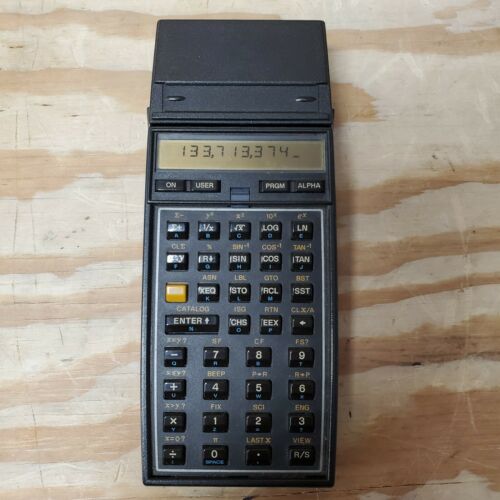
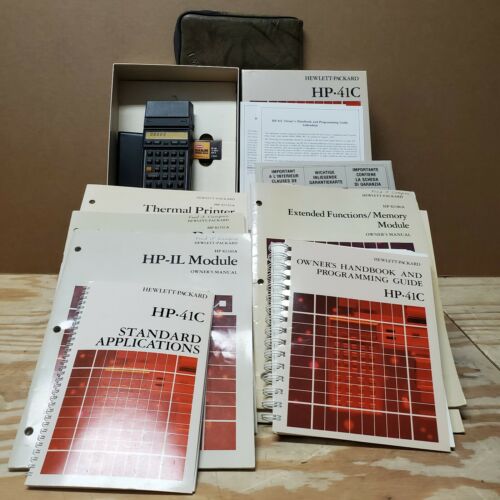
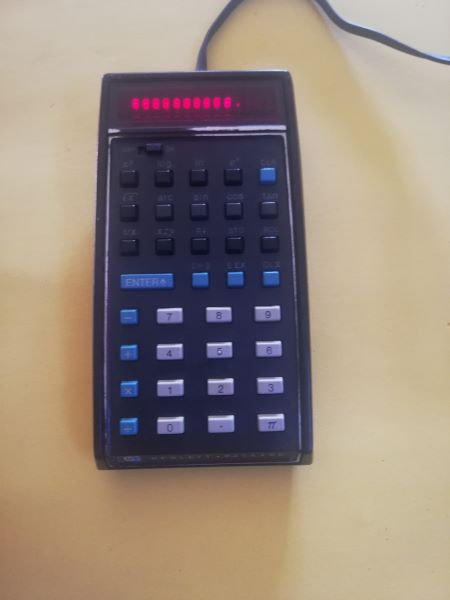


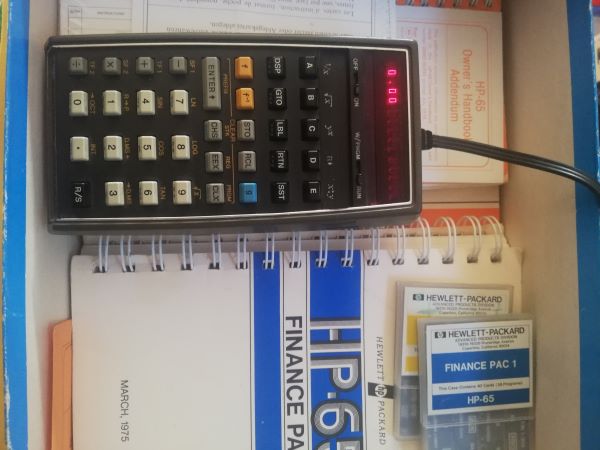

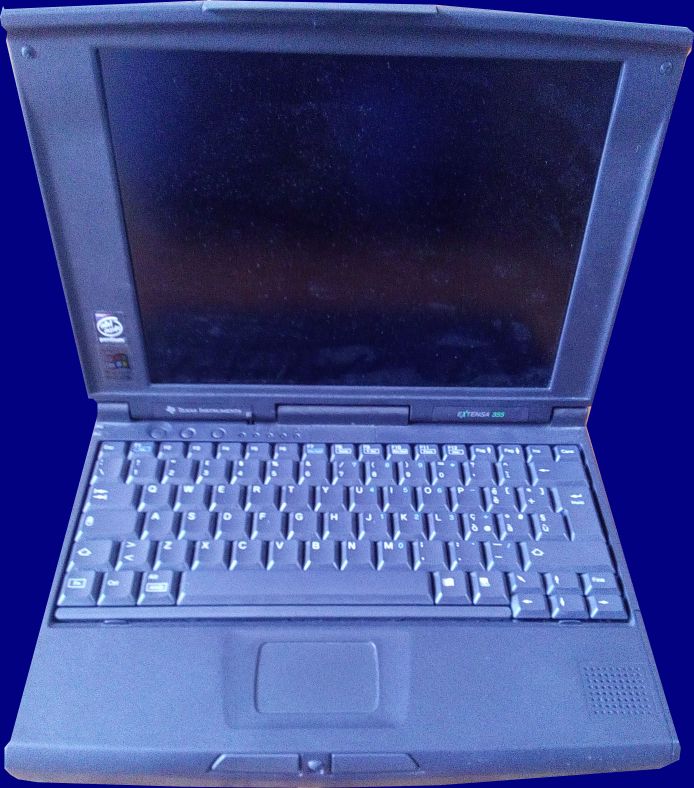
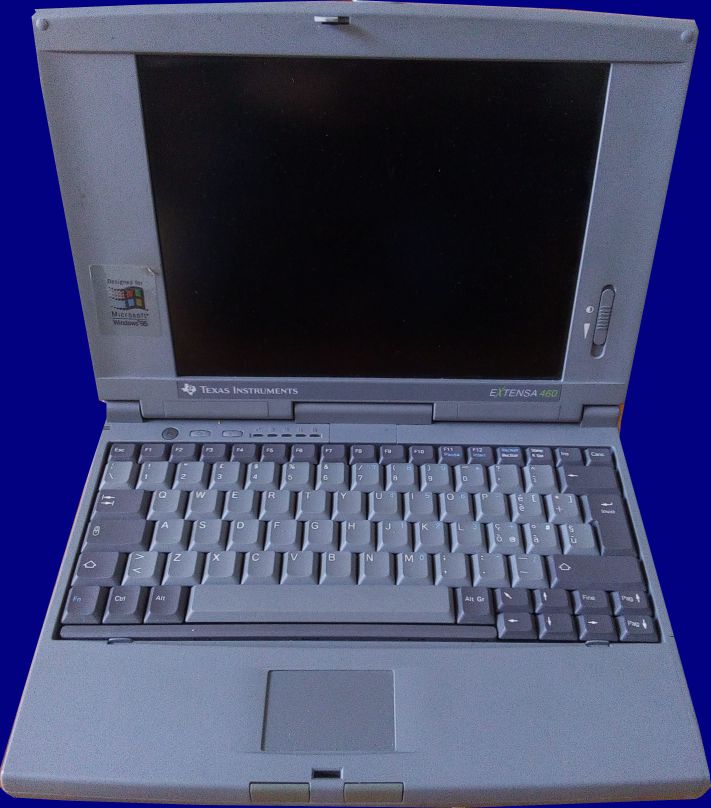
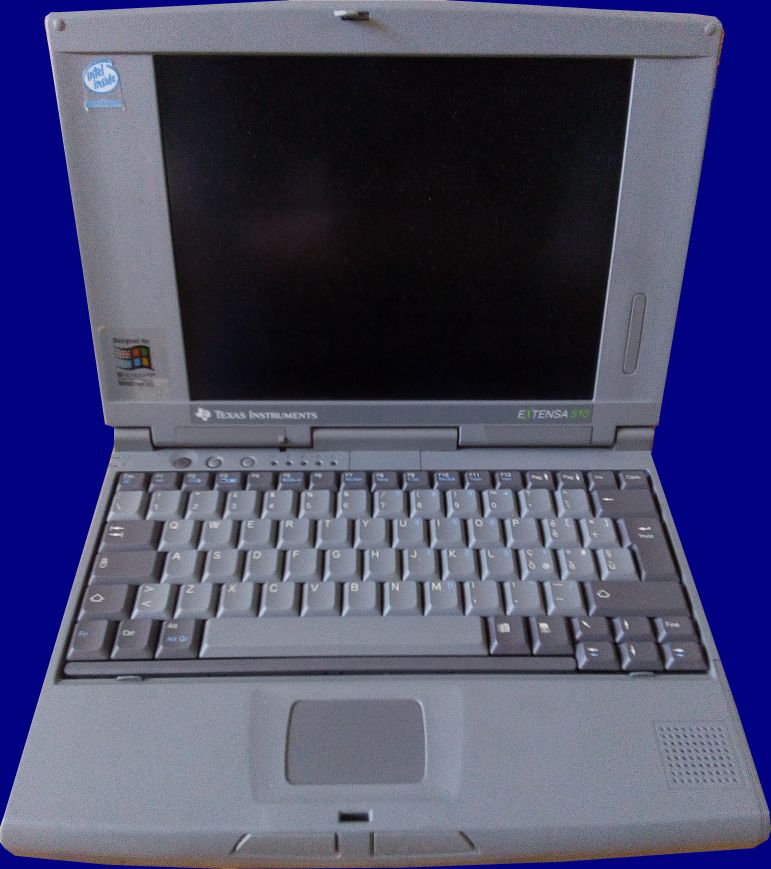
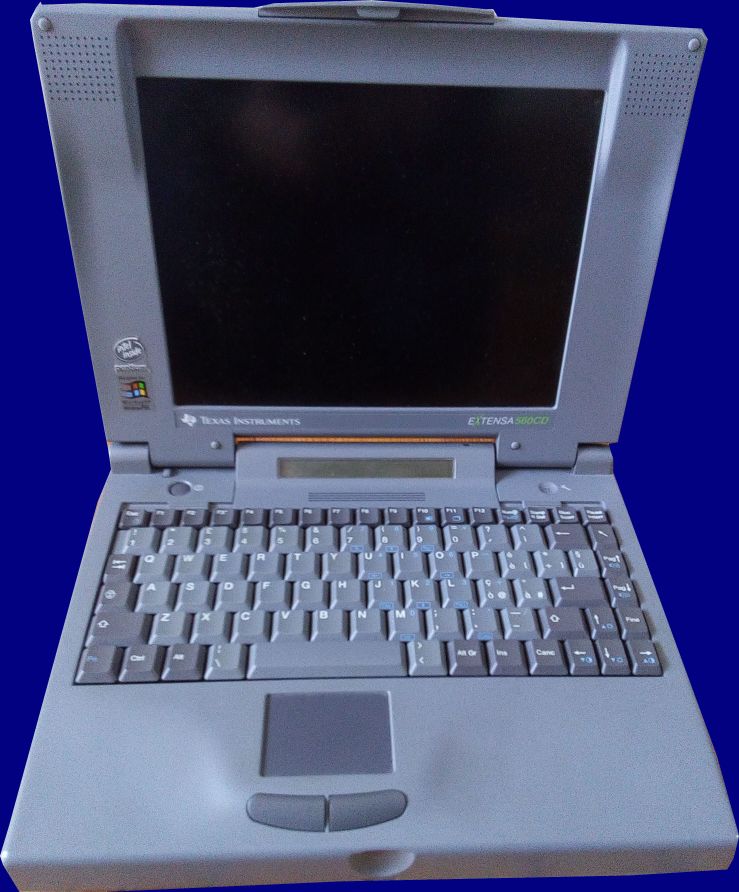
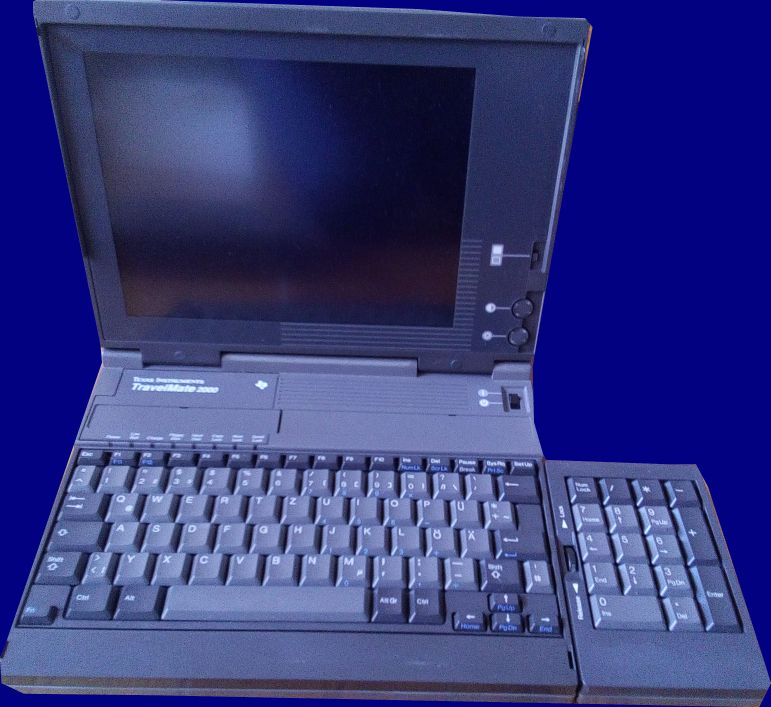
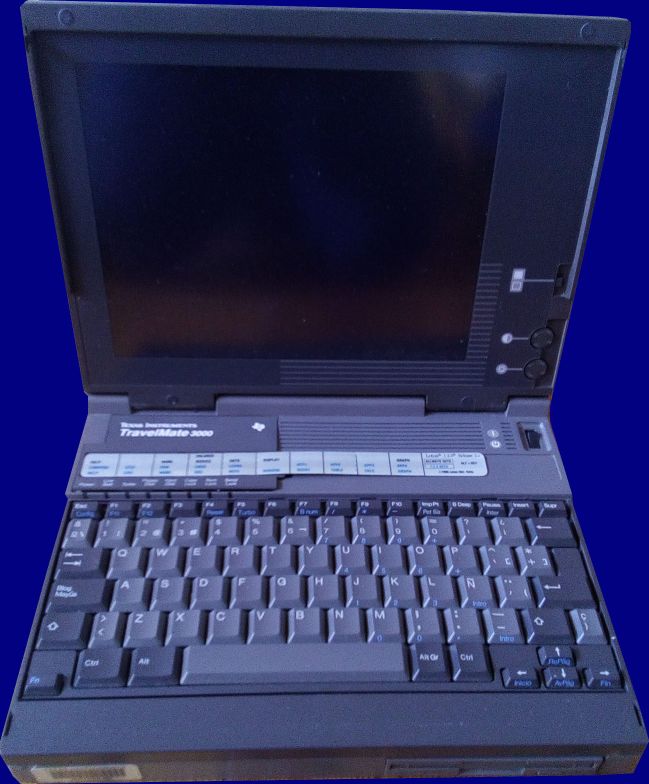
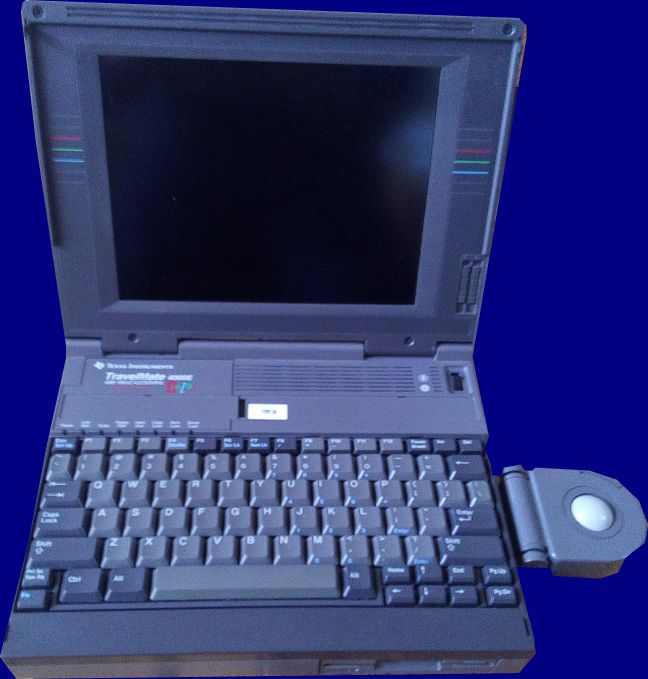
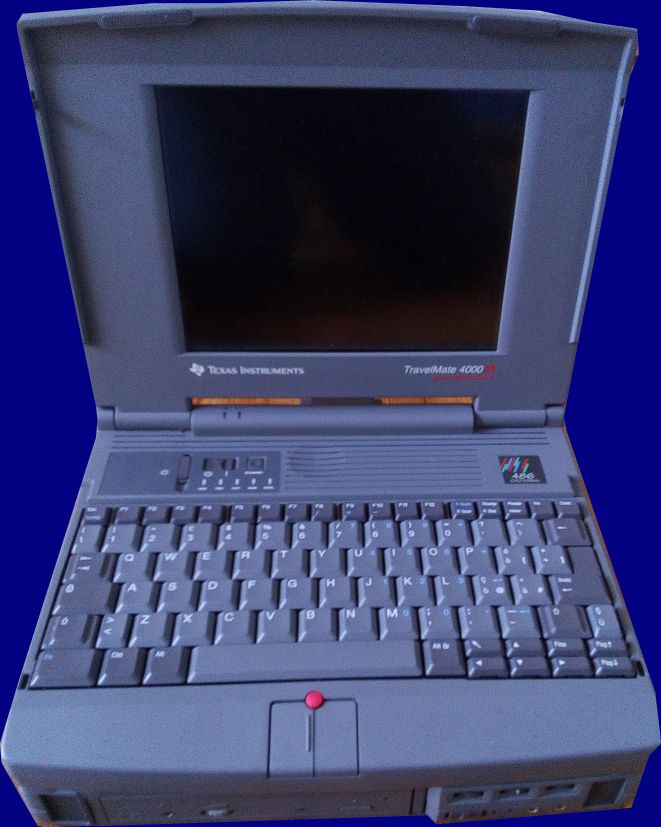
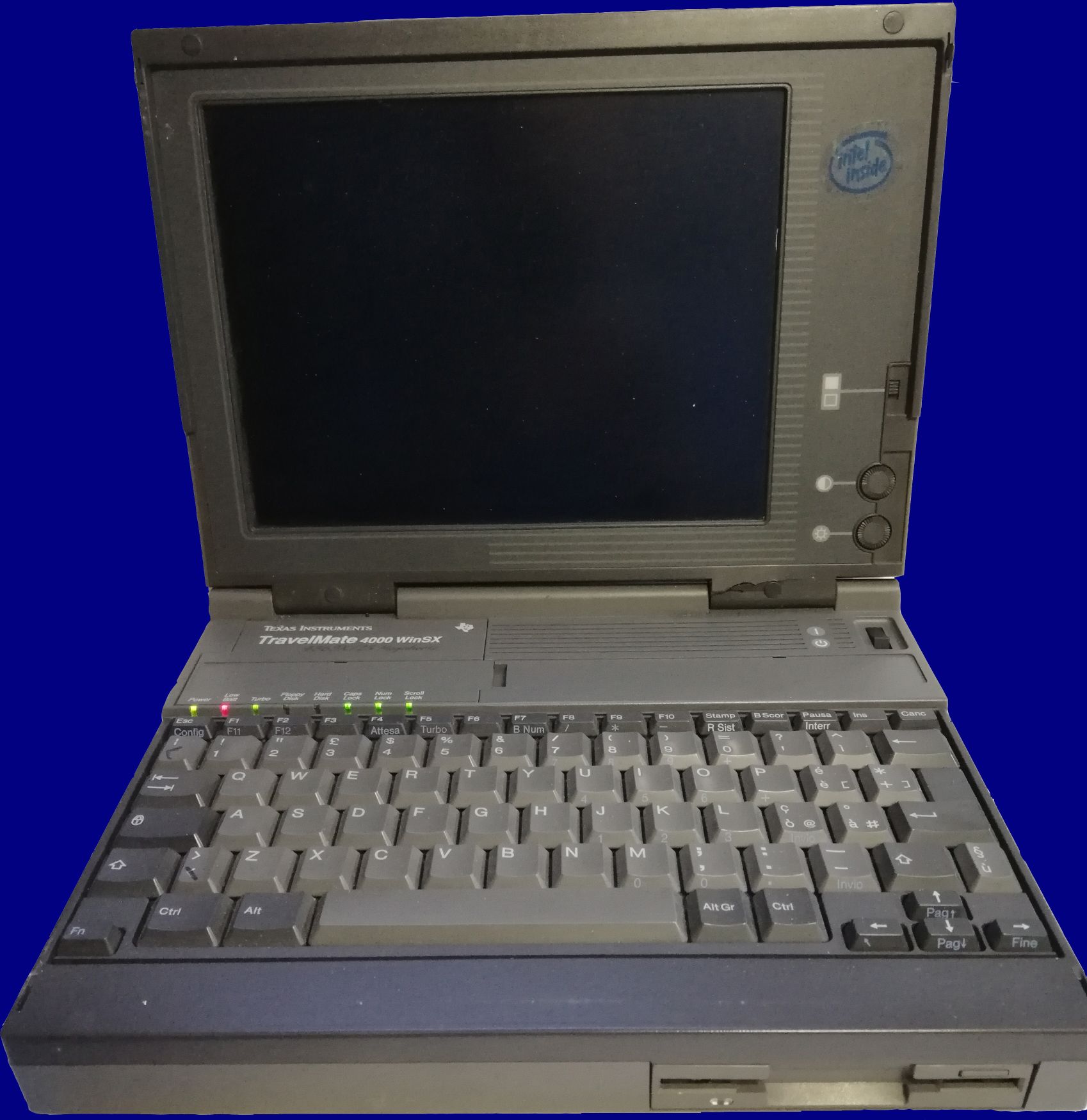
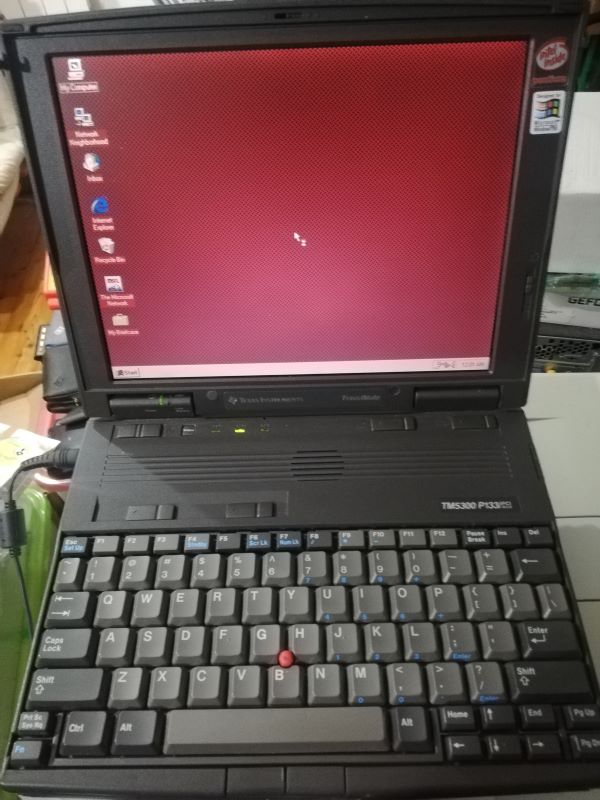
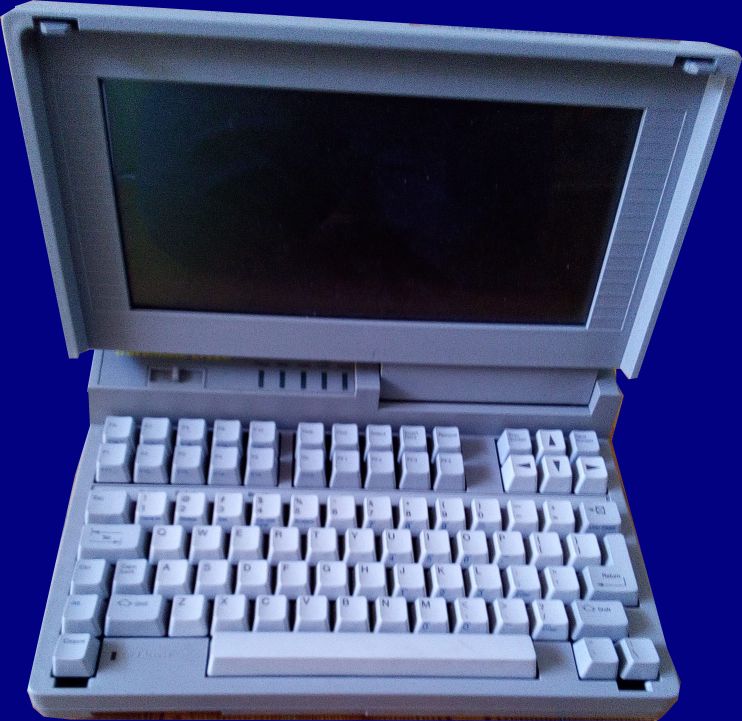
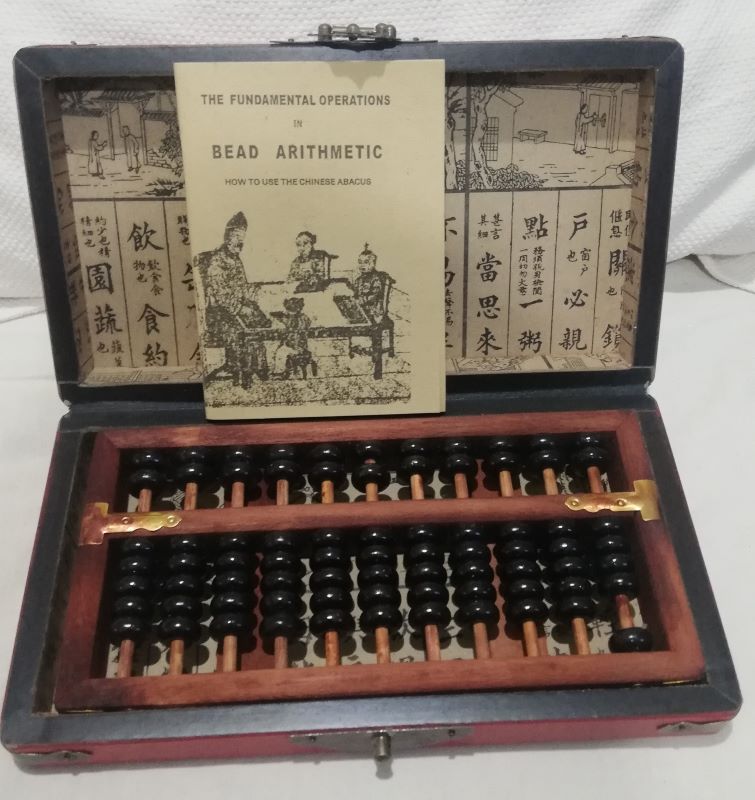
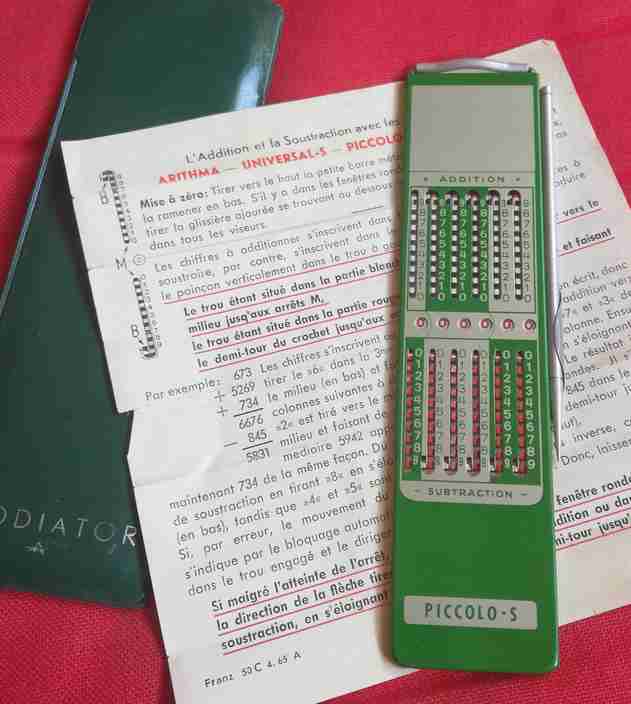
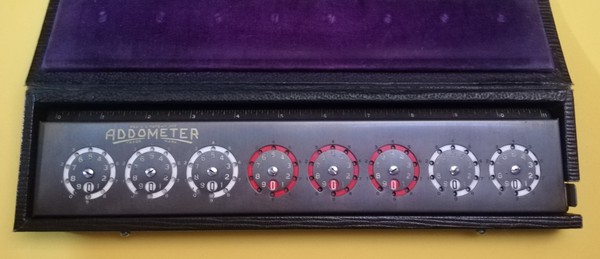
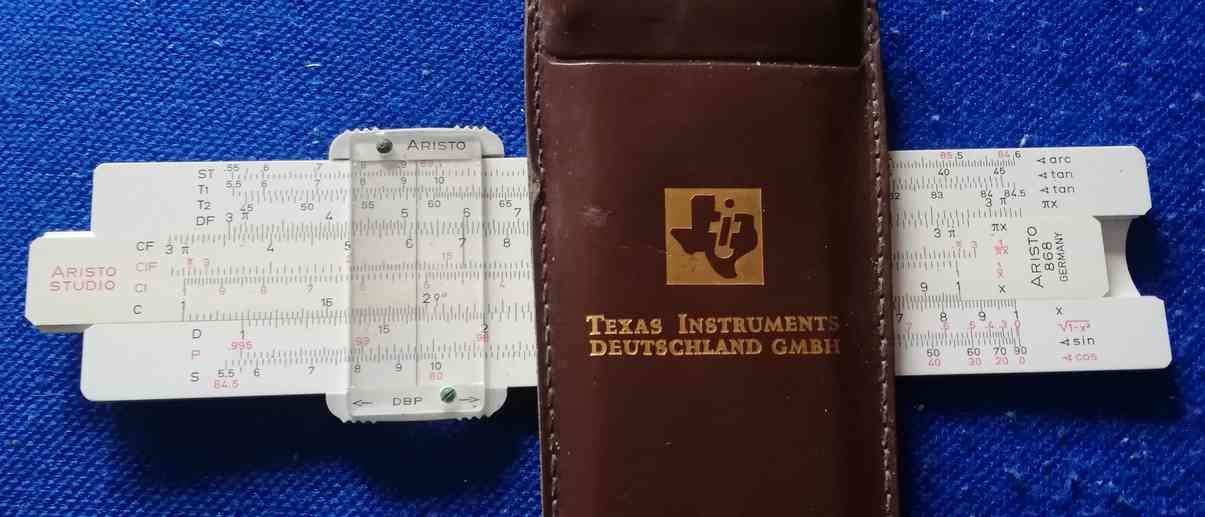
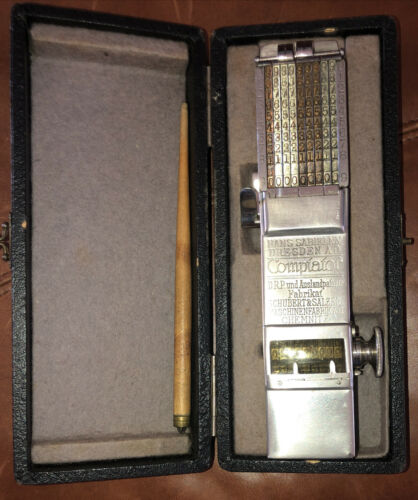
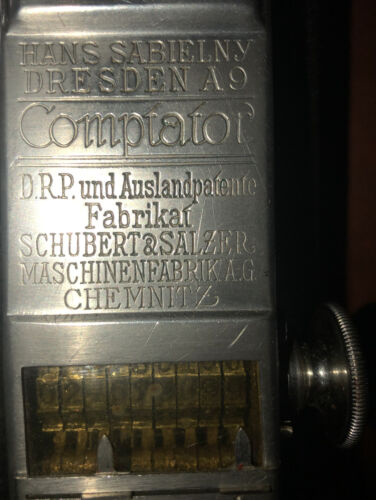
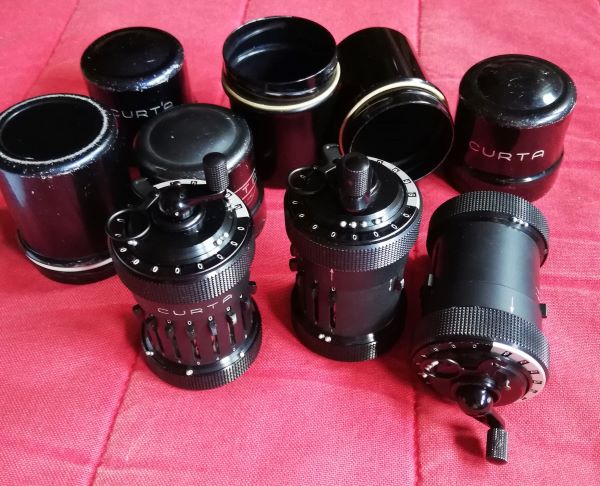
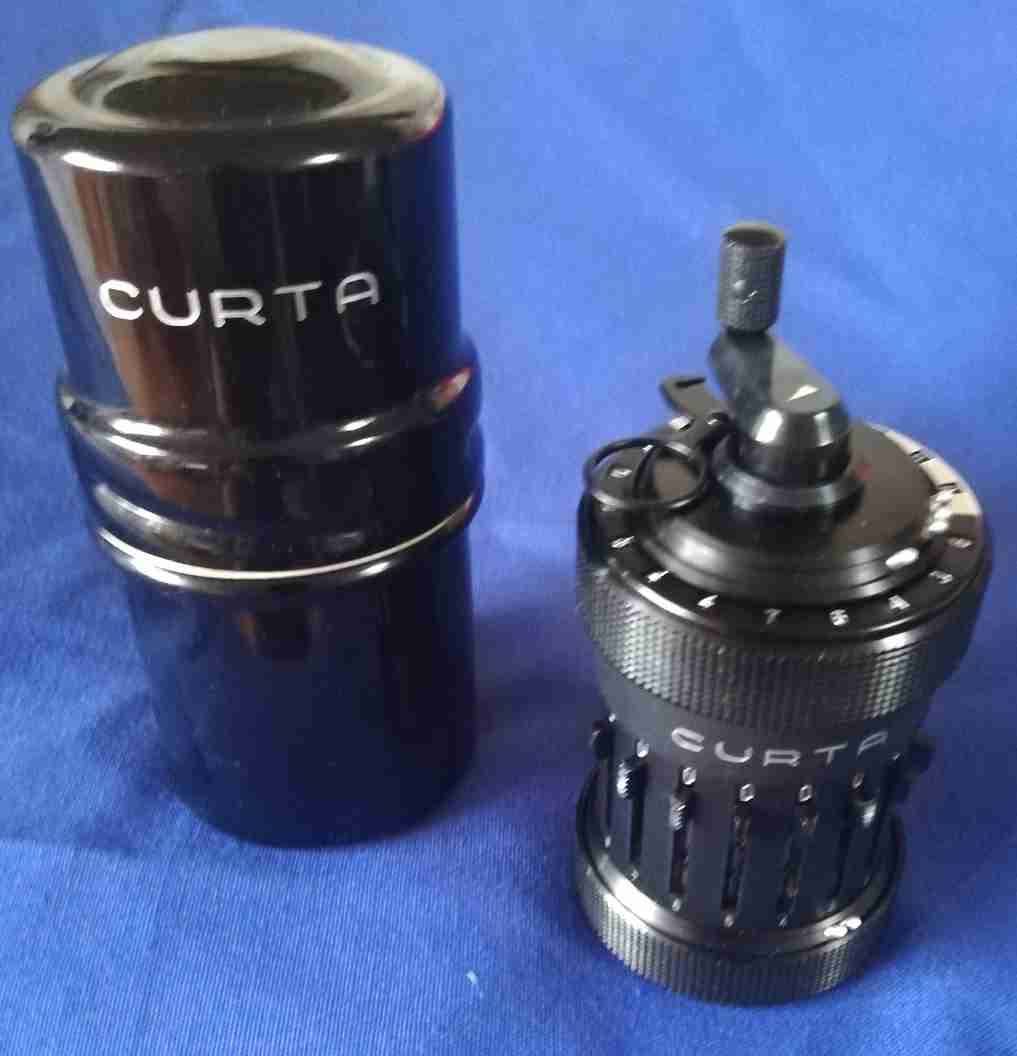
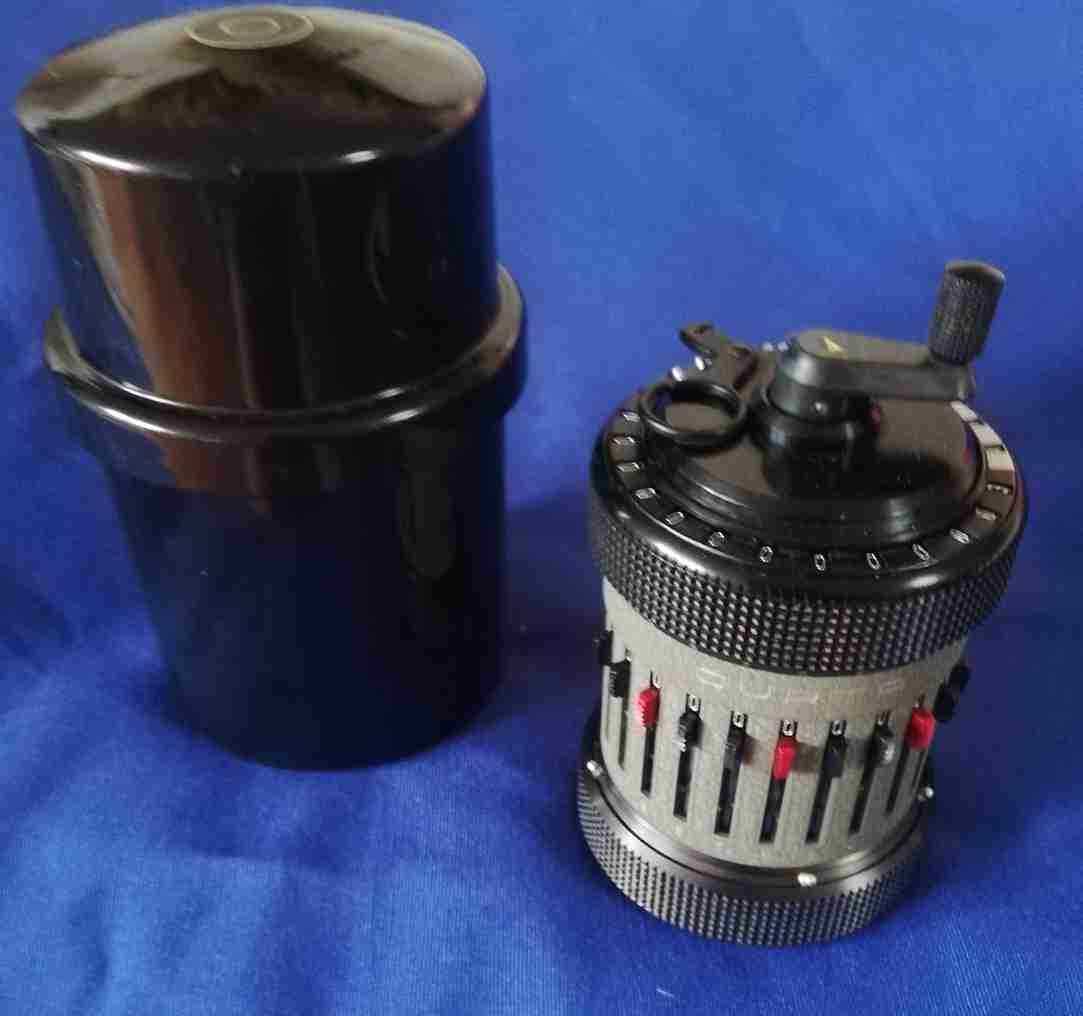
.jpg)
.jpg)
.jpg)
.jpg)
.jpg)
.jpg)
.jpg)
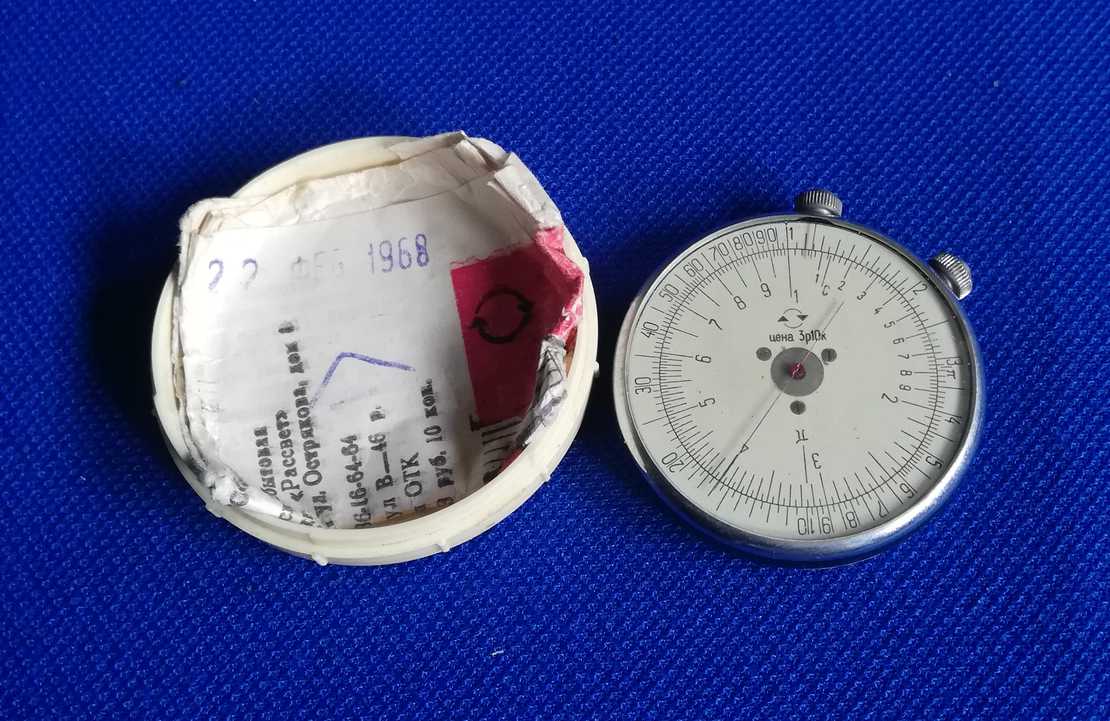
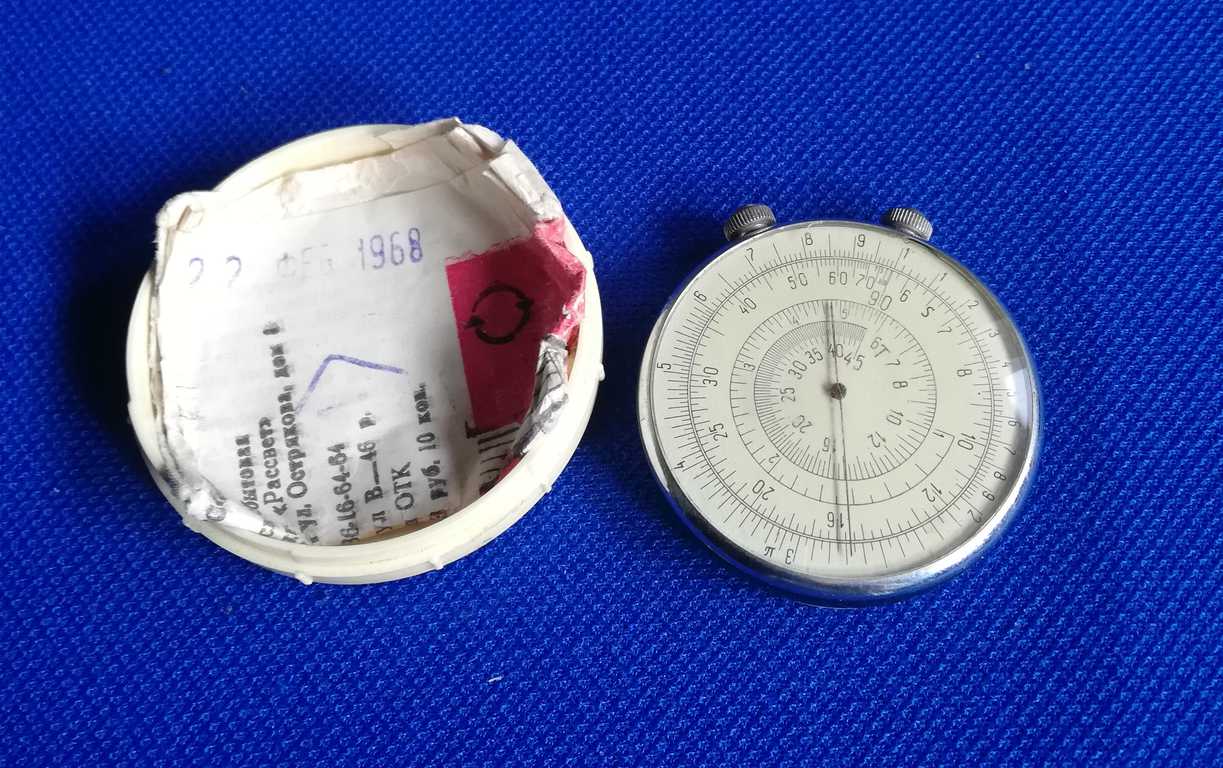
.jpg)
.jpg)
.jpg)
.jpg)
.jpg)
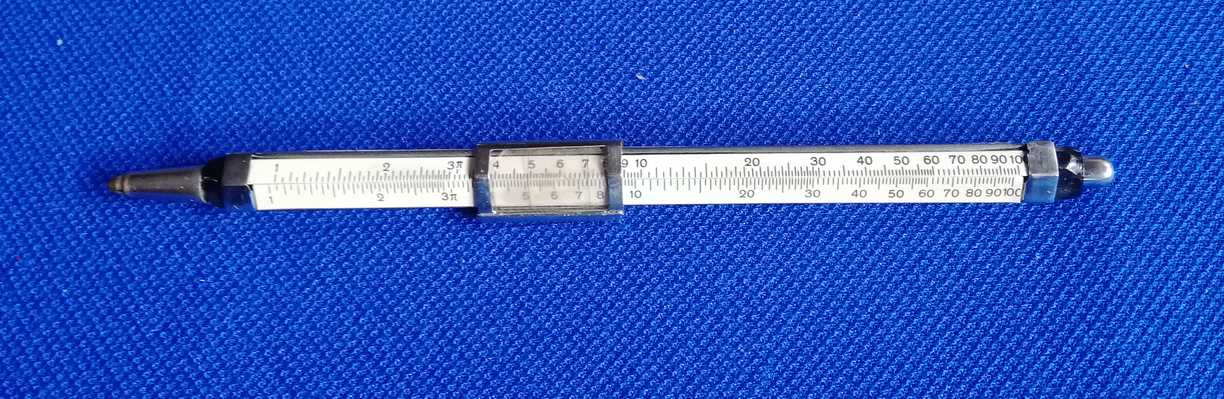
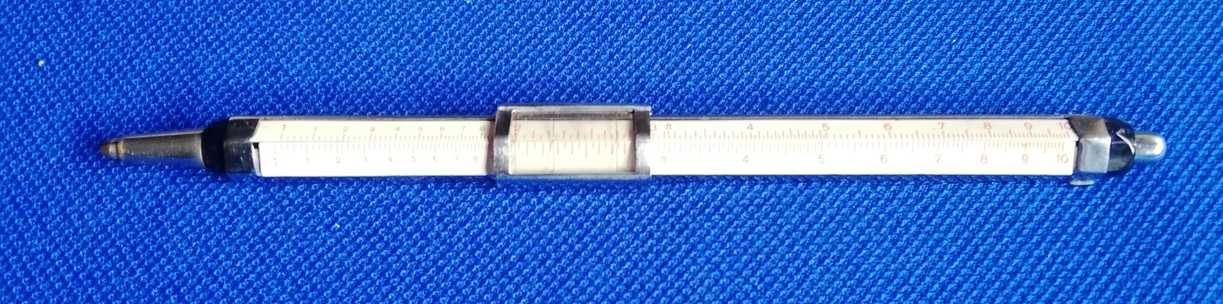
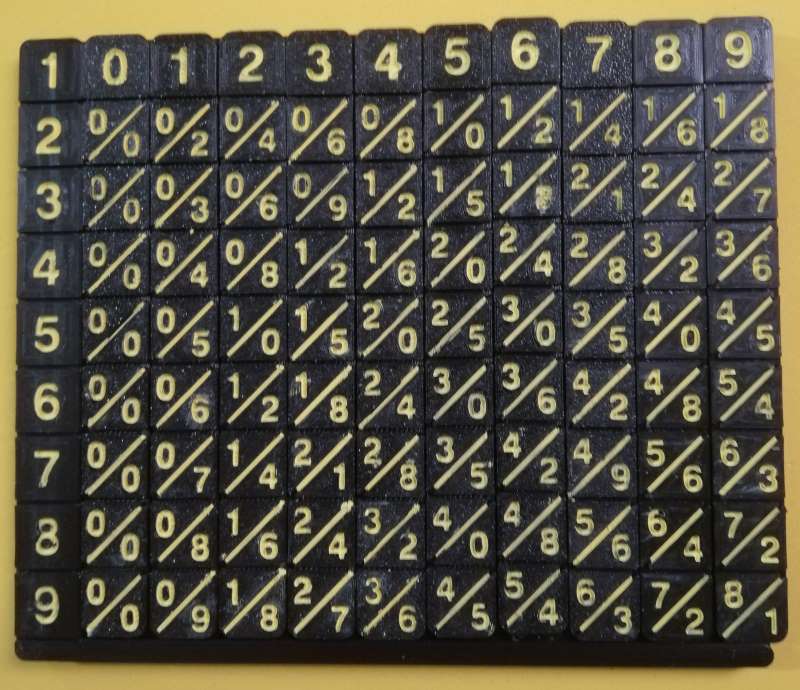
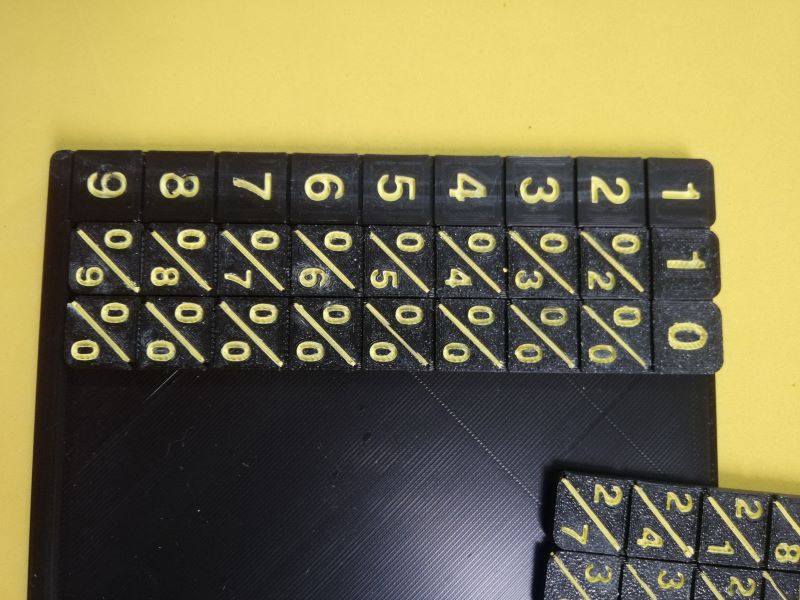
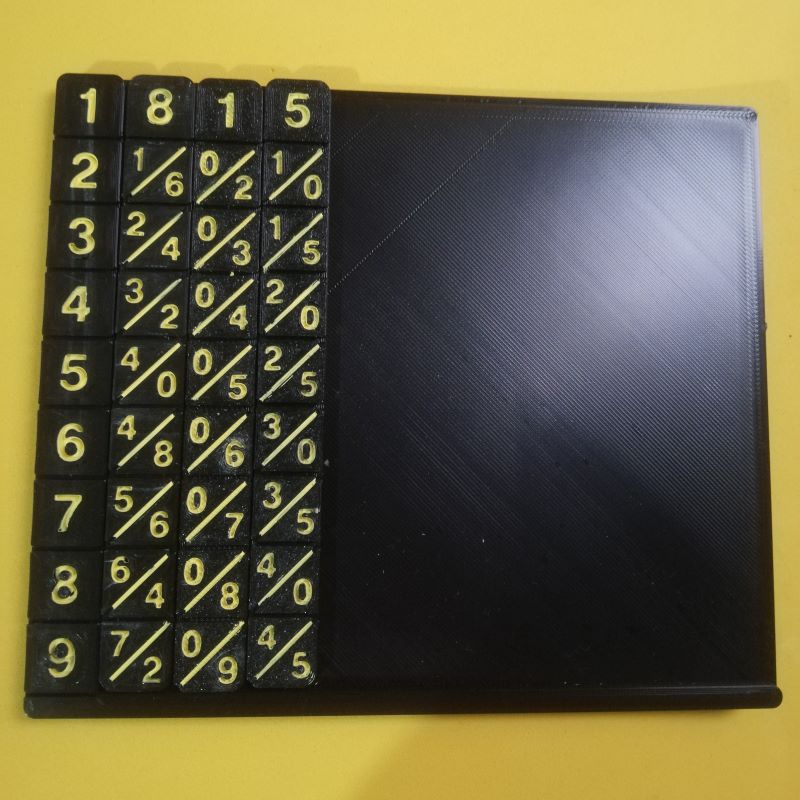
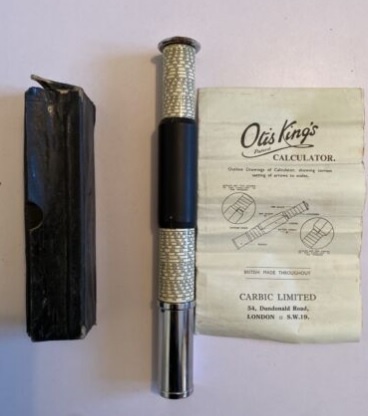
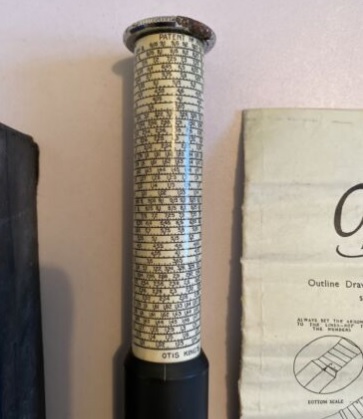


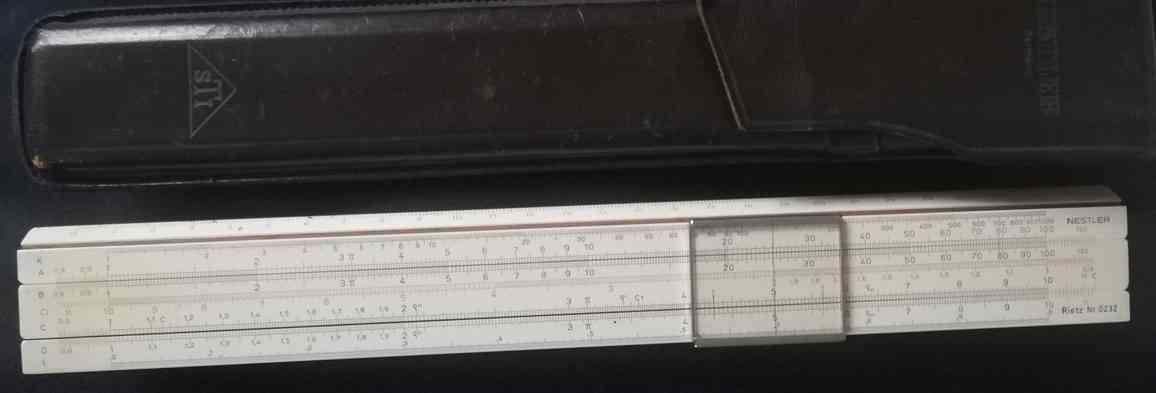
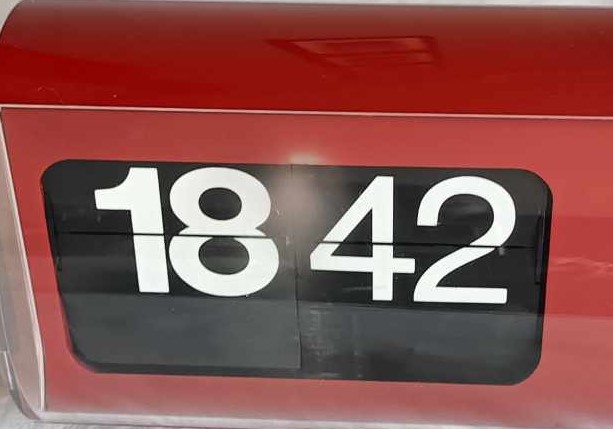
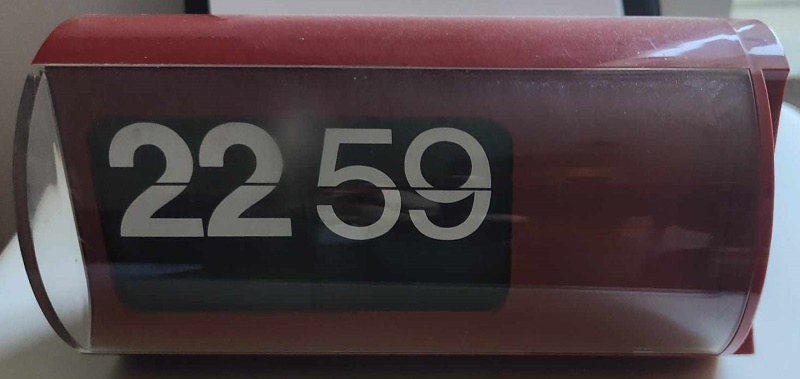
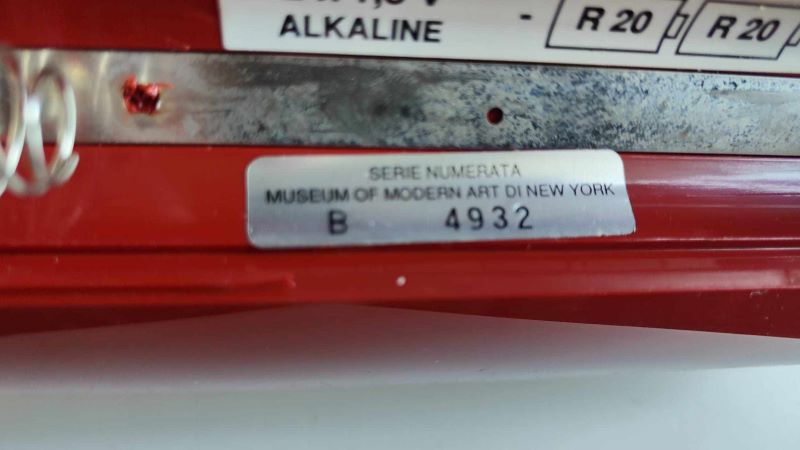
.jpg)
.jpg)
.jpg)
.jpg)
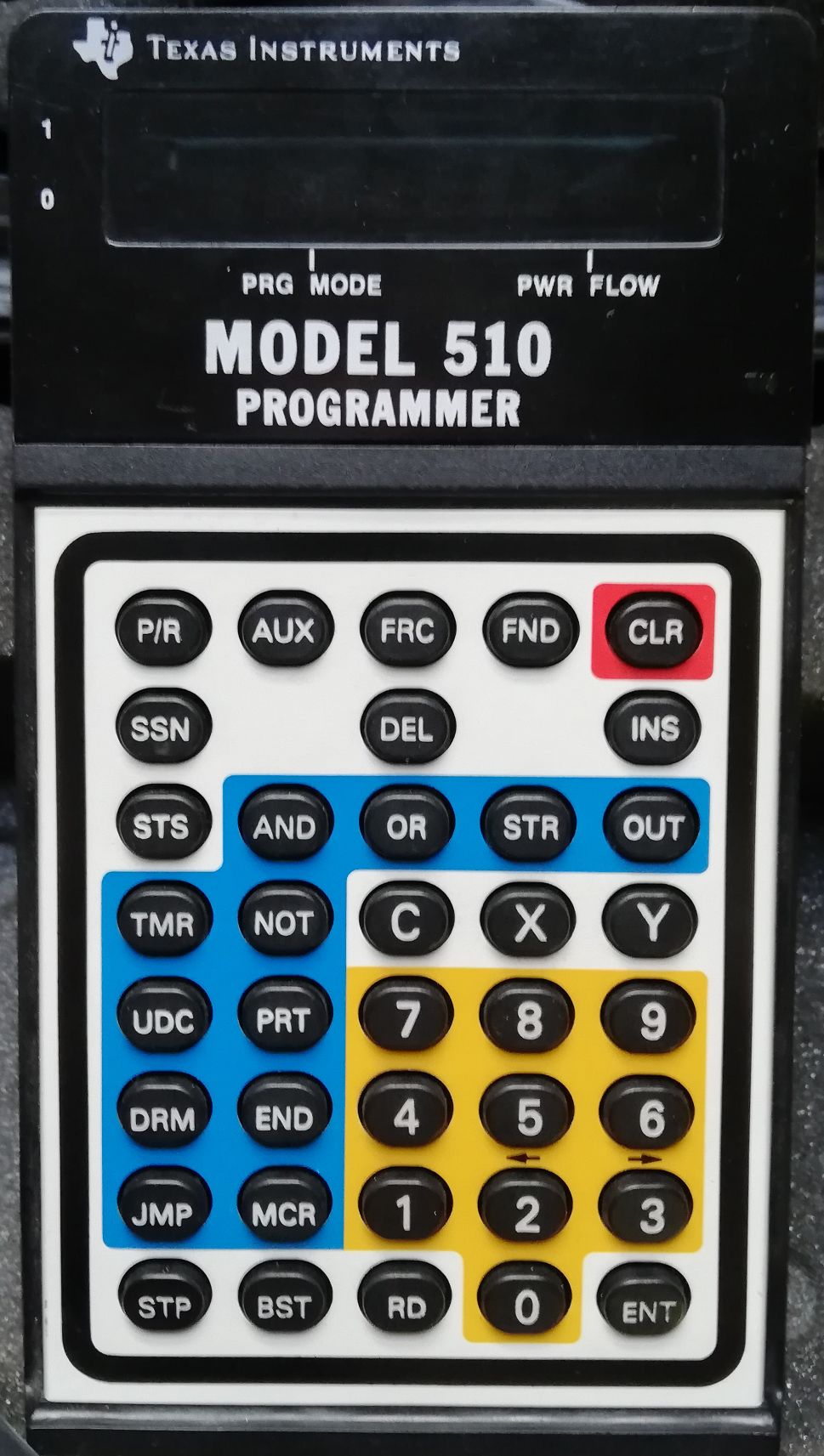
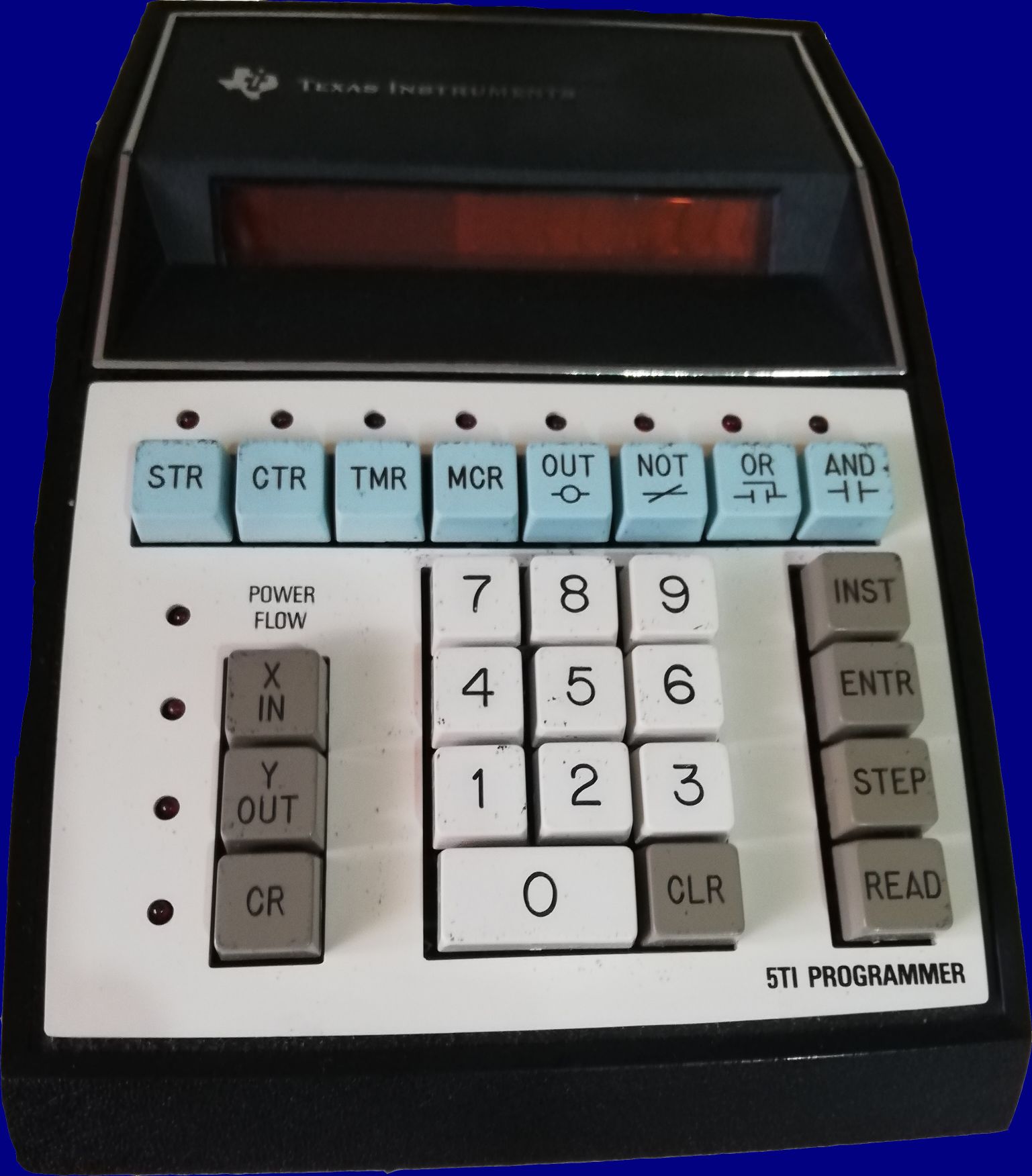
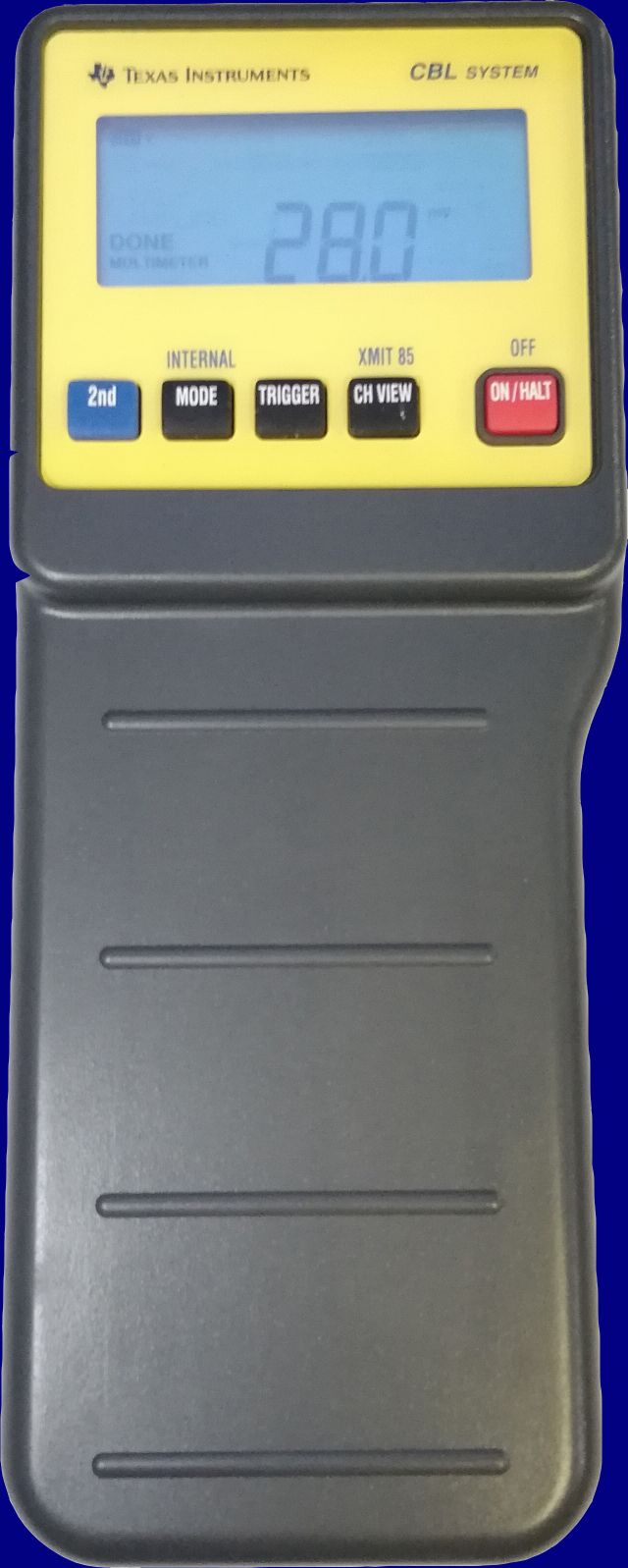
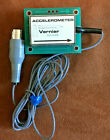
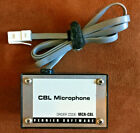
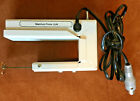
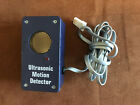
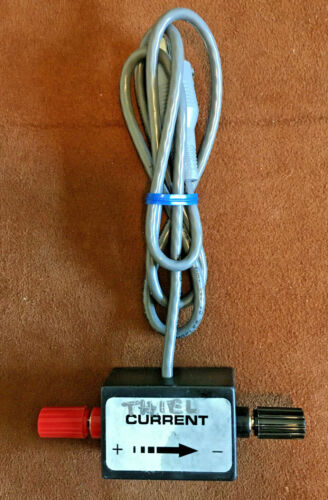
.jpg)
.jpg)
.jpg)
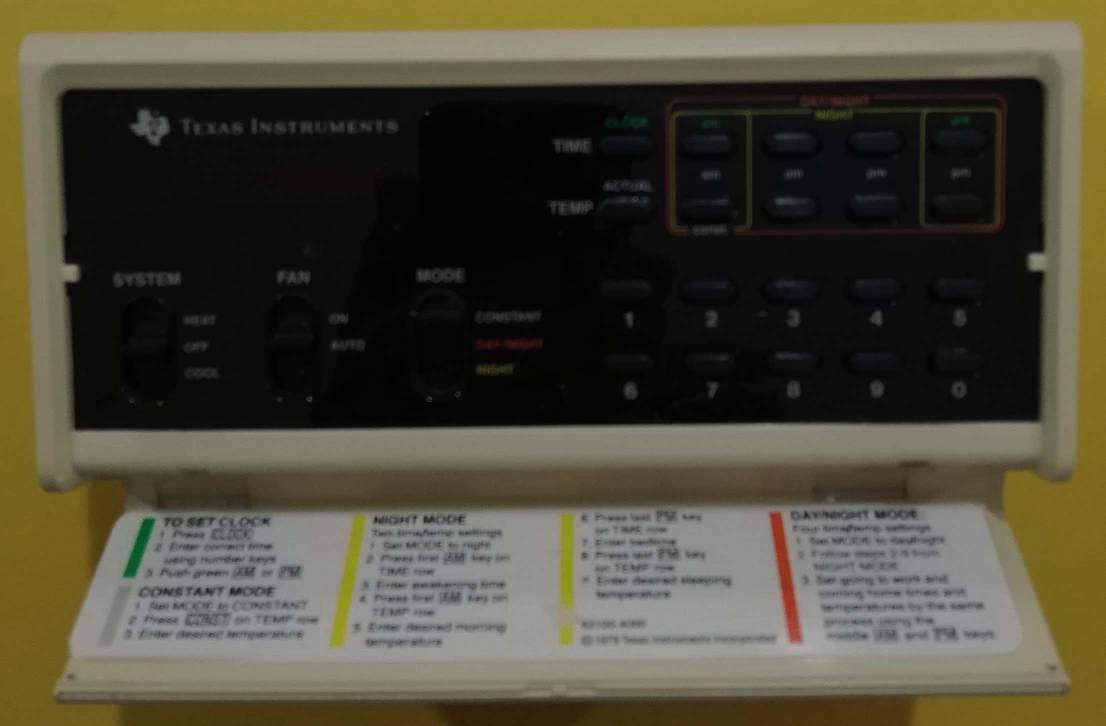
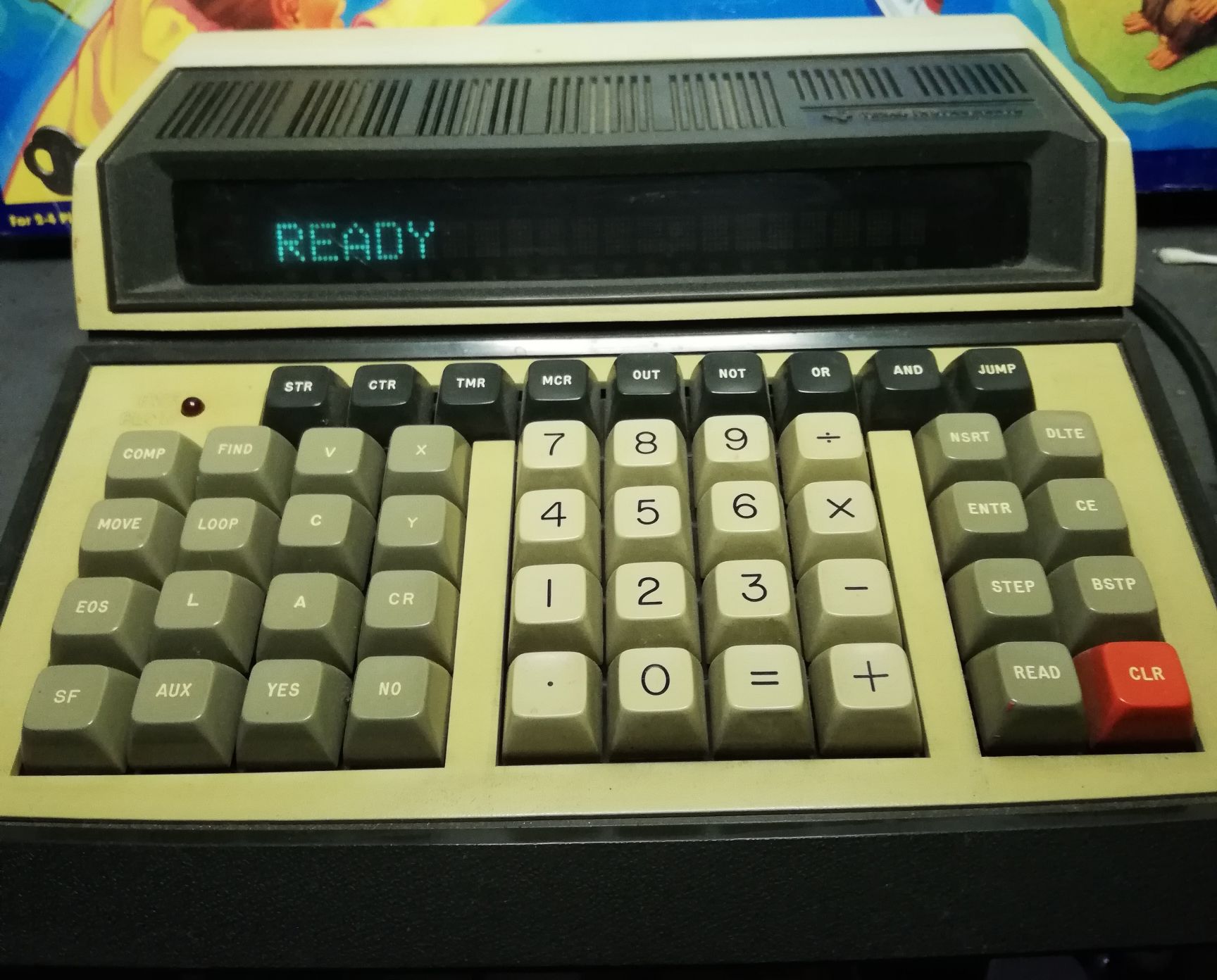

.jpg)
.jpg)
.jpg)
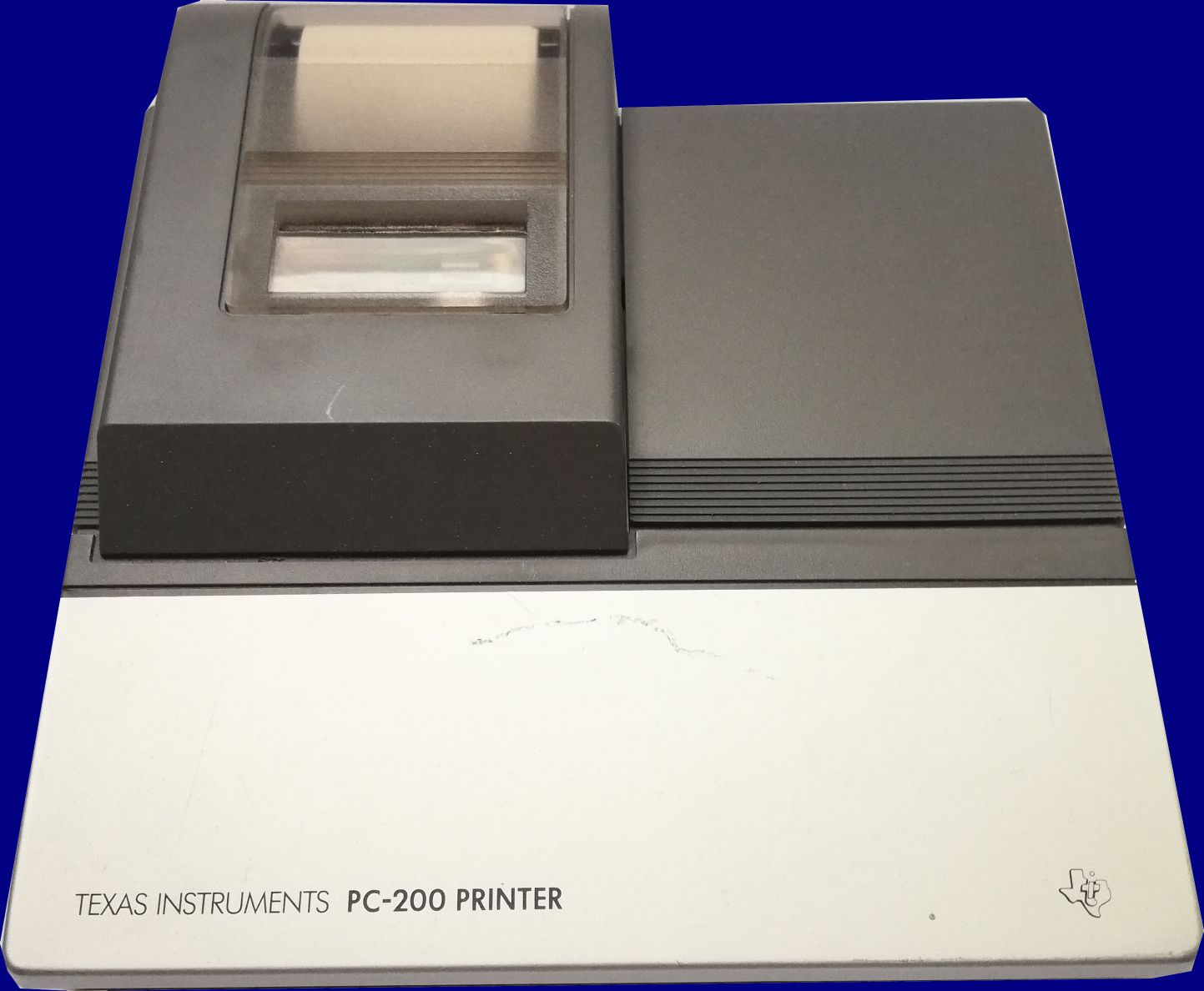


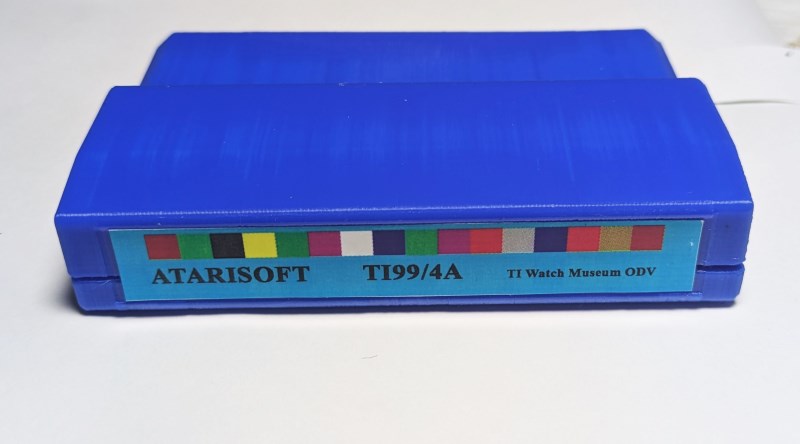
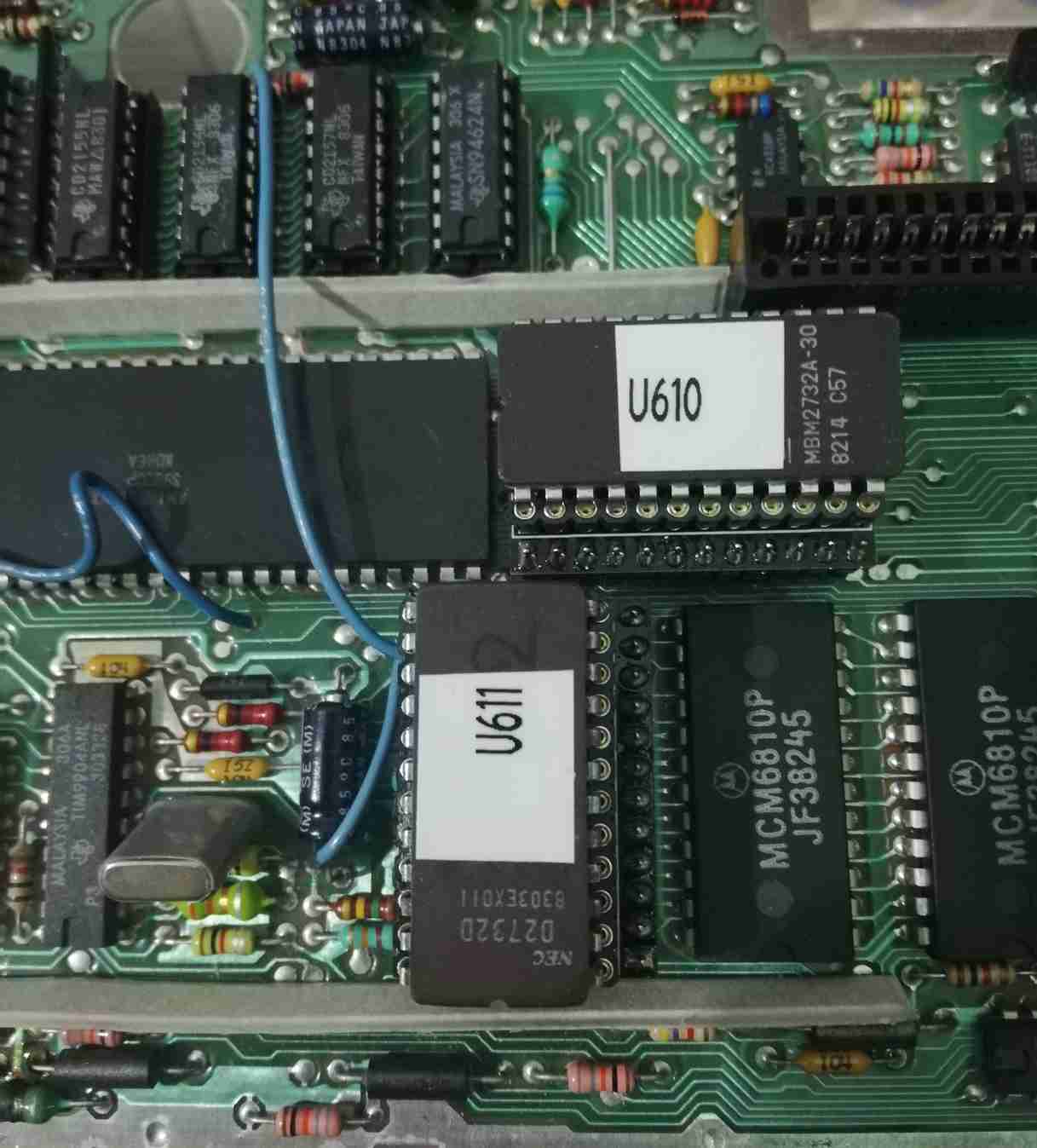
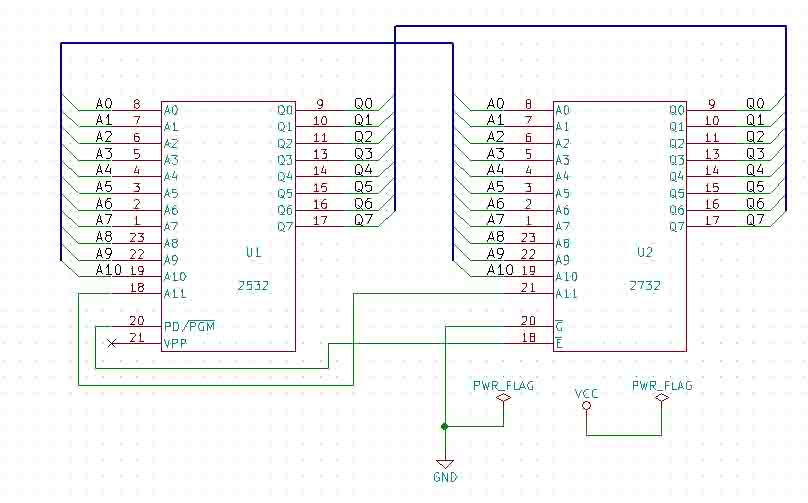
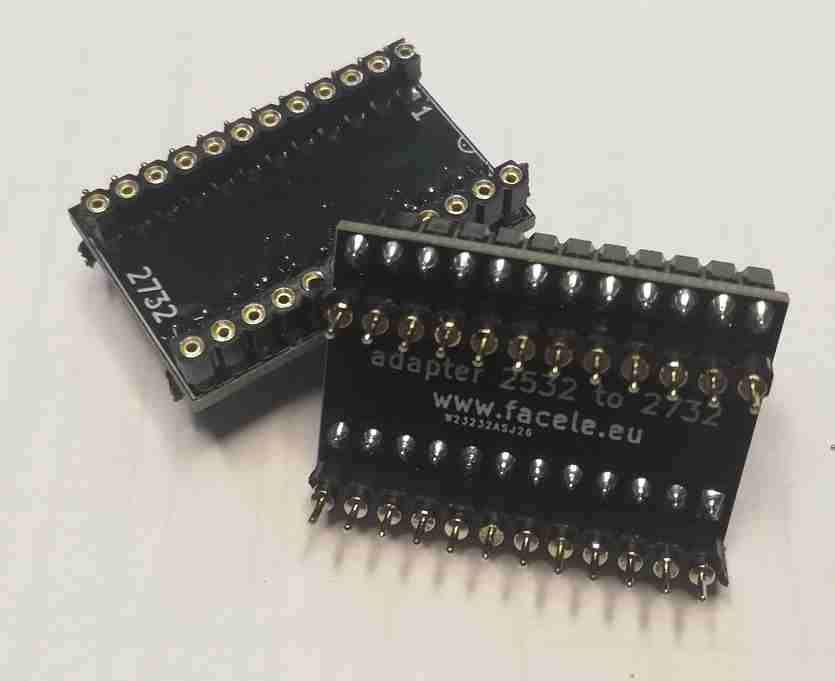


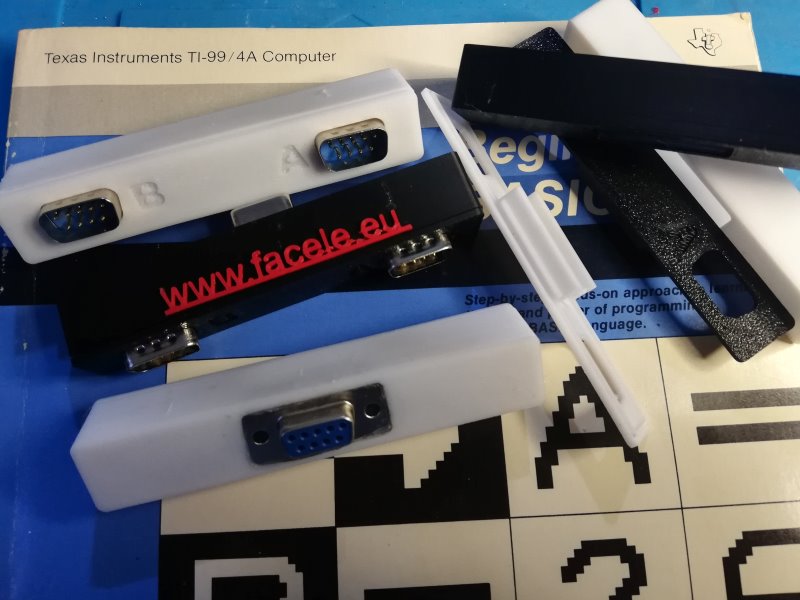


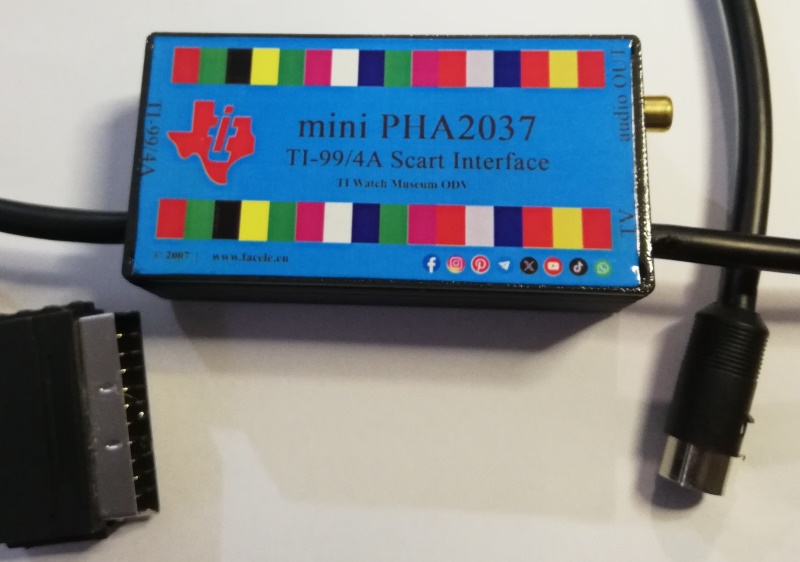


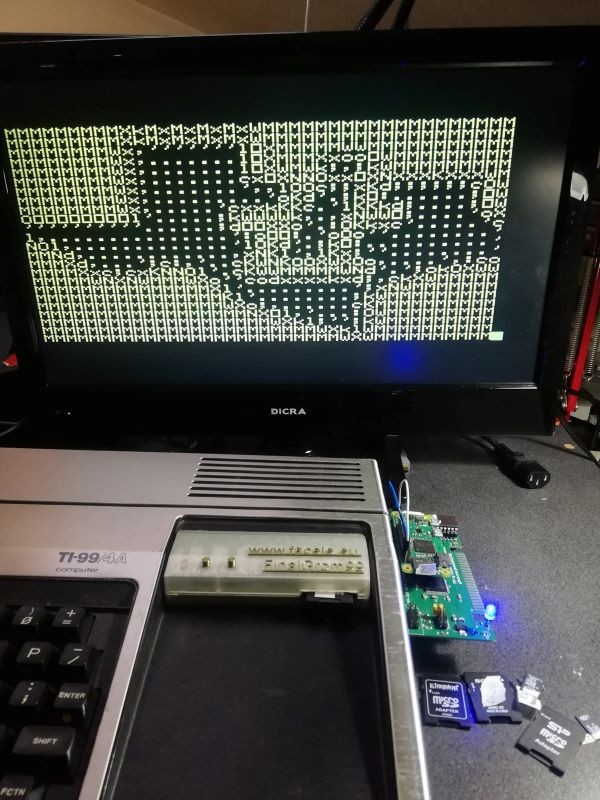


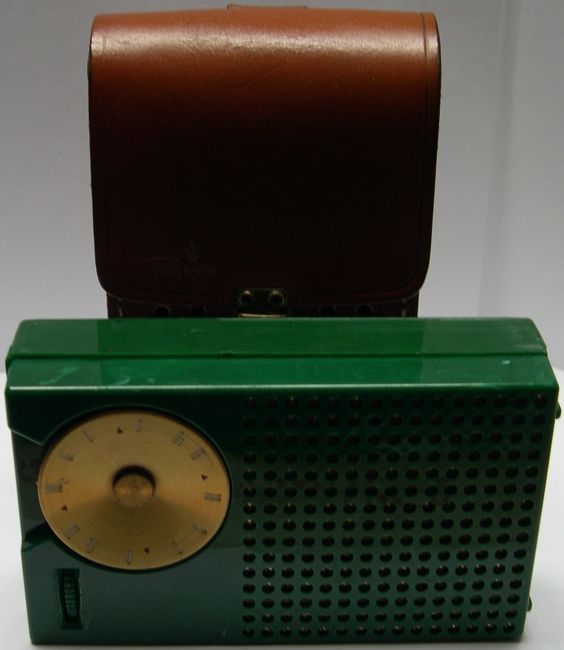
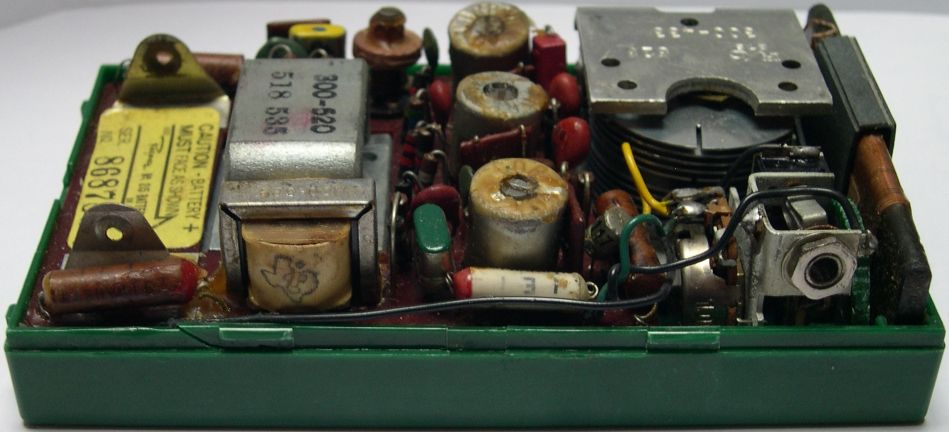
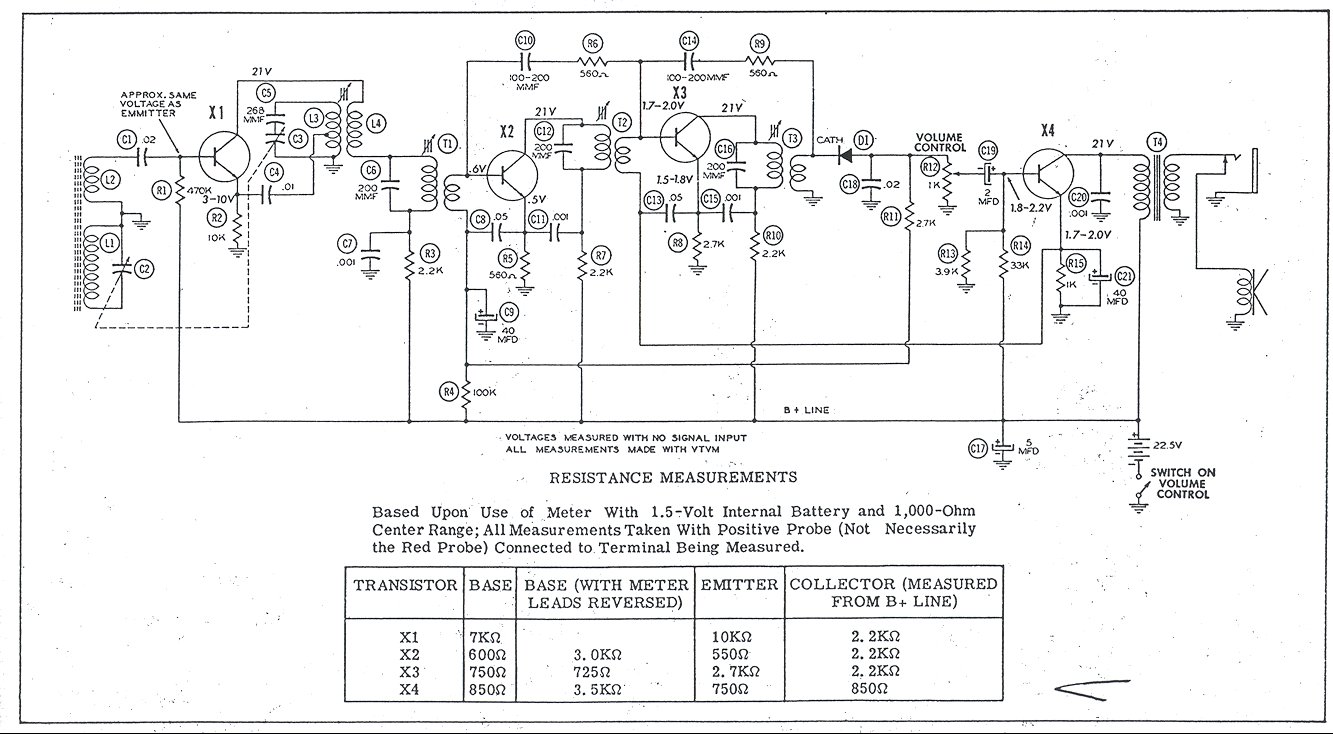
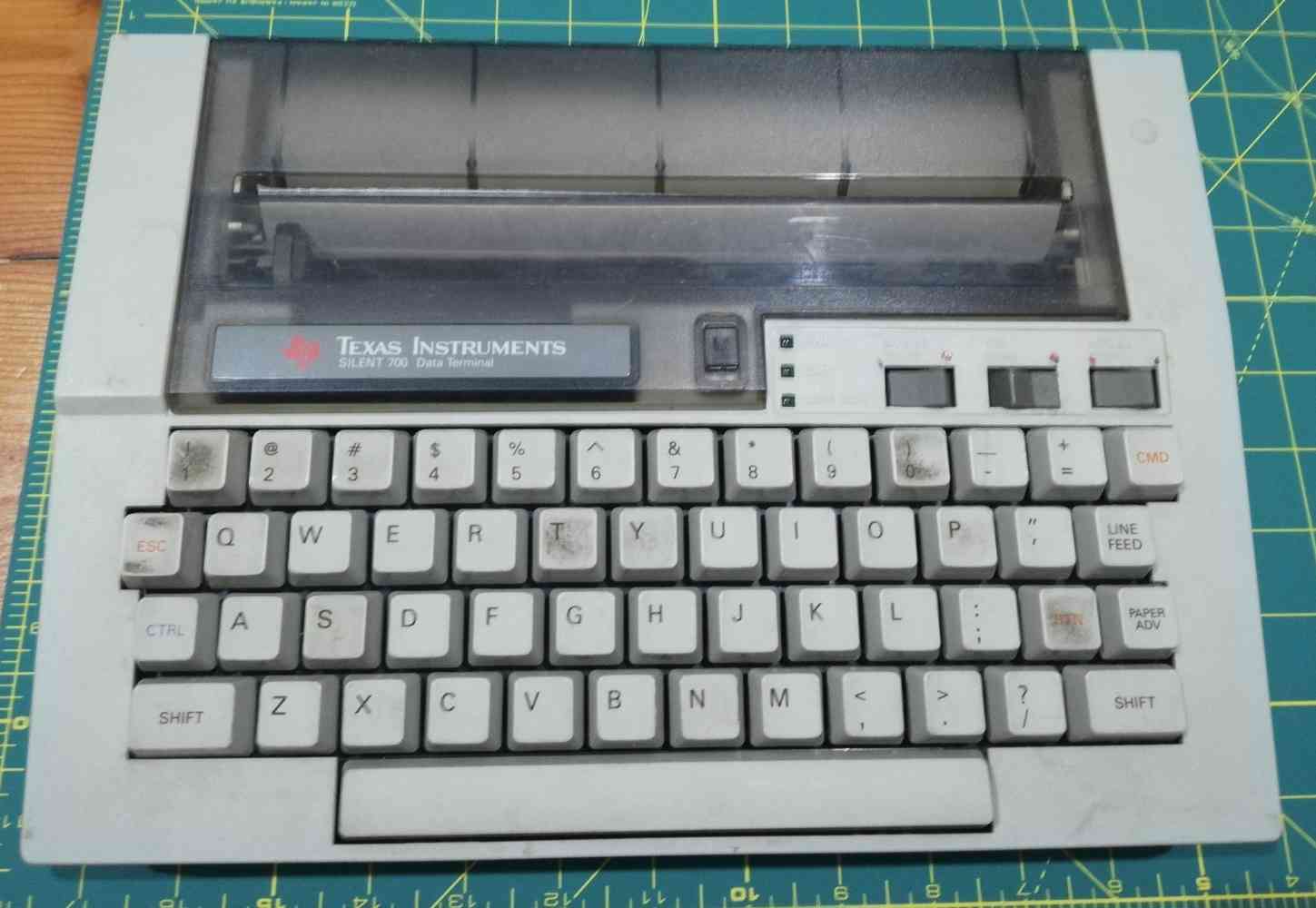
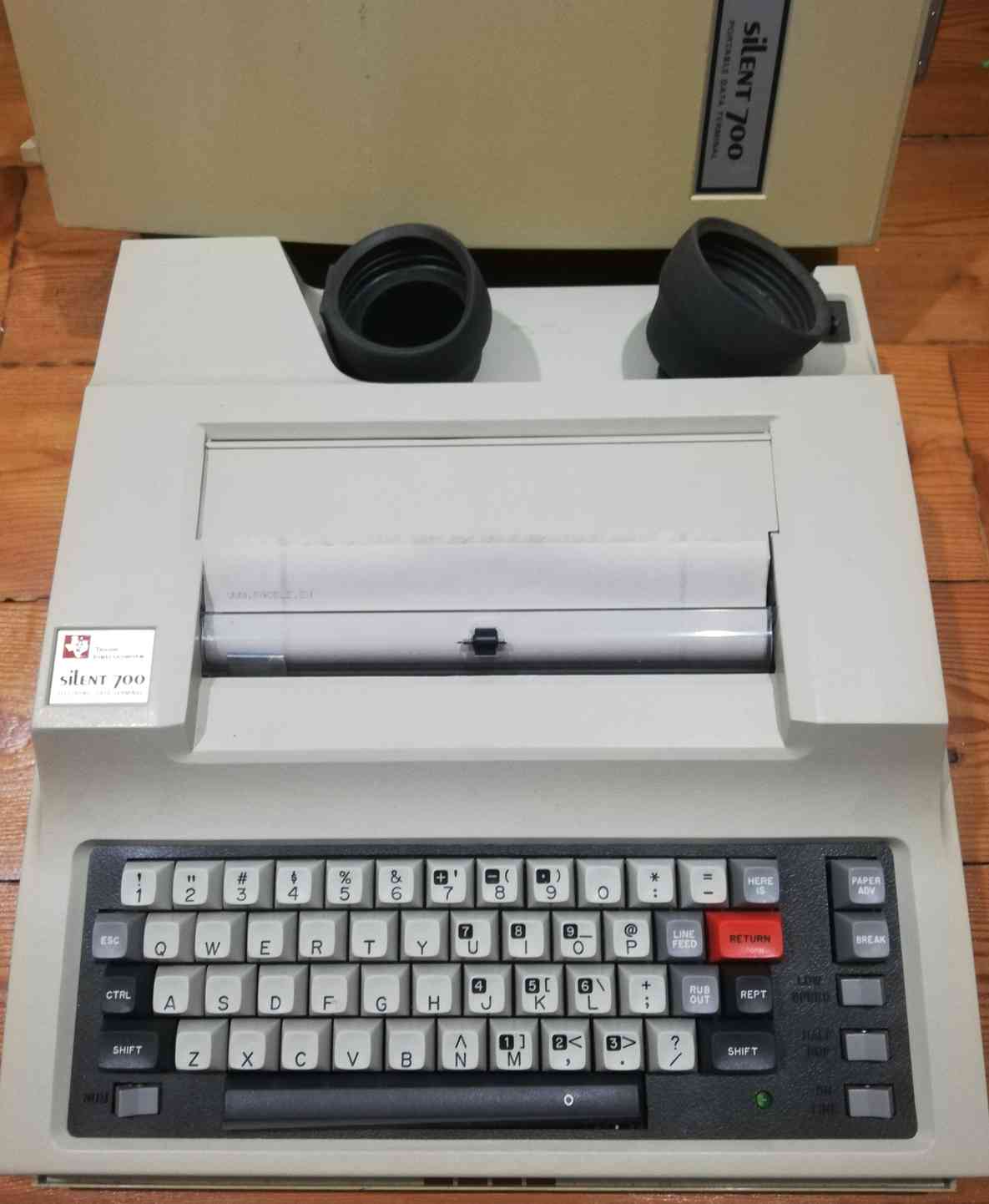
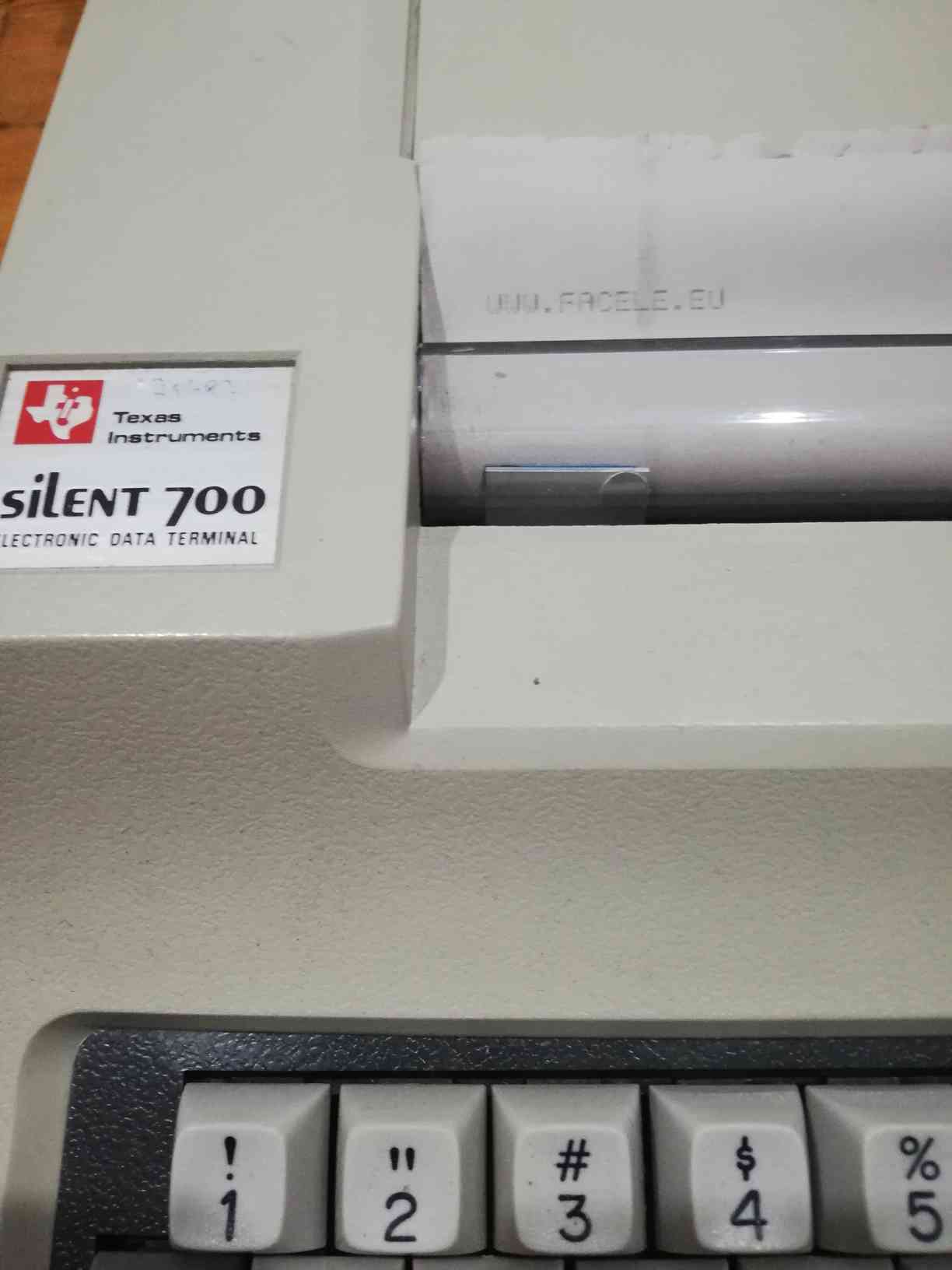
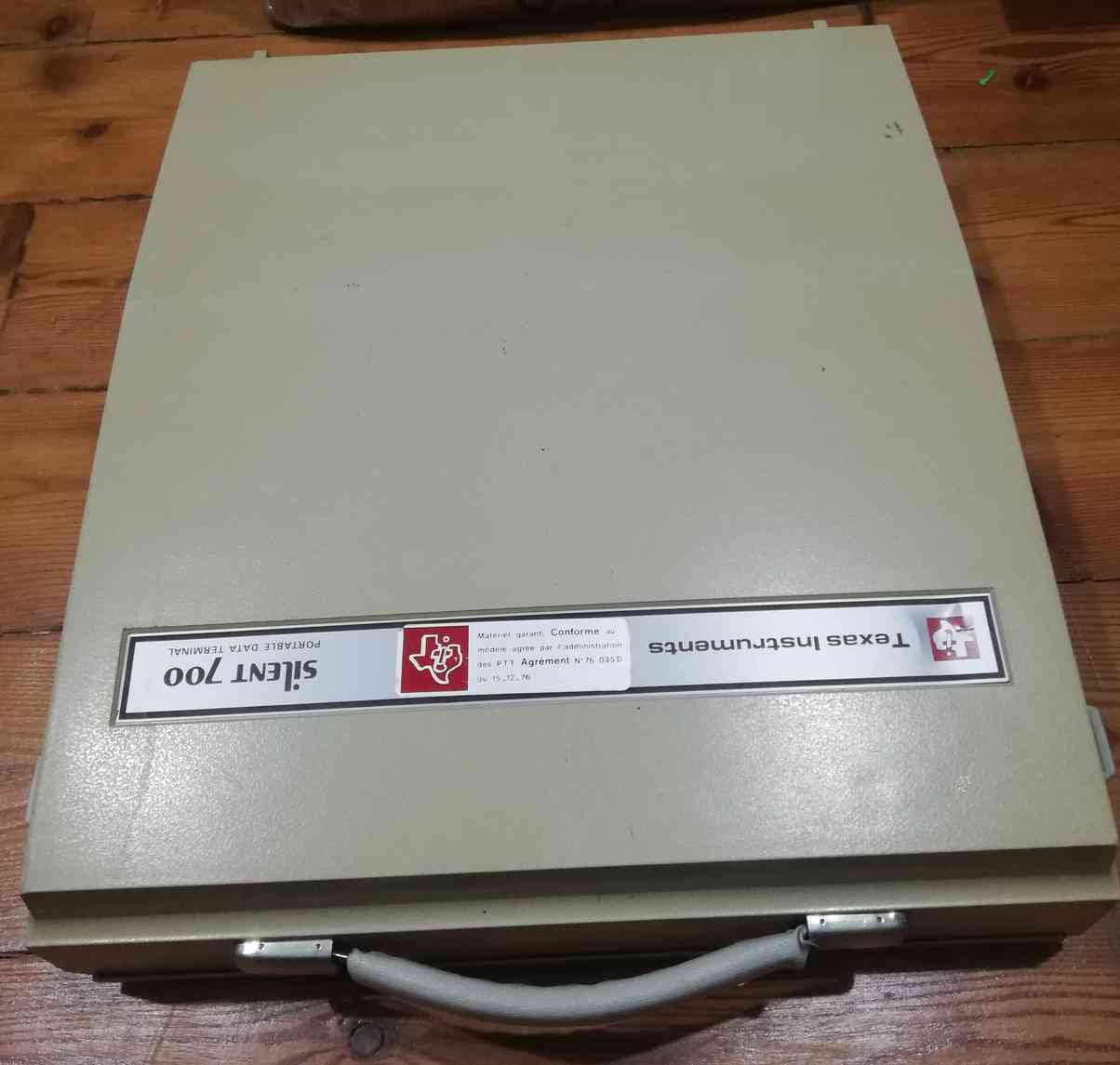

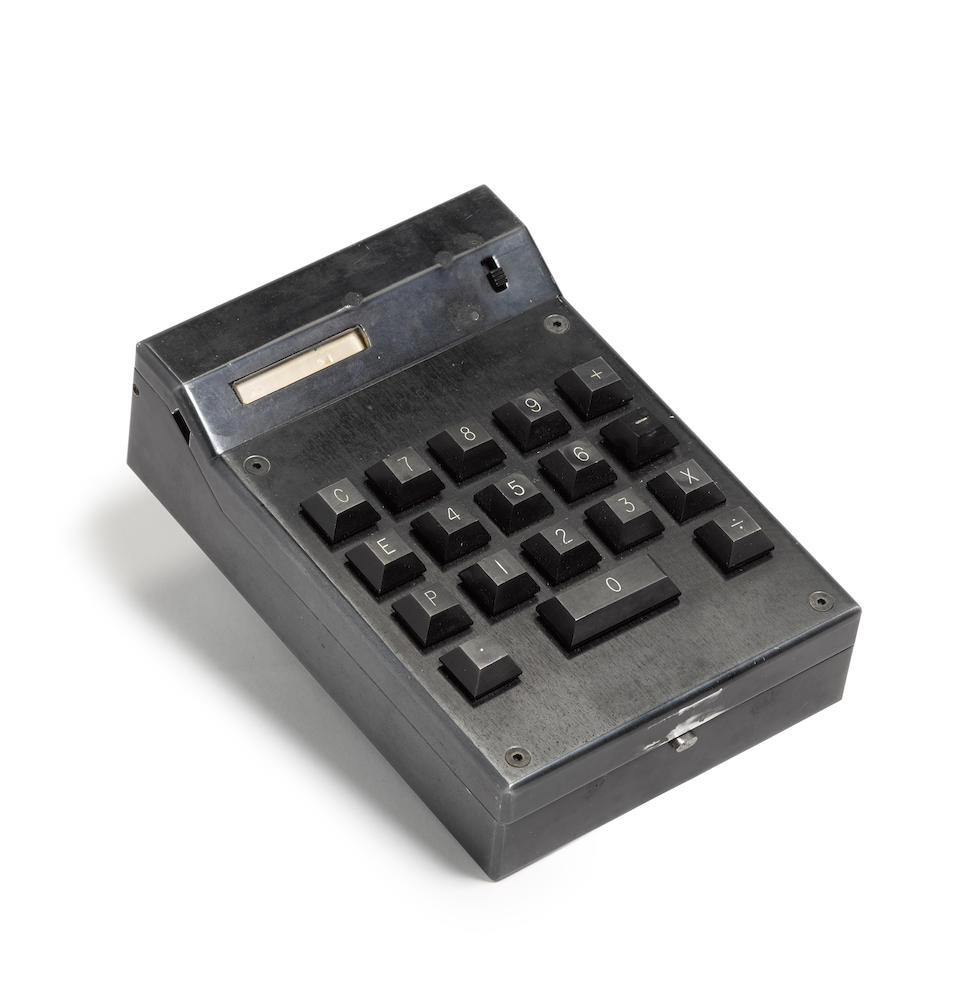
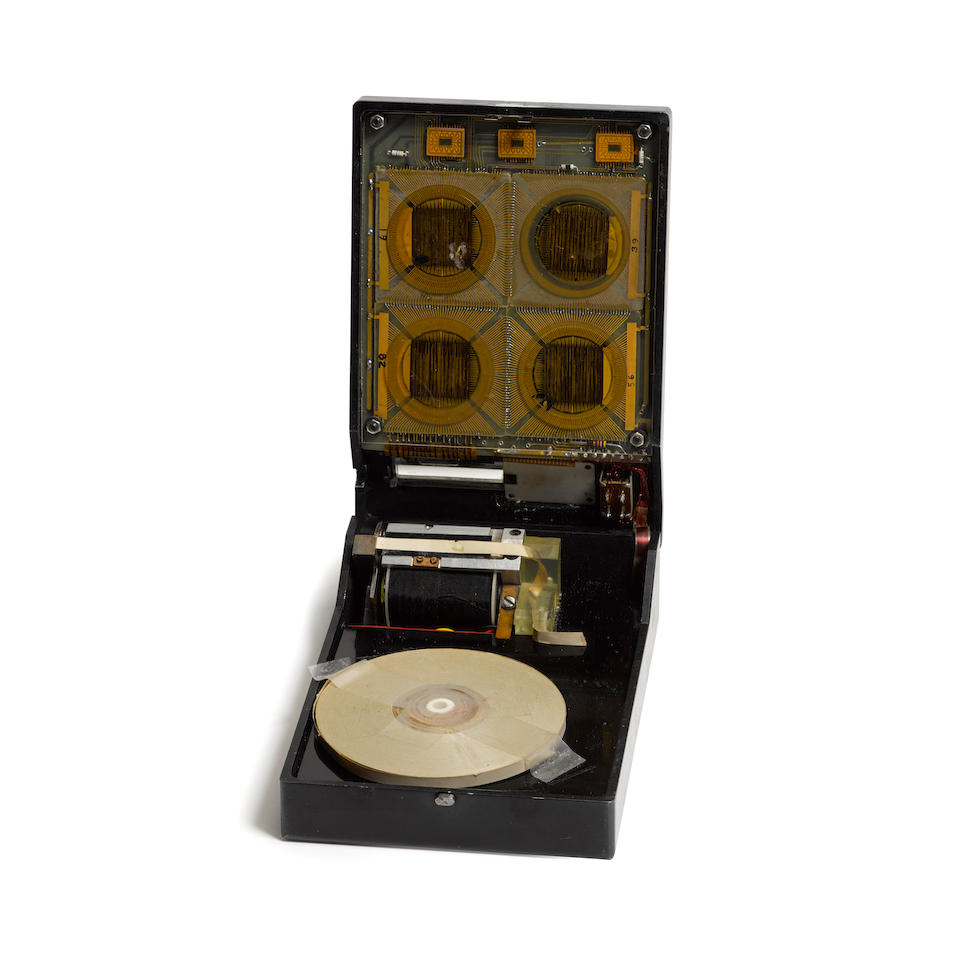
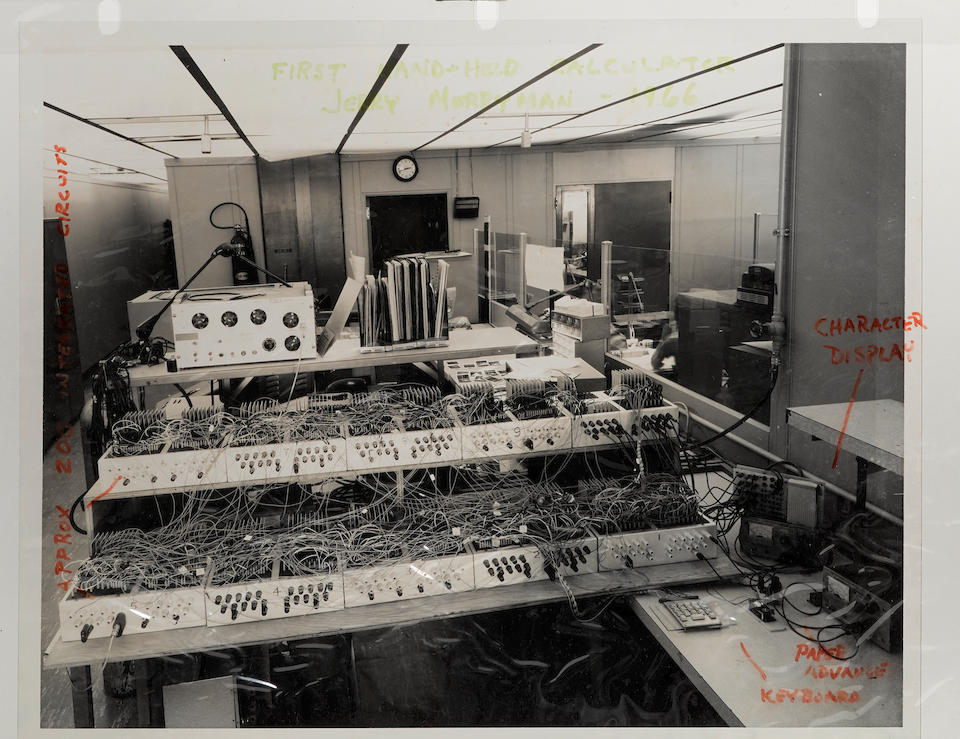
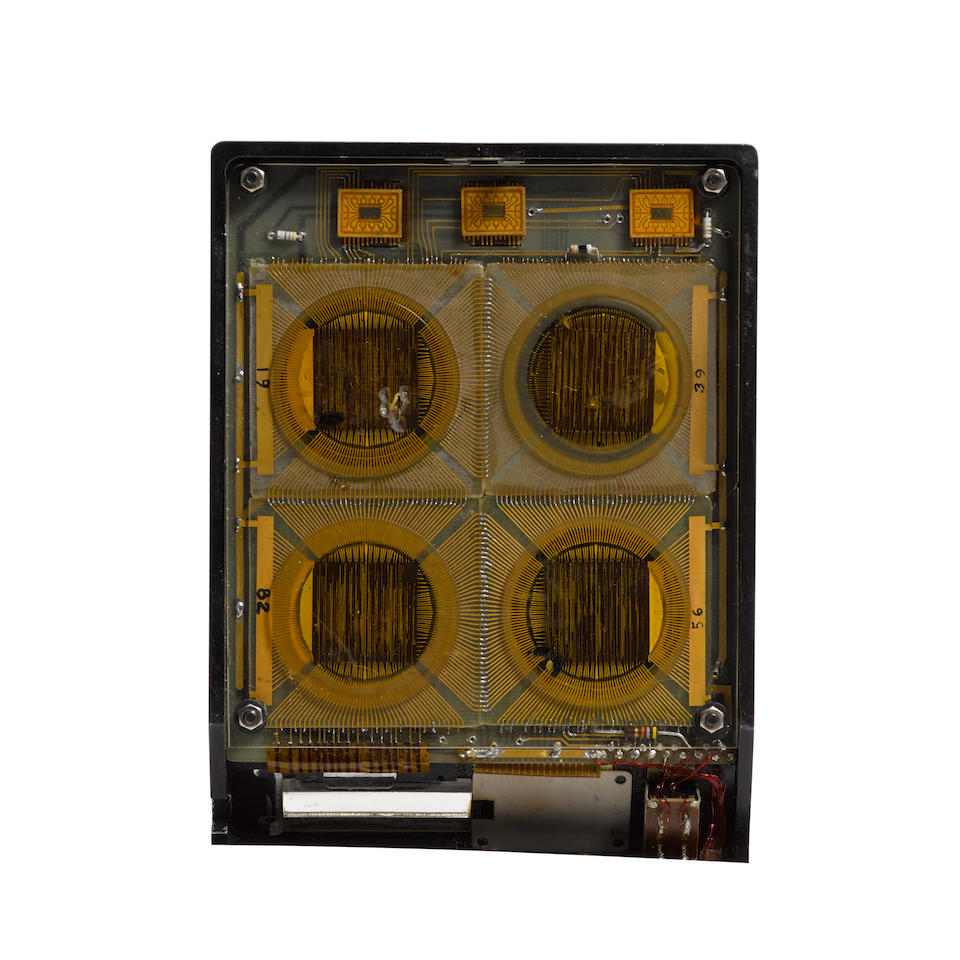


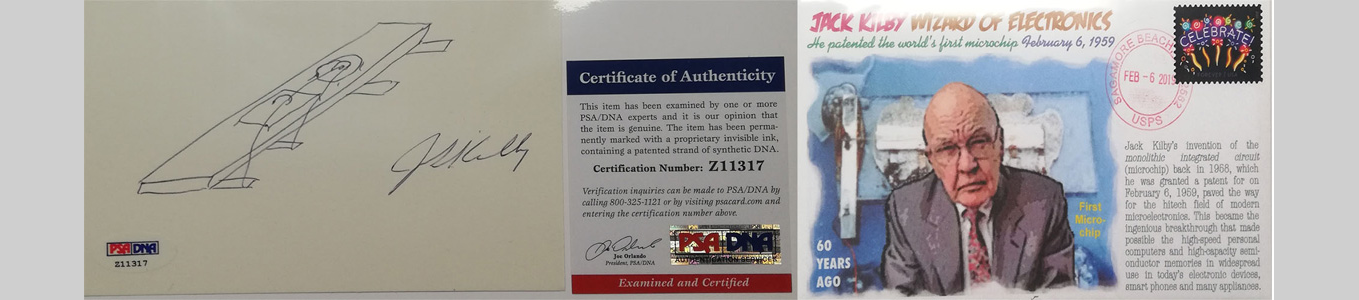
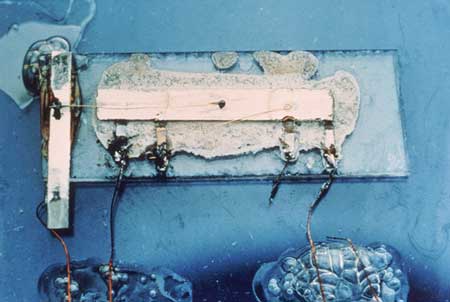
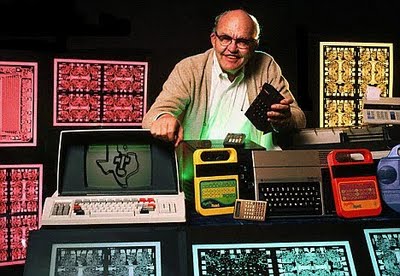

.png)
.png)
.png)


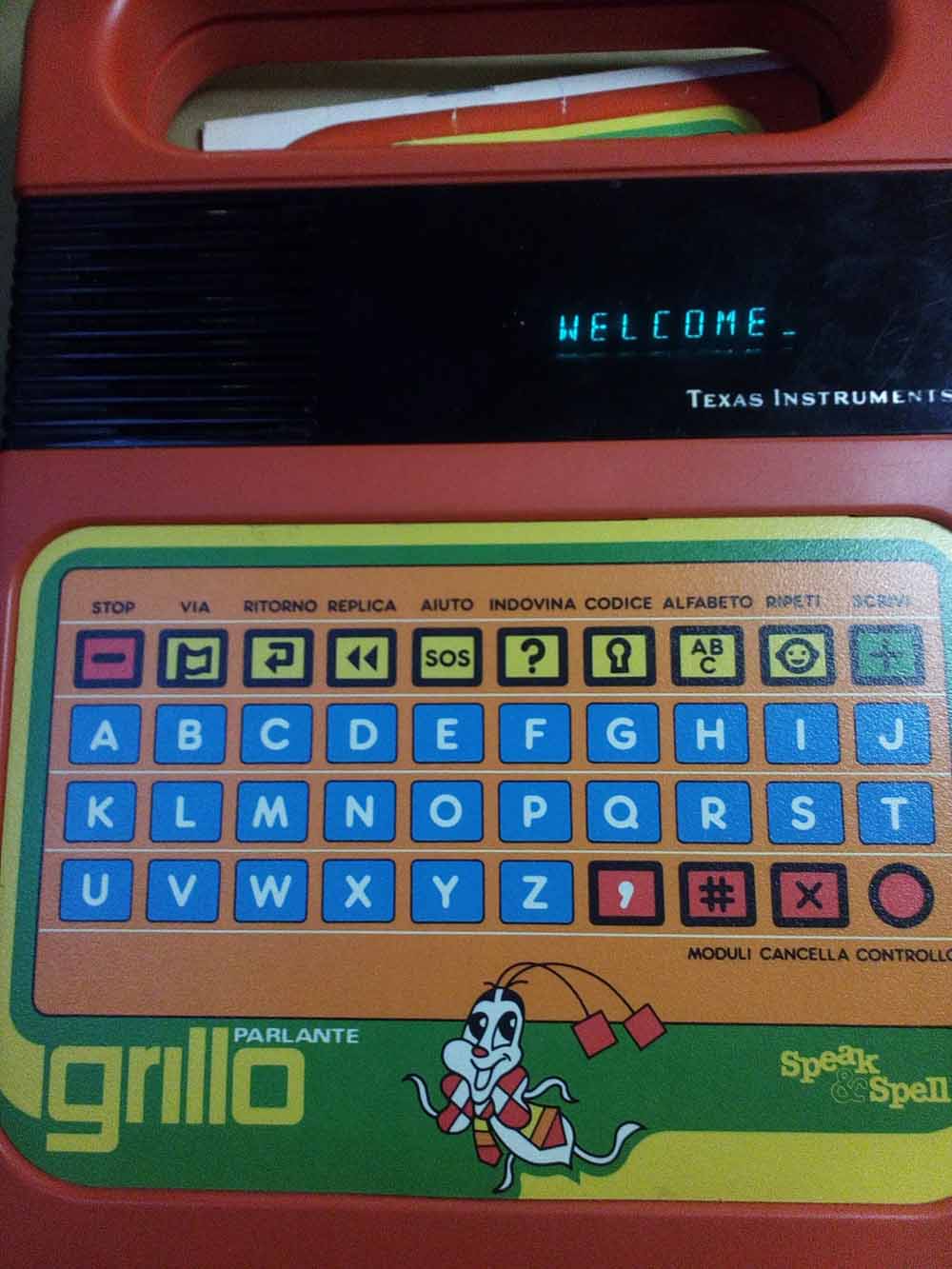
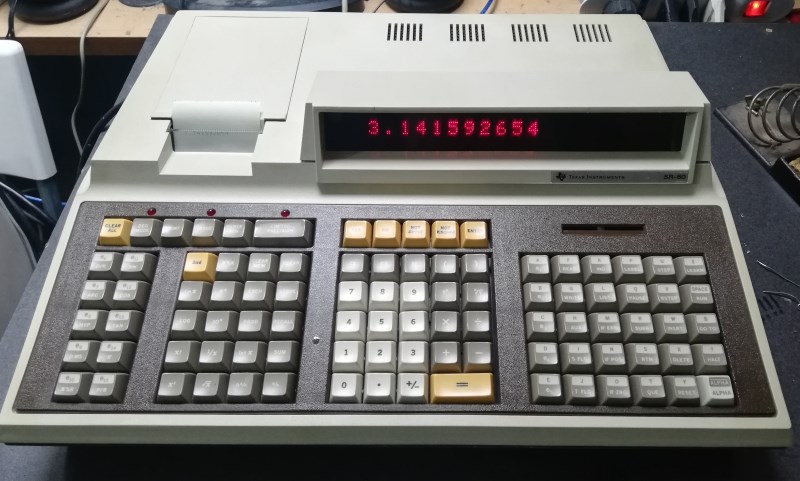
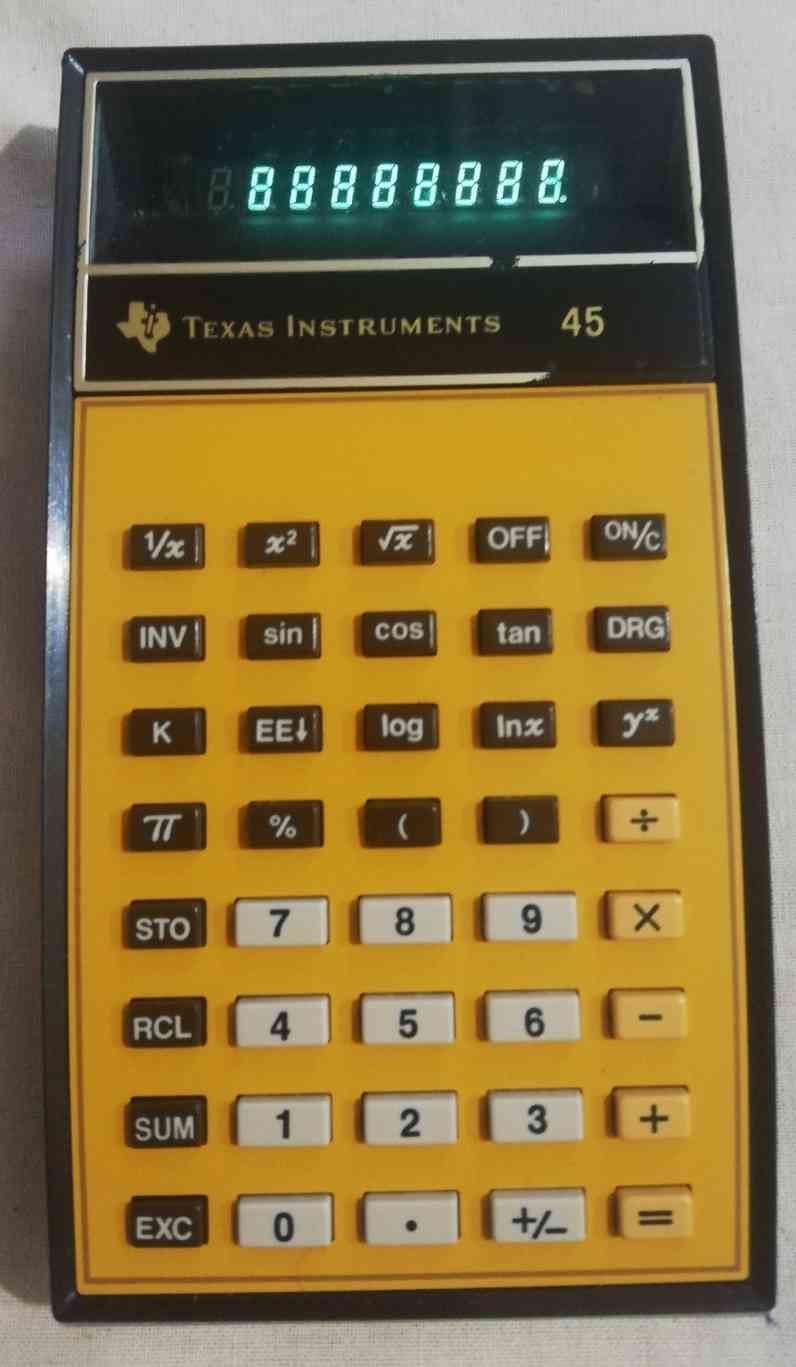
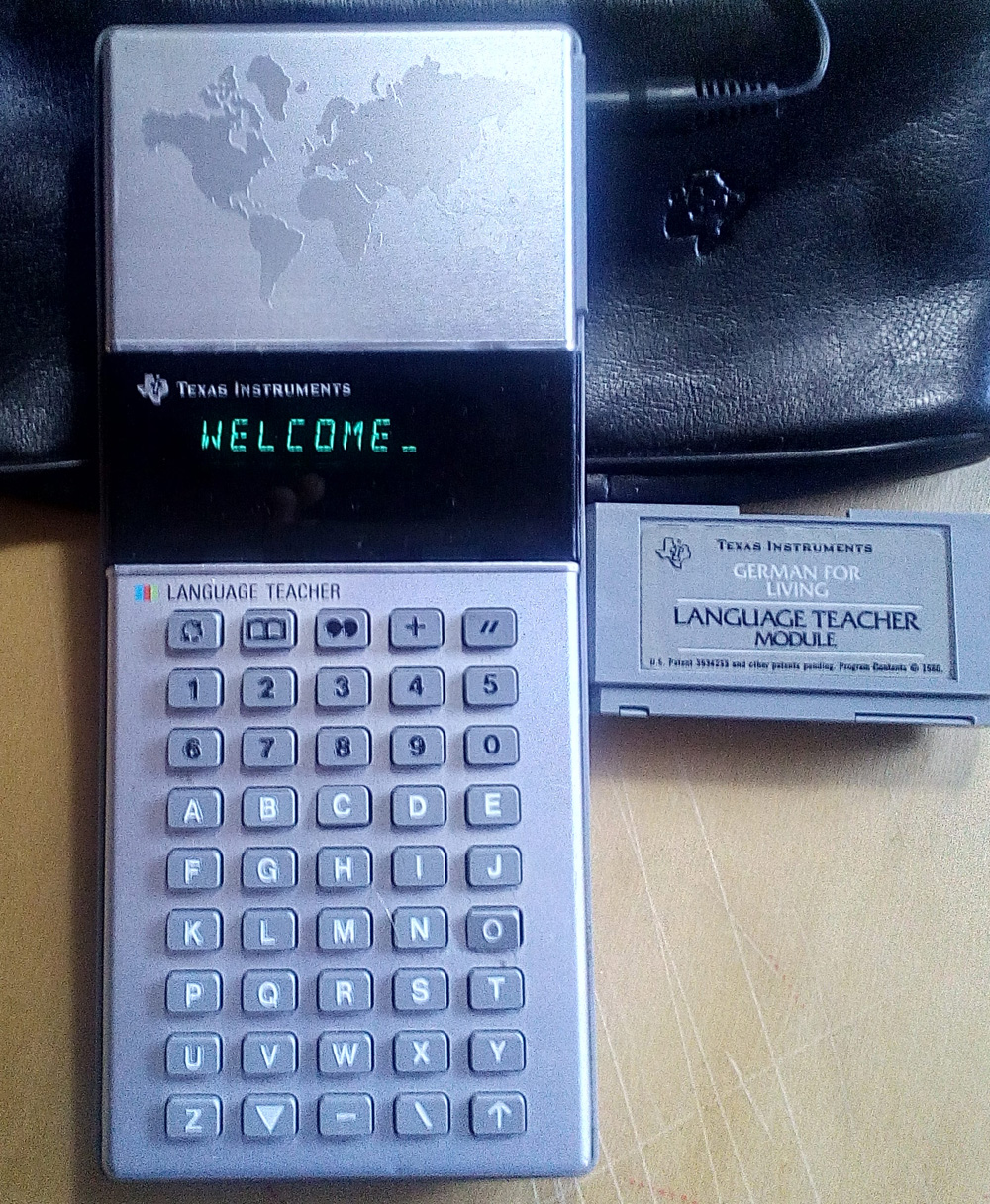
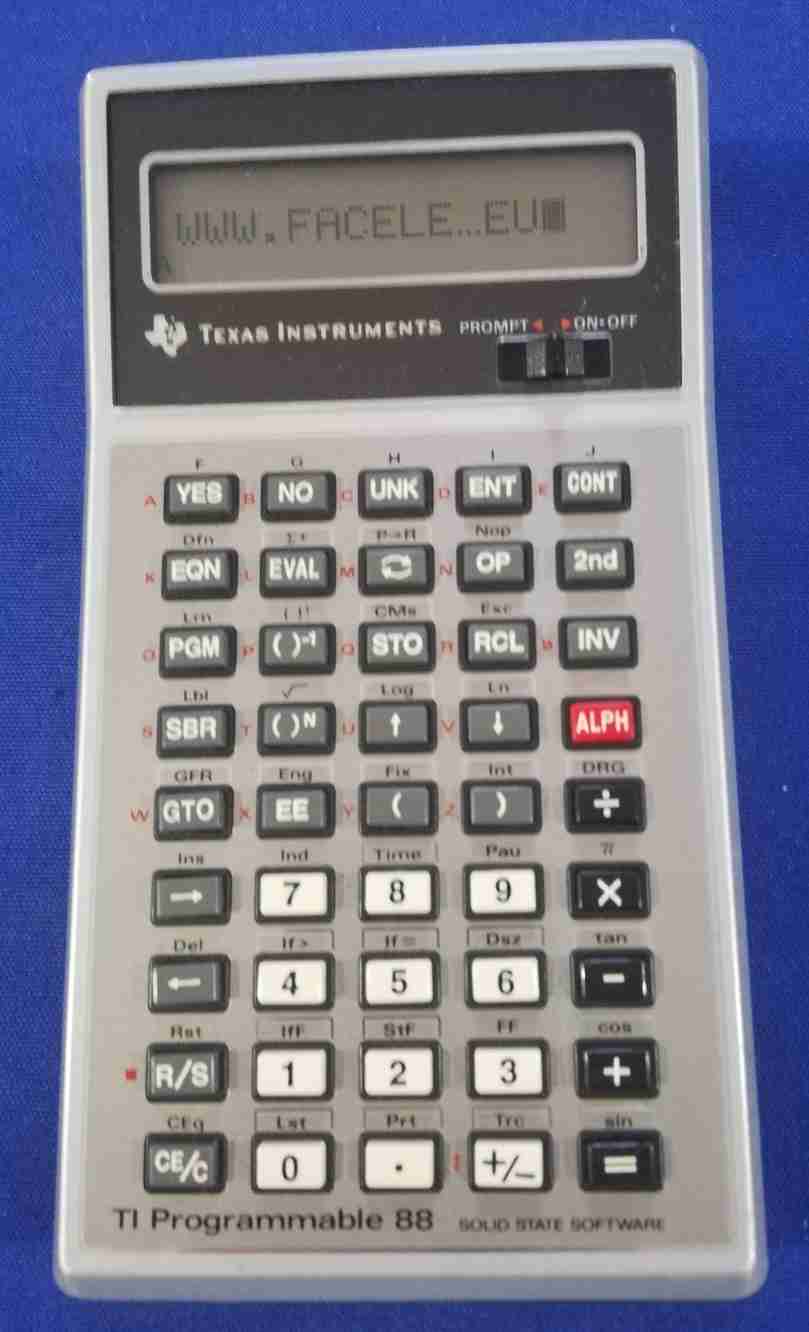
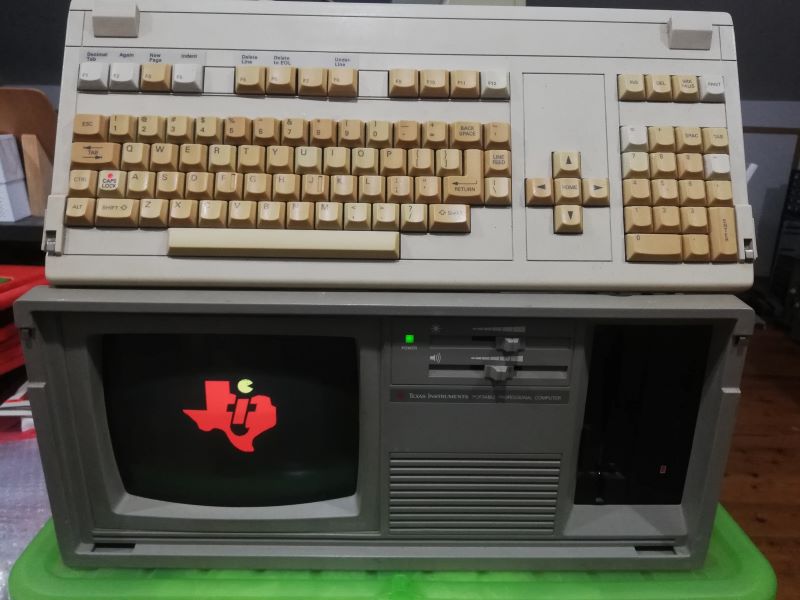
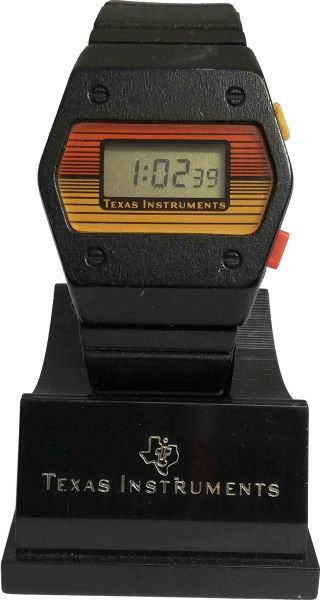
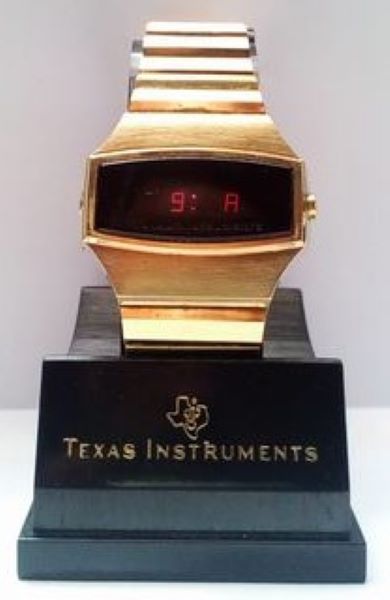
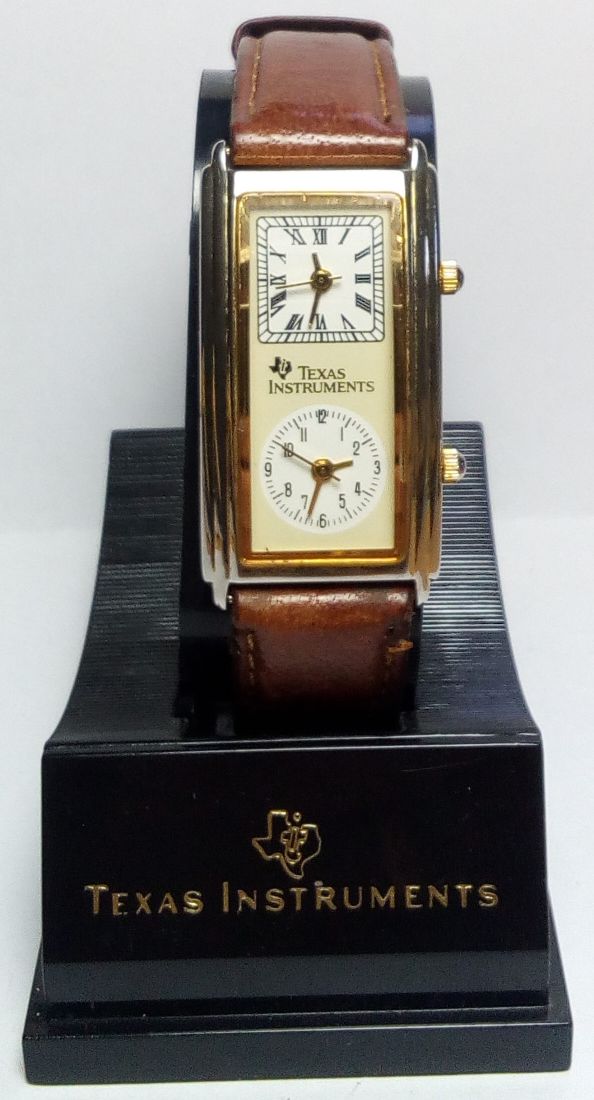
.jpg "Core Module Watch")

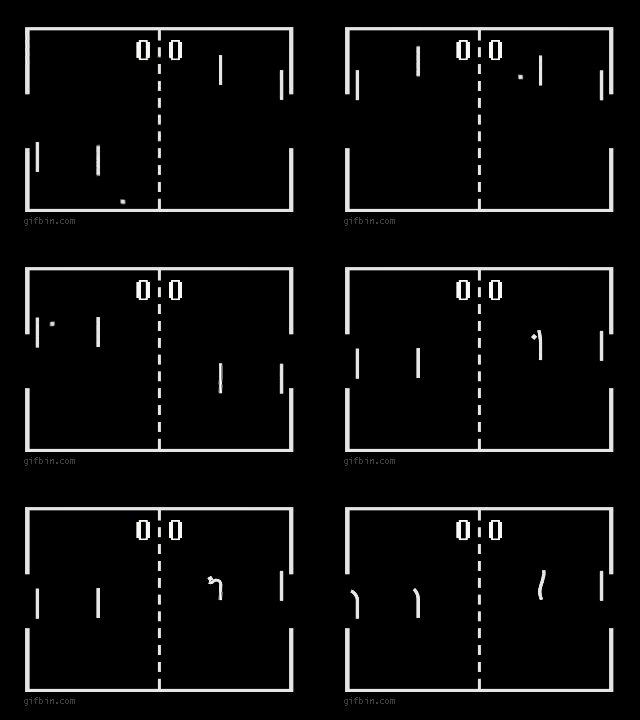
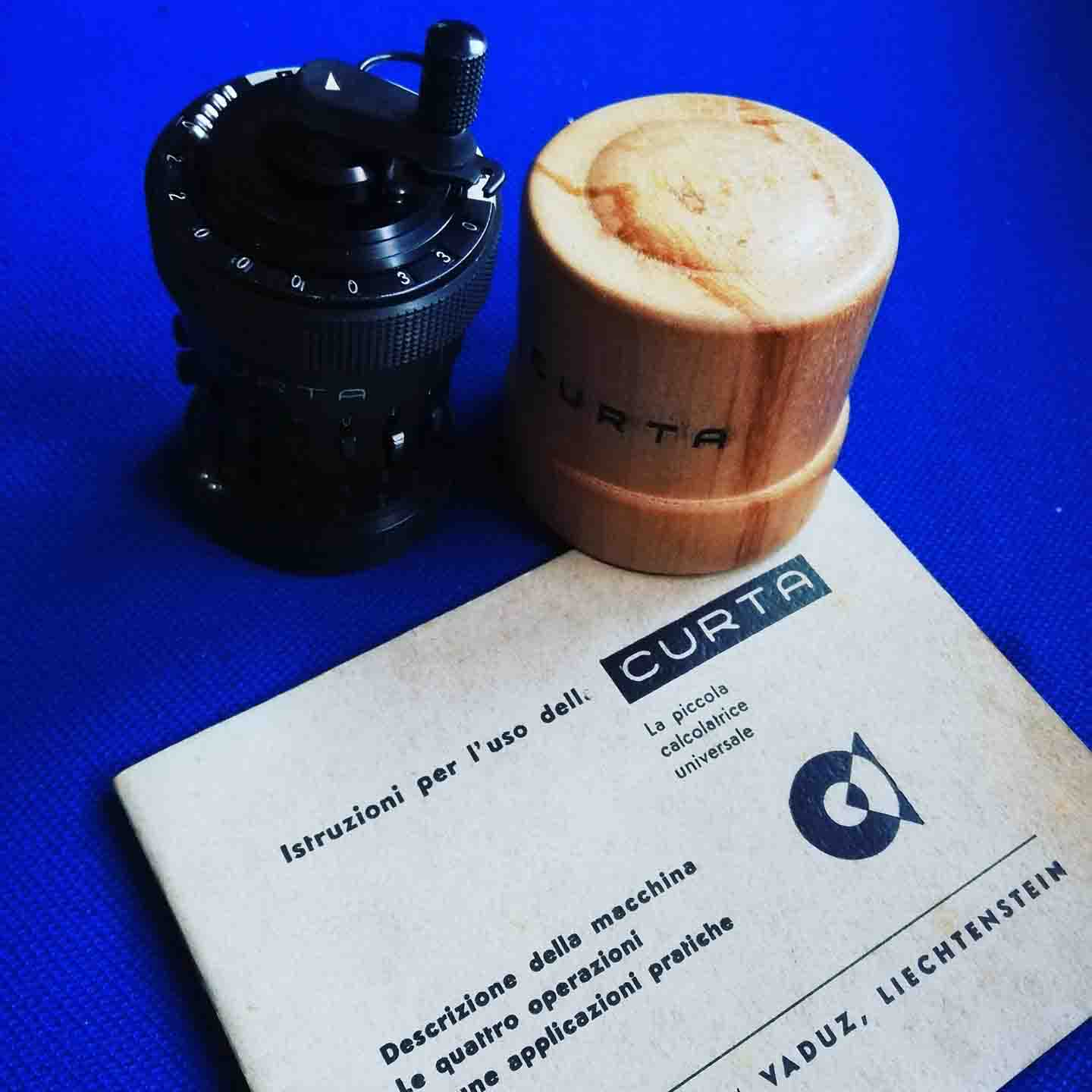
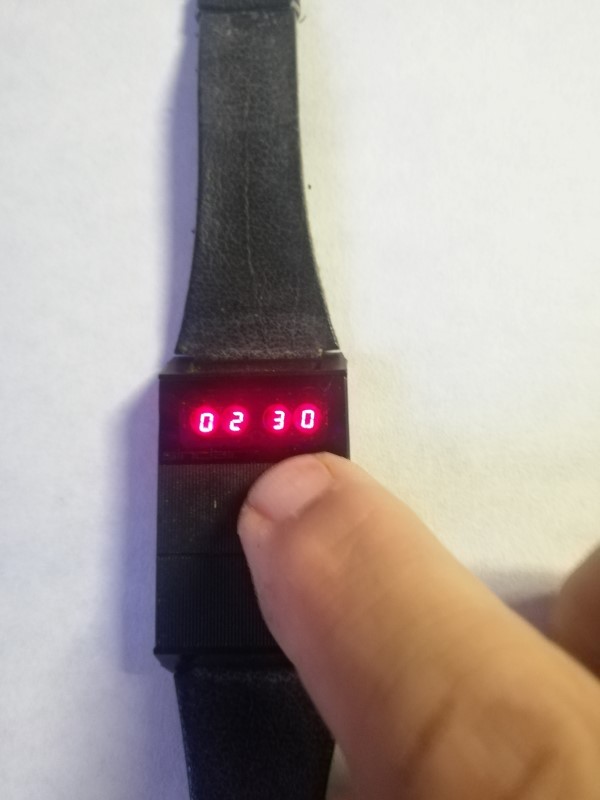

.jpg "Console / Games")
.jpg "Battle Star Galactica")
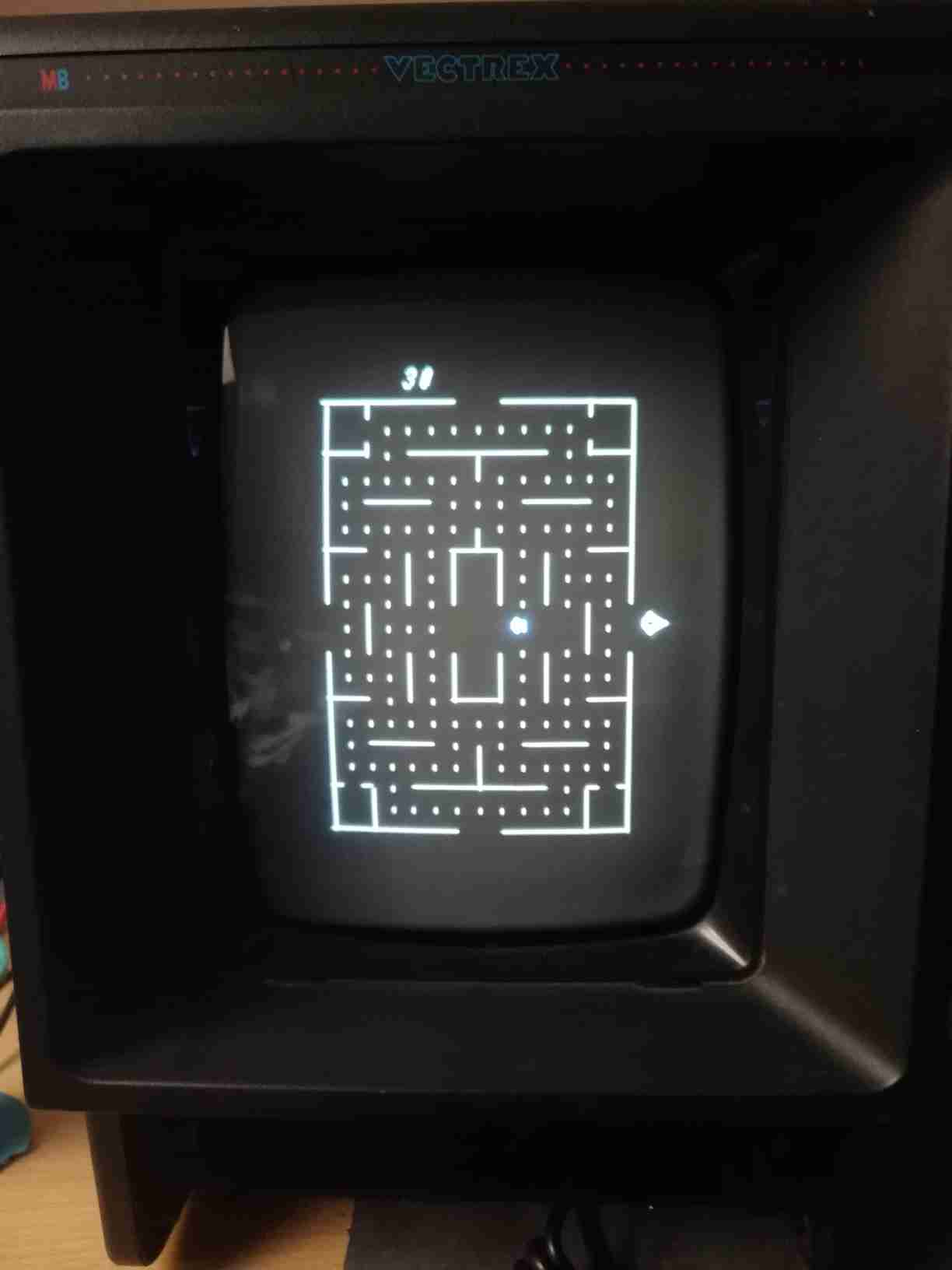
.jpg "APPLE")


.png)