
TI Museum
Radio Shack
Radio Shack (a Tandy corporation company) is a large US based store chain selling electronic products and parts. Similar to the other catalog distributors they sold and still sell calculators produced by other companies.Some of the early calculators sold by Radio Shack were produced by Texas Instruments. Nevertheless you'll find in the Datamath Calculator Museum some interesting products without any relationship to Texas Instruments. But they are from some evidence in the history of electronic calculators.
with permission of the author www.datamath.org
Rockwell The Rockwell AIM-65 computer is a development computer introduced in 1978 based on the MOS Technology 6502 microprocessor. The AIM-65 is essentially an expanded KIM-1 computer. Available software included a line-oriented machine code monitor, BASIC interpreter, assembler, Pascal, PL/65, and FORTH development system. Available hardware included a floppy disk controller and a backplane for expansion.
RPN
Reverse Polish notation (RPN), also known as Polish postfix notation or simply postfix notation, is a mathematical notation in which operators follow their operands, in contrast to Polish notation (PN), in which operators precede their operands. It does not need any parentheses as long as each operator has a fixed number of operands. The description "Polish" refers to the nationality of logician Jan Łukasiewicz, who invented Polish notation in 1924.
The reverse Polish scheme was proposed in 1954 by Arthur Burks, Don Warren, and Jesse Wright and was independently reinvented by Friedrich L. Bauer and Edsger W. Dijkstra in the early 1960s to reduce computer memory access and use the stack to evaluate expressions. The algorithms and notation for this scheme were extended by the Australian philosopher and computer scientist Charles L. Hamblin in the mid-1950s.
During the 1970s and 1980s, Hewlett-Packard used RPN in all of their desktop and hand-held calculators, and continued to use it in some models into the 2020s. In computer science, reverse Polish notation is used in stack-oriented programming languages such as Forth, STOIC, PostScript, RPL and Joy.
Explanation
In reverse Polish notation, the operators follow their operands; for instance, to add 3 and 4 together, one would write 3 4 + rather than 3 + 4. If there are multiple operations, operators are given immediately after their second operands; so the expression written 3 − 4 + 5 in conventional notation would be written 3 4 − 5 + in reverse Polish notation: 4 is first subtracted from 3, then 5 is added to it. An advantage of reverse Polish notation is that it removes the need for parentheses that are required by infix notation. While 3 − 4 × 5 can also be written 3 − (4 × 5), that means something quite different from (3 − 4) × 5. In reverse Polish notation, the former could be written 3 4 5 × −, which unambiguously means 3 (4 5 ×) − which reduces to 3 20 − (which can further be reduced to -17); the latter could be written 3 4 − 5 × (or 5 3 4 − ×, if keeping similar formatting), which unambiguously means (3 4 −) 5 ×.
 SCART (also known as Péritel or Péritélévision, especially in France, 21-pin EuroSCART in marketing by Sharp in Asia, Euroconector in Spain, EuroAV or EXT, or EIA Multiport in the United States, as an EIA interface) is a French-originated standard and associated 21-pin connector for connecting audio-visual (AV) equipment. The name SCART comes from Syndicat des Constructeurs d'Appareils Radiorécepteurs et Téléviseurs, "Radio and Television Receiver Manufacturers' Association", the French organisation that created the connector in the mid-1970s. The related European standard EN 50049 has then been refined and published in 1978 by CENELEC, calling it péritelevision, but it is commonly called by the abbreviation péritel in French.
Schoenherr Gmbh
Schoenherr GmbH, Horb (Germany) was founded in 1974 by Mr. Schoenherr. He invented in 1975 the world’s first Braille element that could display and erase Braille characters. This patented invention was the prerequisite for developing Braille displays which enabled access to the world of computers for the blind. In 1980 Mr. Schoenherr was awarded with the Louis-Braille-Prize and Schoenherr GmbH introduced with the Braillotron TI-30, the first electronic calculator using a refreshable Braille cell for output. In 1981 he was killed in an accident and two years later the company was taken over by the "Deutsche Blindenstudienanstalt", a non-profit-organization in Marburg as EHG GmbH and was the production site for Braille displays. Since 1994 the company re-firmed as EHG Handy Tech Elektronik GmbH.
with permission of the author www.datamath.org
Bowmar soon became one of the world's largest producers of electronic calculators, mainly pocket models, for sale by themselves and by other companies such as Sears, Radio Shack, etc. (under their own nameplates). Early Bowmar calculators were made in the USA. In later years some were also made or assembled in Mexico.
Sega Corporation is a Japanese multinational video game developer and publisher headquartered in Shinagawa, Tokyo. Its international branches, Sega of America and Sega Europe, are headquartered in Irvine, California, and London. Sega's arcade division existed as Sega Interactive Co., Ltd. from 2015 to 2020 before it merged with Sega Games to create Sega Corporation with Sega Games as the surviving entity. Sega is a subsidiary of Sega Group Corporation, a part of Sega Sammy Holdings. From 1983 until 2001, Sega also developed video game consoles.
Sega was founded by American businessmen Martin Bromley and Richard Stewart as Nihon Goraku Bussan on June 3, 1960; shortly after, the company acquired the assets of its predecessor, Service Games of Japan. Five years later, the company became known as Sega Enterprises, Ltd., after acquiring Rosen Enterprises, an importer of coin-operated games. Sega developed its first coin-operated game, Periscope, in 1966. Sega was sold to Gulf and Western Industries in 1969. Following a downturn in the arcade business in the early 1980s, Sega began to develop video game consoles, starting with the SG-1000 and Master System but struggled against competitors such as the Nintendo Entertainment System. In 1984, Sega executives David Rosen and Hayao Nakayama led a management buyout of the company with backing from CSK Corporation.
Silicon Wafer
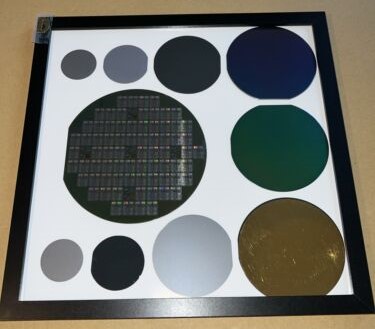 Silicon Wafer In electronics, a wafer (also called a slice or substrate) is a thin slice of semiconductor, such as a crystalline silicon (c-Si, silicium), used for the fabrication of integrated circuits and, in photovoltaics, to manufacture solar cells.
The wafer serves as the substrate for microelectronic devices built in and upon the wafer. It undergoes many microfabrication processes, such as doping, ion implantation, etching, thin-film deposition of various materials, and photolithographic patterning. Finally, the individual microcircuits are separated by wafer dicing and packaged as an integrated circuit.
.jpg)
.jpg)
.jpg)
.jpg)
.jpg)
Here you can see some production scraps. The first photo (left) shows the component ready to be assembled, the second shows the various chips ready to be removed from the tray and placed in the ceramic chip. The three remaining photos show the various chips ready to be cut. I have to thank Francesco for giving me the opportunity to show these pieces!
Sinclair Radionics
In 1972, Radionics launched its first electronic calculator, the Executive, which was considerably smaller than its competitors' by the use of hearing-aid-sized batteries. What had made this possible was it had been discovered that there was considerable latency in the display and memory and that, with the addition of a timer, power could be withheld from these battery-draining components for much of the time, thus greatly extending battery life.
During the majority of the 1970s, Sinclair focused on building the most affordable pocket calculators with the best design. In 1972 Sinclair released the world's first slim-line pocket calculator, the Sinclair Executive, for £79.95. The calculator only included basic maths functions, and the LED display required much power. It is often credited as being the world's first attractively styled calculator that did not require mains power to be used like prior calculators. The Executive was a phenomenal success, earning Sinclair £1.8m in profit. In 1973 the slightly larger Sinclair Cambridge was introduced at a far cheaper price of £29.95 + VAT. A cheaper Executive was also launched shortly after. In addition to expanding the Cambridge range, the Sinclair Scientific was launched in 1975. It was a scientific pocket calculator for the very competitive price of £49.95. In 1977 a revised model, the "Scientific Programmable", was released at £29.95. The Scientific Programmable Mark 2 was later released, reducing the price to £17.22.
In 1975, Sinclair Radionics launched the Oxford range of briefcase calculators. Sinclair also attempted to capture the top-end calculator market with the Sinclair Sovereign, available in plated gold or silver. The calculator was critically acclaimed for its excellent engineering and design and enjoyed short success. Final attempts at the mass-market for calculators, the Sinclair Enterprise and the President, did not sell well.
In 1974, Radionics launched the DM1 digital multimeter. Such scientific instruments were to form a quiet backbone of Radionics business for the rest of its existence. In marked contrast to the rest of the Sinclair range, the instruments gained a reputation for reliable conventionality rather than often unreliable idiosyncrasy.
Slide Rule Decline
Texas Instruments (TI) invented the first integrated circuit in 1958, courtesy of TI inventor Jack Kilby, and the handheld calculator, a prototype called the "Cal Tech," invented by TI's Jerry Merryman in 1967. However, the first handheld scientific calculator or "slide rule" offered to the public was Hewlett-Packard's. The HP-35 was named by Bill Hewlett for the number of keys on the calculator, and in 1972, the year the slide rule as we know it began to decline, Hewlett-Packard announced the HP-35 as a fast, highly accurate electronic slide rule with solid-state memory similar to a computer. Even though they had a launch price of $395.00, engineers and engineering students flocked to stores to buy them (much like the iPod craze today). Some students even sold their cars to afford one. However, because the exorbitant cost of producing HP calculators made them unaffordable to 90% of the general population, the slide rule remained popular and useful for another four years. According to the ISRM, the official death date of the slide rule was June 13, 1976, when Texas Instruments introduced the TI-30 single-chip slide rule scientific calculator for $24.95, which was below the cost of a comparable slide rule. There was no longer any cost advantage for new students, technicians, and engineers to purchase a slide rule, since everyone could afford the TI-30. Coincidentally, just one month later, on July 11, 1976, Kueffel & Esser, the oldest and largest slide rule manufacturer in the United States, produced its last slide rule. In the following month of August 1976, Pickett Industries followed suit, discontinuing all production of its slide rules.
Texas Instruments SN7400
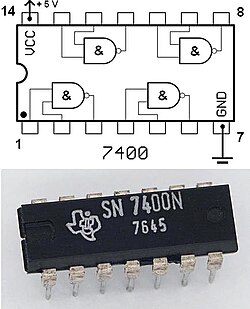
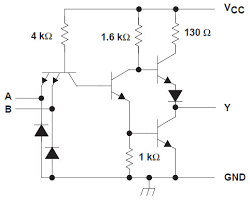 The 7400 series is a popular family of transistor-transistor logic (TTL) integrated circuits (ICs).
In 1964, Texas Instruments introduced the SN5400 series of logic chips in a ceramic semiconductor package. In 1966, the SN7400 series (composed of four NAND logic gates with 40 transistors) in a low-cost plastic package was introduced, quickly capturing over 50% of the logic chip market and becoming a de facto standard electronic component. Since the introduction of the original bipolar transistor TTL components, pin-compatible components have been introduced with features such as low-power CMOS technology and lower supply voltages. Surface-mount packages exist for several functions of this popular logic family.
In the photo an example of an integrated circuit produced by Texas instruments, the first line indicates the type of integrated circuit SN7400N, the second line indicates the date of construction, the first two numbers indicate the year, the second two numbers indicate the week, therefore, 45th week of 1976. In the nearby photo there is a drawing of how a logic gate of the SN7400N is made
Texas Instruments SN76477
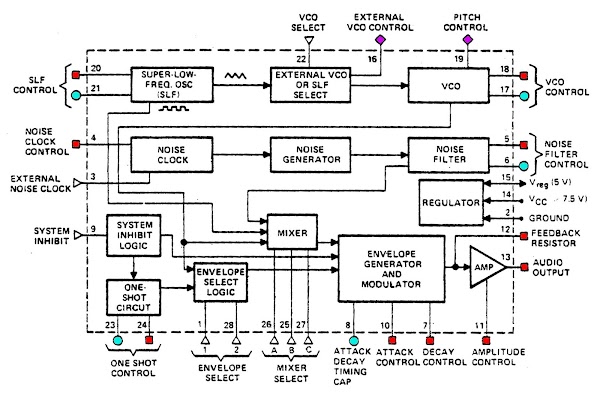 "complex sound generator" is a sound chip produced by Texas Instruments (TI). Th
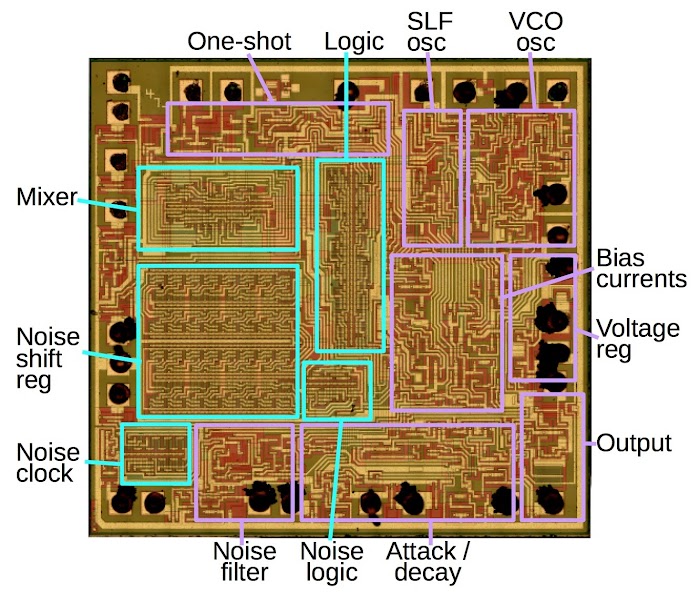 e chip came to market in 1978, and TI ceased production of the part. A compatible version is identified as ICS76477. The chip is typically used as a sound effects generator in arcade games and toys and for hobby projects. The use of the SN76477 in a musical context is limited by the fact that it was difficult to electronically control the pitch of the produced sound.
Inc. Solari di Udine S.p.A. è una società che opera prevalentemente nel settore dei sistemi a orologeria d'informazione al pubblico, storicamente legatasi al settore dell'orologeria industriale e resasi famosa per l'invenzione dell'orologio a palette e, in generale, dello schermo a palette.
Il 1725 è l'anno ufficiale di fondazione del primo stabilimento produttivo che era collocato a Pesariis, un piccolo paese montano della Carnia; la ditta Fratelli Solari era conosciuta come “Antica e premiata fabbrica di orologi da torre”: infatti, per oltre due secoli, l'impresa produsse orologi da torre e orologi ornamentali da parete.
Nel corso del XIX secolo, l'azienda s'ingrandì costantemente sviluppando la produzione e assumendo molte persone: da attività puramente artigianale diventò gradualmente una realtà industriale; da ditta individuale si trasformò in società: Fratelli Solari & Co. La produzione subì una battuta d'arresto nel 1917 quando i contraccolpi della prima guerra mondiale comportarono la perdita d'importanti strumenti produttivi.
Texas Instruments Starburst lcd analogue watch.
Introduced in July 1978. The first analog watch without moving parts.
Gently used - rare, very stylish and unusual 1978 Texas Instruments, "STARBURST" mens LCD analog display wrist watch. This was one of the first watches that revolutionized the wrist watch market using a high precision digital display. The watch is highly accurate!
This watch also has the unique feature of having 7 different timekeeping functions are at your fingertips:
Normal Display = Hours & Minutes
Minutes : Seconds ...1 button push up
Day / Date ... 2 button push up
Alternate Time Zone... push button up together with button down
Stopwatch Mode # 1 = Hour Minute ...push button down
Stopwatch Mode # 2 = Minute / Second...second push button down
Stopwatch Mode # 3 = Seconds / Tenths...thirt push button down
the difference between the first timezone and the second timezone are 1 or 2 stripes of the hours marker.
A fine example of a first totally electronic quartz LCD analog. The combination of several technology firsts made the watch design practical.
Among the technology firsts for this watch were: 1) Use of low voltage liquid crystal material for multiplexed LCD watches displays. 2) Use of a lithium-manganese dioxide cell for watch LCD's. 3) Use of an I2L chip to drive watch LCD's. 4) Use of only 26 contacts for 120 display elements using two-way multiplexing. The watch design, called "Starburst," was manufactured until 1981 when TI closed out all watch activity.
Summit International Corporation
Summit International Corp., Salt Lake City, Utah.Manufactured by NCE Nuclear, made in U.S.A.
In 1971 Ed Price made a prototype hand-held electronic calculator using a carved wooden case and breadboarded electronics.
Nuclear Controls and Electronics (NCE) of Salt Lake City were interested in diversifying and contracted Ed and his calculator. They were marketed by the affiliated Summit International Corporation and a series of generally very small calculators was developed and sold from 1972.
Trans Atlas took over NCE and Summit in 1974, by which time there was a glut of manufacturers in a maturing, low profit market and manufacture of Summit calculators ceased.
Ed Price went on to form a new company, Price Research Associates, which made one characteristically tiny hand-held model.
The history of Texas Instruments.
Audio Guide

|
|

|
|
1930 Texas Instruments was officially born as GSI (Geophysical Service Incorporated), which deals with geological surveys
for the oil industry
1951 GSI changes its name to Texas Instruments Incorporated.
1954 TI launches a real technological revolution by making the first silicon transistor, which it will soon make germanium is
obsolete, and starting the production of the first transistor radio, the Regency TR-1.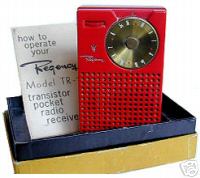
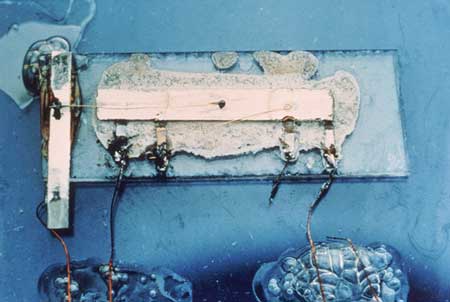
1955 TI creates the first infrared image sensor 1958 by Jack St. Clair Kilby, develops the first integrated circuit (chip), that is,
a series of passive and active electronic components that are different but connected in a circuit way, capable of fulfilling to a
specific function and made on a single semiconductor material platform, through a single manufacturing process.
The invention of the integrated circuit will be worth the Nobel Prize in Physics in Kilby in 2000. Also in 1958 TI made the
first analog-to-digital converter.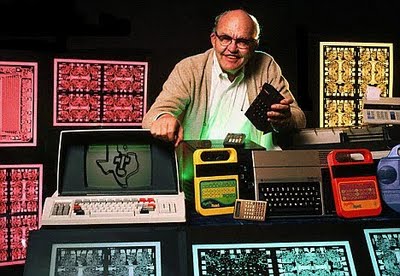
1964 TI is launching a new family of digital-logic devices (Series 7400) technology, TTL (Transistor-transistor logic),
the wide variety of logic functions offered by these devices available, the decree will become a worldwide success
standard adopted by most semiconductor companies.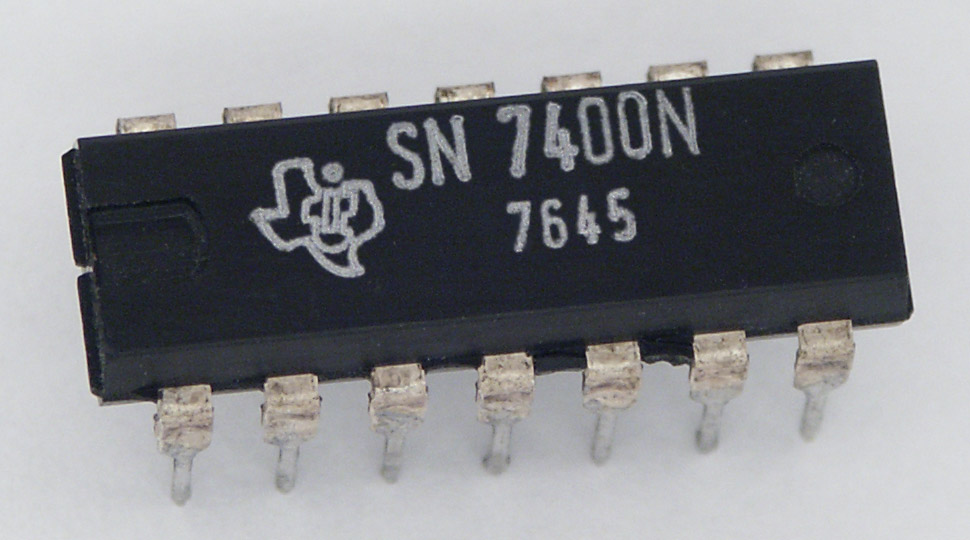
1967 TI developed the first prototype of a pocket calculator. This is a project called Cal Tech and is represented by a
calculator integrated circuits capable of performing the four basic arithmetic operations with a precision of 12 decimal
places. The keyboard consists of 18 keys and the results of the calculations is displayed on a paper tape by a small
built-in thermal printer. The Cal Tech, however, is not the first pocket calculator business model as the first pocket
calculator, developed in collaboration with their IT, will be sold by Canon in 1970, the not insignificant price
of $ 400 for that period.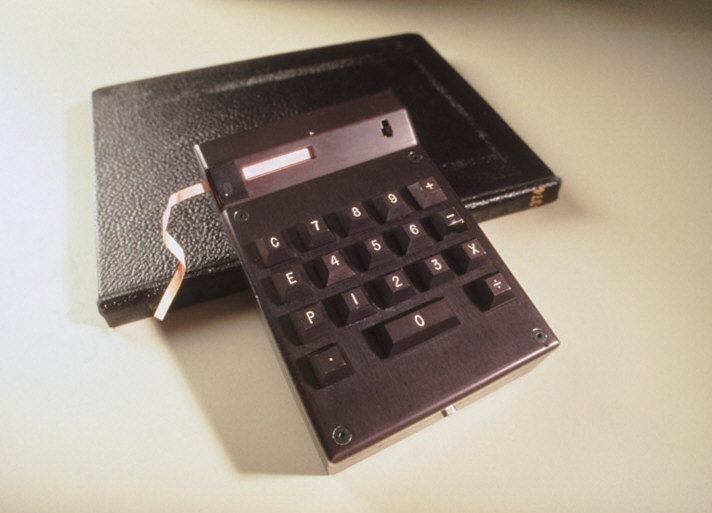
1972 TI enters the market with the TI-2500 Datamath model, the cost of only $ 150. The calculator used for the first
time a single chip to perform all math functions. The device is the ancestor of the modern microprocessor, the invention
of which is attributed to both the RT to Intel.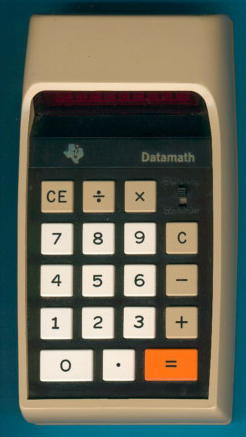
1975 TI enters the market with quartz digital watches.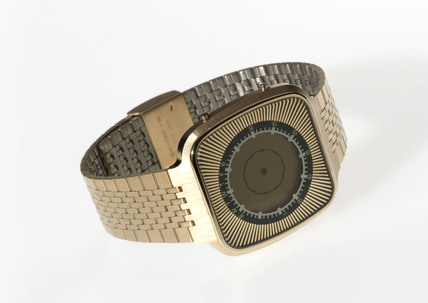
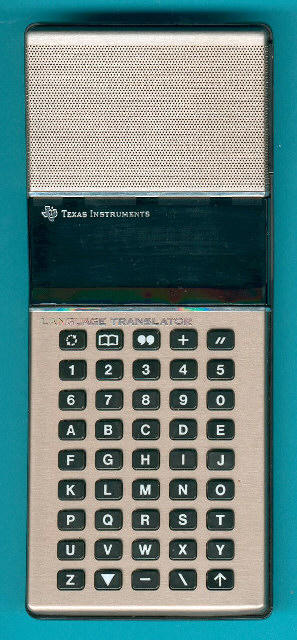
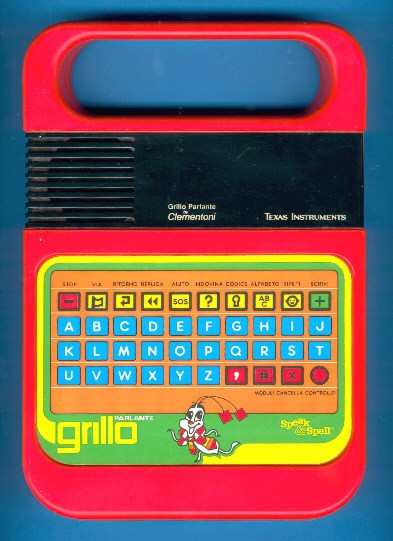
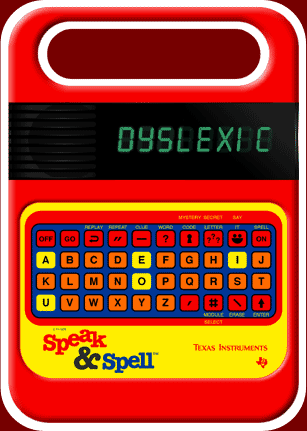
1978 TI developed the first microprocessor for speech kicking off the first production of portable language translators,
and a line of teaching aids speakers including the "Speak & Spell," or "Il Grillo Parlante" and immortalized in the
famous film Steven Spielberg, ET.
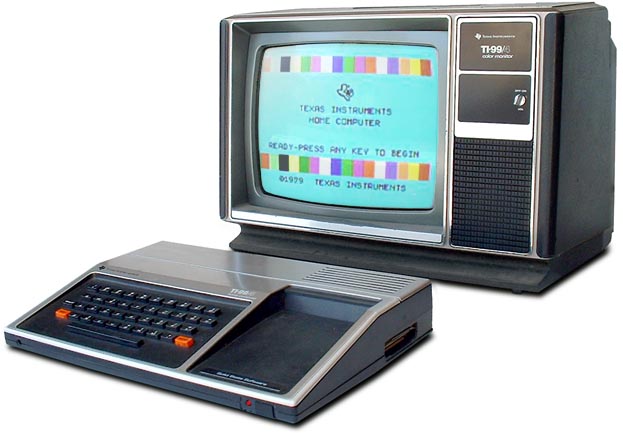
1981 TI debut in the world of home computers with the model equipped with a TI 99 TI 16-bit microprocessor, the TMS9900.
The computer, equipped with a 13-inch monitor is designed to work with special boxes that contain magnetic memory
management programs, entertainment or educational software and comes with an interesting voice module that can be
used to reproduce stored documents. The market reaction to the launch of TI 99 is good but the initial price of the computer
($ 525) is still considered excessive. In the same year launched a major operation of commercial promotion and marketing
that includes the involvement of schools and universities. The number of users of the TI 99 is growing rapidly and will
grow the library of software available. Under the pressure of the increased sales volume and especially the increasingly
fierce competition, the TI reduces the price of the TI 99 and only $ 299 in April 1982 appears to be the leading producer of
home computer. In early 1983, TI will further reduce the price of his computer at $ 100 and sells its millionth copy
distribution network now includes more than 20,000 stores around the world and are more than 2000 software
packages developed.
1982 TI produced its first DSP (digital signal processor), a microprocessor from highly specialized functions that can run
fast times in digital signal processing.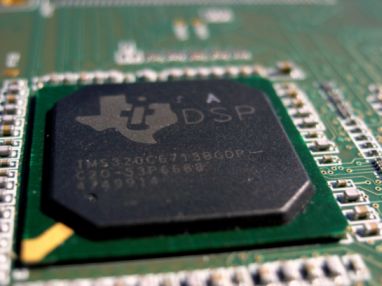
1988 sees the light of the first device Digital Light Processing (DLP) projectors that will be used on commercial video
only from the early years of the twenty-first century.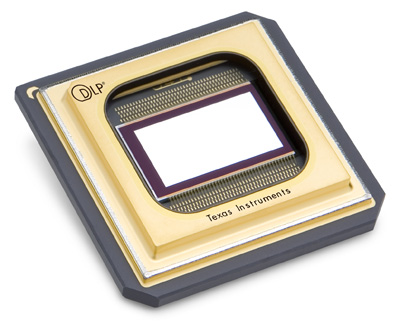
In the mid-nineties the company alive, perhaps one of its most difficult moments. The cyclical nature of the semiconductor
market seems to increase and big moments of elation are racing moments of deep depression and instability. The company,
similar to what happens for various companies competing, he decided to quit the business sectors to greater volatility,
including that of personal computers, the military, that of DRAM and software and focus on those sectors where may have
and maintain a position of commercial and technological supremacy. Several production centers are closed or sold to
competitors and thousands of redundant employees worldwide. At this time the sale of Italian sites located in
Rieti and TI Avezzano and the closure of the Aversa.
La Storia della Texas Instruments.
Audio Guide
|
|
1930 La Texas Instruments nasce ufficialmente come GSI (Geophysical Service Incorporated), la quale si occupa di
rilevazioni geologiche per l'industria petrolifera
1951 GSI cambia la denominazione e diventa Texas Instruments Incorporated.
1954 la TI lancia una vera e propria rivoluzione tecnologica realizzando il primo transistor al silicio, che renderà ben presto
obsoleto il germanio, e dando il via alla produzione della prima radio a transistor, la Regency TR-1.
1955 la TI realizza il primo sensore di immagini ad infrarossi
1958 per opera di Jack St. Clair Kilby, sviluppa il primo circuito integrato (chip), ovvero una serie di componenti elettronici
passivi ed attivi diversi ma connessi in modo circuitale, in grado di adempiere ad una specifica funzione e realizzati su una
unica piattaforma di materiale semiconduttore, mediante un unico processo di lavorazione.
L'invenzione del circuito integrato varrà a Kilby nel 2000 il premio Nobel per la fisica.
Sempre nel 1958 la TI realizza il primo convertitore analogico-digitale.
1964 la TI introduce sul mercato una nuova famiglia di dispositivi logico-digitale (serie 7400), in tecnologia
TTL (Transistor-transistor logic), l'ampia varietà di funzioni logiche disponibili offerte da questi dispositivi,
ne decretano il successo mondiale e diventerà uno standard adottato dalla maggior parte delle aziende di semiconduttori.
1967 La TI sviluppa il primo prototipo di una calcolatrice tascabile. Si tratta del progetto denominato Cal Tech ed
è rappresentato da una calcolatrice a circuiti integrati in grado di eseguire le 4 operazioni aritmetiche fondamentali
con una precisione di 12 cifre decimali. La tastiera è composta da 18 tasti e il risultato dei calcoli viene visualizzato
su un nastro cartaceo da una piccola stampante termica incorporata. La Cal Tech non rappresenta comunque la prima
calcolatrice tascabile commerciale in quanto il primo modello di pocket calculator, sviluppato in collaborazione
proprio con la TI, verrà messo in vendita dalla Canon nel 1970, al prezzo non trascurabile per quel periodo di
400 dollari.
1972 la TI entra nel mercato con il modello TI-2500 Datamath, del costo di soli 150 dollari. La calcolatrice impiega
per la prima volta un singolo chip per la esecuzione di tutte le funzioni matematiche. Il dispositivo costituisce il
progenitore del moderno microprocessore, l'invenzione del quale è attribuita sia alla TI che alla Intel.
1975 La Texas Instruments entra nel mercato mondiale con i primi orologi al Quarzo.
1978 TI sviluppa il primo microprocessore per la sintesi vocale dando il via alla produzione dei primi traduttori
linguistici portatili e di una linea di supporti didattici parlanti tra i quali lo “Speak & Spell”, o “ Il Grillo Parlante “
e immortalato nel celebre film di Steven Spielberg, E.T.
1981 TI esordisce nel mondo degli home computer con il modello TI 99 fornito di un microprocessore TI a 16 bit,
il TMS9900. Il computer, fornito di un monitor a 13 pollici è progettato per funzionare con speciali cassette di memoria
magnetica che contengono programmi di gestione, intrattenimento o di software didattico e viene fornito di un interessante
modulo vocale che può essere utilizzato per riprodurre documenti memorizzati.
La reazione del mercato al lancio del TI 99 è buona ma il prezzo iniziale del computer (525 dollari) è giudicato ancora
eccessivo. Nello stesso anno viene avviata una grossa operazione di promozione commerciale e di marketing che prevede
il coinvolgimento di scuole e università. Il numero di utilizzatori del TI 99 cresce velocemente e cresce di pari
passo la libreria delle applicazioni software disponibili. Sotto la spinta dell'aumentato volume di vendite e soprattutto della
concorrenza sempre più agguerrita, la TI riduce il prezzo del TI 99 a soli 299 dollari e nell'aprile del 1982 risulta essere la
principale produttrice di home computer. Agli inizi del 1983 la TI riduce ulteriormente il prezzo del suo computer a
100 dollari e vende il suo millionesimo esemplare, la rete di distribuzione prevede ormai più di 20.000 negozi sparsi in tutto
il mondo e sono più di 2000 i pacchetti software sviluppati.
1982 la TI produce il suo primo dispositivo DSP (Digital signal processor), un microprocessore dalle funzioni estremamente
specializzate in grado di eseguire in tempi velocissimi elaborazioni di segnali digitali.
1988 vede la luce il primo dispositivo Digital Light Processing (DLP) che verrà impiegato su proiettori video commerciali
solo a partire dai primi anni del XXI secolo.
A metà degli anni novanta la compagnia vive forse uno dei suoi momenti più difficili. L'andamento ciclico del mercato dei
semiconduttori sembra accentuarsi e a momenti di grossa euforia si succedono rapidamente momenti di profonda
depressione e instabilità. L'azienda, analogamente a quanto accade per diverse compagnie concorrenti, decide di uscire
dai settori commerciali a maggiore volatilità, tra i quali quello dei personal computer, quello militare, quello del software e
delle memorie DRAM e di concentrarsi su quei settori strategici nei quali può vantare e mantenere una posizione di
supremazia commerciale e tecnologica.
Numerosi centri di produzione vengono chiusi o venduti alla concorrenza e migliaia di dipendenti licenziati in tutto il mondo.
Risale a questo periodo la vendita dei siti italiani TI localizzati a Rieti ed Avezzano e la chiusura del sito di Aversa.
The Educator
The California based company Stokes Publishing Company, Inc. distributes under the label "The Educator®"
calculators optimized for teaching purposes. William T. Stokes filed already July 30, 1991 the US Patent Application U.S. Pat. No. 5,035,502 with the title "Transparent calculator for overhead projection".
TI-58/59 Programming Guide
Introduction
The TI-58, TI-58C and TI-59 Programmable Calculator will store a sequence of instructions and execute them accordingly. In this way, the TI-58/59 is a bona fide computing devide. It will store values, perform conditional branching, and do many other things that conventional computers do. The programming language that the TI-58/59 uses is essentially the keys on the calculator itself. Each is stored as a separate instruction. As TI-58/59 programs unfold, they bear a striking resemblance to assembly language programs.
-
How to Program
When in calculator mode, the TI-58/59 functions just like an ordinary calculator. It is in the Learn mode that instructions are stored. Press the LRN key to enter the learn mode. Note that the display changes. There are 3 zeroes, a space, and then 2 zeroes:
|
000 |
00 |
The first set of zeroes is the step number. Since programs are comprised of a series of steps, the sequence is vital. The step number keeps track of this.
The second set of zeroes indicates the code of the instruction at that sequence. As previously stated, the programming language of the TI-58/59 is simply the calculator keys available. Each key is given a numeric code. Note that the keypad is 5 keys across, and 9 keys down. This makes it possible to identify each key with a 2-digit number, or "instruction code." For example, the square root key would be represented by the instruction code 34, because it is in the 3rd row down, and the 4th key across.
Note also that the TI-58/59 assigns multiple functions to the same key. Utilizing the 2nd key will perform a different function. For example, pressing the 2nd key and then the square root key will effect the cos function. In this case, a similar instruction code is generated, but it is 5 + the number of keys across. For example the instruction code for the cos key is 39.
-
Entering a Program
Let's enter a simple program. We'll create a program that multiplies a value by 2. Turn on the calculator, press the LRN key, and press the multiplication key, the two key, and the equals key. Each time you press a key, note that the sequence number increments. This is because you're adding instruction sequences each time you press a key.
You can step through a program using the SST and BST keys, which are single step and back step respectively. Press BST and the sequence number will move back to 002. Note that the instruction code is 95. This makes sense because the equals key is on the 9th row and 5th column of the key pad. Pressing BST and SST will back step and single step all the way through the program.
Consider our program in this representation:
|
000 |
65 |
x |
|
001 |
02 |
2 |
|
002 |
95 |
= |
Note a couple of things. First of all, the first instruction has the sequence 000. Might as well ge used to counting from zero right away. Zero is a number. Although it has a numerical value of nothing, it is a valid identifier. The first instruction has the sequence 000. Note also that the instruction code for the digit 2 is not what you'd expect. Normally it would be 83, for the 8th row and 3rd column. But instead it's represented as 02. I don't know why. Since the first row on the keypad is considered row 1, anything beginning with 0 can be considered to be a digit. Since each digit is stored separately, all ten digits can be represented in this way.
-
Flow Control
There are a couple of other keys you must understand before being able to execute a program. One is the RST key. This stands for reset, and it puts the sequence pointer back to 000. Try it.
Press SST or BST until you're on sequence 002. Press the LRN key to get out of learn mode.
Press LRN again to get back into learn mode. Note that you're still on sequence 002. Press LRN again to get out of learn mode. Now press the RST key. Press the LRN key again to get back into learn mode. Notice that the sequence pointer is no longer on step 002, but that it has been "reset" back to step 000. Generally after you input a program you're going to want to reset the sequence pointer back to the beginning before execution.
The other important key is the R/S key. This stands for "Run/Stop". Pressing this will cause the program to begin or stop execution.
-
Executing the Program
To execute a program you must be out of learn mode. If you are in learn mode, press the LRN key to get back into calculator mode. Press the RST key to ensure that the sequence pointer is back at the beginning of the program. Our program is designed to muliply a number by two. Let's start small. Press the 6 key. With the number 6 in the display, this is the number that will be operated upon by our program when execution starts. It's no different than if we started manually pressing they keys that comprise our program. It's just that the TI-58/59 will execute these nstructions automatically for us.
Press the R/S key to begin executing the program. Note that the calculator seems to go off into never-never land. If you let it run long enough the number 0 will begin to flash in the display. Press the LRN key to enter learn mode. Note that you're at sequence 239 or 479. This is the maximum number of steps available to the TI-58/59 programmable calculator.
What went wrong? Well if you look closely at the program, you'll note that we never told execution to stop. The calculator will dutifully execute our instructions of multiplying by two, but then it continues executing null instructions until it runs out of sequence numbers.
The solution is to use the R/S as an actual programming instruction. This will cause execution to stop when the instruction is encountered. To do this, get out of learn mode and press RST to reset the sequence pointer. Get back into learn mode, and you'll see that the sequence pointer is back on 000. Press SST until we're on sequence 003. Note that this is an unused sequence number because the instruction code is 00. Now simply press the R/S key. This will set nsctruction 003 to be the run/stop function.
Our program now looks like this:
|
000 |
65 |
x |
|
001 |
02 |
2 |
|
002 |
95 |
= |
|
003 |
91 |
R/S |
Let's try it again. Get out of learn mode and reset the instruction pointer. Enter the digit 6 into the display, and press R/S. Look at that! The TI-58/59 has multiplied our number by 2 and stopped execution. Great! Now lets try it again. Press CLR to clear the display, and then enter a number of your own choosing. Press the R/S key.
What happened? It went off into never-never land again. Why? The problem is that the TI-58/59 stopped execution at sequence 003 where we had our R/S instruction. The next time we initiated execution, it picked right up at sequence 004. This, like the first time, caused it to fly through a whole lot of null instructions until it ran out of sequences.
How do we account for this behavior? The solution is simple. The RST key, like the R/S key, can be entered as an executable instruction. Press the CLR key to get the display to stop blinking. Press the RST key to reset the sequence pointer. Press LRN to get into learn mode. Press SST until you're at sequence 004. Now press the RST key to assign the reset function to sequence 004.
Our program now looks like this:
|
000 |
65 |
x |
|
001 |
02 |
2 |
|
002 |
95 |
= |
|
003 |
91 |
R/S |
|
004 |
81 |
RST |
Get back out of learn mode and reset the sequence pointer. New lets try it again. Enter 6 and press R/S. Like before it will multiply 6 by 2. Now enter a number of your own choosing and press R/S again. This time it works. The second time you press R/S, it will continue on and execute instruction sequence 004. But new sequence 004 tells the instruction pointer to go back to 000. This will begin execution of the program from the beginning, which will multiply the display value by 2 and stop execution.
with permission of the author www.datamath.org
Texas Instruments TMC1990
Texas Instruments introduced in 1978 the 2nd Generation of its wildly successful Little Professor, an educational toy very similar to a basic calculator but having the user answer computer-generated math questions. Compared to the 1st Generation of the Little Professor introduced in 1976 and based on the TMS0970 single-chip calculator family, replaced its successor based on a TMC1993 chip the power switch with a set of [ON] and [OFF] keys known already from the TI-30 calculator centered around the more capable TMC0980. The TMC1990 design exhibits an unconventional approach of scanning the keyboard switch-matrix with 10 dedicated pins (6 row outputs, 4 column inputs) instead of using either the digit-driver outputs or segment-driver outputs for the keyboard rows. While spending 6 extra pins for this purpose sounds counterproductive with respect to cost savings, did it actually reduce the complexity of the printed circuit board (PCB) dramatically by reducing cross-points in the layout between keyboard, single-chip calculator circuit, display, and battery and allowing for single-sided PCBs without using jumper wires.
From a technical point of view the TMC1990 is closely related to the TMS0970 and maintains the TMS1000 architecture with 8,192 Bits Read-Only Memory (ROM, 1k*8 Bits) and 256 Bits Random-Access Memory (RAM, 4*16 Digits), a 4-bit Arithmetic unit, a programmable PLA for segment decoding and both integrated segment and digit drivers for an 8-digit LED Display. Main differences are:
| • Integrated power latch and power transistor for [ON] and [OFF] keys • Six of the eight State Time Signals used for segment scanning bonded on dedicated pins for keyboard scanning • Package options with Die-up (standard pinout) or Die-down (reverse pinout) options |
While the TMC1990 was introduced too late to be successful in electronic handheld calculators, proofed it to be very successful with the Little Professor manufactured between 1978 and 1982.
With permission of the Author www.datamath.org
Texas Instruments TMS0970 / TMC0900
Texas Instruments introduced the TMS0970 in March 1976 as pin-compatible and cost-optimized upgrade of the TMS0950, effectively dropping 4 resistors and 1 capacitor from the printed circuit board (PCB) and shrinking its silicon area by almost 30%.
Based on the Digit Processor architecture of the TMS1000 Microcomputer and featuring a large program memory with 1,024 Bytes ROM (Read-Only Memory) capacity and a flexible RAM (Random-Access Memory) with 256 Bits organized in 4 files of 16-digits, each plus integrated segment and digit drivers for an 8-digit LED display and everything powered by a small 9V alkaline battery, the TMS0970 found its way into many products. Most successful was certainly the Little Professor introduced in 1976 but Texas Instruments sold a basic design (TMS0972, four-banger with 4-key memory) to third party manufactures, too and it proofed to be very successful with OEMs in Hong Kong around 1977 and 1978 with what we call here in the Datamath Calculator Museum "Far East Generic Design I, Design II, and Design III".
With millions and millions of the TMS1000 Microcomputer deployed in hundreds of customer designs by 1977 and the TMS0970 basically a very cost-effective way to implement electronic consumer products, Texas Instruments started marketing the design as TMC0900 (C as in Customer) and the chip found its way into various electronic games and toys.
With calculator prices dropping in 1977 significantly below the $10 mark, Texas Instruments introduced in 1977 both a cost-optimized version of the TMS0970/TMC0900 in a 28-pin Shrink Plastic Dual In-line Package and a design variation replacing a conventional [ON-OFF] switch with a simple push-button [ON] key as TMC1990.
with permission of the author www.datamath.org
Texas Instruments TMS1000
The TMS1000 is actually a series of 4-bit Microcontrollers containing ROM, RAM, I/O, & CPU on one chip produced by Texas Instruments. The units are not capable of expansion in any way. The highest clock frequency attainable by the series is 0.4MHz. This results in a 2.5 microsecond clock cycle. All instructions execute in 6 clock cycles. The devices were fabricated using PMOS and required a single -15V supply.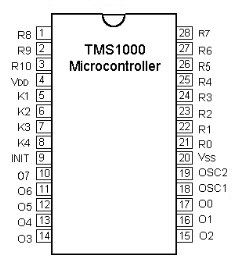 The only data input available is through the 4 bit K input lines. Input instructions collect whatever signals are available on the input lines at the time. Output data exist as 8 O lines and 11, 13, or 16 control, or R lines. The accumulator and the status flag determine the bit pattern of the O lines. This information has to be requested when the chip is produced. What this means is that only 32 distinct patterns can be generated by the O lines. The Y register determines which individual R control line is being set or reset. All of these units have internal clock logic which can be connected to an RC circuit with one end of the capacitor connected to Vss, one end of the resistor connected to Vdd and the opposite ends of the components connected to both OSC1 and OSC2. If an externally generated signal is to be used, it must be connected to OSC1 while OSC2 is grounded. The INIT (reset signal) should be held high for at least 6 clock cycles after power is applied. Reset causes the Page Address and Page Buffer registers to be loaded with binary ones. The O and R outputs as well as the program counter are zeroed.
The TMS 1000 Family
| TMS 1000 | TMS 12000 | TMS 1070 | TMS 1270 | TMS 1100 | TMS 1300 | |
| Pin Count | 28 | 40 | 28 | 40 | 28 | 40 |
| ROM program Bytes | 1024 | 1034 | 1024 | 1024 | 2048 | 2048 |
| Ram Data | 64 | 64 | 64 | 64 | 128 | 128 |
| R signals Output | 11 | 13 | 11 | 13 | 11 | 16 |
| O Data Outputs | 8 | 8 | 8 | 10 | 8 | 8 |
Texas Instruments TMS1000 / MP0027 / MP3310 / MP3318 / MP3228
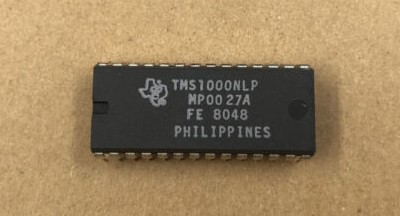 The MP0027 (USA) with TMS1000 base is an integrated circuit that we can call Musician, because it is capable of playing 24 musical motifs. Here is the List :
| link | pin 21 (R0) | pin 22 (R1) | pin 23 (R2) | pin 24 (R3) | pin 25 (R4) | pin 26 (R5) | pin 27 (R6) | pin 28 (R7) |
| pin 5 (K1) | Greensleeves | God Save the Queen | Rule Britannia | Land of Hope and Glory | Sailor's Hornpipe | Westimester Chimes | Oranges and lemons | Oh come all Ye Faithful |
| pin 6 (K2) | Cook House Door | The Stars and Stripes | Bethoven's Ode to Joy (9th) | Wiliam Tell Overture | Red Flag / Maryland/ Tannenbaum | Great Gate of Kiev | Twinkle Twinkle Little Star | Soldiers Chorus (Faust) |
| pin 7 (K3) | Fate Knocking (Beethoven) | The Marseillaise | Deutschland Uer Alles | Toccata in DO minor (Bach) | The lorelei | Wedding March | Colonel Bogie | Mozart |
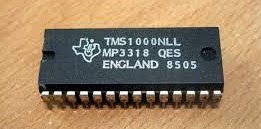 The MP3310 / MP 3318 (France) with TMS1000 base is an integrated circuit that we can call Musician, because it is capable of playing 24 musical motifs. Here is the List :
| link | pin 22 | pin 23 | pin 24 | pin 25 | pin 26 | pin 27 | pin 28 | pin 1 |
| pin 6 | Mon beau sapin | La cucaracha | ? | Popeye | Air des Lampions | Marche nuptiale | ILs ont des chapeaux ronds | Je vais revoir ma blonde |
| pin 7 | L'Ajaccienne | 5° de Beethoven | Guillaume Tell. | Halleluya | La charge de cavalerie | La corrida | La marsellaise | La madelon |
| pin 8 | La riviere Kwai | La bourree Auvergnate | Soldat Leve-toi | Lili Marlene | Oh I Suzanna | La petit Quinquin | o sole mio | Toccata de J.S. Bach |
The MP3310 / MP 3318 (Italy) with TMS1000 base is an integrated circuit that we can call Musician, because it is capable of playing 24 musical motifs. Here is the List :
| link | pin 22 | pin 23 | pin 24 | pin 25 | pin 26 | pin 27 | pin 28 | pin 1 |
| pin 6 | Viva Espana | L'Ajacienne | Le petite Quinquin | Susanna | Lili Marlene | Il ponte sul fiume Kwai | French Cancan | A la Bastille |
| pin 7 | La pantera Rosa | Ein Prosit | Barri | L'internazionale | Kalinka | Marcia nuziale | Tico Tico | La madelon |
| pin 8 | La Marsigliese | Cavalleria | Braccio di Ferro | Les Bretons | La Cucaracha | La Lorraine | Alma Alma | La Corrida |
The MP3228 (Germany) with TMS1000 base is an integrated circuit that we can call Musician, because it is capable of playing 24 musical motifs. Here is the List :
| link | pin 28 | pin 27 | pin 26 | pin 25 | pin 24 | pin 23 |
| pin 5 | Guten Abend , Gute Nacht | Elnmal am Rhein | Ich weis nicht, was soll es bedeuten | Gong | Am Brunnen vor dem Tore | Lied der Bayern |
| link | pin 23 | pin 24 | pin 25 | pin 26 | pin 27 | pin 28 |
| pin 6 | Trink Bruderlein | Dje Blauen Dragoner, sie reiten | Deutsche National-Hymne | Lili Marlene | Die Tiroler sind Lustig | Wer soll das Bezahlen ? |
Clearly the reasons are already set by the IT and are not modifiable
Texas Instruments TMS1802 (TMS0102)
Texas Instruments appears to have been caught out by the arrival of the calculator-on-a-chip from its rival Mostek. A few months before the announcement of the Mostek MK6010 the journal "Electronics" had reported:
"Like many MOS circuit makers, the Dallas company [Texas Instruments] is working to reduce the number of chips for a calculator set. Roop [TI's MOS marketing manager] says that designing and building a one or two chip calculator next year 'will be a snap'.
This would make possible a calculator selling at $200 retail. Even more dramatic, TI is designing an MOS chip which would contain all the electronics for a calculator that would sell for $99—truly a potential high volume consumer product. And TI is thinking 'very strongly' of selling this bigger custom chip in 1971, he notes. If TI can get the price of this one chip down to between $15 and $25, then a $99 electronic calculator will be possible, Roop says."
TI responded quickly after the announcement of the Busicom calculator with the Mostek chip, since also in February 1971 'Electronics Design' reported "Two days after Mostek announced its development of a calculator on a chip, another Dallas-based company Texas Instruments said that it, too, was completing development of a one-chip calculator that would be available "off-the-shelf" by June."
The TMS1802 was actually announced in September 1971 and is a very sophisticated device, being in reality a single-chip-microcontroller optimised for use in a calculator. The journal 'Wireless World' reported "The i.c. contains an eight-digit b.c.d. arithmetic logic unit; a three-register 182-bit random access store; a 3520-bit read-only memory for holding the programme; and timing, output, and control decoders. Floating-point or fixed-point operation calculations can be performed and there is automatic round-off of numbers and leading zero suppression. Arithmetic and control operations are based on a 4μs single-phase clock system." Thus the chip has an internal structure based on a processing unit linked to integral RAM and ROM. By employing different masks for the ROM during manufacture the functionality of the calculator could be adjusted. Texas Instruments later renamed this integrated circuit the TMS0102 and it was the start of a family of TMS01xx microcontroller chips that could be manufactured to be calculators or dedicated controllers.
The TMS1802 was initially sold on the general market to calculator manufacturers, with Texas Instruments delaying the manufacture and marketing its first calculator, the TI-2500 "Datamath", until July 1972. Several models of calculator used the TMS1802 including the Sinclair Executive hand-held calculator, the Texet 1 hand-held calculator, and the Advance Wireless World desktop calculator
Early Sinclair Executive calculators used the TMS1802NC "calculator-on-a-chip", here date-coded to 1971, week 37. The two smaller integrated circuits are LED drivers.
At first the Sinclair Executive used the TMS1802NC in a novel way where the power to the chip was pulsed to reduce the power consumption in order to give long life from the button cells used.
In November 1972 the journal IEEE Spectrum reported:
"MOS/LSI family expanded to nine standard 'calculator on a chip' circuits
The TMS0100 family of calculator-on-a-chip MOS/LSI integrated circuits, introduced by Texas Instruments last year as the TMS1802, has been expanded to nine off-the-shelf circuits. The TMS1802 is a specific implementation of a basic or host calculator chip. Any number of operational characteristics can be implemented by the manufacturer using single-level mask programming techniques of the same basic or host design. The only limitations are the size of the program ROM, the RAM storage, and the control, timing, and output decoders.
Four of the nine calculator circuits are considered preferred types. The TMS0101 and TMS0103 are the preferred eight-digit circuits. The preferred ten-digit circuits are the TMS0106 and the TMS0118.
The TMS0101 has the following features of the one-chip family: floating- or fixed-point result, chain operation, constant operation, protection of result in overflow, underflow in fixed-point mode, leading zero suppression, automatic power-on clear, and automatic sequence and powers. This eight-digit version uses algebraic keyboard entry—the user presses the keys exactly as he would describe the problem.
The TMS0103 provides eight digits, four operations, floating or fixed decimal point, constant or chain operation, automatic roundoff, overflow and underflow, leading zero suppression, and automatic power-up clear. This variation uses the arithmetic keyboard entry system—the same as standard business machines—and is ideally suited for most desktop machines.
The TMS0106 and TMS0118 are both ten-digit versions. Both feature a three-position selectable roundoff that uses a switch to determine how a number will be rounded—up, down, or off—when in fixed-point operation. The TMS0106 uses arithmetic entry; the TMS0118 uses formula entry.
All nine of these units are available immediately from stock. Price in 100-piece quantities for the elght-digit chips is $38.15, and $41.97 for the ten-digit ones."
The TMS0100 series proved to be a very popular family of chips for use in calculators during the 1970s.
By developing the TMS01xx system further TI went on to produce the very successful general-purpose TMS1000 micro-controller series, examples of which were also used in high-specification calculators later in the 1970s.
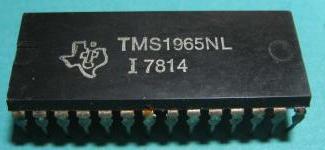 Texas Instruments TMS1965 it is a chip that allows you to have the following games,6 Ball & Paddle variant games.
Games: Tennis, Football, Squash, Pelota, Shoot 1, Shoot 2. First used in the Pong Polystil game.
Pin-compatible with the AY-3-8500; the figure shows the version with a 2.54 mm pin pitch.
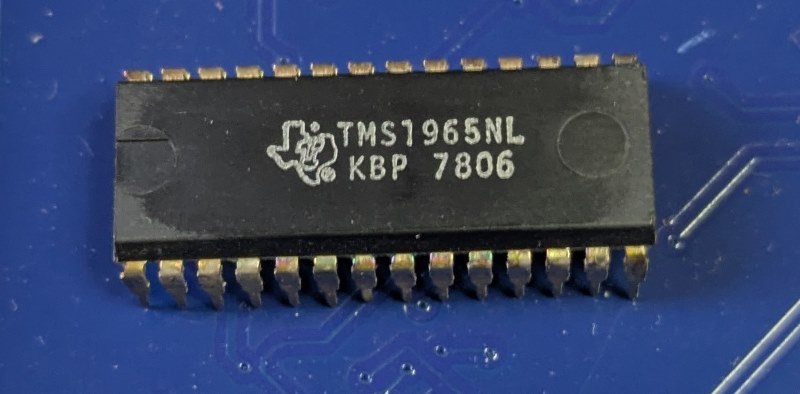
the figure shows the version with a 1.27 mm pin pitch.

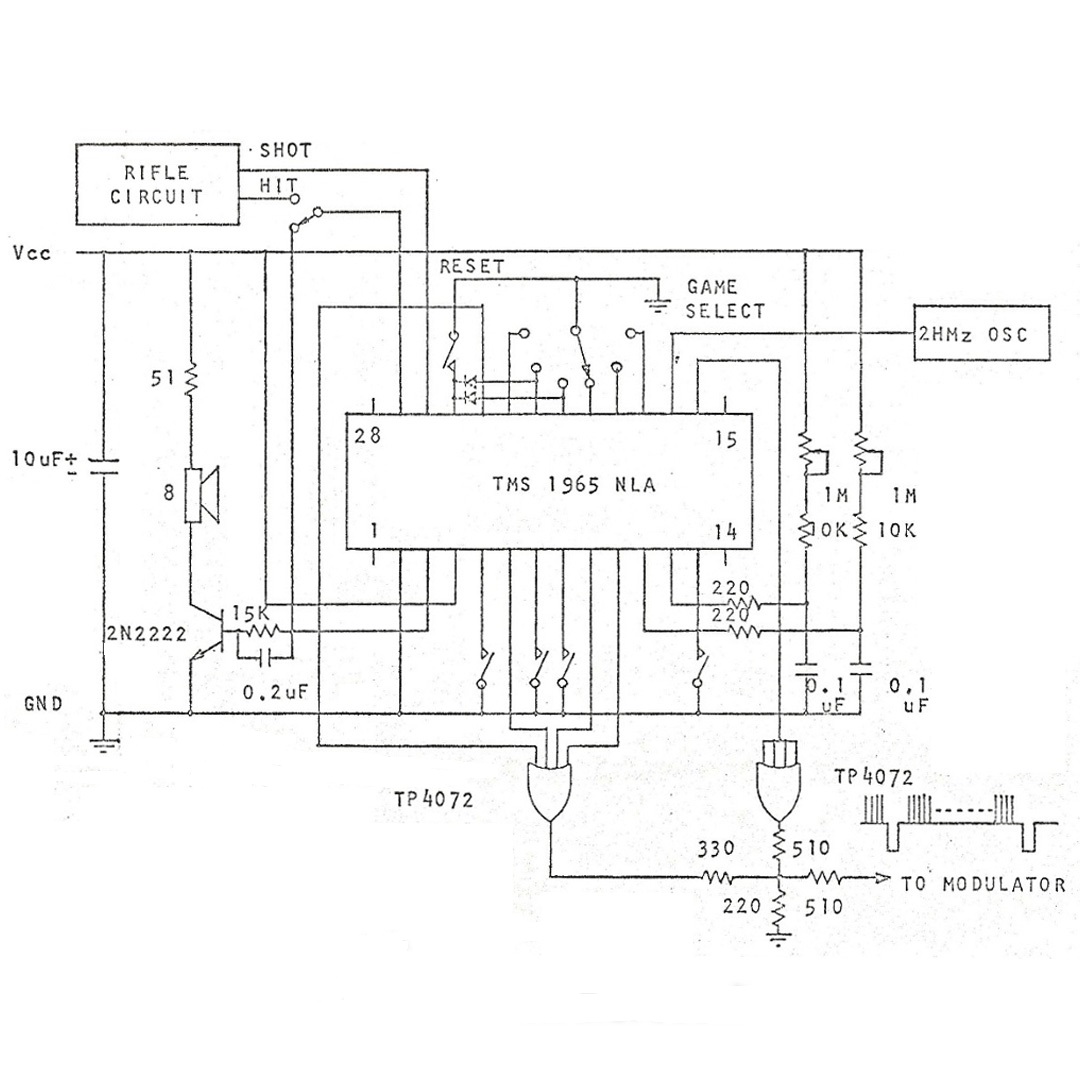
| PIN | Description | PIN | Description |
| 1 | NC | 15 | NC |
| 2 | Vss Earth | 16 | Sync output |
| 3 | Sound output | 17 | 2 MHz clock input |
| 4 | Vdc Power supply, the voltage must be between 6 and 7 Volt | 18 | Game 1: Rifle Game 1 |
| 5 | Angle of the ball's trajectory | 19 | Game 2: Shotgun Game 2 |
| 6 | Ball exit | 20 | Game 3: Tennis |
| 7 | Ball speed | 21 | Game 4: Football |
| 8 | Manual service | 22 | Game 5: Squash |
| 9 | Exit of the right player | 23 | Game 6: Practice |
| 10 | Exit of the left player | 24 | Score and field output |
| 11 | Right club entrance | 25 | Reset input |
| 12 | Left club entrance | 26 | Shot entry |
| 13 | Club size | 27 | Hit entrance |
| 14 | NC | 28 | NC |
Texas Instruments TMS3615 Octave Multiple Tone Synthesizer (2 footages)
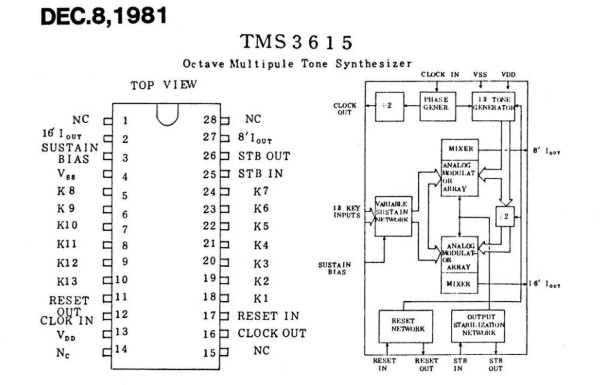 2 footages ( 16', 8', or 8', 4' or 4', 2')
Sustain of the output signals is possible by simply connecting a capacitor (1 uF) to each key input
Sustain decay time adjustable from a few ms to a very long time (key memorization) by connecting a variable voltage to the appropriate terminal
Possibility of controlling the amplitude swing of the footage outputs, to minimize the spread among different devices, by connecting a simple external network to the appropriate terminal.
Asynchronous reset to synchronize devices of different ocataves.
Single power supply 15v or 12v typical.
Clock output for lower ocatave device
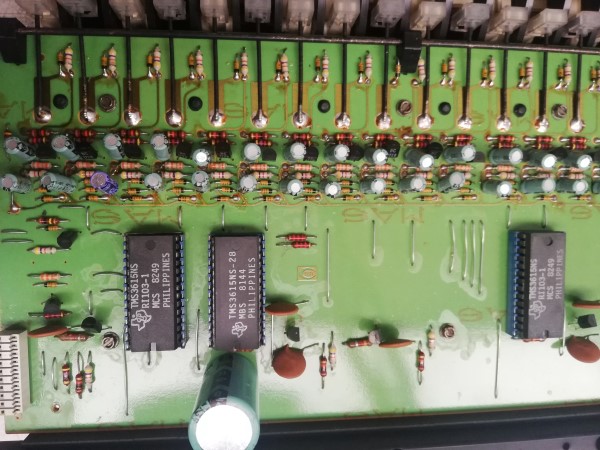 Inside ORGANO SOLTON KETRON S20 ( ITALY 1980 )
Toshiba
Toshiba's early history has two strands: 1875 saw the establishment of Tanaka Seizo-sho (Tanaka Engineering Works), Japan's first manufacturer of telegraphic equipment. Its founder, Hisashige Tanaka (1799-1881), was well known from his youth for inventions that included mechanical dolls and a perpetual clock. Under the name Shibaura Seisaku-sho (Shibaura Engineering Works), his company became one of Japan's largest manufacturers of heavy electrical apparatus. In 1890, Hakunetsu-sha & Co., Ltd., was established as Japan's first plant for electric incandescent lamps. Subsequent diversification saw the company evolve as a manufacturer of consumer products. In 1899, the company was renamed Tokyo Denki (Tokyo Electric Co.).
In 1939, these two companies, leaders in their respective fields, merged to form an integrated electric equipment manufacturer, Tokyo Shibaura Denki (Tokyo Shibaura Electric Co., Ltd.). The company was soon well known as 'Toshiba', which became its official name in 1978.
Toshiba, a world leader in high technology, is today an integrated manufacturer of electrical and electronic products spanning information & communications equipment and systems (PC and other computer systems, storage devices, telecommunications equipment, social automation systems, medical electronics equipment, space related products, etc.), electronic components & materials (semiconductors, electron tubes, optoelectronic devices, liquid crystal display, batteries, printed circuits boards, etc.), power systems & industrial equipment (industrial apparatus, power generating plants, transportation equipment, elevators & escalators, etc.) and consume products (video and digital home products, home appliances, etc.).
Toshiba plays an important role in the history of Texas Instrument‘s calculators. The only official reported calculator manufactured by Toshiba and sold under the TI brand is the TI-66. Anyway, if you dig deeper into some other calculators like the TI-1106, TI-1750 or TI-1790 you’ll notice more than the influence of Toshiba’s calculator chips. Toshiba TEC Corporation is the proven manufacturer of most desktop calculators introduced by Texas Instruments between 1981 and 1988. Today most calculators developed and manufactured by Texas Instruments and their OEM partners use a "brain" with the Toshiba logo.
with permission of the author www.datamath.org
First Transistor 2N117
 Example of a 1950s silicon transistor from the first commercial series produced. They were made by Texas Instruments, with a technology known as Grown Junction. In practice, a part of the N-type silicon wafer was grown, then a P layer was made and another thick N layer continued to grow. The wafer was cut into bars about 5mm high, the base was in the middle somewhere and was searched for by moving a thread that can also be seen in the photo until you find it. With this technology, first invented by Bell who tested a prototype in January 1954 and three months later and independently also by Texas Instruments with the same results, in 1954 the first commercial silicon transistors were produced by Texas. Here you can see one of these pieces from the 1950s, which has been opened to show the internal structure. Carefully opened, saving the side with the Texas symbol, the acronym is no longer legible. It was the first commercial silicon transistor technology. With the tester you can still measure the silicon junctions but with a gain of three, the base attachment would probably need to be realigned after 70 years.


Donated from Marco Legnani
True Value
True Value was founded already in 1948 and developed soon as leader in the hardware industry. With its huge product selection and nowadays over 7,000 stores, True Value is a trusted resource for do-it-yourselfers in big cities and small towns alike. In 1963 True Value merged with Cotter & Company, founded in 1948, too. In the year 1976 two calculators manufactured by Texas Instruments, the TI-1200 and TI-1250 were sold under the label of the True Value Hardware Stores.
Cotter & Company grew fast, in 1979 sales topped the first time $1 billion. But Cotter & Company didn't stop there! It had grown to a retail cooperative of over 5,000 stores with a wholesale volume of more than $2.4 billion by July 1997 when it merged with ServiStar Coast to Coast Corporation to form TruServ.
with permission of the author www.datamath.org
TSI The Telesensory Systems Inc. Speech+ shown here was the first commercial hand-held talking calculator for the blind. Also on this page is a talking calculator aimed as and educational aid for youngs.
This was the first commercial hand-held speaking calculator and a very early use of speech synthesis in a consumer product.
The TSI S14001A was developed by TeleSensory, Inc. and Silicon Systems, Inc. in 1975 as a single-IC speech chip for the Speech+ portable talking calculator for the blind. The speech technology was licensed from Forrest S. Mozer, a professor of atomic physics (speech was a spare time thing for him) at University of California, Berkeley. Ed Bernard worked for Silicon Systems, Inc., and was the design engineer for the S14001A speech chip.
With Permission of the Author vintagecalculators
Transistor–Transistor-Logic (TTL) is a logic family built from bipolar junction transistors (BJTs). Its name signifies that transistors perform both the logic function (the first "transistor") and the amplifying function (the second "transistor"), as opposed to earlier resistor–transistor logic (RTL) and diode–transistor logic (DTL).
TTL integrated circuits (ICs) were widely used in applications such as computers, industrial controls, test equipment and instrumentation, consumer electronics, and synthesizers.
After their introduction in integrated circuit form in 1963 by Sylvania Electric Products, TTL integrated circuits were manufactured by several semiconductor companies. The 7400 series by Texas Instruments became particularly popular. TTL manufacturers offered a wide range of logic gates, flip-flops, counters, and other circuits. Variations of the original TTL circuit design offered higher speed or lower power dissipation to allow design optimization. TTL devices were originally made in ceramic and plastic dual in-line package(s) and in flat-pack form. Some TTL chips are now also made in surface-mount technology packages.
TTL became the foundation of computers and other digital electronics. Even after Very-Large-Scale Integration (VLSI) CMOS integrated circuit microprocessors made multiple-chip processors obsolete, TTL devices still found extensive use as glue logic interfacing between more densely integrated components.
Vidicon
 Video camera tubes were devices based on the cathode-ray tube that were used in television cameras to capture television images, prior to the introduction of charge-coupled device (CCD) image sensors in the 1980s. Several different types of tubes were in use from the early 1930s, and as late as the 1990s.
In these tubes, an electron beam was scanned across an image of the scene to be broadcast focused on a target. This generated a current that was dependent on the brightness of the image on the target at the scan point. The size of the striking ray was tiny compared to the size of the target, allowing 480–486 horizontal scan lines per image in the NTSC format, 576 lines in PAL, and as many as 1035 lines in Hi-Vision.
Western Auto
Western Auto Supply Company was started in 1909 in Kansas City, Missouri by George Pepperdine as mail order business for replacement auto parts. The first retail store was established in 1921, and grew quickly as automobiles became more and more common. By the end of the 50s Western Auto was very much like a Sears store, even equipped with Catalog Order Center. Auto Parts comprised only a small percentage of the company's sales by the mid-60's and had all but disappeared by the 70s. In 1987, Sears Roebuck purchased Western Auto and in 1998 parent company Sears sold the remnants of Western Auto to Advance Auto Parts of Roanoke, Virginia.
You can easily recognize the calculators sold by Western Auto as Texas Instruments products. Most calculators were only personalized with a wooden foil on the key plate, the others received a new nameplate.
with permission of the author www.datamath.org
WG & L
Warren, Gorham & Lamont, Valhalla NY was founded in the 1950s, but traces its roots back to 1882, when Willard Warren started a weekly, the Connecticut Real Estate Record and Building News (later and still today, The Commercial Record). The Thomson Corporation acquired Warren, Gorham & Lamont (WG&L) in 1980. For more than three decades, WG&L was a major information source for finance professionals in companies of all sizes and industries. The WG&L product line includes some of the most valued newsletters, journals and treatises in the legal, tax and accounting fields. WG&L remains one of the most respected brands in the industry. In 1996, the tax publishing activities of Warren, Gorham & Lamont were merged with RIA.
Zayre Corporation
Zayre Corporation was founded in 1956 by Stanley and Sumner Feldberg in Hyannis, Massachusetts as a discount department store chain. Zayre launched already in August 1975 the CONCEPT series of portable electronic calculators with the introduction of their first CONCEPT 24.
with permission of the author www.datamath.org
TM990 / 189 Microcomputer ( 1979)
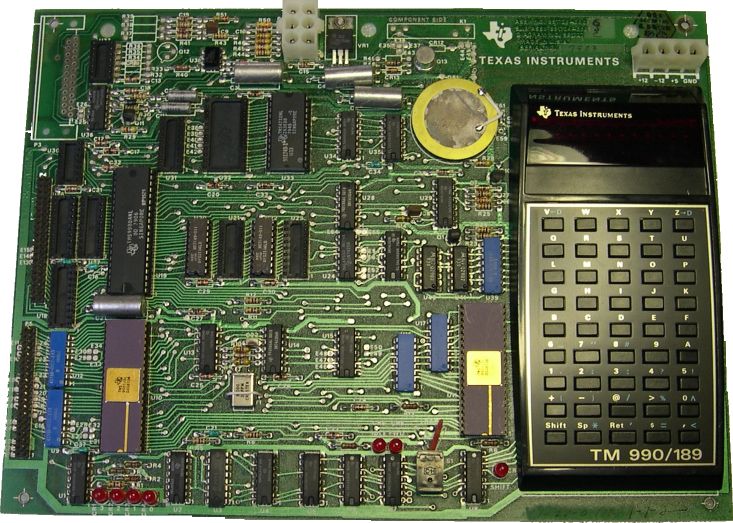 The TM990/189 is a self- contained, single board microcomputer system. It is intended for use as a learning aid in
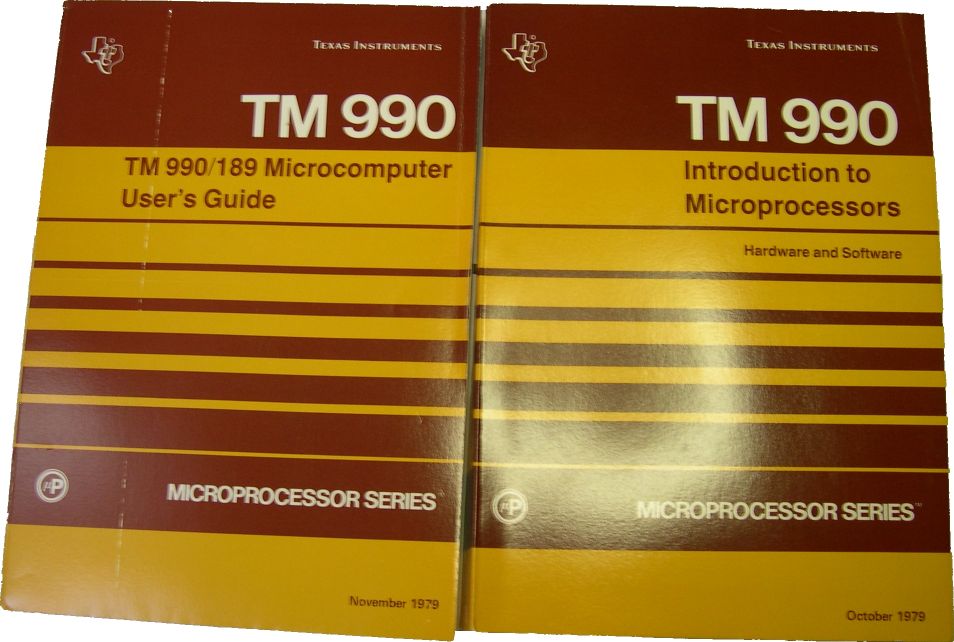 instruction of microcomputer fundamentals, machine and assembly language programming, and microcomputer
interfacing. It also demostrates TMS 9900 family applications and advanteges.
- TMS9980a microprocessor
-1024 bytes RAM
- 4096 bytes ROM
- 2 mhz oscillator
- audio cassette interfaces
- 16 biti I/O programmable
- 45 key alphanumeric keyboard
- Ten-digit, sevn-segment led
- Visual and acoustic indicators
- TMS9902 asynchronous communication controllers
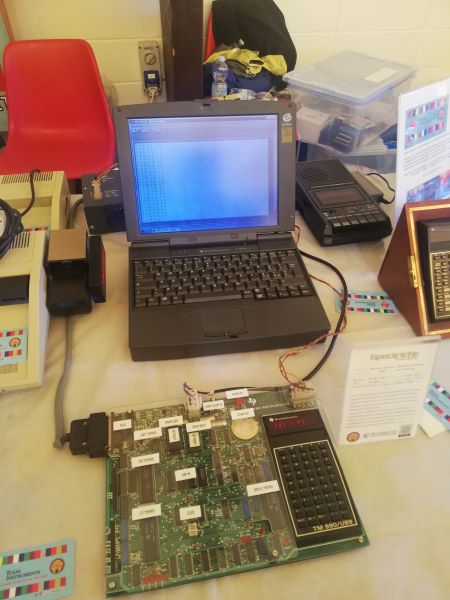 In the various events we attended, we were able to put a TM990 / 189 into operation. The main feature is to have a Basic interpreter on board, and to interface it with the Travelmate 560 via the RS232 serial. Programs are read and written via a recorder for the TI-99/4A PHP-2700.
The program loaded via laptop is a small program to generate a clock with hours, minutes and seconds.
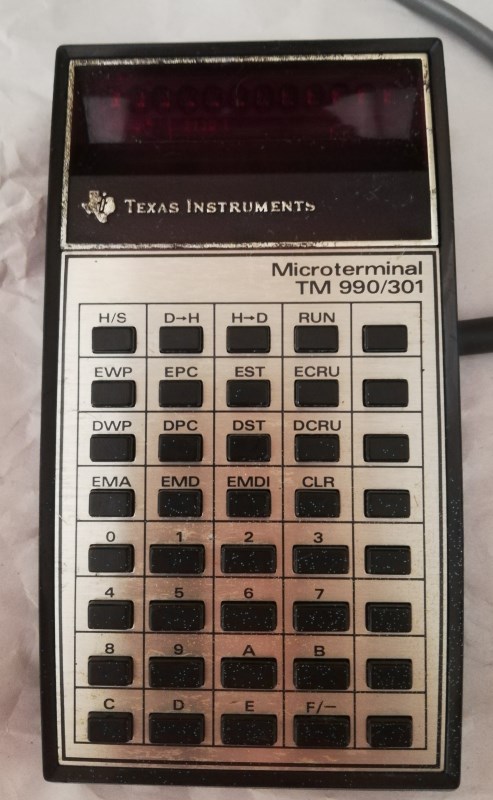 The TM 990/301 Microterminal was introduced in 1978 as a small console for the TMS9900 based computer system TM
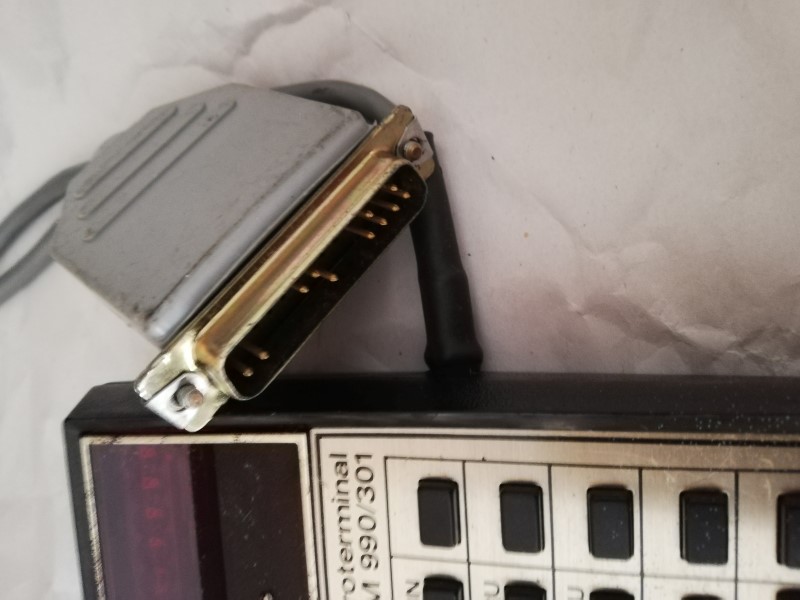 990/100M. This Microterminal is obviously based on a normal TI-30, the most successful scientific calculator of that time frame.
Dismantling the TM 990/301 Microterminal discovers a completely different internal construction. Instead the small printed circuit board (PCB) of the TI-30 and all the other calculators using its housing we notice a big PCB based on a TMS1000 single-chip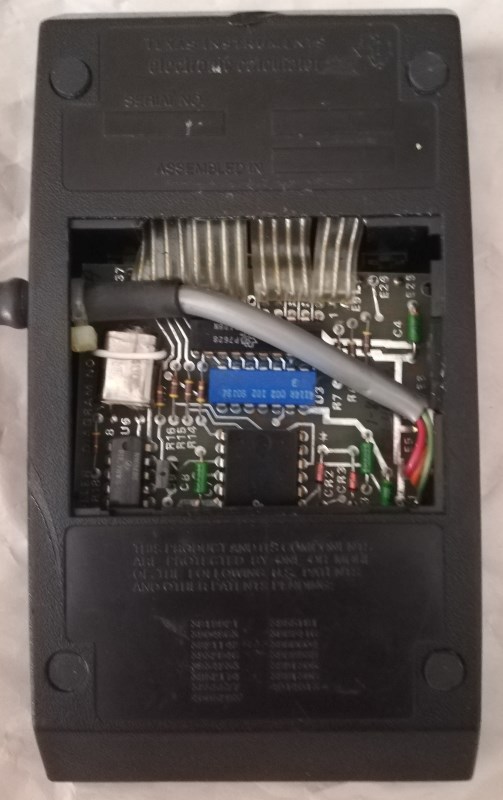 microcomputer. Remember that the TMS1000 is still recognized as the first true microcomputer and found its way into millions of products. A similar approach using a standard calculator housing for industrial products could be found with the TI-510 PLC Programmer.
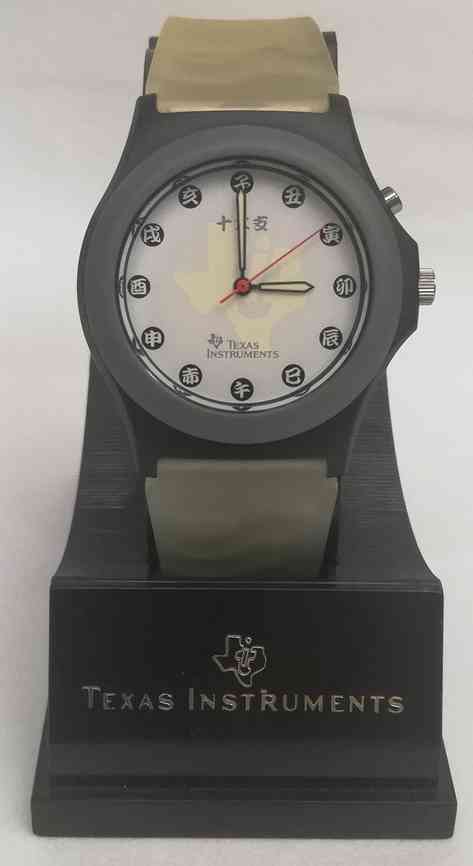 Model: Limited Citizen Code: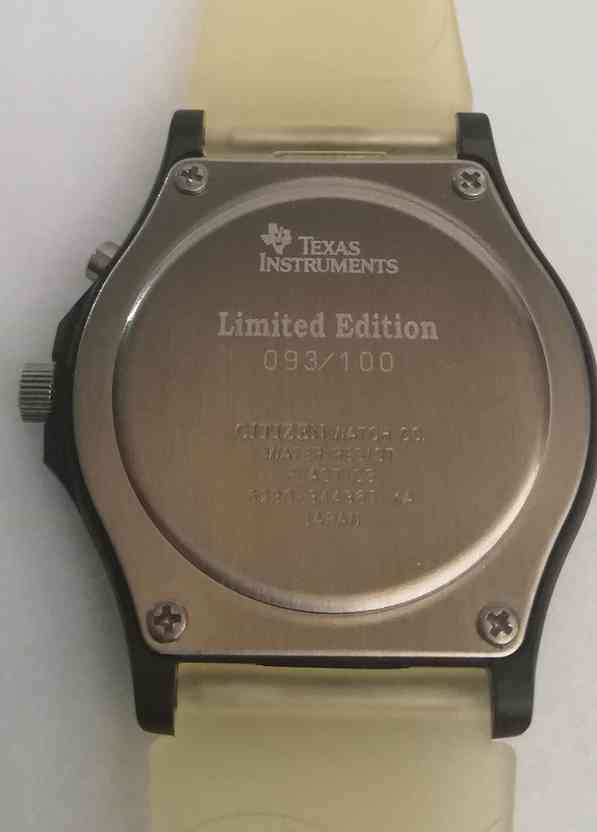
Battery: lr521 or sr521
WCase: gray plastic case WBand: cream leather Face: white
Manual: No Box: Yes Light: No
Year: xxxx Price: xxxx
Function: Time and second
Info: Japanese limited edition watch 093/100 ,this watch was born as an advertising object, or was given as a gift to employees for the objectives achieved.

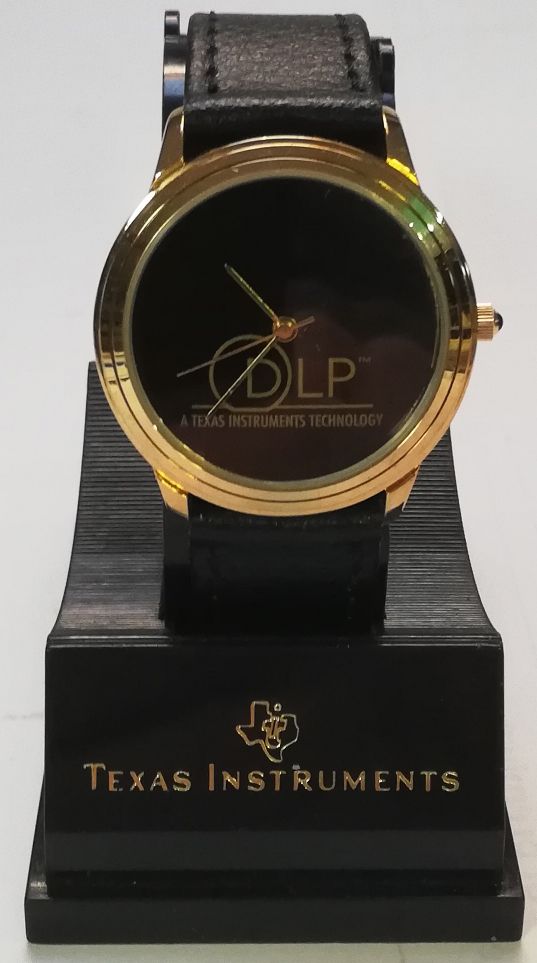 Model: Analogic DLP round Code: OK
Battery: lr521 or sr521
WCase: golden tone metal WBand: black leather Face: black
Manual: No Box: No Light: No
Year: xxxx Price: xxxx
Function: Time and second
Info: this watch was born as an advertising object, or was given as a gift to employees for the objectives achieved.
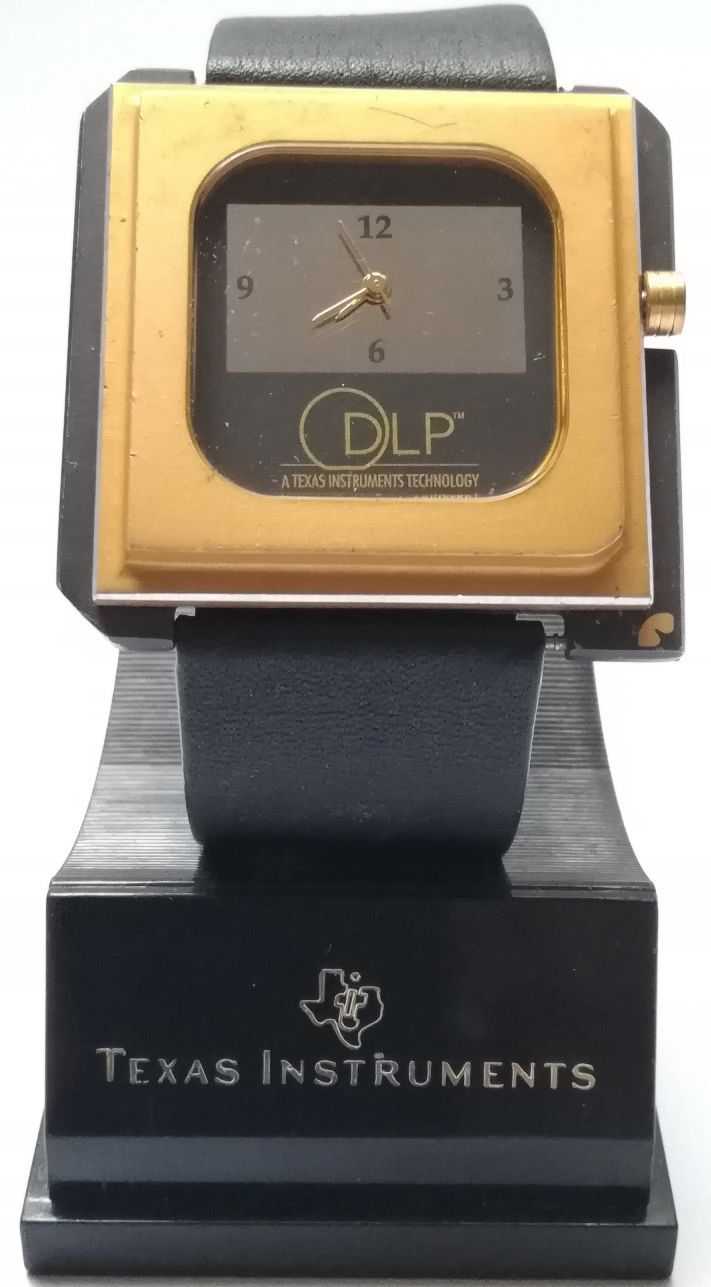
Model: Analogic DLP square Code: OK
Battery: lr521 or sr521
WCase: golden tone metal WBand: black leather Face: black
Manual: No Box: No Light: No
Year: xxxx Price: xxxx
Function: Time and second
Info: this watch was born as an advertising object, or was given as a gift to employees for the objectives achieved.
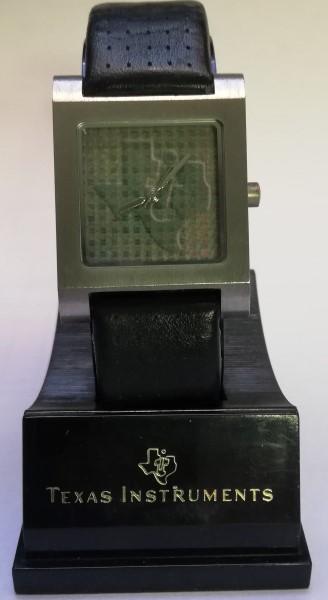 Model: Analogic DSP square Code: OK
Battery: lr521 or sr521
WCase: steel tone metal WBand: black leather Face: black/green
Manual: No Box: No Light: No
Year: xxxx Price: xxxx
Function: Time and second
Info: this watch was born as an advertising object, or was given as a gift to employees for the objectives achieved.
 Model: Analogic one hand Code: OK
Battery: lr521 or sr521
WCase: white tone metal WBand: matching bracelet Face: white
Manual: No Box: No Light: No
Year: xxxx Price: xxxx
Function: Time and second
Info: This watch was born as an advertising object, or was given as a gift to employees for the objectives achieved.
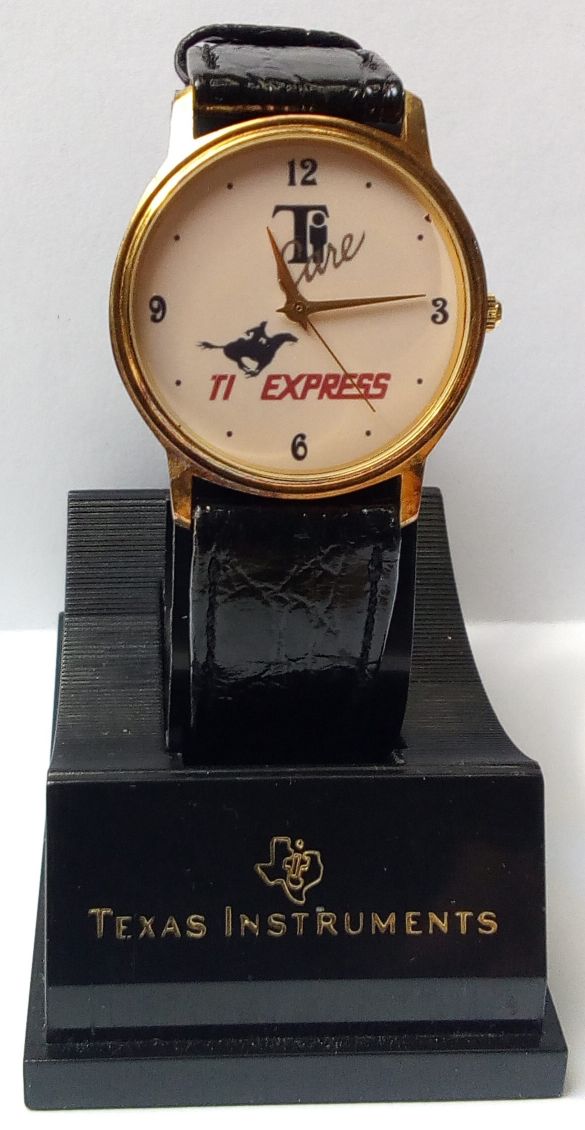 Model: Analogic TI express Code: OK
Battery: lr521 or sr521
WCase: golden tone metal WBand: black leather Face: white
Manual: No Box: No Light: No
Year: xxxx Price: xxxx
Function: Time and second
Info: this watch was born as an advertising object, or was given as a gift to employees for the objectives achieved.
 Model: Analogic Mos Memory Code: OK
Battery: lr521 or sr521
WCase: white tone metal WBand: white tone metal Face: white
Manual: No Box: No Light: No
Year: xxxx Price: xxxx
Function: Time, second and Day
Info: this watch was born as an advertising object, or was given as a gift to employees for the objectives achieved.
I have to thank Gaetano Perrella, former employee of Texas Instruments in Rieti for the donation!
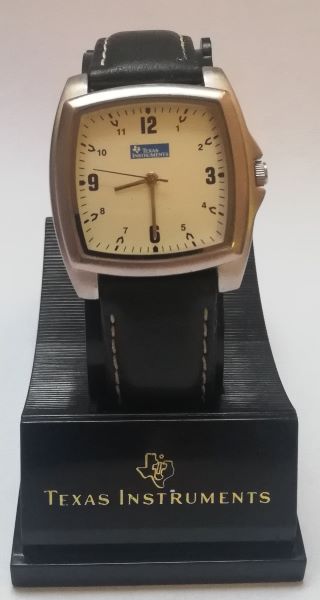 Model: Analogic TI square Code: OK
Battery: lr521 or sr521
WCase: white tone metal WBand: black leather Face: white
Manual: No Box: No Light: No
Year: xxxx Price: xxxx
Function: Time and second
Info: this watch was born as an advertising object, or was given as a gift to employees for the objectives achieved.
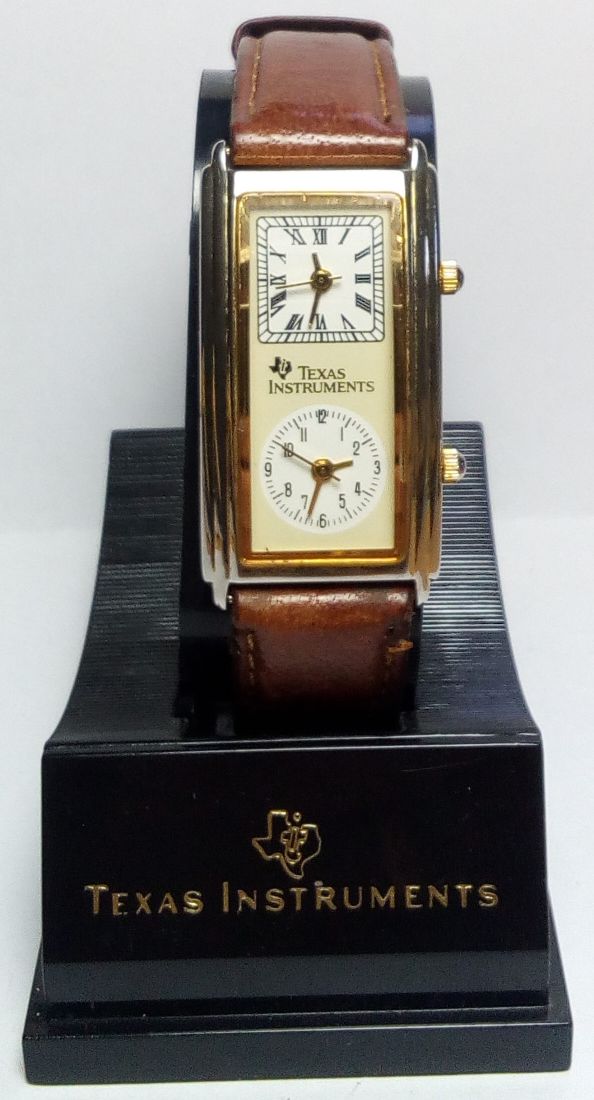
Model: Analogic TWO hands Code: OK
Battery: lr521 or sr521
WCase: golden tone metal WBand: brown leather Face: white
Manual: No Box: No Light: No
Year: xxxx Price: xxxx
Function: Time and second
Info: the peculiarity of this watch is to have two dials with independent hands, this watch was born as an advertising object, or was given as a gift to employees for the objectives achieved.
| Chemistry | Diameter (mm) | Maxell | Generic | Duracell | Rayovac | Varta | Seiko | Citizen | Timex | NewTEC | AG/Alkaline Equivalent |
| Silver Oxide |
11,6 | SR44W | 357 | D357 | 357 | V357 | SB-B9 | - | J | SR1154PW | AG13 |
| SR43W | 386 | D386 | 386 | V386 | SB-B8 | 280-41 | H | SR1142PW | AG12 | ||
| SR1130W | 389 | D389 | 389 | V389 | SB-BU | 280-15 | M | SR1130PW | AG10 | ||
| SR1120W | 391 | D391 | 391 | V391 | SB-BS | 280-30 | L | SR1120PW | AG8 | ||
| SR1116W | - | - | - | - | - | - | - | SR1116PW | - | ||
| 9,5 | SR927W | 399 | D399 | 399 | V399 | SB-BP | 280-44 | W | SR927PW | AG7 | |
| SR920W | 370 | D370 | - | - | SB-BN | 280-51 | Z | SR920PW | AG6 | ||
| SR916W | - | D372 | - | - | - | 280-61 | - | SR916PW | - | ||
| 7,9 | SR41W | 392 | D392 | 392 | V392 | SB-B1 | 280-13 | K | SR736PW | AG3 | |
| SR726W | 396 | D396 | 396 | V396 | SB-BL | 280-52 | V | SR726PW | AG2 | ||
| SR721W | 361 | D361 | - | - | SB-BK | 280-53 | X | SR721PW | AG11 | ||
| SR754W | 309 | D309 | 309 | V309 | - | - | - | - | AG5 | ||
| 6,8 | SR626W | 43 | - | - | - | SB-BW | 280-72 | - | SR626PW | - | |
| SR621W | - | - | - | - | - | 280-70 | - | SR621PW | - | ||
| 11,6 | SR44W | 303 | D303 | 303-1 | V303 | SB-A9 | 280-08 | A | SR1154SW | AG13 | |
| SR43SW | 301 | D301 | 301-1 | V301 | SB-A8 | 280-01 | D | SR1142SW | AG12 | ||
| SR1136SW | 344 | D344 | - | V344 | - | - | - | SR1136SW | - | ||
| SR1130SW | 390 | D390 | - | V390 | SB-AU | 280-24 | - | SR1130SW | AG10 | ||
| SR1120SW | 381 | D381 | 381 | V381 | SB-AS | 280-27 | - | SR1120SW | AG8 | ||
| SR1116SW | - | D366 | 366 | - | - | 280-46 | - | SR1116SW | - | ||
| 9,5 | SR936SW | 394 | D394 | 394 | V394 | SB-A4 | 280-17 | - | SR936SW | AG9 | |
| SR927SW | 395 | D395 | 395 | V395 | SB-AP | 280-48 | - | SR927SW | AG7 | ||
| SR920SW | 371 | D371 | 371 | V371 | SB-AN | 280-31 | - | SR920SW | AG6 | ||
| SR916SW | 373 | D373 | 373 | V373 | SB-AJ | 280-45 | - | SR916SW | - | ||
| 7,9 | SR41SW | 384 | D384 | 384 | V384 | SB-A1 | 280-18 | - | SR736SW | AG3 | |
| SR731SW | 329 | - | - | V329 | - | - | - | SR731SW | - | ||
| SR726SW | 397 | D397 | 397 | V397 | SB-AL | 280-28 | N | SR726SW | AG2 | ||
| SR721SW | 362 | D362 | 362 | V362 | SB-AK | 280-29 | S | SR721SW | AG11 | ||
| SR716SW | 315 | D315 | - | V315 | SB-AT | 280-56 | HA | SR716SW | - | ||
| SR712SW | - | - | - | - | SB-AH | 280-66 | - | SR712SW | - | ||
| 6,8 | SR626SW | 377 | D377 | 377 | V377 | SB-AW | 280-39 | BA | SR626SW | AG4 | |
| SR621SW | 364 | D364 | 364 | V364 | SB-AG | 280-34 | T | SR621SW | AG1 | ||
| SR616SW | 321 | D321 | 321 | V321 | SB-AF | 280-73 | DA | SR616SW | - | ||
| 5,8 | SR527SW | 319 | - | - | - | SB-AE | 280-60 | - | SR527SW | - | |
| SR521SW | 379 | D379 | - | V379 | SB-AC | 280-59 | JA | SR521SW | AG0 | ||
| SR516SW | 317 | D317 | - | V317 | SB-AR | 280-58 | CA | SR516SW | - | ||
| SR512SW | - | - | - | - | SB-AB | 280-68 | - | SR512SW | - | ||
| 4,8 | SR421SW | - | - | - | - | SB-A6 | 280-77 | - | SR421SW | - | |
| SR416SW | 337 | - | - | - | SB-A5 | 280-75 | - | SR416SW | - | ||
| Alkaline | 11,6 | LR44 | LR44 | PX76A675PK | RW82 | V13GA | - | - | KA | LR44 | AG13 |
| LR43 | LR43 | LR43 | 186-1 | V12GA | - | - | - | LR43 | AG12 | ||
| LR1130 | - | LR54 | 189-1 | V10GA | - | - | - | LR1130 | AG10 | ||
| LR1120 | - | LR55 | - | V8GA | - | - | - | LR1120 | AG8 | ||
| 7,9 | LR41 | - | - | - | V36A | - | 280-902 | GA | LR41 | AG3 | |
| Lithium Manganese |
20 | CR2032 | CR2032 | DL2032 | E-CR2032 | CR2032 | SB-T51 | - | - | CR2032 | - |
| CR2025 | CR2025 | DL2025 | E-CR2025 | CR2025 | SB-T14 | 280-205 | - | CR2025 | - | ||
| CR2016 | CR2016 | DL2016 | E-CR2016 | CR2016 | SB-T11 | 280-206 | FA | CR2016 | - | ||
| CR2012 | - | - | - | - | SB-T15 | 280-207 | - | CR2012 | - | ||
| 16 | CR1620 | - | DL1620 | - | CR1620 | - | - | - | CR1620 | - | |
| CR1616 | - | DL1616 | - | CR1616 | - | 280-209 | - | CR1616 | - | ||
| 12,5 | CR1220 | CR1220 | DL1220 | - | CR1220 | SB-T13 | - | - | CR1220 | - | |
| CR1216 | - | DL1216 | - | CR1216 | - | - | - | CR1216 | - | ||
| 10 | CR1025 | - | DL1025 | - | - | - | - | - | CR1025 | - |
No + Available:
LR55, LR1120, V8GA, CR2012, SB-T15, 280-207
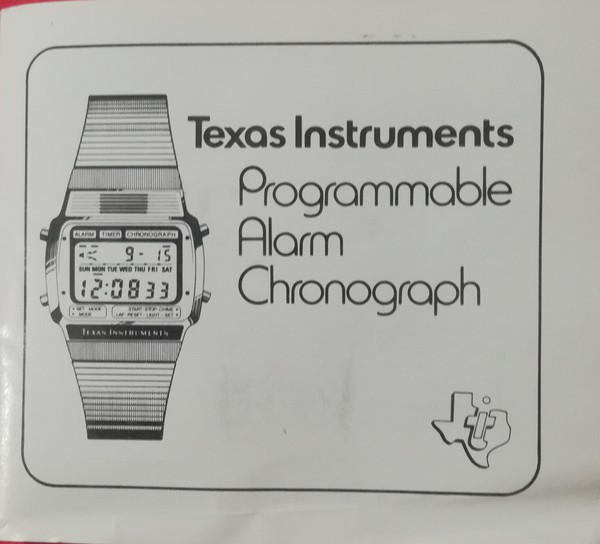 Description: Programmable Alarm Chronograph
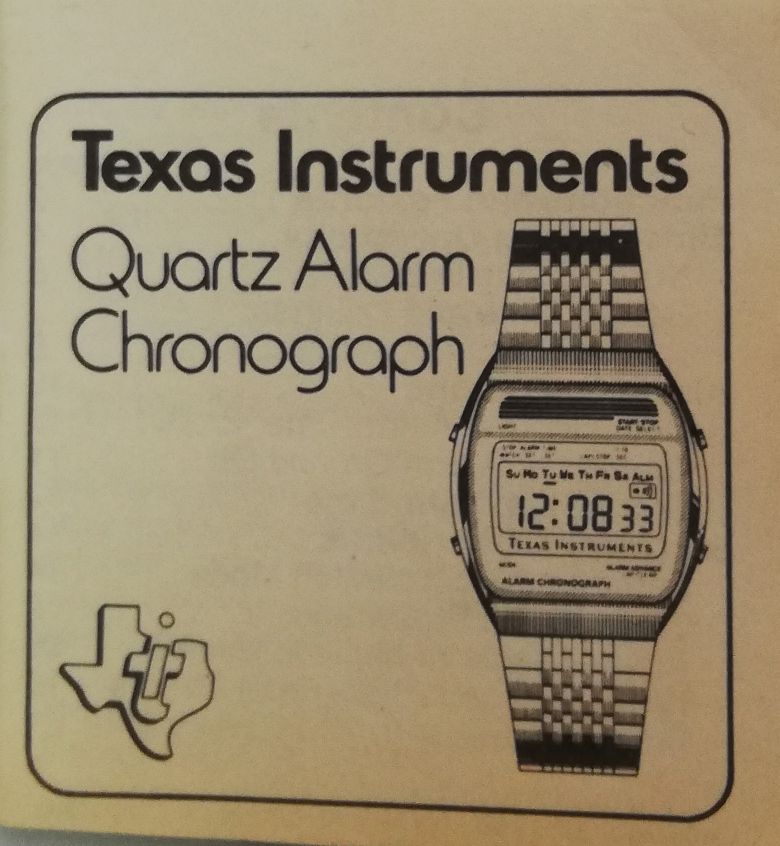 Description: Quartz Alarm Chronograph
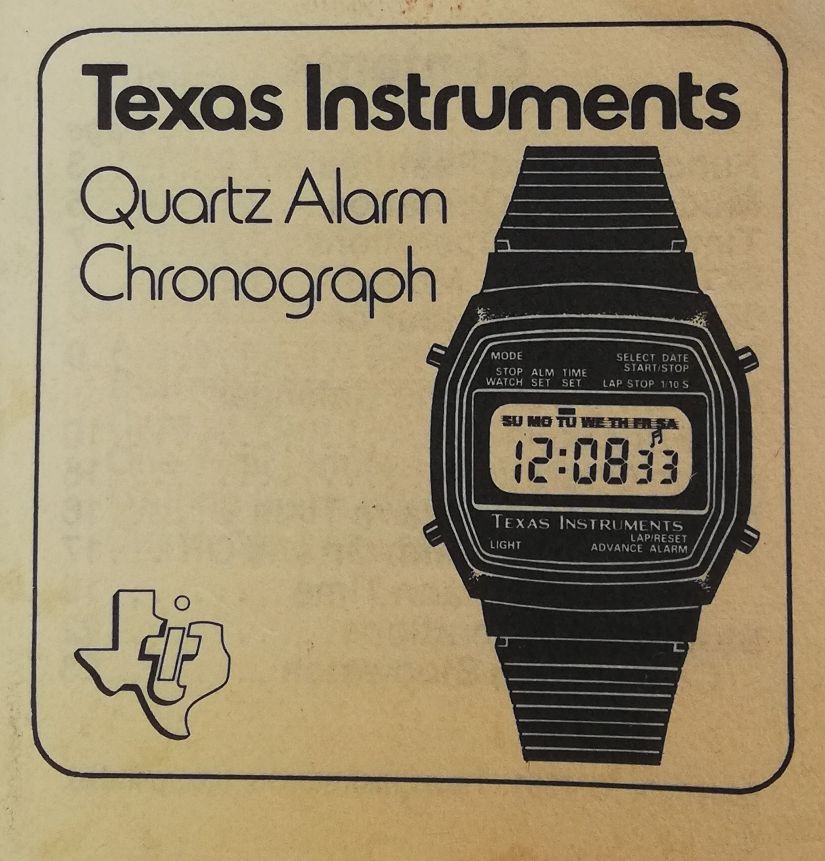 Description: Quartz Alarm Chronograph
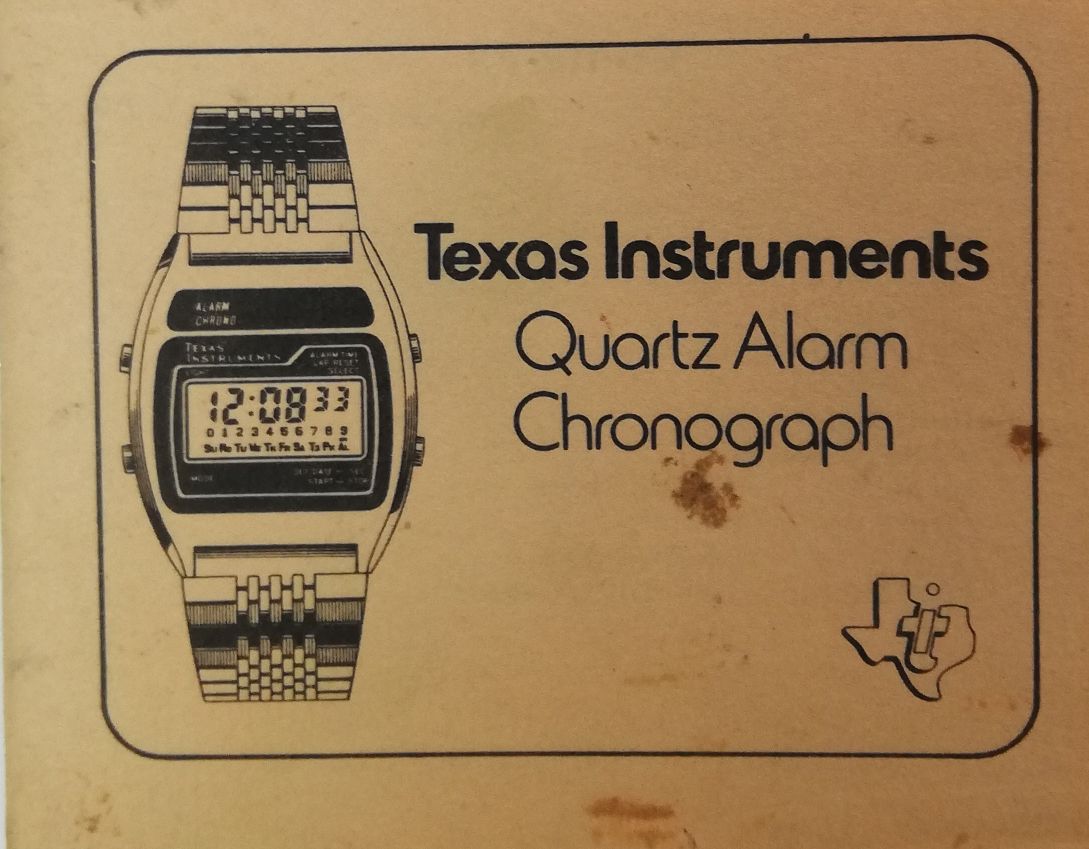 Description: Quartz Alarm Chronograph
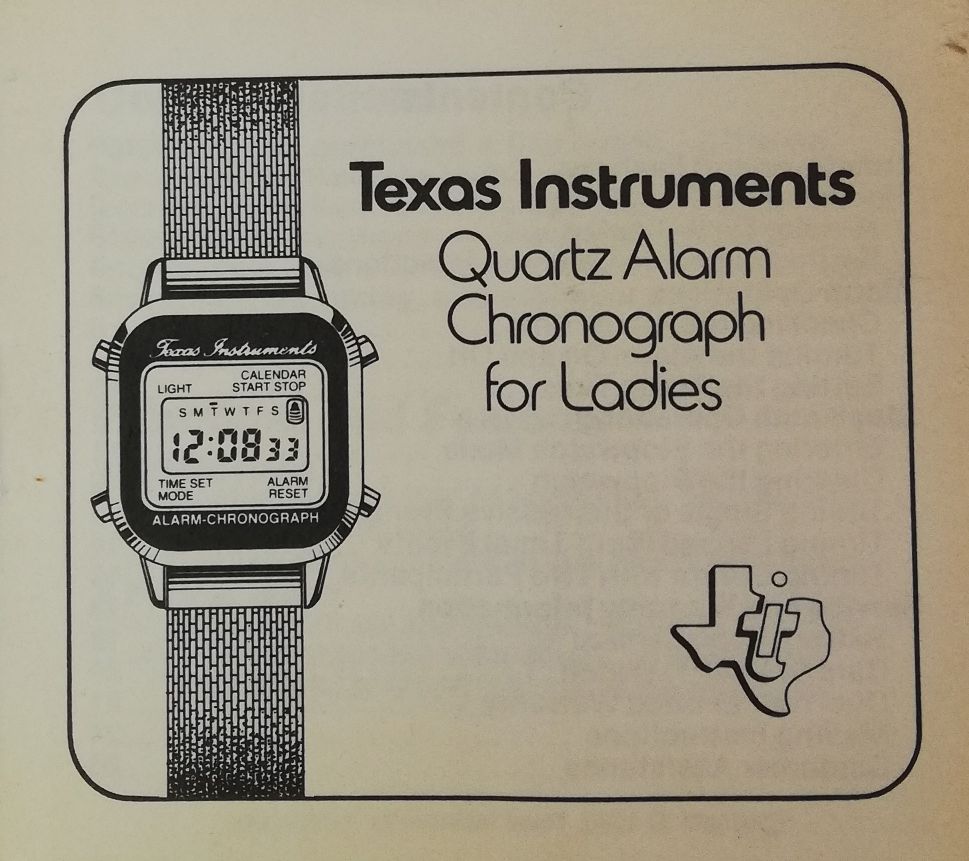 Description: Quartz Alarm Chronograph for ladies
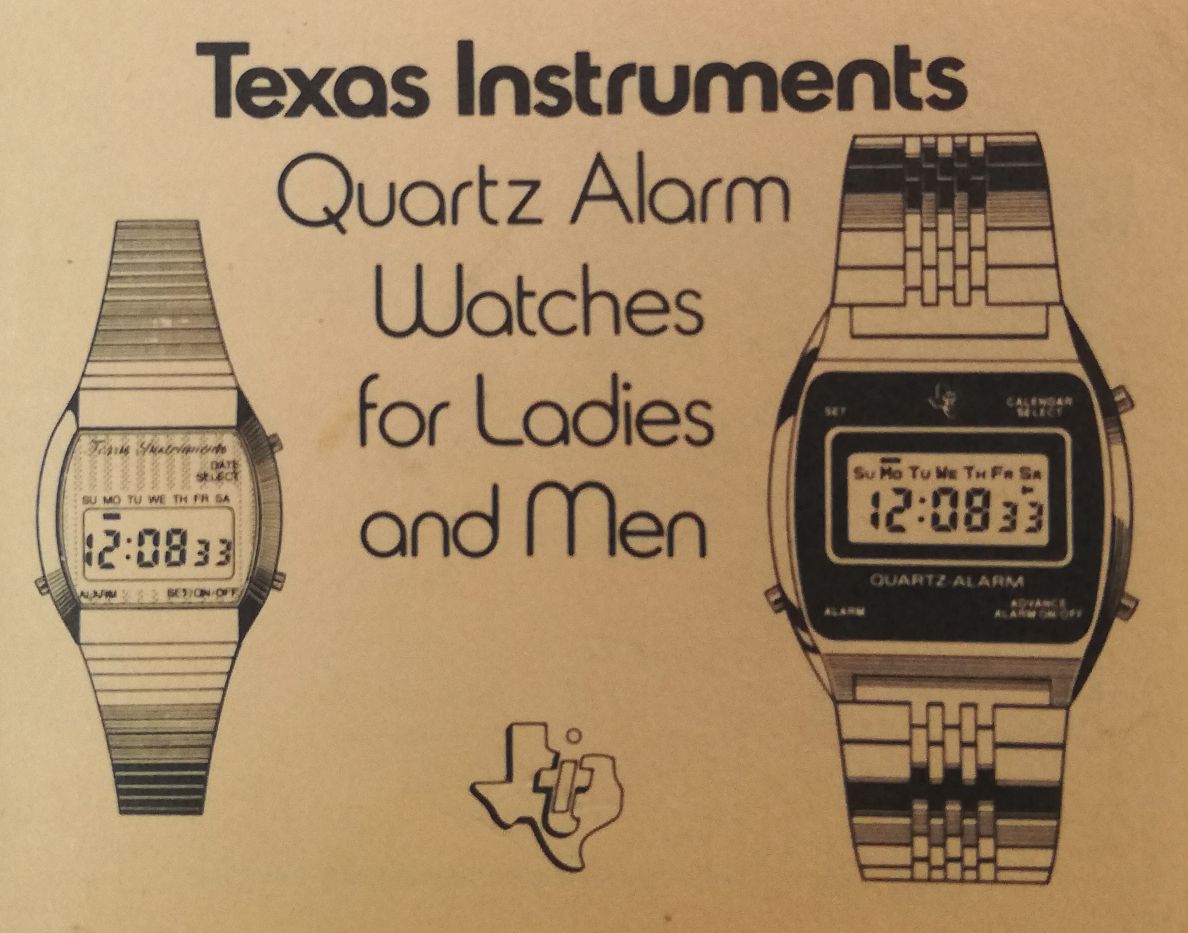 Description: Quartz Alarm watches
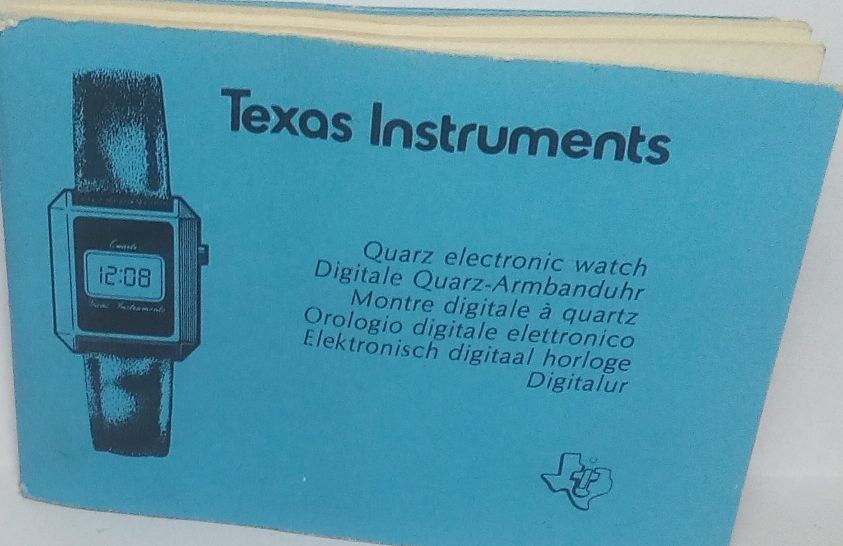 Description: Quartz electronic watch
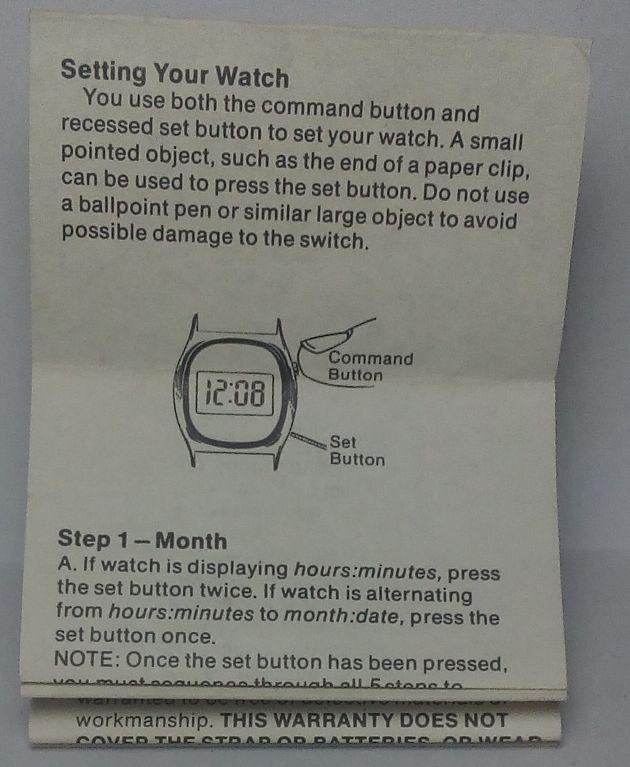 Description: Quartz LCD
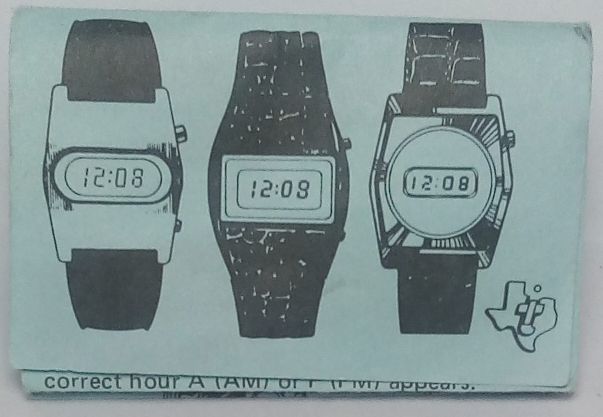 Description: Quartz LCD
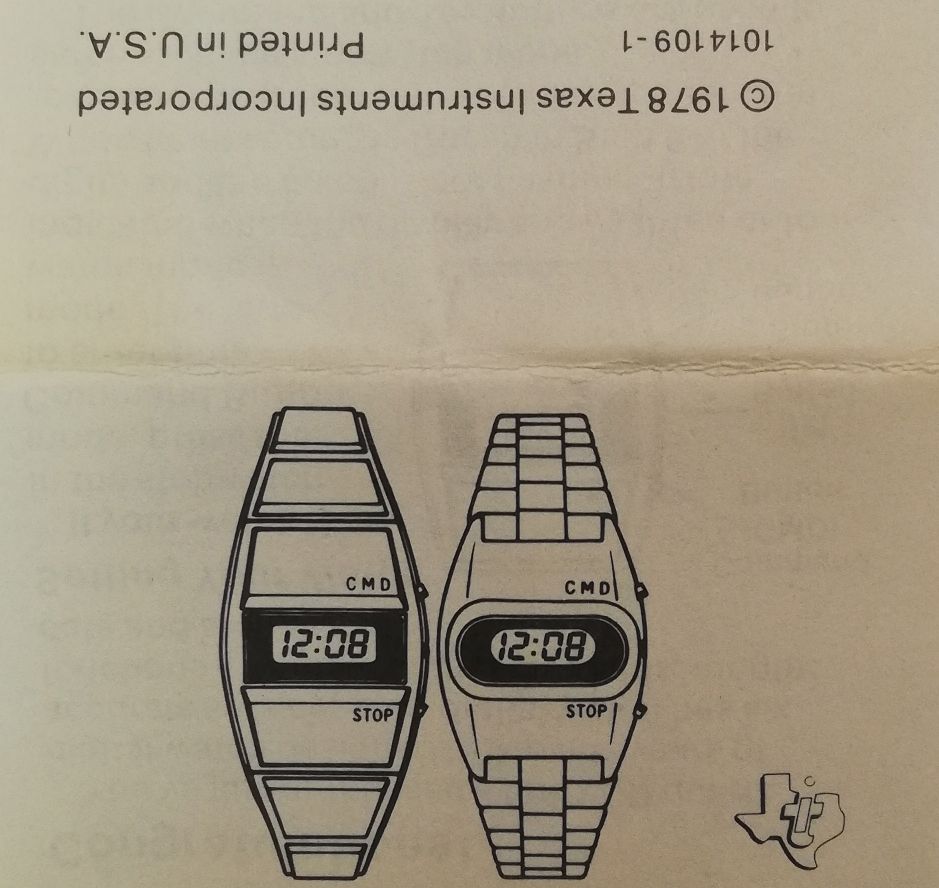 Description: Quartz LCD
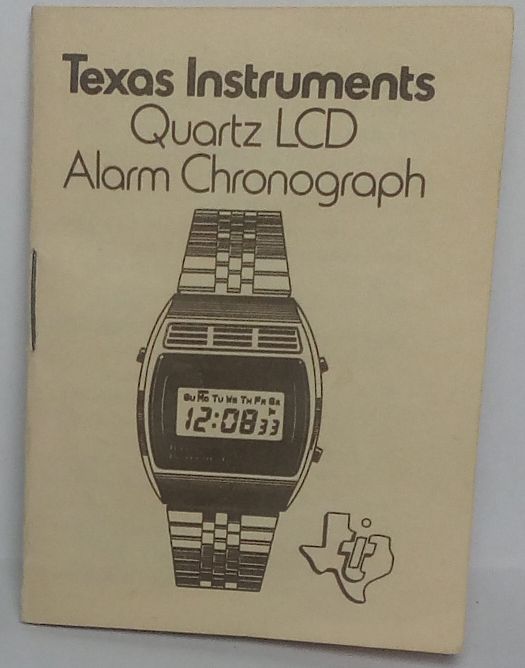 Description: Quartz LCD alarm Chronograph
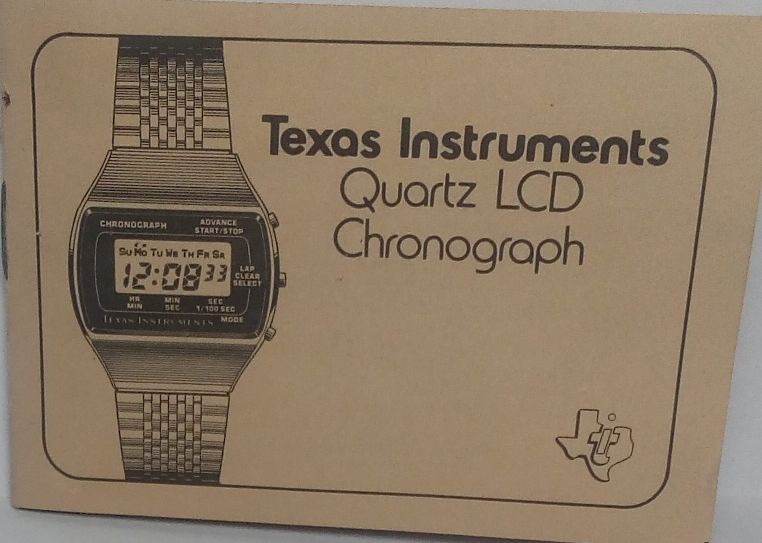 Description: Quartz LCD Chronograph
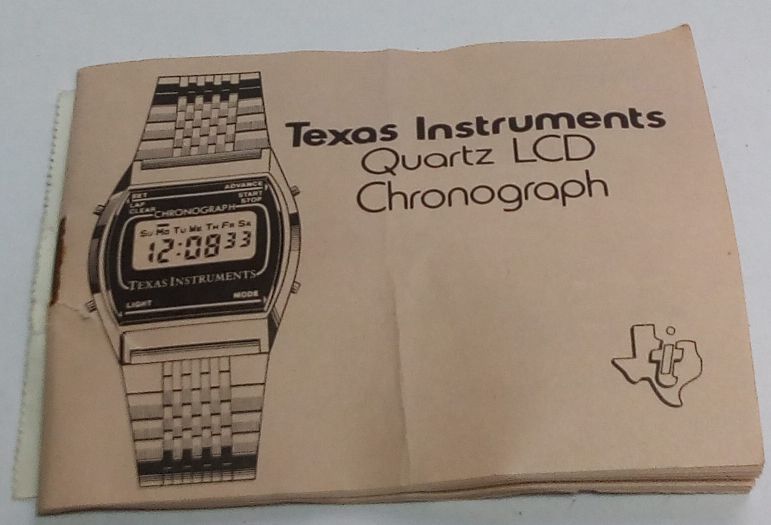 Description: Quartz LCD Chronograph
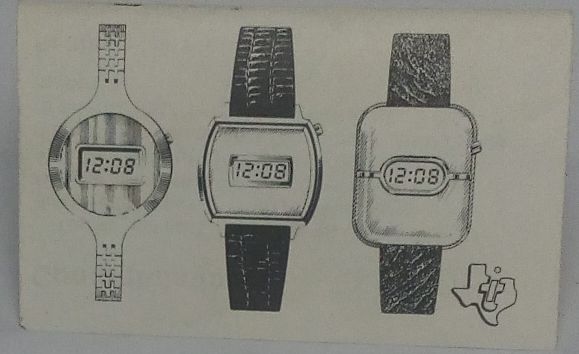 Description: Quartz LCD for ladies
 Description: Quartz LED
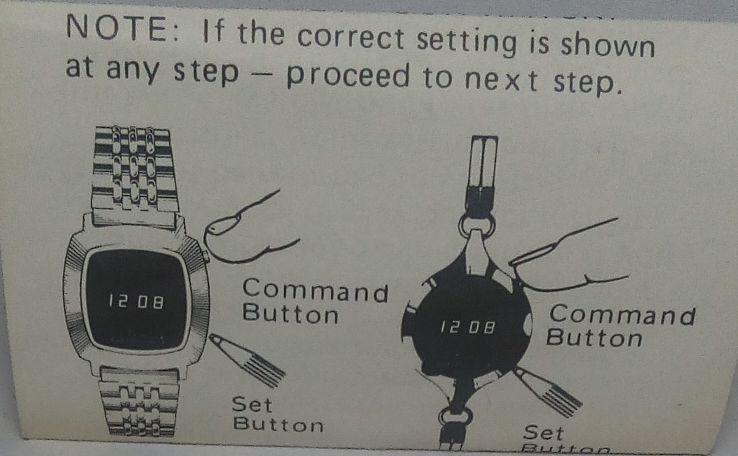 Description: Quartz LED
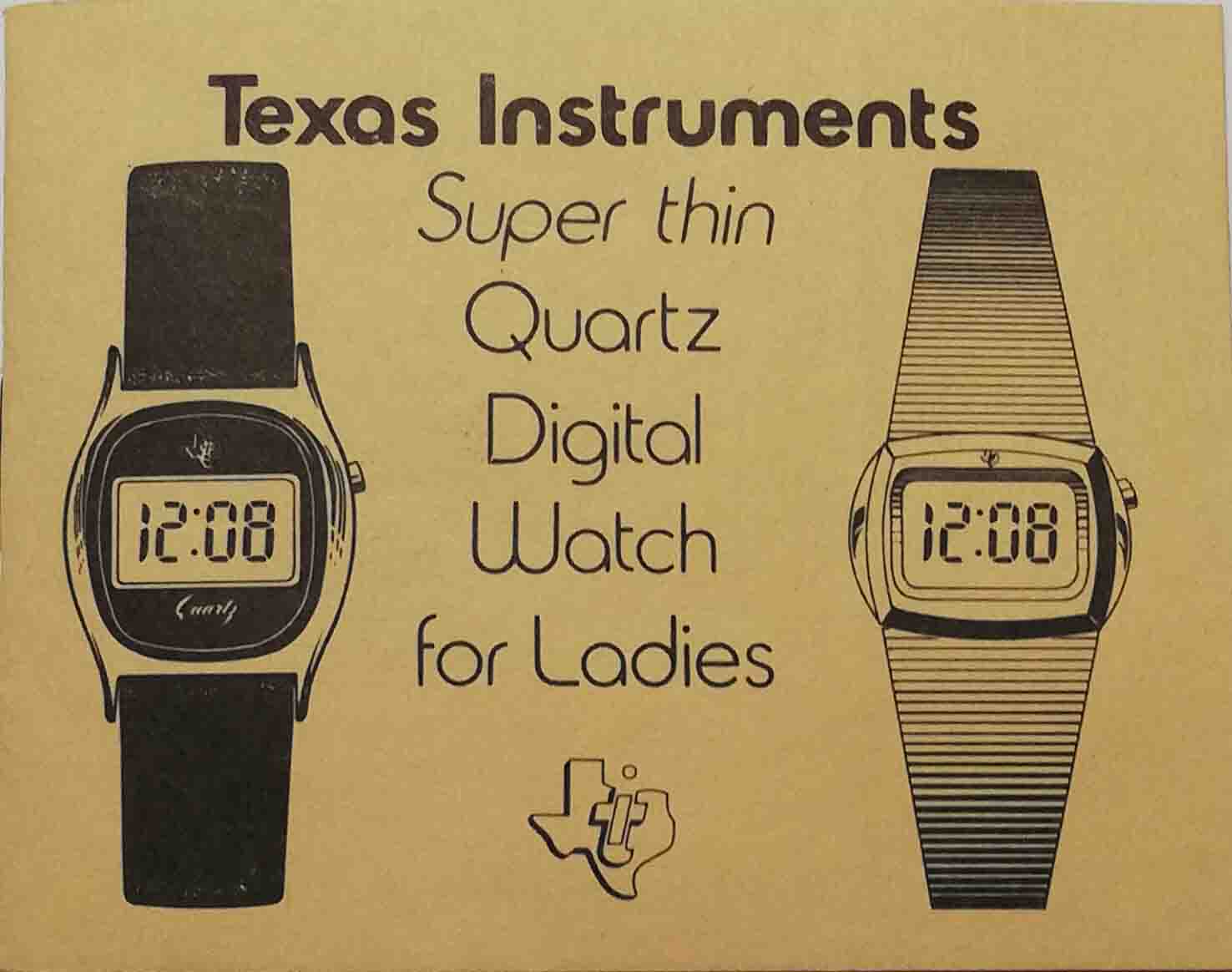 Description: Super Thin Quartz digital watch
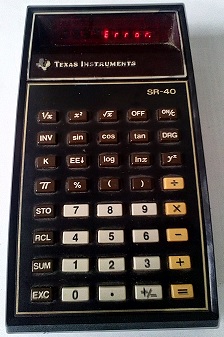
SR-40 The entry line uses a 9-digit LED-stick giving either 8 digits display in normal mode or 5+2 digits in scientific mode.
The upper line uses a 12-digit LED-stick giving either 8 or 10 digits in normal mode and 8+2 digits in scientific mode. The calculators use an ON/OFF slider.
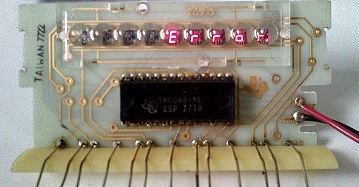
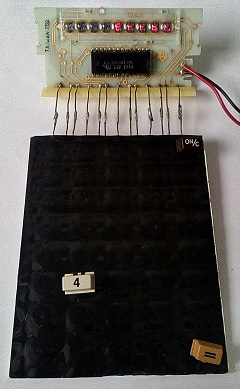 inside the calculator, display and keyboard
how is an LCD watch made?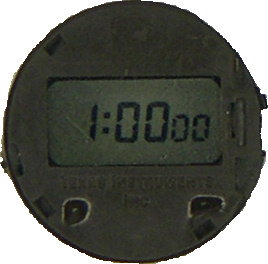
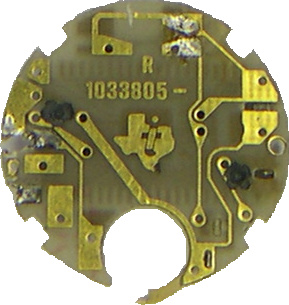
we see its parts inside, this is the PCB with some components.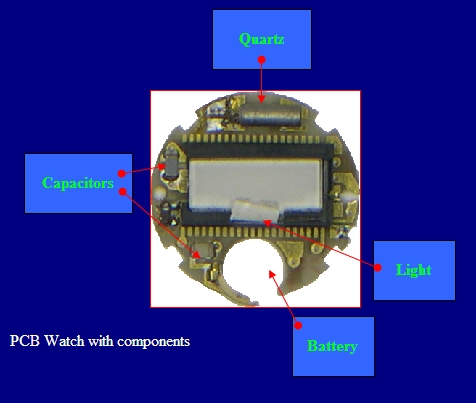
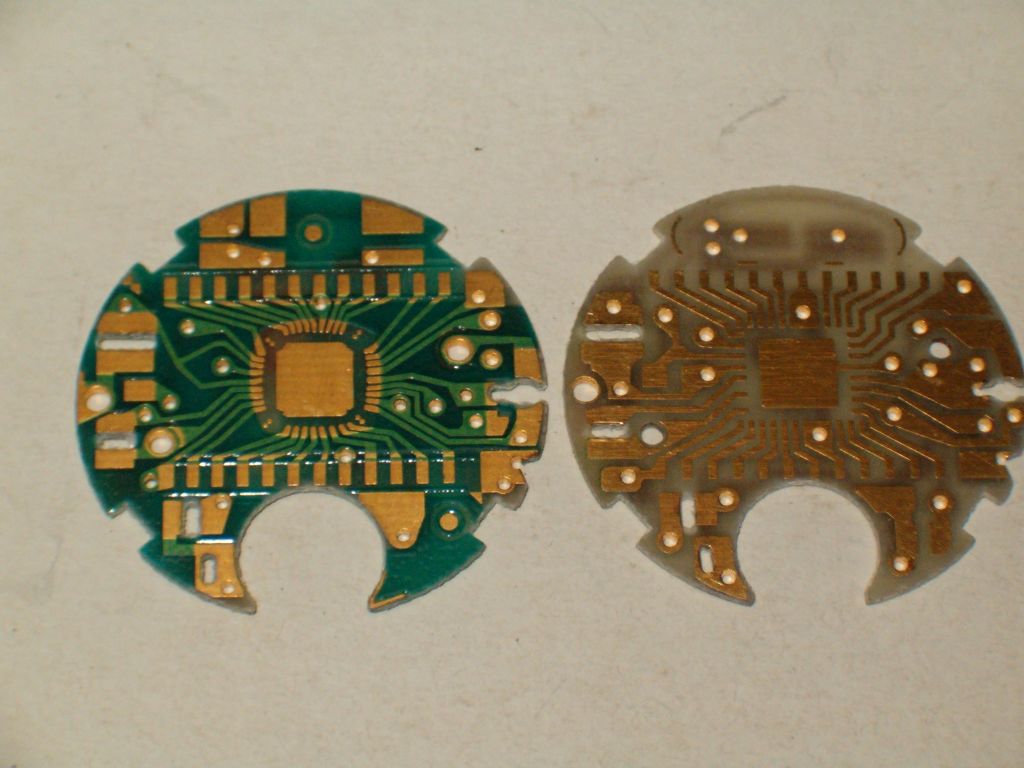
some printed circuit boards with and without components.

micro lamps 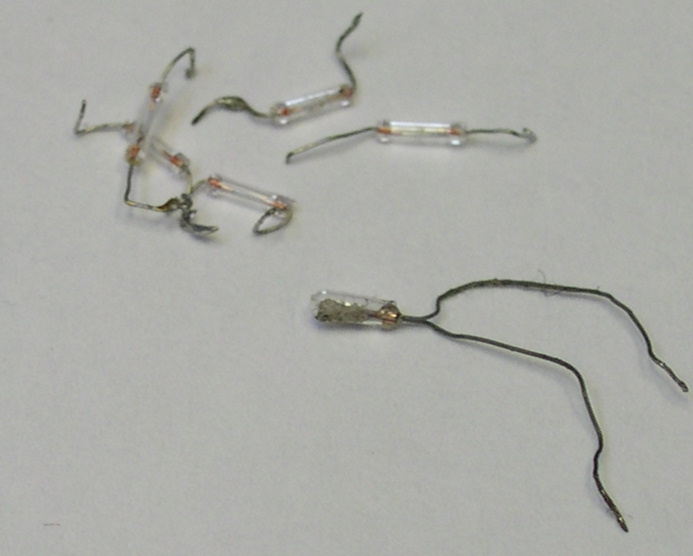 LCD display
  conductive rubber strip
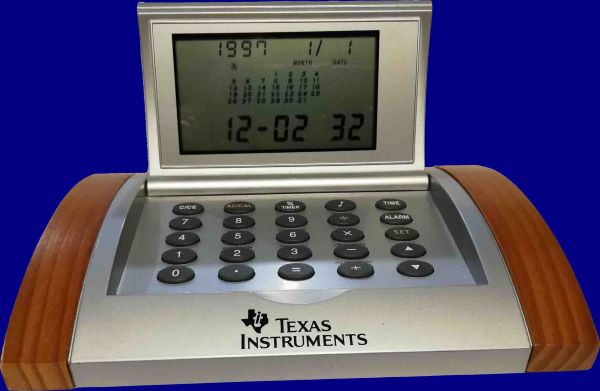 Model: TI-desktop Code: OK
Battery: 1 x AA
WCase: gray plastic / wooden outline WBand: - Face: Large LCD
Manual: no Box: Yes Light: no
Year: 1978 Price: ? $
Function: Clock with desktop calculator, displaying the date and days of the week. Alarm clock with alarm and constant display of hours, minutes, seconds, month, date and day of the week.
Info: Gadget created for promotional events or as a gift for employees.
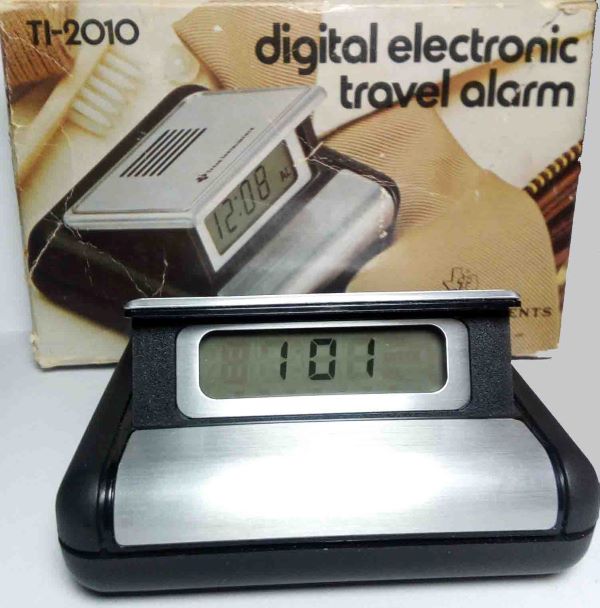
Model: TI-2010 Code: OK
Battery: 1 x AA
WCase: black plastic / silver finish WBand: --- Face: LCD
Manual: no Box: Yes Light: no
Year: 1978 Price: ? $
Function: Alarm clock with alarm and constant display of hours, minutes.
Info: Gadget created for promotional events or as a gift for employees.
 Model: TI-diplomat Code: ok
Battery: 309
WCase: black plastic WBand: fabric bag Face: black frame
Manual: Yes Box: No Light: no
Year: 1995 Price: xxxx
Function: The watch has five functions- hours, minutes, seconds, month and date
Info: Gadget created for promotional events or as a gift for employees. Made in China.
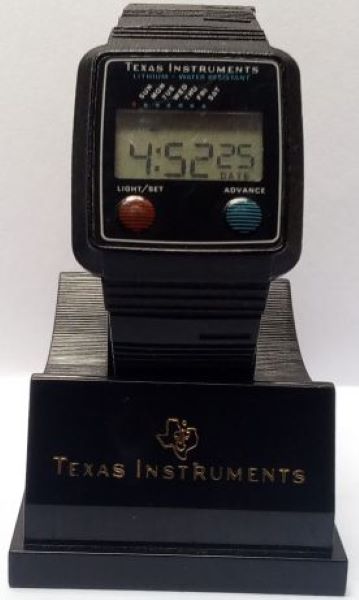 Model: TI-131-11 Code: ok
Battery: CR2025
WCase: black plastic WBand: black rubber Face: black frame
Manual: Yes Box: No Light: no
Year: 1981 Price: $ 28.00
Function: For swimmers, snorkelers,sports enthusiasts and everyone who gets his watch wet. Tested water resistant to a submerged depth of 81 feet, 3 ATM. Features: hours, minutes, seconds or date, day-of-week and incandescent backlight.he watch has five functions- hours, minutes, seconds, month and date
Info:
 Model: TI-3053-31 Code: ok
Battery: 2 x V392
WCase: white tone metal WBand: matching bracelet Face: black/blue frame
Manual: No Box: No Light: Yes
Year: 1979 Price: $
Function:
Info:
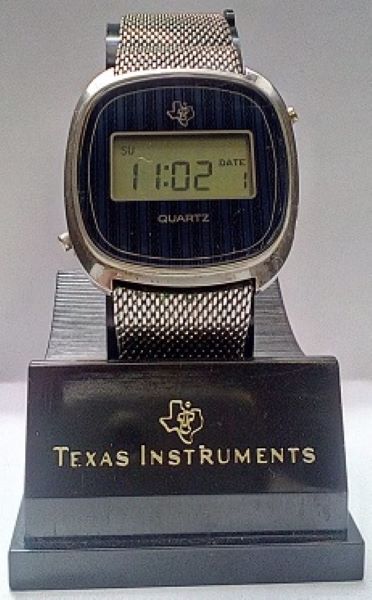 Model: TI-351-03 Code: ok
Battery: AG5 or 393
WCase: white tone metal WBand: matching bracelet Face: black/blue frame
Manual: No Box: No Light: No
Year: 1979 Price: $
Function:
Info: The same model in gold tone TI-351-04
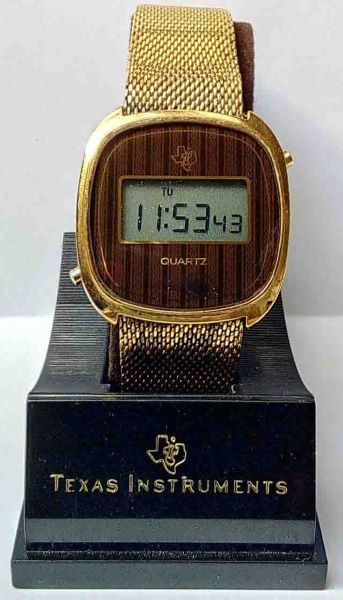
Model: TI-351-04 Code: ok
Battery: AG5 or 393
WCase: gold tone metal WBand: matching bracelet Face: brown frame
Manual: Yes Box: Yes Light: No
Year: 1979 Price: $
Function:
Info: The same model in TI-351-03
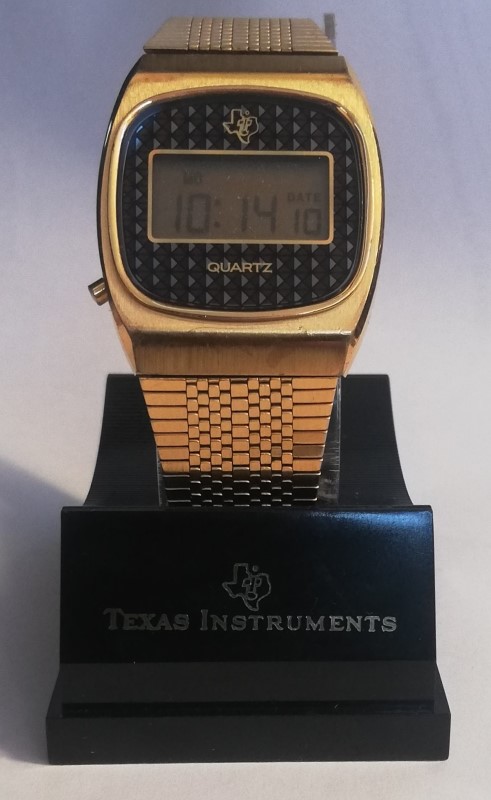 Model: TI-351-05 Code: my
Battery: AG5 or 393
WCase: gold tone metal WBand: matching bracelet Face: black frame
Manual: Yes Box: Yes Light: No
Year: 1979 Price: $
Function:
Info: The same model in white tone metal TI-351-06
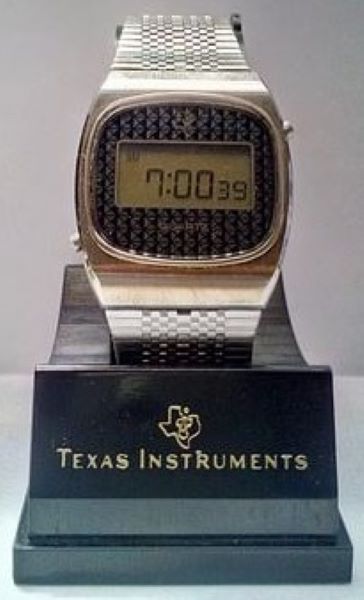 MModel: TI-351-06 Code: my
Battery: AG5 or 393
WCase: white tone metal WBand: matching bracelet Face: black frame
Manual: Yes Box: Yes Light: No
Year: 1979 Price: $
Function:
Info: The same model in gold tone metal TI-351-05
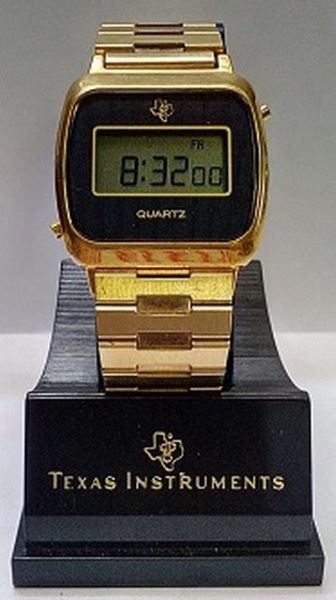 Model: TI-354-04 Code: ok
Battery: 392
WCase: gold tone metal WBand: matching bracelet Face: black
Manual: No Box: No Light: No
Year: 1979 Price: $
Function:
Info: The same model in white tone TI-354-05
 Model: TI-354-05 Code: my/ missing
Battery: 392
WCase: whitetone metal WBand: matching bracelet Face: black frame
Manual: No Box: No Light: No
Year: 1979 Price: $
Function:
Info: The same model in gold tone TI-354-04
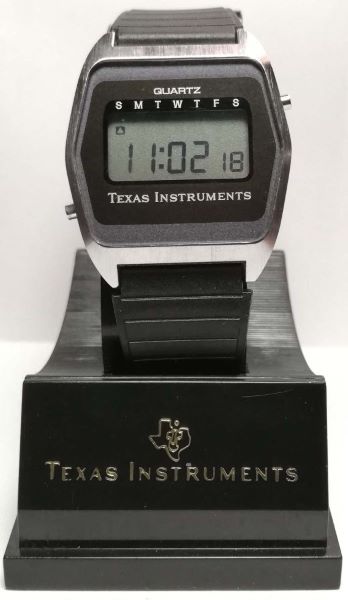 Model: TI-3551-31 Code: ok
Battery: 392 Module: 1035758_8
WCase: white tone metal WBand: black leather bracelet Face: black frame with white line
Manual: Yes Box: No Light: Yes
Year: xxx Price: $
Function: The watch has five functions: hours, minutes, seconds, month and date, and the day of the week display.
Info:
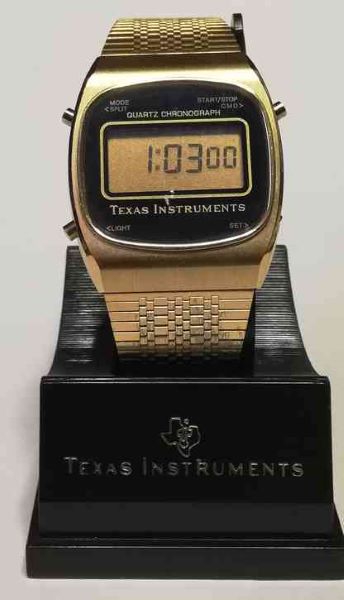 Model: TI-3552-11 Code: my code
Battery: 392
WCase: gold tone metal WBand: matching bracelet Face: black frame with white line
Manual: Yes Box: No Light: yes
Year: xxxPrice: xxxx
Function: Men's chronograph with two time zoneand 24-hour alarm.Displays hours , minutes,seconds,month,date, day of week,am/pm,alternate time zone, alarm and stopwatch-for added convenience, 5 minute snoze alarm. He watch has five functions- hours, minutes, seconds, month and date, with light.
Info: The same model in white tone metal is TI-3552-12
 Model: TI-3552-12 Code: my code
Battery: V392
WCase: white tone metal WBand: matching bracelet Face: black frame with white line
Manual: Yes Box: No Light: yes
Year: xxxPrice: xxxx
Function: Men's chronograph with two time zoneand 24-hour alarm.Displays hours , minutes,seconds,month,date, day of week,am/pm,alternate time zone, alarm and stopwatch-for added convenience, 5 minute snoze alarm. He watch has five functions- hours, minutes, seconds, month and date, with light.
Info: The same model in gold tone metal is TI-3552-11
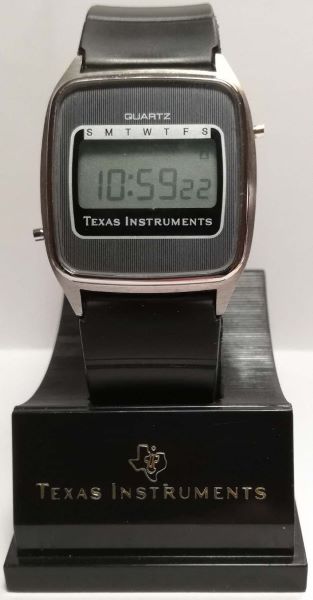 Model: TI-3552-31 Code: ok
Battery: 392 Module: 1035758_8
WCase: white tone metal WBand: black leather bracelet Face: gray frame / silver line
Manual: Yes Box: No Light: Yes
Year: xxx Price: $
Function: The watch has five functions: hours, minutes, seconds, month and date, and the day of the week display.
Info:
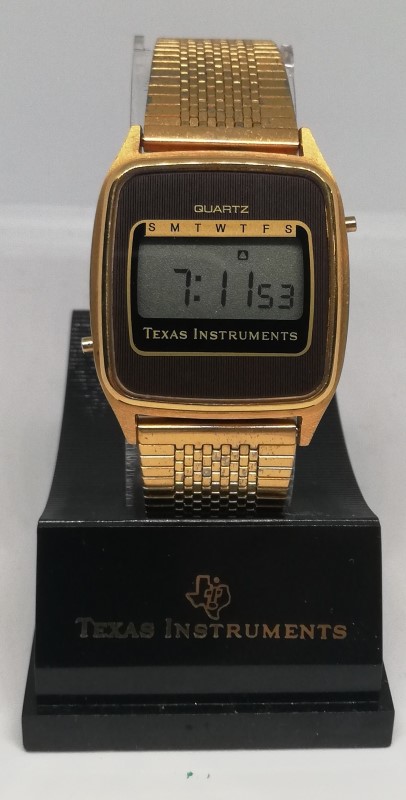 Model: TI-3553-11 Code: my
Battery: LR41 Module: 1035057_8
WCase: gold tone metal WBand: matching bracelet Face: brown/gold frame
Manual: Yes Box: No Light: Yes
Year: 1979 Price: xxxx
Function: The watch has five functions: hours, minutes, seconds, month and date, and the day of the week display.
Info: The same model in white tone metalTI-3553-21
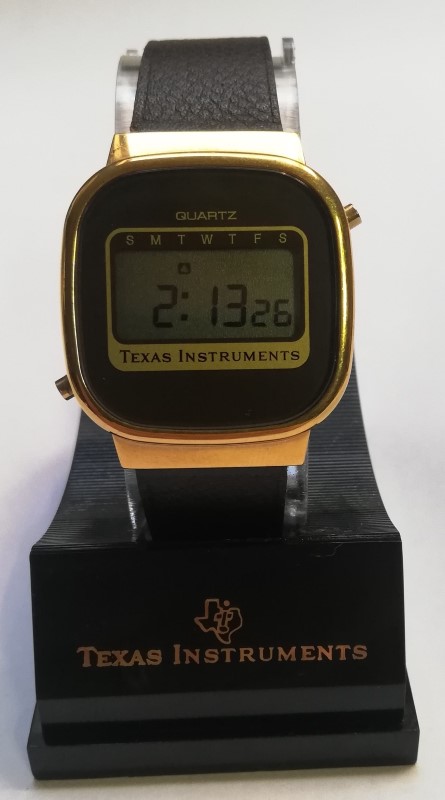 Model: TI-3553-21 Code: ok
Battery: 392 Module: 1035057_8
WCase: gold tone metal WBand: black leather Face: brown/gold frame
Manual: Yes Box: No Light: Yes
Year: 1979 Price: xxxx
Function: The watch has five functions: hours, minutes, seconds, month and date, and the day of the week display.
Info: The same model in white tone metalTI-3553-31
 Model: TI-3553-31 Code: ok
Battery: 392 Module: 1035057_8
WCase: white tone metal WBand: matching bracelet Face: blue frame/ silver frame
Manual: Yes Box: No Light: Yes
Year: 1979 Price: xxxx
Function: The watch has five functions: hours, minutes, seconds, month and date, and the day of the week display.
Info:The same model in gold tone metal TI-3553-21
 Model: TI-3553-41 Code: my
Battery: 392 Module: 1035057_8
WCase: white tone metal WBand: matching bracelet Face: black frame / silver frame
Manual: Yes Box: No Light: Yes
Year: 1979 Price: xxxx
Function: The watch has five functions: hours, minutes, seconds, month and date, and the day of the week display.
Info:The same model in gold tone metal TI-3553-21
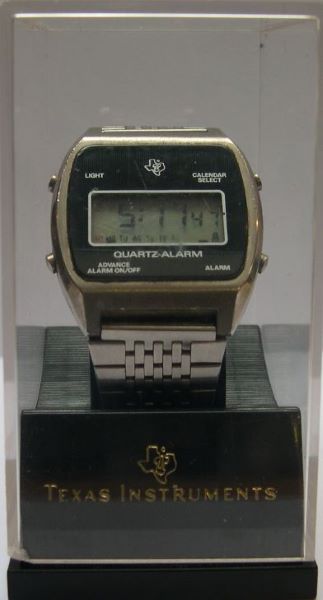 Model: TI-363-31 Code: ok
Battery: AG5 Module: 026
WCase: white tone metal WBand:matching bracelet Face: black frame with white line
Manual: Yes Box: No Light:yes
Year: 1981 Price: $ 40.00
Function: The watch has five functions: hours, minutes, seconds, month and date, and the day of the week display.
Info: The same model in gold tone metal TI-363-41
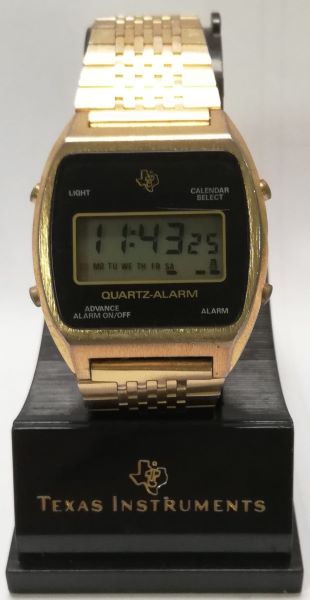 Model: TI-363-41 Code: ok
Battery: AG5 Module: 026
WCase: gold tone metal WBand: matching bracelet Face: black frame with white line
Manual: Yes Box: No Light: yes
Year: 1981 Price: $ 40.00
Function: The watch has five functions: hours, minutes, seconds, month and date, and the day of the week display.
Info: The same model in white tone metal TI-363-31
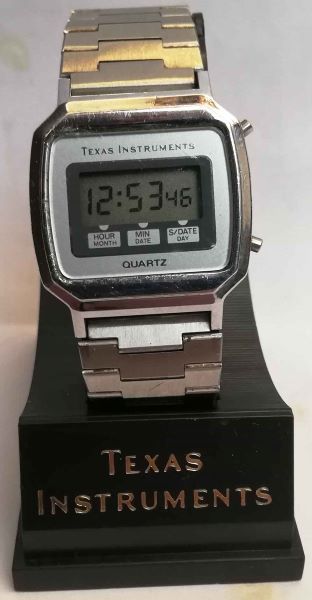 Model: TI-441-03 Code: ok
Battery: AG5 or 393 Module: 1033805
WCase: gold tone metal WBand: matching bracelet Face: gray/silver frame
Manual: No Box: No Light: Yes
Year: 1981 Price: $ 33.00
Function:
Info: The same model in gold tone TI-441-04
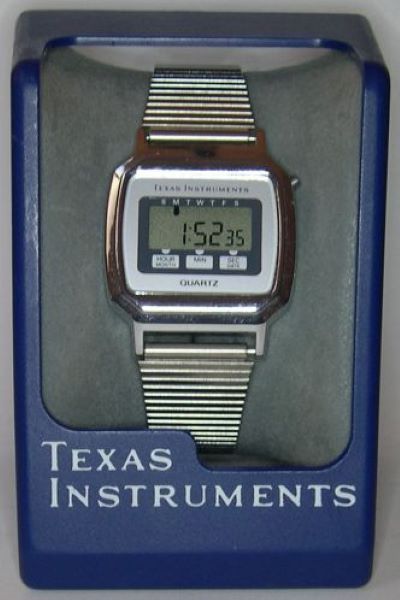 Model: TI-441-03 week
Battery: 392
WBand: steel
WCase: steel
Manual: yes
Year:
Info: own box
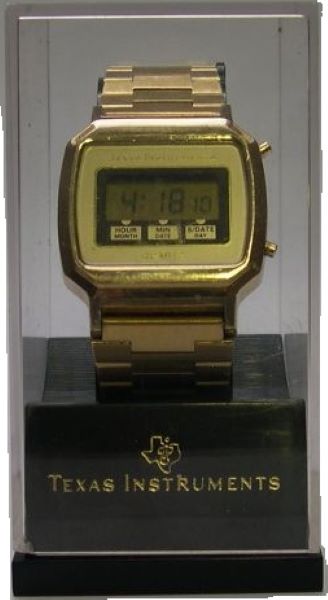
Model: TI-441-04 Code: ok
Battery: AG5 or 393 Module: 1033805
WCase: gold tone metal WBand: matching bracelet Face: gray/gold frame
Manual: No Box: No Light: Yes
Year: 1981 Price: $ 43.00
Function:
Info: The same model in white tone TI-441-03
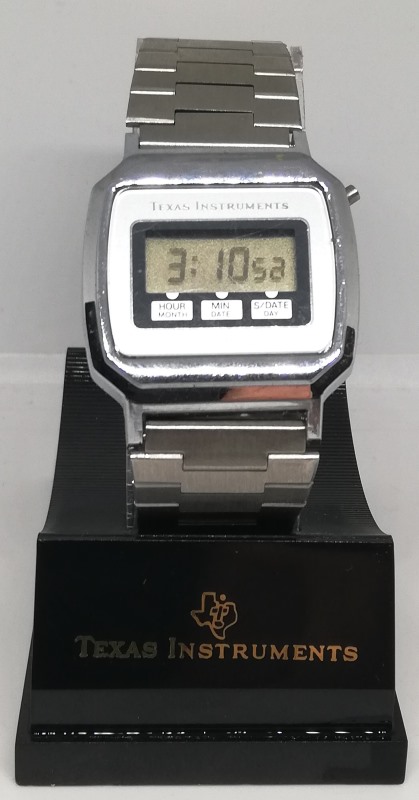 Model: TI-441-06
Battery: LR 754 or AG5
WBand: matching bracelet
WCase: golden tone lite
Manual: Box / Instr. / Manual
Year: 1981
Price: $ 43.00
Info: code my
 Model: TI-441A-40 Code: my
Battery: LR41 Module: 809008
WCase: gold tone metal WBand: matching bracelet Face: black/gold frame
Manual: Yes Box: Blue Light: yes
Year: xxx Price: xxxx
Function: Men's watch displays hours, minutes, seconds, month, date, and day of the week. The watch has five functions: hours, minutes, seconds, month, date, and stopwatch, with illumination.
Info:
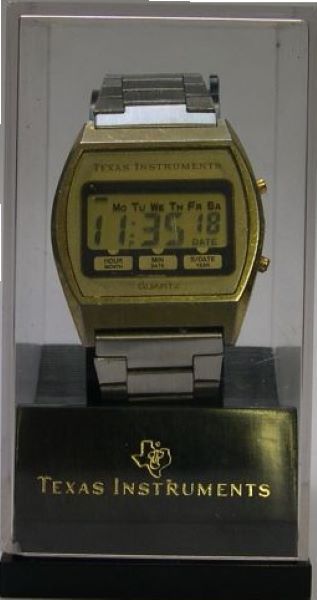
Model: TI-441A-41 Code: OK
Battery: LR41 Module: 809008
WCase: gold tone metal WBand: matching bracelet Face: black/gold frame
Manual: Yes Box: Blue Light: yes
Year: xxx Price: xxxx
Function: Men's watch displays hours, minutes, seconds, month, date, and day of the week. The watch has five functions: hours, minutes, seconds, month, date, and stopwatch, with illumination.
Info: Thanks to Dennis (USA) for giving me the directions regarding the Texa Instruments code.
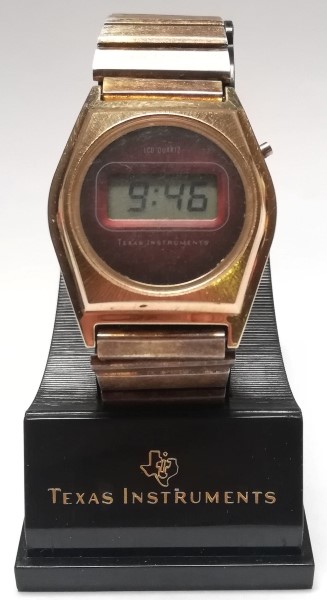 Model: TI-451-01 Code: Ok
Battery: AG5
WCase: gold tone metal WBand: matching bracelet Face: Brown with LCD quartz writing
Manual: Yes Box: No Light: Tritium Light
Year: 1977 Price: $ 19.97
Function: The watch has five functions- hours, minutes, seconds, month and date
Info: Thee same model but with a different frame and writing, TI-451-02 , TI-451-03
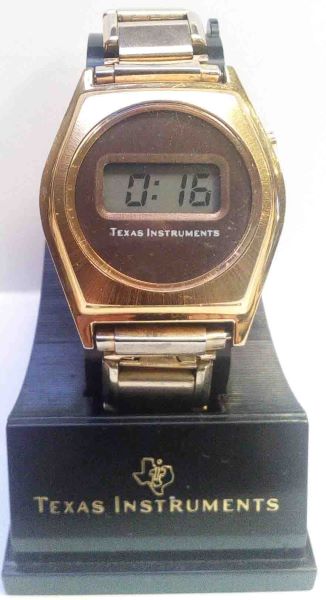 Model: TI-451-02 Code: Ok
Battery: AG5
WCase: gold tone metal WBand: matching bracelet Face: Brown without the LCD quartz writing
Manual: Yes Box: No Light: Tritium Light
Year: 1977 Price: $ 19.97
Function: The watch has five functions- hours, minutes, seconds, month and date
Info: Thee same model but with a different frame and writing, TI-451-01 , TI-451-03
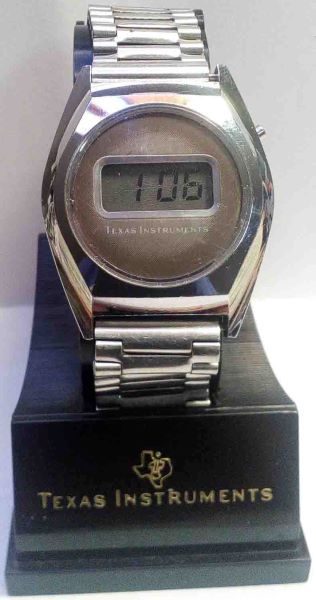 Model: TI-451-03 Code: Ok
Battery: AG5
WCase: white tone metal WBand: matching bracelet Face: light brown without the LCD quartz writing
Manual: Yes Box: No Light: Tritium Light
Year: 1977 Price: $ 19.97
Function: The watch has five functions- hours, minutes, seconds, month and date
Info: Thee same model but with a different frame and writing, TI-451-01 , TI-451-02
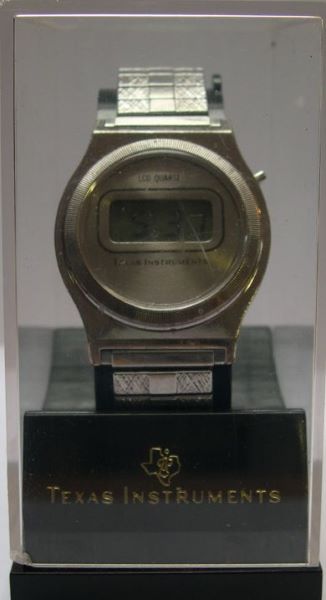 Model: TI-452-03
Battery: AG5 or 393
WBand: steel
WCase: steel
Manual:
Year:
Info: code OK
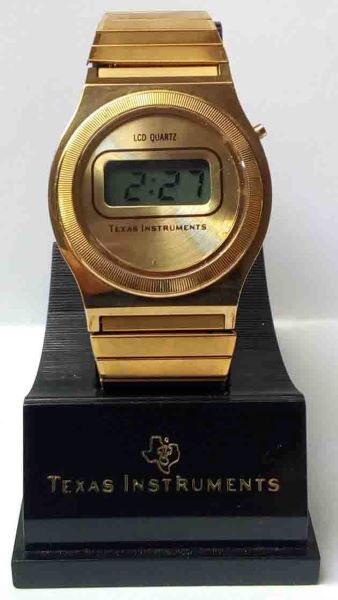 Model: TI-452-04
Battery: AG5 or 393
WBand: steel gold
WCase: steel gold
Manual: yes
Year:
Info: code ok
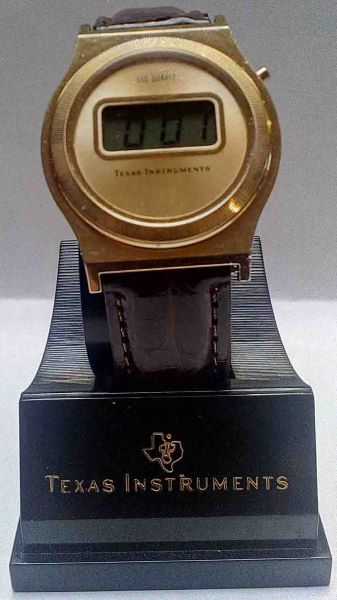 Model: TI-452-08
Battery: AG5 or 393
WBand: black leather
WCase: steel gold
Manual:
Year:
Info: code ok
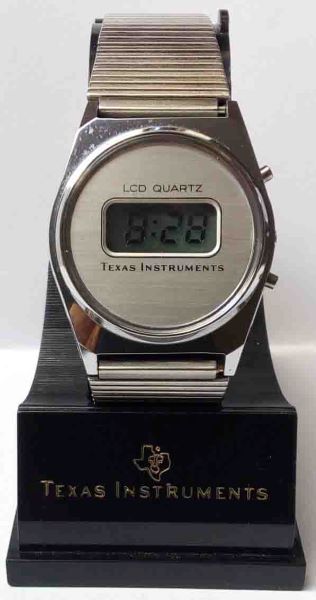 Model: TI-454-11
Battery: AG5 or 393
WBand: black leather
WCase: steel
Manual:
Year:
Info: code ok
 Model: TI-454-12
Battery: AG5 or 393
WBand: Gold Steel
WCase: Gold Steel
Manual:
Year:
Info: code my
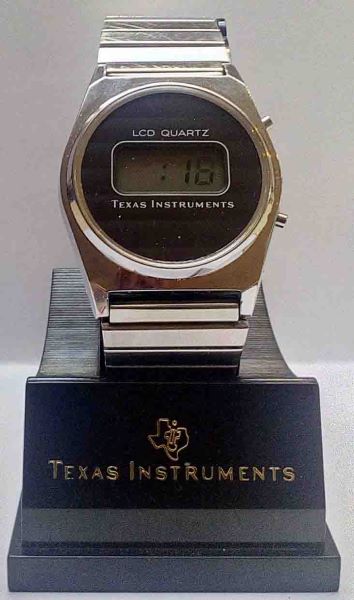 Model: TI-454-31
Battery: AG5 or 393
WBand: steel
WCase: steel
Manual:
Year:
Info:
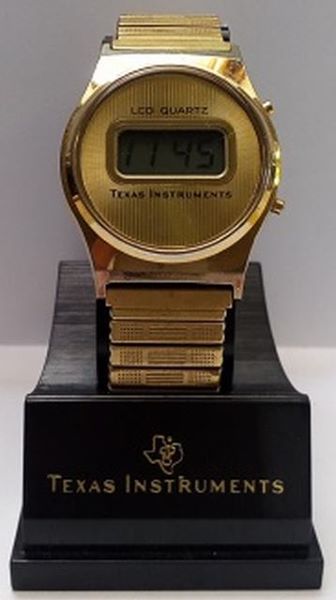 Model: TI-454-41
Battery: AG5 or 393
WBand: steel
WCase: steel gold
Manual:
Year:
Info: with lamp light

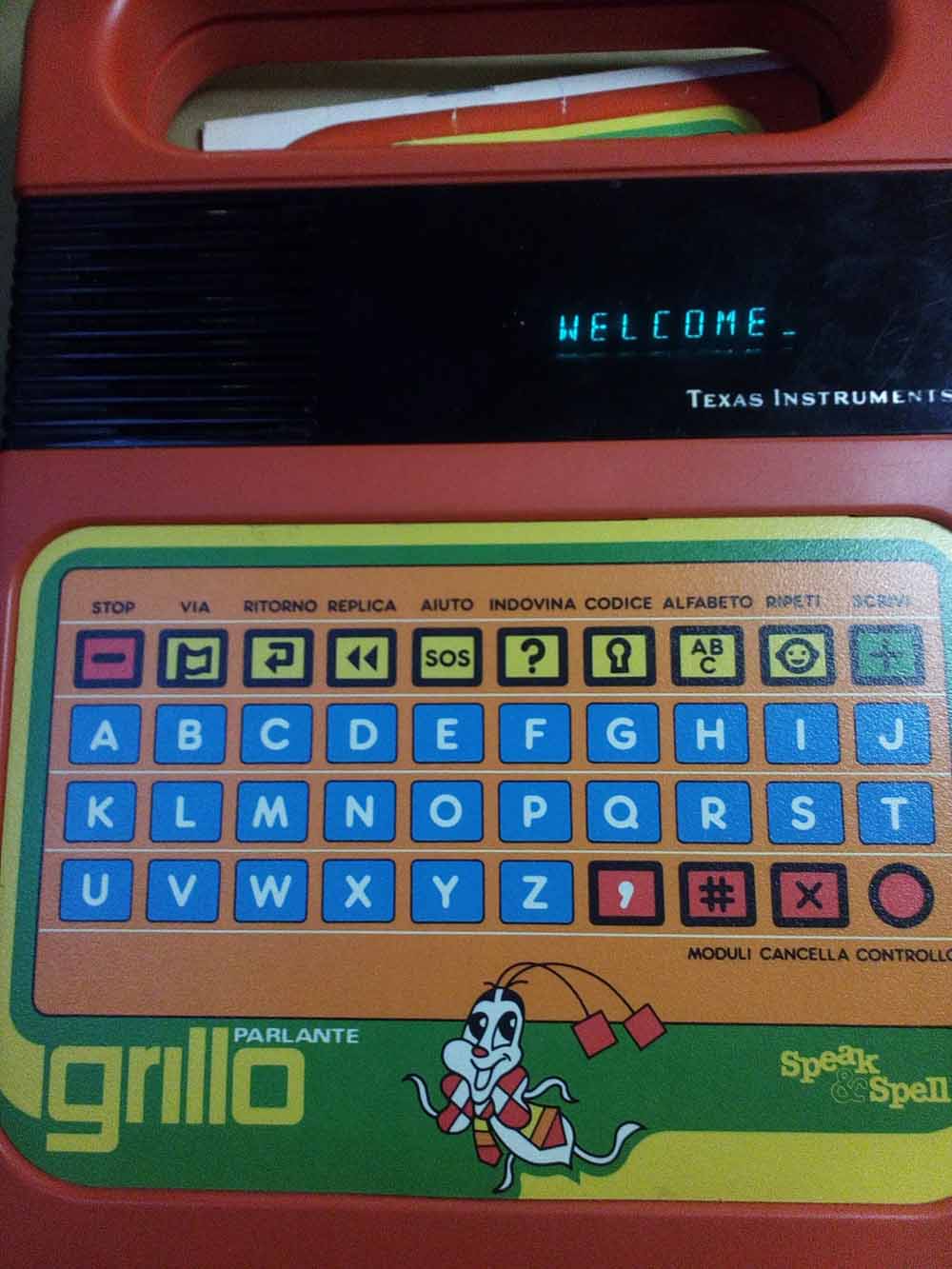
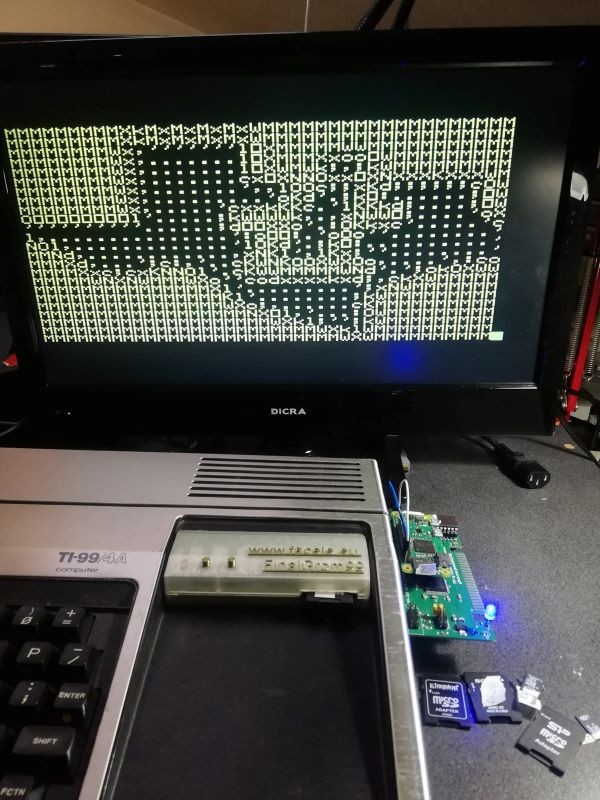
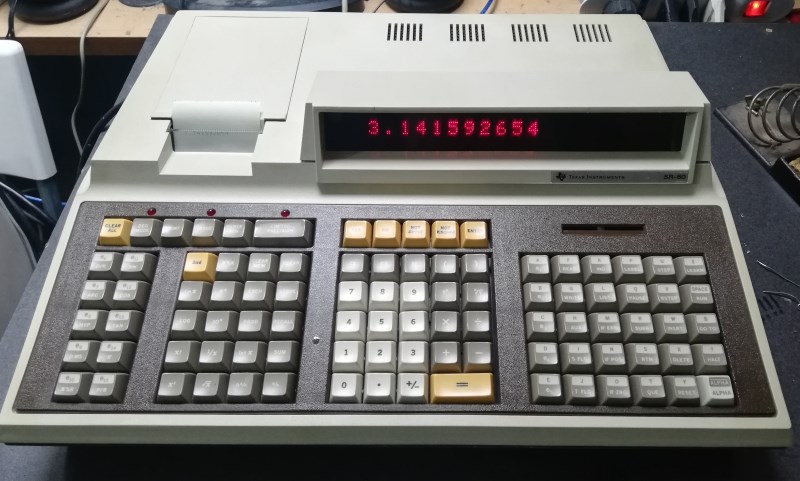
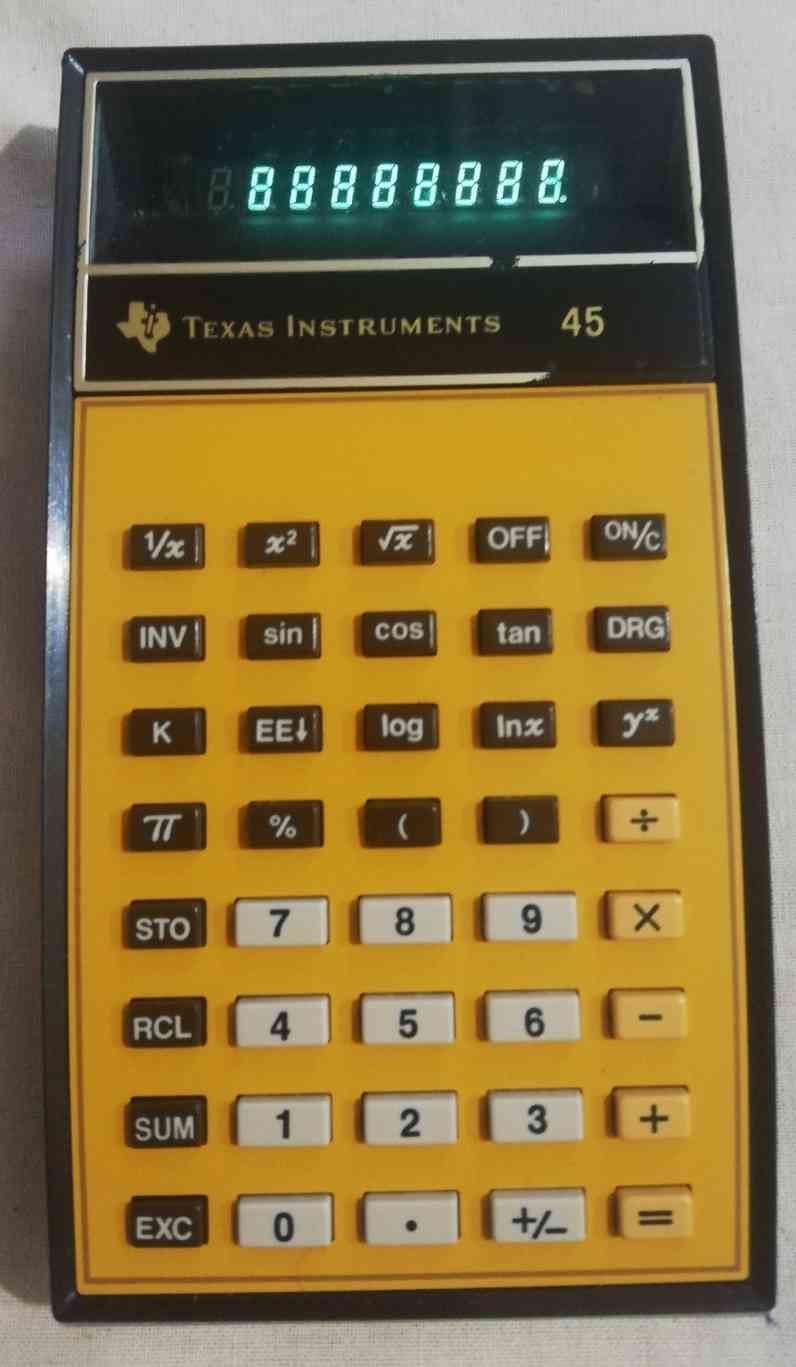
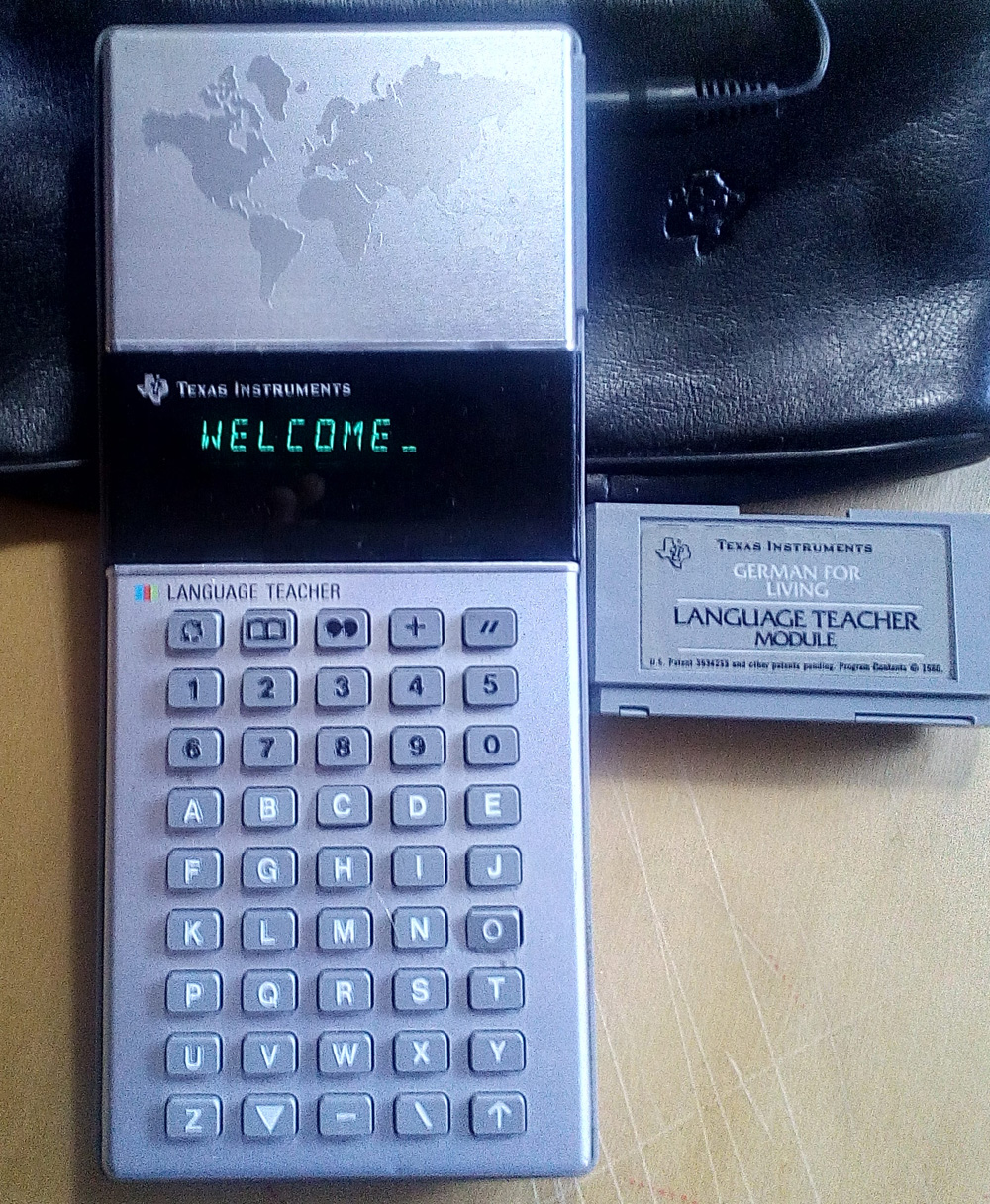
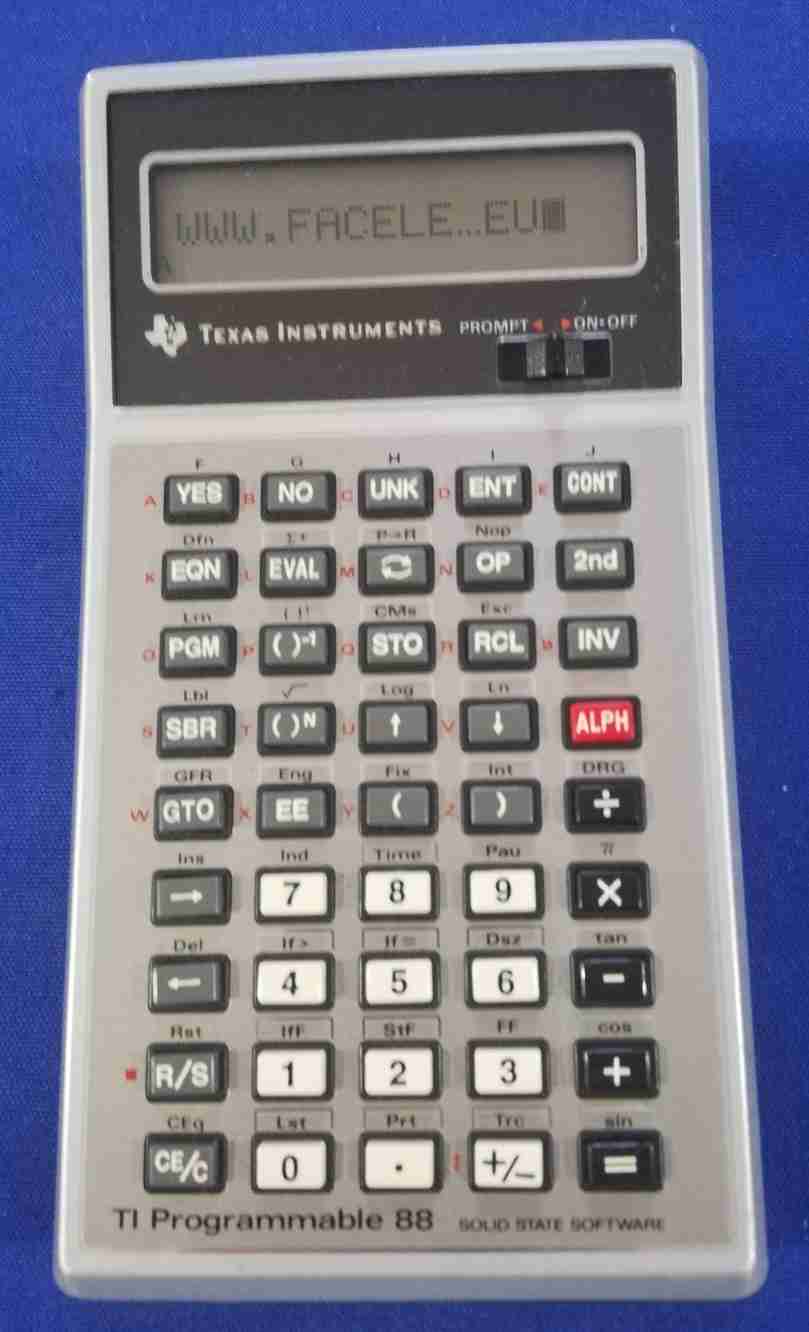
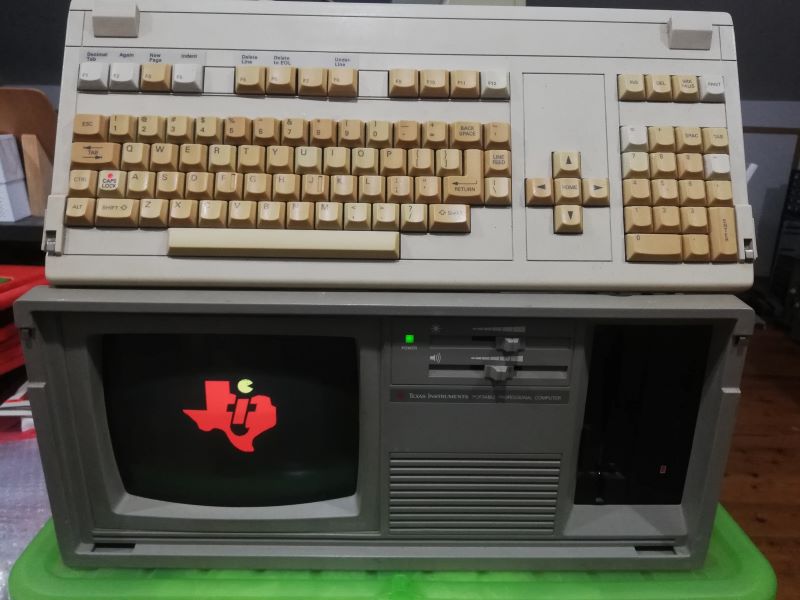
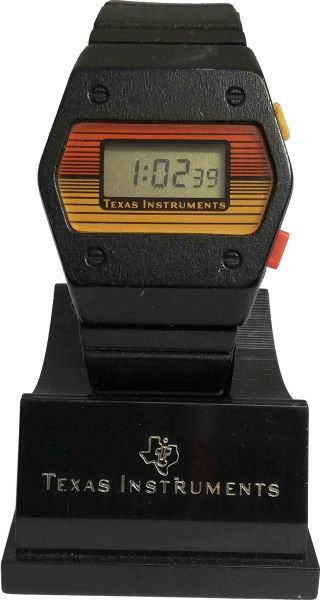
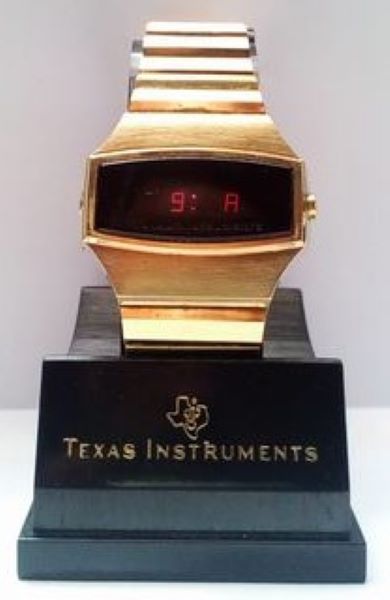
.jpg "Core Module Watch")
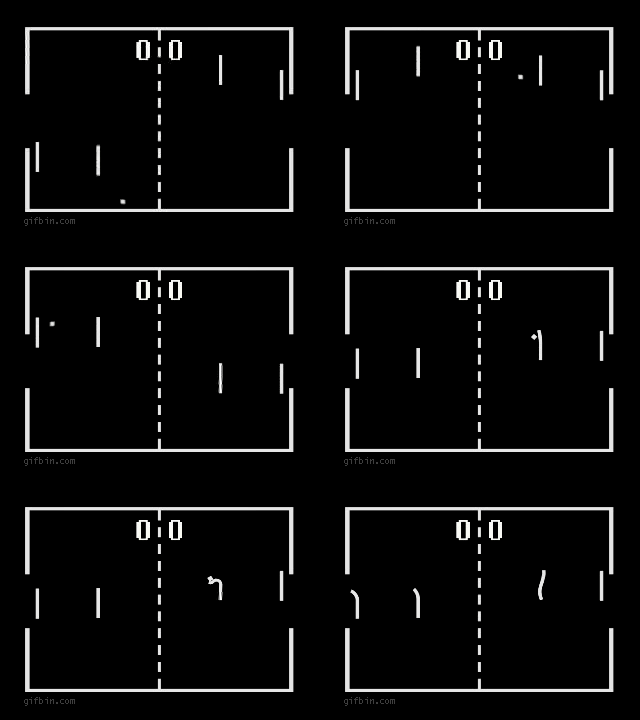
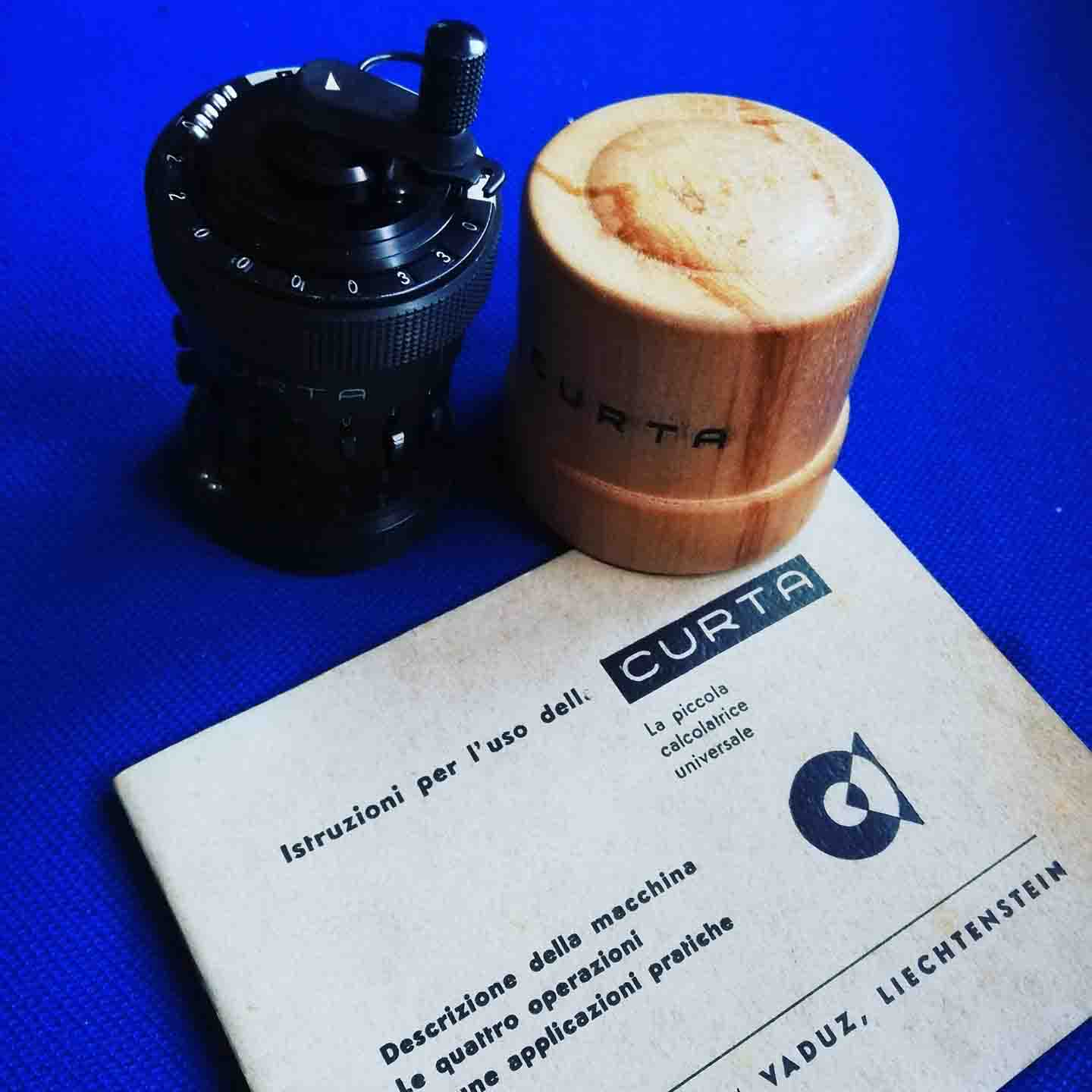
.jpg "Calculator Fuller")
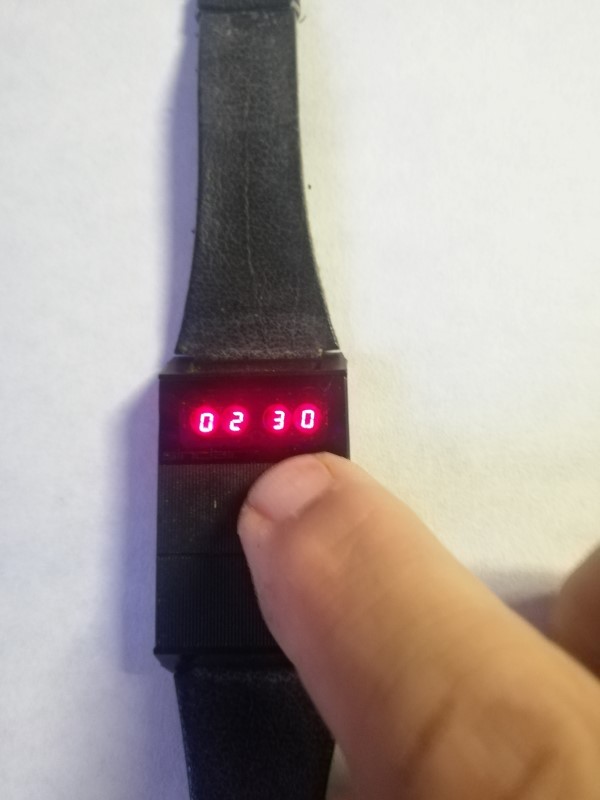

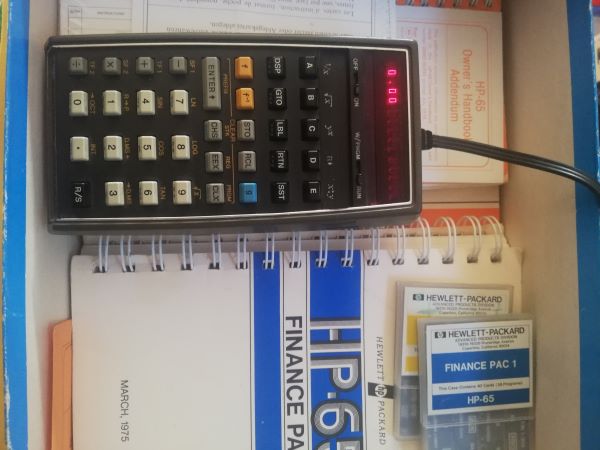
.jpg "Olivetti Valentine")
.jpg "Console / Games")
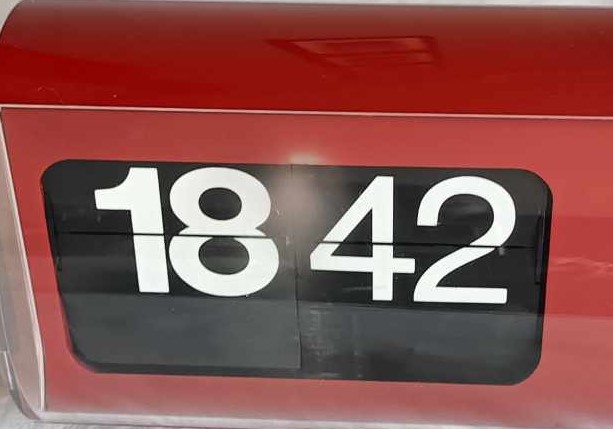
.jpg "Battle Star Galactica")
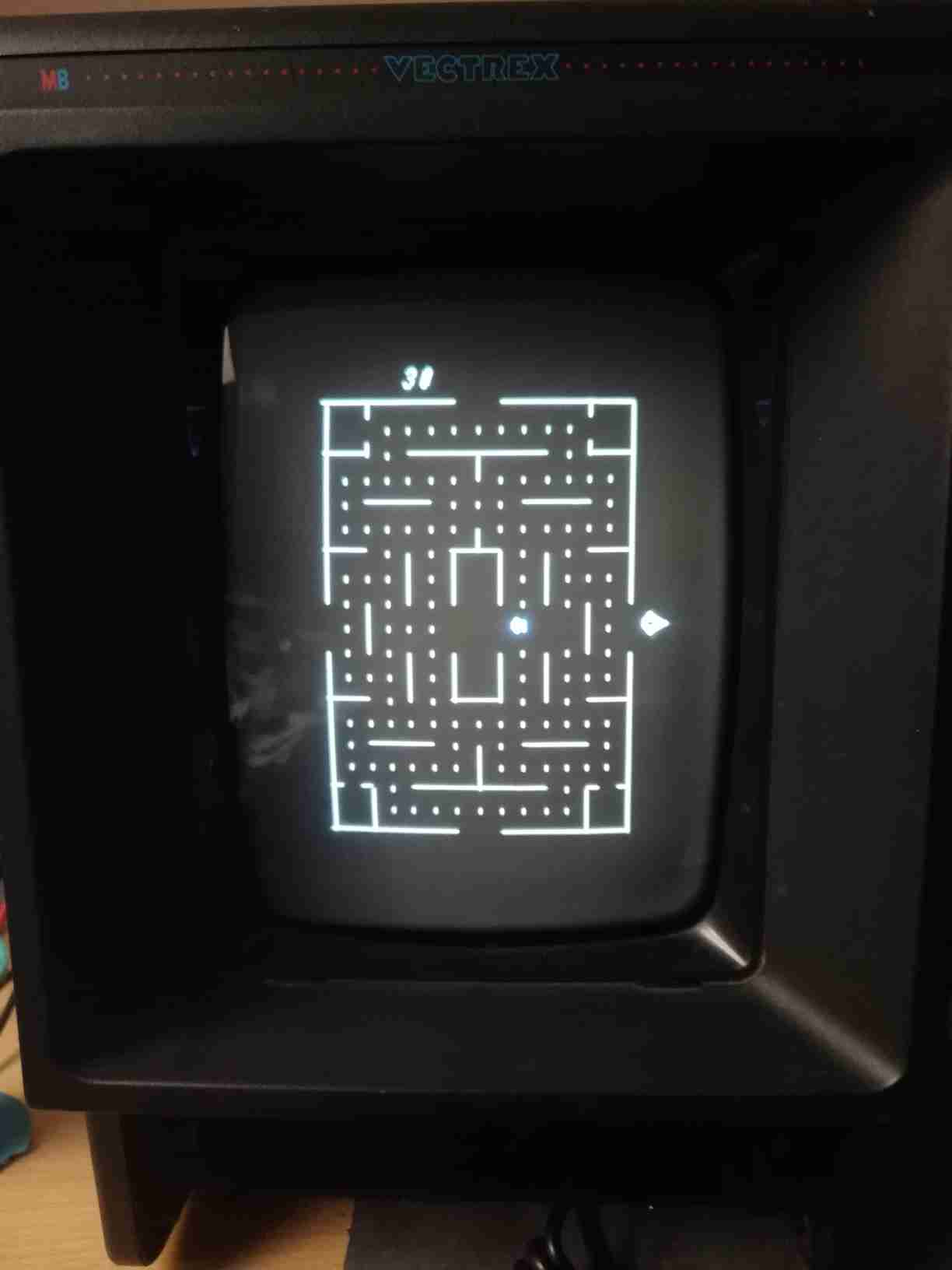
.jpg "APPLE")


.png)