Model: Jeppesen Avstar 1986
Battery: 2 x LR44
Adapter:
Year: 1986
Chip: TPO328
Info: JEPPESSEN line
Model: Jeppesen Prostar
Battery: 2 x LR44
Adapter:
Year: 1983
Chip: CD4575 - CD4576
Info: JEPPESEN line
Description: Joystick Adapter.
Atari-style joystick adapter for use with our TI-99. The project is not mine. We just assembled the PCB and made the case in 3D.
Technical Features
Manufacturer: Russian Year: c1968
Info: 50 millimeters in diameter, The KL-1 is intended for performing trigonometric and mathematical operations: Multiplication / Division / Squaring / Extraction of a square root / Finding of trigonometric functions of a sine / Finding of trigonometric functions of a tangent / Finding inverse trigonometric functions / Calculation of the area of a circle. Donated by Bohdan ( Богдан Ukraine )
Koh-I-Noor
Koh-i-Noor Hardtmuth, a manufacturer of pencils, pens and art material founded in Vienna in 1790 by Joseph Hardtmuth, the company then changed its name to Koh-I-Noor , a choice that was inspired by a famous Indian diamond. From 1848 he established his main factory in České Budějovice (Czech).
Model: Kosmos 1
Battery: 3 x AA
Adapter:
Year: 1977
Chip: TMC1170NL/ZA0541 or
TMC1172NLMS0952
Info:Kosmos International, Inc. based in Atlanta, Georgia introduced already in the year 1977 this pocket-sized biorhythm calculator. On a first glance you notice the [BIO] key on the calculator keypad and the three „sine-waves“ representing our:
• Physical Cycle (P)
• Emotional Cycle (S)
• Intellectual Cycle (I) |
Model: Kosmos 1 red
Battery: 3 x AA
Adapter:
Year: 1977
Chip: TMC1170NL/ZA0541 or
TMC1172NLMS0952
Info:Kosmos International, Inc. based in Atlanta, Georgia introduced already in the year 1977 this pocket-sized biorhythm calculator. On a first glance you notice the [BIO] key on the calculator keypad and the three „sine-waves“ representing our:
• Physical Cycle (P)
• Emotional Cycle (S)
• Intellectual Cycle (I) |
• The 6 red and amber LED's at the end of the three "sine-waves" were omitted
• The housing feels much cheaper
• Manufacturing was moved from Japan to Taiwan |
Model: Kosmos 2
Battery: 2 x AA
Adapter:
Year: 1979
Chip: TMC1172NL
Info:Kosmos International, Inc. based in Atlanta, Georgia introduced with the Kosmos 1 already in the year 1977 a pocket-sized biorhythm calculator.On a first glance you notice the original calculator keypad and the three „sine-waves“ representing our:
• Physical Cycle (P)
• Emotional Cycle (S)
• Intellectual Cycle (I) |
This Kosmos 2 was introduced in 1979 as the successor of the original design and obviously was the result of some cost reduction programs:
• The 6 red and amber LED's at the end of the three "sine-waves" were omitted
• The housing feels much cheaper
• Manufacturing was moved from Japan to Taiwan |
Model: Kovac 808
Battery: 9 volt
Adapter:
Year: 1974
Chip: TMS0803
Info: Made in Japan
Model: La dictee magiques 1v
Battery: 4 x 1,5 C
AC adapter:
Year: 1986
Chip: TMC0270/CD2702, TMC0280/CD2801, CD2352
Info:French series . Made in Italy
Model: La Palla che Parla
Battery: 4 x AA alkaline
AC adapter:
Year: 1991
Chip:
Info:Small toddlers use the Listen & Learn toy like a small ball. Due to the flats on each side the toy will find a stable position and play a sound associated to the Farm Animal on top of the ball. The Listen & Learn uses again Texas Instruments speech technology introduced with the Speak & Spell. Made in China
Lagomarsino
The company, founded in 1896, was for a long time only a distributor of machines from Germany and other European countries. For example, Facit, AB Addo or Brunsviga machines were resold; in some cases the machine had double branding, as for example in the image below of the 'Facit ESA-0' showing the Facit and Lagomarsino brands at the same time. Only starting from 1937 did Lagomarsino begin to produce its own mechanical calculators. Two of the most famous series of Lagomarsino machines are the Totalia and the Numeria, introduced between the two wars. The Totalia was originally the machine from the Swedish company Addo called Addo The Numeria was initially produced around 1940 and marketed first by SICMU (Italian Society of Office Machinery Commerce) and then by Lagomarsino. Although the Numeria has a similar design to that of the American Monroe, it is equipped with original mechanics. Subsequently the two machines were extensively modified, improved and enriched also stylistically, directly by Lagomarsino.
The company continued its activity until the 70s/80s. In the 1980s, the Municipality of Milan required the confirmation of production activities in areas that were already productive but abandoned. A trade union of artisans (CNA) collected expressions of interest from its members and appointed Giorgio Fiorese, a professor at the Polytechnic University of Milan, in charge of the project. The long construction phase (with numerous meetings) was managed by Alberto Bonardi, a CNA official, until the completion of the rehabilitation works in 1982 and the establishment of twenty-seven companies, the vast majority of which were artisans.
Wikipedia Lagomarsino
Technical Features
Manufacturer: Lagomarsino Year: 1958
Info: In the hands of an expert operator (comptometrist) these machines were extremely rapid in performing additions. In fact, all significant figures could be entered simultaneously, using both hands and without wasting time writing zeros.
Donated from Museo del calcolatore di Prato (Firenze) (R. Aliani / M. Belardi )
Museo del Calcolatore (PRATO) Lagomarsino
Model: Language Teacher
Battery: 4 x AA
AC adapter:
Year: 1980
Chip:
Info: module English / Spanish / German
Model: Language Translator
Battery: 4 x AA
AC adapter:
Year: 1980
Chip:
Info: module English / French / Spanish / German

Users Manual (IT)
Model: Language Tutor
Battery: 4 x AA
AC adapter:
Year: 1981
Chip:TMC0275, TMC0280 + Module: 4*TMC0350
Info: module English / French / Spanish / German / Inglese Britannico
Model: TI-desktop Code: OK
Battery: 1 x AA
WCase: gray plastic / wooden outline WBand: - Face: Large LCD
Manual: no Box: Yes Light: no
Year: 1978 Price: ? $
Function: Clock with desktop calculator, displaying the date and days of the week. Alarm clock with alarm and constant display of hours, minutes, seconds, month, date and day of the week.
Info: Gadget created for promotional events or as a gift for employees.
Model: TI-diplomat Code: ok
Battery: 309
WCase: black plastic WBand: fabric bag Face: black frame
Manual: Yes Box: No Light: no
Year: 1995 Price: xxxx
Function: The watch has five functions- hours, minutes, seconds, month and date
Info: Gadget created for promotional events or as a gift for employees. Made in China.
Model: LD-80
Battery: 4 x AA
Adapter: AD-1
Year: 1974
Chip: TMS0855
Manual:
Info: made in Japan
Model: LD-81
Battery: 4 x AA
Adapter: AD-1
Year: 1974
Chip: TMS0855
Manual:
Info: made in Japan
Model: Le Calcul Magique
Battery: 4 x AA cells
AC adapter:
Year: 1986
Chip: TMS50C40A (CD54147)
Info: Nothing else than a Maths marvel trimmed to French language. Don't miss the Dotto Contaparla sold in Italy. Made in Italy
DATAMATH.ORG
Model: La dictee magiques 1v
Battery: 4 x 1,5 C
AC adapter:
Year: 1985
Chip:
Info: French series
Model: LE-10 Palmtronic
Battery: 4 x AA ni-cd
Adapter:
Year: 1972
Chip: TMC1824, TMC1825A
Manual:
Info: made in Japan
Model: LE-80R
Battery: 4 x AA
Adapter:
Year: 1973
Chip: TMS0126
Manual:
Info: made in Japan
Model: LE-81M
Battery: 4 x AA ni-cd
Adapter:
Year: 1974
Chip: TMC0605
Manual:
Info: made in Japan
Model: LE-83
Battery: 4 x AA
Adapter:
Year: 1974
Chip: TMS0101
Manual:
Info: made in Japan
Model: LE-84
Battery: 4 x AA
Adapter:
Year: 1974
Chip: TMS0801
Manual:
Info: made in Japan
Model: LE-85
Battery: 4 x AA
Adapter:
Year: 1974
Chip: TMS0807
Manual:
Info:made in Japan
LED Watches a brief history
LED watches marked a milestone as the first devices to electronically display the time in digital format, distinguishing themselves from their predecessors, mechanical digital watches. The first LED watch not only represented this innovation but was also the world's first watch to do so without moving parts.
Their introduction revolutionized how we perceive time; before their appearance, people didn't say "4:25" but used expressions like "four and twenty-five."
This new way of displaying time marked the first significant innovation in timekeeping technology in 500 years, akin to the introduction of the sundial.
LED Technology
The acronym LED stands for "Light Emitting Diode," a technology that originated from semiconductor research in the '60s. However, the main challenge for adopting this technology in watches was their miniaturization.
The light-emitting diode is created by passing an electric charge through inorganic materials; in the case of the red LED, aluminum gallium was used. Each LED display number employs seven electronic switches for visualization. Pulsar also introduced a green LED using gallium nitride.
Energy Requirements
Initially, LED displays were energy-intensive, and the batteries available at the time were less powerful than today's, meaning the first LED watches, to conserve energy, could only briefly display the time when a button was pressed. Initially considered a novelty, consumers soon found it awkward and impractical.
LED watches remained popular until the late 1970s when LCD watches, consuming less power and showing the time constantly, came onto the scene. In recent years, LED watches have experienced renewed popularity due to intriguing modern designs, as seen above.
LED Watches: Space Age Technology!
Hamilton's Pulsar
In the fall of 1971, Hamilton introduced the first LED watch to the market. This was not only the first electronically powered watch to display the time in digital format but also the first fully electronic watch. Named "Pulsar," it featured an 18-karat gold case and retailed for $2,100, roughly the price of a Chevrolet Vega at the time!
Science Fiction Influence
Hamilton had already expressed interest in LED technology when Stanley Kubrick asked the company to create the first digital watch for his 1968 film "2001: A Space Odyssey." According to John Bergey, head of Hamilton's Pulsar division, this inspired the development of the Pulsar watch.
The Pulsar seemed to encapsulate the times: in 1972, space travel had recently become a reality, technology was advancing rapidly, and the Pulsar was one of the first consumer products to emerge from the microelectronic revolution.
Hamilton chose the name "Pulsar" to signify space-age technology, derived from the star "Pulsar" emitting precisely timed radio waves, newly discovered. It was termed a space-age "wrist computer" by the New York Times, heralding "a new era in the science of measuring time."
Great Success
Indeed, the Pulsar caused a sensation upon its introduction, and despite its high price, all 400 watches produced were sold from its March 1972 launch until Christmas.
Unfortunately, circuits provided by Electro-Datas proved highly unreliable, leading to the retirement of most early timepieces. This terminated the partnership between the companies, and Hamilton developed its own circuits, significantly more reliable.
Celeb Appeal
Pulsar became America's biggest watchmaking success story, outselling any other company in history, reaching a peak of 10,000 watches sold per month. The watch was also acquired by US Presidents Nixon and Ford, the Shah of Iran, and numerous celebrities, including Roger Moore and Jerry Lewis.
It also made an appearance in the new James Bond film "Live and Let Die," with Roger Moore prominently seen pressing the button on the watch to check the time. The Pulsar was acknowledged as one of the "20 Best Watches of the Century."
Competition from Abroad
Various other LED technologies entered the market, initially all quite expensive and beyond the reach of the average consumer. However, by 1975, there were more than 80 different types available, and competition played a role in driving down prices.
Swiss watch manufacturers viewed the rise of digital watches as a passing trend. While some ventured into the LED watch market, Omega was among them. Japanese watchmakers were also slow to step into the arena.
Mass Appeal
A vintage advertisement for the Texas Instruments model TI-101 digital electronic watch in the Baltimore Evening Sun newspaper on November 25, 1975. At the 1976 Consumer Electronics Show in Chicago, following the principles of Henry Ford, Texas Instruments brought LED watches to the masses by introducing a line of plastic-cased watches selling for just $20. Before this, the lowest price for a digital watch was $50.
Due to heightened competition in the market, Pulsar incurred a loss of $6 million and was eventually sold to Seiko, returning to the production of analog watches. Texas Instruments further slashed the retail price, and in May 1977, they introduced the first LED watch priced under $10 at $9.95. By this time, however, LED watches had started to wane in popularity due to the advent of the first LCD watches.
Model: Letter Logic
Battery: 9 volt
AC adapter:
Year: 1981
Chip:
Info: manufature UK
 Lia Jonescu
I was born in Rome, right in the heart of medieval and Renaissance Rome, near Campo de Fiori, opposite Piazza Giulia and a stone's throw from the Capitoline Hill. Moreover, in a 16th-century house with all the requisite features. In the large courtyard stood a large fountain from the Bernini school, hiding a high wall that served as a passageway to the small passage that led to Palazzo Santa Croce. The place, the atmosphere, and my parents' love for art, culture, and Rome, have influenced my studies and beyond. I became a teacher of Art History and Drawing after going through variousexperiences, including Architecture. But in life, besides teaching, which I still do, I have done other jobs that have shaped me towards life. I've had many exhibitions and even won awards, but despite the dissent of those close to me, I abandoned this world where one had to accept compromises and intellectual prostitution. But I've never stopped being myself. My paintings, my art forgeries, my Indian ink drawings, are all over the world. I've made so many of them. Some of my works have been eaten, others I've given away. Never, I repeat, never, sold off. I feel a bit like a blood donor who, once he starts, is physiologically obligated to donate. Well, I am physiologically obligated to paint, draw, and write.
Litronix
Litronix, Inc., (Cupertino, CA) was an early light-emitting diode (LED) company that became a leading supplier of displays for handheld calculators and digital watches (e.g. the Hamilton Pulsar line).
Litronix Malaysia Sdn Bhd located in Penang was established in March 1972 with 7-segment light-emitting diode (LED) displays as initial products. Within a few years, the company expanded its product base into LED related consumer products such as LED watches, calculators and LED games. By 1981, Litronix Malaysia was purchased by Siemens in 1976. Today, the plant produces optoelectronic couplers, displays and intelligent displays and custom designed optoelectronic devices. Siemens Penang now has a workforce of 1,200 employees on premises with a total area of 15,330 square meters.
with permission of the author www.datamath.org
Model: Little Computer
Battery: 2 x AA alkaline
AC adapter:
Year: 1992
Chip: COP444
Info:
Model: Little Leaners
Battery: 9 volt
AC adapter:
Year: 1985
Chip: TMS0972
Info:A lot of LED-calculators used the TMS0972 calculator chip developed for the TI-1200.
Model: Little Professor 1976
Battery: 9 Volt
AC adapter:
Year: 1976
Chip: JP0975CS
Info:Portuguese Version Made in Brazil
Model: Little Professor 1981
Battery: 9 Volt
AC adapter:
Year: 1981
Chip:
Info:
Model: Little Professor 1982 ITA
Battery: 2 x AA
AC adapter:
Year: 1982
Chip:
Info: manufacture Italy
Model: Little Professor 1982 USA
Battery: 2 x AA
AC adapter:
Year: 1982
Chip:
Info: manufacture USA
Model: Little Professor 1985 EU
Battery: 2 x LR44
AC adapter:
Year: 1985
Chip:
Info: manufacture EU
Model: Little Professor 1985 USA
Battery: 2 x AA
AC adapter:
Year: 1985
Chip:
Info: Made in USA
Model: Little Professor Solar
Battery: no
AC adapter:
Year: 1995
Chip:
Info: solar
Model: LJG 880
Battery: 9 volt
Adapter:
Year:
Chip: TMS0972
Info: This is a nearly perfect copy of the TI-1250. Made in Homg Kong
Model: Logos 40
Battery: no
AC adapter: 220 volt AC
Year: 1977
Chip: TMCXC01NC,TMCXC02NC,TMCX03NC
Info: Designed and built in Ivrea, one of the first Olivetti calculators in which electronics are introduced, without display, the built-in printer is faster and quieter than previous models, the keyboard is made up of switches and magnets that control reed contacts.
The design of the machine, which has won numerous awards, is the signature of the designer Mario Bellini. Made in ITALY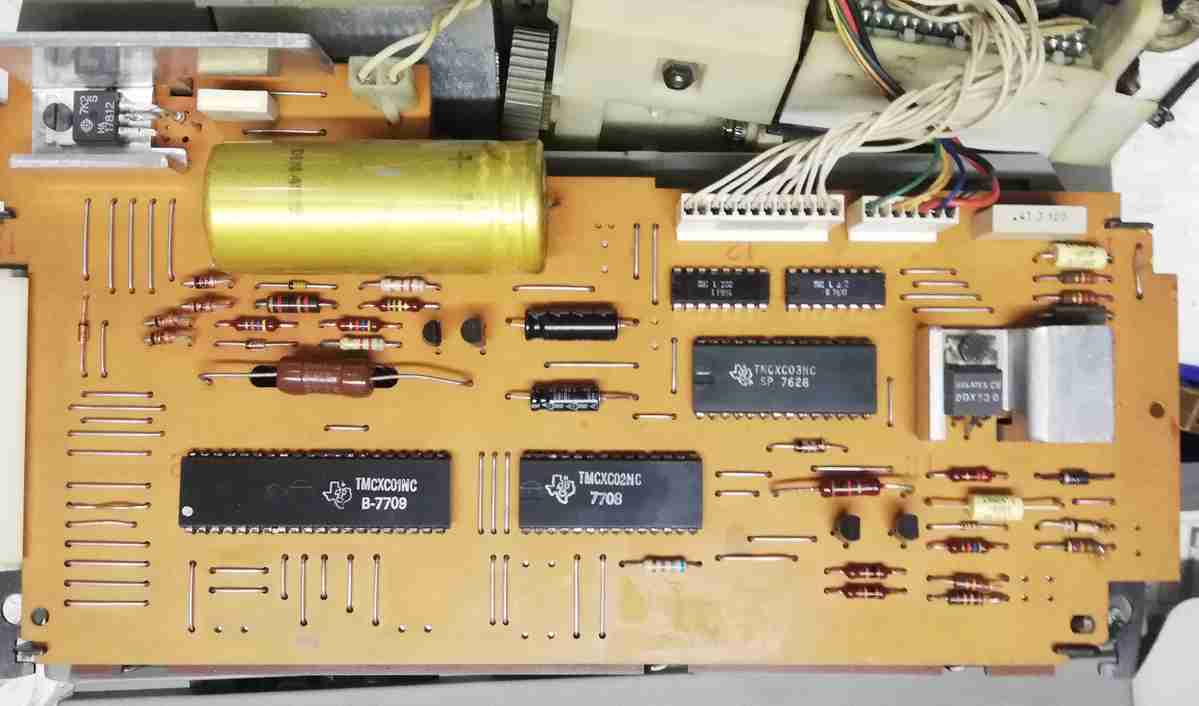
Model: Logos 59
Battery: no
AC adapter: 220 volt AC
Year: 1973
Chip: TMC1876, TMC1878, TMC1828.
Info: Designed and built in Ivrea, one of the first Olivetti calculators in which electronics are introduced, without display, the built-in printer is faster and quieter than previous models, the keyboard is made up of switches and magnets that control reed contacts.
The design of the machine, which has won numerous awards, is the signature of the designer Mario Bellini. Made in ITALY.
Model: M27 version 2
Battery: 5 x AA cells
AC adapter:
Year: 1973
Chip: TMS0105NL
Info: Version 1: Rectangular design, no CE key / Version 2: Rectangular design, red CE key / Version 3: Rounded design, red CE key. Made in Germany
Model: Magic Clown
Battery: 4 x AA
AC adapter:
Year: 1993
Chip: TSP50C11/CSM11124 TSP50C50 ( voice Processor )
Info: The Stack-A-Round Clown, the first stacking toy that talks, was introduced in the US in 1991.
Five colorful rings, each representing a facial feature make up "Clarance the Clown's" face. Clarance recognizes each ring as it is placed on, or removed from, the stacking post. His friendly voice gives the name of the feature and explains the purpose of each part with a clever rhyme. Rings can be stacked in any order, allowing the child to create over 1000 faces.
Dismantling this Stack-A-Round Clown manufactured in 1992 by (or for) Texas Instruments in China reveals a technology very similar to the various Touch & Talkies. The design of the Magic Melody Tell is centered around a TSP50C11 Voice Synthesis Processor (VSP) and makes use of just one Integrated Circuit, TSP50C11 and TSP50C50 (Voice Synthesis Processor) with 8-bit microcontroller and 16k Bytes Mask ROM for both program and voice and 128 Bytes + 16 Nibbles RAM.
Model: Magic Wand Speak and Learn
Battery: 4 x D cell
AC adapter:
Year: 1983
Chip:
Info:
The Magnavox Odyssey is the first commercial home video game console. The hardware was designed by a small team led by Ralph H. Baer at Sanders Associates, while Magnavox completed development and released it in the United States in September 1972 and overseas the following year. The Odyssey consists of a white, black, and brown box that connects to a television set, and two rectangular controllers attached by wires. It is capable of displaying three square dots and one line of varying height on the screen in monochrome black and white, with differing behavior for the dots depending on the game played. Players place plastic overlays on the screen to display additional visual elements for each game, and the one or two players for each game control their dots with the knobs and buttons on the controller in accordance with the rules given for the game. The console cannot generate audio or track scores. The Odyssey console came packaged with dice, paper money, and other board game paraphernalia to accompany the games, while a peripheral controller—the first video game light gun—was sold separately.
The idea for a video game console was conceived by Baer in August 1966. Over the next three years he, along with Bill Harrison and Bill Rusch, created seven successive prototype consoles. The seventh, known as the Brown Box, was shown to several manufacturers before Magnavox agreed to produce it in January 1971. After releasing the console through their dealerships, Magnavox sold 69,000 units in its first calendar year and 350,000 by the time the console was discontinued in 1975. The console spawned the Odyssey series of dedicated consoles as well as the 1978 Magnavox Odyssey 2. One of the 28 games made for the system, a ping pong game, was an inspiration for Atari's successful 1972 Pong arcade game, in turn driving sales of the Odyssey. Patents by Baer and the other developers for the system and the games, including what was termed by a judge as "the pioneering patent of the video game art", formed the basis of a series of lawsuits spanning 20 years, earning Sanders and Magnavox over US$100 million. The release of the Odyssey marked the beginning of the first generation of video game consoles and was an early part of the rise of the commercial video game industry.
Wikepedia Magnavox Odyssey
The Magnavox Odyssey 500 (model number: 7520) was released in 1976 for $130 as Magnavox's high-end companion to the Odyssey 300 and Odyssey 400 systems. The Odyssey 500 is essentially a deluxe version of the Odyssey 400 with several crucial improvements. The 500 featured color graphics (the first Odyssey game unit to do so) and replaced the standard paddles with sprites representing the athletes of its various games: a tennis player, a squash player, and a hockey player. The three players and three playfields were each chosen by separate toggle switches; games were thus selected by matching the player to its appropriate playfield. In addition to the Smash, Hockey, and Tennis games, Odyssey 500 featured a fourth game, Soccer, by using the squash player graphics with the hockey playing field.[9] Unlike the Odyssey 400, however, the 500 does not support four onscreen "players."
The Odyssey 500's manual acknowledged that the player graphics, being of different sizes, essentially represented different difficulty options. Interestingly, while Magnavox exploited the "mismatching" of players and playfields to market the Odyssey 500 as having a fourth game, the remaining five possible game combinations were not advertised or documented.
Odyssey 500 offers automatic serve, displays digital on-screen scores between plays, and provides manually adjustable ball speed control. As with all previous Odyssey units, power is delivered via an AC adapter or six "C" cell batteries.
One of the features we have for this console is the fact that it uses rebranded Texas Instruments chips.
| SN 94069N |
1976 |
(612109) |
Color Generator (Odyssey 500) |
| SN 94092N |
1979 |
(612108) |
Score Generator (Odyssey 500) |
| SN 94093N |
1976 |
(612101) |
Character Controller (Odyssey 500) |
| SN 94192N |
1976 |
|
Character Generator (Odyssey 500 |
Wikepedia Magnavox Odyssey
Magnetic-Core Memory
Audio Guide


Magnetic core memory was the predominant form of random access computer memory for 20 years between about 1955 and 1975. Such memory is often called simply base memory. Main memory uses toroids (rings) of a hard magnetic material (usually a semi-hard ferrite) as the core of the transformer. Each core stores one bit of information. A core can be magnetized clockwise or counterclockwise. The bit value stored in a core is zero or one depending on the magnetization direction of that core. Pulses of electric current in some wires through a core allow you to set the direction of magnetization in that core in either direction, thus storing either a zero or a zero. Another wire through each core, the sense wire, is used to detect if the core has changed state. The core reading process causes the core to be reset to zero, thereby erasing it. This is called destructive reading. When not read or written, the cores retain the last value they had, even if the power is off. Therefore they are, a type of non-volatile memory.
Here you can see our rare vintage ferrite core memory module with a capacity of 150 bits (18,75 byte), if we use 100 of these panels we will have 1,875 kbytes. Ferrite core memory was widely used in the 1950s and 1960s and is prized for its durability and reliability. Ferrite core memory works on a fascinating principle: data is stored by tiny magnetic cores. One of the most unique features of ferrite core memory is its non-volatility. Once data is written, the cores retain the information without requiring constant power.
Wikipedia Magnetic Core Memory
Technical Features
Manufacturer: Makeba Germany DDR Year: c1950
Info: This is the Makeba Kombinator, manufactured in Bautzen, Eastern Germany, in the 50’s or 60’s.This device has two 2-cycle scales and two 1-cycle scales, with one of each pair fixed to the hexagonal body of the pencil itself, and the others to an outer hexagonal metal tube that can slide out around the pencil, moving the scales relative to their twins. A metal-framed cursor slides along the entire device. The Kombinator is a precision product. It has engraved 5-inch scales that look good and stay accurate. The photo below shows how the C and D scales are set to perform multiplication by 2. Donated by Bohdan ( Богдан Ukraine )
Model: Math Magic
Battery: 9 volt
AC adapter:
Year: 1977
Chip: TMC0907/ZA0379
Info: With the beautiful MATH MAGIC Texas Instruments introduced a variation of the Little Professor. The Little Professor gives you one of ten-thousands pre-programmed math questions and you have to type the correct answer. The MATH MAGIC works different: You have to type the question and the answer ! The MATH MAGIC gives you only a correct (flashing display) or wrong (EEE) answer.

Here you can find the WIZ-A-Tron manual (US), you can use it for this Math Magic as well. With permission from datamath.org
Model: Math Marvel
Battery: 9 volt
AC adapter:
Year: 1980
Chip:
Info:
Model: Math Star
Battery: 2 x AA
AC adapter:
Year: 1988
Chip: CD4616
Info: The Math Star is preprogrammed to teach the basic four mathematic functions through different games. This educational toy was rated by Texas Instruments for childrens aged between 6 and 11 years.
This MBO Junior manufactured in Germany is similar to the KIT-calculator Mini 73 sold by Ellenberger Electronic AG.
MBO International Electronic GmbH, Jena was founded 1973 and could be called the first company producing calculators in Germany. Already in 1976 MBO started to place their brand-label on Far-East OEM calculators, within the Datamath Calculator Museum you'll find some Toshiba based designs:
| Year |
MBO designation |
Toshiba designation |
| 1976 |
Conti 10 |
Homeland t.b.d. |
| 1976 |
Conti 20 |
Homeland t.b.d. |
| 1978 |
LC 2014 WA |
LC-834WA |
| 1978 |
ALPHA 502 |
SLC-8261 |
DATAMATH.org
Model: MBO Junior
Battery: 5 x ni-cd
AC adapter: Adapter 8 VDC
Year: 1972
Chip: TMC0105
Info:A special feature of this calculator is the possibility of setting the number of decimal places with the selector. Made in Germany
Model: Merlin
Battery: 1 x 9 volt
AC adapter:
Year: 1980
Chip: TMS1100 / MP3404
Info: Merlin (also known as Merlin The Electronic Wizard, stylized as MERLIN) is a handheld electronic game first made by Parker Brothers in 1978.
The game was invented by former NASA employee Bob Doyle, his wife Holly, and brother-in-law Wendl Thomis.Merlin is notable as one of the earliest and most popular handheld games, selling over 5 million units during its initial run, as well as one of the most long-lived, remaining popular throughout the 1980s. A version of the game was re-released in 2004 by the Milton Bradley Company.
Wikipedia - Merlin Parker Brothers
Model: Mickey Math adventure
Battery: CR2025
AC adapter:
Year: 1983
Chip:
Info: manufature China
Model: Mickey Mouse
Battery: solar
AC adapter:
Year: 1983
Chip:
Info: manufature China
Model: Mickey Mouse
Battery: 9 volt
AC adapter:
Year: 1985
Chip: TMS0972
Info:A lot of LED-calculators used the TMS0972 calculator chip developed for the TI-1200.
The Microvision (also known as the Milton Bradley Microvision or MB Microvision) is the first handheld game console that used interchangeable cartridges and in this sense is reprogrammable. It was released by the Milton Bradley Company in November 1979 for a retail price of $49.99.
The Microvision was designed by Jay Smith, the engineer who would later design the Vectrex video game console. The Microvision's combination of portability and cartridge-based system (it uses a Texas Instruments CHIP TMS1100 aka MP xxxxx) led to moderate success, with Smith Engineering grossing $15 million in the system's first year of release. However, very few cartridges, a small screen, and a lack of support from established home video game companies led to its demise in 1981. According to Satoru Okada, Nintendo's former head of R&D1, the Microvision gave birth to the Game Boy , the sequel to Game & Watch, after Nintendo designed with the Microvision's limitations in mind.
|
CHIP
MP3479
|
|
CHIP
MP3496
|
|
CHIP
MP34047
|
|
CHIP
MP3457
|
|
CHIP
MP3474
|
|
CHIP
MP3454
|
|
CHIP
MP3475
|
|
CHIP
MP3455
|
|
CHIP
MP34009
|
|
CHIP
MP3481
|
Wikipedia Microvision
Milton Bradley Company or simply Milton Bradley (MB) was an American manufacturer established by Milton Bradley in Springfield, Massachusetts, in 1860. In 1920, it absorbed the game production of McLoughlin Brothers, formerly the largest game manufacturer in the United States. It was acquired by Hasbro in 1984.
Milton Bradley produced board games and card games, and also commercialized some stationery products such as papers, and crayons.
Wikipedia Milton Bradley
Description: SCART Interface V.1.0
This interface allows you to connect your European TI-99 / 4A to the TV via the scart. Once the TI-99 / 4A is connected to the TV and turned on, video switching is automatic, the audio output is stereo, as well as the ability to connect to an external amplifier.
Description: SCART Interface V.2.0 miniPHA2037 ( last version )
This interface allows you to connect your European TI-99 / 4A to the TV via the scart. Once the TI-99 / 4A is connected to the TV and turned on, video switching is automatic, the audio output is stereo, as well as the ability to connect to an external amplifier. The difference compared to version V.1.0 is the complete compatibility with LCD TVs, in addition to the drastic reduction in price.
Model: Minuteman 2Battery: 6 x ni-cd AA
Adapter: Adapter ac 110 - dc 7,2 volt
Year: 1973
Chip: TMS0103NC
Manual:
Info: made in Japan
Model: Minuteman 3Battery: 4 x ni-cd 1/3 AA
Adapter: Adapter dc 6 volt
Year: 1973
Chip: TMS0128nc
Manual:
Info: made in Japan
Model: 026 (for Men's watch) Diameter: 30 mm Thickness: 6 mm
Battery: LR754 Face: LCD 6 digit + week + alarm Light: YES Year: 1980 Buttons: Five buttons are used: top right, center right, bottom right, top left, and bottom left.
Function: It displays hours, minutes, seconds, day and the month. It is equipped with an alarm or ringtone function and integrated light.
Info: This module is used in the following model TI-363-31, TI-363-41
Here you can see the specific contact used by the button when pressed. Five buttons are used: one in the top right, one in the center right, one in the bottom right, one in the bottom left, and one in the top left. The top right button allows you to select the time, date, and seconds; the center right button allows you to enter setup mode; the bottom right button allows you to set the alarm; the bottom left button allows you to activate or deactivate the alarm or chime; and the top left button allows you to activate the watch's backlight.
Here you can see some details regarding the clock PCB both in the TOP and Bottom part, you can see the contact that connects the buzzer for the alarm, the two rubber tabs that allow contact between the PCB and the small LCD display, in the second photo on the right side you can see the micro bulb for night lighting.
Model: 1014101_11 (for Men's watch) Diameter: 27 mm Thickness: 6 mm
Battery: LR754 Face: LCD 4 digit Light: NO Year: 1980 Buttons: Three buttons are used, top right, center right and bottom right.
Function: Displays hours, minutes, seconds, day, and month, with a stopwatch to the second. It does not have a built-in light.
Info: This module is used in the following model TI-562-10, TI-562-11
Here you can see the specific contact used by the buttons when pressed. Three buttons are used, one in the top right, one in the center right, and one in the bottom right. The top right button allows you to select the time, date, and seconds; the center right button is used to set functions such as the time and date; while the bottom right button allows you to start a stopwatch to the second.
Model: 1015331_E (for Men's watch) Diameter: 27 mm Thickness: 6 mm
Battery: LR754 Face: LCD 4 digit Light: NO Year: 1980 Buttons: Two buttons are used, top right, bottom right
Function: It displays hours, minutes, seconds, day and the month. It does not have a built-in light.
Info: This module is used in the following modelPhasar 1000, Phasar 2000
Here you can see the particular contact that is used by the button when pressed. Two buttons are used, one on the top right and one on the bottom right. The top right button allows you to select the date and seconds, the bottom right button allows you to set the time, date, and seconds.
Model: 1015471_A (for Men's watch) Diameter: 27 mm Thickness: 6 mm
Battery: LR754 Face: LCD 4 digit Light: Yes Year: 1979 Buttons: Three buttons are used, top right and bottom right (light) and center right.
Function: It displays hours, minutes, seconds, and the day of the week, and has a stopwatch with hundredths of a second. It does not have a built-in light.
Info: This module is used in the following modelTI-455-32
Here you can see the particular contact that is used by the button when pressed. Three buttons are used, the top right to display the date and seconds, the bottom right to activate the micro bulb needed for illumination and the center right, a flush button to set the time and date.
Model: 1015471_E (for Men's watch) Diameter: 27 mm Thickness: 6 mm
Battery: LR754 Face: LCD 4 digit Light: TritiumYear: 1979 Buttons: Two buttons are used, top right and bottom right.
Function: It displays hours, minutes, seconds, and the day of the week. It is equipped with an integrated light of a particular type that was banned for use in Italy in the 80s, Tritium.
Info: This module is used in the following modelTI-551-02, TI-551-10, TI-552-10, TI-552-20
Here you can see the special contact the button uses when pressed. Two buttons are used: the one on the top right to display the date and seconds, and the one on the bottom right to set the time and date. This module was unique because it used a special type of illumination: tritium, which was illegal in Italy in the 1980s but widely used in the United States. Another special feature was the internal chip; in the last photo you can see how it was glued and electrically connected to the watch's PCB.
Model: 1033805 (for Men's watch) Diameter: 27 mm Thickness: 6 mm
Battery: LR754 Face: LCD 6 digit Light: YES Year: 1980 Buttons: Three buttons are used, top right,center right, bottom right
Function: It displays hours, minutes, seconds, day and the month. It is equipped with integrated light.
Info: This module is used in the following model TI-566-10, TI-441-03, TI-441-04
Here you can see the specific contact the button uses when pressed. Three buttons are used, one in the top right, one in the center right, and one in the bottom right. The top right button allows you to select the date and seconds, the center right button allows you to set the hour, minutes, and date, while the bottom right button allows you to use the watch's backlight.
Model: 1034395 (for Men's watch) Diameter: 27 mm Thickness: 6 mm
Battery: LR754 Face: LCD 6 digit Light: NO Year: 1980 Buttons: Two buttons are used, top right, bottom right
Function: It displays hours, minutes, seconds, day, month, and the name of the day in two smaller digits. It does not have a built-in light.
Info: This module is used in the following model TI-466-01, TI-466-02
Here you can see the specific contact the button uses when pressed. Two buttons are used, one in the top right and one in the bottom right. The top right button allows you to select the date and seconds, while the bottom right button allows you to set the time, date, seconds, and day name.
A curiosity: to center the frame that hides the watch's LCD display, three rectangular holes were used as a guide (first photo above) for the metal frame (first photo on the left), in the plastic container that contained the electronics.
Model: 1035057_8 rev. L (for Men's watch)
Battery: LR41 Face: LCD 6 digit + week Light: Yes Year: 1979 Buttons: Two buttons are used, top right, bottom left (light)
Function: It displays hours, minutes, seconds, and the day of the week, and has a stopwatch with hundredths of a second. It does not have a built-in light.
Info: This module is used in the following model TI-3553-11, TI-3553-21, TI-3553-31, TI-3553-41
Here you can see the particular contact that is used by the button when pressed. Only two buttons are used, one on the top right and one on the bottom left (light). The top right button allows you to select the date and day of the week, while the bottom left button activates the micro-bulb for illumination. To set the settings, press both buttons simultaneously.
Model: 1035691-3 rev.b (for Women's watch)
Battery: LR721 Face: LCD 4 digit Light: NO Year: 1981 Module: Two buttons are used: top right, and bottom right.
Function: Displays hours, minutes, seconds and date. It does not have a built-in light
Info: This module is used in the following model TI-2551-30
Here you can see the specific contact the button uses when pressed. Two buttons are used: the top right and the bottom right. The top right button is used to select the time, seconds, and date (day and month), while the bottom right button is used to set the time, day and month.
Model: 1035726_8 Rev F (for Men's watch)
Battery: LR41 Face: LCD 6 digit Light: NO Year: 1982 Buttons: Three buttons are used, top left, top right, bottom right
Function: It displays hours, minutes, seconds, and the day of the week, and has a stopwatch with hundredths of a second. It does not have a built-in light.
Info: This module is used in the following modelTI-xxx-183, TI-xxx-184
Here you can see the particular contact that is used by the button when pressed. Three buttons are used: top left, top right, and bottom right. The top right button allows us to select the date, seconds, and stopwatch; the bottom right button is used to set the time and date; and the top left button is used to start and stop the stopwatch.
Model: 108 (for Men's watch)
Battery: 391 Face: LCD 6 digit + week + alarm Light: YES Year: 1980 Buttons: Four buttons are used: top right, bottom right, top left, and bottom left.
Function: It displays hours, minutes, seconds, day, and month, as well as alarm or chime, stopwatch, and countdown timers. It also features a built-in light.
Info: This module is used in the following model TI-809-31
Here you can see the specific contact used by the button when pressed. Four buttons are used: one in the top right, one in the bottom right, one in the top left, and one in the bottom right. The top right button allows you to select the time, date, and seconds and start the stopwatches; the top left button allows you to activate and deactivate the alarm; the bottom left button allows you to set the time, date, and day of the week, alarm, stopwatch, and countdown; and the bottom right button allows you to activate the backlight via the micro bulb.
In these last two photos you can see the micro buzzer at the top and where it goes into the watch case.
Model: 123 (for Women's watch) Diameter: 20 mm Thickness: 2 mm
Battery: LR721 Face: LCD 4 digit Light: NO Year: 1981 Module: Two buttons are used: top right, and bottom right.
Function: Displays hours, minutes, seconds and date. It does not have a built-in light
Info: This module is used in the following model TI-255-20
Here you can see the specific contact the button uses when pressed. Two buttons are used: the top right and the bottom right. The top right button is used to select the time, seconds, and date (day and month), while the bottom right button is used to set the time, day and month. This is the thinnest module used in Texas Instruments watches, only 2mm thick!
Model: 25 (6 digit) (for Men's watch)
Battery: 2 x LR41 Face: LCD 6 digit + week Light: NO Year: 1980 Buttons: Four buttons are used: top right, bottom right, top left, and bottom left.
Function: It displays hours, minutes, seconds, day and the month. It does not have a built-in light.
Info: This module is used in the following model TI-xxx-157
Here you can see the specific contact used by the button when pressed. Four buttons are used: one in the top right, one in the bottom right, one in the top left, and one in the bottom right. The top right button allows you to select the date and seconds, the bottom right button allows you to activate and deactivate the alarm, the top left button allows you to set the time, date, and day of the week, and the bottom left button allows you to set the alarm. The last photo shows us the alarm buzzer glued to the bottom of the lid.
Model: 54B-2 (for Woman's watch)
Battery: 2 x AG-3 Face: LED 4 digit Light: Yes Year: 1976 ( stamped 716 ) Buttons: Two buttons are used, top right and bottom right.
Function: It displays hours, minutes, seconds, and the day of the week and the month.
Info: The original batteries are Mallory Duracell (10L125) and Eveready (UC-392). This module is used in models with code TI-600-XX , TI-700-XX
Here you can see the particular contact that is used by the button when pressed. Two buttons are used: the one on the top right to display hours, minutes, seconds, day and month, the one on the bottom right to set the hour, minutes, day and month.
Model: 54D-1 (for Men's watch)
Battery: 2 x AG-12 Face: LED 4 digit Light: Yes Year: 1976 ( stamped 811 ) Buttons: Two buttons are used, top right and bottom right.
Function: It displays hours, minutes, seconds, and the day of the week and the month.
Info: The original batteries are Mallory Duracell (10R124,10L124) and Eveready (UC-386). This module is used in models with code TI-400-XX , TI-500XX
Here you can see the particular contact that is used by the button when pressed. Two buttons are used: the one on the top right to display hours, minutes, seconds, day and month, the one on the bottom right to set the hour, minutes, day and month.
Model: 57 (for Women's watch)
Battery: 391 Face: LCD 6 digit + week + alarm Light: NO Year: 1981 Module: Four buttons are used: top right, center right, bottom right, and bottom left.
Function: It displays hours, minutes, seconds and day of the week, and you can also set an alarm.
Info: This module is used in the following model TI-262-31, TI-262-41
Here you can see the specific contact used by the button when pressed. Four buttons are used: top right, center right, bottom right, and bottom left. The top right button is used to select the time, date, and ringtone; the center right button is used to set the various watch parameters; the bottom right button is used to activate the alarm or ringtone function; and the bottom left button is used to set the ringtone time. The last photo shows the buzzer used with the ringtone.
Model: 809008 (for Men's watch)
Battery: LR41 Face: LCD 6 digit + week Light: YES Year: 1980 Buttons: Three buttons are used, top right,center right, bottom right.
Function: It displays hours, minutes, seconds, day and the month. It is equipped with integrated light.
Info: This module is used in the following model TI-441A-41,TI-441A-40
Here you can see the specific contact the button uses when pressed. Three buttons are used, one in the top right, one in the center right, and one in the bottom right. The top right button allows you to select the date and seconds, the center right button allows you to set the hour, minutes, and date, while the bottom right button allows you to use the watch's backlight.
Model: 9962B (for Men's watch)
Battery: 2 x AG-12 Face: LED 4 digit Light: Yes Year: 1977 week 3 ( stamped 7703 ) Buttons: Two buttons are used, top right and bottom right.
Function: It displays hours, minutes, seconds, and the day of the week and the month.
Info: The original batteries are Mallory Duracell (10R124,10L124) and Eveready (UC-386). This module is used in models with code TI-400-XX , TI-500XX
Here you can see the particular contact that is used by the button when pressed. Two buttons are used: the one on the top right to display hours, minutes, seconds, day and month, the one on the bottom right to set the hour, minutes, day and month.
Model: 9971 (for Men's watch)
Battery: 2 x AG-12 Face: LED 4 digit Light: Yes Year: 1976 week 44 ( stamped 7644 ) Buttons: Two buttons are used, top right and bottom right.
Function: It displays hours, minutes, seconds, and the day of the week and the month.
Info: The original batteries are Mallory Duracell (10R124,10L124) and Eveready (UC-386). This module is used in models with code TI-400-XX , TI-500XX
Here you can see the particular contact that is used by the button when pressed. Two buttons are used: the one on the top right to display hours, minutes, seconds, day and month, the one on the bottom right to set the hour, minutes, day and month.
Model: M150 (for Men's calculator watch) Dimension: 26 mm x 32 mm Tickeness: 5 mm
Battery: 391 Face: LCD 8 digit + week + alarm Light: YES Year: 1980 Buttons: Four buttons are used: top right, bottom right, top left, and bottom left.
Function: It displays hours, minutes, seconds, day, and month, as well as alarm and buzzer functions. It also has a built-in calculator. It also features a built-in light.
Info: This module is used in the following model TI-810-21
Here you can see the specific contact used by the button when pressed. Four buttons are used: one in the top right, one in the bottom right, one in the top left, and one in the bottom right. The top right button allows you to select the time, date, and seconds; the top left button activates the backlight via the internal micro bulb; the bottom left button allows you to set the time, date, day of the week, alarm, and calculator; and the bottom right button allows you to change the time, date, and alarm.
In this one you can see the micro buzzer on the inside of the watch case cover.
Model: Monkey See
Battery: 9 volt
AC adapter:
Year: 1985
Chip: TMS1000 / MP0271
Info:This wonderful educational toy is not related to Texas Instruments. It is just for comparision with the rare MATH MAGIC and its sibling WIZ-A-TRON. With this MONKEY SEE Radio Shack changed from the original "calculator chip" MM5780 to a pre-programmed 4-bit microcontroller from Texas Instruments.
Montgomery Ward
American department store which also sold calculators through a general merchandise catalog. Montgomery Ward labels were usually placed on calculators already made by other companies.
Guy Ball and Bruce Flamm, Collector's Guide to Pocket Calculators
Yes, they placed their labels on a lot of different calculators produced by either APF, Lloyd's, Novus or Texas Instruments. Within the Datamath Calculator Museum we'll focus only on the TXI-prefixed models.
Montgomery Ward to close all stores
CHICAGO — Montgomery Ward Inc., the department store chain that helped pioneer American retailing, said Thursday that it is shutting down after more than 125 years in business and will file for bankruptcy.
The chain — with 250 stores and 37,000 employees in 31 states — fell victim to competition from other big retailers.
"Sadly, today's action is unavoidable," chief executive Roger Goddu said, citing weak holiday sales as the final straw for a struggling company that emerged from Chapter 11 bankruptcy protection just last year.
The statement came hours after scores of Montgomery Ward employees began filing out of the company headquarters with boxes in hand.
Several said they had been told during a meeting that General Electric Co.'s GE Capital Unit, owner of Montgomery Ward, was pulling financial support after sluggish holiday sales. GE Capital referred all calls to Ward headquarters in Chicago.
"I'm just devastated," said Anece Rich, a 28-year employee who worked in the mail room. "They took care of us as best they could."
Begun in 1872, Ward pioneered mail-order catalogs when it came out with a single sheet of dry-good items for sale. It was the first U.S. mail-order house to sell general merchandise. Sears, Roebuck & Co. was not founded until 1886 and did not put out its first general merchandise catalog until a decade after that.
Ward — known affectionately to its customers as Monkey Ward — opened its first store in Plymouth, Ind., in 1926.
Ward has been financially unstable for years. In 1999, it emerged from bankruptcy and announced a plan to revamp many of its stores. But some analysts said it was too little too late.
"Wards has not established themselves as anything distinctive in the marketplace," said George Whalin, president of California-based Retail Management Consultants. "There's just no reason to go there — unless maybe they're the closest store to your house." Whalin said it had become increasingly difficult for Ward to survive in a market swamped with competitors like Home Depot, Best Buy and Target.
News of Ward's apparent demise comes two days after Massachusetts-based discount chain Bradlees Inc. announced it is going out of business.
"It's brutal. It's as competitive as anything out there," Whalin said.
Wards had been shooting for sales growth this year of about 9 percent. Instead, it hovered at a sluggish 2 percent.
Martha Irvine, Associated Press (December 29, 2000)-
with permission of the author www.datamath.org
The MOS Technology 6502 (typically pronounced "sixty-five-oh-two" or "six-five-oh-two") is an 8-bit microprocessor that was designed by a small team led by Chuck Peddle for MOS Technology. The design team had formerly worked at Motorola on the Motorola 6800 project; the 6502 is essentially a simplified, less expensive and faster version of that design.
When it was introduced in 1975, the 6502 was the least expensive microprocessor on the market by a considerable margin. It initially sold for less than one-sixth the cost of competing designs from larger companies, such as the 6800 or Intel 8080. Its introduction caused rapid decreases in pricing across the entire processor market. Along with the Zilog Z80, it sparked a series of projects that resulted in the home computer revolution of the early 1980s.
Popular video game consoles and home computers of the 1980s and early 1990s, such as the Atari 2600, Atari 8-bit family, Apple II, Nintendo Entertainment System, Commodore 64, Atari Lynx, BBC Micro and others, use the 6502 or variations of the basic design. Soon after the 6502's introduction, MOS Technology was purchased outright by Commodore International, who continued to sell the microprocessor and licenses to other manufacturers. In the early days of the 6502, it was second-sourced by Rockwell and Synertek, and later licensed to other companies.
In 1981, the Western Design Center started development of a CMOS version, the 65C02. This continues to be widely used in embedded systems, with estimated production volumes in the hundreds of millions.
Wikipedia MOS 6502
Motorola, Inc. () was an American multinational telecommunications company based in Schaumburg, Illinois, United States. After having lost $4.3 billion from 2007 to 2009, the company split into two independent public companies, Motorola Mobility and Motorola Solutions on January 4, 2011. Motorola Solutions is generally considered to be the direct successor to Motorola, Inc., as the reorganization was structured with Motorola Mobility being spun off. Motorola Mobility was acquired by Lenovo in 2014.
Motorola designed and sold wireless network equipment such as cellular transmission base stations and signal amplifiers. Motorola's home and broadcast network products included set-top boxes, digital video recorders, and network equipment used to enable video broadcasting, computer telephony, and high-definition television. Its business and government customers consisted mainly of wireless voice and broadband systems (used to build private networks), and, public safety communications systems like Astro and Dimetra. These businesses (except for set-top boxes and cable modems) are now part of Motorola Solutions. Google sold Motorola Home (the former General Instrument cable businesses) to the Arris Group in December 2012 for US$2.35 billion.
Motorola's wireless telephone handset division was a pioneer in cellular telephones. Also known as the Personal Communication Sector (PCS) prior to 2004, it pioneered the "mobile phone" with DynaTAC, "flip phone" with the MicroTAC as well as the "clam phone" with the StarTAC in the mid-1990s. It had staged a resurgence by the mid-2000s with the RAZR, but lost market share in the second half of that decade. Later it focused on smartphones using Google's open-source Android mobile operating system. The first phone to use the newest version of Google's open source OS, Android 2.0, was released on November 2, 2009 as the Motorola Droid (the GSM version launched a month later, in Europe, as the Motorola Milestone).
The handset division (along with cable set-top boxes and cable modems) was later spun off into the independent Motorola Mobility. On May 22, 2012, Google CEO Larry Page announced that Google had closed on its deal to acquire Motorola Mobility.[8] On January 29, 2014, Google CEO Larry Page announced that pending closure of the deal, Motorola Mobility would be acquired by Chinese technology company Lenovo for US$2.91 billion (subject to certain adjustments). On October 30, 2014, Lenovo finalized its purchase of Motorola
WIKIPEDIA Motorola
The Motorola 68000 (sixty-eight-thousand; also called m68k, Motorola 68k, sixty-eight-kay) is a 16/32-bit complex instruction set computer (CISC) microprocessor, introduced in 1979 by Motorola Semiconductor Products Sector.
The design implements a 32-bit instruction set, with 32-bit registers and a 16-bit internal data bus. The address bus is 24 bits and does not use memory segmentation, which made it easier to program for. Internally, it uses a 16-bit data arithmetic logic unit (ALU) and two more 16-bit ALUs used mostly for addresses, and has a 16-bit external data bus. For this reason, Motorola termed it a 16/32-bit processor.
WIKIPEDIA Motorola 68000
Model: Mouse Computer
Battery: 4 x AA
AC adapter:
Year: 1993
Chip: TSP50C11 (CSM11128A), HD44780
Info: Texas Instruments introduced with the Talking Master Mouse Computer the first kids' computer with a real working mouse.
Like all games or calculators that use LCD displays, they may have display problems, missing segments, extra characters, etc. Simply disassemble the display and clean both the conductive rubber tabs and the glass display with isopropyl alcohol.
Model: Mr Challenger
Battery: 9 volt
AC adapter:
Year: 1979
Chip:
Info: manufacture Italy
Model: Mr MUS-I-CAL
Battery: 9 volt
AC adapter: no
Year: 1979
Chip: TMS1000/MP3206
Info:
Model: MX-80
Battery: 6 x 1,2 ni-cd
Adapter: 14 vac
Year: 1973
Chip: TMS0127NC
Info:
Napier's Bones Napero's sticks were described in a work published in 1617. They consist of ten rods numbered at the top from 0 to 9 and another rod called a ruler. This is my 3D printed version.
To carry out, for example, the multiplication between 10 and 5, sticks 1, and 0 are placed alongside the ruler.
You then choose the line corresponding to the number 5 on the ruler. To find the result, add diagonally, possibly with a carry; in our case we have the 0 alone (right), then the 5 and the zero (center) and finally another 0 (left). The result, therefore, will be 50.
Now let's do an operation with the carry. Multiplication between 9 and 815
Let's take the row of 9, write 7 - 2+0 - 9+4 - 5
7 - 2 - 13 - 5
<- carryover
7 - 3 - 3 - 5 the carryover (1) is added to 2
Wikipedia Napier's Bones
National Semiconductor USA
Alongside a vast range of semiconductor products, National Semiconductor manufactured calculator integrated circuits and in the mid- to late 1970s introduced a very successful range of hand-held calculators under the National Semiconductor and Novus names.
1000 games for your color TV (NE 74 Year 1981)
By structuring microprocessors, it's possible to create an infinite number of
video games, similar to those we're used to seeing in any bar, with the advantage of being able to use your home
TV for this purpose. It doesn't matter whether it's black and white or color. So, in the evening,
instead of going out, as you've been saying, with a pocket full of 100-lire coins to go play in bars, you can stay
at home, sitting in front of the TV and playing for free with
your friends, mostly being able to modify the game at any time by simply inserting a different ROM into the socket.
Nuova Elettronica N.74 (1981) Nuova Elettronica
Model: Number Beat
Battery: LR43
Adapter:
Year: 1987
Chip:
Info:
Olivetti
Olivetti S.p.A. is a company of the Telecom Italia group that operates in the information technology sector. In the past it was one of the most important companies in the world in the field of typewriters, calculators and electronics. Among its most significant records are the Divisumma 14, the Elea 9003 and the Program 101: the Divisumma 14 was the first electromechanical calculator in the world capable of carrying out all four operations and printing the result, the Elea is one of the first fully transistor computers. Program 101 was the first personal computer from which current personal computers (PCs) are derived.
The Olivetti M24 is a personal computer produced at the Olivetti plant in Scarmagno since 1983 . It was born as a competitor of the IBM PC and had great success on all world markets.
Unlike the IBM PC, which adopted the processor Intel 8088 with a clock of 4.7 MHz, the M24 adopted the more powerful Intel 8086 , with the clock speed of 8 or 10 MHz (the second version SP ), a bus 16-bit data and the ability to increase performance by decreasing the memory refresh rate via software, CGA graphics or NEC 6845 graphics accelerator and 7 free expansion slots. Produced starting from 1983, in one of the typical configurations it cost about six million lire as of January 1986 , equivalent to 10,012 euros in May 2019 . An AT&T 6300 dating from around 1986: earlier models had the function keys lined up on the left side of the keyboard instead of at the top like this model. On the screen the NetHack videogame .
It was possible to choose the hardware and software configuration, from 128 KiB to 640 KiB of RAM (further expandable with EMS memory), 16 KiB ROM, two-unit floppy disk drive or the internal hard disk (only initially 5 MB, then 10 MB and 20 MB), or even two hard disks (one located externally), from the excellent Hantarex monitor with green or gray phosphors and color models. Already at the beginning of 1984 the standard configuration was with 640 KiB and 10 MiB internal hard disk or 27 MiB external hard disk.
Wikipedia Olivetti M24
Olivetti Prodest PC 128 is a home computer distributed in Italy by Olivetti since 1986 , the first of the Olivetti Prodest series .The computer is based on the Thomson MO6 model produced by the French company Thomson SA , on which aesthetic changes have been applied and the characteristic logo with the image of a pyramid added. The selling price of the basic version was 380000 lire, and was also sold in a second version called " PC 128 starter kit " which included the optical pen and ColorPaint software at a price of 420000 lire.
Wikipedia Olivetti Prodest 128
Orion Orbit Research
Specializing in the development and manufacture of products for people with disabilities, Orbit Research’s mission is to employ cutting-edge technology to bring to the community at affordable prices, products that are essential for an independent and productive lifestyle. Further information on the ORION TI-34 developed for vision impaired people is available at www.orbitresearch.com.
Original Equipment Manufaturers (OEMs)
Made in the USA - this is how Texas Instruments started in 1972 with the introduction of the famous TI-2500 Datamath, TI-3000, and TI-3500 calculators. The last TI calculator manufactured in Lubbock, TX? The TI-7000 II, TI-7140, and TI-7300 II manufactured in 1994 for Texas Instruments' US-built campaign started in 1989.
We wrote the year 1981 when Texas Instruments introduced with the TI-55-II the first product of a very sophisticated calculator line positioned above the "slimline" series from 1978. These calculators combined an innovative architecture with a Master and Slave CPU and an enhanced LC-Display with the keyboard technology from the original slimline series. Unfortunately led some cost reduction measures of the keyboard design to an extremely unreliable design and there was immediately a saying: "The -II designation was evidently for the number of keystrokes that were recorded with one button press".
Texas Instruments was during this difficult time already experienced with contract manufacturers in Far East - we noticed TI-1015 and TI-1020 calculators assembled in Taiwan with Date codes as early as 1980 - and it wasn't too big of a surprise to see the second series of the TI-55 II manufactured starting Summer 1984 by Inventec Corporation in Taiwan with a completely different "Asian-style" keyboard. Inventec was in 1984 the largest calculator producer in Taiwan and expanded soon into Malaysia to take advantage of competitive labor rates. In 1995 the first factory was established in Shanghai, China - manufacturing most of TI's graphing calculator line - before further expanding in China in 2004 to add even engineering services and a logistics center to the then 8 factories. Texas Instruments was and is working with other contract manufacturers, too - we know as of today:
• Calc-Comp Electronics - Taiwan, Thailand
• Compal Electronics - Taiwan, China
• Inventec Corporation - Taiwan, Malaysia, China
• Kinpo Electronics - Taiwan, China, Philippines
• Leo Electronics - Japan, China
• Nam Tai Electronics - China
• Zeny Corporation - Taiwan, China |
With permission of the Author www.datamath.org
The Osborne 1 is the first commercially successful portable computer, released on April 3, 1981 by Osborne Computer Corporation. It weighs 24.5 lb (11.1 kg), cost US$1,795, and runs the CP/M 2.2 operating system. It is powered from a wall socket, as it has no on-board battery, but it is still classed as a portable device since it can be hand-carried when the keyboard is closed.
The computer shipped with a large bundle of software that was almost equivalent in value to the machine itself, a practice adopted by other CP/M computer vendors. Competitors quickly appeared, such as the Kaypro II.
Wikepedia Osborne 1
Otis King
Otis Carter Formby King (1876–1944) was an electrical engineer in London who invented and produced a cylindrical slide rule with helical scales, primarily for business uses initially. The product was named Otis King's Patent Calculator, and was manufactured and sold by Carbic Ltd. in London from about 1922 to about 1972.
Technical Features
Manufacturer: Otis King Year:1960-1962
Info: With a log-scale decade length of 66 inches, the Otis King calculator should be about a full digit more accurate than a 6-inch pocket slide rule. But due to inaccuracies in tic-mark placement, some portions of its scales will read off by more than they should. For example, a reading of 4.630 might represent an answer of 4.632, or almost one part in 2000 error, when it should be accurate to one part in 6000 (66"/6000 = 0.011" estimated interpolation accuracy).
The Geniac brand cylindrical slide rule sold by Oliver Garfield Company in New York was initially a relabelled Otis King; Garfield later made his own, probably unauthorized version of the Otis King (around 1959). The UK patents covering the mechanical device(s) would have expired in about 1941–1942 (i.e. 20 years after filing of the patent) but copyright in the drawings would typically only expire 70 years after the author's.
Model: Montgomery Ward P200 (TXI-8662A)
Battery: 3*AA NiCd or 4*AA Alkaline
Adapter: AC9130 or AC9120
Year: 1974
Chip: TMS0601
Manual:
Info: The P200 could be easily identified as a close relative of the TI-2550. Both calculators use the same electronics, the same layout of the keyboard and even an identical mold for the housing bottom. The different look is achieved through a new mold for the upper half of the housing and a different style of the memory keys. The color of the housing is slightly different, too.
Model: Montgomery Ward P300 (TXI-8663A)
Battery: 3*AA NiCd or 4*AA Alkaline
Adapter: AC9130
Year: 1974
Chip: TMS0120, 2*SN75493, 2*SN27423
Manual:
Info: This Montgomery Ward P300 aka TXI-8663A could easily identified as larger brother of the P200 aka TXI-8662A and a close relative of the SR-10.
Model: Montgomery Ward P8M (TXI-8646A)
Battery: 4 x AA
Adapter:
Year: 1974
Chip: TMS0601
Manual:
Info:
Model: Montgomery Ward P8P (TXI-8645A)
Battery: 4 x AA
Adapter:
Year: 1978
Chip: TMS0128
Manual:
Info:
Model: Palmtronic 8M
Battery: 2 x AA
Adapter:
Year: 1980
Chip: TMS1042NL
Manual:
Info: made in Japan
Panasonic Corporation, formerly known as the Matsushita Electric Industrial Co., Ltd. is a major Japanese multinational electronics company, headquartered in Kadoma, Osaka. It was founded by Kōnosuke Matsushita in 1918 as a lightbulb socket manufacturer. In addition to consumer electronics of which it was the world's largest maker in the late 20th century, Panasonic offers a wide range of products and services, including rechargeable batteries, automotive and avionic systems, industrial systems, as well as home renovation and construction.
Wikipedia Panasonic
Parker Brothers (known by Parker outside of North America) was an American toy and game manufacturer which in 1991 became a brand of Hasbro. More than 1,800 games were published under the Parker Brothers name since 1883.Among its products were Monopoly, Clue (licensed from the British publisher and known as Cluedo outside of North America), Sorry!, Risk, Trivial Pursuit, Ouija, Aggravation, Bop It, Scrabble (under a joint partnership with Milton Bradley in the United States and Canada), and Probe. The trade name became defunct with former products being marketed under the "Hasbro Gaming" label with the logo shown on Monopoly games.
Wikipedia Parker Brothers
Model: Passport Flight Computer
Battery: 4 x AA
AC adapter:
Year: 1991
Chip:
Info:
Model: PC-100
Battery: 110 volt AC or 220 vold AC
Adapter:
Year: 1978
Chip:
Info: Dot matrix thermal printer designed for SR-51, SR-51A, SR-56. With the introduction of the TI-58 and TI-59 the PC-100 was replaced with the PC-100A.
The Module Selector fits neatly into the charging bay of the PC-100A and holds up to four Solid State Software Modules in place. Selection of the module is simple and straightforward with a 4-position rotary switch.
Model: PC-200
Battery: 4 x AA
Adapter:
Year: 1987
Chip:
Info: Dot matrix thermal printer designed for TI-66 and BA-55
Model: PC-324
Battery:
Adapter:
Year: 1987
Chip:
Info: Dot matrix thermal printer designed for TI-74, TI-74s and TI-95
Model: Peek a Boo Zoo
Battery: 4 x AA
AC adapter:
Year: 1991
Chip:
Info: manufature China
PEMDAS (Parenthesis, Exponentiation, Multiplication, Division, Addition, Subtraction) order of precedence.
In mathematics and computer programming, the order of operations is a collection of rules that reflect conventions about which operations to perform first in order to evaluate a given mathematical expression.
These rules are formalized with a ranking of the operations. The rank of an operation is called its precedence, and an operation with a higher precedence is performed before operations with lower precedence. Calculators generally perform operations with the same precedence from left to right, but some programming languages and calculators adopt different conventions.
For example, multiplication is granted a higher precedence than addition, and it has been this way since the introduction of modern algebraic notation. Thus, in the expression 1 + 2 × 3, the multiplication is performed before addition, and the expression has the value 1 + (2 × 3) = 7, and not (1 + 2) × 3 = 9. When exponents were introduced in the 16th and 17th centuries, they were given precedence over both addition and multiplication and placed as a superscript to the right of their base. Thus 3 + 52 = 28 and 3 × 52 = 75.
Wikipedia PEMDAS
Model: Phasar 1000 gold Code: ok
Battery: 391
WCase: gold tone metal WBand: matching bracelet Face: copper frame
Manual: Yes Box: No Light: no
Year: 1980 Price: xxxx
Function: The watch has five functions- hours, minutes, seconds, month and date
Info: The module inside is Texas Instruments.
Model: Phasar 1000 gold Code: ok
Battery: 391
WCase: gold tone metal WBand: matching bracelet Face: gold frame
Manual: Yes Box: No Light: no
Year: 1980 Price: xxxx
Function: The watch has five functions- hours, minutes, seconds, month and date
Info: The module inside is Texas Instruments.
Model: Phasar 1000 gold woman Code: ok
Battery: 391
WCase: gold tone metal WBand: matching bracelet Face: brown frame
Manual: Yes Box: No Light: no
Year: 1980 Price: xxxx
Function: The watch has five functions- hours, minutes, seconds, month and date
Info: The module inside is Texas Instruments.
Model: Phasar 1000 steel Code: ok
Battery: 391
WCase: steel tone metal WBand: matching bracelet Face: blue frame
Manual: Yes Box: No Light: no
Year: 1980 Price: xxxx
Function: The watch has five functions- hours, minutes, seconds, month and date
Info: The module inside is Texas Instruments.
Model: Phasar 2000 gold Code: ok
Battery: 391 Module: 1015331 E
WCase: gold tone metal WBand: matching bracelet Face: gold frame, with white writing
Manual: Yes Box: No Light: no
Year: 1980 Price: xxxx
Function: The watch has five functions- hours, minutes, seconds, month and date
Info: The same model in white tone metal Phasar 2000 steel
Model: Phasar 2000 steel Code: ok
Battery: 391 Module: 1015331 E
WCase: steel tone metal WBand: matching bracelet Face: silver frame
Manual: Yes Box: No Light: no
Year: 1980 Price: xxxx
Function: The watch has five functions- hours, minutes, seconds, month and date
Info: The same model in white tone metal Phasar 2000 gold
Koninklijke Philips N.V. (literally Royal Philips, commonly shortened to Philips) is a Dutch multinational conglomerate corporation that was founded in Eindhoven. Since 1997, it has been mostly headquartered in Amsterdam, though the Benelux headquarters is still in Eindhoven. Philips was formerly one of the largest electronics companies in the world, currently focused in the area of health technology, with other divisions being divested.
It was founded in 1891 by Gerard Philips and his father Frederik, with their first products being light bulbs. It currently employs around 80,000 people across 100 countries. The company gained its royal honorary title in 1998 and dropped the "Electronics" in its name in 2013, due to its refocusing from consumer electronics to healthcare technology.
Philips is organized into three main divisions: Personal Health (formerly Philips Consumer Electronics and Philips Domestic Appliances and Personal Care), Connected Care, and Diagnosis & Treatment (formerly Philips Medical Systems). The lighting division was spun off as a separate company, Signify N.V. The company started making electric shavers in 1939 under the Philishave brand, and post-war they developed the Compact Cassette format and co-developed the Compact Disc format with Sony, as well as numerous other technologies. As of 2012, Philips was the largest manufacturer of lighting in the world as measured by applicable revenues.
Philips has a primary listing on the Euronext Amsterdam stock exchange and is a component of the Euro Stoxx 50 stock market index. It has a secondary listing on the New York Stock Exchange. Acquisitions include that of Signetics and Magnavox. They also have had a sports club since 1913 called PSV Eindhoven.
Wikipedia Philips

The Magnavox Odyssey 2 (stylized as Magnavox Odyssey²), also known as Philips Odyssey 2, is a second generation home video game console that was released in 1978. It was sold in Europe as the Philips Videopac G7000, in Brazil and Peru as the Philips Odyssey and in Japan as Odyssey2 (オデッセイ2 odessei2). The Odyssey 2 was one of the five major home consoles prior to the 1983 video game market crash, along with Atari 2600, Atari 5200, Intellivision and ColecoVision.
Wikipedia Philips G-7000
The Philips P2000T home computer was Philips' first real entry in the home computer market, after the Philips Videopac G7000 game system (better known in North America as the Magnavox Odyssey2) which they already sold to compete with the Atari 2600 and similar game systems. There was also a P2000M version with an additional 80-column card for use with a monochrome monitor. This version shipped with a monitor cabinet also housing a dual 5.25" floppy drive.
The P2000T was a Z80-based home computer that used a Mullard SAA5050 Teletext display chip to produce the video picture and a small Mini-Cassette recorder for 42 kilobytes of mass storage capacity. The Mini-Cassette was treated as a floppy drive from the user's perspective while using the automatic search for a program (CLOAD command) or free space (CSAVE). A command to display the directory of the cassette also exists.[1] Philips used components they already produced for other markets (television sets and dictation machines) to quickly design a small computer system. It was partially designed by Austrian professor Dieter Hammer.
Wikipedia P2000 T
The VG 8020 was Philips' third MSX 1 computer, after the VG8000 (which did not even have a printer port) and the VG8010 computers.This version had a real keyboard, not a chiclet keyboard like its predecessors. The VG-8020 was released in 1984 and featured a Zilog Z80A microprocessor clocked at 3.56 MHz, 64KB of RAM, 16KB of VRAM, and two cartridge slots.
Wikipedia Philips VG-8020
The Philips VG-8235 was an MSX-2 - home computer from Philips and came in 1986 to the market. The new price at that time was around 1500 DM . The VG-8235 was one of the best equipped MSX home computers at the time. It had already integrated a 3.5 inch floppy disk drive (capacity 360 KByte) and was equipped with 128 KByte video memory. The video memory enabled different screen modes with a maximum resolution of 512 × 212 with 256 colors.
Wikipedia VG-8235
Description: PHP 1900 Sidecar Thermal Printer Solid State
If you want print, use this line in basic:
100 OPEN #1:"TP",OUTPUT
110 PRINT #1: "ciao"
120 CLOSE #1
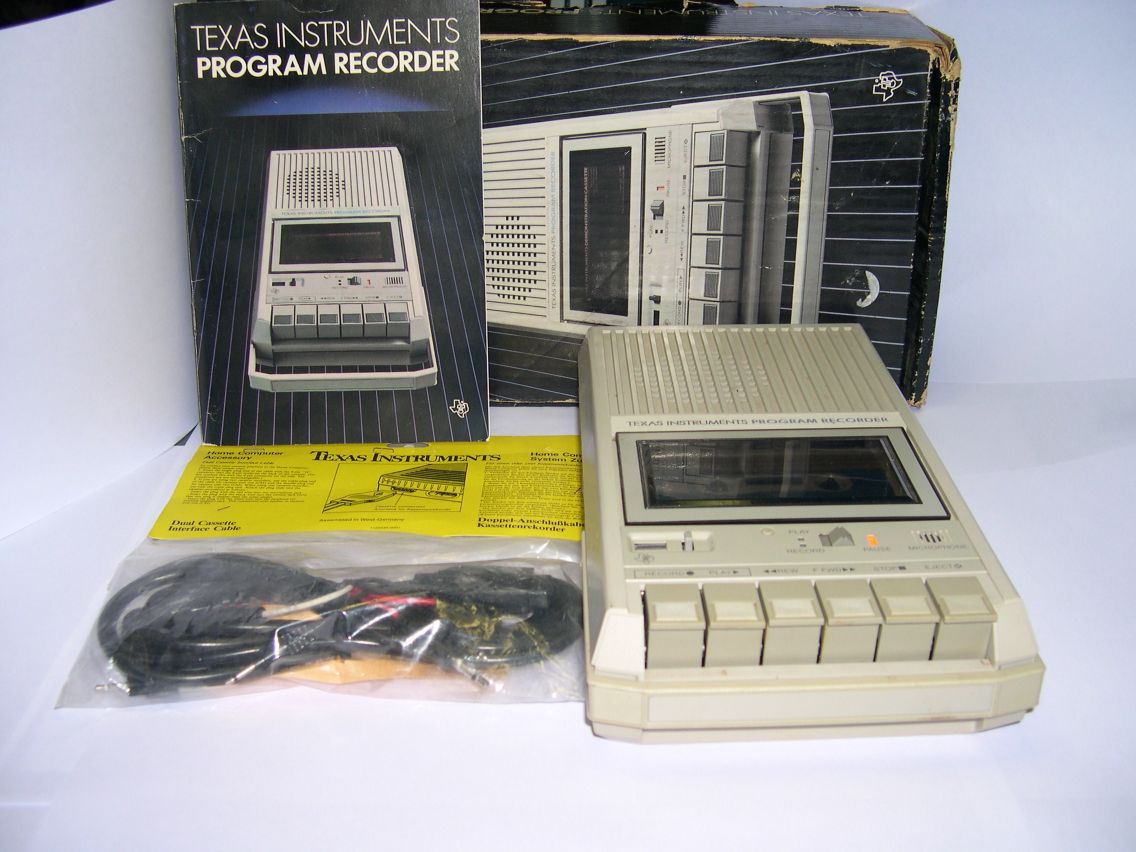 Description: PHP2700 Program Recorder
For many of us the program recorder was the first device we had to save the programs we had typed into the console. Compared to a disk drive system, the program recorder was much less expensive and, while slow, did a good job and was quite reliable.
Technical Features
Manufacturer: Picket Model: N600-ES Date: 1958-1962
Scales: FRONT SIDE: LL1, LL01, A [B, ST, T, S, C] D, DI, K
REAR SIDE: LL2, LL02, DF [CF, Ln, L, CI, C] D, LL3, LL03
Material: Wood / Celluloid Cursor Metal / Glass
Info: A version of this slide rule is said to have gone to the moon with Buzz Aldrin on Apollo 11. Because of this, it's known sometimes as the "Apollo Rule."
This, of course, has made it very collectible, whereas it becomes hard to find a copy for less than $50...MUCH more if it comes with the original box, case, and documentation.
The Ping-o-Tronic is a first generation video game console produced by Zanussi and released under the Sèleco brand in late 1974. In the game mode it is similar to Pong. It was the first console of Italian production. In December 1974 it was on sale for 49,000 lire.
Model: Pitagora
Battery: 2 x AA alkaline
AC adapter:
Year: 1988
Chip: TP0456/CD4616
Info:Nothing else than the Italian edition of the Math Star distributed by Clementoni. Discovering the Pitagora reveals with the CD4616 an enhanced C-MOS calculator chip of the TP0456 family known from the TI-60.
Model: PLT-SHH1
Battery: LI-Ion 3,7 volt 1400 mah
AC adapter: AD2973
Year: 2002
Chip: CPU: TI-OMAP1509E SDRAM: Hynix HY57V281620A Flash: Toshiba TC58V64A, Fujitsu 29LV400TC
Info: The PLT SHH1 seems to be a merger of a PDA (Personal Digital Assistant) and a graphing calculator. Both the size and resolution of the LCD screen are known from PDA's of that epoch and even a Stylus is used to operate the calculator.
Special thanks to Alexandru Balasa for the donation.
Many Thanks to DATAMATH.org
Model: PM550-301
Battery:
Adapter: 110 volt
Year: 1974
Chip: TMS8080
Info: PLC programmer
Model: Pocketronic Canon
Battery: 6*NiCd AA + 7*NiCd 2/3AA
Adapter: Charger 21
Year: 1972
Chip: TMC1730, TMC1731, TMC1732, SN21893
Manual:
Info:made in Japan .Canon immediately understood the Texas Instruments project started in September 1965 and ended in 1967 of Cal-Tech's potential. Together they developed the Canon Pocketronic, the first calculator based on LSI (Large Scale Scale Integrated) circuits. Three LSI circuits were needed to have a calculation capacity of 12 digits, 8 integers and 4 decimals.The calculator was manufactured in Japan but uses many components produced by Texas Instruments. In addition to the LSI circuits, they used the print head for thermal paper and transistors.
Model: Pocketronic II
Battery: 11 x NiCd AA
Adapter: CANON ch-1
Year: 1974
Chip: TMS0138, TMS0641
Manual:
Info: made in Japan
TMS 1965 PONG in chip
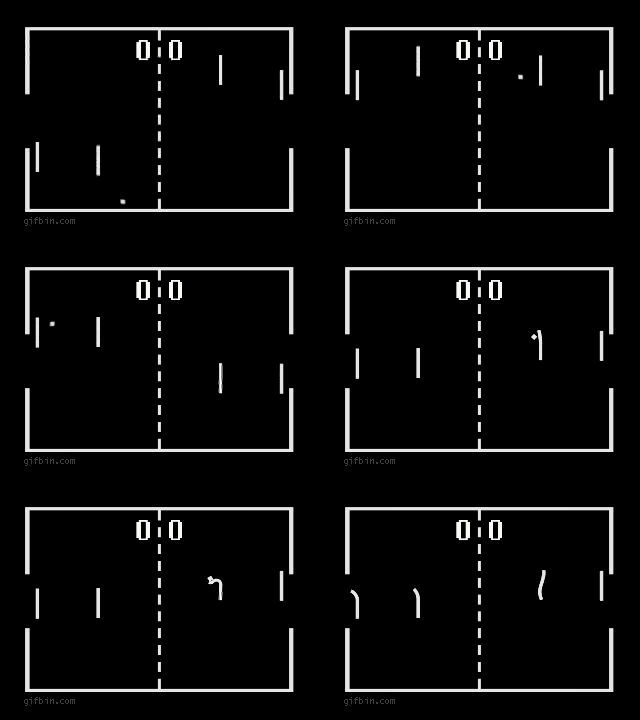
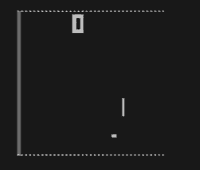
In 1975, Atari and Magnavox started selling improved systems using integrated circuits. Magnavox used several Texas Instruments (TI) chips, which replicated the design of the first Odyssey, itself based on 1967 transistor circuits. Atari, however, had the smart idea of designing the first "PONG in a chip" device, but these Atari chips were not available to other manufacturers, thus limitating the market considerably. Most Atari systems used a different chip because of the different games and features. Of course, a few discrete components interfaced the chip to the other parts of the system: the video modulator, the player controls, etc. These chips replaced most of the numerous components used in the early analog and digital systems. Although Atari chips were a smart design, the idea of integrating complex circuits into a single chip was a common idea at that time, and other video game manufacturers soon released their own video game chips.
Texas Instruments (TI) had an important role in 1975 since Magnavox asked the manufacturer to design a special chip set for the Odyssey 100 and later models. Each chip had a special function: paddle generator, collision detection, on-screen scoring, etc. They are detailed in the table at the end of this page. These chips were the SN764xx. It was possible to combine these chips to design a customised Ball & Paddle games, and even a Spacewar game.
Later, TI copied the Executive Games Television Tennis circuits and integrated them into a new chip: the SN76410N. This chip was very unsuccessfull and very few systems used it: Tele-Match 3300R, Ricochet Super Pro (model MT-4A), and Venture Electronics Video Sports VS-5. David Winter asked Glen Dash (who designed the Television Tennis) how this came to his attention. His reply was crystal clear: "The Tennis game was absolutely same, so much that it had the same bugs as my original design".
Because all these chips were unsuccessfull, TI decided to release another type of chip in 1977: the TMS-1955 and TMS-1965, both pin compatible with the GI AY-3-8500, hence a better success.
My first computer game, was built by a colleague of my father, using just the the Texas Instruments TMS1965 microprocessor, the year 1977 !
The first Italain's console to use the TMS1965 !
Privileg
The label Privileg was placed by Quelle, the largest warehouse in Germany selling through a catalog, on calculators manufactured by other companies.Up to now there is only one of the hundreds Privileg calculators reported to be manufactured by Texas Instruments.
Model: Professor 1.2.3
Battery: 2 x AAt
AC adapter:
Year: 1990
Chip:
Info:
Model: Professor Mathics
Battery: 9 volt
AC adapter:
Year: 1985
Chip: TMS0972
Info:A lot of LED-calculators used the TMS0972 calculator chip developed for the TI-1200.
Description: Programmable Alarm Chronograph
Project X
THE SETTING
The landscape of Programmable Pocket Calculators was clearly laid out between 1974 and 1976: Hewlett Packard respected as leader in innovation and marketing their perfectly engineering products in the upper price segment while Texas Instruments following up within roughly one year and appealing a broader market through aggressive pricing. This storyline changed dramatically on May 24, 1977 when Texas Instruments introduced the now legendary TI Programmable 59 and its sibling TI-58, featuring a novelty, the Solid State Software ModulesTM with up to 5,000 program steps. A small lid on the backside of the TI-58/TI-59 allowed for easy access to the modules roughly the size of thumb tip.
The Master Library, known as "Module -1-", with 25 different programs was included with the TI-58 and TI-59. Twelve additional Solid State Software Modules, known as "Module -2- to -13-" were available from Texas Instruments as Standard Libraries. Due to this innovative module concept both the TI-58 and TI-59 gained a lot of attention and dozens of Modules were released for applications ranging from insurance fee calculations to tax calculations to screw joint calculations, HVAC design, pool water analysis and even flight computers for the USMC Harrier.
Understanding the game of cat and mouse with Hewlett Packard, Texas Instruments initiated already in Summer 1977 the "Project X" with clear objectives in mind
PROJECT X
• To provide upgrade leadership product to replace TI-59
• Expand concepts of problem solving via calculator device
• Incorporate:
- State-of-the-art Technologies
- System Design
- System Expansion
• To simplify ease of use and provide market expansion among professionals and end users:
- Technical Professionals
- Non-Technical Professionals |
The ambitious requirements for "Project X" were finalized in January 1978:
• Equation Operating System (EOS)
- Equation can be entered without execution
- Display will scroll when full
- Equation can be edited (Backstep, Insert, Delete)
- Equation is saved to be executed or repeated with new data
• 16 Character 5*7 dot matrix display
- Full alphanumeric display
- Equation trace and prompting in the display
• More flexible user memory
- Basic memory is 1,000 program steps or 125 data registers with partitioning by the user
- Solid State Software approach (CROM) has been expanded to include Drop-in RAM (CRAM).
- CROMs and CRAMs are interchangeable and two slots are available on the calculator
- Basic memory can be expanded to 3,000 steps of 375 data registers
- CROMs will be 15,000 program steps, up to 99 programs per CROM, up to 10,000 steps per program |
Goal: Define an operating system or "language" for Product X that allows the user to enter problems as they are normally written
• Equation Operating System (EOS)
• More powerful than the TI-59
• Much easier and more obvious to use than the TI-59
• Unary and binary operations will be entered as they are written
Example: SIN 30 =
• Automatic variable assignment
Examples: 30 => B 10 => C SIN B + C => A (A = 10.5)
• Implied multiplication
Example: 2A + B = Calculates (2 x A) + B
• Integer powers of variables
Example: A5 means the value stored in "A" is raised to the 5th power |
Or in other words: The capabilities of an SR-60A desktop calculator fitting into the package of a TI-30, operating 150 hours on the charge of a small AA-sized rechargeable battery. It is obvious that this challenging goal could not be realized with the TMC501E building blocks used with the TI-59 and tracing back to the SR-50 introduced already in January 1974 and manufactured with a power hungry PMOS process.
The only existing component reused from the TI-59 is the keyboard which in succession created a lot of headaches with the TI-55-II due to the lower voltages of the new designs (3V versus 16V).
 The scope of "Project X" included not only the Programmable Calculator with its CRAM and CROM modules, today known as TI-88, but two additional peripherals connecting with a 2-pin Peripheral I/O connector to the calculator:

• PC-800: Thermal Printer for printing 16 characters per line at 3 lines per second
• CA-800: Cassette Interface for archiving of both programs and data with a tape recorder
|
http://datamath.org/Story/Project-X.htm
with permission of the author www.datamath.org
Model: PS-2100
Battery: CR 2025
AC adapter:
Year: 1993
Chip:
Info: no work
Model: PS-3000 pocket speller
Battery: 2 x AA
AC adapter:
Year: 1990
Chip:
Info:
Model: PS-3600 data bank
Battery: 2 x CR2025
AC adapter:
Year: 1993
Chip:
Info:
Model: PS-5600 translator
Battery: 2 x AAA + CR2016
AC adapter:
Year: 1991
Chip:
Info:
Model: PS-6200
Battery: 2 x CR2025 + CR2032
AC adapter:
Year: 1991
Chip:Toshiba TMP0210-5112
Info:
Model: PS-6600 organizer
Battery: 2 x AAA + CR2016
AC adapter:
Year: 1991
Chip:
Info:
Model: PS-6700
Battery: 2 x CR2032
AC adapter:
Year: 1995
Chip: CPU: Toshiba T6M76 ROM: AT27C512 RAM: 2*UMC UM62256
Info:
Model: PS-9500 64K
Battery: 2 x CR2016
AC adapter:
Year: 1994
Chip:Toshiba T6M58
Info: The module PS-9000 backup module module. Made in Italy
Model: PTK-1050
Battery: BP6, BP7
Adapter: AC9131, AC9132
Year: 1979
Chip: TMC1501
Info: This PTK-1050 (1979) is one of several calculators sold by the Híradástechnika in Budapest, Hungary in the 1970s. It is 100% identical to the TI-57, on the left built in the USA, on the right built in the EU.adio Shack
Description: Quartz Alarm Chronograph
Description: Quartz Alarm Chronograph
Description: Quartz Alarm Chronograph
Description: Quartz Alarm Chronograph for ladies
Description: Quartz Alarm watches
Description: Quartz electronic watch
Description: Quartz LCD alarm Chronograph
Description: Quartz LCD Chronograph
Description: Quartz LCD Chronograph
Description: Quartz LCD for ladies
Model: R-4000
Battery: 2 x D cells
AC adapter:
Year: 1978
Chip: TMS1073NL
Info: made in Germany
Radio Shack
Radio Shack (a Tandy corporation company) is a large US based store chain selling electronic products and parts. Similar to the other catalog distributors they sold and still sell calculators produced by other companies.Some of the early calculators sold by Radio Shack were produced by Texas Instruments. Nevertheless you'll find in the Datamath Calculator Museum some interesting products without any relationship to Texas Instruments. But they are from some evidence in the history of electronic calculators.
with permission of the author www.datamath.org
Description: RAM Expansion 32k v.1.0
My interface is different from all those in circulation, because it only uses 3 chips and not 4 like all ! Two versions were made, the first (V.1.0) with the horizontal connector and in 2021 the version (V.2.0) with the 90 degree connector, completed by the 3D printed shell.
Raspberry Pi
Audio Guide
Raspberry Pi is an innovative platform that, since its launch in 2012, has opened up new opportunities for makers of all levels and for those who want to learn to program without spending too much. It is characterized by all the qualities appreciated by professionals and hobbyists: it is economical, complete, compact and easy to configure. Chances are you've already heard of it, thanks to its popularity, dedicated books and magazines, and its distinctive raspberry logo. Whether you're interested in Computer Science or Electronics, Raspberry Pi offers endless possibilities for learning and experimentation. Beyond the technical aspects, Raspberry Pi can be seen as a "miniature computer", an entire hardware system enclosed in a single board. Born in England with the aim of promoting programming and computer culture, its extraordinary success has paved the way for countless other uses. Taking this initial mission into account, the motto that appears on the project's homepage is particularly significant: “Our mission is to put the power of programming and digital creation in the hands of people around the world.” This phrase perfectly sums up the essence of a tool that has fueled global creativity, without political, social or economic barriers, a path also followed by the BBC micro:bit, another successful British project.
We used it to emulate our TI-99/4A via software, here we loaded the Texas Instruments game MunchMan.
Wikpedia Raspberry PI 4
The first transistor radio hit the consumer market on October 18, 1954. The Regency TR-1 featured four germanium transistors operating on a 22.5-volt battery that provided over twenty hours of life. The unit weighed eleven ounces and cost $49.95. How did Texas Instruments feel in early 1954 with a germanium transistor in hand? No major radio manufacturer was willing to include it in their catalogs. Although Raytheon had managed to mass-produce the first transistor in the previous year, RCA, Sylvania and Philco were not ready to adopt the new transistor. But something changed in June when TI signed a joint venture with Regency to bring a radio for the Christmas market into production. Initially four colors were offered in the 3 "x 5" x 11/4 "imitation leather case: black, ivory, mandarin red and cloud gray; soon they were followed by mahogany and forest green.
BACK THEN, LOOKING FORWARD
"Regency was a thorn in the side of the industry which in-turn stimulated the practical application of the transistor" quote from Regency/TI patent attorney Frank Mascarich
IBM CEO, Thomas J. Watson, Jr, saw transistors as the future of computers, and ordered that IBM build no more machines with tubes after June 1, 1958. But his designers had been reluctant to embrace the new technology. Watson bought and handed out numerous Regency TR-1's to set an example for IBM employees. Whenever engineers complained to Watson about the decision, he just gave them a TR-1.
"Texas Instruments vice president, Pat Haggerty, had the revolutionary notion that he could put the transistor into every home - by building the transistor radio...Ten years later, Haggerty decided he could put the microchip into every household as well" quote from THE CHIP
TODAY, LOOKING BACK
Steve Wozniak quote: "My first transistor radio...I loved what it could do, it brought me music, it opened my world up"
Bill Gates quote: "Without the invention of the transistor, I'm quite sure that the PC would not exist as we know it today"
PHYSICS TODAY book review of CRYSTAL FIRE, the history of the transistor: "....the story not only of one of the greatest inventions of the 20th century but of the birth of the information age."
FORTUNE magazine quote: "For perspective, remember that the transistor, arguably the most important invention of the 20th century, came out of Bell Labs in the late 1940s as a clunky device of wire, gold foil, glue, and other components. The first transistorized consumer product, the Regency TR-1 radio, went on sale Oct. 18, 1954, and sold out almost immediately. If you owned one, you were the coolest thing on two legs."
www.regencytr1.com
Technical Features
Manufacturer: Nestler
Model N ° 0232 Type Rietz Lenght (scales) cm. 25
Material Wood / Celluloid Cursor Metal / Glass
Info: Nestler's Model 23 was a Mannheim-style ruler very popular with professionals in Europe, and its rulers were used by notables such as Wernher von Braun, the Russian rocket pioneer and 'chief designer', Sergei P. Korolev and Albert Einstein.
Model: RJP 3000
Battery: 9 volt
Adapter:
Year:
Chip: TMS0972
Info: This is a nearly perfect copy of the TI-1250. Made in Homg Kong
Model: Robot Logo
Battery: 4 x 1,5 C+ 2 x 9 volt
AC adapter:
Year: 1982
Chip: TMS5100 / MP3468 / CM62191
Info: Talking radio-controlled, 6 minutes of speech with more than 40 sentences, led lights and backward movement by pressing the remote control
Rockwell The Rockwell AIM-65 computer is a development computer introduced in 1978 based on the MOS Technology 6502 microprocessor. The AIM-65 is essentially an expanded KIM-1 computer. Available software included a line-oriented machine code monitor, BASIC interpreter, assembler, Pascal, PL/65, and FORTH development system. Available hardware included a floppy disk controller and a backplane for expansion.
Wikipedia Rockwell
Model: ROOT-8
Battery: 4 x AA
AC adapter:
Year: 1973
Chip: TMS0126NC
Info: made in Japan
Model: ROOT-8S
Battery: 4 x AA
AC adapter: AD4145
Year: 1974
Chip: TMS0126NC
Info: made in Japan
RPN
Reverse Polish notation (RPN), also known as Polish postfix notation or simply postfix notation, is a mathematical notation in which operators follow their operands, in contrast to Polish notation (PN), in which operators precede their operands. It does not need any parentheses as long as each operator has a fixed number of operands. The description "Polish" refers to the nationality of logician Jan Łukasiewicz, who invented Polish notation in 1924.
The reverse Polish scheme was proposed in 1954 by Arthur Burks, Don Warren, and Jesse Wright and was independently reinvented by Friedrich L. Bauer and Edsger W. Dijkstra in the early 1960s to reduce computer memory access and use the stack to evaluate expressions. The algorithms and notation for this scheme were extended by the Australian philosopher and computer scientist Charles L. Hamblin in the mid-1950s.
During the 1970s and 1980s, Hewlett-Packard used RPN in all of their desktop and hand-held calculators, and continued to use it in some models into the 2020s. In computer science, reverse Polish notation is used in stack-oriented programming languages such as Forth, STOIC, PostScript, RPL and Joy.
Explanation
In reverse Polish notation, the operators follow their operands; for instance, to add 3 and 4 together, one would write 3 4 + rather than 3 + 4. If there are multiple operations, operators are given immediately after their second operands; so the expression written 3 − 4 + 5 in conventional notation would be written 3 4 − 5 + in reverse Polish notation: 4 is first subtracted from 3, then 5 is added to it. An advantage of reverse Polish notation is that it removes the need for parentheses that are required by infix notation. While 3 − 4 × 5 can also be written 3 − (4 × 5), that means something quite different from (3 − 4) × 5. In reverse Polish notation, the former could be written 3 4 5 × −, which unambiguously means 3 (4 5 ×) − which reduces to 3 20 − (which can further be reduced to -17); the latter could be written 3 4 − 5 × (or 5 3 4 − ×, if keeping similar formatting), which unambiguously means (3 4 −) 5 ×.
WIKIPEDIA RPN
Model: RR-1 spell checker
Battery: 4 x AAA
AC adapter:
Year: 1981
Chip:
Info:
Model: RR-2 spell checker
Battery: 4 x AAA
AC adapter:
Year: 1989
Chip:
Info:
The SG-1000, also known as the Sega Game 1000 or Sega Mark I, is a home video game console manufactured by Sega and released in Japan, Australia, New Zealand, and other regions. It was Sega's first entry into the home video game hardware business. Introduced in 1983, the SG-1000 was released on the same day that Nintendo released the Family Computer in Japan. The SG-1000 was released in several forms, including the SC-3000 computer and the redesigned SG-1000 II released in 1984. A third iteration of the console, the Sega Mark III, was released in 1985. It provided a custom video display processor over previous iterations and served as the basis for the Master System in 1986, Sega's first internationally released console.
Developed in response to a downturn in arcades in 1982, the SG-1000 was created on the advice of Hayao Nakayama, president of Sega Enterprises, Ltd. Shortly after the release, Sega Enterprises was sold to CSK Corporation, which was followed by the release of the SG-1000 II. The SC-3000 and the SG-1000 line both support a library of 76 ROM cartridge games and 29 Sega My Card games, all of which are fully compatible with the Mark III and the Japanese version of the Master System.
Wikipedia SC-1000
SCART (also known as Péritel or Péritélévision, especially in France, 21-pin EuroSCART in marketing by Sharp in Asia, Euroconector in Spain, EuroAV or EXT, or EIA Multiport in the United States, as an EIA interface) is a French-originated standard and associated 21-pin connector for connecting audio-visual (AV) equipment. The name SCART comes from Syndicat des Constructeurs d'Appareils Radiorécepteurs et Téléviseurs, "Radio and Television Receiver Manufacturers' Association", the French organisation that created the connector in the mid-1970s. The related European standard EN 50049 has then been refined and published in 1978 by CENELEC, calling it péritelevision, but it is commonly called by the abbreviation péritel in French.
Wikipedia SCART
Schoenherr Gmbh
Schoenherr GmbH, Horb (Germany) was founded in 1974 by Mr. Schoenherr. He invented in 1975 the world’s first Braille element that could display and erase Braille characters. This patented invention was the prerequisite for developing Braille displays which enabled access to the world of computers for the blind. In 1980 Mr. Schoenherr was awarded with the Louis-Braille-Prize and Schoenherr GmbH introduced with the Braillotron TI-30, the first electronic calculator using a refreshable Braille cell for output. In 1981 he was killed in an accident and two years later the company was taken over by the "Deutsche Blindenstudienanstalt", a non-profit-organization in Marburg as EHG GmbH and was the production site for Braille displays. Since 1994 the company re-firmed as EHG Handy Tech Elektronik GmbH.
with permission of the author www.datamath.org
Model: Scientific
Battery: 4 x AAA cells
AC adapter:
Year: 1974
Chip: TMS0805NC
Info: made in England
How to use this unusual calculator
The Sinclair Scientific calculator uses reverse Polish notation (RPN) and scientific notation, so the key sequences are totally different from regular calculators. Numbers automatically have a decimal point inserted; use E to set the exponent. Operations are entered after the number and there is no equals key. Use the up and down arrows to select scientific functions. A display such as 1.2300 01 indicates 1.23*10^1, i.e. 12.3. A few examples:
To divide 17 by 3, enter 1 7 E 1 + 3 ÷
To take the sin of 0.01 radians, enter 0 0 1 ▲ +
To take antilog of .5 (to compute 10^.5), enter 5 E - 1 ▼ ×
Reverse Engineering from Ken Shirriff's blog
Bowmar soon became one of the world's largest producers of electronic calculators, mainly pocket models, for sale by themselves and by other companies such as Sears, Radio Shack, etc. (under their own nameplates). Early Bowmar calculators were made in the USA. In later years some were also made or assembled in Mexico.
Sega Corporation is a Japanese multinational video game developer and publisher headquartered in Shinagawa, Tokyo. Its international branches, Sega of America and Sega Europe, are headquartered in Irvine, California, and London. Sega's arcade division existed as Sega Interactive Co., Ltd. from 2015 to 2020 before it merged with Sega Games to create Sega Corporation with Sega Games as the surviving entity. Sega is a subsidiary of Sega Group Corporation, a part of Sega Sammy Holdings. From 1983 until 2001, Sega also developed video game consoles.
Sega was founded by American businessmen Martin Bromley and Richard Stewart as Nihon Goraku Bussan on June 3, 1960; shortly after, the company acquired the assets of its predecessor, Service Games of Japan. Five years later, the company became known as Sega Enterprises, Ltd., after acquiring Rosen Enterprises, an importer of coin-operated games. Sega developed its first coin-operated game, Periscope, in 1966. Sega was sold to Gulf and Western Industries in 1969. Following a downturn in the arcade business in the early 1980s, Sega began to develop video game consoles, starting with the SG-1000 and Master System but struggled against competitors such as the Nintendo Entertainment System. In 1984, Sega executives David Rosen and Hayao Nakayama led a management buyout of the company with backing from CSK Corporation.
Wikipedia Sega
🏪 SHOP
🛍️ On this page, the volunteer organization objects for sale are displayed.
💰 The proceeds will be used to support the activities of the volunteer organization.
❤️🔥 Public fundraising is increasingly recognized today as a fundamental tool to support the initiatives of associations.
📢 Here are the ads! 📦 For shipping, contact me ✉️ sending your address 🏠 for a quote 💬💶!!!
🎨 Paintings

In this section you will find reproductions in ink and acrylic on 40x60 cardboard ,
donated by the artist Lia Jonescu
Electric Heart of Texas Instruments
80 Eur each + ask for shipping
The Birth of Digital Dreams
80 Eur each + ask for shipping
Orbit of Digital Time
80 Eur each + ask for shipping
The Talking Chip
80 Eur each + ask for shipping
Explosion of Digital Logic
80 Eur each + ask for shipping
Math in Color
80 Eur each + ask for shipping
Calculator Dreams
80 Eur each + ask for shipping
🎮 Cartridges TI-99/4A
Munch Mobile ( 15 eur + ask for shipping ) SOLD
Early Learning Fun ( 15 eur + ask for shipping ) SOLD
🖥️ Home Computer TI-99/4A
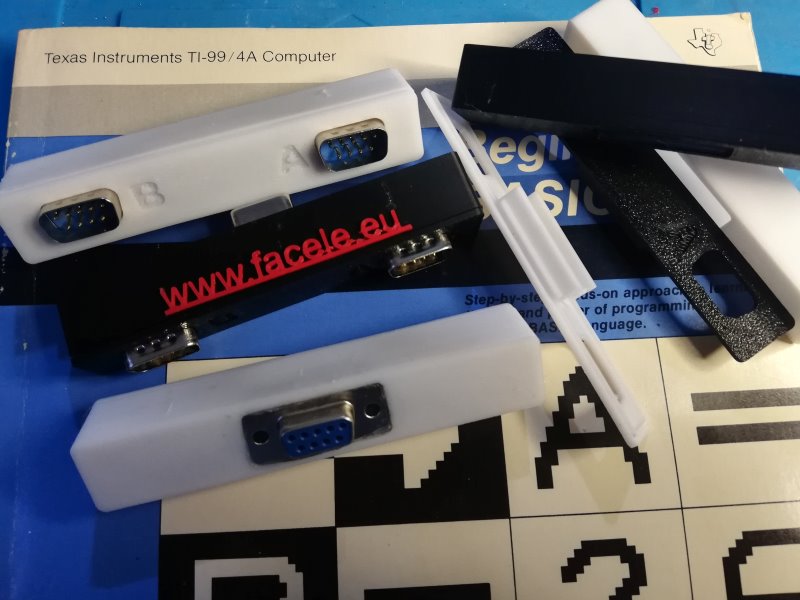
ADAPTER for Joystick Atari
25 Eur + ask for shipping
Cassette Cable + TV adapter
25 Eur + ask for shipping
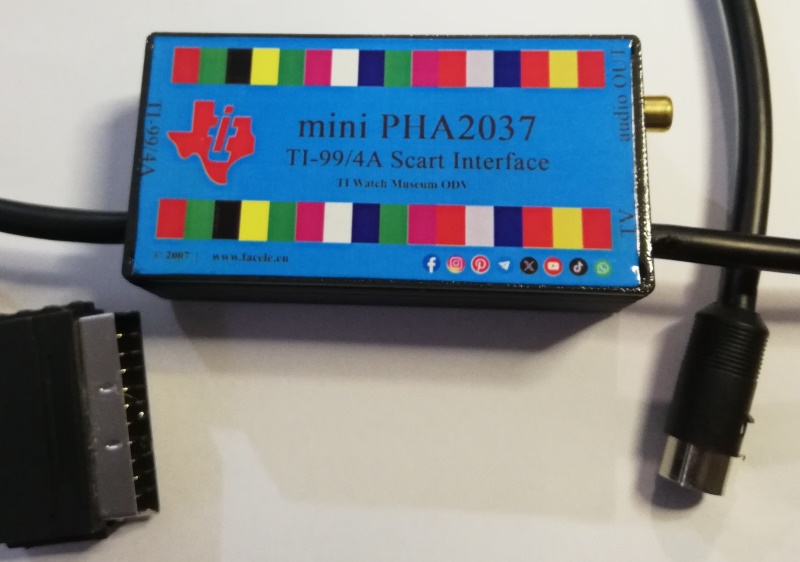
Mini PHA 2037 V.2.0 ( Pal Scart Interface )
90 Eur + ask for shipping
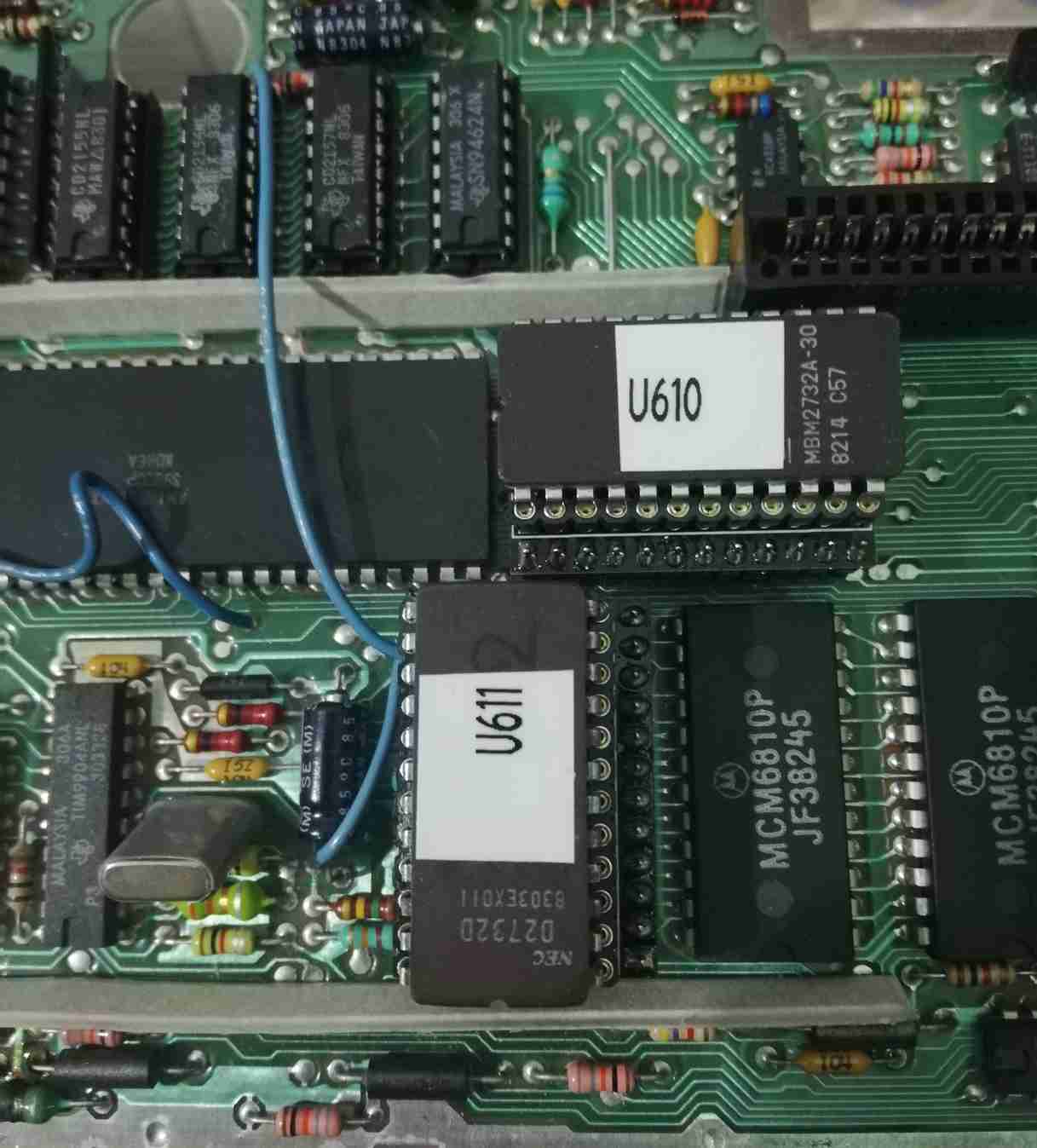
EPROM adpater 2532 to 2732 for TI-99/4A
25 Eur + ask for shipping

Cartridge without EPROM
25 Eur + ask for shipping
Cartridge Games Atarisoft .jpg)
40 Eur + ask for shipping
+ 3d printed shell
50 Eur + ask for shipping

Ram Expansion 32 Kbyte with 3D printed shell
50 Eur + ask for shipping

Final Grom 99 with 3d printed shell
90 Eur + ask for shipping
3D printed slider to turn on the TI-99/4A
2 pcs 10 Eur + ask for shipping
🧮 Texas Instruments Calculators
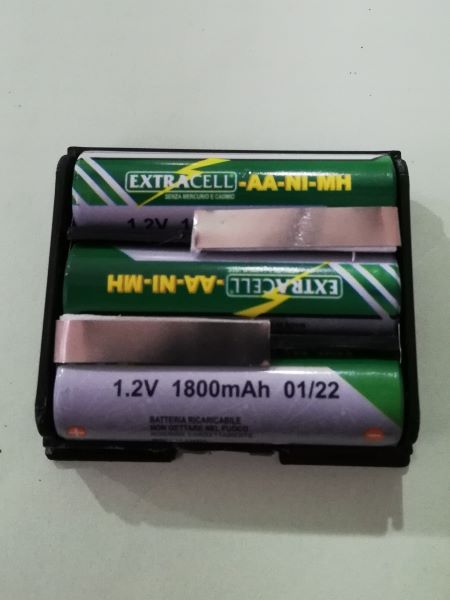 NEW BATTERY PACK BP1 ( SR-50, SR-51, SR-50A, SR51A, SR52, SR56, TI-58, TI-58C, TI-59 )
NI-MH 1800 mA 30 Eur + ask for shipping
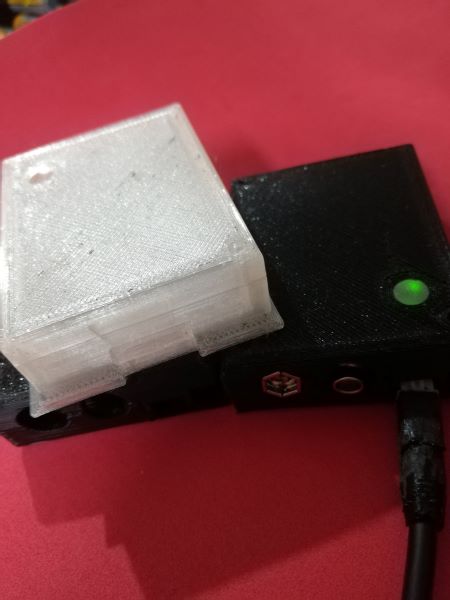 NEW BATTERY PACK BP7 ( TI-51-III, TI-55, TI-57, TI-42 MBA, MBA)
BP8 ( SR-40, TI-15, TI-30, TI-31, TI-33, TI-41, TI-45, BA, BA1,
Money Manager, Programmer BP9 ( TI-45 )
40 Eur + ask for shipping
.jpg)
5 Eur + ask for shipping
.jpg)
Stickers Grillo Parlante
N. 2 stickers 10 Eur + ask for shipping
🧮 # Texas Instruments
CALCULATOR Toshiba SLC8260
20 Eur + ask for shipping


Game Handheld
A very simple, handheld game with a super-vintage LED display, but with modern components.
You can play Tetris, Invaders, Snake, and Cars. It features a score display, brightness adjustment, and audio selection. Batteries included.


25 Eur + ask for shipping
Model: 703
Adapter: 20 vac
Year: 1975
Info:The Silent 700, introduced in 1971, was a line of portable computer terminals manufactured by Texas Instruments in the 1970s and 1980s. Silent 700s printed with a 5 x 7 dot-matrix heating element onto a roll of heat-sensitive paper. Some models were equipped with an integrated acoustic coupler and modem that could receive data at 30 characters per second. Other models could be directly connected to computers at 300 bits/second (bps), and were sometimes used as the System console where a hard copy record of the activities would be retained for a period of time.
WIKIPEDIA Silent 700
Manuals
Model: 745
Adapter: 220 vac
Year: 1971
Info: The Silent 700, introduced in 1971, was a line of portable computer terminals manufactured by Texas Instruments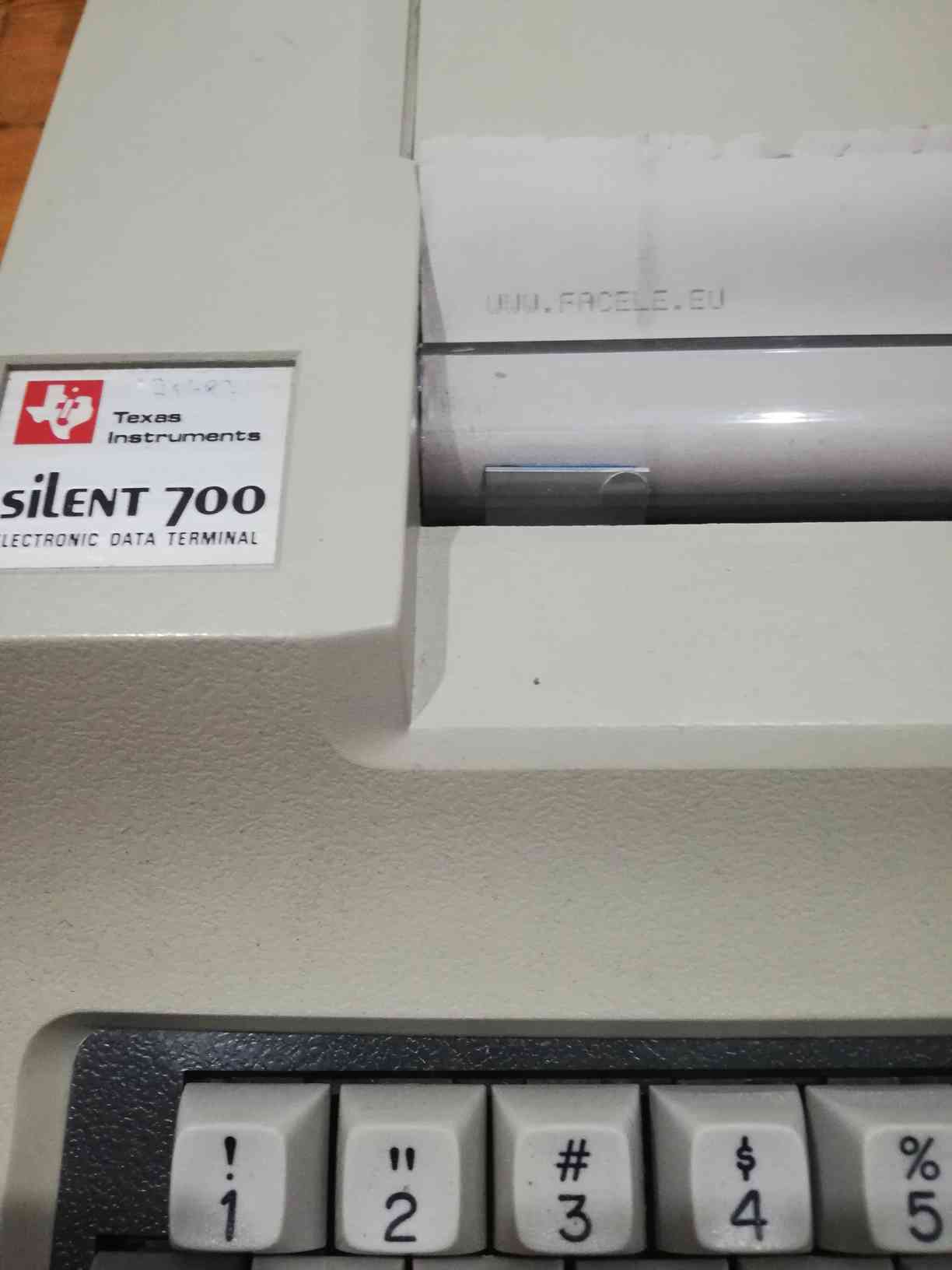 in the 1970s and 1980s.
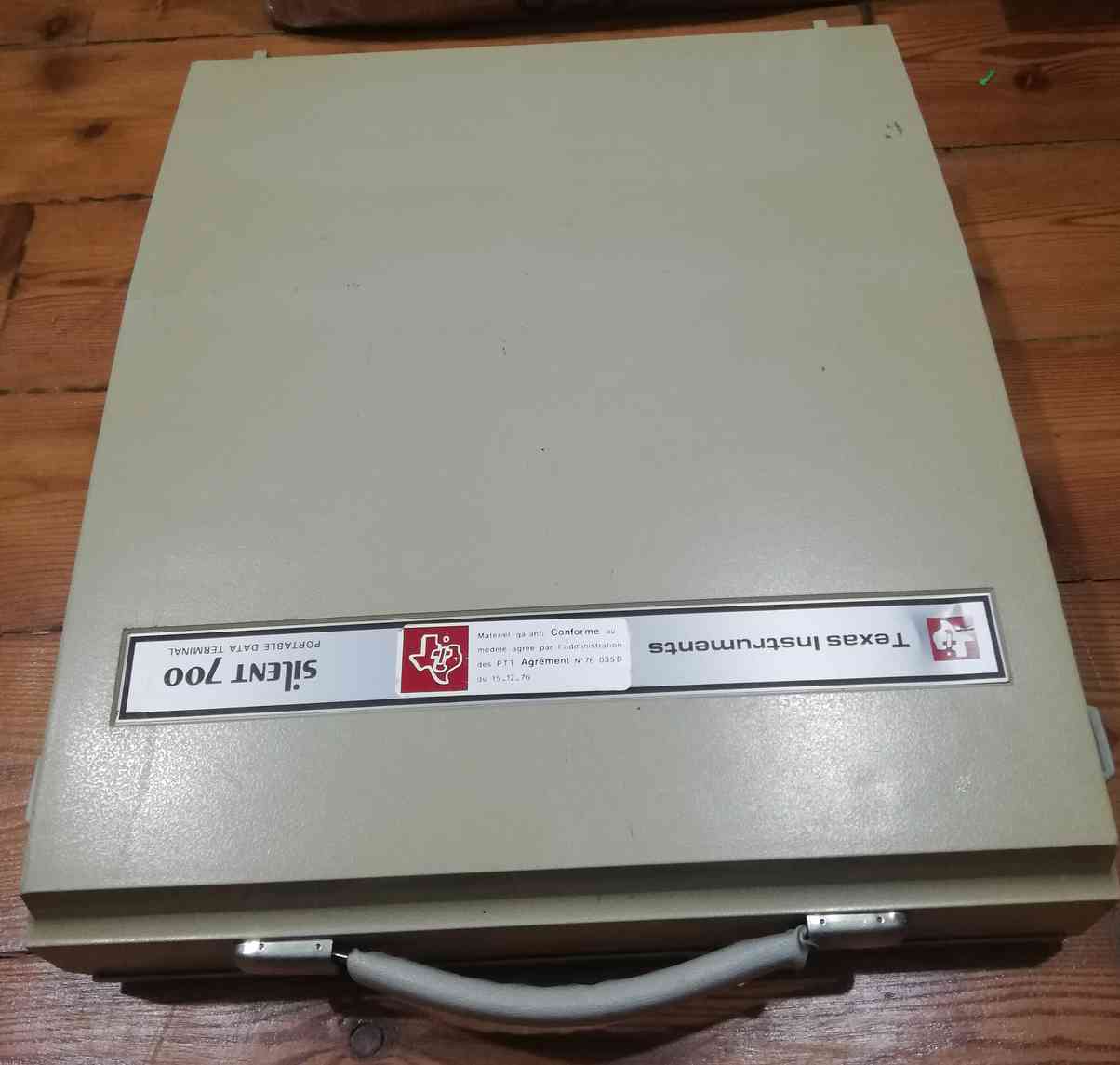 Silent 700s printed with a 5 x 7 dot-matrix heating element onto a roll of heat-sensitive paper. Some models were equipped with an integrated acoustic coupler and modem that could receive data at 30 characters per second. Other models could be directly connected to computers at 300 bits/second (bps), and were sometimes used as the System console where a hard copy record of the activities would be retained for a period of time. The Silent 700s were marketed as being extremely portable and reliable, “designed to use a minimum of moving parts, eliminating wear elements” (Texas Instruments). They included features like a built-in acoustic coupler that allowed the user to call into a remote computer system from any telephone and a built-in thermal printer which would quietly (user reports from the 70’s indicate that “silent” was a stretch) (Hannigan 4) print with a dot-matrix heating element onto thermal paper. Thermal paper was thin paper that was specially coated in heat sensitive material that would change color when exposed to heat, thus giving physical form to the data being transmitted. The Silent 700 models printed data at a speed of 30 characters per second. The 735 model weighed 25 pounds and cost $2,595 (approximately $12,400 in 2019), while the streamlined 745 model weighed only 13 pounds and cost $1995 (approximately $9,500 in 2019) (Texas Instruments).
WIKIPEDIA Silent 700
Manuals
Silicon Wafer
Silicon Wafer In electronics, a wafer (also called a slice or substrate) is a thin slice of semiconductor, such as a crystalline silicon (c-Si, silicium), used for the fabrication of integrated circuits and, in photovoltaics, to manufacture solar cells.
The wafer serves as the substrate for microelectronic devices built in and upon the wafer. It undergoes many microfabrication processes, such as doping, ion implantation, etching, thin-film deposition of various materials, and photolithographic patterning. Finally, the individual microcircuits are separated by wafer dicing and packaged as an integrated circuit.
Here you can see some production scraps. The first photo (left) shows the component ready to be assembled, the second shows the various chips ready to be removed from the tray and placed in the ceramic chip. The three remaining photos show the various chips ready to be cut. I have to thank Francesco for giving me the opportunity to show these pieces!
Wikipedia Silicon Wafer
Model: Silly Sound Stage
Battery: 4 x AA
AC adapter:
Year: 1994
Chip:
Info: made in China
Model: Simon
Battery: 1 x 9 volt
AC adapter:
Year: 1978
Chip: TMS1000 / MP3226
Info:The Simon is an electronic game of short-term memory skill invented by Ralph H. Baer and Howard J. Morrison, working for toy design firm Marvin Glass and Associates, with software programming by Lenny Cope. The device creates a series of tones and lights and requires a user to repeat the sequence. If the user succeeds, the series becomes progressively longer and more complex. Once the user fails or the time limit runs out, the game is over. The original version was manufactured and distributed by Milton Bradley and later by Hasbro after it took over Milton Bradley. Much of the assembly language code was written by Charles Kapps, who taught computer science at Temple University and also wrote one of the first books on the theory of computer programming. Simon was launched in 1978 at Studio 54 in New York City and was an immediate success, becoming a pop culture symbol of the 1970s and 1980s.
Wikipedia - Simon
The Black Watch is an electronic wristwatch launched in September 1975 by Sinclair Radionics. It cost £24.95 ready-built, but was also available for £17.95, as a kit.[These prices are equivalent to around £190 and £140 respectively in 2021, when adjusted for inflation.
The Black Watch was supplied with a plastic band as standard, with a black stainless steel bracelet available as an extra at £2.00.
I'm a fan of watches especially Texas Instruments, but when I come across watches like this 1975 Sinclair black watch I don't let it get away. Unfortunately he had problems with corrosion from the usual button cell batteries.
I solved, as often happens with objects with corroded pcb, to use 0.03 mm copper sheets. You have to clean up the damaged part and copy the part of the PCB to be reproduced on a transparent sheet, copy it on the copper sheet and cut it.
Then glue the pcb reproduced with silicone or with glue for gold leaf, I prefer the latter. Put it all together and you're done.
Wikipedia Sinclair Black Watch
The Sinclair QL (for Quantum Leap) is a personal computer launched by Sinclair Research in 1984, as an upper-end counterpart to the ZX Spectrum.
The QL was aimed at the serious home user and professional and executive users markets from small to medium-sized businesses and higher educational establishments, but failed to achieve commercial success.
While the ZX Spectrum has an 8-bit Zilog Z80 as the CPU, the QL uses a Motorola 68008. The 68008 is a member of the Motorola 68000 family with 32-bit internal data registers, but an 8-bit external data bus.
Wikipedia Sinclair QL
TroubleShooting
Power-on problem: White screen, possible faulty RAM memory.
I recommend installing the "Minerva" eprom, FW developed to give a new basic, but above all to help turn on the QL. Remove the two original EPROMs and insert the socket with the new EPROM.
Wikipedia Minerva
in case of error a screen like this will appear. This window tells us that the first line is the value that is written to RAM, the second line is the read value, the third is the memory address.
In this case, a little program developed by XAD at this address comes to our aid: https://www.nightfallcrew.com/minervaram/index.php
We enter the data and we will have an indication of the faulty RAM. In our case the U4.
IF < $30000 (ADDRESS) = IC8 ,IC7 ,IC6 ,IC5 ,IC4 ,IC3 ,IC2 ,IC1
IF > $30000 (ADDRESS) = IC16 ,IC15 ,IC14 ,IC13 ,IC12 ,IC11 ,IC10 ,IC9
IF > $40000 Faulty ram is in expansion memory.
Here we can see the operation after the repair.
Sinclair Radionics
In 1972, Radionics launched its first electronic calculator, the Executive, which was considerably smaller than its competitors' by the use of hearing-aid-sized batteries. What had made this possible was it had been discovered that there was considerable latency in the display and memory and that, with the addition of a timer, power could be withheld from these battery-draining components for much of the time, thus greatly extending battery life.
During the majority of the 1970s, Sinclair focused on building the most affordable pocket calculators with the best design. In 1972 Sinclair released the world's first slim-line pocket calculator, the Sinclair Executive, for £79.95. The calculator only included basic maths functions, and the LED display required much power. It is often credited as being the world's first attractively styled calculator that did not require mains power to be used like prior calculators. The Executive was a phenomenal success, earning Sinclair £1.8m in profit. In 1973 the slightly larger Sinclair Cambridge was introduced at a far cheaper price of £29.95 + VAT. A cheaper Executive was also launched shortly after. In addition to expanding the Cambridge range, the Sinclair Scientific was launched in 1975. It was a scientific pocket calculator for the very competitive price of £49.95. In 1977 a revised model, the "Scientific Programmable", was released at £29.95. The Scientific Programmable Mark 2 was later released, reducing the price to £17.22.
In 1975, Sinclair Radionics launched the Oxford range of briefcase calculators. Sinclair also attempted to capture the top-end calculator market with the Sinclair Sovereign, available in plated gold or silver. The calculator was critically acclaimed for its excellent engineering and design and enjoyed short success. Final attempts at the mass-market for calculators, the Sinclair Enterprise and the President, did not sell well.
In 1974, Radionics launched the DM1 digital multimeter. Such scientific instruments were to form a quiet backbone of Radionics business for the rest of its existence. In marked contrast to the rest of the Sinclair range, the instruments gained a reputation for reliable conventionality rather than often unreliable idiosyncrasy.
Slide Rule Decline
Texas Instruments (TI) invented the first integrated circuit in 1958, courtesy of TI inventor Jack Kilby, and the handheld calculator, a prototype called the "Cal Tech," invented by TI's Jerry Merryman in 1967. However, the first handheld scientific calculator or "slide rule" offered to the public was Hewlett-Packard's. The HP-35 was named by Bill Hewlett for the number of keys on the calculator, and in 1972, the year the slide rule as we know it began to decline, Hewlett-Packard announced the HP-35 as a fast, highly accurate electronic slide rule with solid-state memory similar to a computer. Even though they had a launch price of $395.00, engineers and engineering students flocked to stores to buy them (much like the iPod craze today). Some students even sold their cars to afford one. However, because the exorbitant cost of producing HP calculators made them unaffordable to 90% of the general population, the slide rule remained popular and useful for another four years. According to the ISRM, the official death date of the slide rule was June 13, 1976, when Texas Instruments introduced the TI-30 single-chip slide rule scientific calculator for $24.95, which was below the cost of a comparable slide rule. There was no longer any cost advantage for new students, technicians, and engineers to purchase a slide rule, since everyone could afford the TI-30. Coincidentally, just one month later, on July 11, 1976, Kueffel & Esser, the oldest and largest slide rule manufacturer in the United States, produced its last slide rule. In the following month of August 1976, Pickett Industries followed suit, discontinuing all production of its slide rules.
Texas Instruments SN7400
The 7400 series is a popular family of transistor-transistor logic (TTL) integrated circuits (ICs).
In 1964, Texas Instruments introduced the SN5400 series of logic chips in a ceramic semiconductor package. In 1966, the SN7400 series (composed of four NAND logic gates with 40 transistors) in a low-cost plastic package was introduced, quickly capturing over 50% of the logic chip market and becoming a de facto standard electronic component. Since the introduction of the original bipolar transistor TTL components, pin-compatible components have been introduced with features such as low-power CMOS technology and lower supply voltages. Surface-mount packages exist for several functions of this popular logic family.
In the photo an example of an integrated circuit produced by Texas instruments, the first line indicates the type of integrated circuit SN7400N, the second line indicates the date of construction, the first two numbers indicate the year, the second two numbers indicate the week, therefore, 45th week of 1976. In the nearby photo there is a drawing of how a logic gate of the SN7400N is made
Wikipedia SN7400


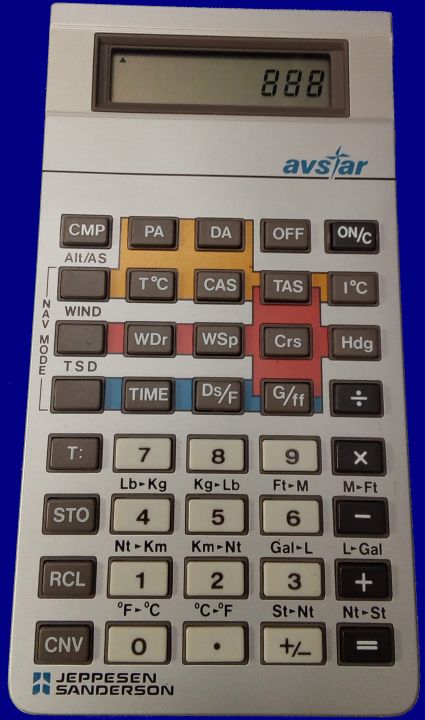
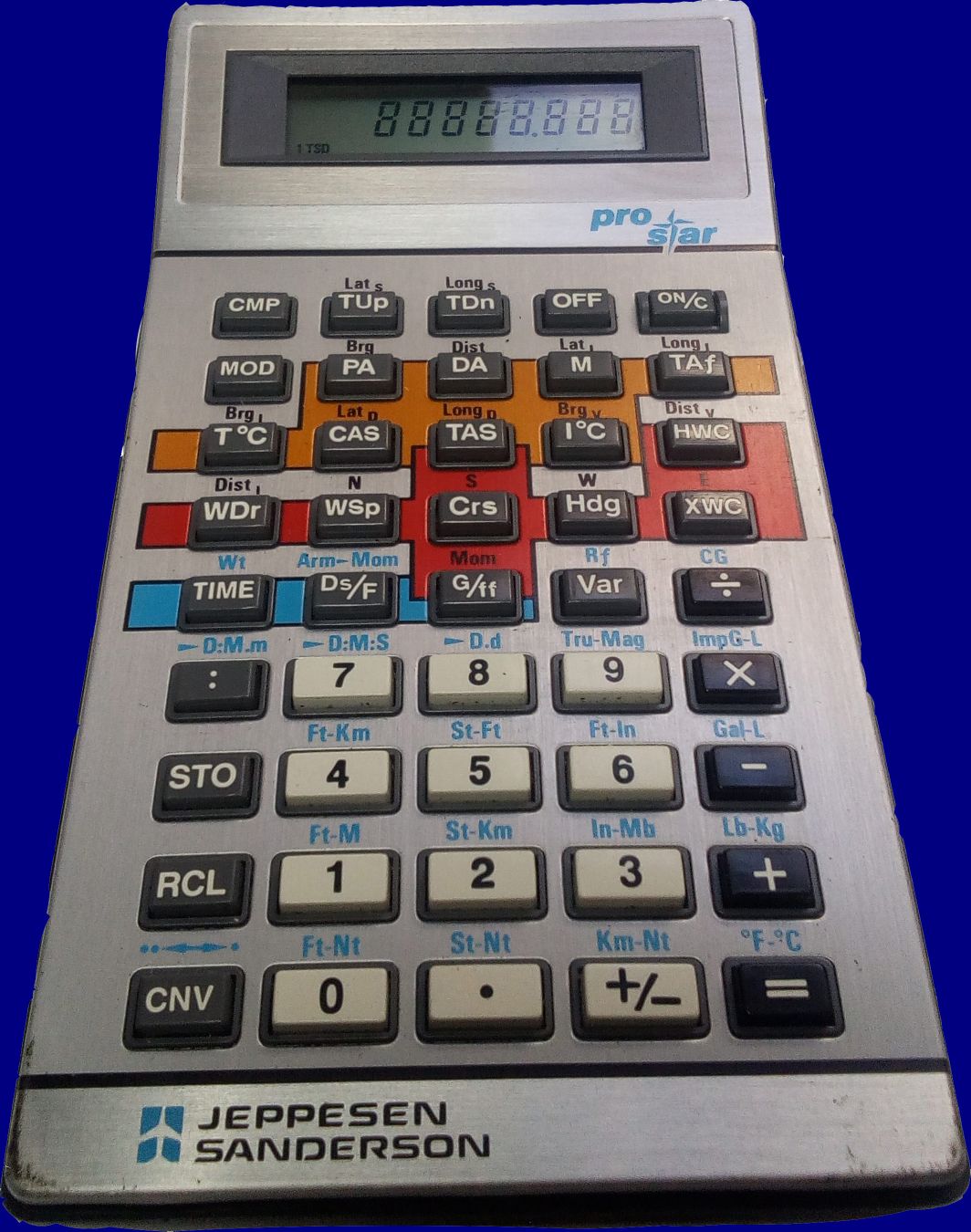


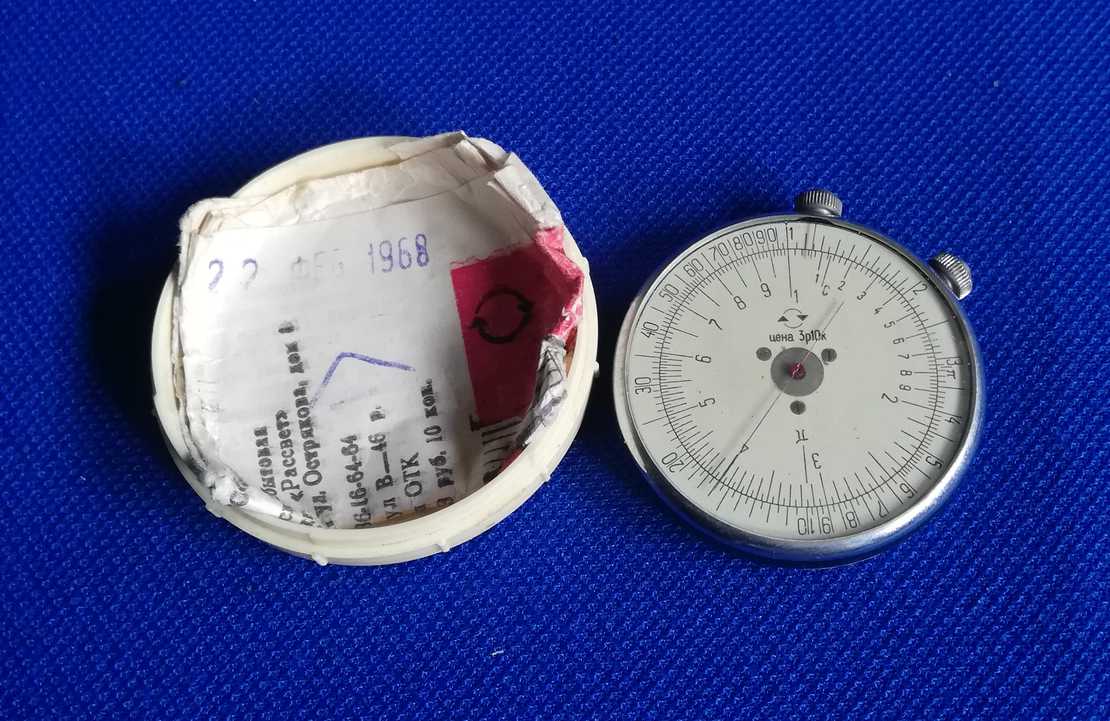
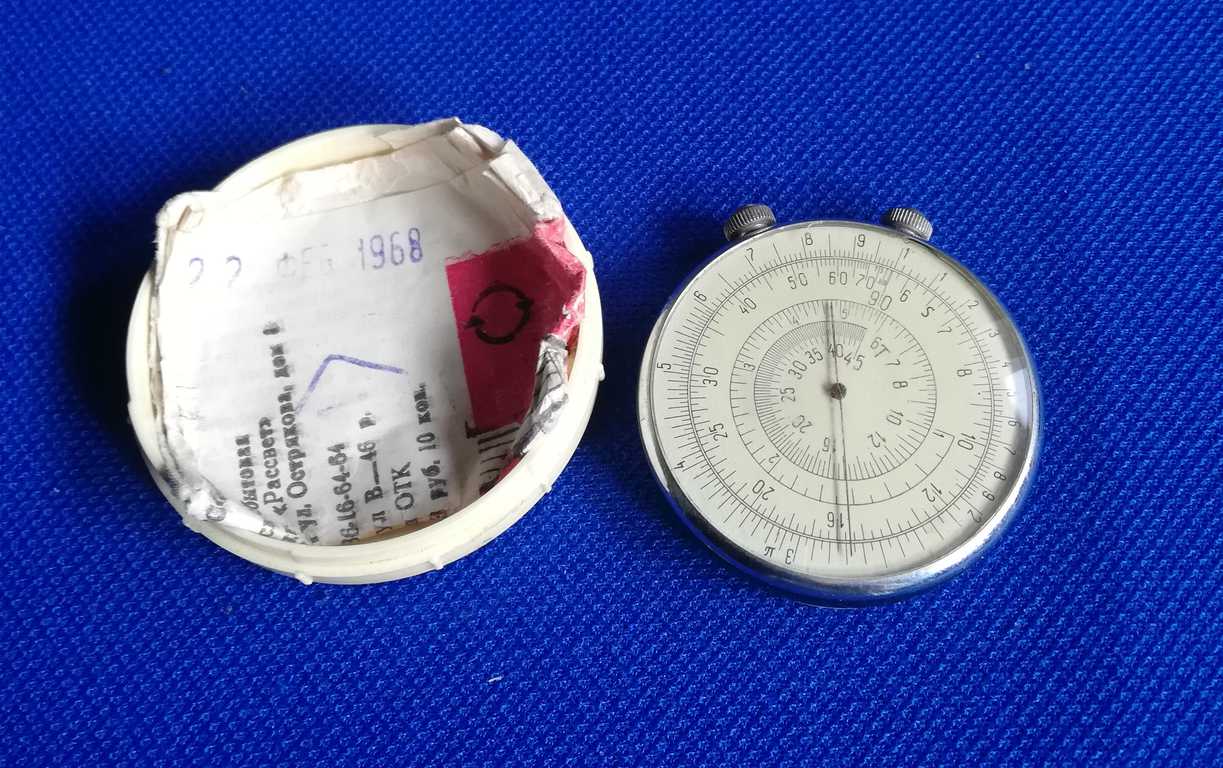
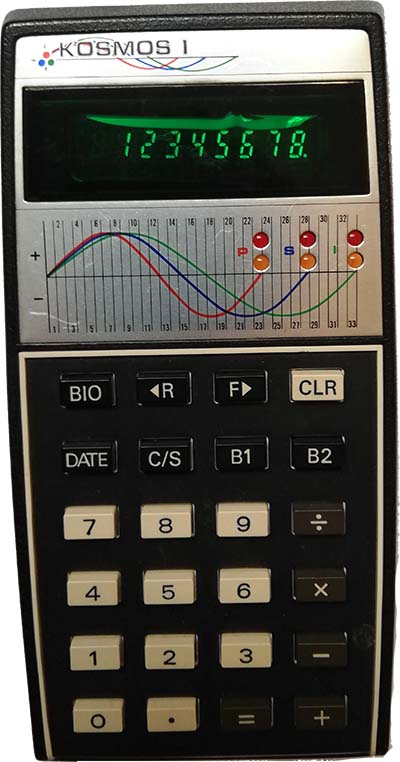
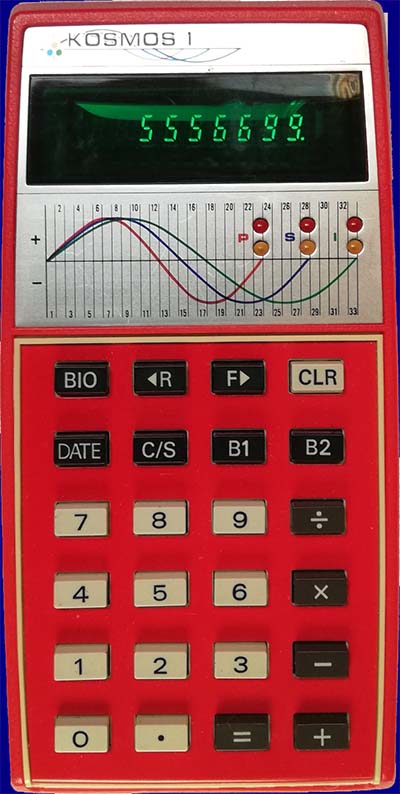
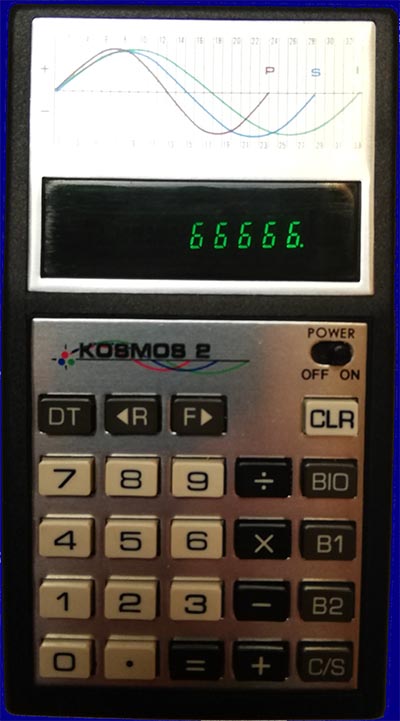
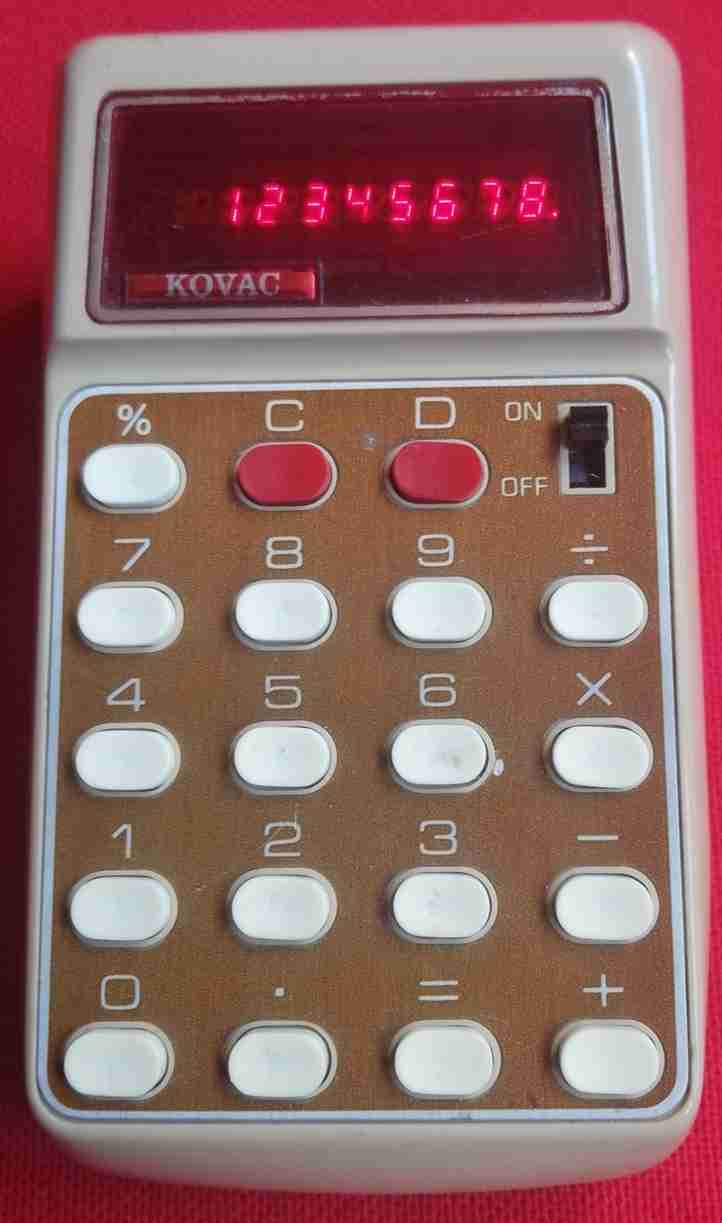
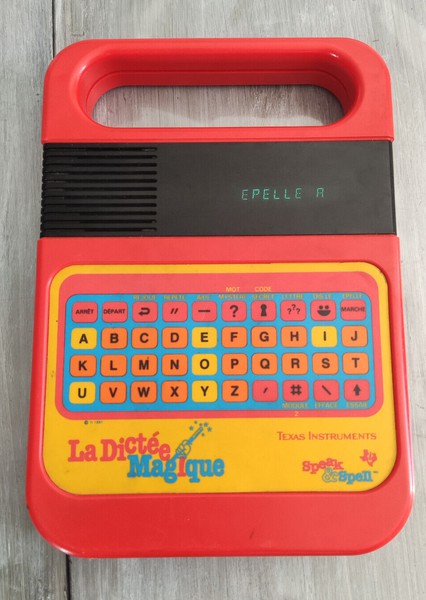

.jpg)
.jpg)
.jpg)
.jpg)
.jpg)
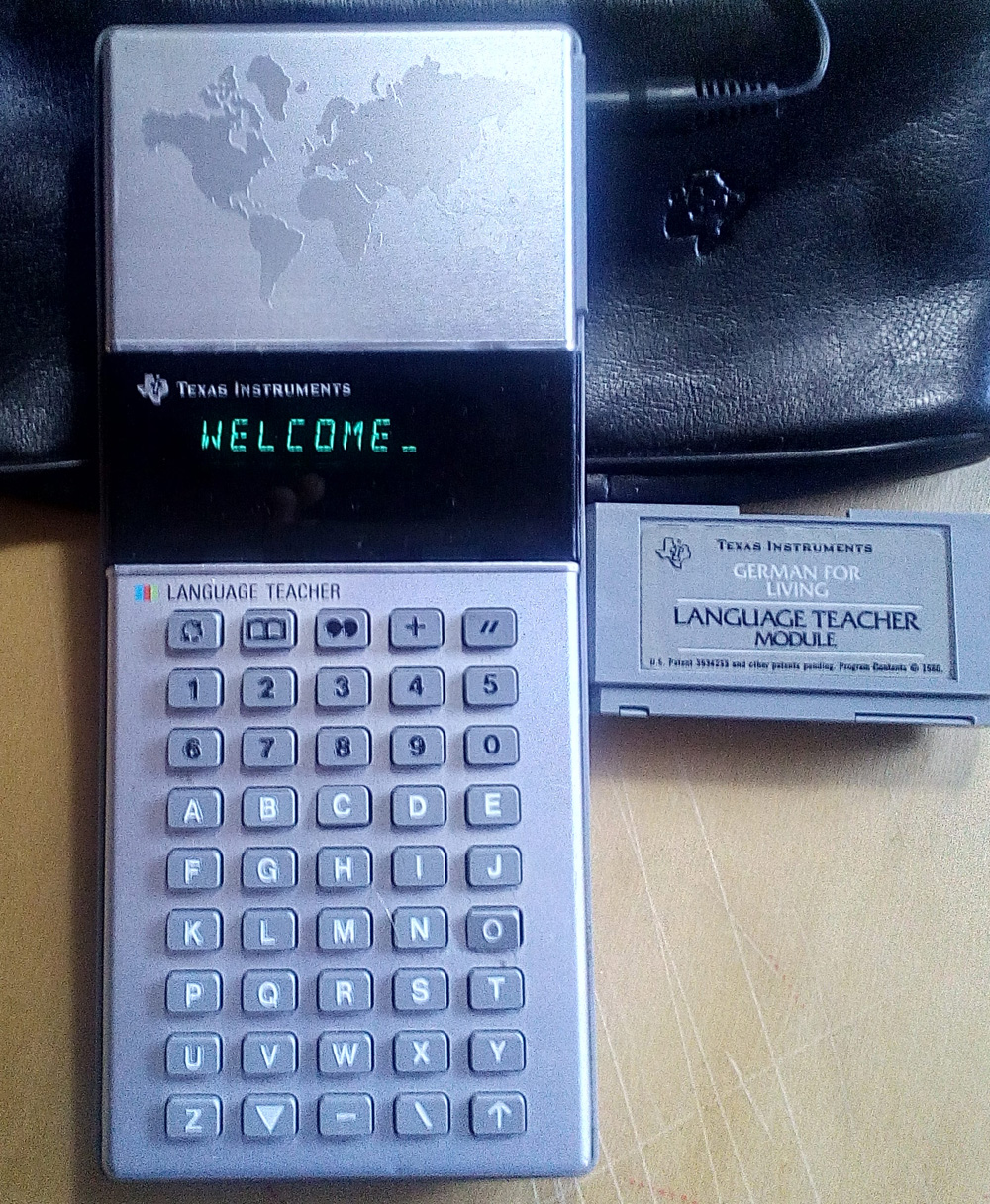
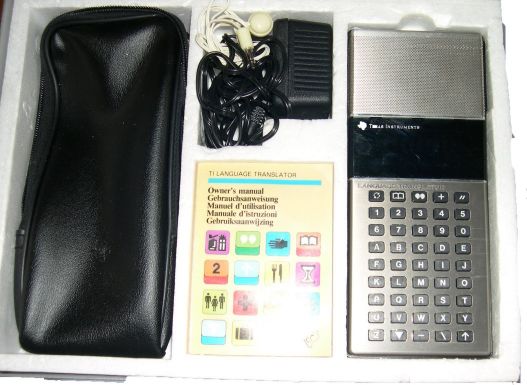
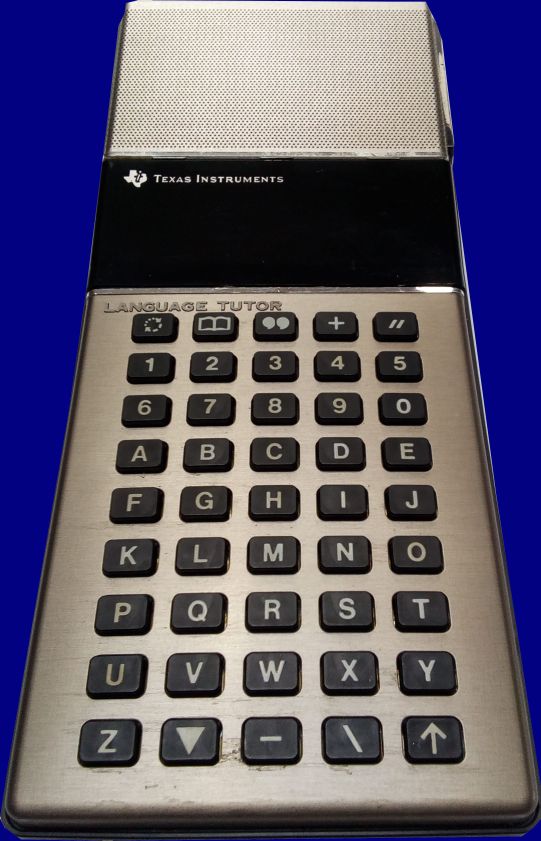
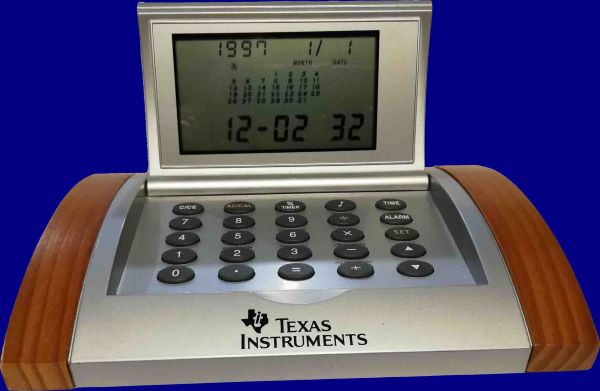

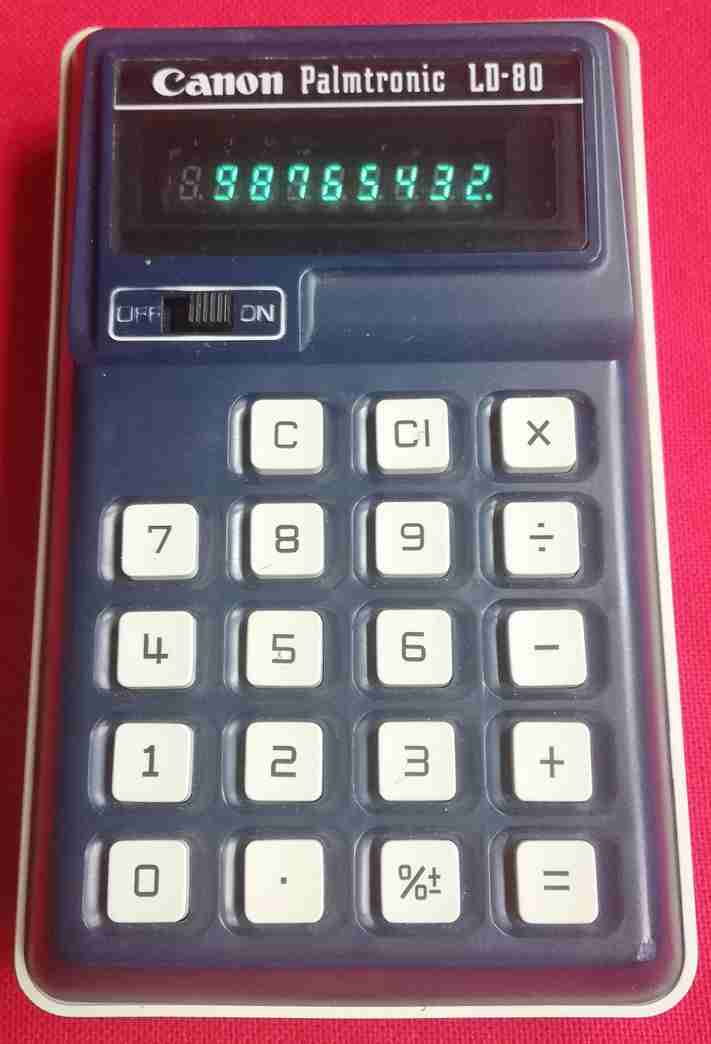
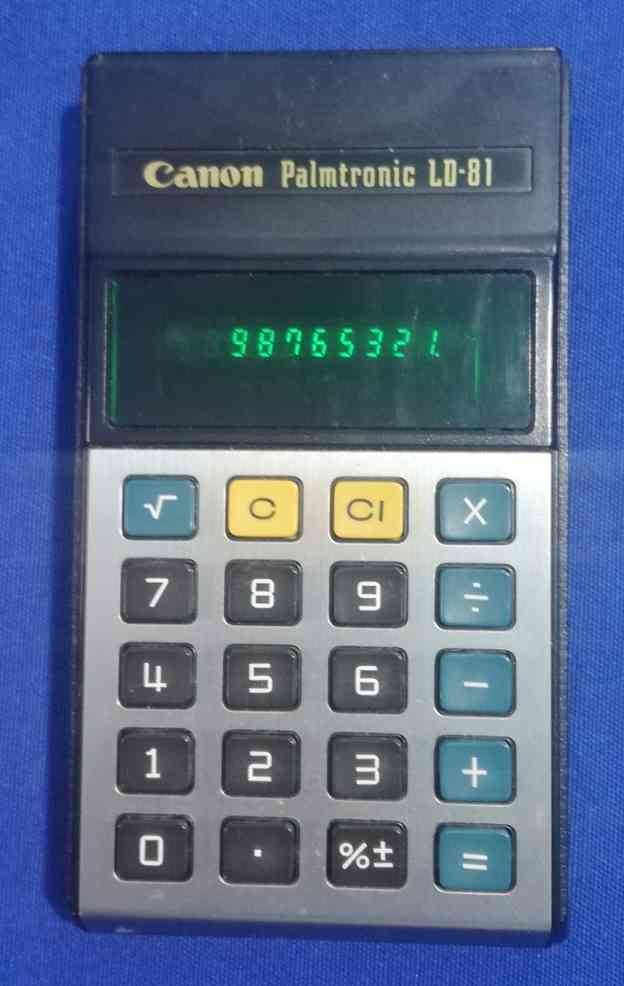

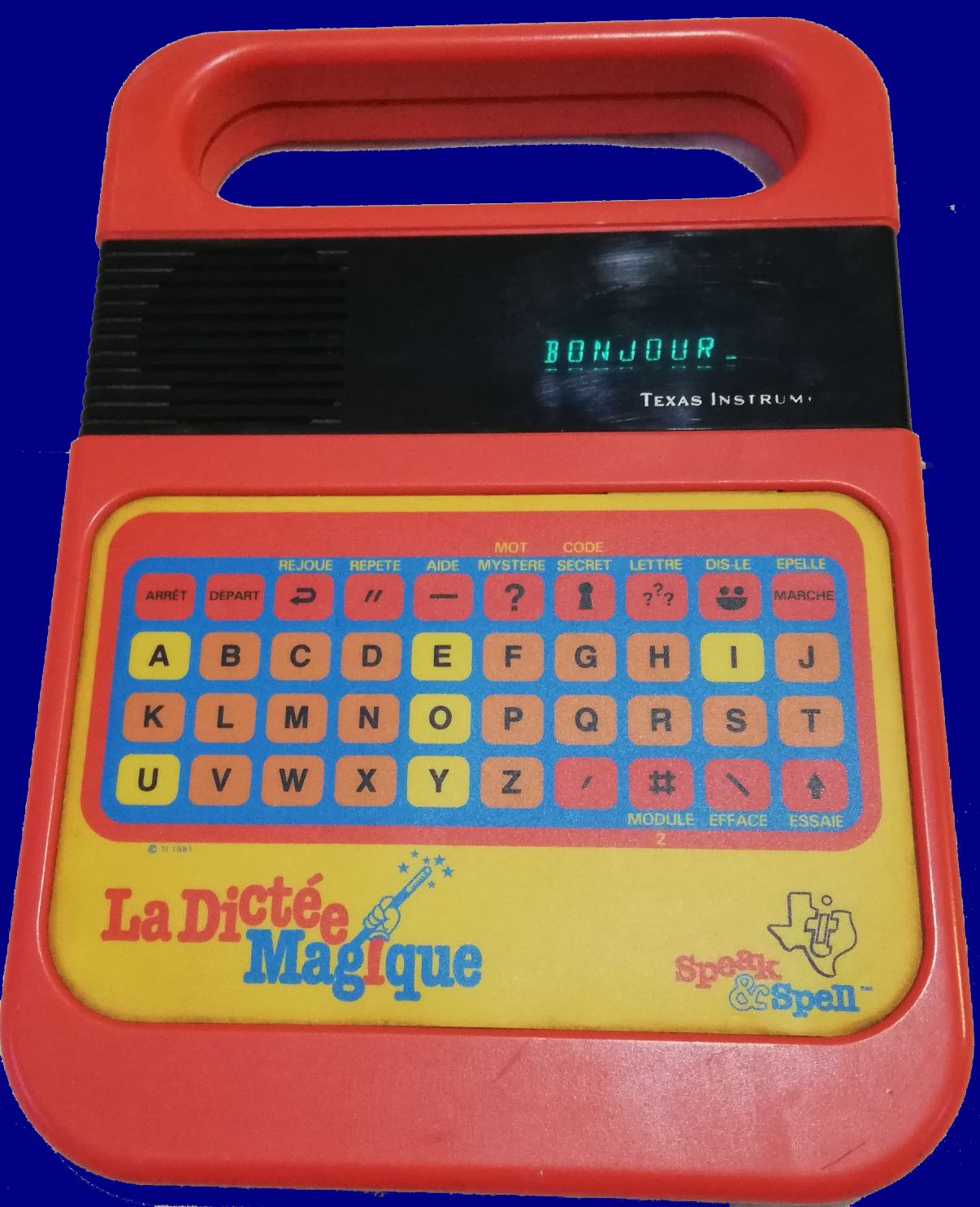
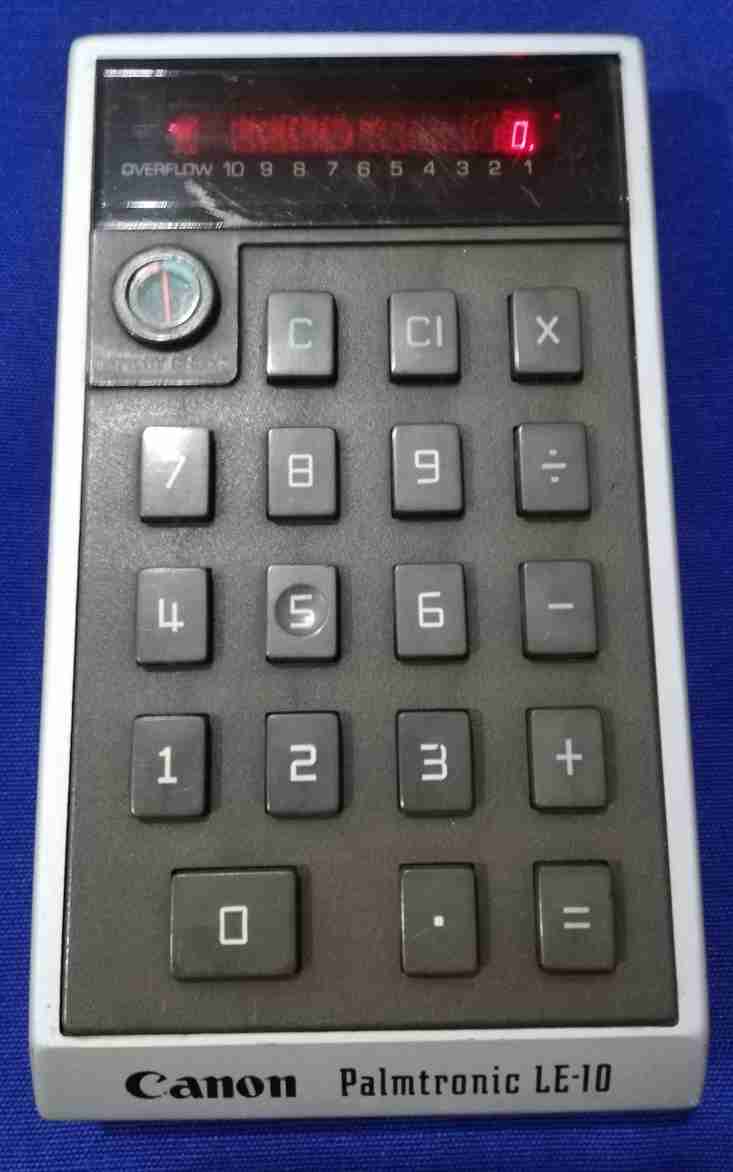
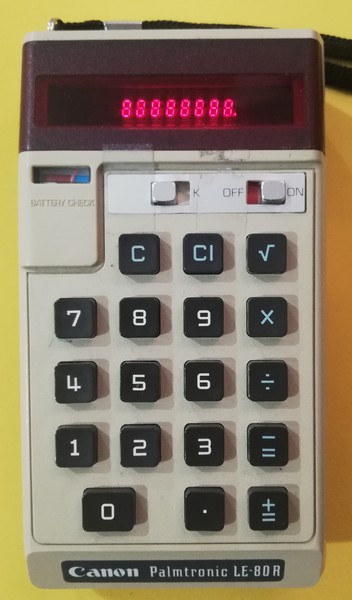
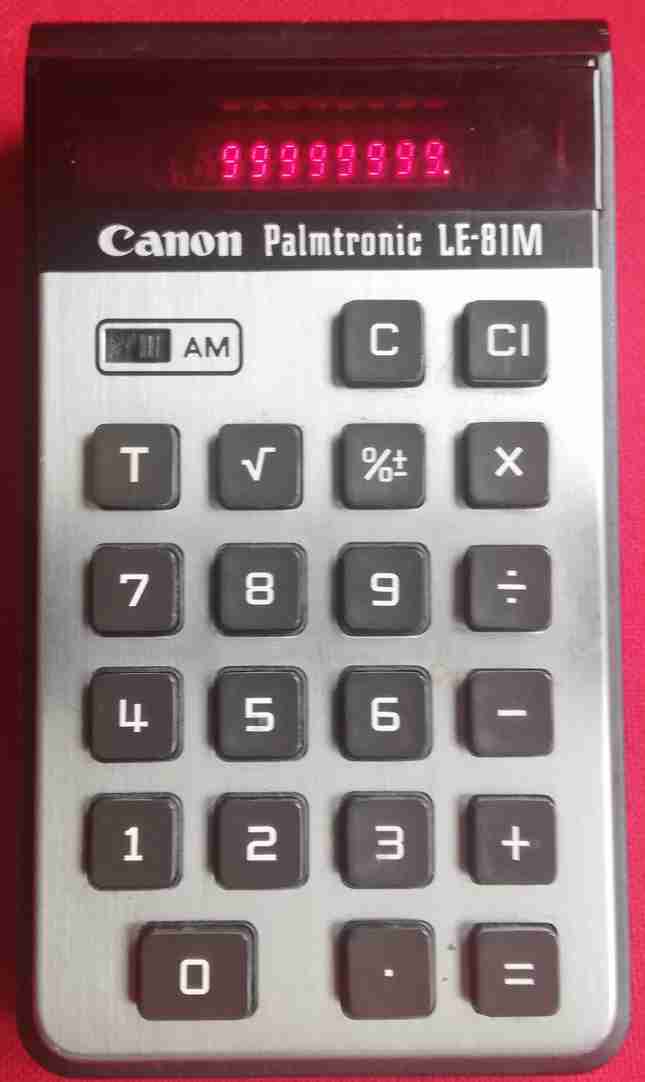
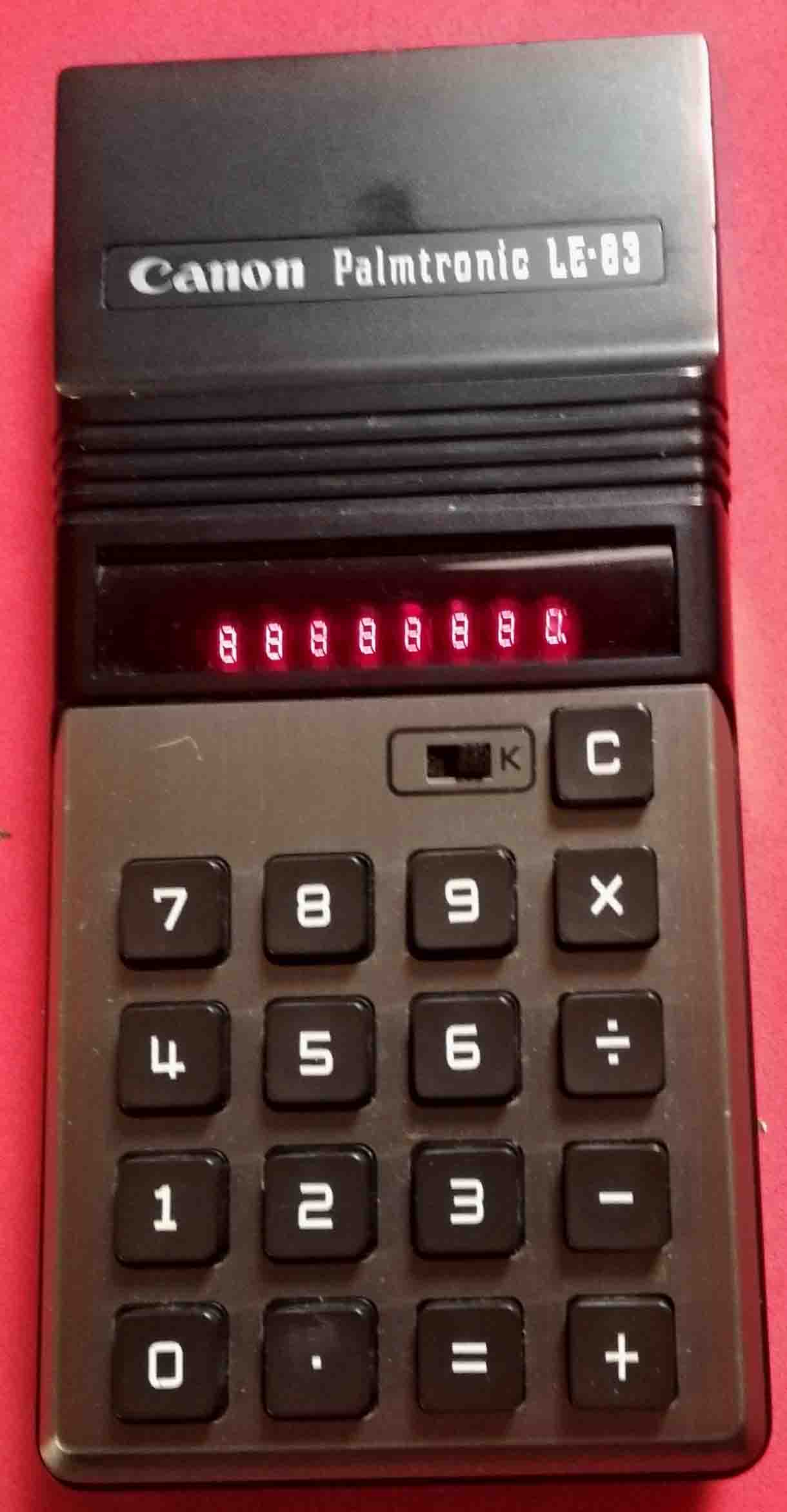
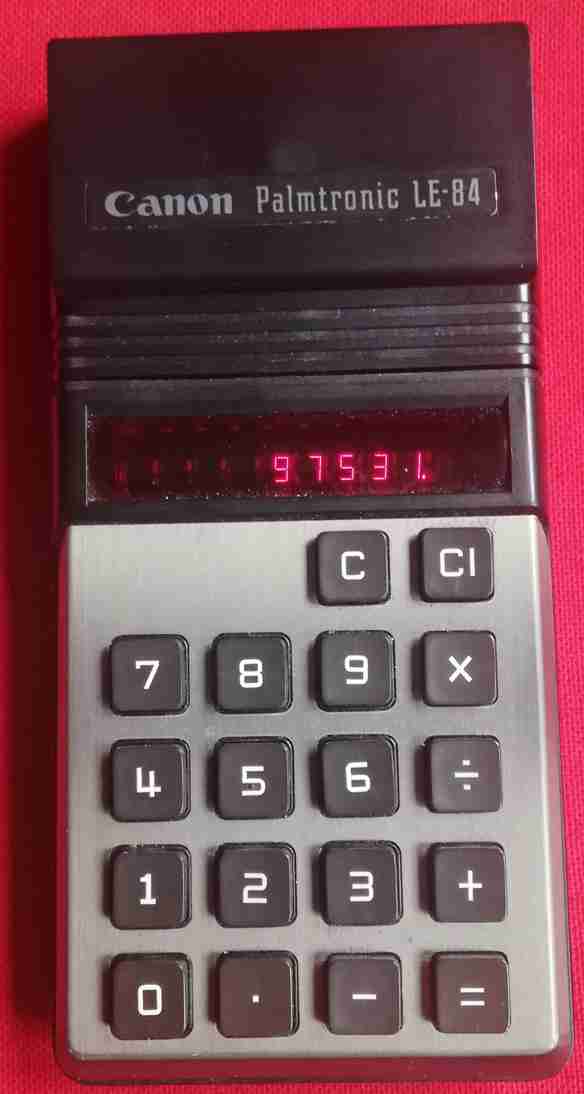
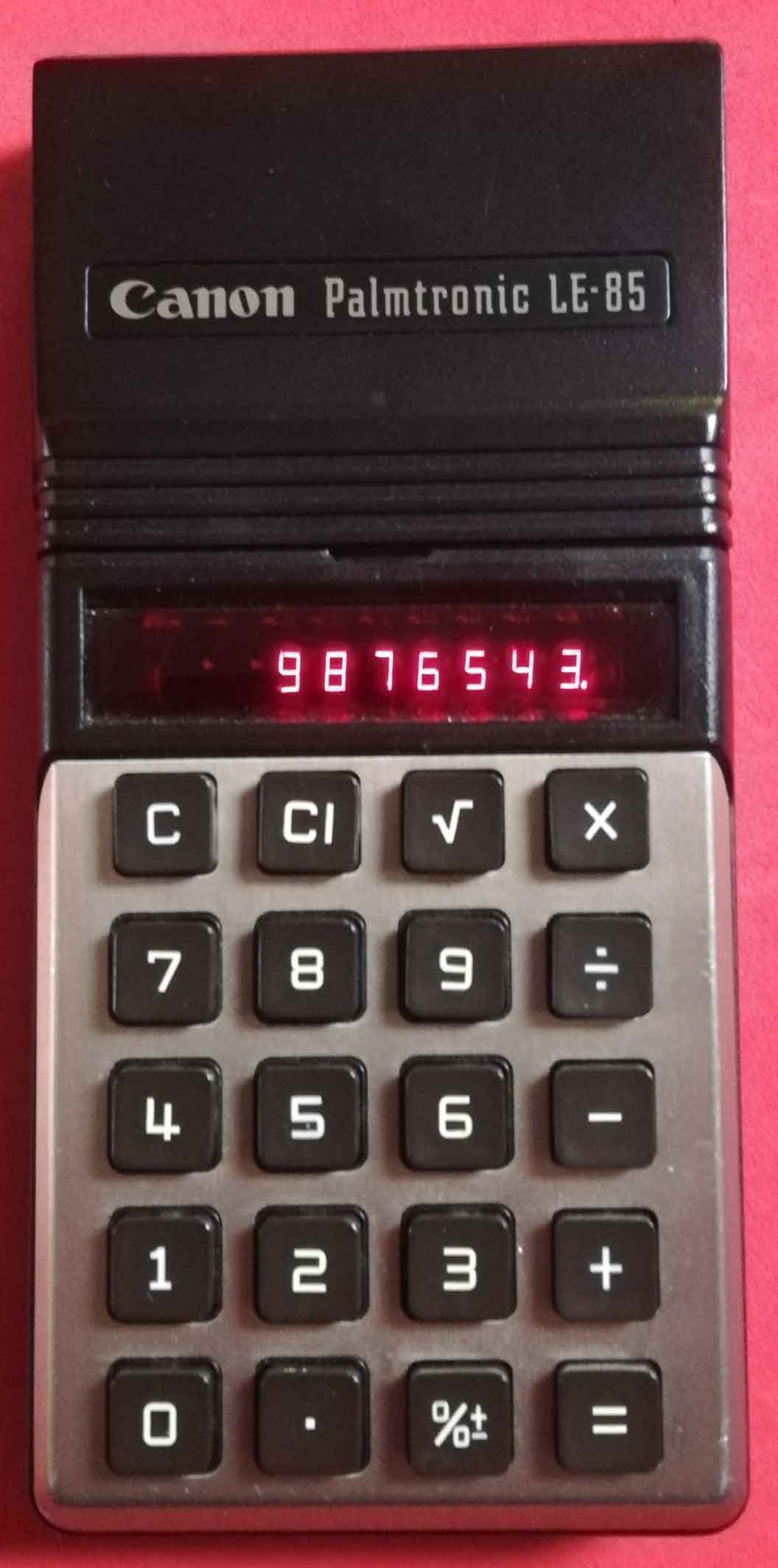
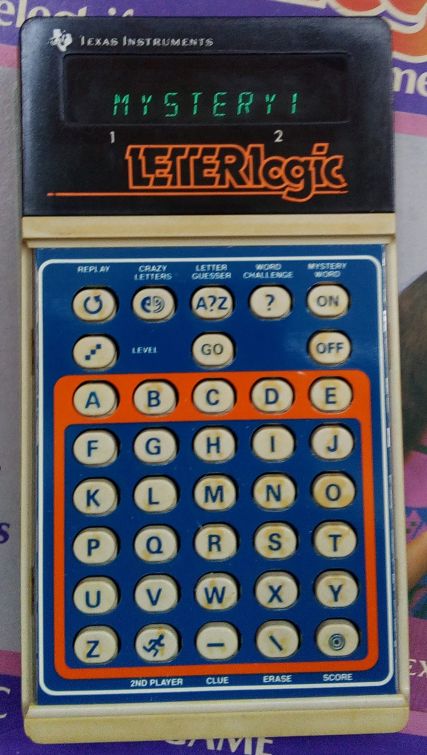

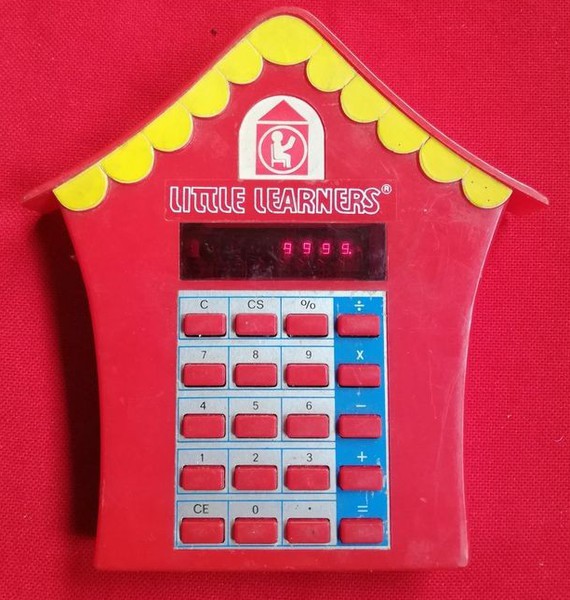

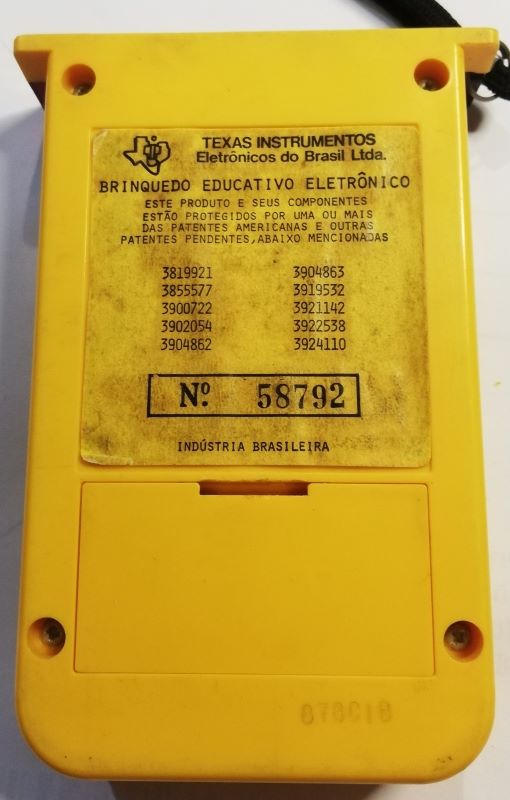
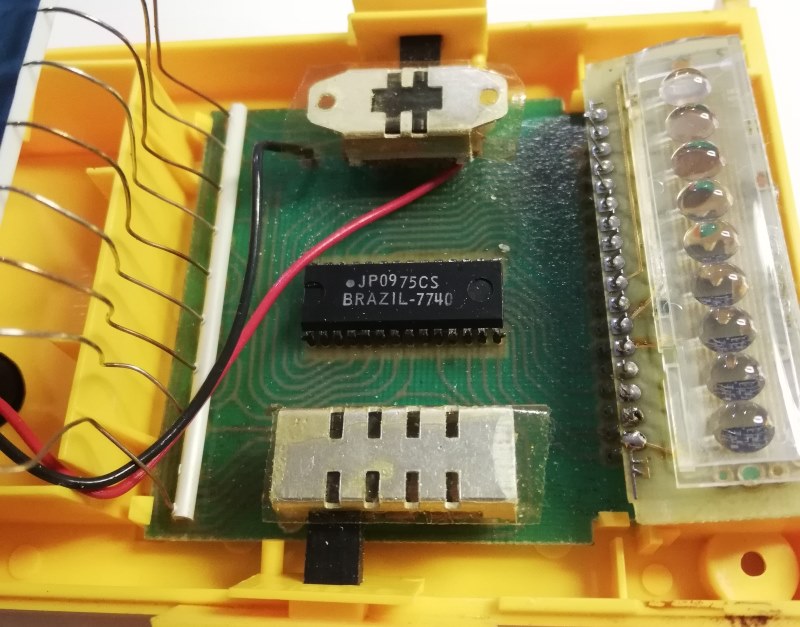
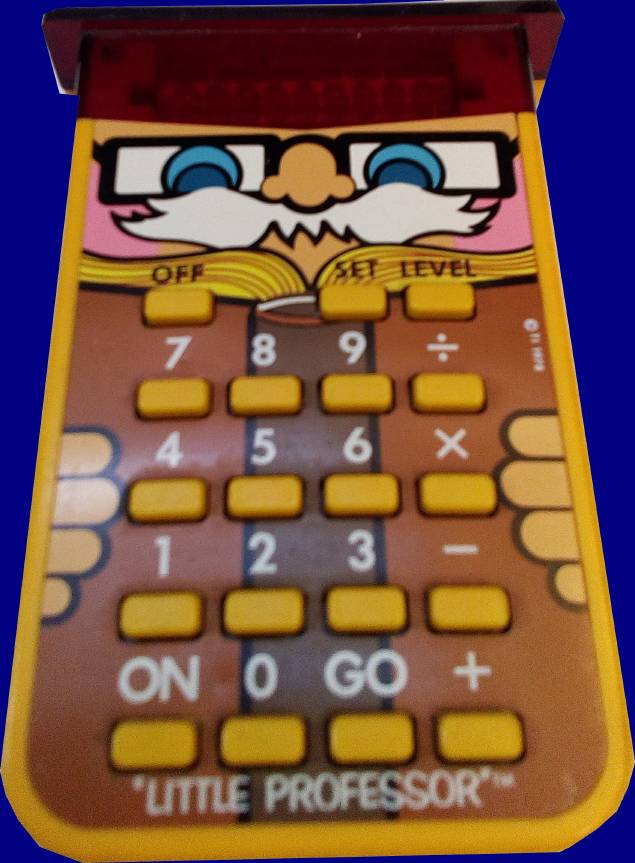
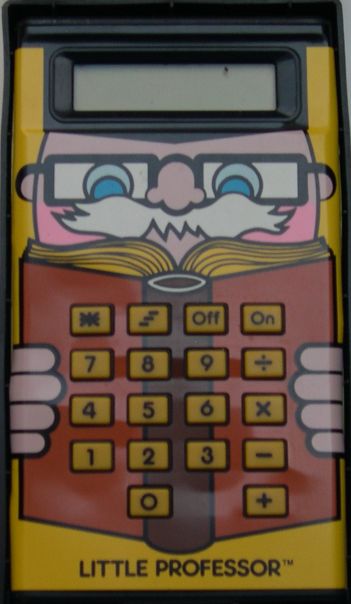
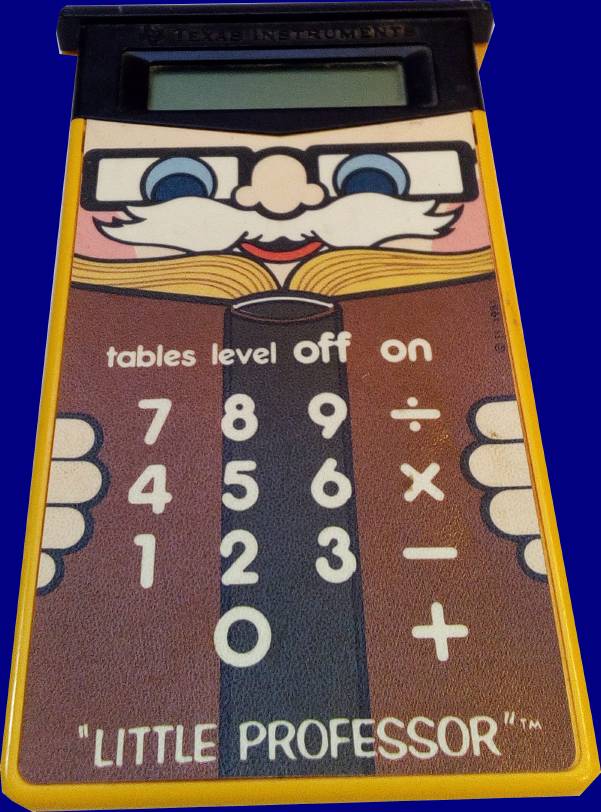

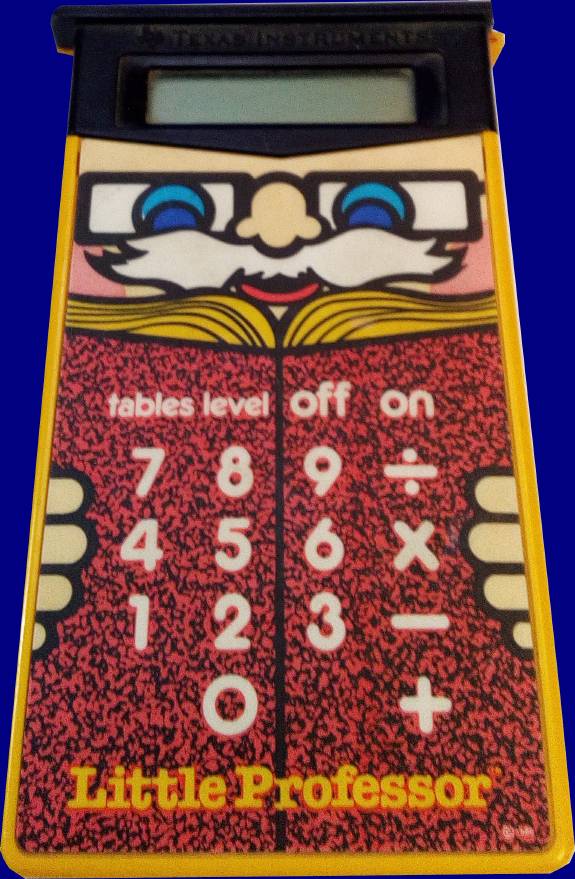
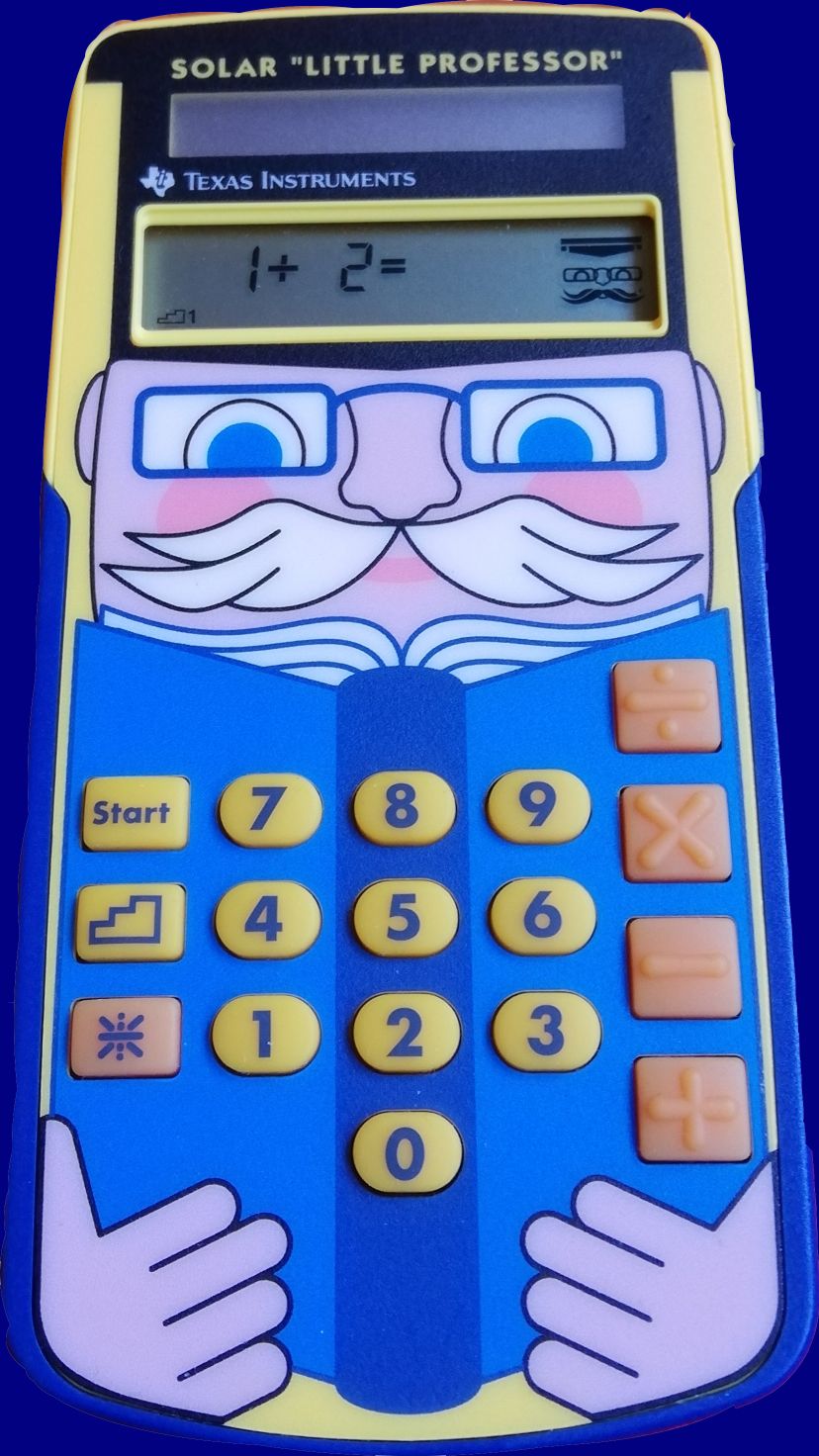
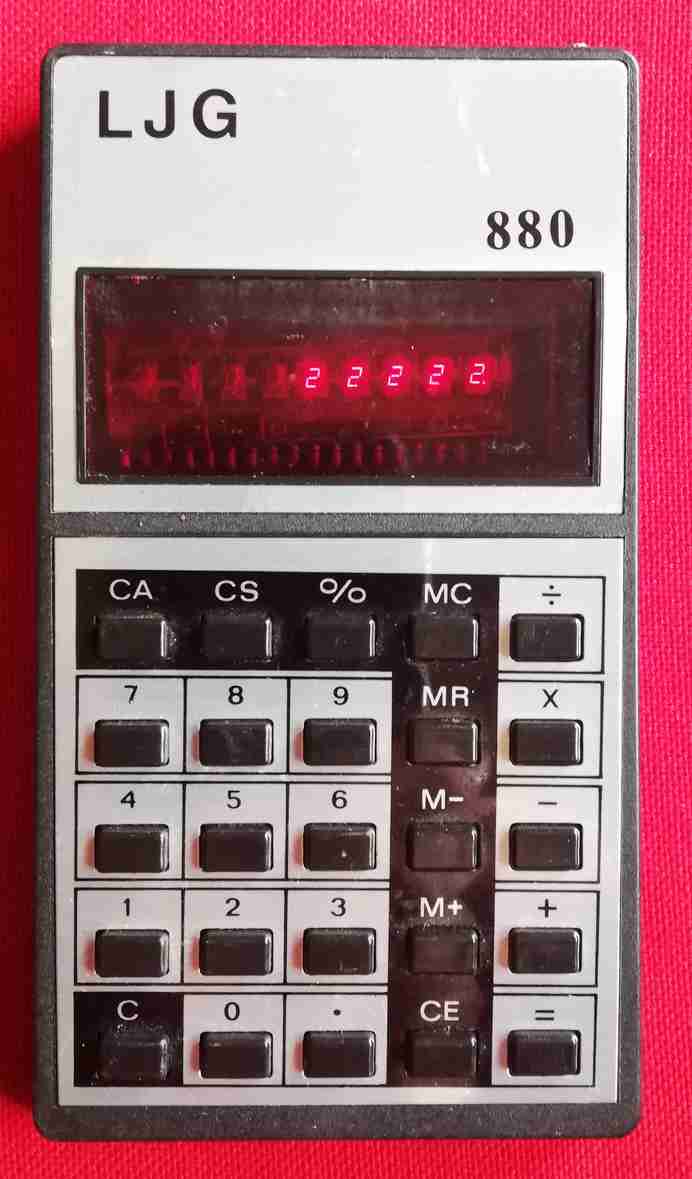
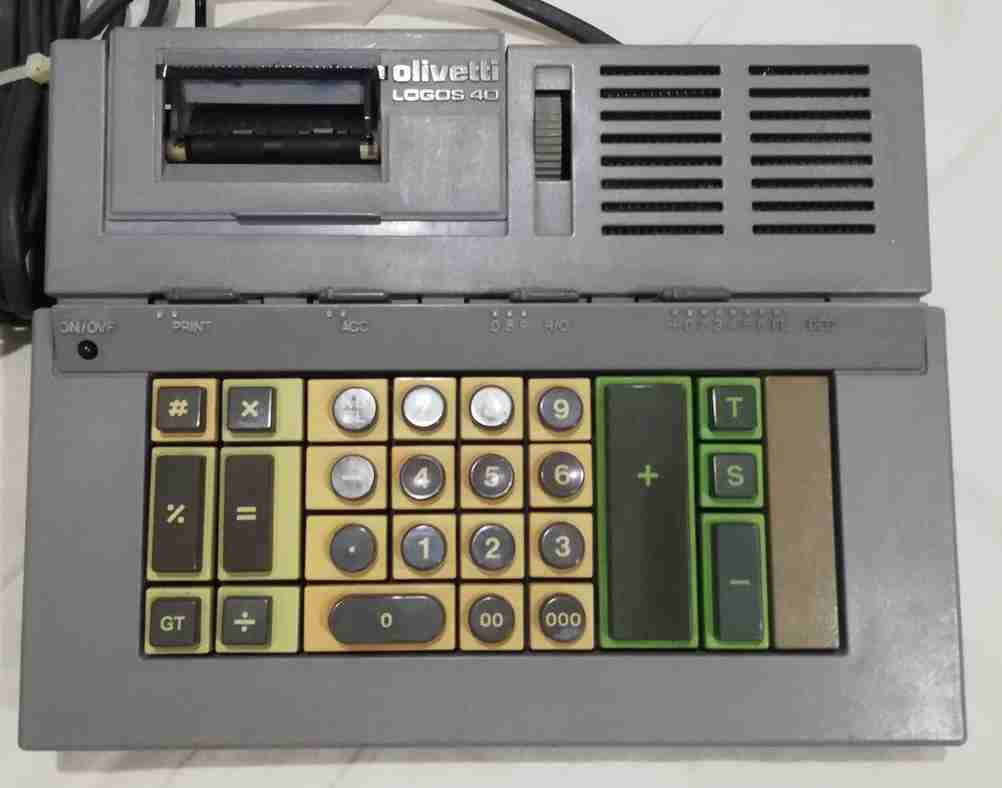
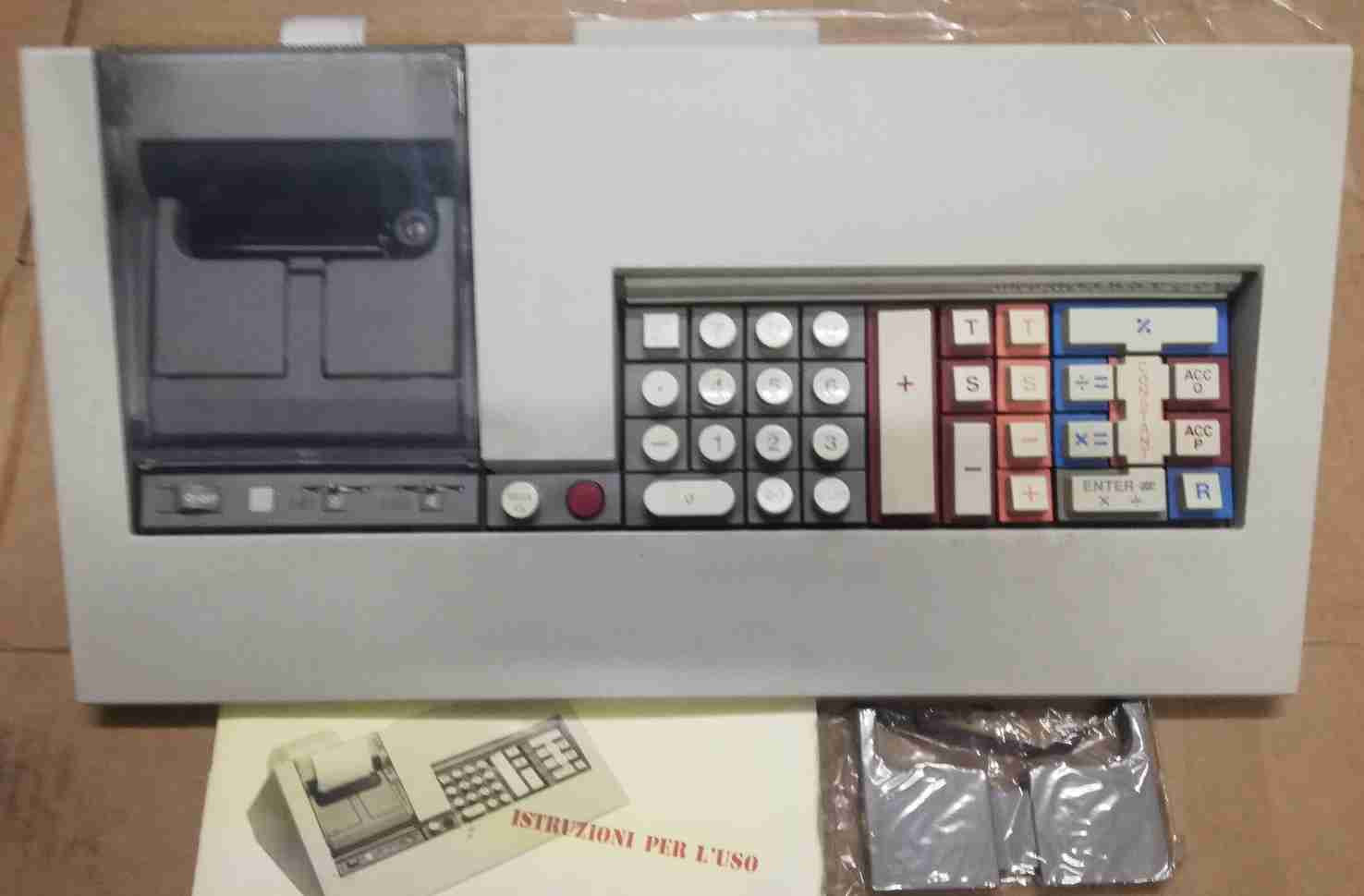
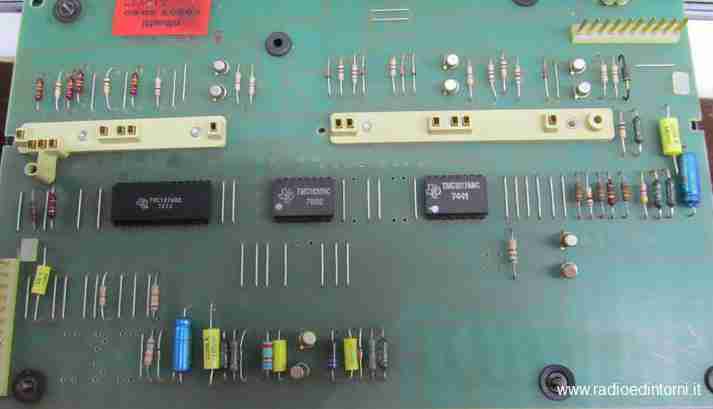
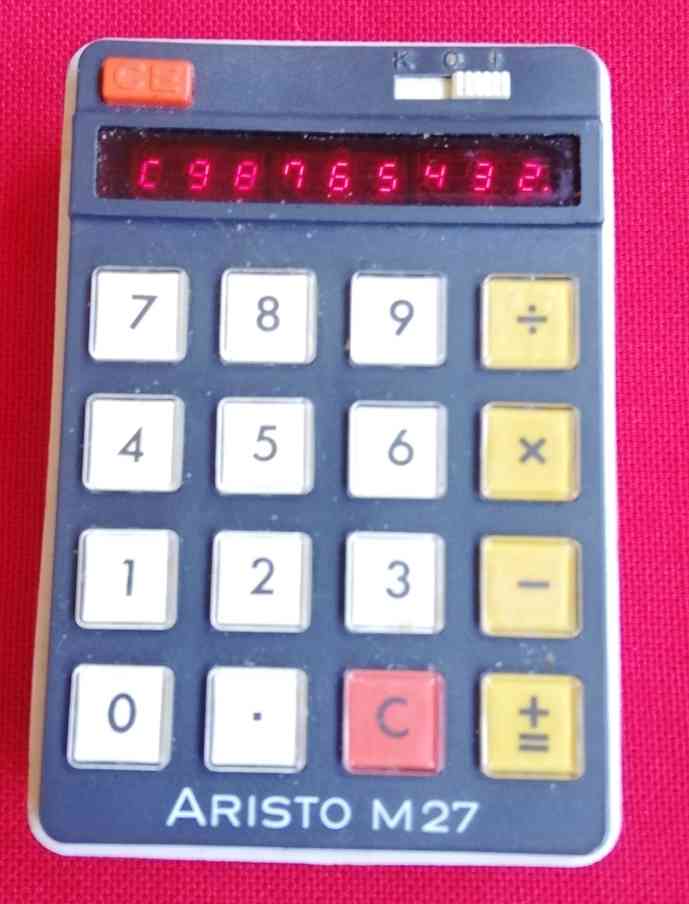



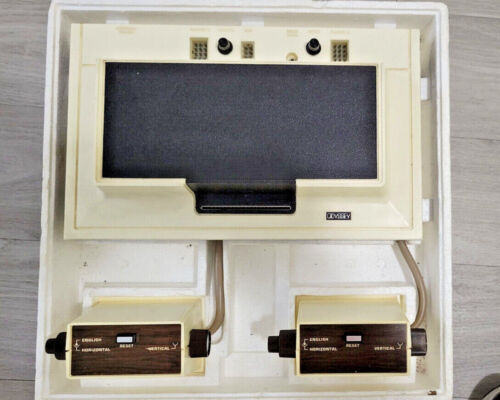
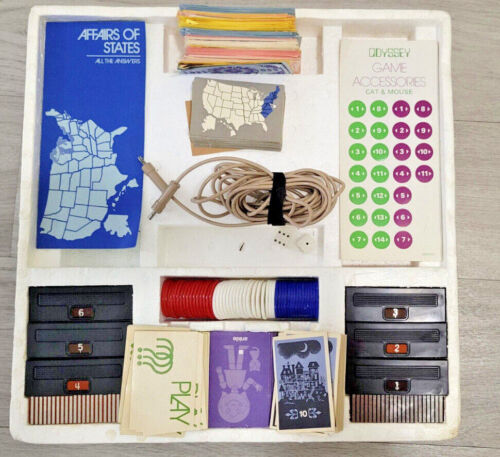
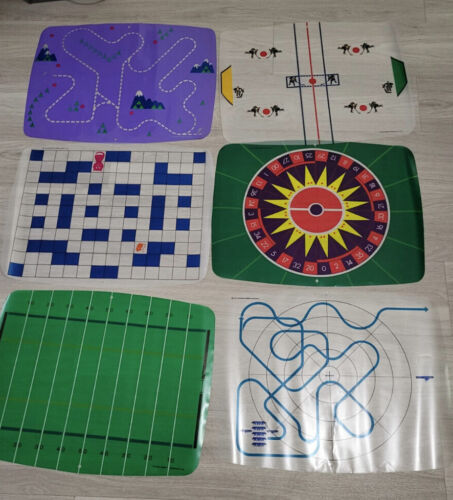
.jpg)

.png)
.png)
.png)
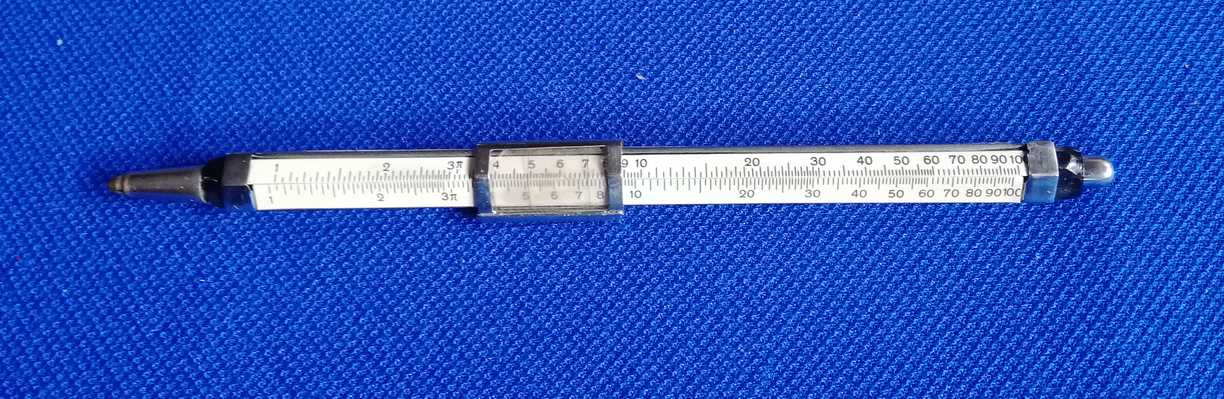
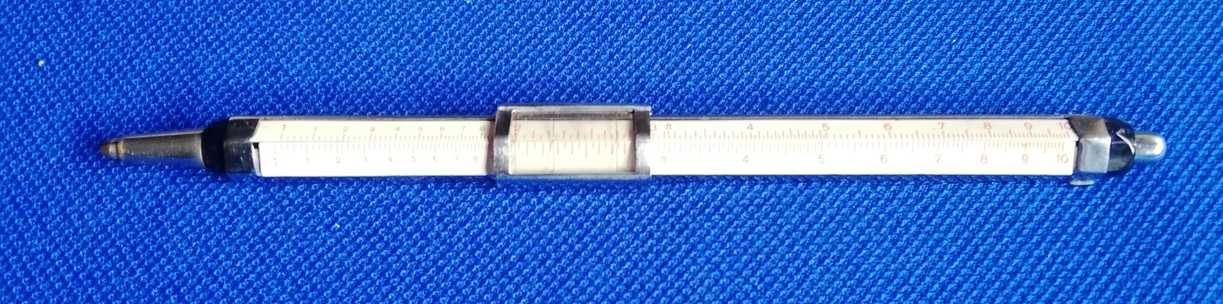


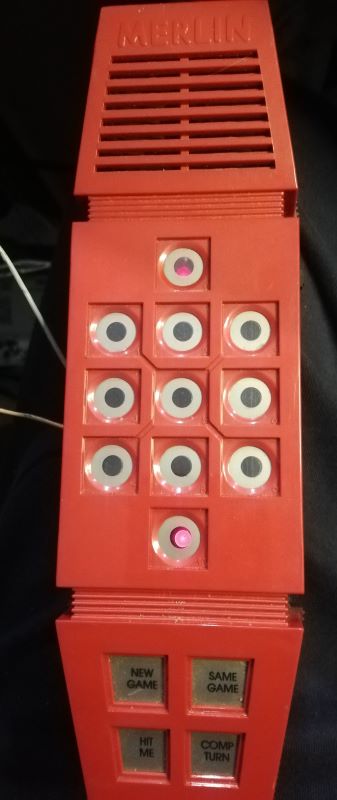
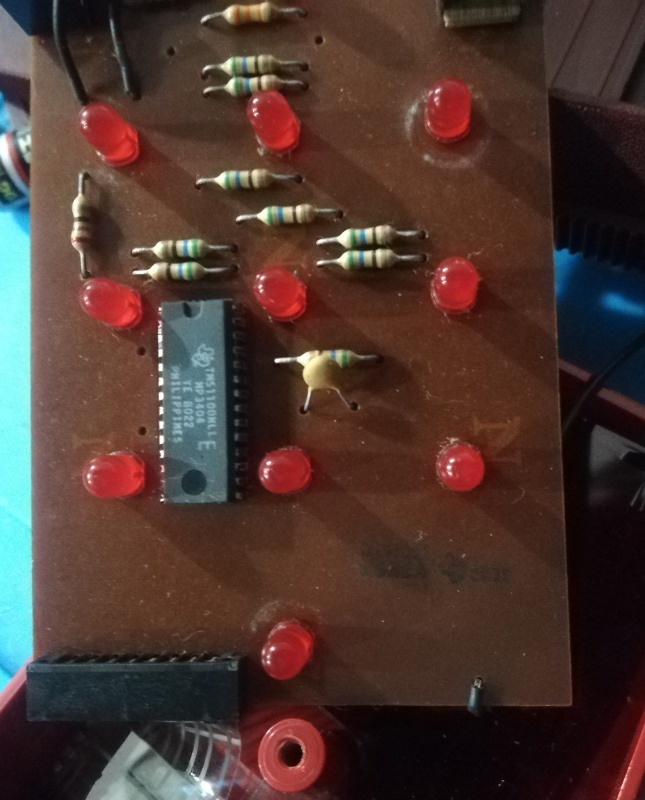
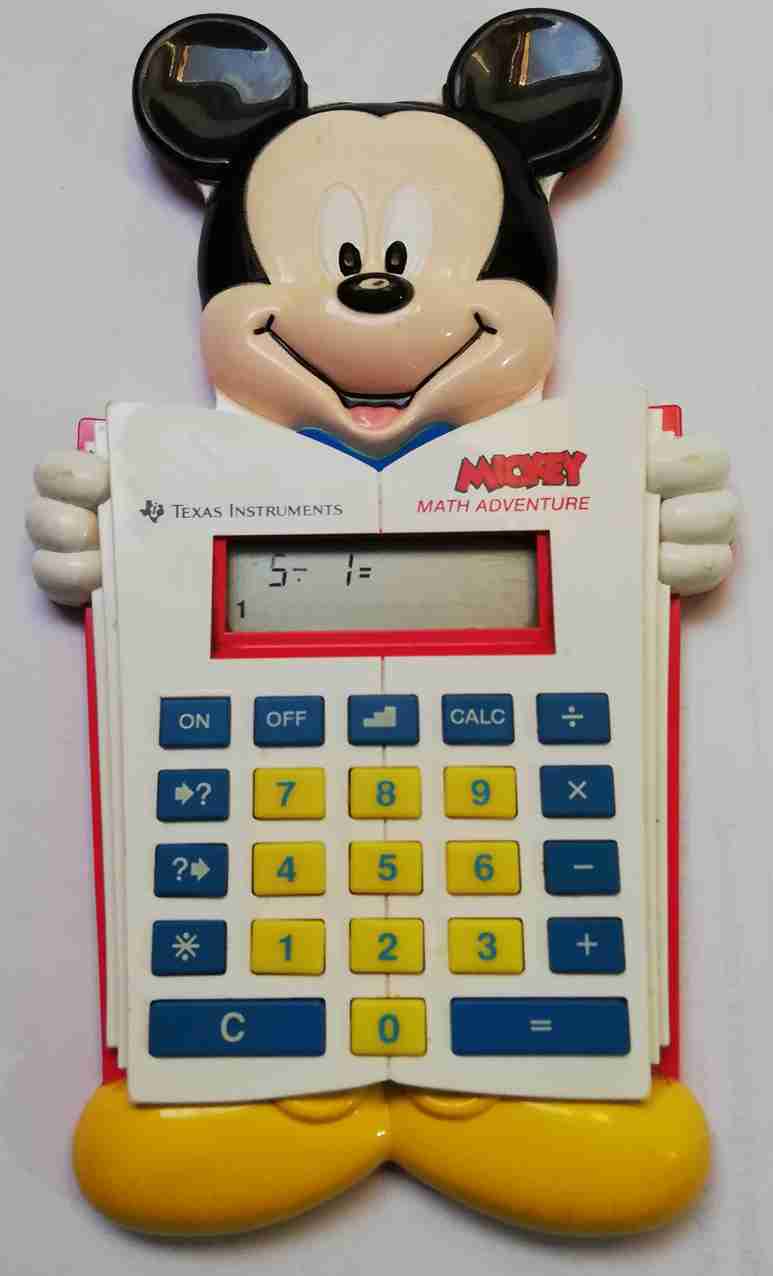
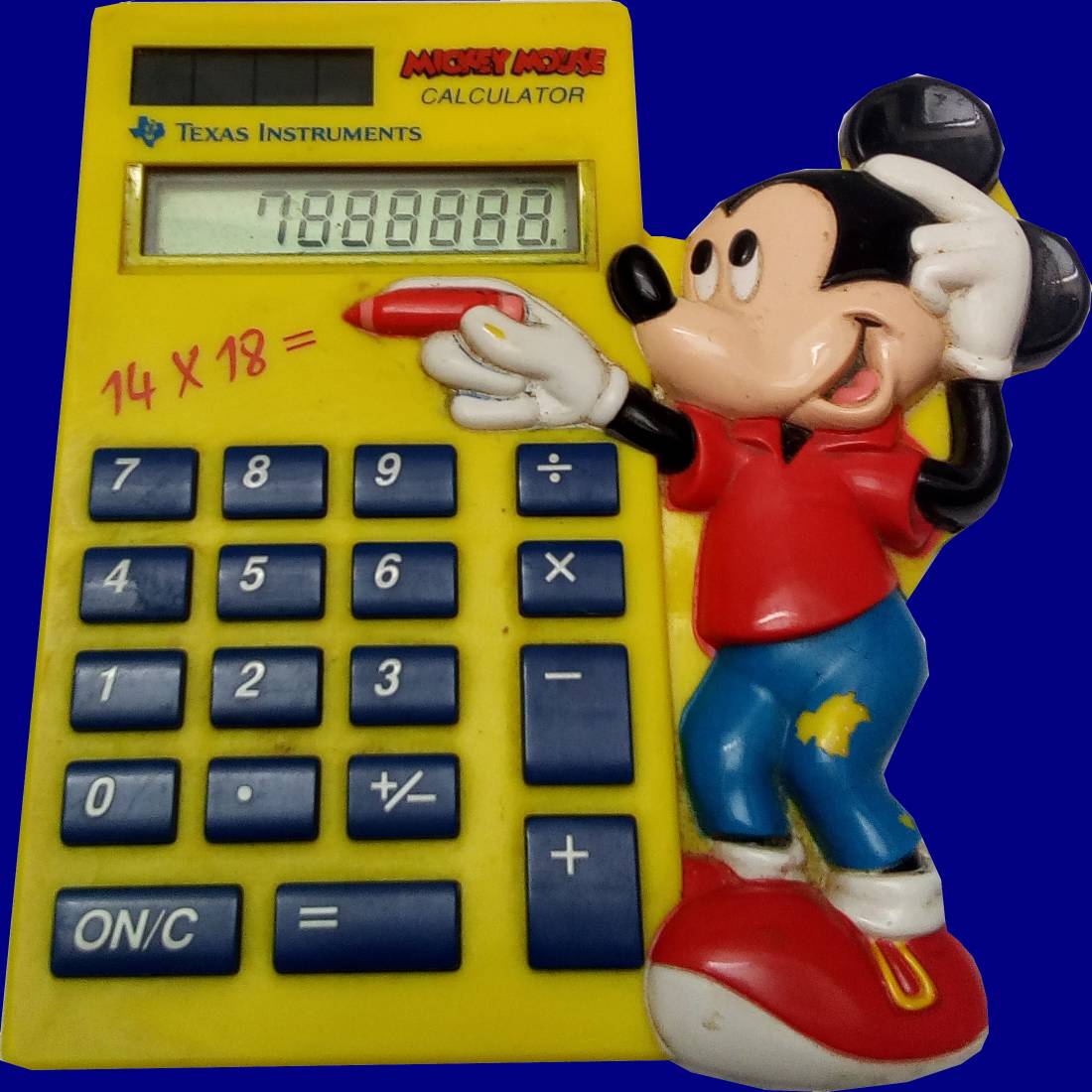
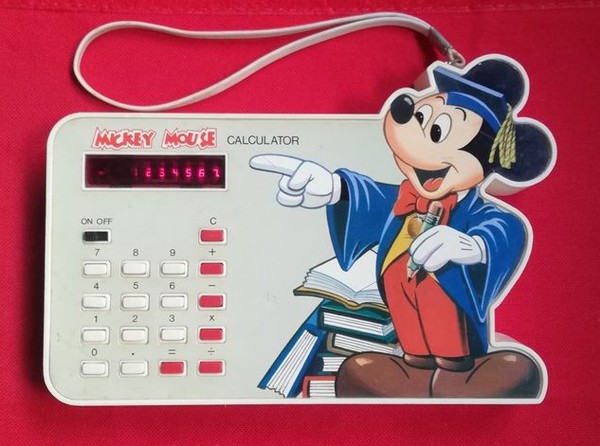
.jpg)
.jpg)
.jpg)
.jpg)
.jpg)
.jpg)
.jpg)
.jpg)
.jpg)
.jpg)
.jpg)
.jpg)


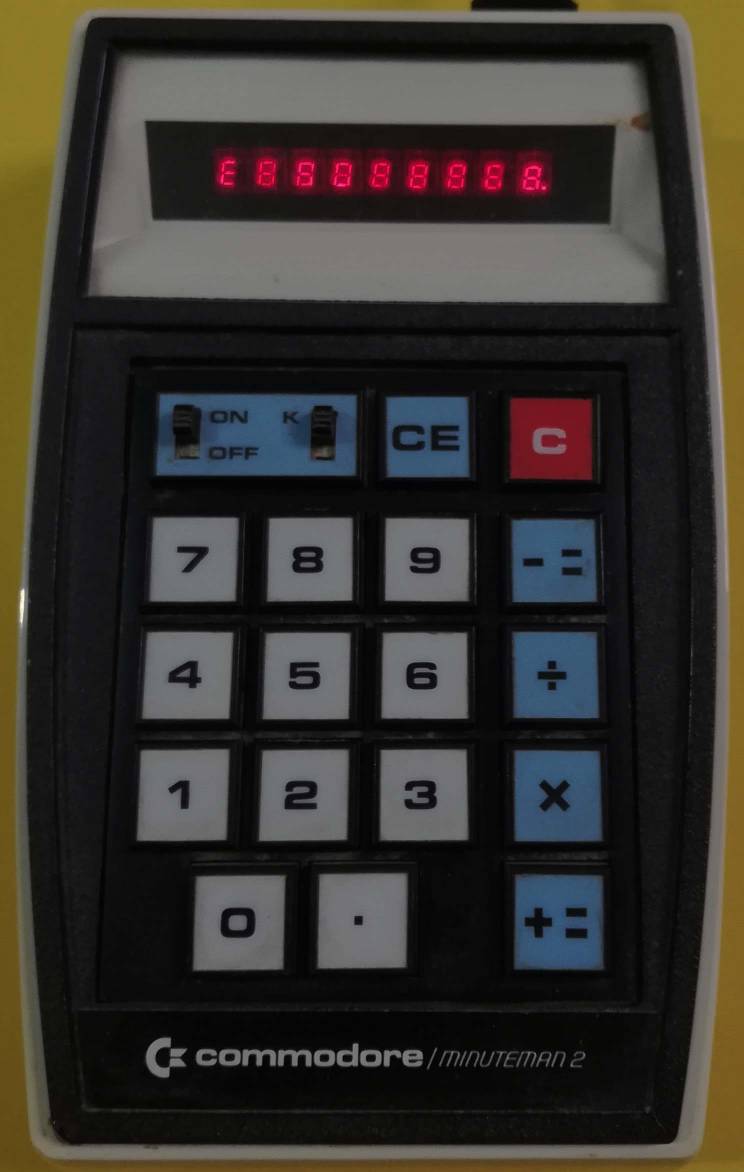
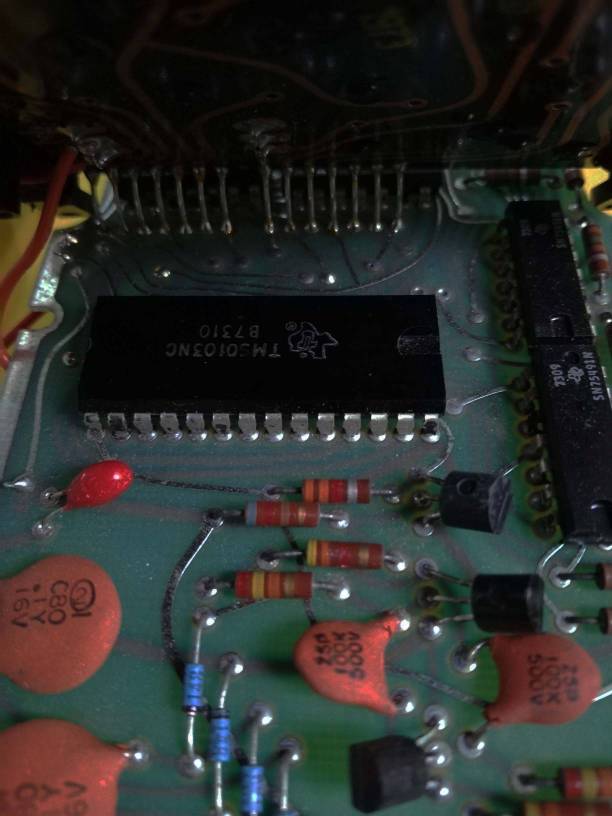
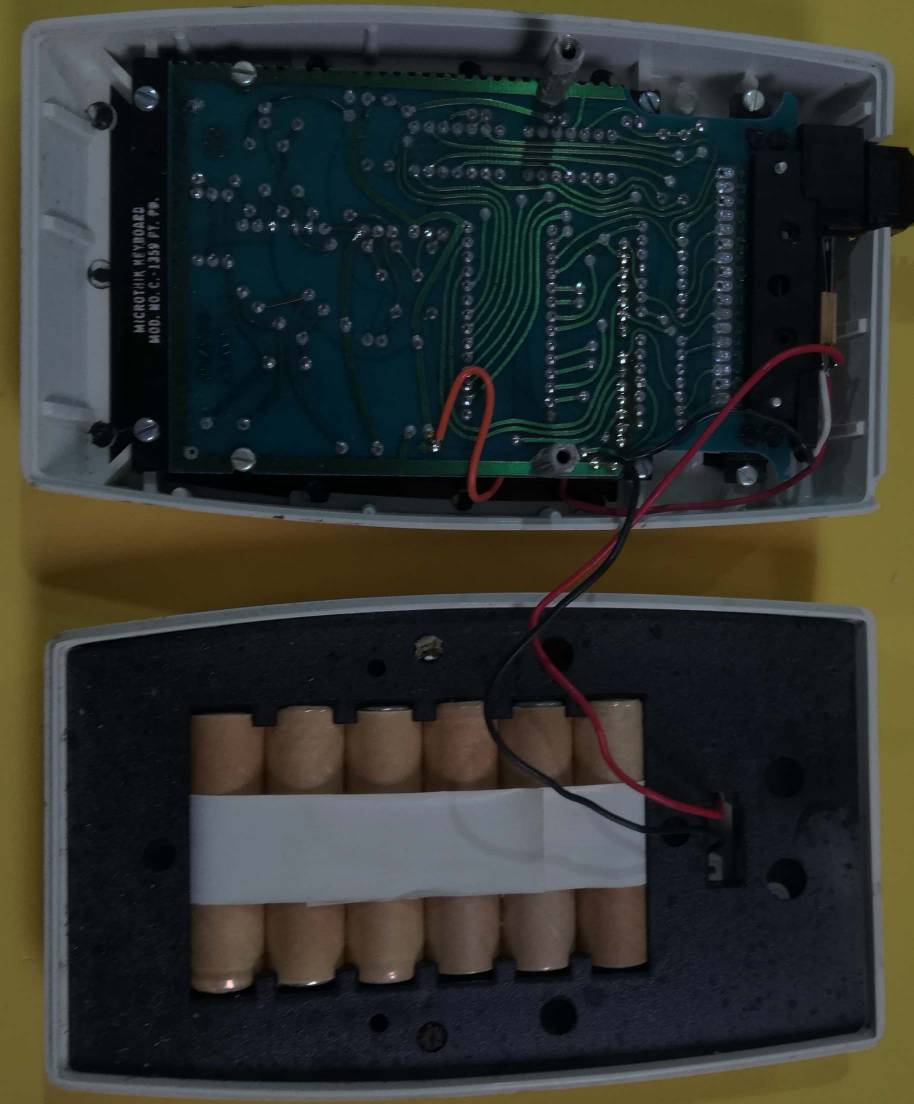
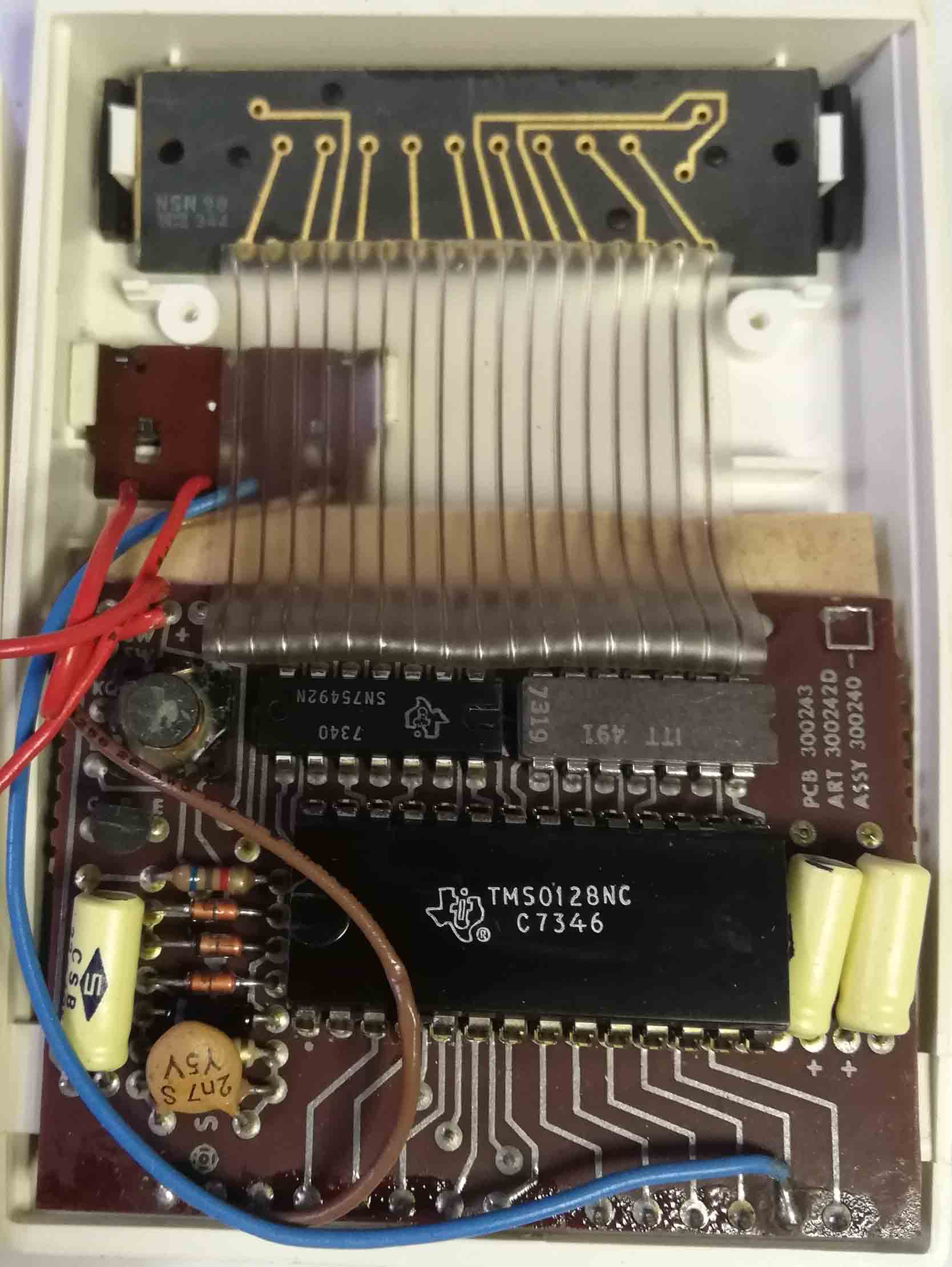
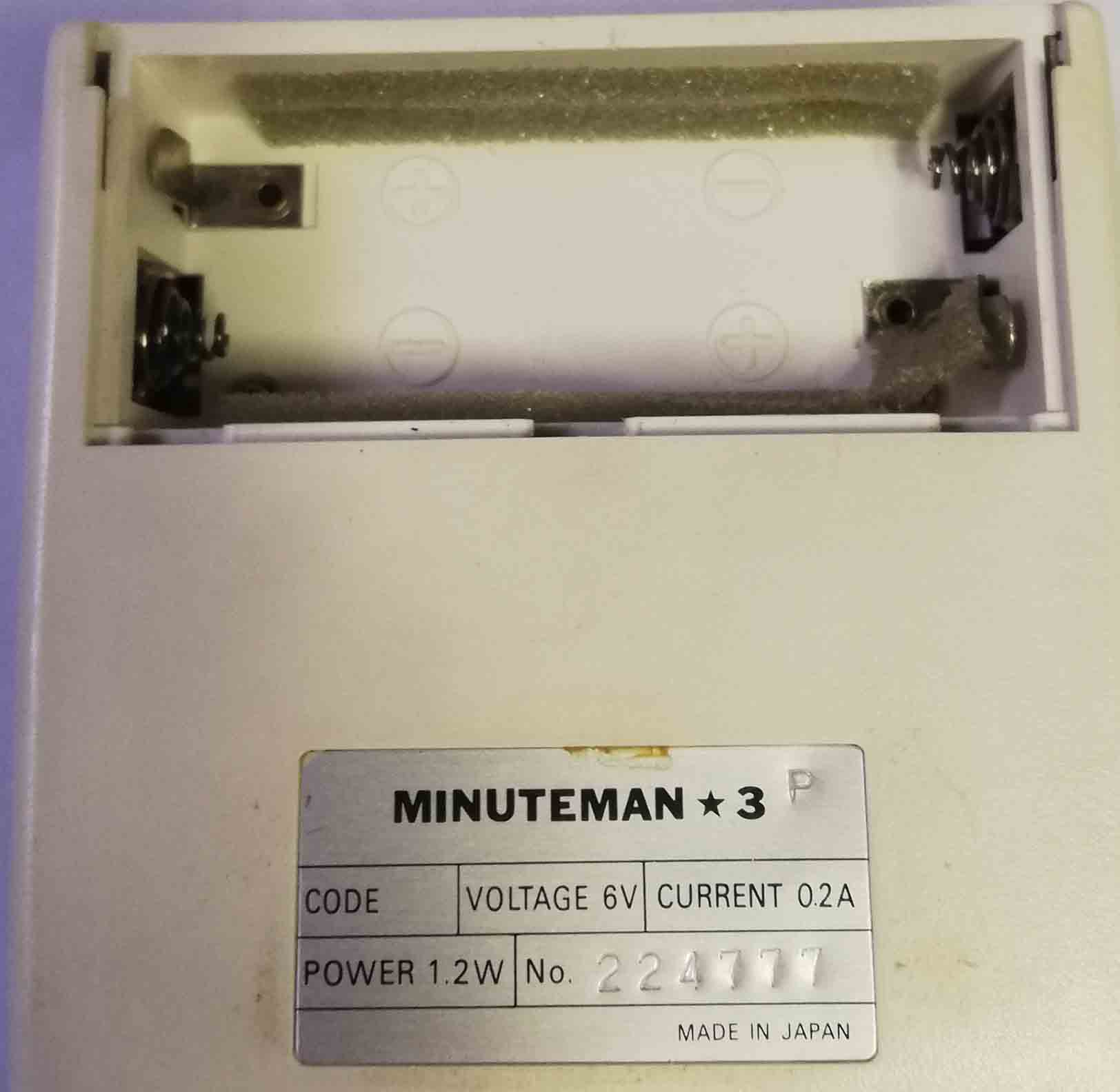
.jpg)
.jpg)
.jpg)
.jpg)
.jpg)
.jpg)
.jpg)
.jpg)
.jpg)
.jpg)
.jpg)
.jpg)
.jpg)
.jpg)
.jpg)
.jpg)
.jpg)
.jpg)
.jpg)
.jpg)
.jpg)
.jpg)
.jpg)
.jpg)
.jpg)
.jpg)
.jpg)
.jpg)
.jpg)
.jpg)
.jpg)
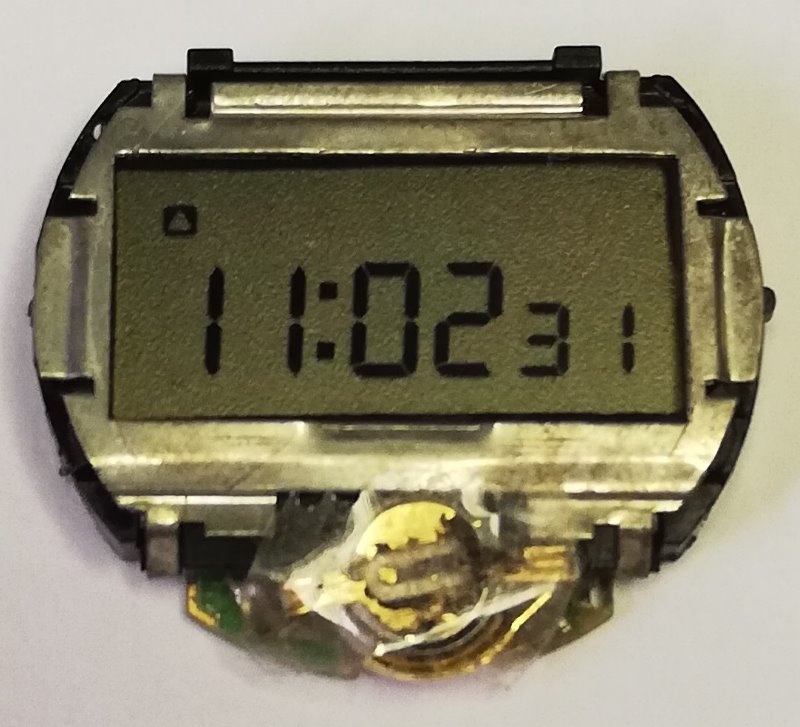
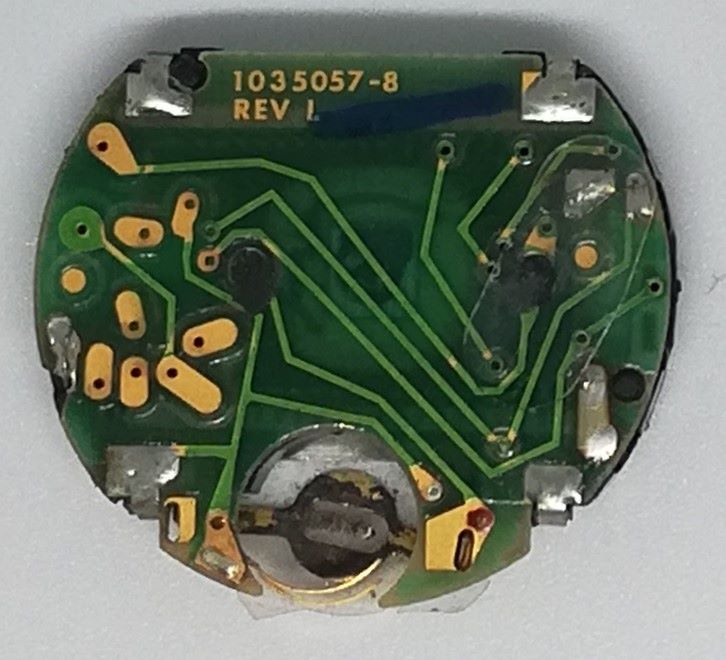
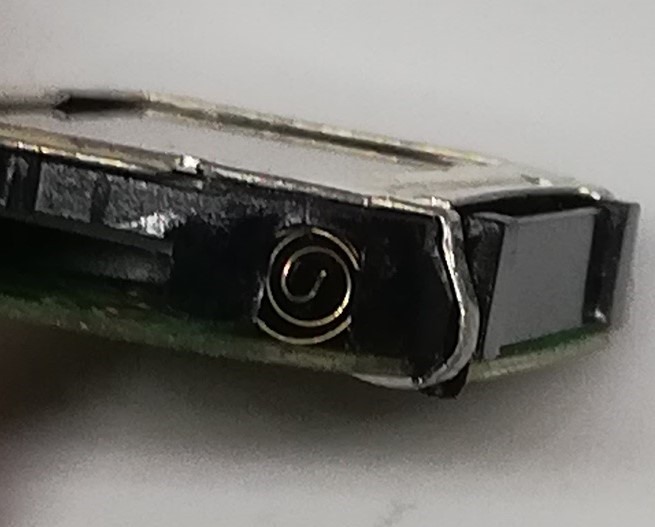
.jpg)
.jpg)
.jpg)
.jpg)
.jpg)
.jpg)
.jpg)
.jpg)
.jpg)
.jpg)
.jpg)
.jpg)
.jpg)
.jpg)
.jpg)
.jpg)
.jpg)
.jpg)
.jpg)
.jpg)
.jpg)
.jpg)
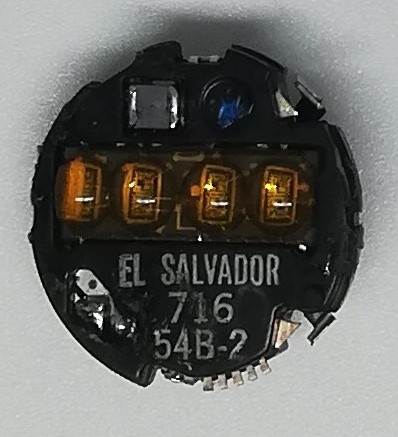
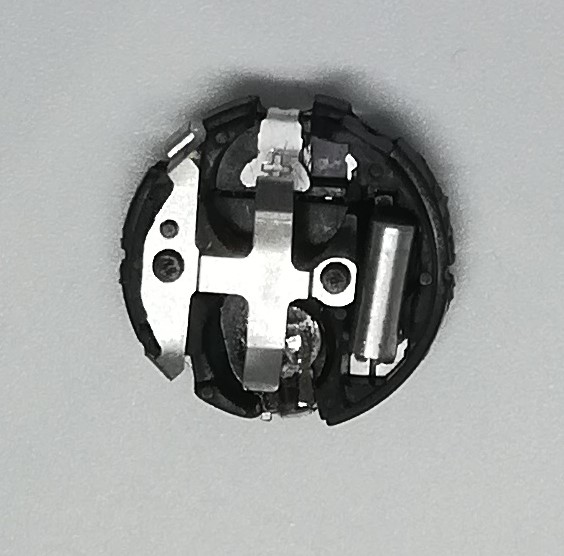
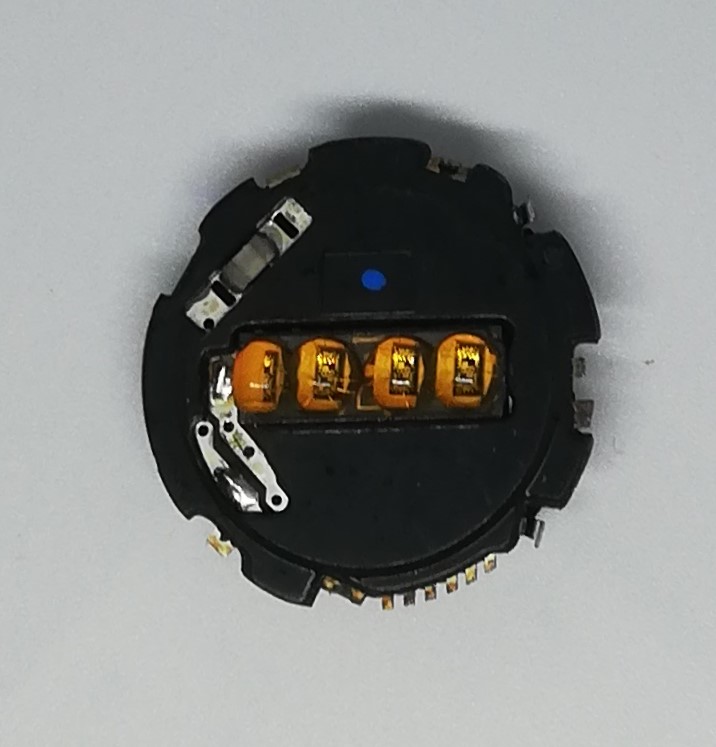
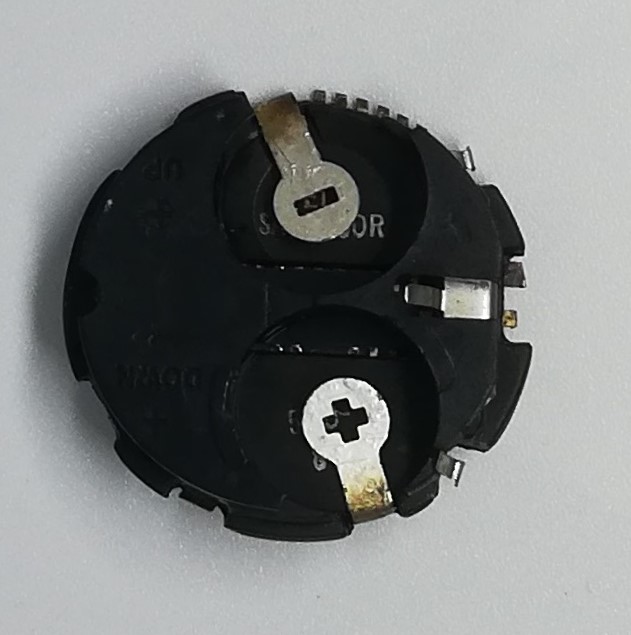
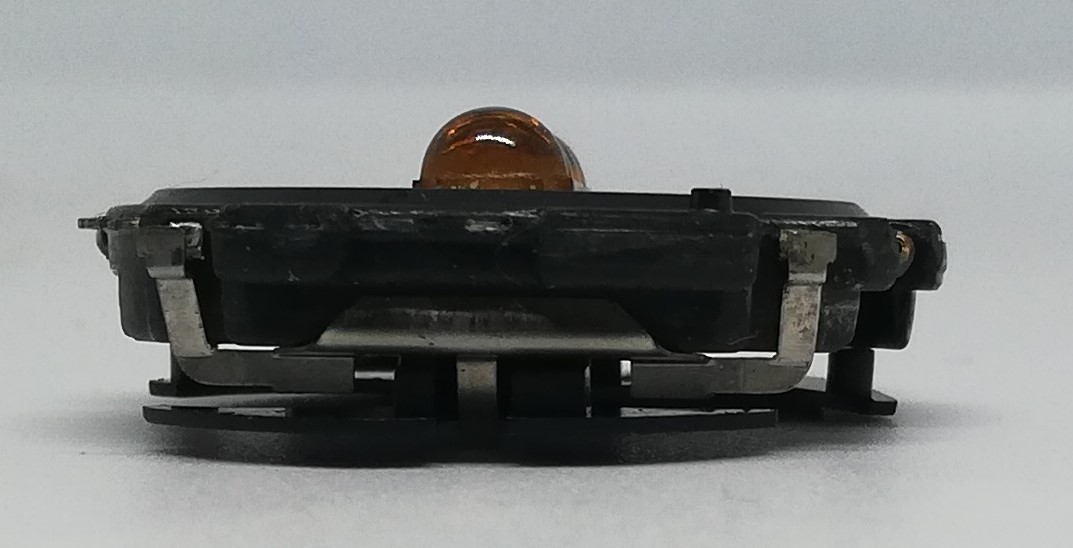
.jpg)
.jpg)
.jpg)
.jpg)
.jpg)
.jpg)
.jpg)
.jpg)
.jpg)
.jpg)
.jpg)
.jpg)
.jpg)
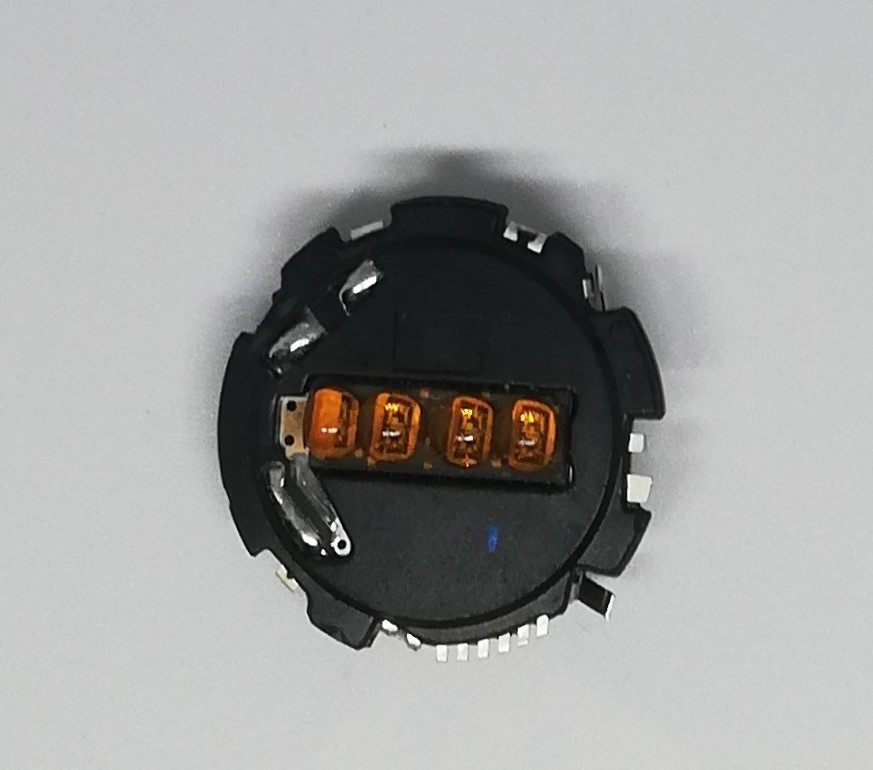
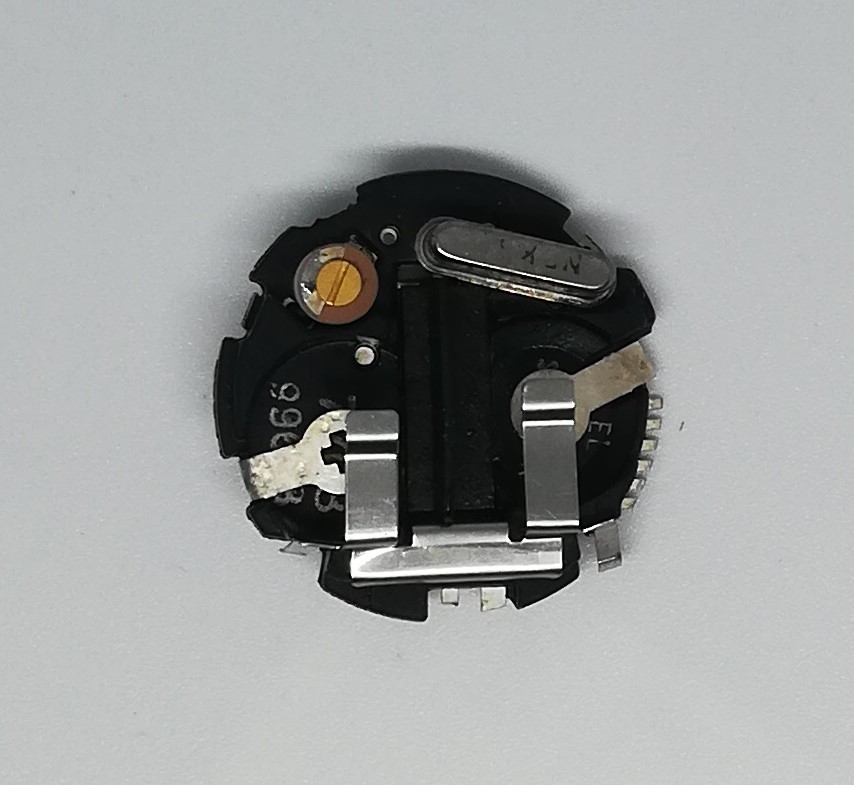
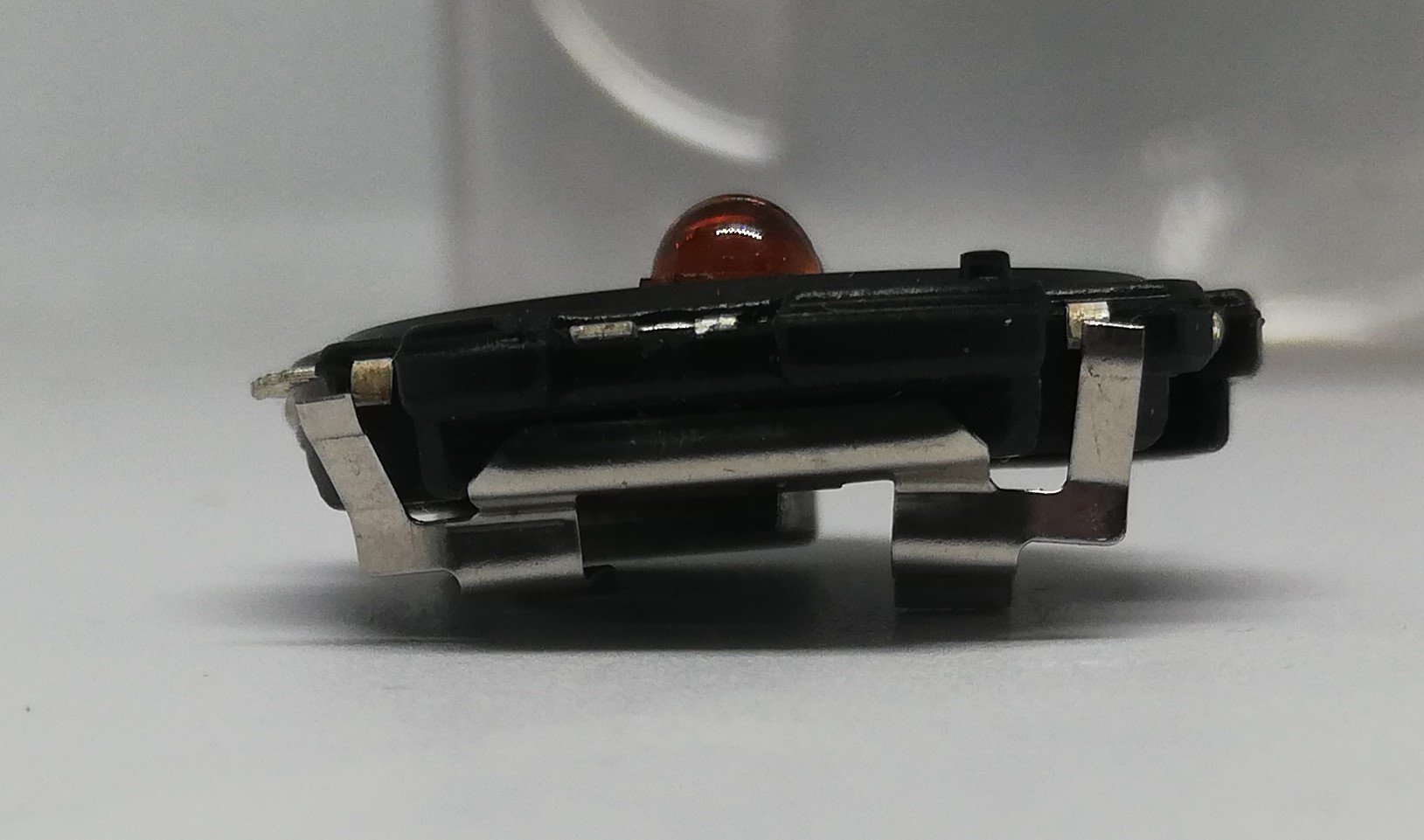
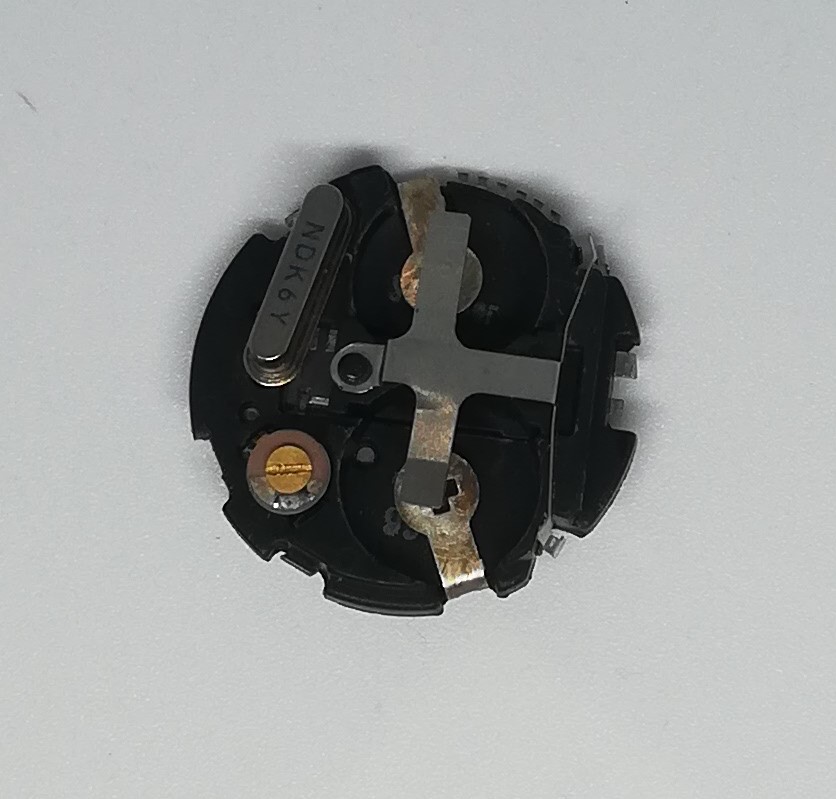
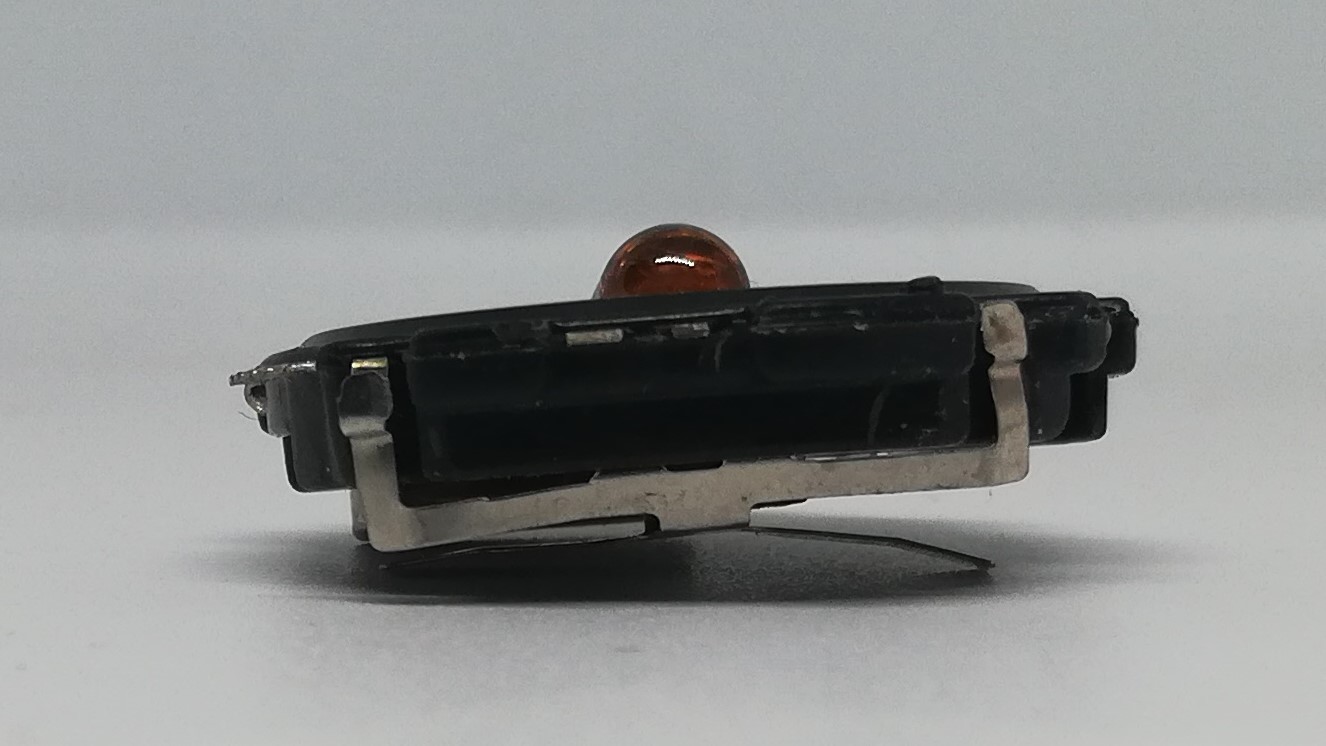
.jpg)
.jpg)
.jpg)
.jpg)
.jpg)
.jpg)
.jpg)
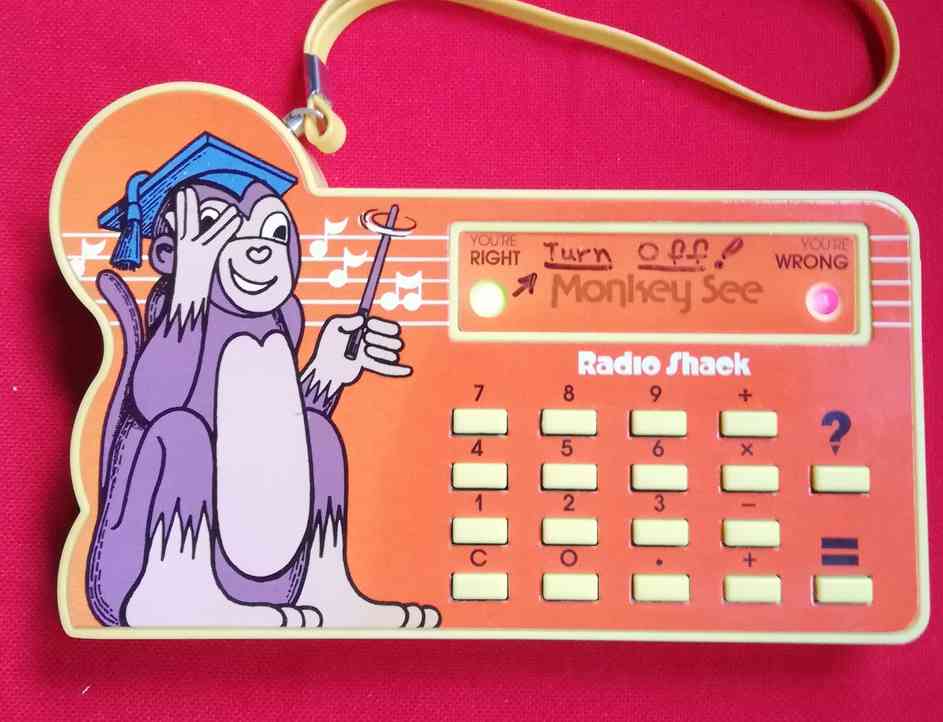
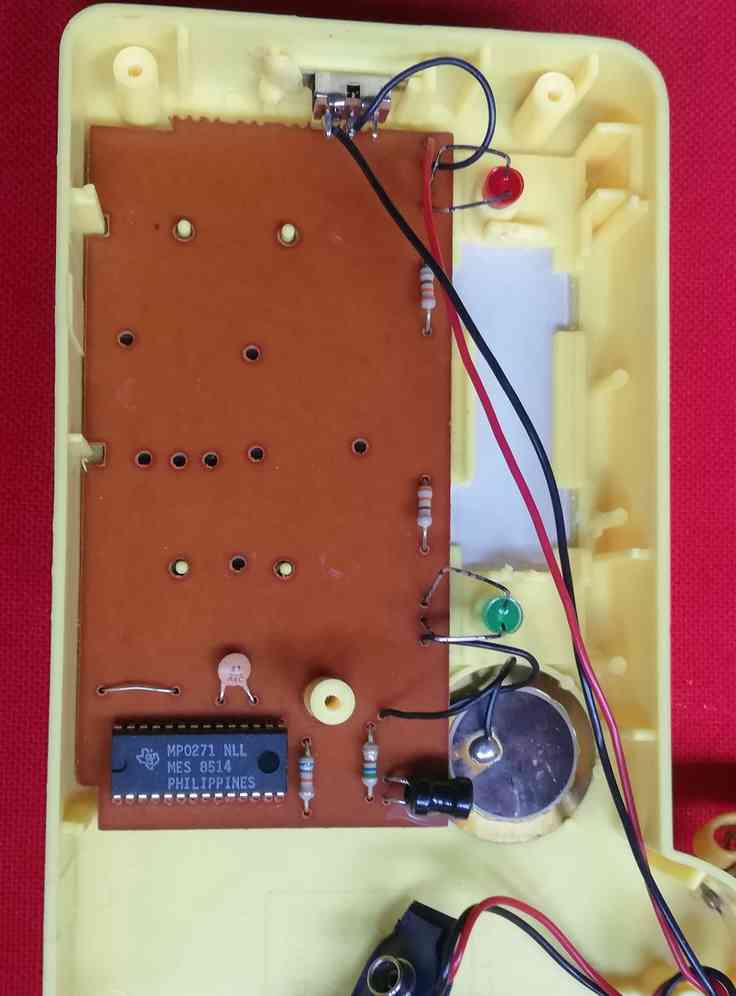


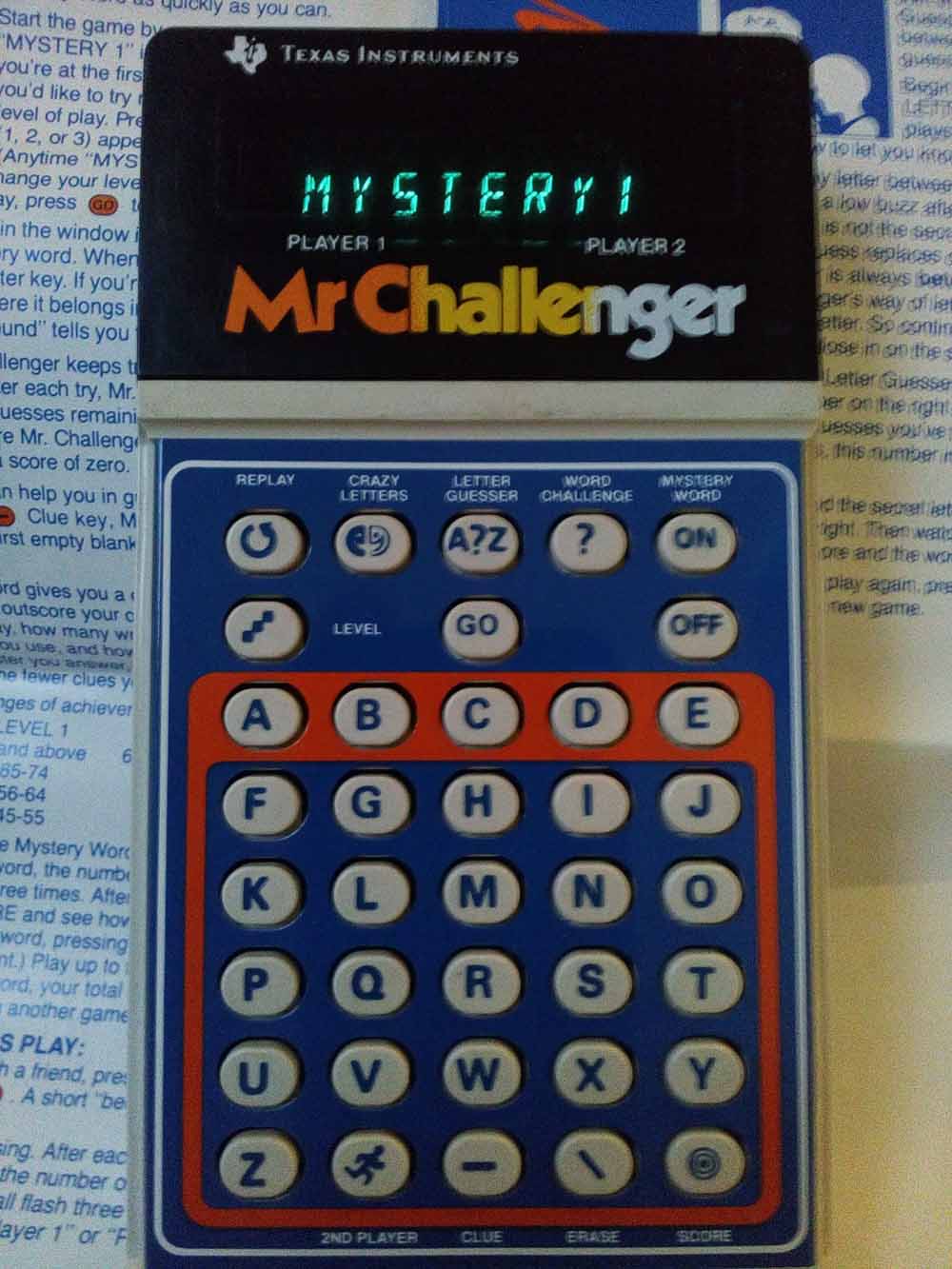


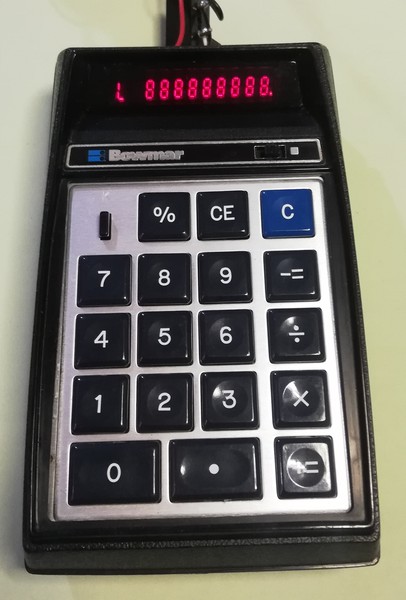
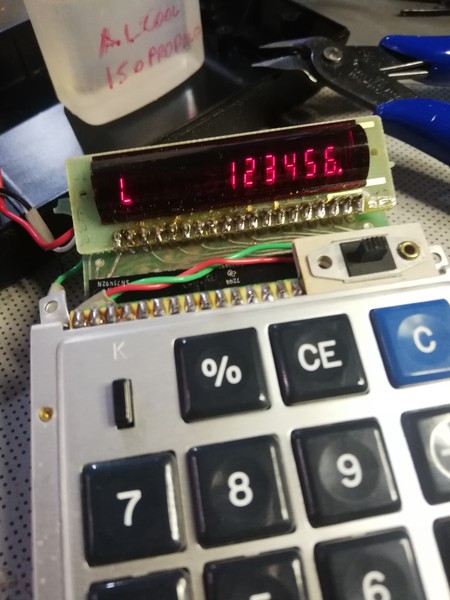
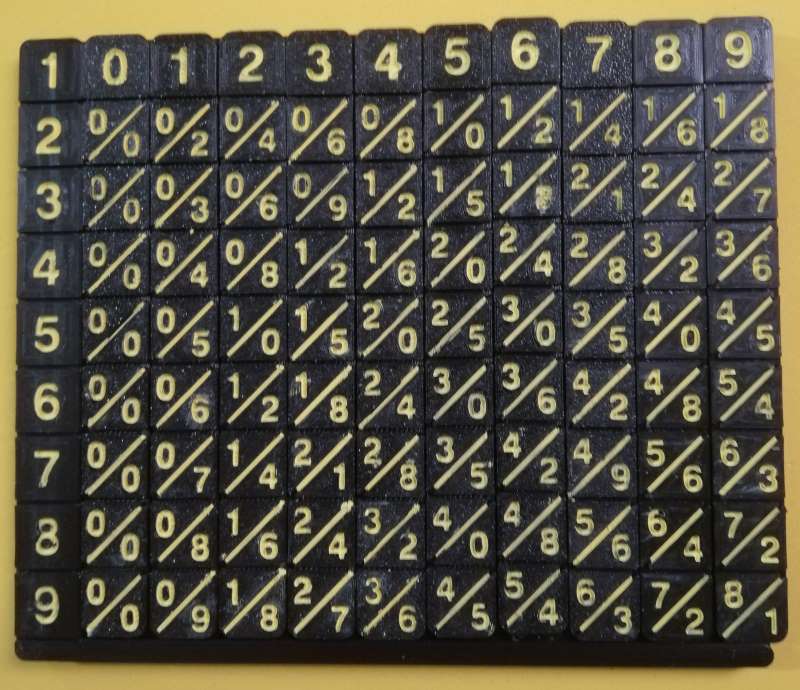
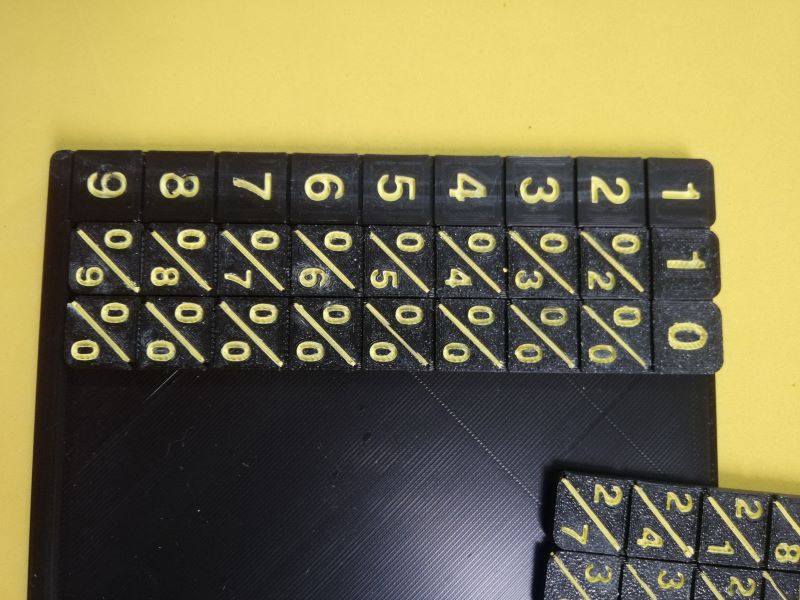
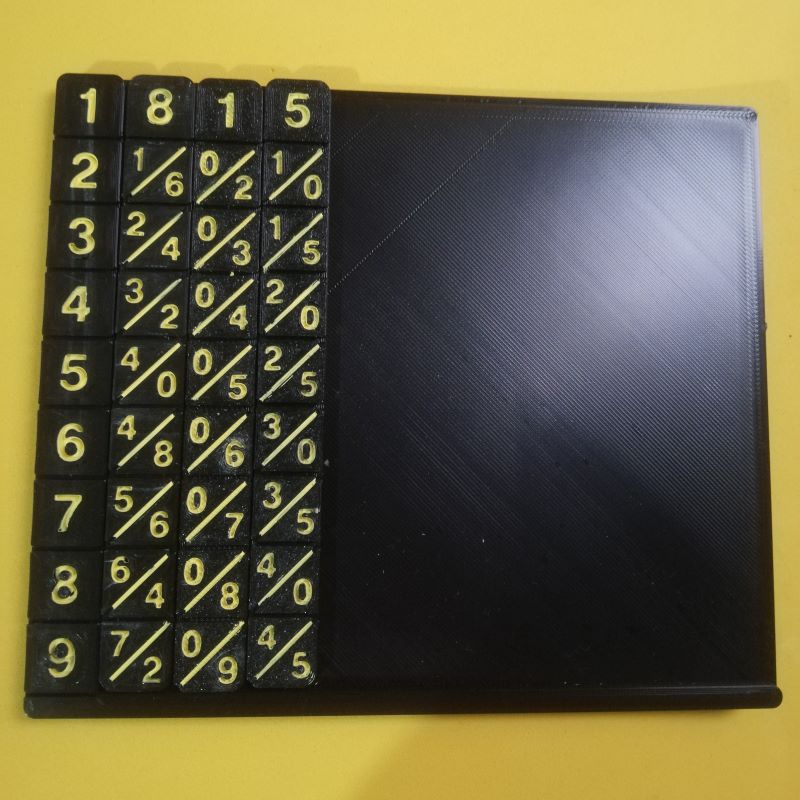

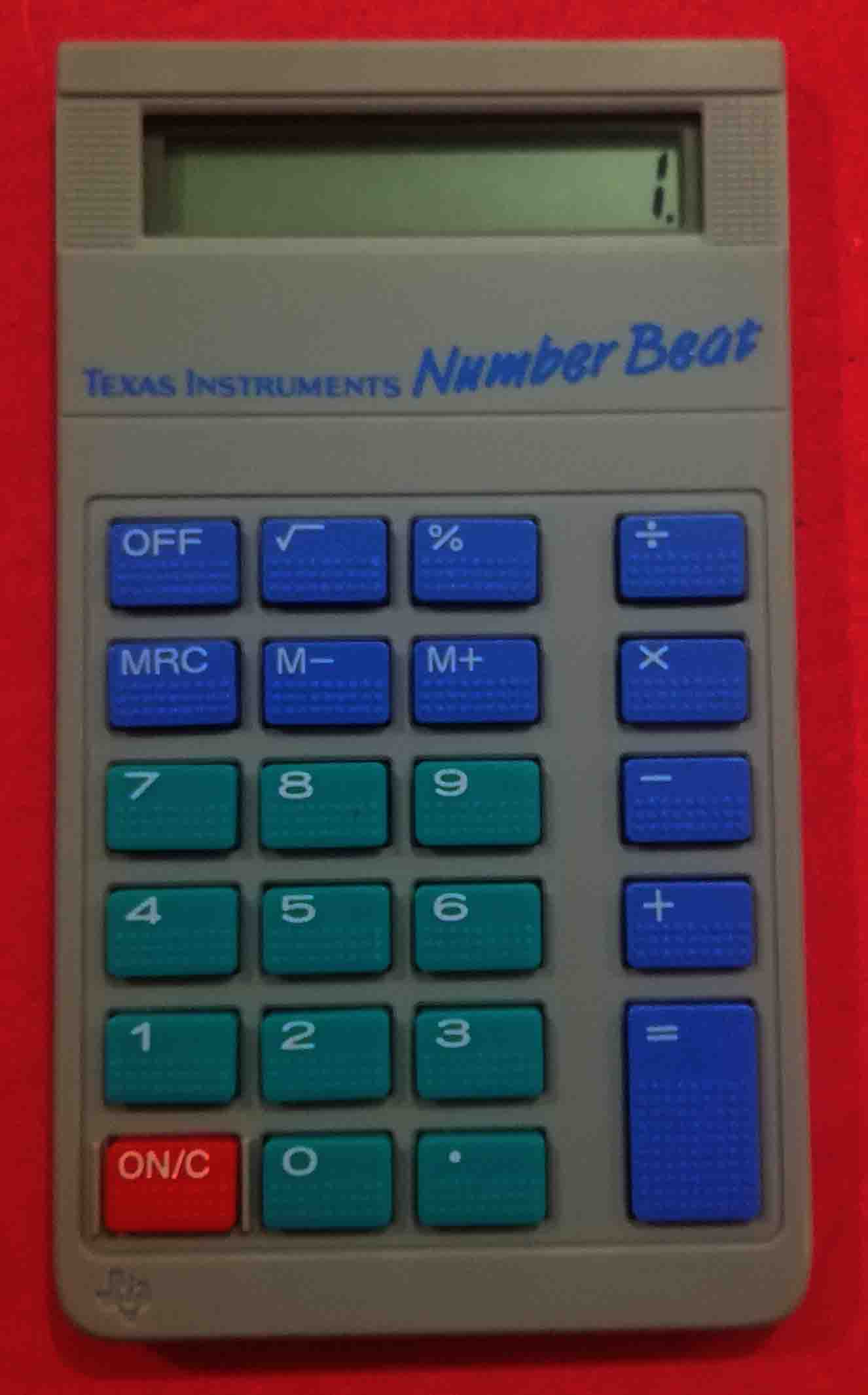
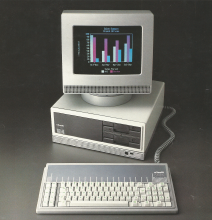
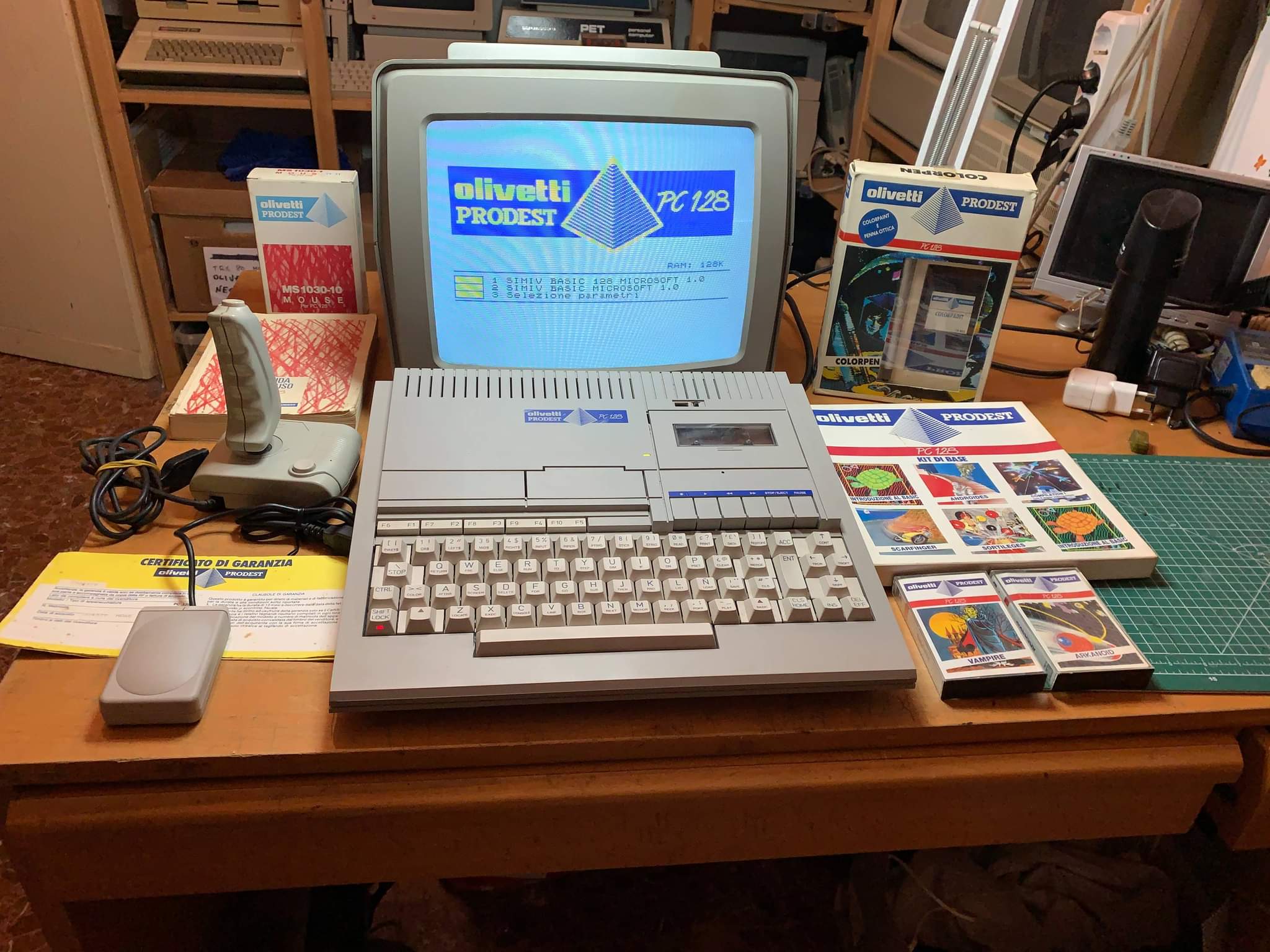
.jpg)
.jpg)
.jpg)
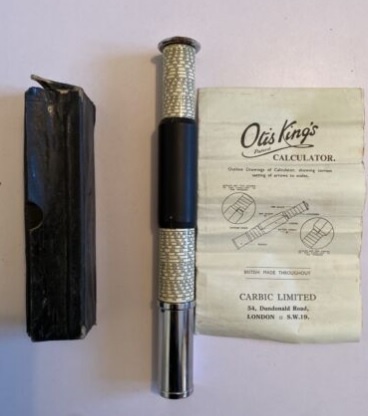
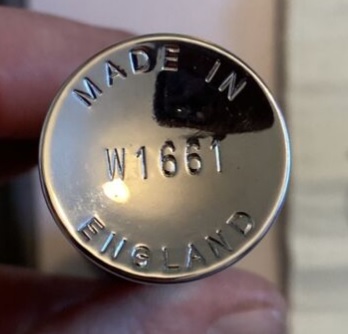
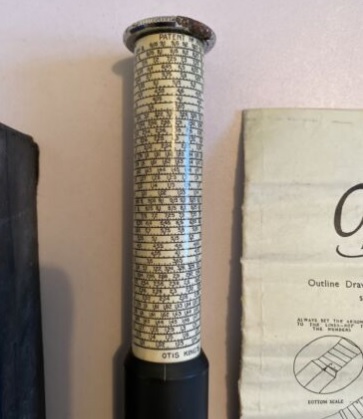
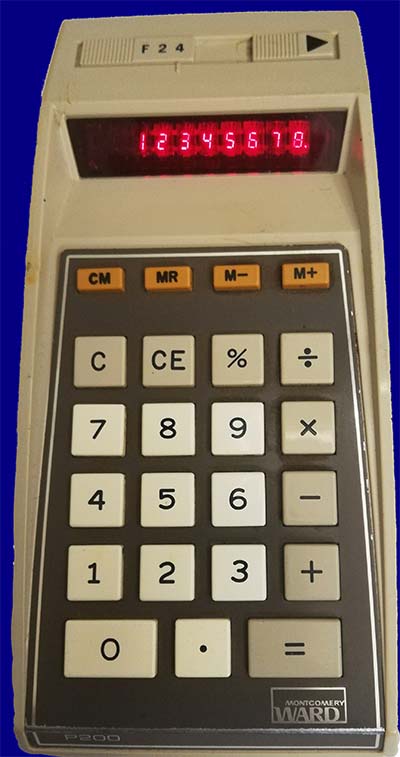
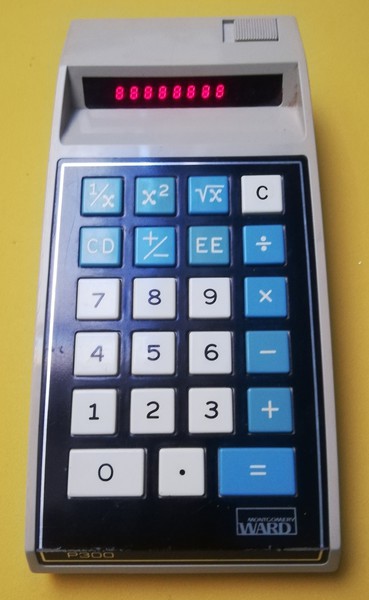
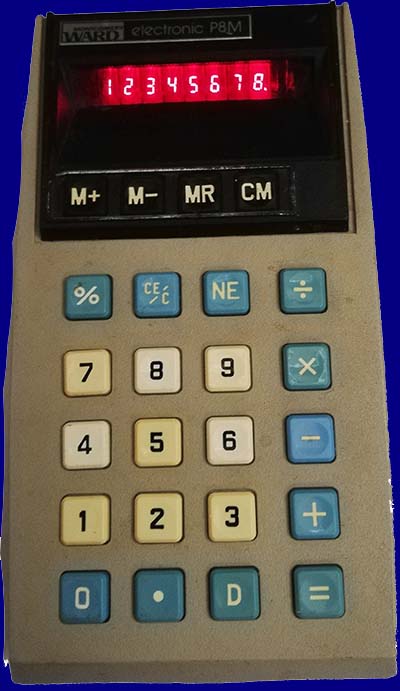
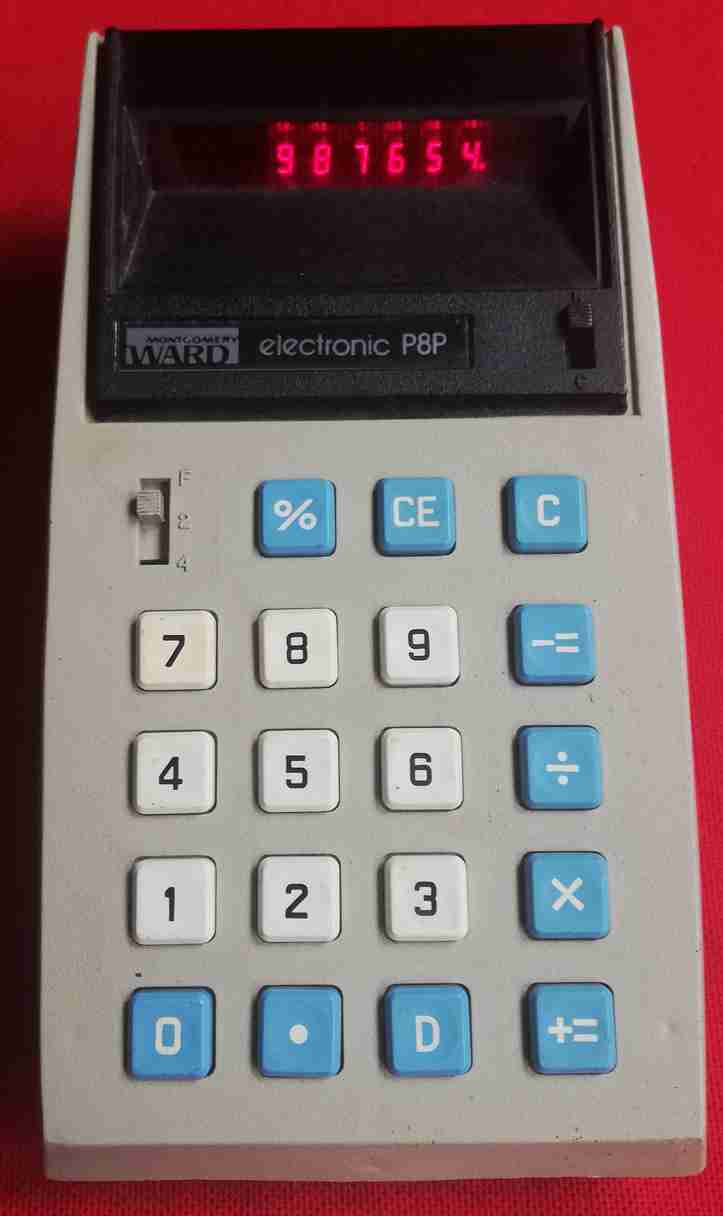
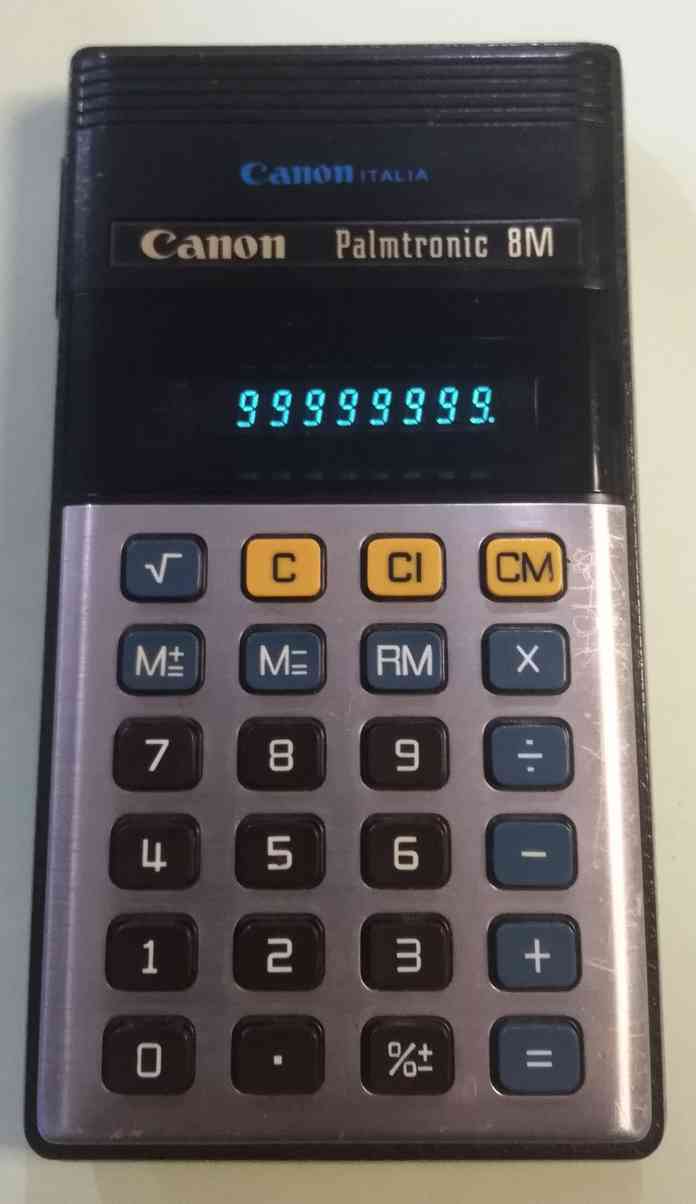
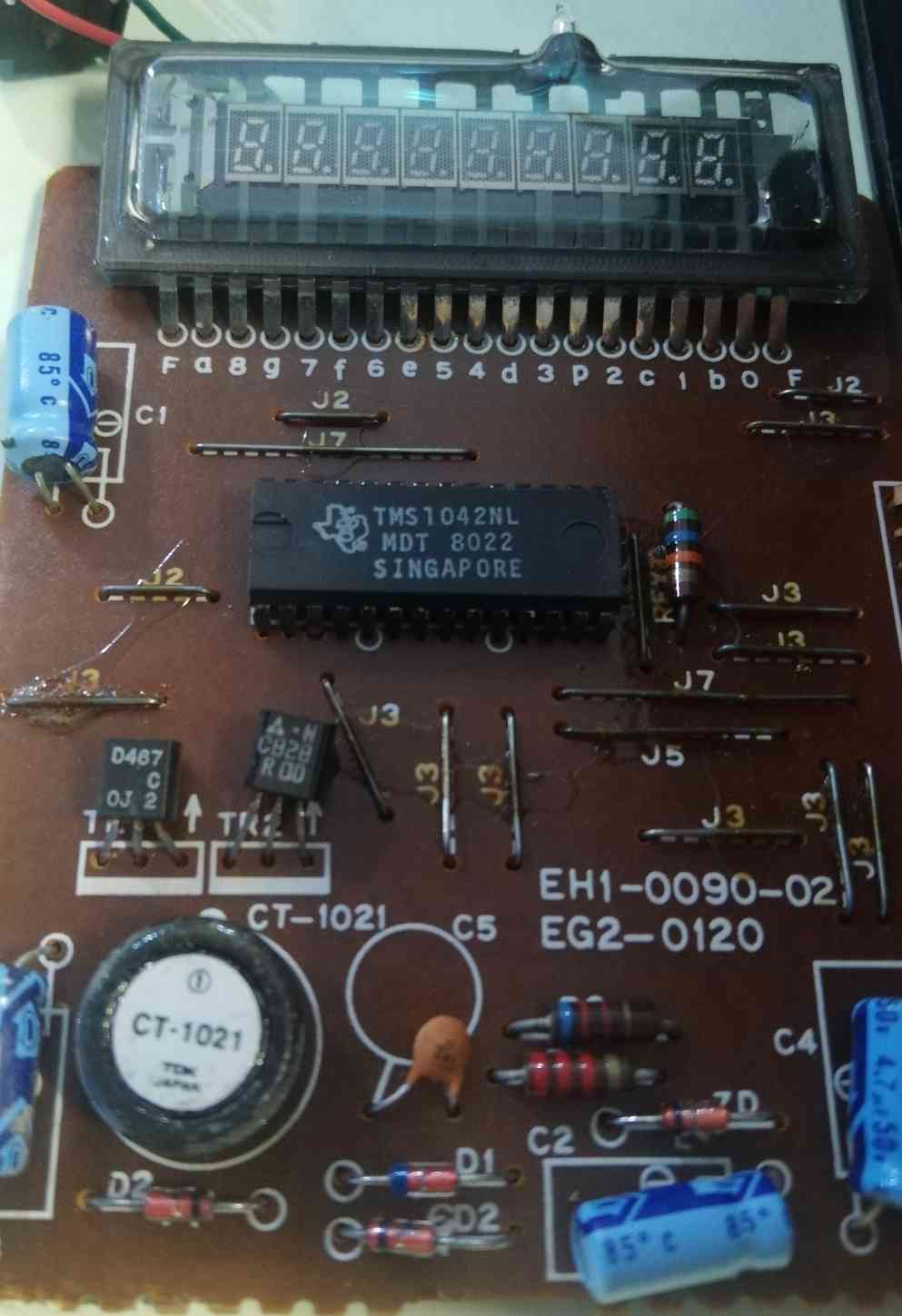


.jpg)
.jpg)
.jpg)
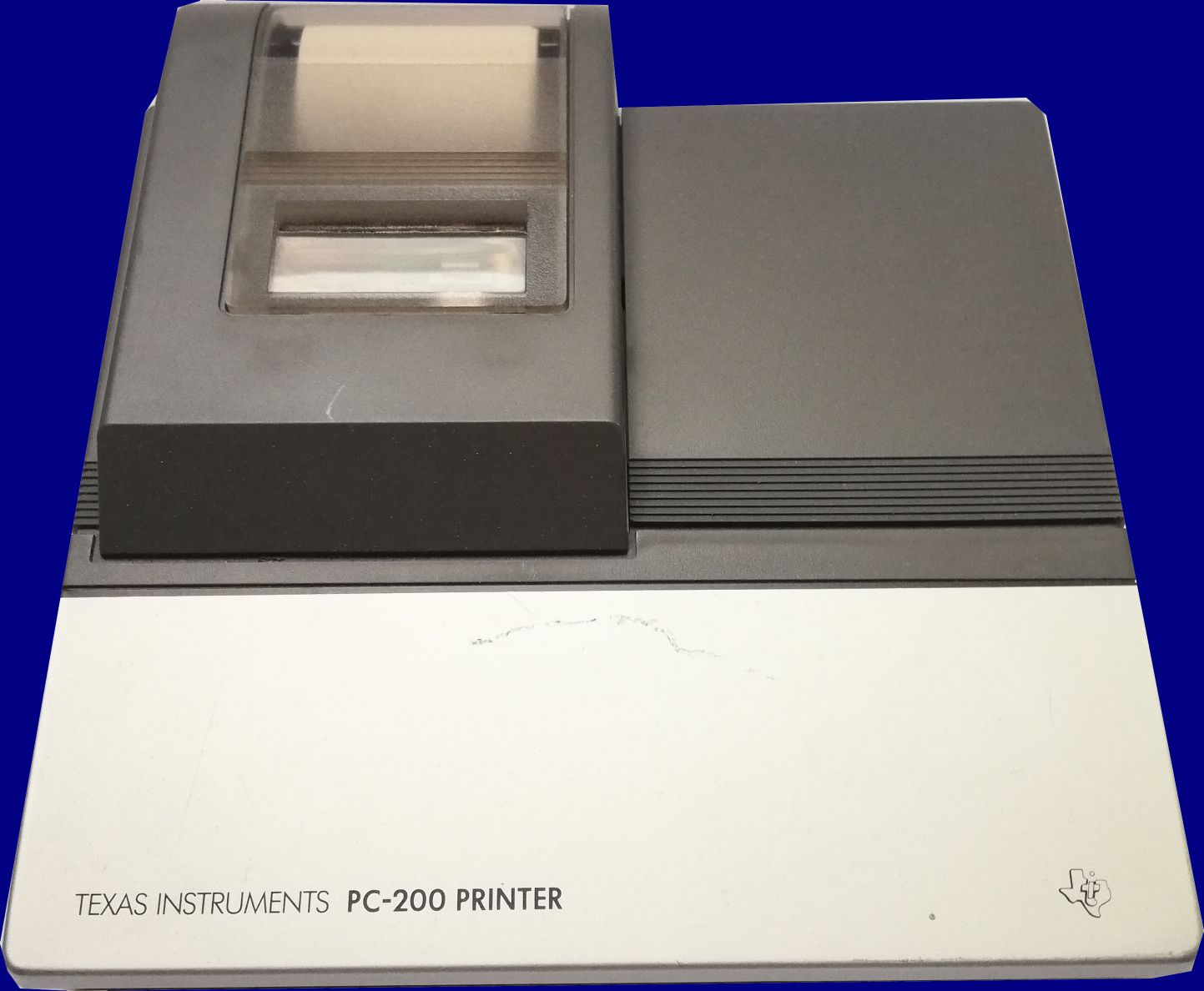


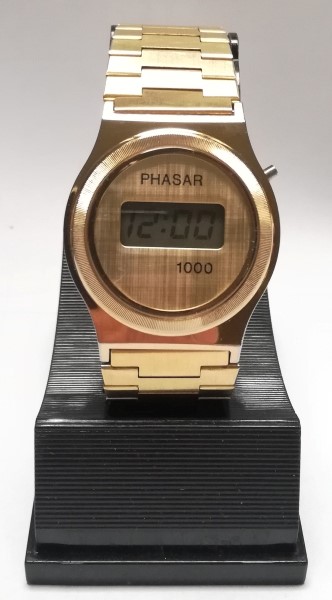
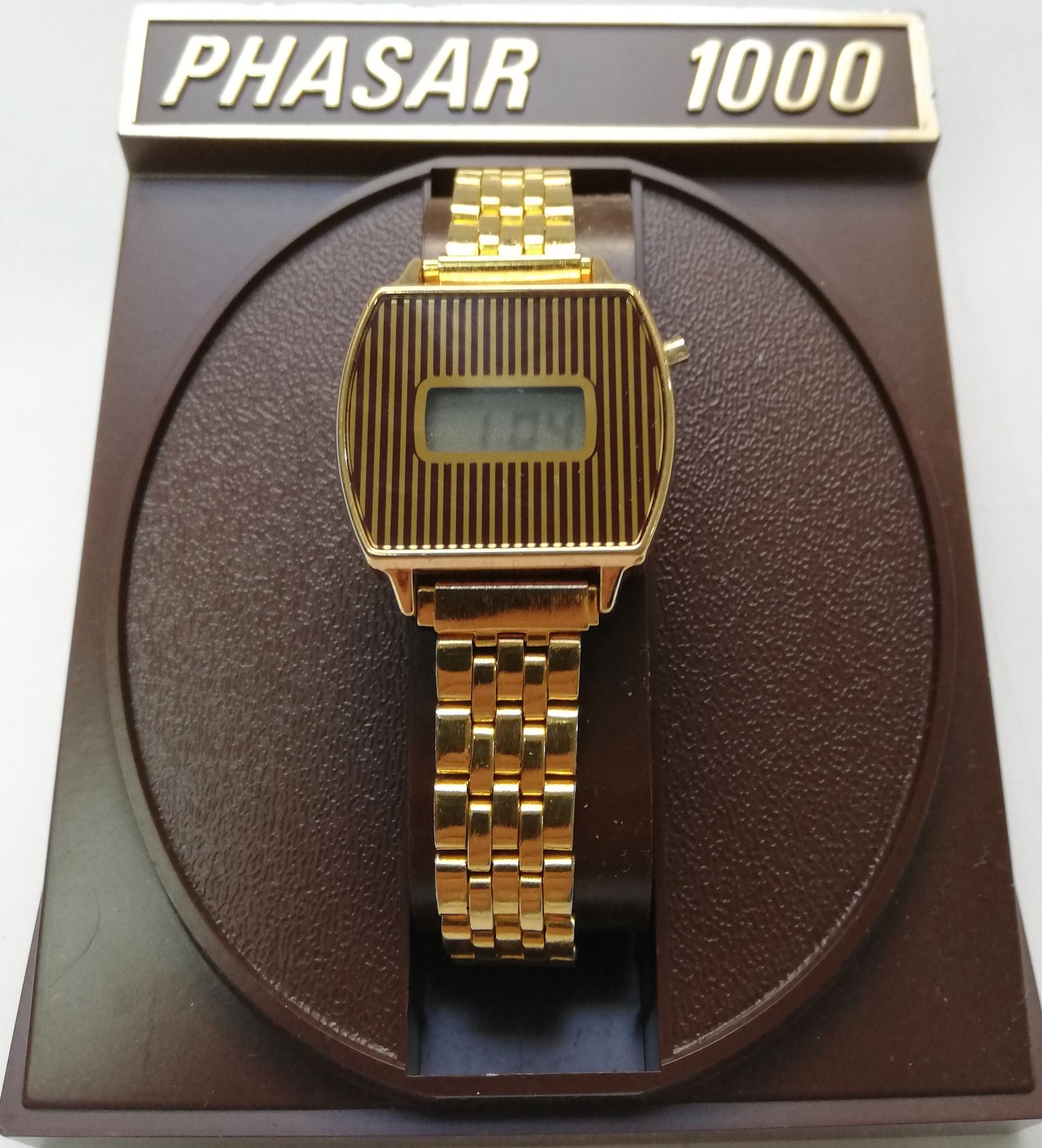
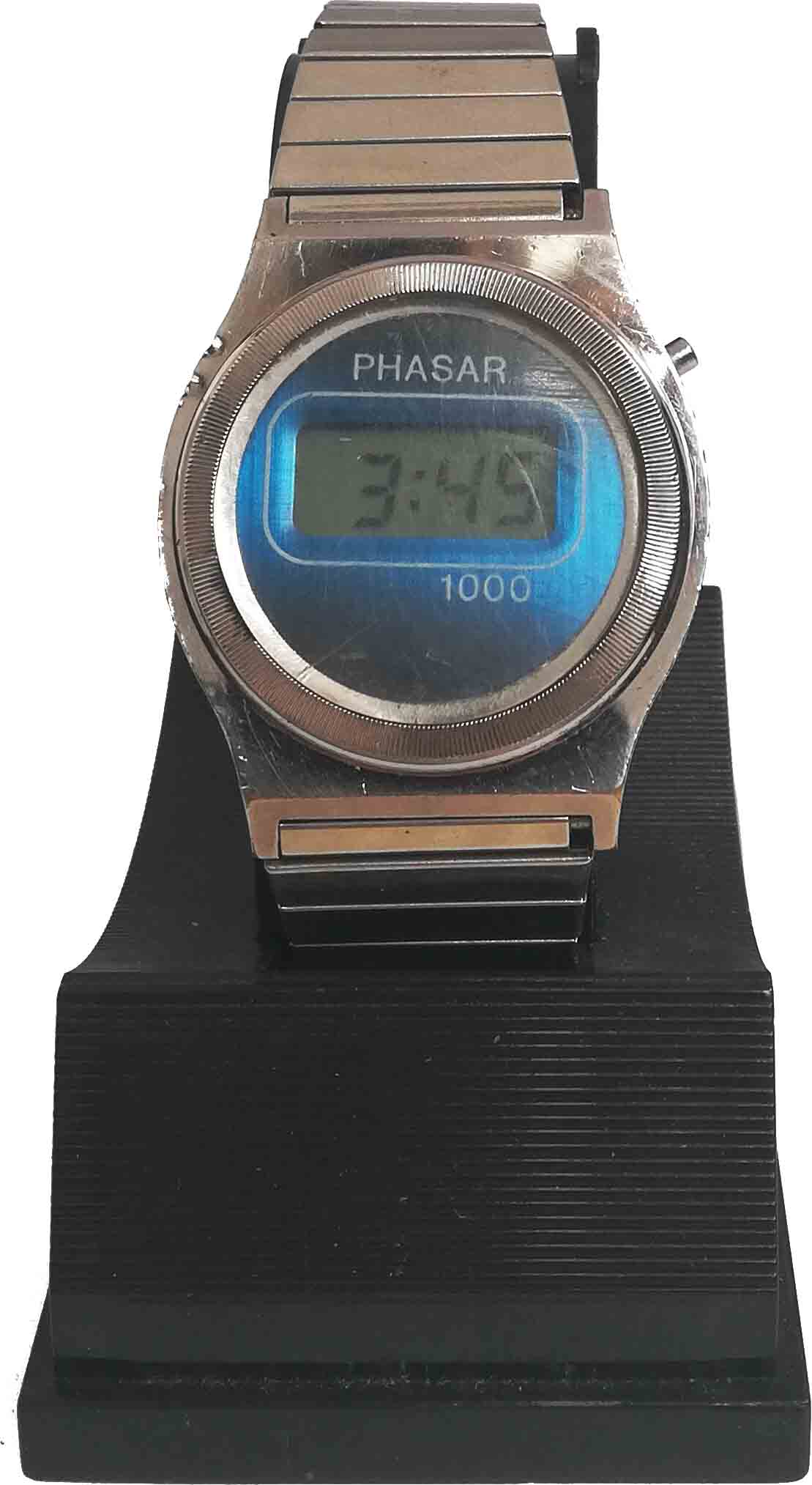
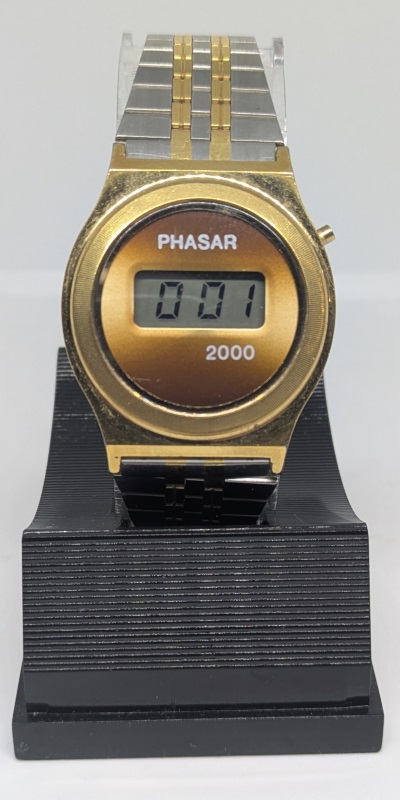
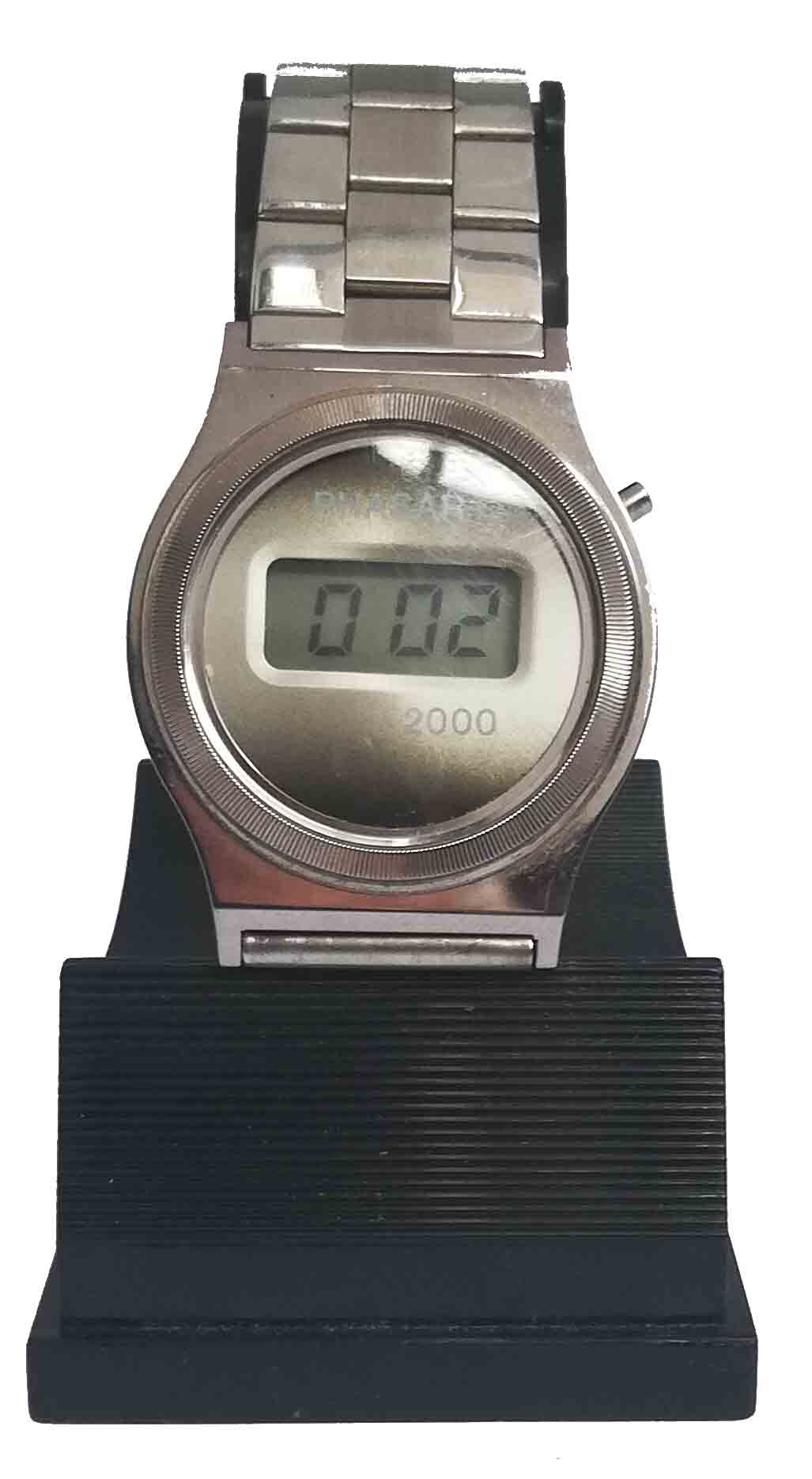

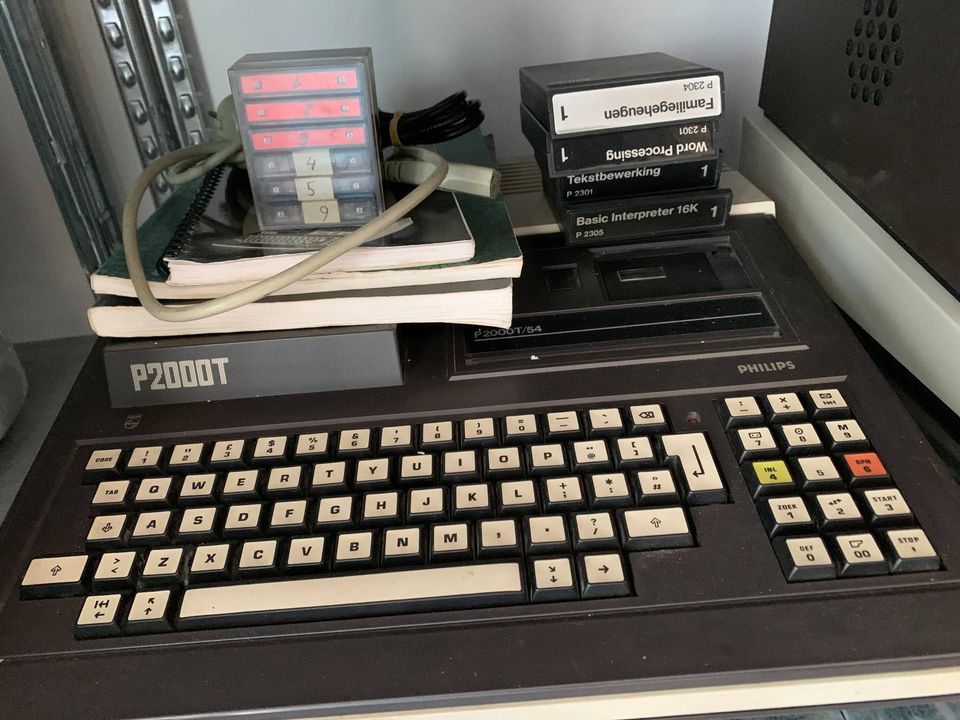
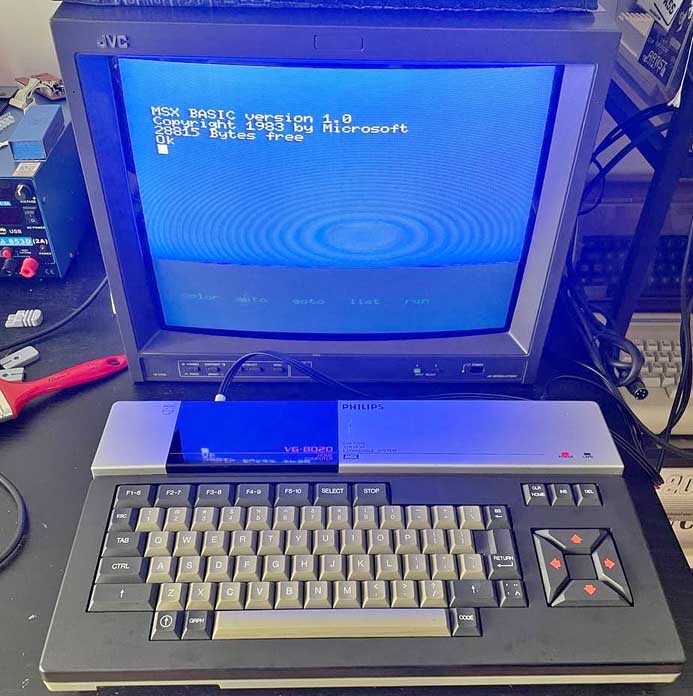
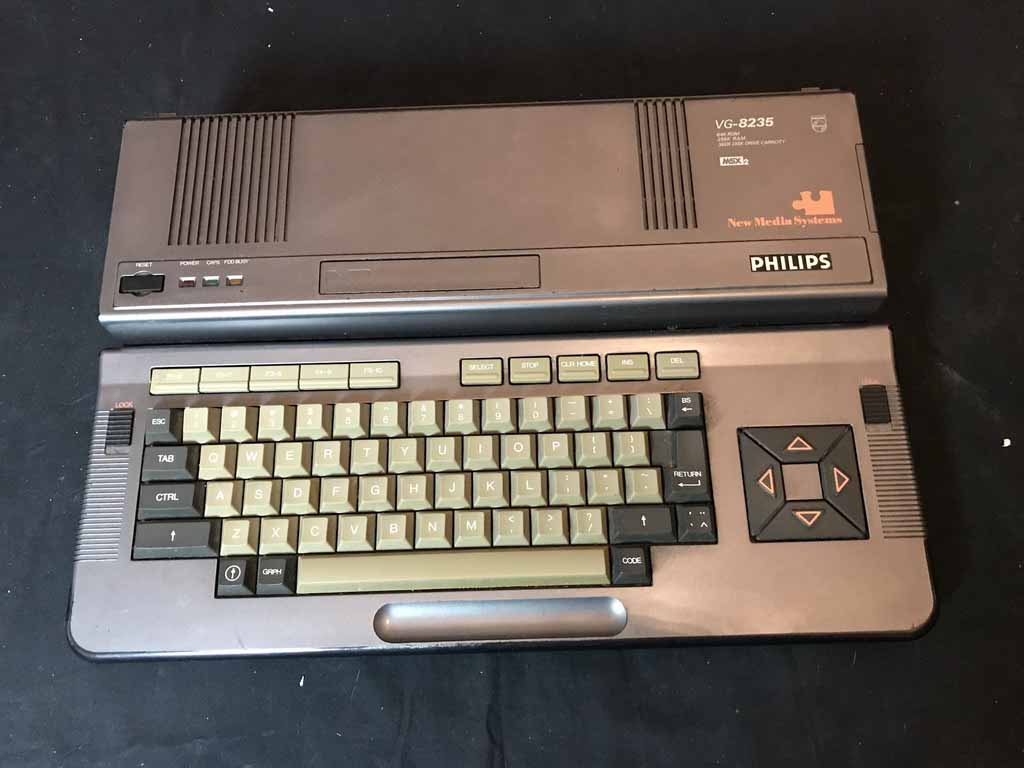
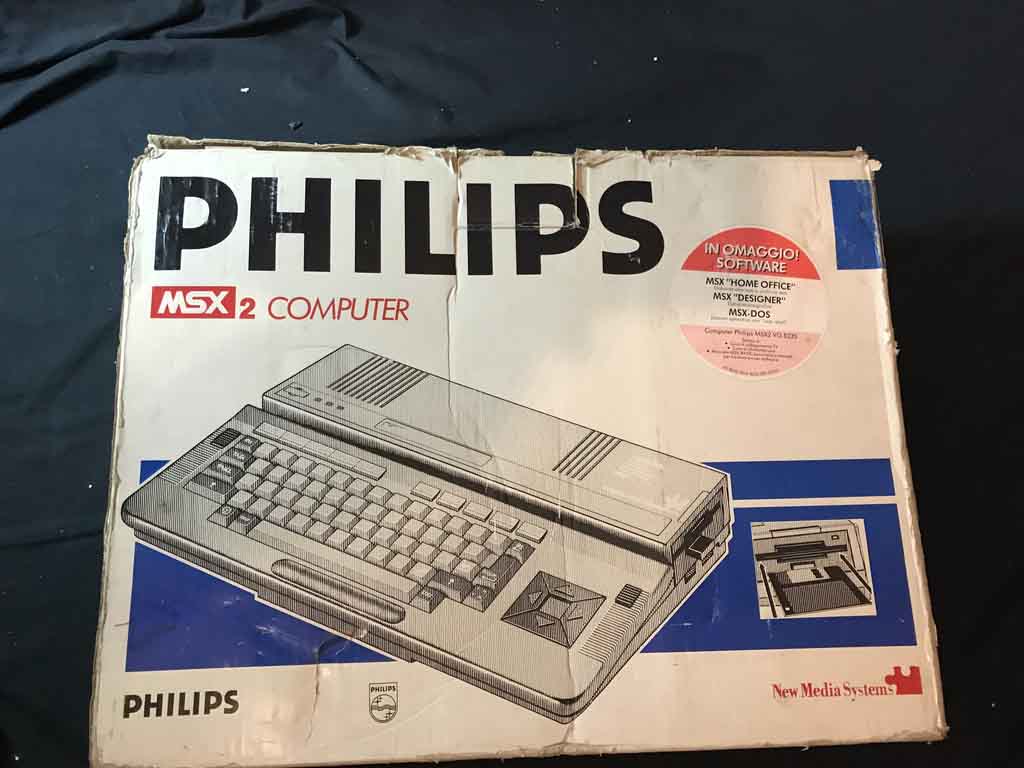
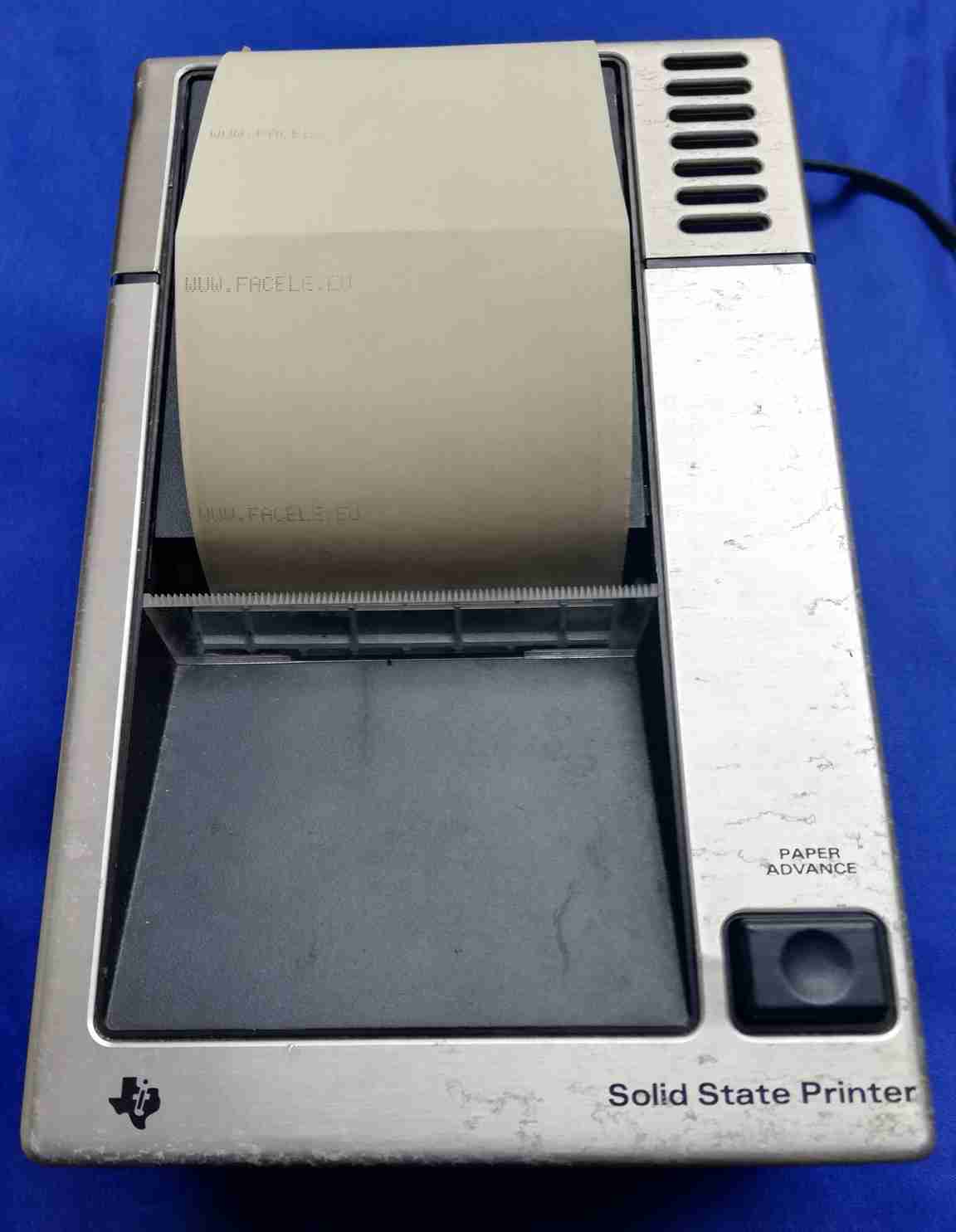
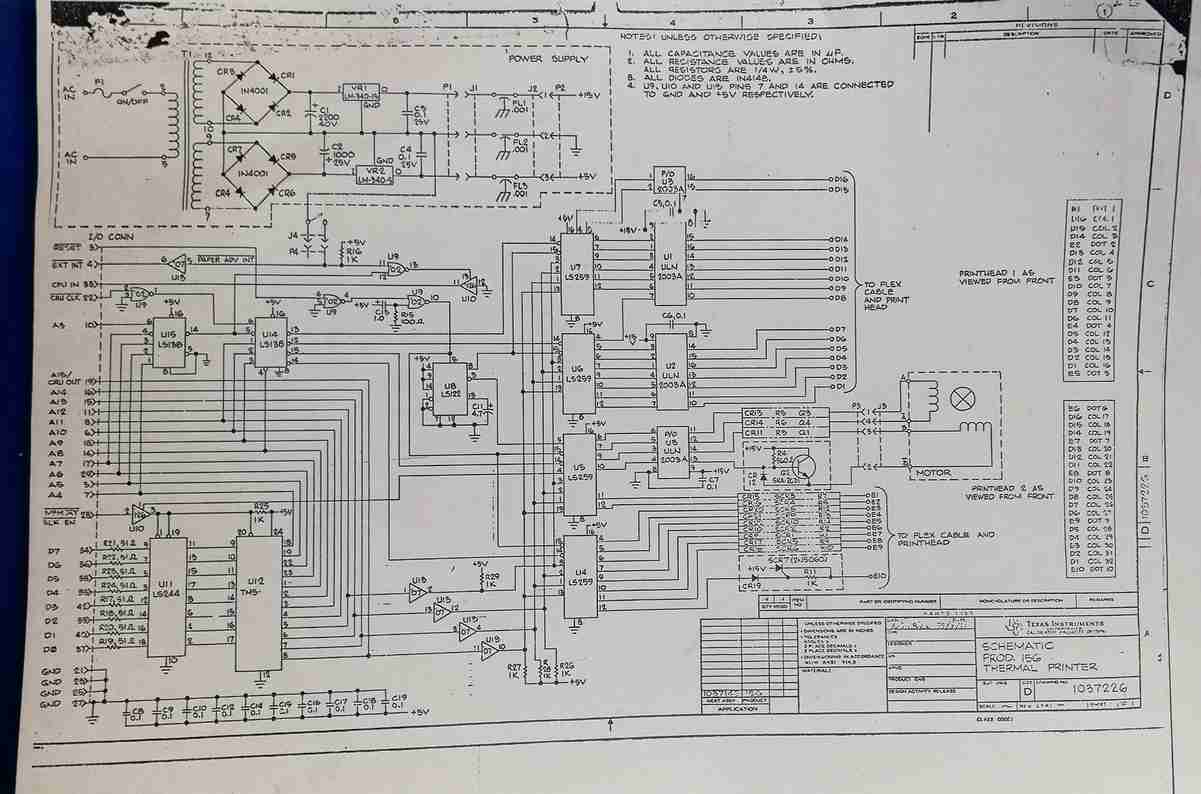


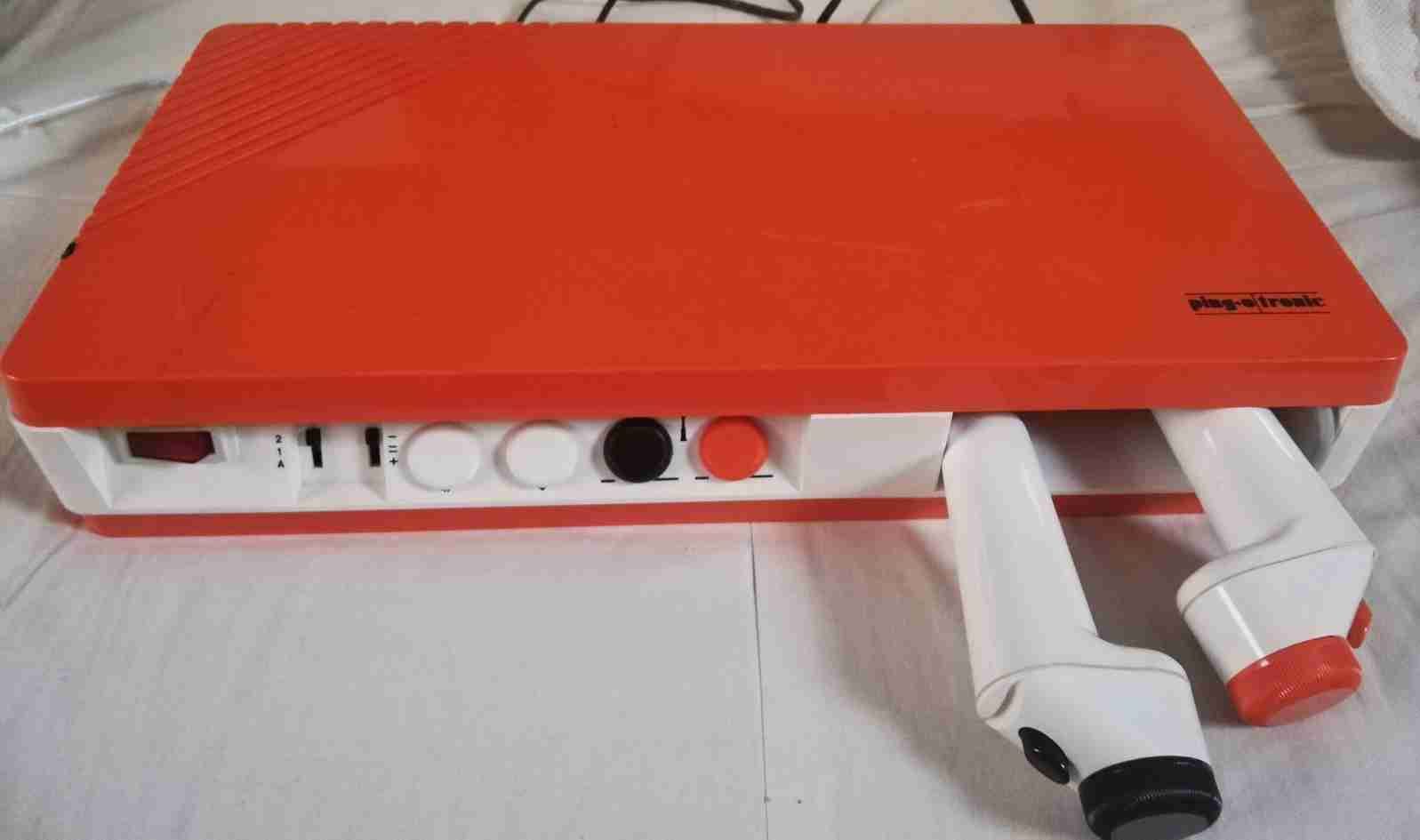

.jpg)
.jpg)
.jpg)
.jpg)
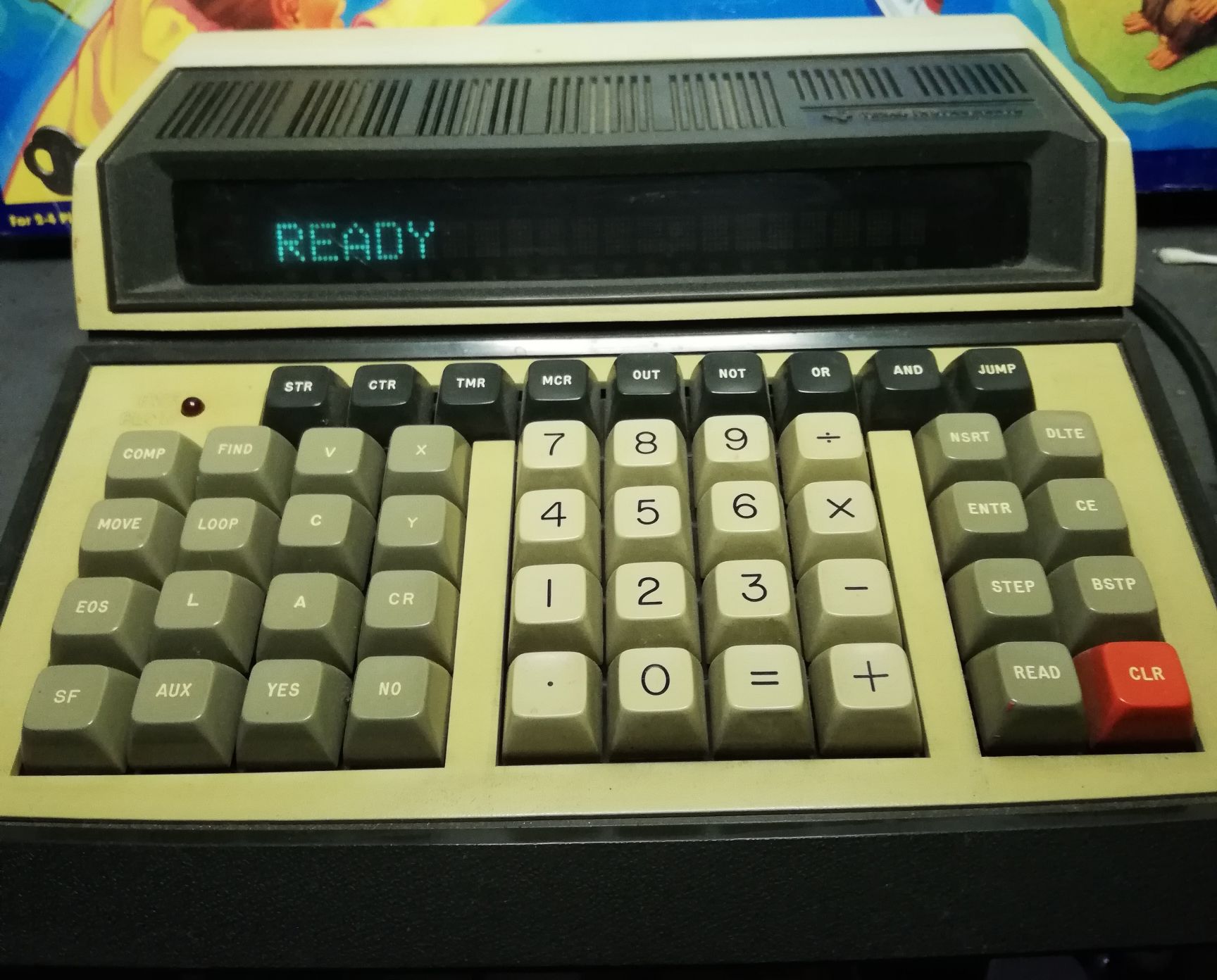
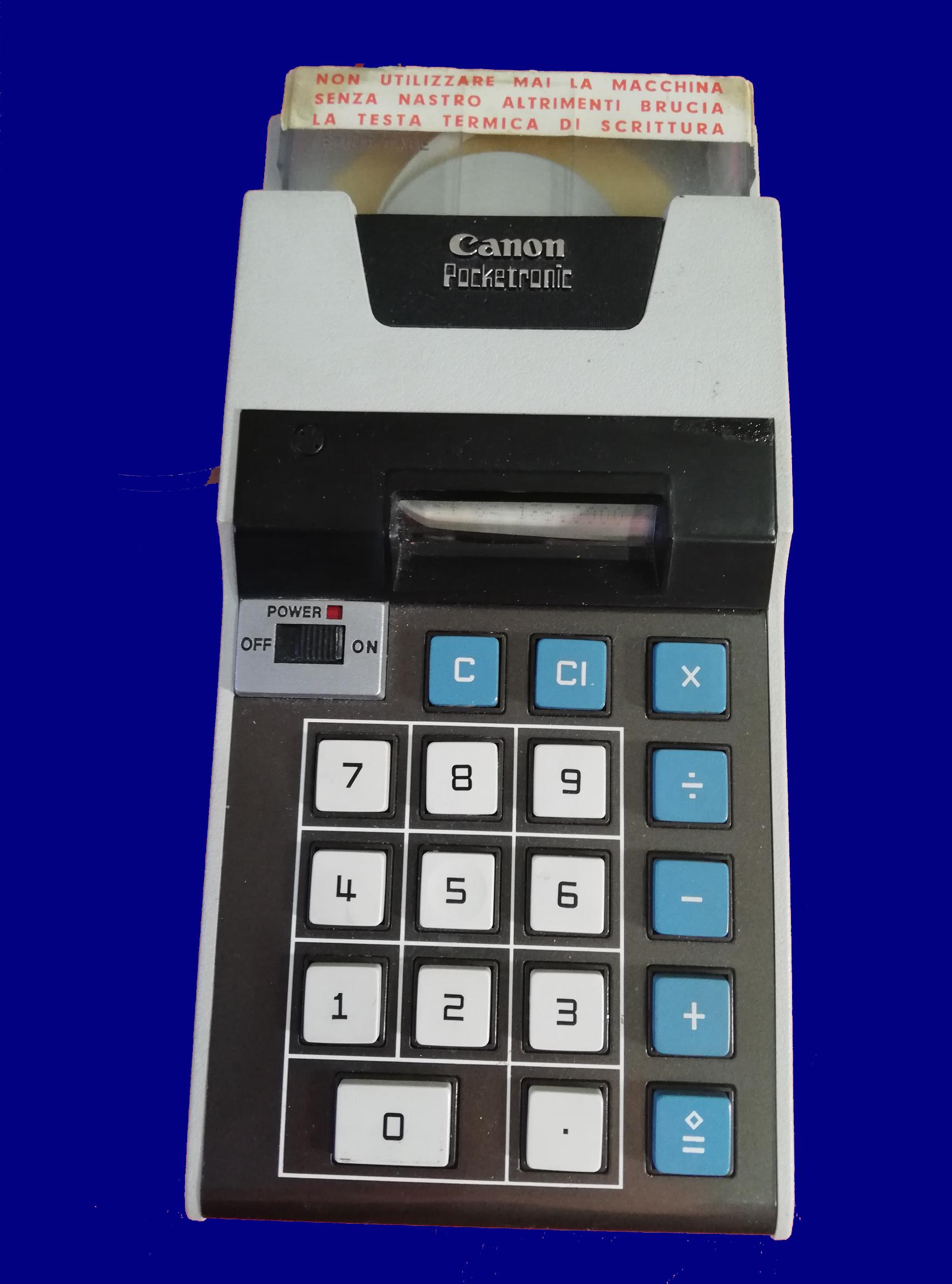
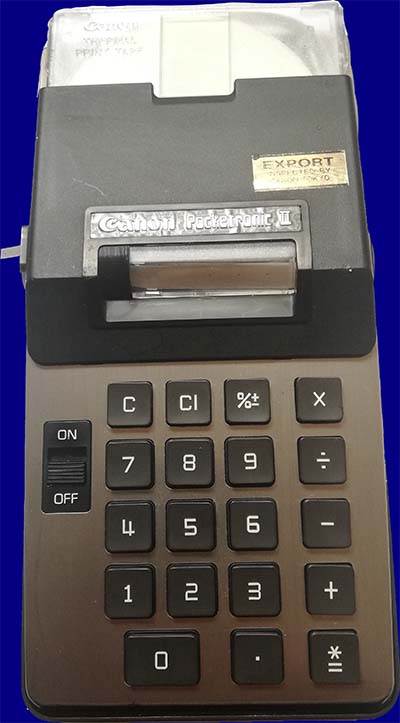
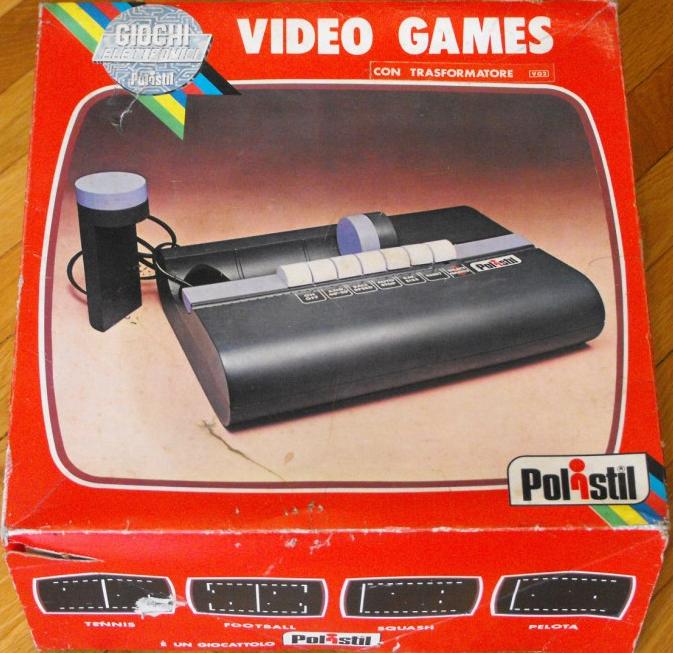
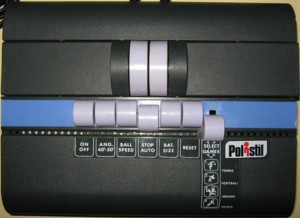

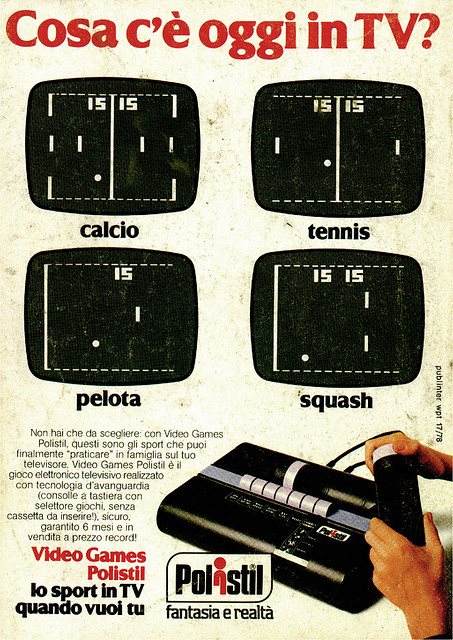

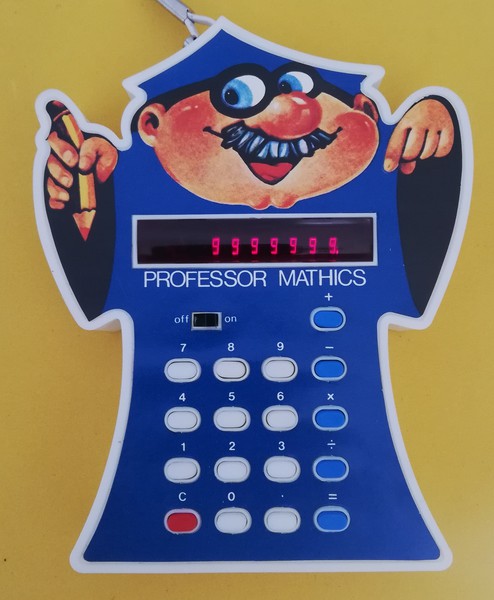
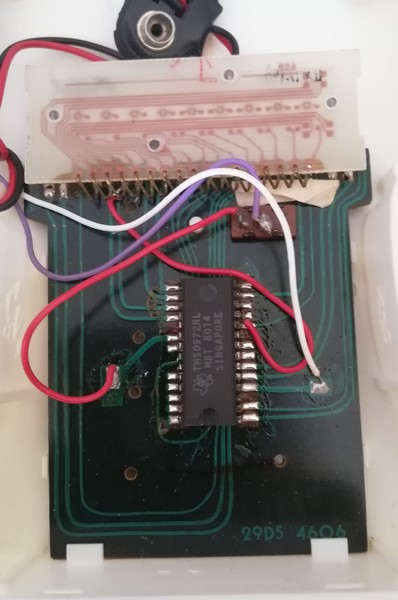
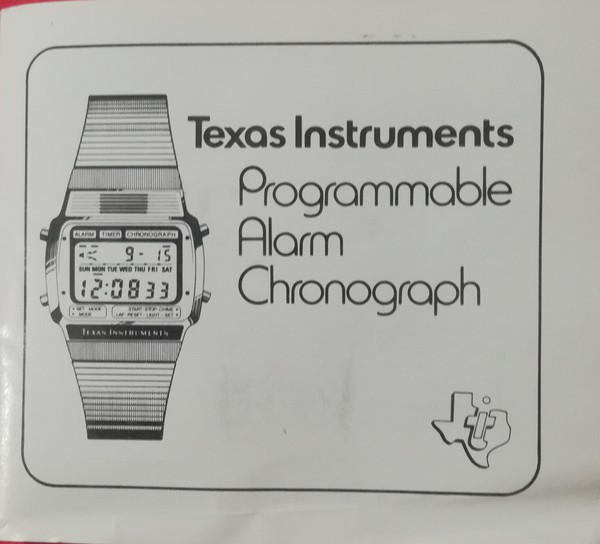
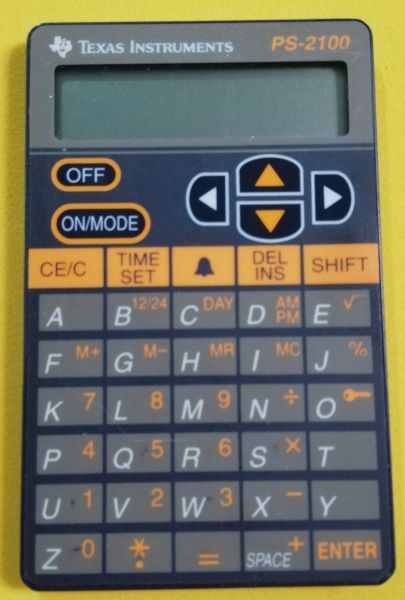
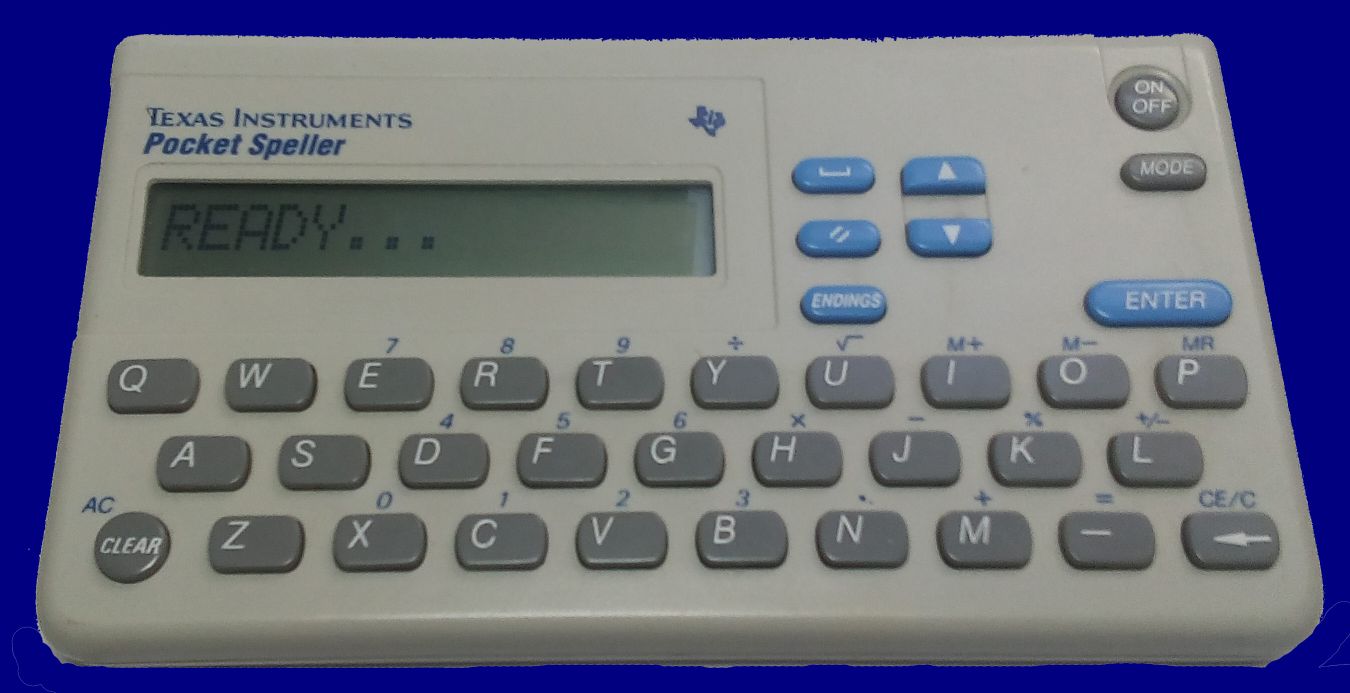
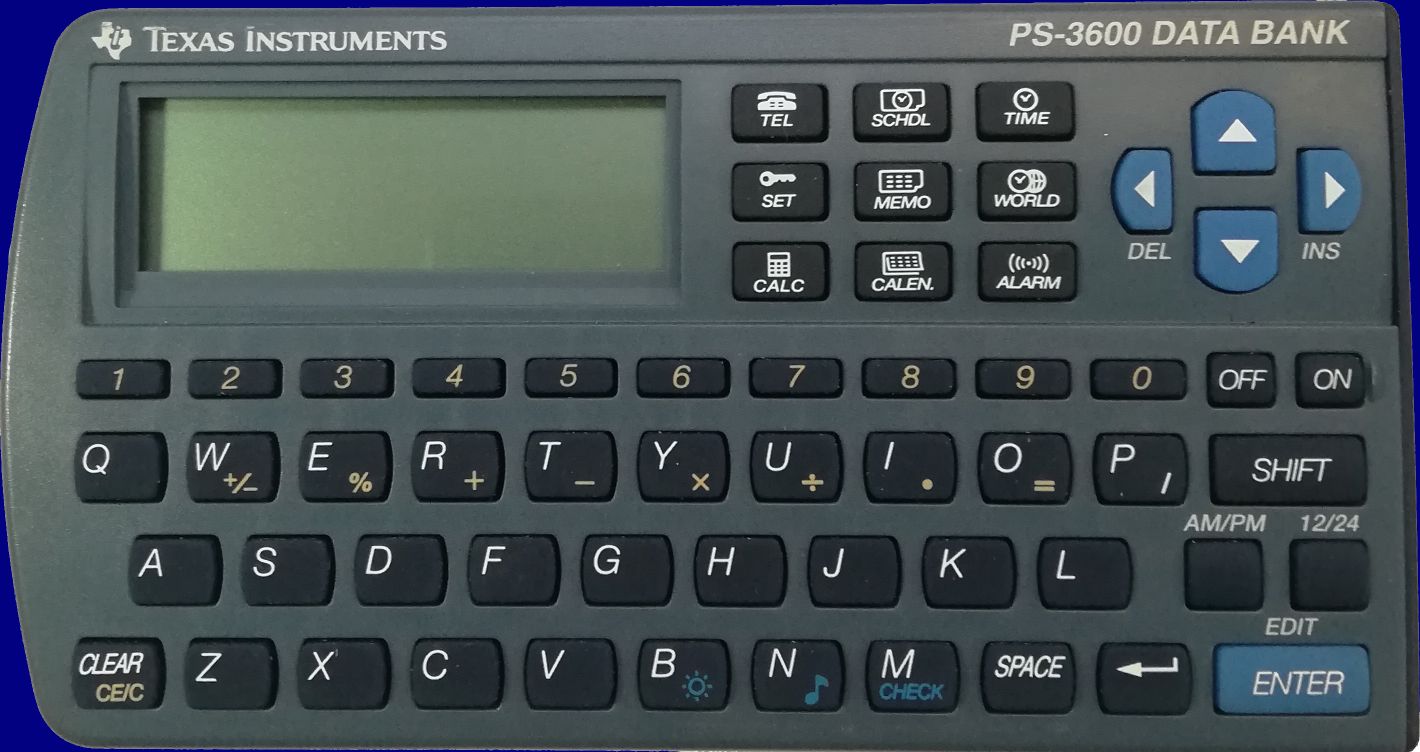

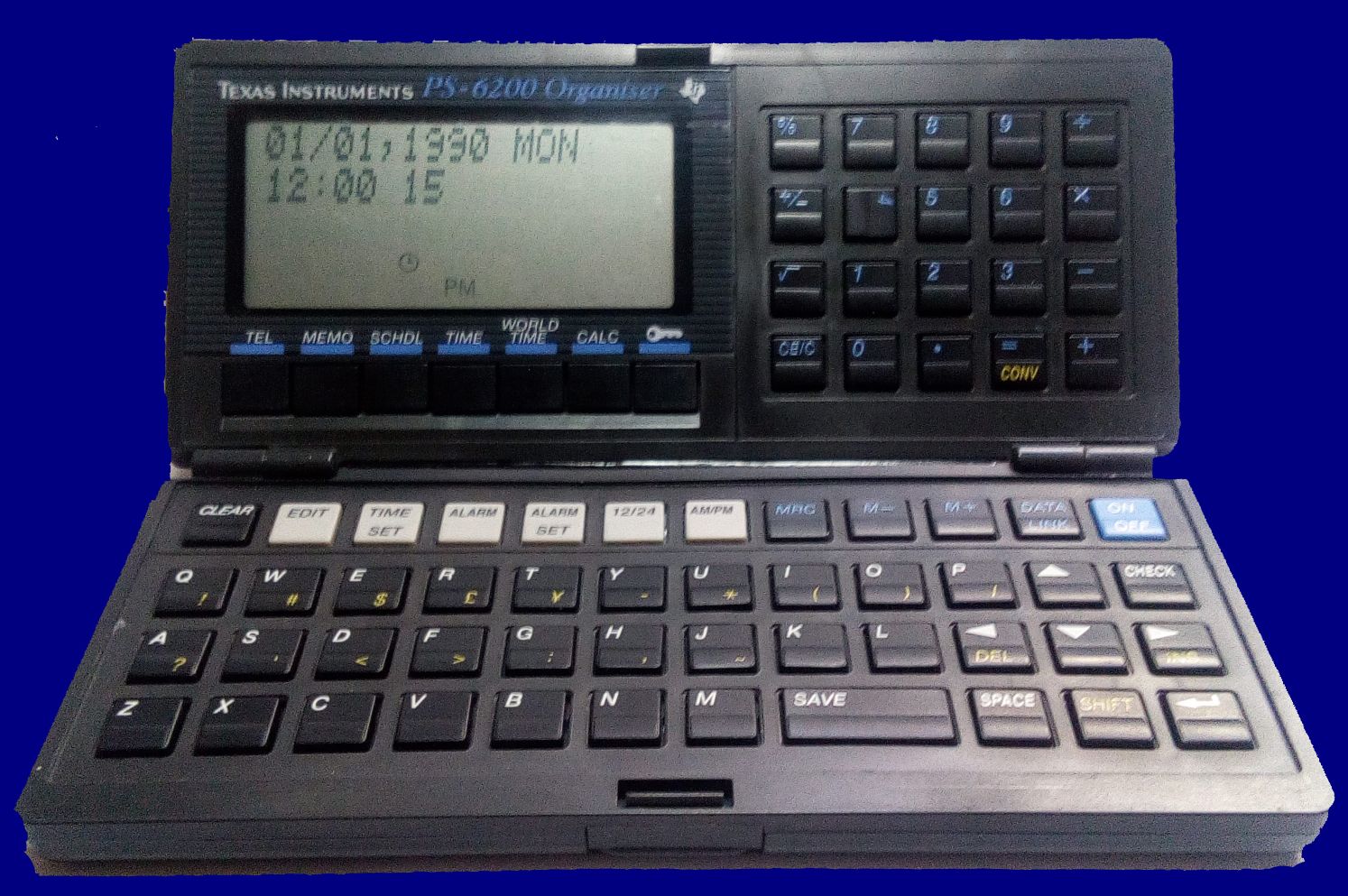
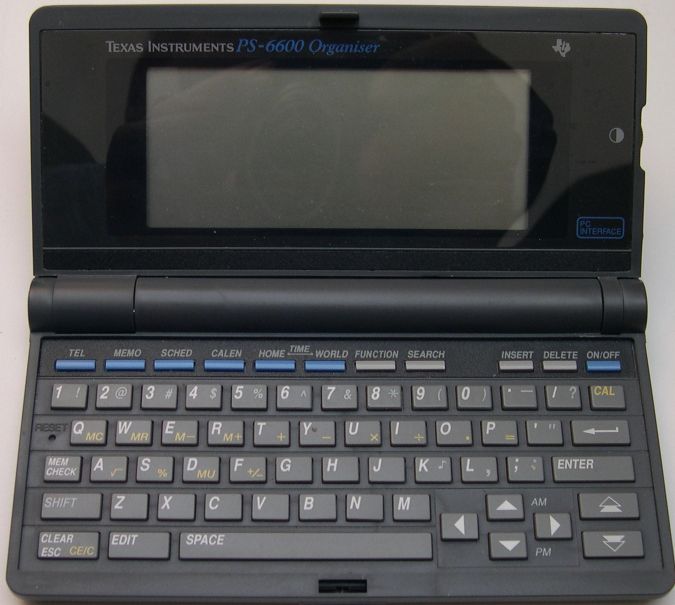
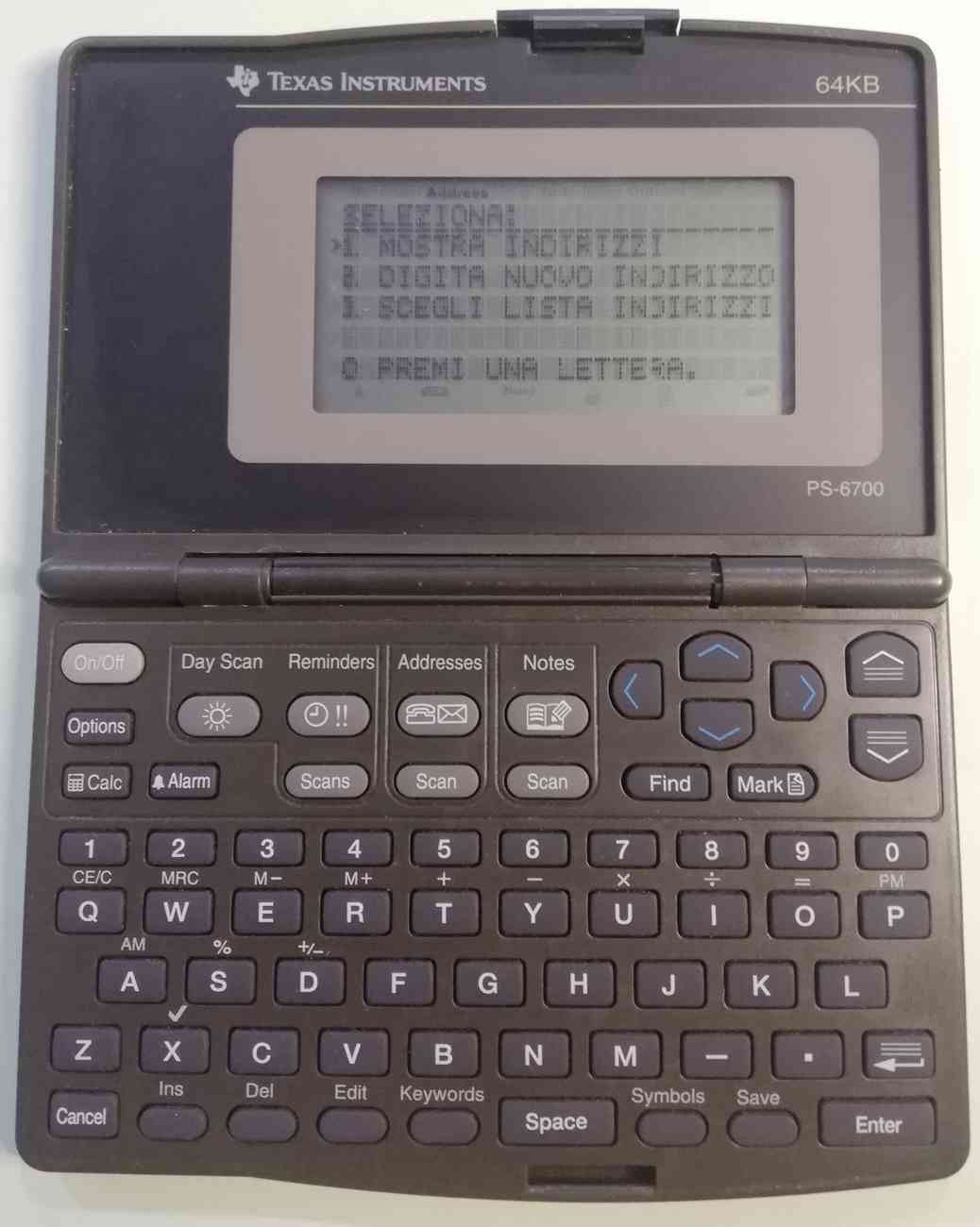
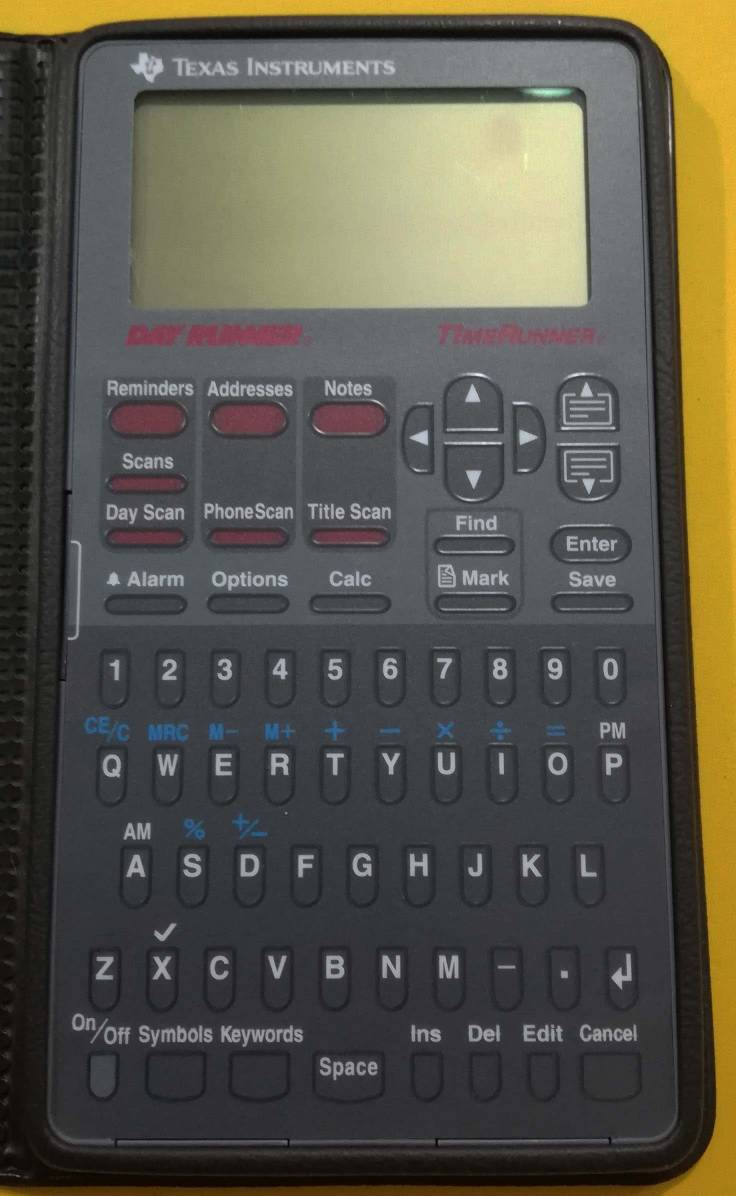
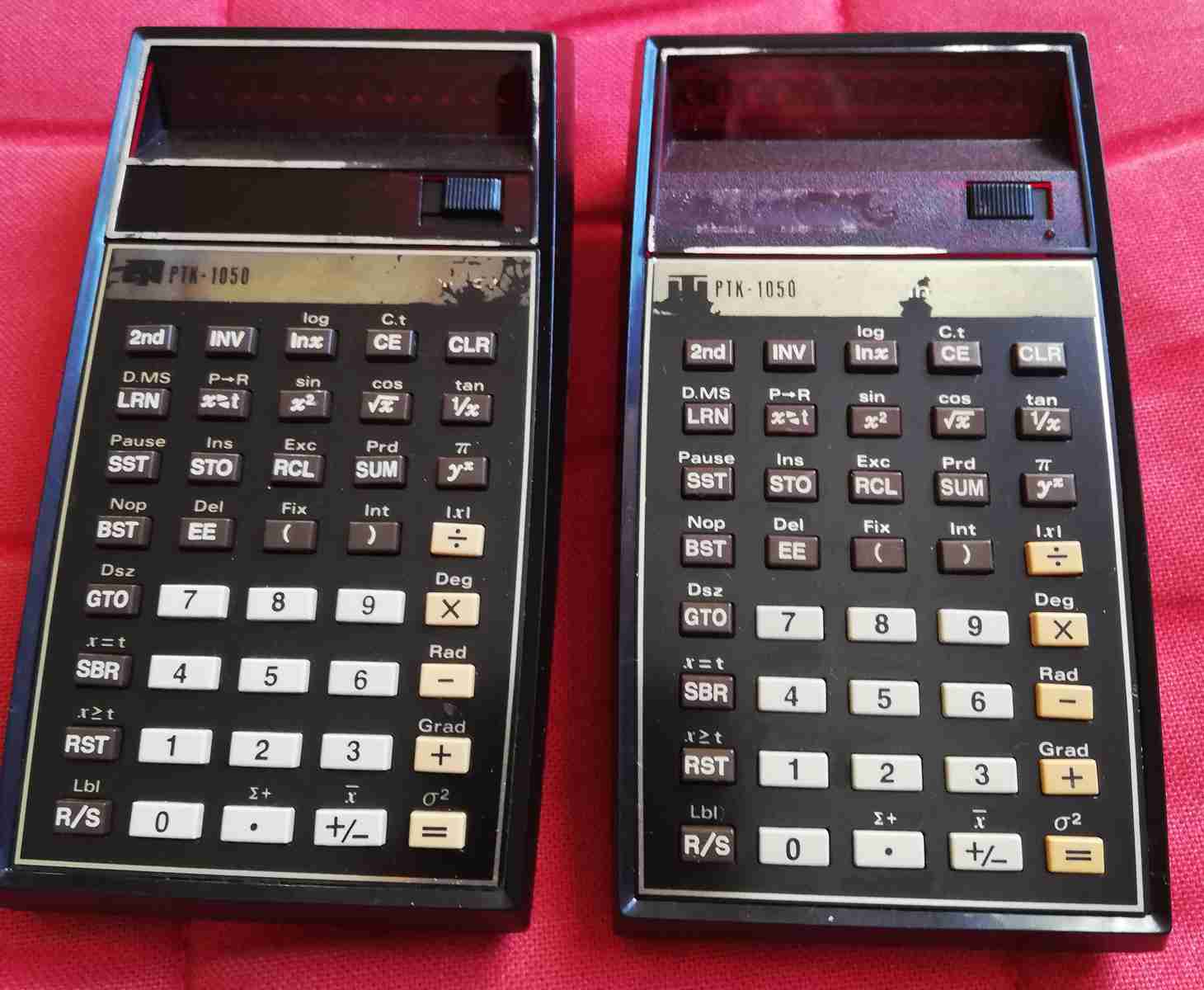
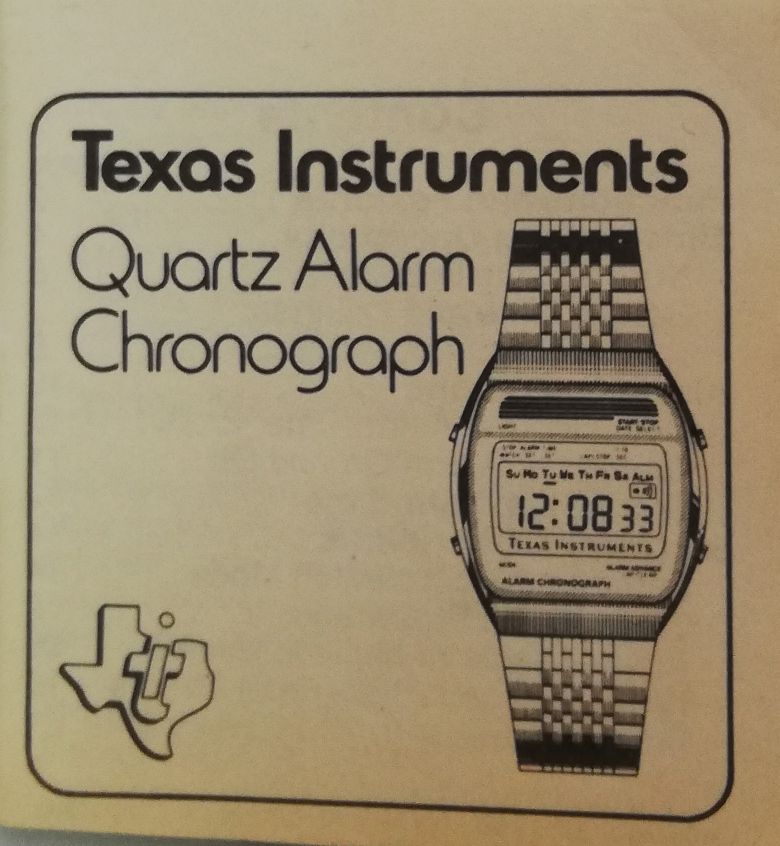
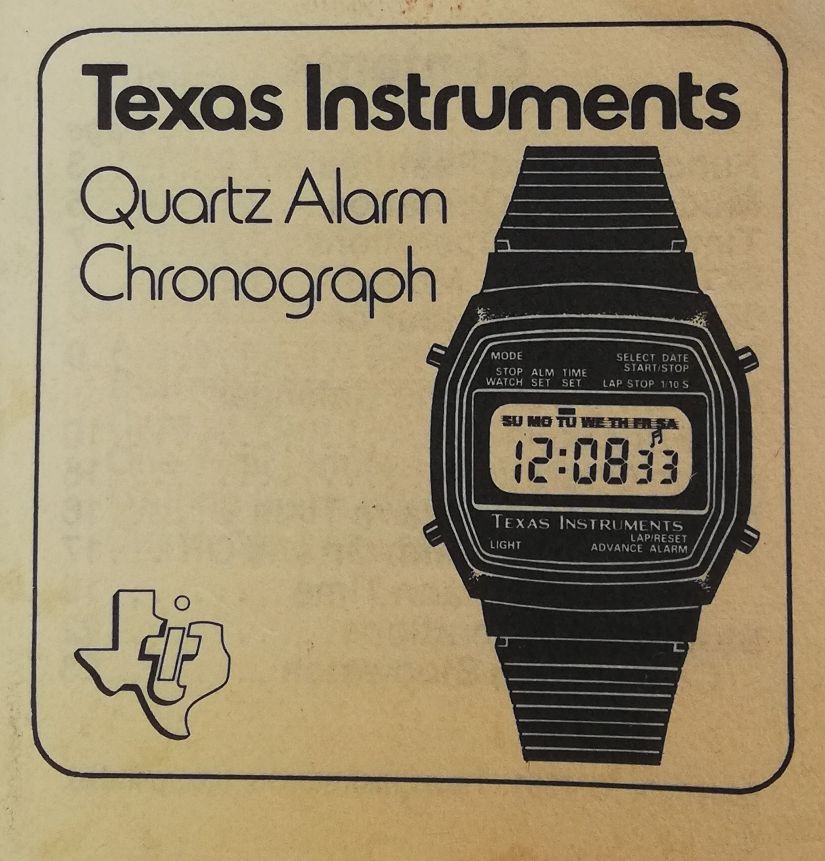
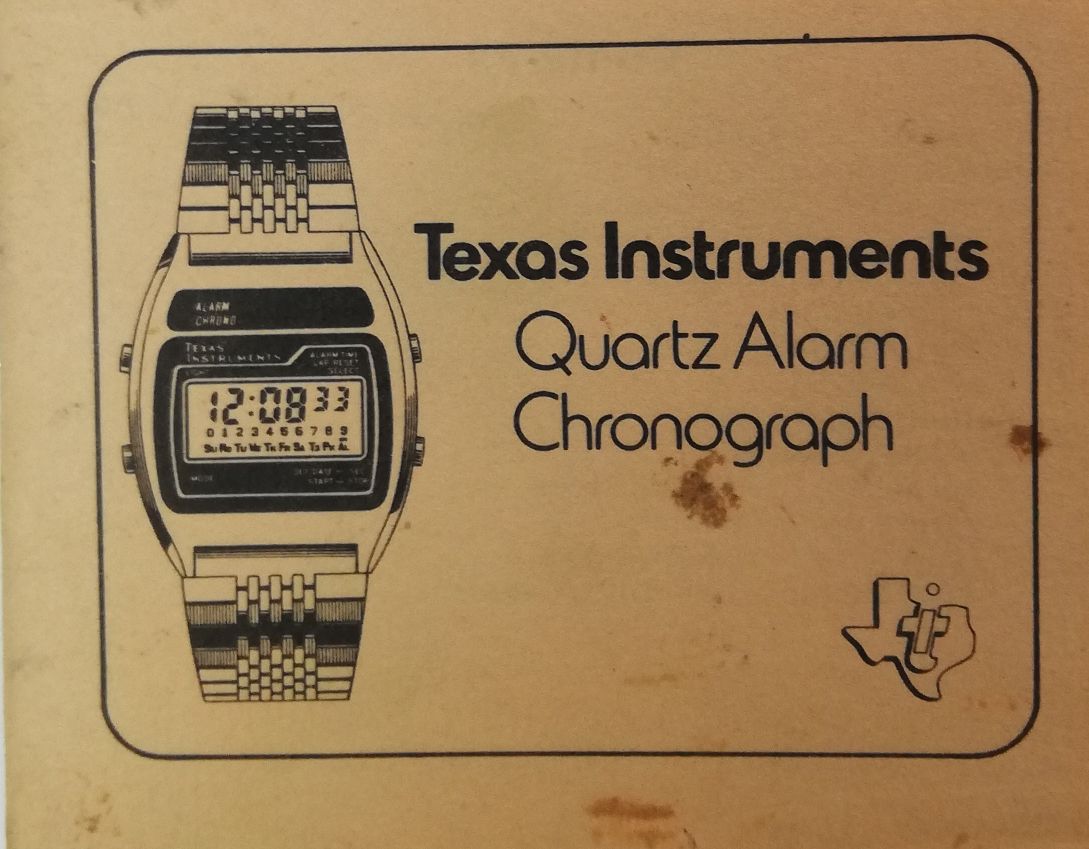
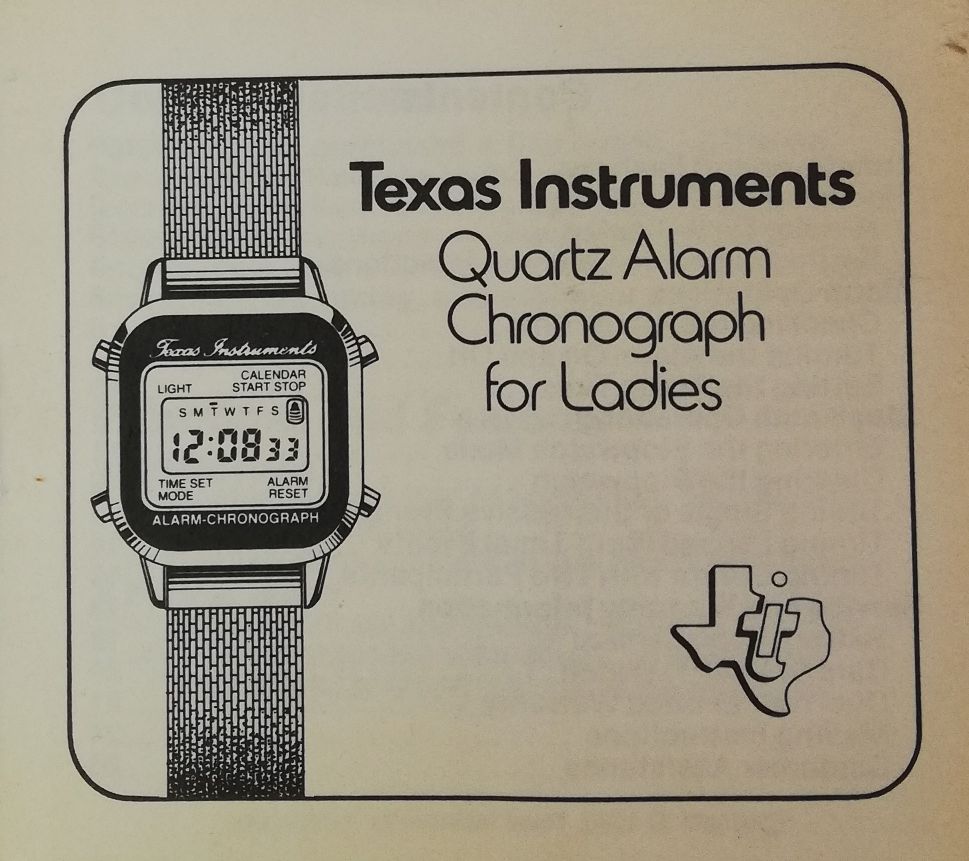
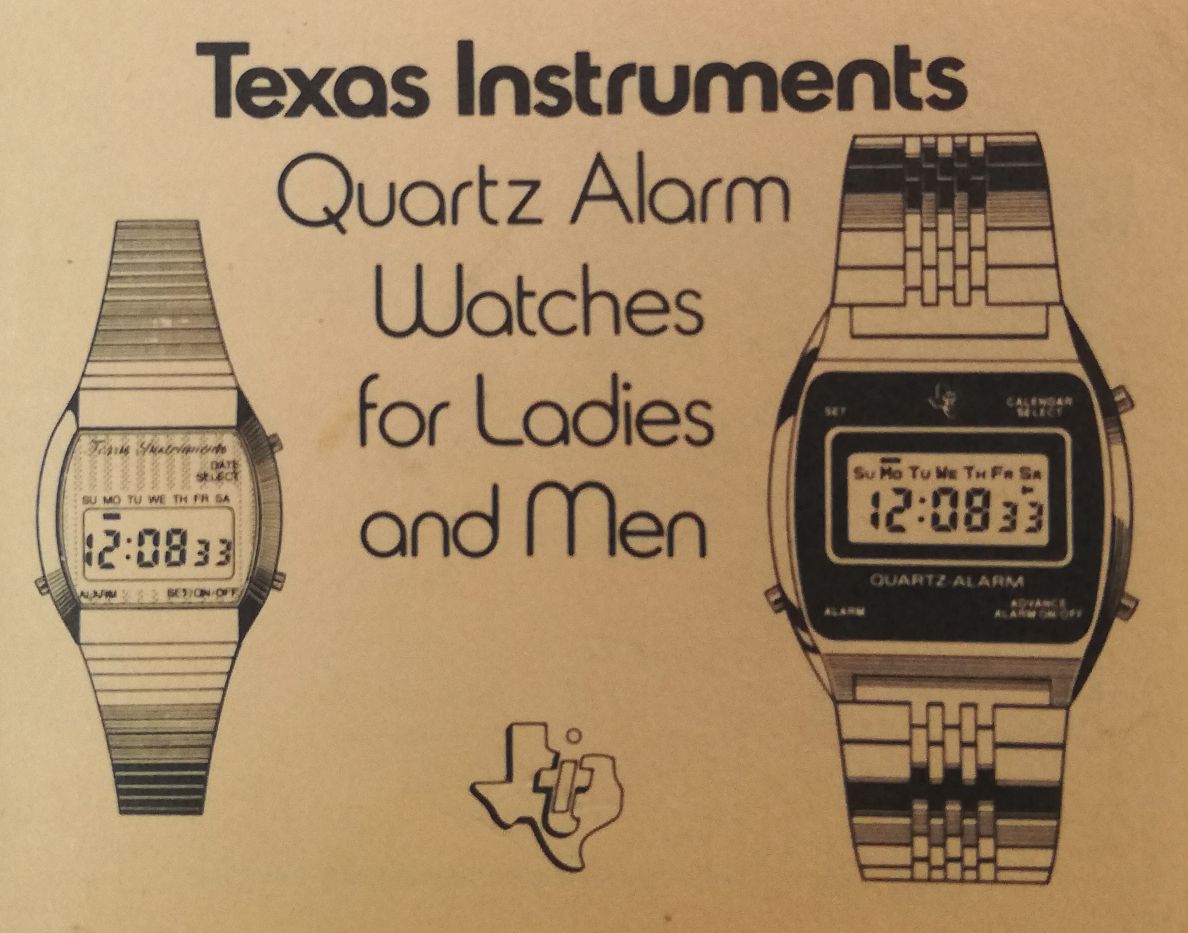
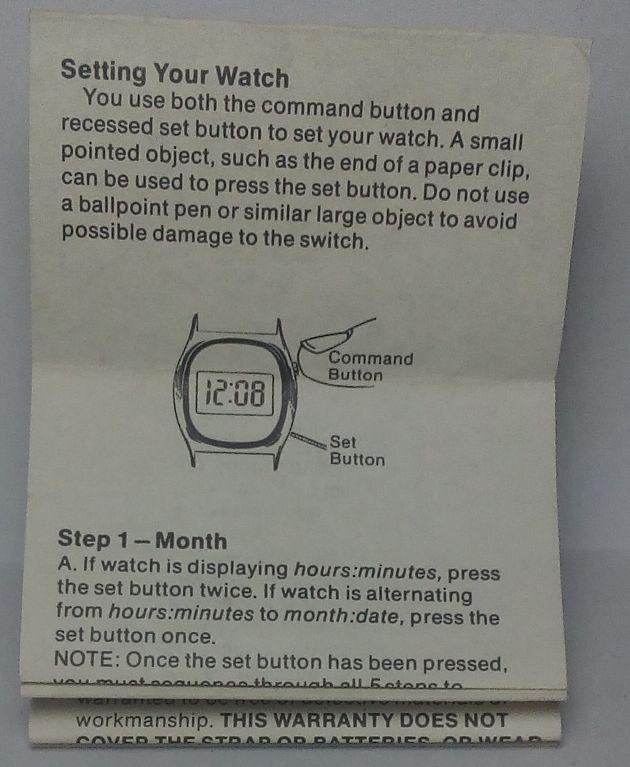
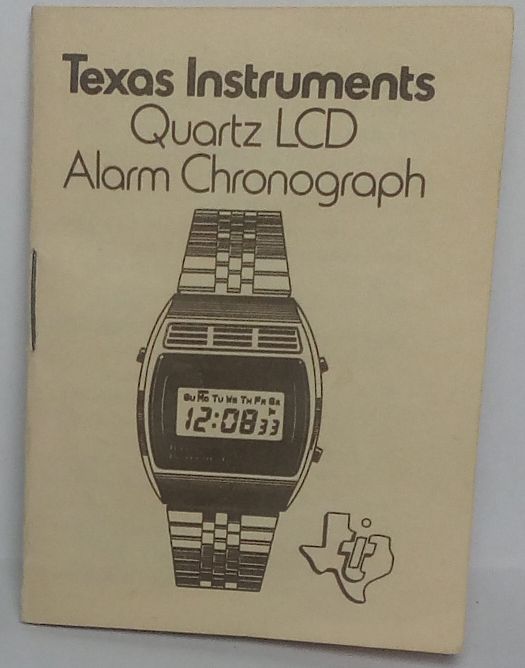
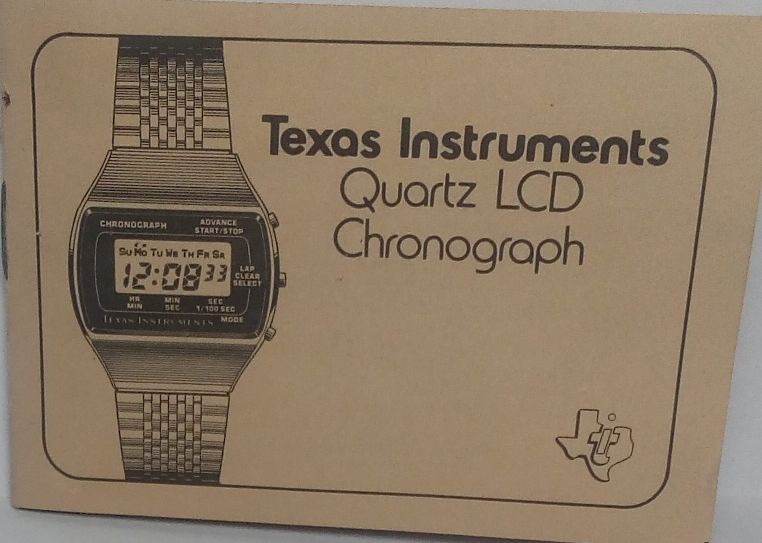
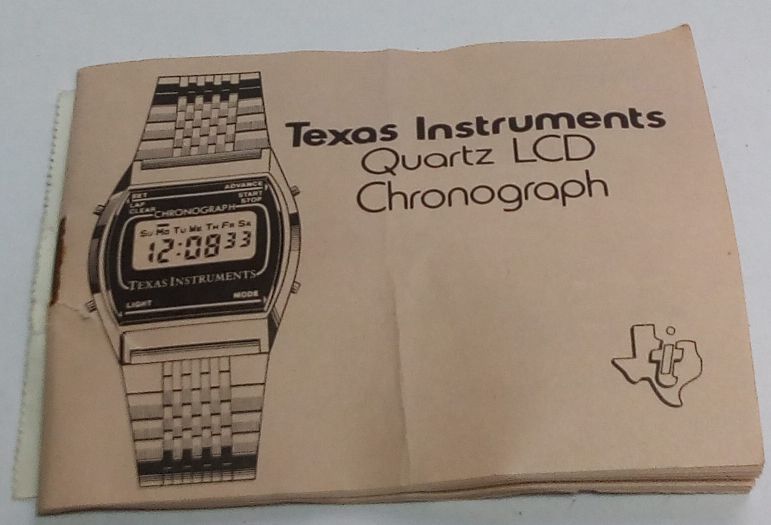
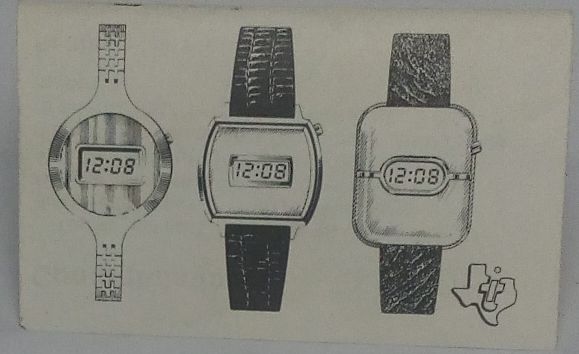
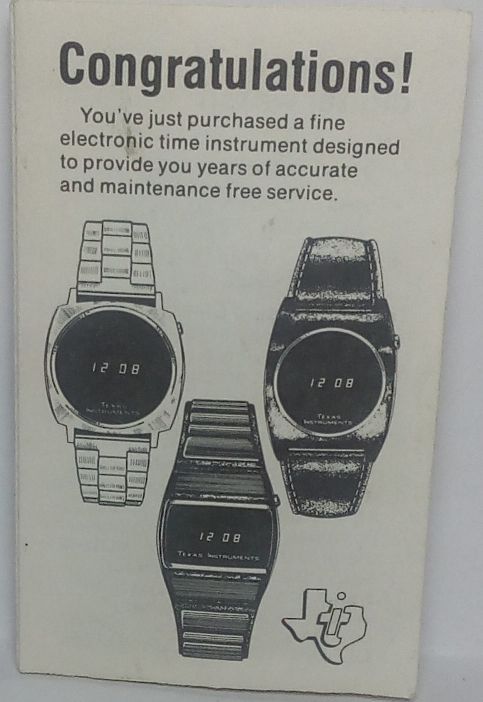
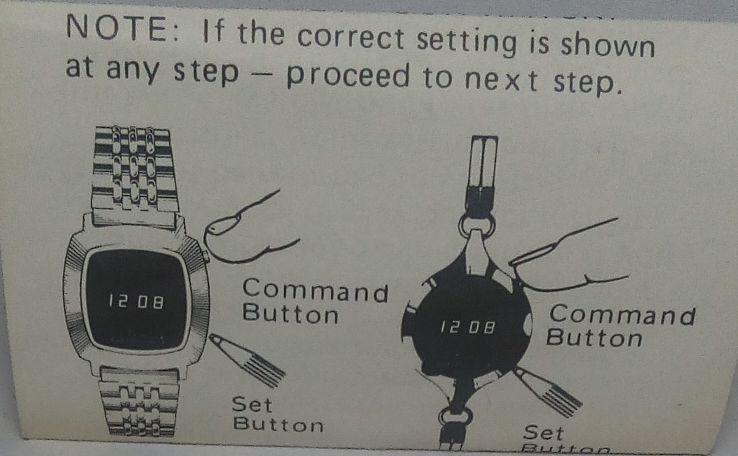
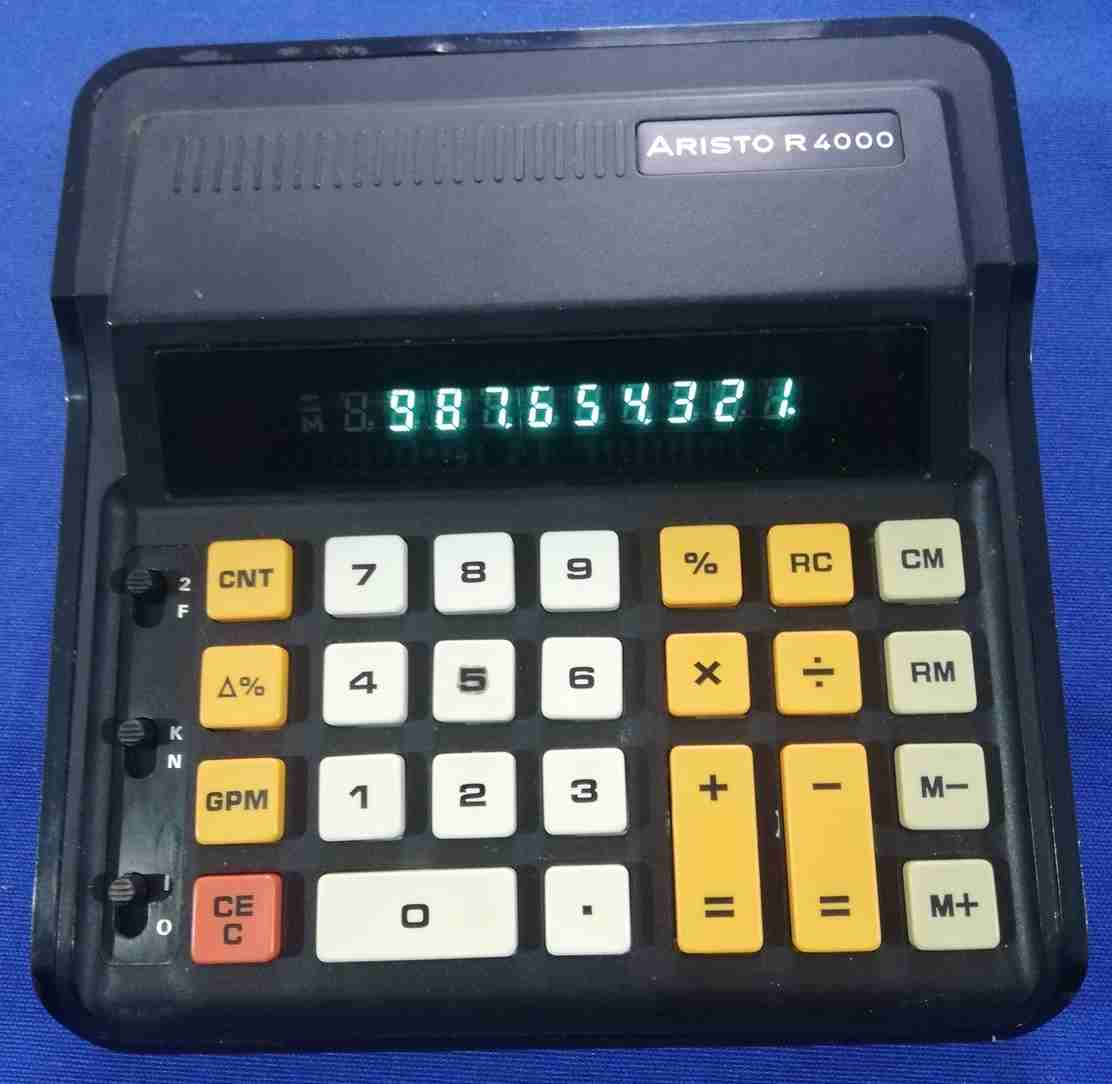
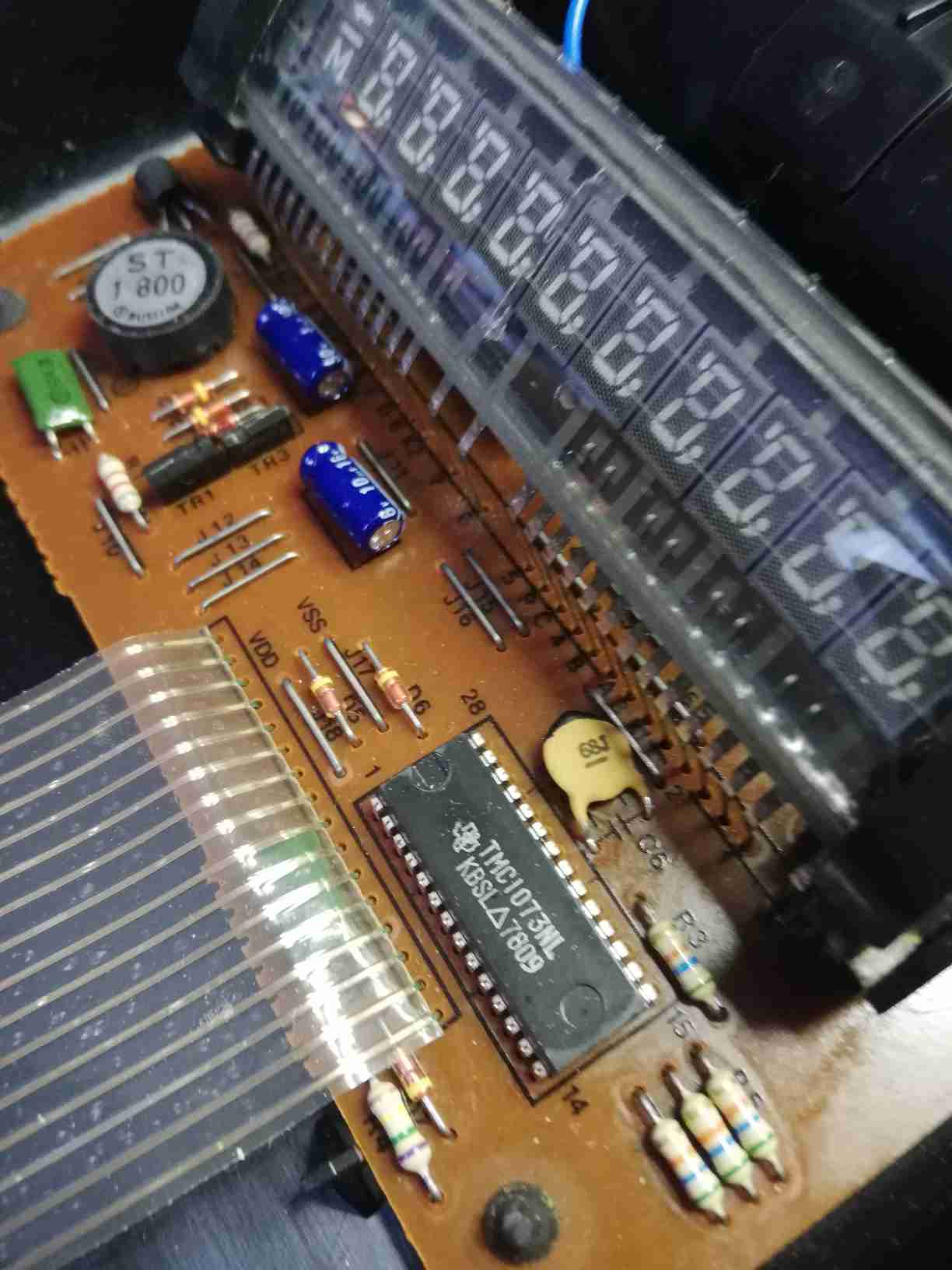


.jpg)
.jpg)
.jpg)
.jpg)
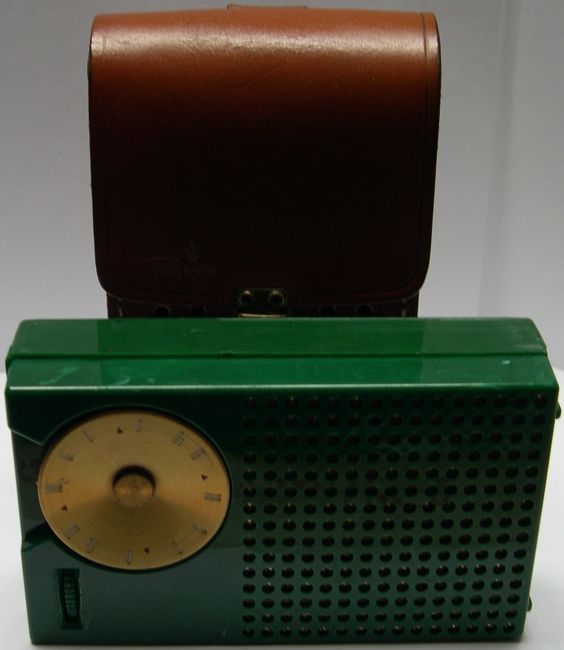
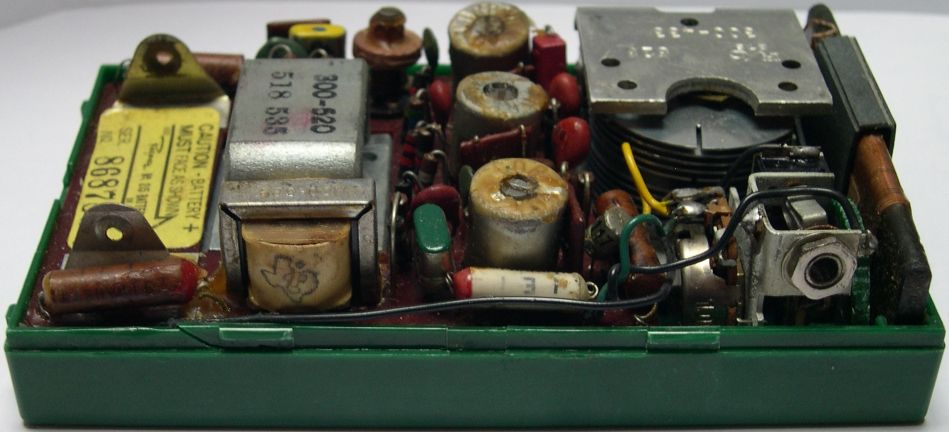
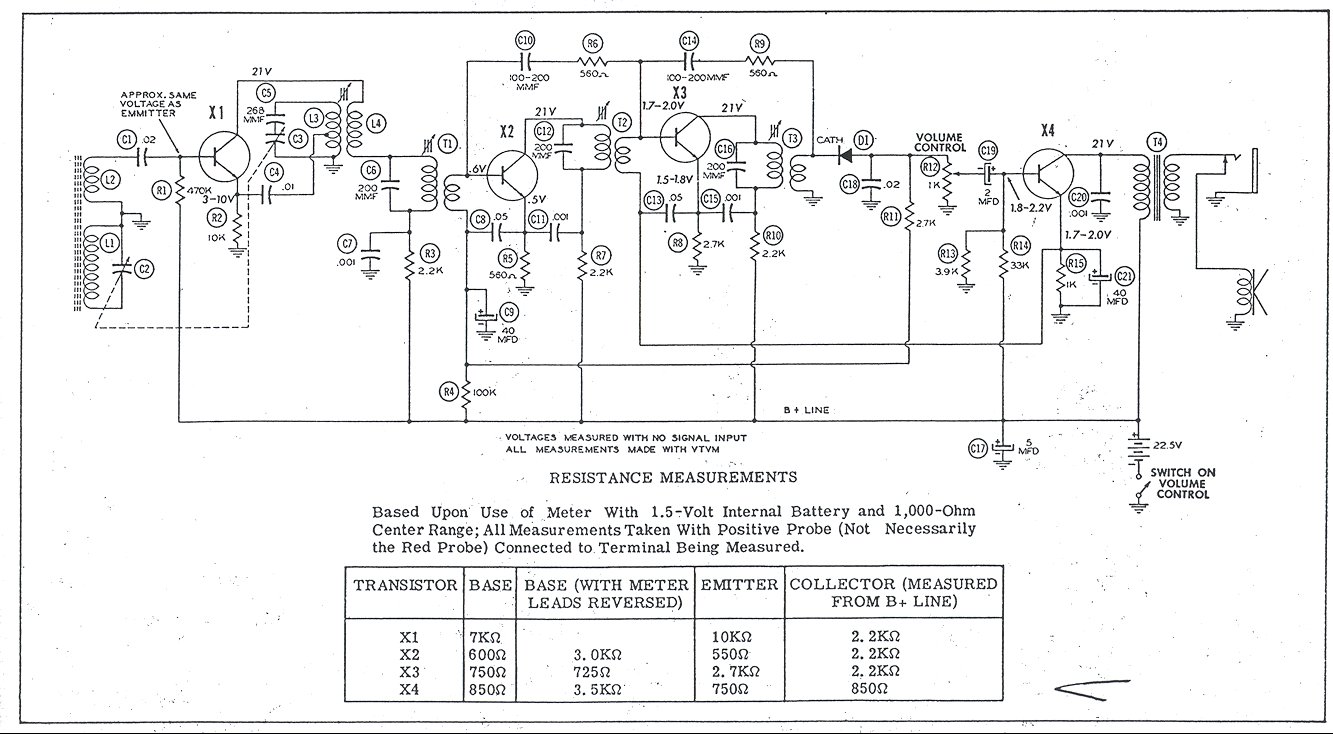
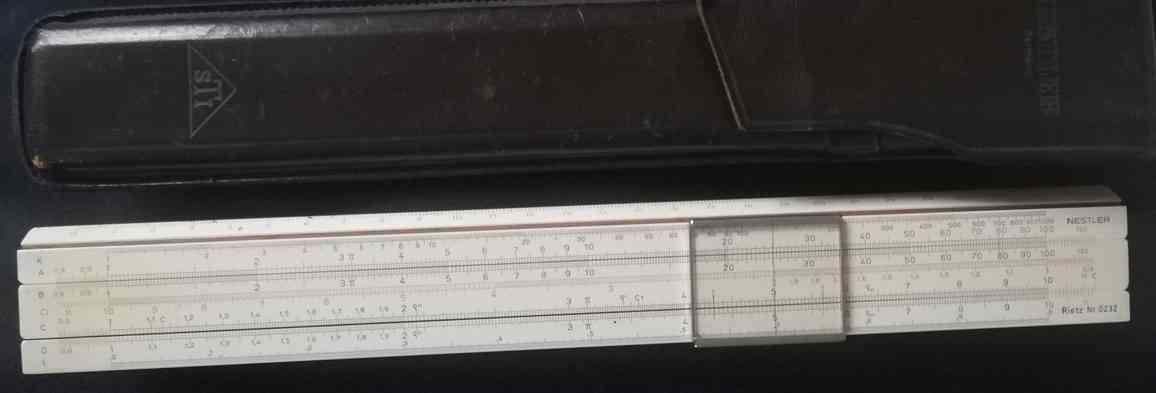
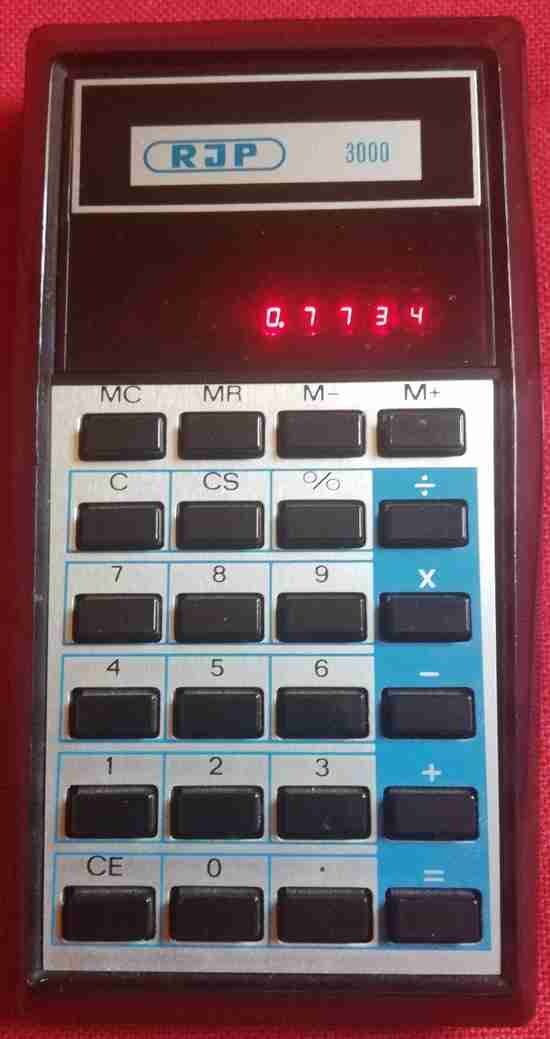
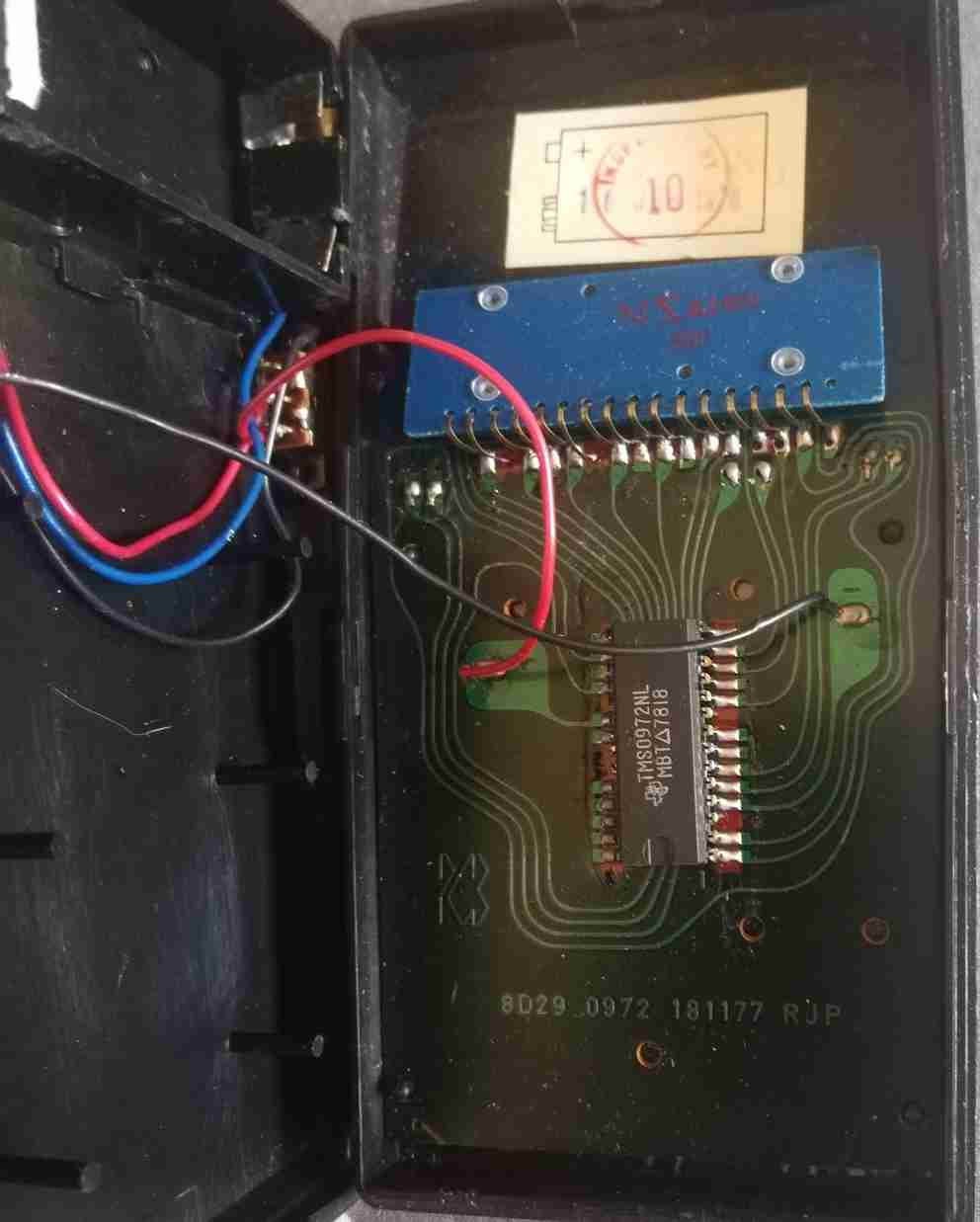


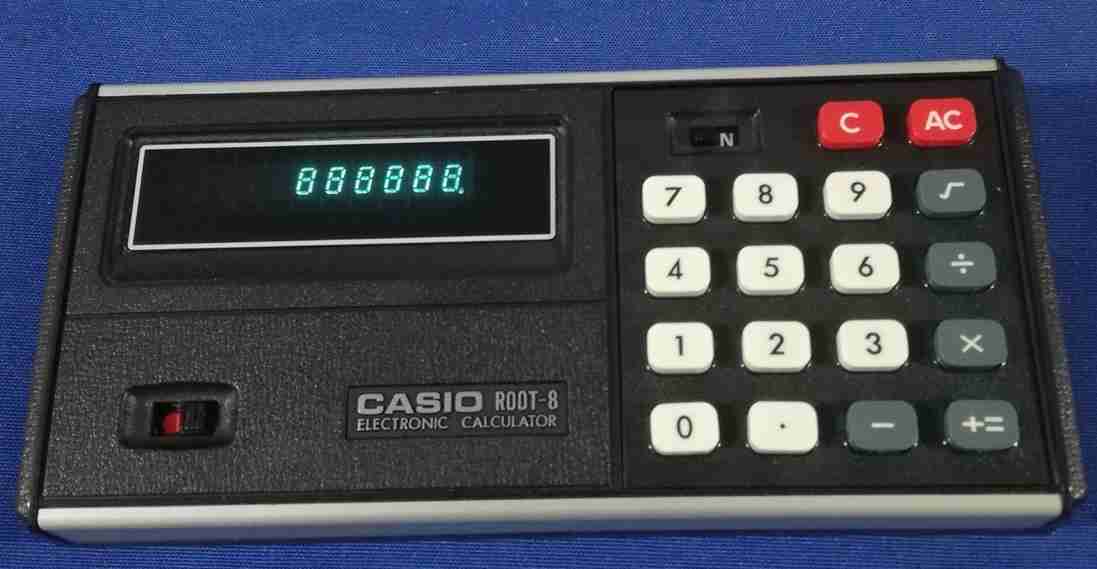
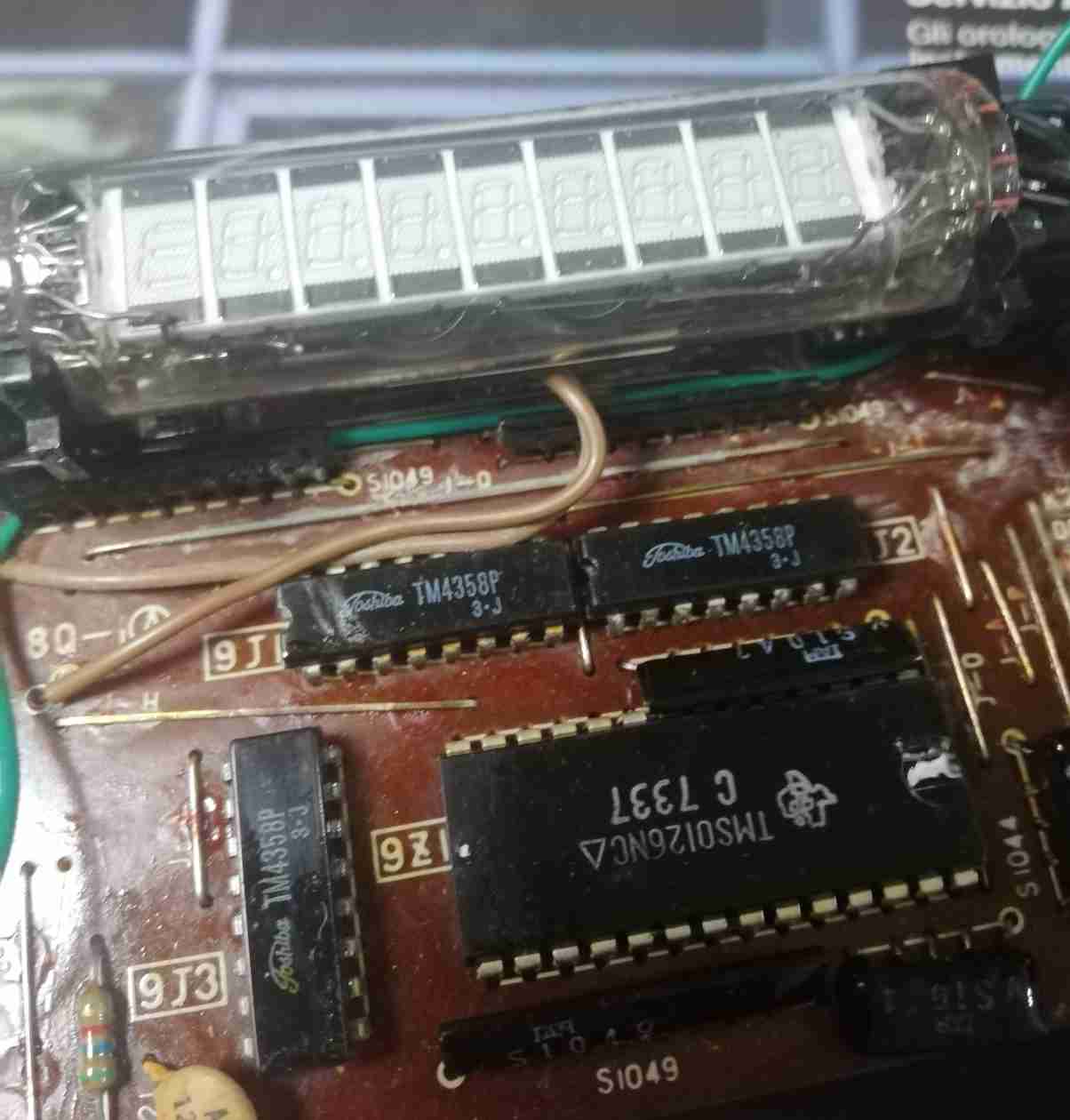
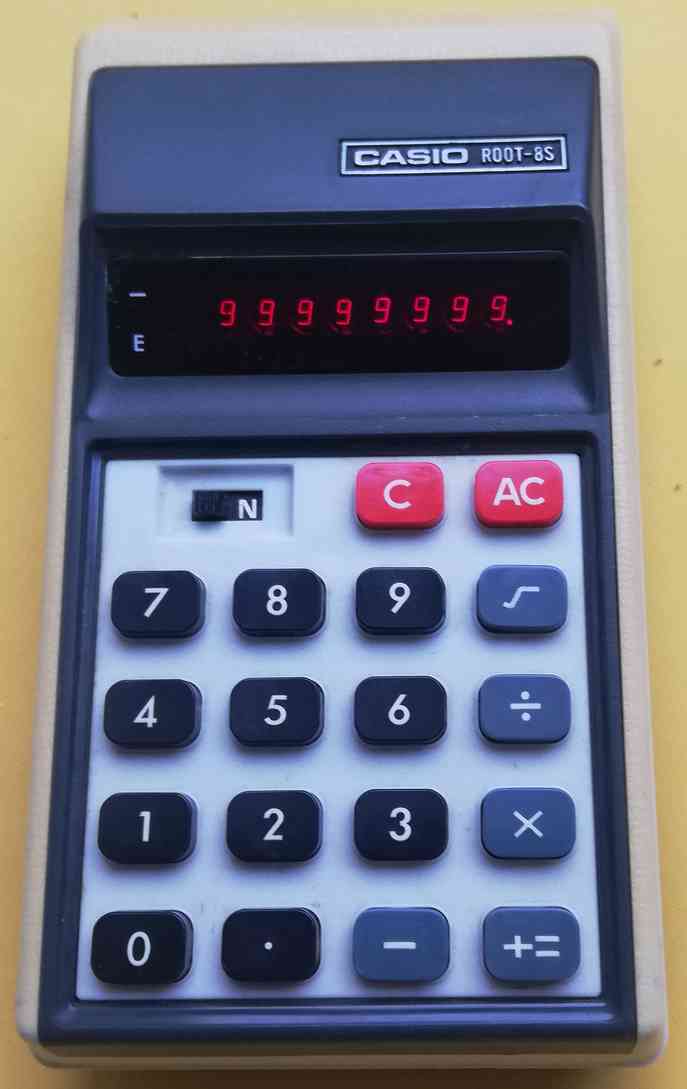
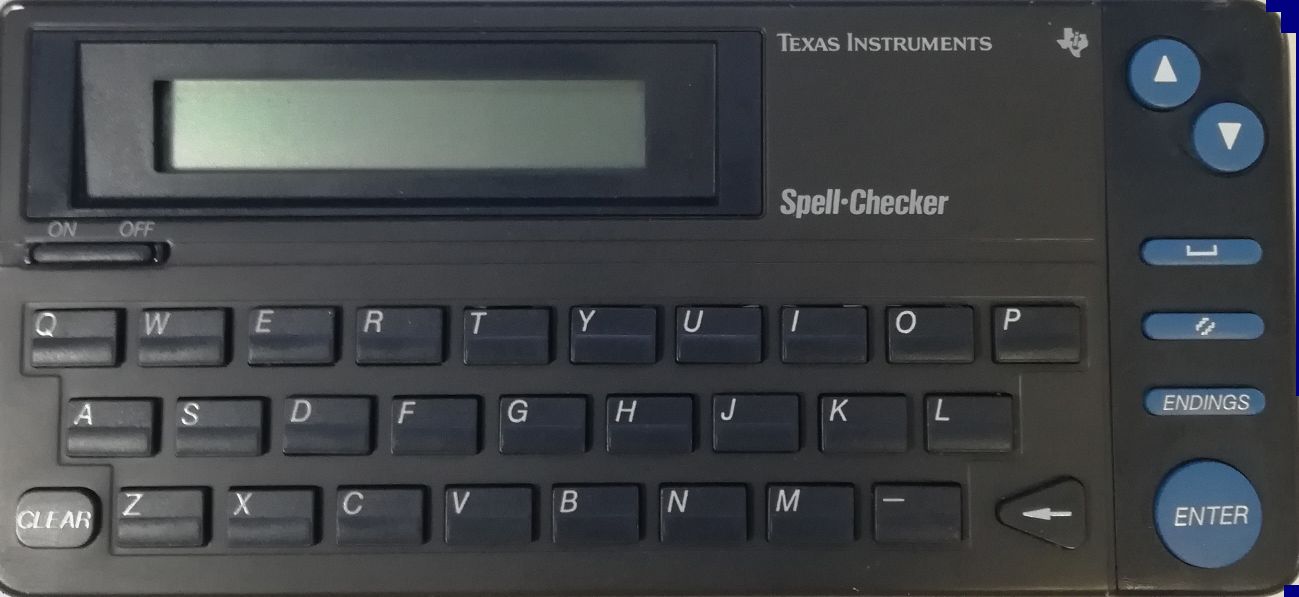
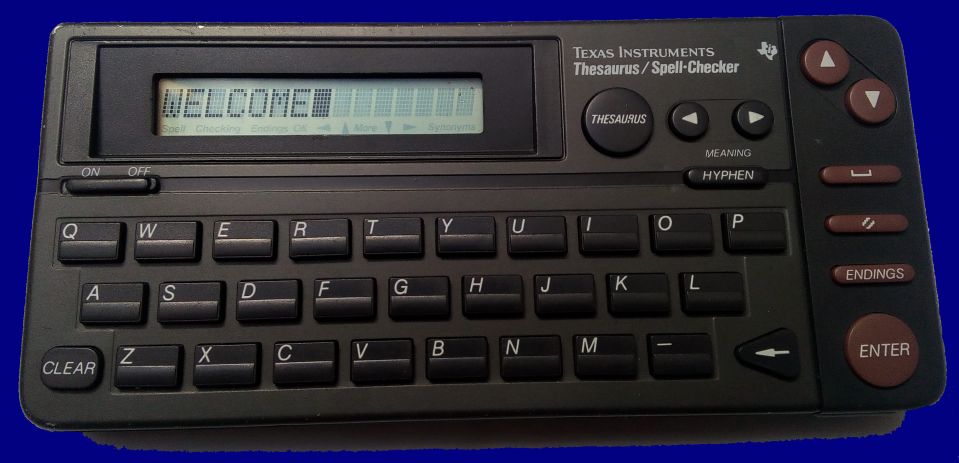
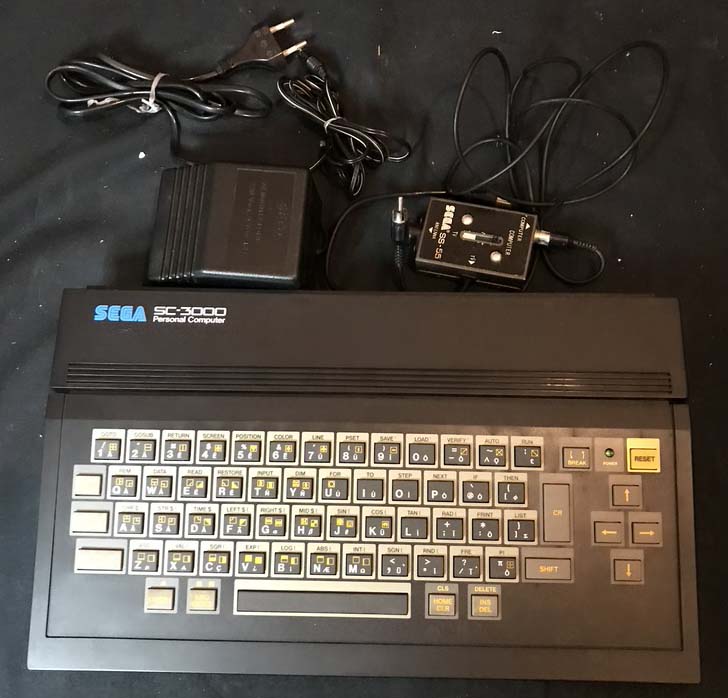
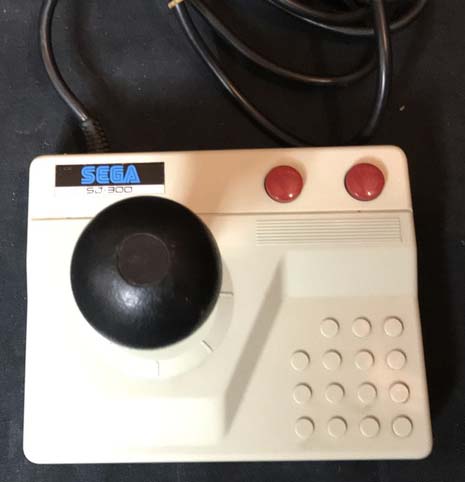
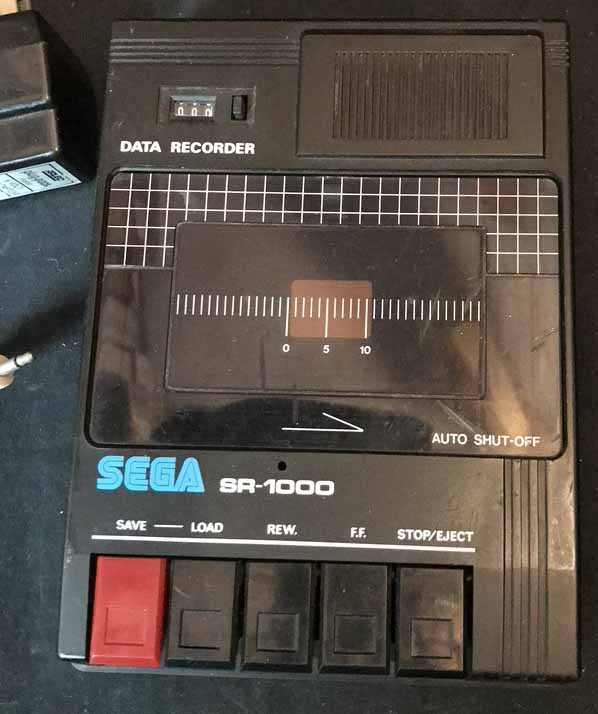
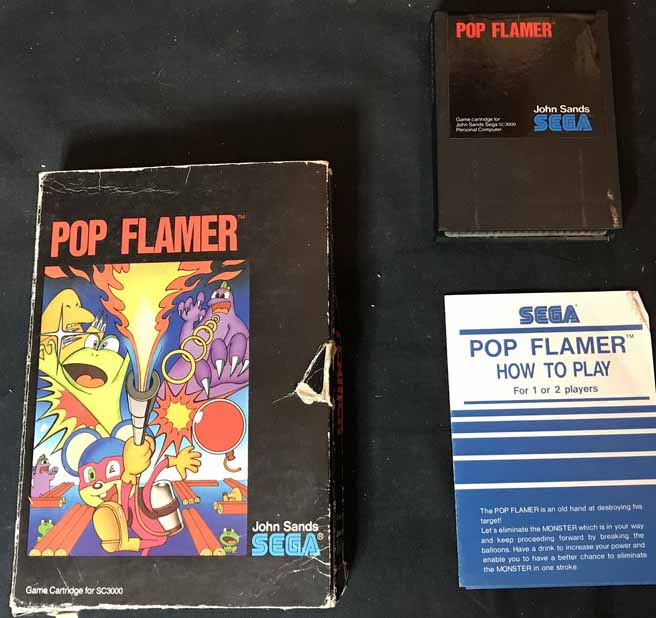

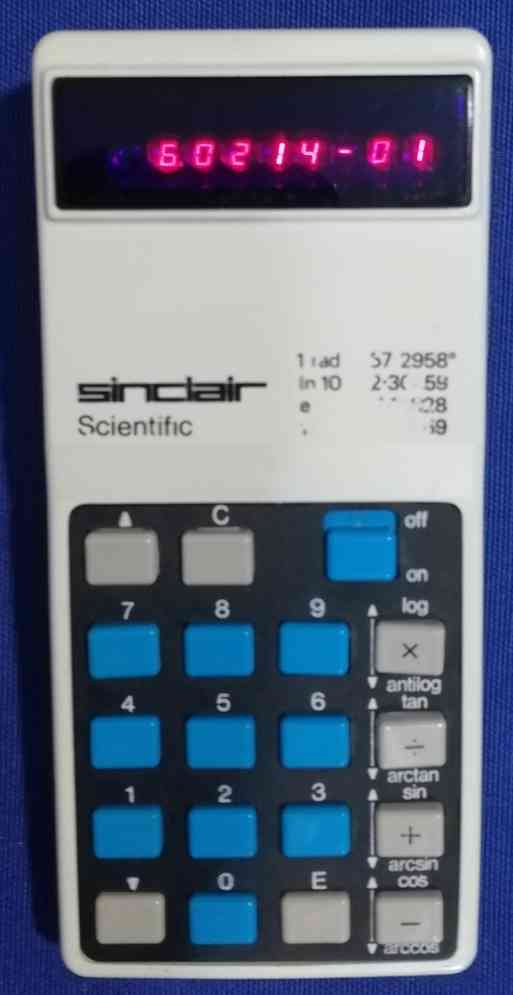
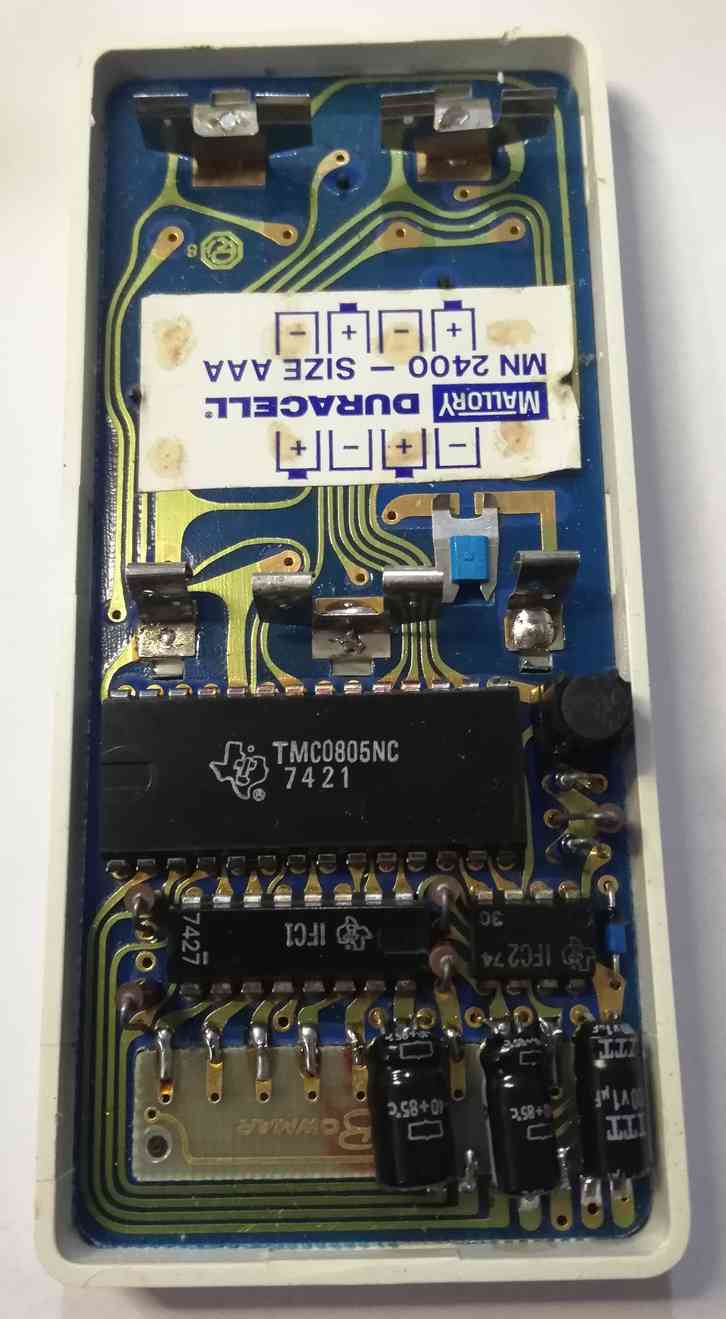


.jpg)


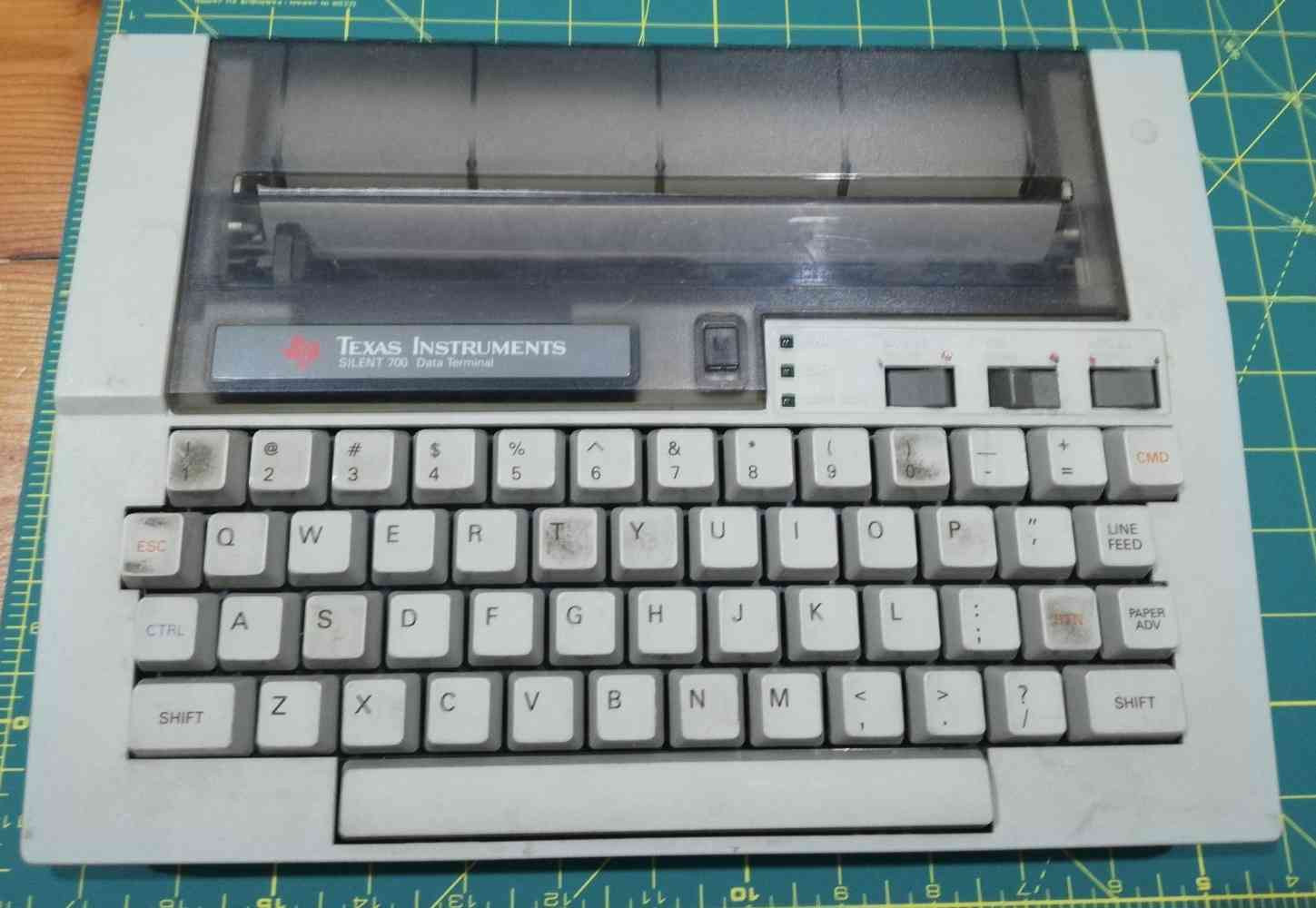
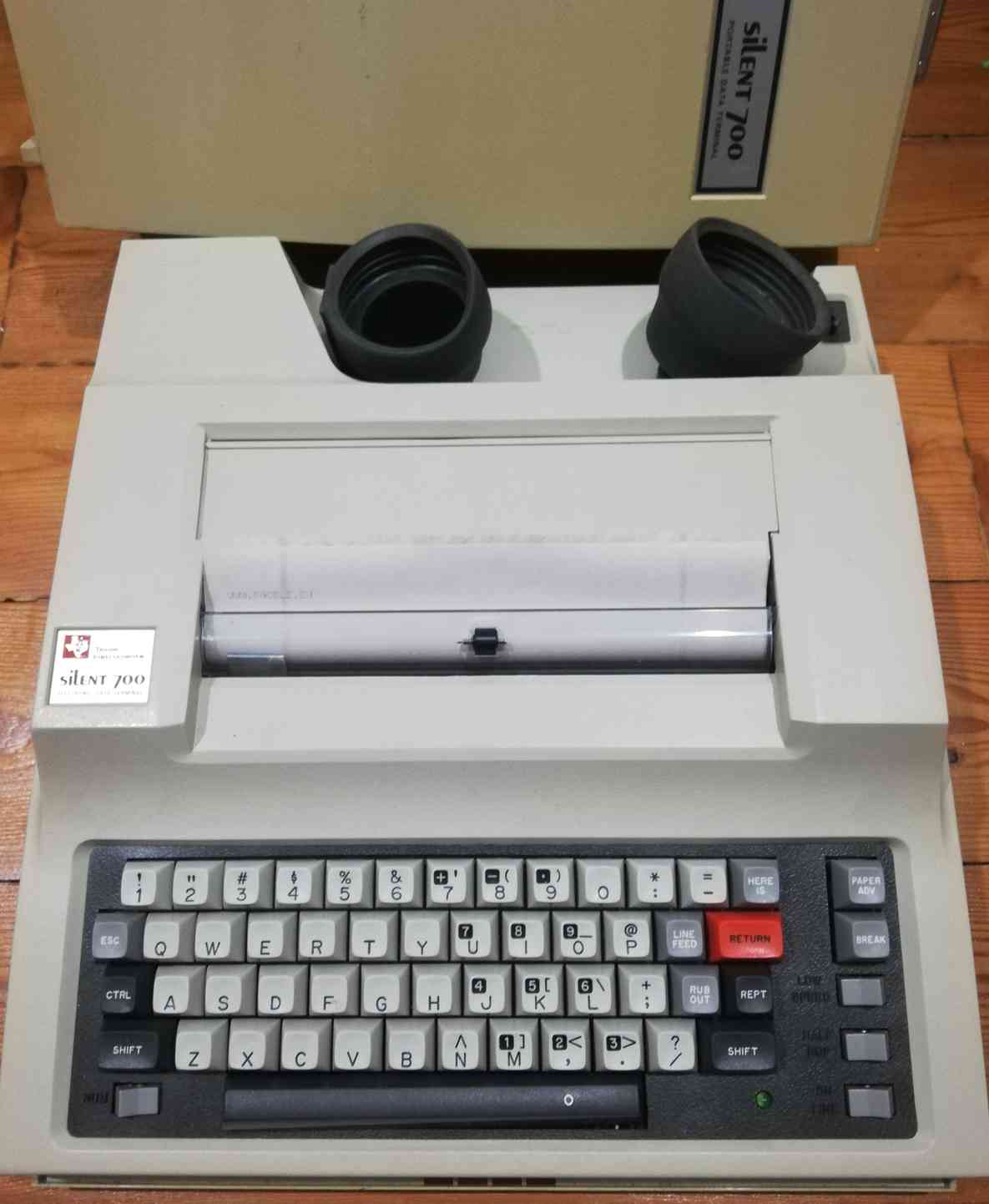
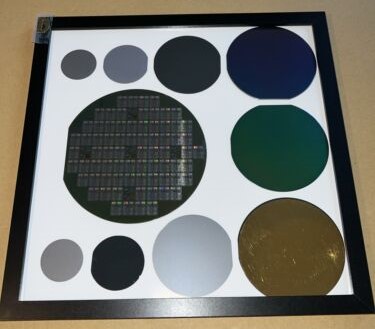
.jpg)
.jpg)
.jpg)
.jpg)
.jpg)

.jpg)
.jpg)
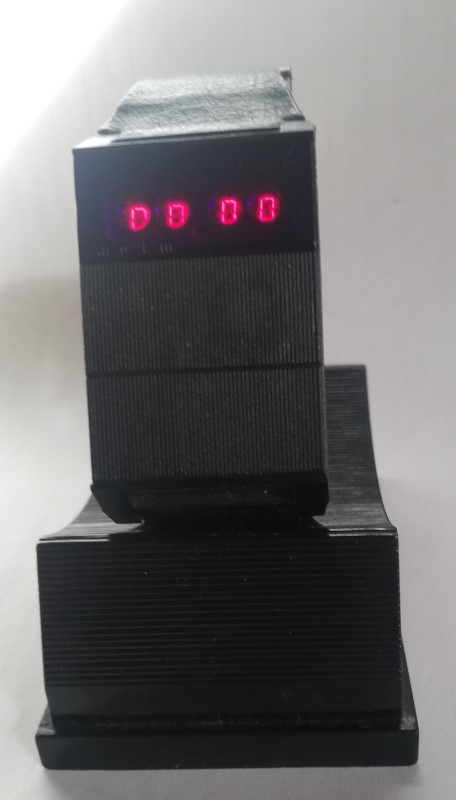
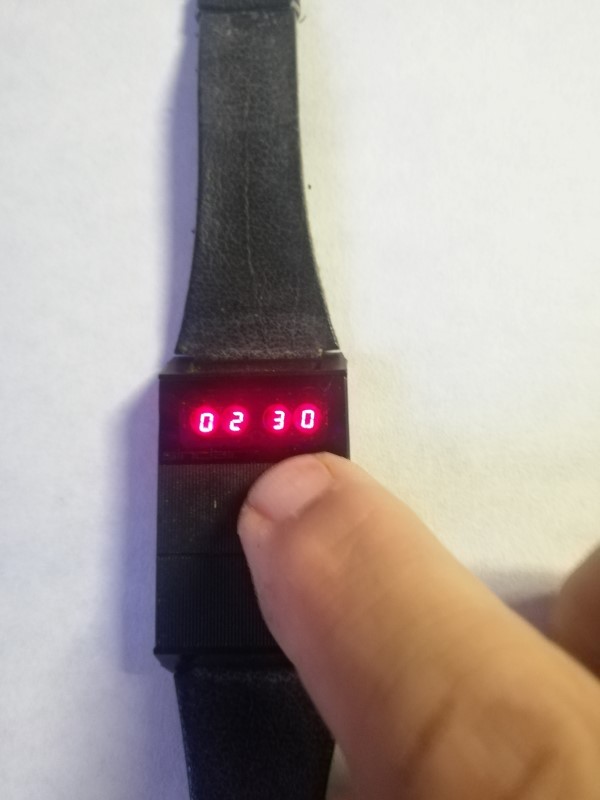
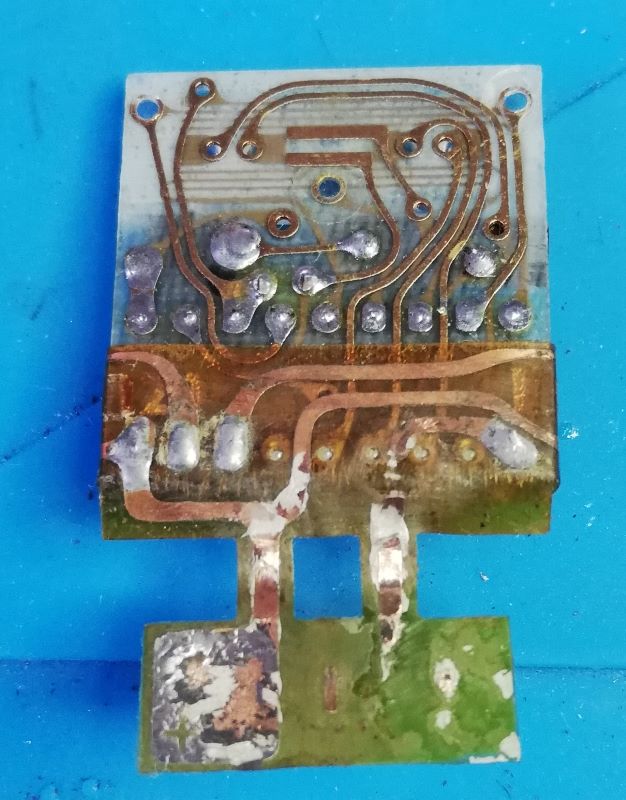
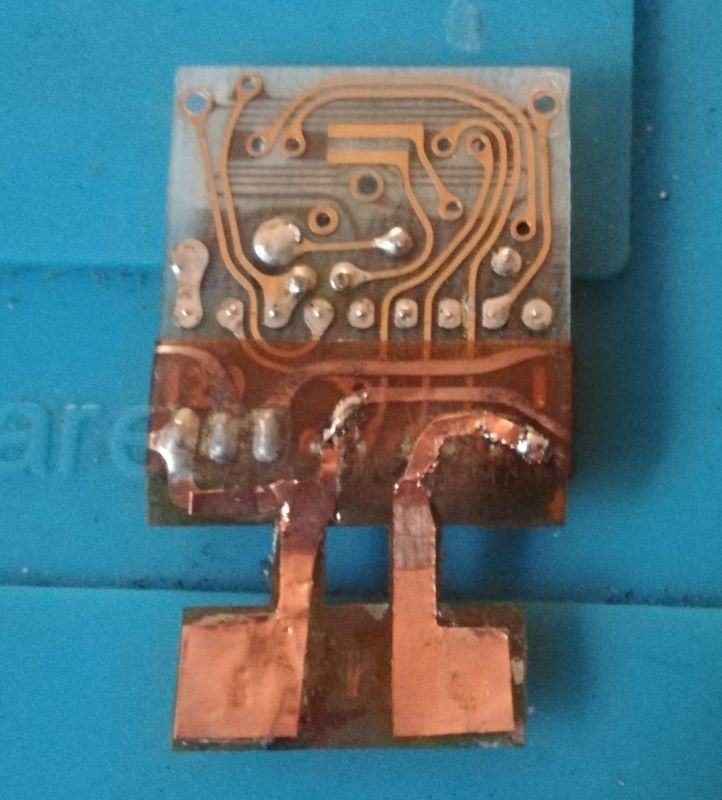
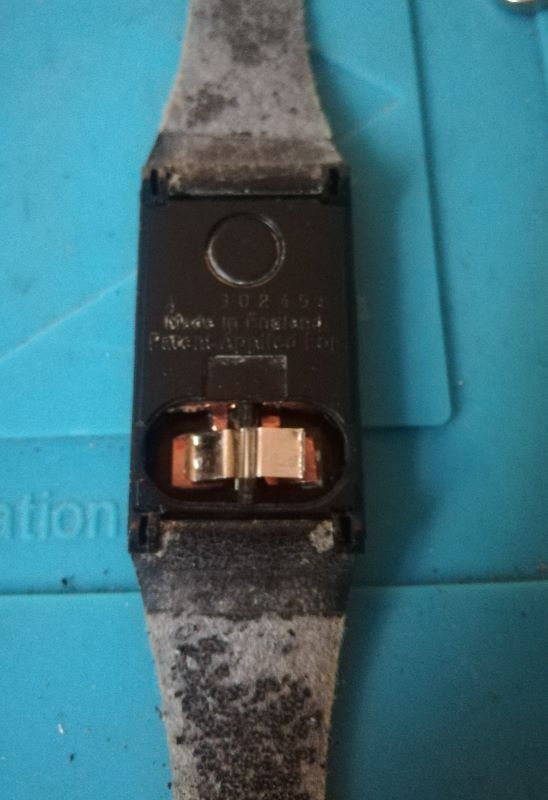
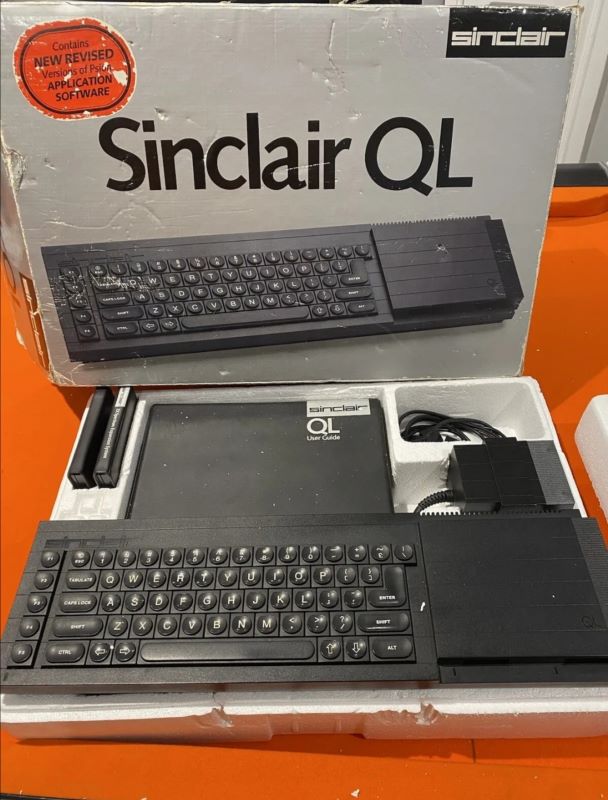
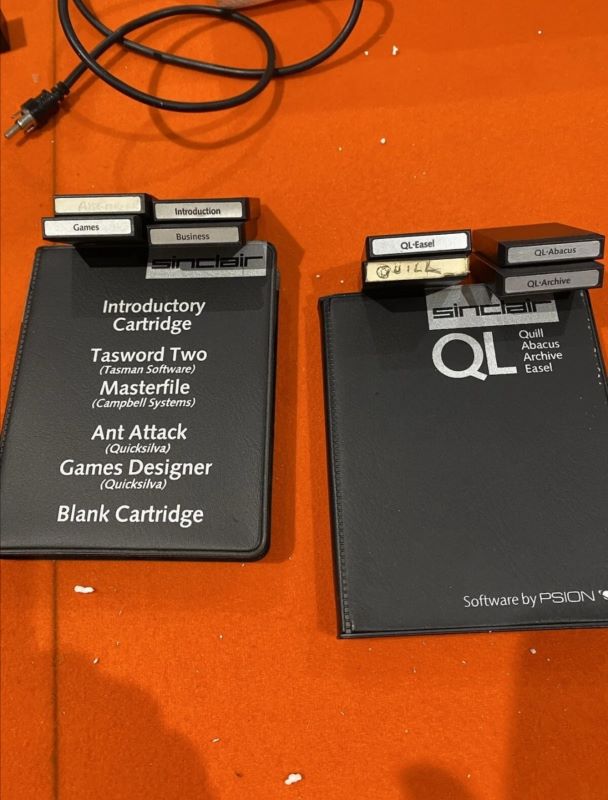
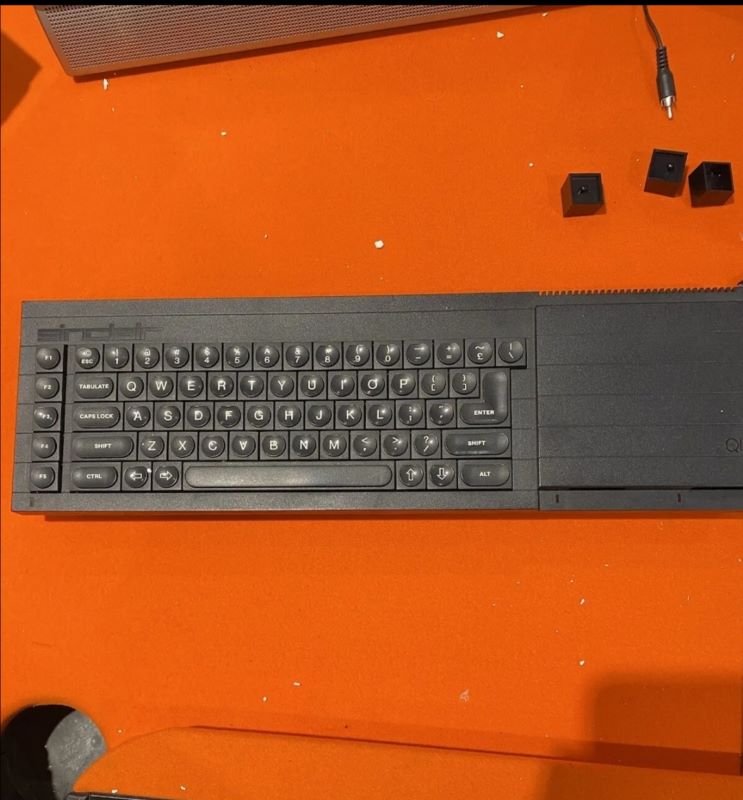
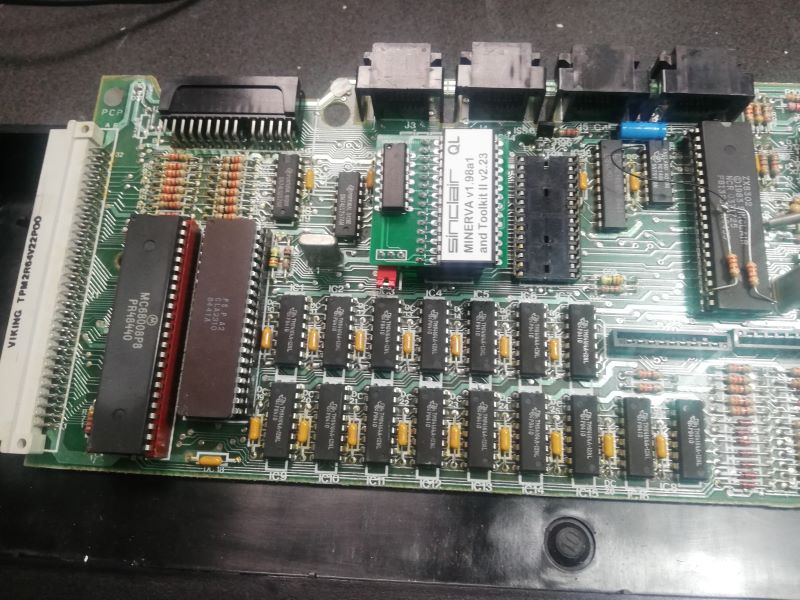
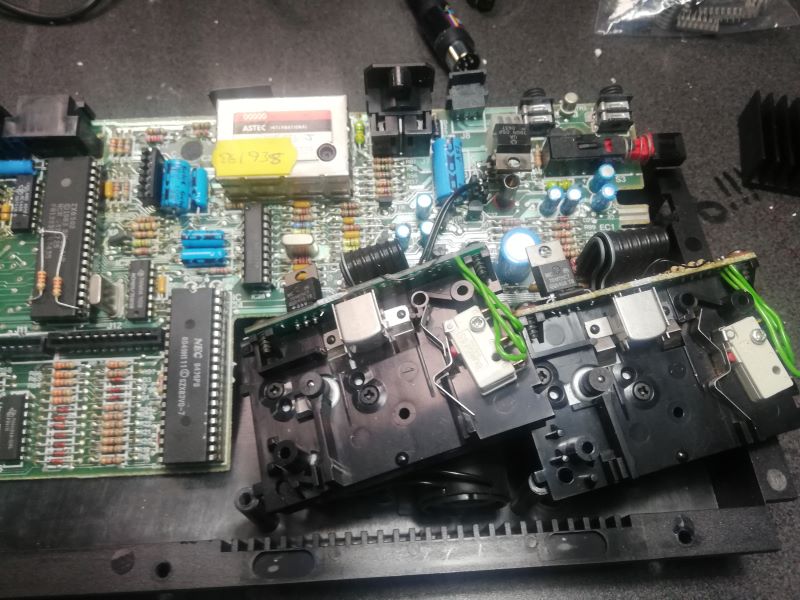
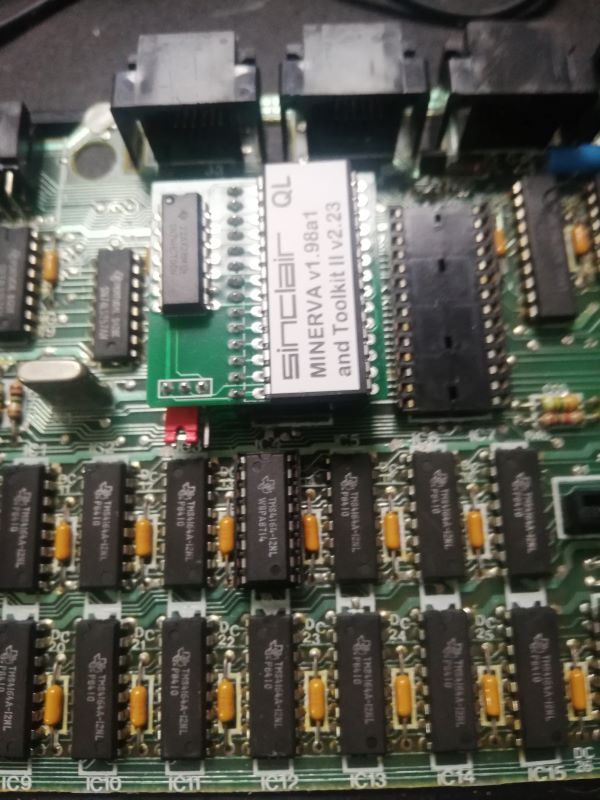
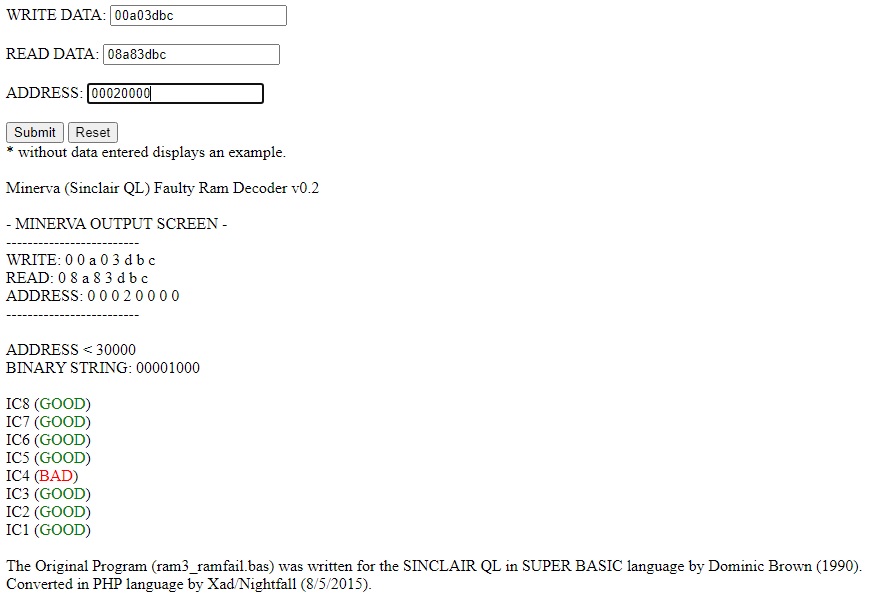
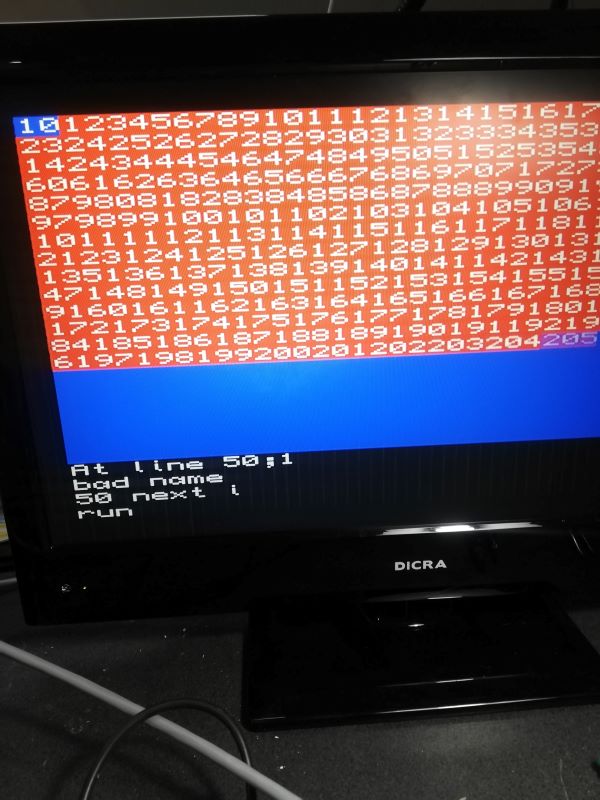
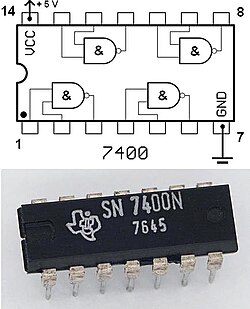
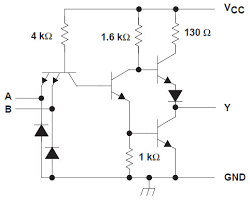
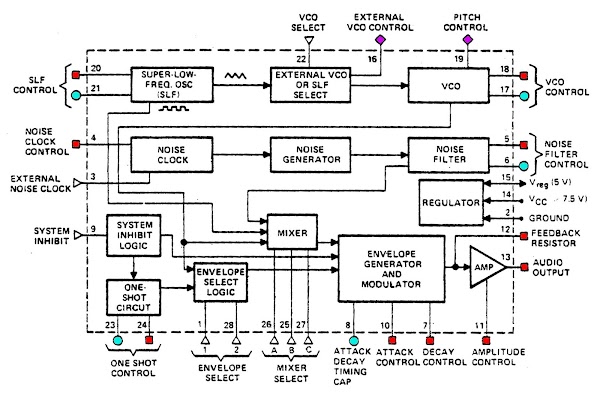
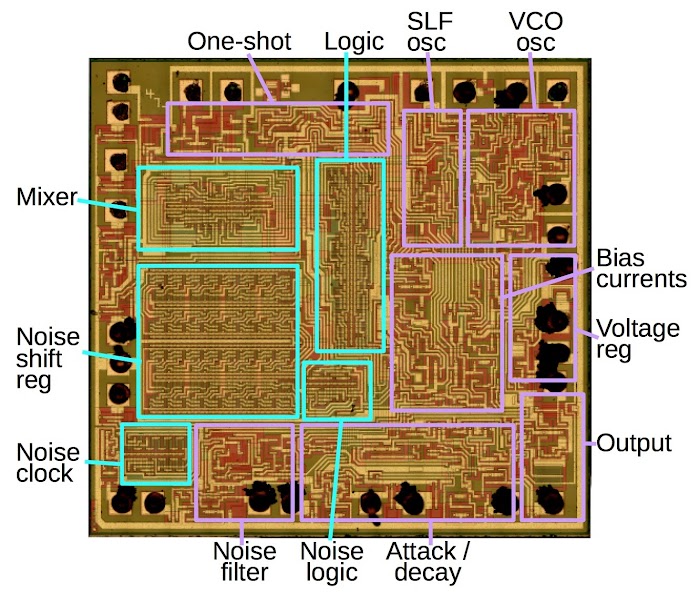

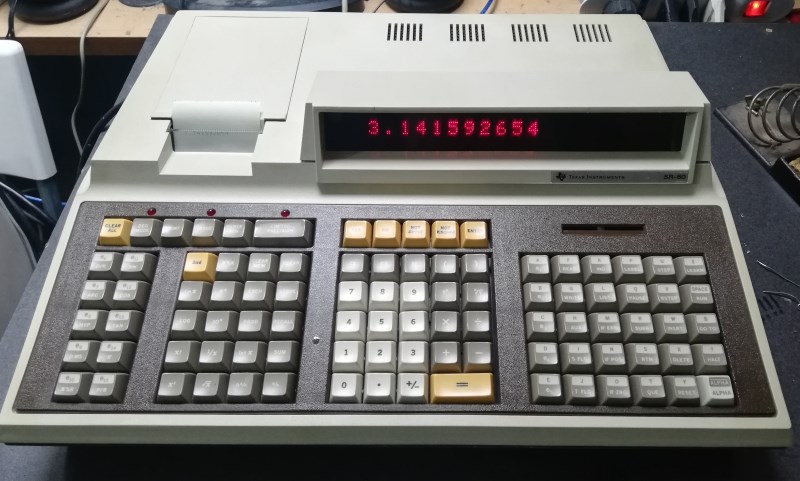
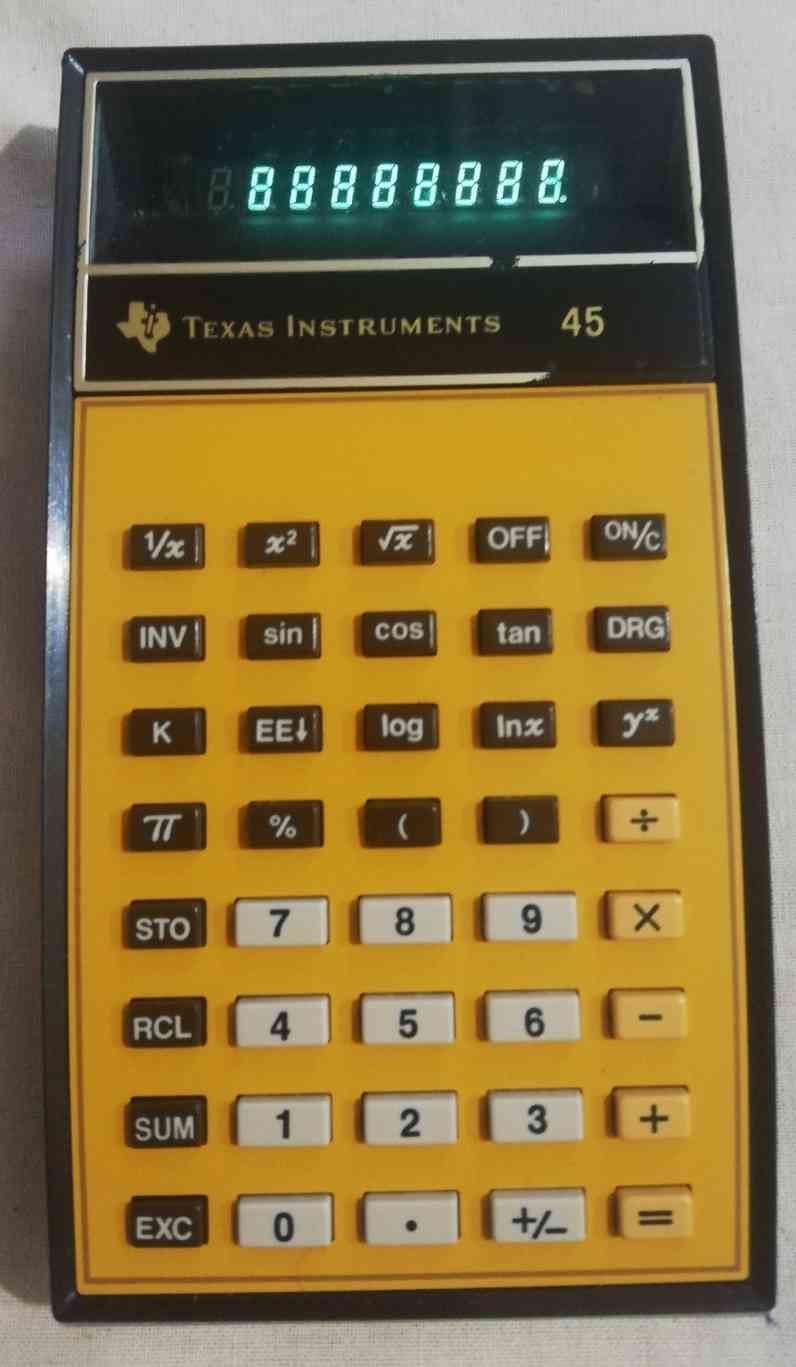
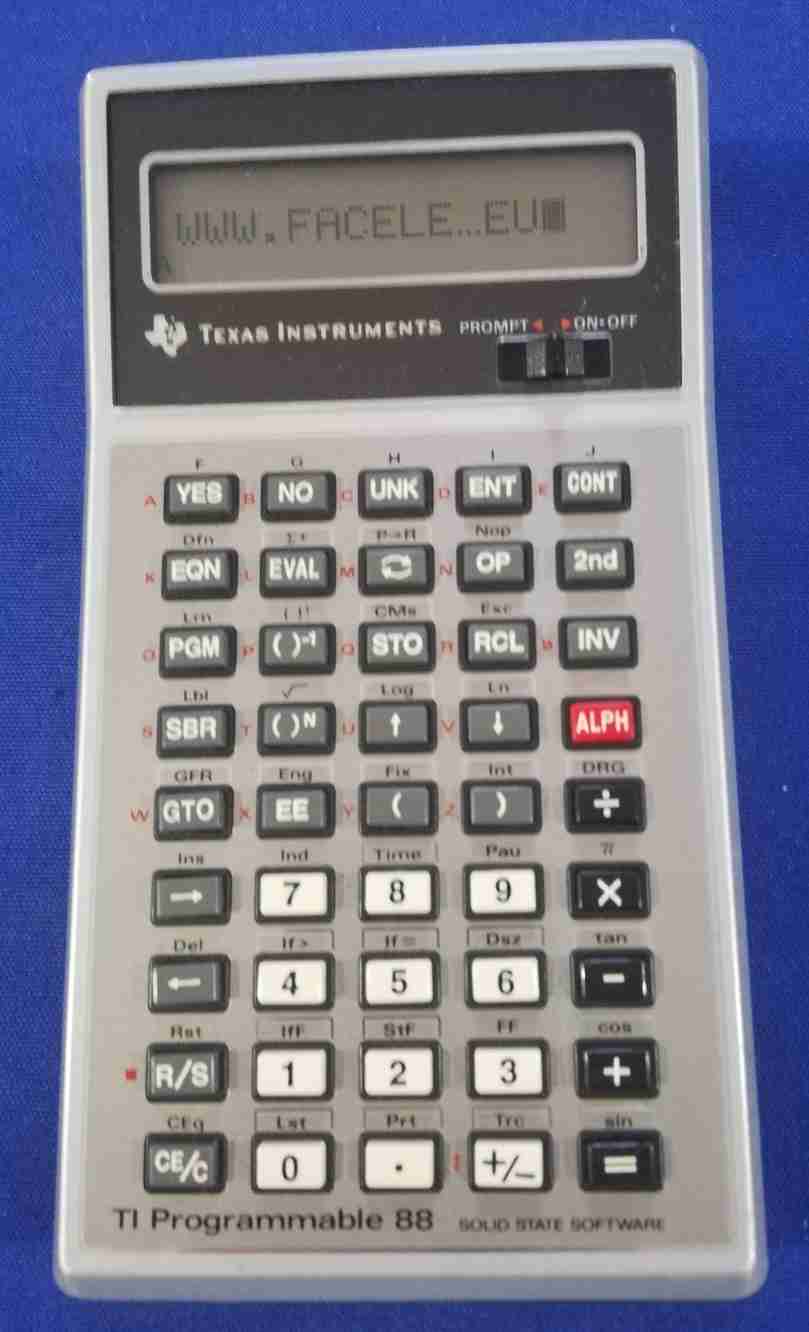
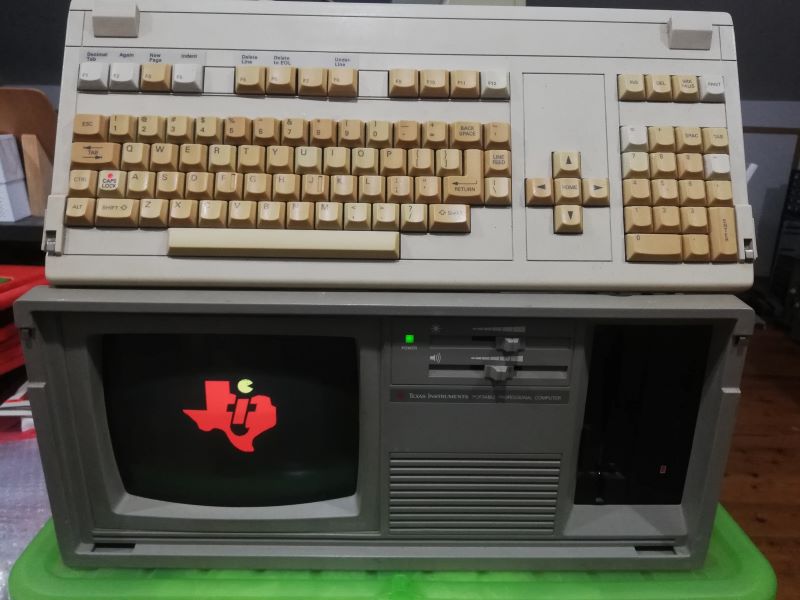
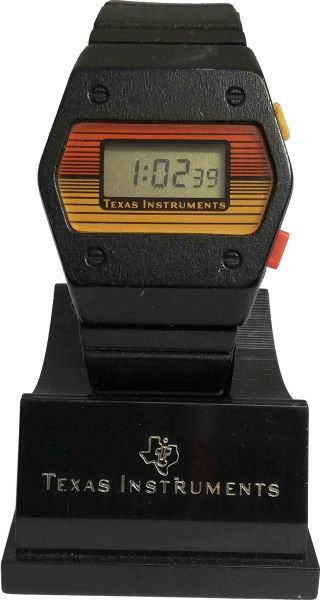
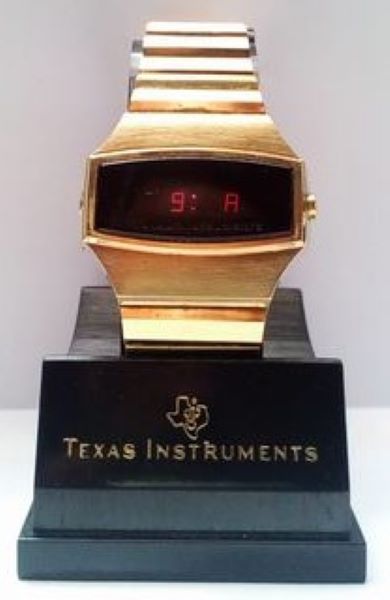
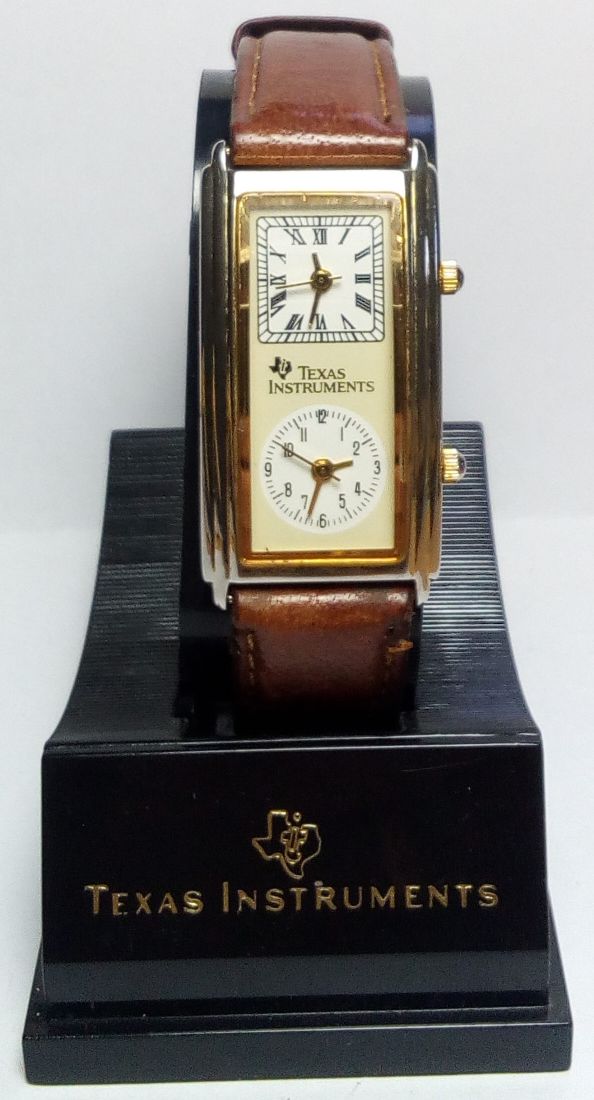

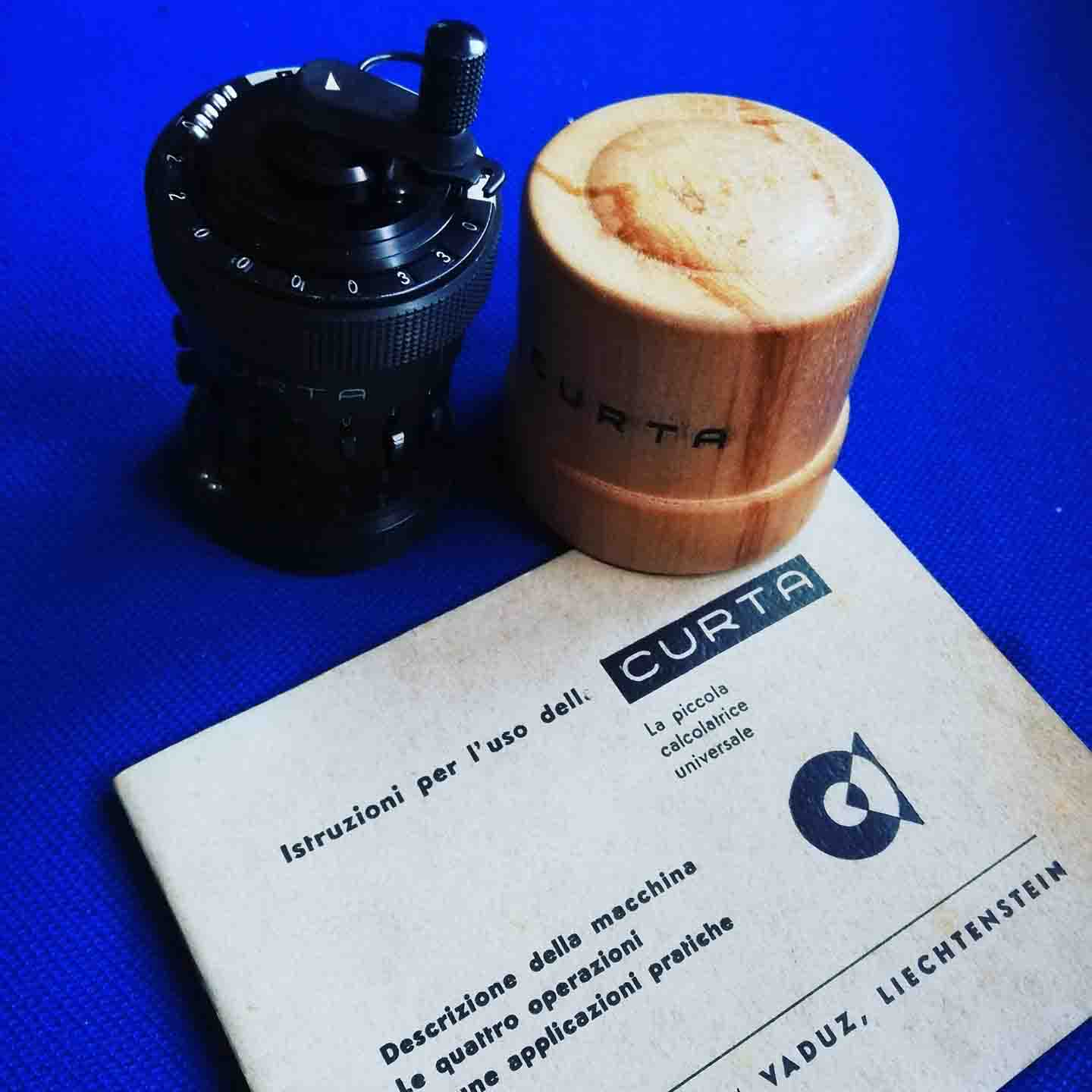
.jpg "Calculator Fuller")

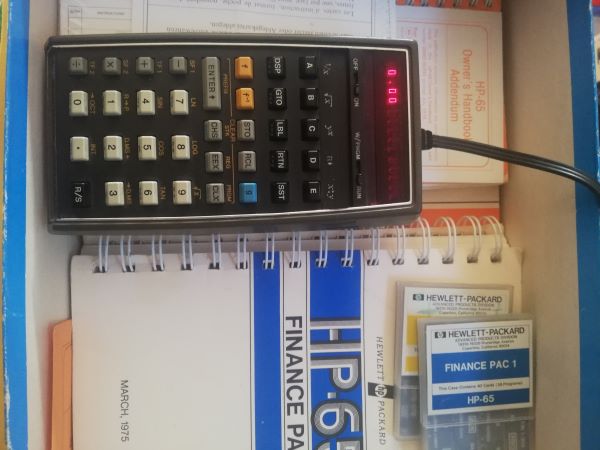
.jpg "Olivetti Valentine")
.jpg "Battle Star Galactica")
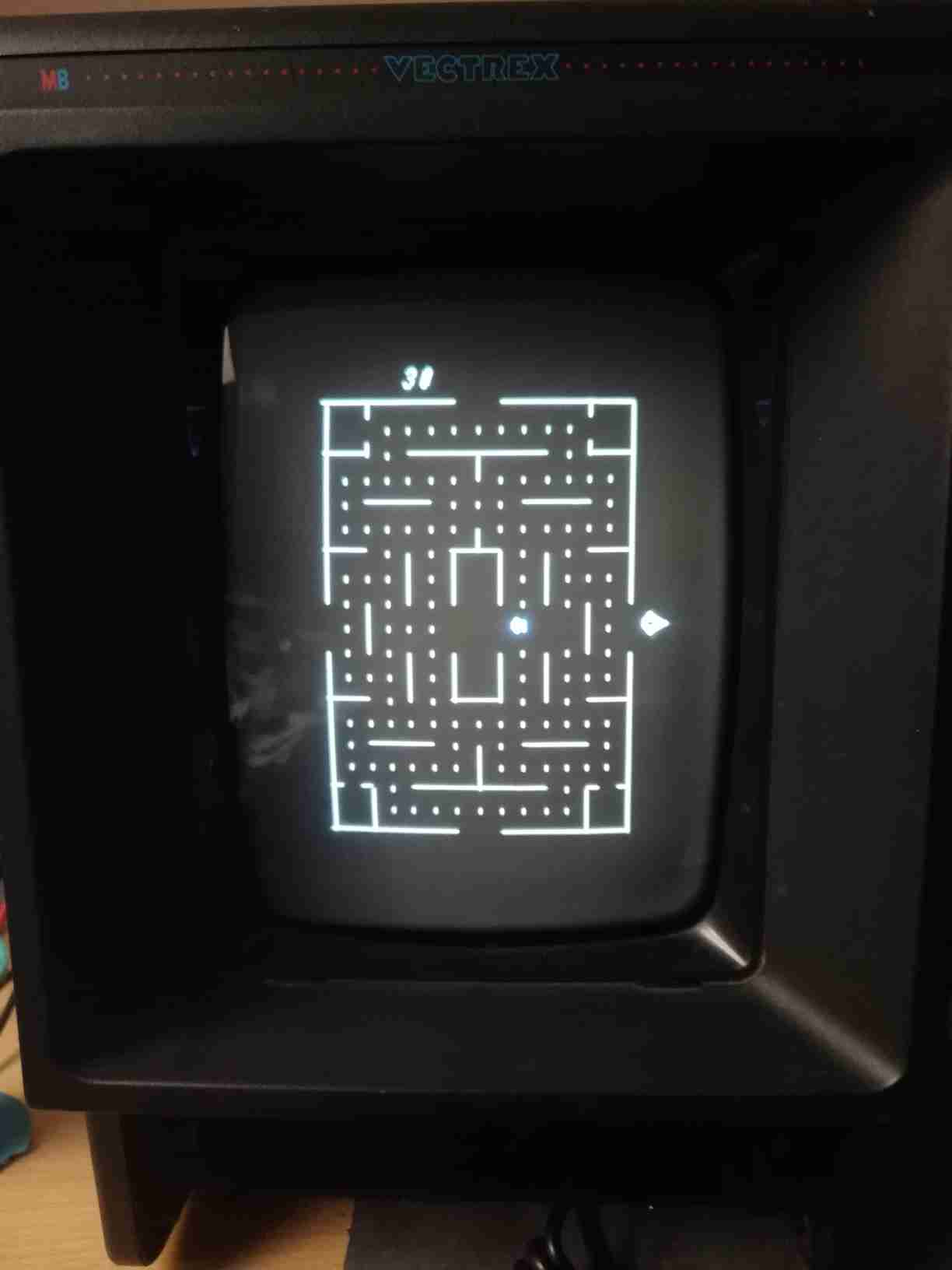
.jpg "APPLE")


.png)